



There’s a particular kind of frustration that comes with watching your hair break off faster than it grows, especially when you’ve been doing everything you thought was right. You’re washing it regularly, you own good products, you’ve tried the trending techniques—but your length stays stalled while your ends keep splitting. The real turning point comes when you stop chasing viral hacks and start paying attention to what actually works: the practical, unglamorous strategies that women with genuinely thriving natural hair have discovered through patience and experimentation.
The difference between hair that grows and hair that stays stuck isn’t usually about one magic product or one perfect technique. It’s about understanding how natural hair actually responds to different conditions, then building a consistent routine around what your specific hair needs. Women who’ve successfully grown their natural hair didn’t get there by accident—they made deliberate shifts in how they treat their hair daily, how often they manipulate it, what they feed their bodies, and how they handle the psychological stress that sometimes sabotages our best efforts.
This isn’t theory. These are the concrete strategies that real women have implemented, tested over months and years, and refined until they work reliably. They’re the tips that don’t require you to buy expensive or hard-to-find products, that don’t contradict each other, and that actually align with how hair biology works.
1. Embrace Protective Styling as Your Foundation Strategy
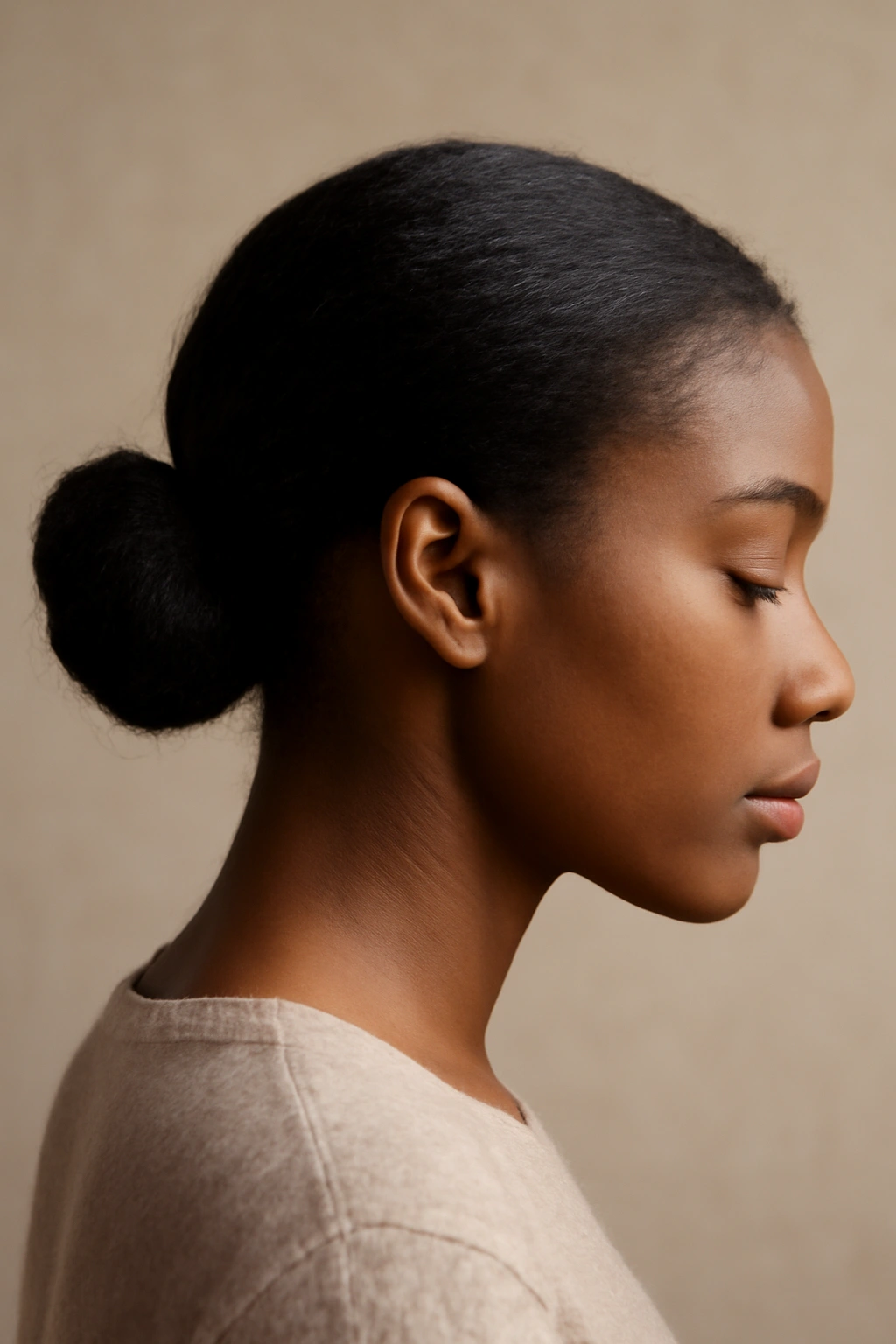
Protective styling is misunderstood—women often think it means wearing box braids year-round or never touching their hair. Actually, protective styling just means choosing hairstyles that keep the fragile ends of your hair tucked away and protected from constant manipulation, friction, and exposure to the elements. When your ends aren’t being rubbed against your shoulders, your clothing, or your hands all day, they simply don’t break off as much. It sounds almost too simple, but this is genuinely where many women see their first real breakthrough in retention.
Why It Actually Works Better Than You’d Expect
The ends of your hair are the oldest part of your hair—they’ve been exposed to damage accumulation for however long you’ve been growing that hair. They’re drier, more fragile, and more prone to splitting than anywhere else on your strand. Every time those ends rub against fabric or get grabbed during styling, you’re creating tiny tears that travel up the hair shaft, making the breakage worse. When you protect those ends by putting them away—cornrowed, twisted, braided, or tucked under in a bun—you’re simply preventing that daily damage from happening. Over months, this prevention compounds dramatically.
Women who’ve seen real growth acceleration consistently report that once they moved to protective styling for at least part of the week, their hair felt stronger, broke less, and actually started accumulating length. One woman might do protective styles three days a week and wear her hair down and moisturized on other days. Another might protective style during winter months when her hair is drier and more fragile, then wear her hair out more during humid months when it naturally has more moisture.
The Realistic Protective Styling Schedule
- Daily protective styles: Box braids, Senegalese twists, crochet braids, or faux locs that you keep in for 4-8 weeks at a time, then give your hair a break before reinstalling
- Nightly protective styling: Twisting or braiding your hair before bed, wrapping it, or using a protective bonnet to prevent friction during sleep
- Partial protective styling: Putting the bottom third or half of your hair into twists or braids while leaving the top out to style freely
- Weekly protective styles: Wearing buns, ponytails, or pin-ups 2-3 days a week, especially during your active days when you’re moving around more
- Seasonal protective styling: Switching to more protective styles during dry seasons and looser styles during humid seasons when your hair has more natural moisture
Pro tip: The key is consistency, not intensity. Wearing protective styles 50% of the time year-round will grow your hair significantly faster than wearing them 100% of the time for three months then switching to daily manipulation for the rest of the year.
2. Prioritize Scalp Health Before Everything Else
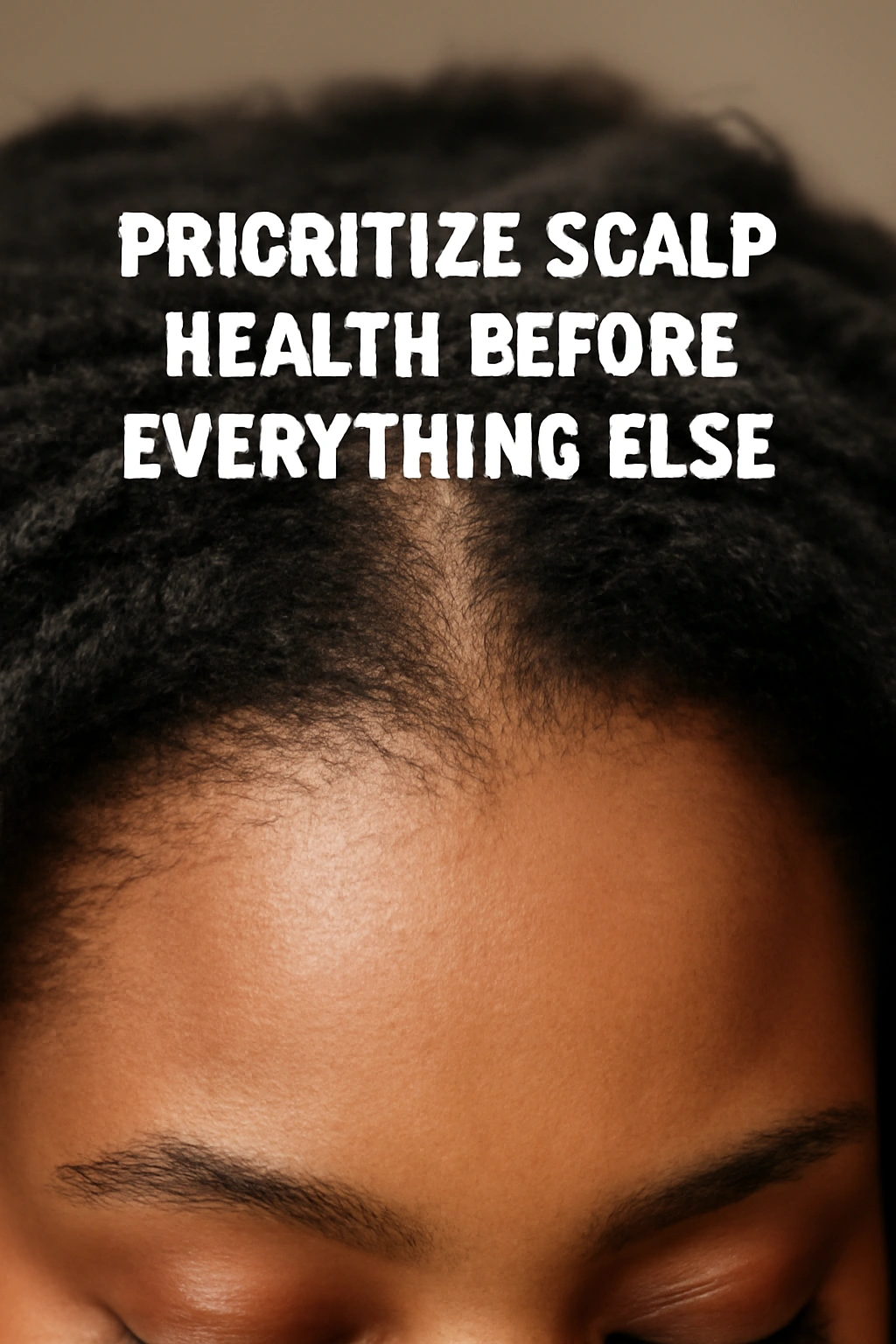
Your scalp is where your hair grows from, and yet most hair routines completely neglect scalp care. Women tend to focus on what their hair looks like after it’s already grown out of their head, but if your scalp isn’t healthy, clean, and well-nourished, your hair doesn’t have a healthy foundation to grow from. A healthy scalp has good blood circulation, clear pores, balanced moisture, and minimal inflammation—all of which directly influence how strong and fast your hair can grow.
How Scalp Health Changes Hair Growth Speed
Your hair follicles need oxygen, nutrients, and proper blood flow to grow optimally. When your scalp is clogged with product buildup, dead skin cells, and sebum, that blood flow gets restricted. You might not notice visible flaking or itching—you can have a clogged scalp that just looks normal. But underneath, your follicles aren’t getting the resources they need to produce strong, healthy hair. Women who add intentional scalp care to their routine often report that their hair feels less fragile, grows noticeably faster, and looks shinier within a couple of months.
Scalp care doesn’t mean harsh scrubbing or stripping away all your natural oils. It means gently removing buildup, stimulating circulation through massage, and keeping your scalp balanced. Some women need to clarify their scalp once a month; others need it every two weeks. The frequency depends entirely on how much product you use, your water mineral content, and your scalp’s natural oil production.
Scalp Care Methods That Genuinely Work
- Clarifying shampoos or scalp treatments: Used monthly to remove silicone, mineral, and product buildup without drying out your hair strands—focus the clarifying treatment on your scalp, not the length of your hair
- Scalp massage: 5-10 minutes of gentle circular massage with your fingertips, either dry or with a lightweight oil, to stimulate blood flow and work out tension that restricts circulation
- Exfoliating scalp products: Gentle scrubs or chemical exfoliants designed for scalp use, used once a month to slough away dead skin cells and open up follicles
- Apple cider vinegar rinses: A diluted rinse (1 part ACV to 3-4 parts water) that helps dissolve mineral and product buildup and rebalance scalp pH
- Scalp oils: Lightweight oils like jojoba, tea tree, or peppermint oil applied directly to your scalp to nourish follicles and promote circulation
Worth knowing: Your scalp can be healthy while still feeling oily or even while still producing flakes. Flakes don’t always mean dryness—they can mean buildup or a pH imbalance. Clarify first before deciding your scalp is too dry.
3. Master the Art of Deep Moisture Without Overloading
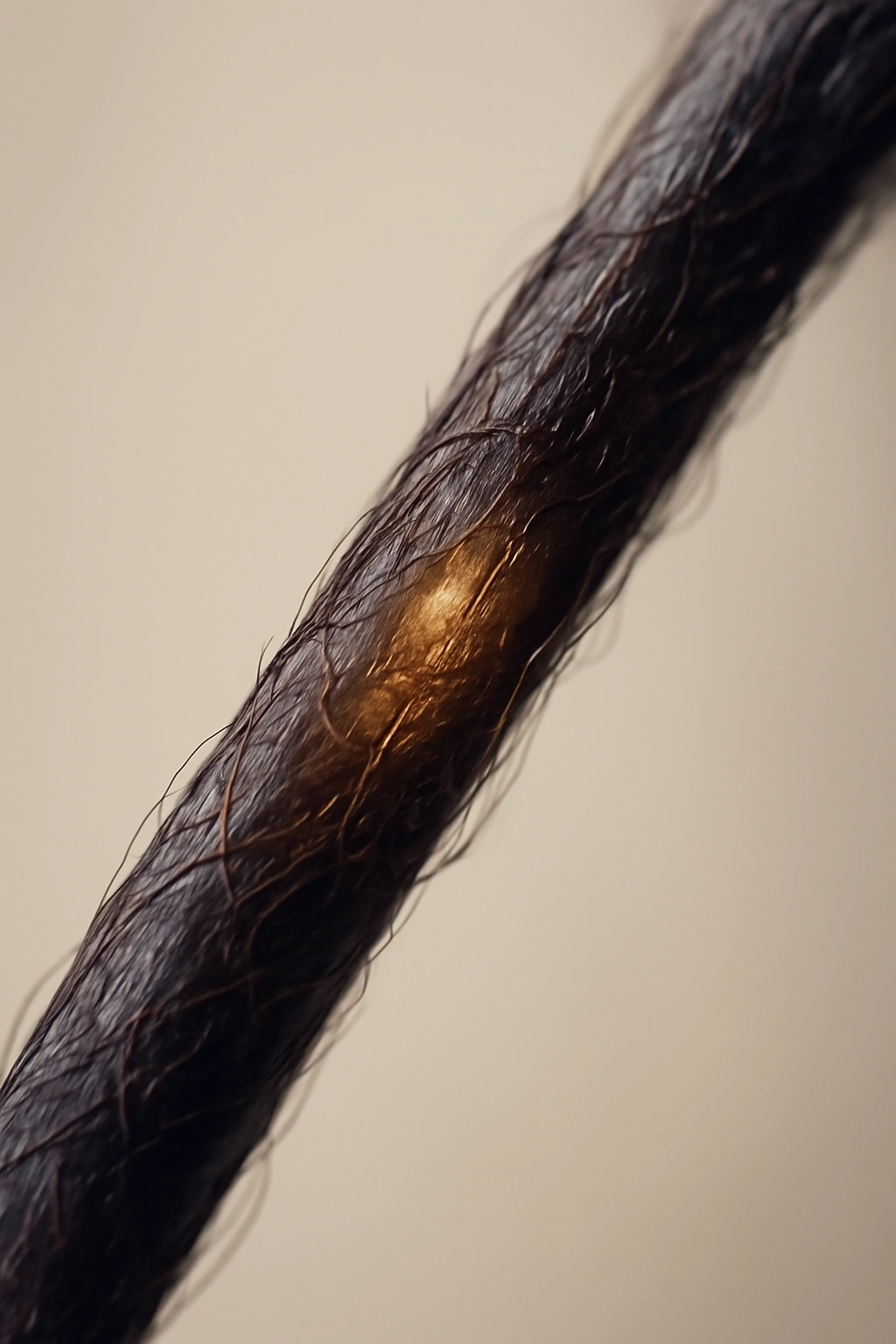
One of the most common mistakes women make is confusing heavy conditioning with actual moisture penetration. You can slather your hair in a thick conditioner and still have dry hair, because that heaviness is sitting on your strands without actually hydrating them. Real moisture—the kind that makes your hair stretchy, strong, and less prone to breaking—lives inside the hair shaft. To get moisture inside, you need the right products used the right way, which is very different from just loading up on thick conditioners.
Why Deep Moisture Actually Prevents Breakage
Hair that’s properly hydrated stretches without snapping. Hair that’s dehydrated becomes brittle and snaps under even gentle tension. When women with natural hair complain about breakage, they’re usually dealing with dehydration, not a lack of deep conditioning. Real moisture treatment involves using products that penetrate (like leave-in conditioners and hydrating products that contain humectants) and then sealing that moisture in so it doesn’t evaporate. Women who get this combination right notice their hair is visibly softer, more elastic, and infinitely less prone to breaking.
The specific products matter less than understanding what you’re trying to accomplish: get water and hydrating ingredients into your hair, then seal it in so it stays there. A simple routine using affordable products will outperform an expensive routine that doesn’t follow this logic.
The Deep Moisture Strategy That Works
- Hydrating leave-in conditioner: Applied to soaking wet hair right after cleansing, on every single wash day—this is your foundation for moisture
- Humectant products: Conditioners or sprays containing glycerin, aloe vera, or honey that draw moisture into your hair, used while your hair is still damp
- Moisture-rich deep conditioning: A heavier conditioner applied to damp hair, left on for 15-20 minutes (with or without heat, depending on your hair’s needs), 1-2 times per week
- Sealing with oils or butters: After moisture products, apply a lightweight oil or butter to your hair while it’s still damp to seal that moisture in—this is the critical step most people skip
- Refresh spray between wash days: A simple spray of water plus a tiny bit of leave-in conditioner to rehydrate your hair without fully rewetting it
Real talk: If your hair is still dry after moisturizing, you might not be sealing in the moisture. The seal is what keeps water inside your hair instead of letting it evaporate into the air.
4. Stop Protein Deficiency Before It Stops Your Growth
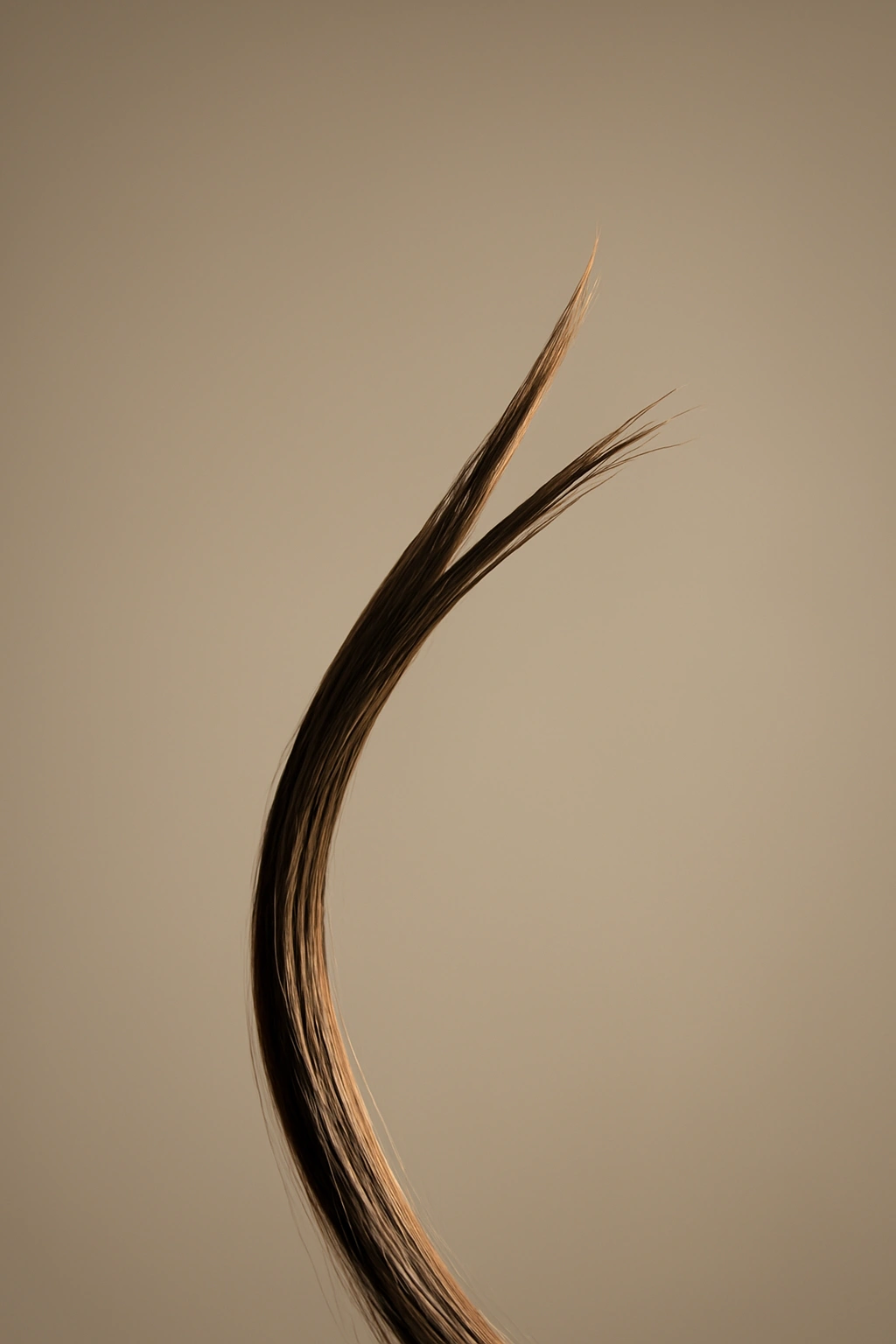
Protein is the structural component of your hair—it’s literally what your hair is made from. When your hair is protein-deprived, it becomes weak, stretches too far without snapping back, and breaks easily. But here’s where it gets tricky: you can’t just load your hair with protein treatments and call it balanced. Too much protein makes your hair stiff and brittle, which is just another form of breakage. The goal is finding the sweet spot where your hair has enough protein to be strong, but enough moisture to be flexible.
How to Tell If Your Hair Needs Protein
Hair that needs protein feels mushy when wet, stretches too far without snapping back, feels limp even when moisturized, or breaks easily even though you’re not manipulating it roughly. Hair that has too much protein feels hard, stiff, and brittle—it might even crack or break off in chunks. The right balance feels strong but flexible, snaps back when stretched, and has a smooth, healthy appearance. Most natural hair textures benefit from protein treatments every 4-6 weeks, but some hair types might need them monthly while others do fine with quarterly treatments.
Women whose hair suddenly started breaking less often report that they weren’t using enough protein treatments. Their hair felt stronger, retained moisture better (because it wasn’t so weak it lost moisture constantly), and grew visibly faster.
Building Your Protein and Moisture Balance
- Protein-rich deep conditioning treatments: Used every 4-6 weeks, focusing on the length and ends where breakage is most likely—products containing hydrolyzed keratin, collagen, or amino acids
- Light protein treatments: Every 2-3 weeks for hair that breaks easily or shows signs of weakness between deeper treatments
- Moisture-rich conditioners: Used between protein treatments to maintain the moisture-protein balance and prevent that hard, brittle feeling
- Protein rinses: A final rinse with a protein-infused liquid product after your regular conditioner to strengthen without heaviness
- Eating adequate dietary protein: Consuming enough protein (from any source—animal or plant-based) helps your body build strong hair from the inside out
Important detail: After a protein treatment, your next wash should be with a moisturizing conditioner, not another protein treatment. The rhythm of protein then moisture (not protein then protein) is what creates that balanced, strong-but-flexible hair.
5. Cut Your Hair Regularly, Even Though It Feels Counterintuitive
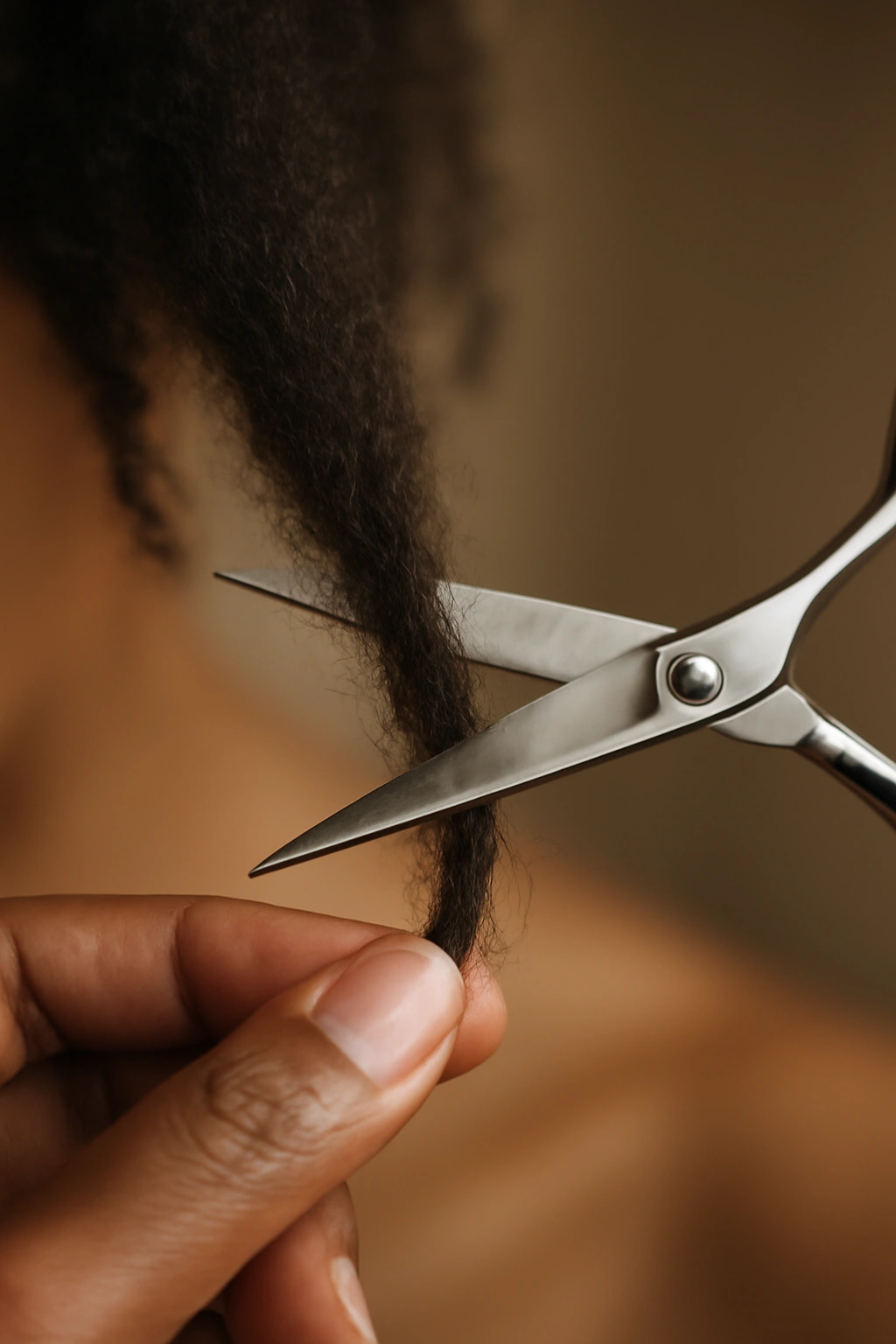
Most women resist trimming because they’re trying to grow their hair longer, and cutting seems to work against that goal. But here’s what actually happens: split ends travel up the hair shaft. A tiny split at the very tip of your hair, if left alone, will continue splitting up the strand over time. By the time you decide to cut that split off, it might have traveled two inches up your hair. That’s two inches of hair that was weakened and eventually broke off anyway—you just didn’t cut it off on your terms. Regular trims—cutting off the weak, damaged ends before they have a chance to split further—actually allow you to retain more length over time.
Why Trimming Actually Speeds Up Your Growth Timeline
Women who add regular trims to their routine often end up with longer hair in a year than women who avoid trimming entirely, even though they’ve cut off more total hair. This is because they’re preventing that progressive splitting that causes breakage. You’re not fighting against the trimming; you’re working with biology. Cutting prevents the damage from compounding, which means more of the hair that grows stays intact rather than breaking off.
The frequency depends on your hair’s condition and how much manipulation you do. Hair that’s healthy and well-moisturized might only need a trim every 8-12 weeks. Hair that’s frequently styled or naturally drier might benefit from a trim every 4-6 weeks. Even a tiny dusting of a quarter-inch removes those split ends without significantly impacting your length goals.
A Realistic Trimming Strategy
- Dusting every 4-6 weeks: Trimming just the very ends (¼ to ½ inch) to prevent splits from traveling, the best option for growth-focused hair routines
- More substantial trims every 8-12 weeks: Removing ½ to 1 inch if your ends are in rougher condition, especially after a season of heavy styling or during drier months
- Maintenance trims as needed: If you notice significant splitting or damage, trim that section even if it’s not your regular trim day—waiting for the calendar won’t help
- DIY dusting between professional trims: Learning to do simple dusting yourself with sharp scissors between professional appointments, which saves money and lets you maintain more frequently
- Focusing on the ends: When you trim, concentrate your attention on the very ends and any obviously damaged sections; don’t trim straight across if your ends aren’t that long yet
Pro tip: The healthier your hair gets, the less frequently you’ll need to trim. As your routine improves, you might find you can stretch to every 10-12 weeks instead of every 6.
6. Reduce Daily Manipulation and Handling
Every time you touch your hair, brush it, retwist it, smooth it down, or style it, you’re creating friction and stress on that hair. Over a day or a week, this constant handling adds up to significant breakage, especially on the ends and on hair that’s already weakened. Women who see the biggest improvements in breakage often do so simply by touching their hair less. This doesn’t mean never styling it or never touching it—it means being intentional about when and how you handle it, rather than mindlessly manipulating it throughout the day.
How Reducing Handling Actually Transforms Your Results
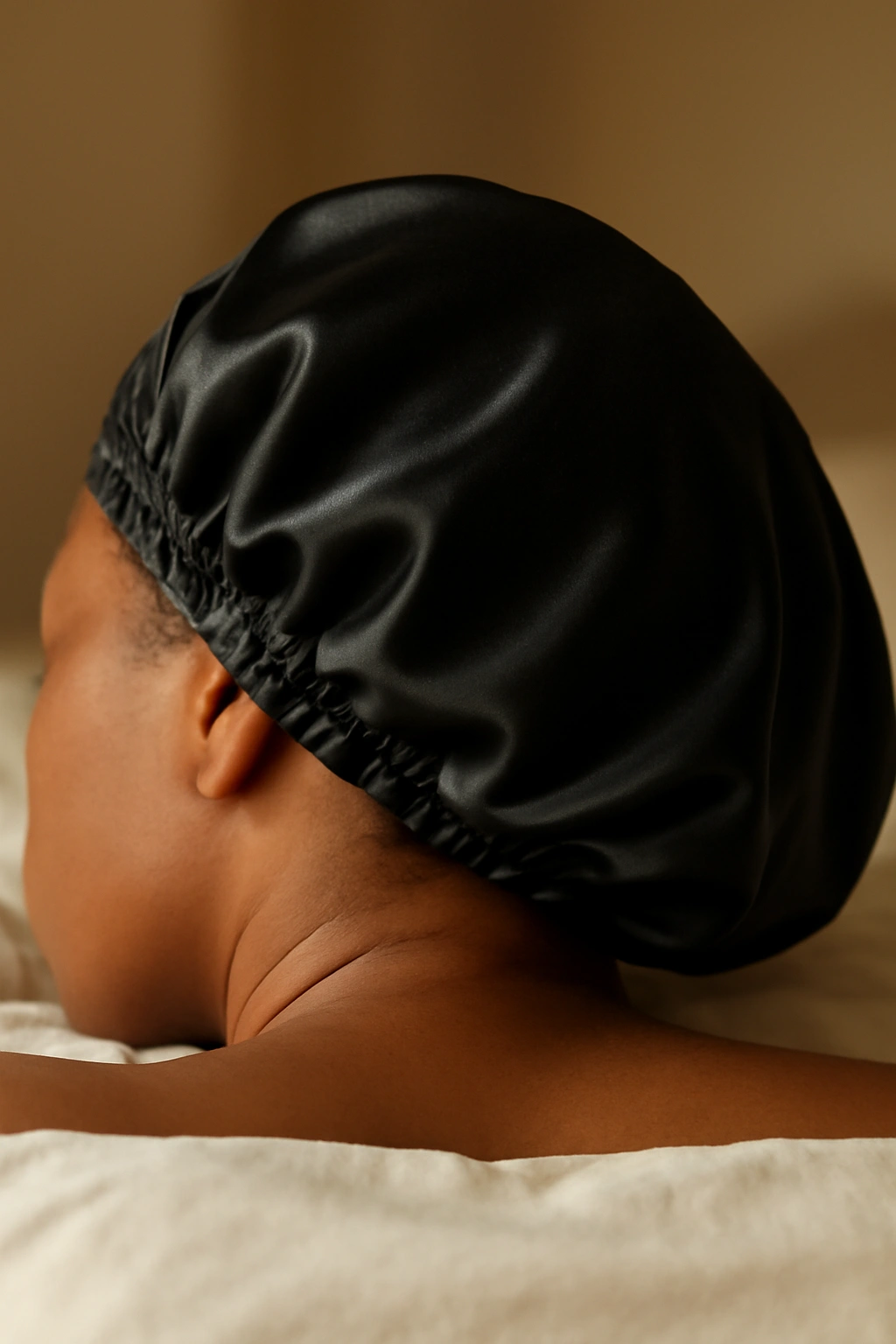
When you stop picking at your hair, smoothing it, retwisting loose pieces, and constantly detangling and re-detangling throughout the day, two things happen: you dramatically reduce the physical stress and breakage you’re inflicting, and you also reduce the inflammation that constant manipulation can cause to your scalp and hair. Hair that’s left alone has more time to rest and recover from previous manipulation. Many women report that the simple act of keeping their hands out of their hair—maybe using a silk bonnet or wrap to create a physical barrier—reduced their breakage by 30-50% without changing any other part of their routine.
This is especially important during sleep, when you’re unconsciously rubbing your hair against your pillow for eight hours. That friction alone can account for significant breakage.
Reducing Manipulation Without Sacrificing Style
- Style your hair less frequently: Limiting styling to 1-2 times per week instead of daily, which reduces total handling and gives your hair more rest days
- Simplify your styling routine: Choosing quicker, simpler styles that you can install once and leave alone, rather than styles you constantly adjust and retwist
- Use a sleep protection method: Wrapping your hair, using a silk bonnet or turban, or sleeping on a satin pillowcase to prevent friction during the 8 hours your hair is against your pillow
- Limit detangling sessions: Detangling only when you’re actively styling or washing, not throughout the day; and detangling gently with a wide-tooth comb or fingers, never a brush
- Create “no-touch” days: Choosing 2-3 days per week where you literally don’t run your hands through your hair at all—the ends are especially grateful for this rest
- Use styles that need minimal maintenance: Braids, twists, or buns that can stay in place without constant adjusting and smoothing
Honest note: This feels weird at first. Your hands will want to touch your hair, and you’ll need to build the habit of restraint. But the breakage reduction is significant enough that most women find it worth the adjustment.
7. Switch to Silk or Satin Sleep Protection Immediately

Your hair spends a third of your life against your pillowcase while you sleep. If that pillowcase is cotton or a rough fabric, your hair is being rubbed and abraded against it all night, every night. Silk and satin pillowcases (or sleeping in a satin bonnet or wrap) virtually eliminate that friction. Your hair slides smoothly against the fabric instead of getting caught and broken off. This single change—just swapping your pillowcase—accounts for measurable reductions in breakage for many women.
The Dramatic Impact of Satin Sleep Protection
Cotton pillowcases absorb moisture from your hair while you sleep, drying it out and making it more brittle. They also create friction that breaks hair and disrupts curl patterns. Satin and silk pillowcases reverse both of these problems: they don’t absorb moisture, so your hair stays hydrated, and they create minimal friction, so your hair isn’t being abraded all night. Women who switch to satin sleep protection often notice within a week that their hair is softer in the morning, their curls are more defined, and their edges aren’t as rough.
This is one of the easiest, most effective changes you can make. A decent satin or silk pillowcase costs $15-30 and lasts for years. Compare that to the breakage you’re preventing and the growth you’re gaining—it’s incredibly cost-effective.
Sleep Protection Options
- Satin or silk pillowcase: A full pillowcase made from satin or silk, the simplest option if you’re willing to commit to one pillowcase
- Satin bonnet or sleep cap: A bonnet you tie on before bed that keeps all your hair contained and protected, works with any pillowcase, and prevents your hair from getting loose and rubbing
- Silk or satin sleep wrap or turban: A larger wrap that covers your whole head, offering maximum protection and keeping your style intact overnight
- Satin-lined pillowcase covers: If you already have pillows you like, you can add a satin liner instead of replacing the whole pillowcase
- Combination approach: Using a satin pillowcase on one side of your pillow plus wearing a satin bonnet for maximum protection
Real talk: The cheaper satin products sometimes aren’t actually satin—they’re polyester, which doesn’t provide the same benefits. Spend a bit more for genuine silk or satin; it’s worth it.
8. Address What You’re Eating and Drinking
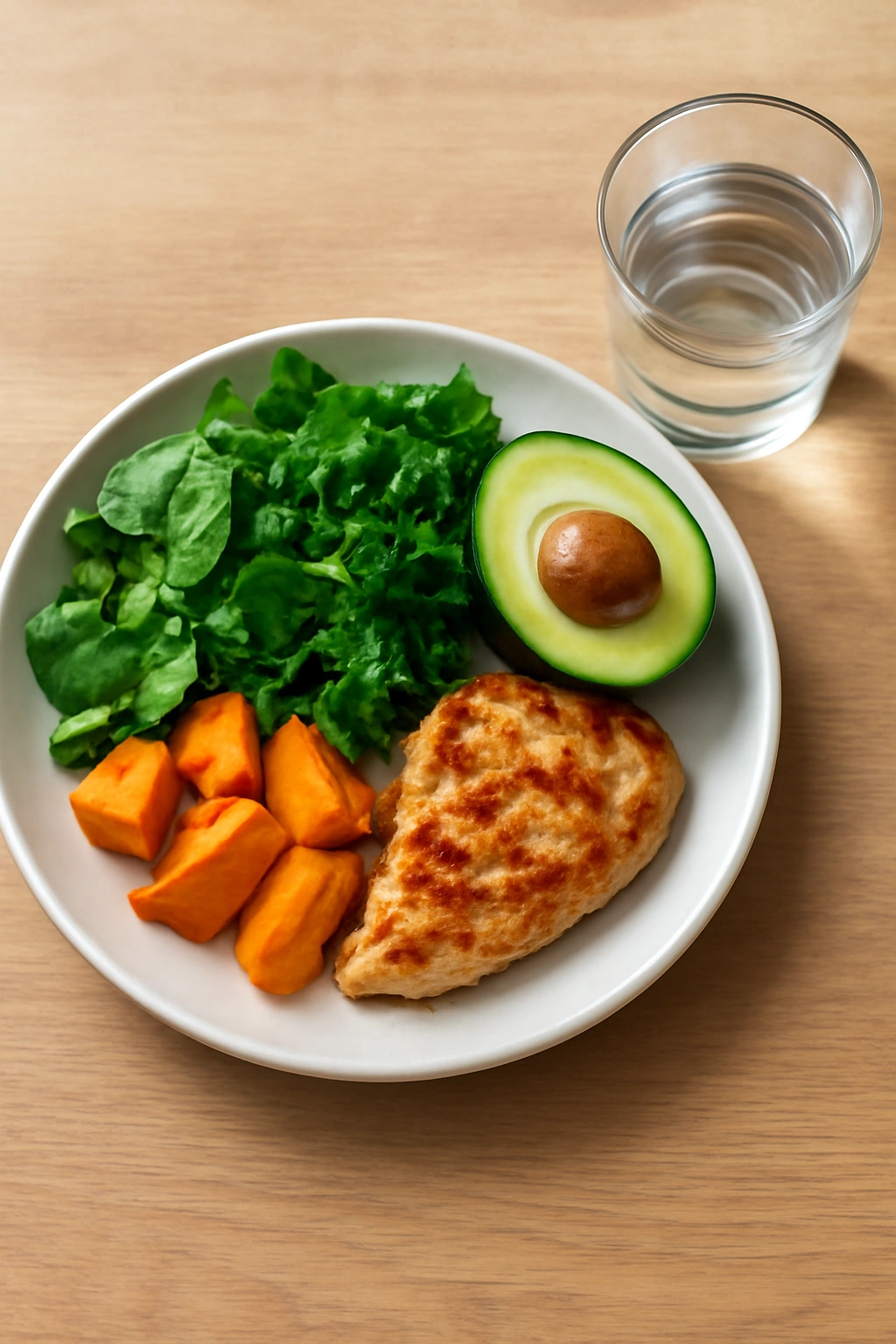
Your hair grows from inside your body. The nutrients that get incorporated into new hair come from your diet. If you’re not eating enough protein, enough iron, or enough healthy fats, your hair suffers—it grows more slowly, feels weaker, and breaks more easily. This isn’t about expensive supplements or following a specific diet. It’s about making sure you’re consistently eating foods that provide the nutrients your body needs to build strong, healthy hair.
How Nutrition Directly Affects Hair Growth
Hair is made of protein, so adequate protein intake is fundamental—if your body doesn’t have enough amino acids available, it prioritizes other tissues over hair. Iron is essential for transporting oxygen to your hair follicles; iron deficiency is a major cause of hair loss and slow growth. Healthy fats support scalp health and hormone balance, both of which influence hair growth. Vitamins and minerals like biotin, zinc, B vitamins, and vitamin C all play roles in hair structure and growth. When you improve your nutrition, your hair reflects that improvement within a few weeks to a couple of months.
Most women don’t need supplements if they’re eating a reasonably balanced diet. They just need to make sure they’re getting enough calories overall (restricting calories too severely slows hair growth), enough protein, enough iron-rich foods, and enough nutrient-dense whole foods.
Nutrition Priorities for Hair Growth
- Adequate protein at every meal: Aiming for about 25-30 grams per meal from sources like eggs, fish, chicken, beans, tofu, nuts, or Greek yogurt
- Iron-rich foods: Red meat, poultry, beans, lentils, leafy greens, and fortified grains—especially important if you have a history of anemia or very slow hair growth
- Healthy fats: Avocados, nuts, seeds, fatty fish like salmon, olive oil, and coconut oil to support scalp health and hormone balance
- Plenty of colorful vegetables and fruits: Providing vitamins, minerals, and antioxidants that support follicle health
- Adequate overall calories: Severely restricting calories signals your body that this isn’t a good time to grow hair; eating enough supports growth
- Hydration: Drinking enough water supports every bodily function including hair growth, and dehydrated hair is weaker and more prone to breakage
Worth knowing: If you’ve had very slow growth for years, it’s worth getting basic bloodwork done to check iron, vitamin B12, and thyroid function. Sometimes slow hair growth signals a nutritional deficiency that’s worth addressing.
9. Manage Stress Actively and Consistently

Chronic stress affects your entire body, including your hair. Stress triggers inflammation, disrupts hormone balance, can lead to poor sleep quality, and can even push hair prematurely into the shedding phase. Women often notice that during high-stress periods, they shed more hair, their scalp gets more irritated, and their growth slows noticeably. Conversely, when they reduce their stress and improve their stress management, their hair feels healthier and grows faster.
Why Stress Impacts Hair Growth So Directly
Your body has a limited amount of resources—energy, nutrients, hormones, attention. During a stress response, your body prioritizes immediate survival functions over things like hair growth. Chronic stress keeps your body in a low-level alert state, which means fewer resources go to hair and more go to stress response. Additionally, stress hormones can trigger inflammation, which affects scalp health and follicle function. Managing stress doesn’t just feel better; it literally creates conditions for faster, healthier hair growth.
You don’t need to eliminate all stress (that’s impossible). You just need to actively manage and process it so it doesn’t stay in your body as chronic tension.
Stress Management Practices That Support Hair Health
- Regular movement or exercise: 30 minutes of moderate activity most days, which reduces stress hormones and improves circulation
- Sleep optimization: Aiming for 7-9 hours consistently, which allows your body to recover from stress and produce the hormones needed for hair growth
- Meditation or mindfulness: Even 5-10 minutes daily of focused breathing or meditation can significantly reduce stress hormones
- Time in nature: Spending time outdoors, especially in green spaces, has measurable stress-reducing effects
- Creative or enjoyable hobbies: Time spent doing something you genuinely enjoy, unrelated to productivity or achievement
- Social connection: Regular time with people you care about, which is one of the most powerful stress buffers
Important: If you’re experiencing significant stress or anxiety, talking to a therapist or counselor is not an indulgence—it’s part of your hair care routine. Truly.
10. Be Patient and Track Your Progress Consistently

Natural hair growth is slower than many people expect. On average, human hair grows about ½ inch per month, which means you’re looking at 6 inches per year if everything is perfect. More realistically, if you’re currently experiencing some breakage or your routine isn’t optimized yet, you might retain 3-4 inches per year. This means real, meaningful length growth happens over months and years, not weeks. Women who see consistent growth are typically those who’ve adopted these practices, stayed consistent for at least 3-6 months, and actually tracked whether things are improving.
Why Tracking Makes You More Likely to Succeed
When you can see concrete evidence that your hair is getting stronger, breaking less, and growing longer, you’re much more likely to stick with your routine even on days when you’re tempted to skip it. Without tracking, it’s easy to feel like nothing is changing and give up. With tracking, you can see the small incremental improvements that compound into real transformation.
Tracking also helps you identify which parts of your routine are actually working for your specific hair and which parts aren’t. Maybe protective styling is the game-changer for you, or maybe protein treatments were the missing piece. Tracking lets you see the correlation.
Simple Ways to Track Your Hair Growth and Health
- Take a photo from the same angle monthly or every 6 weeks: Comparing photos side-by-side shows growth that you might not notice day-to-day, and also shows changes in shine, texture, and overall health
- Measure a specific section monthly: Measuring from your shoulder to a marked point on your hair, or from your ear to a marked point, gives you a concrete number
- Note how your hair feels and looks: Keeping brief notes on breakage, moisture level, strength, and shine helps you connect what you’re doing to how your hair responds
- Track which styles and practices reduce breakage: Pay attention to which protective styles, which moisturizing products, and which handling practices actually result in less breakage for you
- Monitor scalp health: Notes on itching, flaking, oiliness, or sensitivity help you identify whether your scalp care routine is working
- Check your ends regularly: Looking at your ends weekly helps you decide when you need a trim rather than waiting until they’re severely damaged
Real talk: Three months is usually the minimum before you’ll see meaningful results. If you try something for three weeks and see no change, that doesn’t mean it doesn’t work—it means you haven’t given it time. Give each major change at least 8-12 weeks before deciding whether it’s actually helping.
Final Thoughts

The women who’ve successfully grown their natural hair didn’t do it with one perfect product or one magic technique. They did it by understanding the basics of how hair actually works, then implementing a consistent routine around those basics. They protected their ends from damage, kept their scalp and hair hydrated, reduced the daily stress and manipulation they were inflicting, and then they stuck with it long enough to see results.
The encouraging part is that none of these strategies are complicated or require special products. Most are actually about doing less (less manipulation, less heat, less rough handling) combined with doing the fundamentals consistently (moisture, protection, trimming, nourishment). Start with one or two changes that feel most relevant to your specific hair situation, implement them for a solid 8-12 weeks, then add another. The compound effect of multiple small improvements is what creates that visible, dramatic hair growth.
Your hair is growing right now, whether you’ve optimized your routine or not. The question is how much of that growth you’re retaining versus losing to breakage. These ten strategies are how you tip that balance from losing length to actually accumulating it.
