



If you’ve been scrolling through hair inspiration feeds or sitting in a salon waiting room lately, you’ve probably noticed the same thing: everyone’s talking about front baby cuts. The style has completely taken over the hairstyle world, from fashion-forward Gen Z to celebrities and everyday people who just want a fresh, youthful update without committing to a full transformation. There’s something magnetic about the way these subtle front layers catch light and movement—they’re not quite bangs, not quite just long hair, but something beautifully in between that works across different face shapes and hair textures.
The beauty of the front baby cut trend is that it’s not a one-size-fits-all situation. What started as a single style interpretation has blossomed into dozens of variations, each with its own personality and styling requirements. Some versions are soft and romantic, others are bold and textured, and some sit somewhere in the middle with a gentle, barely-there quality. The style’s versatility is what’s really driving its popularity—you can get a baby cut that whispers around your face or one that makes a confident statement, all depending on how you work with your hair texture and face shape.
The best part? Most of these cuts are low-maintenance once you understand how to work with them. They don’t require constant touch-ups like traditional bangs, they blend seamlessly when you want an updo, and they add instant dimension without needing to dramatically change your overall length. Let’s break down the 10 front baby cut styles that are resonating with people everywhere, so you can figure out which version speaks to you.
1. Soft Wispy Bangs
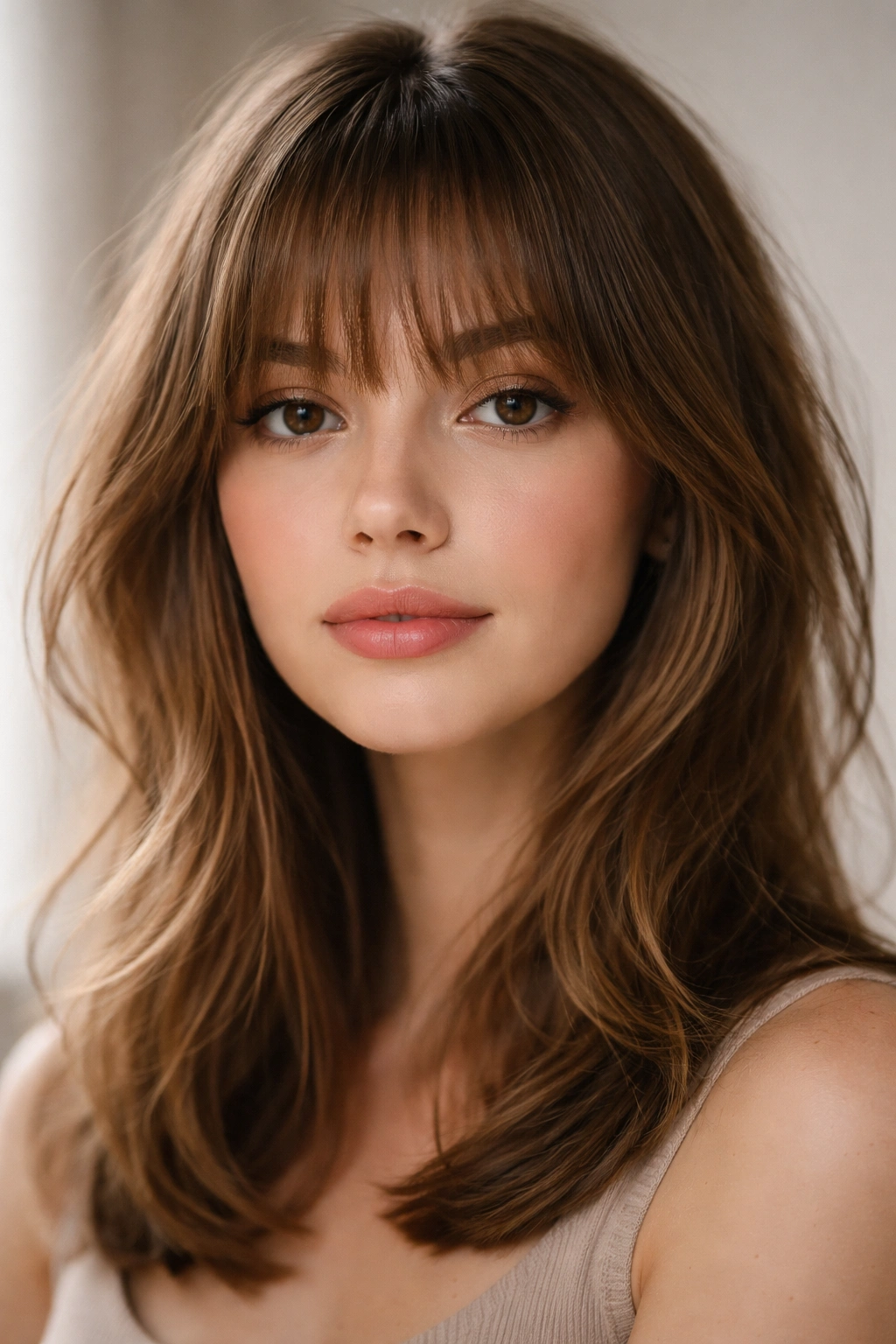
This is the gateway baby cut for most people—the version that started the trend and remains the most universally flattering. Soft wispy bangs sit just at or slightly above your eyebrows, with delicate, barely-there layers that create movement and softness without the weight of traditional blunt bangs. The ends are never sharp; instead, they feather and break up naturally, so the bangs melt into your face rather than creating a hard line.
Why This Style Stands Out
The magic of soft wispy bangs is that they work with almost every face shape because they’re so lightweight and airy. Unlike thick or blunt bangs that can overwhelm certain features, wispy bangs create a halo of softness that flatters rather than dominates. They’re also extremely forgiving as they grow out—the layered texture means they don’t hit an awkward in-between stage where they suddenly cover your eyes. The graduated length within the bangs themselves creates a texture-first approach rather than a cut-based one, which is what makes this so wearable.
How to Style and Maintain Wispy Bangs
- Air-dry with a blow dryer on low, flipping your head upside down for maximum lift and separation
- Use a round brush on the medium barrel size to shape the bangs away from your face if you want more volume
- Apply a lightweight texturizing spray or dry shampoo to the roots before styling for grip and hold
- Avoid heavy creams or serums on the bangs—these will weigh them down and make them look flat
- Get trims every 6-8 weeks to maintain the shape, though the layers keep them looking intentional even between appointments
Pro tip: If you have naturally straight hair, adding a slight bend or wave to these bangs with a flat iron set on a low heat setting creates more dimension and prevents them from looking too severe.
2. Textured Choppy Front Layers
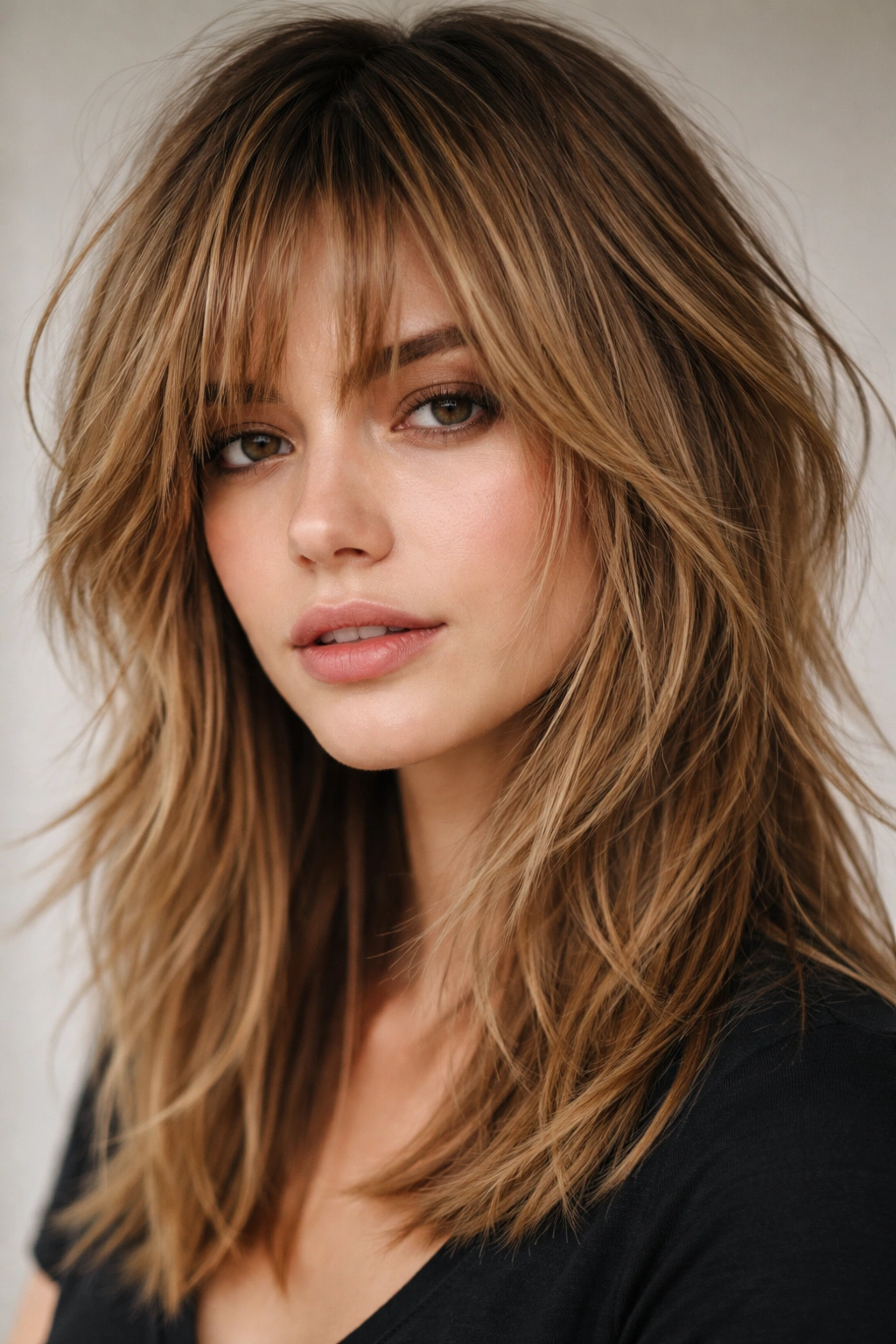
For people who want their baby cut to make a bolder statement, textured choppy layers are the answer. This style features shorter, choppier pieces in the front that create obvious movement and a rock-and-roll aesthetic. The layers are intentionally uneven and piecy, with varying lengths throughout the front section that range anywhere from chin-length to just above the eyebrows. This version embraces texture and movement rather than trying to create sleekness.
What Makes Choppy Layers Distinctive
The choppy baby cut appeals to people who want personality and edge in their look. Rather than soft blending, this style celebrates the contrast between shorter pieces and longer hair in the back. It’s a style that actually looks better with some texture in your hair—if you have naturally wavy or curly hair, this cut works with your natural pattern rather than fighting against it. The intentional choppiness also means you don’t need precision styling every time; the cut itself does much of the work.
Styling Tips for Maximum Impact
- Embrace your natural texture; this style is designed to move and shift rather than sit perfectly still
- Use a texturizing spray or sea salt spray to enhance the piecy quality and create definition between layers
- Dry brush your hair with fingers rather than a comb to encourage separation and movement
- For more dramatic texture, try a diffuser attachment on your blow dryer if your hair has any natural wave
- This style pairs beautifully with undone waves or a slight tousle—think “intentionally messy” rather than formally styled
Worth knowing: This cut works especially well if you’re planning to wear your hair down most of the time, since the shorter layers create more movement when they’re not secured.
3. Side-Swept Baby Cut
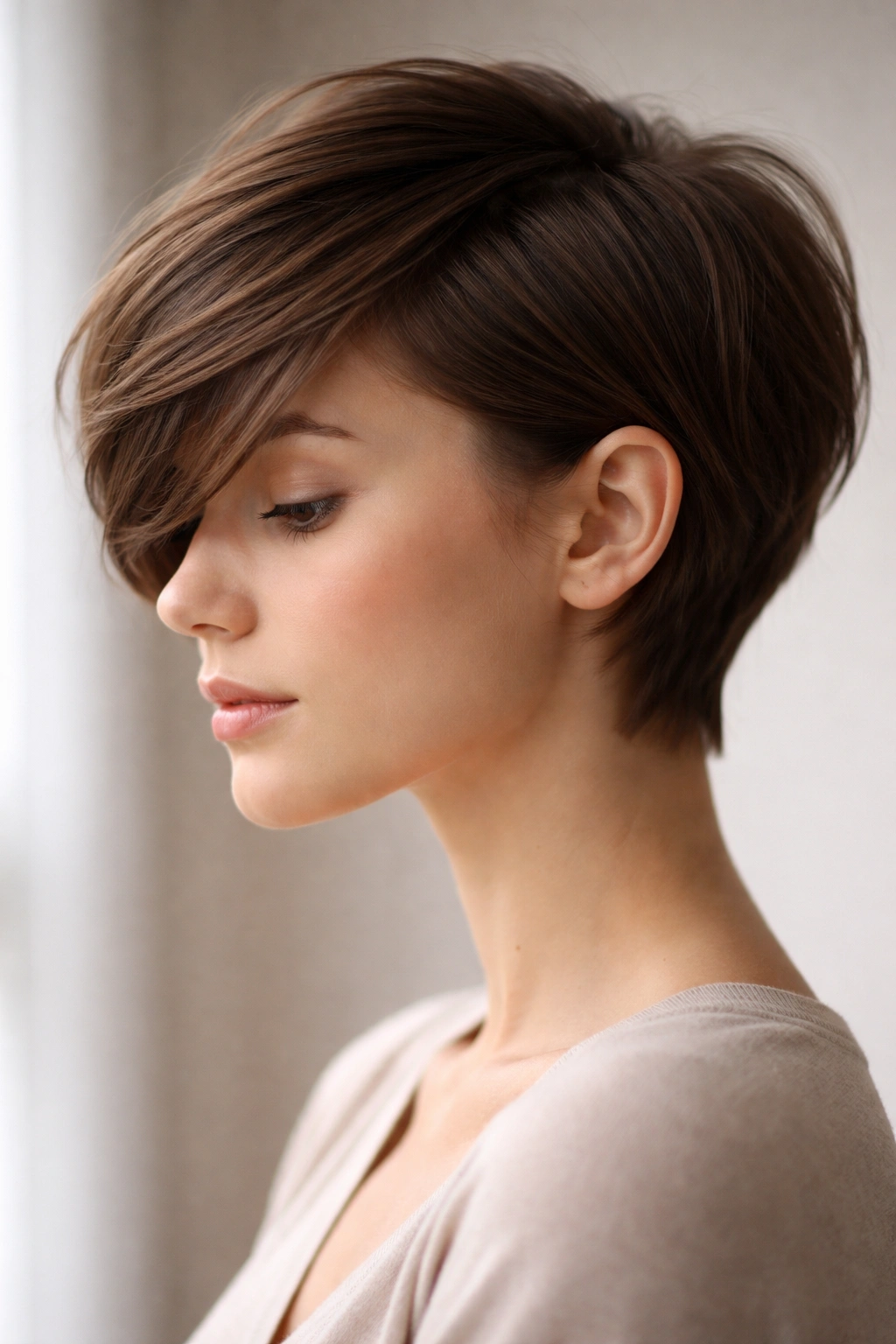
The side-swept baby cut takes the front layers and angles them dramatically to one side, creating an asymmetrical, face-framing silhouette. Instead of bangs that sit centered on your forehead, one side of the cut is noticeably shorter while the other side is longer, allowing you to sweep the shorter side across your face or tuck it behind your ear depending on your mood. This version maintains the “baby cut” softness while adding directional movement and dimension.
Why Side-Swept Works for Different Face Shapes
The asymmetrical nature of this cut is actually its greatest strength when it comes to flattering different face shapes. If you have a rounder face, sweeping longer layers to one side creates the illusion of length and definition. If you have a more angular face, the asymmetry adds softness without looking too delicate. The directional quality also means you can style it differently depending on what flatters you on a particular day—wear it swept fully to one side, or part it more toward the center for a different effect.
Styling Flexibility with Side-Swept Bangs
- Use a blow dryer to direct the layers toward your preferred side while they’re still slightly damp
- Apply styling cream or light pomade to the underside of the layers for more control and shine
- Try styling them fully swept to one side for an evening look, or more centered for everyday wear
- The longer side can be tucked behind your ear if you want a half-up situation without pins
- This style works beautifully with face-framing waves—the asymmetry combined with loose waves creates a romantic, effortless look
Insider note: The side-swept baby cut is exceptionally good for people who don’t want a “change” that looks too drastic—you can wear your hair multiple ways, so people might not immediately notice the cut, but they’ll notice something looks fresher about you.
4. Blunt Baby Bangs with Undercut
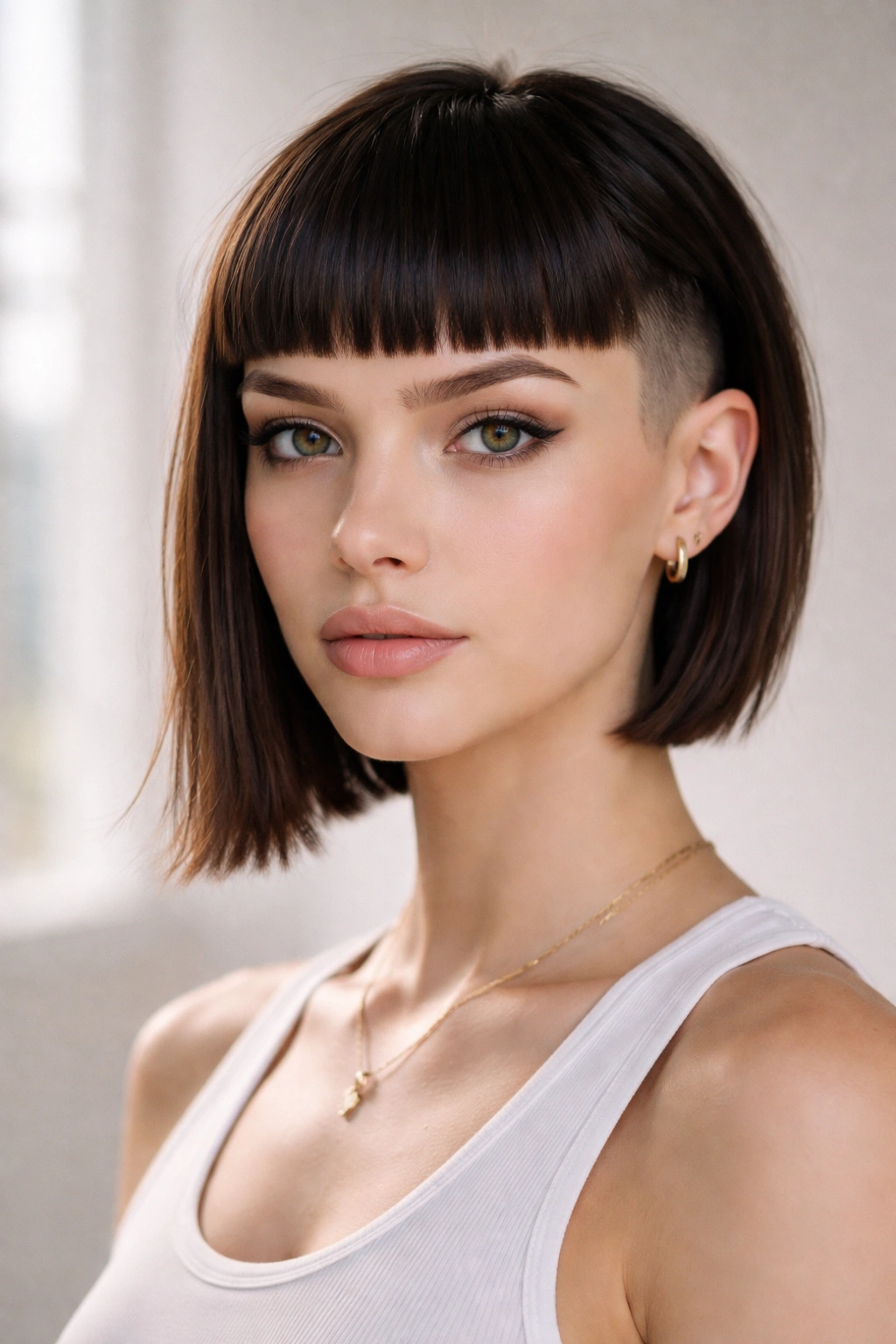
This style combines the structured look of blunt bangs with an undercut on the sides or underneath, creating a high-contrast, fashion-forward aesthetic. The front bangs sit blunt and defined, usually just at or slightly above the eyebrows, while hidden layers underneath—or shaved sections on the sides—create texture and movement underneath longer top layers. It’s a style that demands confidence and works best on people who love bold aesthetic choices.
The Appeal of Structural Contrast
The blunt-with-undercut combo creates visual interest and movement in a way that a simple blunt cut alone can’t achieve. The undercut sections mean your hair can flow and shift even though the front bangs are relatively blunt, creating a dynamic interplay between structure and movement. This style also tends to feel lighter and less heavy than bangs without an undercut, since the underneath layers prevent bulkiness. It’s a version that works well for people with thick hair who want their baby cut to feel more airy.
Maintenance and Styling Considerations
- The undercut requires maintenance every 4-6 weeks as it grows out, so factor that into your commitment
- Style the top layers to cover or reveal the undercut depending on your mood and the occasion
- A texturizing paste or dry shampoo on the roots keeps the bangs from looking too severe
- This style looks stunning with darker roots and lighter underneath (or vice versa), so consider your color strategy
- The blunt bangs photograph beautifully and create a strong editorial quality to your overall look
Real talk: This style is for people who actually enjoy trips to the salon and want a cut that needs regular maintenance. If you’re looking for low-maintenance, this isn’t the one—but if you love the high-fashion appeal, it’s absolutely worth it.
5. Curtain-Style Front Pieces
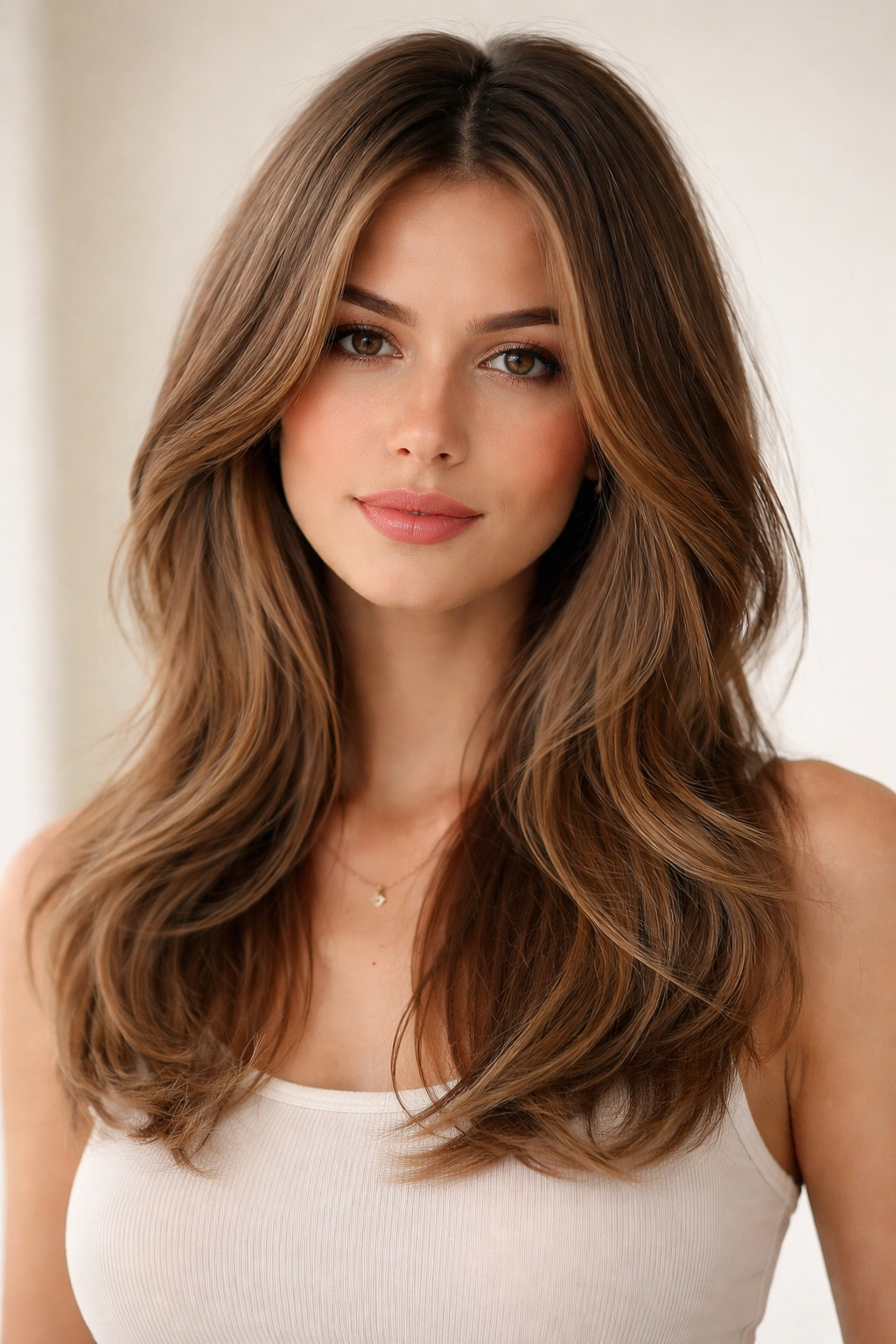
The curtain-style baby cut borrows from the 70s curtain-bang aesthetic but with a modern, softer interpretation. Instead of blunt bangs in the center, you have longer front pieces on either side that frame your face, creating a natural center part. The pieces are graduated in length and feathered so they blend smoothly into the rest of your hair. This version is especially appealing to people who want the face-framing benefit of a baby cut without the commitment of actual bangs.
What Makes Curtain Layers Distinctive
The curtain-style approach gives you the ease of a baby cut without the styling intensity of bangs that need to stay in a specific place. The longer length means they work with multiple hair textures and can blend into longer styles more seamlessly. There’s also something inherently flattering about pieces that frame and move around the face—they soften your features without looking overly delicate. This style works beautifully with a natural center part and looks especially good on people with some natural wave or texture in their hair.
How to Get the Curtain Effect
- Ask your stylist for longer front pieces that fall around cheekbone length, with the shortest pieces framing your face just at the cheekbone
- The key is feathering and layering so the pieces flip outward naturally rather than falling flat against your face
- Style by blow-drying with a round brush, directing the pieces away from your face as they dry
- Use a light curl or wave in these pieces to enhance the curtain effect—they should move and shift, not sit static
- This style works beautifully half-up; the longer pieces stay visible and frame your face even when your hair is partially secured
Pro tip: The curtain style is brilliant for people who blow-dry their hair anyway—adding movement to these pieces during your regular styling routine is easy and requires no additional styling products or time.
6. Ombre Baby Bangs
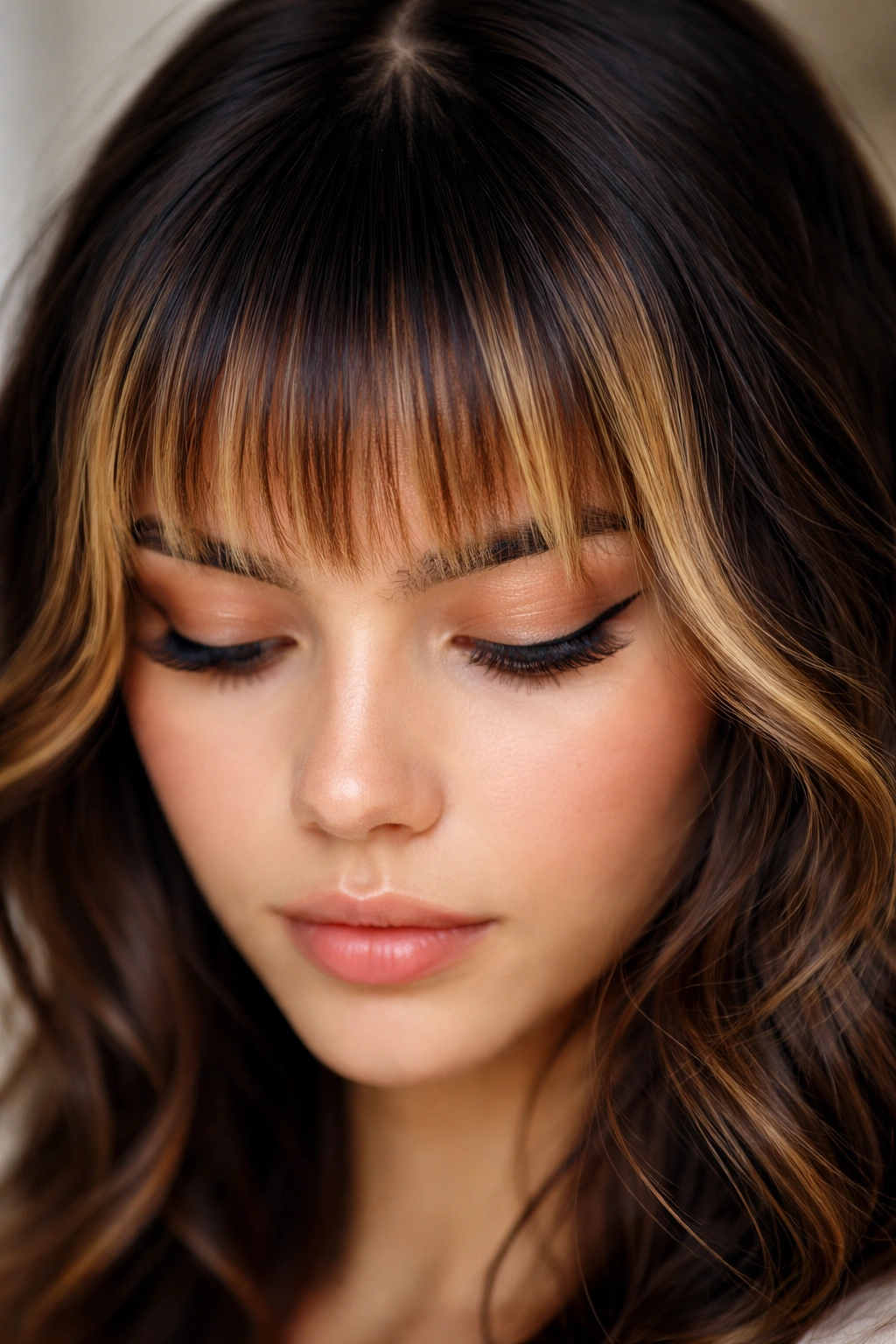
Ombre baby bangs combine the cut itself with a strategic color placement, usually featuring darker roots and lighter ends on the front baby cut sections. The color contrast draws attention to the movement and texture of the layers, making the cut feel more dimensional and fashion-forward. This version is for people who want to combine a cut trend with a color trend in a cohesive way.
How Color Enhances the Cut
The ombre coloring on baby bangs works because it emphasizes movement and texture—the lighter ends catch light differently than the darker roots, creating dimension that makes the cut look more textured and intentional. The color placement also creates a subtle face-framing effect that makes your features pop. It’s a styling choice that says you’ve thought about the overall aesthetic, not just grabbed a random haircut.
Color Maintenance and Styling
- Ombre baby bangs require color touch-ups approximately every 6-8 weeks, depending on how visible your roots are
- The color works best on people with medium to darker hair, though it can be adapted for any base shade
- Tone the lighter ends regularly to keep them looking intentional and not just grown-out and brassy
- These bangs look especially good with texture, so the color is complemented by waves or a slightly tousled style
- Consider your overall hair color strategy—this works best when the bangs feel like a natural extension of your whole-head color, not a separate statement
Worth knowing: If you’re not ready to commit to frequent color maintenance, you can start with root shadow on darker hair (which grows out beautifully) or work with a colorist to create an ombre that’s subtle enough to blend as it grows.
7. Micro Bangs Front Cut
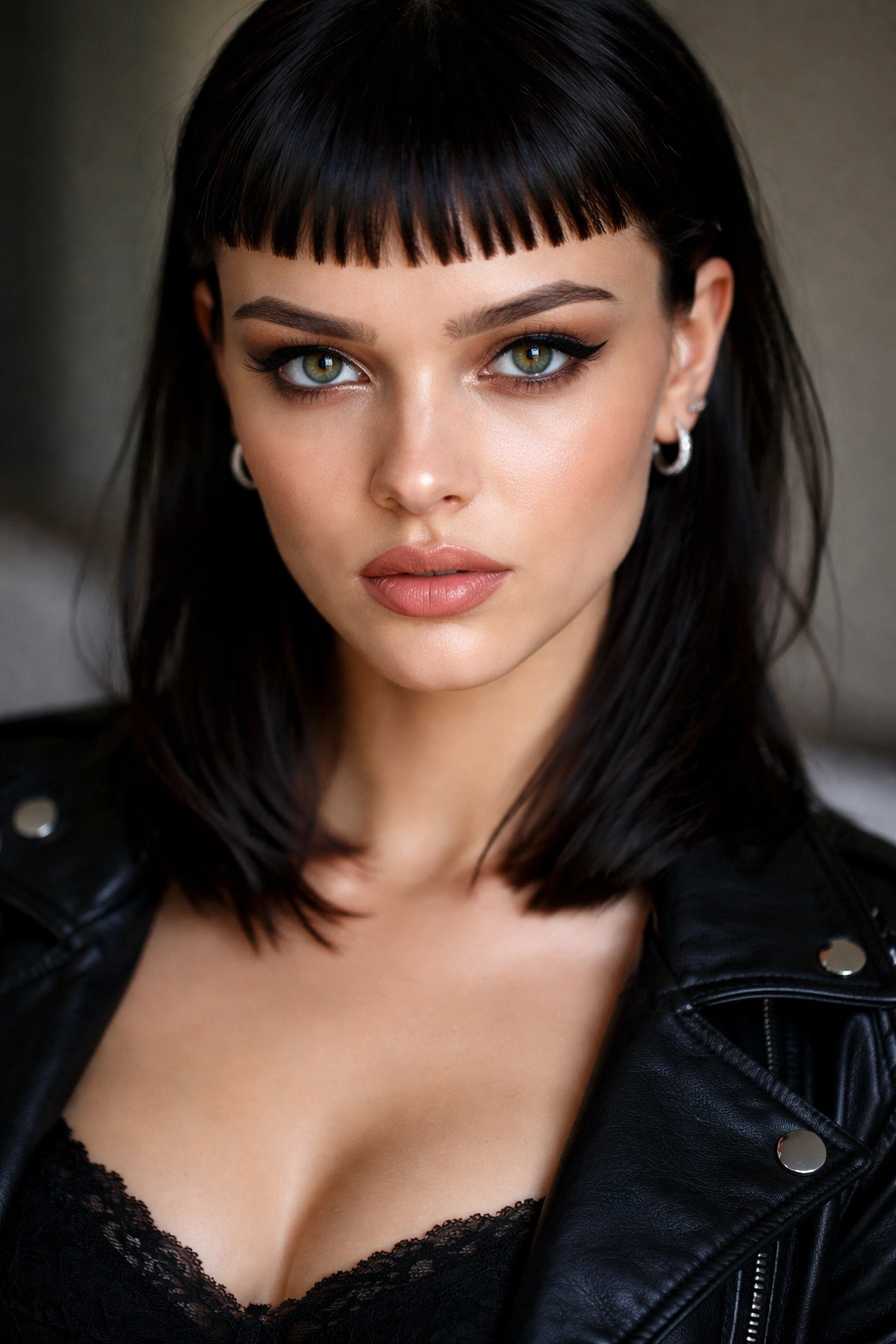
Micro bangs are the shortest, boldest version of the front baby cut—they sit well above the eyebrows, usually around mid-forehead, creating a dramatic, fashion-forward aesthetic that reads more like editorial styling than everyday wearable hair. This version requires confidence and typically appeals to people who are comfortable being noticed and have strong personal style. The length is short enough that they require consistent styling and attention.
The Statement Quality of Micro Bangs
Micro bangs are undeniably bold, and that’s exactly the point. They create an instantly youthful, fashion-forward aesthetic that works beautifully with bold makeup, strong personal style, and someone who enjoys the attention their hair gets. The shortness creates a direct focus on your eyes and upper face, making them a style choice that really highlights your facial features. They’re especially striking on people with strong bone structure and clear skin—they draw attention upward and inward.
Styling and Commitment Level
- These bangs require daily styling; they can’t be thrown together and look intentional without effort
- A blow dryer and round brush are non-negotiable for getting the right shape and movement
- Styling products like texturizing spray or light pomade help achieve the look consistently
- These work best with confident makeup—a full face, not minimal makeup, usually looks best with this cut
- Trims every 4-5 weeks keep them sharp and intentional; they grow out quickly and can cover your eyes fast
Real talk: Micro bangs are a commitment, both in styling time and in terms of the overall aesthetic statement they make about you. They’re fantastic for people who love hair and fashion and want their cut to be a conversation starter, but they’re not for everyone.
8. Feathered Baby Layers
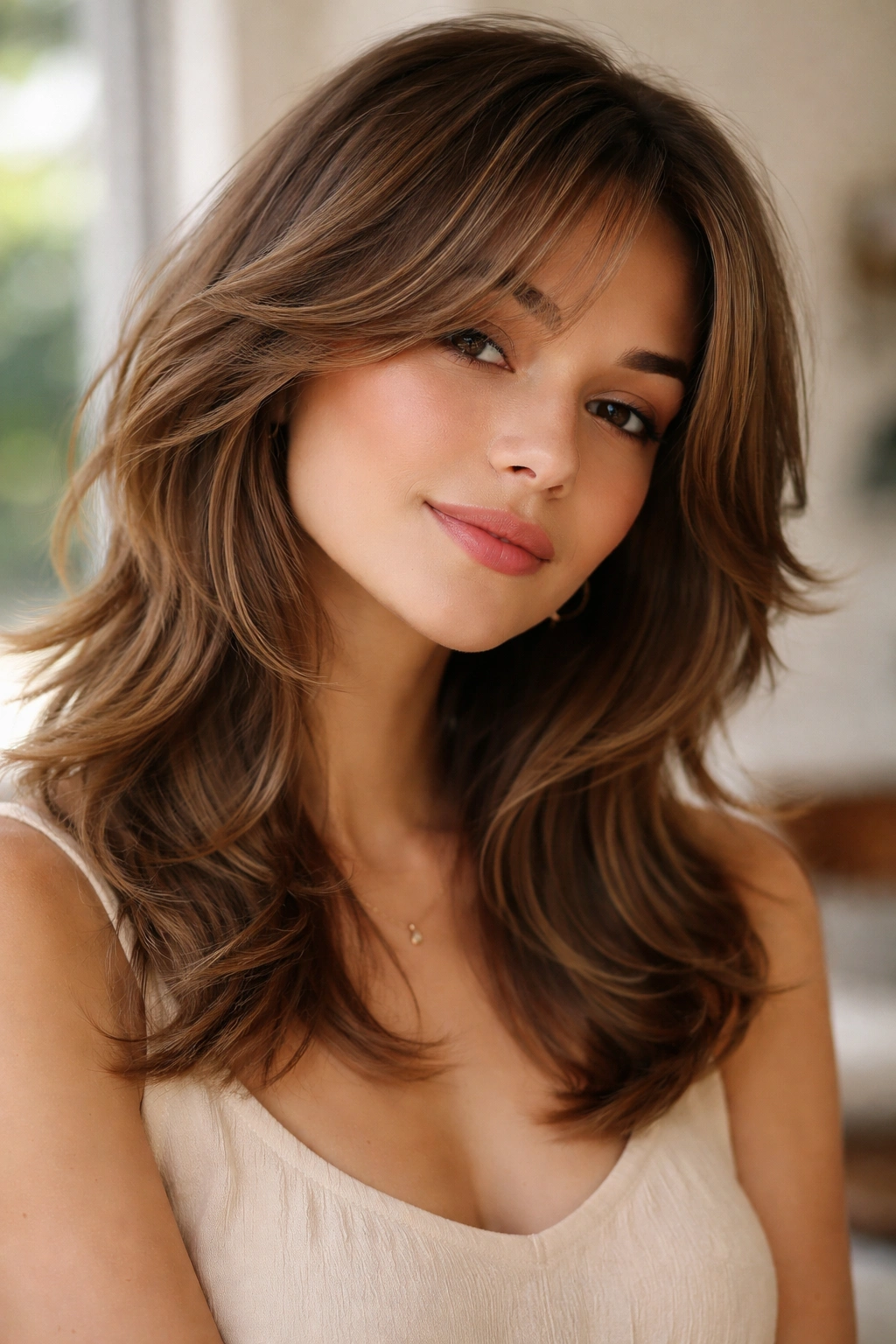
Feathered baby layers create soft, flowing lines throughout the front section, with each layer slightly longer and shaped to curve slightly outward. The feathering technique creates a graduated appearance where the hair naturally falls away from your face in gentle waves, even without styling. This version is incredibly romantic and works beautifully with most hair textures because the feathering technique adds texture and movement.
Why Feathering Creates Magic
Feathering is a technique that creates movement at every level—the point of each layer is shaped so it flips outward naturally, creating dimension and flow without heaviness. The resulting cut works with your hair’s natural movement rather than fighting against it, which is why feathered layers tend to look good even on days when you don’t style them much. It’s a style that actually improves your hair’s movement and creates bounce that you might not have had before.
Styling for Maximum Feathered Movement
- These layers look best with some natural texture or waves, so consider enhancing your natural wave pattern
- Blow-dry with a round brush to encourage the feathered layers to flip outward and create movement
- Use a texturizing spray to enhance the feathered quality—it creates separation and prevents the layers from looking flat
- These bangs work beautifully with loose waves or a tousled style, but they also look good straight with texture spray
- The feathering means you have flexibility in styling; they look intentional with minimal effort
Insider note: Feathered bangs are especially good for people who have some natural wave or texture in their hair but haven’t found a cut that works with it rather than against it. The technique actually enhances your natural pattern instead of fighting it.
9. Asymmetrical Baby Fringe
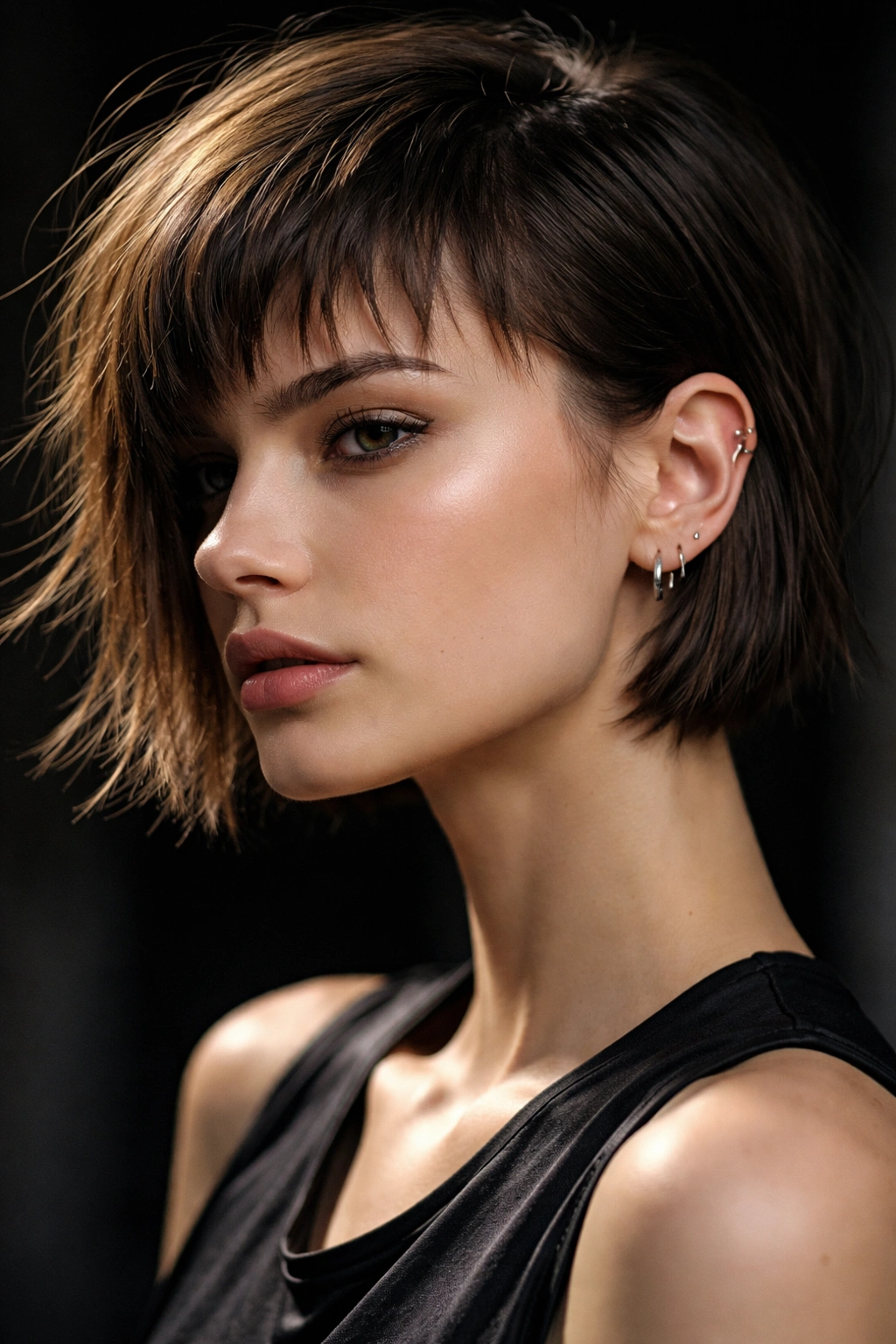
The asymmetrical baby fringe takes the concept of asymmetrical cuts to the front section, with one side notably shorter than the other and heavy texture throughout. Unlike the side-swept version, the asymmetry is the point—it’s obvious and intentional, creating a bold, high-fashion aesthetic. This version works best on people with strong personal style who aren’t interested in looking conventionally balanced or symmetrical.
The Fashion-Forward Quality of Asymmetry
Asymmetrical cuts command attention and create an editorial, intentional aesthetic that broadcasts personal style confidence. The imbalance actually makes the look feel more modern and fashion-forward than symmetrical versions—it’s the opposite of traditional ideas of balance and harmony. This style works especially well for people with angular features or strong bone structure, as the asymmetry plays well with architectural facial features.
Creating and Maintaining the Asymmetrical Look
- The shorter side typically falls around mid-forehead, while the longer side extends much further, sometimes to chin-length
- Heavy texturizing and feathering throughout prevent the cut from feeling costume-like or too extreme
- You can style it to reveal the asymmetry or angle it differently depending on your mood, though the cut itself creates the statement
- This style pairs beautifully with edgy color (like dark roots with lighter ends, or even a partial highlight on the longer side)
- Regular trims every 4-6 weeks keep the asymmetry looking intentional rather than just grown-out
Pro tip: The asymmetrical cut photographs beautifully and creates a strong editorial quality, making it perfect for people who enjoy social media or are comfortable with attention on their appearance.
10. Slicked-Back Baby Front Cut
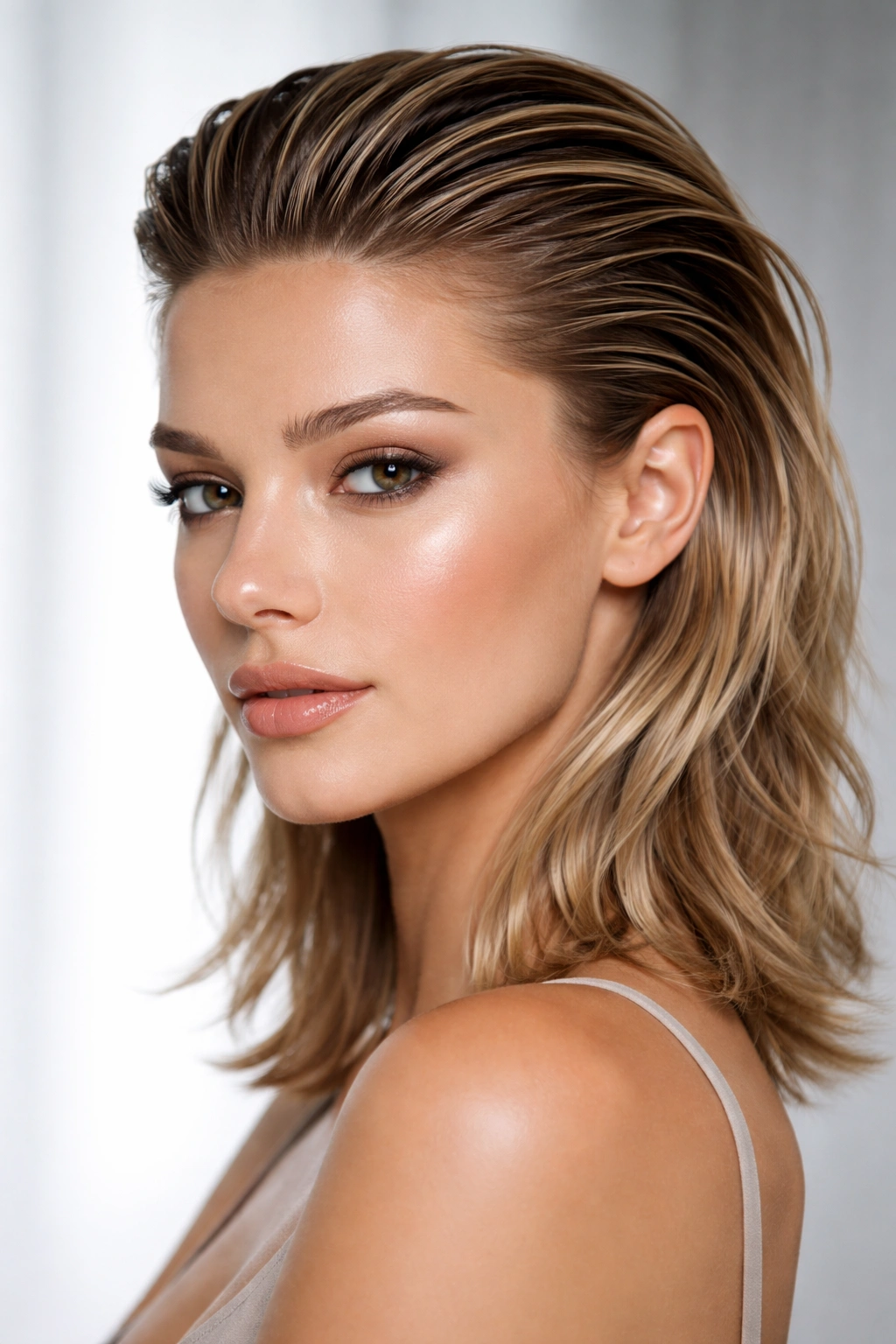
The slicked-back baby front cut features all the layering and texture of a traditional baby cut, but it’s styled sleek and pulled back from the face, creating a completely different aesthetic than the soft, face-framing versions. The cut itself has all the feathering and dimension, but the styling choice is to smooth everything backward, either into a low pony, a bun, or just slicked back naturally. This version offers versatility—you can wear it soft and face-framing one day, then slicked back the next.
The Versatility of Slicked-Back Styling
The slicked-back baby cut is brilliant because it gives you options depending on your mood, the occasion, or what flatters you on a particular day. You have a textured, dimensional cut that can be styled multiple ways—soft and romantic when worn down, polished and editorial when slicked back, or balanced somewhere in between. This versatility means you’re not locked into one aesthetic, which makes it a practical choice for people who want their style to shift depending on circumstances.
How to Style the Slicked-Back Version
- Use a smoothing cream or gel to create the slicked-back effect—apply to damp hair before blow-drying for a sleek finish
- The longer you’ve styled it slicked back, the better it holds, so consider your product choice based on hold strength
- Pull it back into a low ponytail or bun to fully secure the layers, or leave it slicked back naturally if you prefer
- This style creates a completely different look from the soft face-framing version, which is its biggest advantage
- Slicked-back styling works beautifully with bold makeup and structured clothing—it creates a polished, intentional aesthetic
Worth knowing: This is an ideal choice if you’re torn between wanting a baby cut and wanting something that can be styled more edgy or polished. You get the best of both worlds with the same cut, just styled differently.
Final Thoughts
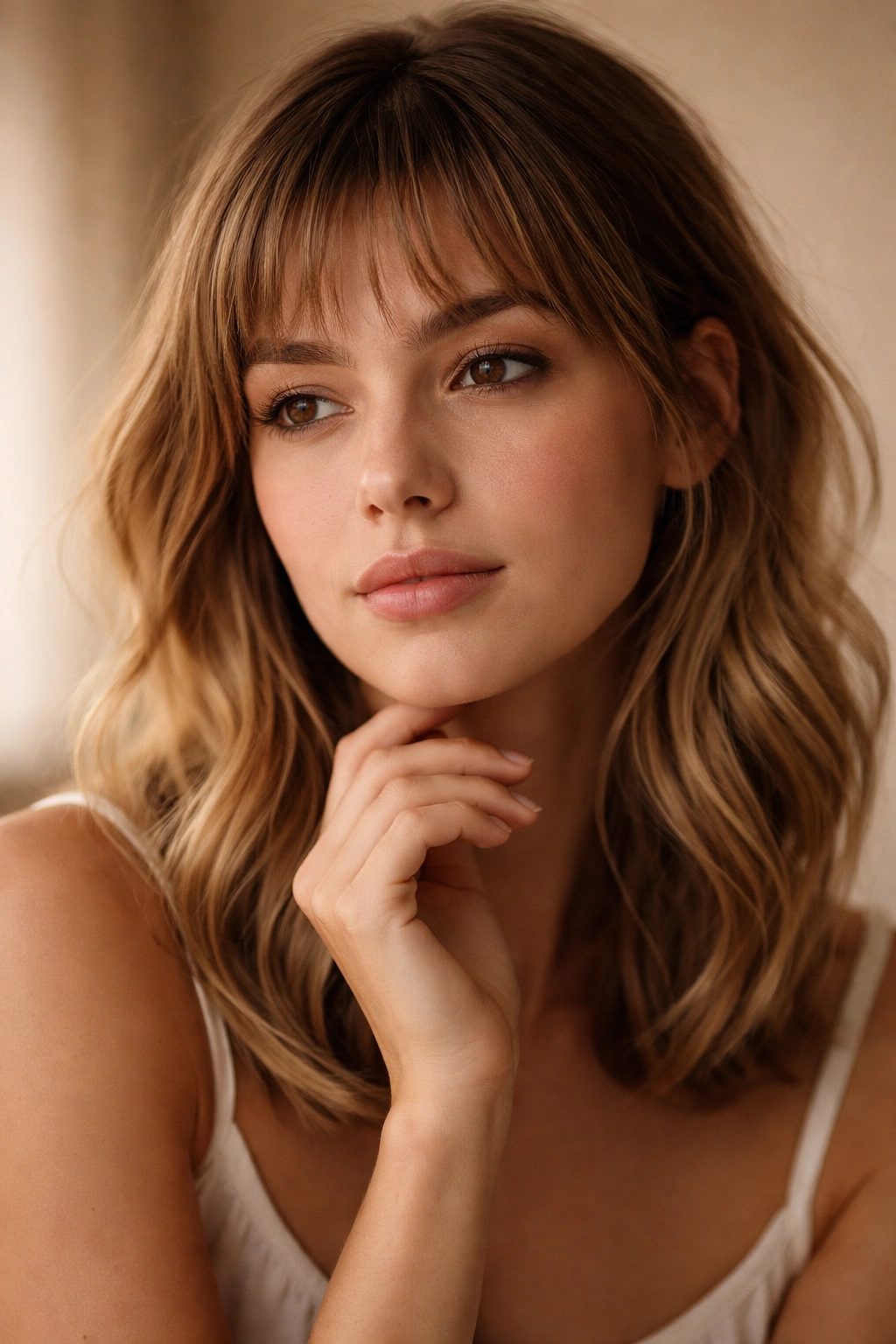
The front baby cut trend has staying power because it’s genuinely versatile and works across so many different hair types, face shapes, and personal styles. Whether you’re drawn to the barely-there softness of wispy bangs or the bold statement-making quality of micro bangs or asymmetrical cuts, there’s a version of this trend that can work for you. The key is understanding your own hair texture, face shape, and styling commitment level—then choosing the version that aligns with those factors.
The beautiful thing about having so many variations is that you don’t need to settle for a baby cut that doesn’t feel like you. If soft wispy bangs feel too delicate for your personality, go textured and choppy. If side-swept feels too trendy, try the timeless quality of feathered layers. If you want your cut to make a bold statement, micro bangs or asymmetrical cuts deliver exactly that. The cut itself is just the foundation—it’s the styling, the texture, and the way you wear it that makes it truly yours.
Before you book your appointment, save images of the specific version you love, discuss your styling commitment level honestly with your stylist, and think about how this cut will work with your daily routine. A baby cut that requires 20 minutes of blow-drying every morning is a different commitment than one you can air-dry and go. Having that conversation upfront means you’ll end up with a cut you actually love wearing, not one that looks amazing in photos but feels like a hassle in real life.
