



20 Medium Layered Haircuts Stylists Get Asked For Most
If you’ve ever sat in a salon chair scrolling through photos on your phone, you’ve probably noticed one thing: layered medium-length haircuts dominate. There’s a reason stylists keep recommending the same cuts over and over. They work. Layers add movement, volume, and dimension to hair without requiring you to commit to short hair or the maintenance of super-long lengths. A well-executed layered cut sits in that perfect sweet spot—long enough to style multiple ways, short enough to manage without daily conditioning treatments, and textured enough to look intentional even on your messiest hair days.
The real magic of medium layered cuts is their adaptability. Whether your hair is naturally straight, wavy, curly, or somewhere in between, there’s a layered style that’ll enhance your texture instead of fighting it. These cuts work across face shapes too—a skilled stylist can customize the layers and lengths to flatter your specific features, which is probably why you see the same variations requested again and again in salons.
What makes certain cuts stand out as “the most-asked-for” styles? Clients bring photos of celebrities and influencers wearing them, yes, but more importantly, these cuts deliver real results. They photograph well, they hold their shape between appointments, and they don’t require an hour of styling every morning. Let’s walk through twenty of the medium layered haircuts your stylist hears about most frequently—the ones that consistently get clients excited about their new look.
1. The Classic Shag
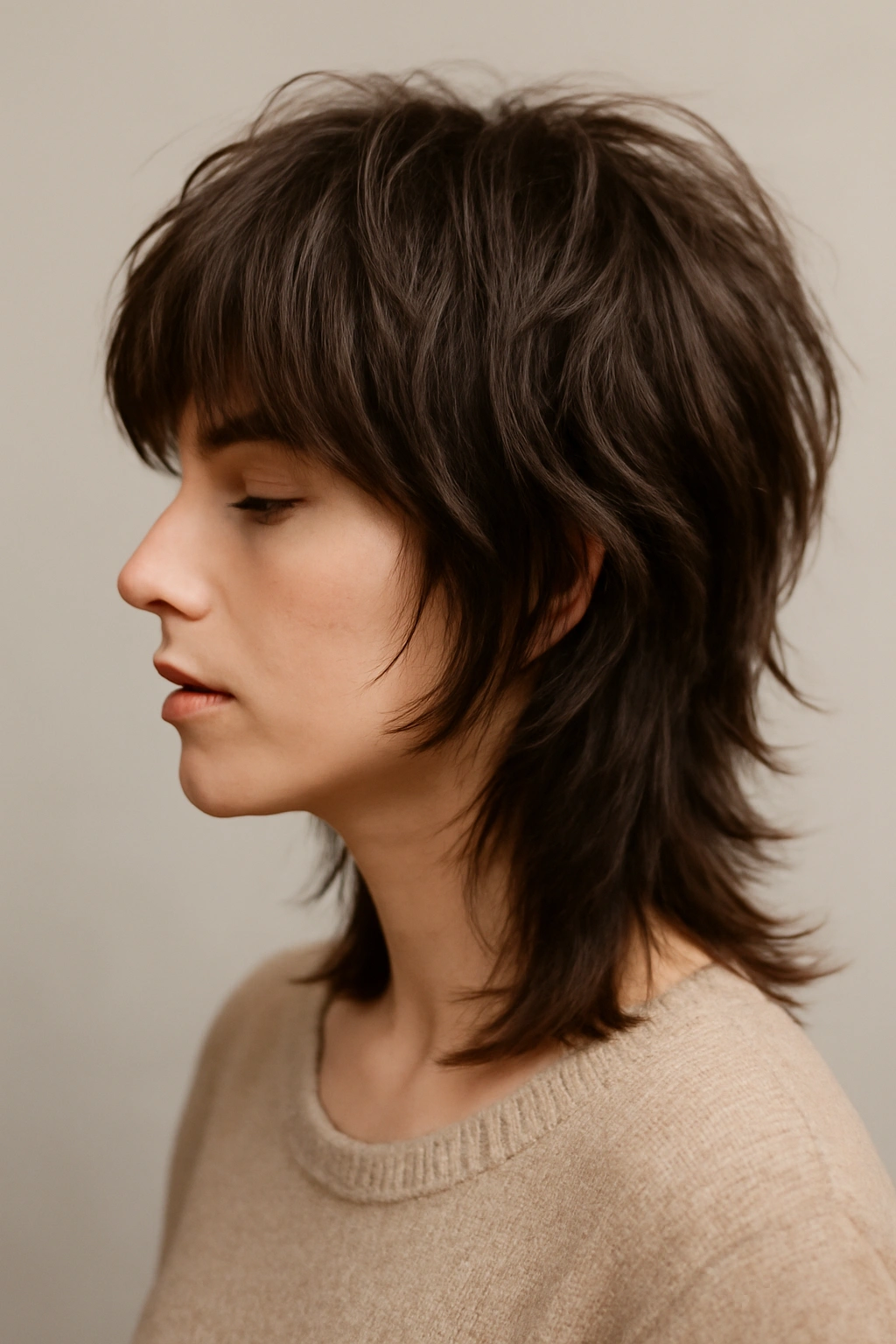
The shag is back, and this time it’s sophisticated. This cut features choppy, disconnected layers throughout that create volume at the crown and movement at the ends. The beauty of a modern shag is that it works whether you blow it out smooth or let your natural texture shine through. Layers are typically shorter and more pronounced at the crown, then gradually longer toward the bottom, creating that signature piece-y, feathered look that’s instantly recognizable.
Why Stylists Love Recommending It
Shags suit almost every hair type because the choppy layers break up density and reduce bulk. If you’ve struggled with thick hair looking heavy, a shag is a game-changer. The disconnected layers give you movement without relying on your hair’s natural wave pattern, so even straight-haired clients get texture and dimension that photographs beautifully.
Perfect For These Hair Types
- Fine or thin hair that needs the appearance of fullness through movement and layering
- Thick, dense hair that benefits from choppy layers removing bulk
- Naturally wavy or curly hair that already has texture to work with
- Anyone wanting a statement cut that says “intentional” rather than “just growing it out”
Pro tip: Ask your stylist to keep the layers choppy and disconnected rather than blended and seamless—that’s what gives the shag its signature attitude and prevents it from looking dated.
2. The Textured Mullet
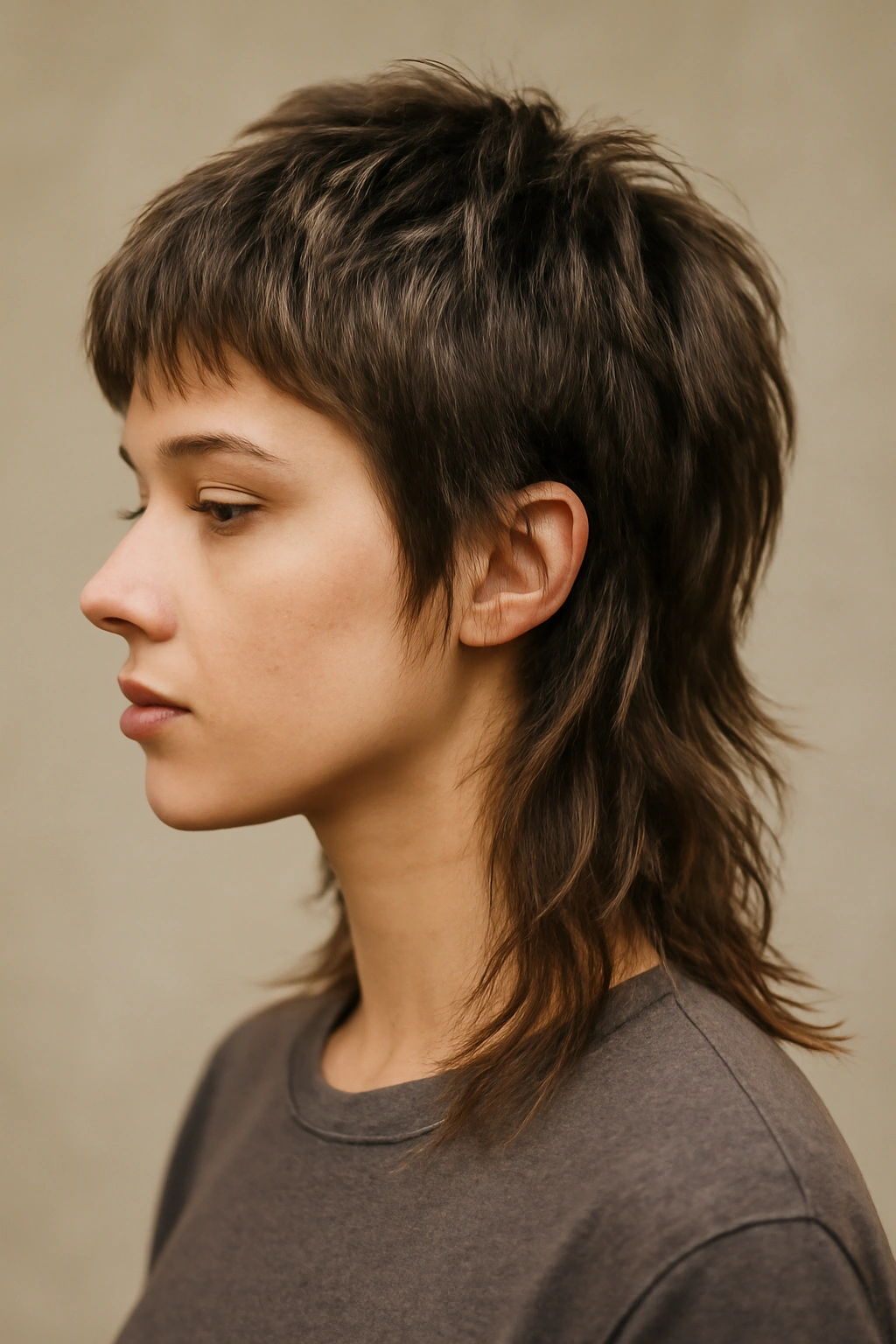
Don’t write off the mullet—the modern textured version is wildly different from its 1980s reputation. This cut keeps the front and sides relatively shorter and fuller, then transitions to longer layers in the back. It’s not a dramatic party-in-back look; instead, the back layers blend smoothly, creating shape and movement without the harsh line of a traditional mullet. Layers throughout add texture everywhere, preventing the cut from looking severe.
What Makes It Work Now
The textured approach softens any harsh lines and creates a coherent style rather than two distinct pieces. You get the practicality of shorter front pieces that frame your face while maintaining length in back for versatility. The layers mean you can style it sleek or tousled depending on your mood and the occasion.
Ideal Face Shapes and Hair Types
- Heart or round faces benefit from the subtle width at the back
- Works beautifully on wavy or curly hair, where layers enhance natural texture
- Straight hair needs careful styling and texturizing spray to achieve the right movement
- Creates flattering proportions for rectangular or longer face shapes
Worth knowing: This cut requires regular trims every 6-8 weeks to maintain shape, especially if you’re growing the back out longer. The contrast between lengths is what makes it work, so letting it grow shapeless defeats the purpose.
3. The Choppy Lob
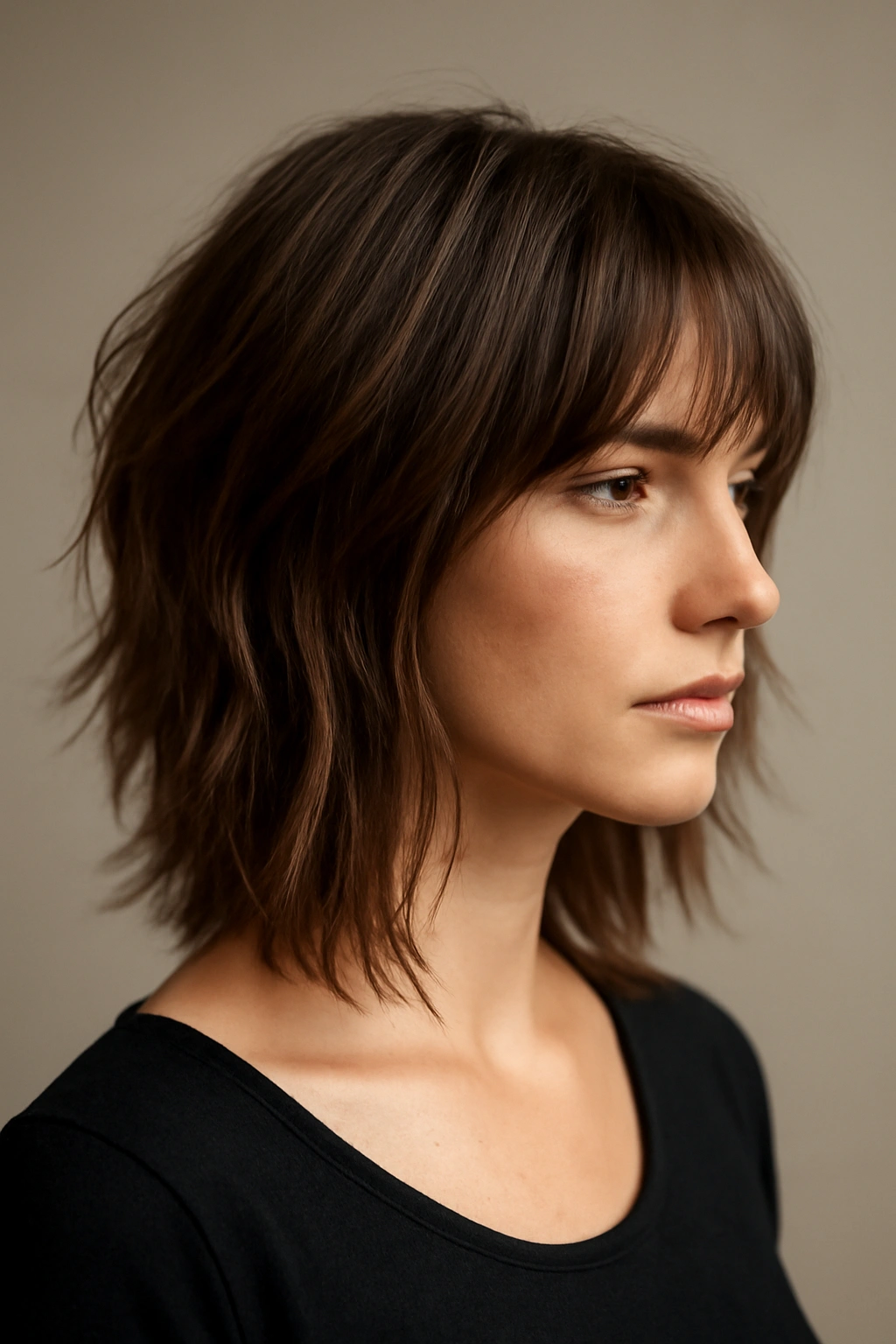
A lob—that magical length between chin and shoulder—becomes something special when you add choppy layers. Instead of a blunt, one-length shape, choppy layers create movement from the crown all the way through the ends. The layers are more pronounced than subtle, giving you real texture and dimension rather than just a slight variation in length. This cut sits beautifully just below the collarbone, where it catches light and moves with you.
Why This Cut Dominates Salon Requests
The choppy lob hits the sweet spot between easy maintenance and visible style. You get the practicality of a mid-length cut—it’s off your back in summer, long enough to pull up in a ponytail—with the visual interest of choppy, modern layers. It’s a cut that looks freshly done even a few weeks into the grow-out phase.
Best Suited For
- Wavy or curly hair that loves having texture to grip onto
- Anyone with a square or round face looking to soften angles through movement
- People wanting a statement cut that photographs beautifully from every angle
- Fine hair that gains volume appearance through choppy, separated layers
Quick styling note: A choppy lob shows its best when you add some texture through scrunching in product or using a texturizing spray. The cut relies on that slightly tousled, lived-in look rather than sleek smoothness.
4. The Feathered Medium Cut
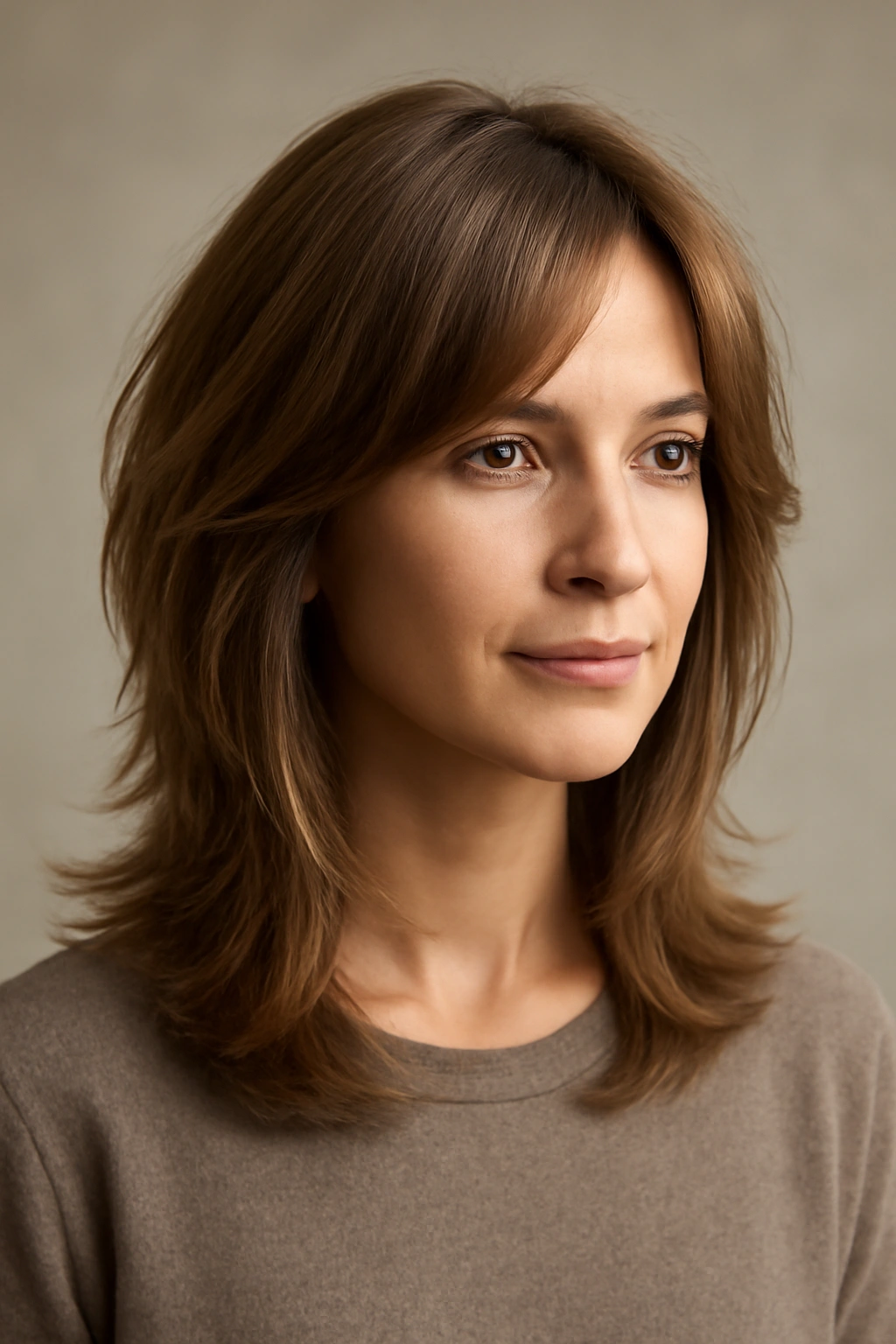
Feathering—where each layer curves and tapers slightly at the ends—creates a soft, romantic feel that suits everyone. Feathered layers are shorter at the crown for volume, gradually lengthening toward the bottom, with each layer subtly curved so it frames your face. This isn’t choppy; it’s seamlessly blended, giving you movement and shape without the disconnected, piece-y look of a shag.
The Appeal for Stylists and Clients Alike
Feathered cuts work across every hair type because they’re customizable. On straight hair, they provide shape through the cut itself. On wavy or curly hair, they enhance what’s already there. The soft tapering at the ends prevents that blunt, heavy feeling, and the shorter crown layers give automatic volume and lift.
Who Should Consider This Style
- Anyone with a long or rectangular face—the softness and frame-friendly layers are deeply flattering
- Straight hair that needs help looking textured and dimensional
- People who want a modern cut without looking trendy or temporary
- Those preferring a more romantic, flowing aesthetic than choppy, piece-y layers
Insider detail: Ask your stylist to add slightly shorter face-framing layers around your cheekbones. This subtle detail makes an enormous difference in how the cut flatters your features and photographs.
5. The Butterfly Layers
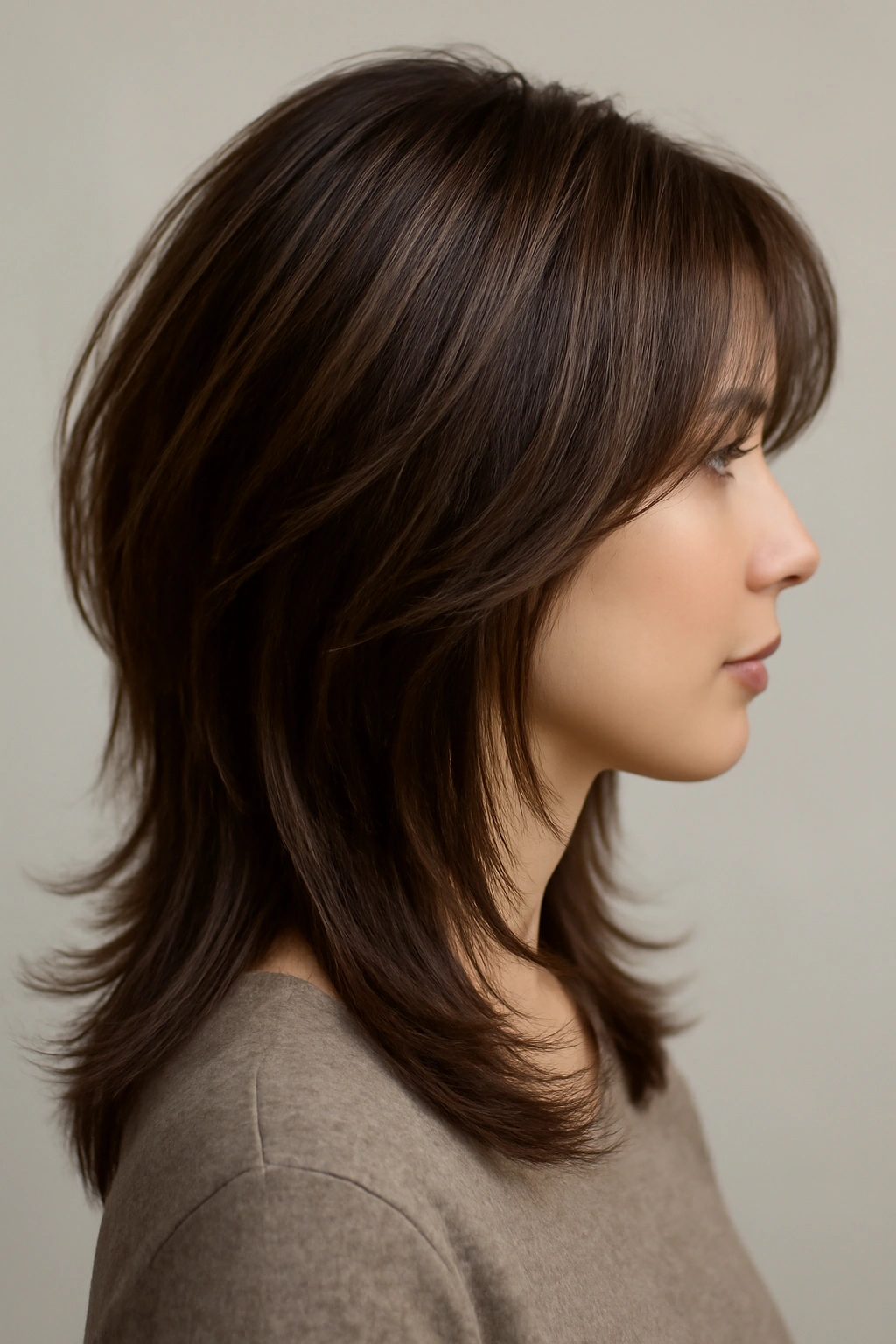
This cut gets its name from the lighter, airier layers that sit on top, resembling butterfly wings. The shorter layers on top create lift and movement while the longer underneath layers provide length and substance. There’s a distinct separation between the top layers and the bottom section, but it’s blended enough that it doesn’t look disconnected. The result is a cut with serious movement and volume, especially at the crown.
Why Stylists Keep Suggesting It
Butterfly layers solve multiple hair problems at once. They add volume to fine hair through the shorter top layers. They reduce weight from thick hair through the layering. They create movement on straight hair and enhance texture on wavy hair. It’s a universally flattering structure that works as well on a round face as it does on an oval one.
Hair Types and Textures It Suits
- Thin, fine hair that needs volume and the appearance of fullness
- Thick hair that looks heavy and needs dimension and movement
- Naturally wavy hair that already has texture to work with
- Straight hair willing to style with some product for texture
Styling reality: This cut shows best when you add texture through styling. A blow dryer with a round brush on the top layers creates lift, and texturizing spray or sea salt spray enhances the piece-y, separated feel between layers.
6. The Shoulder-Skimming Shag with Bangs
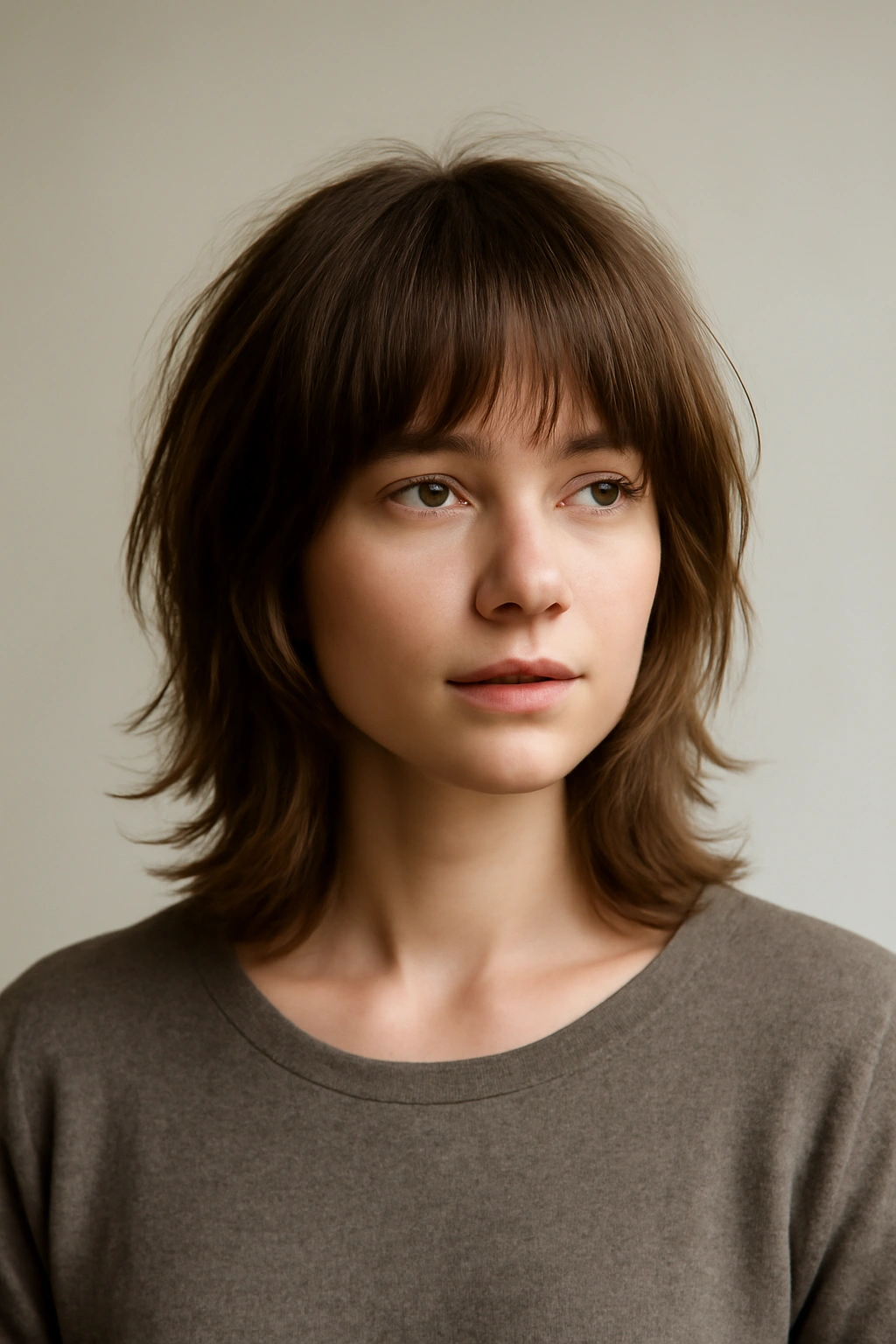
Adding bangs to a shag creates an entirely new dimension. Typically, the bangs sit just above the brow or at eye level, softly layered themselves, so they blend seamlessly into the crown layers. The rest of the cut follows the classic shag structure—choppy, disconnected layers throughout with shorter pieces at the crown. The bangs tie the whole look together and frame the face beautifully.
The Bang Factor
Bangs completely change how a cut reads on your face. They draw attention upward, create dimension around your eyes, and add a touch of attitude. Layered bangs specifically prevent that heavy, blunt look and let them move and breathe. They work with the texture of the shag rather than looking like a separate element.
Face Shapes That Benefit Most
- Oval faces that can carry any bang style confidently
- Heart-shaped faces where bangs balance a wider forehead
- Round faces where longer, side-swept layers of bangs create the illusion of length
- Square faces where soft, textured bangs soften jawline angles
Important note: Bangs require maintenance. Plan on trims every 3-4 weeks because even slight growth changes how they sit. If you’re not willing to commit to touch-ups, this style might not be for you long-term.
7. The Textured Lob with Side Layers
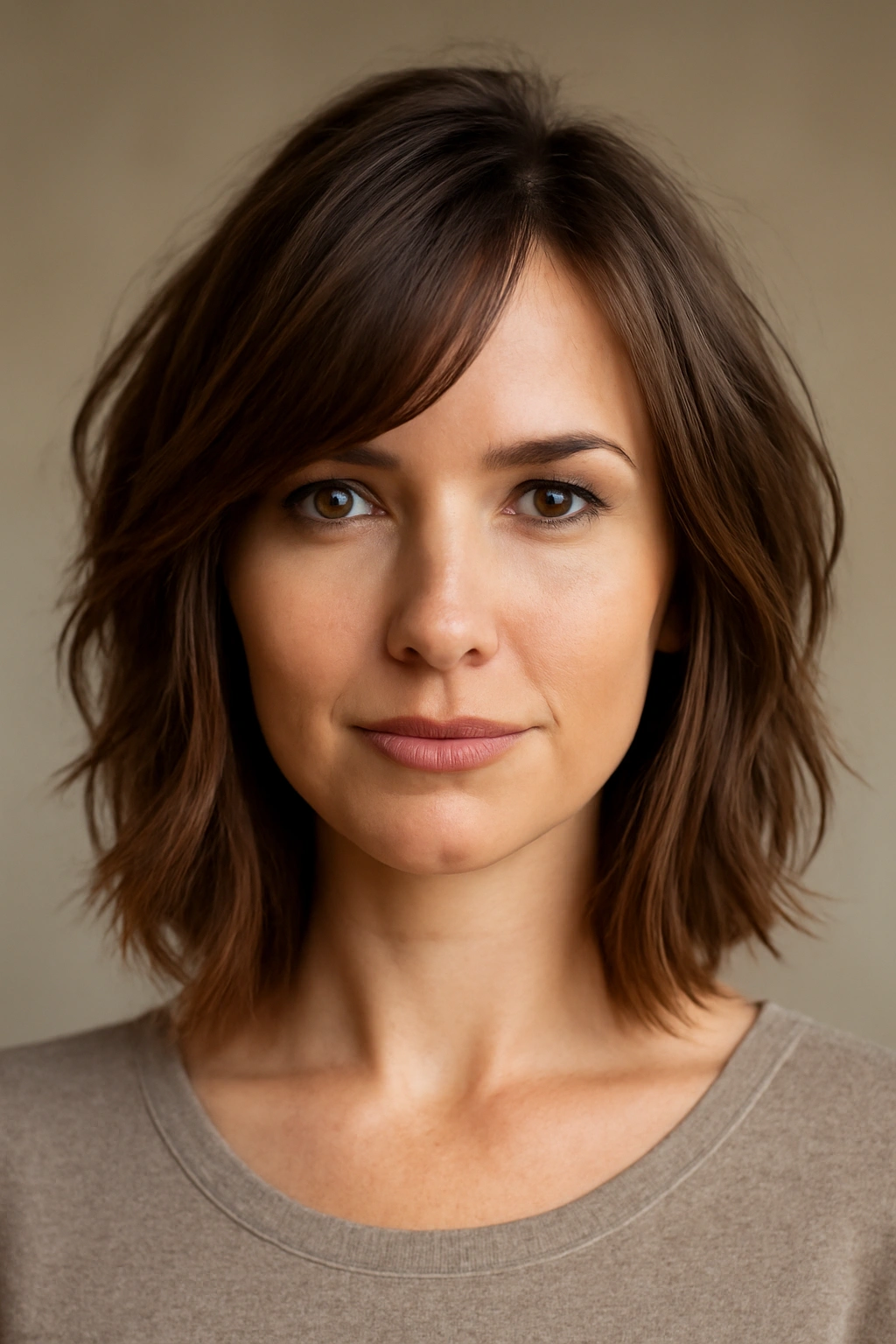
This variation keeps the lob structure—that flattering collarbone length—but adds intentional side-sweeping layers that frame your face. The layers are blended and textured rather than blunt, creating a soft frame around your cheekbones. The overall silhouette is still a lob, but the strategic layering transforms it into something with more dimension and movement, especially when you style it to one side.
Why Side Layering Makes a Difference
Side layers create an elegant, face-flattering frame without requiring you to commit to a full choppy-layer situation. The longer lengths stay, so you maintain the lob’s practicality, but the shorter side pieces create movement and soften your features. It’s a subtle upgrade that makes an enormous visual difference.
Best For These Situations
- Square jaws that benefit from the soft frame created by side layers
- Anyone wanting more dimension than a straight lob but less choppy than a full shag
- Thick hair where strategic layers reduce bulk while maintaining length
- Styling-flexible people who like options (wear it center-parted and sleek, or sweep it to one side for movement)
Pro styling tip: This cut looks dramatically different depending on your part placement and which way you style your side layers. Experiment with different parts and blow-dry directions to find your favorite version.
8. The Textured Wolf Cut
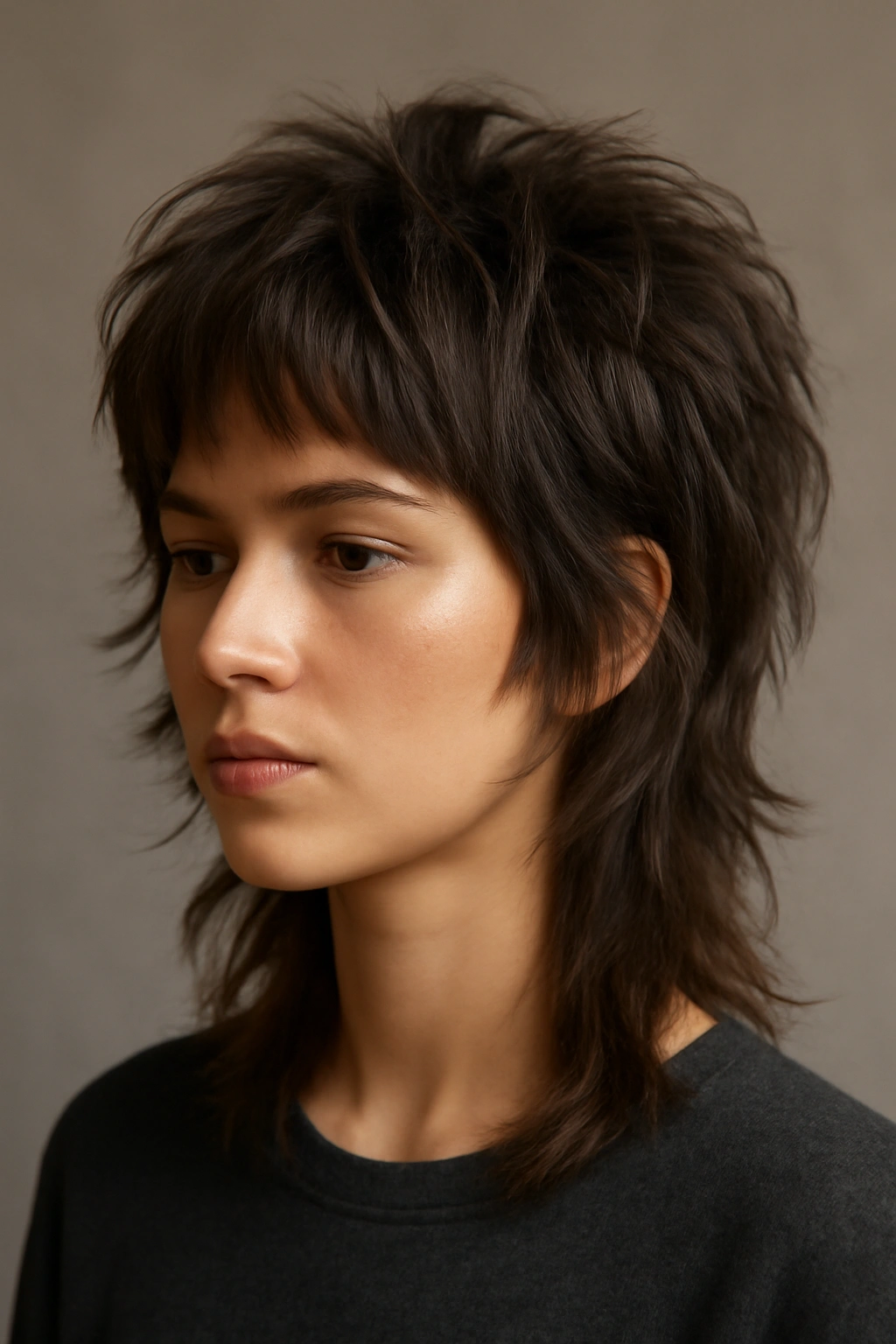
The wolf cut is basically a shag meets a mullet—shorter, voluminous layers on top (that’s the wolf’s head) and longer, more intact layers on the bottom (the tail). Layers are textured and choppy throughout, with the most pronounced layering at the crown and the sides of the head. It’s edgy and modern, with serious movement and dimension, but it photographs incredibly well and suits many face shapes.
The Modern Appeal
The wolf cut caught on for good reason. It’s genuinely flattering—the shorter crown layers add volume and lift, the longer bottom section maintains the length many people want, and the choppy texture throughout prevents it from looking heavy or shapeless. It’s a cut that’s simultaneously fashion-forward and wearable for everyday life.
Who Rocks This Look Best
- Wavy or curly hair that has texture to work with and enhance
- Anyone comfortable with a more statement-making cut
- People with heart or round faces where the volume on top balances proportions
- Thick hair that benefits from choppy layers creating movement and reducing bulk
Real talk: This cut requires some styling effort to look intentional. You’ll get the best results blow-drying with product, using a round brush on top for volume and a flat iron or texturizing spray through the layers.
9. The Soft Waves with Layers
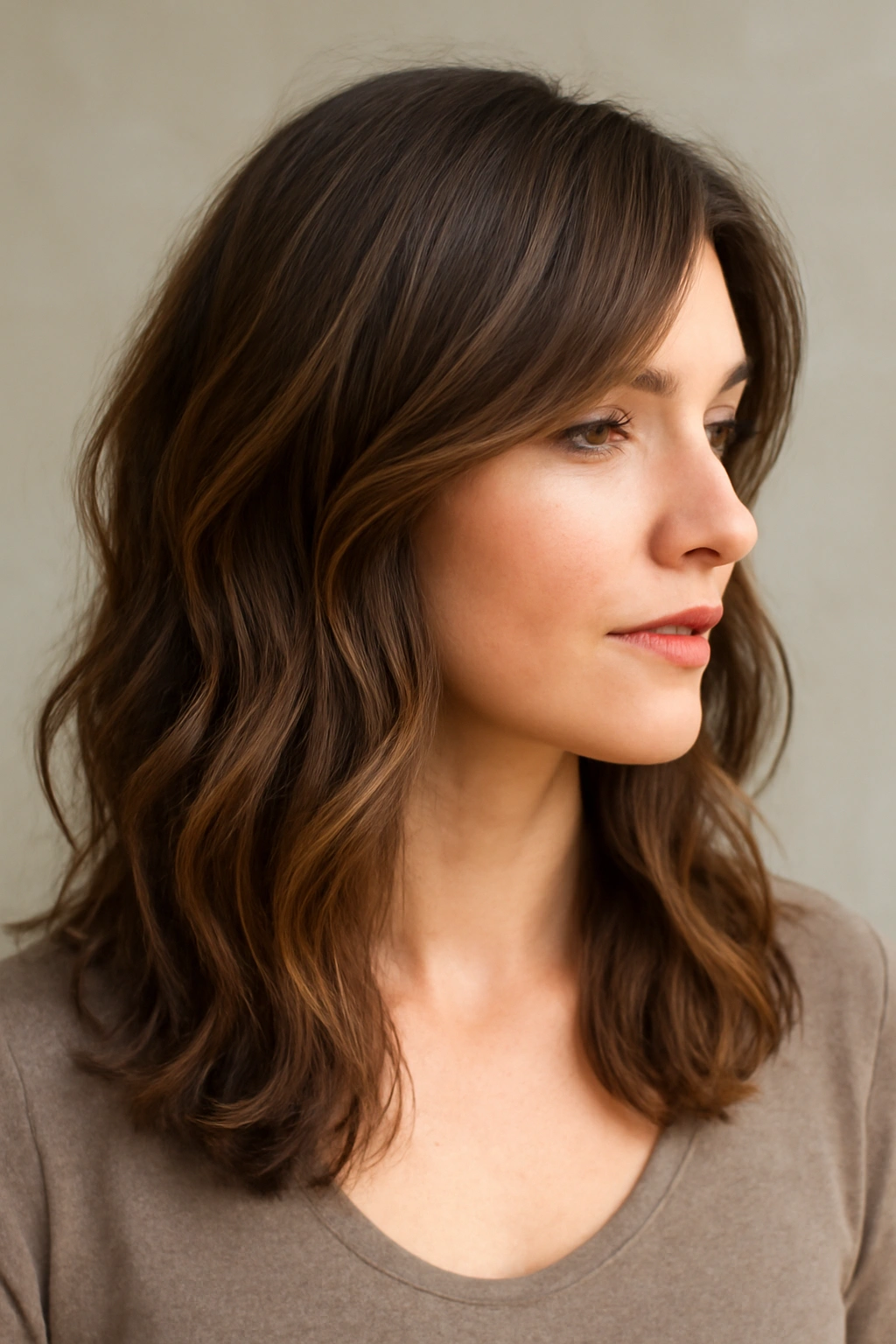
Sometimes the most requested cut is simply a medium length with soft, blended layers that enhance natural wave or create waves when styled. The layers are subtle enough that the cut doesn’t read as “choppy” or “shag,” but they’re present enough to create movement and dimension. The overall length sits somewhere between chin and shoulder, and the appeal is in the soft, flowing movement and the way it catches light.
The Versatility Factor
This cut works because it’s genuinely versatile. Wear it wavy for a romantic, textured look. Blow it out straight for a sleek, polished vibe. Pull it into a ponytail for practical days. The layers ensure it looks intentional no matter how you style it. It photographs beautifully and it’s actually easy to maintain compared to more heavily layered options.
Suits These Hair Types Especially Well
- Naturally wavy or curly hair where layers enhance what’s already there
- Fine hair that gains movement without choppy layers making it look thinner
- Straight hair willing to style with waves for texture
- Anyone wanting a modern cut that doesn’t scream “trendy”
Maintenance insight: This cut benefits from regular salon visits for shape maintenance every 6-8 weeks. The layers are subtle, so they need refreshing to keep creating that intentional wave-like movement.
10. The Heavily Layered Pixie-Bob Hybrid
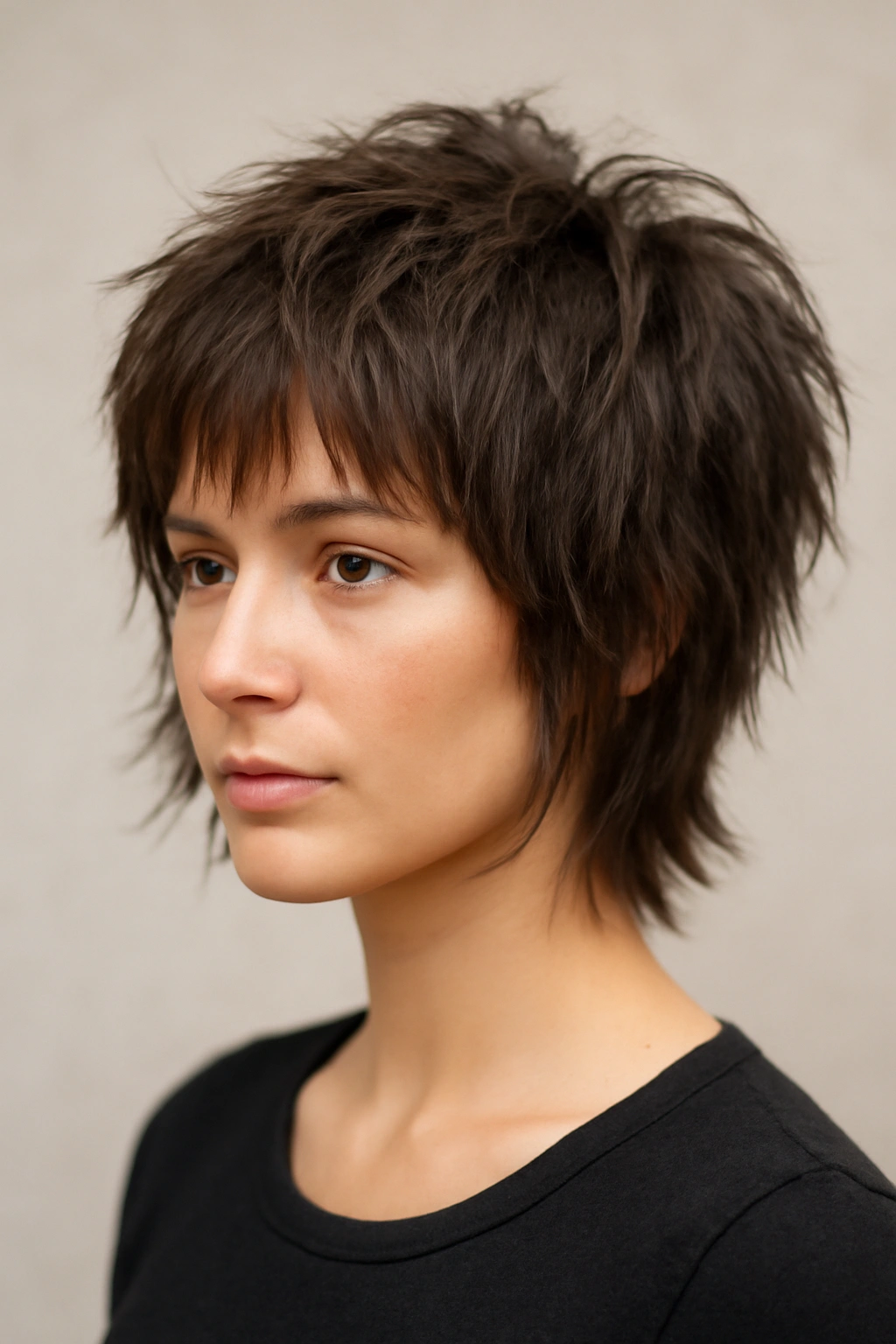
This cut sits between a pixie and a bob, with heavily textured, choppy layers throughout. The top is shorter and choppier, gradually blending to slightly longer layers as you move down. It’s not quite a pixie because it maintains enough length to brush back, but it’s not a full bob because the layering is far too pronounced. The overall effect is edgy, modern, and surprisingly flattering on many face shapes.
Why Stylists Recommend It
This cut works for people who want a shorter style but aren’t quite ready to fully commit to a pixie. It’s shorter than most lobs but longer than a traditional pixie, hitting a comfortable middle ground. The heavy layering means it doesn’t look blunt or severe, and you get texture and movement without length.
Perfect For
- Anyone ready for a shorter cut but nervous about going too short
- Thick hair that becomes unmanageable at longer lengths
- Oval or heart-shaped faces where shorter cuts are most flattering
- People comfortable with visible styling and using product for texture
Realistic expectations: This cut does require styling to look its best. Plan on using a blow dryer, round brush, and texturizing products to achieve the intentional, piece-y look. It’s not a wash-and-go style.
11. The Piece-y Medium Bob with Movement
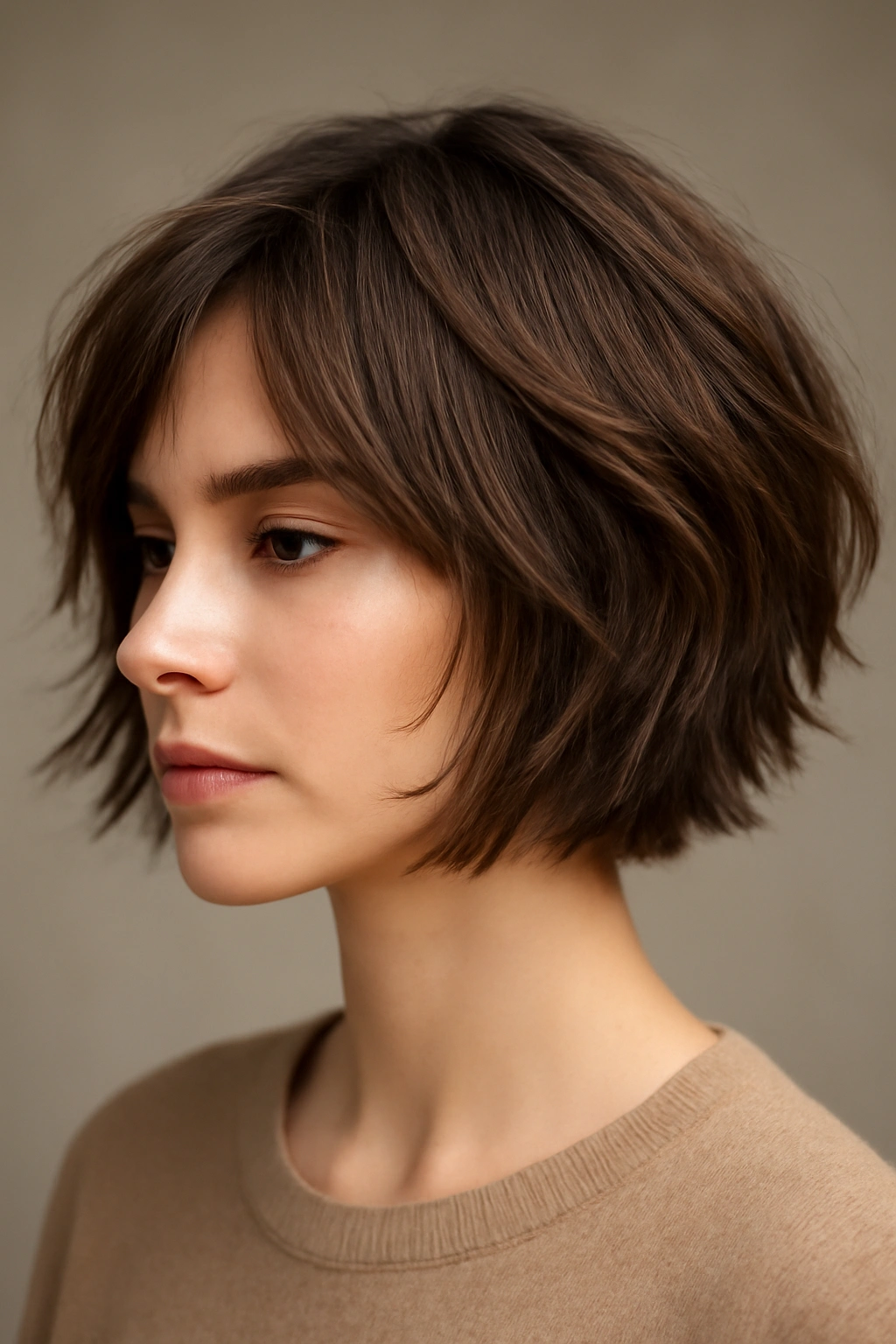
This is the slightly shorter cousin of the choppy lob—a textured bob with visible, separated layers that create movement and a distinctly modern edge. The layers are more pronounced than subtle, giving you real texture without the length of a lob. It sits around chin-length or just below, with the choppy layers creating that piece-y, separated look that’s become synonymous with contemporary styling.
The Requests Stylists Field
Clients love this cut because it photographs incredibly well and it suits almost every face shape. The movement created by the layers softens angles on square or rectangular faces. The slightly shorter length balances rounder faces. The texture adds dimension on straight hair and enhances existing wave or curl. It’s genuinely flattering across the board.
Hair Textures and Faces It Works For
- Wavy or curly hair where layers enhance natural texture beautifully
- Straight hair that benefits from the visual texture and movement
- Square faces where the choppy layers soften angles around the jaw
- Round faces where slightly shorter lengths and movement create flattering proportions
Styling note: This cut looks best with some texture and movement, whether that comes from your natural hair texture or from styling products. Smooth, sleek styling sometimes makes the layers look less intentional, so embrace some texture.
12. The Curtain Bang Layered Cut
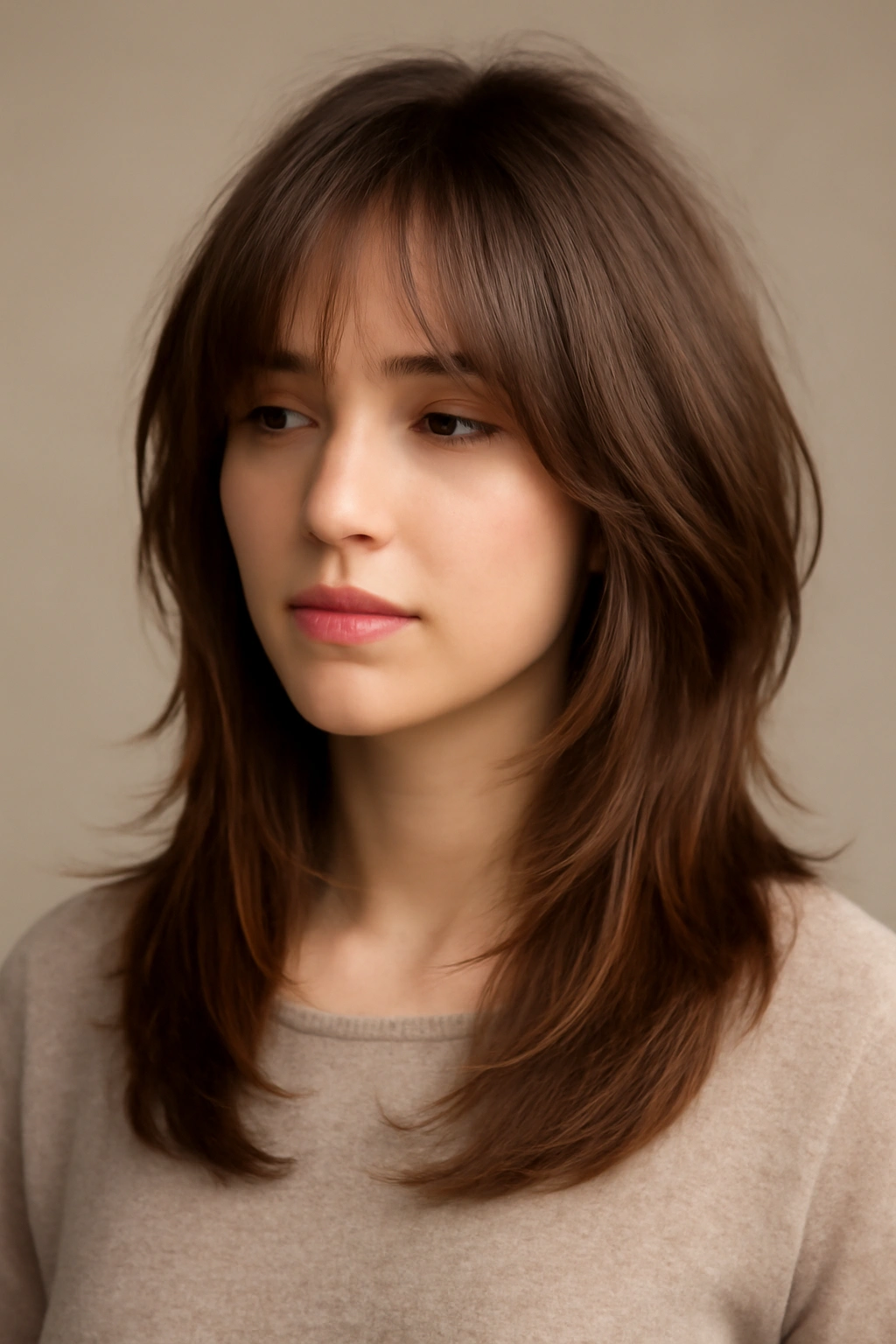
This style features longer, piece-y curtain bangs that frame the face and blend into the crown layers, paired with layered lengths that create movement throughout. The bangs are longer and side-swept, parting naturally down the middle and creating a soft frame rather than a blunt barrier. The rest of the cut has textured, blended layers that enhance the overall movement and flattering frame.
Why This Style Dominates Requests
Curtain bangs are endlessly flattering. They frame your face, draw attention to your eyes, and work with almost every face shape. When paired with a well-layered cut, they create a cohesive, intentional style that photographs gorgeously. The soft, side-swept nature of curtain bangs means you never get that harsh, blunt-bang look.
Who Should Request This Style
- Anyone wanting bangs that are flattering without requiring frequent trims
- Oval faces that can carry any hairstyle with confidence
- Heart or diamond-shaped faces where bangs balance wider foreheads
- People wanting a romantic, soft aesthetic rather than edgy or choppy
Pro tip: Curtain bangs work best when you style them to one side or the other. Blow-dry with your round brush or flat iron to create that intentional swooped effect that makes them look polished.
13. The Textured Long Bob with Hidden Undercut
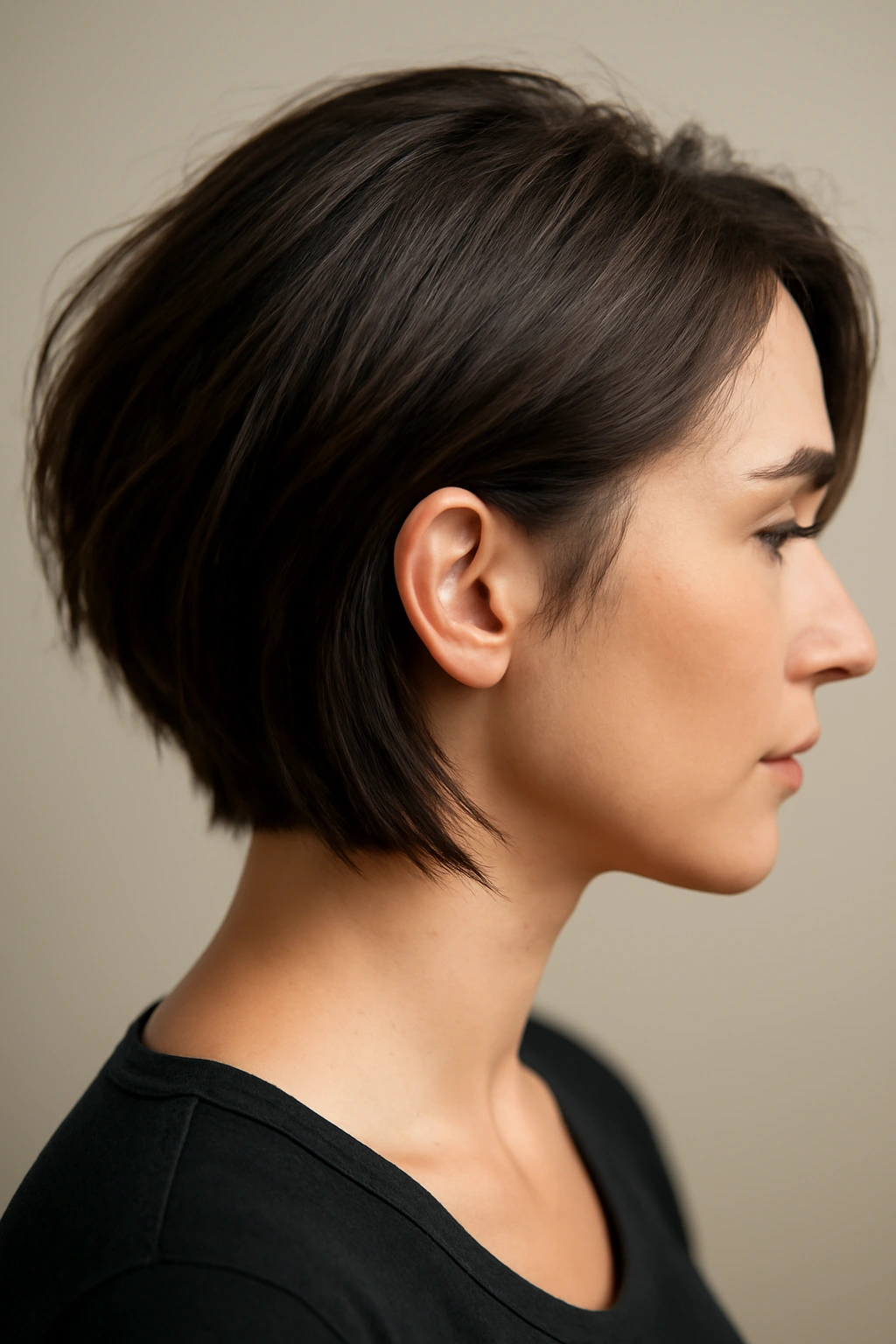
This cut looks like a straight, blunt-ended lob at first glance, but hidden underneath—especially at the nape and around the ears—is an undercut that removes weight and creates texture. From the front and sides, it reads as a sleek, longer bob, but the undercut gives you serious volume at the crown and prevents bulk at the back. The top layers are subtly textured rather than heavily choppy, creating a sophisticated blend between the undercut section and the longer top layers.
The Hidden Sophistication
This cut is clever because it delivers function and fashion simultaneously. You get the sleek, polished look of a longer bob with the practical benefits of an undercut. The removed weight means you don’t feel heavy on your neck, your hair dries faster, and you get volume without bulky layers.
Best Suited For
- Thick, dense hair that needs weight removal without looking heavily layered
- Anyone wanting a polished, sophisticated look that’s still modern
- People who want practical benefits without obvious, visible layering
- Those with hair that gets flat easily—the undercut prevents this
Maintenance reality: As the undercut grows out, you’ll notice the texture and benefit lessening. Plan on maintenance cuts every 4-6 weeks to keep the undercut fresh and keep getting that volume benefit at the crown.
14. The Messy Pixie-Lob Hybrid
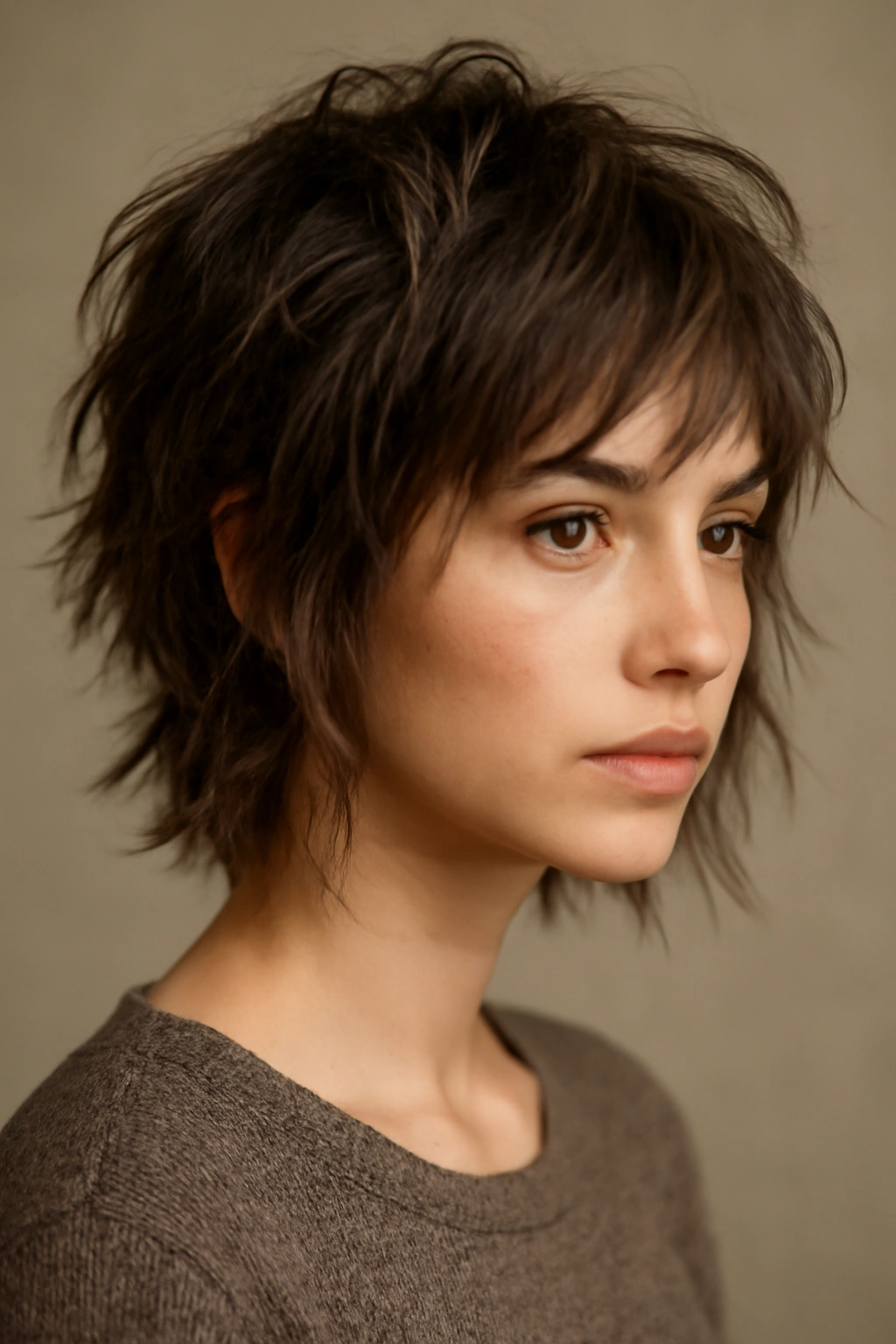
This cut is shorter than a lob but longer than a pixie, with heavily textured, choppy layers throughout. It’s somewhere in the 3-5 inch range overall, with shorter choppy pieces on top and slightly longer pieces gradually lengthening toward the bottom. The whole cut has a tousled, undone, “I woke up like this” vibe, even though achieving that look typically requires some intentional styling.
The Stylish-Meets-Practical Appeal
This cut appeals to people who want something noticeably shorter than a lob but more styling options than a true pixie. The hybrid length means you can sometimes pull it back in a small clip or ponytail, though it’s never long enough for a traditional ponytail. The choppy layers mean it moves and flows rather than sitting flat or stiff.
Who Pulls This Off Best
- Oval or heart-shaped faces where shorter cuts are flattering
- Wavy or curly hair that already has lots of natural texture
- Straight hair with willingness to style and add texture through products
- Anyone confident enough to rock a statement cut
Realistic expectation: This cut requires styling. Without a blow dryer, round brush, and texturizing product, it can look bedhead-y in an unintentional way. If you want a true wash-and-go cut, this isn’t it.
15. The Soft Shag with Rounded Crown
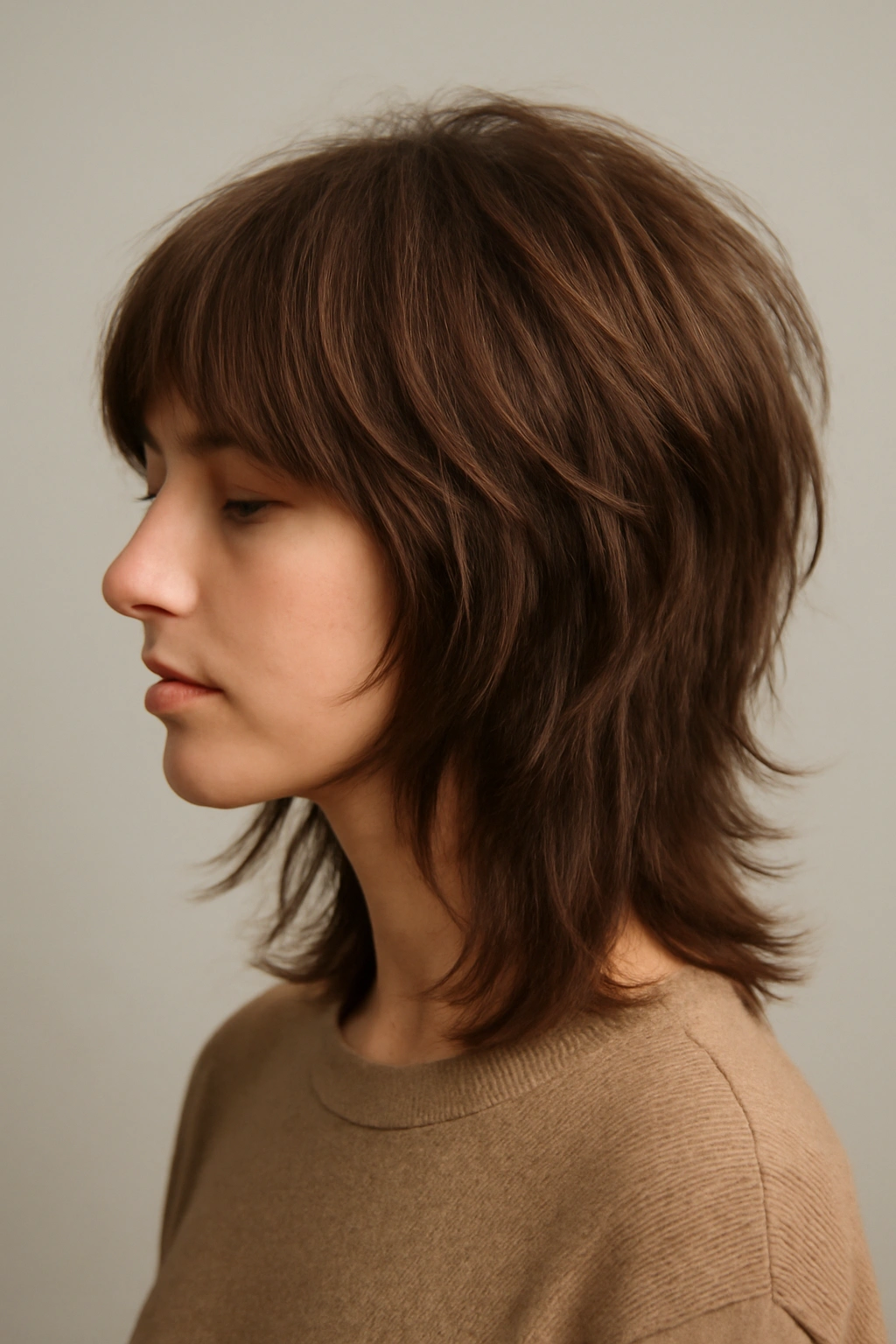
This variation of the classic shag keeps the choppy, disconnected layers but shapes the crown more gently and rounded rather than super short and spiky. The layers are still textured and piece-y throughout, but the crown has more fullness without height, creating a softer silhouette than a more extreme shag. The overall effect is modern and edgy while still feeling accessible and wearable.
The Accessibility Factor
Many people love the idea of a shag but worry it’ll be too dramatic or won’t suit their face shape. A softer shag with a rounded crown delivers the movement and texture without the extreme short crown you see in more fashion-forward versions. It’s the shag demystified for people who want the trend but in a more wearable form.
Best For These Hair Types and Faces
- Fine or thin hair that needs movement without extreme shortness
- Round faces where a rounded crown (rather than spiky) is more flattering
- Wavy or curly hair where the layers enhance existing texture beautifully
- Anyone wanting a modern cut with a somewhat softer aesthetic
Styling approach: This cut looks great when you style it tousled and textured rather than smooth. Sea salt spray, texturizing spray, or product applied to damp hair and scrunched helps create the intentional movement the cut is designed for.
16. The Face-Framing Layers with Longer Length
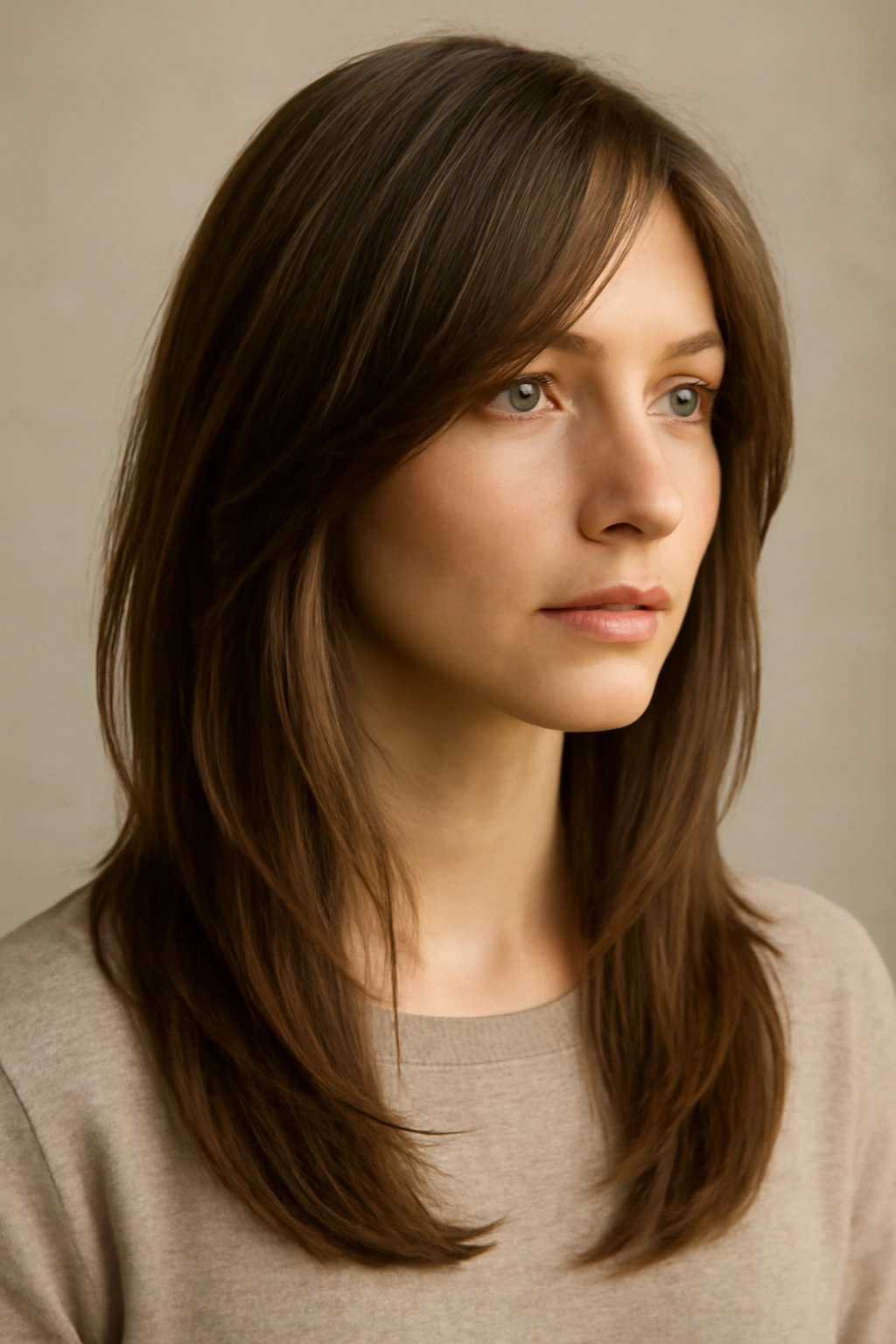
Sometimes the most requested cut is simply medium-to-longer length with strategic face-framing layers that enhance features without a full shag or heavily choppy situation. The layers are concentrated around the face—cheekbones and jawline—while the overall length remains intact. The back might be longer and less layered than the front, creating a subtle shape without removing significant length from anywhere.
The Subtle Sophistication
Not everyone wants obvious layers or choppy texturing. Some people prefer a cut that looks mostly like longer, straight hair but has strategic layers that frame the face, add dimension, and prevent that blunt, one-length look. This approach delivers modern styling while maintaining the elegance of longer hair.
Who Gravitates Toward This Style
- Anyone who loves longer hair but wants it to look intentional and styled
- Heart-shaped or square faces where face-framing layers are deeply flattering
- Straight hair that looks best with subtle shaping rather than obvious texturing
- People wanting a polished, sophisticated aesthetic
Pro approach: Ask your stylist to focus the layers around your cheekbones and jawline, where they can create the most flattering frame. Longer, blended layers (rather than choppy, disconnected ones) often suit this approach better.
17. The Shaggy Mullet with Textured Crown
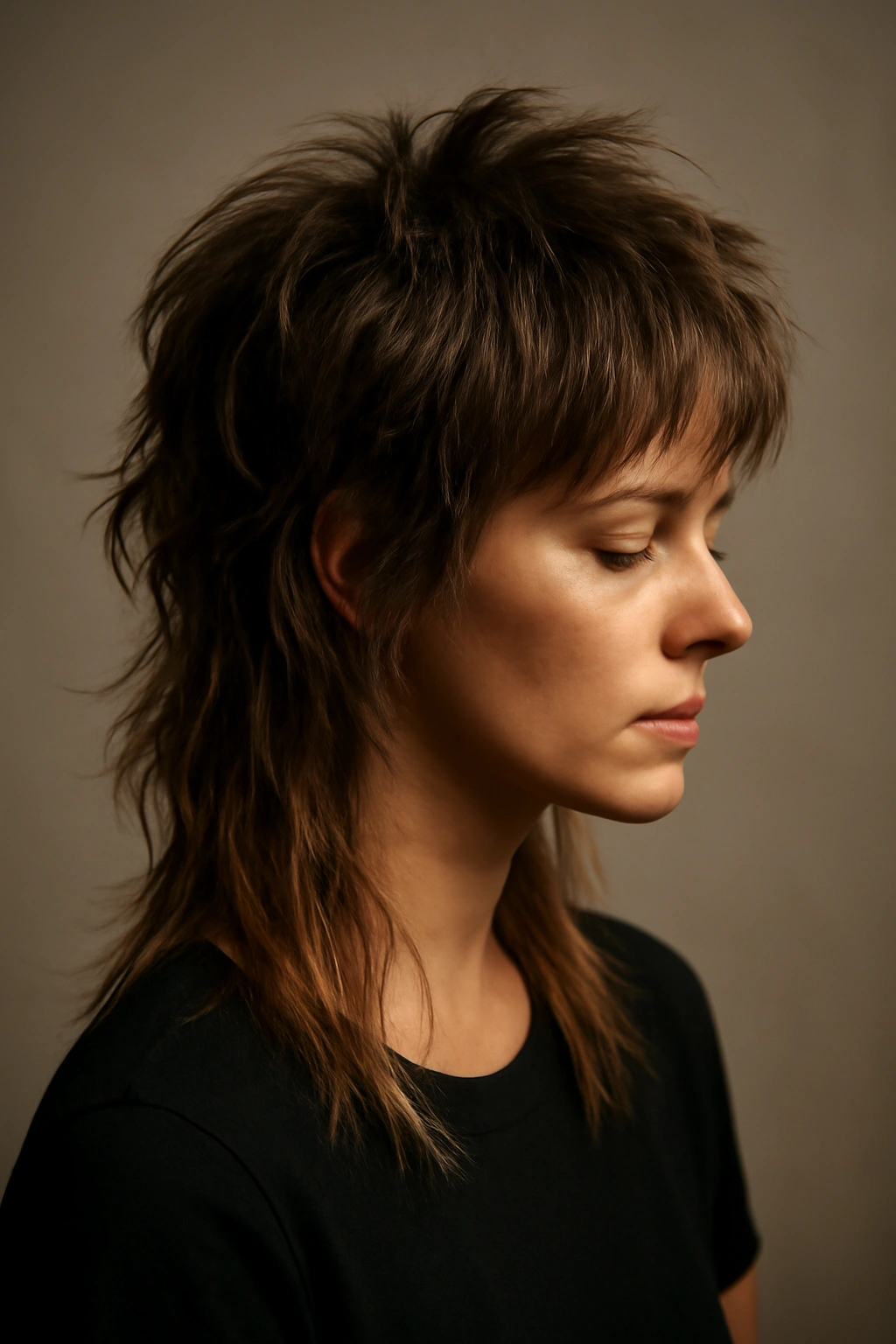
This cut combines the volume and texture of a shag on top with the length and movement of a mullet in back, all unified through choppy, textured layers throughout. The crown is fuller and choppier, gradually transitioning to longer layers that extend past the shoulder in back. There’s no harsh line between sections; instead, the whole cut flows with choppy, piece-y texture that creates movement everywhere.
The Bold Statement
This cut is for people who want something obviously modern and fashion-forward, not a subtle or understated style. It’s edgy, it moves, and it photographs beautifully. The combination of crown volume and back length gives you styling versatility—wear it tousled for edge or style it sleeker for a more polished day.
Best Suited For
- Wavy or curly hair that thrives with choppy layers
- Anyone comfortable making a style statement
- People with heart or round faces where the crown volume adds flattering proportions
- Thick hair that benefits from choppy layers reducing bulk while maintaining length
Styling reality: This cut looks intentional when styled with texture and movement. Blow dry with product, use a texturizing spray, or let your natural texture do the work if you’re wavy or curly.
18. The Blunt Lob with Subtle Layers Underneath
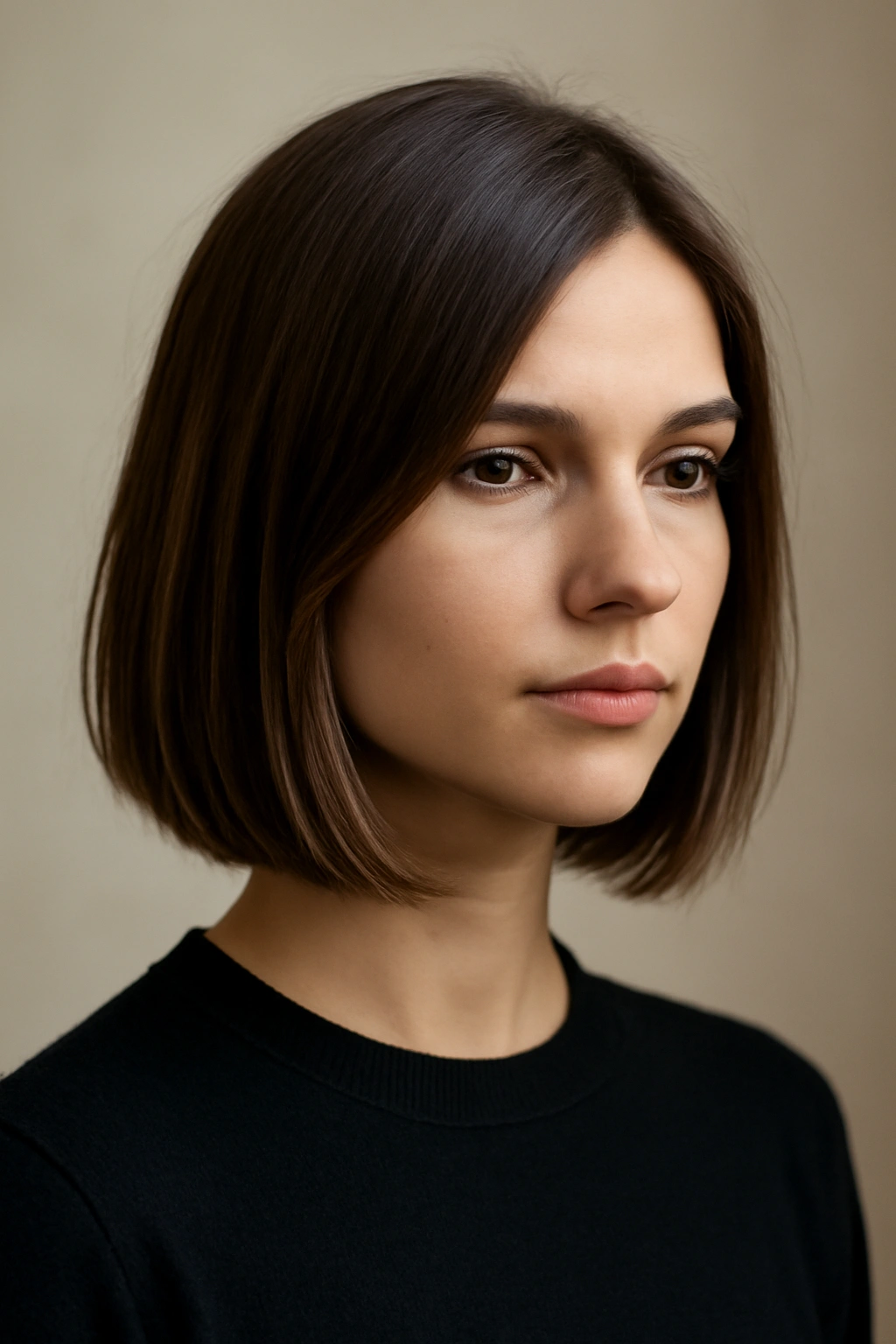
This cut looks like a blunt, sleek lob from the front and sides—straight, clean lines, no obvious layering. But underneath, especially through the back and sides, are subtle layers that remove weight and prevent bulk while maintaining the polished, blunt appearance on top. It’s a cut that delivers the elegance of a blunt lob with the practical benefits of hidden layers.
The Best of Both Worlds
Some people love the polished, intentional look of a blunt cut but don’t want the weight or the difficulty managing it. Hidden underlayers solve this problem perfectly. You get the sleek aesthetic you want with the practical ease that only comes from strategic weight removal.
Perfect For
- Thick, heavy hair that needs weight removal but looks best blunt
- Anyone preferring a polished, sophisticated aesthetic over choppy texture
- People with straight hair where the clean lines look their best
- Those wanting a modern cut that doesn’t look trend-based
Styling tip: This cut looks best when you protect those blunt ends. Regular trims every 6-8 weeks keep the ends sharp and prevent that wispy, grown-out appearance.
19. The Shag with Extended Bangs
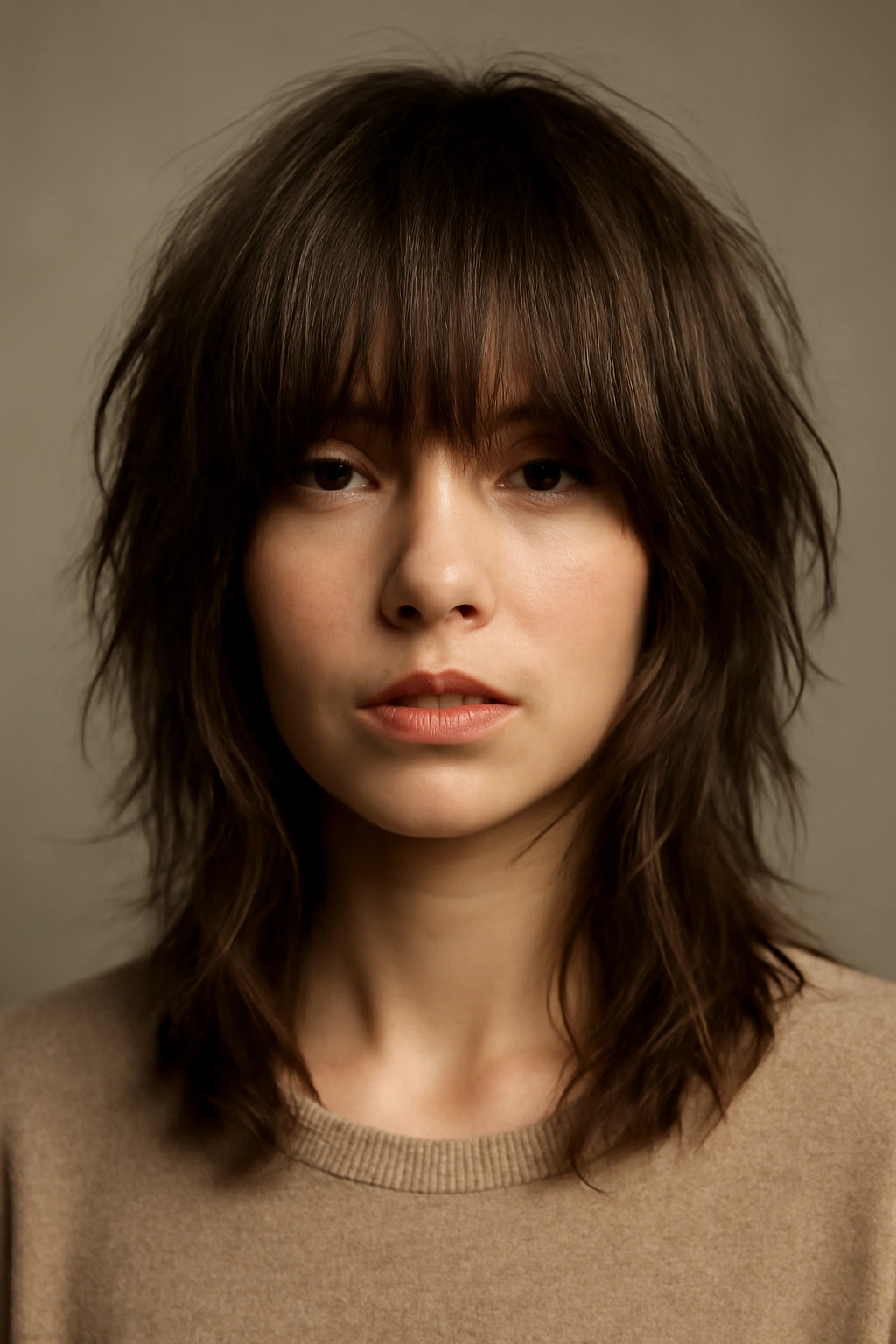
This variation features choppy shag layers throughout but with extended, longer bangs that blend into the crown layers. The bangs are part of the overall shag rather than a separate element, creating a unified, cohesive look. The bangs sit longer—somewhere between eyebrow and nose level—giving you face-framing coverage while the rest of the cut has that signature shag texture and movement.
The Integrated Approach
Rather than adding bangs as an afterthought, integrating longer bangs into the shag structure creates a more intentional, designed look. The extended bangs give you more styling options than shorter bangs while still providing face-framing softness.
Who Should Consider This
- Anyone wanting bangs that are integrated into their overall cut rather than separate
- Oval faces that can carry longer bangs beautifully
- People with wavy or curly hair where the bangs blend seamlessly with the shag texture
- Those wanting maximum face-framing softness
Maintenance note: Extended bangs require regular trims every 3-4 weeks as they grow and change how they sit. They’re longer than traditional bangs so growth is less noticeable initially, but you’ll still want consistent maintenance.
20. The Textured Medium Shag with Undercut Details
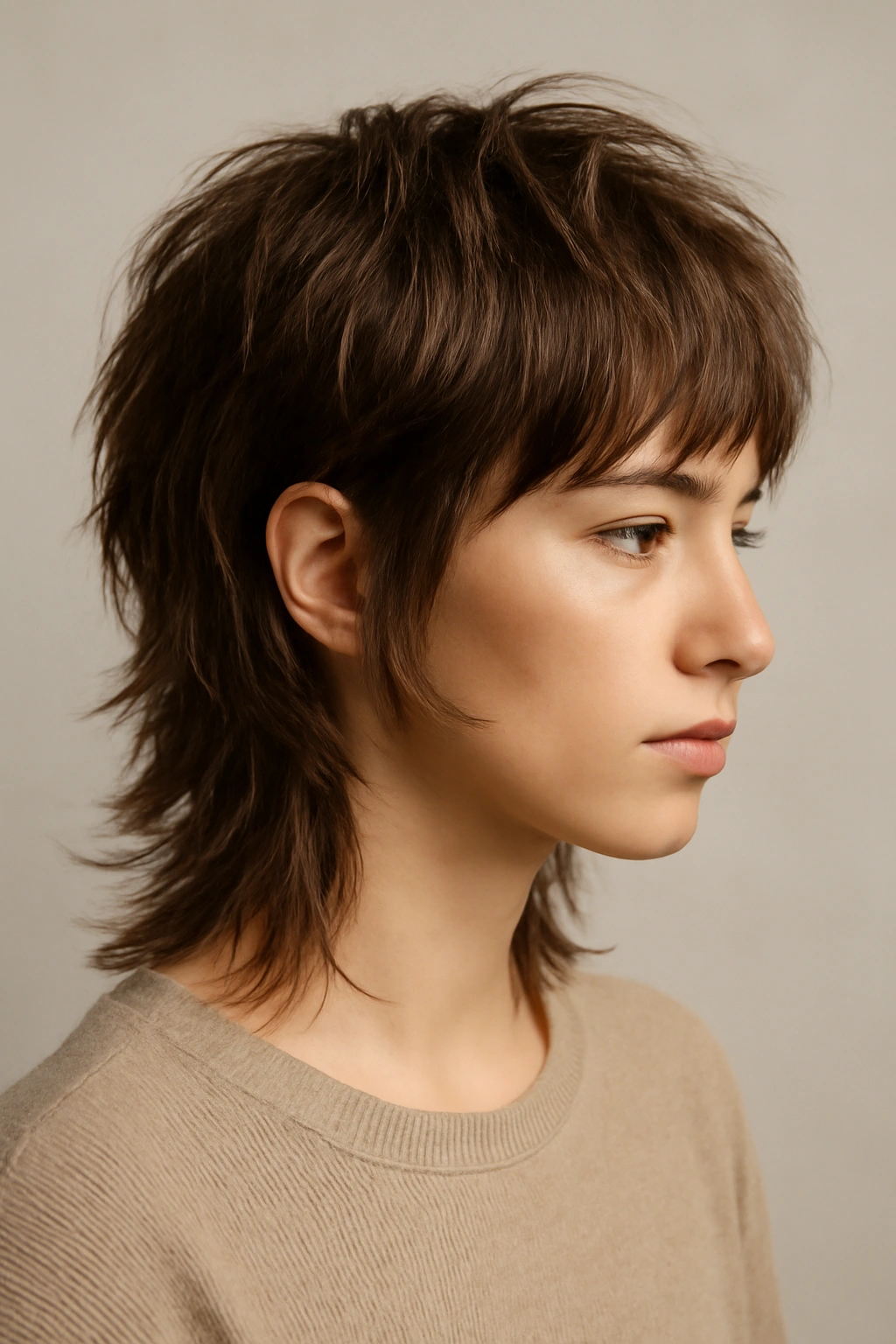
This final style brings everything together—choppy, textured shag layers throughout with subtle undercut details hidden around the ears and nape. From the front, it reads as a modern, textured shag with great movement and dimension. The undercut details add volume at the crown and prevent bulk at the nape, combining the fashion-forward appeal of a shag with the practical benefits of an undercut.
The Complete Package
This cut represents the evolution of layered styling, combining trending elements (shag texture, undercut details) into a cohesive, wearable style. It delivers obvious fashion credentials while maintaining practicality and ease of styling compared to some alternatives.
Best For
- Wavy or curly hair where the layers and undercut work in harmony
- Anyone wanting a modern, textured cut that’s still easy to manage
- Thick hair that benefits from both surface layers and hidden undercut details
- People comfortable with a statement cut
Long-term maintenance: The undercut will grow out within 4-6 weeks, so plan on maintenance trims to keep that benefit. The surface shag layers can go slightly longer between cuts while still looking intentional.
Final Thoughts

The reason these twenty cuts keep appearing on salon request boards comes down to one reality: they work. Whether you’re drawn to choppy texturing or soft blending, prefer statement-making shags or sophisticated, subtle layers, one of these styles probably speaks to what you’re looking for. The key to getting great results isn’t just picking a style that looks good on someone else—it’s working with your stylist to customize it for your specific hair texture, face shape, and lifestyle.
Medium layered haircuts sit in that genuinely sweet spot where practicality meets style. You’re not fighting your hair’s natural characteristics; you’re working with them through strategic layering. You’re not committing to a length that requires constant maintenance; you’re choosing a range that’s forgiving and versatile. You’re not locked into one way of wearing your hair; most of these cuts give you multiple styling options depending on your mood and the day.
When you sit down for your consultation, bring photos of at least 2-3 styles that appeal to you. Talk honestly with your stylist about your hair’s natural texture, how much styling you’re willing to do, and what problems you want the cut to solve. The best haircut isn’t about following trends blindly—it’s about choosing a cut that genuinely works for your specific situation and makes you feel confident every time you look in the mirror.
