



A short haircut isn’t just a style choice—it’s a statement of confidence, personality, and versatility. For Black women, short hair opens up a whole universe of creative possibilities that celebrate natural texture, highlight facial features, and allow for endless styling options that work with our hair’s unique characteristics. Whether you’re thinking about making the chop for the first time or you’re a seasoned short-hair enthusiast looking for fresh inspiration, the right cut can transform how you feel about yourself and how you move through the world.
The beauty of short haircuts for Black women lies in how they work with natural texture rather than against it. Curls, coils, and waves that might take hours to style at length become effortless design elements in a well-executed short cut. You get more styling freedom, shorter wash days, less product dependency, and the ability to express your individuality through shape, texture, and detail work. Plus, there’s something undeniably powerful about the confidence that comes with wearing your hair short and bold.
This guide covers twenty distinct short haircut ideas, each with its own character and styling potential. Some are sleek and geometric, others celebrate natural curl patterns, and a few blur the line between edgy and elegant. Whatever your lifestyle, hair texture, or personal aesthetic, you’ll find ideas here worth saving, sharing with your stylist, and considering for your next cut.
1. The Classic Pixie Cut
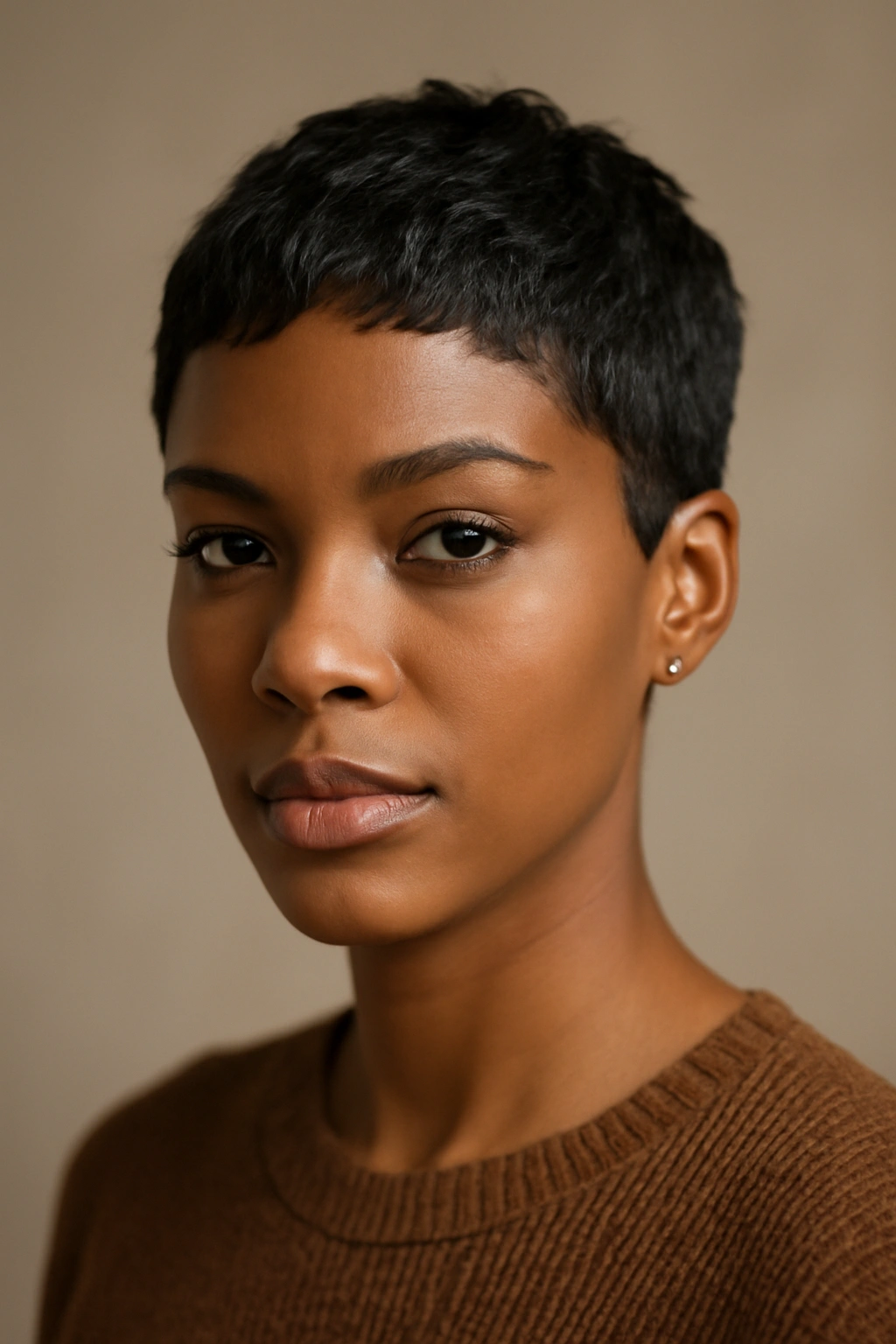
The pixie cut remains one of the most iconic short hairstyles, and it looks absolutely stunning on Black women when it’s tailored to your face shape and hair texture. A true pixie is typically cut short all over—usually between a quarter inch and two inches—with slightly longer pieces on top that can be styled forward, swept to the side, or brushed back for texture and movement. The magic of a pixie is how it puts your facial features, bone structure, and personal style front and center.
Why It’s a Timeless Choice
A pixie cut works beautifully with coily and textured hair because the shorter length allows curl patterns to spring up naturally without weighing down. The cut requires a skilled stylist who understands how to work with Black hair texture—you want someone who can cut each section at the right angle to enhance your natural curl pattern rather than fight it. Many Black women find that a pixie actually requires less styling time than longer styles, and the cut grows out gracefully if you prefer a more androgynous or geometric look as it gets longer.
Styling and Maintenance Tips
- Invest in a good leave-in conditioner and lightweight cream to define curls and reduce frizz
- Use a soft-bristle brush or fingers to style your pixie, avoiding harsh tools that disrupt curl patterns
- Visit your stylist every 4-6 weeks to maintain crisp edges and keep the shape intentional
- Experiment with different parts and directions to find what flatters your face shape most
- A pixie can be worn sleek and polished or textured and tousled depending on your mood
2. The High-Top Fade
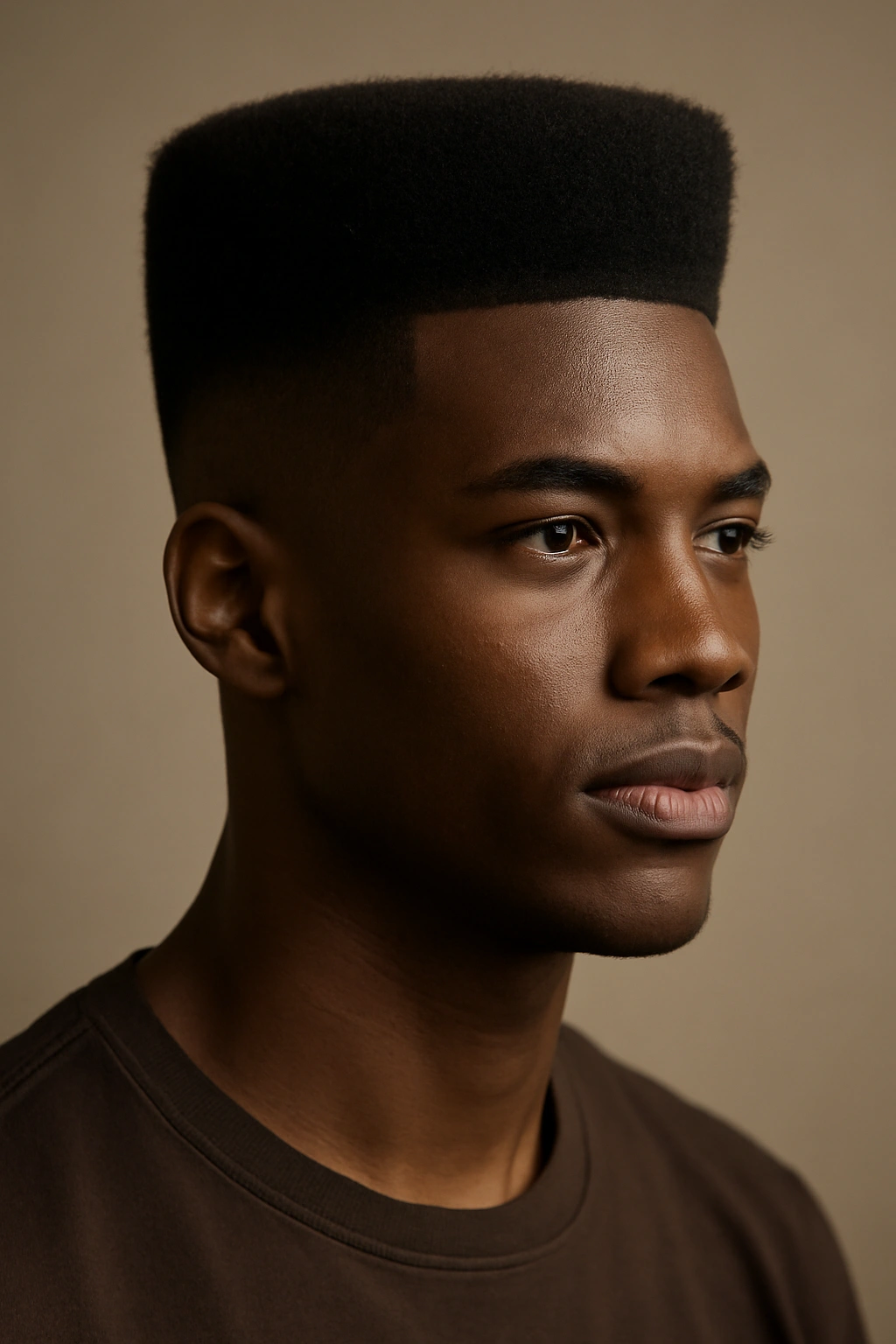
The high-top fade is a bold, architectural cut that celebrates boldness and precision. This style features a flat, voluminous top section that can be several inches tall, with hair gradually fading shorter on the sides and back. The high-top creates stunning visual impact and works especially well with natural coils because the texture adds dimension and presence to the top section. This cut has deep roots in Black hair culture and remains one of the most versatile and customizable short styles available.
The Art of the High-Top
What makes a high-top fade special is the detailed clipper work and the way a skilled barber creates clean, deliberate lines. The top section isn’t just longer—it’s carefully shaped to either stand perpendicular to the scalp or angle slightly in a direction that suits your face shape. You have endless options: a flat-topped rectangle, a rounded dome, a tilted angle, or even a deliberate artistic shape. The fade itself can be tight and close, or you can ask for more texture blended into it.
Customization and Details
- Request line designs, geometric patterns, or fades that frame your face in specific ways
- Discuss whether you want the top section to stand straight up or be styled with product in a particular direction
- Specify how tight you want the fade—some people love a super clean, close cut, while others prefer a textured blend
- Ask your barber about edge designs that enhance your hairline and face shape
- The high-top looks fresh with regular trims every 2-3 weeks
3. The Tapered Cut
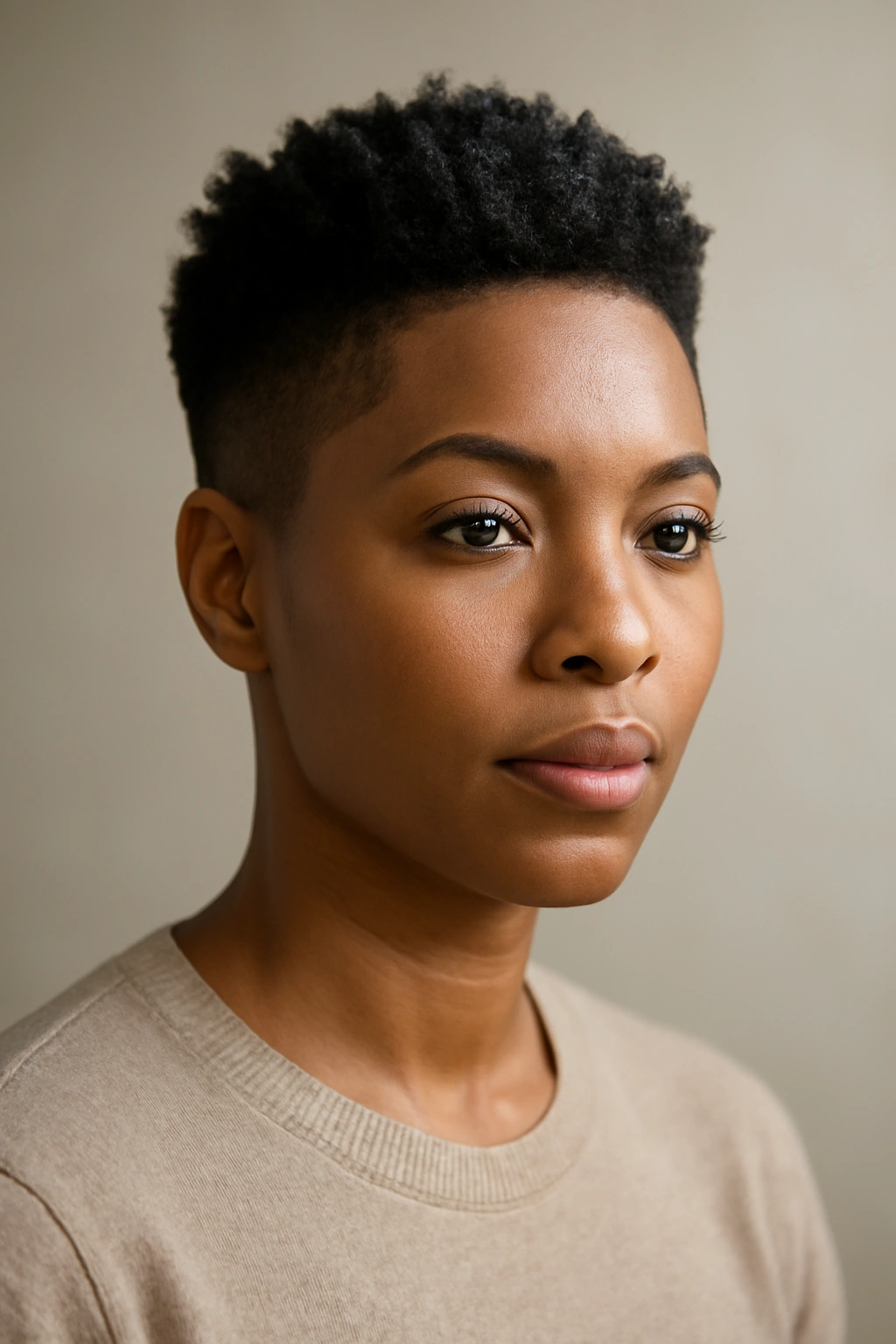
A taper is one of the most flattering and wearable short cuts for Black women—it’s essentially a longer version of a fade that doesn’t go quite as close to the scalp. Hair gradually shortens from the top down, creating clean lines without the stark contrast of a full fade. A tapered cut works beautifully with natural texture and offers a polished, put-together look that works in virtually any setting, from corporate offices to creative industries.
Why Tapers Flatter So Many Face Shapes
The tapered shape creates an illusion of face length and draws attention upward because the volume sits on top while the sides gradually diminish. This works well for round faces, square faces, and most other face shapes. Unlike a fade, which creates a very deliberate, high-contrast line, a taper is softer and more blended. You can adjust how quickly the taper transitions—some people prefer a gradual, subtle transition over several inches, while others like a more noticeable drop from top to bottom.
Styling Versatility
- A taper can be worn completely natural with no styling products for a textured look
- Add a light cream or gel to create definition and shape
- Brush the top forward for a modern, swept look
- Taper cuts pair beautifully with colored edges or intricate line designs
- This cut works with both natural coils and looser wave patterns
4. The Buzz Cut
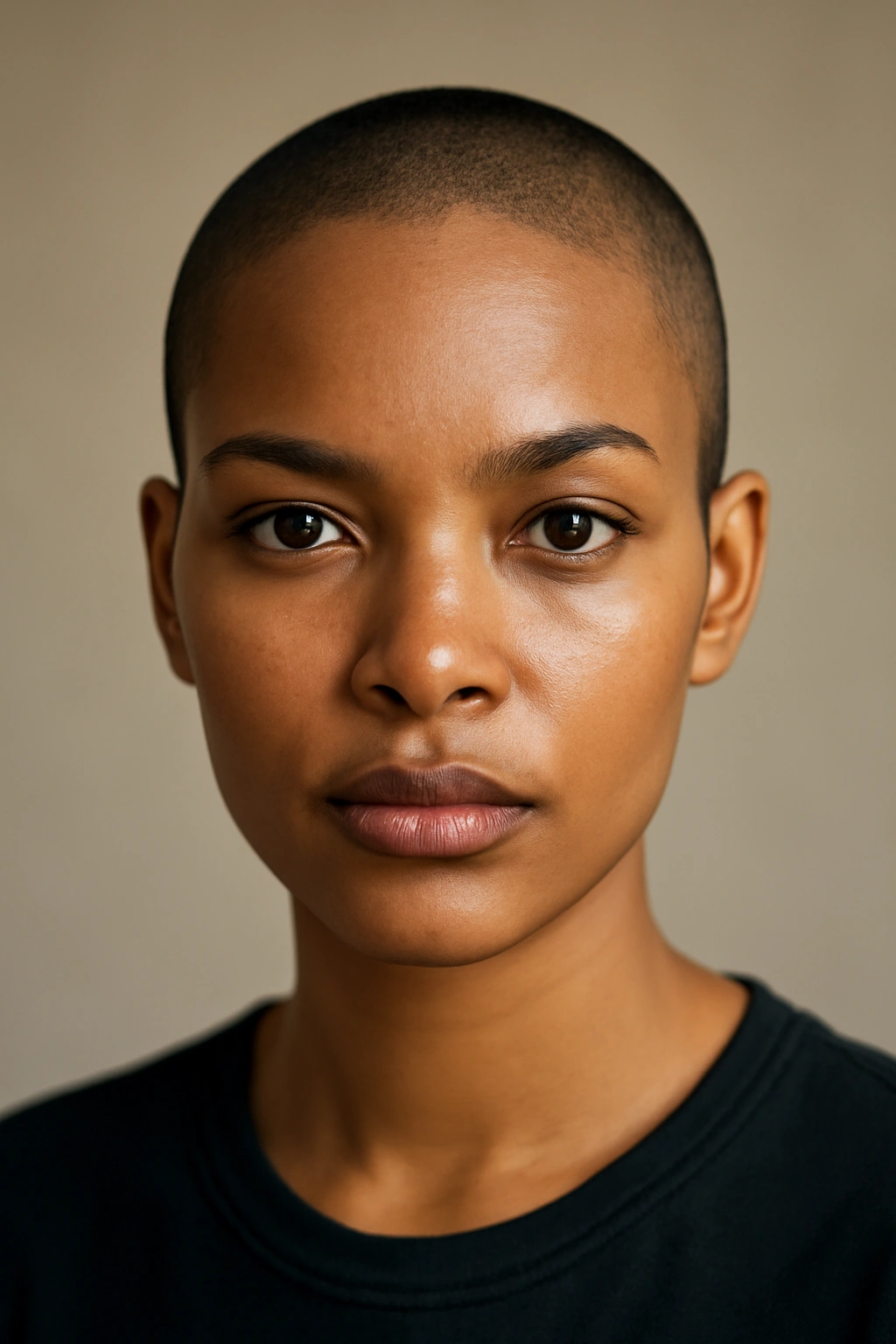
Don’t underestimate the buzz cut—it’s liberated countless women and celebrates features, head shape, and bone structure in a way that’s both vulnerable and powerful. A buzz cut is typically the same length all over, usually achieved with clippers set to a specific guard (typically a 0, 1, or 2 guard). The result is a clean, minimalist look that requires virtually no styling and makes a bold statement about confidence and self-acceptance.
The Psychology and Appeal of a Buzz Cut
Wearing a buzz cut is genuinely transformative for many Black women. It removes the social expectation that hair must be long or styled in a particular way. It eliminates the emotional and time investment of hair care, which can feel like freedom. It also puts your natural features—your eyes, cheekbones, jawline, the shape of your head—on full display in a way that shorter styles don’t quite achieve. Many women report feeling more confident and more themselves in a buzz cut.
Different Guard Lengths and Effects
- A 0 or 0.5 guard creates a super close, nearly shaved look that’s minimalist and striking
- A 1 guard gives you a little more texture while still being very short
- A 2 guard is slightly longer and allows a bit more personality and shape
- Some people do a buzz cut on the sides and back with slightly longer hair on top for a subtle variation
- Buzz cuts look especially striking with natural shine, so many people oil or moisturize their scalp for that glow
5. The Side-Swept Pixie
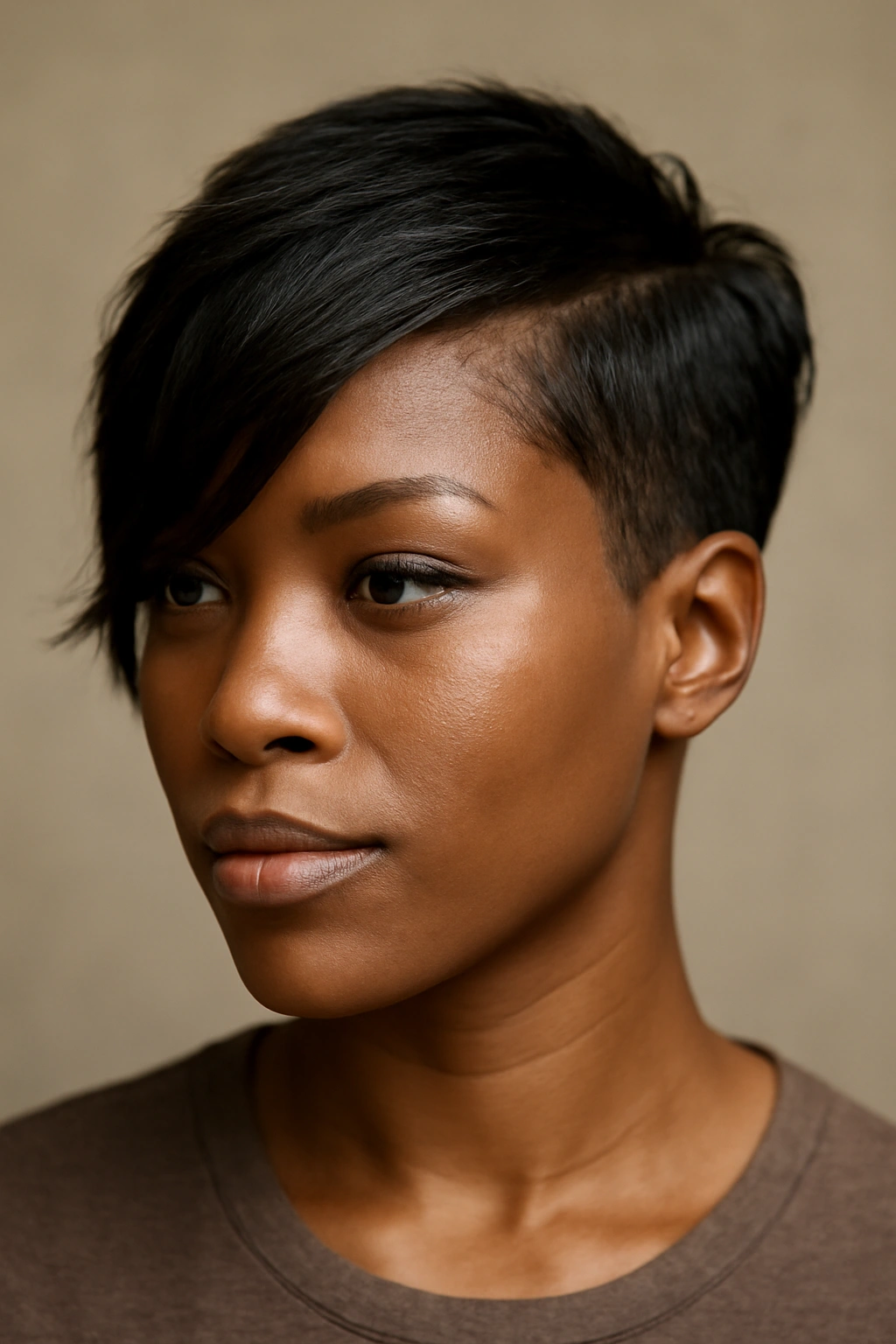
If a full pixie feels too dramatic but you love the idea of a very short cut, a side-swept pixie offers a beautiful middle ground. One side of the head is cut shorter—sometimes very close—while the other side has longer pieces that can sweep across the top or frame one side of your face. This creates visual interest and movement while keeping the overall style short and manageable. The asymmetry is flattering and allows you to express personality and edge.
Creating Dimension Through Asymmetry
The side-swept pixie works beautifully with natural texture because the longer side can showcase curl patterns and waves while the shorter side creates clean lines and graphic interest. You get the styling freedom of a short cut combined with the styling options of slightly longer pieces. Depending on how you style it, a side-swept pixie can look sleek and professional, textured and bohemian, or bold and artistic.
Styling Options for Different Occasions
- Sweep the longer side back or to the side for a more polished look
- Let the longer side fall naturally over your ear for a softer, more textured appearance
- Add product to the longer side for definition and shine
- Style the shorter side with edge designs or intricate barber work
- This cut grows beautifully—as it gets longer, you can transition to a longer pixie or bob style
6. The Textured Undercut
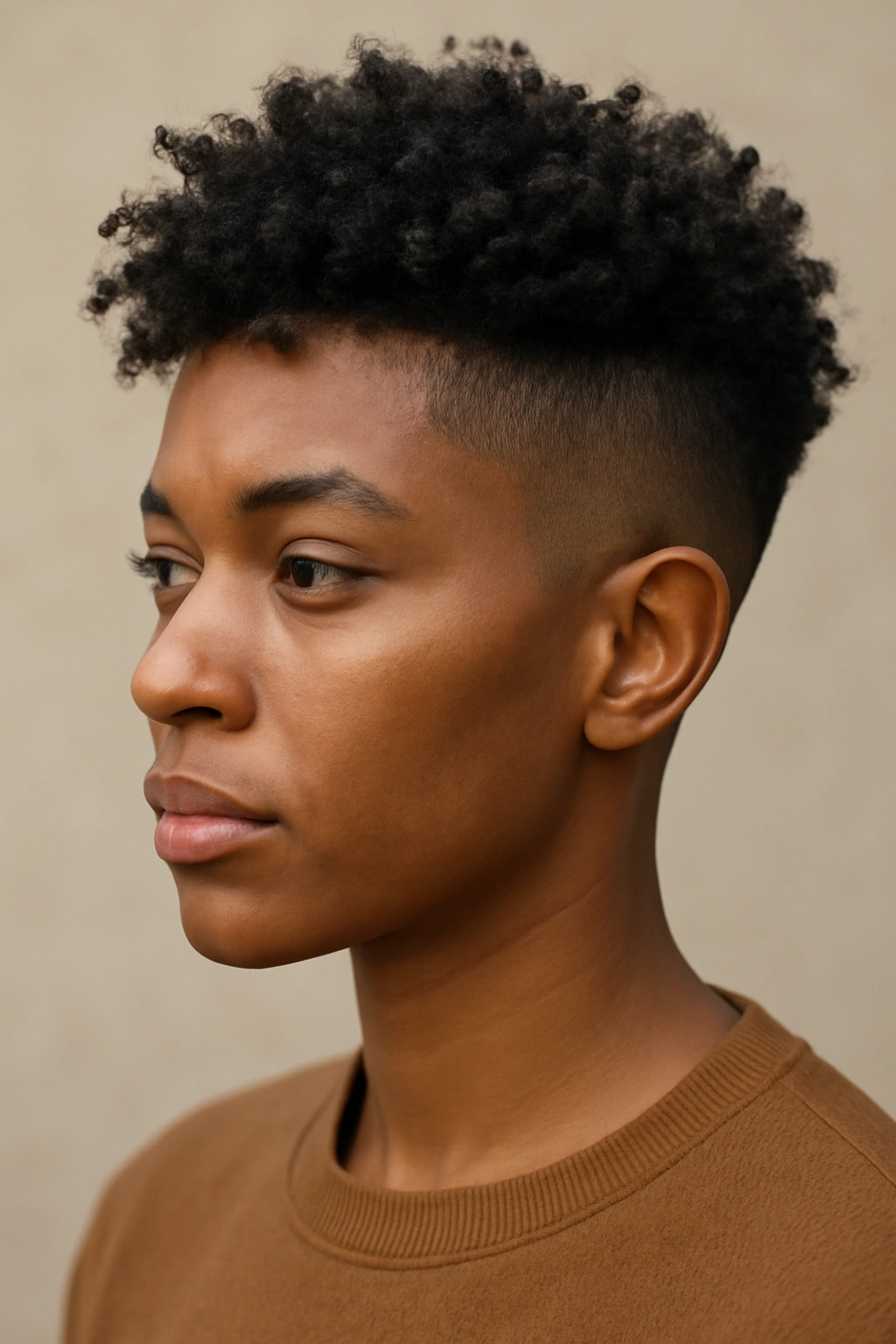
An undercut features longer hair on top with very short, faded hair underneath—the contrast between the two creates visual punch and allows for interesting styling possibilities. A textured undercut specifically celebrates your natural curl pattern on top while the shaved or faded undercut creates dramatic clean lines. This is a style that makes a statement while still being deeply flattering and versatile.
How to Wear an Undercut Successfully
The undercut works best when your stylist understands how to cut the top section to sit properly over the shorter undercut. If the top is cut too heavily or weighted down, it can look flat against the undercut rather than sitting with volume and dimension. The top section should be cut to enhance your curl pattern and sit naturally with the shape of your head. You can wear an undercut sleek with the top brushed back, textured with curls on display, or braided on top if you want to show off the undercut detail.
Customization Details That Matter
- Specify how short you want the undercut to be—some people go nearly shaved, others prefer a 1 or 2 guard
- Ask about the angle and style of the undercut—does it complement your ear shape, your neck, your overall silhouette?
- Consider intricate line designs or patterns shaved into the undercut for extra personality
- Discuss with your stylist how to keep the top section healthy and shaped as it grows
- The contrast looks most striking if the undercut is significantly shorter than the top
7. The Modern Mohawk
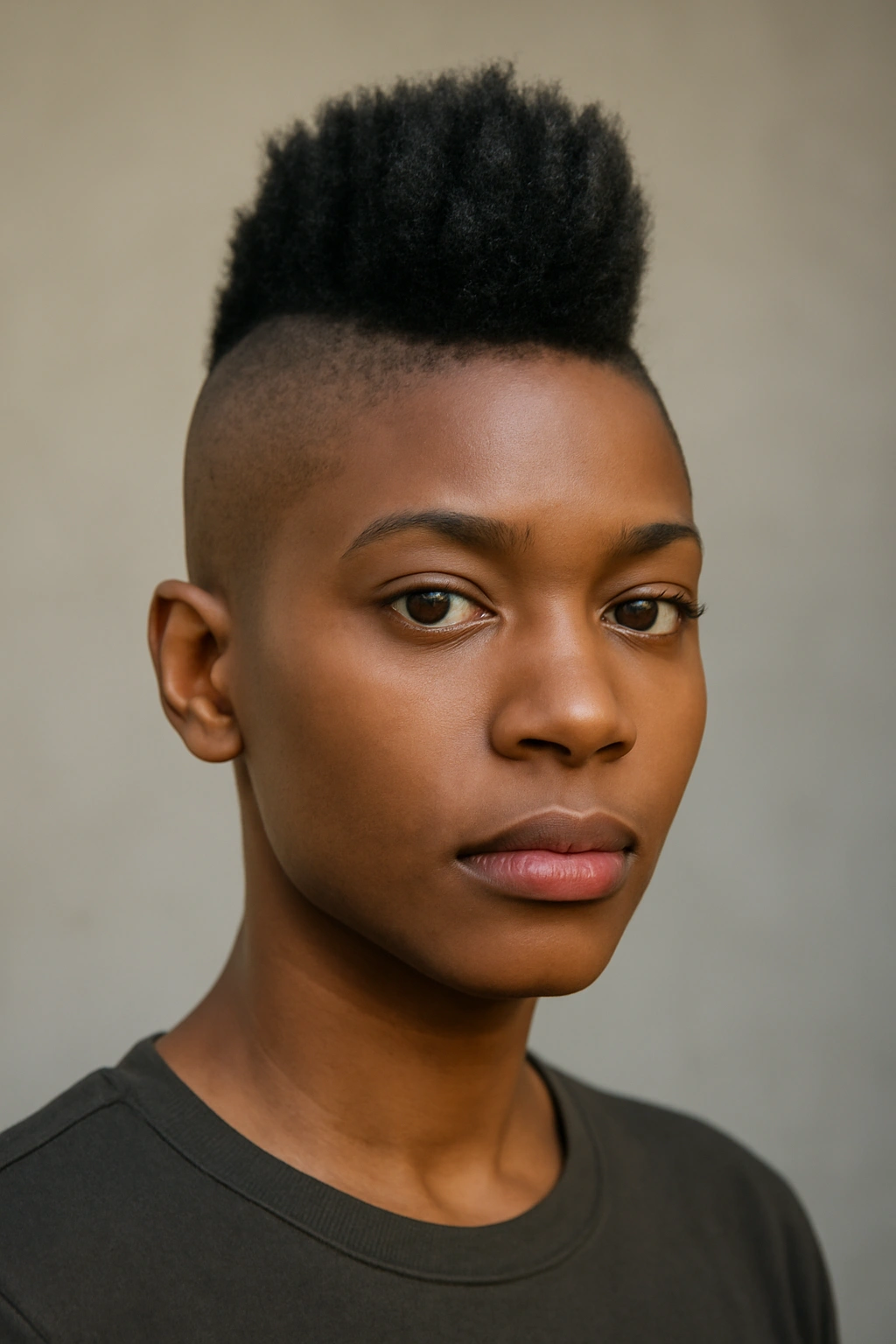
A mohawk is a short cut with very short or shaved sides and a longer strip down the center that can be styled up, brushed back, or braided. For many, the word “mohawk” conjures images of extreme styling, but modern versions are much more nuanced and wearable. The central strip can be anywhere from two inches to six inches tall, and the sides can be a tight fade, a medium taper, or even leave some length if you want something more subtle.
Mohawks for Professional and Creative Settings
A well-executed modern mohawk can be styled in ways that work in professional settings or creative industries. You can brush the central section back for a more polished look, tousle it for texture and movement, or braid it for a bohemian vibe. Some people choose hawk designs where the top section narrows dramatically into an even more geometric shape. The mohawk celebrates confidence and individuality in a way that few other styles do.
Different Mohawk Styling Approaches
- Brush the center section straight up and back for a classic, bold look
- Use a lightweight gel or cream to define your natural texture in the center strip
- Braid the center section for a more artistic, bohemian feel
- Alternate between wearing it styled up and brushing it back for versatility
- Combine a mohawk with an undercut or detailed fade for maximum visual impact
8. The Fade with Intentional Edge-Up
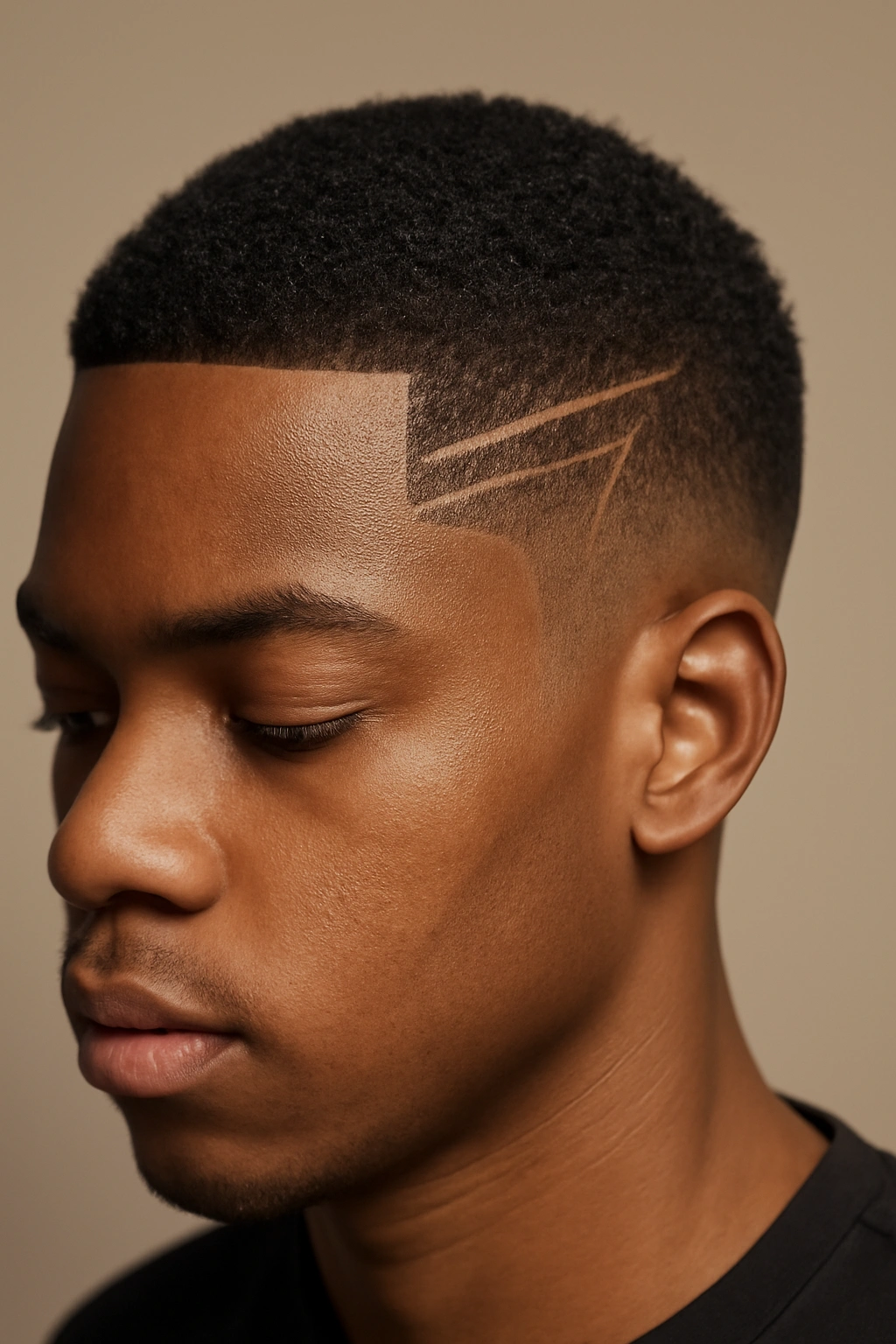
A fade with a really intentional edge-up is a style that focuses on precision barber work and clean lines. The fade itself—the gradual shortening from top to bottom—can be executed in dozens of ways, but what makes this style special is the detailed edge-work: sharp lines around the hairline, intricate designs, geometric patterns, or custom artwork that’s clipped into the fade. This is short hair as an art form, where the cut itself becomes a statement.
The Craftsmanship Behind Great Edge Work
A skilled barber can create designs that range from simple geometric lines to complex artistic patterns. The edge-up might frame your face, create optical illusions, highlight your natural hairline, or incorporate designs that reflect your personality. This is the kind of cut that requires finding a barber whose work you admire and having a detailed conversation about what you want. The beauty of edge-work is that it makes your short cut feel completely personalized and intentional.
Details to Discuss With Your Barber
- Show reference images of edge designs or patterns you love
- Discuss how the design will work with the shape of your head and face
- Ask about maintenance—some designs require touch-ups more frequently than others
- Consider seasonal or temporary designs if you like to change things up
- Quality edge-work is an investment, so budget accordingly
9. The Mini Afro
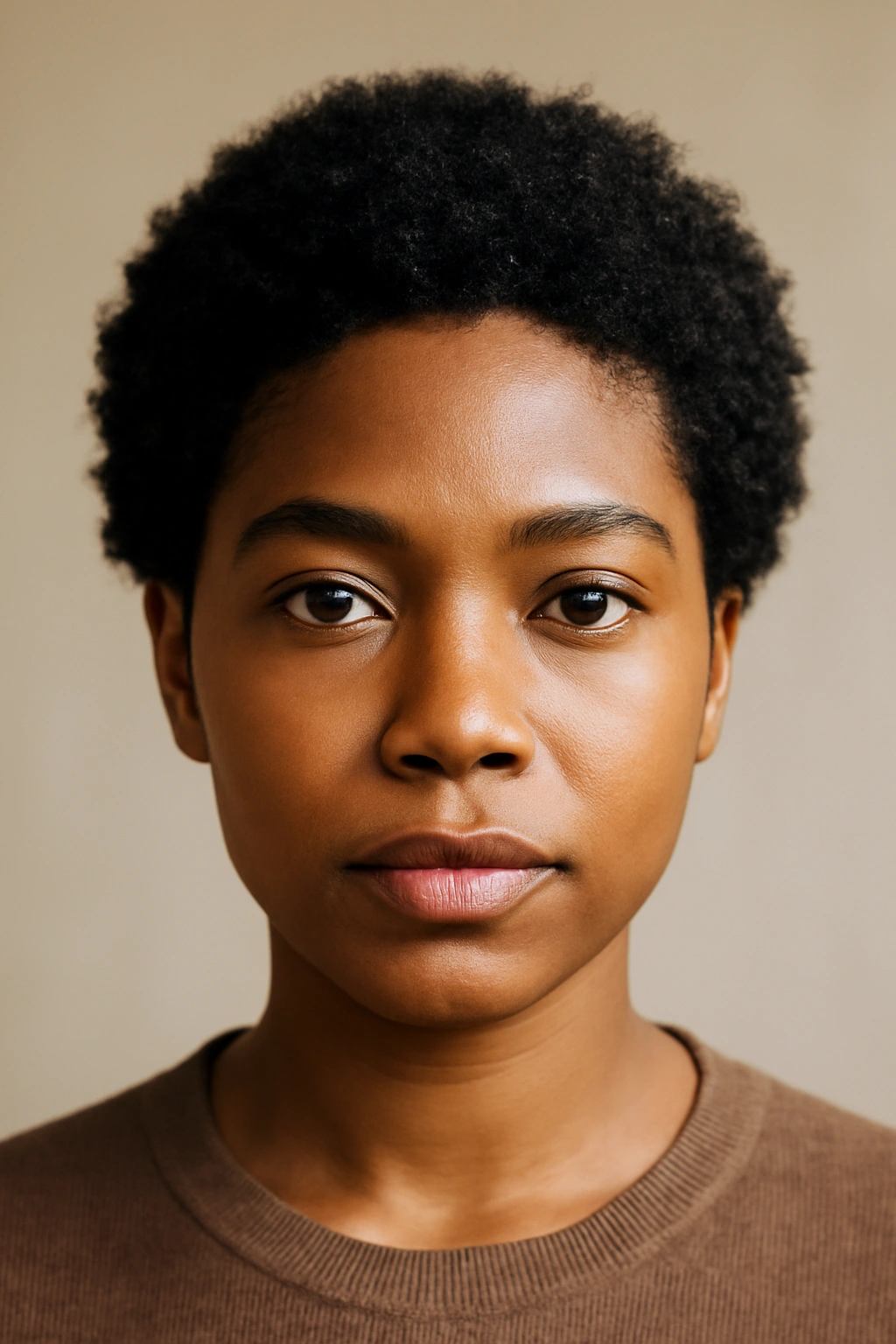
A mini afro is a celebration of natural texture and might be the most low-maintenance short cut available. Rather than trying to shape or define curls, a mini afro lets them exist in their natural, glorious state. The cut is typically one to three inches in length all around, creating a rounded shape that showcases the natural volume and dimension of your coils. This is a cut that says I’m not conforming to anyone’s beauty standards but my own.
The Freedom and Politics of Wearing an Afro
For many Black women, choosing to wear a short afro—or any afro—is a deeply personal statement about self-acceptance and rejecting Eurocentric beauty standards. A mini afro requires virtually no styling: wash your hair, let it dry, and you’re done. No heat, no chemicals, no products required (though you might choose to use them). The cut requires minimal maintenance—just a trim every few months to maintain the shape. Many women find that wearing a mini afro actually improves their hair health because the hair isn’t being manipulated or subjected to heat.
Caring for a Mini Afro
- Use a wide-tooth comb or your fingers to detangle while your hair is wet and conditioned
- Invest in a good moisturizing shampoo and leave-in conditioner
- Sleep on a silk or satin pillowcase to minimize frizz and breakage
- Refresh your curls between washes using a light spray of water and a tiny bit of leave-in product
- Trim every 8-12 weeks to maintain the rounded shape
10. The Shaved Sides with Longer Top
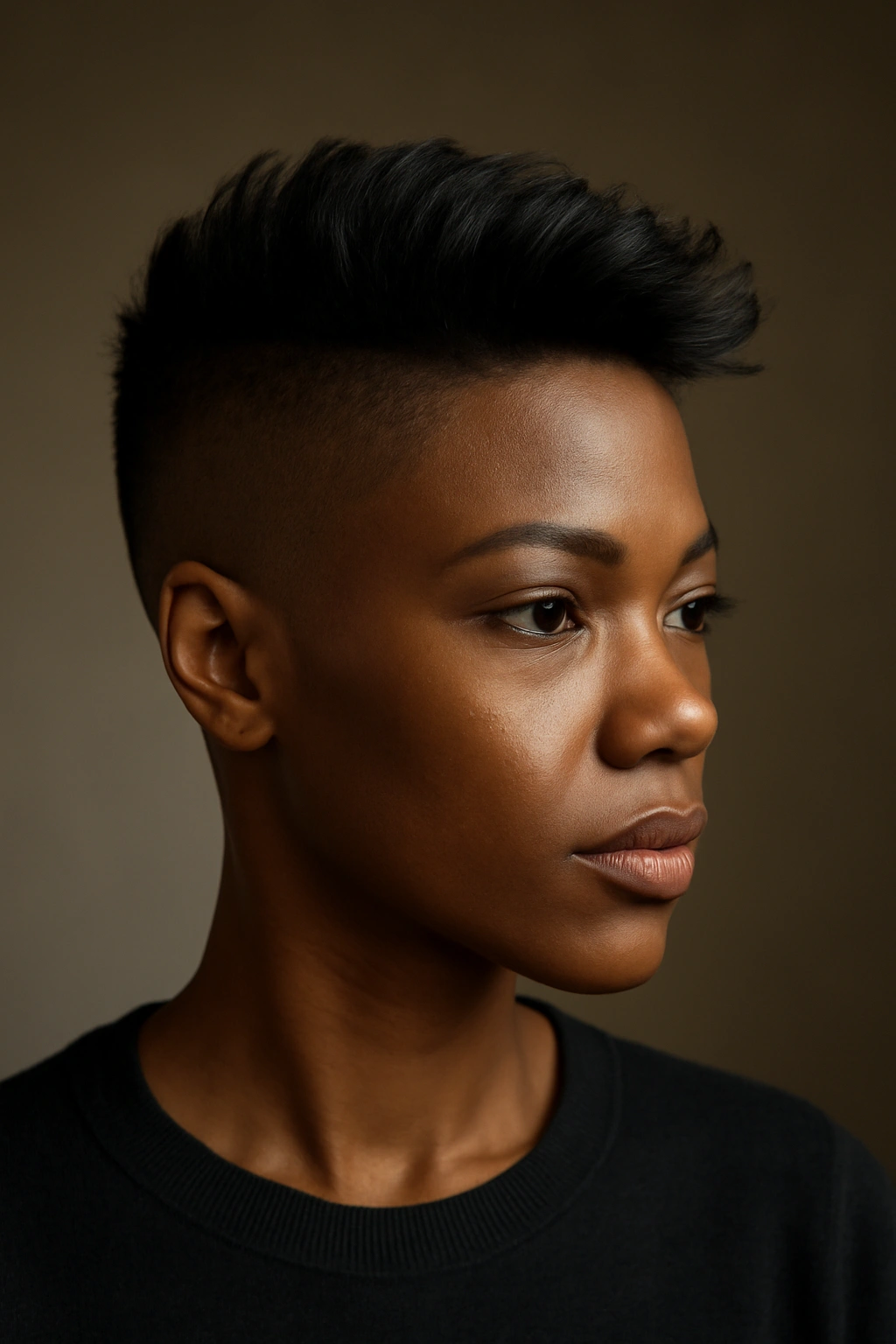
This style combines the graphic impact of very short or shaved sides with longer, textured hair on top. Unlike an undercut, where the top is typically just slightly longer, this style features a more noticeable contrast—the top might be three to five inches while the sides are nearly shaved. The result is incredibly versatile: you can style the top sleek and back, textured and tousled, braided, twisted, or in any number of creative ways.
Versatility and Styling Freedom
What makes this cut special is how much styling flexibility you get. You can wear it professional and polished one day and textured and artistic the next. The longer top section allows for protective styling options like braids, twists, or coils if you want them. The shaved sides create that stark graphic contrast that feels contemporary and edgy. You can also adapt how you wear the top as it grows out, transitioning from shorter to longer without needing an entirely new cut.
Top Section Styling Ideas
- Brush back and slicked down for a sleek, professional appearance
- Natural and textured with your coils on full display
- Braided or twisted into intricate patterns
- Styled with color for extra visual impact
- Half-up styles that show off both the length on top and the clean sides
11. The Choppy Layers
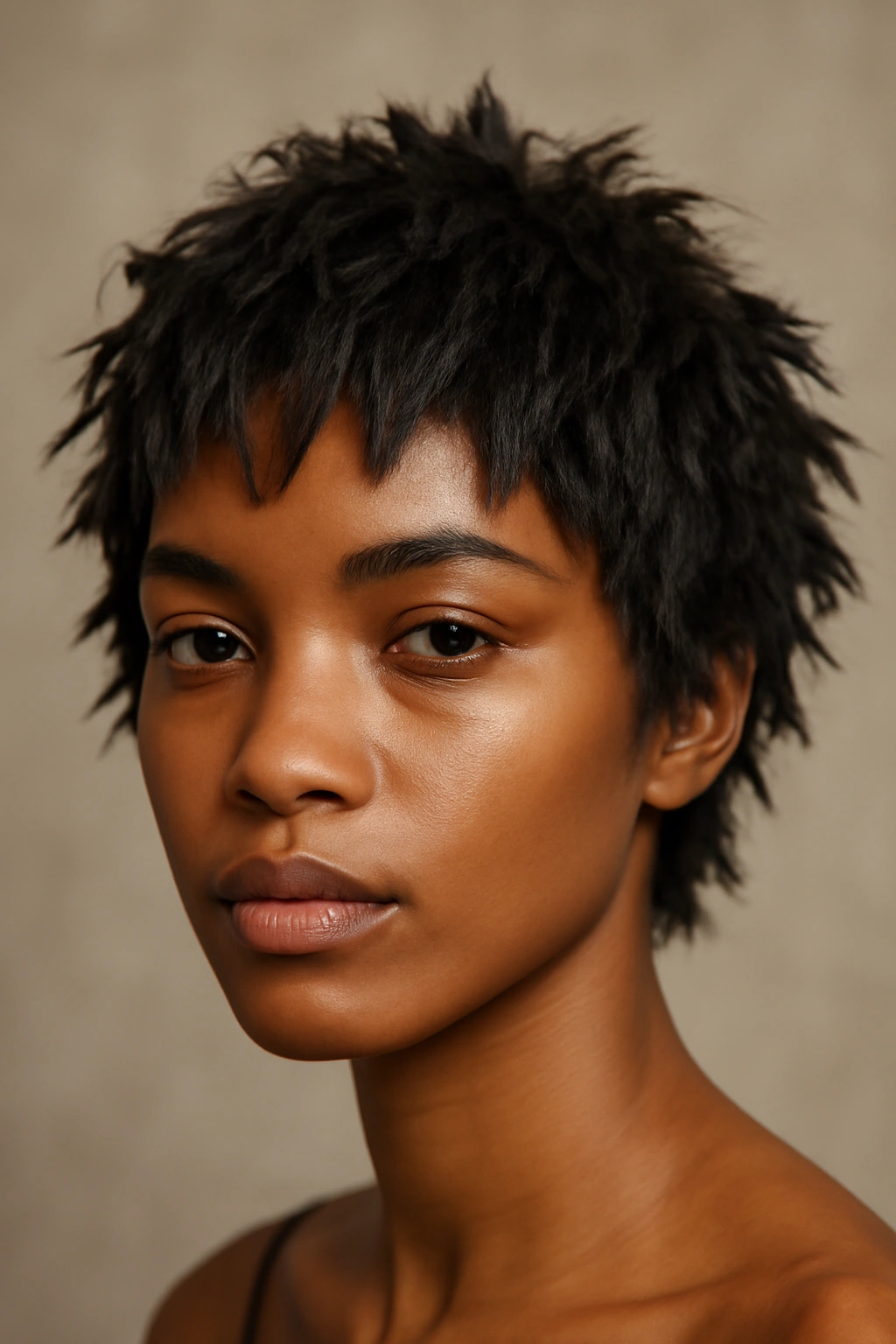
A choppy, layered short cut creates texture and movement by varying the length of different sections throughout your hair. Rather than having one consistent length, some pieces are cut shorter while others are slightly longer, creating what looks like shag or a modern, edgy style. On textured hair, layers work beautifully because they follow and enhance your natural curl pattern rather than fighting against it.
How Layers Transform Textured Hair
Layered cuts are particularly flattering on coily and curly hair because they allow curl patterns to exist in their natural state while giving the overall cut shape and intention. A good layered cut takes advantage of where your hair naturally wants to curl and shape itself, working with your texture rather than against it. Layers also eliminate bulk without sacrificing length, which means you get the styling ease of a shorter cut without losing all the length. Many people find that layers actually reduce frizz because shorter layers don’t weigh down longer ones.
Creating the Right Amount of Texture
- Discuss with your stylist how many layers you want and how dramatic the length variation should be
- Layers can be subtle or extreme depending on your preference and hair type
- Fine, straight hair might need less dramatic layering than coily, textured hair
- Layers grow out gracefully, so you can maintain them every 6-8 weeks or let them grow into a different style
- Style with a cream or light gel to define the layers and showcase the texture
12. The Asymmetrical Cut
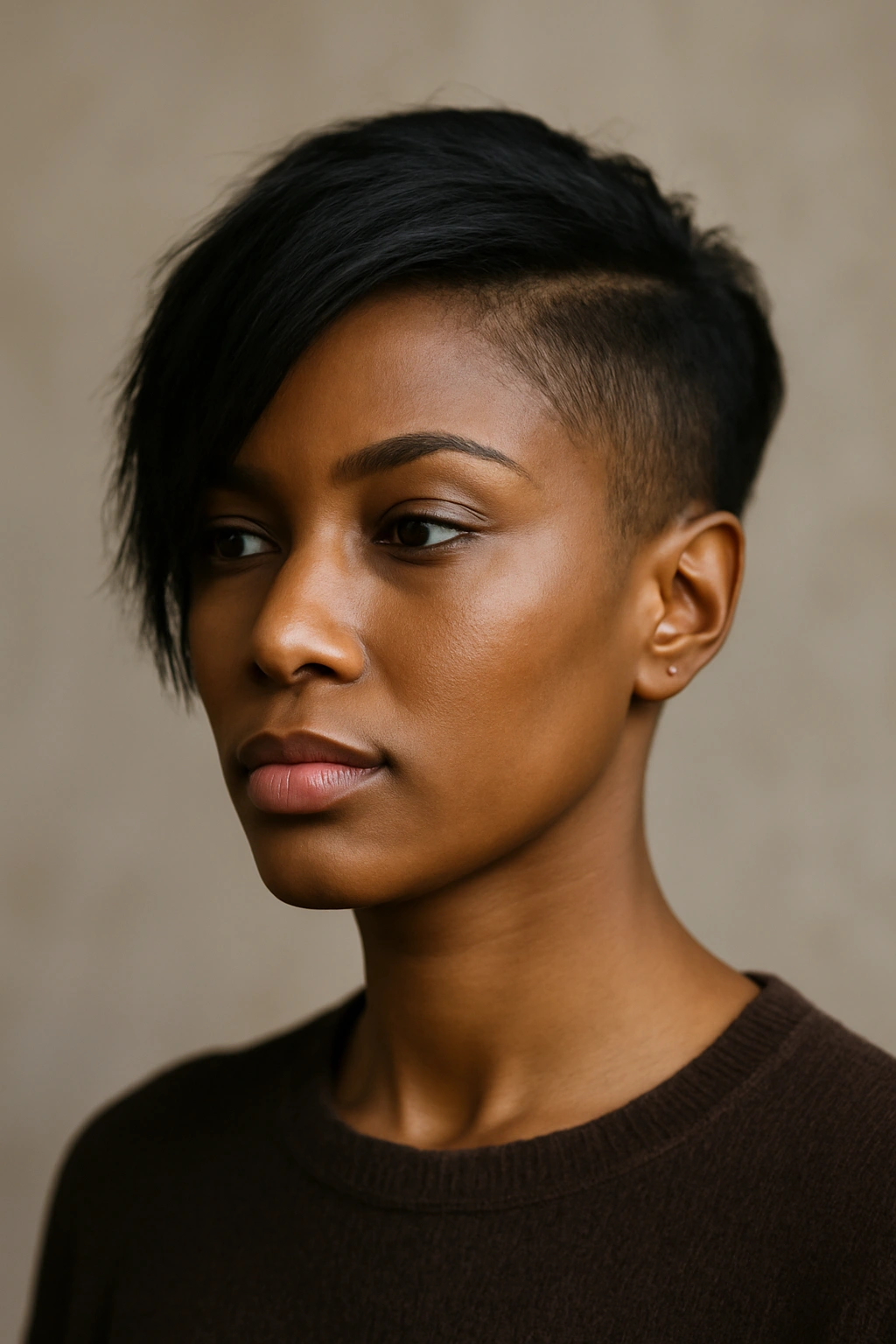
An asymmetrical cut features noticeably different lengths on different sides of the head, creating a bold, artistic look that immediately signals creativity and individuality. One side might be very short while the other is slightly longer, or one side might be shaped differently than the other. The asymmetry can be subtle or dramatic depending on your comfort level and how much statement you want to make.
Making Asymmetry Work for Your Face
An asymmetrical cut can be incredibly flattering when it’s tailored to your specific face shape and features. For example, if you have a longer face, an asymmetrical cut with more volume on one side can balance proportions. If you have a rounder face, an asymmetrical cut with more length and texture on one side can elongate. Work with your stylist to determine what asymmetrical arrangement best complements your unique features.
Styling an Asymmetrical Cut
- You can wear it as-is with natural texture without much styling
- Slick one side back while leaving the other textured for contrast
- Braid or twist one side while leaving the other loose
- Use the longer side to frame your face on days you want a softer look
- Let the cut grow into different styles as the length changes
13. The Face-Framing Short Bob
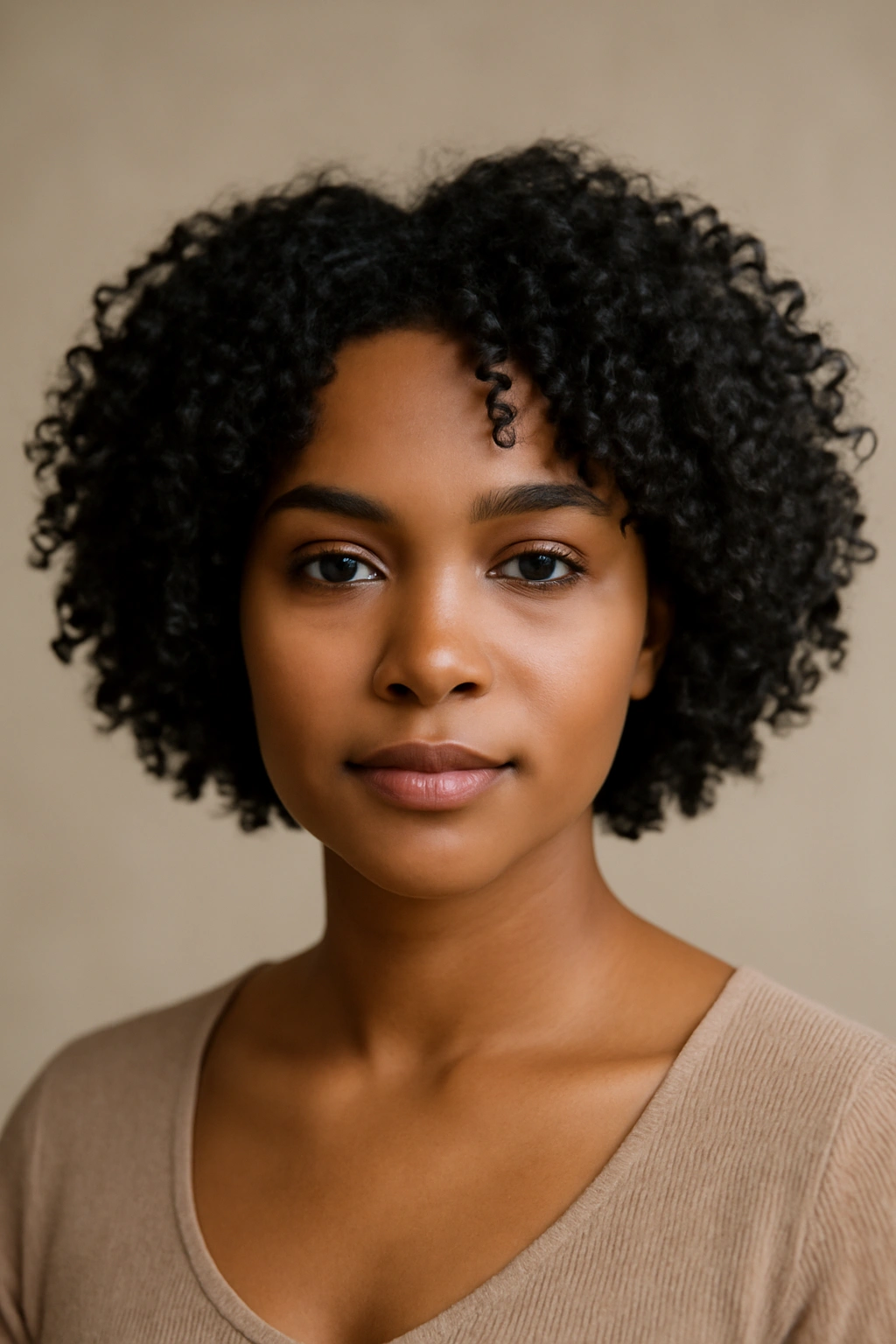
A short bob typically hits around chin-length or slightly shorter and features layers and texture that frame your face beautifully. Unlike a longer bob, a short bob is easy to maintain and style while still offering the elegance and polish that makes bobs so universally flattering. A well-executed short bob on textured hair celebrates your natural curl pattern while creating a defined, intentional shape.
Why Short Bobs Work for Textured Hair
A short bob works beautifully with coils and waves because the shorter length allows curls to spring up with volume rather than stretching out under weight. The layers typically built into a good short bob follow your natural curl pattern and create dimension. A short bob is professional enough for any work setting but can also be styled with product and intention for nights out or creative contexts. The maintenance is minimal compared to longer bobs—you need a trim every 6-8 weeks to maintain the shape.
Different Bob Styling Options
- Wear it natural and textured with your coils on display
- Add a light cream or gel for definition and shine
- Slick it back for a more polished, dramatic look
- Part it differently to change how it frames your face
- Experiment with color to add extra dimension
14. The Natural Taper Fade
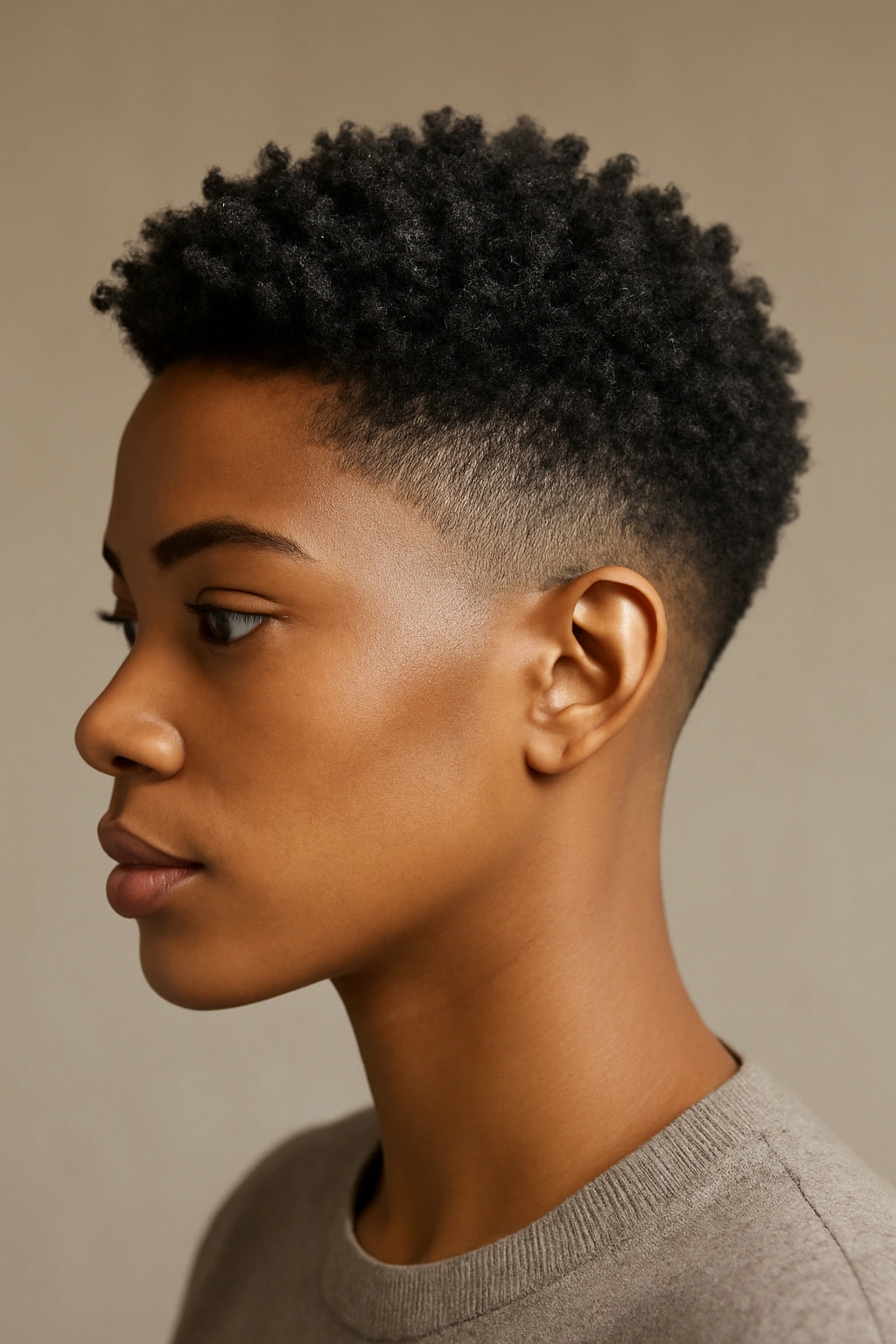
A natural taper fade is specifically designed to work with your natural hair texture rather than cut against it. Rather than using clippers to create a very precise fade, a natural taper fade uses scissors and cutting techniques that follow your hair’s natural growth pattern and curl structure. The result is a fade that looks intentional and clean while celebrating your hair’s natural texture instead of fighting it.
The Technique Behind Natural Taper Fades
A stylist or barber who specializes in natural hair understands how to cut your hair so it fades and tapers naturally as your hair grows and settles. This requires understanding how your specific curl pattern behaves and cutting at angles that enhance rather than disrupt your texture. A natural taper fade can look just as sharp and intentional as a clipped fade, but it tends to be easier to maintain and look better as it grows out. This is the kind of cut that shows deep expertise with textured hair.
Maintenance and Upkeep
- You’ll want to visit your stylist every 4-6 weeks to maintain the shape
- A natural taper fade actually looks better with some product and styling
- Use a lightweight cream or gel to define your curls and enhance the fade
- The cut grows beautifully, so you don’t need frequent touch-ups to maintain shape
- Ask your stylist about any specific styling recommendations for your curl pattern
15. The Geometric Cut
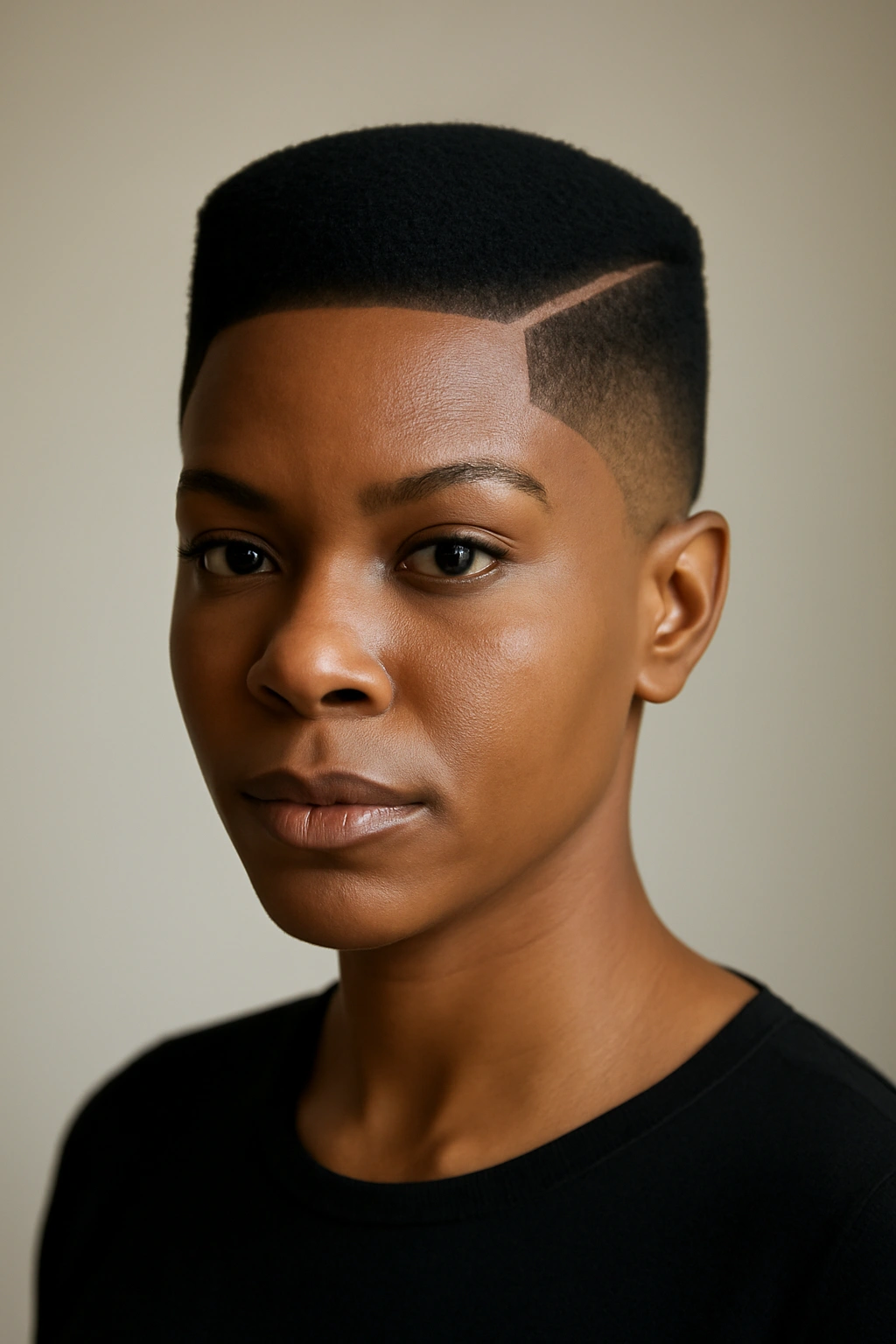
A geometric cut is a modern, architectural style that prioritizes clean lines, precise angles, and intentional shapes. Rather than following traditional cutting patterns, a geometric cut might feature sharp angles, dramatic transitions, or carefully planned sections that create optical effects. This is short hair as a creative statement, combining technical cutting skill with artistic vision.
The Art and Mathematics of Geometric Cuts
A true geometric cut requires a stylist or barber with advanced technical skills and a willingness to think beyond traditional cutting patterns. The cut might feature angles that elongate your face, shapes that enhance your bone structure, or lines that create dramatic visual interest. Geometric cuts work especially well with clean edges and precision detail work, so many geometric cuts also feature intentional edge-ups or line designs that enhance the overall artistic vision.
Styling a Geometric Cut
- Let the cut speak for itself with minimal styling
- Use product to define the lines and angles of the cut
- The shape should be evident whether your hair is wet, dry, textured, or slicked back
- A geometric cut looks striking with a contrasting color
- This is the kind of cut that photographs beautifully and makes a statement
16. The Short Locs
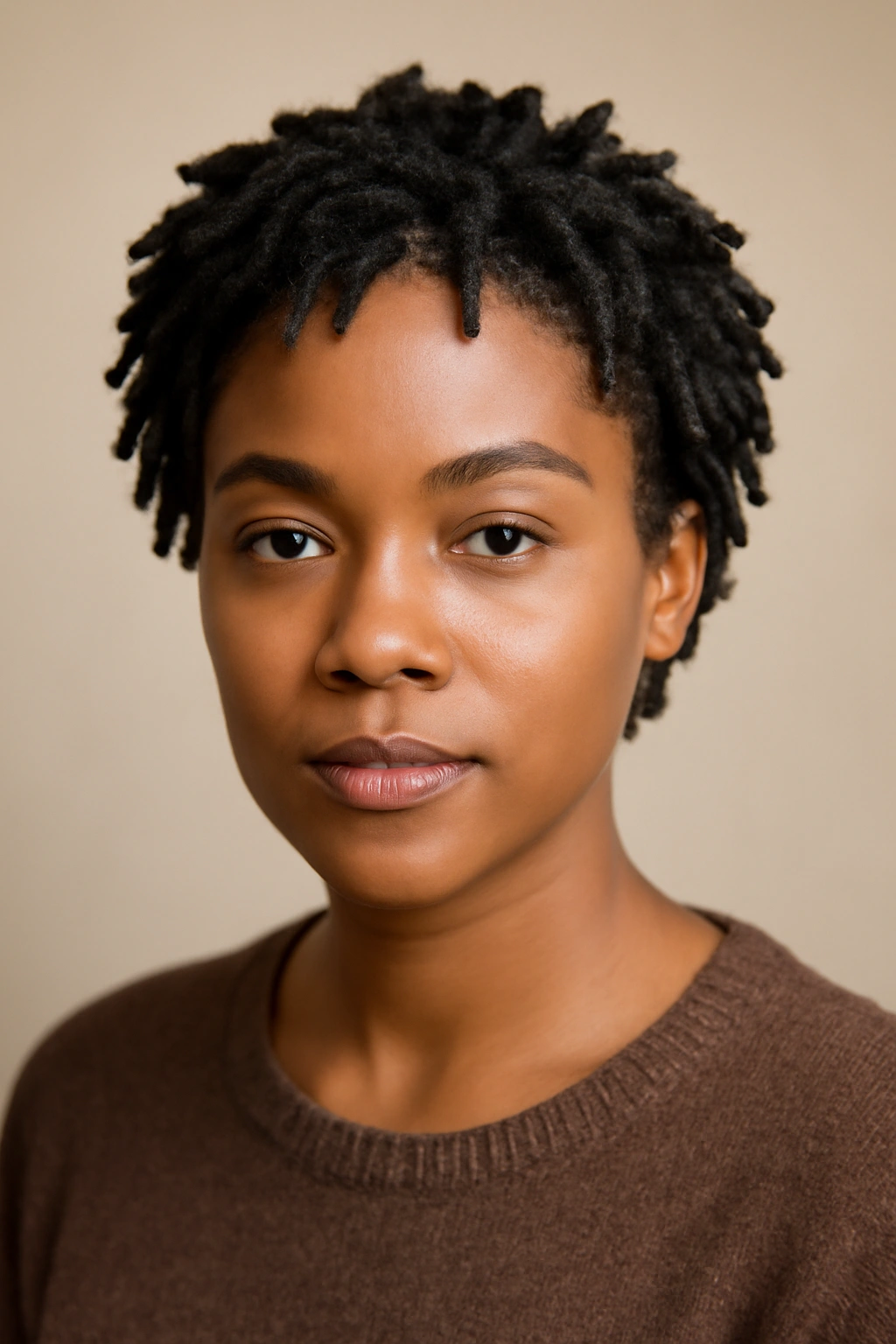
Short locs are a beautiful expression of protective styling and natural texture. Whether you’re just starting locs or you maintain short locs as an intentional choice, this style celebrates your hair’s natural coil pattern while offering protective benefits. Short locs can be styled in countless ways—up, down, twisted, braided, adorned with beads or cuffs—and they require less maintenance than you might expect.
The Appeal and Practicality of Short Locs
Short locs offer all the protective benefits of longer locs in a more low-maintenance package. They’re easier to wash and dry than longer locs, they style beautifully, and they represent a commitment to embracing your natural texture. Short locs can range from very short (a few inches) to shoulder-length depending on your preference. Many people find that locs actually improve their hair health over time because they eliminate daily manipulation and tension on the hair.
Styling and Adorning Short Locs
- Wear them down and natural for a textured, bohemian look
- Gather them into an updo, top knot, or puff for a polished style
- Adorn them with cuffs, wraps, beads, or jewelry that reflects your personality
- Braid or twist them together for creative updo styles
- Short locs look striking with color, whether highlights or full color
17. The Faux Hawk
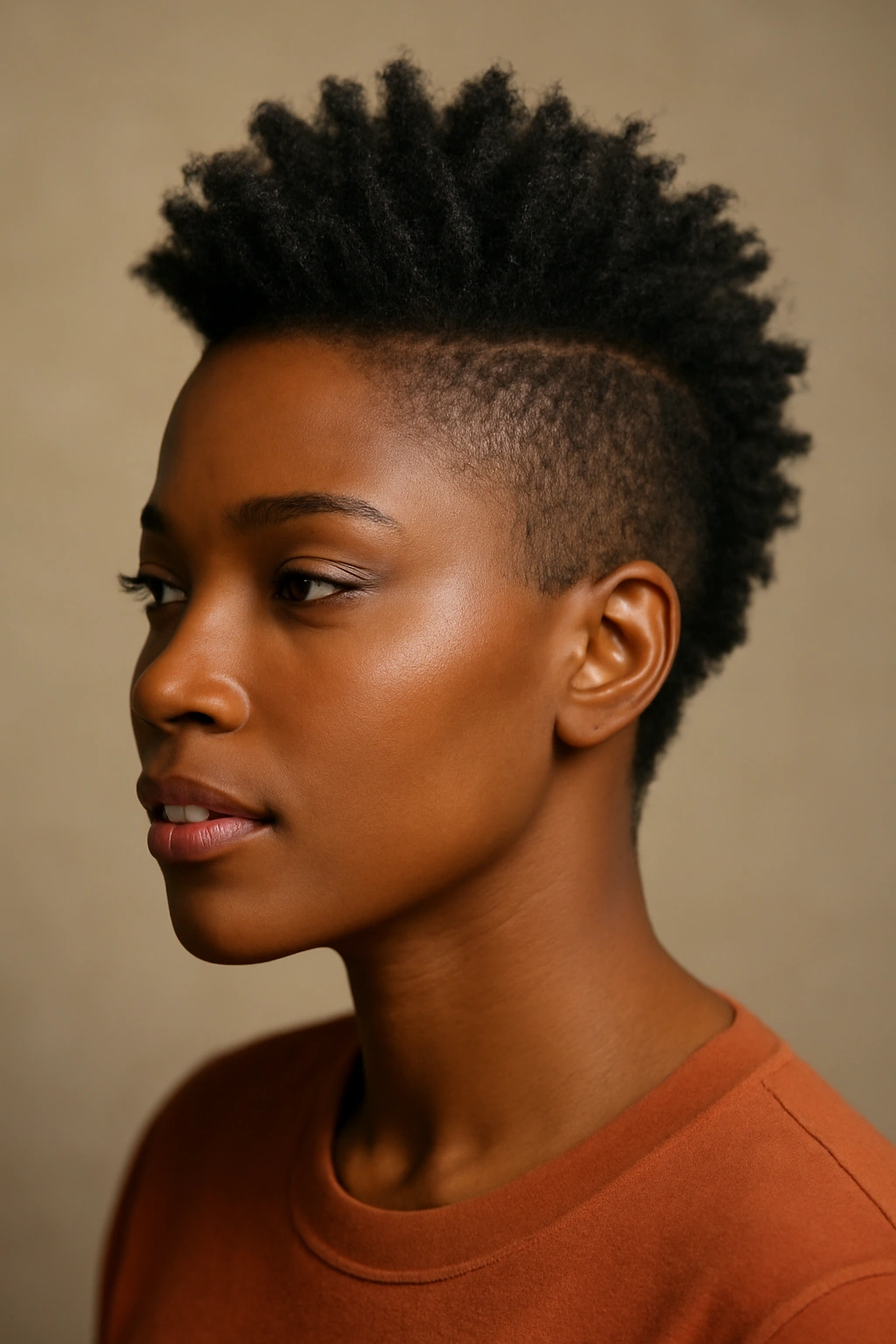
A faux hawk is the wearable version of a mohawk—it creates the illusion of a hawk style without actually shaving the sides. With a faux hawk, the sides aren’t shaved; instead, they’re cut slightly shorter while the center section remains longer. You can style the longer central section up and back to create a hawk effect, then brush it down when you want a more minimal look. It’s a style that offers visual impact with built-in versatility.
When You Want Edge Without Commitment
A faux hawk is perfect if you love the idea of a mohawk but want something more versatile or easier to maintain. You can style it as a full hawk on days you want to make a statement, or brush it back for a more understated look. The sides aren’t nearly shaved, so it’s easier to maintain and offers more styling options. As it grows out, a faux hawk can transition into other short styles without requiring a dramatic cut.
Styling a Faux Hawk
- Use a light hold product to style the center section up and back
- Brush it down and back for a more subtle, polished look
- Braid or twist the center section for a unique variation
- The contrast between sides and center works best with some intentional edge design work
- This cut is versatile enough to wear in professional settings if styled appropriately
18. The Rounded Crop
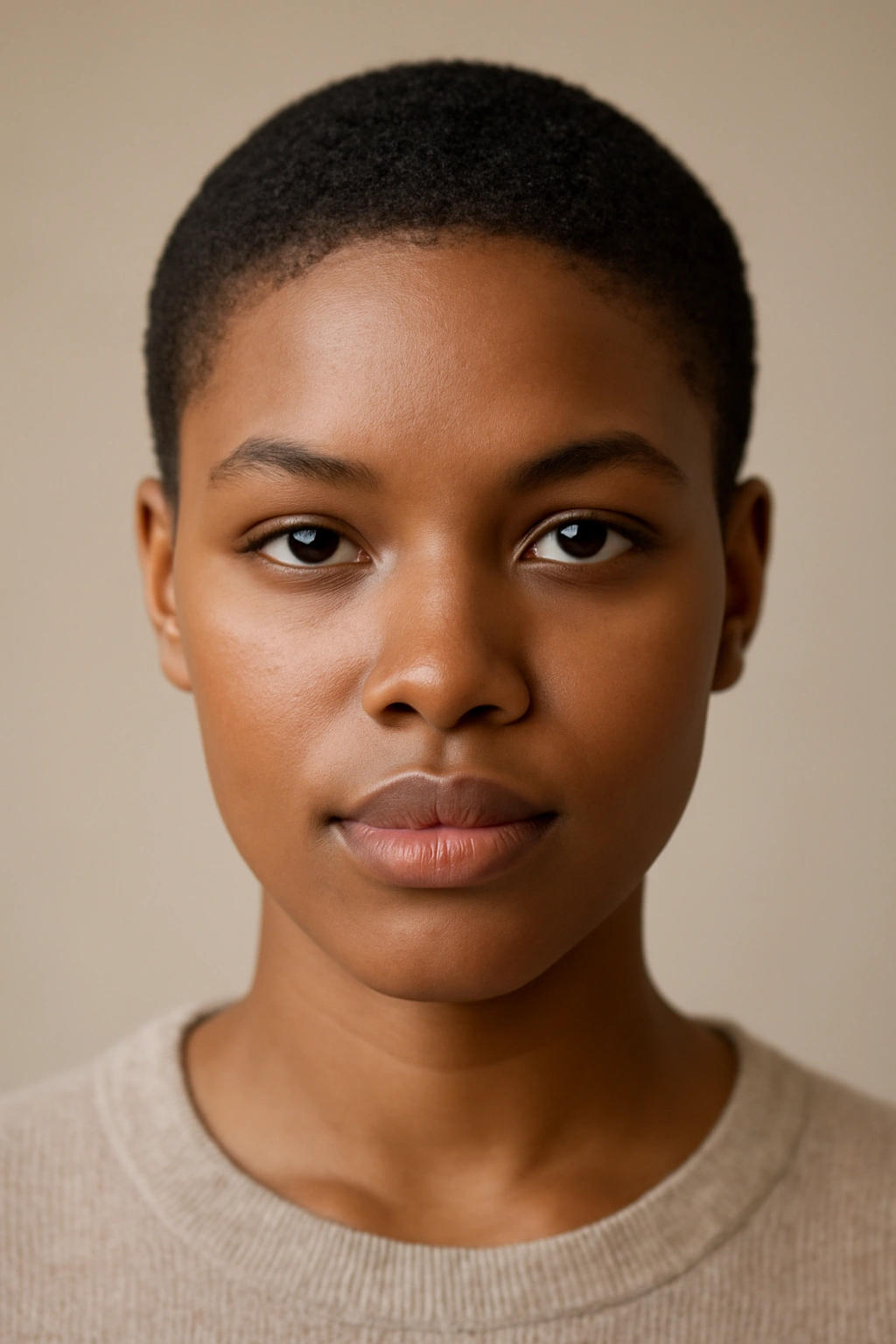
A rounded crop is a timeless, flattering short cut that features a rounded shape rather than sharp lines or dramatic fades. The hair is cut to be shorter all around—typically between one and three inches—with a shape that hugs your head in a rounded, almost helmet-like silhouette. This style is incredibly flattering on most face shapes and works beautifully with natural texture. It’s the kind of cut that feels both vintage and contemporary depending on how you style it.
Why Rounded Shapes Are So Flattering
A rounded crop creates a lovely balance by emphasizing the roundness of your head and face in a flattering way. It draws attention upward and highlights your facial features, bone structure, and expression. The rounded shape tends to be more universally flattering than angular cuts because it softens rather than emphasizes facial features. A rounded crop works beautifully with natural coils because the shorter length allows curls to exist in their most voluminous, three-dimensional form.
Versatility in How You Wear It
- Wear it completely natural with no styling for an effortless look
- Add a light cream or gel for definition and shine
- Brush it forward for a modern, tousled style
- The rounded shape works with or without detail work or edge designs
- This cut grows gracefully and can transition into longer styles
19. The Textured Bang
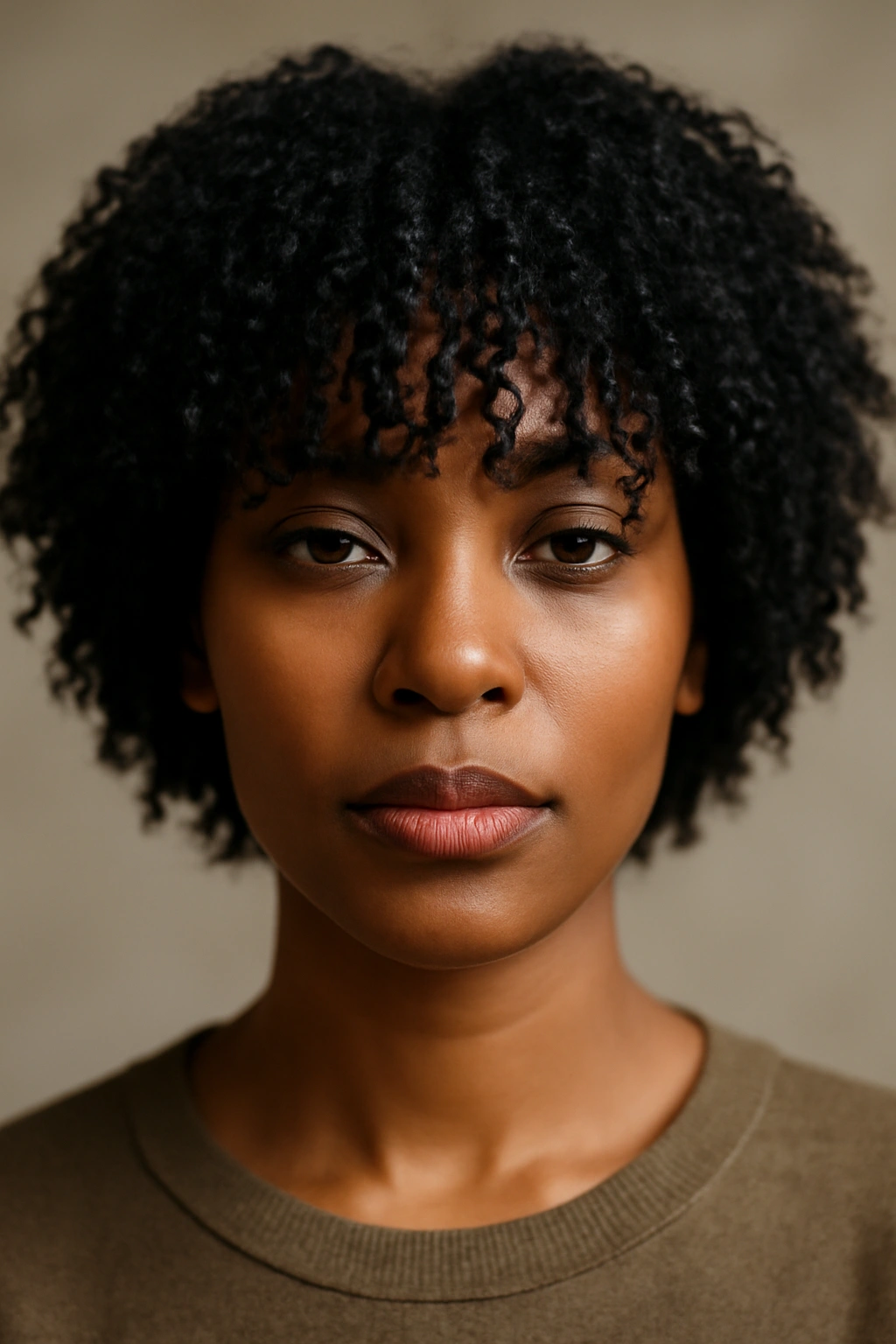
A textured bang is a short cut that incorporates intentional, styled bangs that frame your face and add personality and dimension. Rather than a single blunt bang, a textured bang might be choppy, layered, or styled with your natural curl pattern on display. Bangs add focal point and can be incredibly flattering, making eyes appear larger and drawing attention to your face. Combined with a short cut, textured bangs create a modern, intentional look.
Making Bangs Work With Textured Hair
Textured bangs work beautifully when they’re cut to follow your natural curl pattern rather than fighting it. A stylist who understands textured hair can cut bangs that sit beautifully, frame your face, and look intentional whether you have tight coils or looser waves. Textured bangs offer personality and dimension that blunt bangs sometimes lack. The key is finding a stylist with experience cutting bangs on textured hair who can account for how your hair will settle as it dries.
Styling Options for Textured Bangs
- Wear them with your natural curl pattern on display
- Define them with a light curl cream for extra texture and dimension
- Brush them back and to the side for a softer, less dramatic look
- Textured bangs look striking with color highlights
- This is a cut that truly depends on a skilled stylist, so choose carefully
20. The Sleek Undercut Fade
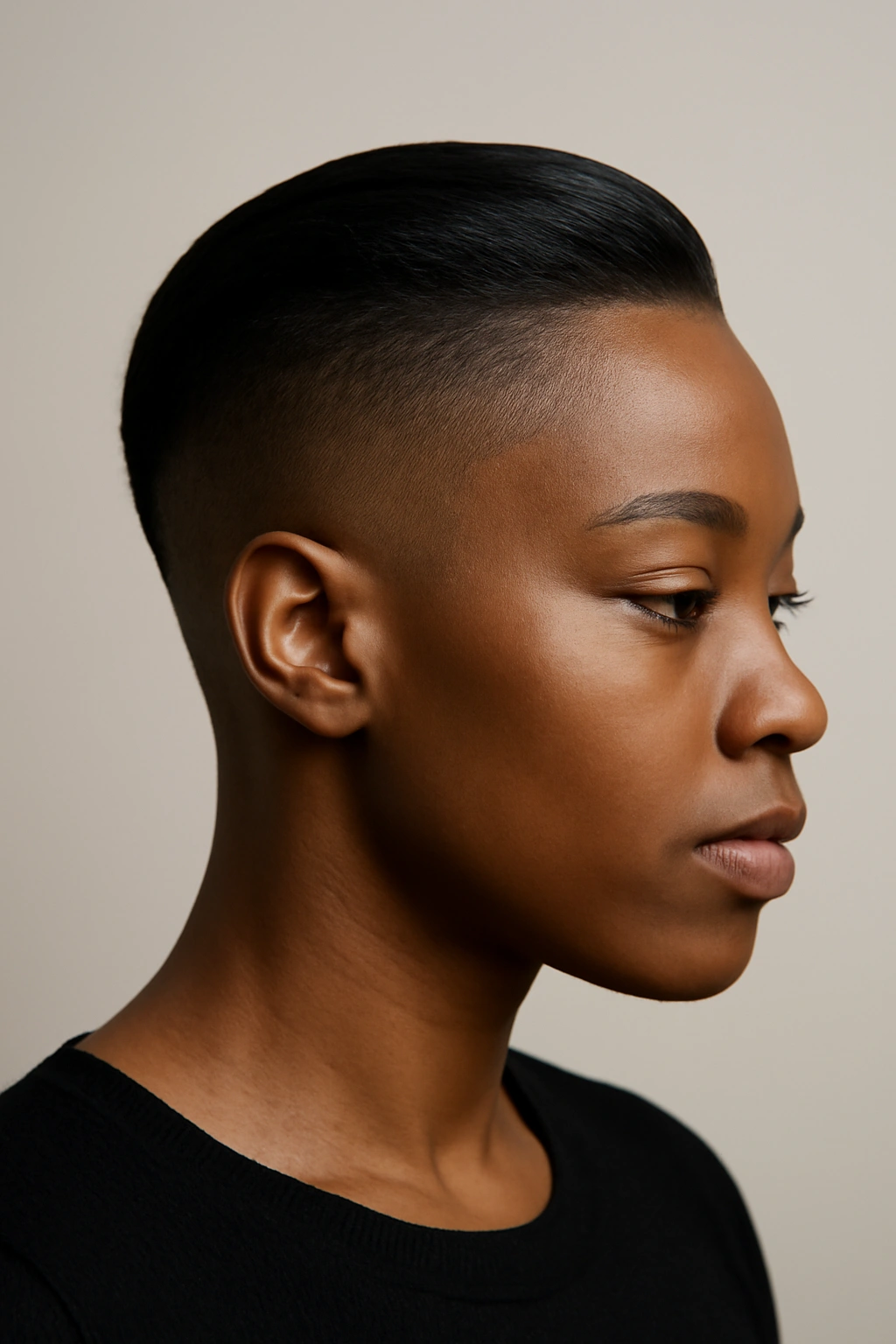
A sleek undercut fade combines the drama of an undercut with the precision of a tight, well-executed fade. The top section is clean and sleek—often brushed back or styled in a specific direction—while the undercut side creates a dramatic, graphic transition. The fade itself is clean and tight, creating multiple lines and transitions that look almost sculptural. This is a style that requires regular maintenance but creates stunning visual impact.
The Maintenance Behind Sleek Undercut Fades
To keep a sleek undercut fade looking sharp, you’ll need visits to your barber every 2-3 weeks. The undercut needs to stay tight and defined, the fade needs to remain clean, and the longer top section needs to maintain its shape and style. This is a cut for someone who values precision and polish and is willing to invest in regular maintenance. The payoff is a look that photographs beautifully and turns heads.
Styling a Sleek Undercut Fade
- Use a pomade, gel, or cream to keep the top section slicked back or styled in your chosen direction
- The style looks best when the contrast between top and undercut is sharp and intentional
- Consider color on the top section to add extra visual interest
- Intricate line designs in the undercut enhance the overall artistic effect
- This cut makes a bold statement in professional and creative contexts
Final Thoughts
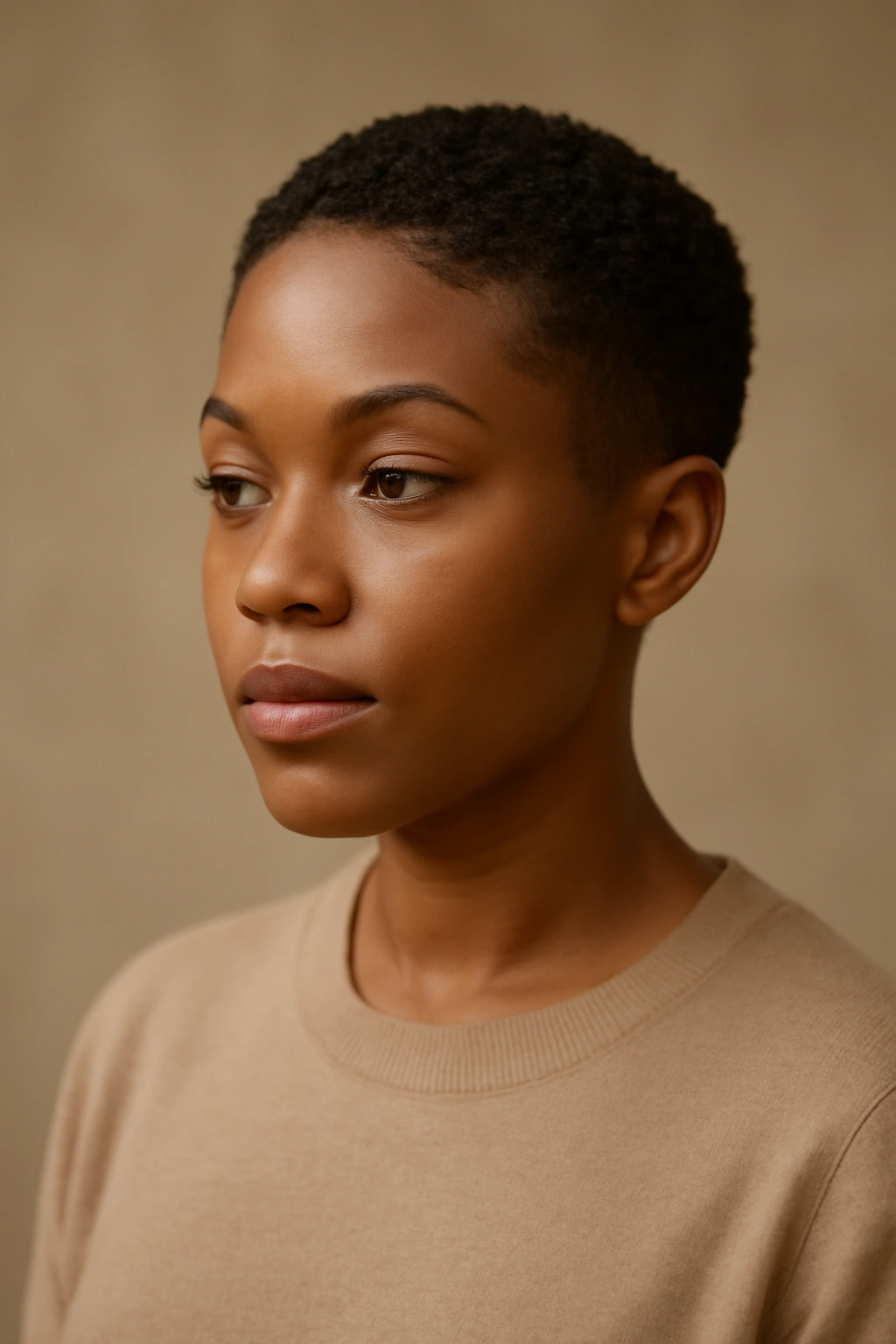
Choosing a short haircut is deeply personal—it’s about finding a style that makes you feel confident, suits your lifestyle, works with your hair texture, and reflects who you are. The twenty styles covered here represent just a fraction of the possibilities available when you work with a skilled stylist who understands and celebrates textured hair. The most important step is finding a stylist you trust, someone whose work you admire and who has experience cutting Black women’s hair specifically.
Don’t be afraid to save multiple styles, create a Pinterest board, or bring reference photos to your consultation. The best haircuts happen when you communicate clearly about what you want, what you’re comfortable maintaining, and how the cut should work with your daily life. Short hair can be low-maintenance or high-maintenance depending on what you choose, and both approaches are completely valid. What matters is that you feel genuinely you when you look in the mirror—confident, beautiful, and ready to take on the world.
