



Medium haircuts hit a sweet spot that’s hard to beat. They’re long enough to allow for serious styling versatility, yet short enough that you’re not spending hours each morning with a blow dryer and flat iron. Whether you’re craving something with movement and texture, a sleek polished vibe, or a low-maintenance everyday style, there’s a medium haircut that’ll feel like it was made for you.
The beauty of going medium is that you get to play with layers, lengths, angles, and texture in ways that shorter cuts sometimes don’t allow. You can wear your hair down and styled, sweep it up into an easy half-up arrangement, or throw it into a bun without it looking stubby. Medium lengths also give your stylist room to work with your hair’s natural texture and face shape, which is exactly when haircuts become genuinely flattering rather than just… fine.
What makes choosing a medium cut tricky is that “medium” is subjective. For some, it’s collarbone-length. For others, it’s shoulder-length or slightly longer. The good news is that the cuts below cover the whole spectrum within the medium range, and you can easily adjust any of them to suit your exact preferences. All of these styles hit the sweet spot where they’re practical enough for real life but interesting enough that you’ll actually enjoy seeing yourself in the mirror.
1. The Textured Shag
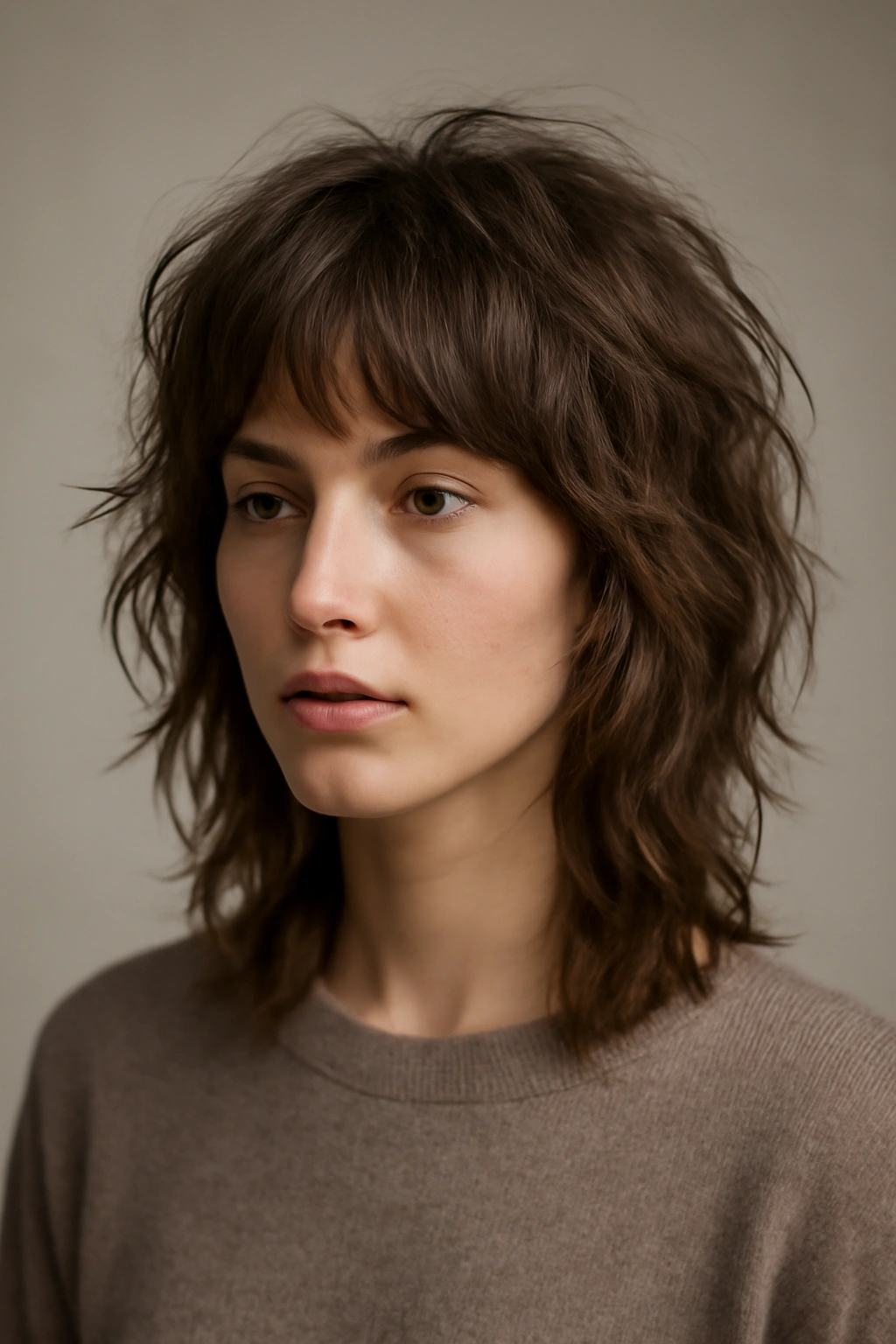
The modern shag is nothing like the feathered versions from decades past—it’s got edge, movement, and an effortless cool factor that works across every hair type and face shape. This cut is all about choppy, disconnected layers that create texture and volume naturally, with shorter pieces throughout the crown and longer pieces through the ends.
Why It Works So Well
The shag thrives because it works with your hair’s natural texture instead of fighting it. If you’ve got naturally wavy or curly hair, those layers amplify your existing movement. If you’ve got straight hair, you get the textured, piece-y look without needing to style it within an inch of its life every single day. The shorter layers around the crown create the illusion of fullness and make the cut feel fresh and intentional rather than grown-out.
What to Know Before You Commit
- Works beautifully on all hair types, from fine to thick, straight to curly
- Requires trims every 6-8 weeks to keep the texture definition sharp and prevent it from looking shaggy in a bad way
- The cut shines when you embrace some tousled texture—think undone waves or loose curls rather than sleek straightness
- Styling products matter: use a texture spray, light mousse, or sea salt spray to enhance the layers
- Ask your stylist for shorter, choppy layers at the crown to avoid it looking flat on top
Pro tip: This cut is forgiving enough that you don’t need to style it the same way every day. Messy waves one day, blown-out straighter the next—it adapts to whatever you’re going for.
2. Shoulder-Length Blunt Bob
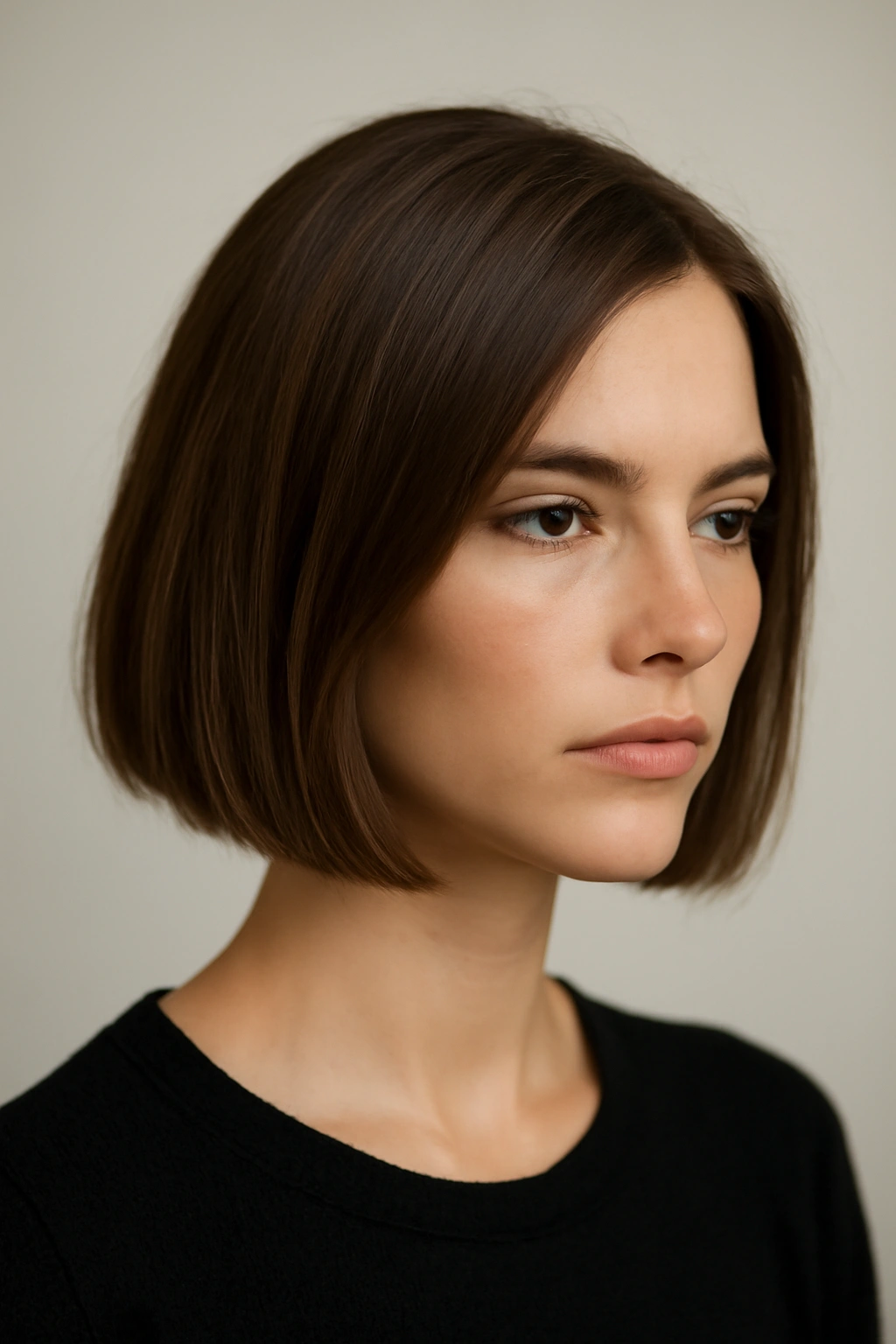
A blunt-cut bob that hits right at shoulder length offers a sophisticated, polished look that reads as intentional and put-together without feeling overly formal. The strength of this cut comes from its clean, precise line and the way it frames your face with movement rather than complicated layers.
Why It Commands Attention
Blunt bobs work because of their architectural simplicity. There’s no hiding behind layers or texture—the cut itself does the heavy lifting. When it hits the collarbone or shoulder, you get a flattering length that skims your jawline and shoulders in a way that’s instantly flattering. It’s a cut that feels both modern and timeless, which is rare.
What to Know Before You Commit
- Works best with straight to wavy hair; curly hair tends to look less blunt and more choppy
- Requires a skilled stylist who understands precision cutting and can create a truly even line
- Needs to be recut every 4-6 weeks to maintain that crisp blunt edge
- Style with a round brush and blow dryer for maximum impact and movement
- Can be worn parted down the middle, deep to one side, or with an off-center part for different vibes
Worth knowing: A subtle internal bend or slight inward curve at the ends softens a blunt bob without compromising the chic factor—ask your stylist about this small adjustment if you want something with a touch more movement.
3. The Choppy Wolf Cut
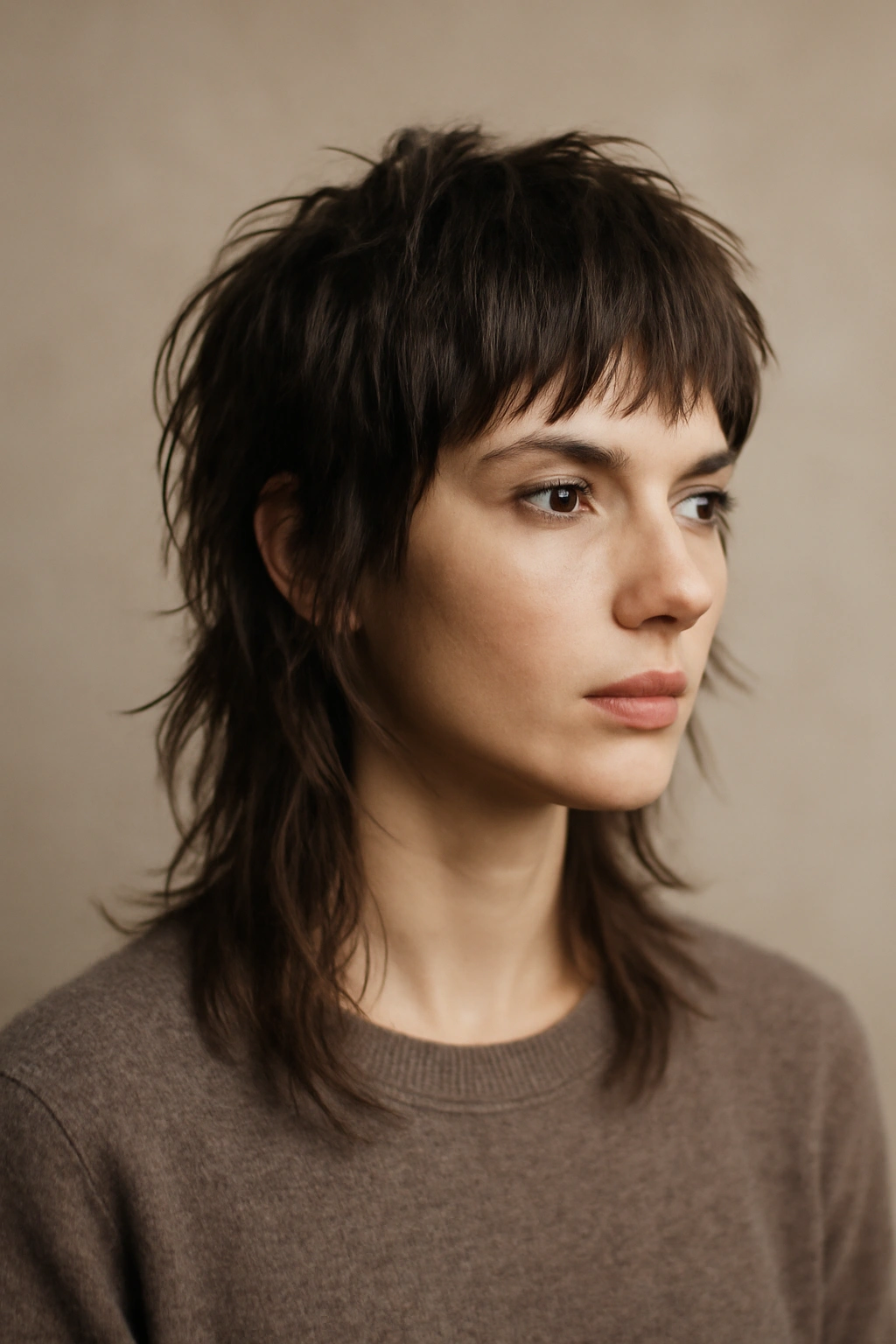
The wolf cut merges the best features of a shag and a mullet—business in the front (shorter, textured layers), party in the back (longer strands for dimension and flow). It’s edgy without being extreme, and it photographs incredibly well.
Why This Cut Is Having Its Moment
The wolf cut thrives on contrast and textured layers that create movement from every angle. The shorter, choppy front pieces frame your face with personality while the longer back sections create the flow and length that keeps it feeling feminine and wearable. It’s the perfect cut if you want something that feels rebellious and interesting without actually being high-maintenance.
What to Know Before You Commit
- The cut is asymmetrical and angular, so it requires a stylist who understands modern textured cutting techniques
- Works across all hair types but especially shines on wavy or curly hair where the choppy layers look intentional
- Needs a refresh every 6-8 weeks to keep the layers sharp and defined
- Styling is flexible—you can blow it out sleek, wear it wavy, or rock it tousled and undone
- Pairs perfectly with textured, piece-y styling products like clay, mousse, or texture spray
Pro tip: Adding some subtle face-framing highlights or a money piece brings out the dimensionality of this cut even more, though it absolutely works in a single color too.
4. Waist-Length Layers with Long Bangs
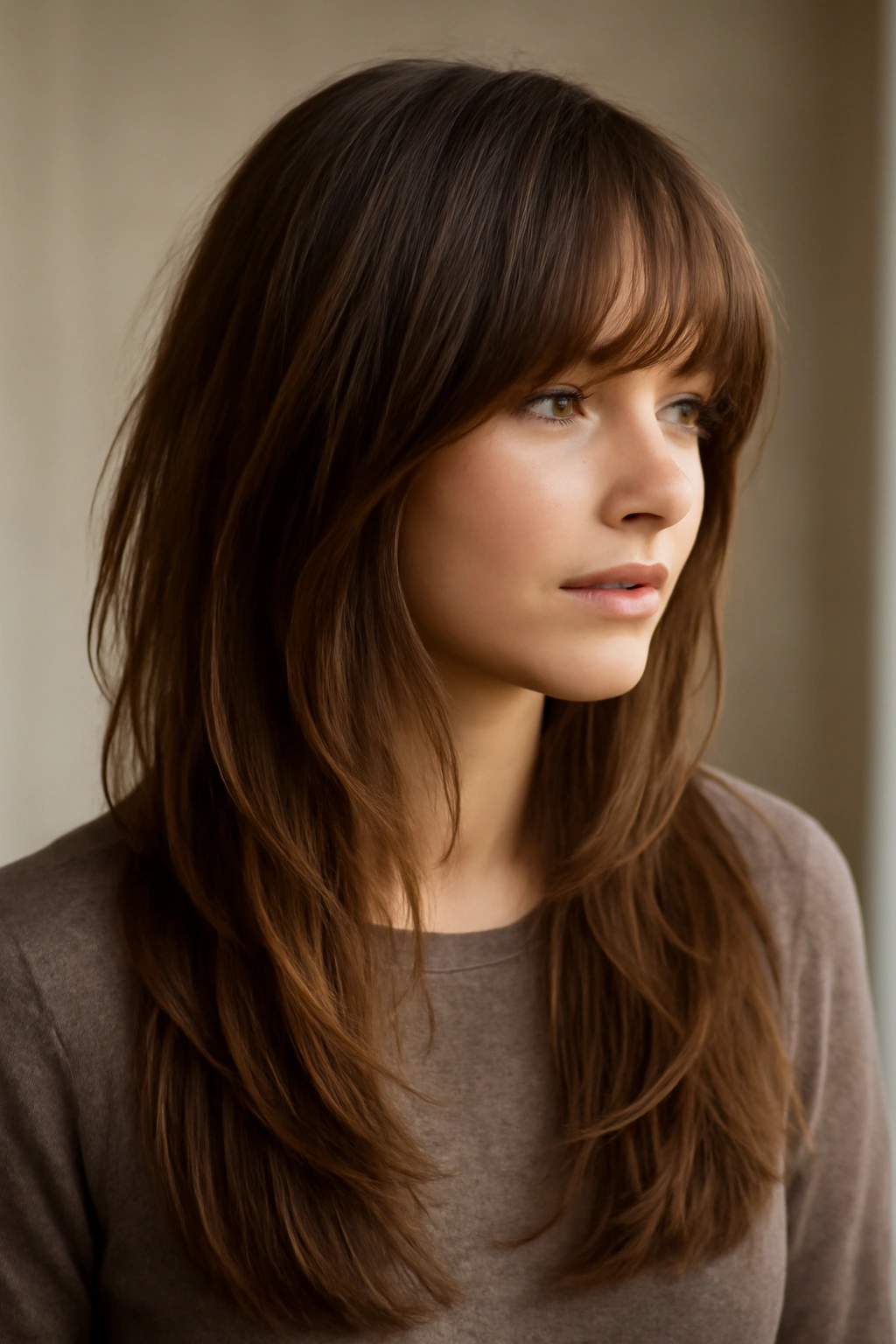
This is effortless elegance for people who want length but need the cut to do some of the work. Long, face-framing layers starting around mid-length, combined with extended bangs that brush your cheekbones or collarbone, create flow, dimension, and softness.
Why It Creates Such Flattering Movement
Layers in longer hair prevent it from looking flat or one-dimensional while keeping all that length you want. The long bangs do serious heavy lifting for framing your face and can be styled multiple ways—to the side for a soft, romantic vibe, parted down the middle for something more modern, or swept back when you need functionality.
What to Know Before You Commit
- This length and style requires a stylist who understands how layers work with length and gravity
- Long bangs need to be trim-friendly at home—you’ll likely need to thin and shape them every 3-4 weeks
- Layers start looking choppy and dated faster than blunt cuts, so plan for every 6-8 weeks
- Invest in a good dry shampoo, texturizing spray, and heat protectant to keep this style looking intentional
- Works on all hair types but especially gorgeous on people with naturally wavy or curly hair
Worth knowing: Ask your stylist to keep the layers slightly longer than you think you want—shorter layers can create an overly choppy effect that dates quickly, while thoughtfully spaced longer layers create that coveted lived-in dimension.
5. The Modern Pixie-Bob Hybrid
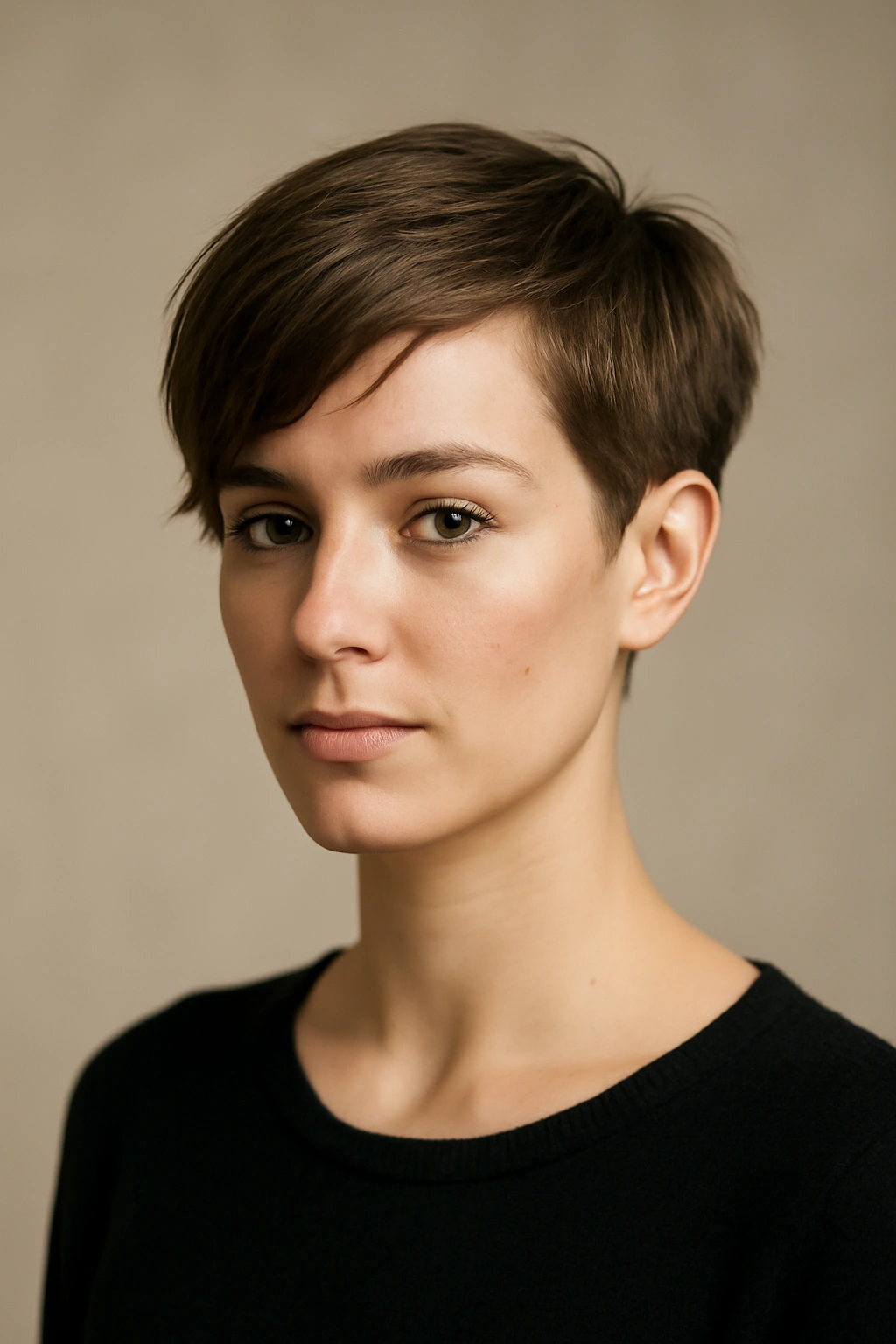
This cut walks the line between a pixie’s practicality and a bob’s femininity. It’s short on the sides and back, slightly longer on top and in front, creating a sophisticated asymmetrical shape that’s undeniably chic.
Why This Hybrid Is So Versatile
The pixie-bob works because it allows you to have ease and low-maintenance styling while still feeling like you’re making a statement. The longer front pieces can be styled forward or tucked back, and the crop on the sides and back keeps everything feeling neat and intentional without looking severe.
What to Know Before You Commit
- This is a bold, short cut that requires confidence and a face shape assessment from your stylist
- Works particularly well for people with naturally straight hair or tight curls
- Needs trims every 4-5 weeks to prevent the short sections from growing into an awkward in-between length
- Can be styled sleek and polished or textured and tousled depending on your vibe for the day
- Looks especially striking with color—consider adding subtle dimension or even a short bang if you want more visual interest
Pro tip: This cut is a wonderful canvas for texture. Ask your stylist to add some choppy, disconnected layers on top to prevent it from looking severe.
6. The Soft, Curtain-Banged Medium
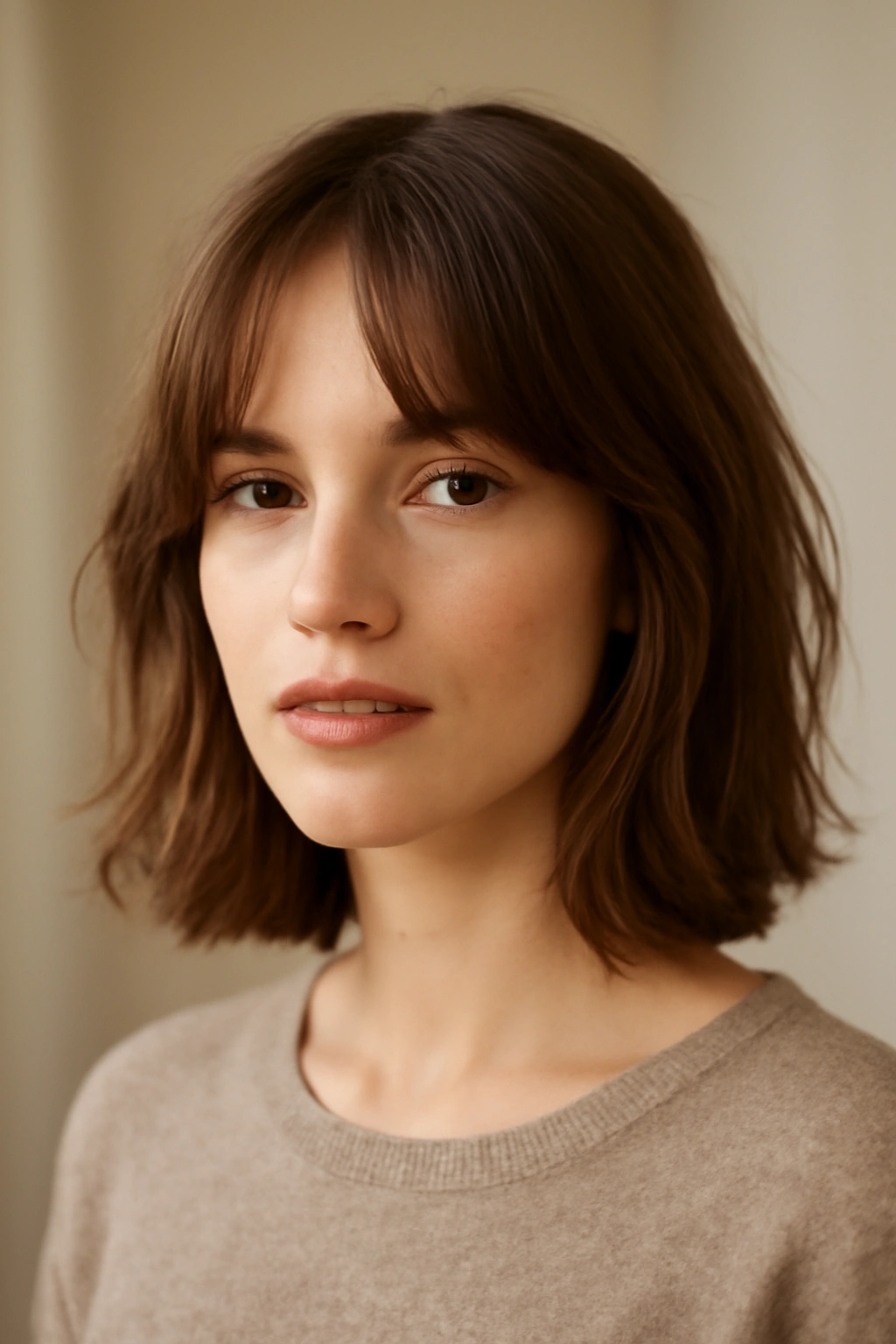
Curtain bangs are having an extended moment because they genuinely work for almost everyone. Paired with shoulder-length, gently layered hair, they create a soft, face-framing effect that’s flattering and effortlessly cool.
Why Curtain Bangs Are Worth the Hype
Curtain bangs sit right at your cheekbones and split down the middle, creating an instant softness without completely obscuring your face. When paired with medium-length, layered hair, they create a romantic flow that works whether you’re wearing your hair down and textured, blown out straight, or pulled back.
What to Know Before You Commit
- Curtain bangs need daily styling to look intentional—they’re not a wash-and-go situation for most people
- They look best when styled slightly away from the face rather than hanging straight down
- Plan for bangs to be trimmed every 3-4 weeks as they grow quickly
- The rest of your layers should complement the bangs rather than compete with them—ask your stylist for longer, flowy layers rather than choppy ones
- Work beautifully on all hair textures, though wavy and curly hair will showcase the soft framing effect most dramatically
Worth knowing: If you’ve never had bangs before, ask your stylist to cut them a touch longer than you think you want. You can always refine them, but you can’t put length back once it’s cut.
7. The Sleek, Angled Bob
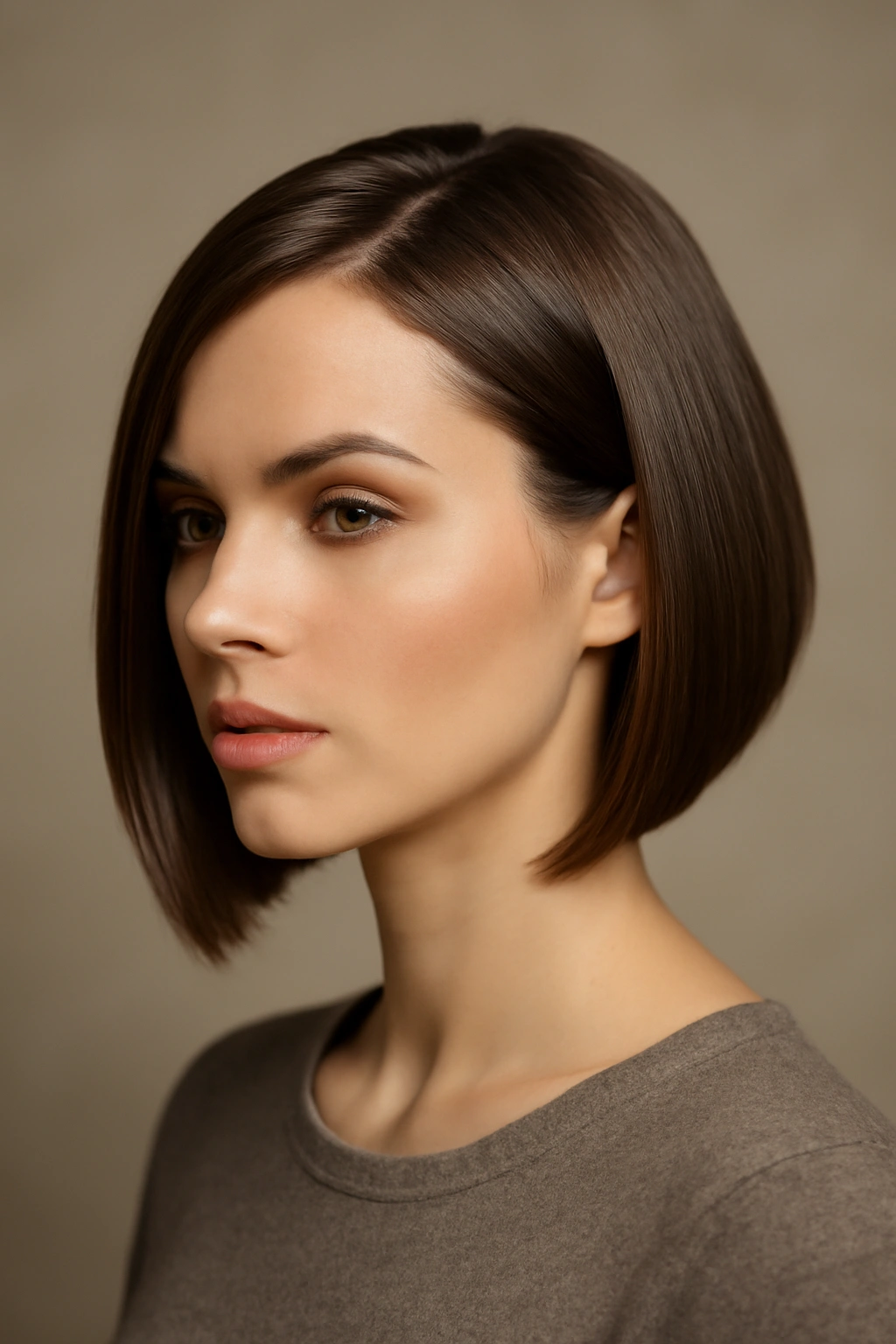
An angled bob is cut shorter in the back and gradually longer toward the front, creating a flowing diagonal line that’s sophisticated and modern. When kept at medium length (chin to shoulder), it has serious movement and flatters almost every face shape.
Why Angles Create Magic
The angled cut is all about creating directional flow. Your hair naturally moves forward and down, and an angled bob works with that gravity rather than against it. The result feels effortlessly styled, even when you’ve done minimal work. The longer front pieces frame your face beautifully while the shorter back keeps everything feeling current and intentional.
What to Know Before You Commit
- This cut requires precision—a great stylist makes all the difference
- Works best on straight to wavy hair; very curly hair can obscure the angle
- Needs a trim every 5-6 weeks as the angle will flatten out as it grows
- Can be styled sleek and polished with a round brush, or more textured with waves
- A deep side part enhances the angled effect and creates a really flattering face frame
Pro tip: Ask your stylist to add subtle layers throughout rather than keeping it completely blunt—this adds movement without sacrificing the clean angled line.
8. The Textured Lob with Bangs
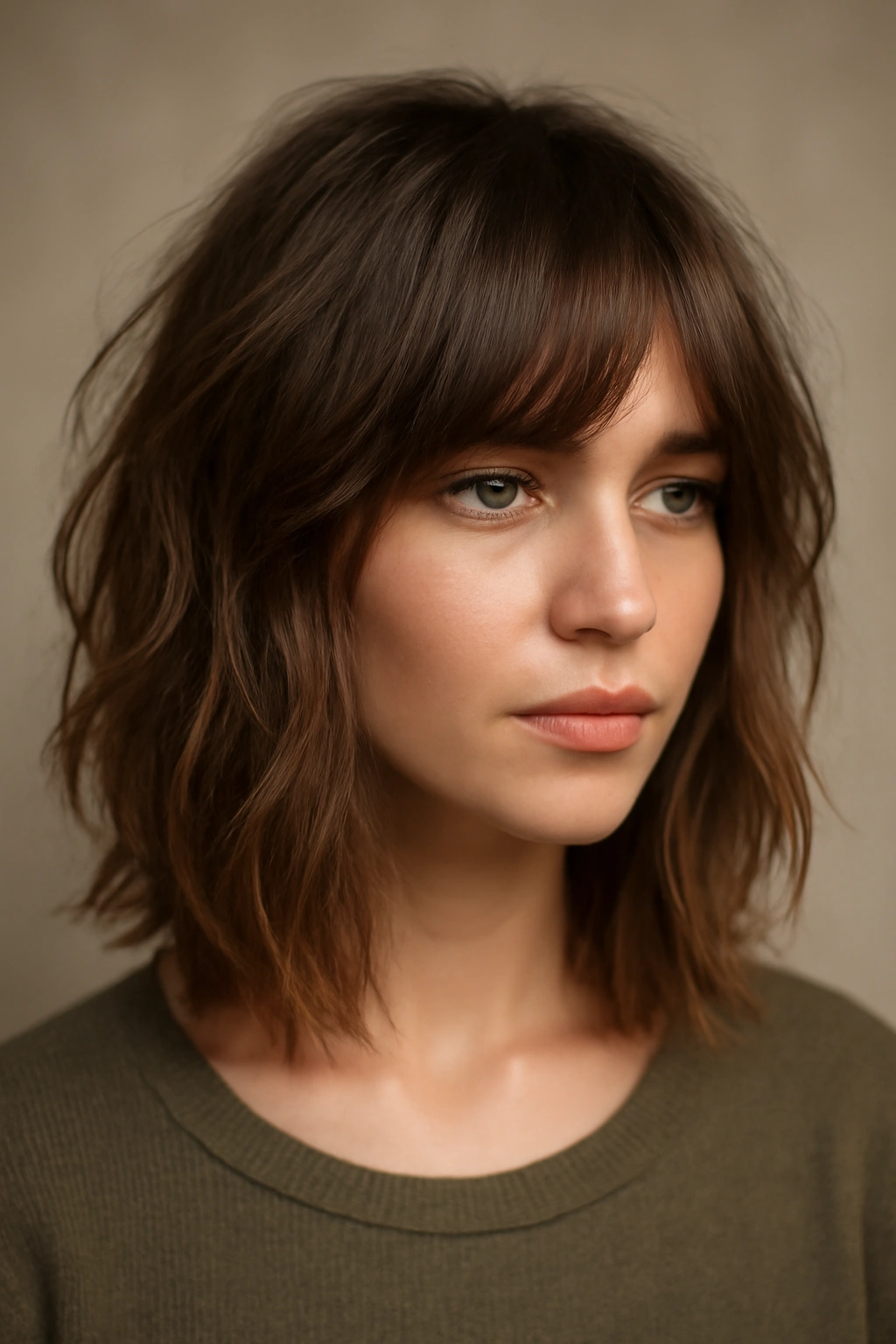
A lob (long bob) that sits around shoulder-length with textured, choppy layers throughout and a longer bang creates a romantic, undone aesthetic that works for people who want texture and movement without going super short.
Why This Combination Is So Appealing
Textured layers combined with longer bangs create a cut that looks effortlessly cool whether you’re wearing it styled or not. The choppy layers create natural movement and dimension, while the longer bang adds a touch of mystery and frames your face in a really flattering way. It’s a cut that reads as intentional but not fussy.
What to Know Before You Commit
- Works beautifully on all hair types but especially on wavy and curly hair where texture is natural
- Requires a stylist comfortable with choppy, disconnected layer techniques
- Plan for trims every 6-8 weeks to keep the layered texture definition sharp
- Styling options are endless—you can wear it tousled and undone, blown out smooth, or anything in between
- The longer bang will need occasional trims (every 3-4 weeks) as it grows faster than the rest of your hair
Worth knowing: A texture spray or sea salt spray is your friend with this cut—it enhances the already-present texture and makes styling feel less like work and more like intentional messiness.
9. The Rounded, Face-Framing Bob
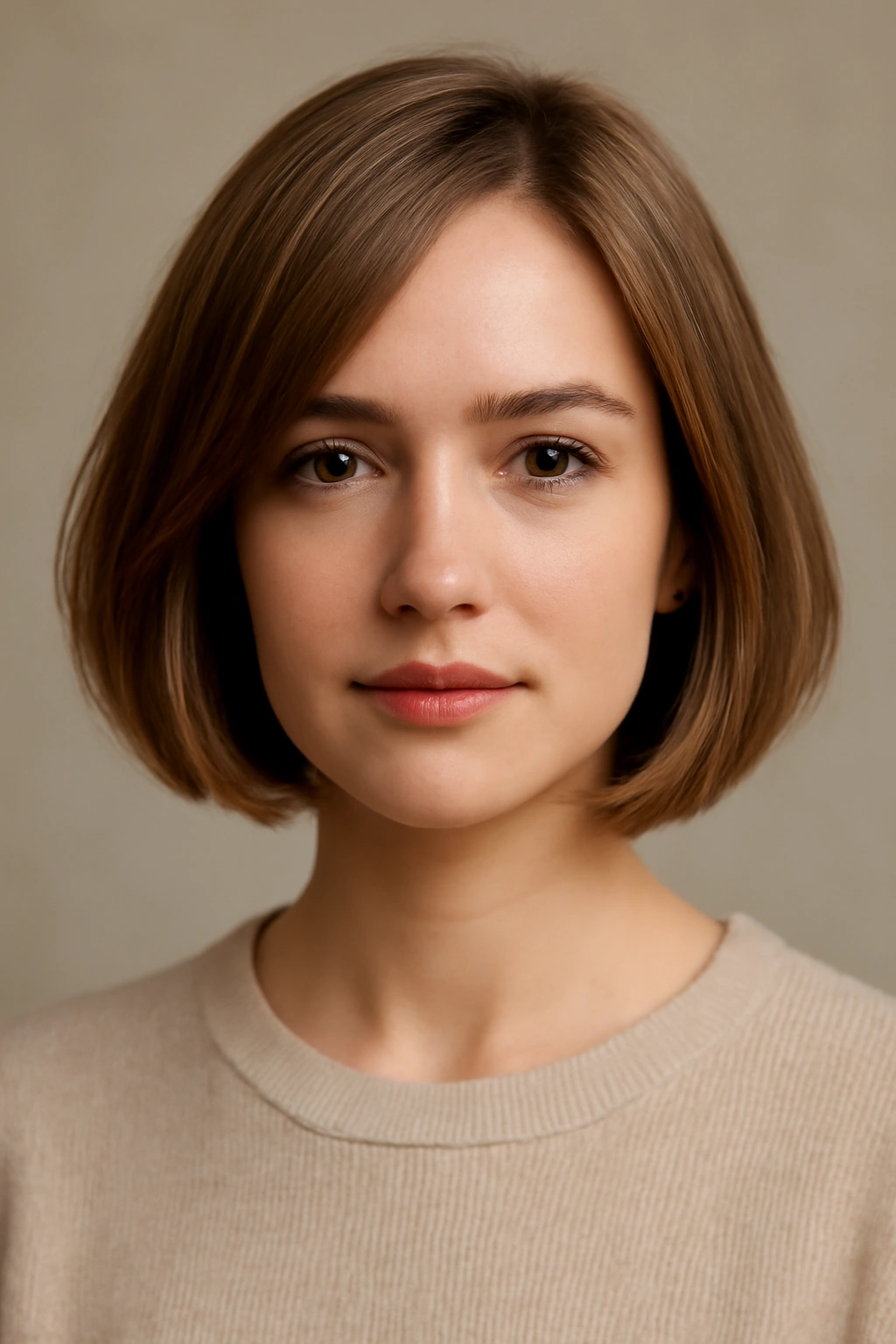
A soft, rounded bob with subtle layers that frame your face and create movement is an excellent choice if you want a classic silhouette with a modern edge. This cut hits somewhere between chin and shoulder and is incredibly flattering for most face shapes.
Why This Shape Is So Universally Flattering
Rounded bobs are flattering because they follow the natural contours of your face without being severe. The subtle face-framing layers add softness and movement without making the cut look choppy or dated. It’s a silhouette that’s been around for a while for a reason—it genuinely works.
What to Know Before You Commit
- Works best on straight to wavy hair; very curly hair can lose the rounded shape
- Pairs beautifully with a blunt or slightly rounded bang for a complete, finished look
- Needs trims every 4-6 weeks to maintain the rounded shape and prevent it from looking shapeless
- Can be styled multiple ways—smooth and polished, wavy and romantic, or textured and modern
- A deep side part can emphasize one side of your face for a more flattering effect
Pro tip: Ask your stylist to keep the layers subtle rather than choppy—you want movement without it looking disconnected or overly textured.
10. The Long, Feathered Layers
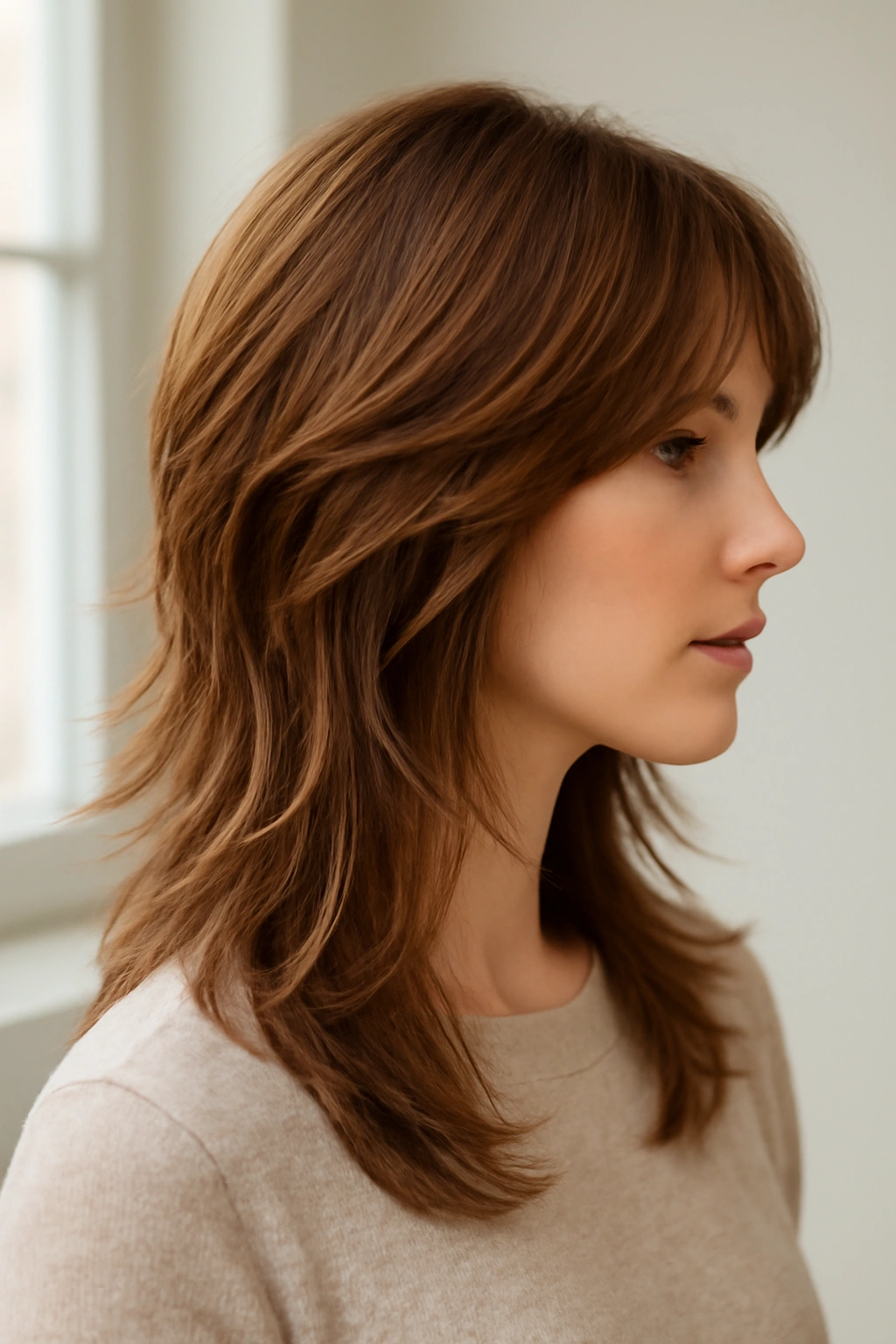
Long hair with feathered layers throughout creates movement and texture without sacrificing the length you want. The layers are soft and graduated, creating a winged effect that’s both romantic and modern.
Why Feathered Layers Create Such Beautiful Movement
Feathered layers work because they’re gradual and blended rather than choppy and disconnected. This creates flow and movement without making your hair look thin or wispy. The feathering technique lifts hair at the ends and creates an airy quality that works beautifully in almost any situation.
What to Know Before You Commit
- This style works on all hair types and especially shines on naturally wavy or curly hair
- The feathering technique requires a skilled stylist who understands how layers blend and work together
- Needs trims every 6-8 weeks to prevent the feathering from becoming scraggly at the ends
- Works beautifully with all styling options—worn down and wavy, blown out smooth, or pulled back
- Can be enhanced with subtle color work like babylights or balayage to add dimension
Worth knowing: This cut is wonderful if you want length but are ready for something more interesting than one-length hair. The layers do all the work for you.
11. The Choppy, Textured Shoulder Cut
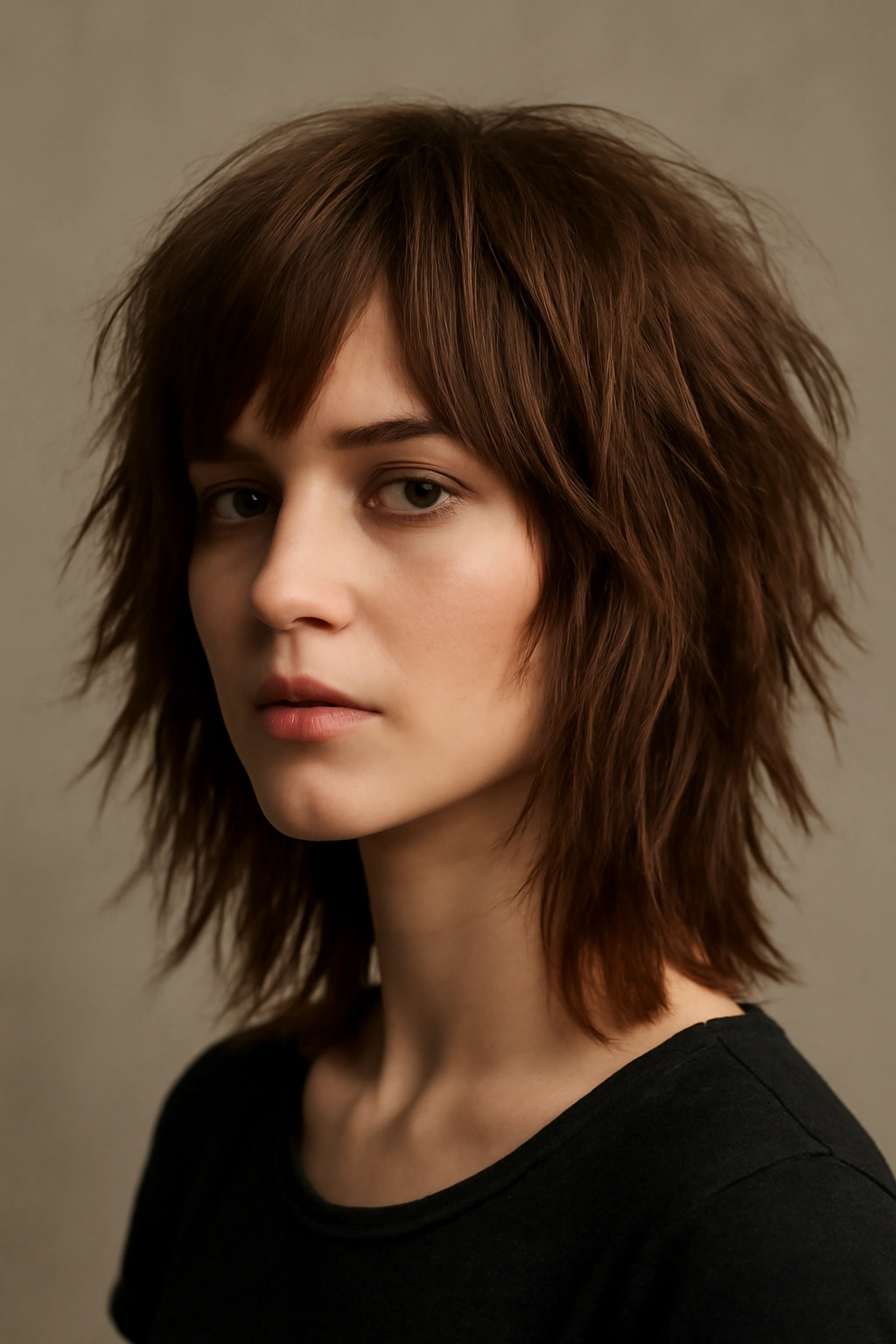
A shoulder-length cut with heavily choppy, disconnected layers creates a rock-and-roll vibe that’s undeniably cool. This is the cut for people who want something edgy and interesting without going pixie-short.
Why Choppy Layers Command Attention
Choppy layers create visual interest and movement that smooth layers can’t achieve. When they’re disconnected and varied in length, they create a cut that’s immediately eye-catching. Paired with the right styling and attitude, this cut feels rebellious and creative without being inappropriate for any setting.
What to Know Before You Commit
- Works on all hair types but especially striking on straight and wavy hair
- Requires a stylist comfortable with choppy, disconnected cutting techniques
- Needs trims every 6-8 weeks as the choppy texture becomes softer and less defined over time
- Styling is flexible but looks best with some texture—try a texture spray or sea salt spray for the ultimate effect
- Can be dressed up or down depending on how you style it
Pro tip: This cut is a natural canvas for color. Consider adding some subtle highlights or a bolder color moment if you want to amplify the edgy vibe.
12. The Soft, Romantic Wave Cut
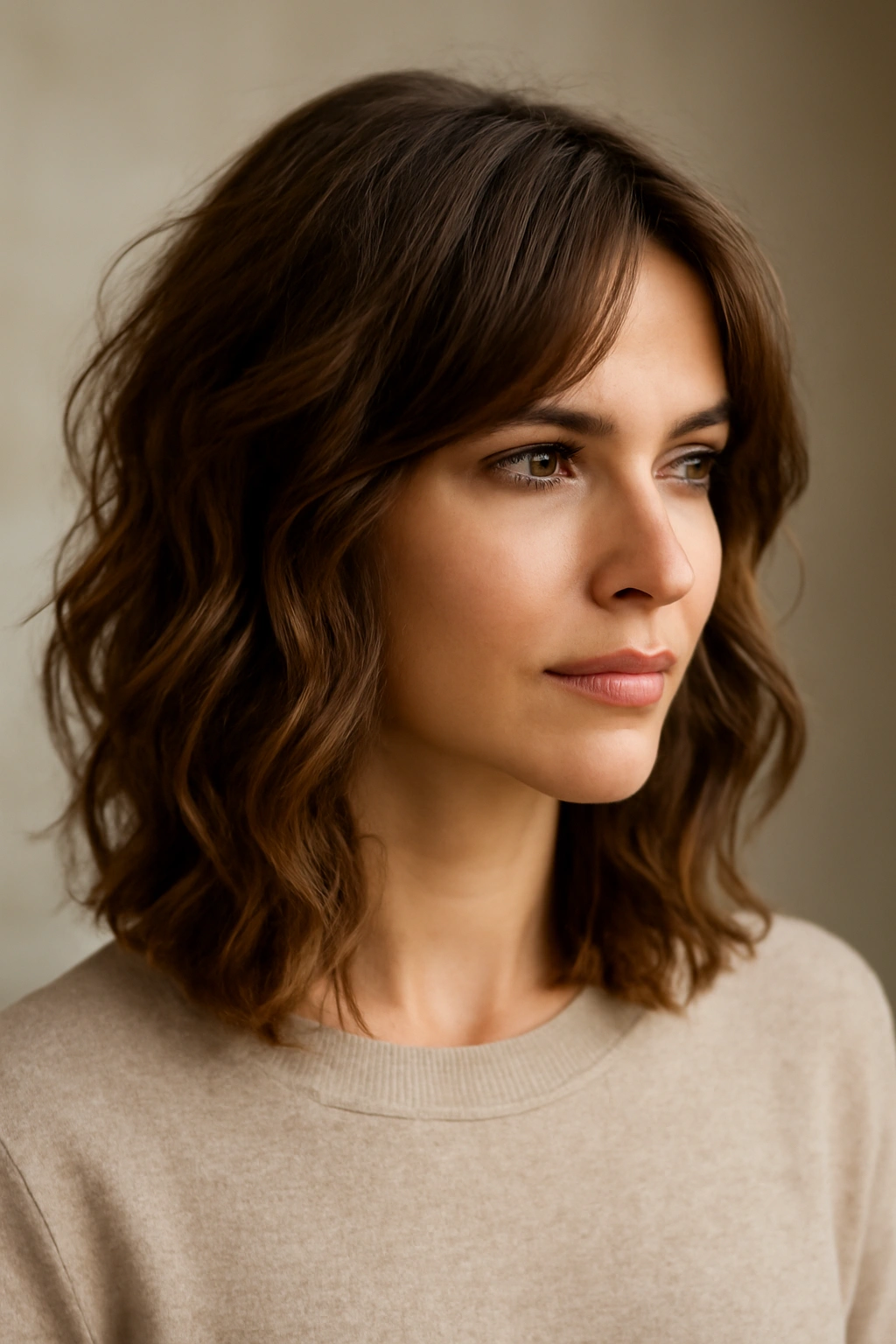
A medium-length cut designed specifically for creating soft, romantic waves is perfect if you love that effortlessly feminine, slightly undone aesthetic. The layers are subtle and designed to enhance wave patterns rather than create choppy texture.
Why This Cut Enhances Your Natural Waves
This cut is engineered to work with your natural wave pattern rather than against it. The layers are placed strategically to encourage movement and flow in the direction waves naturally fall. The result is a cut that looks stunning when you curl it, but also has enough texture that it looks good on non-styling days too.
What to Know Before You Commit
- Works beautifully on all hair types, especially naturally wavy and curly hair
- The layers should be subtle and blended rather than choppy for the romantic effect to work
- Needs trims every 6-8 weeks to maintain the layer placement and wave-enhancing structure
- Styling with a curling iron or wand enhances the romantic quality, but the cut also looks good worn more casually
- Pairs beautifully with face-framing layers or a longer bang for extra softness
Worth knowing: Ask your stylist to cut the layers while your hair is in its natural state rather than wet or blow-dried—this ensures they’re cutting for how your hair actually falls and moves.
13. The Asymmetrical Lob
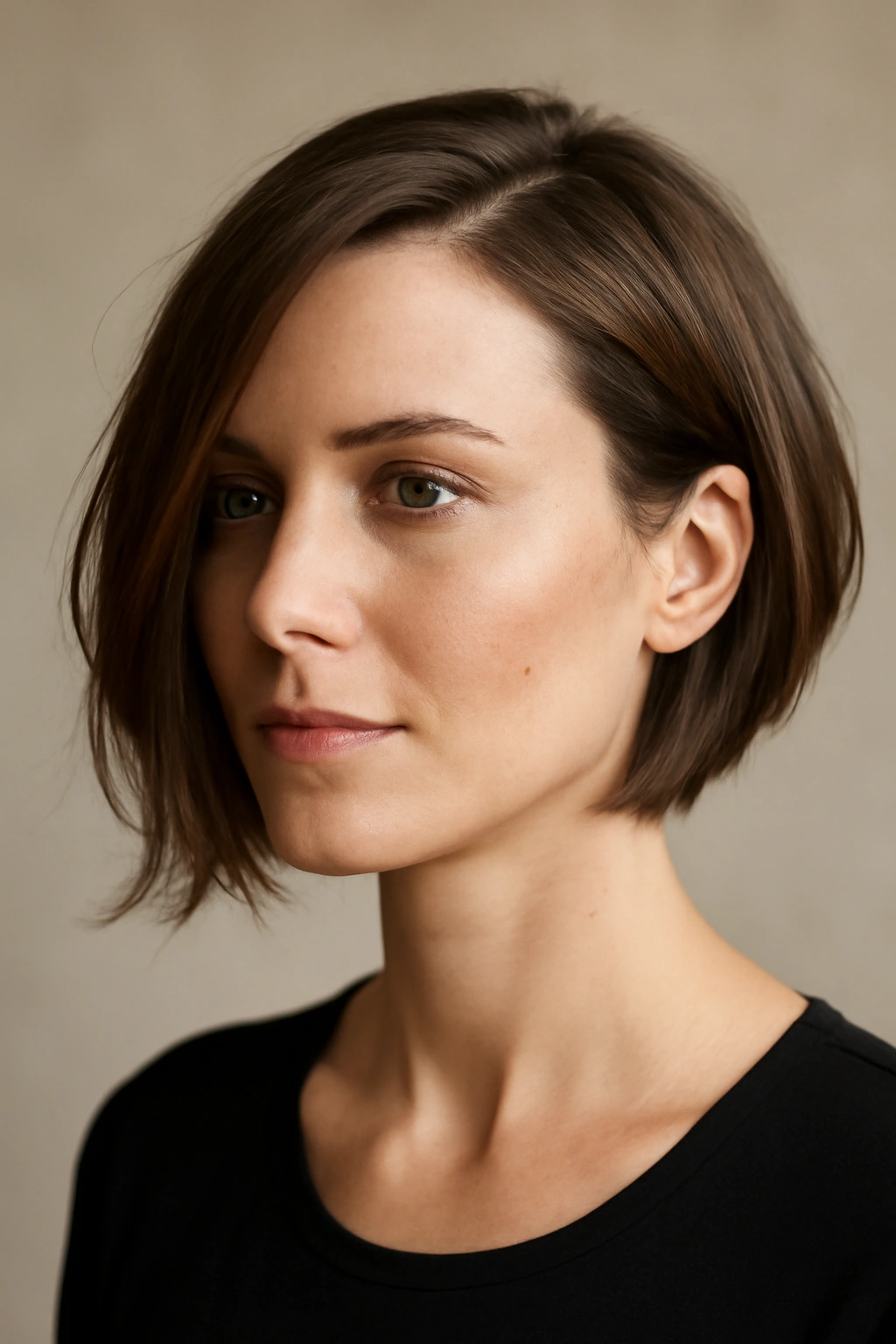
An asymmetrical lob with one side significantly shorter than the other creates a bold, modern aesthetic that’s flattering and interesting. This cut works best when there’s a noticeable length difference between the two sides.
Why Asymmetry Creates Such Impact
Asymmetrical cuts work because they’re unexpected and create visual interest that symmetrical cuts sometimes don’t. The shorter side creates structure and edge while the longer side maintains femininity and length. Together, they create a balance that’s both modern and flattering.
What to Know Before You Commit
- This is a bold cut that requires confidence and a good sense of your personal style
- Works on all hair types but especially striking on straight and wavy hair
- Requires a skilled stylist who understands how to create a balanced asymmetrical shape
- Needs trims every 5-6 weeks to maintain the intentional asymmetry
- Can be styled multiple ways depending on how you part your hair and what direction you style it
Pro tip: This cut is a wonderful opportunity for color—consider adding dimension or color work to one side to enhance the asymmetrical vibe.
14. The Piece-y, Undone Lob
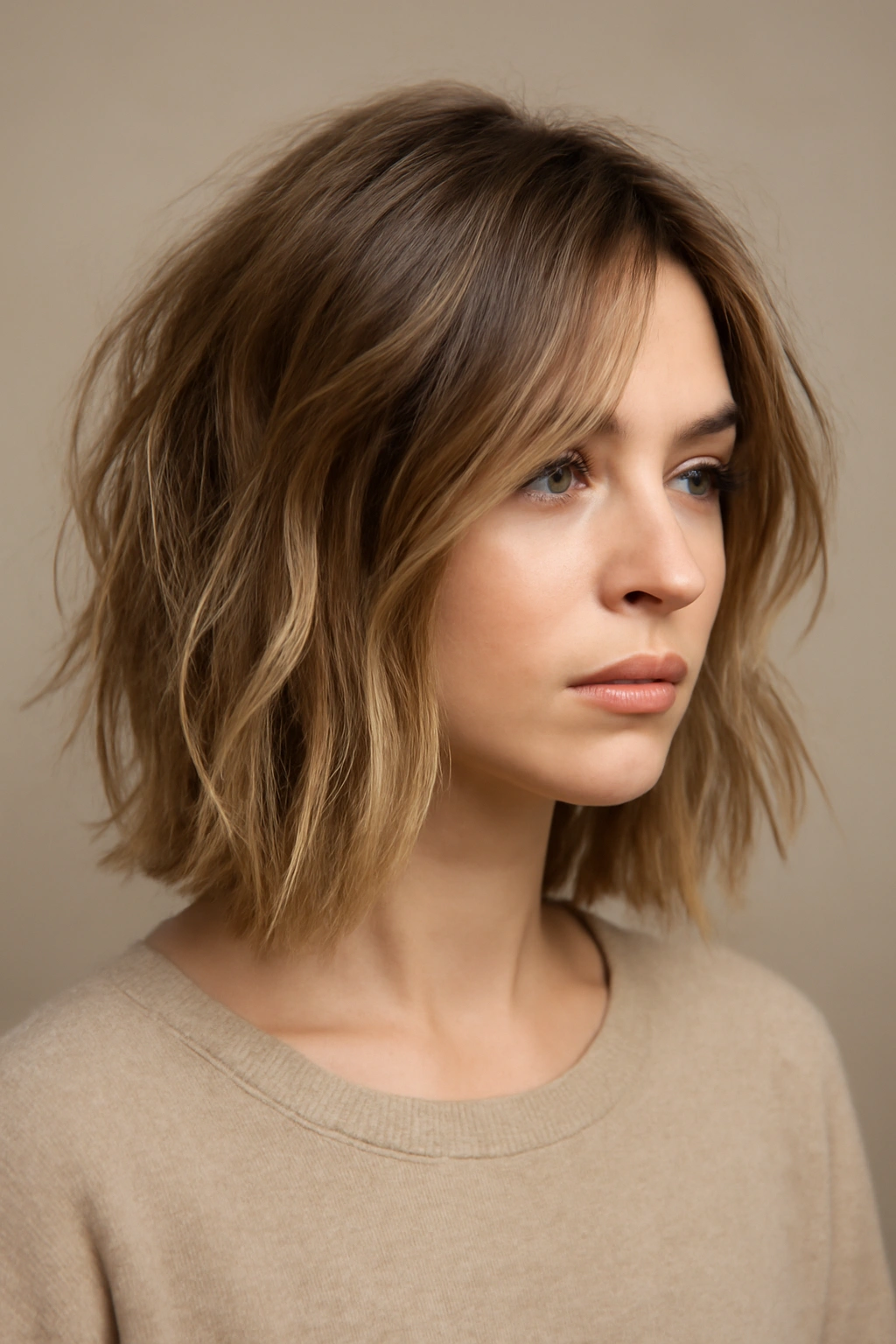
A lob with disconnected, piece-y layers throughout creates an intentionally undone aesthetic that’s perfect if you love the “just rolled out of bed but make it fashion” vibe. The layers are cut to create separation and movement without being blunt or overly textured.
Why This Cut Feels So Effortlessly Cool
Piece-y layers create a cut that looks intentional even when you haven’t done much to style it. The disconnected texture means that every strand moves independently, creating an airy quality that’s both romantic and modern. It’s a cut that works for people who want something interesting but don’t want to spend hours styling.
What to Know Before You Commit
- Works beautifully on all hair types but especially on naturally wavy and curly hair
- Requires a stylist comfortable with disconnected, piece-y layer techniques
- Needs trims every 6-8 weeks to keep the piece-y separation sharp and prevent the cut from looking shaggy
- A texture spray or sea salt spray is essential for bringing out the piece-y quality
- Can be styled countless ways depending on how much or how little you want to do
Worth knowing: This cut looks better on second-day or third-day hair than freshly washed hair—the natural oils enhance the piece-y texture and make it look more intentional.
15. The Classic Flip
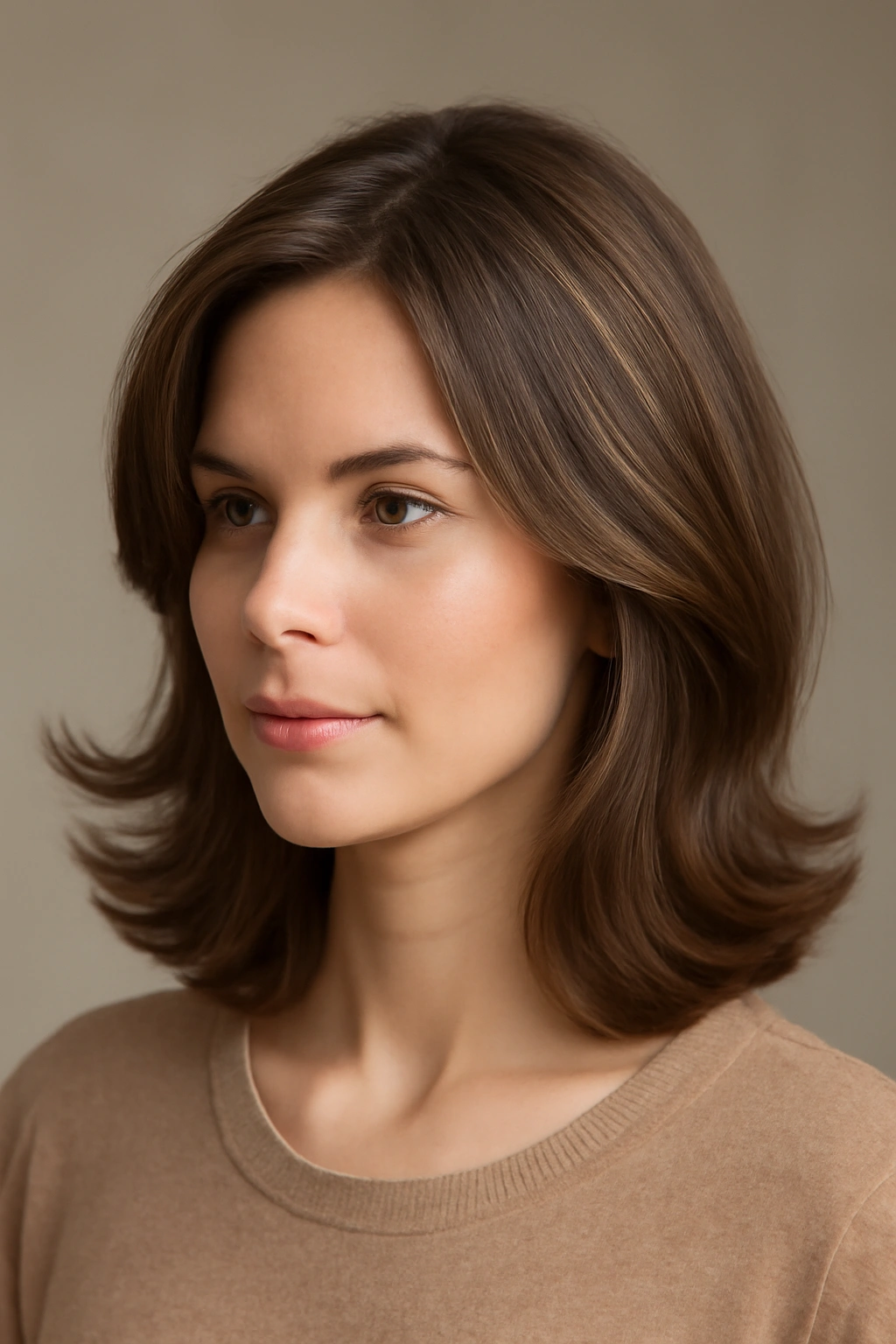
A medium-length, layered cut designed to flip and curve at the ends creates a retro-meets-modern aesthetic that’s genuinely flattering and fun. The flip happens naturally through the cut and styling rather than being forced.
Why The Flip Is Making A Comeback
The modern flip is nothing like the heavily set flips of decades past. Today’s version is soft, subtle, and happens through a combination of strategic layers and light styling. It creates movement and shape without looking dated or overdone. It’s a cut that’s undeniably feminine and flattering across face shapes.
What to Know Before You Commit
- Works best on straight to wavy hair; very curly hair can make the flip look overwhelming
- Requires layers that are cut to encourage the flip rather than prevent it
- Needs styling with a round brush and blow dryer to create and maintain the flip effect
- Trims every 5-6 weeks keep the shape crisp and the flip intentional
- Can be dressed up for more formal occasions or worn more casually depending on how you style it
Pro tip: The flip works better with some texture at the roots. Ask your stylist about adding subtle layers at the crown for a fuller, more intentional flip.
16. The Sleek, Straight Shoulder Cut
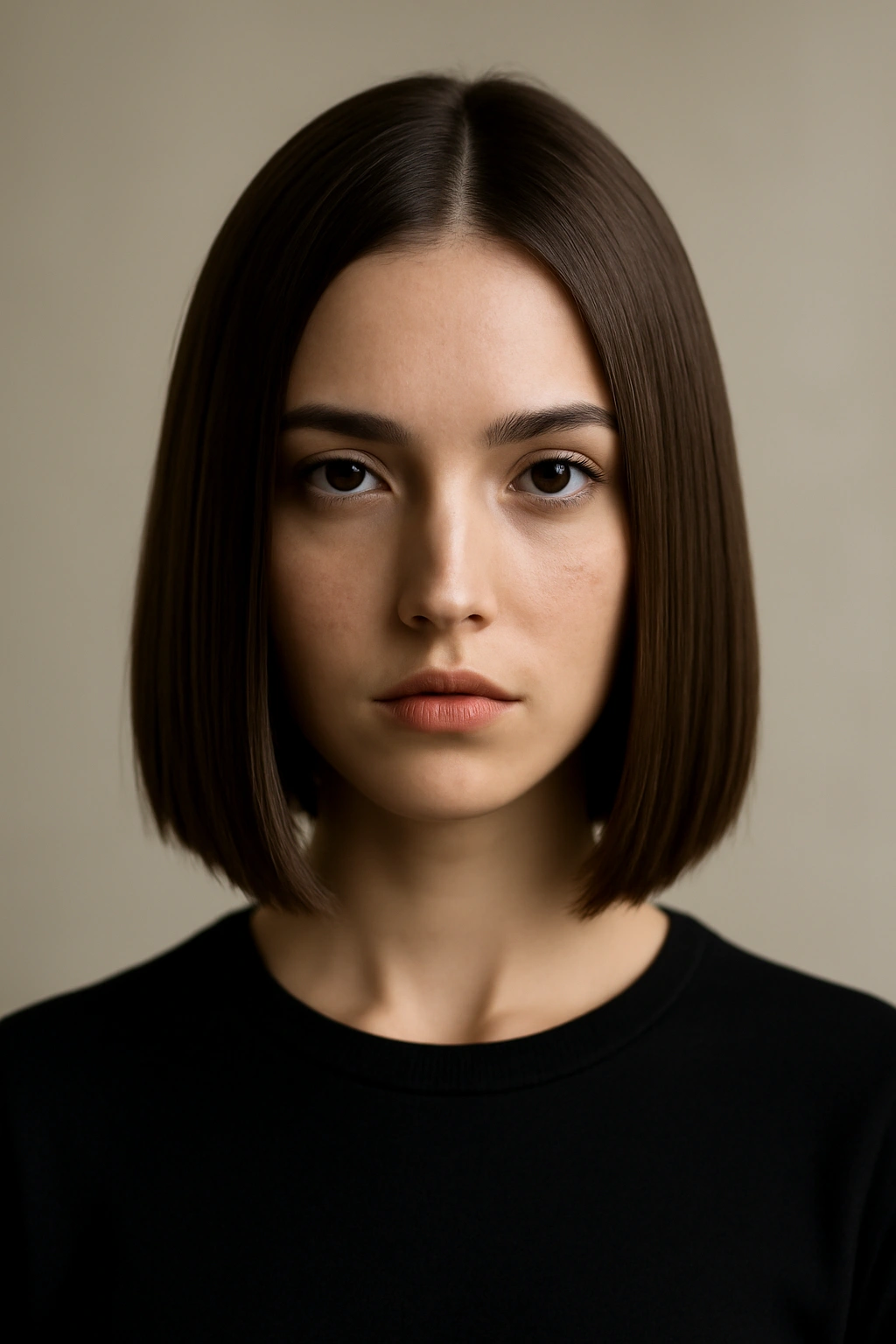
For people who love a polished, put-together look, a perfectly straight, blunt-cut shoulder-length bob delivers sophistication and ease in equal measure. This cut is all about precision and clean lines.
Why Sleekness Never Goes Out of Style
A sleek, straight shoulder cut works because it’s undeniably chic and looks equally good in professional settings or casual situations. The clean line and precise bluntness create an intentional, finished look that reads as sophisticated without being overdressed. It’s a cut that photographs beautifully and looks good from every angle.
What to Know Before You Commit
- Works best on naturally straight hair or hair that you’re willing to blow-dry straight regularly
- Requires a highly skilled stylist who understands precision cutting and can create a truly even line
- Needs trims every 4-6 weeks to maintain that razor-sharp blunt edge
- Styling with a round brush and blow dryer is essential to make this cut shine
- A glossy haircare routine (shine sprays, smoothing serums) makes this cut look even more polished
Worth knowing: Consider adding a subtle shine treatment or gloss to enhance the sleekness and make this cut look even more intentional and polished.
17. The Textured, Tousled Shag
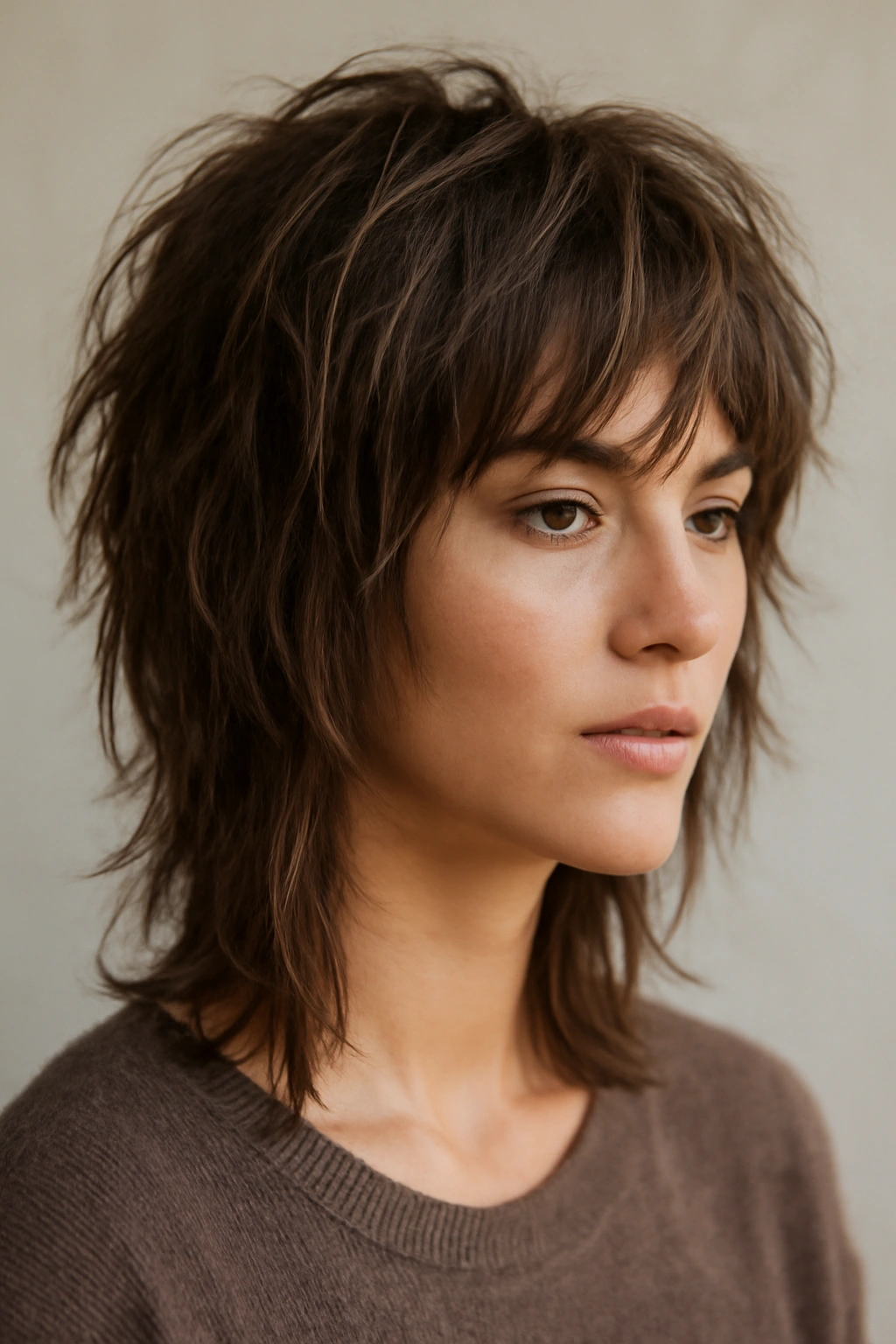
A modern shag cut designed for tousled, undone styling is perfect if you want something that looks cool without requiring precision styling. The choppy layers are designed to work with your natural texture rather than against it.
Why This Shag Is So Wearable
Today’s textured shag is all about ease and movement. The choppy layers create natural texture and volume, and the cut is designed to look good even when you’re not spending time styling it. It’s a cut that celebrates imperfection and movement rather than fighting against it.
What to Know Before You Commit
- Works beautifully on all hair types, from fine straight hair to thick curls
- Requires a stylist comfortable with modern choppy, disconnected layer techniques
- Needs trims every 6-8 weeks to keep the texture definition sharp
- A texture spray or sea salt spray enhances the already-present texture and makes styling effortless
- Can be worn multiple ways depending on your mood—tousled and undone, blown out straighter, or curled for more defined waves
Pro tip: This cut looks best when you embrace the texture and refuse to over-style it. The less you mess with it, the better it looks.
18. The Soft, Rounded Lob with Long Bangs
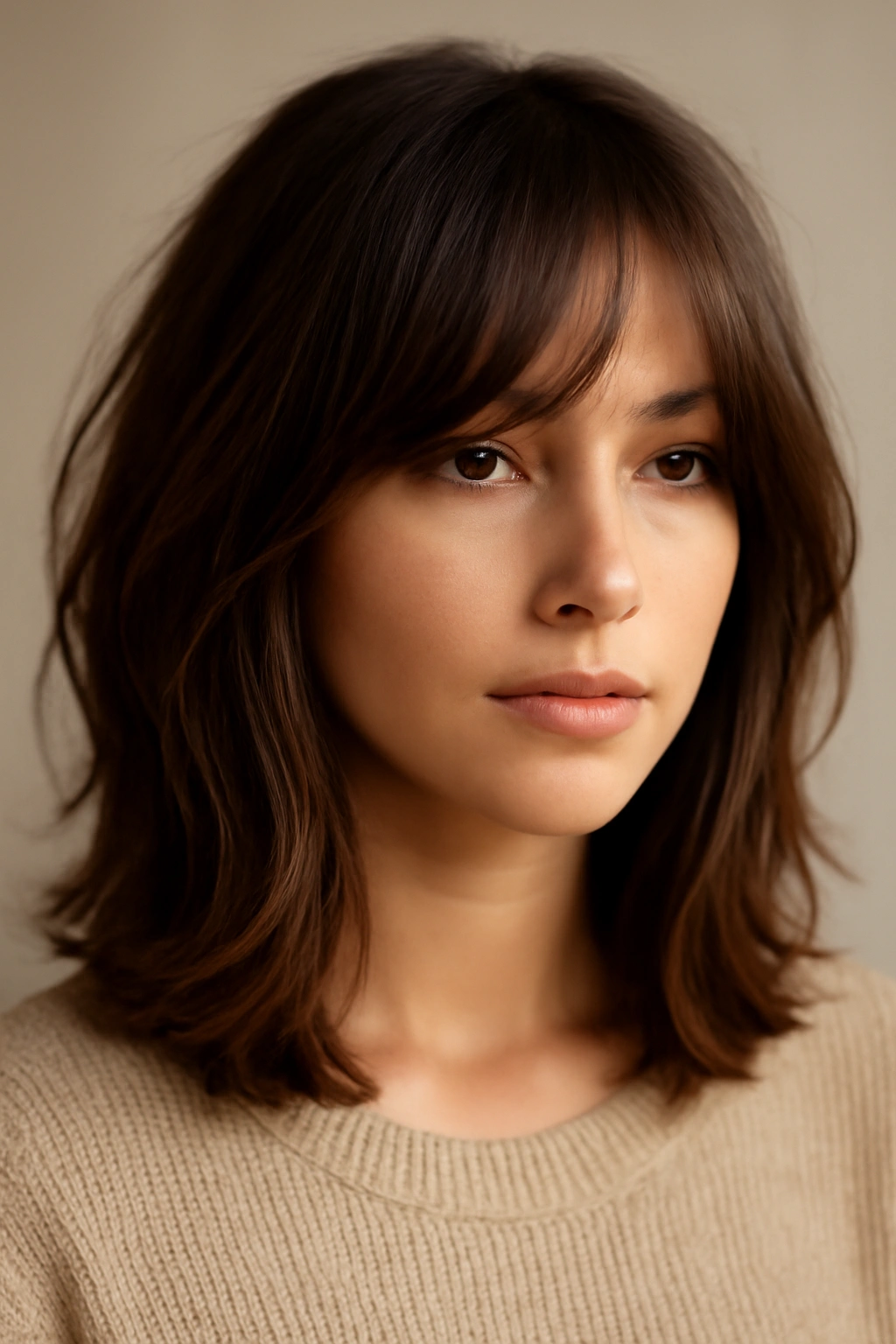
A rounded lob with soft, blended layers and longer bangs that frame your face creates a romantic, feminine aesthetic that’s flattering and interesting. The bangs add face-framing softness while the rounded shape is incredibly universally flattering.
Why This Combination Works So Well
The combination of a soft, rounded lob and longer bangs creates a cut that’s both classic and modern. The rounded shape is flattering across face shapes, while the longer bangs add an extra element of softness and face-framing that’s undeniably romantic. Together, they create a cohesive, well-thought-out look.
What to Know Before You Commit
- Works beautifully on all hair types but especially on straight to wavy hair
- The longer bangs will need trims every 3-4 weeks as they grow faster than the rest of your hair
- The rounded shape needs maintenance every 5-6 weeks to prevent it from looking shapeless
- Bangs can be styled parted, side-swept, or even pinned back for different occasions
- A soft wave enhances this cut beautifully but it also looks good worn straighter
Worth knowing: If you’ve never worn bangs, longer bangs like these are a great place to start—they’re more forgiving than shorter bangs and easier to style multiple ways.
19. The Modern Mullet
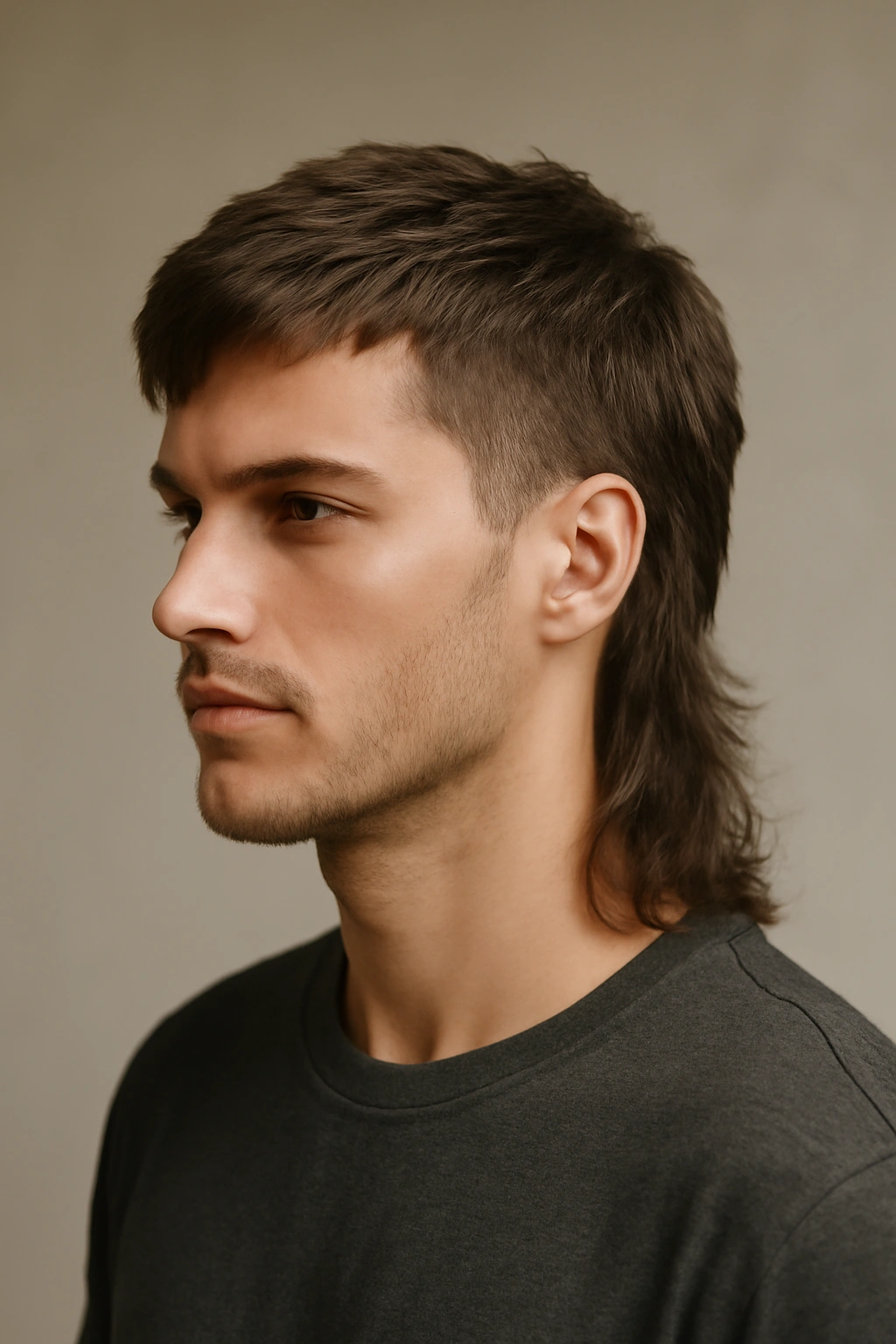
A modern mullet is a sophisticated take on an edgy cut—it’s shorter and cleaner in the front, longer and texturized in the back, but without looking cartoonish. This cut is for people who want something bold and interesting.
Why Today’s Mullet Isn’t Your Parent’s Mullet
The modern mullet works because it’s proportionate and well-executed. Rather than being drastically different between front and back, today’s mullet features a thoughtful length gradient that creates interest and edge without looking dated or overdone. It’s a cut that’s playful but still sophisticated.
What to Know Before You Commit
- This is a bold cut that requires confidence and a stylist who understands modern mullet proportions
- Works on most hair types but especially striking on straight and wavy hair
- Needs trims every 6-8 weeks to maintain the intentional front-to-back length difference
- Styling is flexible—you can wear the back curled for softness or straight for edge
- Pairs beautifully with color work or a bolder styling approach
Pro tip: The modern mullet looks especially good with some texture and movement. Ask your stylist about adding choppy layers to soften the back rather than keeping it completely blunt.
20. The Face-Framing, Layered Medium
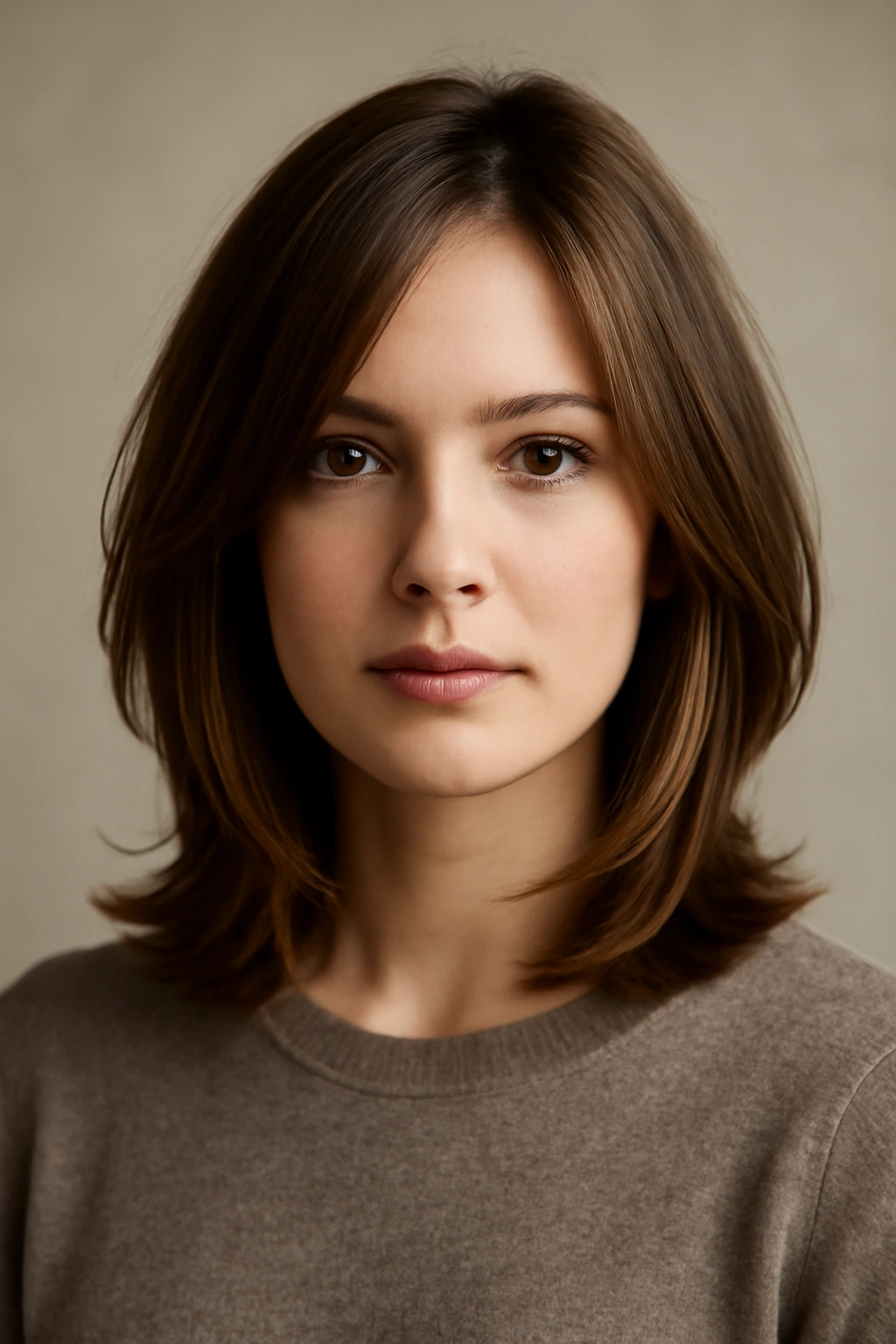
A medium-length cut with subtle layers strategically placed to frame your face creates flattering dimension without looking choppy or outdated. The layers are soft and blend seamlessly into the rest of your hair.
Why Face-Framing Layers Are Always Flattering
Face-framing layers work because they draw attention to your face in the most flattering way possible. By creating movement and texture specifically around your face and jawline, these layers create definition and softness simultaneously. It’s a technique that works across all face shapes and hair types.
What to Know Before You Commit
- Works beautifully on all hair types and face shapes
- Requires a stylist who understands face-framing technique and can cut layers that blend seamlessly
- Needs trims every 6-8 weeks to maintain the face-framing placement and softness
- Can be styled multiple ways—straight, wavy, curled, or anything in between
- A side part can emphasize the face-framing effect and create a more intentional look
Worth knowing: Ask your stylist to cut face-framing layers slightly longer than you think you want—they’ll blend better and create a softer effect than shorter, choppier layers.
21. The Sleek, Straight Lob with Center Part
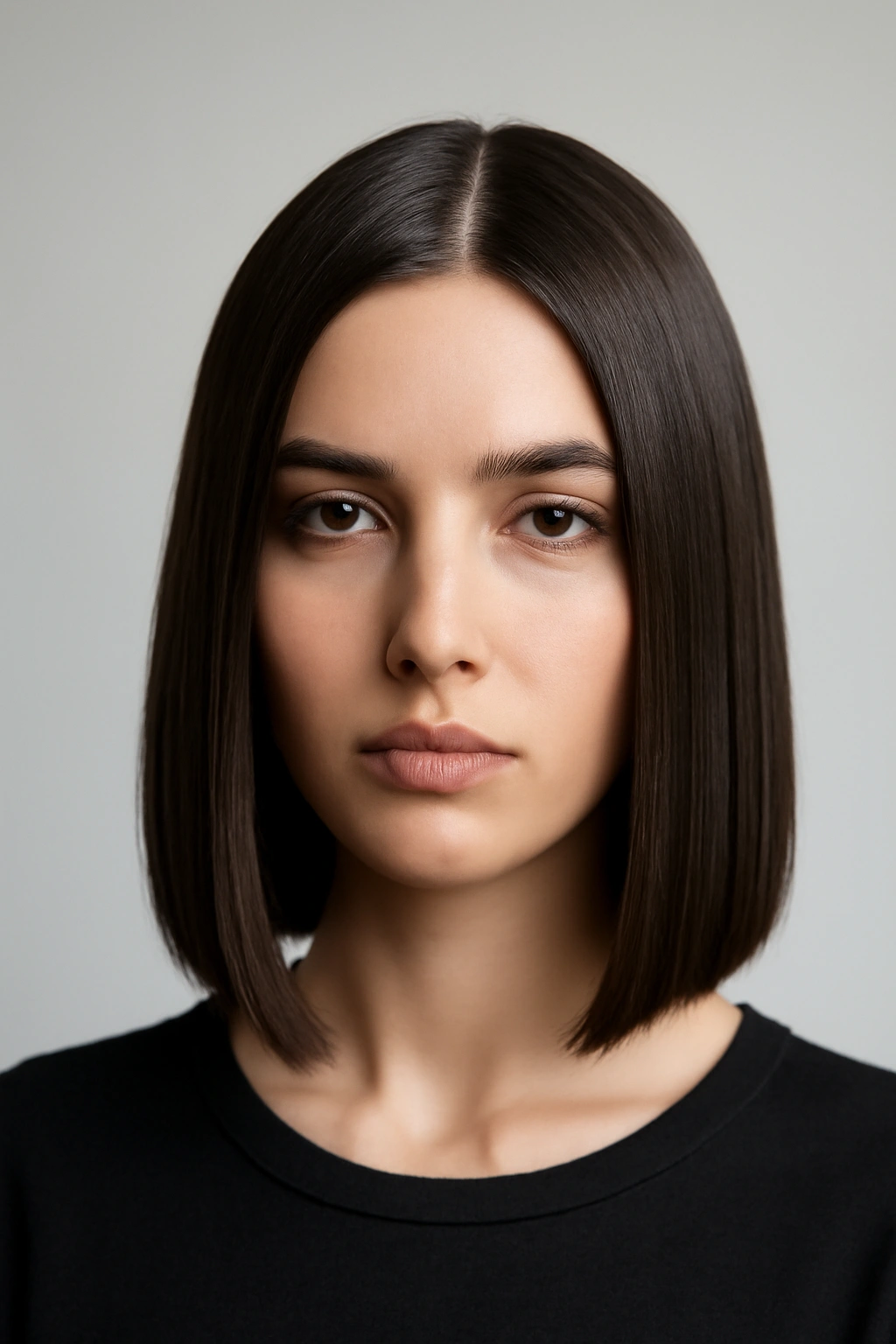
A perfectly straight lob with a center part creates a modern, editorial aesthetic that’s both polished and effortlessly cool. The length sits somewhere between shoulder and waist, and the center part creates perfect symmetry.
Why Straight Hair and Center Parts Create Such Impact
This cut works because it’s clean, intentional, and undeniably modern. The center part draws attention to the center of your face while the straight, blunt edges create a finished, polished look. It’s a combination that photographs beautifully and looks sophisticated in any setting.
What to Know Before You Commit
- Works best on naturally straight hair or hair you’re willing to blow-dry straight regularly
- Requires a highly skilled stylist who can create a truly even, blunt line
- Needs trims every 5-6 weeks to maintain that crisp blunt edge
- Styling with a flat iron or blow dryer is essential to make this cut shine
- A glossy hair care routine enhances the polish and makes this cut look even more intentional
Pro tip: This cut pairs beautifully with a middle part down to your collarbone or longer—experiment with where you place your part for different effects.
22. The Soft, Textured Pixie Fade
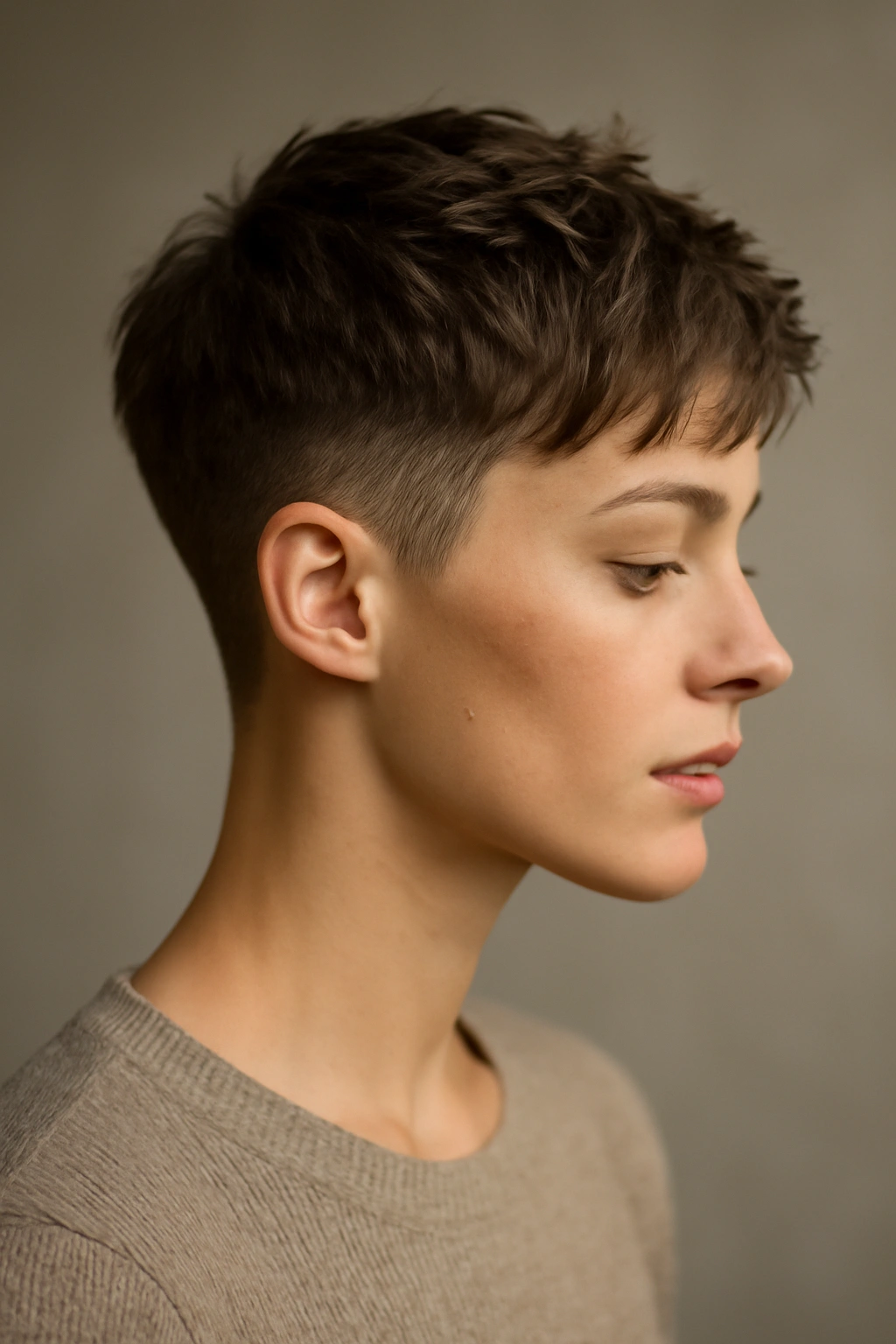
A pixie cut with soft texture and a gradual fade from shorter to slightly longer creates an androgynous, artistic look that’s undeniably cool. This cut is for people who are ready to go shorter but still want some softness and dimension.
Why Textured Pixies Feel Less Severe
A pixie cut with choppy, textured layers feels less severe than a sleek, smooth pixie because the texture creates visual interest and softness. The gradual fade from short to slightly longer means there’s more to work with for styling, and the cut feels less like an extreme statement and more like an intentional creative choice.
What to Know Before You Commit
- Works on all hair types but especially gorgeous on naturally wavy or curly hair
- Requires a skilled stylist who understands how to create texture in short hair
- Needs trims every 4-5 weeks to prevent it from growing into an awkward in-between phase
- Can be styled sleek and polished or textured and tousled depending on your mood
- Styling products like texture spray, clay, or mousse help you get the most from this cut
Worth knowing: This cut is a wonderful opportunity for hair color. Consider adding color work or going for a bolder shade—shorter hair is the perfect canvas for color experimentation.
23. The Wavy, Textured Medium
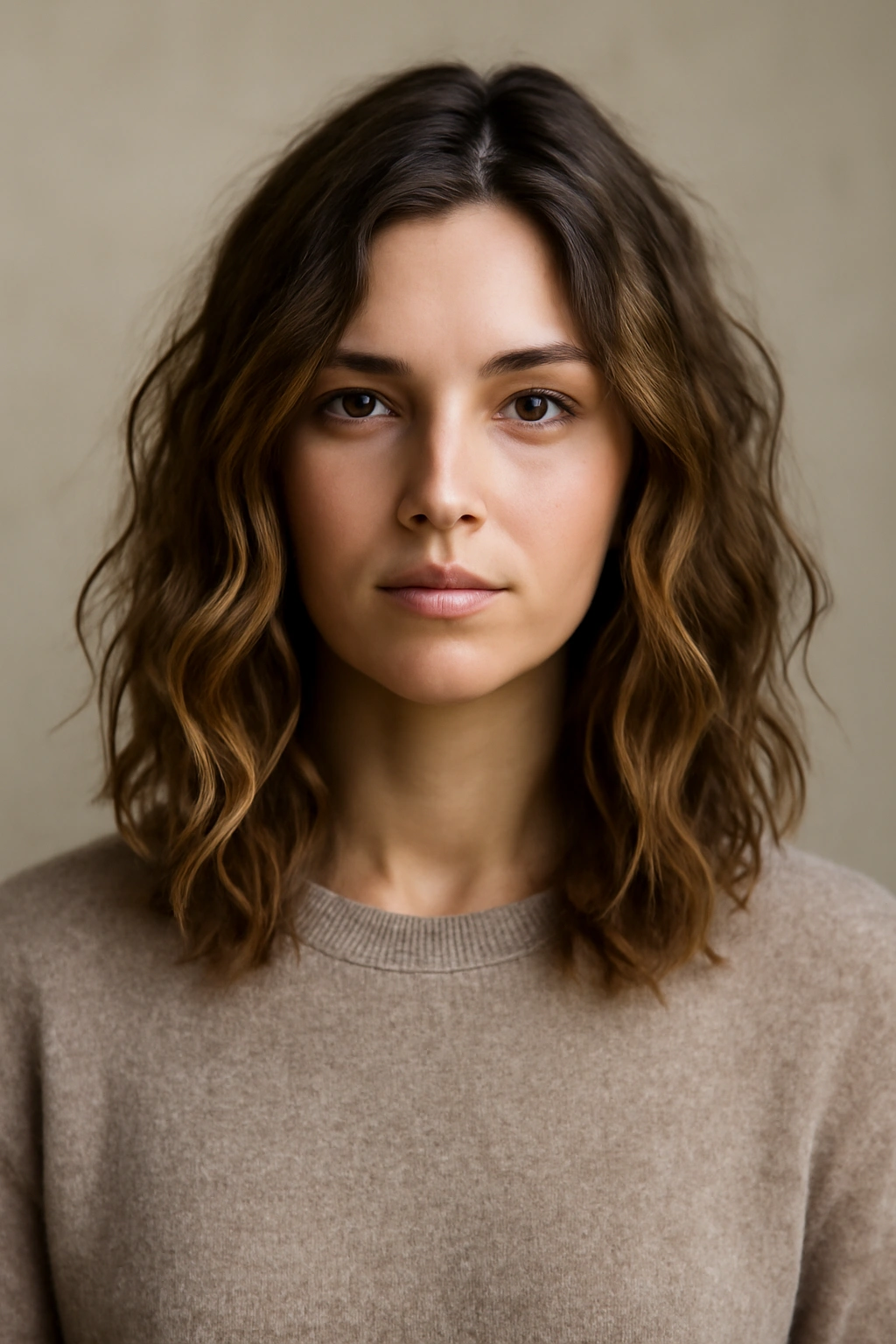
A medium-length cut specifically designed for embracing your natural waves creates an effortlessly beautiful aesthetic that requires less styling work than you might think. The layers are placed to enhance wave patterns and create natural-looking texture.
Why Embracing Your Waves Changes Everything
This cut works because it’s designed to work with your hair rather than against it. Instead of cutting your waves into submission or ignoring them completely, this cut celebrates them and creates a shape that looks beautiful with your natural texture. It’s liberation from fighting your hair daily.
What to Know Before You Commit
- Works beautifully on naturally wavy and curly hair
- Requires a stylist who understands how layers work with wave patterns
- Needs trims every 6-8 weeks to maintain the layer placement that enhances waves
- Can be enhanced with a curling iron or wave-creating tool, but looks good even without extra styling
- A wave-enhancing product like a curl cream or sea salt spray brings out the best in this cut
Worth knowing: Ask your stylist to cut your hair in its natural state—either air-dried or with your natural wave pattern activated—so they can cut the layers in a way that works with how your hair actually moves.
24. The Sophisticated Bob with Subtle Texture
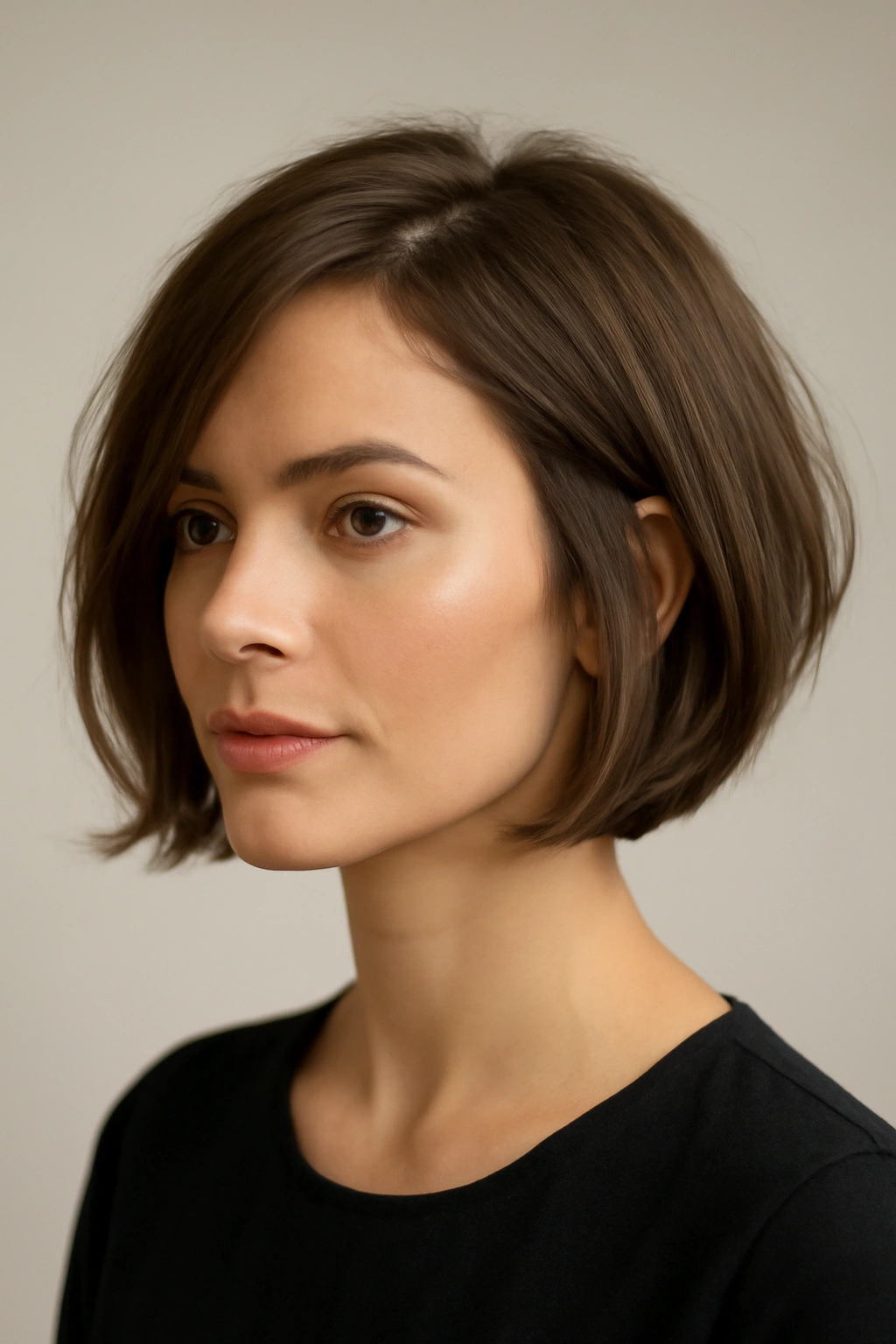
A classic bob with subtle, barely-there texture layers creates a sophisticated, polished look that reads as intentional and well-thought-out. The texture is minimal enough that it doesn’t read as choppy, but present enough to create movement and dimension.
Why Subtle Texture Elevates a Bob
Subtle texture layers in a bob create movement and softness without sacrificing the clean, polished aesthetic. The layers are so subtle that they’re almost undetectable, but they make a significant difference in how the cut moves and how flattering it is. It’s the difference between a good bob and a great bob.
What to Know Before You Commit
- Works beautifully on all hair types, especially straight to wavy hair
- Requires a skilled stylist who understands restraint and can create subtle texture
- Needs trims every 5-6 weeks to maintain the polished shape and subtle texture
- Can be styled sleek and polished or with some texture depending on your vibe for the day
- A glossy hair care routine makes this cut look even more sophisticated
Pro tip: Ask your stylist to add texture only at the ends and around your face rather than throughout—this creates the most flattering, sophisticated effect.
25. The Long, Piece-y Layers
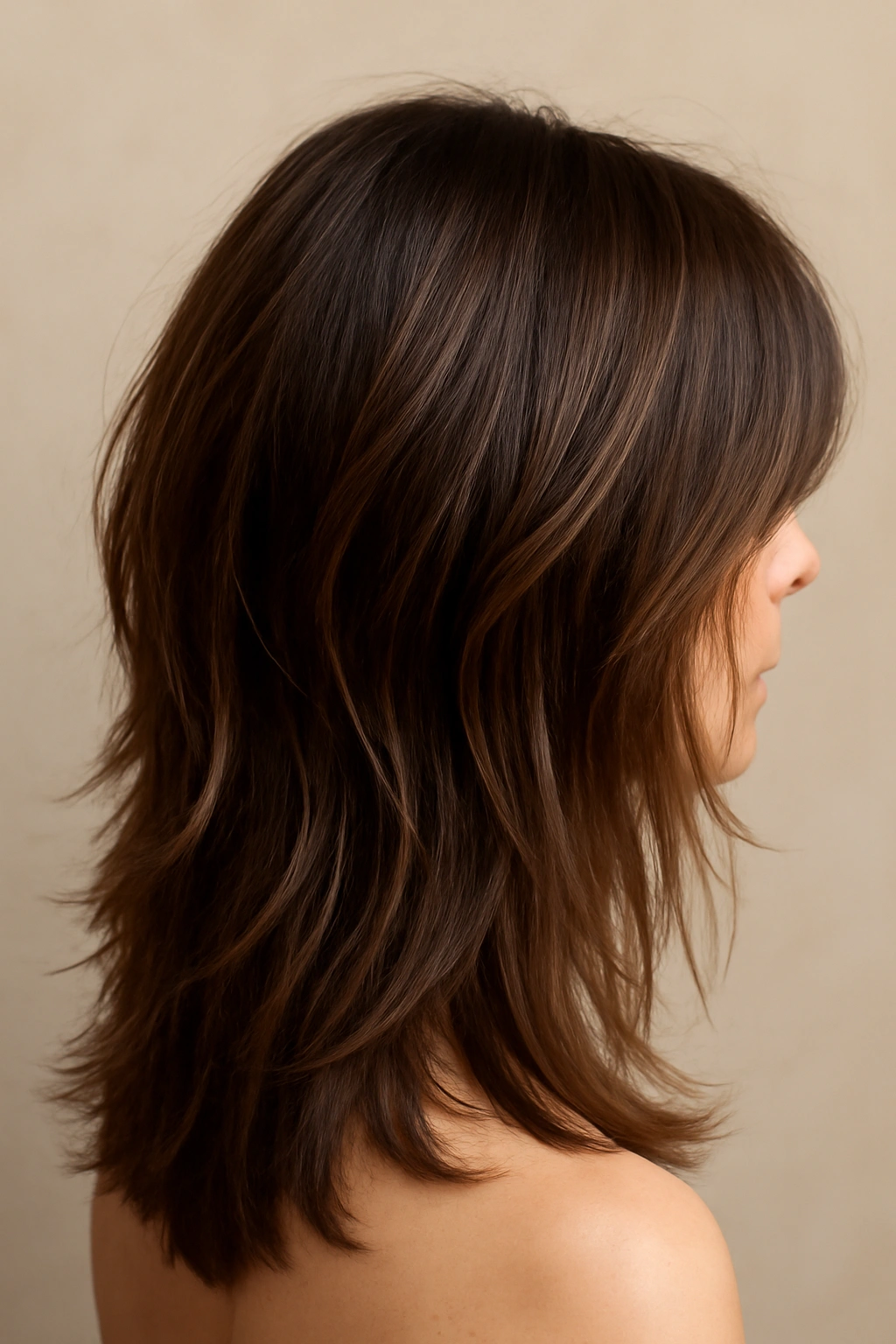
Long hair with piece-y, disconnected layers throughout creates a romantic, undone aesthetic that’s timeless and flattering. The layers are cut to create separation and movement without making the hair look thin or sparse.
Why Piece-y Layers on Long Hair Are Perennially Cool
Piece-y layers on long hair work because they create movement and dimension without sacrificing the length you want. The layers are intentionally disconnected, creating that effortlessly cool, undone aesthetic that reads as both intentional and carefree. It’s a cut that flatters almost every face shape and works across all hair types.
What to Know Before You Commit
- Works beautifully on all hair types, from fine to thick, straight to curly
- Requires a stylist comfortable with piece-y, disconnected layer techniques
- Needs trims every 6-8 weeks to keep the piece-y separation sharp and prevent the cut from looking overly grown-out
- A texture spray or sea salt spray brings out the piece-y quality and makes styling effortless
- Can be styled multiple ways—wavy, curly, straight, or anything in between
Worth knowing: This cut looks better on day-two or day-three hair than freshly washed hair—the natural oils enhance the piece-y texture and make the cut look more intentional and polished.
Final Thoughts
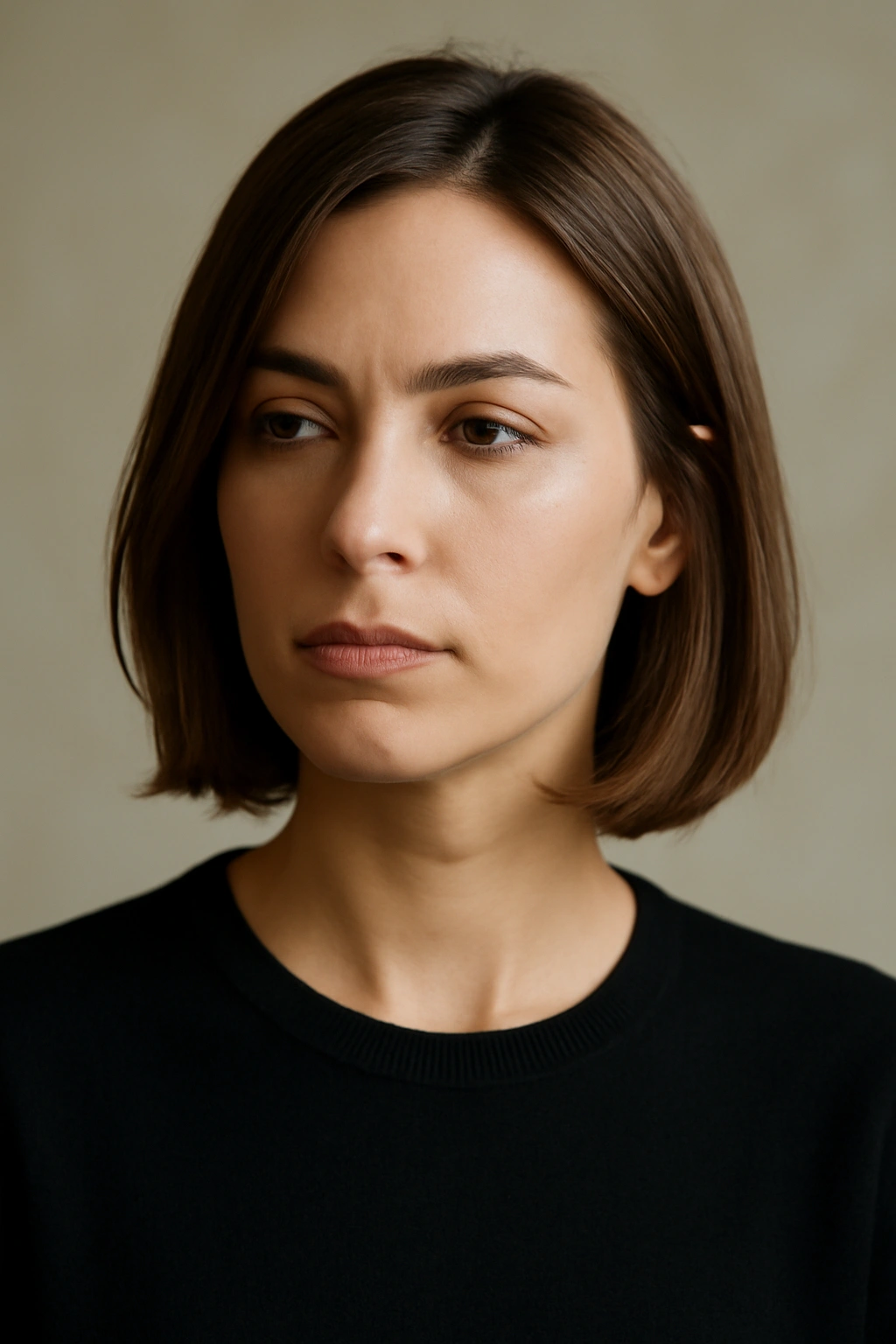
Choosing a medium haircut comes down to understanding what works for your hair type, lifestyle, and personal style. Whether you’re craving something with bold texture and movement, a sleek polished silhouette, or something that walks the line between both, there’s a medium cut in this list that’ll feel made for you.
The real secret to any great haircut is finding a stylist who listens, understands your hair, and can execute the cut with precision. Bring reference photos, be honest about how much styling you’re willing to do, and don’t be afraid to ask questions about maintenance and styling. A great cut is an investment, and when you find the right one, it’s absolutely worth it.
Once you’ve chosen your cut, commit to the maintenance and styling it deserves. Even the most beautiful haircut will start looking tired if you’re not getting trims regularly or using the right products. The difference between a good haircut and a great one often comes down to how you care for it between salon visits. And honestly, there’s nothing quite like the confidence boost that comes from a haircut that actually makes you excited to see yourself in the mirror.
