



An octopus haircut might sound like something from a fantasy novel, but it’s actually one of the most playful and liberating hair trends gaining momentum in salons everywhere. The style gets its whimsical name from the way the hair falls—long, flowing strands that cascade down like tentacles, with choppy layers that move independently of each other. Unlike traditional layered cuts that blend seamlessly, an octopus haircut celebrates each layer as its own distinct element, creating movement, texture, and volume that feels almost sculptural.
What makes this cut so appealing is that it works beautifully on medium to long hair, where you have the length to really showcase the layering without sacrificing your overall length. The beauty of an octopus haircut is its versatility—it can be polished and intentional or deliberately undone and textured, making it adaptable to your personal style and how much styling effort you’re willing to invest. Whether you want drama, movement, or just a fresh way to refresh your length, this cut delivers on multiple fronts.
The octopus haircut also sits at a sweet spot between low-maintenance and high-impact. You’re not committing to a short pixie or a drastic transformation, but you’re definitely getting noticeable movement and dimension that changes how your hair catches the light and moves throughout the day. If you’ve been thinking about a change but weren’t ready for something too extreme, this might be exactly what you’ve been searching for.
1. Octopus Haircut with Loose Waves
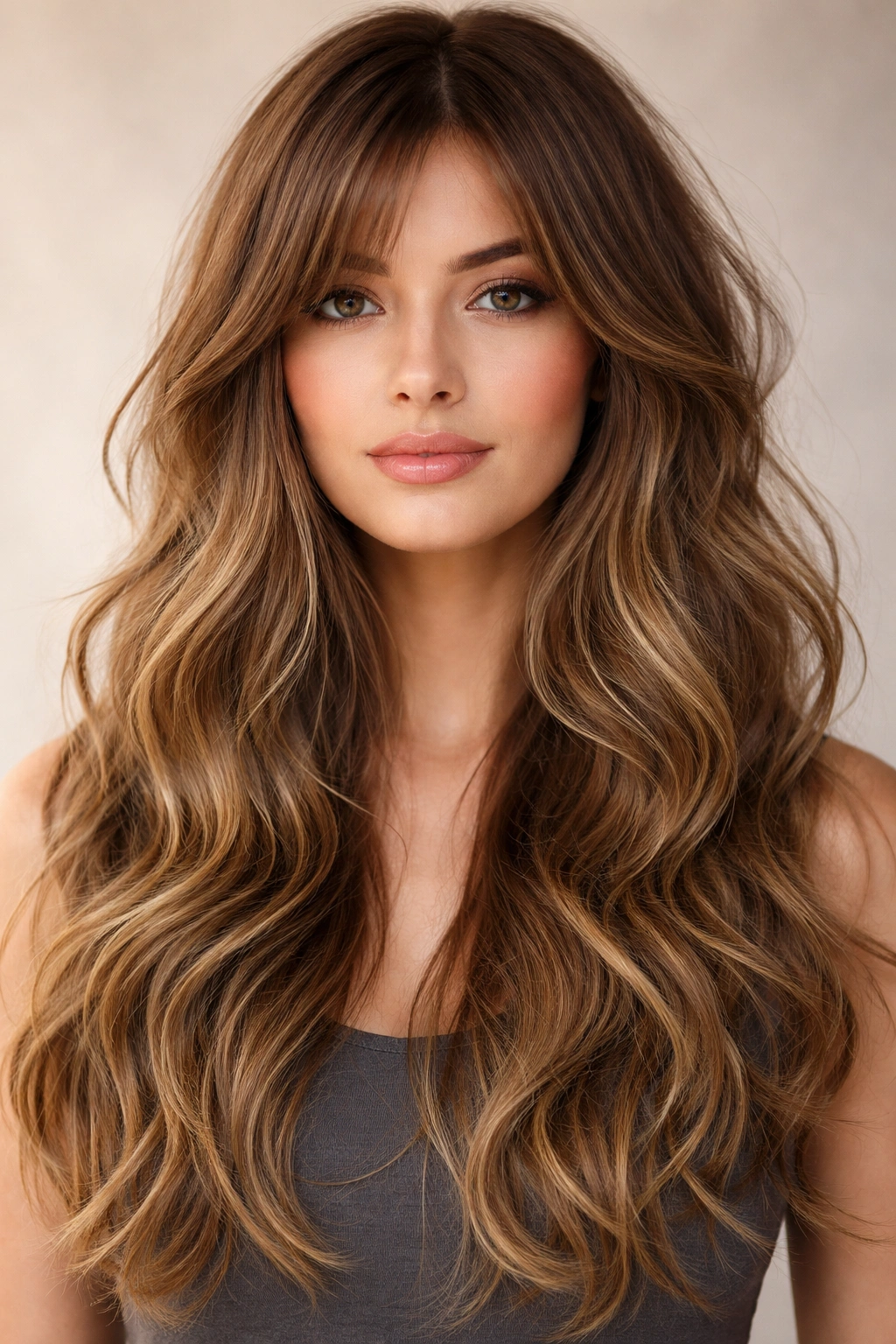
The classic octopus with loose waves is the most forgiving and versatile version of this cut—it’s what most people picture when they hear the term, and for good reason. This variation features choppy, disconnected layers that start around mid-length and continue all the way down, creating separate “tentacles” of hair that can move and fall completely independently. When you add loose, beachy waves, those layers catch and enhance the wave pattern, making each strand feel intentional and lived-in.
Why This Style Works Best
This version is particularly flattering because the waves soften the choppiness of the layers, creating a romantic, effortless vibe rather than something too severe or sharp. The loose waves prevent the cut from feeling too choppy or aggressive, and they work with almost any hair type—even straighter hair can hold soft waves with the right styling products. The way the layers interact with waves creates natural-looking volume and movement without requiring perfect symmetry or precision.
What to Know Before You Book
- The waves are essential to the overall look—straight hair will show every choppy line more dramatically, which can feel harsh rather than soft unless that’s the exact vibe you want
- Loose waves typically require some daily styling effort with a curling iron, wand, or wave spray, so factor in maintenance time
- This cut works particularly well on hair with some natural texture or wave pattern already present
- You’ll want to schedule trims every 6-8 weeks to keep the layers looking fresh and not too grown-out
- Layered hair is more prone to tangles, especially with waves, so investing in a good detangling spray becomes important
Pro tip: Use a sea salt spray before curling or waving your hair—it adds grip and makes waves hold longer, plus it enhances the texture of the layers so they read more clearly.
2. Textured Octopus Layers for Maximum Volume
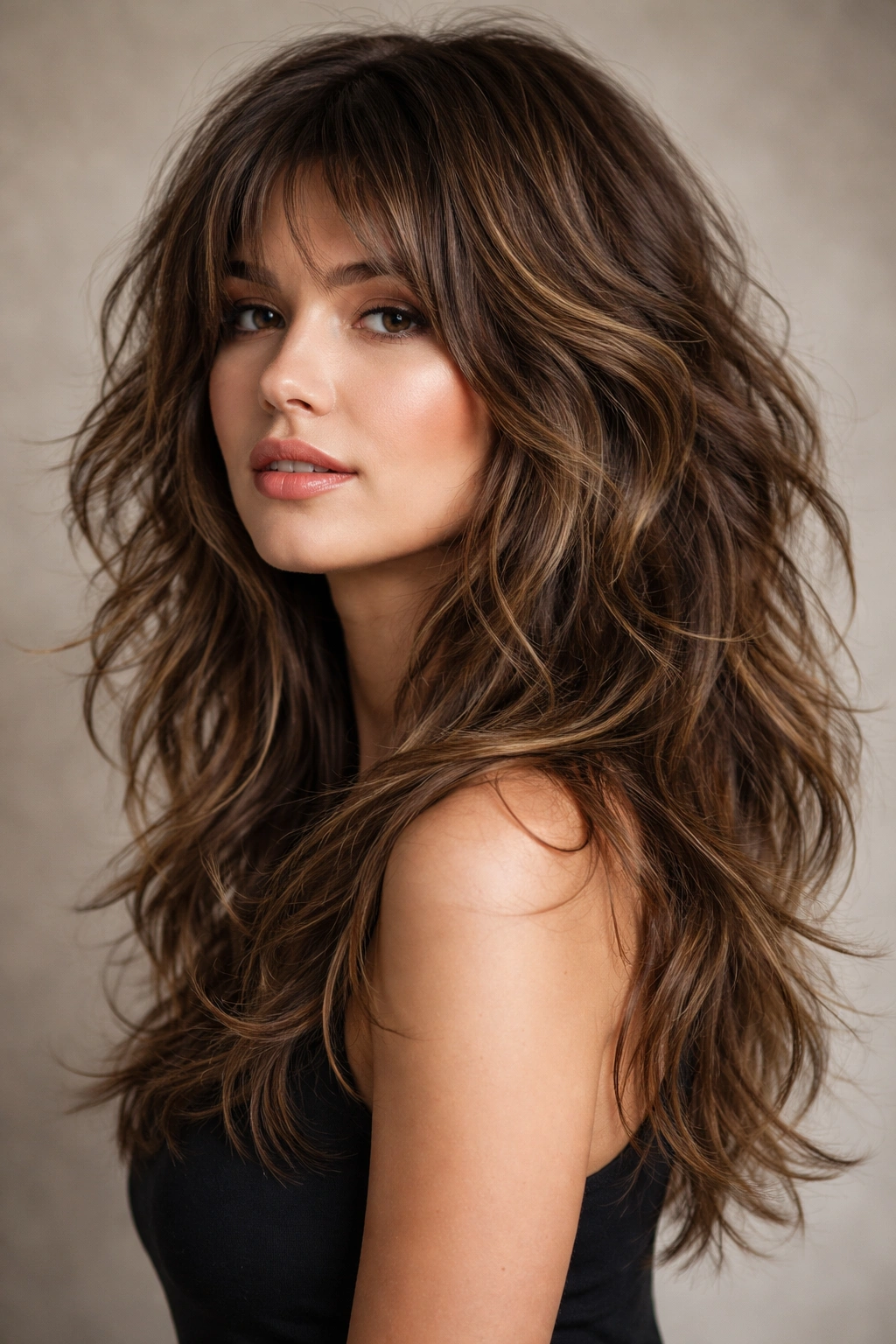
If you’re after serious volume and dimension, a heavily textured octopus cut with choppy, uneven layers is your answer. This version takes the octopus concept and amps up the layer count significantly, creating lots of short, disconnected pieces throughout the length. Rather than smooth, blended layers, this cut celebrates texture and uses varying lengths to create visual density and movement even when your hair isn’t styled.
The Power of Choppy Texture
The textured approach works because it breaks up any flat spots and creates the illusion of much fuller, thicker hair—especially valuable if you’re working with finer hair strands. Each layer is cut at a slightly different length and angle, so when you move, each section moves independently, creating dynamic, flowing movement. The texture also helps disguise growth between trims a bit better, since the uneven lengths mean the cut doesn’t rely on perfect symmetry to look intentional.
How to Make It Work in Real Life
- Ask your stylist for “choppy, disconnected layers” rather than blended layers—this is the signature of this particular octopus variation
- This cut genuinely benefits from some styling effort, but even second-day messy hair looks intentional rather than unkempt
- Texturizing shears, rather than straight razor cuts, are often used to create these choppy pieces without making hair feel too thin
- Product choice matters here—sea salt spray, texture paste, or texturizing mousse will make the layers visually pop
- This version works beautifully on straight, wavy, and curly hair, though the effect reads differently on each texture type
Insider note: Don’t wash this cut the night before an important event—second-day texture with these choppy layers looks infinitely better and feels fuller than freshly washed hair.
3. Blunt-Cut Octopus with Straight Ends
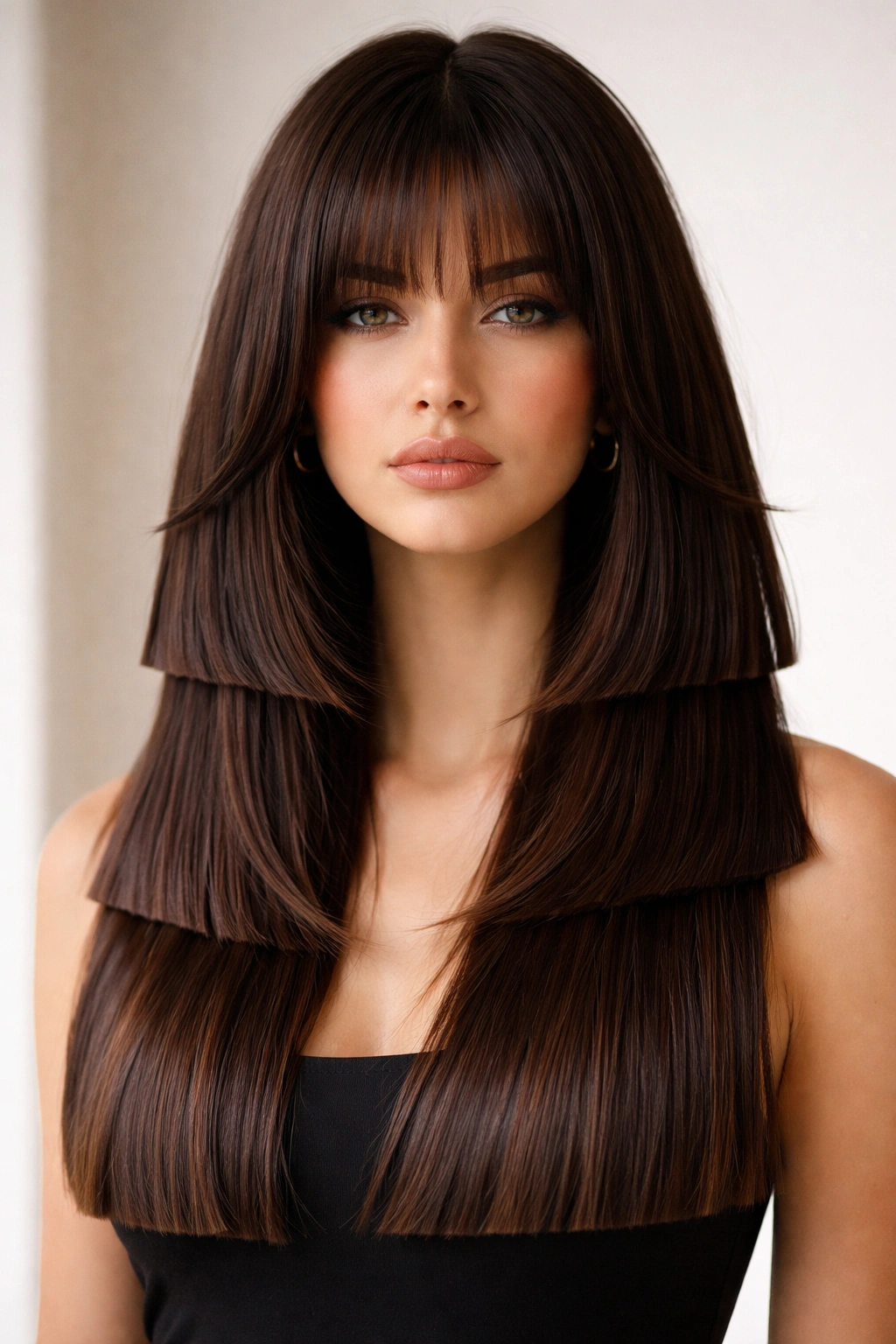
For a more modern, graphic take on the octopus haircut, try the blunt variation where each layer is cut with a sharp, clean edge rather than point-cut or texturized ends. This creates distinct horizontal lines throughout your hair, with each layer ending in a crisp, defined line. The bluntness creates a more geometric, intentional look that feels very current and architectural compared to the softer, wave-friendly octopus cuts.
Sharp Lines Meet Choppy Layers
The blunt-cut approach creates incredible visual impact because of the contrast between the sharp layer lines and the movement between layers. When you have defined, blunt ends on each layer, they catch the light distinctly and create shadow lines that emphasize the cut’s structure. This works beautifully for people who want a more polished, deliberate appearance rather than an effortless, undone vibe—it reads as intentional and editorial rather than casual.
Styling and Maintenance Specifics
- Straight hair shows the blunt lines most clearly, so this version is stunning on naturally straight or sleek hair
- You can absolutely style it with waves or curls, but the blunt ends create a different effect—less soft, more dramatic
- Growth becomes more noticeable with blunt lines, so plan on 4-6 week trims to keep those sharp edges defined
- Blow-drying and using a flat iron helps emphasize the clean lines and creates a polished finish
- This cut pair beautifully with glossy, sleek styling products and a healthy shine to emphasize the precision
- Split ends are more visible on blunt ends, so regular trims and good conditioning are non-negotiable
Worth knowing: This cut photographs beautifully because the clean lines create visual definition and drama in photos—excellent if you’re someone who takes a lot of pictures for social media or personal use.
4. Octopus Haircut with Tapered Sides
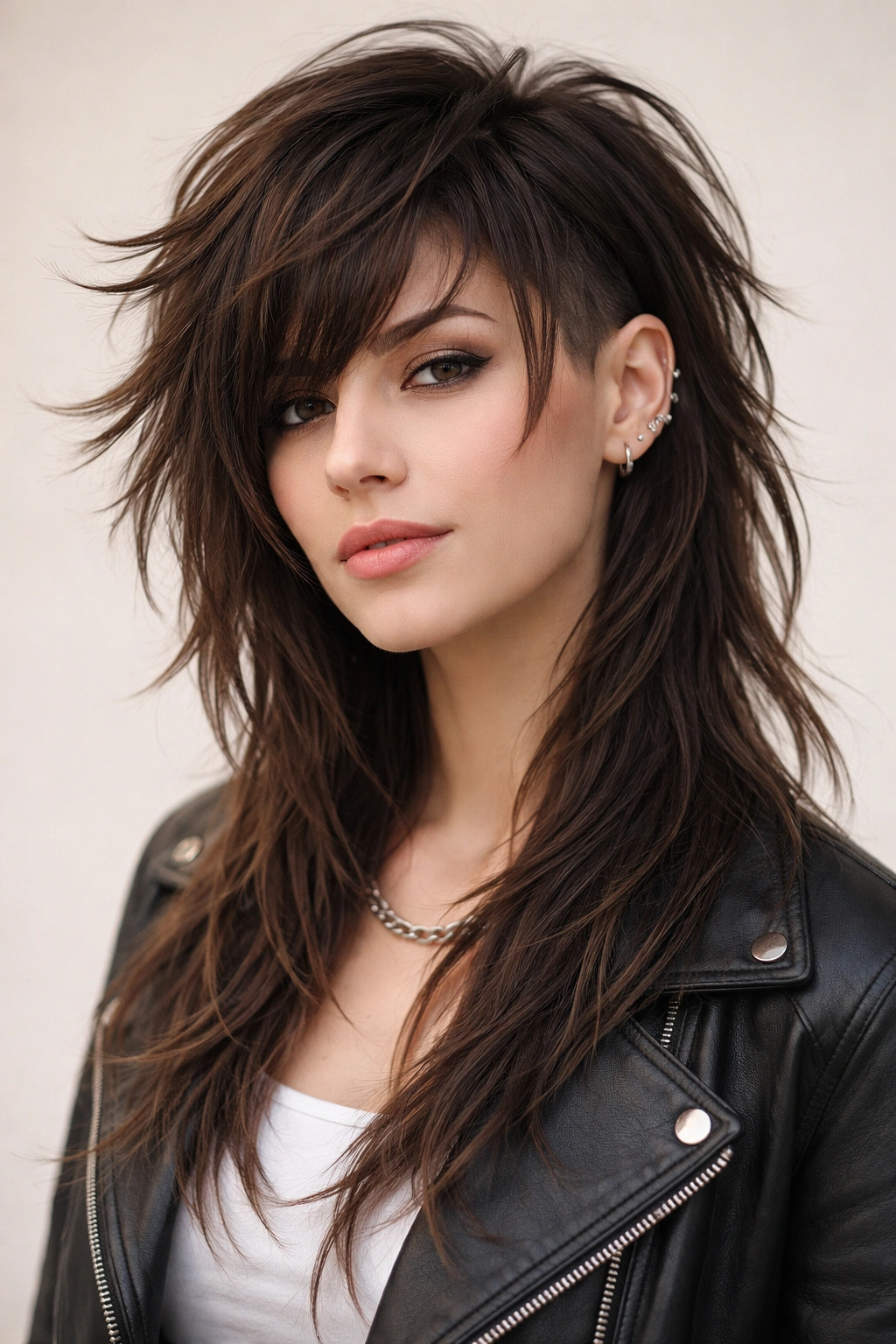
The tapered-sides octopus is a bolder variation that combines the choppy, layered octopus concept with shorter, tapered sides that gradually blend into longer length at the back and top. It’s a hybrid between an octopus cut and an undercut or fade, creating asymmetry and movement that feels genuinely fashion-forward. This version works particularly well if you want the playfulness of an octopus cut but also want to explore shorter, edgier elements.
Creating Asymmetrical Movement
The tapered sides draw attention to your face and bone structure while the longer octopus layers in back and on top create the movement and texture you want. The contrast between the tapered sides and the voluminous layers on top creates visual interest and depth that’s hard to achieve with symmetrical cuts alone. This version is especially flattering if you have a strong jaw or cheekbones you want to highlight, since the shorter sides frame the face differently than a traditional octopus cut.
Technical Considerations for This Variation
- This cut requires more frequent maintenance than a standard octopus—you’ll need trims every 3-4 weeks to keep the tapered sides looking crisp and shaped
- It works beautifully on people with thicker hair, since the tapered sides can look too thin or exposed if your hair is very fine
- Styling options are more limited—you generally can’t wear your hair up without showing the tapered sides unless that’s intentional
- The contrast between lengths means you’re committing to a more edgy, deliberate aesthetic rather than something soft or romantic
- This works on all hair types, but straight or wavy hair shows the taper definition most clearly
Pro tip: Ask your stylist to keep the taper on the sides very clean and shaped—sloppy tapering looks unkempt rather than intentional. The precision of the fade is what makes this version work.
5. Curly Octopus Haircut for Natural Texture
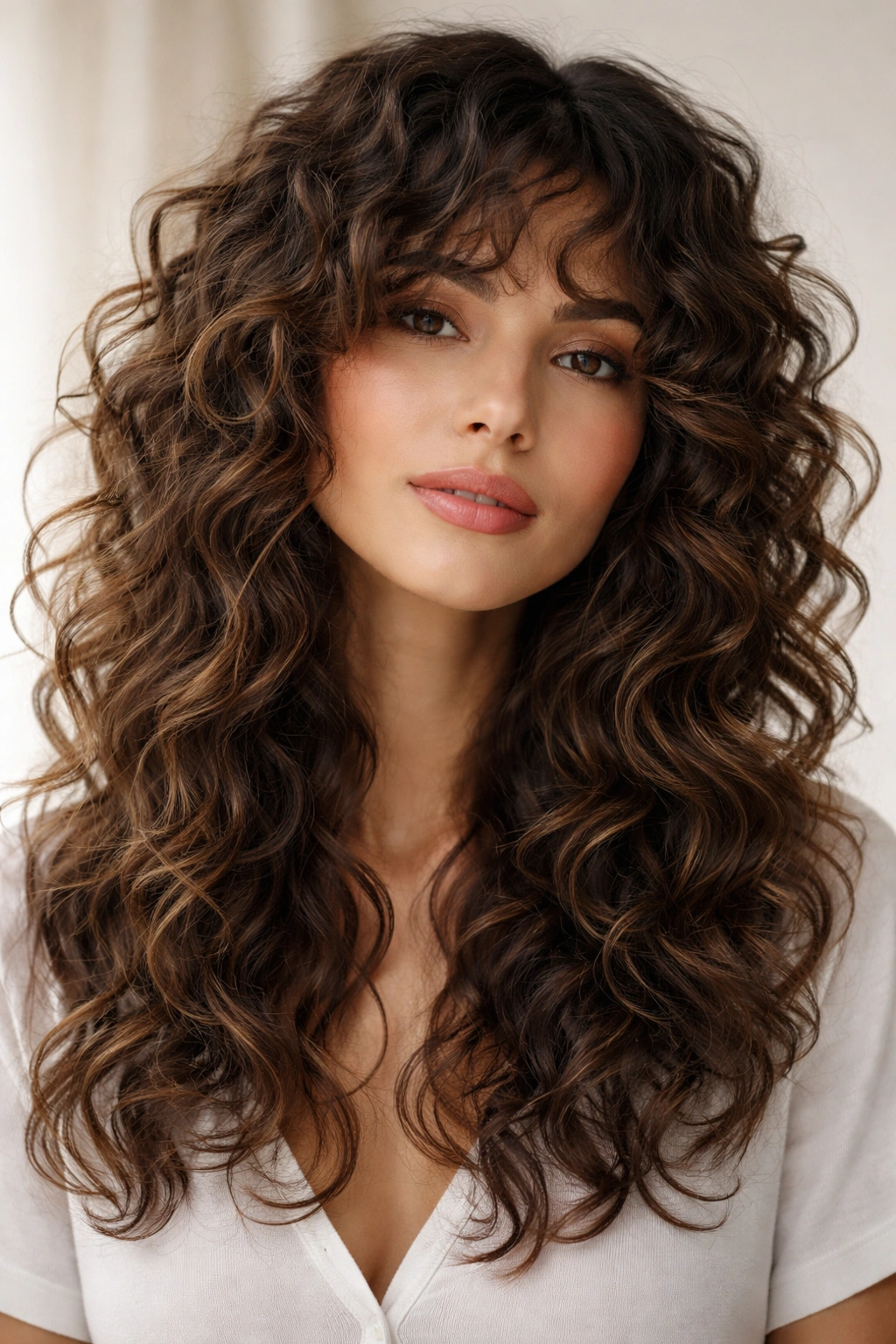
If you have naturally curly or coily hair, an octopus cut takes on a completely different character—the layers create bounce, definition, and separation between curls that can actually make your hair look fuller and more controlled while still celebrating your natural texture. The choppy, disconnected layers work with your curl pattern rather than against it, creating ringlets and coils that feel sculpted and intentional.
How Curls Transform the Octopus Cut
Curly hair adds an entirely different dimension to the octopus concept because each layer curls up differently than it would on straight hair, creating volume and texture that feels almost 3D. The layers allow curl definition to shine through—instead of one big block of curls, you get individual curl clumps that are visible and defined. This actually makes curly hair easier to style in some ways, because the cut is designed to work with your natural curl pattern rather than fight against it.
Cuts and Styling for Maximum Curl Definition
- Dry cuts (cutting hair while it’s dry and in its natural curl state) are usually better than wet cuts for curly octopus cuts, so your stylist can see exactly how each curl falls
- Layers should be cut to enhance your natural curl shape, not work against it—a curl-specialist stylist is worth seeking out
- Product application becomes more important—curl cream, gel, or custard helps define individual layers and enhance the octopus effect
- Plopping, air-drying, or diffusing creates volume; you can also use a blow dryer with a diffuser attachment to enhance bounce
- This version actually can require less frequent trims than straight-hair versions since curl growth patterns are different
- Frizz control is important—the more defined and moisturized your curls, the more clearly you’ll see the octopus layer effect
Insider note: A stylist who specializes in curly cuts will cut this completely differently than they’d cut the same octopus on straight hair. Don’t book with someone who hasn’t worked extensively with curly hair—the approach is genuinely different.
6. Undercut Octopus Style
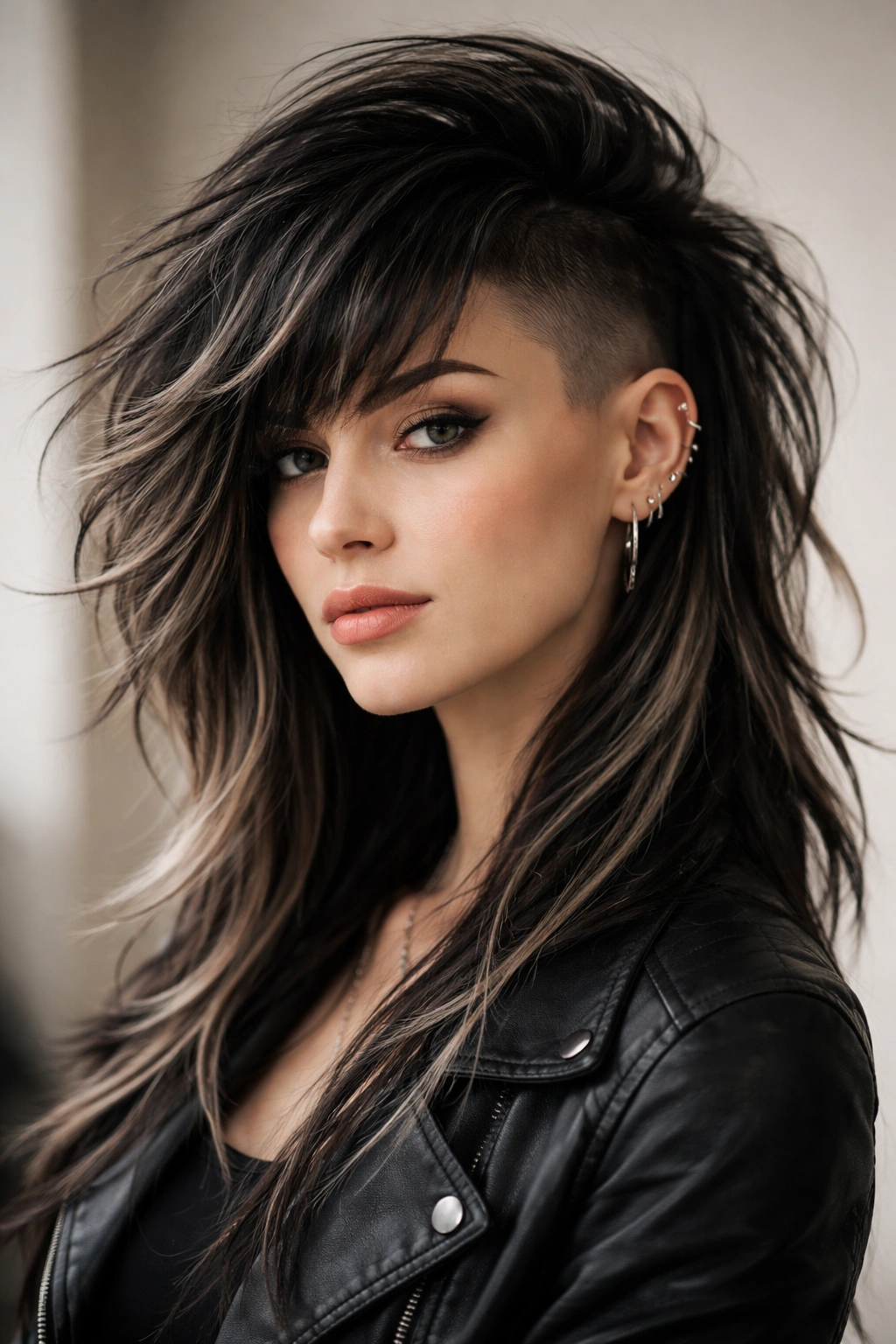
The undercut octopus combines an undercut (closely shaved or very short hair on the lower back and sides) with longer, heavily layered octopus styling on top and at the back crown. It’s a dramatic, statement-making variation that reads as edgy and artistic, creating maximum contrast between short and long. This version is for people who want to turn heads and aren’t afraid of a bold, fashion-forward look.
The Drama of Extreme Contrast
An undercut octopus creates a silhouette that’s completely different from most traditional cuts—the close-cropped sides and back create a sleek foundation while the long, choppy layers on top create movement and personality. The undercut actually makes the octopus layers look even more dramatic because of the contrast; it highlights how much length and movement you have while the cropped areas frame it. This cut photographs incredibly well and creates an unmistakable, individual look.
Real-Talk Maintenance and Lifestyle Factors
- An undercut requires regular maintenance—every 2-3 weeks to keep the shaved sections clean and shaped
- You’re essentially committing to always showing the undercut unless you grow it out intentionally, so think about whether that works for your lifestyle or job
- This cut looks best with intentional styling—the dramatic contrast is part of the appeal, so leaving it completely unstyled can look less polished
- You need confidence to pull this off; it’s not a cut that blends into the background
- It works on all hair types and textures, but shows definition most clearly on straight to wavy hair
- In colder months, longer hair can cover the undercut if you want to tone down the look temporarily
Worth knowing: This cut takes a genuine commitment to styling and maintenance, but the payoff is a completely unique look that very few people have. If you’re someone who loves standing out, this version delivers.
7. Octopus Haircut with Colored Strands
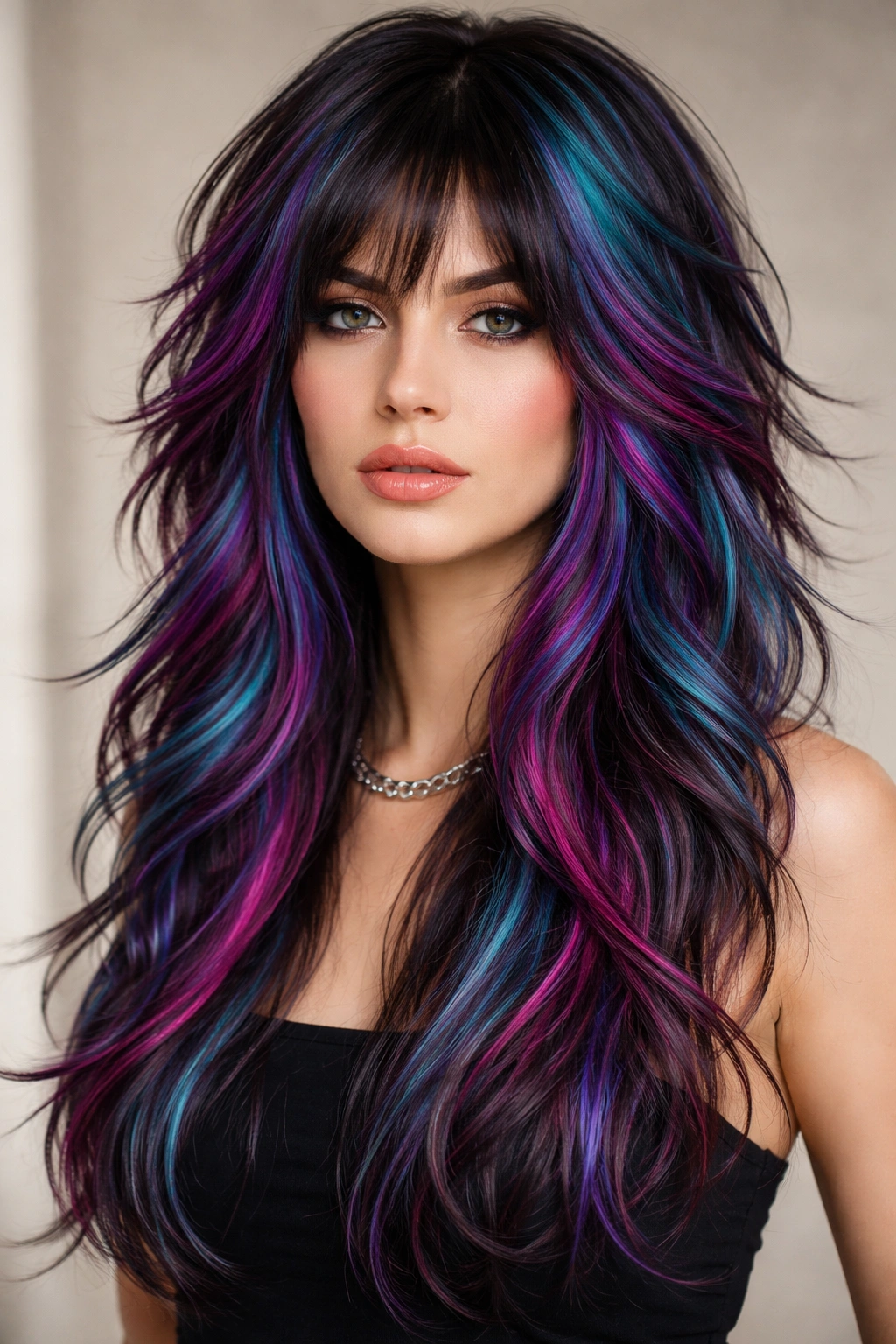
Adding color to an octopus haircut—whether it’s highlights, lowlights, chunky color blocking, or a full dimension situation—elevates the cut and creates even more visual interest and movement. The layers already create natural variation in how light hits your hair; adding color amplifies that effect exponentially. This version is perfect if you want the octopus cut to feel extra special or if you’re already considering going for color.
Color Amplifies the Octopus Effect
When you add strategic color to an octopus cut, each layer catches the color differently, creating dimension that makes the hair look fuller and more textured. Lighter pieces placed throughout create shadow and highlights that play with movement; darker pieces create depth and definition. The choppy nature of the octopus cut actually shows off color placement beautifully—colors aren’t blended smoothly but instead create distinct visual lines that enhance the cut’s architecture.
Color Choices That Complement the Cut
- Money pieces (face-framing highlights) work beautifully with octopus cuts, creating brightness at the face while the longer layers show more color variation
- Balayage or dimensional highlights create a lived-in, multidimensional effect that pairs perfectly with choppy layers
- Chunky color blocking or darker lowlights create graphic impact and make the layer lines even more visible
- Dimension within similar color families (like different depths of blonde or brown) creates movement without the commitment of contrasting colors
- Rich, dimensional color tends to photograph better and shows the cut’s intricacy more clearly than flat, single-tone color
- You’ll need a skilled colorist—the combination of a textured cut and strategic color is more difficult to execute than either element alone
Pro tip: If you’re getting both color and a new octopus cut, do them in the same appointment so your stylist can plan the color strategy around the cut they’re creating. This coordination makes a huge difference in the final result.
8. Octopus Haircut for Fine Hair
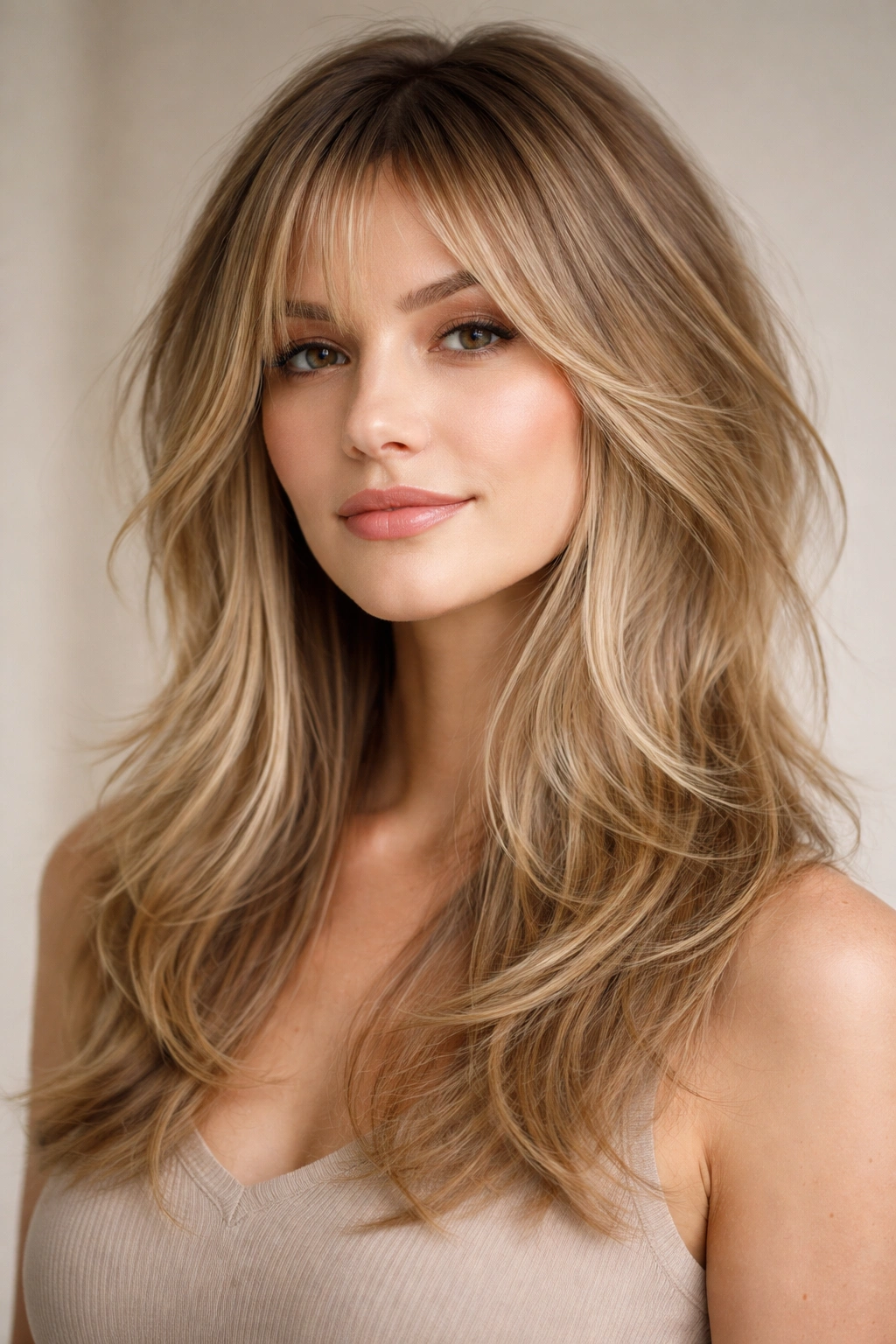
If you have fine, thinner hair, you might think an octopus cut would be too choppy and create a wispy, sparse look—but actually, the right approach to an octopus cut can create the illusion of much more volume and density than your hair actually has. The key is working with your stylist to create layers that build shape without creating too many separate pieces that expose your scalp or make thin hair look thinner.
Strategic Layering for Fine Hair
Rather than super-choppy, disconnected layers, a fine-hair octopus works better with layers that are more blended at the roots but still create movement and texture through the lengths. The layers should be positioned to create fullness in key areas—around the crown and sides—rather than distributing layers evenly throughout. Texturizing the ends rather than bluntly cutting them creates a softer, fuller appearance than harsh lines would.
Styling and Product Strategies for Fine Hair
- Lightweight volumizing mousse or texture spray adds body without weighing hair down—essential for fine-hair octopus cuts
- Blow-drying with a round brush creates lift and volume; air-drying typically results in flatness
- Avoid heavy oils, butters, or rich conditioners on fine hair—they weigh it down and make the cut look thin
- Texturizing sprays and sea salt sprays are your friends; they add grip and make fine hair look fuller and thicker
- Regular trims every 5-6 weeks keep fine hair looking intentional rather than wispy and grown-out
- Strategic layering means you’re not getting as many separate pieces as someone with thick hair would get—work with that rather than against it
Insider note: If you have fine hair and you’re considering an octopus cut, bring photos of octopus styles you love, but ask your stylist to adapt the concept for fine hair specifically. A stylist who understands how to create shape and movement in fine hair without making it look sparse will create a completely different cut than they’d cut on thick hair—and that’s exactly what you want.
Final Thoughts
An octopus haircut is genuinely more versatile than it might first appear—the core concept of choppy, disconnected layers can be adapted in so many directions that there’s a version that works for almost every hair type, texture, lifestyle, and style preference. Whether you’re drawn to the soft, romantic waves version, the bold graphic statement of blunt cuts, or something completely unique to your specific hair and personality, this cut offers creative freedom and movement that feels distinctly modern.
The magic of an octopus haircut is that it celebrates your hair’s texture and movement rather than fighting against it. It’s a cut that works harder than a one-length style—it moves, it catches the light differently, it responds to styling—but it also rewards that engagement with incredible dimension and personality. You’re not just getting a new shape; you’re getting a cut that encourages you to play with your hair and see what it can do.
If you’ve been thinking about refreshing your look without going short, an octopus haircut deserves serious consideration. The cut has enough personality to feel genuinely transformative while keeping the length and versatility you love. Your best move is to find a stylist who specializes in choppy, layered cuts, bring references of the specific octopus variation that speaks to you, and be honest about how much time and effort you’re willing to invest in styling. From there, you’ll get a cut that feels entirely yours.
