



Shoulder-length haircuts occupy a sweet spot that few other styles achieve. They’re long enough to give you styling versatility—you can wear them down in waves, pull them into a sleek ponytail, or twist them into an effortless updo. Yet they’re short enough to require minimal maintenance, dry faster than waist-length hair, and avoid that in-between awkward phase that medium-length grows through. The real magic, though, is that a well-chosen shoulder-length cut can genuinely flatter almost every face shape, hair texture, and personal style.
The key is finding the right cut that works with your specific features. A blunt, boxy shoulder-length bob reads completely different from a heavily layered, textured shag. A side-parted lob with face-framing pieces suits different people than a blunt-banged French crop. The beautiful part? Within the shoulder-length range, there’s such incredible variety that nearly everyone can find a version that makes them feel like the best version of themselves.
This isn’t about chasing trends that might not work for your hair type or face. Instead, think of these eighteen cuts as options to explore with your stylist—each one offers specific benefits, flatters certain features, and works with different hair textures and lifestyles. Read through these, notice which ones make you stop and think “yes, that’s the vibe I want,” and then bring photos to your appointment. Your stylist can adapt whichever cut speaks to you based on your unique features.
1. The Classic Lob
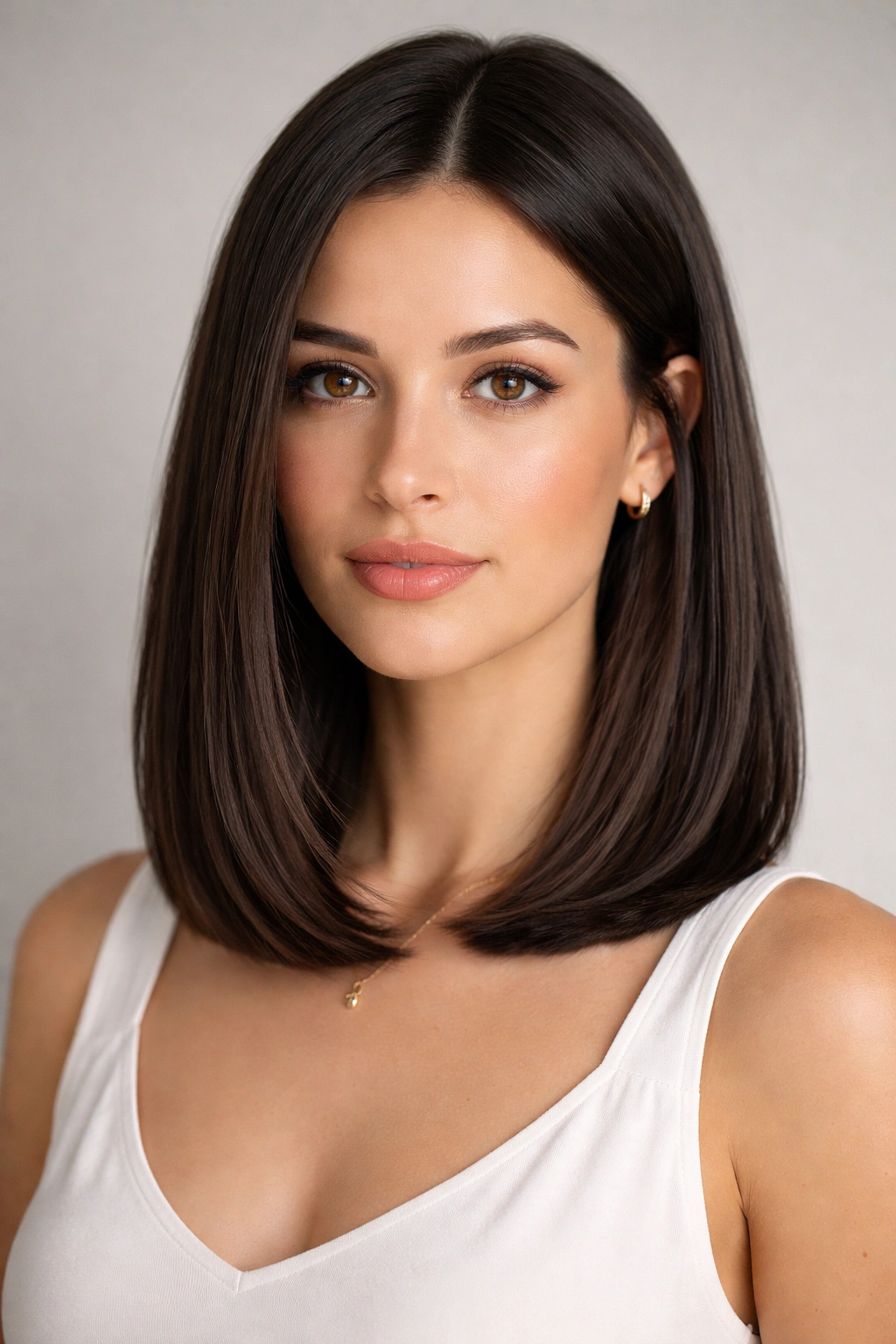
The lob (long bob) is the closest thing hairstyling has to a universally flattering cut. It hits right at the shoulders or just below, with minimal layers and a clean line that creates a polished, intentional look. The cut’s power lies in its simplicity—there’s nowhere to hide, so a skilled stylist who knows how to work with your hair texture and face shape makes all the difference.
Why This Works for Nearly Everyone
The lob’s straight lines don’t overpower delicate features, while the length is substantial enough to balance broader or more angular faces. It works beautifully with straight hair, wavy hair, and even curly textures if you choose a cut that’s designed to work with your curl pattern rather than fight against it. The minimal movement means less frizz and less daily styling required.
What Makes the Lob Stand Out
- Clean, blunt or nearly-blunt ends create a sophisticated, polished finish that feels intentional rather than grown-out
- Works with any part placement—center, side, or deep side—so you can change your look without changing your cut
- Requires minimal daily styling beyond a blow-dry and straightening iron, or can be worn naturally if your hair cooperates
- Pair with a deep side part and face-framing pieces for softness, or wear it blunt and centered for a modern, graphic look
Pro tip: Ask your stylist to undercut slightly at the crown so you can add volume without making the ends flare out oddly.
2. The Textured Shag
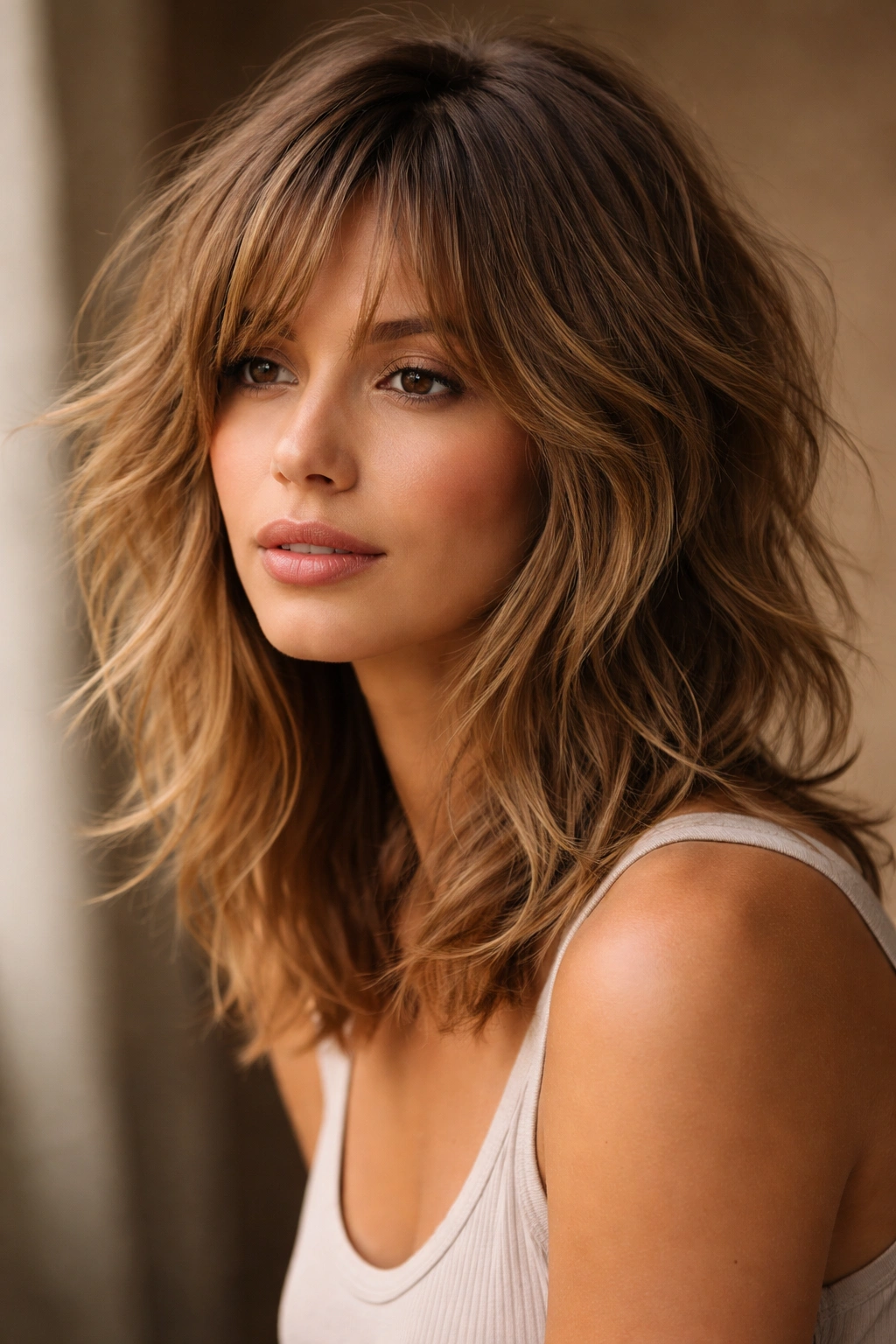
If you want movement, dimension, and a relaxed-but-intentional vibe, a shoulder-length shag delivers all three. This cut uses choppy, heavily layered techniques to create texture throughout, with shorter layers at the crown and gradually longer layers toward the ends. It’s undeniably trendy right now, but the reason it endures is because it genuinely suits different face shapes and hair types better than you’d expect.
Why Shags Flatter Different Features
The choppy layering breaks up the face rather than framing it with one solid line, which actually helps balance both round and angular faces. The volume it creates at the crown can elongate a rounder face, while the shorter layers around the face soften angular jawlines. On straight hair, you get graphic, sculptural texture; on wavy or curly hair, it works with your natural pattern instead of against it.
Key Characteristics of a Good Shag
- Multiple layers of varying lengths create movement and texture even on second or third day hair
- Requires texturizing paste, salt spray, or dry shampoo to look intentional rather than unkempt—this cut needs product to shine
- Works exceptionally well on finer hair because layers prevent bluntness from looking thin
- Versatile enough for both edgy, cool-girl aesthetics and softer, more romantic styling depending on how you approach the texture
Worth knowing: Shags require more frequent trims (every 4-6 weeks) because the texture becomes less defined as it grows.
3. The Blunt-Banged Lob
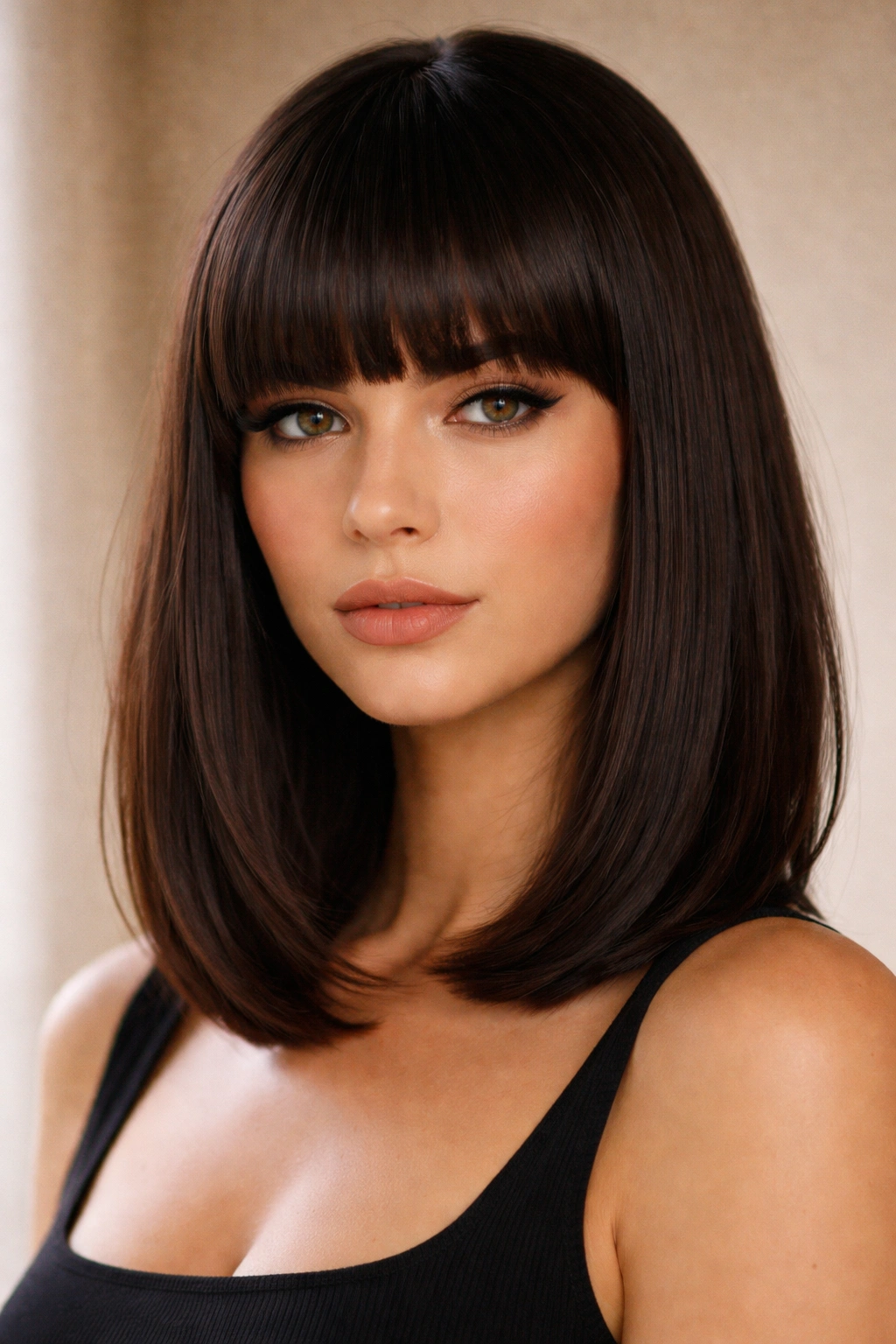
Pairing a shoulder-length lob with blunt, straight-across bangs creates a bold, graphic look that’s both modern and subtly edgy. The bangs hit anywhere from brow-length to just above the cheekbones, and the body of the cut remains relatively simple—minimal layers, clean lines. This combination works particularly well if you have a longer forehead, want to emphasize your eyes, or simply want a dramatic, intentional aesthetic.
Who Should Consider This Cut
The straight bangs create horizontal lines that can actually shorten the appearance of a longer face, making this style particularly flattering for people with longer, narrower face shapes. The bangs also draw attention upward to your eyes and eyebrows, making this a smart choice if those are features you love. Straight hair or hair that can be blown out straight works best because the bangs need to sit flat to look polished.
How to Make This Work
- Bangs require upkeep—expect to trim them every 3-4 weeks as they grow out quickly and can start covering your eyes or losing their bluntness
- Pair with a middle part for a balanced, symmetrical look, or a side part for something slightly less severe
- Use a smoothing balm or straightening serum on damp hair before blow-drying to keep bangs smooth and graphics-looking sharp
- The simplicity of the cut means hair quality and cut precision matter enormously—this is worth investing in a good stylist
Insider note: Ask your stylist about a slight angle to the bangs (the tiniest bit longer toward the outer edges) rather than completely blunt—it photographs better and looks slightly softer.
4. The Layered Lob with Face Framing
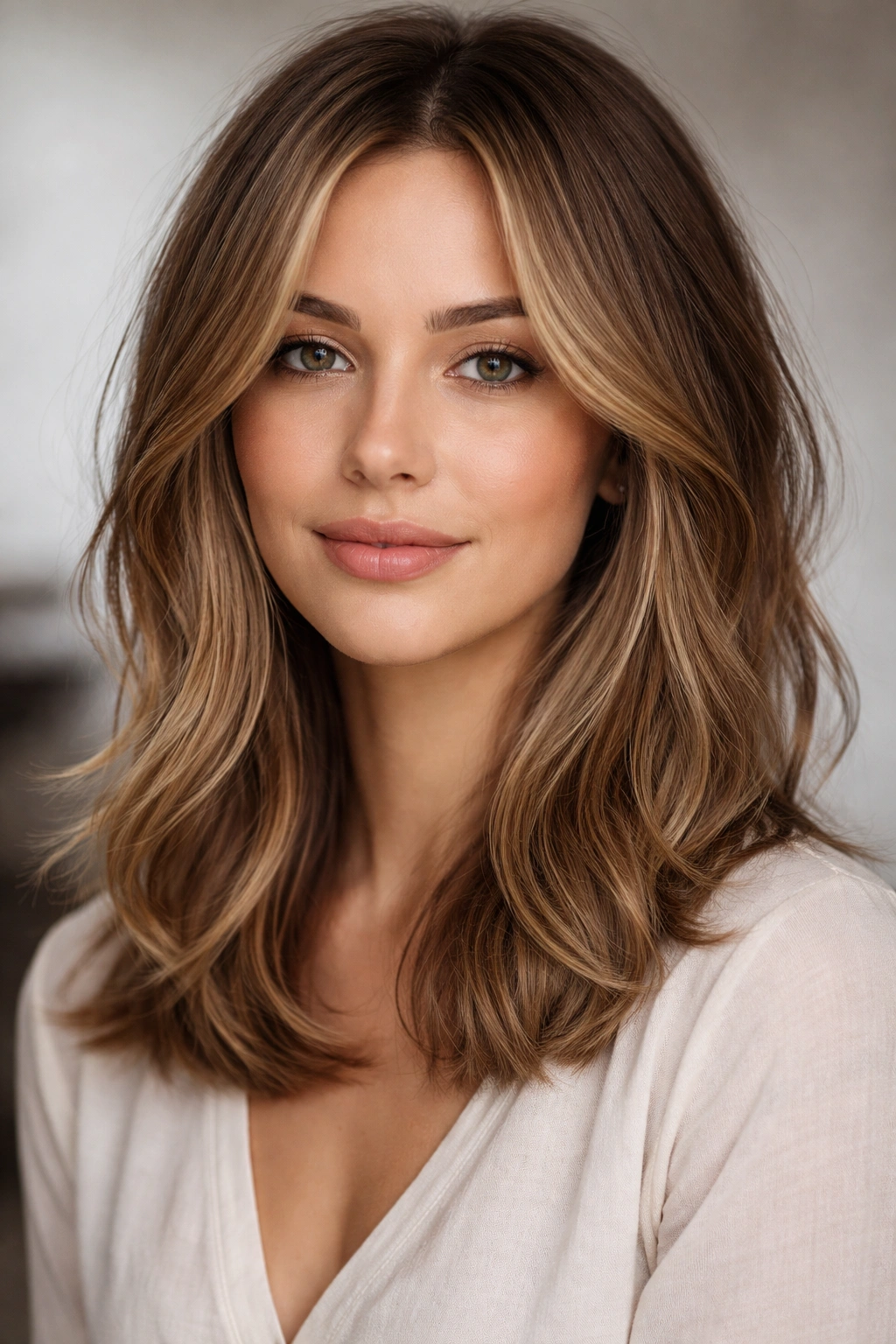
This cut takes the clean simplicity of a lob and adds strategic, thoughtful layers that frame the face. The layers typically start around cheekbone length and taper toward the ends, creating movement and dimension without the choppiness of a shag. The face-framing pieces can be subtle or more pronounced depending on your preference and face shape.
Why Face-Framing Layers Flatter So Many People
Layers that begin at the cheekbone naturally draw attention to your best features—your eyes, cheekbones, and jawline. For people with wider faces or prominent cheekbones, these layers can create softness and movement that balances broader proportions. The longer underlayers keep the overall length substantial and blunt, while the shorter pieces on top add shape and prevent the cut from looking too heavy.
The Practical Benefits
- Layers throughout create volume even on finer hair textures, since the overall line remains longer and fuller at the ends
- Much less maintenance than a full shag—you get movement and texture with fewer styling products required
- Works beautifully with waves because the layers don’t fight against your natural wave pattern
- Can be worn completely straight for a sleek look, or with soft waves for something more relaxed
Quick tip: This is the perfect cut for someone who likes some dimension and movement but isn’t ready to commit to the higher maintenance of a full shag.
5. The Side-Swept Hollywood Waves
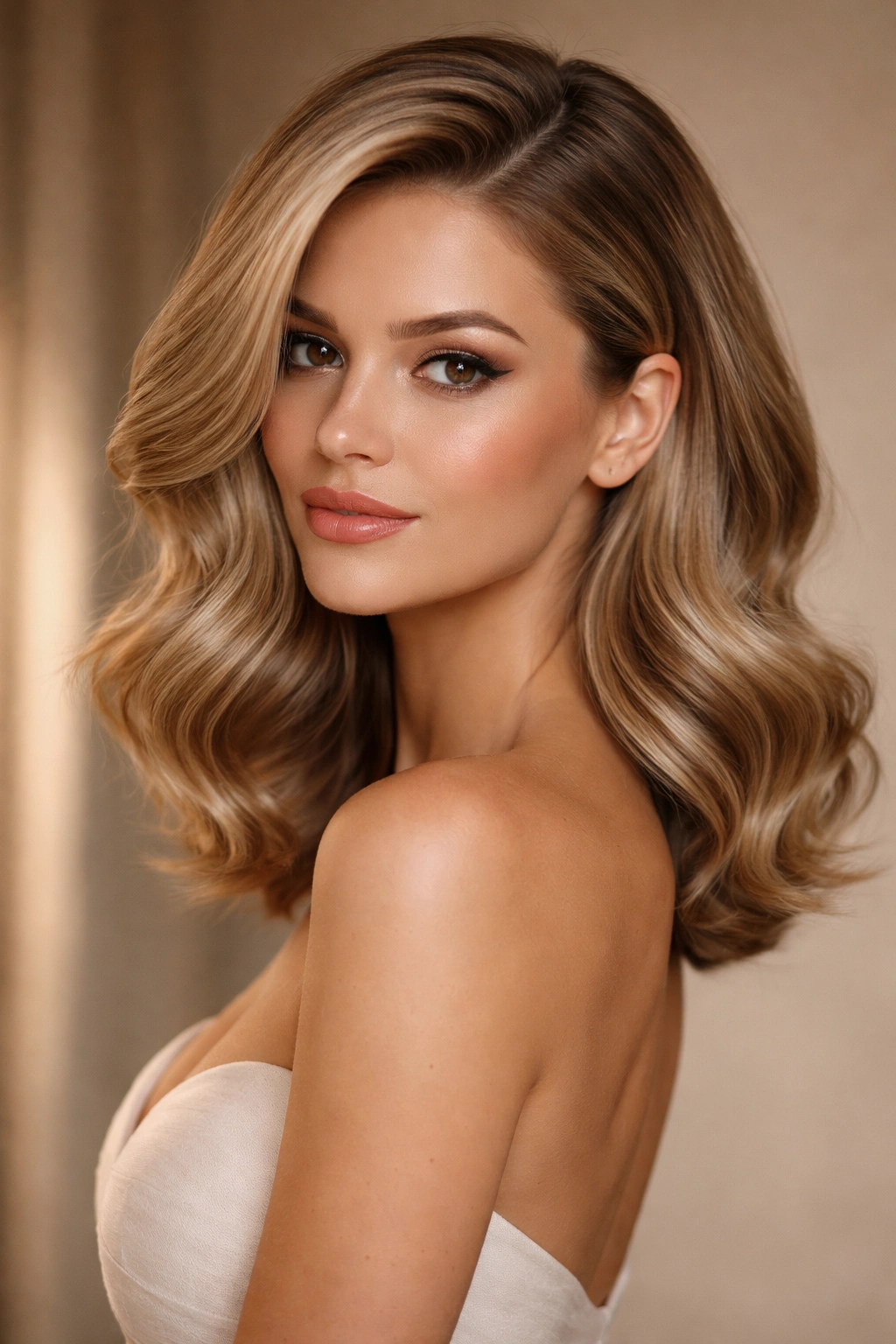
Take a shoulder-length lob, add a deep side part, and style it with classic, bouncy waves—you’ve got the side-swept Hollywood look. This cut emphasizes one side of the face while sweeping the other side back, creating an asymmetrical, romantic silhouette. It’s less about the cut itself (which is often fairly simple) and more about how you style it, making it a choice for people who enjoy blow-drying and curling their hair.
Who This Flatters
The asymmetry and volume on one side works beautifully for people with more angular or narrow face shapes, adding fullness and softness. The deep side part naturally draws attention to your best side, so if you have asymmetrical features, you can emphasize the side you prefer. The overall effect is romantic and polished, making it a great choice for people who love a classic, feminine aesthetic.
Styling and Maintenance
- Requires regular blow-drying and curling with a 1.5-inch barrel curling iron to achieve the signature waves
- Works on most hair textures but requires some wave-holding power, so straight hair may need mousse or lightweight hairspray
- The waves typically last one day before needing to be refreshed, so this isn’t a wash-and-go cut
- Can be modified for straight styling if you skip the waves—the cut works both ways
Worth knowing: This style works especially well if you have naturally wavy hair, because the waves refresh better and require less daily heat styling.
6. The Choppy Pixie-Bob Hybrid
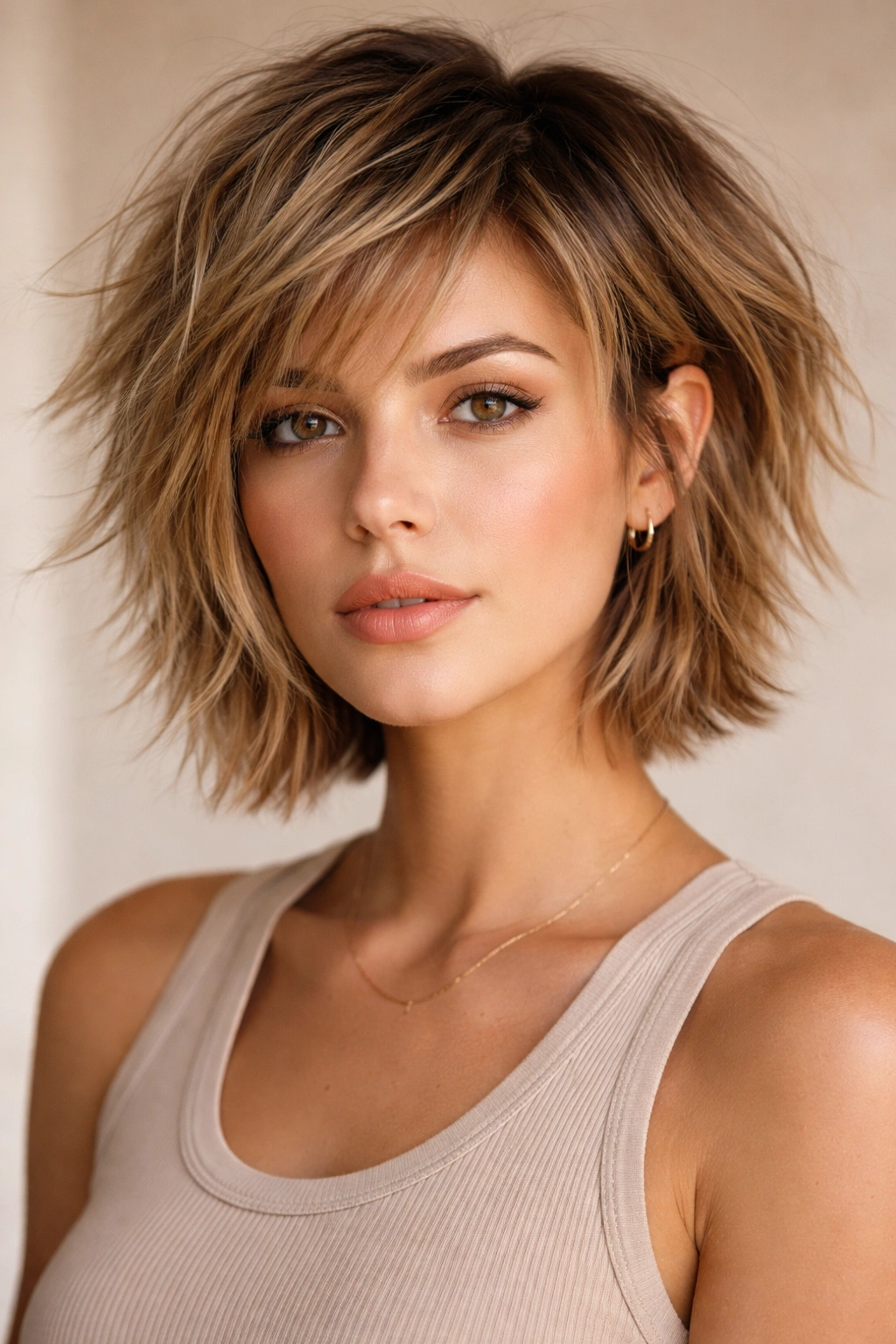
For people who love the ease of shorter hair but aren’t ready to go fully short, a choppy pixie-bob hybrid offers a fascinating middle ground. It’s longer than a traditional pixie cut—hitting around shoulder length—but uses the same choppy, piece-y layering technique that creates movement and attitude. The cut is androgynous and modern, working beautifully for people who prefer a less traditionally feminine aesthetic.
Why This Cut Works
The choppy layering is incredibly forgiving on different face shapes because the texture draws attention away from individual features and toward the overall shape and movement of the hair. It’s particularly flattering on people with rounder faces because the vertical movement created by the layers elongates the face. On people with angular features, the texture softens harsh lines without looking fussy.
Practical Considerations
- Requires texturizing paste or sea salt spray to look intentional—air-dried without product, it can look unkempt
- Works beautifully on fine hair because shorter pieces prevent thinness from being obvious
- Less daily maintenance than longer styles, but more than an actual pixie cut
- Best on straight or wavy hair; curly hair may look less defined with this styling
Pro tip: Pair this cut with an undercut (shorter layers underneath with longer layers on top) to add even more dimension and make it photograph well.
7. The Straight, Sleek Bob
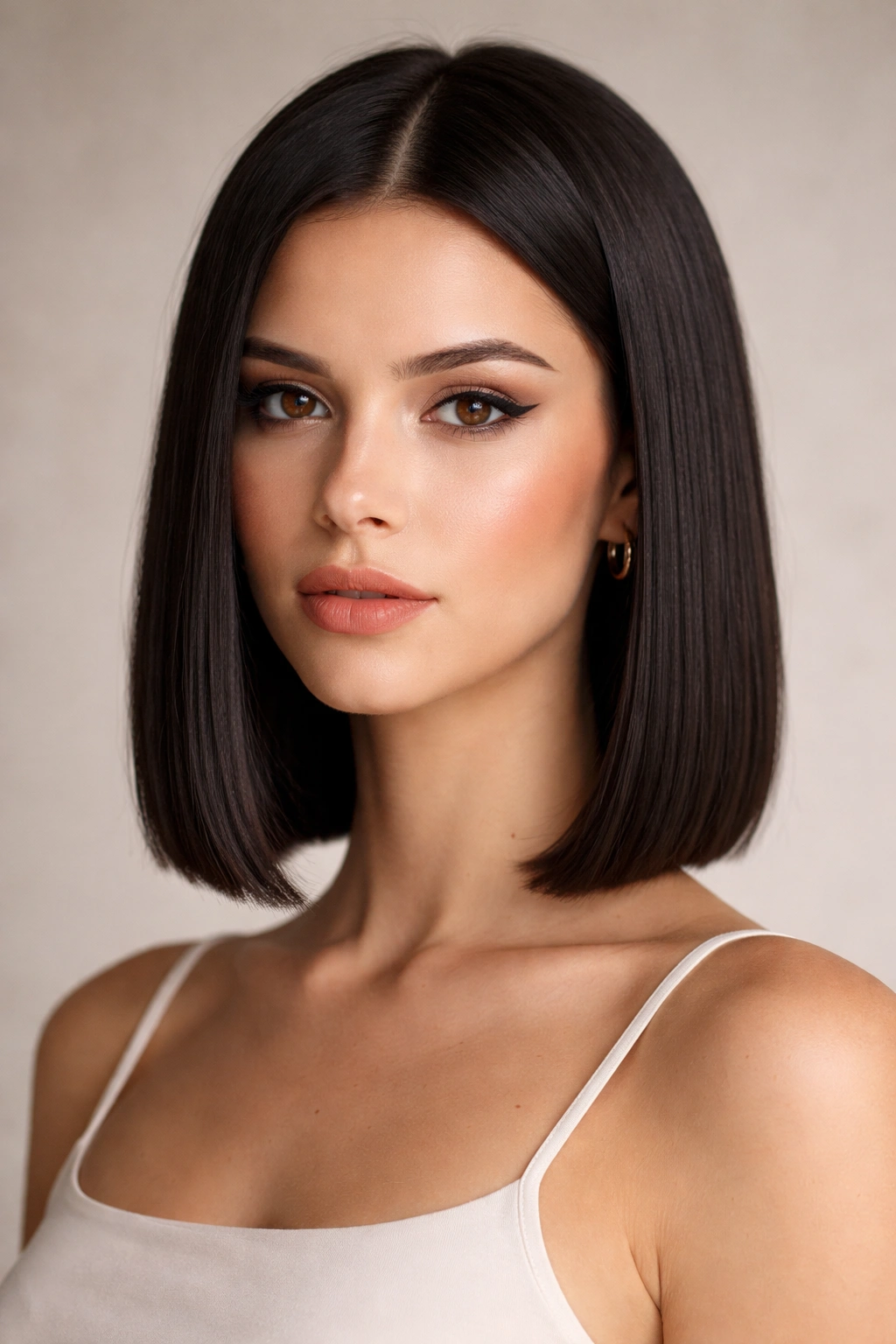
A true, blunt bob that hits right at the shoulders, with absolutely minimal layers and a perfectly straight line all the way around. This is the graphic, minimalist choice—no softness, no waves, no layers that add movement. The cut relies entirely on precision and clean lines, making hair health and cut quality absolutely paramount. It’s for people who appreciate geometric simplicity and don’t mind regular maintenance to keep the line sharp.
The Aesthetic Impact
A blunt, straight shoulder bob makes a bold statement. It communicates polish, intention, and modernity. On longer faces, it can make the face appear slightly shorter, which is flattering for people with long features. On angular faces, it emphasizes the sharpness in a striking way. On rounder faces, the horizontal line can balance width if worn with a middle part.
Styling and Upkeep
- Requires the cleanest, sharpest line, so your stylist’s cutting precision is everything—this is not the cut to get from someone learning to cut
- Needs to be trimmed every 4-6 weeks to maintain the blunt line as your hair grows
- Can be worn straight, or with subtle waves if you prefer more movement on some days
- Hair health matters intensely because any damage to the ends shows up as frizz in that blunt line
Worth knowing: This cut shows off hair color beautifully because there’s no texture or layers to compete with it, so if you have highlights or color, this is an excellent choice.
8. The Wet-Look Bob
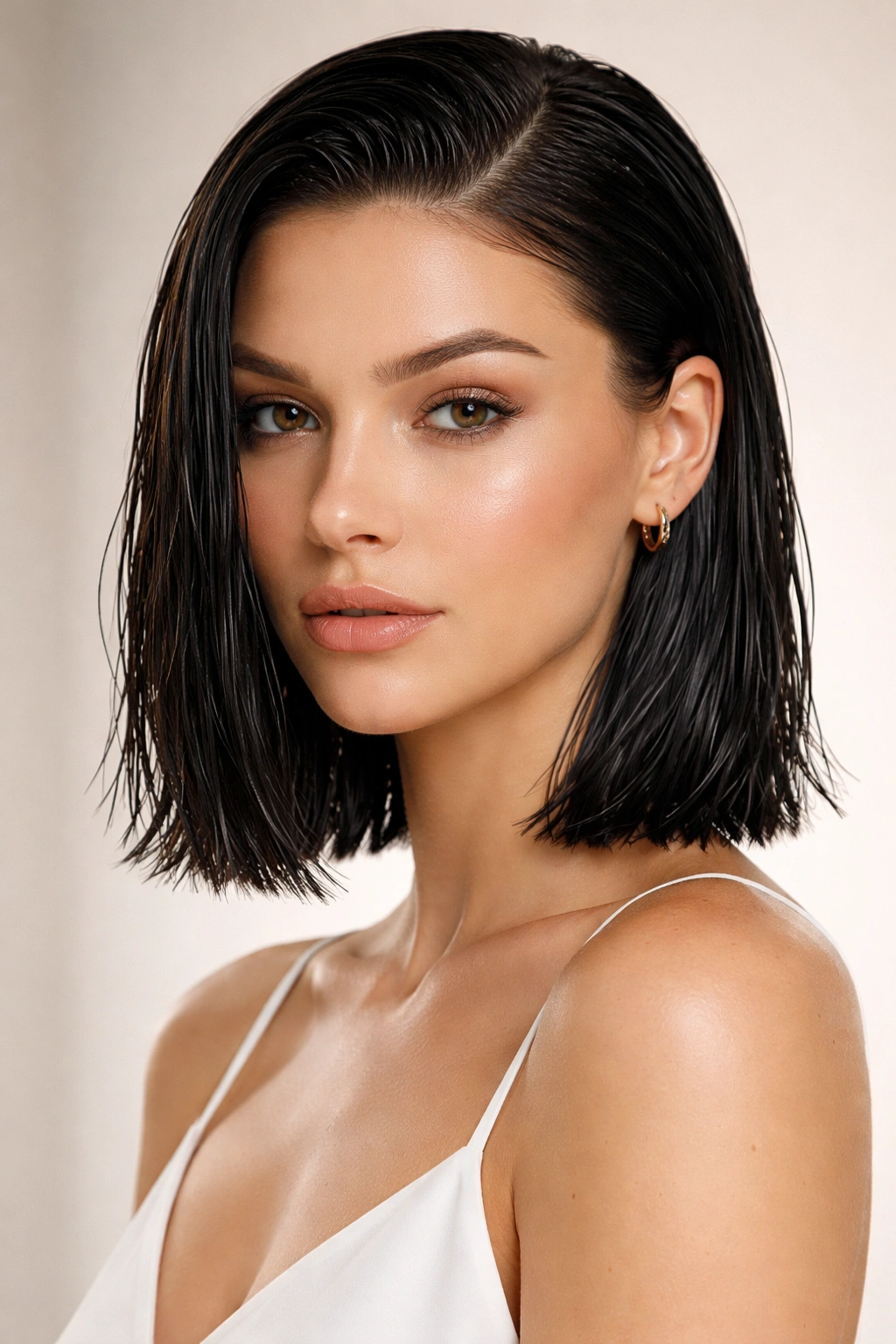
A shoulder-length bob styled to look deliberately wet, sleek, and shiny—this cut works especially well on straighter hair types and creates an ultra-polished, modern aesthetic. The cut itself is usually fairly simple (similar to a blunt or layered lob), but the styling makes it distinctive. You apply a slicked-back styling gel, shine serum, or even water-and-product combination to make the hair look intentionally wet.
Who Should Try This Look
This style flatters people with strong facial features and confident energy, because the sleek styling emphasizes rather than softens the face. It works beautifully on people with straighter hair because slicked styling sits smooth and graphic. On fine hair, the sleek styling can actually make thinner hair look thicker because the gel adds density and definition. The overall effect is very modern and editorial.
Making It Work
- Requires the right products—a lightweight gel or mousse that holds without flaking or looking crunchy
- Straight hair is ideal, though wavy hair can be blown out straight and then slicked back
- This is a higher-upkeep daily look because you’re applying product and styling deliberately each time you wash
- Works better with darker hair than very light blonde because the shine shows more visibly on darker tones
Quick fact: This style has a shorter lifespan in your hair—once the gel wears off, the slicked styling falls apart, so it’s not a wash-and-go aesthetic.
9. The Textured Curtain Haircut
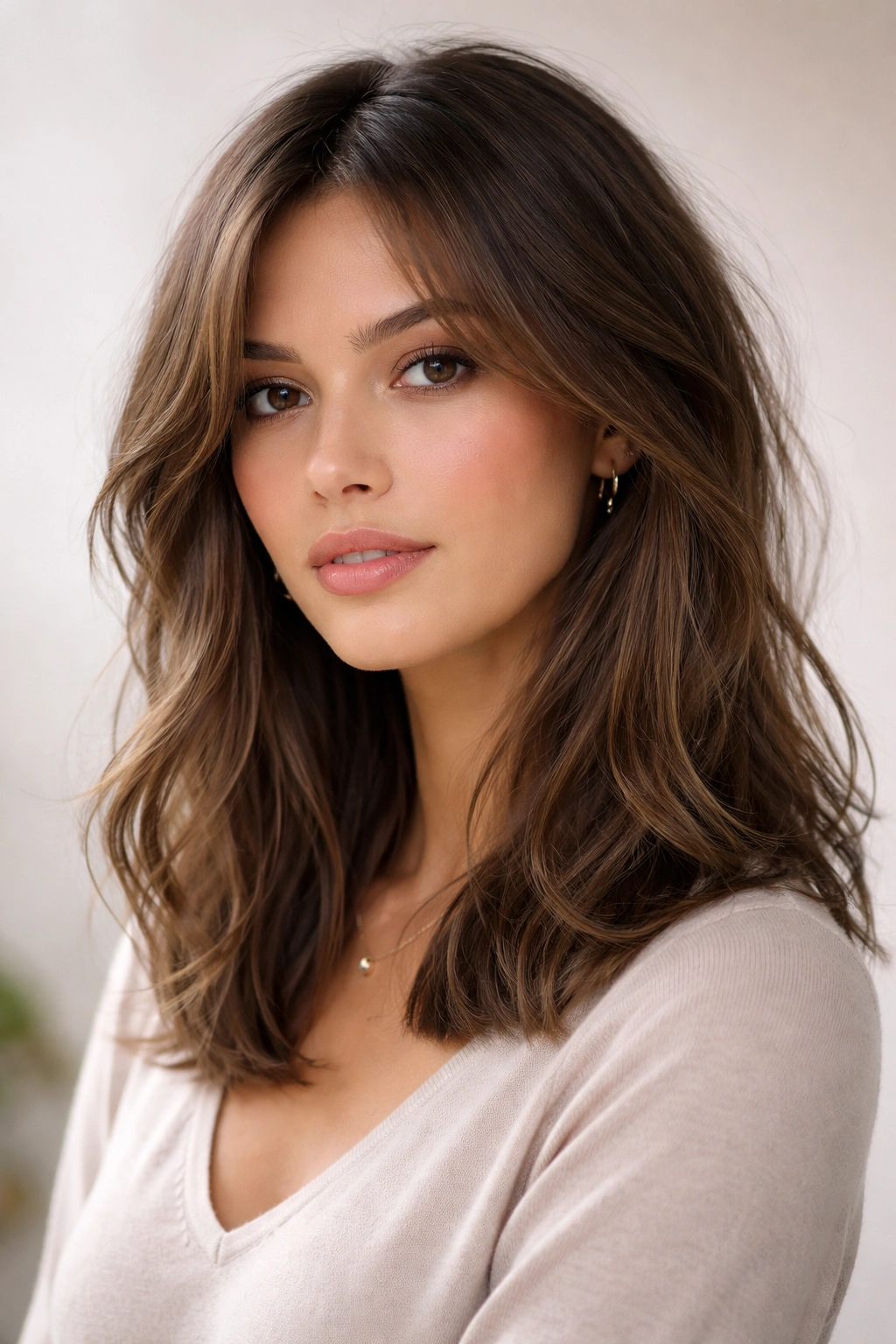
This cut features longer layers throughout that create a gentle frame around the face, with the two longest pieces (the “curtains”) hanging on either side of the face and parting slightly down the center. It’s deeply flattering because it’s designed to work with, rather than against, face shapes. The layers create movement and softness, making this an excellent choice for people who want dimension without the choppy intensity of a shag.
Why This Cut Flatters So Many Face Shapes
The side pieces naturally frame and soften the face rather than defining it with one solid line. For people with rounder faces, the vertical pieces create the illusion of length. For people with angular faces, the movement and texture soften harsh jawlines and cheekbones. The gentle layering means the cut works beautifully on wavy and curly hair because it’s designed to work with natural texture rather than against it.
Styling Flexibility
- Can be worn down with waves or curls for a romantic, soft look, or blown smooth for something more polished
- Requires less product and styling than a shag, but more than a blunt lob—it’s a sweet middle ground
- Works on most hair types, from fine to thick, and adapts beautifully to natural curl patterns
- The layers refresh your look every time you move because the shorter pieces create constant subtle movement
Pro tip: This is an excellent cut if you’re growing your hair out from something shorter, because the layers help you avoid the awkward in-between stage.
10. The Micro-Bangs Lob
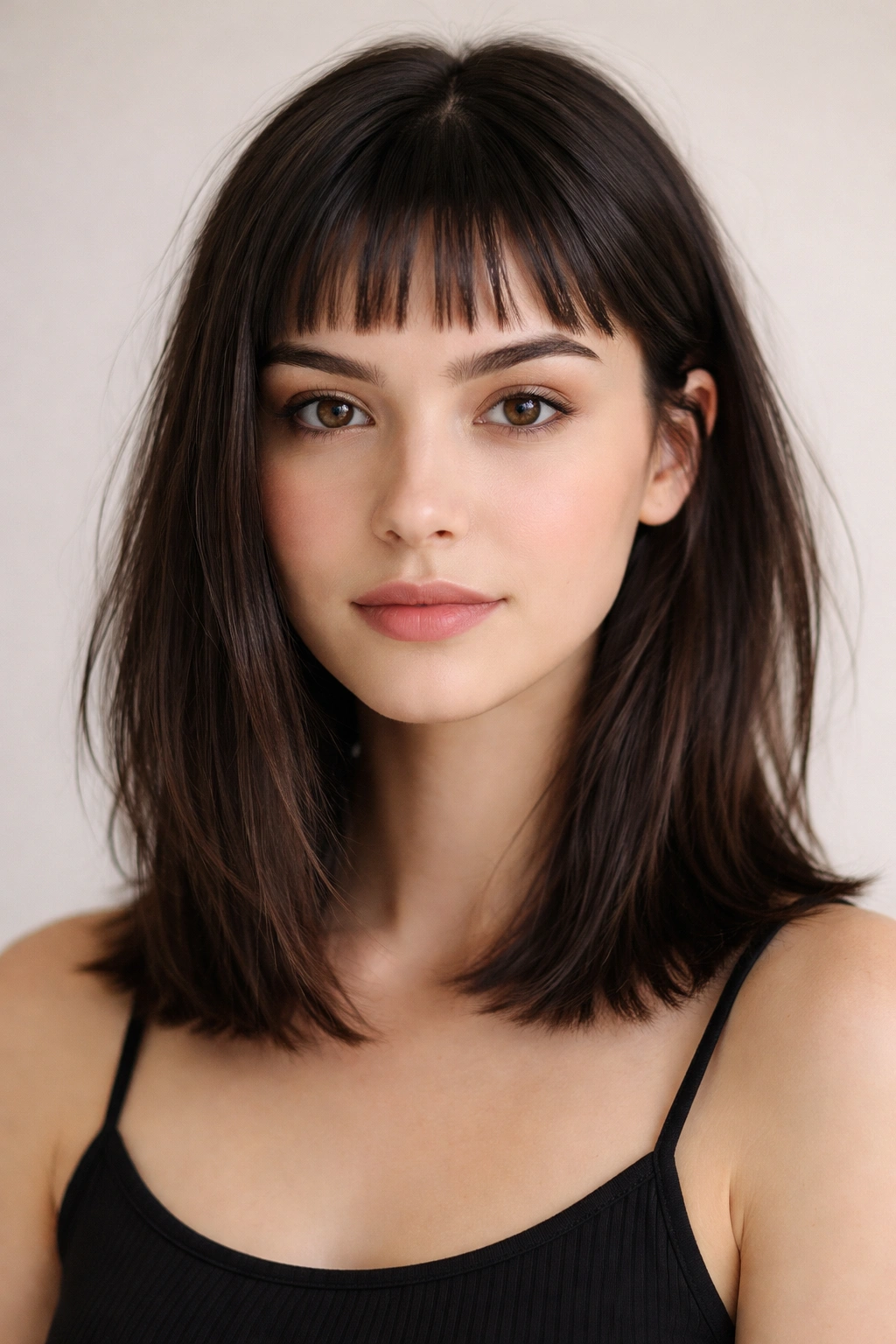
A shoulder-length lob paired with very short, wispy bangs that hit above the eyebrows—this creates a youthful, playful aesthetic that’s both trendy and genuinely flattering on the right face. The short bangs create the illusion of more space between your eyes and eyebrows, making this particularly flattering for people with lower foreheads or who want to emphasize their eyes.
Who This Cut Suits Best
This style works beautifully on people with smaller, more delicate features, or on people with longer face shapes where the short bangs help proportion the face. If you have expressive eyes you want to highlight, the short bangs draw attention right there. Straight or easily straightened hair is essential because the short bangs need to sit flat and graphic to look intentional.
Maintenance and Styling
- Short bangs require trimming every 2-3 weeks as they grow quickly and start covering your eyes
- Best on people who are comfortable blow-drying their bangs straight because curly or wavy bangs look less intentional
- Pairs beautifully with a clean, simple lob without too many layers—the bangs provide all the edge
- Creates a distinctly younger, fresher vibe than longer bangs
Worth knowing: This is a bold choice that makes a real statement, so make sure you’re genuinely excited about it before committing, because you’ll notice it every single day.
11. The Effortless Wavy Bob
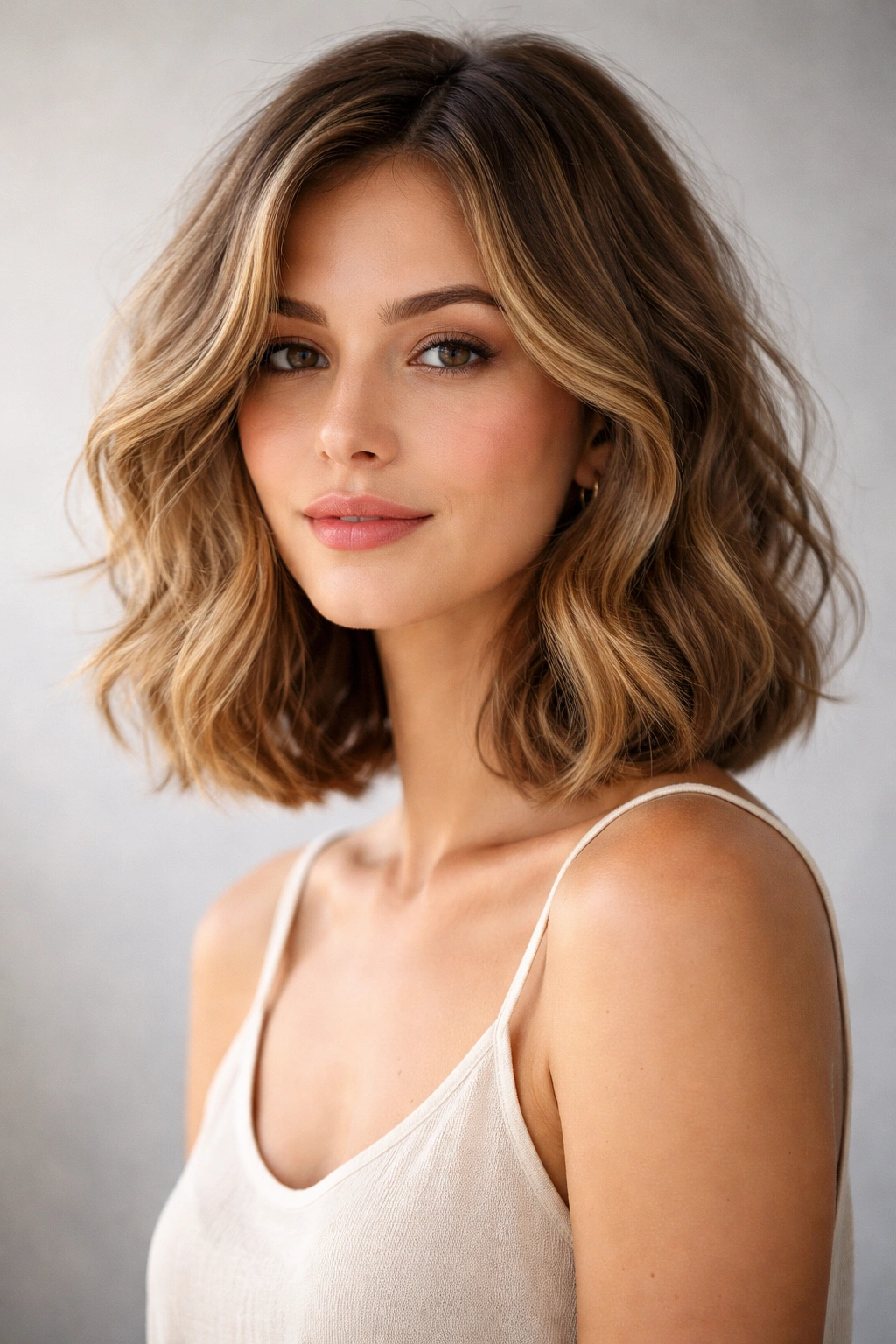
A slightly layered shoulder-length cut designed specifically to work with natural waves and texture. The layers are subtle enough that you’re not creating a shag, but enough that the cut works with rather than against wave patterns. When you air-dry (or rough-dry) this cut, your natural waves should fall into place with minimal effort, making it ideal for people with naturally wavy hair.
Why Wavy-Haired People Should Prioritize This Cut
A cut designed for wave patterns prevents the frustration of constantly fighting against your hair texture. The layers allow your waves to move and curl without the hair looking frizzy or undefined. You get dimension and movement that your hair naturally creates, rather than having to blow-dry straight and then curl into waves artificially. This is one of the easiest, most low-maintenance options for wavy-haired people.
Styling and Products
- Air-drying with just a leave-in conditioner or wave cream is the ideal styling method
- Using a diffuser attachment if you blow-dry helps enhance natural waves
- Much less daily styling required than straighter-haired options
- The cut should look good even on third or fourth-day hair when waves are more relaxed and soft
Quick tip: Make sure your stylist understands your specific wave pattern and cuts with your hair dry (or damp) rather than soaking wet, so they can see how your waves actually behave.
12. The Disconnected Layers
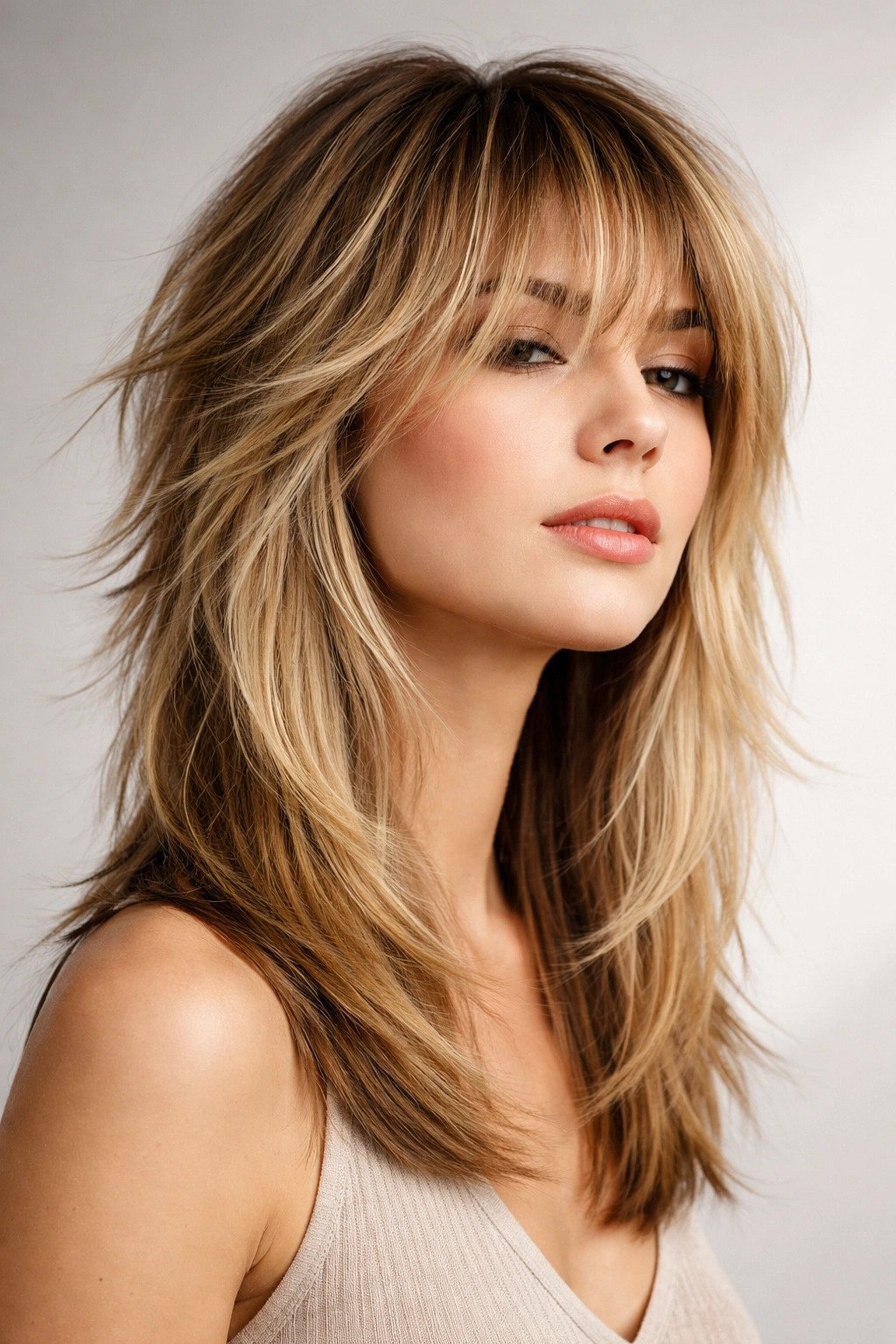
This cut features dramatic length variation between shorter, choppy layers on top and longer, heavier layers underneath—creating a “disconnected” appearance where you can clearly see the separation between layers. It’s more structured than a traditional shag and more dramatic than a simple layered lob. This works beautifully for people who want clear visual texture and dimension.
The Visual Effect
Disconnected layers create the illusion of more volume at the crown, making this particularly flattering for people with thinner hair or flatter hair that lacks natural body. The contrast between short and long creates visual interest and draws attention to specific features depending on how you style it. The cut is decidedly modern and editorial, with an intentional, fashion-forward vibe.
Styling Considerations
- Requires texturizing products to look intentional—a matte texturizing spray or dry shampoo enhances the separation between layers
- Works on most hair types but especially suits straight to wavy hair; very curly hair can obscure the layer definition
- Can be worn with dramatic texture and movement, or brushed out more smoothly depending on your mood
- The shorter layers can sometimes tickle your face, so be prepared for that if you’re sensitive to hair touching your skin
Pro tip: Ask your stylist about undercutting—adding shorter layers underneath that don’t show when your hair is down, but add volume and movement when you move.
13. The Sleepy Girl Aesthetic Bob
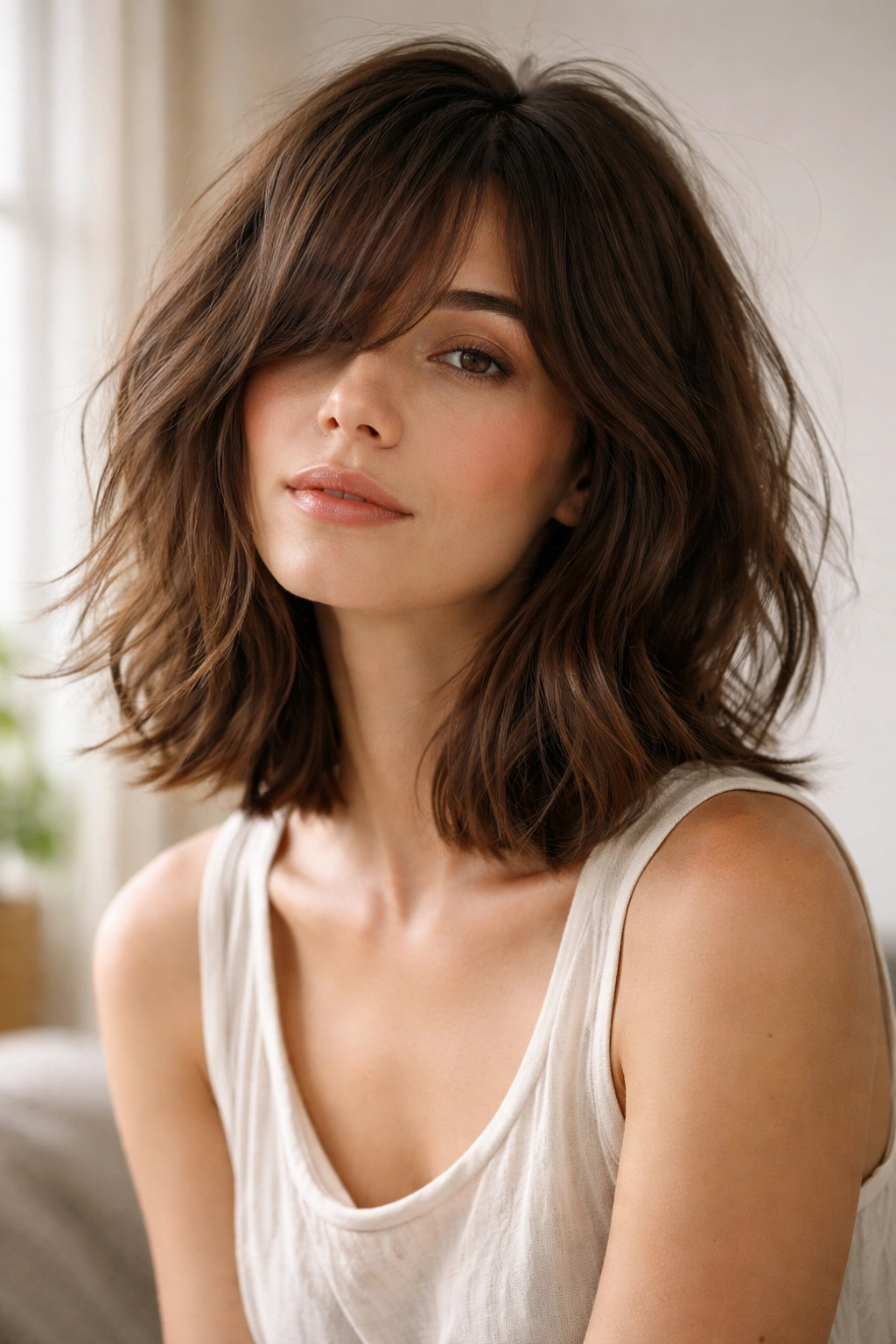
This cut is intentionally undone and effortless-looking—a shoulder-length bob with subtle, uneven layers that give the impression you just woke up with perfect hair. The styling is deliberately casual, with messy texture and imperfect waves. It’s for people who love the idea of polished hair but want it to feel relaxed and effortless rather than stiff or overdone.
Why This Aesthetic Works
The undone vibe is paradoxically very flattering because it feels approachable and real rather than intimidating or overly styled. The slightly messy texture works on many face shapes because it’s soft and non-graphic. It’s particularly flattering on people who prefer a more relaxed, casual aesthetic and don’t want their hair to feel like it requires major daily effort. The imperfection is actually the beauty.
Achieving the Look
- Style with a texturizing spray and your fingers rather than a brush to maintain the intentionally messy vibe
- Works beautifully on wavy hair or hair with some natural texture—straight hair needs more product to achieve the look
- Can look unkempt if not maintained properly, so ask your stylist to show you exactly how to style it
- Pairs well with minimal makeup and casual clothing to complete the aesthetic
Worth knowing: This is easier to pull off if you’re comfortable with a slightly less polished appearance, which some people aren’t—make sure this vibe aligns with how you want to present yourself.
14. The Voluminous Layered Cut
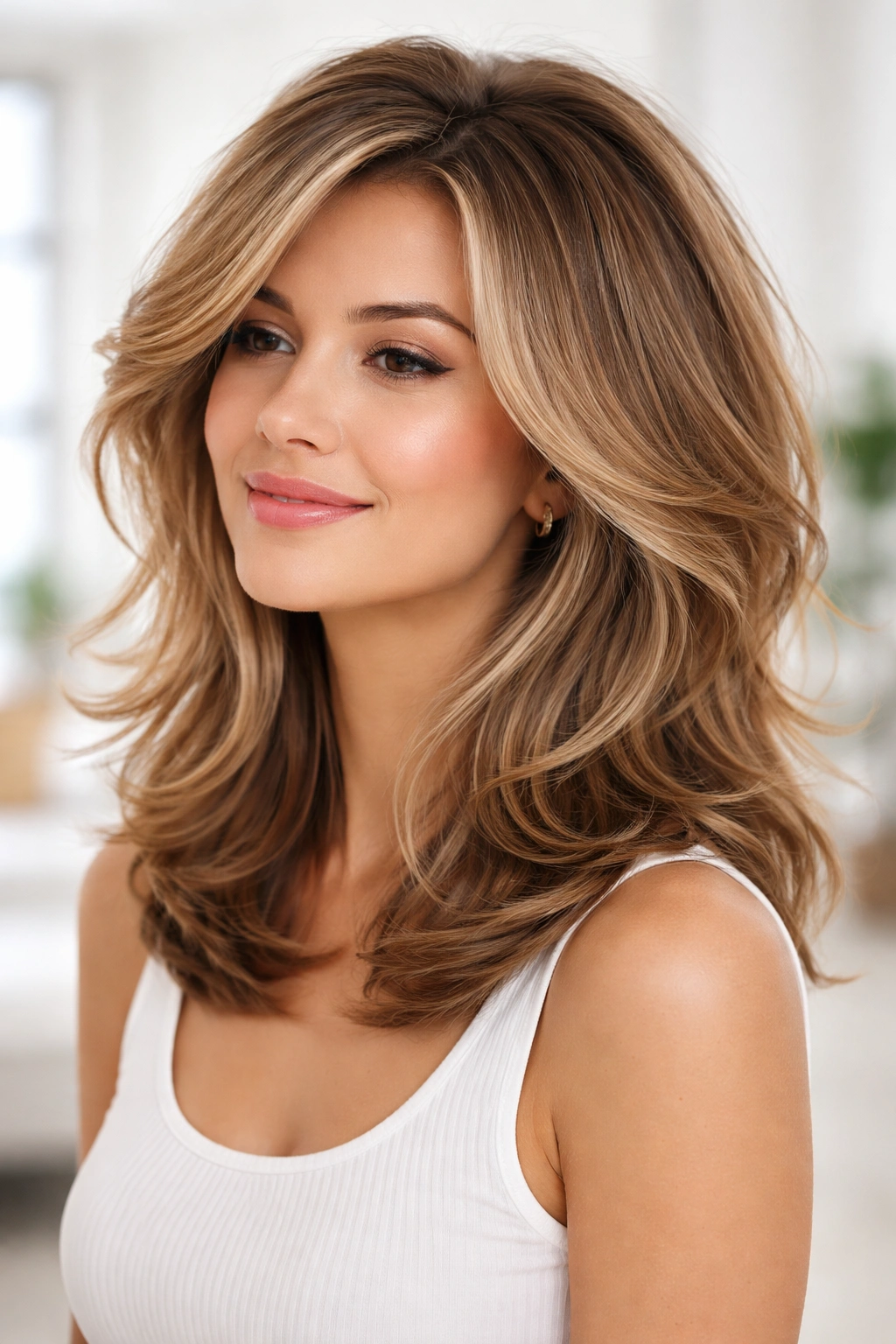
A shoulder-length cut with layers throughout that’s specifically designed to add volume and movement, even on naturally fine or flat hair. The layers start close to the crown, creating shorter pieces that frame the face and add fullness, while longer underlayers provide substance. It’s flattering because it creates dimension without actually being heavy.
How This Cut Adds Volume
Shorter layers at the crown lift the hair up rather than weighing it down, creating the illusion of density even on fine hair. The longer underlayers provide length and a blunt line that looks substantial. Together, they create the effect of more hair than you actually have. For people with flat hair or thin hair, this cut can be transformative.
Styling to Maximize Volume
- Blow-dry with a round brush at the crown, focusing on lifting the hair upward
- Use volumizing mousse or root-lifting spray at the crown before blow-drying
- Avoid products that weigh hair down—stick with lightweight, airy texturizers instead
- Sleeping on a silk pillowcase helps preserve volume overnight better than cotton
Quick fact: This cut works on most hair types but shows its magic most obviously on fine, straight hair where the layers prevent flatness.
15. The Blunt Shoulder-Length Cut with Subtle Texture
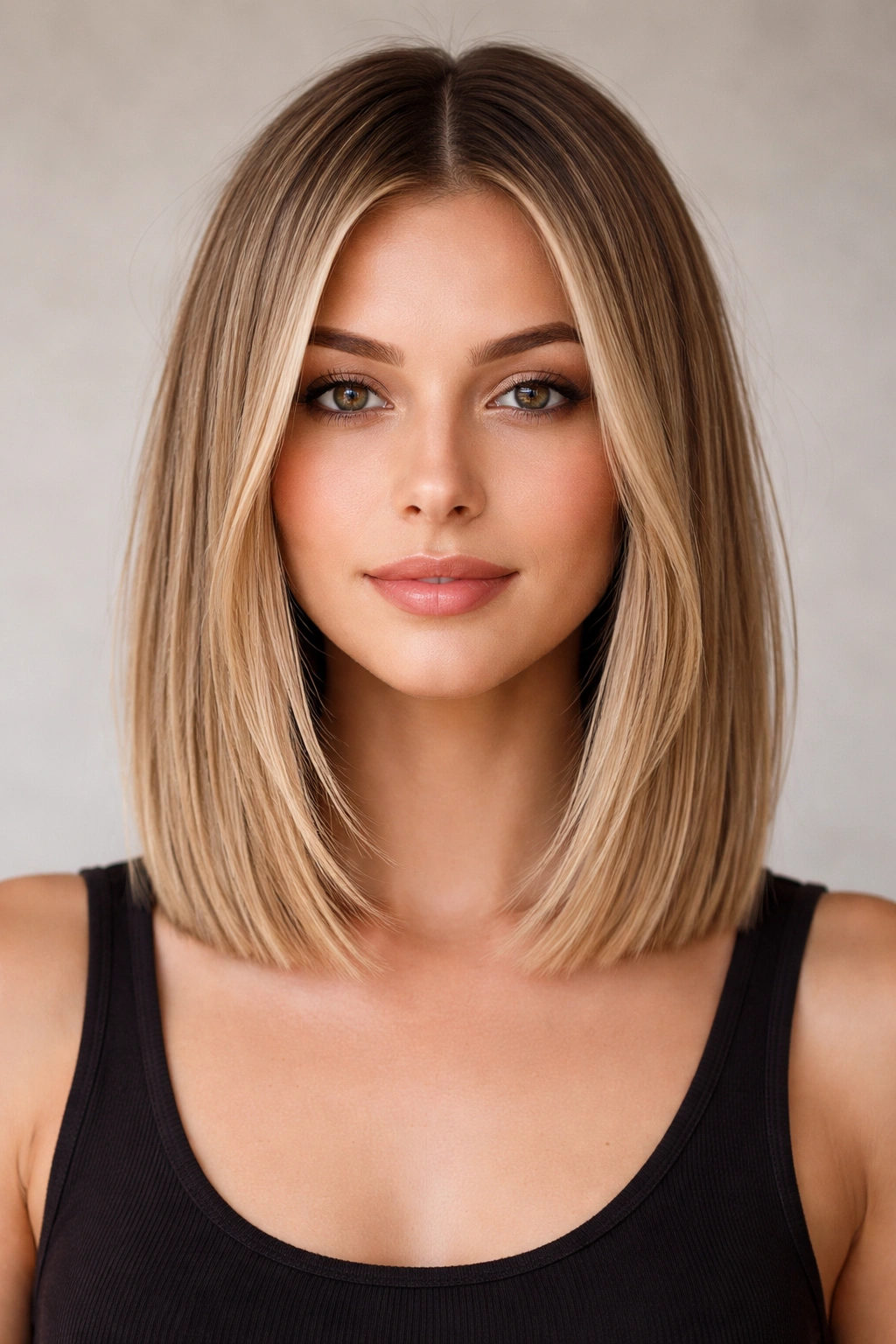
A completely blunt, shoulder-length line with barely-there layers that create just enough subtle movement to prevent the cut from feeling too harsh or geometric. It’s the minimalist choice for people who want clean lines without the graphic severity of a completely blunt cut. This is precision haircutting at its finest—the cut has to be perfect because there’s nowhere to hide.
The Appeal of Subtle Texture
A barely-textured blunt cut bridges the gap between the minimalism of a completely blunt bob and the movement of a layered lob. You get the polish and intention of straight lines without the severity. The subtle layers create just enough movement that the cut looks intentional and modern without being undone. It photographs beautifully and works in professional settings.
Maintenance Requirements
- Still requires precise, sharp cutting every 4-6 weeks to maintain the blunt line
- Works best on straighter hair because waves obscure the clean lines
- Hair health is essential because any damage shows up in the blunt ends
- Styling is minimal—a blow-dry and straightening iron is usually all you need
Pro tip: If you like this aesthetic but worry about hair health, ask your stylist about a slight texture at just the very ends rather than throughout—it gives you safety from damage while maintaining the overall blunt vibe.
16. The Side-Part Lob with Flipped Ends
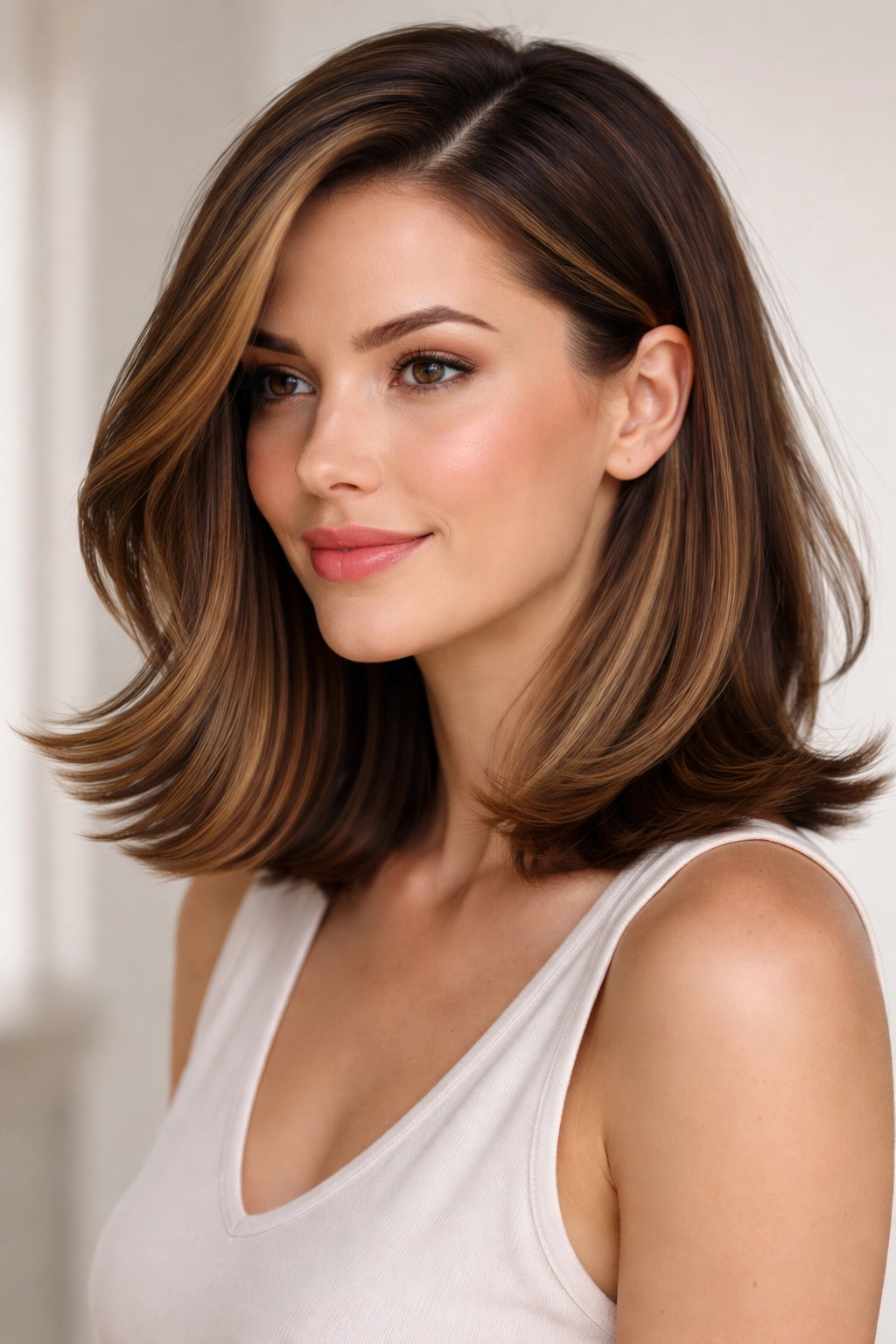
A shoulder-length lob with a deep side part and subtle outward-flipping ends that create a retro, polished vibe. The ends flip slightly away from the face rather than falling straight down, creating movement and shape. This is a styling choice as much as a cut choice—the cut itself might be fairly simple, but how you style the ends makes all the difference.
The Flattering Power of Flipped Ends
Flipped-out ends create the illusion of width at the cheekbones and jawline, which is actually flattering for narrower or more angular faces. The movement draws attention outward rather than downward, creating a lifted, youthful effect. The deep side part adds asymmetry that most people find flattering. Together, these elements create a very polished, intentional look.
Achieving the Flip
- Use a blow-dry brush or round brush, rolling the ends under on one side and out on the other
- Finish with a light hairspray to hold the shape without making it stiff
- Works on straighter hair or hair blown smooth better than on naturally very curly hair
- The flip works better when you have some layers at the ends, so ask your stylist to ensure you have texture there
Worth knowing: This is a styled look that falls out as your hair settles, so you’re committing to regular blow-drying if you want the flip to last all day.
17. The Tousled, Just-Got-Back-From-the-Beach Bob
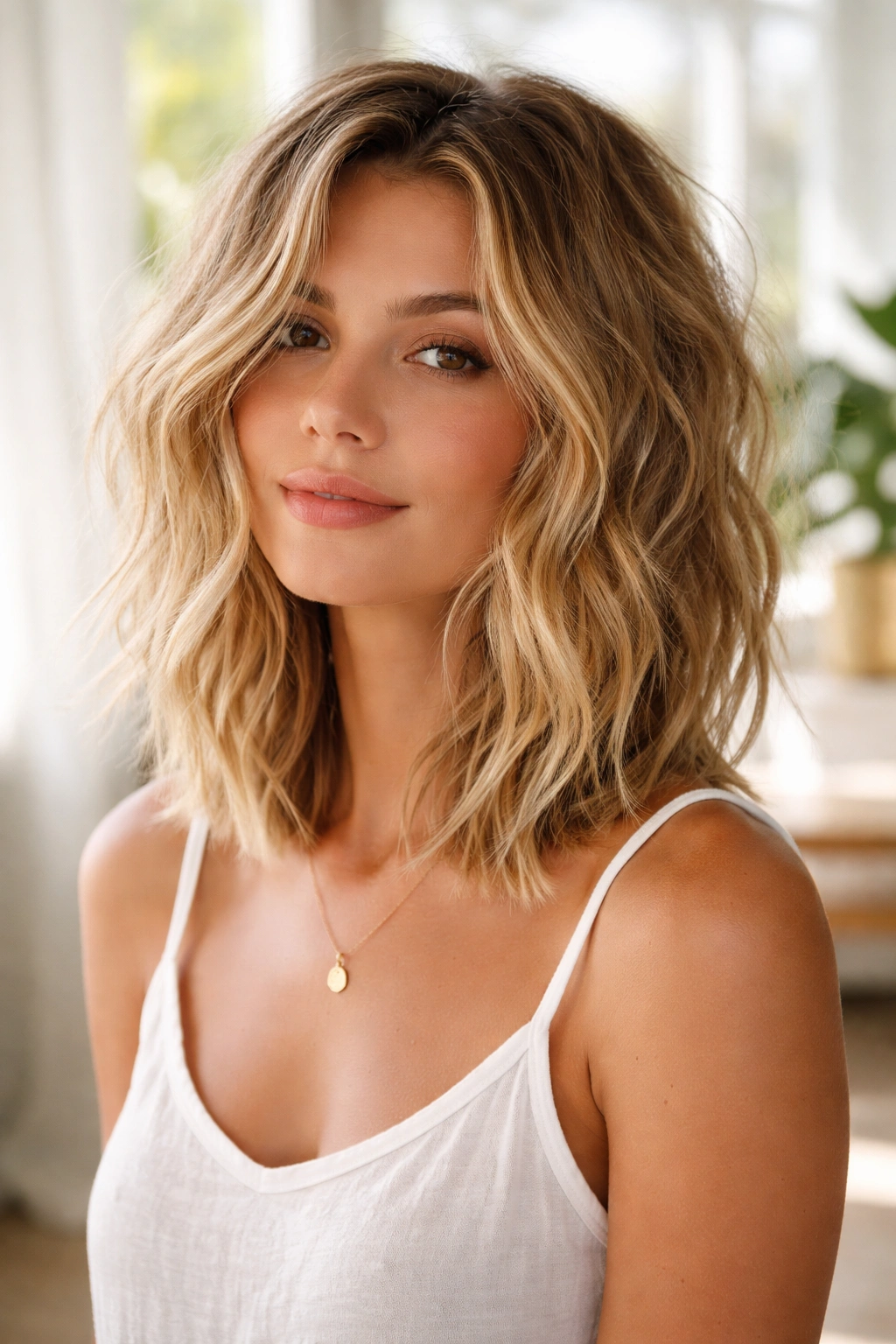
A shoulder-length cut with layers designed to look like you’ve just returned from the beach with that perfect, salty, tousled wave that happens naturally when you spend the day in ocean water and salt air. The cut has texture and movement, styled with the kind of casual abandon that suggests zero effort was involved. It’s for people who genuinely love wavy, textured hair or are willing to style it that way.
Creating the Aesthetic
The cut itself is usually a slightly layered lob or textured bob, but the styling is what creates the specific aesthetic. You apply sea salt spray, scrunch the hair, and either air-dry or rough-dry with a diffuser, creating deliberately undone waves. The goal is to look completely effortless, which is actually somewhat ironic because achieving this look often requires specific styling steps.
Who Should Consider This
This works beautifully on people with naturally wavy or curly hair, because the styling enhances what’s already there. On straighter hair, you might need more product and styling effort to achieve the look. The overall vibe is very California-casual and relaxed, so it pairs well with a generally casual aesthetic and lifestyle.
Quick tip: This look photographs beautifully and tends to be very Instagram-friendly, so if you love that aesthetic, this might be your cut.
18. The Modern Shag with Face Framing
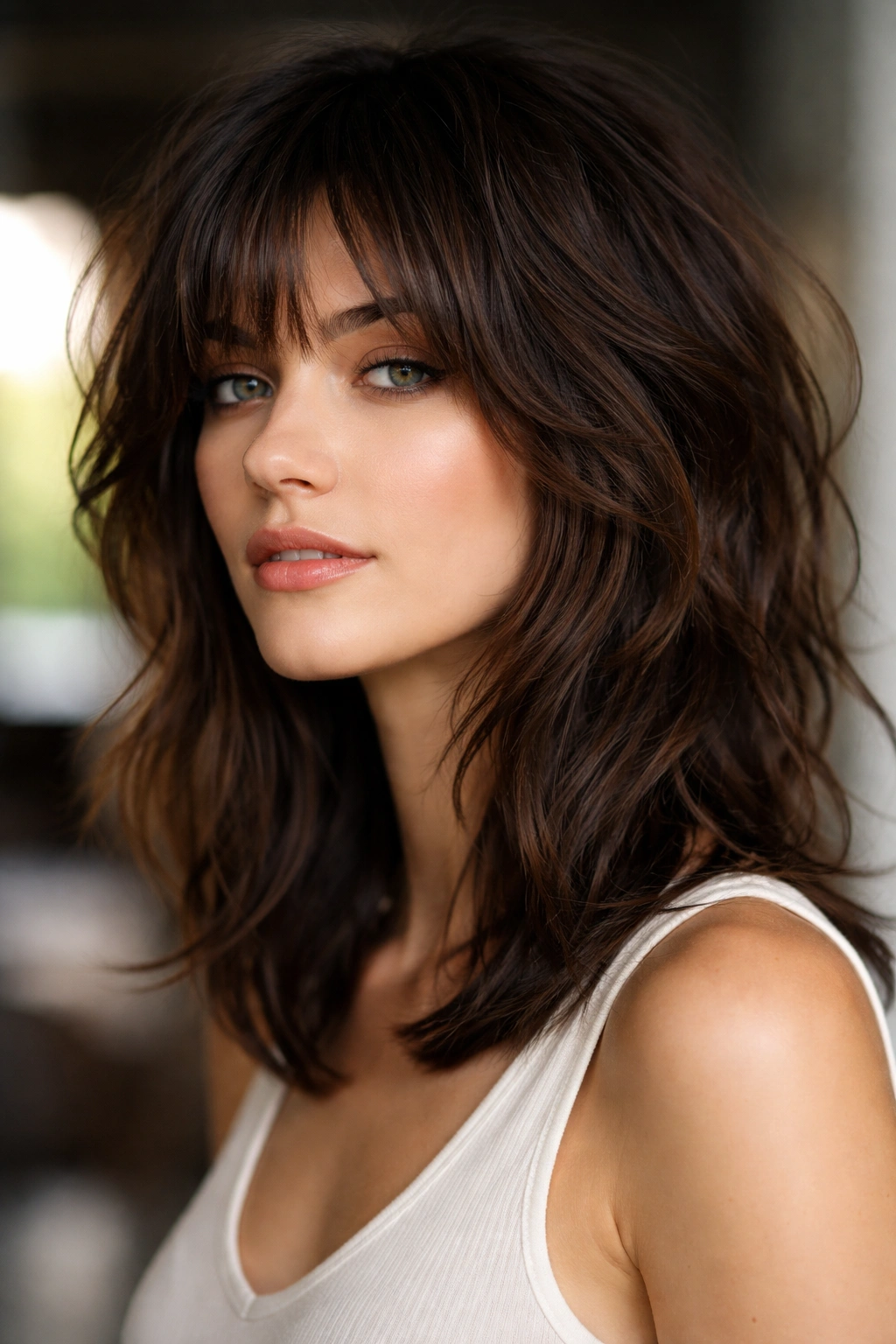
A textured shag with intentional face-framing layers that hit around cheekbone length, creating a modern update to the 1970s shag. The cut has all the movement and texture of a shag but with strategic shorter layers that frame the face rather than layers throughout. It’s edgy and modern while still being incredibly flattering across different face shapes.
Why This Version of the Shag Works So Well
The intentional face-framing means the texture creates softness around the face rather than just creating texture everywhere. For people with rounder faces, these shorter pieces create a lifting, elongating effect. For people with angular faces, the texture softens harsh lines. The cut maintains the ease and attitude of a shag while being slightly more refined and intentional.
Styling and Texture
- Texturizing spray, dry shampoo, or a light gel keeps the piece-y texture visible and intentional
- Works beautifully on most hair types because the layering adapts to different textures
- Can be worn with waves or curls for maximum texture, or roughed out with product for more graphic separation
- Less daily maintenance than some other options, but more than a simple lob
Pro tip: Ask your stylist to keep the length slightly longer in the back (maybe an inch or so) than in the front, which creates a modern, subtle movement that photographs beautifully.
Final Thoughts
The perfect shoulder-length cut exists somewhere in this range of options—it’s about finding the specific combination of elements that works with your hair texture, face shape, lifestyle, and personal style. A shoulder-length lob might be your answer if you want simplicity and polish. A textured shag might be your vibe if you crave movement and edge. A blunt-banged lob might be exactly what you need if you want something bold and graphic.
The most important thing isn’t which cut you choose, but that you communicate clearly with your stylist about what you’re actually looking for. Bring photos of cuts that appeal to you, talk honestly about how much styling you’re willing to do daily, and be upfront about your hair texture and what actually works with your natural hair (not what works after an hour of blow-drying and product if you don’t actually do that most days).
A good stylist will listen to what you want, assess your hair honestly, and then present you with the best version of that cut for your specific situation. Once you find the right shoulder-length cut, you’ll understand why this length has remained enduringly popular—it’s genuinely the most versatile, flattering, manageable length that works for almost everyone.
