



The shag haircut is back—and this time, it’s better than ever. Unlike the heavy, laborious styles of decades past, today’s short shag cuts deliver maximum texture and movement with minimal styling effort. If you’re tired of spending thirty minutes with a blow dryer and straightener just to look presentable, a short shag might be exactly what you need.
What makes a modern shag different from other short cuts is the layering technique. Strategic choppy layers create natural movement and texture, so your hair looks intentionally tousled even when you literally just rolled out of bed. The cut works with your hair’s natural texture instead of against it—whether you have straight, wavy, curly, or coily hair. You’ll spend less time fighting your hair and more time actually living your life.
The beauty of short shags is their incredible versatility. You can wear them sleek and polished for work, tousled and undone for weekends, or anywhere in between. They suit almost every face shape, from heart-shaped to square to oval, and they photograph beautifully from every angle. Plus, short hair means less product, less drying time, and more freedom to experiment with color and styling.
Below are twenty proven short shag styles that deliver real texture, real movement, and genuinely low-maintenance mornings. Each one has a distinct personality—find the one that matches yours.
1. Textured Pixie Shag
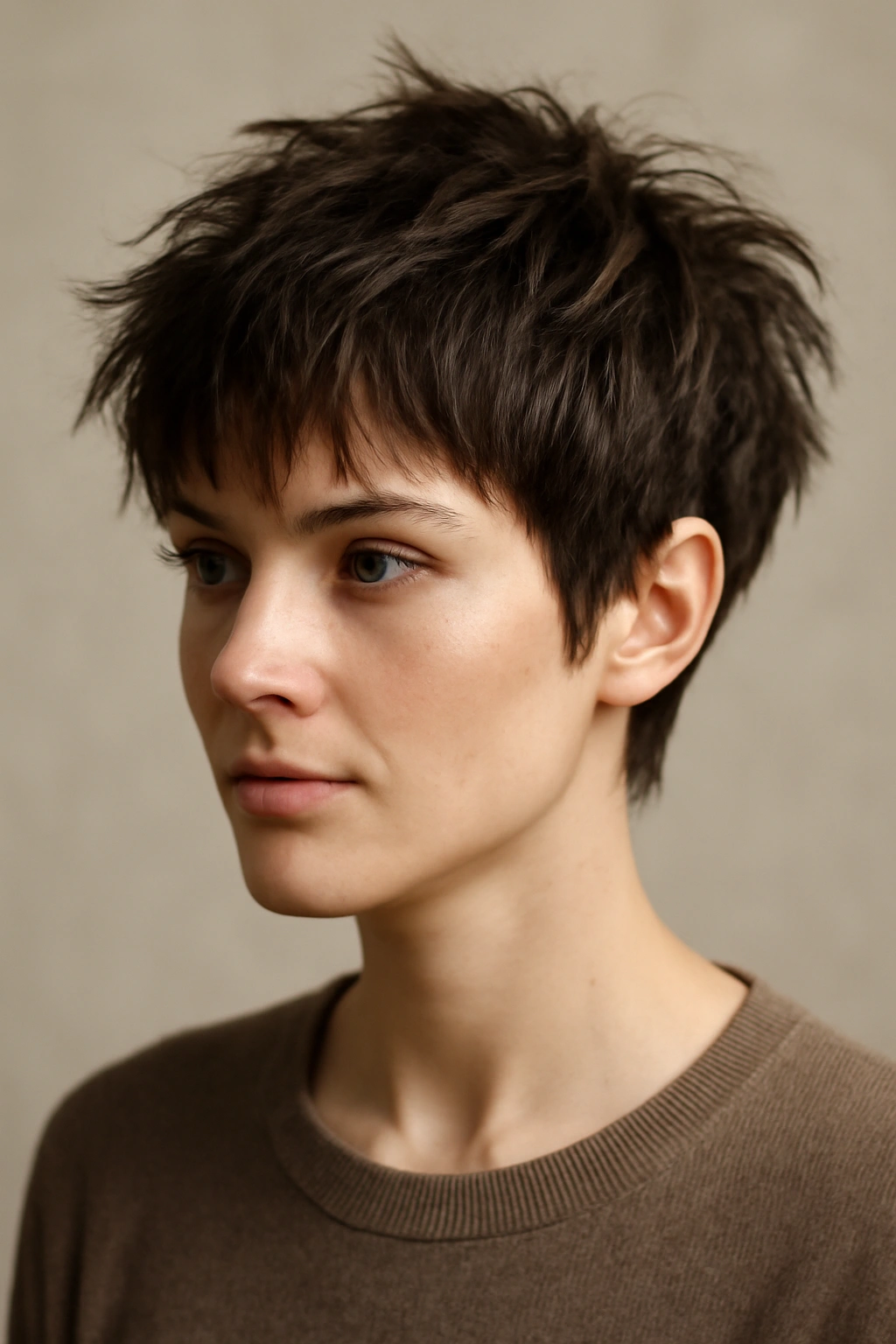
The textured pixie shag takes the beloved pixie cut and adds choppy, disconnected layers throughout for a modern, edgy twist. This style sits short on the back and sides while longer layers on top create dimension and movement. The result is a cut that looks deliberately piecy and undone, never blunt or severe.
Why It Works Best for Active Lifestyles
This cut is genuinely wash-and-wear. The short length means no tangles, no complicated styling steps, and no bad hair days where you need to throw it in a ponytail. You can shower, finger-comb it into place, and be out the door. It’s perfect for people who exercise regularly, spend time outdoors, or simply don’t want to think about their hair.
How to Style It
- Apply a lightweight texturizing spray or salt spray to damp hair while it’s still warm from the shower
- Use your fingers to tousle and separate the layers, starting from the crown and working outward
- For a sleeker look, use a small amount of lightweight pomade on the tips of your fingers and piece out individual sections
- This cut pairs beautifully with minimal or no product if you prefer a completely natural look
Pro tip: Ask your stylist to cut slightly longer layers on top than you think you want—as it grows out over four to six weeks, you’ll hit that perfect sweet spot where the texture is even more pronounced.
2. Choppy Bangs Shag
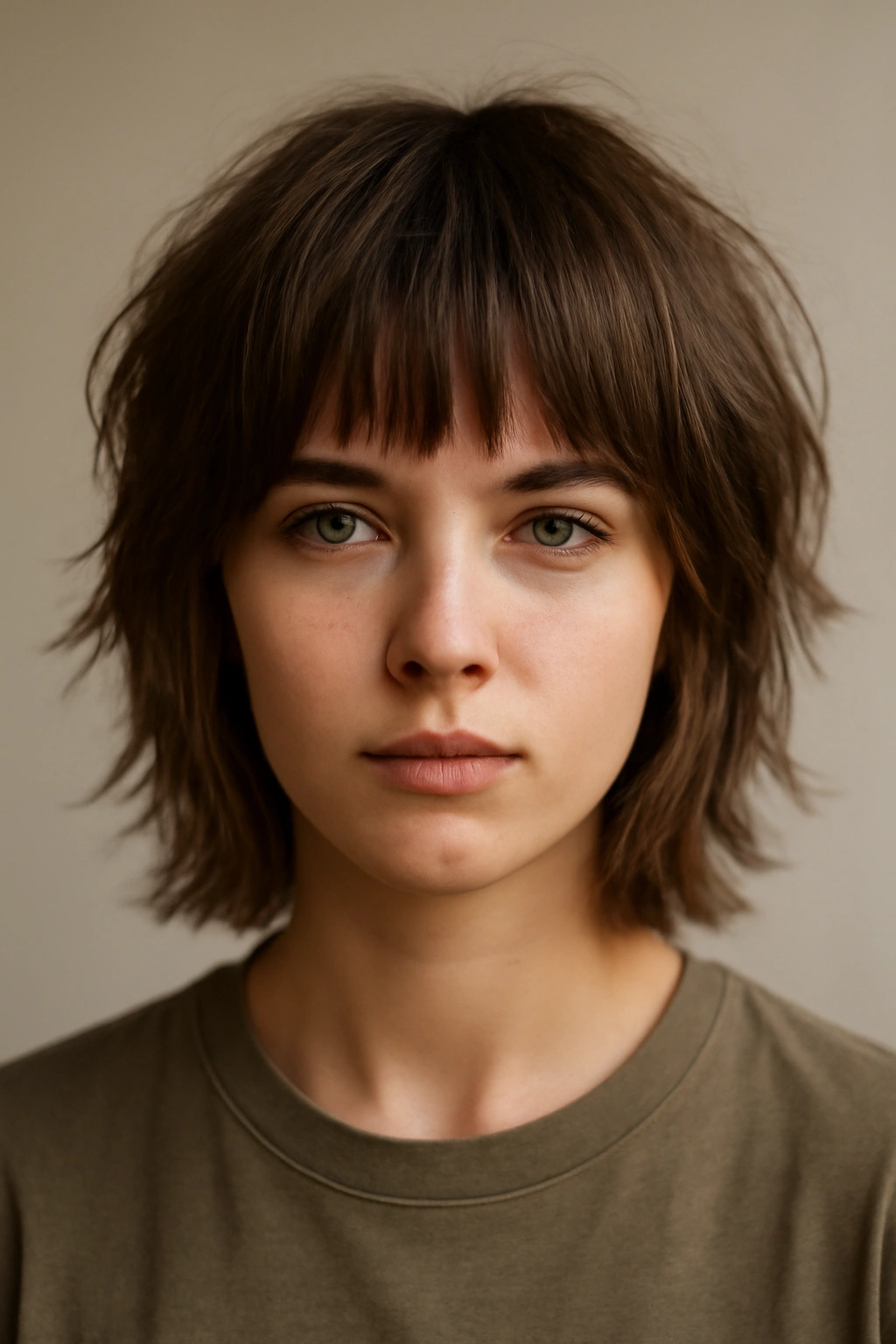
Choppy, textured bangs are the secret weapon of low-maintenance styling, and when paired with a short shag base, they create a statement look that’s undeniably cool. The bangs land somewhere between the eyebrows and mid-forehead, with intentional choppy pieces that fall at different lengths. Underneath, the rest of your hair is layered for movement.
Why Choppy Bangs Transform the Whole Cut
Choppy bangs instantly draw attention to your eyes and add personality to an otherwise simple cut. They break up facial proportions and add softness to strong jawlines. The jagged, piecy quality prevents them from looking heavy or requiring constant styling—they’re supposed to look a bit tousled.
Maintenance and Styling Tips
- Choppy bangs need trimming every three to four weeks to maintain their shape and texture
- Style them by applying texturizing spray and tousling with your fingers—avoid blow-drying them perfectly straight, which defeats the point
- If your bangs start to feel too long, pin them back with a bobby pin or small clip for a different look
- These bangs work on almost every face shape, but they especially suit round and oval faces
Worth knowing: Choppy bangs require a stylist who understands texture and layering. Bring photos of bangs you like and discuss whether your hair texture can support the look—very thin or fine hair sometimes needs a slightly different approach.
3. Layered Chin-Length Shag
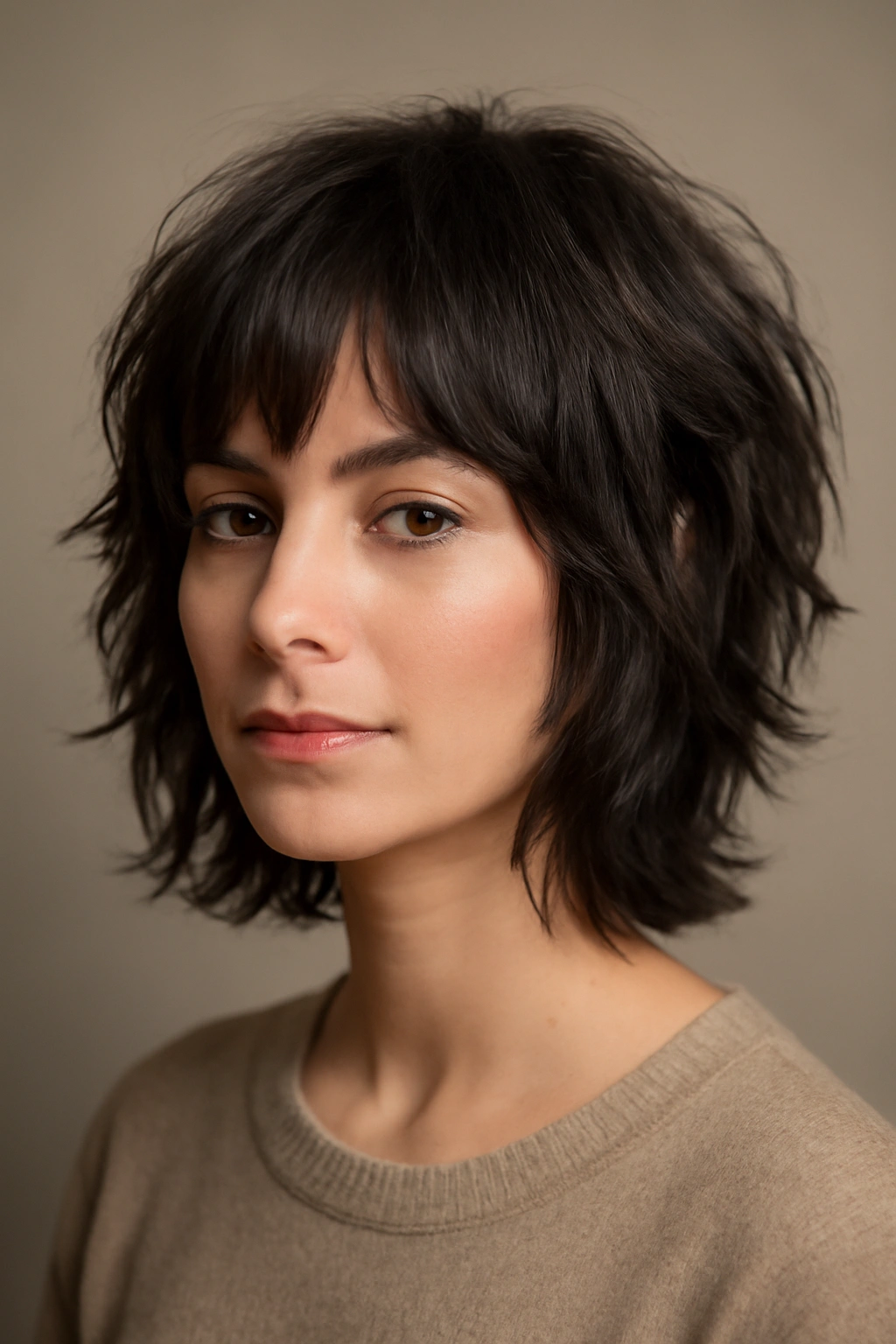
This is the perfect middle ground between pixie-short and shoulder-length shag. The cut grazes the chin or sits just slightly below it, with heavily layered sides that frame the face beautifully. The layers start high on the crown and progress downward, creating a shape that’s voluminous on top and tapered around the face.
The Face-Framing Magic
Chin-length shags are exceptionally flattering because the layers naturally frame your cheekbones and jawline. The cut opens up your face and brings out your features without feeling dramatic or severe. It suits longer face shapes especially well because the horizontal width of the cut balances vertical proportions.
Easy Morning Routine
- Shampoo and condition, then gently squeeze (don’t wring) excess water from your hair
- Apply a dime-sized amount of leave-in conditioner or texturizing spray while hair is still damp
- Use a diffuser attachment on your blow dryer if you want extra texture, or air-dry for a more relaxed look
- Once completely dry, tousle the layers with your fingers to separate them
Pro tip: This length is forgiving as it grows out. You can go six to eight weeks between trims and still look intentional, as the layers continue to create movement even when slightly longer.
4. Tousled Crop Shag
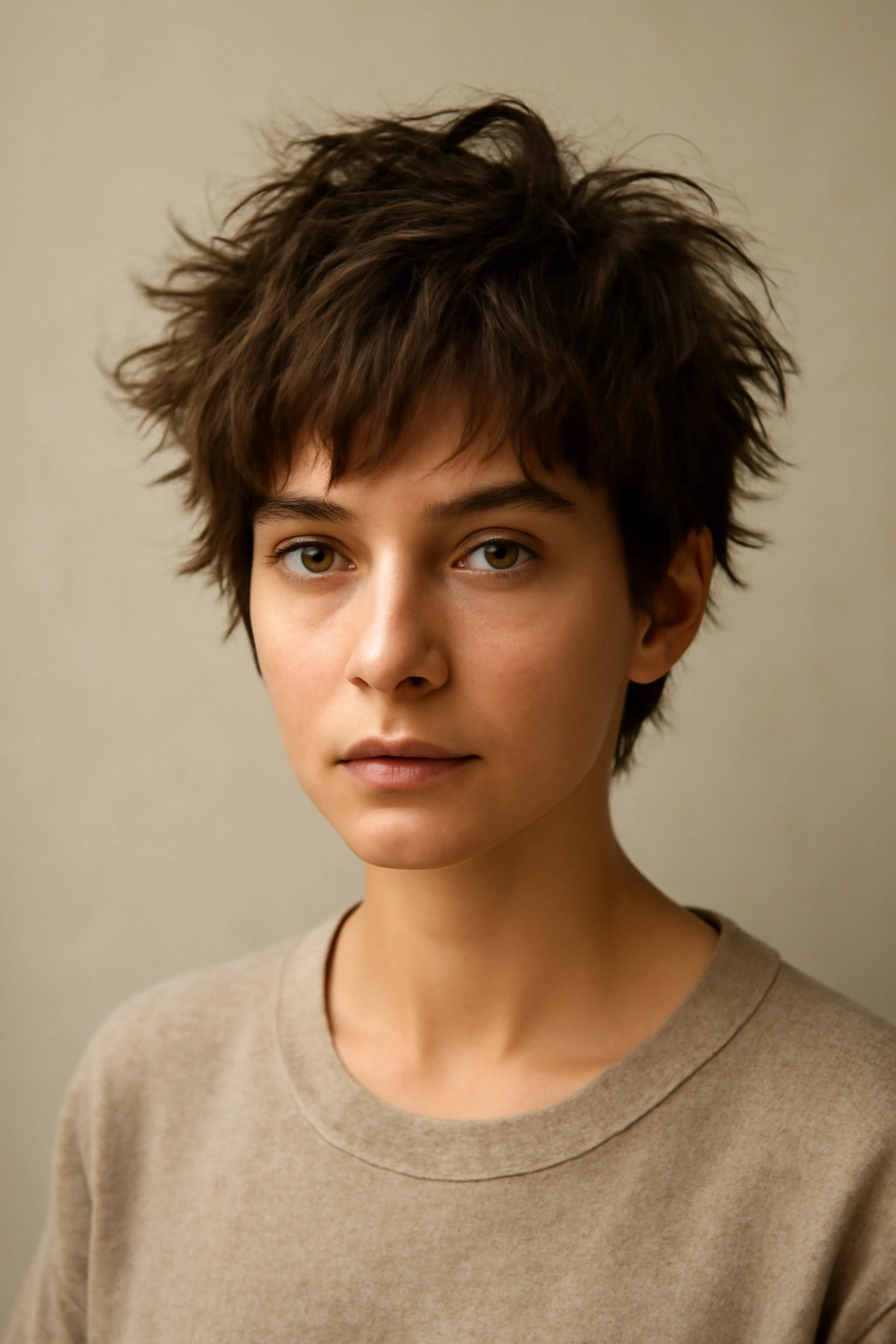
The tousled crop shag is short, textured, and deliberately undone. It sits close to the head on the back and sides but features longer, choppy layers on top that create tons of texture and movement. This is the cut for people who want their hair to say, “I woke up like this”—and actually mean it.
Building Movement Into the Cut
The key to this style is how the layers are cut. Your stylist will use point-cutting or texturizing techniques to remove weight and create choppy, piecy ends that naturally separate and move. This technical approach is what makes the cut look effortlessly textured rather than just short and choppy.
Daily Styling
- Wet your hair with a spray bottle and apply a texture spray or sea salt spray
- Tousle vigorously with your fingers, focusing on creating separation at the ends
- For volume, lean forward and finger-comb the hair away from the scalp
- You can blow-dry with a diffuser, but honestly, air-drying often looks better on this cut
Worth knowing: This cut looks best on people with naturally wavy, curly, or coily hair, or those willing to use texturizing products. If you have very straight, fine hair, you might need more product or styling effort to maintain the piecy effect.
5. Feathered Crown Shag
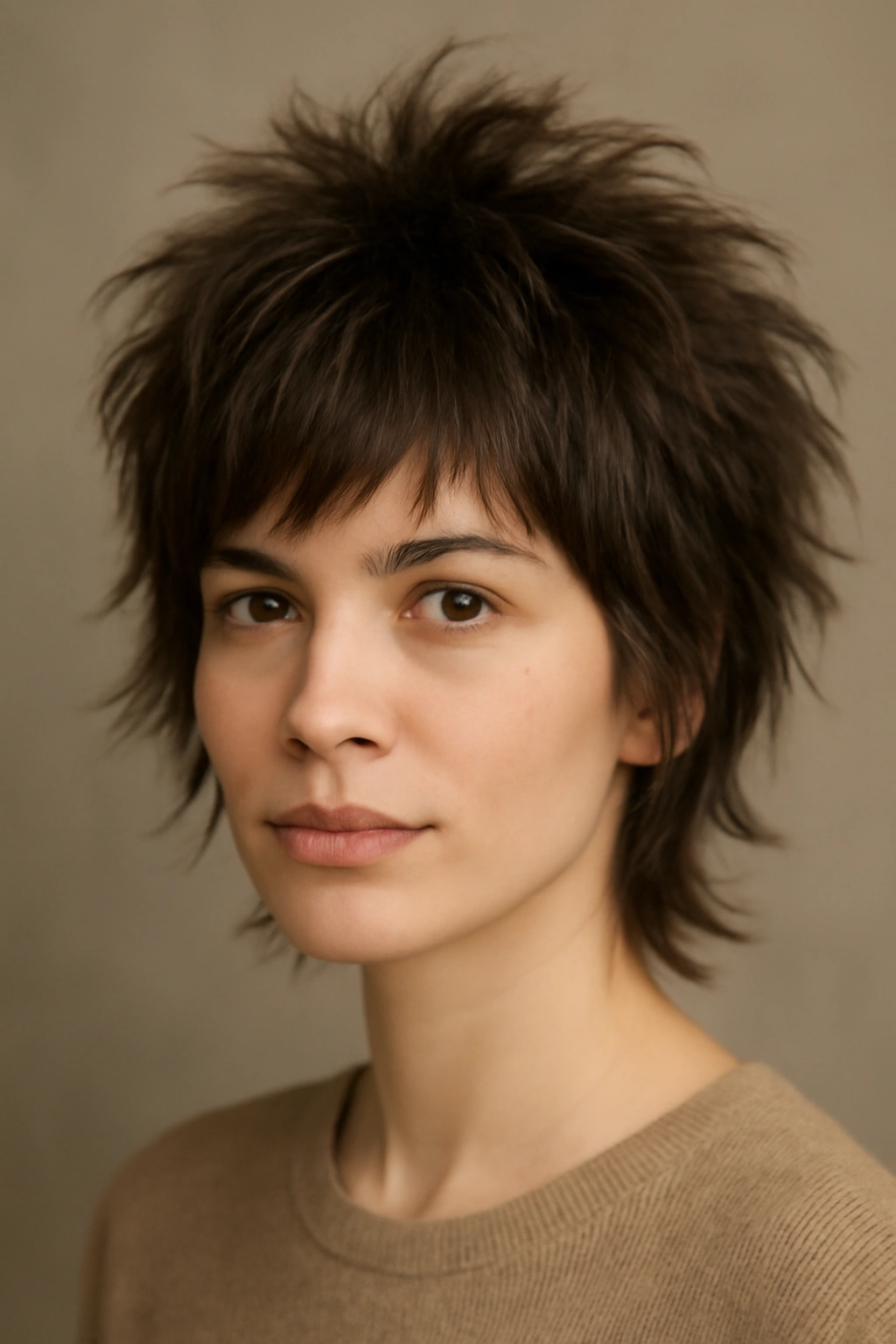
The feathered crown shag keeps plenty of length and texture on top while tapering gradually toward shorter sides and back. The layers are cut to feather outward, creating a soft, lifted effect that flatters most face shapes. It’s more polished than a choppy shag but still delivers that effortless, textured vibe.
Why the Crown Matters
Extra length and volume at the crown makes your hair look fuller and more interesting. The feathering technique means each layer curves outward slightly, creating softness and dimension. This approach suits people with fine or thin hair because the layers create the illusion of more volume without being too choppy or severe.
Styling for Maximum Texture
- Apply texturizing spray or mousse to damp hair at the roots and throughout
- Blow-dry using a round brush, lifting the hair away from the scalp to create volume at the crown
- Once dry, use your fingers or a fine-tooth comb to gently separate the feathered layers
- A light hairspray keeps everything in place without weighing it down
Pro tip: The feathered crown shag grows out beautifully and can go seven to eight weeks between cuts. As it grows, the feathering becomes even more pronounced and the cut often looks even better.
6. Disconnected Undercut Shag
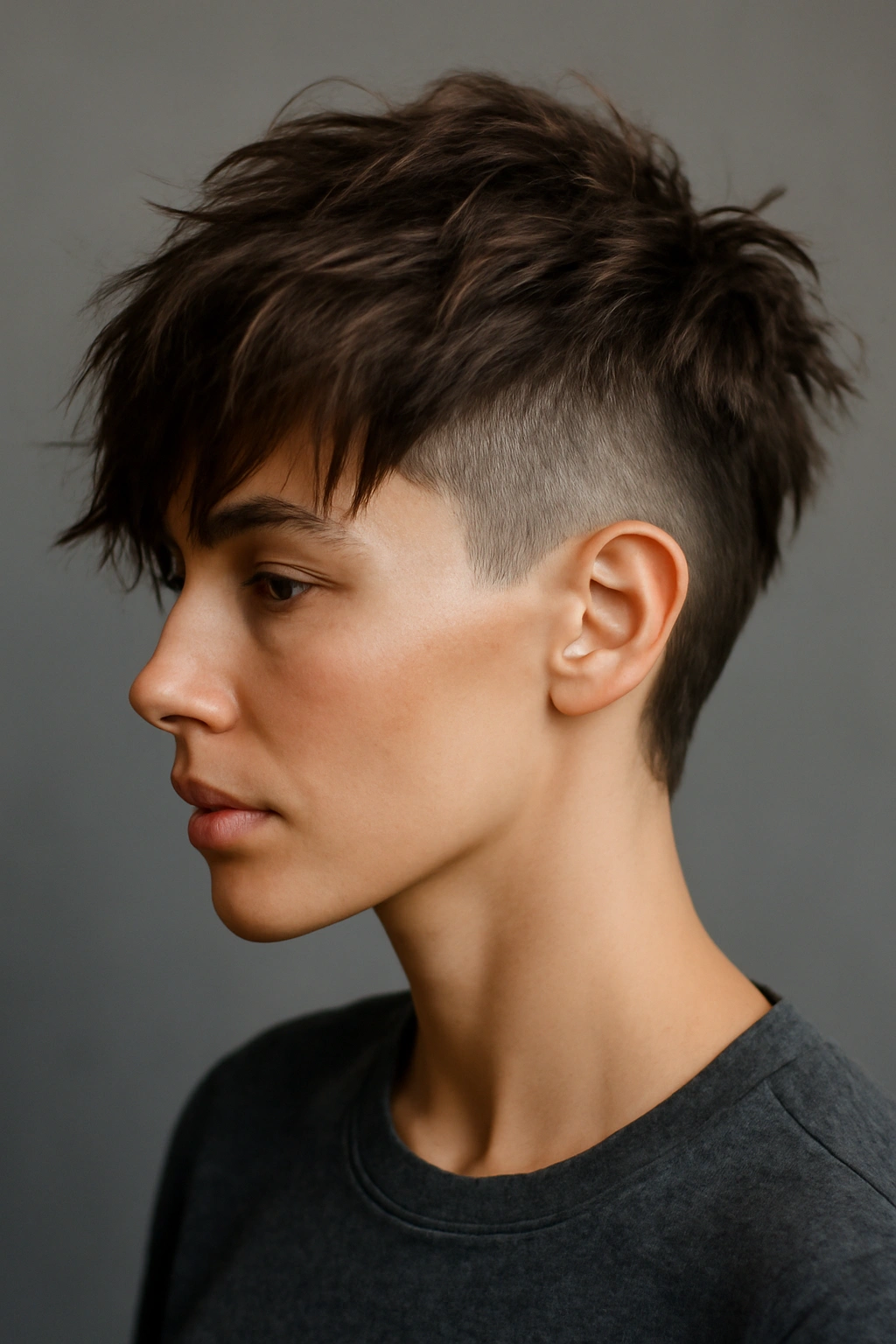
The disconnected undercut shag pairs significantly shorter hair on the sides and back with longer, layered hair on top. The “disconnection” means there’s a clear visual separation between the short and long sections—not a gradual fade, but a definite contrast. This creates an edgy, modern look that photographs incredibly well.
Why “Disconnected” Looks So Sharp
The contrast between lengths is what makes this cut feel contemporary and intentional. The undercut is typically clipped very short—sometimes even shaved or faded down to the skin—while the top is left long and textured. This combination is both low-maintenance and high-impact.
Styling and Maintenance
- The short sides are essentially no-maintenance—just keep them trimmed every three to four weeks
- The longer top is styled like any textured short shag: texturizing spray, finger-tousling, and minimal heat
- The beauty of this cut is how different it can look styled different ways—sleek and polished, or messy and tousled
- This style requires commitment to the undercut trim schedule to keep the contrast sharp
Worth knowing: Disconnected undercuts are bold and visible. They work great if you have an edgy, fashion-forward aesthetic, but they might feel too extreme if you prefer subtle or conservative styling. Consider your lifestyle and comfort level before committing.
7. Asymmetrical Shag
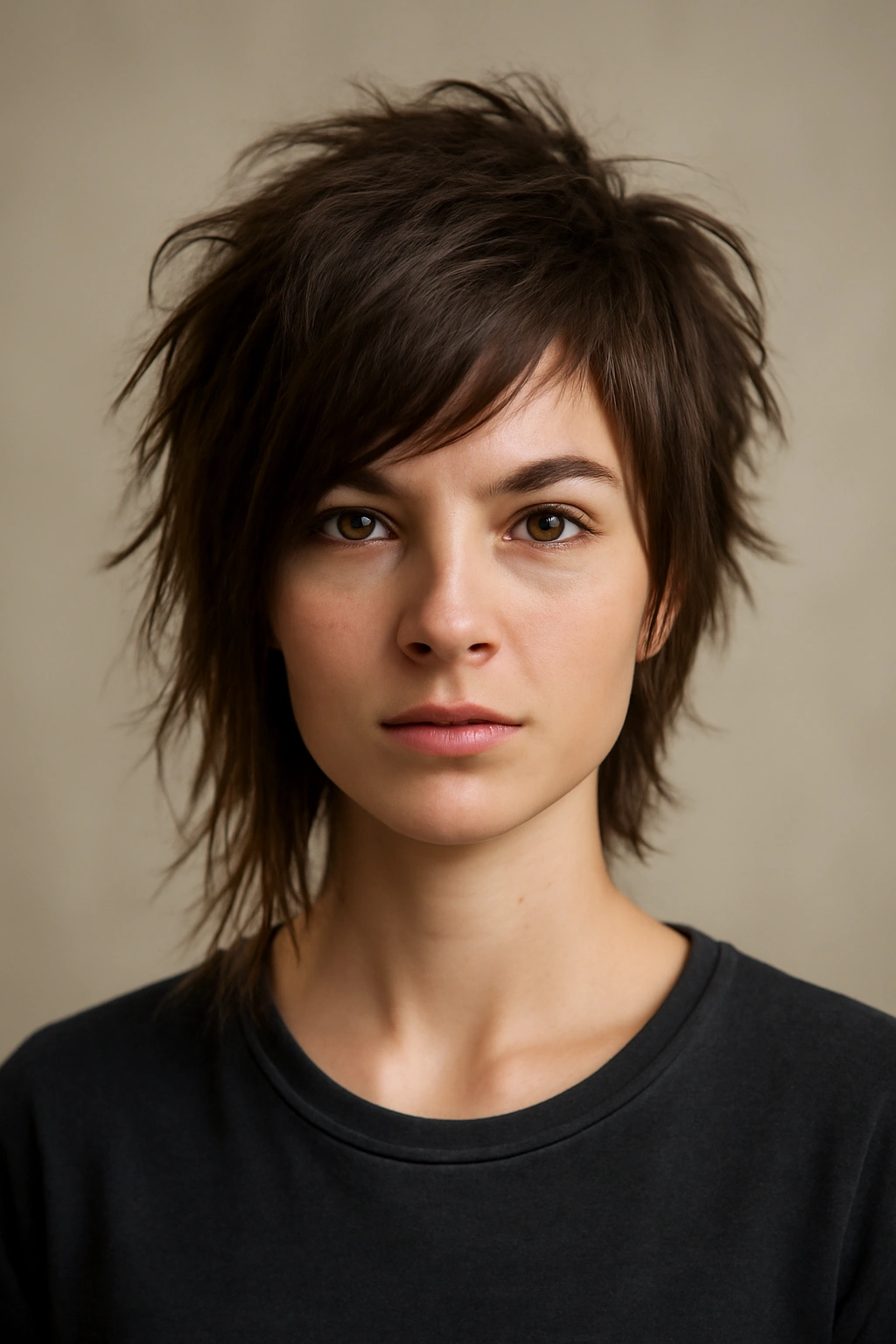
The asymmetrical shag features different lengths on each side of the face, creating movement and visual interest while maintaining the textured, layered shag foundation. One side might be significantly longer than the other, or both sides might be layered but cut at slightly different angles. This approach adds personality and uniqueness.
Making Asymmetry Work
Asymmetrical cuts suit adventurous people who aren’t afraid to stand out. They’re incredibly flattering on people with longer or rectangular face shapes because the uneven lengths add balance and softness. The cut also allows you to style the longer side forward for a framing effect, or sweep it back for a different look entirely.
Versatile Styling Options
- Wear both sides down and asymmetrical for maximum impact
- Sweep the longer side across the face for a softer, more romantic look
- Pin the longer side back to highlight the shorter side and show off the cut’s architecture
- Texturizing products work the same as with any shag—just apply and tousle
Pro tip: Asymmetrical cuts require slightly more frequent trims (every four to five weeks) to maintain the intentional difference in length. Talk with your stylist about how to style it on non-wash days to keep both sides looking polished.
8. Curly Shag with Face-Framing
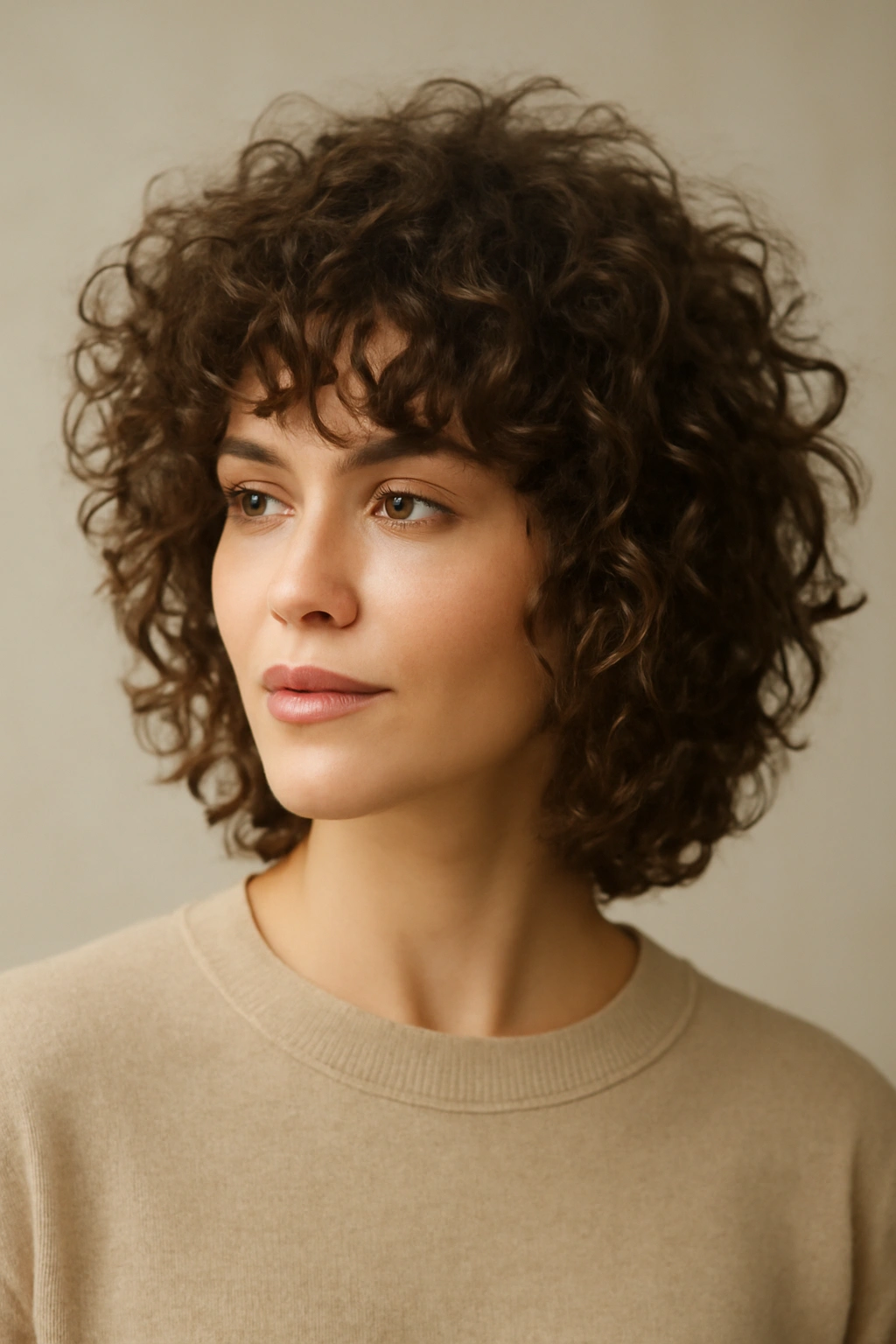
For naturally curly or coily hair, a shag cut designed specifically for your curl pattern is genuinely life-changing. The layers are cut to enhance your natural curl formation rather than fight against it. Shorter layers at the crown add volume, while longer layers around the face frame your features beautifully.
Cutting Strategy for Curly Hair
Curly hair requires a different cutting approach than straight hair. Your stylist should cut your hair while it’s wet and unstyled to see your actual curl pattern. The layers will be cut to enhance your natural texture and encourage your curls to bounce and separate rather than frizz or clump. This usually means shorter, choppier layers throughout.
Curly Shag Morning Routine
- Rinse your hair with cool or lukewarm water in the morning—hot water activates frizz
- Apply leave-in conditioner or curl cream to soaking-wet hair
- Scrunch upward gently, encouraging your curls to form and compress
- Microplop with a microfiber towel or cotton t-shirt to remove excess water without disrupting curl formation
- Air-dry, or use a diffuser on low heat if you’re in a hurry
Worth knowing: Curly shags benefit from regular deep conditioning treatments. Curly hair tends to be drier, and layered cuts expose more hair surface. Invest in good curl-friendly products and you’ll see dramatically better results.
9. Messy Spiky Shag
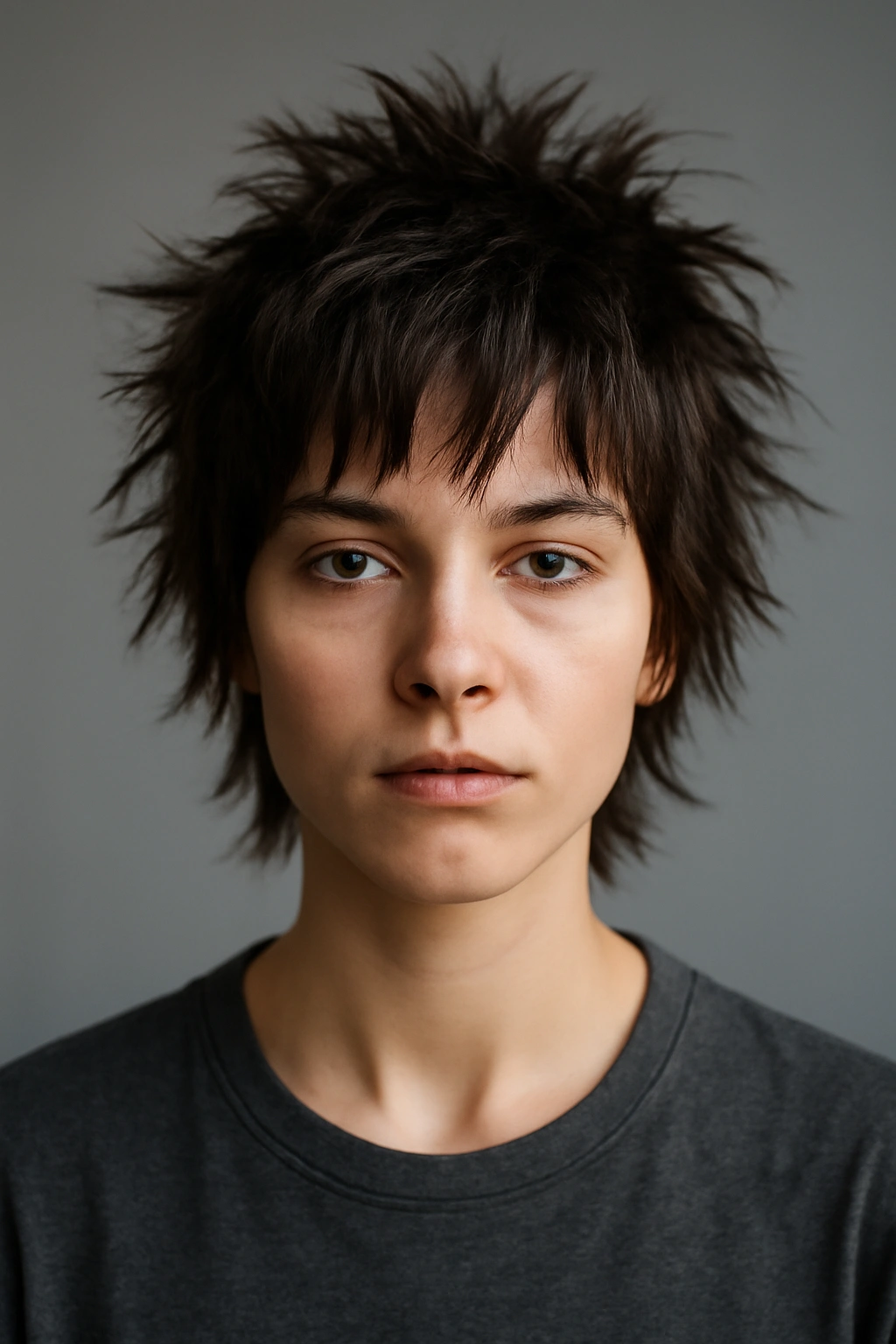
The messy spiky shag is short, textured, and deliberately piecy throughout. The layers are cut very short and choppy, creating individual strands that naturally separate and stick out in different directions. It’s an intentionally undone look that requires texture but minimal styling discipline.
Creating the Spiky Effect
The spiky quality comes from how the layers are cut and angled. Your stylist will use point-cutting techniques to remove weight and create lots of separation. The cutting angle matters too—layers angled slightly upward create more lift and movement than layers cut straight across.
Styling for Maximum Spiky Texture
- Apply texturizing spray to damp hair and tousle vigorously with your fingers
- Aim for separation at the ends rather than sleekness—every strand should feel distinct
- You can use a lightweight pomade or wax on your fingers to piece out sections deliberately
- Blow-drying with your fingers or a brush tends to flatten this style, so air-drying usually looks better
Pro tip: This cut looks great on people with straight, wavy, or slightly curly hair. It’s bold and playful, perfect for people who like their style to signal confidence and personality.
10. Blunt Fringe Shag
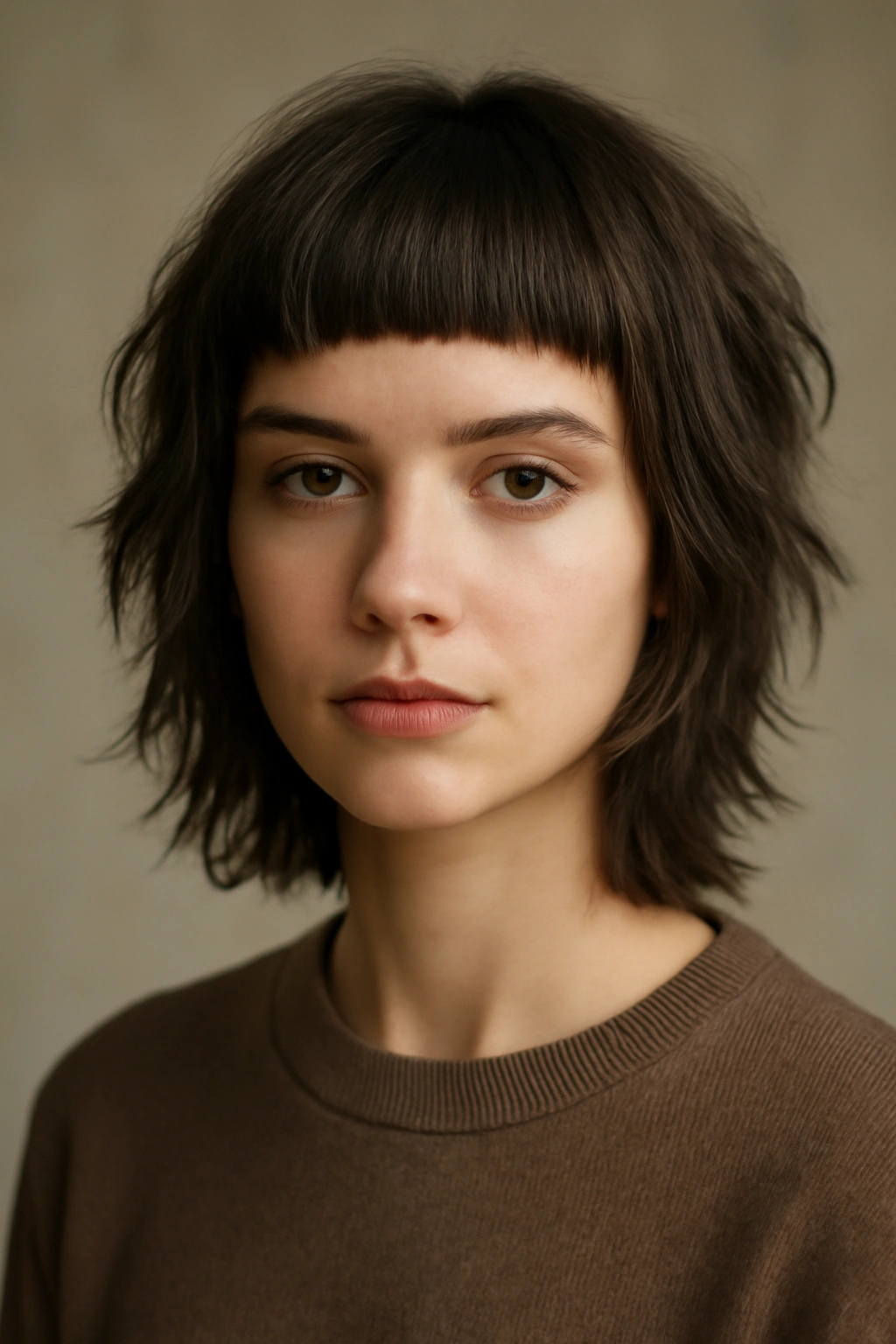
The blunt fringe shag pairs a sharp, straight-across fringe with heavily layered, textured hair underneath. The fringe sits just above the eyebrows, creating a graphic, youthful look. The rest of the hair is layered and textured, so the blunt fringe is the only structured element—everything else is tousled.
The Contrast That Makes It Work
The juxtaposition of a blunt, geometric fringe against soft, textured layers is what makes this cut so visually interesting. The fringe grounds the look and adds a mod or vintage reference, while the layered shag keeps it from feeling costume-like or dated.
Maintaining the Blunt Fringe
- Blunt fringes need trimming every two to three weeks to maintain their sharpness and prevent them from obscuring your vision
- Style your fringe by blow-drying it straight with a flat brush, or letting it air-dry if your hair naturally falls that way
- Avoid wearing your fringe heavily styled with product most days—let it look slightly tousled between trims
- This style suits people with relatively straight hair in the fringe area; very wavy or curly hair might struggle with a blunt line
Worth knowing: Blunt fringes are a commitment because they’re visible and require regular maintenance. They also suit specific face shapes best—oval, heart-shaped, and long faces typically look great, while very round faces might need the fringe angled slightly differently.
11. Wolf Cut (Short Version)
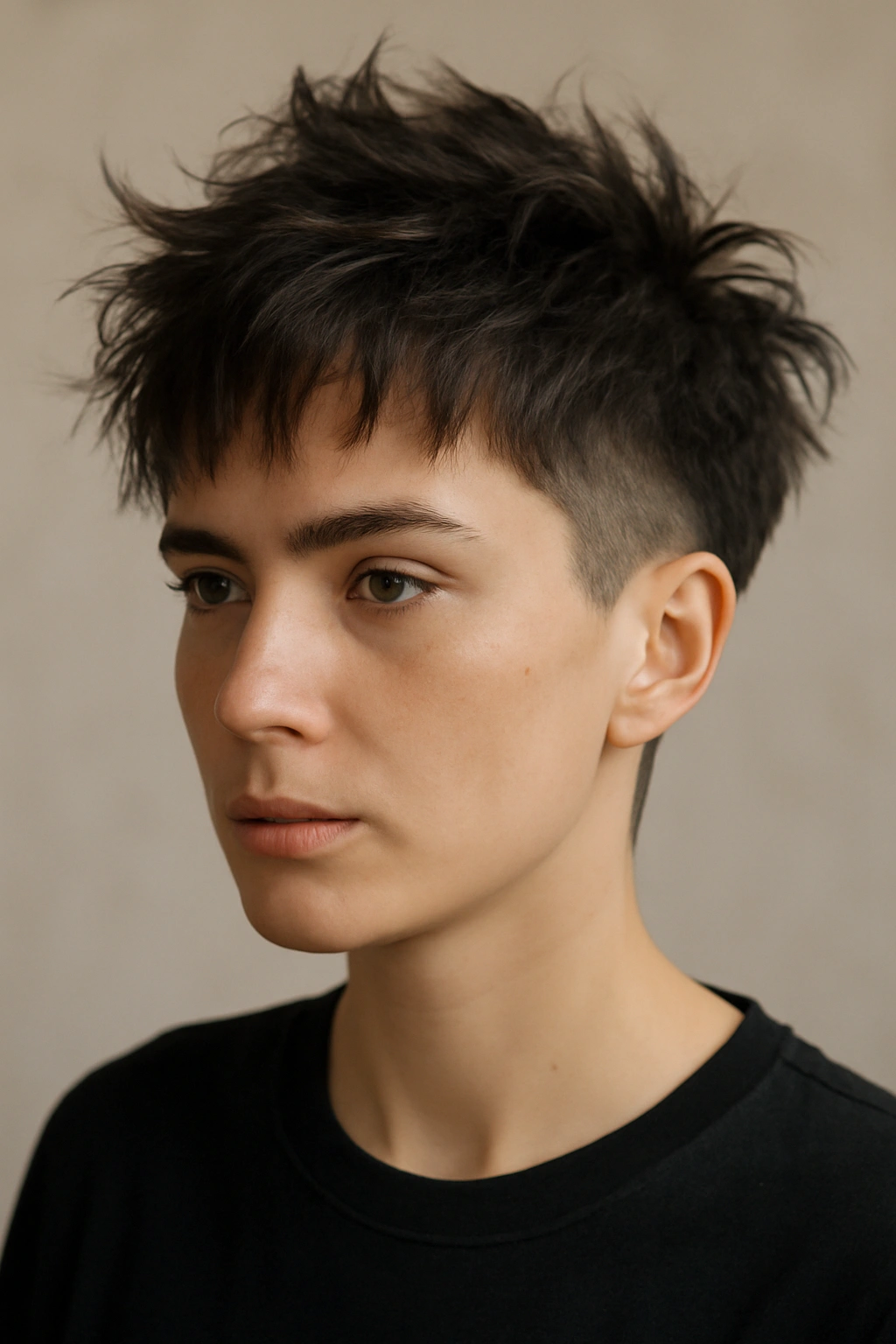
The wolf cut is the edgy, voluminous cousin of the shag. It combines very short, closely cropped sides with longer, heavily layered hair on top. The result looks wild and a bit untamed—hence the “wolf” name. The short version keeps overall length manageable while maintaining that dramatic contrast and texture.
What Makes Wolf Different From Shag
While a shag is uniformly layered throughout, a wolf cut has distinct regions—short sides, long textured top. The wolf is also typically more dramatic and edgier. It’s for people who want a statement cut that signals boldness and confidence.
Styling the Wolf Cut
- Tousle the top layers with texturizing spray and your fingers to create volume and separation
- The short sides are virtually no-maintenance—just keep them trimmed every three to four weeks
- You can style the longer top sleek or messy depending on your mood and the occasion
- This cut looks incredible in photos and photographs from interesting angles
Pro tip: The wolf cut is experiencing a real resurgence and looks fantastic with slightly unconventional colors—think silver, bronde, or dimensional color that catches the light in the layers.
12. Tapered Nape Shag
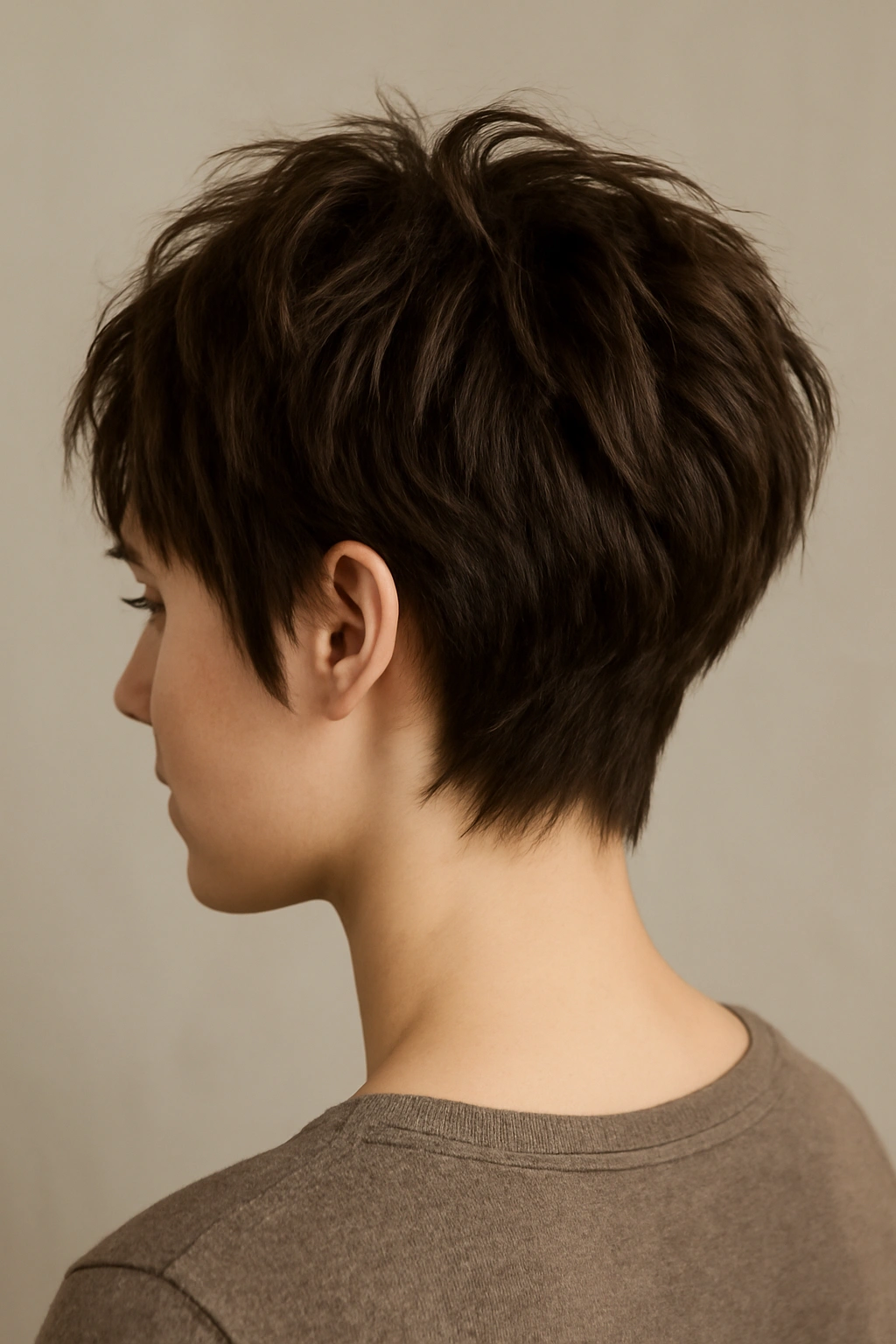
The tapered nape shag features a gradually shorter nape area—think fade or taper—that transitions into longer, textured layers on top and around the face. The taper gives structure and shape to the cut while keeping the front and crown textured and soft.
Why the Taper Matters
A tapered nape keeps the cut from looking shapeless or triangular. It creates clean lines while maintaining the shaggy, layered vibe. This approach works beautifully on people with longer face shapes or those who want a cut that feels a bit more polished than a full shag.
Easy Morning Styling
- Shampoo and condition, then apply texturizing spray while still damp
- Tousle the top and sides with your fingers, focusing on creating separation in the layers
- You can blow-dry with a diffuser for extra texture, or air-dry for a more relaxed look
- The tapered nape works itself—no styling needed
Worth knowing: A tapered nape requires trims every four to five weeks to maintain the gradual shortness. If you’re okay with a bit more frequent salon visits, this approach delivers excellent results with minimal daily styling.
13. Two-Tone Shag

The two-tone shag pairs two distinct colors—perhaps dark roots with a lighter shade throughout, or contrasting colors on different sections. The layered, textured cut makes the color transition especially visible and interesting. Each layer catches light differently, creating depth and movement.
Making Color Work With Texture
The beauty of coloring a textured shag is that the color naturally sits at different depths throughout the cut. Lighter color on the shorter, choppy layers catches light beautifully. Darker color at the roots creates dimension. The layering amplifies what the color alone can do.
Color Maintenance
- Two-tone shags typically require root touch-ups every four to six weeks, depending on how noticeable your roots are
- Condition well between appointments—layered hair benefits from extra moisture
- A color-safe shampoo and conditioner extends the vibrancy of your color and keeps it from fading too quickly
- The texture of the cut means color doesn’t fade uniformly—some lighter areas might fade faster than others, which actually looks pretty
Pro tip: Two-tone color looks especially striking if one color is warm and one is cool—think warm honey blonde with cool ash brown, or warm copper with cool burgundy.
14. Shaggy Buzz Cut
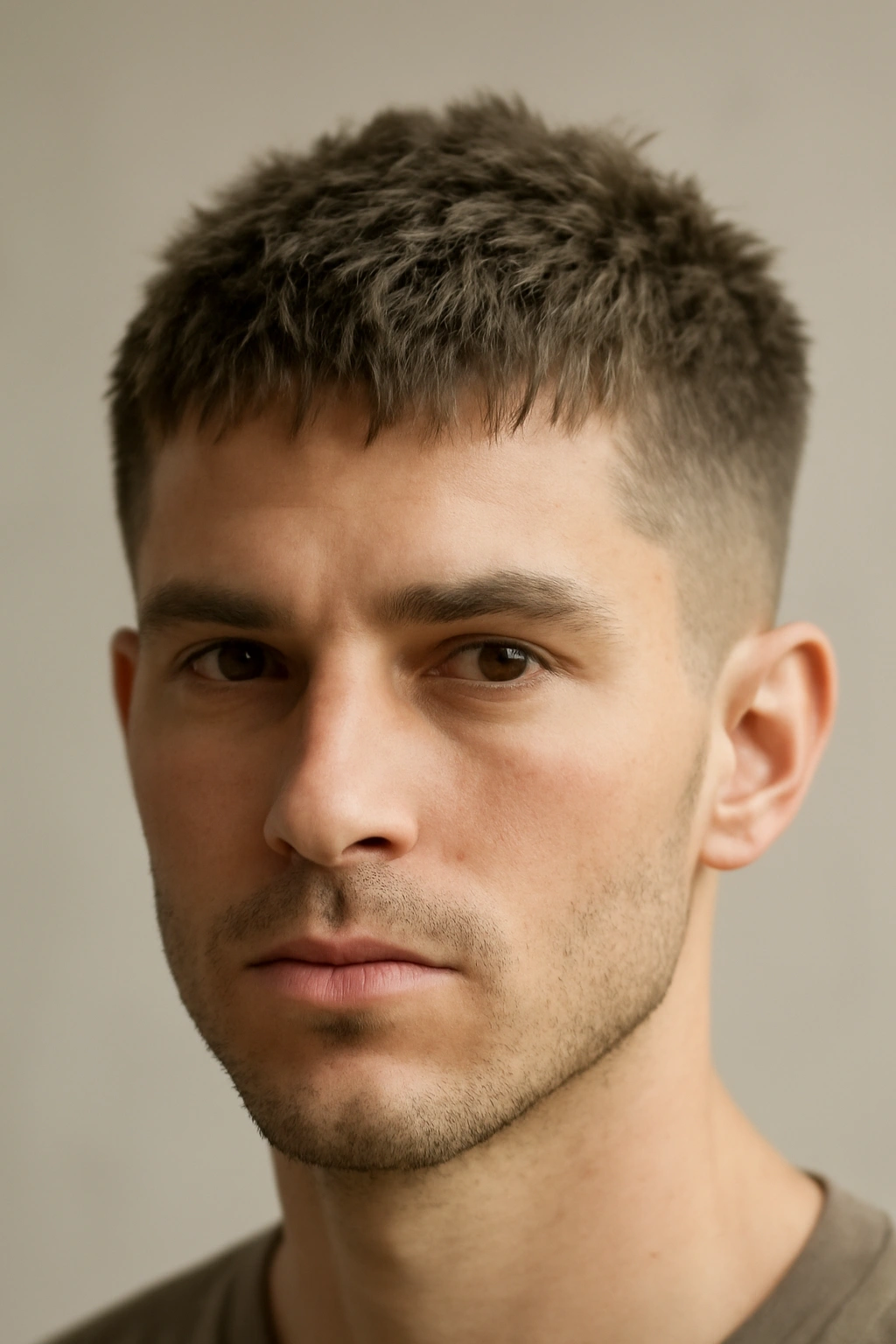
The shaggy buzz cut takes the close-cropped efficiency of a buzz cut and adds texture through an intentionally choppy, slightly grown-out quality. It’s not quite a full shag, but it’s much more textured than a standard buzz. The result is ultra-short, minimal-maintenance, and surprisingly stylish.
The In-Between Magic
By growing out a buzz cut to just a quarter-inch or so and adding slight choppy texture, you get something that feels modern and intentional rather than just “buzzed.” It’s perfect for people who want extremely short hair but don’t want to sacrifice style.
Zero-Maintenance Styling
- Literally wash your hair and go—that’s the whole routine
- You can apply texturizing spray for slightly more definition, but it’s optional
- No blow-drying, no product, no styling tools needed
- Trims every three to four weeks keep the texture looking sharp
Worth knowing: Ultra-short cuts show off your head shape, bone structure, and facial features very clearly. They suit people confident in their appearance and comfortable with a boldly minimal aesthetic. They also look fantastic on people with interesting head shapes.
15. Voluminous Wavy Shag

The voluminous wavy shag is designed to work with naturally wavy hair or hair styled with waves. The layers are cut to encourage movement and wave formation, creating tons of volume especially at the crown. It’s textured, effortless-looking, and genuinely flattering.
Building Volume Into the Cut
The key to volume is how much the layers are layered. Your stylist will create lots of separation throughout, with shorter layers at the crown to add lift. The layers are cut at angles that encourage your natural wave pattern.
Styling for Maximum Waves
- Shampoo and condition, then apply a wave-enhancing product or sea salt spray to damp hair
- Blow-dry with a diffuser, scrunching upward as you dry to encourage wave formation
- Or air-dry and tousle with your fingers once completely dry
- Once waves are set, minimal touching keeps them looking natural
Pro tip: This cut looks amazing with a slight color variation or balayage—the waves catch different tones throughout, creating extra depth and dimension.
16. Modern Shag with Undercut
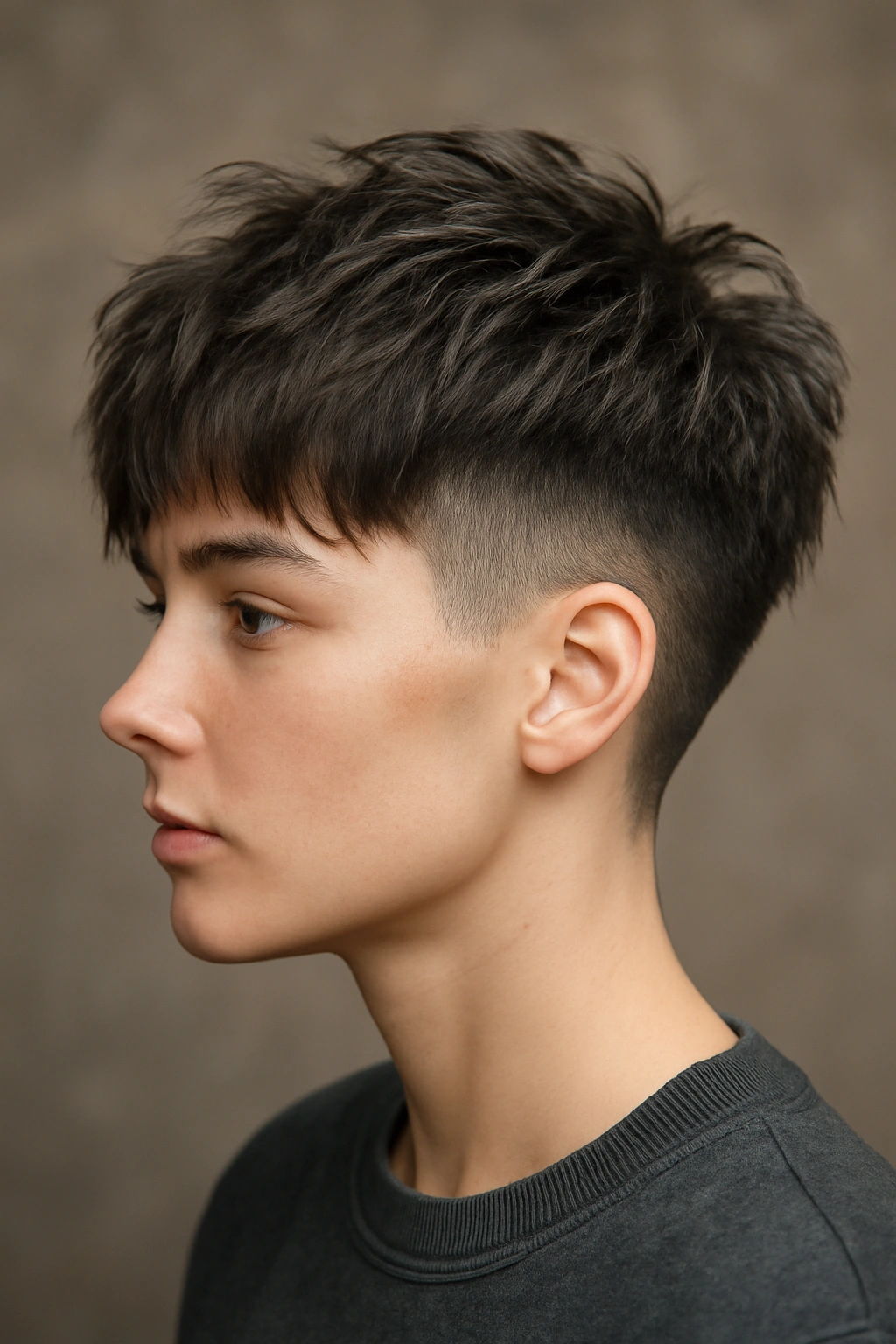
The modern shag with undercut combines contemporary undercut styling (very short or faded sides) with a textured, layered shag on top and in front. The undercut is more subtle and blended than a disconnected cut—it fades gradually rather than creating a harsh line.
The Subtle Sophistication
This version of an undercut shag feels more wearable than a disconnected cut. It’s edgy and modern but not quite as aggressive. The fade from shorter to longer is gradual, creating visual interest without being as dramatic.
Styling and Maintenance
- The undercut requires trims every three to four weeks to maintain the fade
- The top is textured and styled like a regular shag—texturizing spray, finger-tousling, and minimal heat
- You can style it sleek and polished for professional settings, or messy and tousled for casual situations
- This cut is genuinely versatile and suits both bold and conservative people
Worth knowing: Undercut fades are easier to maintain if you have someone skilled doing them. A bad fade looks unintentional rather than stylish, so find a barber or stylist who specializes in this technique.
17. Swept-Back Shag
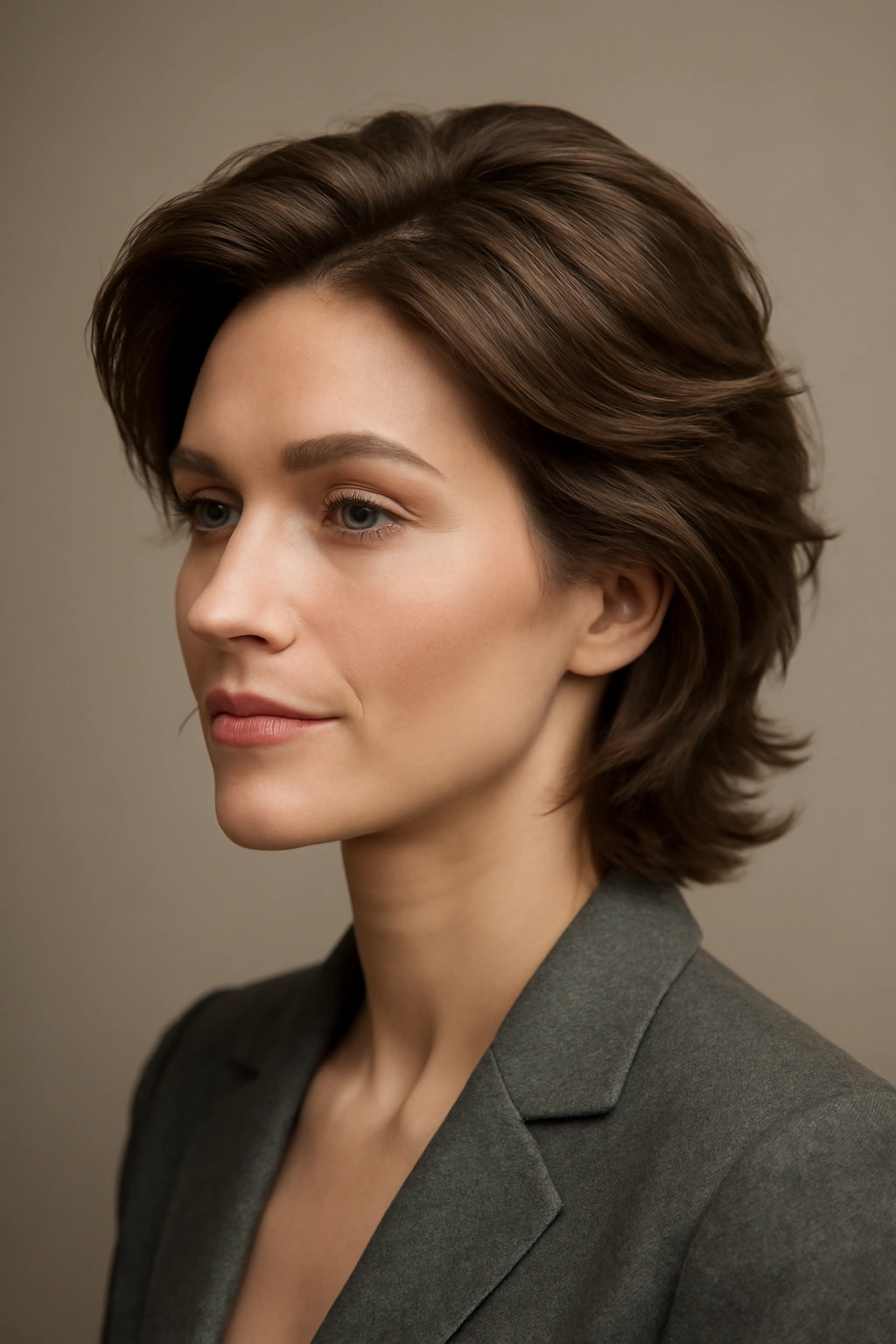
The swept-back shag features longer layers throughout that are styled away from the face, creating a sweeping movement from front to back. It’s less choppy than some shag styles but still heavily layered for texture and movement. The overall effect is elegant, flattering, and effortlessly chic.
Why the Swept-Back Silhouette Works
Sweeping your hair back opens up your face and shows off your features beautifully. The layers create softness without looking too textured or choppy. This approach suits professional environments or anyone who prefers a slightly more polished aesthetic than a fully tousled shag.
Styling for the Swept Effect
- Blow-dry your hair with a round brush, directing the hair away from your face
- Use texturizing spray or mousse at the roots for hold and texture
- Once dry, you can sweep your hair back and secure with a clip if you want, or just style it that way
- This cut looks great even without much styling—it naturally wants to sweep back
Pro tip: The swept-back shag is excellent for people with longer face shapes or anyone who wants to feature their face and bones more than their hair.
18. Choppy Flip Shag
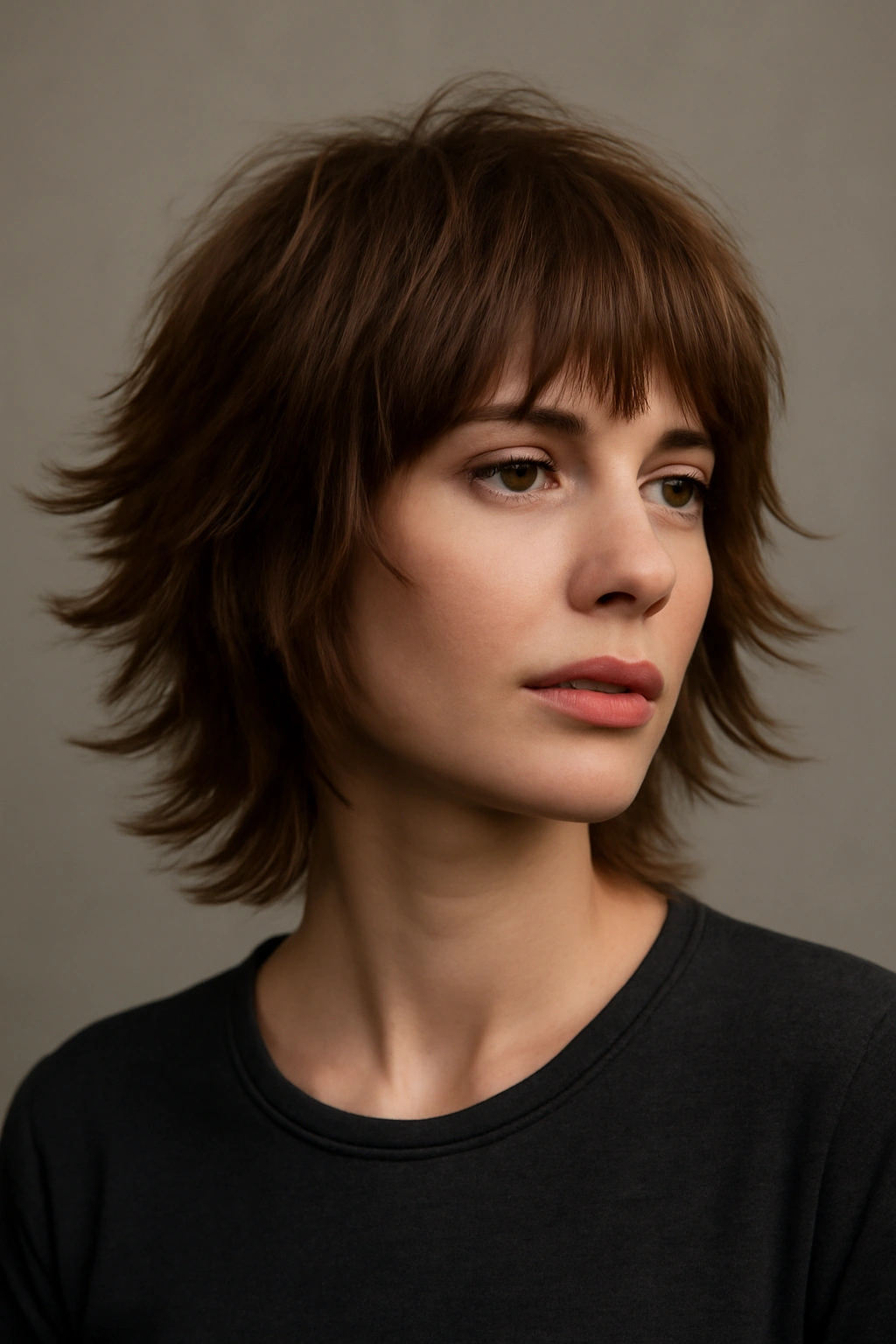
The choppy flip shag is textured throughout with choppy layers that naturally flip and move outward. The cut encourages your hair to move away from your face and create a dynamic, animated silhouette. It’s playful, youthful, and genuinely fun.
Why It Has So Much Movement
The flip quality comes from how the layers are cut—at angles that encourage them to bend and separate outward rather than fall straight down. The layers are also relatively short and choppy, which adds to the moving, animated feel.
Styling for the Flip
- Apply texturizing spray to damp hair and tousle vigorously with your fingers
- Blow-dry with your fingers or a brush, lifting away from the scalp and encouraging the flip outward
- Once dry, separate the layers with your fingers to emphasize the choppy texture
- This cut naturally flips without much help, but texture spray and a quick dry enhance the effect
Worth knowing: This cut is playful and youthful, and it looks best with confidence. It’s perfect for people who like their style to feel spirited and a bit unconventional.
19. Textured Bob Shag
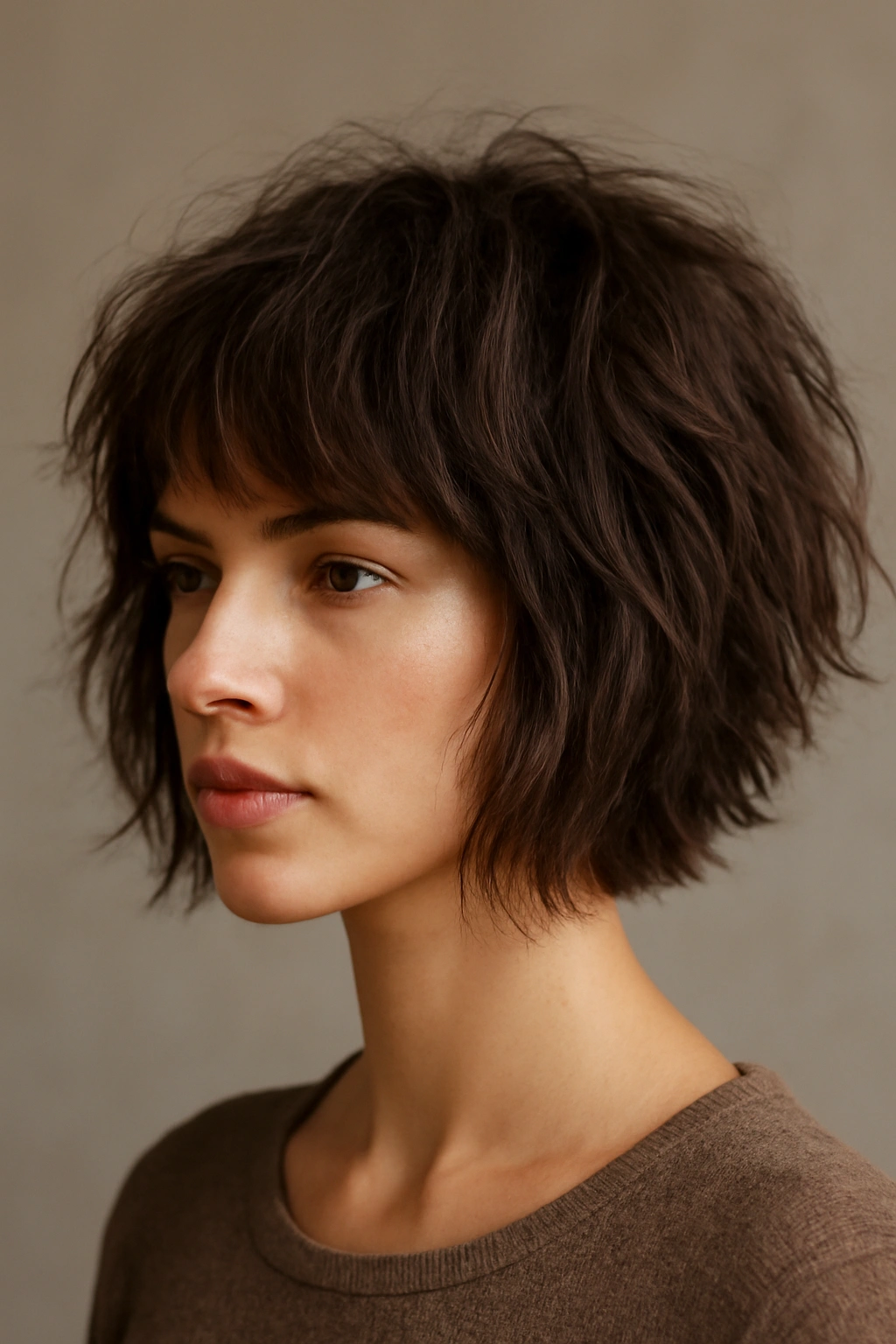
The textured bob shag bridges the gap between a traditional bob and a textured shag. It’s shorter in the back, slightly longer in front (like a classic bob), but heavily layered throughout for shaggy texture and movement. It reads as more structured than a full shag but more textured than a standard bob.
Bob Structure With Shag Texture
By adding choppy layers to a bob silhouette, you get the best of both worlds—the structure and sophistication of a bob with the movement and effortlessness of a shag. It’s perfect for people who want their cut to feel intentional and shaped but still low-maintenance.
Easy Morning Routine
- Shampoo and condition, apply texturizing spray while damp
- Tousle the layers with your fingers and blow-dry with a diffuser, or air-dry for a more relaxed look
- The bob structure means your hair will naturally want to fall in the right shape
- This cut looks polished even with minimal styling
Pro tip: The textured bob shag is excellent for thick hair or curly hair, as the layers help distribute weight and prevent the cut from looking heavy.
20. Minimal Length Shag
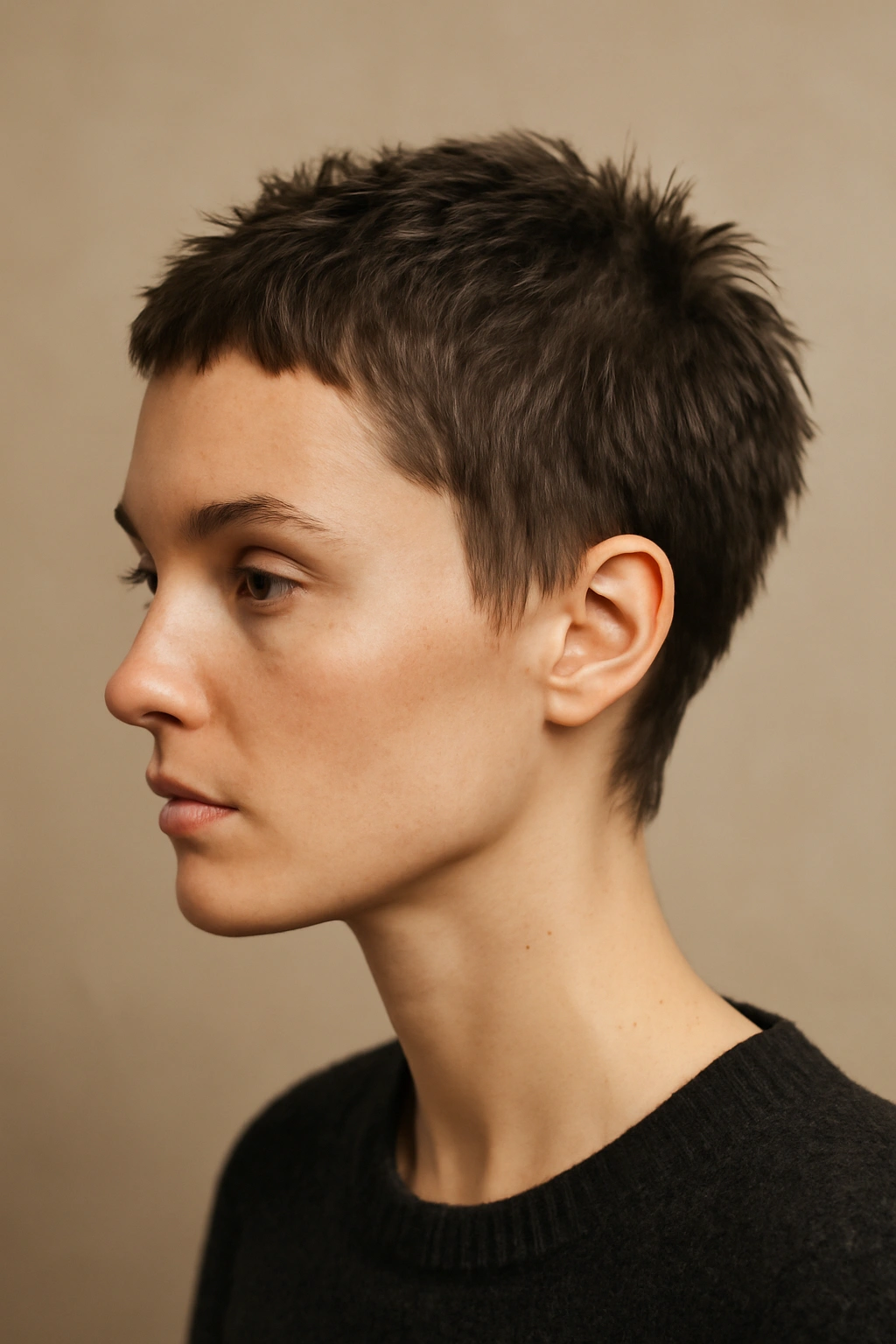
The minimal length shag takes the shag concept to its shortest form—very close to the scalp throughout, with just enough length to create choppy texture and slight movement. It’s a step up from a buzz cut in terms of texture, but still extremely short and minimal.
Ultra-Short Sophistication
This style requires zero maintenance and zero styling. It’s for people who genuinely want the shortest hair possible but still want texture and a bit of personality in their cut. It photographs beautifully and suits people confident in their appearance and bone structure.
The Actual Styling Routine
- Wash your hair—that’s literally it
- You can apply a tiny bit of texturizing spray if you want, but it’s completely optional
- No blow-drying, no brushing, no styling tools
- Trims every three to four weeks keep the texture sharp
Worth knowing: Ultra-short textured cuts suit most people, but they’re especially stunning on people with interesting head shapes, strong bone structure, or beautiful facial features. They’re also incredibly practical for active people, athletes, and anyone who truly values minimal maintenance.
Final Thoughts

The right short shag haircut can genuinely transform your mornings. Instead of spending time fighting your hair, wrestling with styling tools, or trying to make something work that doesn’t match your natural texture, you get a cut that literally works better when it looks undone. The key is finding the specific shag style that matches your hair texture, face shape, lifestyle, and aesthetic preference.
When you sit down with your stylist, bring multiple photos of styles you love. Discuss your hair texture honestly—whether you have straight, wavy, curly, coily, thick, fine, or textured hair makes a huge difference in how the cut will behave. Talk about how much styling effort you’re actually willing to do on non-wash days, because that answer matters. Be honest about your maintenance commitment too—some styles look better with frequent trims, while others can go longer between cuts.
A great short shag isn’t just about looking good; it’s about reclaiming time in your morning routine. When your hair naturally looks intentional and textured without any effort, you’re free to focus on everything else that actually matters. That’s the real magic of a well-executed shag cut.
