



If you’ve ever stared at your reflection on a rushed morning and thought, “I just don’t have time for a complicated style,” you’re not alone. The best hairstyles aren’t necessarily the ones that take hours to achieve — they’re the ones that work with your hair’s natural texture and dry cleanly without frizz, damage, or constant retouching.
Wash and wear styles have become essential for anyone who values their time and hair health equally. These aren’t hacks that skimp on actual styling; they’re legitimate, polished looks that dry into shape beautifully, hold their texture throughout the day, and require minimal daily maintenance. The key difference between a wash and wear style and just… unwashed hair… is in the cut, the technique, and understanding how your specific hair type responds to the styling process.
The real magic happens in the first few minutes after your shower. When you choose a style designed to work with your natural texture rather than against it, you’re setting yourself up for effortless mornings. A good wash and wear cut accounts for how your hair naturally falls, where your waves and curls form on their own, and which layers will encourage movement without frizz. The styling technique — how you apply product, how you diffuse or air-dry, whether you scrunch or smooth — makes the difference between a style that falls flat after two hours and one that looks intentional all day.
What Makes a Style Truly “Wash and Wear”
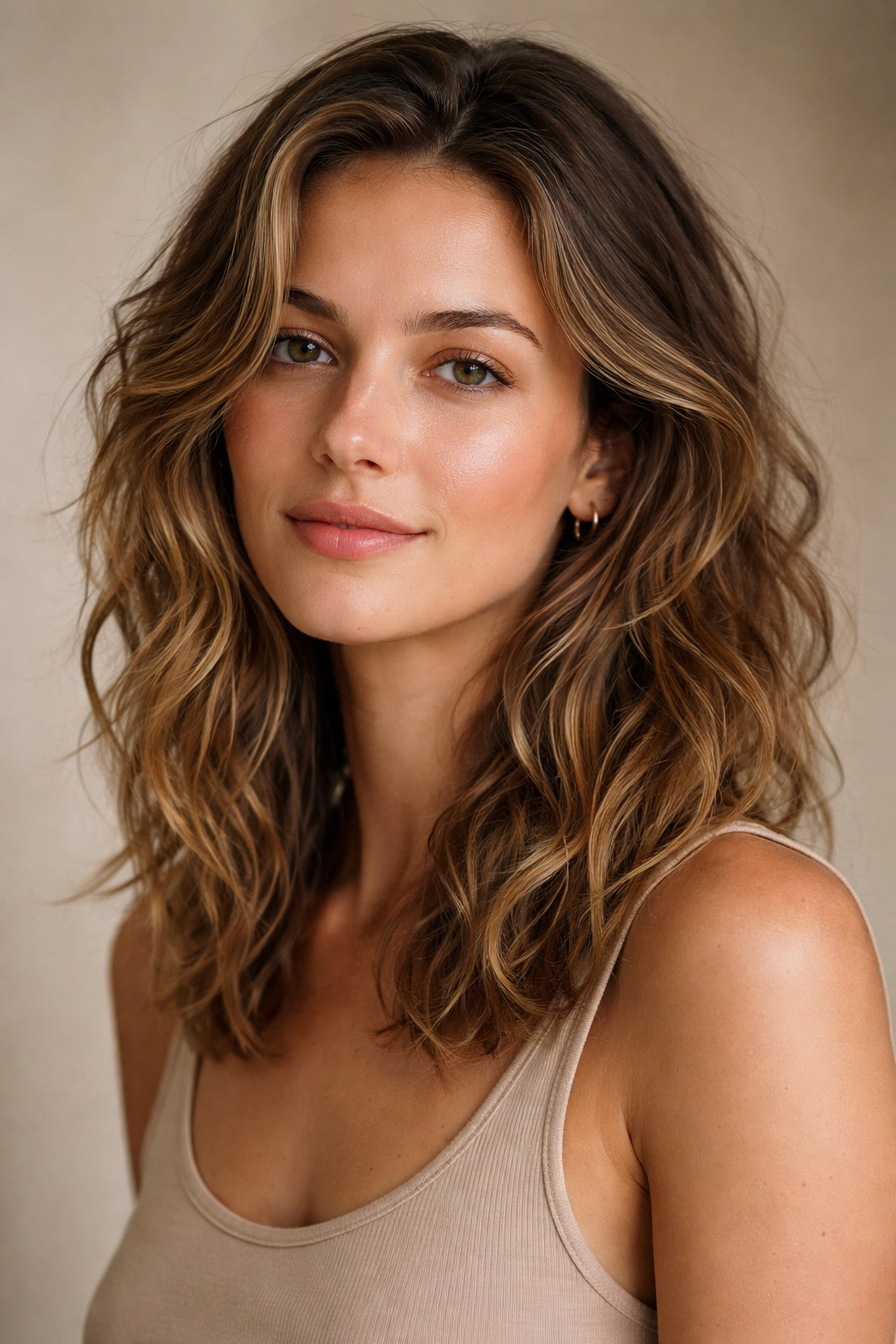
The distinction matters more than you’d think. A wash and wear hairstyle has these non-negotiable qualities: it dries into an intentional shape within 15-20 minutes with minimal intervention, it holds its texture and volume without requiring touch-ups mid-day, and it works with your hair’s natural pattern rather than fighting it. This means the cut itself is engineered for the drying process, not just the final result after blow-drying and styling.
Most wash and wear styles sit somewhere on the spectrum between your hair’s completely natural state and a fully styled look. You’re not aiming for a blowout finish; you’re aiming for something that looks deliberate, polished, and you — without needing heat tools or constant attention. The investment is in getting the right cut from someone who understands how your specific hair type will behave when it dries, then using the right technique and products during those crucial first minutes after washing.
The texture of your hair — whether you have straight hair with natural waves, actual curls, coils, or anything in between — completely changes which styles will genuinely work wash and wear for you. A style that requires 30 minutes of styling time to look good isn’t truly wash and wear, no matter how good it eventually looks. True wash and wear dries into shape on its own.
1. The Tousled Textured Bob
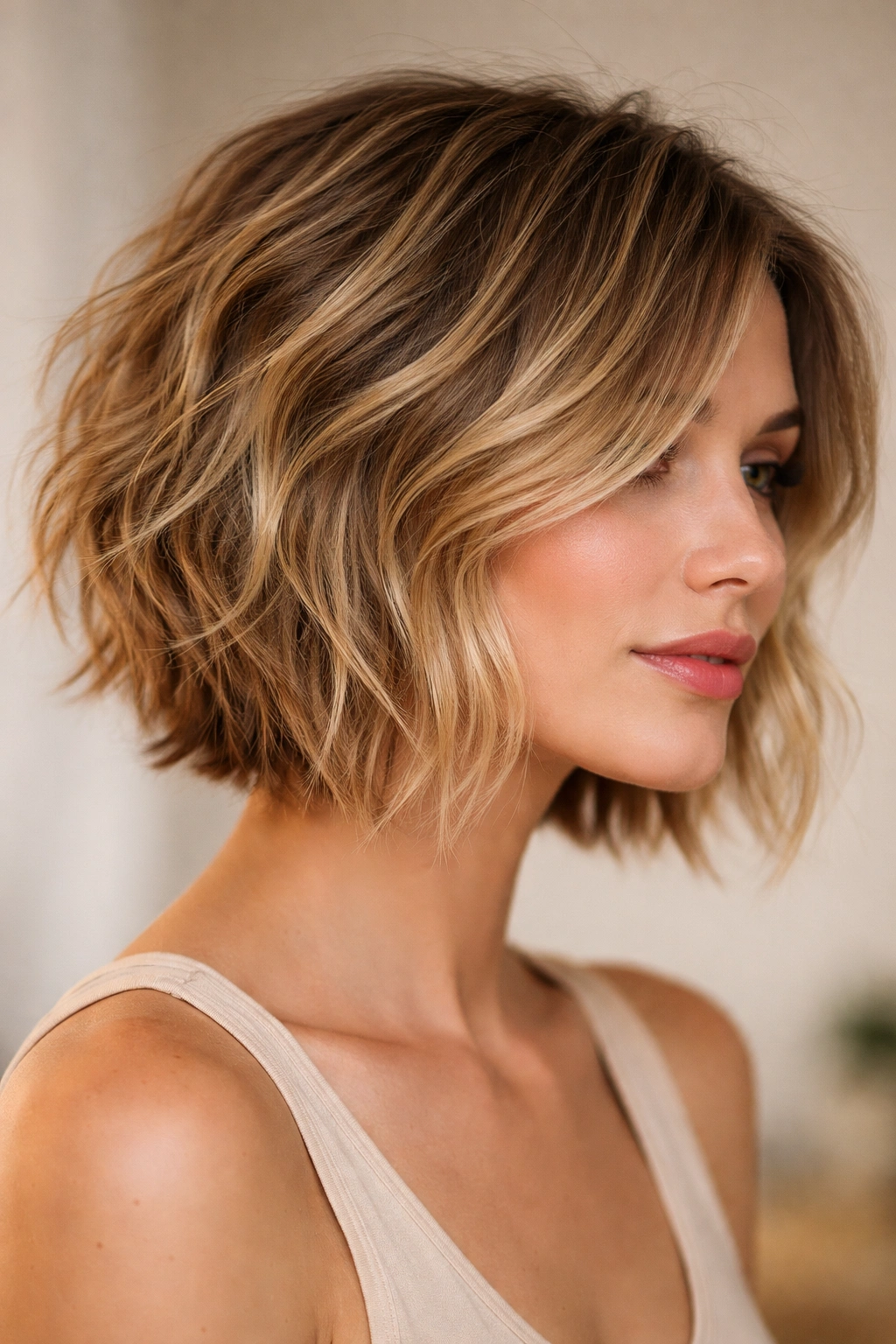
A textured bob is the foundation of effortless mornings. This isn’t the sleek, blunt-edged bob that requires daily straightening — it’s a cut with choppy, variable-length layers throughout that encourage movement and texture, creating a deliberately undone look that actually requires being somewhat undone to look right.
Why This Works for Wash and Wear
The whole point of a textured bob is that the layers within the cut create natural separation and movement. When your hair air-dries, the shorter pieces throughout the cut dry faster and hold texture, while the longer sections frame your face with piece-y movement. The cut is designed so that when you apply product (a lightweight mousse or styling cream) and let your hair dry with minimal intervention, it falls into a tousled, intentional shape. No blow dryer needed. No round brush. Just product, some scrunching, and time.
How to Dry and Style It
- Shampoo with a volumizing formula and apply a lightweight mousse or sea salt spray to damp (not soaking wet) hair while it’s still dripping
- Scrunch the product upward through the layers, squeezing out excess water as you go
- Flip your head and let gravity do some of the work — the layers will start to separate naturally
- Either air-dry completely or use a diffuser on low heat for 5-10 minutes if you’re in a hurry
- Once dry, lightly tousle with your fingers and add a tiny bit of texturizing spray if needed for grip
- The beauty is that the more you don’t fuss with it, the better it looks
Pro tip: This cut works best if you get a trim every 6-8 weeks to maintain the layer structure. The layers are doing all the heavy lifting here, so letting them grow out blunt defeats the purpose.
2. Beachy Waves for Wavy Hair Types
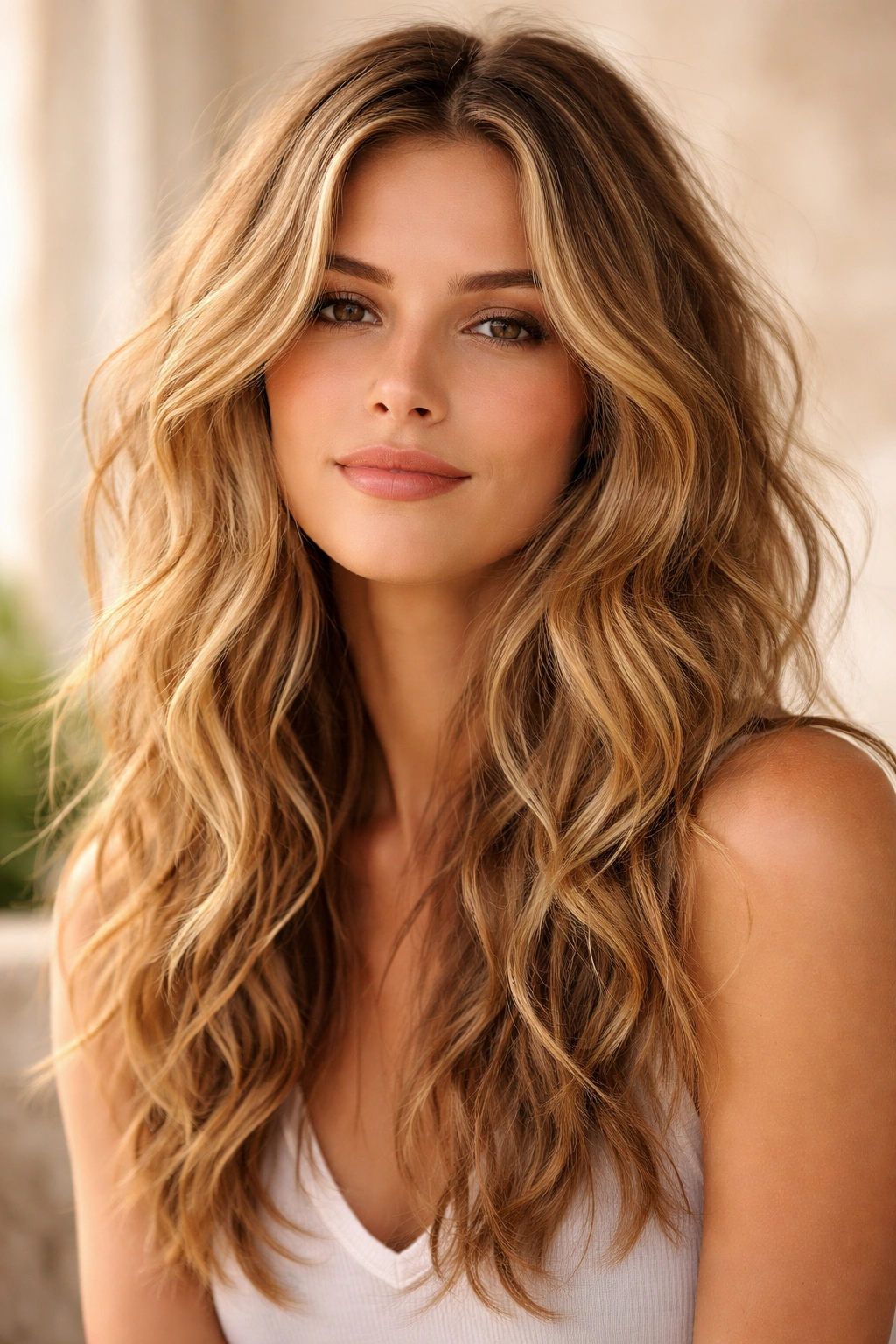
If you have naturally wavy hair that sits somewhere between straight and curly, beachy waves might be your most effortless option. This style celebrates your hair’s natural wave pattern while cutting it to encourage that pattern to show up without frizz or flatness.
What Defines This Style
Beachy waves aren’t the tight, uniform waves you create with a curling iron — they’re the loose, irregular, sometimes wild-looking waves that look like you’ve just come from the ocean. The cut typically includes face-framing layers and maybe some longer, movement-encouraging layers throughout. Your natural wave pattern becomes the centerpiece, not something you’re fighting against.
The Drying Technique That Matters
- After shampooing, apply a leave-in conditioner or wave-enhancing cream to dripping wet hair
- Don’t squeeze your hair dry — that disrupts the wave pattern. Instead, gently scrunch the product upward into the waves
- If air-drying, flip your head occasionally and scrunch as it dries — this encourages wave definition
- You can also use a diffuser attachment on medium heat for 10-15 minutes, scrunching as you go
- Once completely dry, run your fingers through for a piece-y, natural look
- A light sea salt spray can enhance wave texture if needed, but often your natural waves are enough
Worth knowing: This style genuinely improves if you let your hair fully dry before touching it. Scrunching damp hair helps it dry into shape, but then you have to leave it alone and let the wave pattern set.
3. Textured Pixie for Low-Maintenance Texture
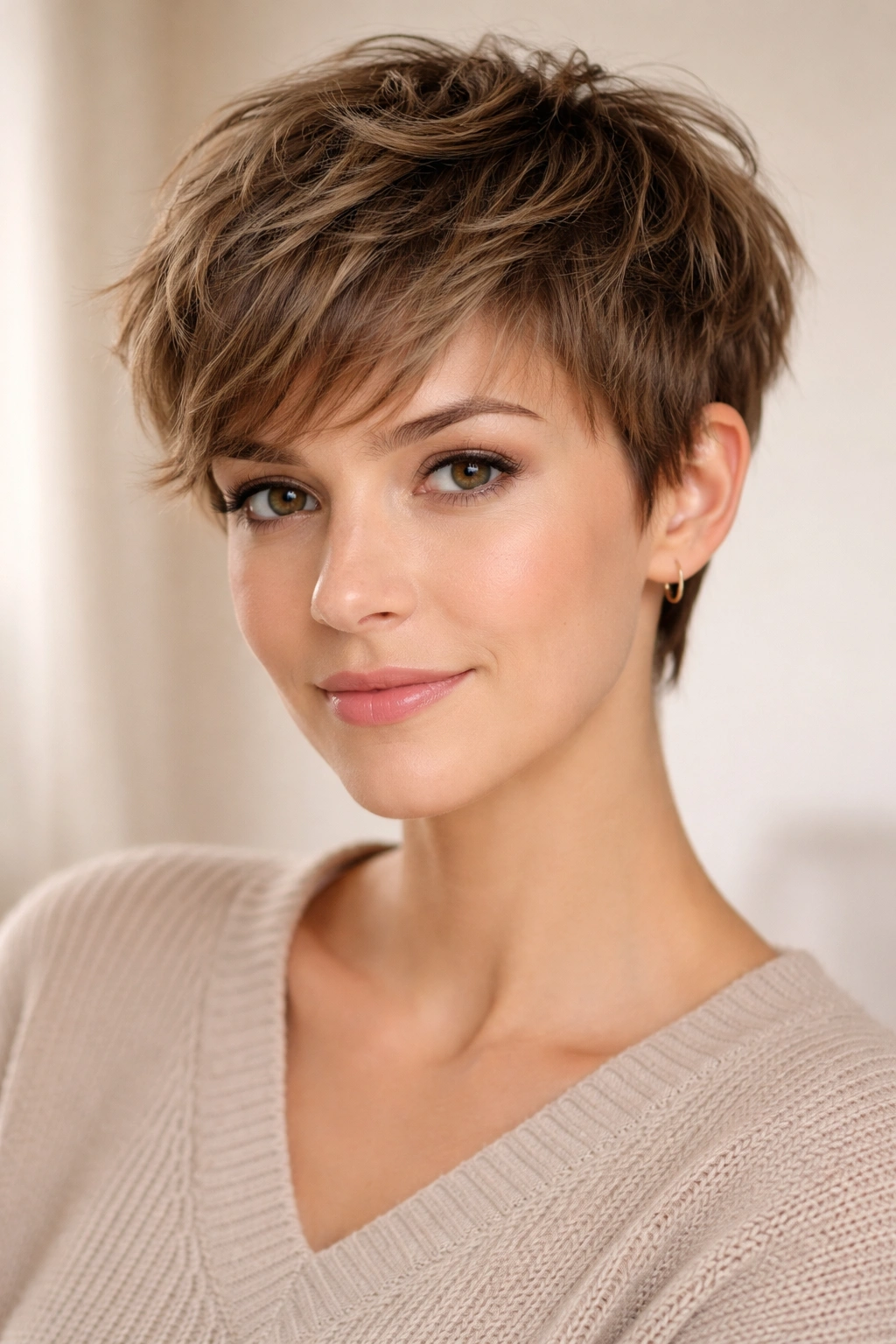
A textured pixie isn’t about buzzed precision — it’s about short, choppy, deliberately undone texture that works beautifully when it’s tousled and piece-y. This is the shortest option on this list, but it’s also one of the most forgiving in terms of daily styling.
Why It’s Effortless
The appeal of a pixie is that it dries in minutes, and the shorter length means texture shows beautifully without any length to weigh it down or create flatness. Because the cut includes choppy, varied-length layers, it’s designed to look best when it’s a little messy and textured. Perfection is actually the enemy here — the more deliberately undone it looks, the better it suits the cut.
Styling Takes Literally Minutes
- After showering, apply a matte texturizing cream or pomade to damp hair, working it through with your fingers
- Tousle and move the pieces around, breaking up any flatness on the crown
- Either air-dry completely (takes about 5 minutes) or do a quick 1-2 minute rough dry with a blow dryer
- Once dry, that’s it — your hair is done
- If you want slightly more definition or hold, a light texturizing spray works beautifully
Real talk: This style requires getting comfortable with short hair and a slightly undone aesthetic. It’s not for everyone, but if you embrace the texture-over-polish vibe, it’s genuinely the most time-efficient option on this list.
4. Soft Curls for Natural Curl Patterns
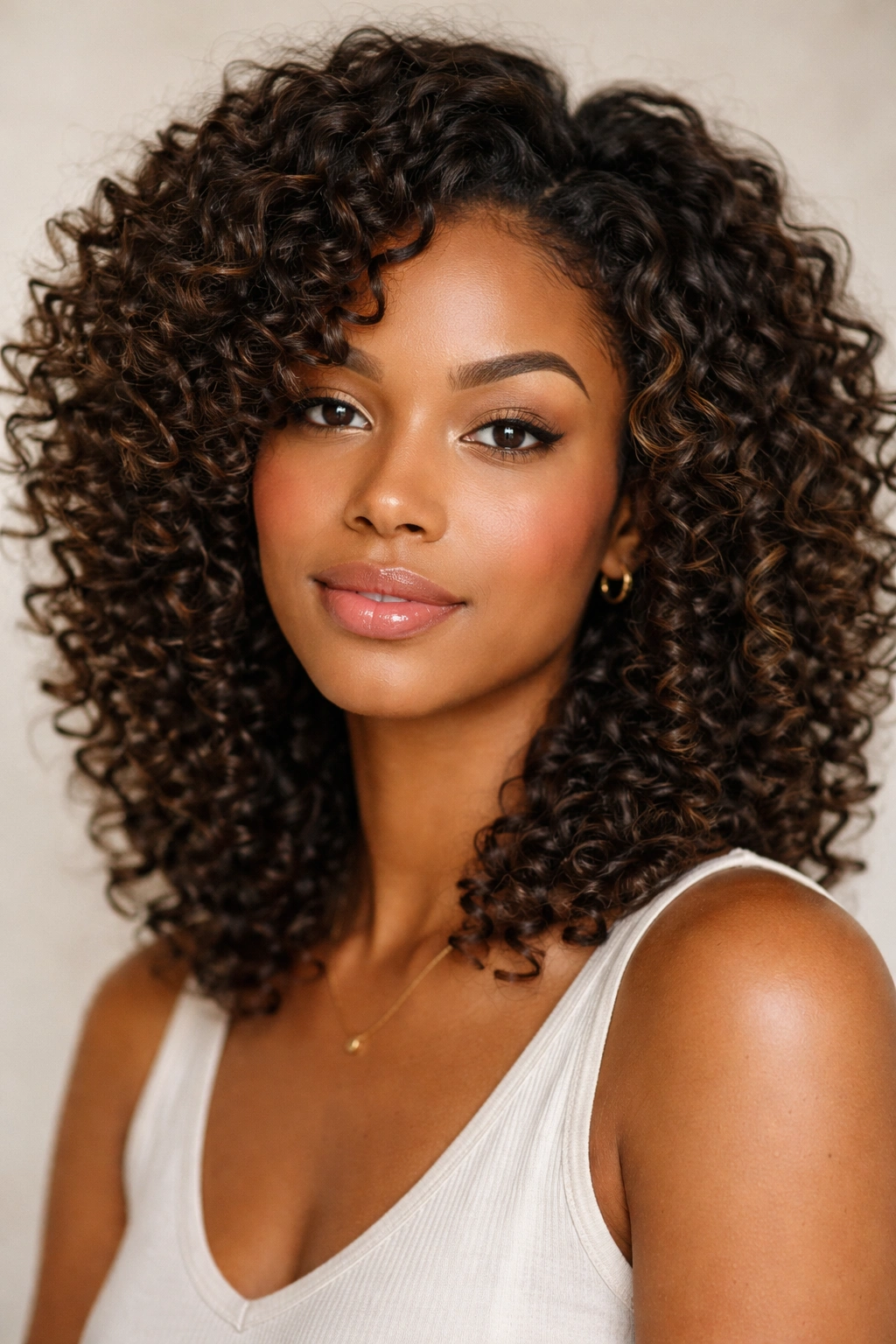
If you have naturally curly hair, embracing your curl pattern with a cut designed to enhance it is the ultimate wash and wear approach. Instead of fighting your curls or trying to manage them into submission, a good curl cut works with your natural curl size and pattern.
The Cut Makes All the Difference
Curly hair needs a cut that accounts for shrinkage and curl pattern — typically shorter layers that enhance your curl shape rather than making hair blunt and heavy. The cut should follow your natural curl pattern, not impose layers that don’t align with how your curls actually form. When a curl specialist designs a cut for your specific curl pattern and texture, your curls dry into a polished shape that actually looks intentional.
How to Activate Your Curls
- Shampoo with a sulfate-free formula and apply a curl-enhancing cream or gel to soaking wet hair
- Use the “praying hands” method — apply the product by smoothing it down the hair shaft between your palms
- Gently scrunch the product upward into the curl pattern, squeezing to encourage curl definition
- Flip your head and continue scrunching to activate the curl formation all over
- Either air-dry, use a diffuser, or do a combination — diffuse for 10-15 minutes on medium heat to set the curl pattern, then air-dry the rest
- Once completely dry, gently separate any pieces that have clumped together
- Never brush curls when they’re dry — that destroys the curl pattern
What to know: Curly hair thrives with regular deep conditioning and trims every 8-10 weeks. The cut is essential to making curls look intentional, and as your hair grows, the curl pattern can shift slightly.
5. Shag for Layered Texture and Movement
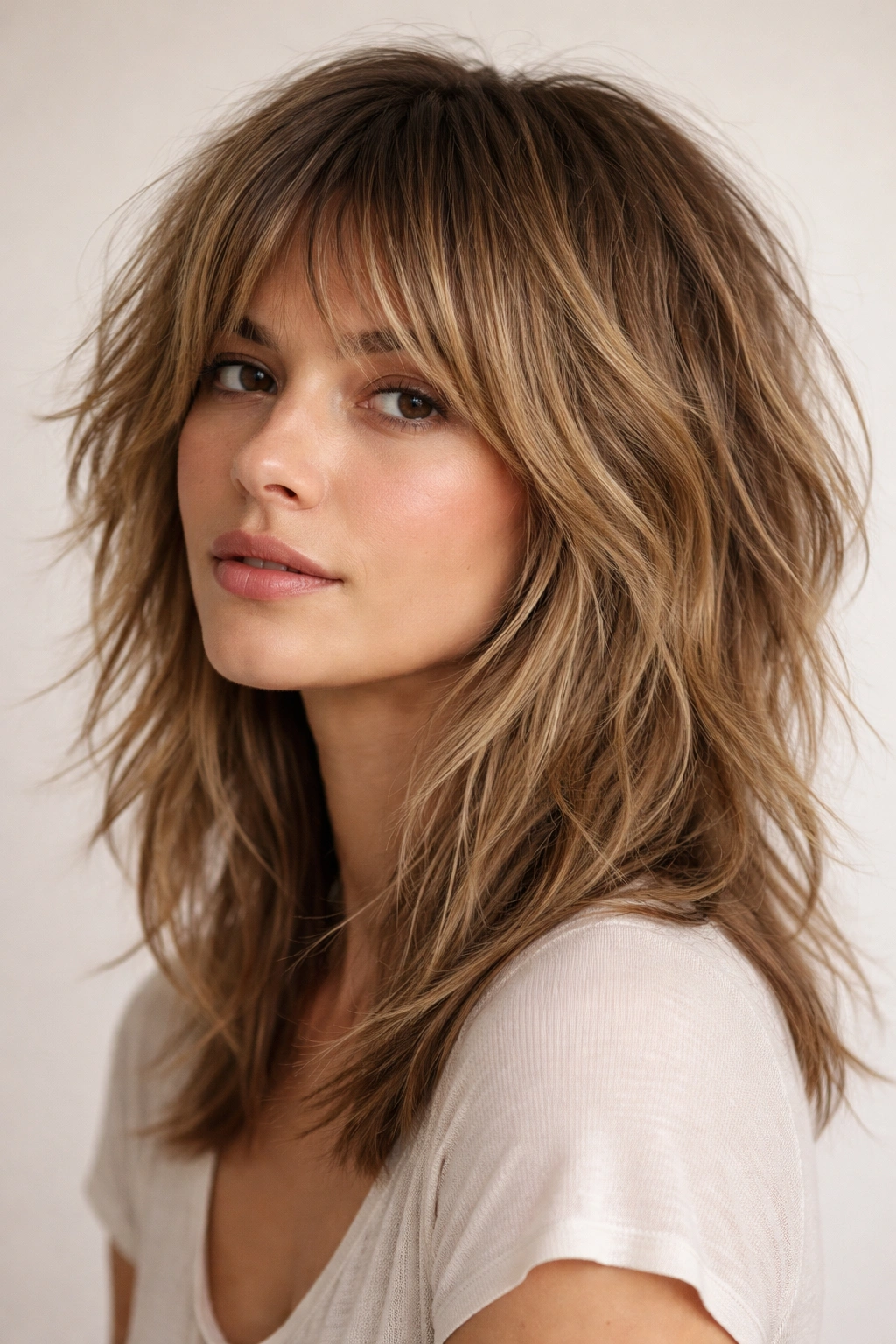
A modern shag is layers upon layers of choppy texture, and the beauty of a shag is that it’s almost impossible to make look bad. The cut is engineered so that whether your hair air-dries slightly chaotic or perfectly smooth, it looks intentional and cool. It’s the rebellious, texture-celebrating cousin of the traditional bob.
What Makes a Shag Wash and Wear
Shags thrive on texture and movement — the more layers and choppy bits throughout, the more dramatically your hair dries into a tousled shape. Rather than fighting your hair’s natural fall, a shag cut encourages all that movement and separation. You’re not aiming for perfectly smooth or perfectly organized; you’re aiming for deliberately undone.
The Shag Drying Method
- Apply a lightweight mousse or texturizing cream to damp hair, working it through with your fingers
- Flip your head upside down and scrunch through the layers, encouraging the pieces to separate
- Either air-dry with occasional flipping and scrunching, or use a diffuser for 10-15 minutes to speed things up
- Once dry, tousle with your fingers to break up any clumpy pieces
- A light spray or cream can add grip if you want, but often the cut does all the work
- The key is embracing the piece-y, undone aesthetic — trying to make a shag look polished and controlled defeats the whole purpose
Insider note: Shags look better as they grow out slightly and get shaggier. This is one of the rare cuts where waiting 10-12 weeks between trims isn’t a disaster — it actually improves the look.
6. Blunt Lob with Textured Ends
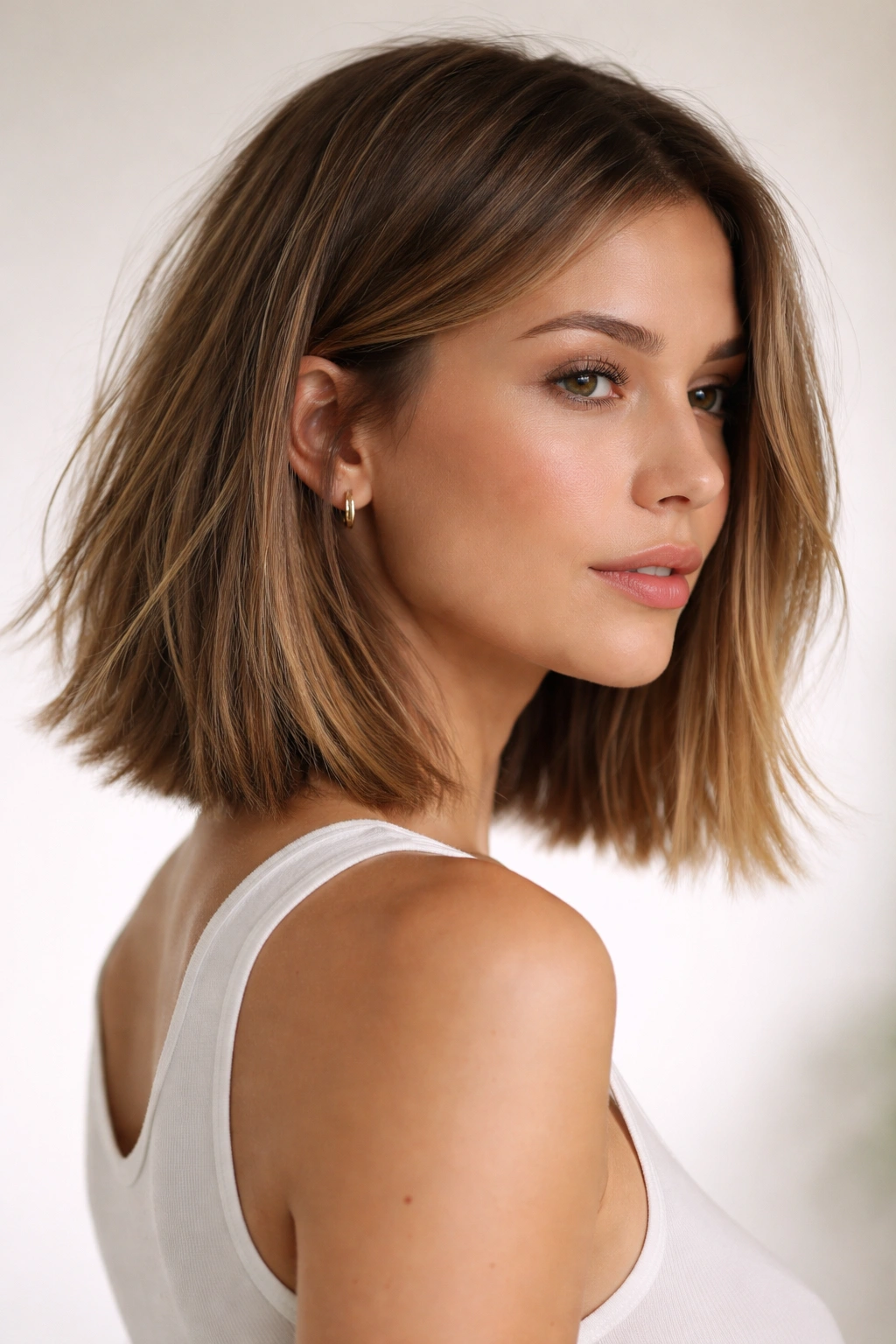
A lob (long bob) is already effortless territory, but when you add choppy, textured ends to the length, it becomes a genuine wash and wear option. The texture prevents the ends from looking flat or heavy, and the length gives you options if you want to style it different ways on different days.
Why Textured Ends Change Everything
A blunt lob can look pretty flat and expressionless when it’s perfectly straight. Adding choppy, piece-y layers or a choppy texture to the ends creates visual movement and breaks up the line. This texture means that when your hair air-dries, it falls into a more interesting shape than a perfectly blunt line.
Drying and Styling
- Apply a lightweight styling cream or mousse to damp hair
- Scrunch upward through the ends especially, encouraging the texture to show
- You can either air-dry completely or use a diffuser on medium heat for partial drying, then air-dry the rest
- Once dry, the textured ends should have natural separation — this is intentional, not messy
- If you want more definition, a light texturizing spray or even a tiny bit of face-framing with a wave iron is optional, but honestly the cut does most of the work
- You can also wear this style in a high pony or bun on days you want variety without washing again
Pro tip: Textured lobs look best when you refresh the texture every 6-8 weeks. Unlike a straight lob that can grow out evenly, a textured lob can start looking shaggy if the choppy ends get too grown-out.
7. Tousled Curtains with Soft Layers
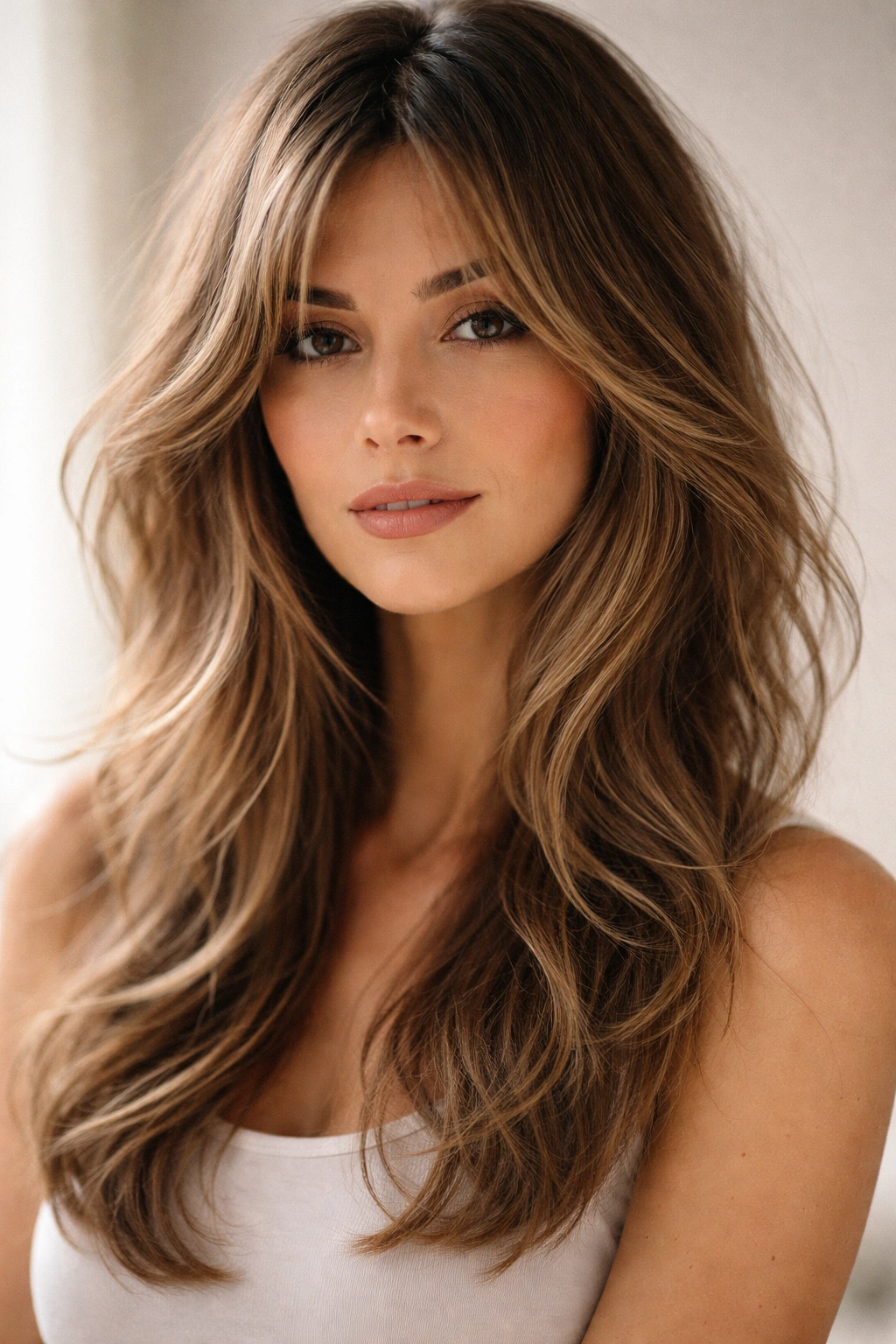
Curtains — that effortlessly cool style where hair frames the face with longer pieces on each side and volume on top — is inherently wash and wear. The structure of a curtain cut means that as long as your layers are positioned right, they naturally fall into a flattering shape whether you style them or not.
The Architecture of Curtains
This style works because the longer face-framing pieces create their own movement and shape, while the shorter crown area gives you height and volume. The layering means your hair won’t look flat, and the overall shape is forgiving. Whether your hair dries with gentle waves or stays relatively straight, curtains work beautifully.
Getting Curtains to Dry Right
- Apply a volumizing mousse or lightweight styling cream to damp hair
- Flip your head and work the product through the crown area to build height
- Smooth the longer pieces down and back to start establishing the face-framing shape
- Either air-dry completely or use a blow dryer with a round brush for the crown area only, then let the lengths air-dry
- Once dry, you might gently tousle the crown for more texture, but honestly most curtain cuts look better with minimal manipulation
- The face-framing pieces should naturally fall in front of your shoulders, creating that characteristic swept-back look
- A light texturizing spray can enhance the tousled feel if desired
Real talk: Curtains are having a major moment, and for good reason — they genuinely are one of the easiest cuts to wash and wear. The style is flattering on most face shapes, and the cut structure does most of the heavy lifting.
8. Straight Bob for Sleek Wash and Wear
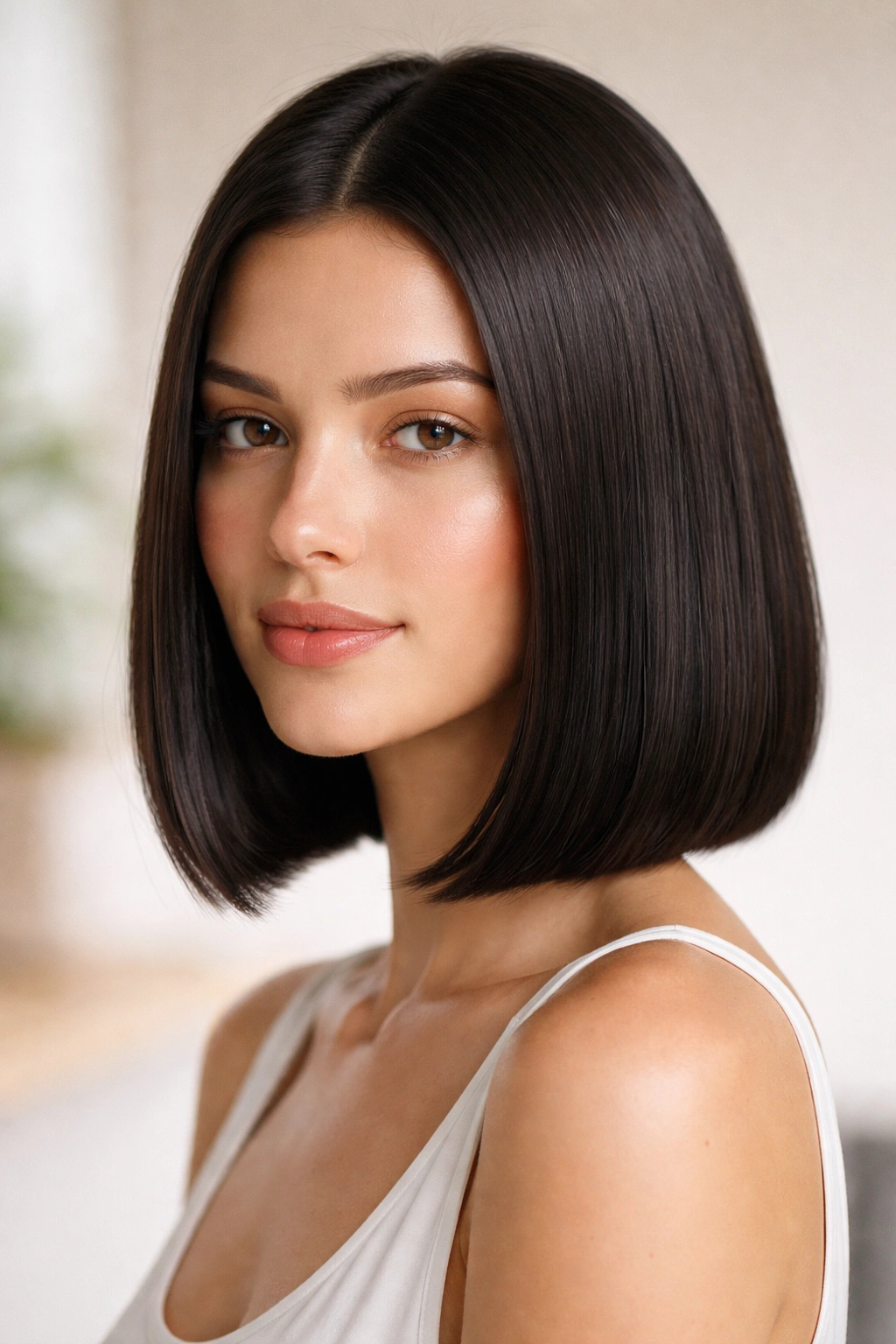
If your hair is naturally straight or relatively easy to keep straight, a sleek, blunt-edged bob can absolutely be wash and wear. This isn’t the perfectly geometric French bob that requires precision blow-drying — it’s a slightly longer, straighter bob that dries smooth and neat without frizz.
Why This Works for Straight Hair Types
Straight hair has an advantage with wash and wear styles — it naturally dries smooth without requiring heat tools or much intervention. A simple blunt or nearly-blunt bob cut to just above your shoulders (or slightly longer) dries into a clean, polished shape with minimal effort. The key is choosing a length that your hair naturally prefers and a cut that’s designed to be flattering when it dries straight.
Minimal Styling Steps
- Shampoo with a smoothing or anti-frizz formula
- Apply a lightweight leave-in conditioner or smoothing cream to damp hair
- Roughly brush or comb through to establish the shape
- Either air-dry completely or use a blow dryer with a paddle brush to smooth as you go
- Once dry, your hair should already look neat and intentional
- A tiny bit of smoothing serum or shine spray can add polish without frizz
- That’s genuinely it
Worth knowing: This style works best if you’ve got hair that’s naturally low-frizz and reasonably straight to begin with. If your hair tends to frizz or wave unexpectedly, you might find one of the texture-celebrating styles more effortless.
9. Wavy Shag for Maximum Texture and Movement
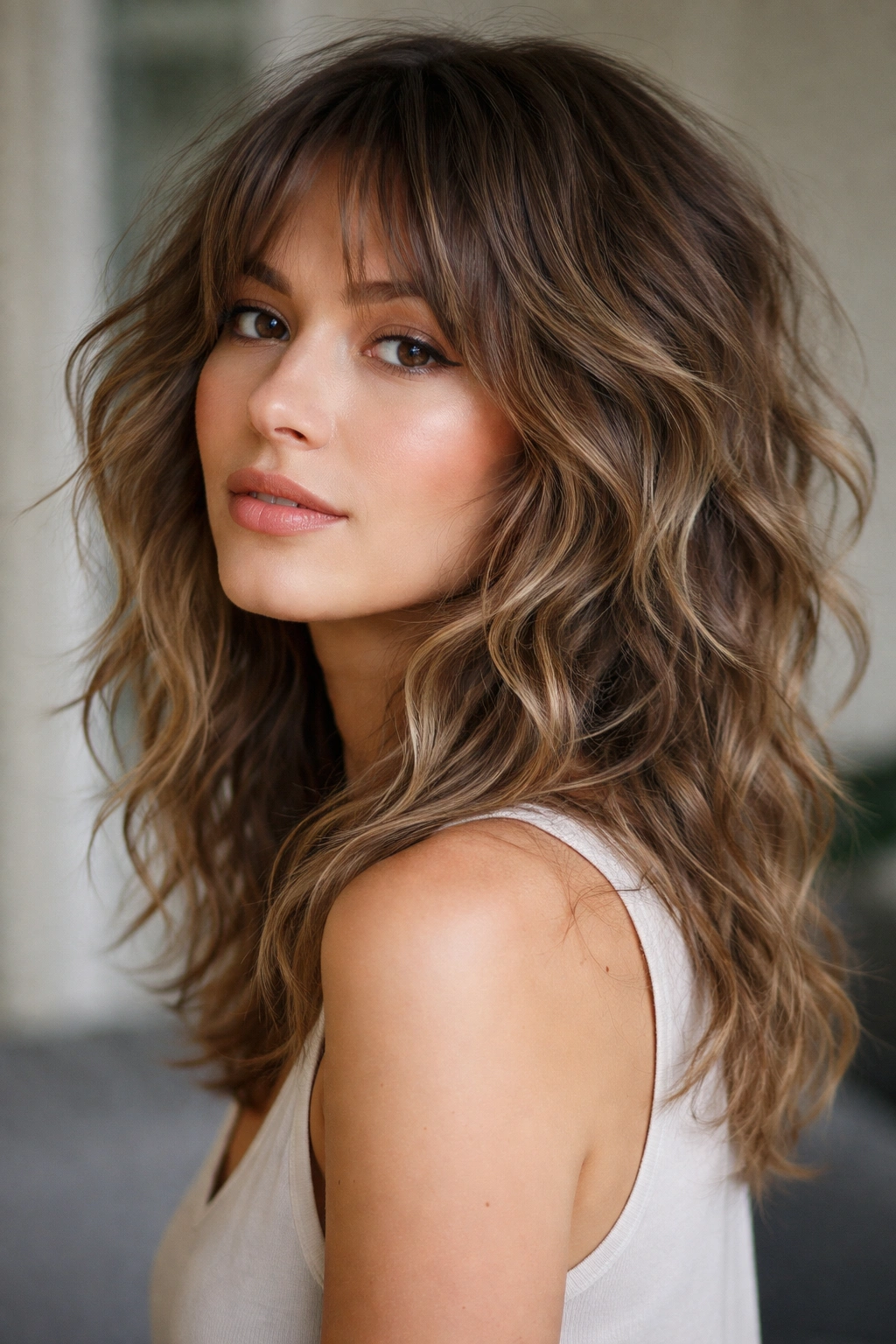
If you want the tousled, undone vibe of a shag but prefer more obvious wave texture (rather than the more sculptural curls of a full curly-hair shag), a wavy shag is your answer. This cut combines choppy, movement-encouraging layers with wave-enhancing styling to create maximum visual interest.
The Wavy Shag Difference
A wavy shag works beautifully for hair that has some natural wave or that you want to enhance into waves. The choppy layers mean the waves won’t clump or get heavy, and the whole cut is designed so that waves create movement and definition throughout. This style works on hair that’s not quite curly enough for a traditional curl cut but is more textured than just straight.
Enhancing Your Waves
- Apply a wave-enhancing cream or curl-defining gel to soaking wet hair
- Scrunch the product upward through the choppy layers, encouraging wave formation
- Flip your head and continue scrunching throughout the crown and back
- Use a diffuser on medium heat for 10-15 minutes, scrunching occasionally as it dries
- Allow the rest to air-dry completely — don’t rush this part, as waves need time to set
- Once dry, gently tousle the pieces with your fingers to avoid clumping
- A light sea salt spray can enhance the wave texture without adding crunch
Pro tip: A wavy shag looks better the longer it gets — the weight helps the waves show up more dramatically. You can typically go 10-12 weeks between trims without it looking overgrown.
10. Textured Fringe with Longer Layers
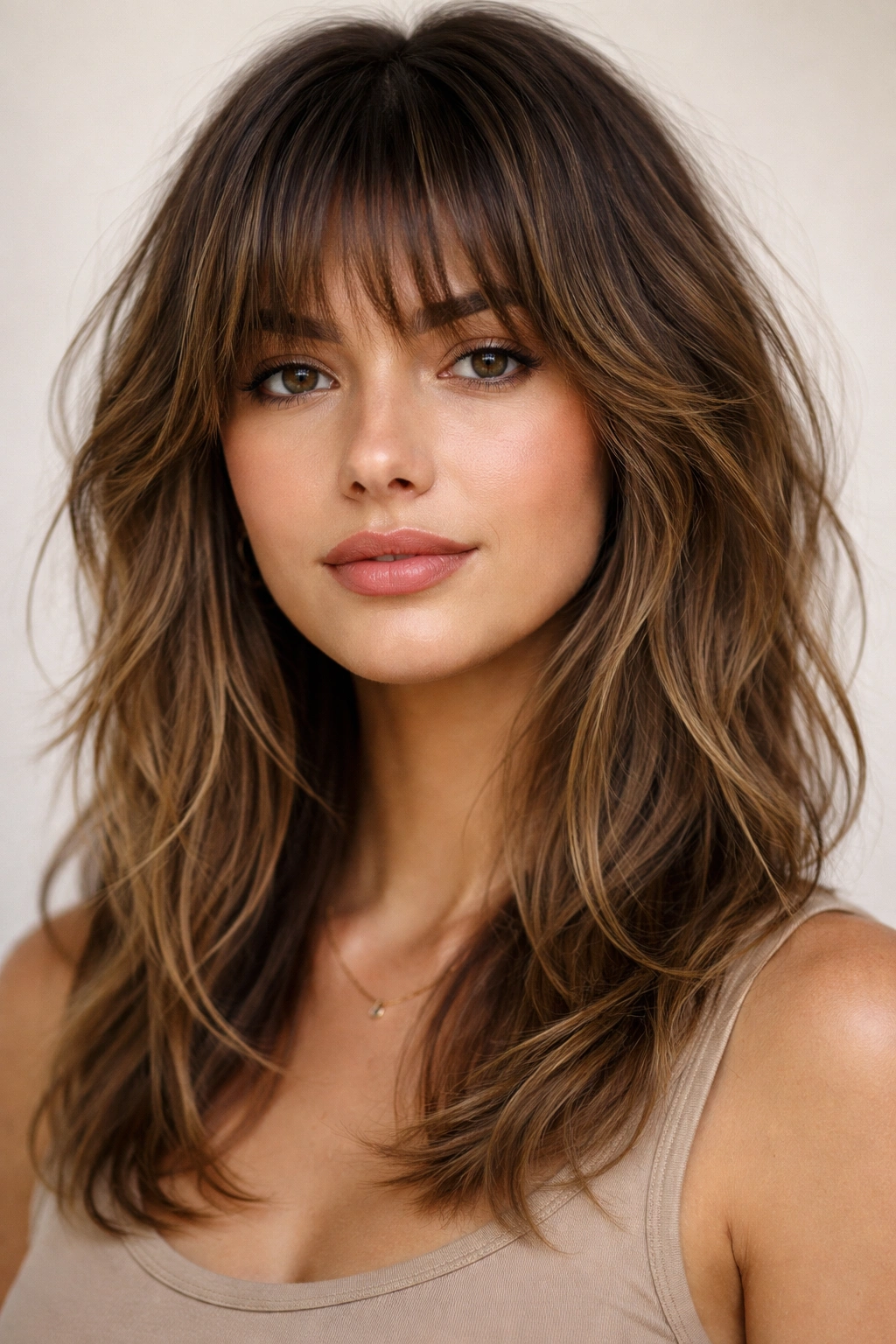
A textured fringe (whether that’s a full-coverage bang or a longer, wispy bang) combined with choppy layers throughout creates an endlessly flattering wash and wear option. The fringe gives you an immediately styled look, while the layers throughout create movement that helps the whole style dry beautifully.
Why Fringe Accelerates the Wash and Wear Effect
Here’s the thing about fringe: even if the rest of your hair looks completely undone, a fringe that’s landed right makes you look intentionally styled. A textured, choppy fringe is even more forgiving because texture is part of the look. Combined with layered lengths, this cut creates a silhouette that reads as polished and intentional even when you’ve done minimal styling.
Getting Your Fringe and Layers to Coexist
- Apply a lightweight mousse or texturizing cream to damp hair, concentrating the product on the fringe and crown
- Scrunch the fringe upward gently to encourage texture and movement
- Work the product through the longer layers, scrunching as you go
- Either air-dry completely or use a diffuser for 10-15 minutes, paying special attention to the fringe to make sure it dries with texture rather than flatness
- Once dry, the fringe should have piece-y, intentional movement
- Don’t brush the fringe when it’s dry — this disrupts the texture
- A light spray can enhance the textured fringe look without making it crunchy
Insider note: Textured fringes need trims every 4-6 weeks to maintain the shape and texture. Unlike longer lengths that can go longer between trims, the fringe is front and center and loses its shape faster.
Making Wash and Wear Actually Work
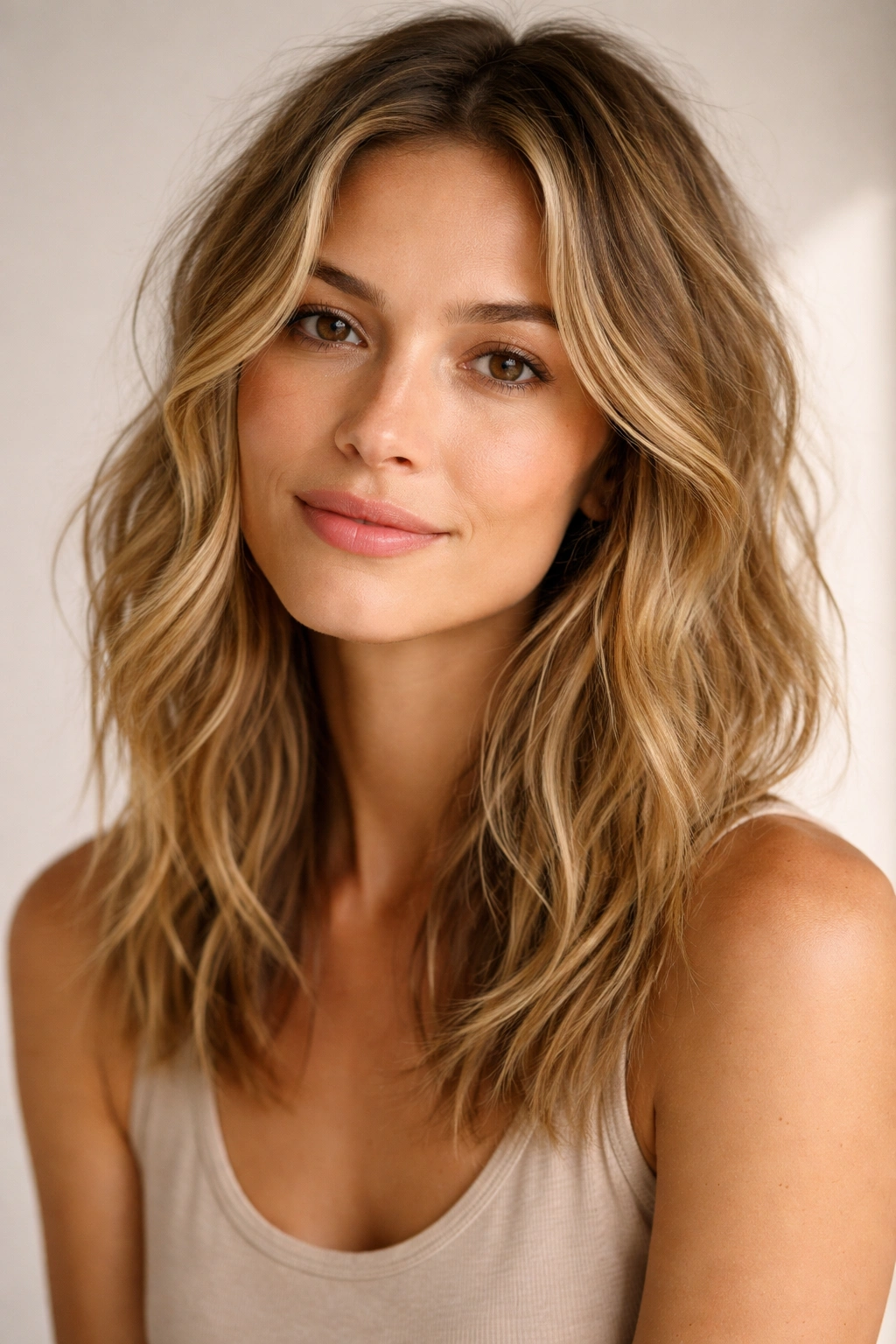
Beyond the cut itself, there are universal principles that make any wash and wear style genuinely effortless. The product you choose matters enormously — lightweight formulas are your friend, because heavy products weigh hair down and prevent the drying process from creating natural texture and volume. A good volumizing mousse, texturizing cream, wave-enhancing gel, or curl-defining product applied to soaking-wet hair can make or break whether a style dries into the right shape.
The scrunching technique also matters. When you scrunch product upward into your hair — especially for wavy, curly, or textured styles — you’re actively encouraging your hair to dry with texture and movement rather than flatness. This isn’t vigorous, aggressive scrunching; it’s gentle, repeated squeezing upward that helps the product distribute and helps your hair pattern set as it dries.
Most importantly, giving your hair enough time to fully dry before judging how it looks makes an enormous difference. A wet or damp style looks completely different from a dry one, and wash and wear styles especially need time to set. If you’re rushing and blow-drying partially, you might not give the style time to develop its actual shape. On mornings when you have 15-20 minutes for your hair to dry while you’re doing other things (getting dressed, making coffee, doing makeup), the style has time to set perfectly.
The Product Stack That Actually Helps
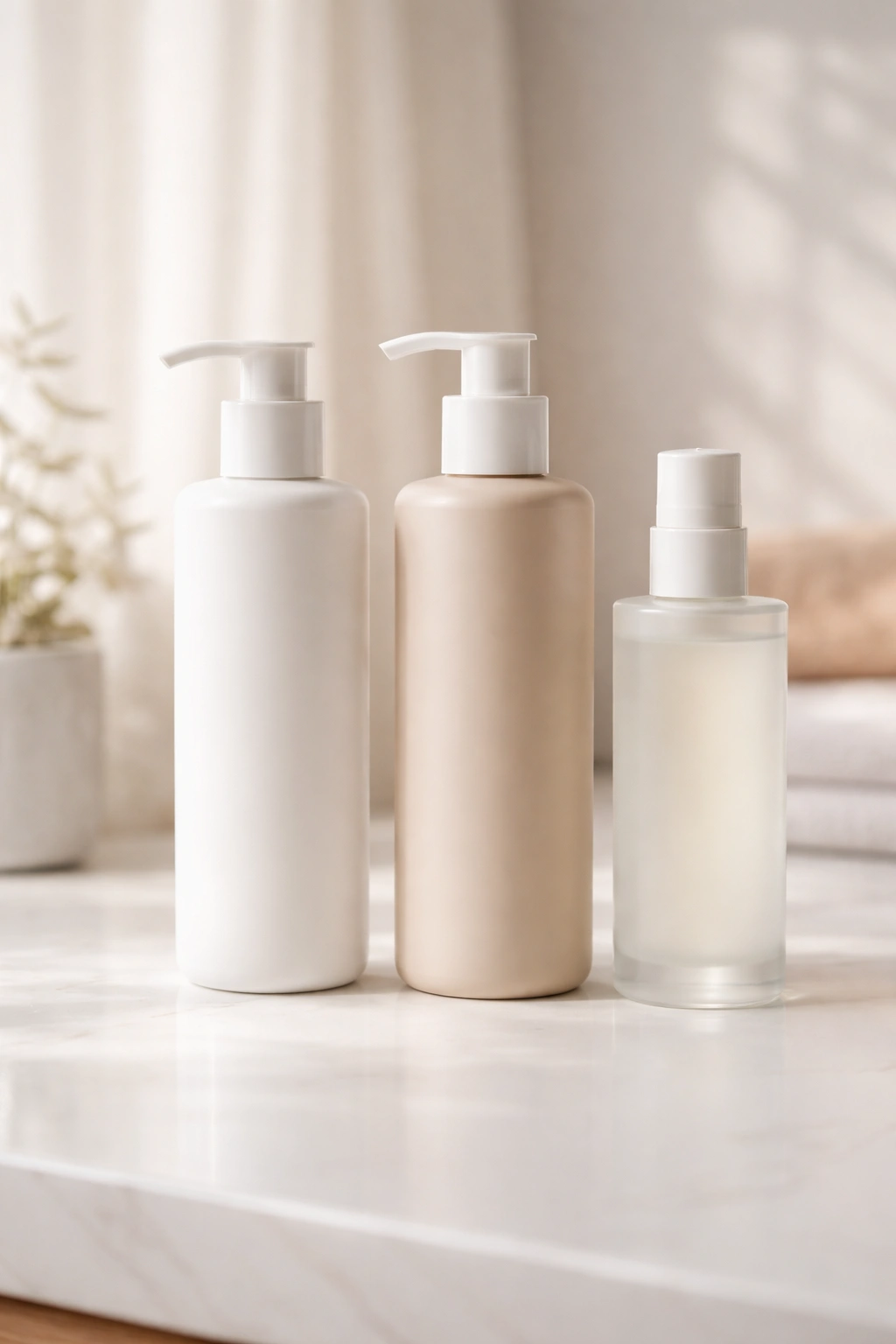
Keeping your product lineup simple prevents overwhelm while giving you enough to make wash and wear styles really sing. A sulfate-free shampoo matched to your hair type, a lightweight conditioner or leave-in conditioner for hydration, and one styling product (mousse, cream, gel, or spray depending on your hair type) is genuinely enough. You don’t need a ten-step routine for wash and wear styles — in fact, that defeats the whole purpose.
The styling product is where your choices split depending on texture. Straight hair benefits from a lightweight smoothing cream or shine spray. Wavy hair thrives with a sea salt spray or wave-enhancing cream. Curly hair needs a curl-defining gel or cream. Textured styles across all hair types do well with a matte texturizing cream or spray that adds grip without shine. One good product in the right category is better than five mediocre ones.
Product application technique matters as much as product choice. For most wash and wear styles, you want to apply product to soaking-wet hair — the water helps the product distribute evenly and helps it activate. Let products sit for a minute or two, then start your drying process. For cream-based products, work them through with your fingers. For gels, you can use the “praying hands” method (smooth it down between your palms) to avoid creating definition that’s too clumpy. For sprays, mist and tousle. The goal is even, invisible product distribution that enhances your hair’s natural texture without looking creamy or goopy.
Cut Maintenance Matters More Than You’d Think
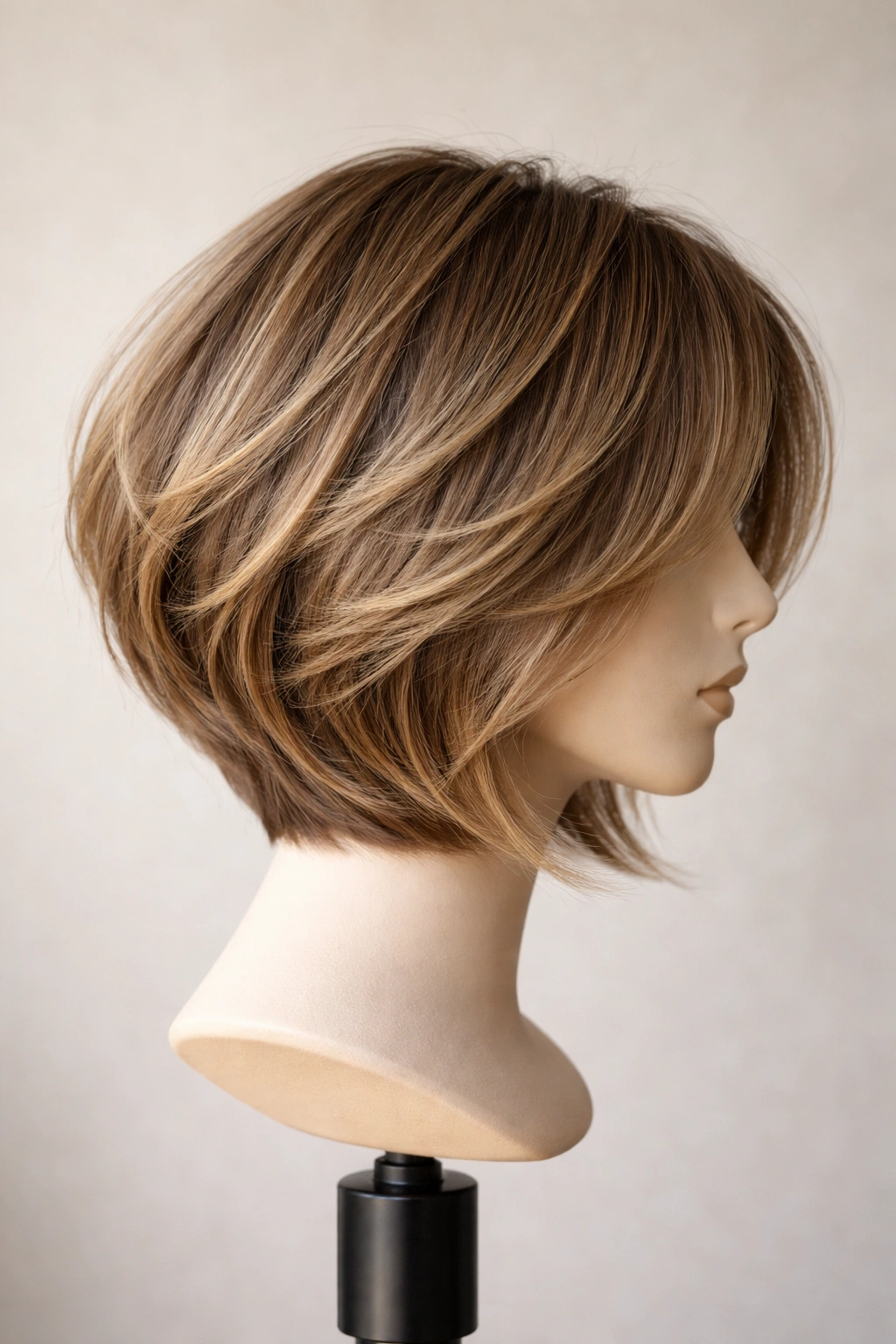
The most common reason wash and wear styles stop working is that the cut has grown out and lost its structure. These styles depend on specific layering, length placement, and texture work — as your hair grows, that structure degrades. A textured bob that looked amazing four weeks after a cut might look shapeless two months later as the layers grow out and blend together.
Depending on your style, plan for trims every 6-10 weeks. Shaggy, layered cuts benefit from more frequent trims because they need that choppy structure maintained. Longer styles like lobs can go a bit longer between trims because length changes are less noticeable. Styles with fringes or bangs need more frequent attention because the fringe loses its shape fastest. Building trim appointments into your routine (rather than waiting until your hair looks obviously overgrown) keeps wash and wear styles actually effortless.
When you go for a trim, communicate with your stylist that you’re maintaining a wash and wear style. This means you want them refreshing the texture and layers, not just taking off an inch all around. A good stylist will cut with your natural hair pattern, not against it, to make sure the style continues to dry beautifully without your intervention.
Adapting Your Style for Different Hair Days
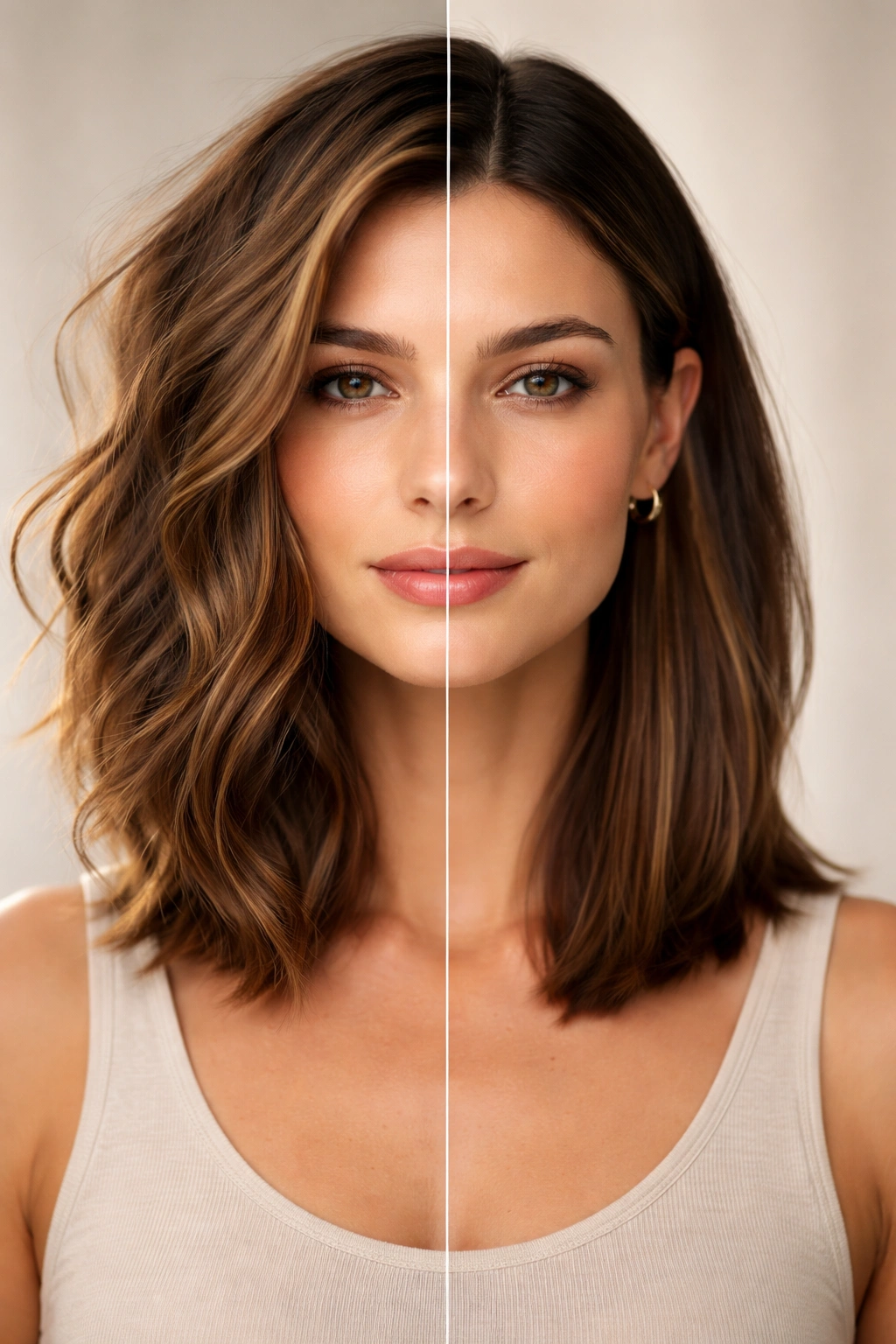
One of the genuine benefits of wash and wear styles is that most of them work beautifully on multiple styling variations. Your tousled bob can become a sleek low pony if you want something different for a more formal occasion. Your waves can be enhanced further with a wave iron if you’re in the mood, or left as-is on your standard Monday. Your shag can be tousled and wild or smoothed down slightly depending on your vibe that day.
This versatility is why investing in a really good wash and wear cut pays off. You get a style that looks great with minimal effort on your standard rushed morning, but also adapts to whatever you want to do with it on days when you have more time or want a different look. It’s the best of both worlds — your default is effortless, but you’re not locked into one styling option forever.
The other beauty of wash and wear styles is that they improve with time and don’t require perfect execution. If you’ve applied product and your hair is drying slightly chaotic, that usually means it’s drying exactly right. The piece-y, undone aesthetic is the point. If you try to perfect it and smooth it down, you might actually make it look less intentional.
Final Thoughts
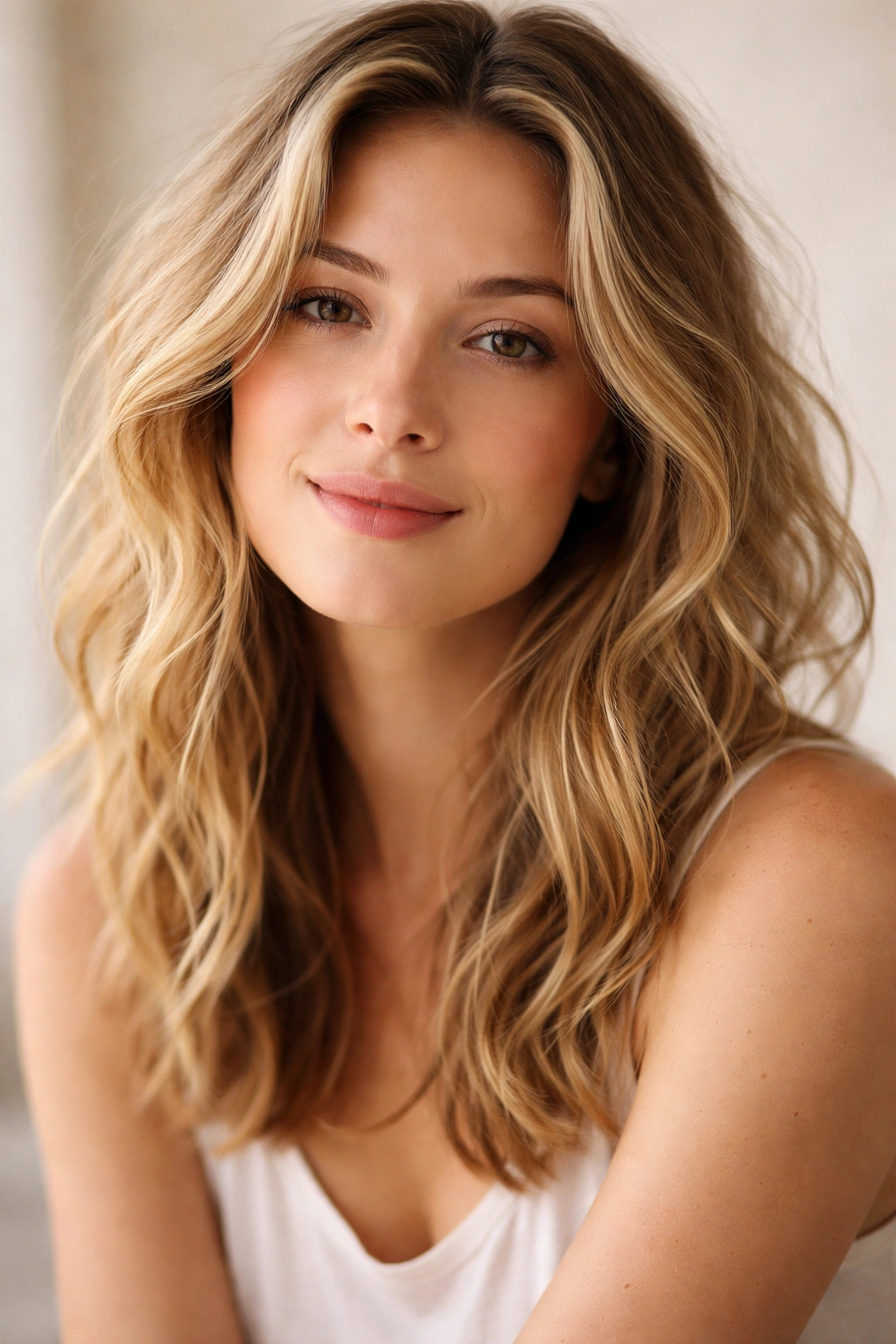
The right wash and wear cut is a game-changer for anyone who values their time and their hair health equally. These aren’t lazy styles — they’re intentional choices to work with your hair’s natural texture and patterns rather than against them. Whether you gravitate toward textured, layered cuts that celebrate movement, smooth styles for naturally straight hair, or cuts designed specifically for curls and waves, there’s a wash and wear option that matches your hair type and your lifestyle.
The investment is in getting a cut from a stylist who understands how your specific hair type will behave when it dries, what texture you naturally have, and how to engineer a shape that works with your hair’s patterns rather than fighting them. From there, it’s as simple as the right product applied to wet hair, some gentle scrunching or smoothing, and time to dry. No heat tools needed on your standard morning. No complicated techniques. No stress.
Once you find a wash and wear style that actually works for your hair, the mornings that used to feel chaotic become genuinely easy. You can spend those 15 minutes on things that matter more than wrestling with your hair. And the bonus? Your hair looks better and healthier when you’re not subjecting it to daily heat styling and damage. That’s the real payoff of wash and wear — effortless mornings and healthier hair, working together.
