



There’s something undeniably liberating about cutting your hair short—really short. It’s not just a style choice; it’s a statement of confidence, practicality, and self-awareness. Whether you’re drawn to bold statements, done with the maintenance of longer locks, or simply ready for a dramatic change, short haircuts offer versatility that surprises most people. The thing is, “short” doesn’t mean you’re limited to one look. From textured and tousled to sleek and sculptural, short cuts can be refined, edgy, playful, or intensely chic—whatever aligns with your personality.
The key to pulling off any bold short haircut lies in understanding what works with your face shape, hair texture, and lifestyle. A cut that looks effortless on someone else might require daily styling commitment for you, or vice versa. That’s why finding the right short cut is less about following trends blindly and more about discovering what makes you feel genuinely like yourself—just with significantly less hair to manage.
We’ve put together fifteen genuinely bold short haircuts that offer real range across different aesthetics, styling needs, and maintenance levels. Whether you’re ready to take the plunge or just starting to research what’s actually possible, here’s a breakdown of cuts worth seriously considering.
1. The Pixie Cut
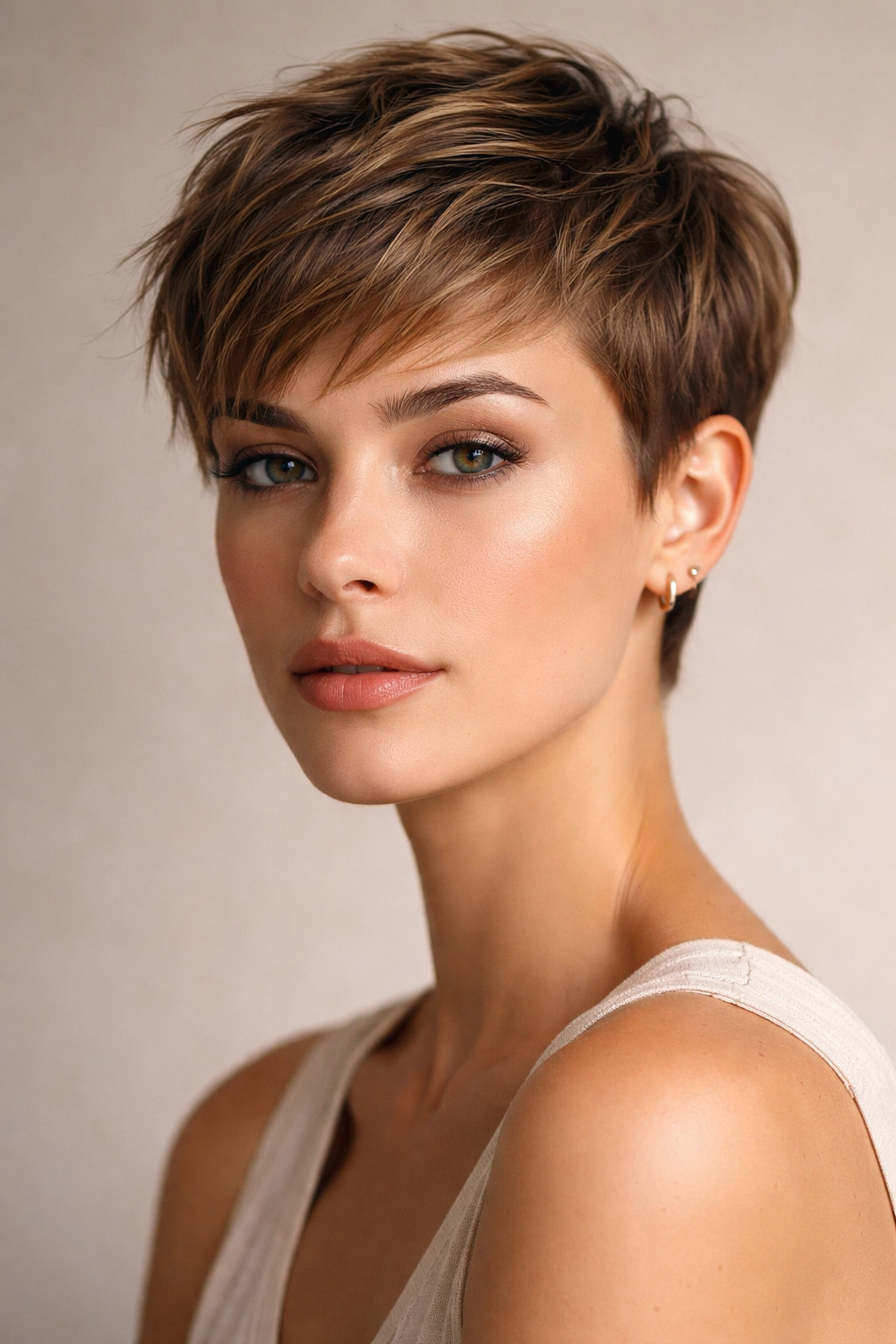
The pixie cut is the gateway drug to short hair—it’s bold enough to feel transformative but accessible enough that most people can pull it off. This cut is all about cropped sides, a slightly longer top, and the kind of simplicity that somehow feels incredibly sophisticated. The beauty of a true pixie is that it frames your face in ways longer hair never will, highlighting cheekbones, jawline, and features you might have underestimated.
Why It’s Such a Game-Changer
A pixie cut forces you to lean into your natural face shape because there’s nowhere to hide. What you gain in return is a cut that ages gracefully, feels intentional, and works with almost every hair texture when executed properly. The shorter length means you’re not fighting gravity or dealing with split ends constantly. Plus, there’s an undeniable confidence that comes with committing to a pixie—it signals that you’re secure enough to wear your face forward without a curtain of hair.
Styling and Maintenance Tips
- Pixies work best when you get trims every 4-6 weeks to maintain the shape and proportion
- Use a texturizing product (clay, pomade, or cream) to add dimension and keep the cut from looking flat
- The cut actually gets easier to style once it grows out slightly—you’ll have enough length to finger-comb or style with texture
- Sleeping on silk or satin pillowcases helps prevent unwanted texture changes overnight
- Blonde pixies photograph gorgeously and can mask some styling imperfections, though that’s not a requirement
Pro tip: Ask your stylist for slightly longer layers on top so you have options—you can style it sleek or tousled depending on your mood.
2. The Undercut
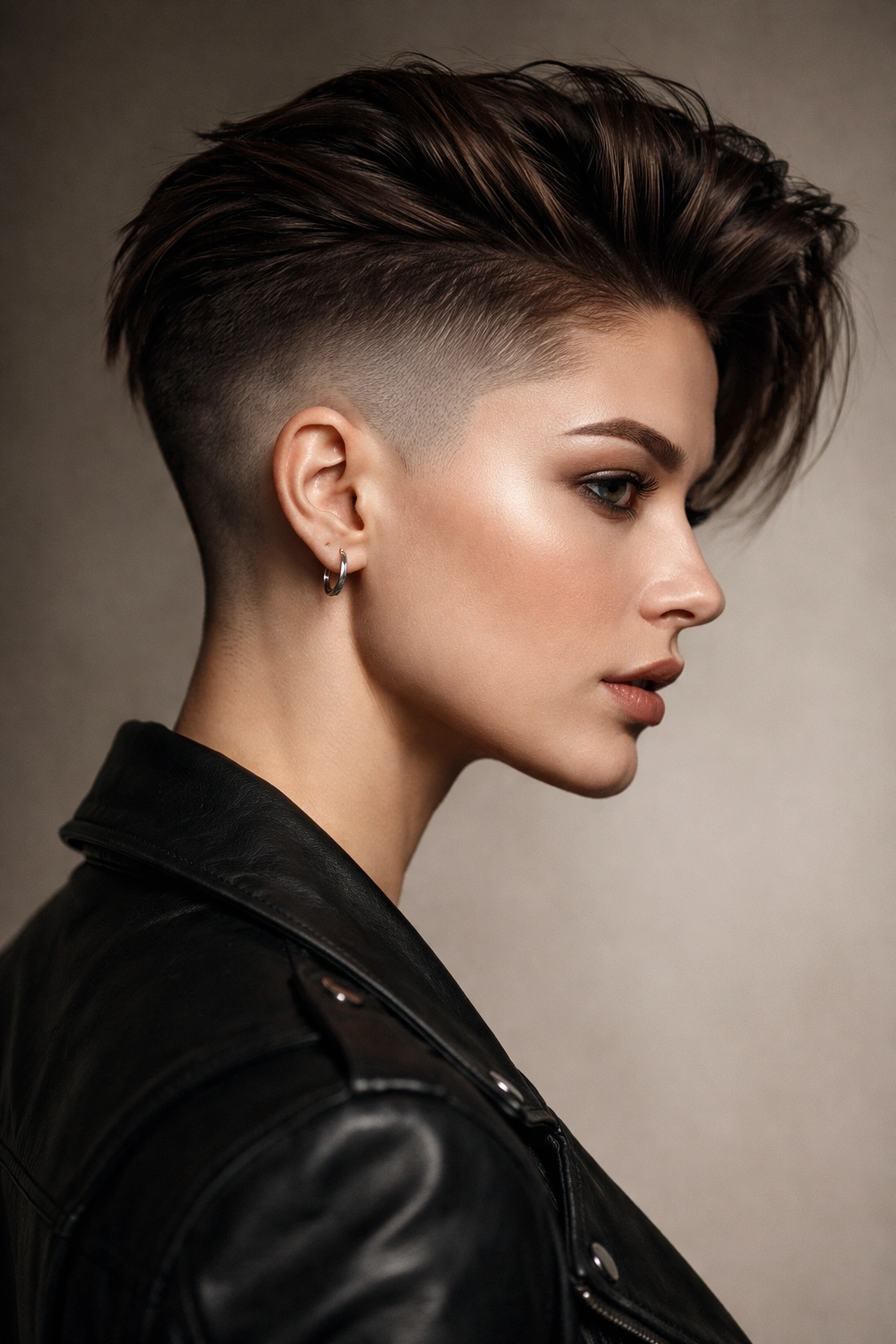
An undercut takes short hair to dramatic places. The concept is simple: very short or even shaved sides and back with noticeably longer hair on top that you can style, sweep, or comb in multiple directions. It’s the cut that delivers maximum visual impact with minimum daily effort, assuming you’re okay with a bit of edge in your look.
What Makes It Undeniably Bold
The undercut is uncompromising—it’s not trying to blend or soften anything. It announces itself the moment someone looks at you. The contrast between the closely cropped sides and the longer top creates instant visual interest, and the way it frames your head is genuinely flattering if you have any sense of proportion. You’re essentially creating an optical lift that makes your features look more defined.
Styling Options and Variations
- Slick the top back for a clean, polished look that works in professional settings
- Leave it textured and tousled for something more casual and fashion-forward
- Fade the undercut for a smoother blend, or keep it sharp and geometric for maximum contrast
- Try side-sweeping the top, or part it and comb one section forward
- You can even use the contrast to experiment with subtle color work—darker sides, lighter top, or vice versa
Worth knowing: Undercuts require regular maintenance trims every 3-4 weeks to keep the sides looking crisp, but the longer top gives you styling flexibility as it grows.
3. The Buzzcut
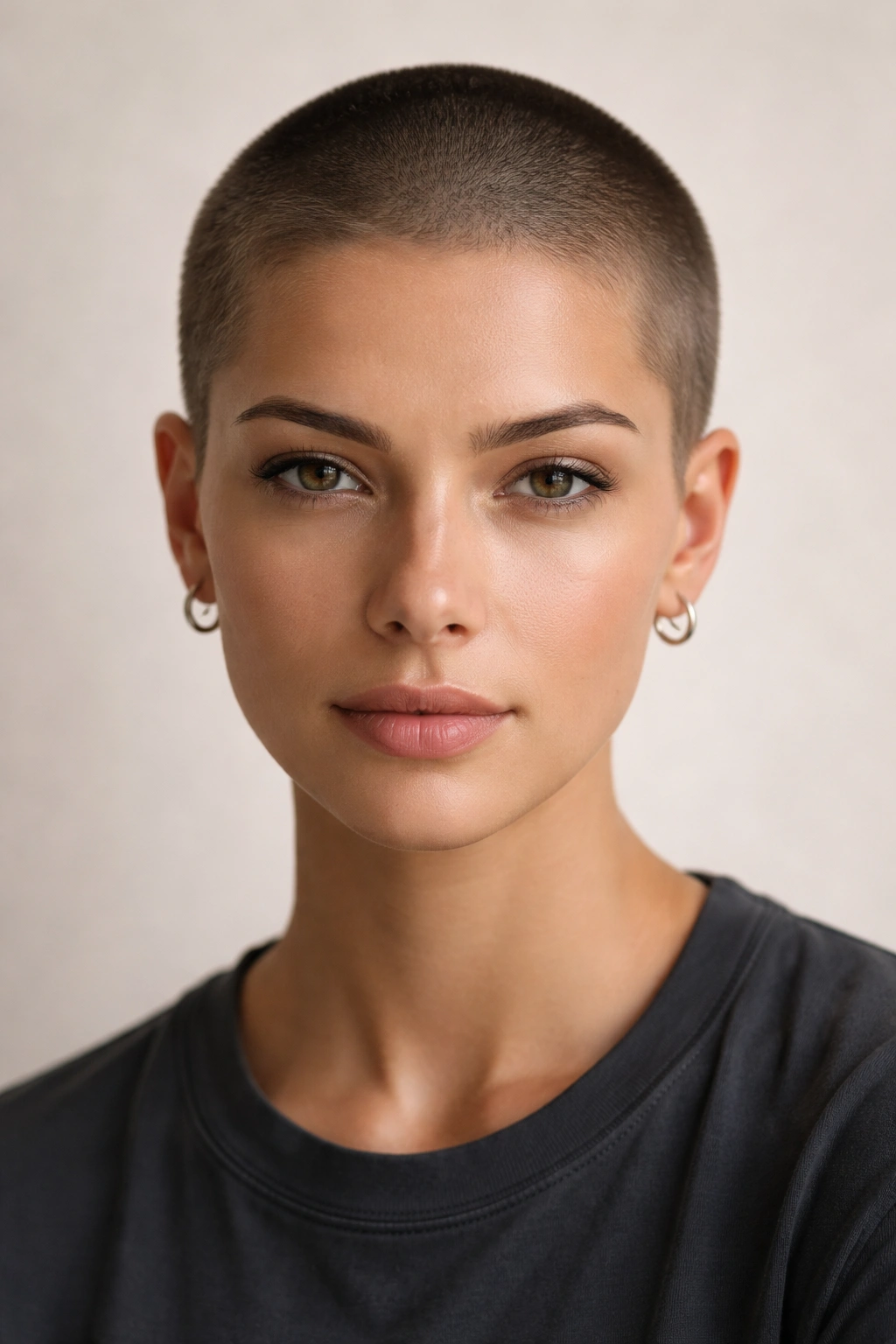
If you want to commit completely to short hair, the buzzcut is the ultimate expression of that commitment. This is one uniform length across your entire head—typically achieved with a clipper guard that creates a very short, closely cropped look. It’s the simplest haircut in existence and paradoxically one of the most transformative.
Why People Are Drawn to the Buzzcut
There’s genuine freedom in a buzzcut. Zero styling required, minimal maintenance, and a total reset on what you thought was possible with your hair. Many people who try it find they don’t go back—not because the look is universally flattering, but because the practicality and confidence boost outweigh other considerations. It’s also a cut that shifts your entire aesthetic, making other features and your actual clothing choices take center stage.
Length Variations and Styling Approaches
- A #1 or #2 guard creates an extremely close, military-style buzzcut that hugs your head
- A #3 or #4 guard offers slightly more texture and coverage while staying very short
- Longer buzzcuts (fades with more length on top) give you a bit of styling room
- Beard styling becomes crucial with a buzzcut—consider what you want to do with facial hair
- A buzzcut actually shows your head shape prominently, so this is worth considering before committing
- Some people add subtle designs or fades for personalization without losing the simplicity
Real talk: A buzzcut looks incredible on some people and reveals features on others that they’d prefer to soften with some hair. There’s no shame in trying it once and moving to something slightly longer if it doesn’t feel right.
4. The Shag
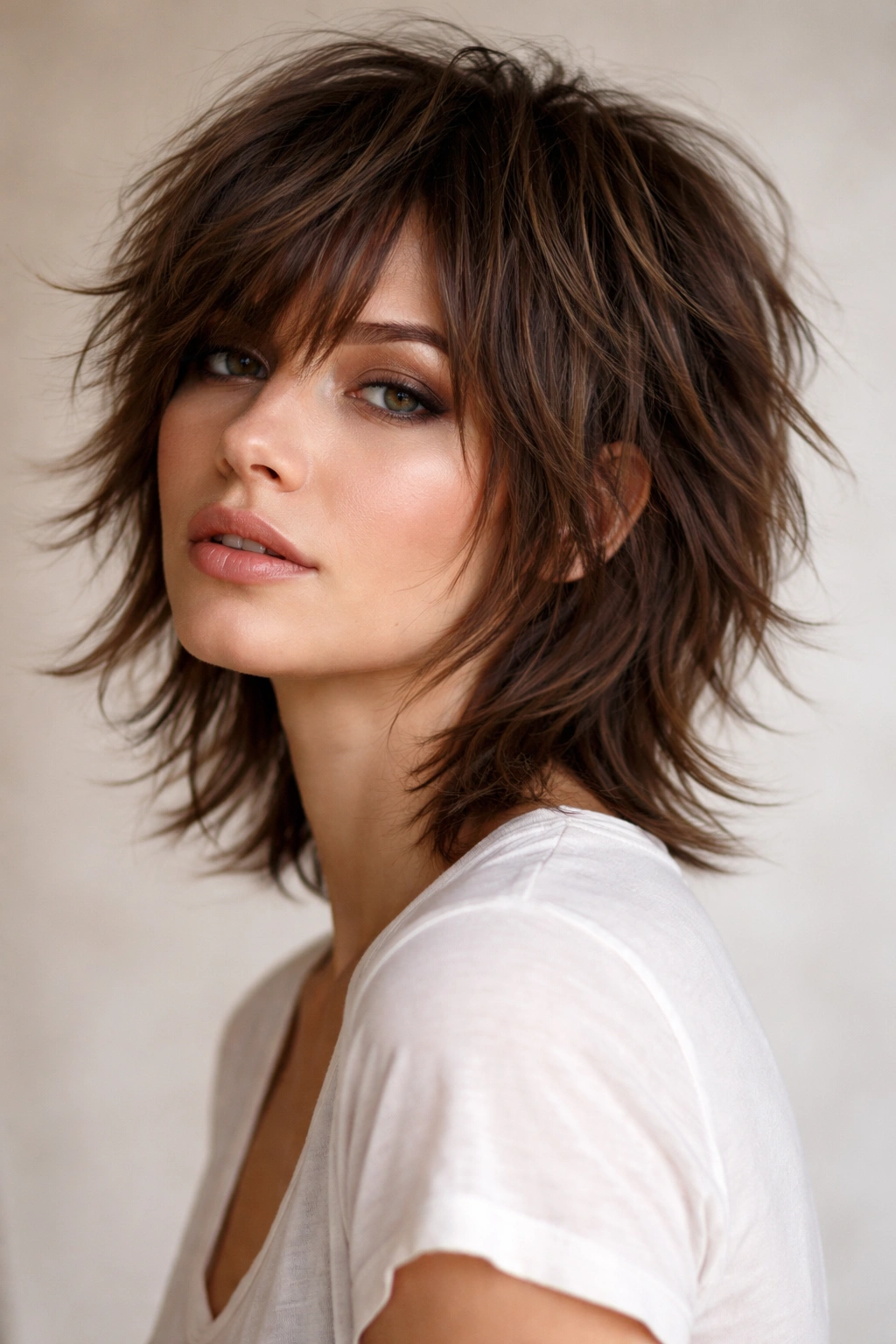
The shag is short-to-medium length, deliberately textured and layered throughout, with that intentional messy-cool vibe that somehow photographs better than it actually feels most mornings. It’s short enough to be bold, but with enough length and layers that you have real styling options. Think rock-and-roll energy mixed with undeniable wearability.
The Modern Shag’s Appeal
A contemporary shag is nothing like the 70s version you might have in your mental reference library. Today’s shag is refined, intentional, and works beautifully with different hair textures. The layers create movement even on straight hair, and on wavy or curly hair, a shag is genuinely transformative. It’s bold without being uncompromising, and it photographs beautifully because of all that built-in texture and dimension.
How to Style and Maintain Your Shag
- Shags look best with some texture—use sea salt spray, texturizing products, or blow-dry with a diffuser
- The cut is designed to work with your hair’s natural texture, not against it, so lean into that
- Regular trims (every 6-8 weeks) keep the layers defined and prevent the look from becoming shapeless
- Shorter shags need more frequent styling to maintain definition; longer shags are more forgiving
- The cut can transition as it grows—shorter shags can become medium shags without losing the intent
Insider note: A shag works exceptionally well on fine or thin hair because the layers create the illusion of fullness without any bulk.
5. The French Crop
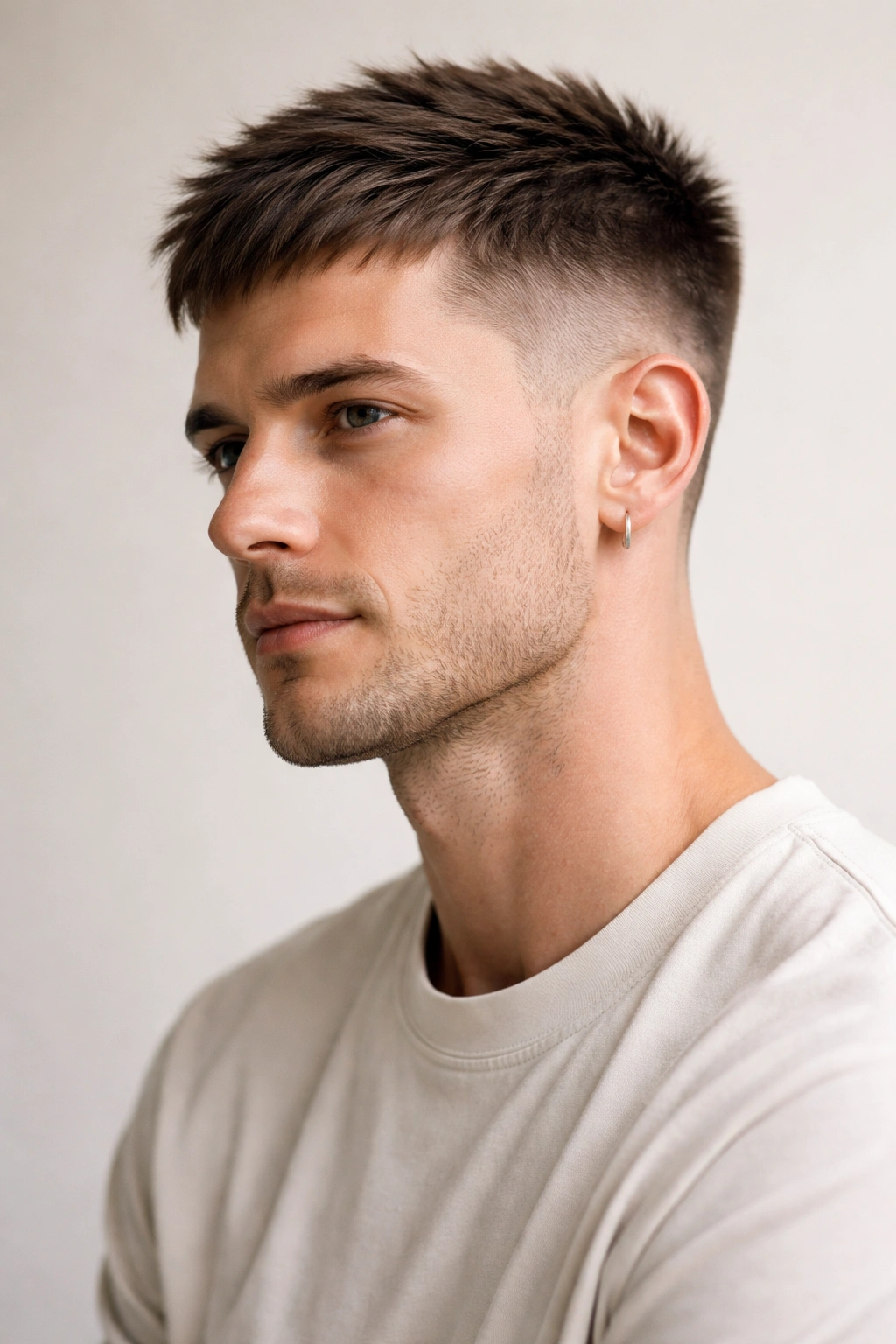
The French crop is a European-inspired cut that sits somewhere between a textured crop and a brushed-up style. It features short, tapered sides and back with slightly longer hair on top that you brush or style upward and forward. It’s clean, intentional, and somehow looks effortlessly put-together.
Why the French Crop Feels Sophisticated
There’s something inherently refined about this cut. It’s short enough to feel low-maintenance but offers enough length on top for actual styling options. The upward brush or comb creates a visual lift that’s flattering on most face shapes, and the overall proportions feel intentional rather than like you just got a generic crop.
Styling and Versatility Options
- Blow-dry with an upward motion to create the signature lifted crown
- Use a lightweight pomade or cream to keep the styling in place without looking greasy
- You can part it for a more formal look or leave it natural for something casual
- Pair it with a neatly groomed beard for a cohesive polished appearance
- The cut transitions well as it grows—you can let it evolve into different styles
- Side fades blend the cut beautifully with facial hair if you wear any
Quick facts:
- Works exceptionally well on straight to wavy hair
- Requires trims every 4-6 weeks to maintain the clean proportions
- Styling takes maybe 2-3 minutes once you know the technique
- It’s a genuinely versatile cut that works in professional and casual settings
6. The Textured Crop
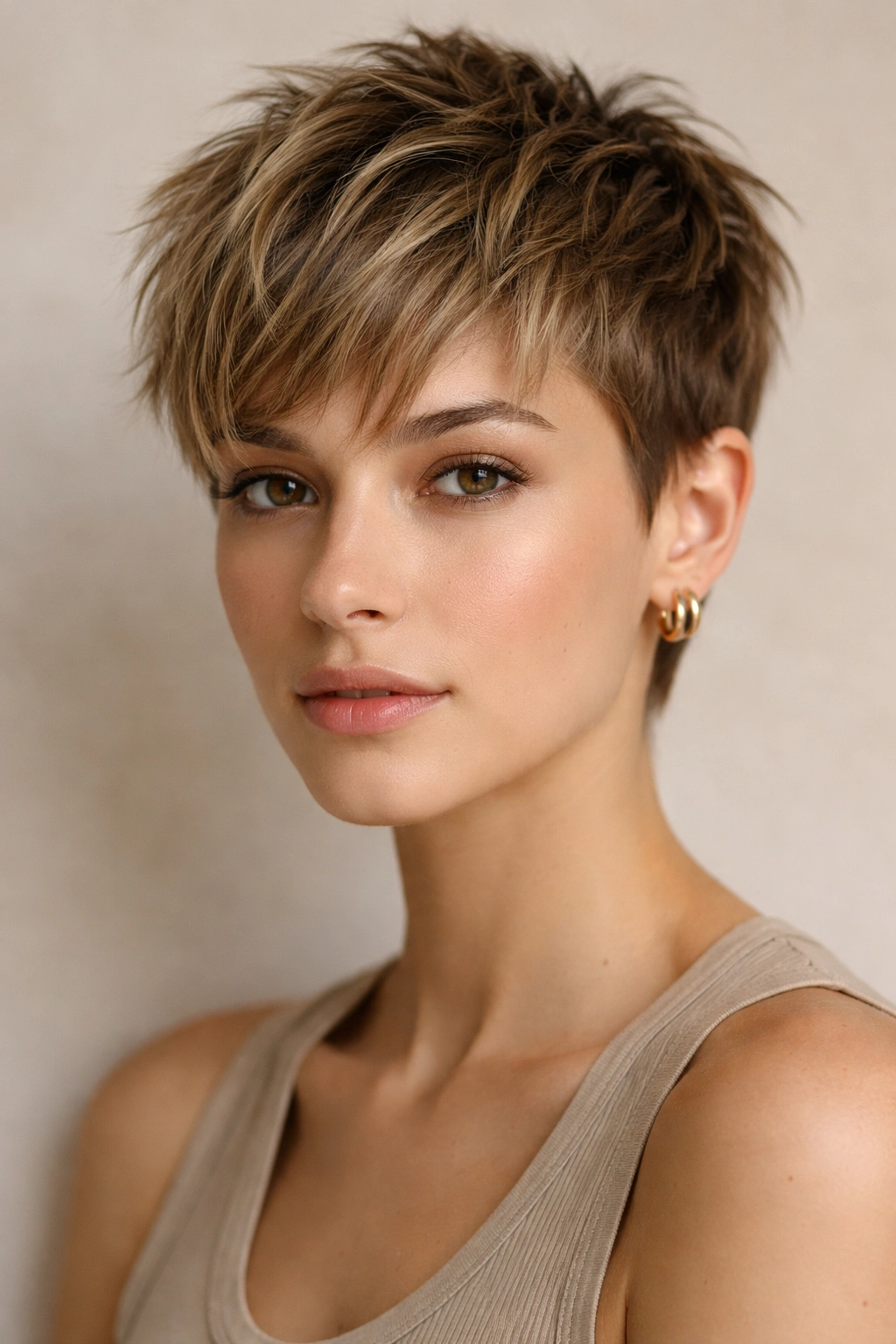
A textured crop takes the concept of a simple crop and adds intentional choppy layers, disconnected sections, and built-in movement. It’s short overall but deliberately imperfect, creating a modern, fashion-forward aesthetic that feels both curated and organic. This is the cut that looks like you woke up this way even though you absolutely did not.
The Appeal of Controlled Texture
What makes a textured crop stand out is the sophistication of the texture. It’s not random or messy—it’s strategically layered to create dimension, movement, and visual interest. On curly or wavy hair, a textured crop can be genuinely life-changing because it works with your natural texture instead of fighting it. On straight hair, it requires slightly more styling intention, but that’s part of the design.
Styling Products and Techniques
- Texturizing sprays, clays, and matte pomades are your friends here
- Use a blow dryer or let it air-dry with some texture product worked in
- The cut is designed to look tousled, so embracing that is key
- Curly or wavy hair often needs minimal product; straight hair needs more styling intention
- This cut shows off your hair’s natural texture beautifully
Pro tip: Bring reference photos that show the specific type of texture you want—choppy, piecey, shaggy, or more refined. Texture is subjective, and specificity helps your stylist deliver exactly what you’re envisioning.
7. The Blunt Bob (Short)
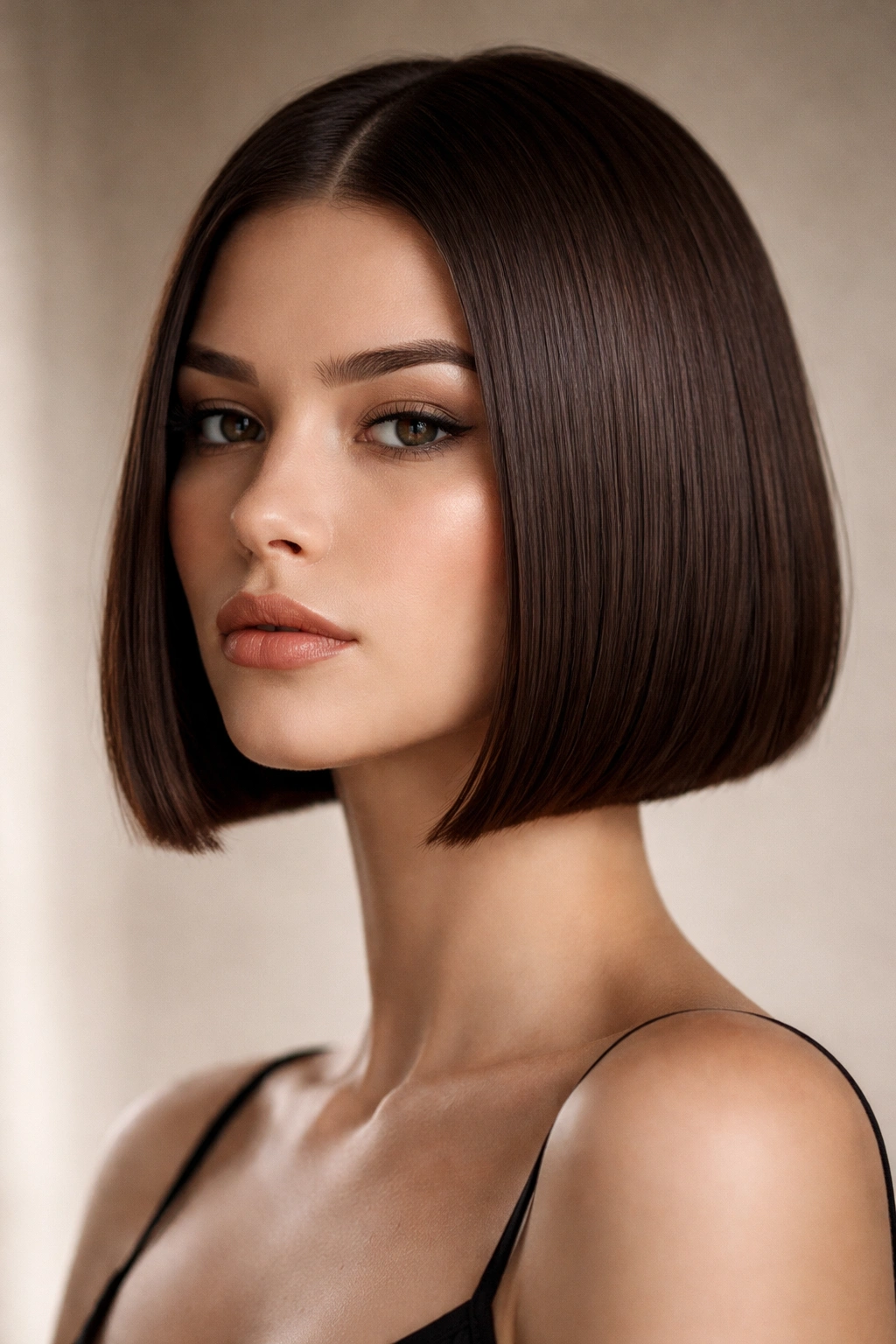
A blunt bob stops at chin level or just above, with a geometric precision that feels utterly modern. The key to this cut is the blunt line at the end—no soft layers, no tapering. It’s structured, bold, and works as both a statement piece and a refined everyday cut depending on how you style it and what you pair it with.
Why Blunt Precision Feels So Current
There’s something unapologetically confident about a blunt bob. It’s a cut that says you know exactly what you want and you’re not apologizing for it. The clean lines are flattering on most face shapes, and the cut works beautifully with color—the blunt edge shows off color work perfectly, whether it’s one solid shade or a more complex color treatment.
Face Shapes and Styling Approaches
- Blunt bobs work beautifully on round, square, and oval faces
- You can angle the cut slightly (slightly longer in front, shorter in back) for heart-shaped faces
- Styling options range from sleek and polished to tousled and textured
- A side part creates a softer feel; a center part leans into the cut’s geometric boldness
- Thick hair wears this cut gorgeously; thinner hair may need some strategic layering for movement
Worth considering: A blunt bob requires regular trims every 4-6 weeks to maintain the precision of the line. The cut shows every bit of growth and every dull blade, so investing in a skilled stylist is essential.
8. The Tapered Fade
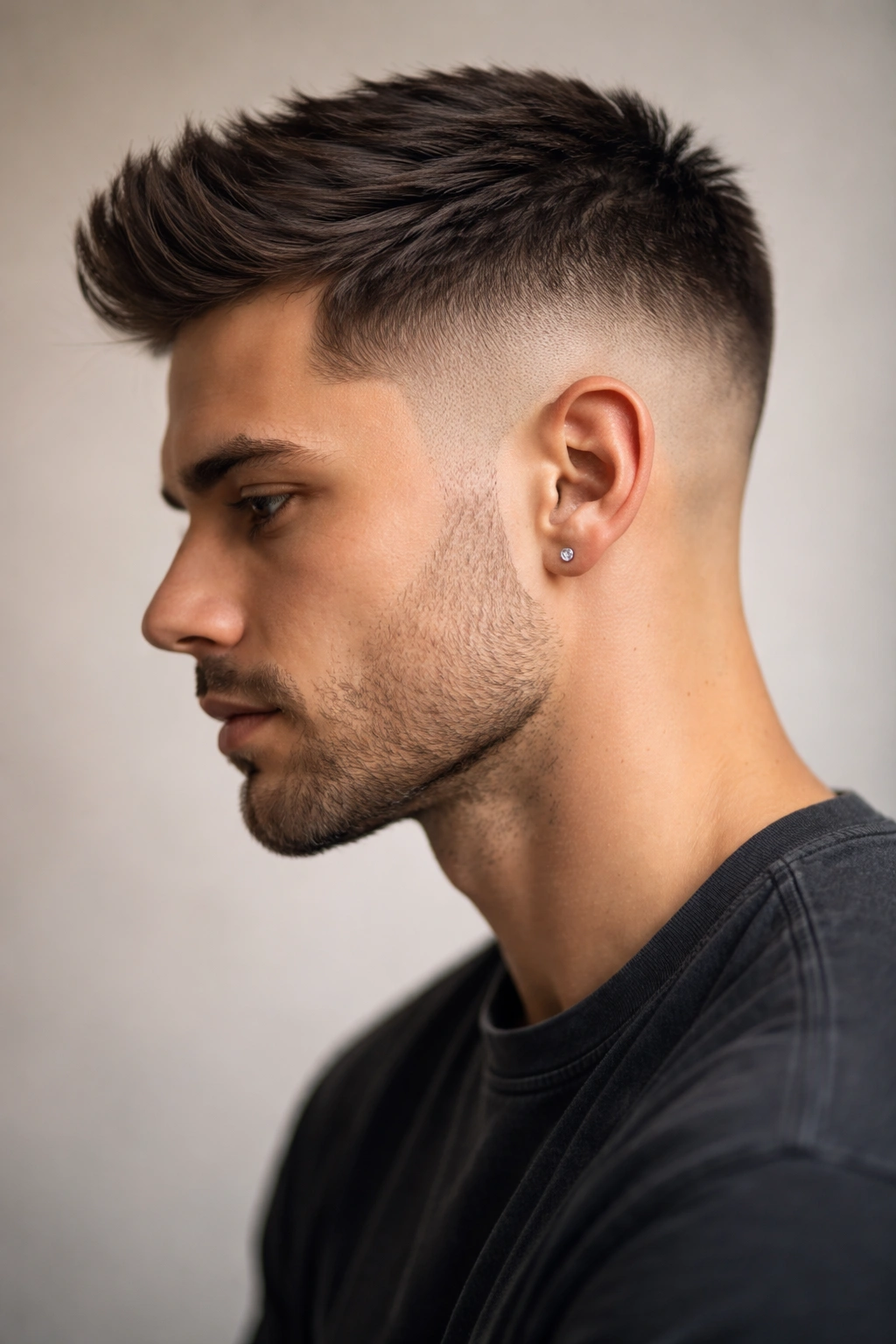
A tapered fade is all about graduated length—longer on top, gradually getting shorter as you move down the sides and back until you reach very short or even skin at the nape and sides. It’s a cut that offers both structure and style, with the fade creating clean, intentional lines throughout.
The Versatility of a Good Fade
What makes a fade so compelling is that it works with virtually any hair length on top. You can pair it with a longer, tousled top, a textured crop, or even a longer style. The fade itself does the heavy lifting in terms of making the cut look intentional and well-groomed. It’s a cut that bridges the gap between very short and slightly longer, offering flexibility while maintaining a clean aesthetic.
Fade Styles and Variations
- A tight fade keeps the sides very short; a loose fade is more gradual
- High fades start cutting shorter higher on the sides; low fades keep more length
- Skin fades go all the way down to bare skin; other fades leave some stubble
- You can add designs or geometric lines into the fade for extra personalization
- Pair your fade with any top style—longer, cropped, textured, slicked back
Quick facts:
- Fades require trims every 2-3 weeks to maintain the gradient
- They work with all hair types and face shapes
- A good fade is as much art as it is technique—find a barber or stylist you trust
- The fade itself does much of the styling work, so the top determines how much daily styling you need
9. The Asymmetrical Cut
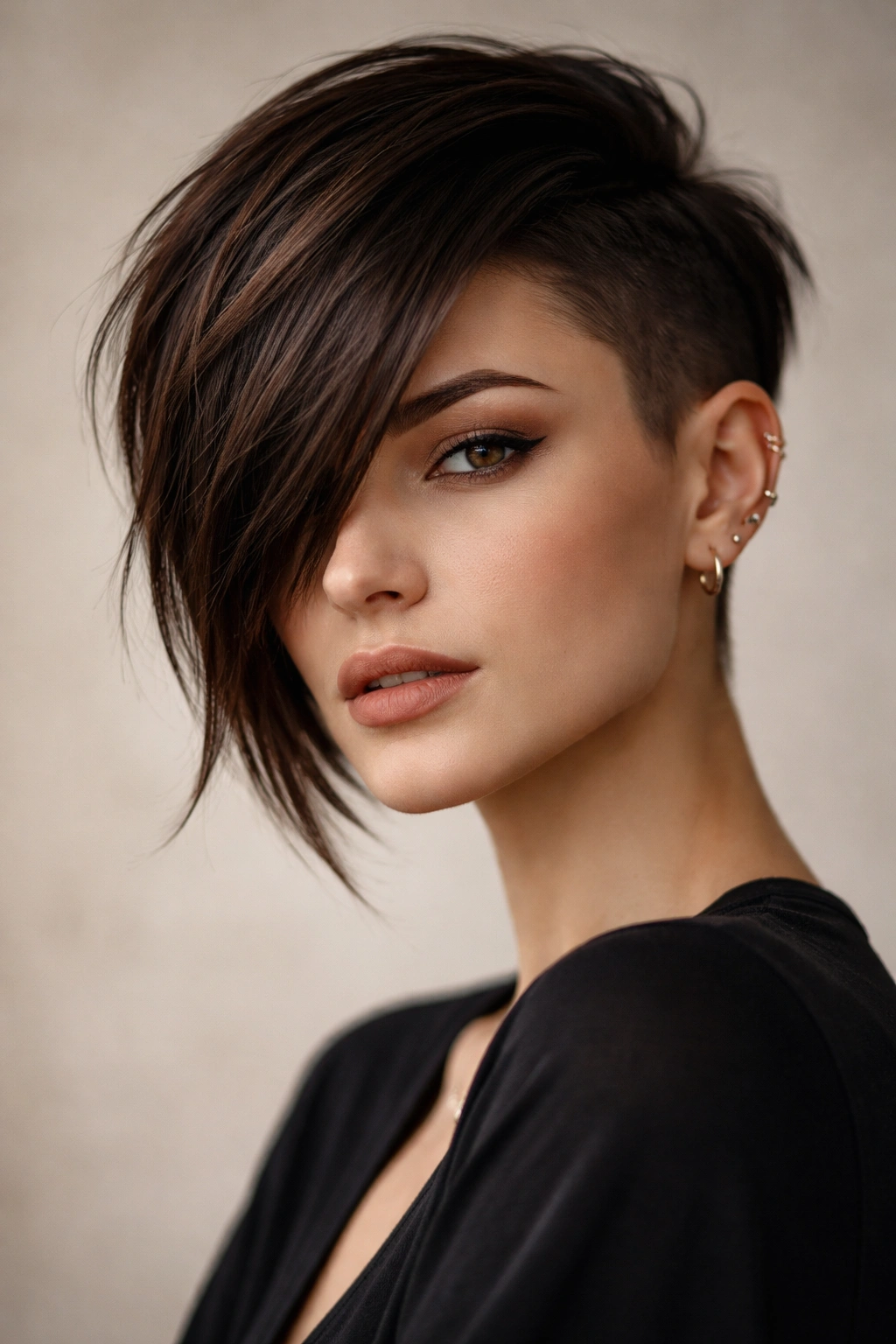
An asymmetrical cut is deliberately uneven—one side shorter, one side longer, or different lengths and styles on each side of your head. It’s a cut that commits fully to being bold. Some asymmetrical cuts are subtle (a slightly longer piece on one side), while others are dramatically unbalanced (shaved on one side, longer on the other).
The Confidence Required and Reward
Wearing an asymmetrical cut requires a certain level of self-assurance. This is a cut that announces itself and doesn’t apologize. What you get in return is a look that’s entirely your own, a cut that works with your sense of style in a very intentional way. It’s the kind of cut that makes a statement before you even open your mouth.
Asymmetrical Variations and Styling
- Subtle asymmetry (one side slightly longer than the other) offers the bold feel with more versatility
- Dramatic asymmetry (short on one side, longer on the other) is the true statement cut
- Shaved on one side with longer length on the other creates maximum visual contrast
- Color work can emphasize the asymmetry—different shades on different sides
- Styling options depend on your specific cut, but generally lean into the asymmetry rather than trying to hide it
Real talk: An asymmetrical cut is more commitment than most cuts. You’re either loving it or you’re growing it out. There’s not much middle ground, so make sure you’re actually ready for this level of boldness before you commit.
10. The Modern Mullet
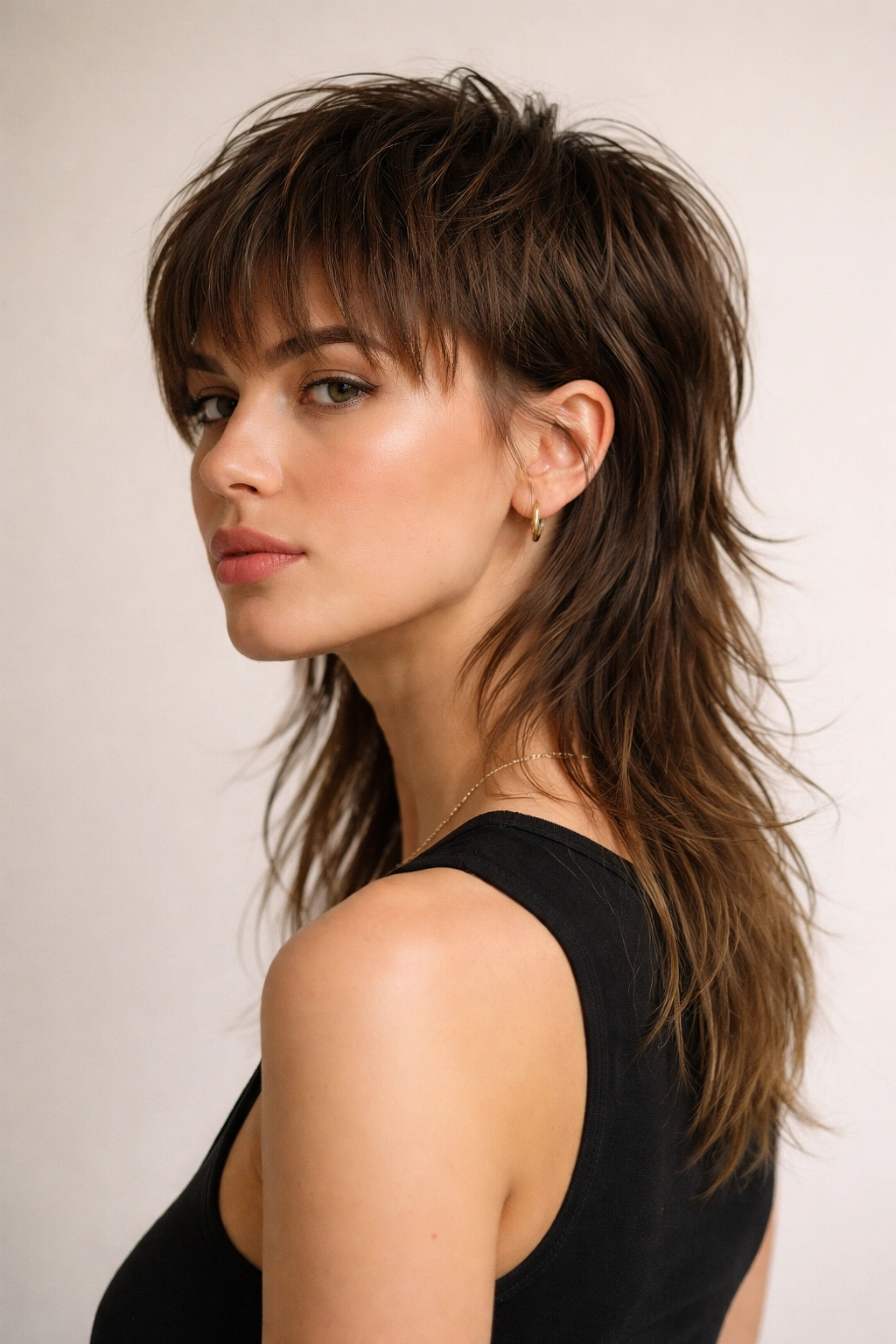
The modern mullet—”business in the front, party in the back”—has had a genuine renaissance. Unlike its 80s predecessor, today’s mullet is refined, intentional, and somehow works as both a statement piece and a more wearable everyday cut. The front is short and clean (sometimes a crop or fade), while the back has noticeably more length with texture or layers.
Why the Mullet Has Made a Comeback
The modern mullet works because it offers real versatility. The short front means you get the benefits of short hair during the day, while the back offers styling possibilities and texture. It’s a cut that photographs incredibly well, works with various hair textures, and somehow manages to feel both ironic and genuinely stylish at the same time.
Variations and Styling Approaches
- A subtler mullet has only slightly more length in back; a dramatic mullet has real contrast
- The front can be a crop, a fade, a French crop, or any other short style
- The back can be straight, layered, shaggy, or more intentionally sculptured
- You can experiment with color—different shades front to back for extra impact
- Styling the back might involve texture products, blow-drying, or braiding depending on length
Worth knowing: A modern mullet requires more frequent trims to keep the front clean while the back grows longer. The proportions matter more than you might think—too much back length and it tips into costume territory; too little and it just looks like an awkward growing-out phase.
11. The Wolf Cut
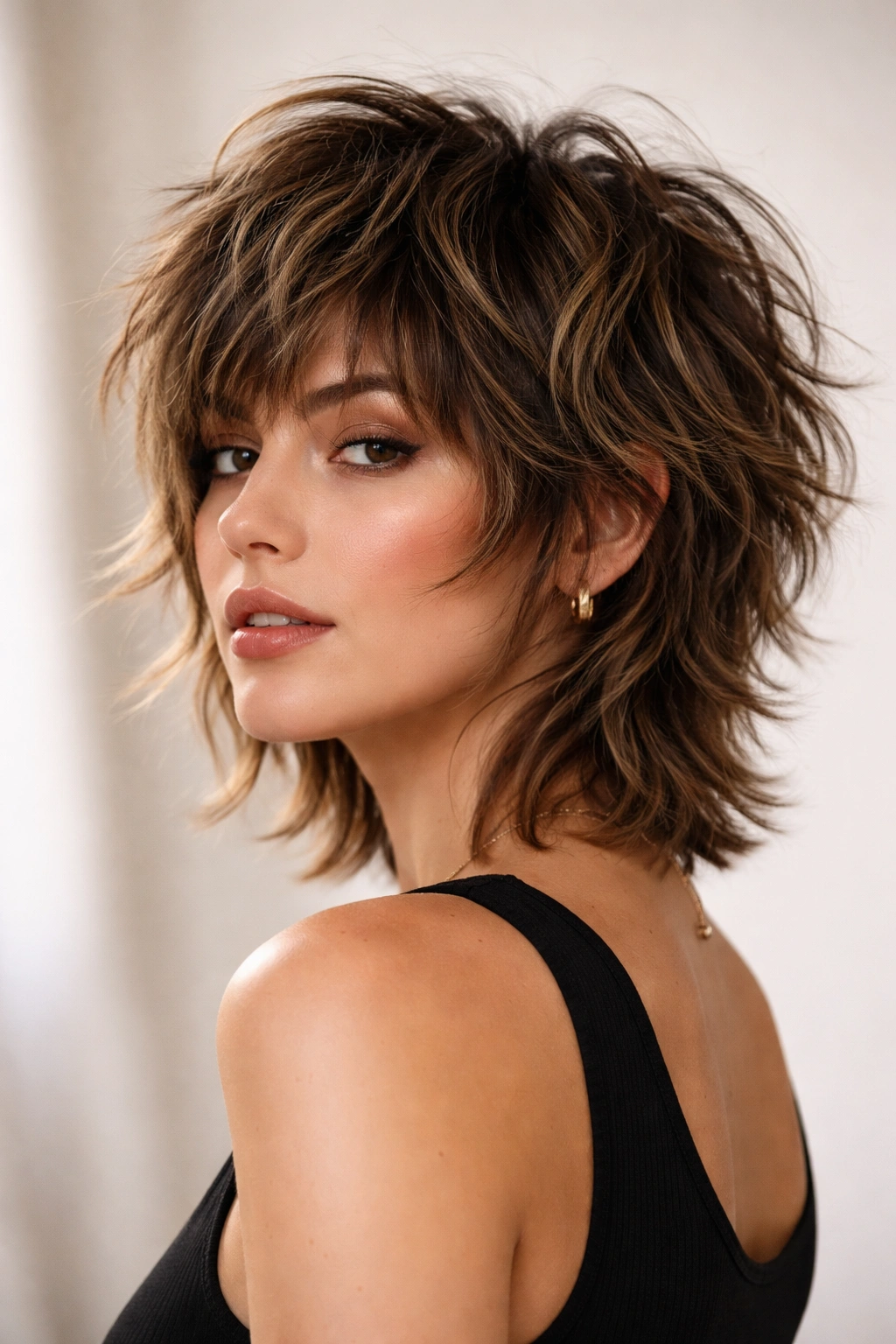
The wolf cut combines the edgy layers of a shag with the choppy texture of a wolf’s fur (the inspiration behind the name). It’s short overall but deliberately shaggy, with lots of texture and movement throughout. It’s bold, it’s statement-making, and it works especially beautifully on wavy or curly hair.
The Wolf Cut’s Unique Appeal
What makes a wolf cut stand out is that it’s unapologetically textured and layered. This isn’t a neat, controlled cut—it’s deliberately wild and movement-forward. On curly or wavy hair, a wolf cut is transformative because it encourages you to embrace your natural texture rather than fight it. Even on straight hair, it creates movement and visual interest that most other cuts can’t touch.
Texture, Styling, and Maintenance
- Wolf cuts work best with some texture—use products that enhance movement and definition
- The cut is designed to look tousled, so sleek styling goes against the grain
- Curly or wavy hair often just needs a diffuser and some product
- Straight hair might need some texture spray or salt spray to get the intended effect
- Regular trims every 6-8 weeks keep the layers fresh and the cut from becoming shapeless
Pro tip: A wolf cut is genuinely transformative on curly hair, so if you’re considering going short and have texture, this is worth serious consideration.
12. The Spiky Cut
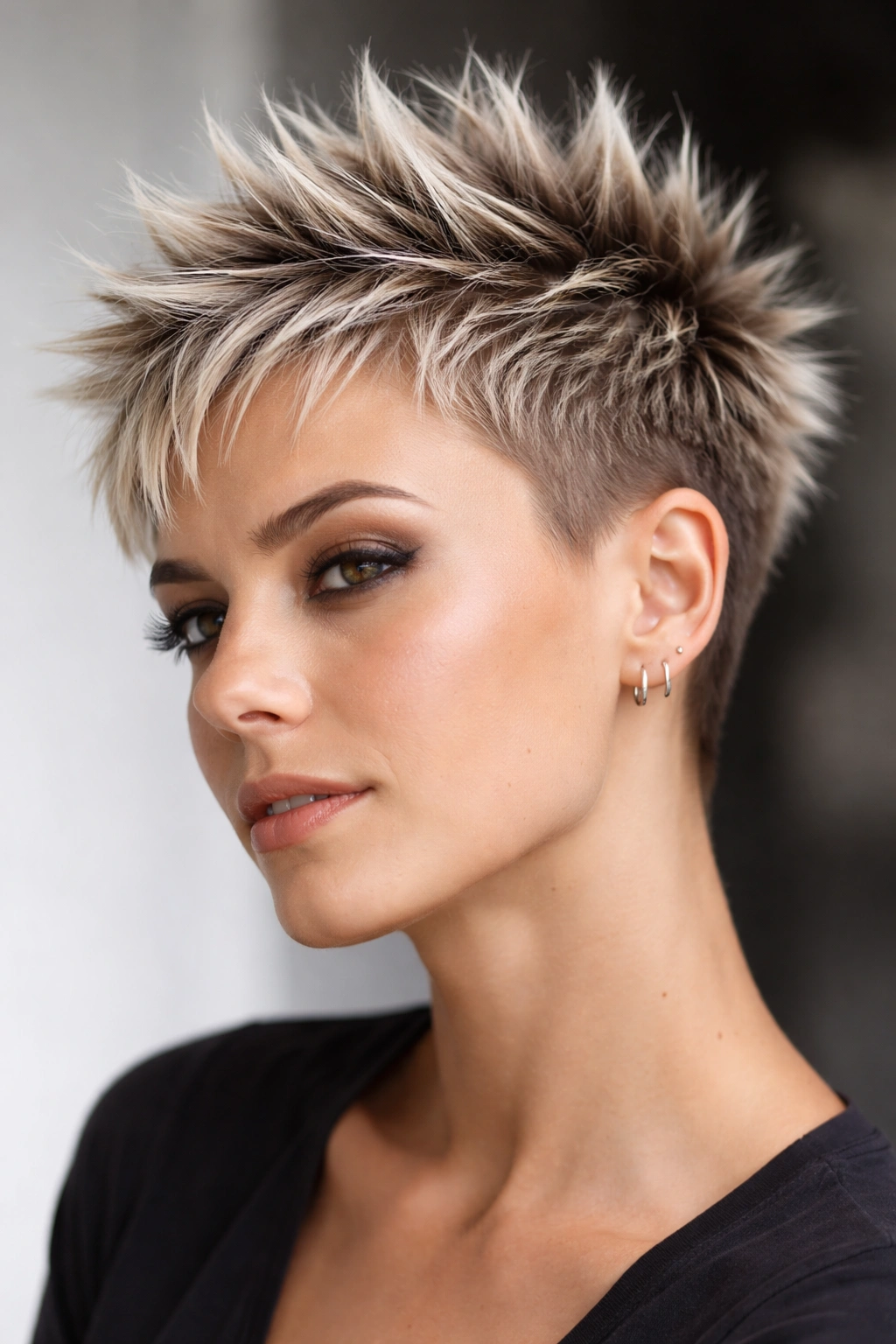
A spiky cut is short throughout with intentional length variation that allows the hair to stand up and create actual spikes. It’s fun, youthful, and requires actual styling product and commitment. This cut leans fully into a certain aesthetic—it’s not trying to be subtle or understated.
The Energy of a Spiky Cut
There’s an inherent playfulness to a spiky cut. It’s bold, it’s intentional, and it commits to a specific vibe. This isn’t a “wash and go” cut; it requires product and styling attention. But if you’re someone who enjoys styling your hair and you want a cut that looks completely different from how it looks on most people, a spiky cut delivers.
Product, Styling, and Maintenance
- You’ll need a strong-hold product—gel, pomade, or wax depending on your preference
- The styling process involves working product through the hair and spiking it as desired
- Hair length typically ranges from 2-4 inches to create proper spike definition
- The cut requires regular trims every 4-6 weeks as the spikes define the shape
- You can vary the spike height and direction based on your mood and the occasion
Quick facts:
- Works best on straight to wavy hair (very curly hair doesn’t spike the same way)
- Sleeping in this cut is going to require restyling the next morning
- If you’re not willing to style your hair daily, this isn’t the cut for you
- That said, if you enjoy the styling process, this cut is incredibly fun
13. The Slicked-Back
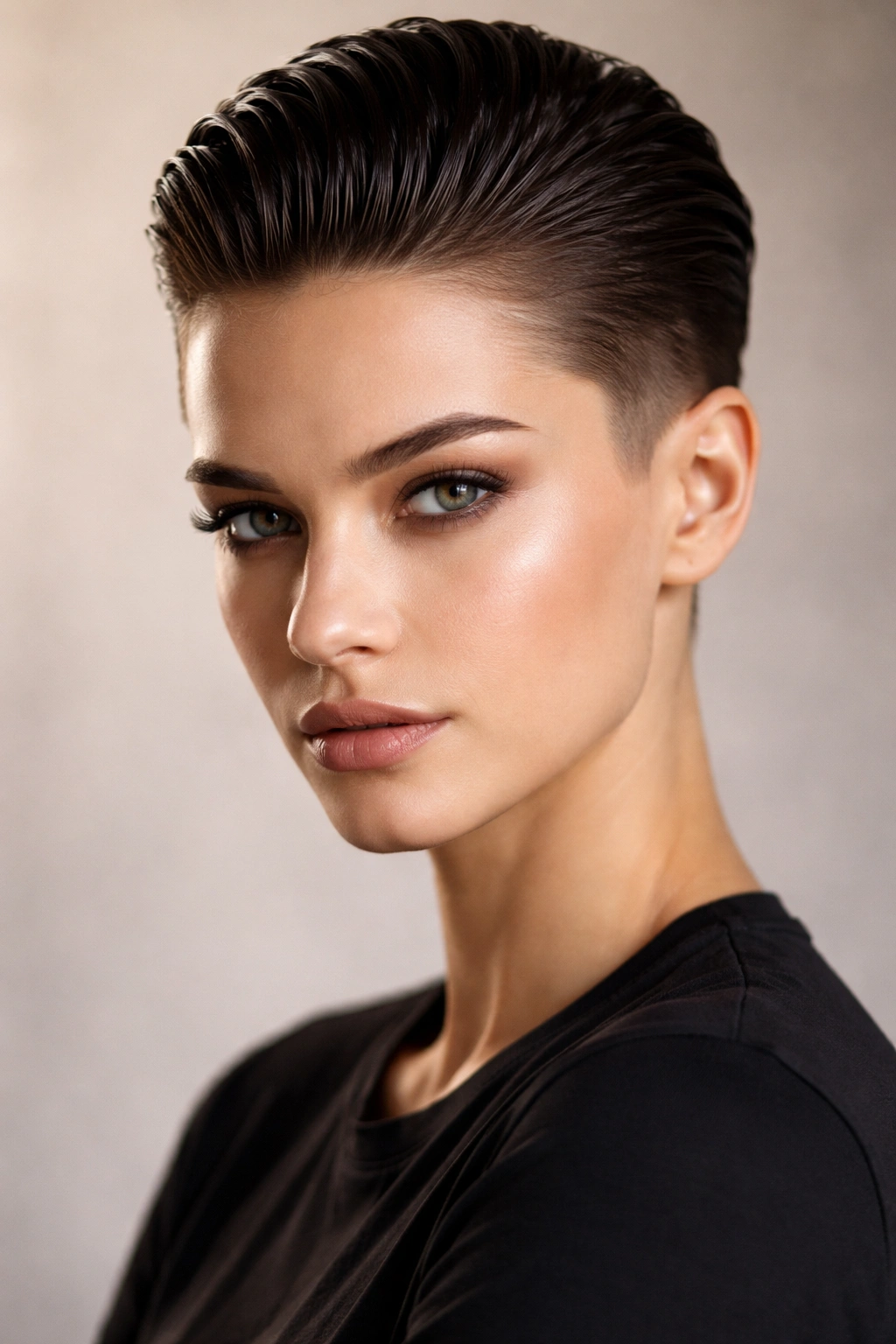
A slicked-back cut is shorter overall with everything combed or brushed straight back, creating a clean, sculptural, intentionally styled look. It’s refined, it’s bold, and it works beautifully with a sharp fade and clean lines. This is a cut that absolutely depends on styling to achieve its full impact.
The Refined Power of Slicked-Back Styling
There’s something undeniably confident about a perfectly slicked-back style. It’s a cut that commands attention and works in settings from casual to professional depending on how much product and how formal your styling. The back of your head and neck are fully visible, which means this cut works best on people who are comfortable with that exposure.
Styling Products and Technique
- Use a pomade, cream, or gel depending on the hold level you need
- The technique involves working product through damp hair and combing everything straight back
- A side part can soften the look slightly; straight back is more dramatic
- You can slick it back tight or leave it slightly more textured for a less formal vibe
- Paired with a sharp fade, this cut is genuinely striking
Worth considering: A slicked-back cut requires daily styling. You’re not achieving this look without product and effort, so make sure that fits your lifestyle and grooming commitment level.
14. The Disconnected Undercut
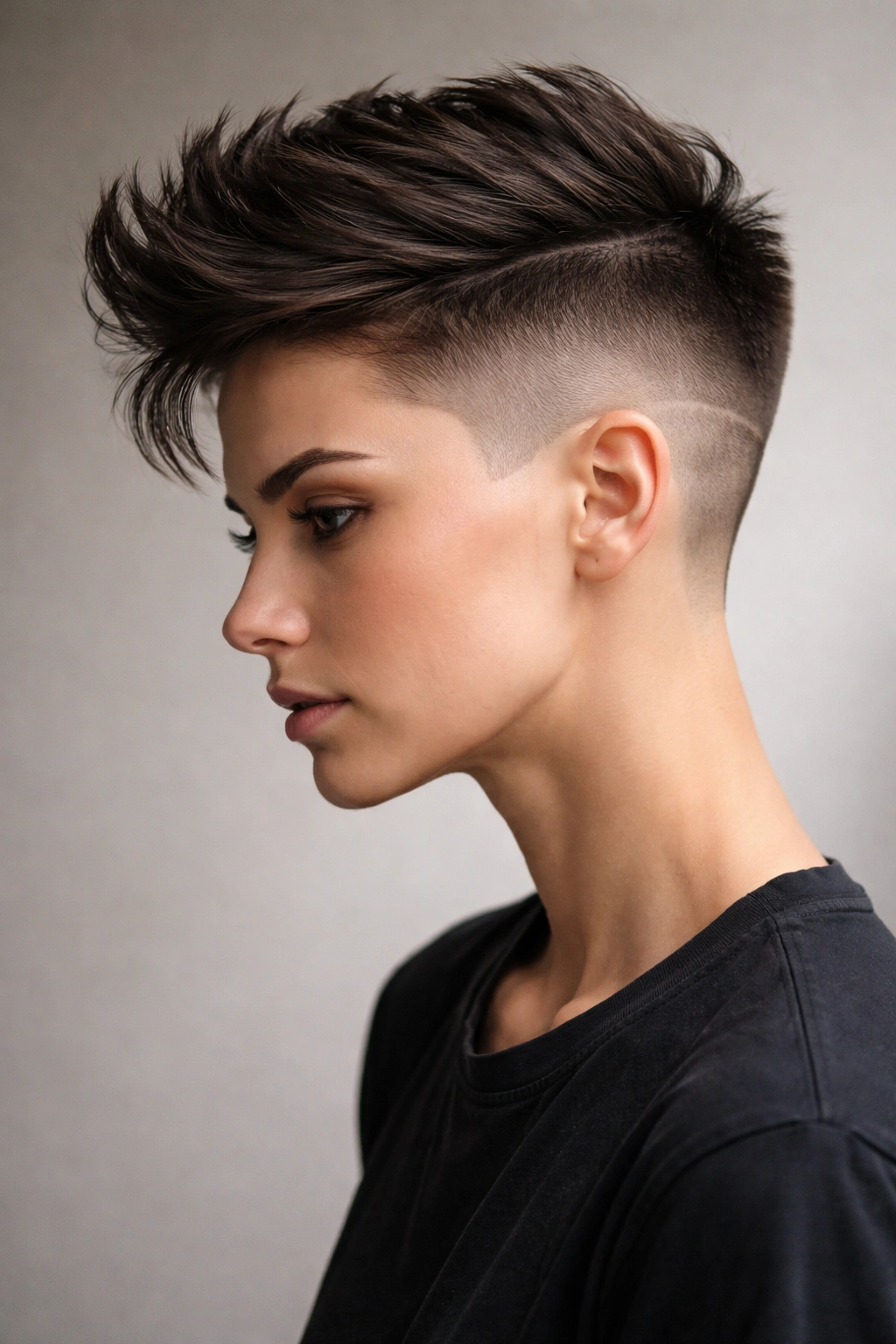
A disconnected undercut takes the concept of an undercut and makes it even more dramatic by creating zero blending between the short sides and the longer top. There’s a visible, intentional line where the two different lengths meet. It’s architectural, it’s bold, and it makes a genuine statement.
The Visual Impact of Disconnection
What makes a disconnected undercut so striking is the contrast. It’s not trying to blend or soften—it’s announcing itself. This is a cut for someone who wants maximum visual interest and isn’t worried about the boldness factor. The proportions and the quality of the cut matter tremendously here; a poorly executed disconnected undercut just looks awkward, but a well-done one is genuinely striking.
Styling and Proportion Considerations
- The longer top can be styled in virtually any direction—swept back, to the side, textured, slicked
- The disconnection creates a visual line that works best with well-defined proportions
- You need a stylist who understands the geometry of disconnected undercuts
- The fade or the length transition on the sides becomes part of the design
- This cut requires regular maintenance every 3-4 weeks to keep the disconnection crisp
Real talk: A disconnected undercut is genuinely bold. Make sure you’re actually ready for that level of statement-making before you commit. That said, if you are, this cut is unforgettable.
15. The Choppy Pixie
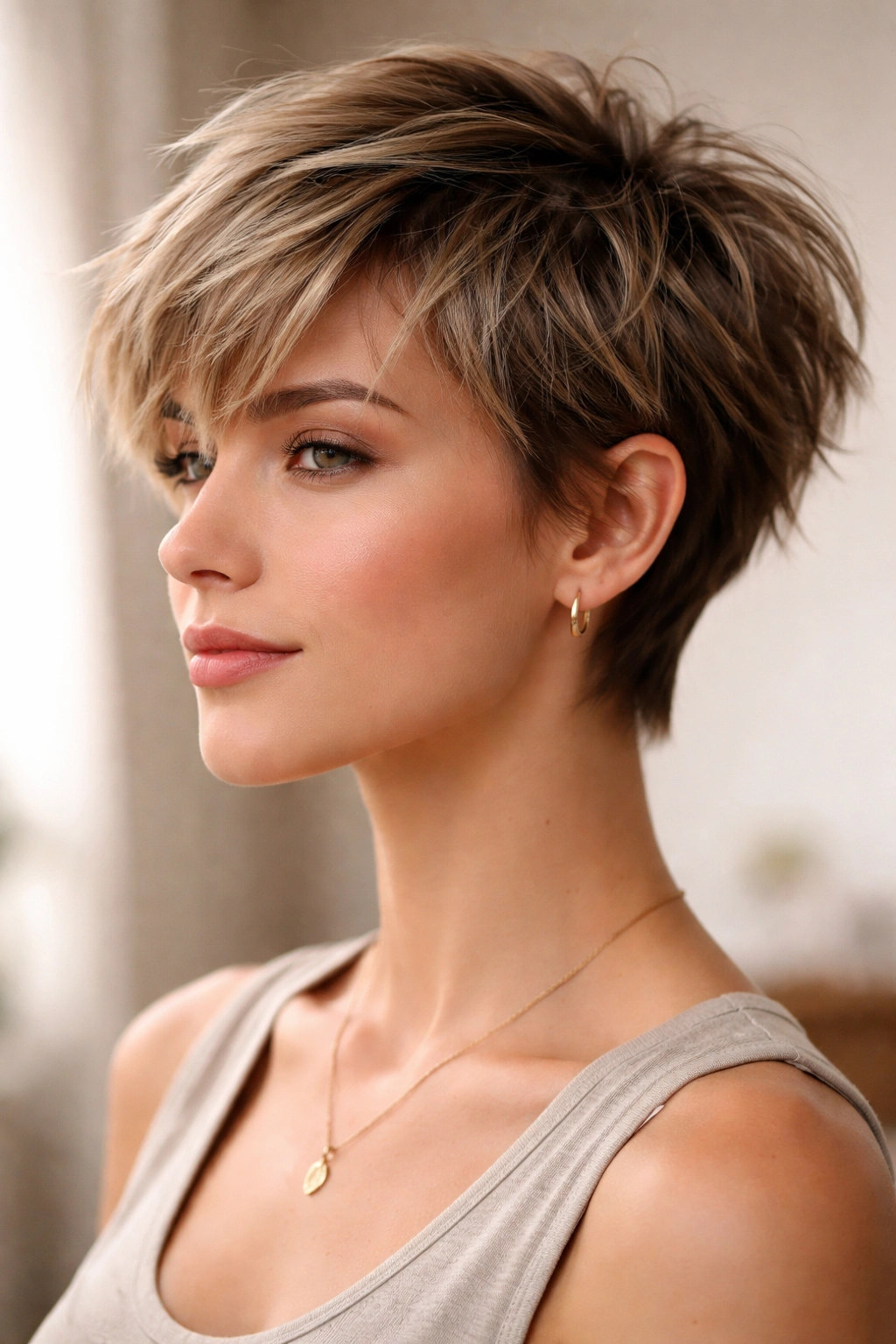
A choppy pixie takes the concept of a pixie cut and adds deliberate, unevenly cut layers throughout, creating texture and movement instead of a smooth, uniform cut. It’s shorter than a textured crop but longer than a traditional blunt pixie, offering a happy medium between refined and wild.
Texture as the Core Design Element
What distinguishes a choppy pixie from a traditional pixie is the intentional irregularity. The layers create movement and visual interest even when the hair is clean and freshly blown dry. This cut works beautifully on curly hair, works well on wavy hair, and on straight hair it creates a deliberately imperfect aesthetic that photographs gorgeously.
Styling, Maintenance, and Variations
- Use texture product to enhance the choppy layers and create dimension
- A diffuser on your blow dryer helps emphasize the layers
- Straight hair can wear this slightly longer to maximize the choppy effect
- Curly hair is transformed by this cut—the layers enhance your natural texture
- Regular trims every 5-6 weeks keep the layers defined and prevent shapelessness
Pro tip: A choppy pixie is perfect if you love the idea of a pixie but want something with more texture and movement built in. It’s the best of both worlds for people who want bold but with a bit more visual interest.
Time to Take the Plunge
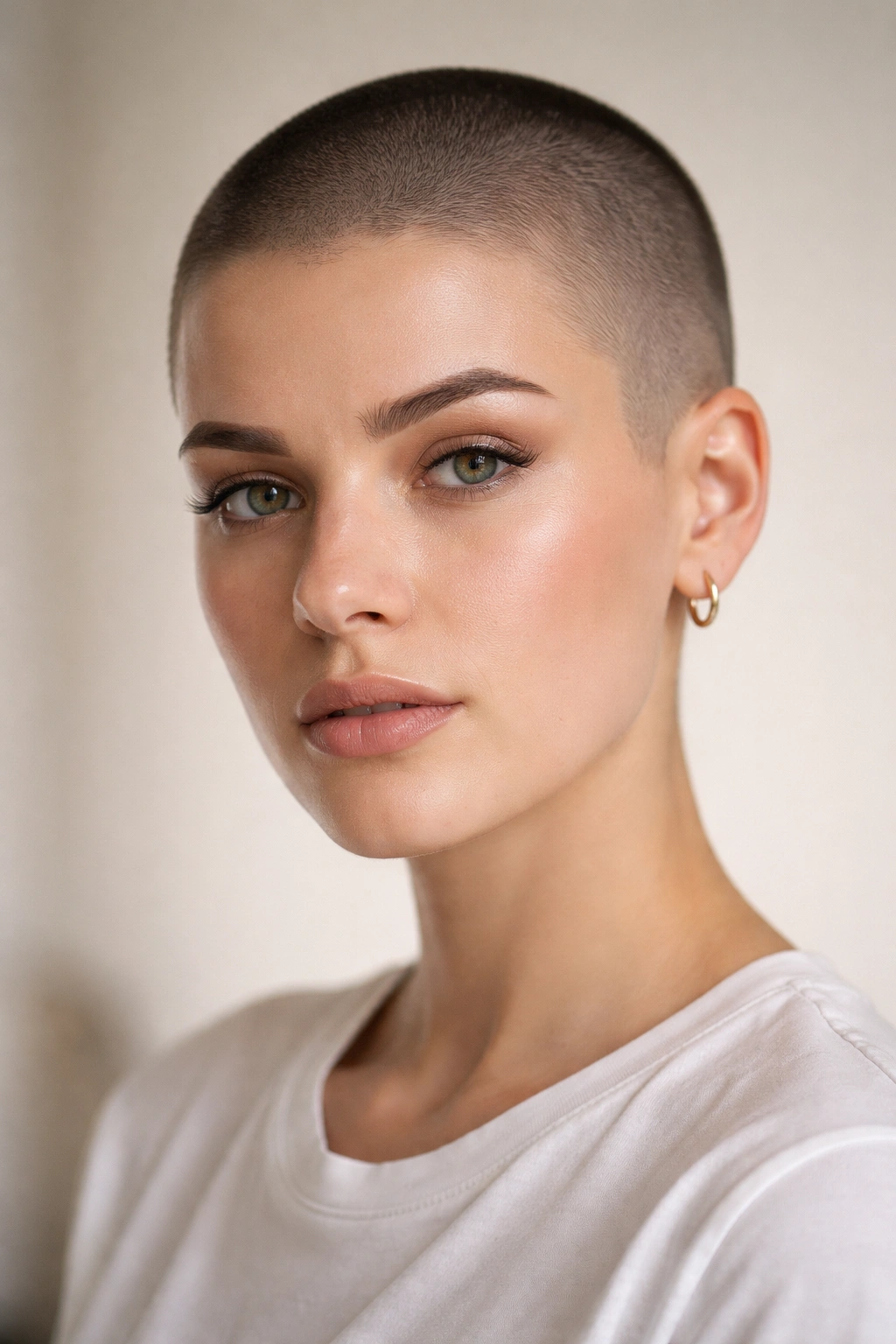
Making the leap to a genuinely short haircut is more than a hair decision—it’s a statement about how you see yourself and what you’re willing to commit to. Whether you’re drawn to the simplicity of a buzzcut, the edge of an undercut, the texture of a shag or wolf cut, or the refined structure of a French crop or blunt bob, short hair offers an incredible range of possibilities.
The most important thing to remember is that finding your cut is a conversation between you and your stylist. Bring references that resonate with you, be honest about your styling commitment level and maintenance tolerance, and trust that a good stylist will help you navigate the specifics of what will actually work with your hair texture, face shape, and lifestyle. Short hair might be lower maintenance in terms of time spent drying and detangling, but it often requires more precision in the cut itself and more intentionality in styling.
Whatever you choose, commit to the idea. Confidence is the best accessory with any bold haircut, and the payoff in terms of how you feel about yourself is genuinely worth the courage it takes to go short.
