



Pixie cuts get a reputation for being edgy and high-maintenance, but the truth is that a well-cut pixie on wavy hair can be one of the easiest, most flattering styles you’ll ever wear. There’s something genuinely magical about pairing the architectural precision of a pixie cut with the natural movement and texture of waves—you get the best of both worlds: the clean, confident silhouette of a short cut combined with soft, undone texture that adds dimension and personality to your face.
If you’ve got naturally wavy hair and you’re considering a pixie, or you’re looking to refresh the one you already have, the key to finding your perfect match is understanding how waves interact with different cutting techniques, lengths, and layers. Not every pixie works the same way on wavy hair as it does on straight or curly hair. The wave pattern, the amount of texture you’re working with, your face shape, and how much styling effort you’re willing to invest all play a role in determining which wavy pixie cut will make you feel like the best version of yourself.
A skilled stylist who understands how to cut for wavy hair—one who cuts dry to see how your waves actually fall, who works with your natural texture rather than against it, and who knows how to create movement through layering and strategic length placement—is your best friend here. The right cut means you can often air-dry your pixie and still look intentional, polished, and effortlessly put-together. The wrong cut? You could find yourself fighting your hair every morning.
1. The Textured Crop with Longer Bangs
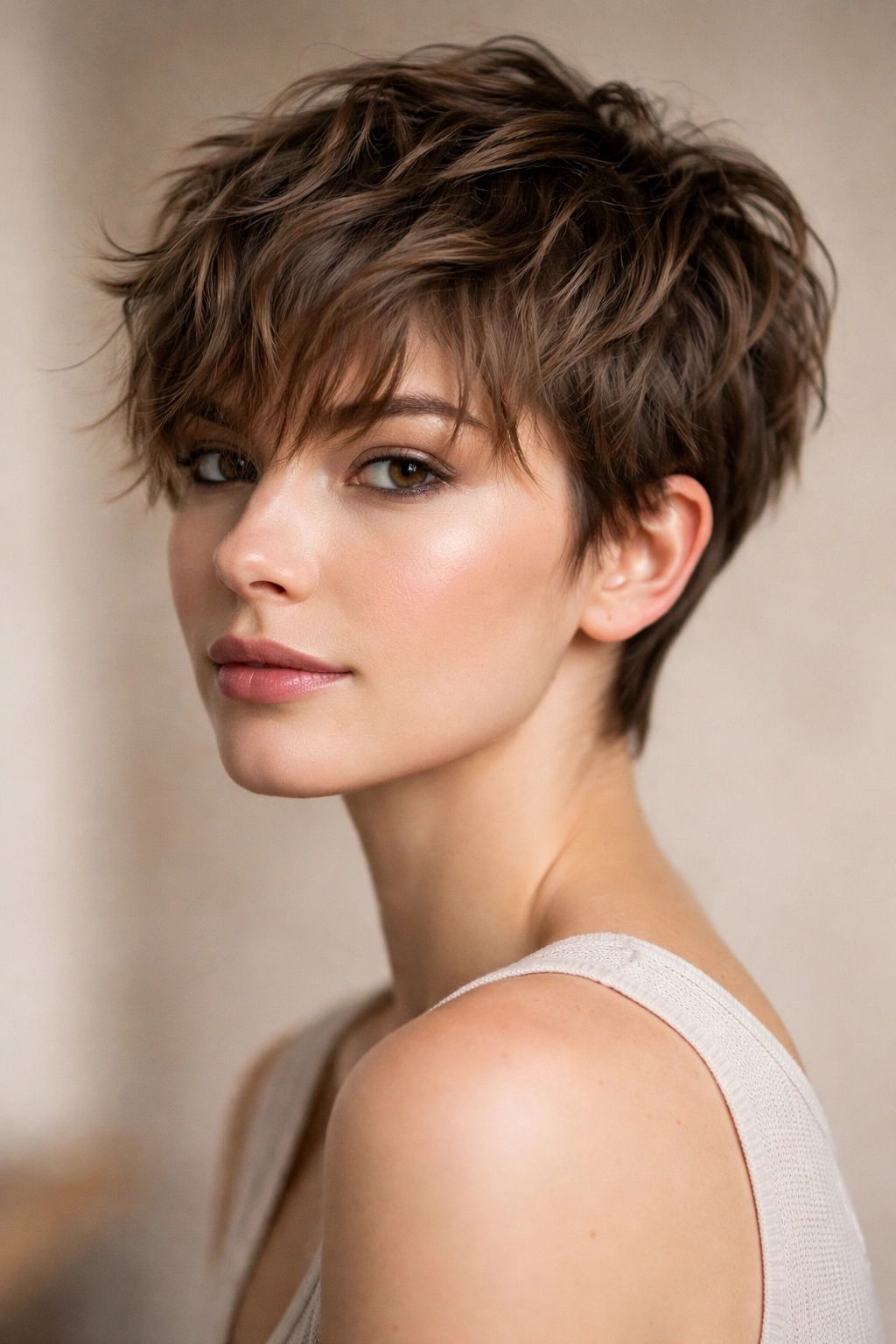
This style leans into the playful side of pixie cuts by keeping the crown and back shorter and more cropped while allowing the front section to grow slightly longer, creating a soft fringe that grazes your eyebrows or sits just above them. The texture comes from short, choppy layers throughout that break up the bulk and emphasize your natural waves rather than smoothing them down. This cut works beautifully if you have medium-thickness wavy hair and want something that feels youthful and approachable without sacrificing the polish of a pixie.
Why This Style Stands Out
The longer front section gives you flexibility that a super-short pixie doesn’t offer. Some days you can sweep it to the side for a more dramatic look; other days you can let it fall naturally across your forehead for a softer frame. The choppy layers throughout the crown and sides encourage your waves to do their thing, creating an almost deliberately undone quality that reads as intentional rather than messy. This style photographs beautifully because the dimension created by the layers catches light and adds volume visually.
How to Ask Your Stylist for It
Show your stylist photos of the specific length and texture you’re going for—make sure at least a couple of the reference images are on people with wavy hair similar to yours. Explain that you want choppy, textured layers throughout, with the back and crown cropped shorter (maybe 1-2 inches) while the front grows longer, hitting around eyebrow length. Ask them to cut the layers while your hair is dry so they can see exactly how your waves are going to fall and shape the layers accordingly. This is non-negotiable—wet cutting can be deceptive with wavy hair.
Styling and Maintenance Tips
This cut is genuinely low-maintenance, especially if you let it air-dry. After washing, you can apply a curl-enhancing cream or mousse to damp hair and let it dry naturally, or use a diffuser if you want to speed things up. The choppy layers will separate and define themselves beautifully without much intervention. As it grows out, the longer front section will start to blend more seamlessly with the rest of your hair, so you’ll typically want a trim every 4-6 weeks to maintain the intentional shape.
2. The Soft, Feathered Pixie
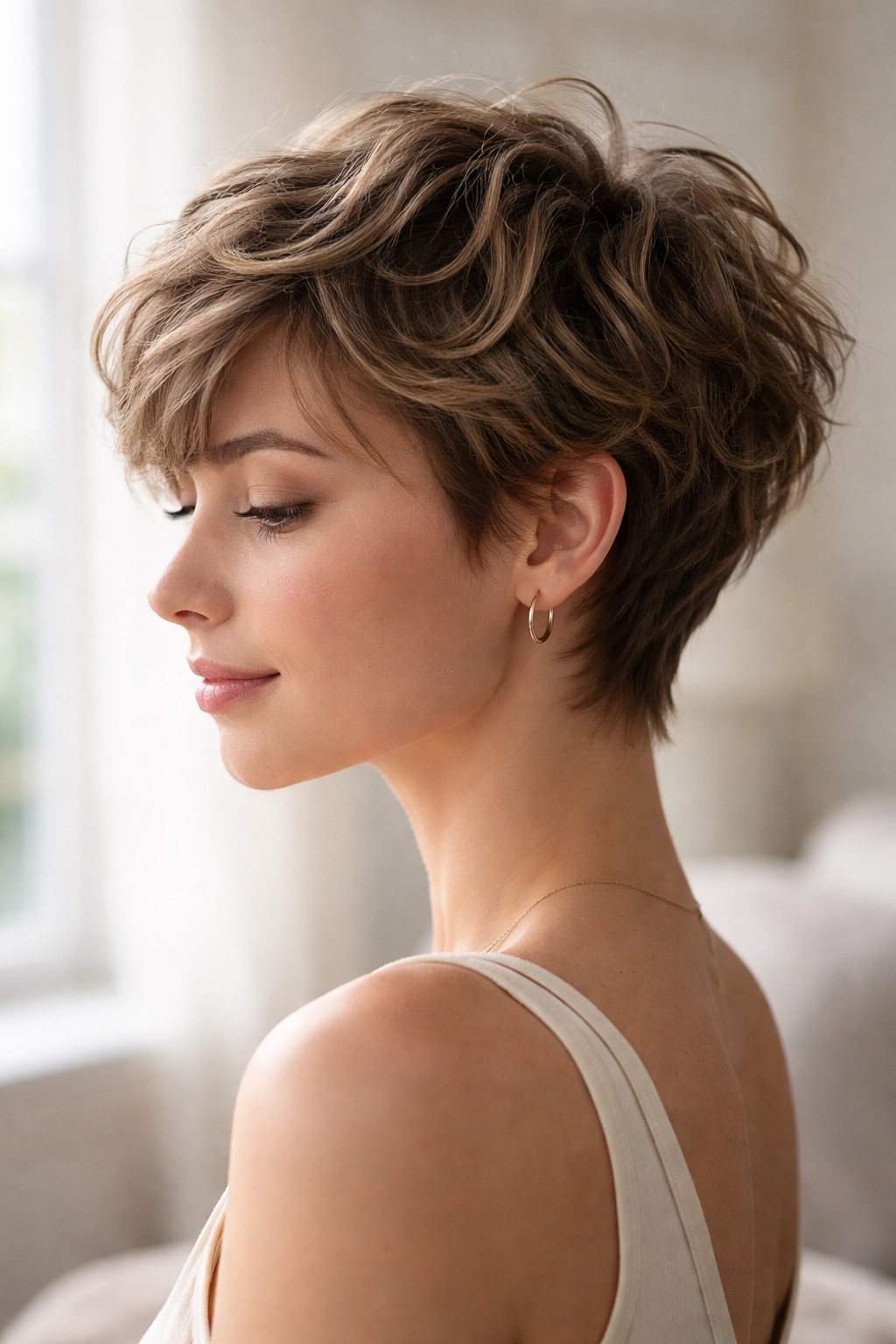
If you like the idea of a pixie but worry it might be too severe for your face, this is your entry point. The feathered pixie maintains the overall short length of a pixie—maybe 1-2 inches on top—but uses feathering and point-cutting techniques to create soft, wispy layers that catch light and move beautifully with your natural waves. Instead of blunt or choppy edges, everything feels gently textured and organic. This style suits nearly every face shape and works especially well if you have fine or medium-weight wavy hair.
Why This Style Stands Out
Feathering creates movement and softness without sacrificing the clean, close-to-the-head structure that makes a pixie feel modern and intentional. The key difference between a feathered pixie and a choppy textured one is the technique—feathering uses point-cutting to create tapered, soft edges rather than blunt choppiness, which gives it a more romantic, less edgy feel. This works beautifully with waves because the technique actually encourages the wave pattern to show rather than interrupt it. You get the sophistication of a short cut with the feminine softness of naturally wavy hair.
How to Ask Your Stylist for It
Bring reference images of feathered pixies on wavy hair—pay close attention to the softness of the edges in your examples. Tell your stylist you want layers created through feathering and point-cutting rather than chunky choppy layers, and that you’d like it to feel romantic and soft rather than edgy. Ask them to cut it dry so they can see your wave pattern and work with it. Discuss the length on top (this works best kept between 1.5 to 2.5 inches) and make sure they understand you want a shape that hugs your head but with movement and texture throughout.
Styling and Maintenance Tips
This cut is designed to look good with minimal styling. On wash days, you can apply a lightweight styling cream to damp hair and air-dry, or use a diffuser attachment on your blow dryer if you want defined waves. The feathered layers will naturally separate and move with your waves without requiring you to manipulate them. Trims every 4-5 weeks will keep the feathering looking intentional and prevent it from growing into a shape that feels less polished. The beauty of this cut is that it actually improves as your hair grows slightly before your next trim.
3. The Disconnected, Modern Pixie
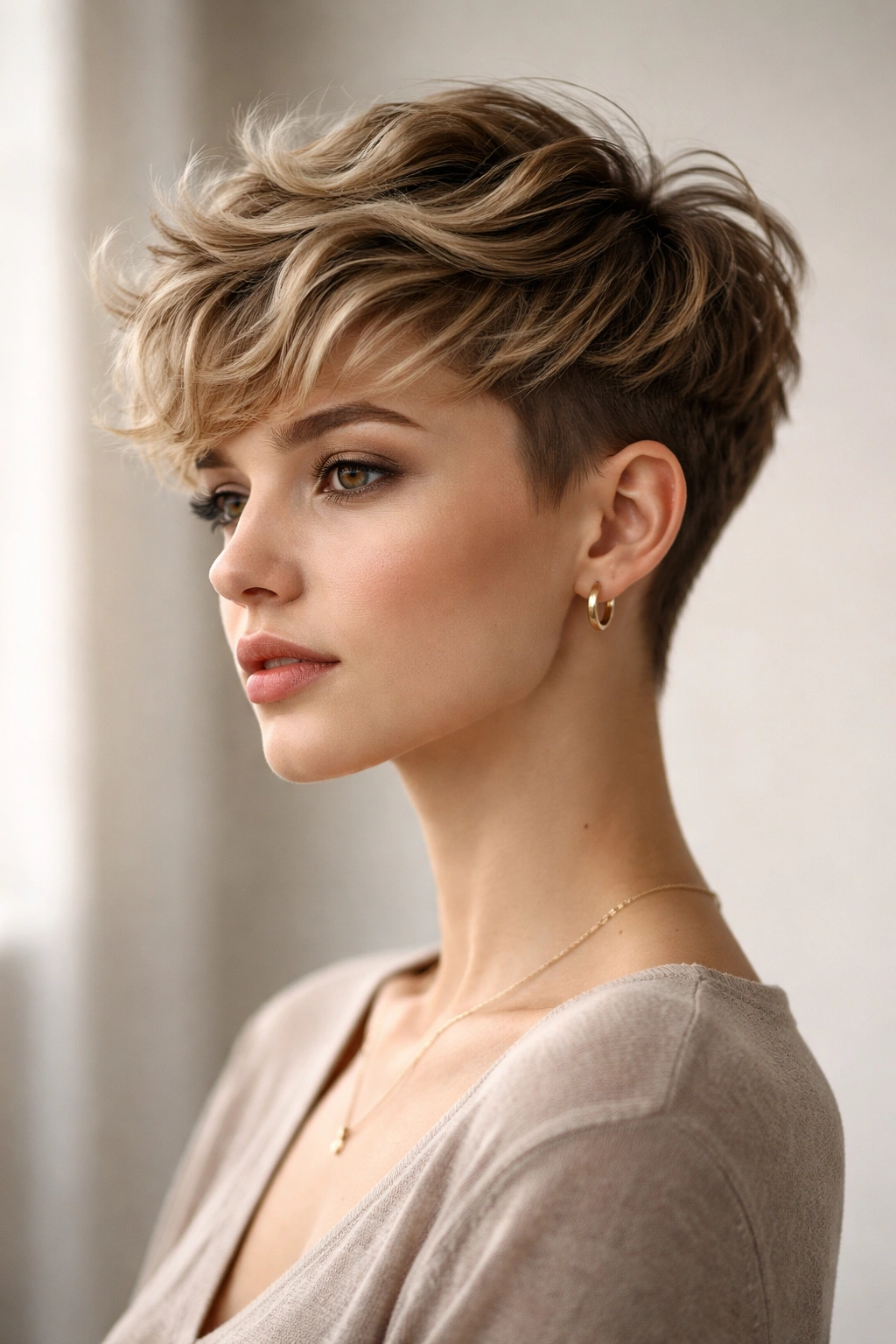
A disconnected pixie is bold, architectural, and genuinely striking—it’s where the back and sides are cut very short and tight while the top is left significantly longer, creating a distinct disconnection between the two sections rather than a smooth graduation. On wavy hair, this style creates incredible contrast and texture. Your waves on top have room to express themselves, while the short sides keep the overall silhouette clean and contemporary. This works best if you’re willing to style your hair or if you have naturally tight waves that look great tousled.
Why This Style Stands Out
The disconnection creates a fashion-forward, intentional look that feels more modern and editorial than a traditional graduated pixie. Because the top is longer, you have more surface area for your waves to move and create dimension, but the very short sides prevent the whole look from feeling bulky or overgrown. This style has real personality—it announces that you’re confident in your hair choices and you’re not trying to blend in. On the right person, it’s genuinely stunning.
How to Ask Your Stylist for It
This is one where you absolutely need to show a clear reference image of a disconnected pixie on wavy hair. Be specific about how short you want the sides and back—this typically ranges from a skin fade or very close shave to a quarter-inch of length. Tell your stylist how much longer you want the top to be (maybe 2-4 inches depending on your preference) and ask them to create distinct visual separation rather than a gradual blend. Ask them to cut your hair dry and discuss how they’ll handle the top section—you’ll want layers that work with your waves rather than against them.
Styling and Maintenance Tips
This cut requires slightly more intention than some others. Most people with this style will blow-dry the top section with a diffuser or round brush to encourage wave definition and shape, while the short sides can be left alone or styled smooth depending on your preference. Some people love adding texture spray or sea salt spray to the top for extra grip and movement. You’ll need trims every 3-4 weeks to maintain the sharpness of the disconnect—as it grows out, the distinction between the short and long sections blurs and the style loses its impact. This isn’t a low-maintenance cut, but it’s definitely worth the effort if you love the look.
4. The Tapered Pixie with Side Sweep
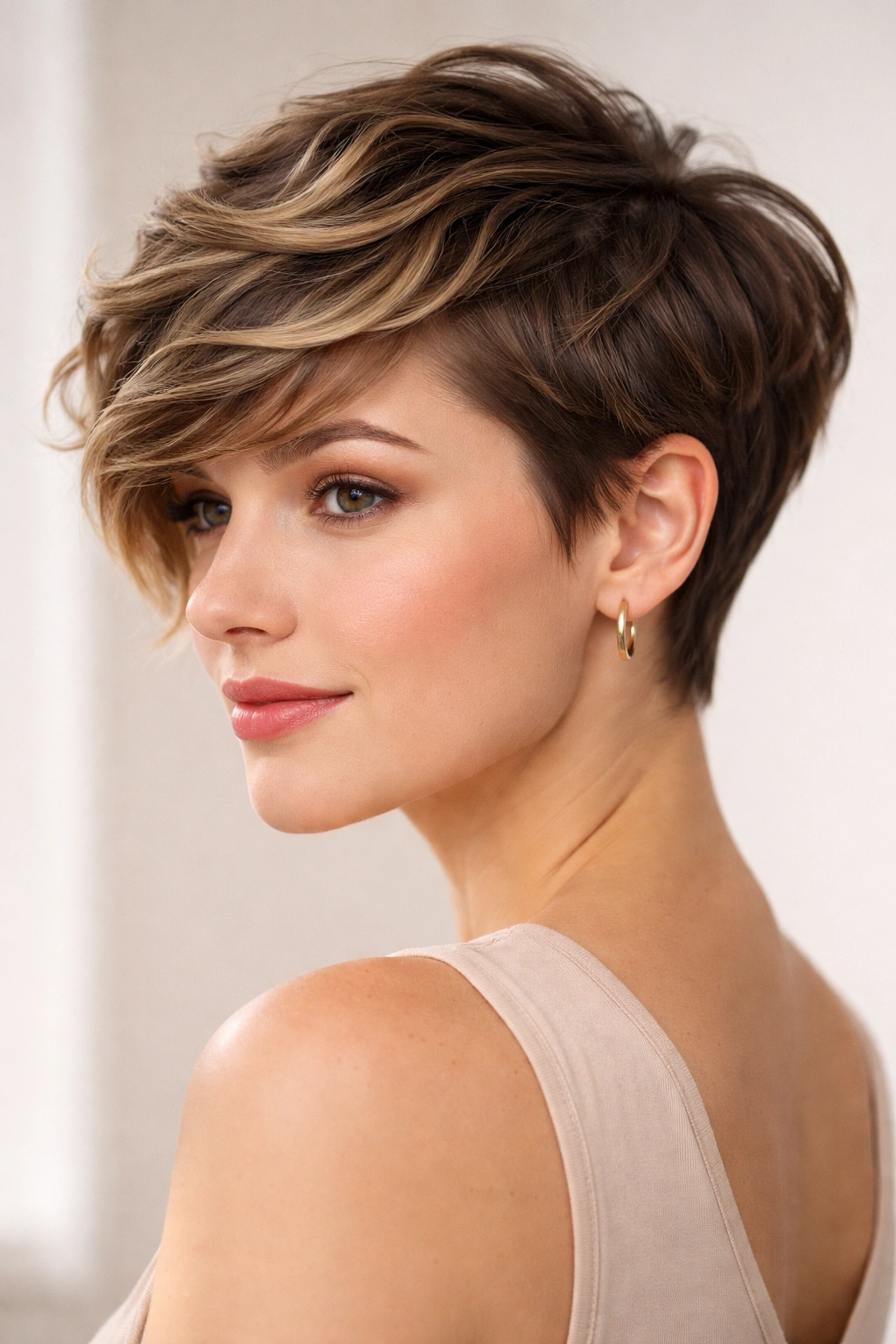
This style keeps the back and crown short and tapered in a traditional pixie shape, but allows more length on one side, which sweeps across and creates a subtle asymmetry. The tapered sides keep everything close to the head and face-flattering, while the longer side section moves and shows off your wave texture. The side sweep element adds femininity and creates a softer vibe than a blunt, symmetrical pixie. If you’re looking for something that reads as clearly pixie but feels a bit more romantic, this is an excellent option.
Why This Style Stands Out
The side sweep borrows from both pixie and shaggy haircut aesthetics, creating something that feels fresh and modern without being extreme. Tapered sides create a clean, sculpted look without feeling severe, and the sweep element gives you styling options—you can sweep it to one side for a defined look or brush it back for something less directional. The asymmetry actually tends to be more flattering than perfect symmetry because it creates visual interest and movement. Your natural waves will show beautifully in the longer side section while the tapered back and crown keep everything structured and polished.
How to Ask Your Stylist for It
Show photos of side-swept pixies on wavy hair that appeal to you. Specify which side you want longer and discuss approximately how much longer (maybe an extra inch or two compared to the tapered back and crown). Make it clear you want the tapered sides to feel clean and shaped rather than blunt, and ask your stylist to create the taper while your hair is dry so they can see how your waves play into the overall shape. Discuss what length you want the tapered sections to be—this typically ranges from half an inch to just over an inch depending on your face shape and preference.
Styling and Maintenance Tips
This cut works beautifully air-dried on wavy hair. Apply a light styling product to damp hair and let it dry naturally, directing the longer side section in the direction you want it to sweep. You can also lightly style the longer section with a round brush or curling iron if you want more defined waves. The tapered sides are low-maintenance and don’t require much styling—they’ll look clean and shaped on their own. Trims every 4-5 weeks will keep the taper looking intentional and prevent the longer section from growing shaggy or unbalanced.
5. The Shaggy Pixie Hybrid
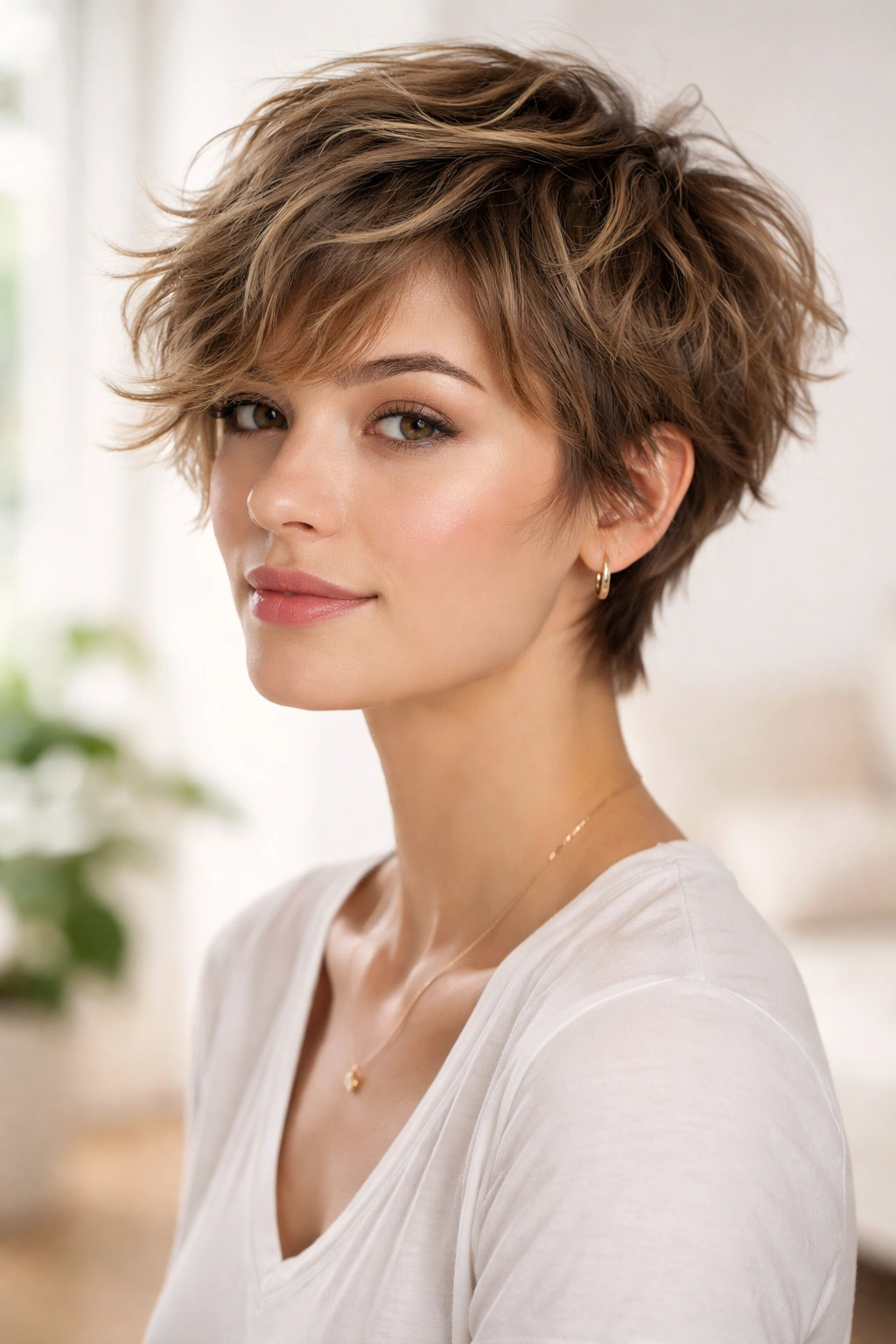
If you love the idea of a pixie but worry it might feel too uniform or close to your head, a shaggy pixie hybrid gives you more texture and movement than a traditional pixie while still maintaining the short, face-framing structure that makes the style feel fresh and modern. This cut combines the overall length of a pixie (maybe 1-3 inches depending on the section) with the layering strategy of a shag, creating tons of texture, movement, and separation throughout. It’s playful, youthful, and absolutely brilliant on naturally wavy hair because every layer creates a chance for your waves to show.
Why This Style Stands Out
The shag element means there’s no single dominant length or direction—instead, you have multiple layers of varying lengths that create movement and texture throughout. This is particularly flattering on people with oval, heart, or oblong face shapes because the layers create width and prevent the cut from feeling like it’s pulling everything back too severely. The inherent movement and texture of the cut means it reads as intentional and styled even when you’ve barely done anything to it. Your natural waves do most of the work for you.
How to Ask Your Stylist for It
Reference images are crucial here. Look for shaggy pixies on wavy hair where you can clearly see the multiple layers and the overall youthful energy of the cut. Tell your stylist you want a pixie-length cut overall but with heavy layering throughout to create a shaggy, textured vibe rather than a uniform shape. Ask them to cut it dry so they can see your wave pattern and layer accordingly. Discuss your desired overall length and make it clear you want movement and separation rather than a blunt or cropped feel.
Styling and Maintenance Tips
This cut is designed for texture, so air-drying is actually your best friend. Wash your hair, apply a styling cream or mousse to damp hair, and let it dry naturally or with a diffuser. The layers will create their own movement and the shaggy vibe gets better the less you try to control it. You can scrunch your hair as it dries if you want more defined waves, or let it do its thing naturally. Trims every 5-6 weeks will keep the layers from growing out and losing their impact, but this cut actually looks good for a few weeks after a trim and then transitions nicely as it grows slightly.
6. The Sleek, Cropped Pixie
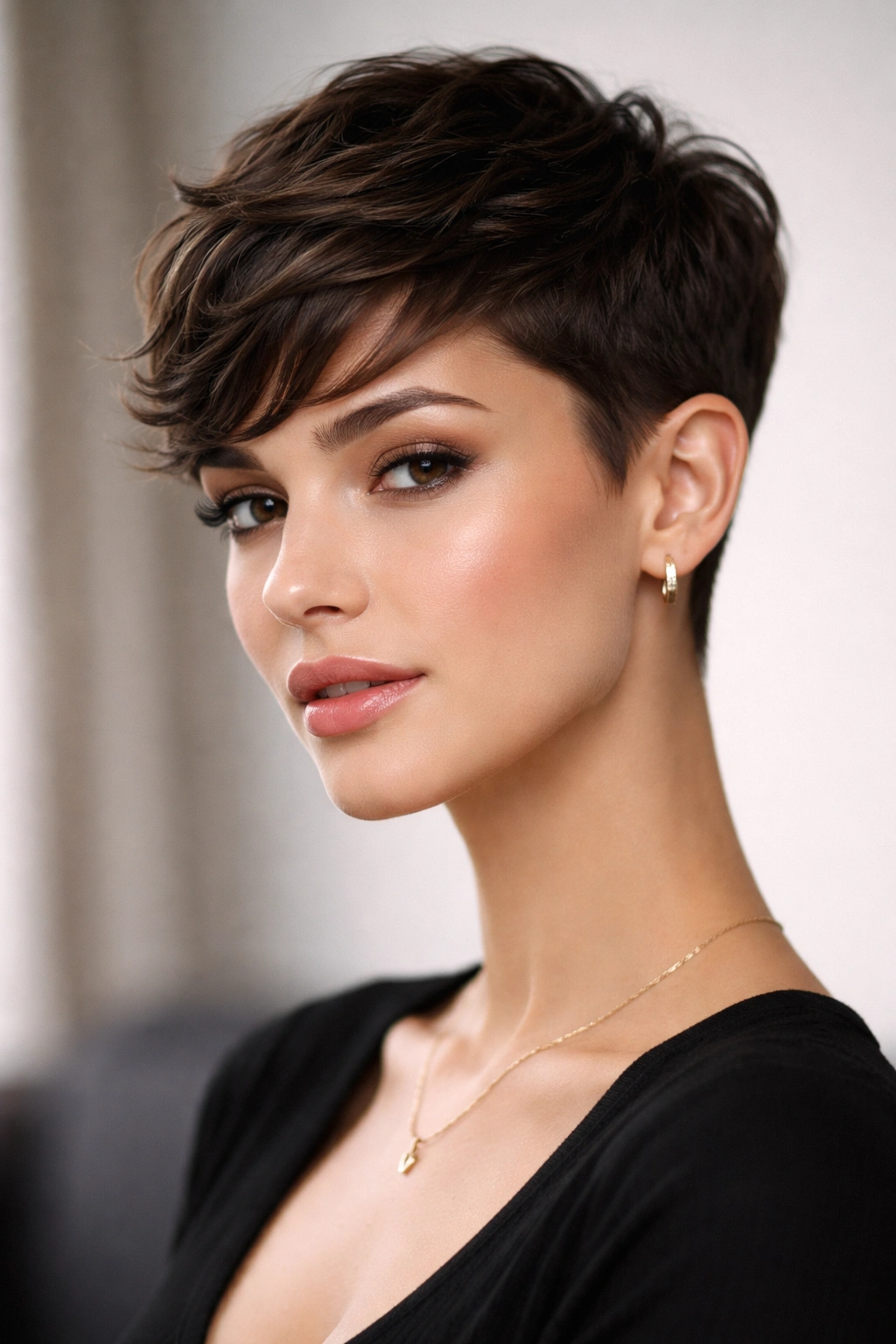
Sometimes you want a pixie that’s deliberately sleek and sculptural rather than textured and undone. A sleek, cropped pixie is cut very close to the head and shaped to emphasize your face shape and bone structure. On wavy hair, this style works because even though the cut is precise and short, your natural waves provide texture and movement that prevents it from looking austere. The key is choosing a cut that’s short enough to feel sleek and streamlined but long enough (usually at least half an inch) that your waves can still express themselves. This style is incredibly chic and architectural.
Why This Style Stands Out
A sleek cropped pixie is the height of sophistication and confidence. It’s a style that doesn’t try to blend in—it announces itself and demands attention. On wavy hair, the contrast between the sleek shape and the natural texture creates visual interest and prevents the cut from feeling too severe or masculine. This works particularly well if you have regular, consistent waves rather than very curly hair, and if you’re willing to blow-dry and style it. The payoff is a cut that reads as incredibly polished and intentional.
How to Ask Your Stylist for It
This is a style where you want your stylist to have real expertise in working with wavy hair, because they need to cut it short enough to be sleek without cutting so close that your waves make it look shaggy or unkempt within a few days. Show reference images of sleek pixies on wavy-haired people where the overall silhouette is smooth and shaped. Discuss the exact length you want—half an inch to an inch is typically the range for this style—and ask your stylist to cut it so that the shape is clean and sculpted but your waves still have room to provide texture. Ask about their blow-dry recommendations and how they envision you styling it daily.
Styling and Maintenance Tips
This cut requires more daily styling than some others, but the payoff is real polish. You’ll typically blow-dry it with a round brush or paddle brush to smooth and shape it, then finish with a light hairspray or texture spray to hold the shape. Some people with this style use a light wax or pomade to define the shape and add a subtle shine. The short length means you’ll want trims every 3-4 weeks to maintain the clean, sculpted silhouette. This is genuinely a high-maintenance style in terms of styling time, but if you love the polished, architectural look, it’s absolutely worth it.
7. The Curly Girl Method Pixie
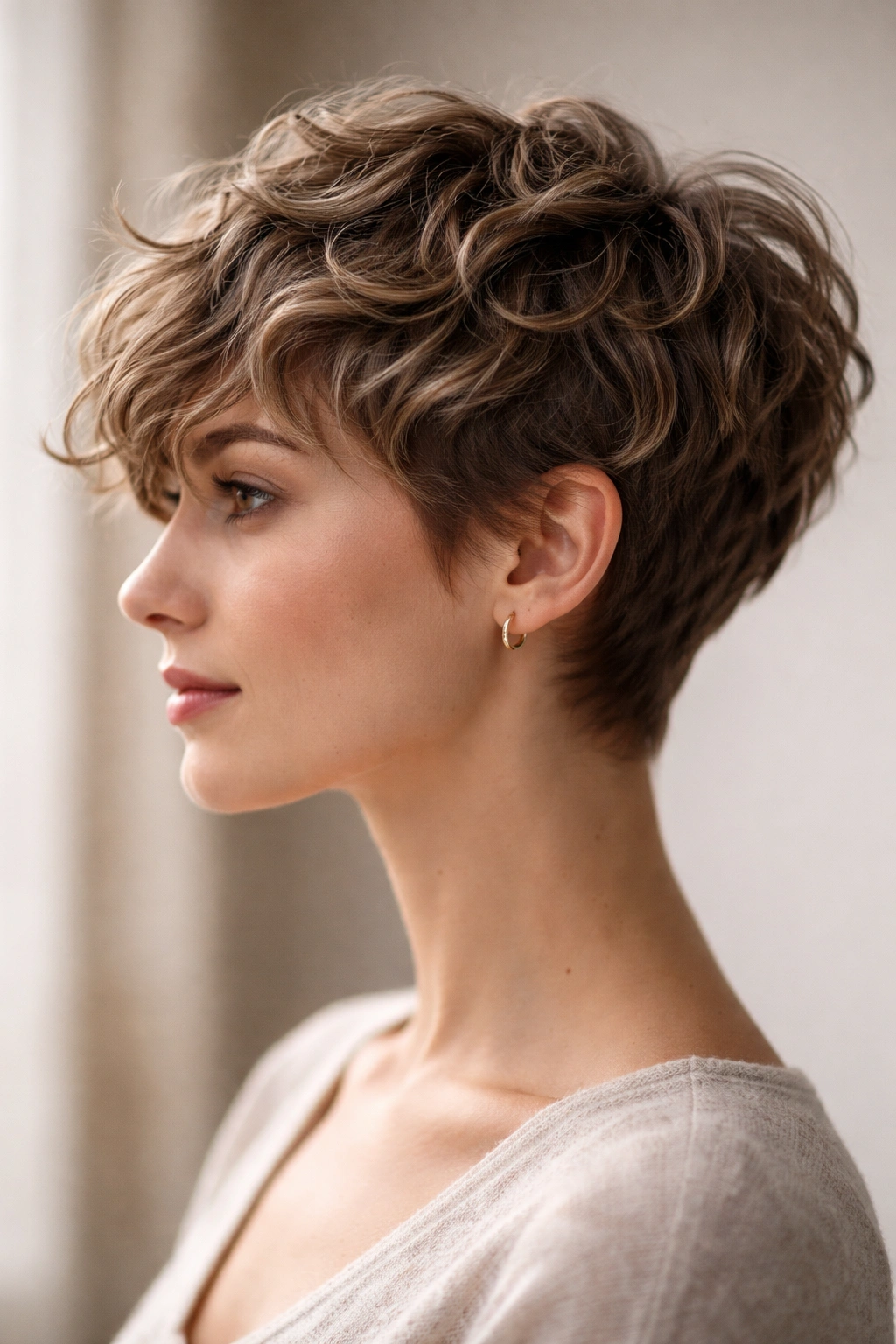
If you’ve embraced the Curly Girl Method or a similar approach to caring for your waves, you might think a pixie is off-limits. Not so. A Curly Girl Method pixie is cut specifically to work with your natural wave pattern without requiring heat styling, chemical products, or techniques that compromise curl health. It’s typically layered generously to encourage curl definition, kept at a length where curls have room to express themselves (usually at least an inch on top), and shaped in a way that works with your natural texture rather than fighting it. This style celebrates your waves rather than trying to tame them.
Why This Style Stands Out
This cut is perfect if you’re devoted to working with your natural texture and don’t want to compromise that philosophy with a pixie. The generous layering means that every section of your hair can curl and move independently, creating tons of dimension and definition. Because the cut is specifically designed around your wave pattern, it actually looks better the less you manipulate it—air-drying is genuinely the best styling method. This style says something powerful about accepting and celebrating your natural hair rather than fighting it.
How to Ask Your Stylist for It
Find a stylist who specializes in curly and wavy hair and has specific experience with the Curly Girl Method (or your particular curl-care approach). Bring reference images of pixies on naturally textured hair that were cut with curl in mind. Explain your hair care philosophy and ask them to cut your hair dry and ideally when your curls are in their natural state (not stretched out or styled in a way that doesn’t represent how they naturally fall). Discuss the length you need for your curls to have room to form and express themselves, and ask for heavy layering throughout. Be clear that you don’t want to use heat tools or non-CG-approved products, and ask for their recommendations on styling techniques and products that work within those parameters.
Styling and Maintenance Tips
The beauty of this cut is that minimal styling is required. Wash your hair with your chosen cleansing method, apply your leave-in conditioner and styling products (whether that’s curl cream, gel, mousse, or something else), and let it air-dry or use a diffuser if you want. Plopping (wrapping your wet hair in a microfiber towel or t-shirt) can help with definition. The cut does the work for you because it’s designed around your natural curl pattern. You’ll want trims every 5-6 weeks to maintain shape and prevent the layers from growing out too much, but between trims this style looks increasingly good as it grows slightly.
8. The Grown-Out Pixie Transitional
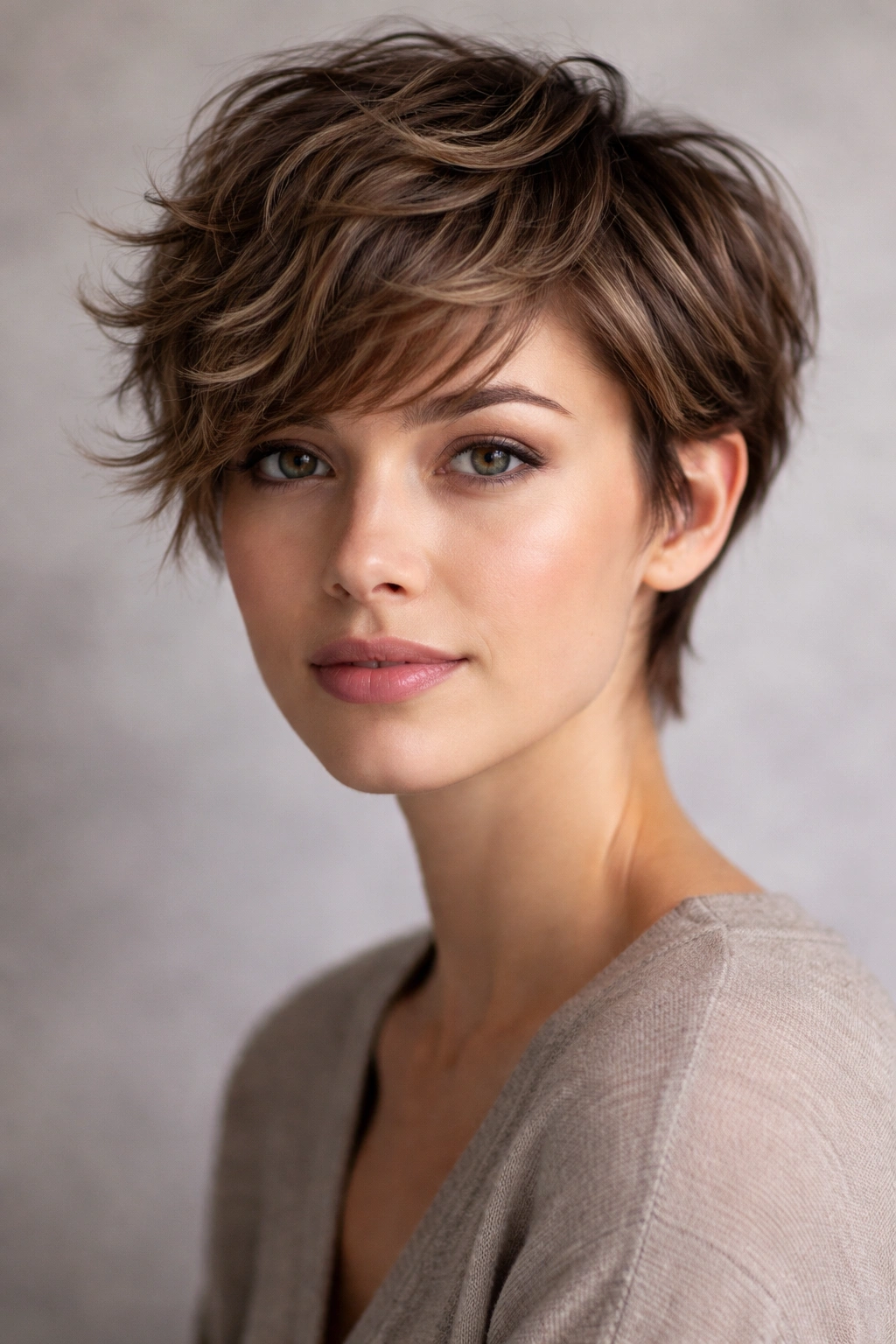
Maybe you had a short pixie and you’re growing it out, or you want a pixie that deliberately has that slightly-grown-in vibe that reads as intentional rather than unkempt. A grown-out pixie transitional works by creating layers that allow the growing length to blend seamlessly rather than look awkward and shapeless. The top is longer than a traditional pixie, the sides are slightly longer than they would be in a standard pixie, and the layers create movement that works with your waves rather than against them. It’s the perfect style if you’re in-between pixie and a bob, or if you want pixie energy with a bit more flexibility as it grows.
Why This Style Stands Out
This style is incredibly practical because it looks intentional both right after your cut and as it grows. There’s no awkward phase where it just looks shaggy—instead, it transitions beautifully from a shaped pixie into a longer style. The layers and length allow your waves to move and show texture beautifully, and the overall effect feels modern and undone rather than scraggly. If you’re not sure about committing to a full, super-short pixie, this is a great way to dip your toes in.
How to Ask Your Stylist for It
Explain that you want a pixie that’s designed to grow out gracefully, or that you’re in-between lengths and want something that looks intentional at every stage. Ask for more length on top than a traditional pixie (maybe 2-3 inches) and gradually shorter layers as you move back, with textured layers throughout to encourage your waves to show. The sides can be slightly tapered but not drastically short. Make it clear you want this to look like a deliberate style choice rather than an awkward in-between phase. Reference images of grown-out pixies or shaggy pixies are helpful here.
Styling and Maintenance Tips
This cut is designed to work well with minimal styling, especially on wavy hair. You can air-dry and let your waves do their thing, or use a diffuser if you want more defined curl. The layers will separate naturally and create movement. As it grows, you’ll want trims every 5-7 weeks to keep the shape intentional rather than letting it just grow into a shaggy mess. The nice thing about this cut is that the growing-out phase actually looks good—many people find themselves stretching the time between trims because they like how it looks at different lengths.
9. The Androgynous, Geometric Pixie
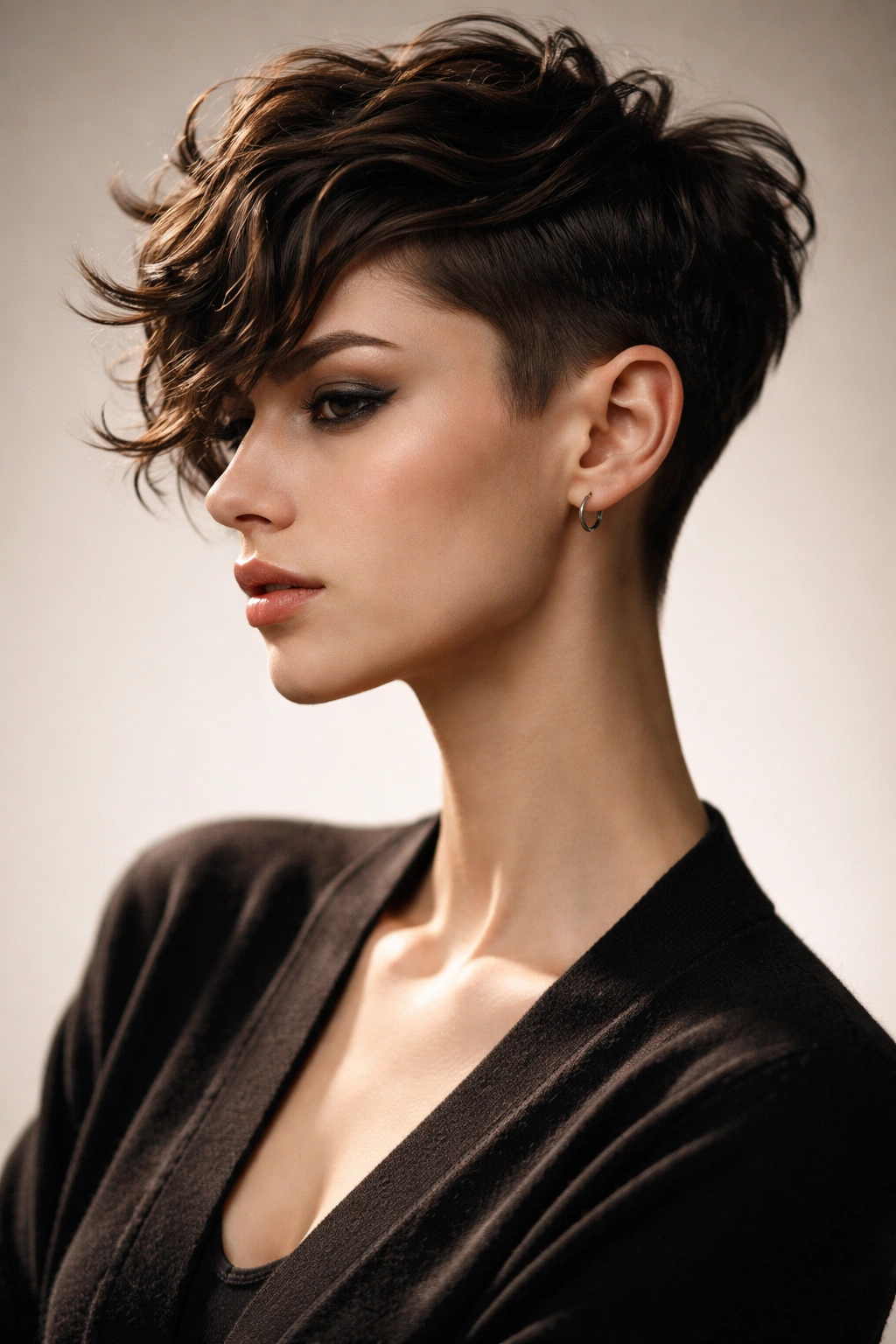
If you want a pixie that’s truly bold and architectural, a geometric pixie is cut with sharp lines, precise angles, and intentional asymmetry. Think less “soft and romantic” and more “modern art statement.” This style is often disconnected (very short sides, longer top), and the overall shape is deliberately geometric rather than organic. On wavy hair, the contrast between the structured cut and your natural texture creates something genuinely striking and fashion-forward. This is a style for people who are confident in their aesthetic choices.
Why This Style Stands Out
There’s nothing apologetic about a geometric pixie. It’s a statement style that celebrates precision, boldness, and individual aesthetic. The geometric lines and precise angles command attention, and the contrast with your natural waves adds softness to what might otherwise feel severe. This style photographs beautifully and is often featured in high-fashion editorials. If you want people to notice your hair, this is the cut to choose.
How to Ask Your Stylist for It
You need a stylist who has genuine expertise with editorial, geometric cutting. Reference images are absolutely essential—look for pixies with clear geometric lines, sharp angles, and intentional asymmetry, ideally on wavy hair. Be specific about the angles and the disconnect you want. This is a cut where communication with your stylist is crucial, because you want them to understand your aesthetic vision and translate it into a cut that actually works with your hair type. Don’t be shy about showing multiple reference images to make sure you’re on the same page.
Styling and Maintenance Tips
This cut typically requires blow-drying and styling to look its best. You’ll blow-dry with brushes or a round brush to smooth and shape the geometric lines, and may use product like wax, pomade, or texture spray to emphasize the intentional angles. Some people with this style also style their waves intentionally using curling or waving techniques to play into the artistic vibe. Trims are important—every 3-4 weeks to keep the geometric lines clean and sharp. This is definitely a high-styling cut, but if you love the bold, modern aesthetic, it’s genuinely worth the effort.
10. The Vintage-Inspired Pixie
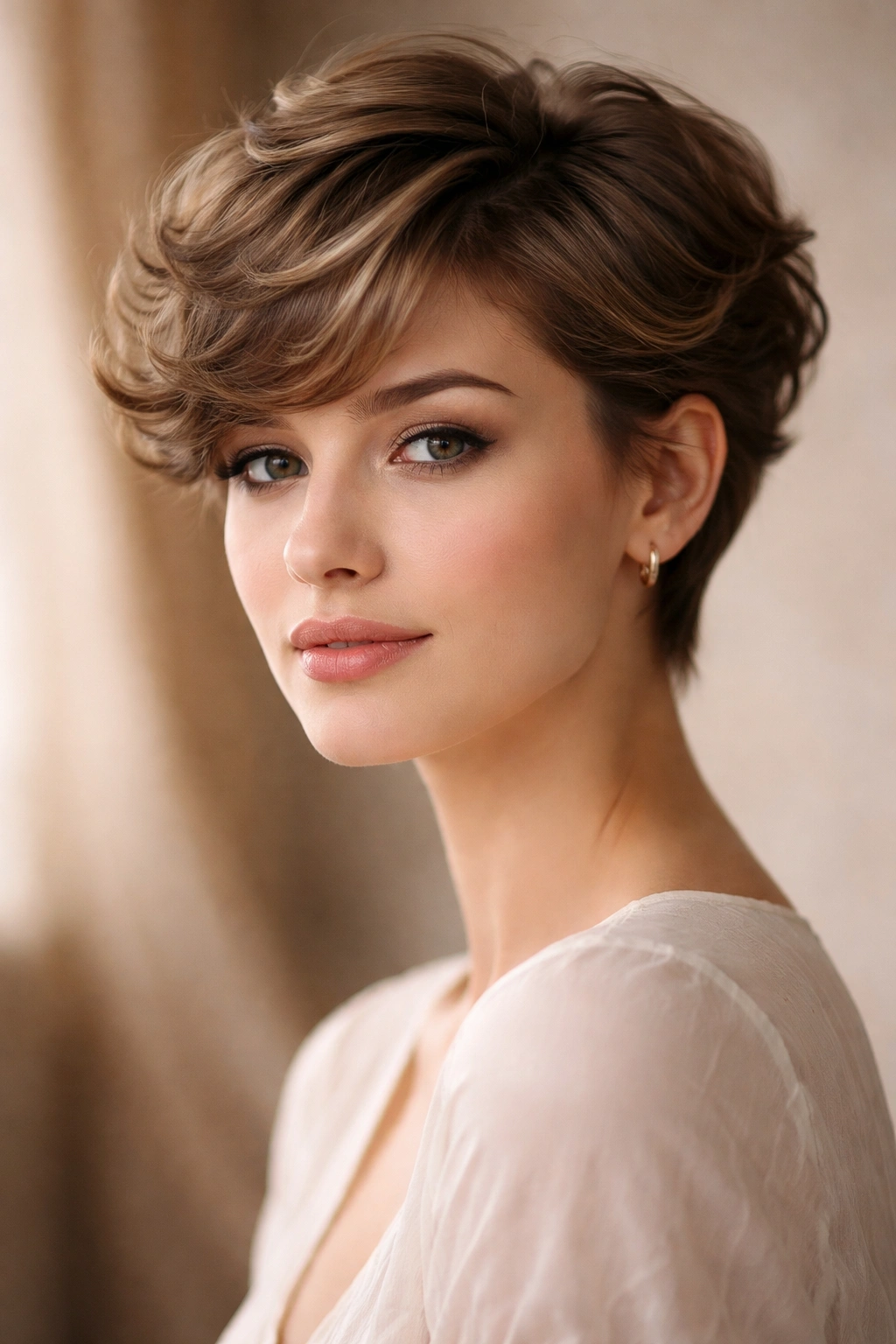
A vintage-inspired pixie takes cues from classic pixie cuts of the 1950s and 60s—think Audrey Hepburn or Mia Farrow—but adapted for modern sensibilities and natural wavy hair. This style is typically soft, gently curved, and emphasizes your face shape. It’s often slightly longer than a super-modern pixie and includes soft layers that work with your waves rather than against them. The overall effect is feminine, romantic, and timelessly elegant. If you love classic style with a modern twist, this is your pixie.
Why This Style Stands Out
There’s something inherently elegant about a vintage-inspired pixie, especially on wavy hair. The soft curves and gentle layers feel sophisticated and romantic without being overly trendy. This style flatters nearly every face shape because it’s designed around enhancing your features rather than making a bold statement. The vintage inspiration means this style will never feel dated—it’s timelessly beautiful. If you prefer elegance over edge, this is the cut to consider.
How to Ask Your Stylist for It
Reference classic pixie cuts from the 1950s and 60s, but show them adapted to modern wavy hair so they understand you want the timeless elegance of the original but with contemporary sensibility. Ask for soft, curved layers throughout rather than choppy or geometric lines. Discuss length—this style typically sits slightly longer than a modern pixie, maybe 1.5-2.5 inches on top. Make it clear you want the shape to enhance your face shape and that you want it to feel romantic and elegant rather than edgy or bold. Ask your stylist to cut it dry and work with your natural waves.
Styling and Maintenance Tips
This cut can be air-dried on wavy hair for a soft, undone look, or gently blow-dried with a round brush for a more polished finish. If you want that classic 1950s wave, you can set your hair in pin curls while damp and let them dry, or use a waving iron if you’re comfortable with heat styling. The soft layers will move beautifully with your waves and don’t require much manipulation. Trims every 4-6 weeks will keep the shape intact and prevent it from losing its elegance as it grows. This style actually improves with a bit of length as it grows before your next trim.
11. The Textured, Piece-y Pixie
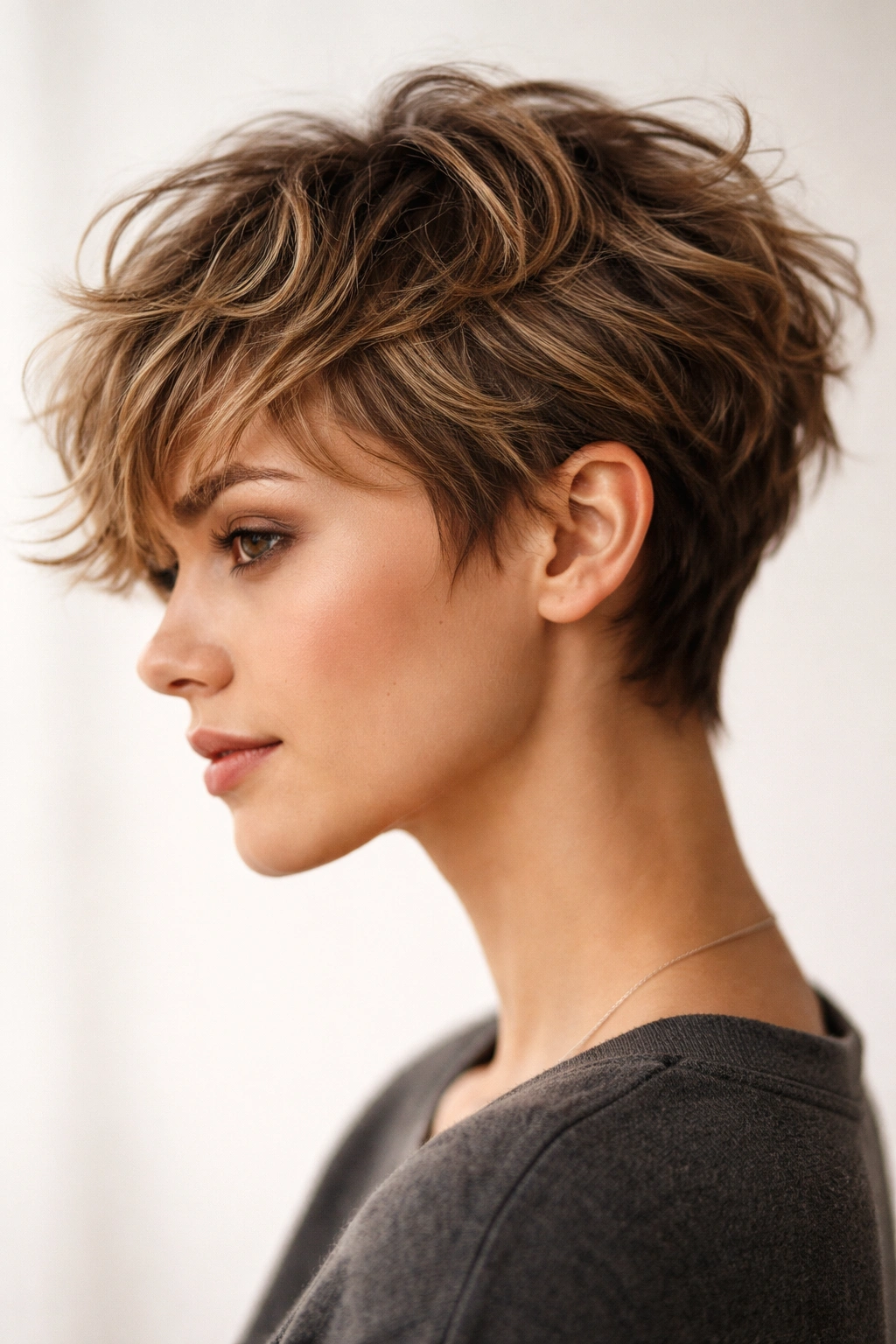
A piece-y pixie is all about texture and movement created through strategic layering and point-cutting. Rather than a smooth, sculpted shape, this pixie celebrates separation and texture—each piece of hair can move independently and catch light differently. On wavy hair, this approach is absolutely ideal because your natural texture is the star of the show. The cut works with your waves to create a look that’s intentionally undone, youthful, and full of movement. If you love that effortlessly textured aesthetic, this is your style.
Why This Style Stands Out
A piece-y pixie is the definition of low-effort, high-reward on wavy hair. The cut is designed so that your waves create their own movement and definition without you needing to do much of anything. Every layer can show your natural texture, and the overall effect reads as modern, youthful, and intentionally undone rather than messy. This style celebrates your natural hair rather than trying to control it. Photographically, piece-y pixies are gorgeous because the texture catches light and creates visual depth.
How to Ask Your Stylist for It
Look for reference images of piece-y, textured pixies specifically on wavy or curly hair. You want to see examples where the cut emphasizes separation and individual pieces rather than a cohesive, smooth shape. Tell your stylist you want heavy point-cutting and layering throughout to create maximum texture and movement. Ask them to cut it dry so they can see your wave pattern and layer accordingly. Make it clear you want the piece-y, undone vibe rather than anything smooth or sculpted. Discuss the overall length and ask for their recommendations on how to style it to enhance the texture.
Styling and Maintenance Tips
This is genuinely a wash-and-go cut on wavy hair. Apply a styling cream, mousse, or gel to damp hair and let it air-dry, or use a diffuser if you want faster drying. You can scrunch your hair as it dries to encourage wave definition. The cut does the work for you—no blow-dry, no styling tools, no complicated products required (though you can add them if you want more control or definition). Trims every 4-5 weeks will keep the piece-y texture looking intentional and prevent the cut from growing into something less shaped. This is one of the lowest-maintenance pixie styles available on wavy hair.
12. The Blunt, Chin-Grazing Pixie
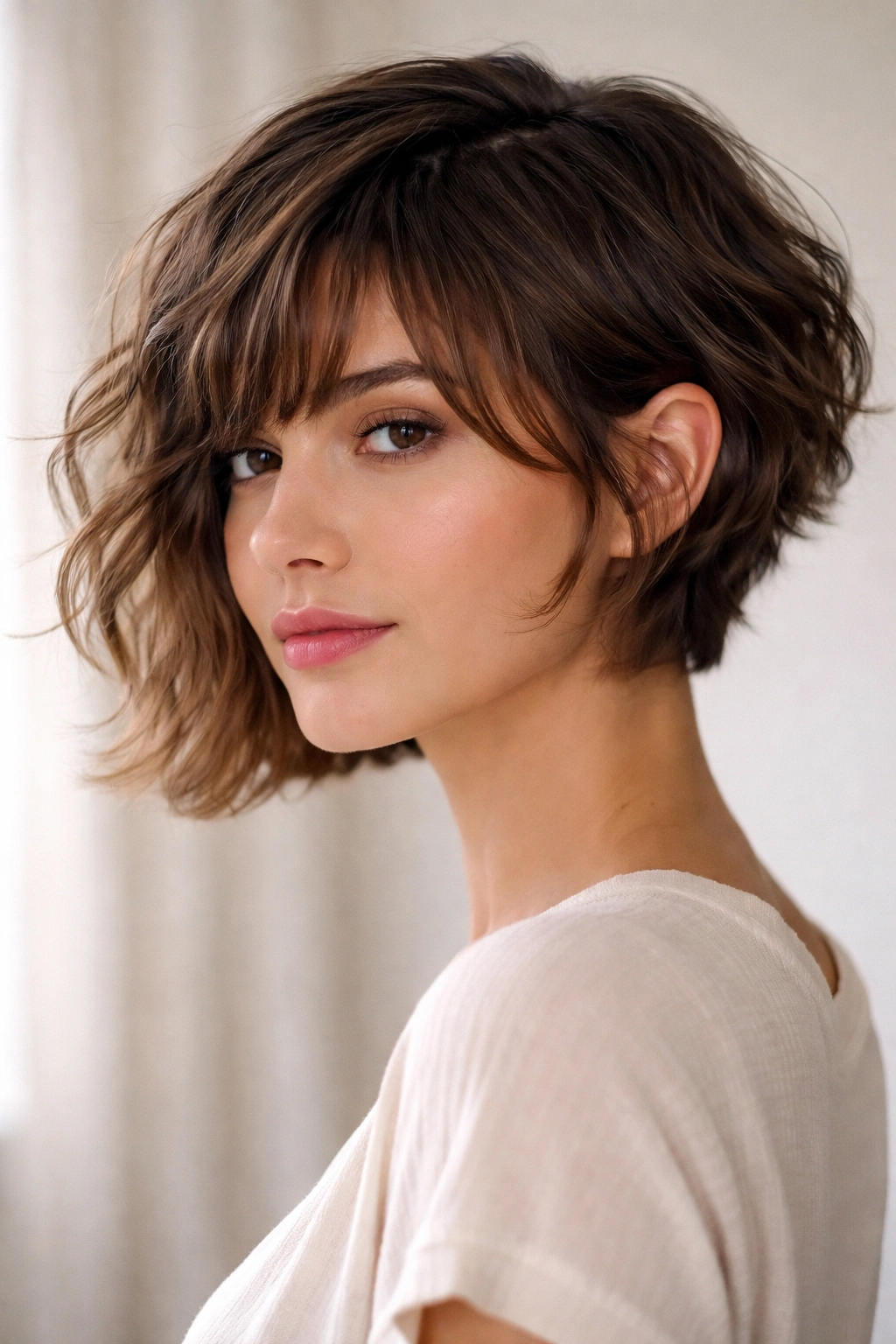
If you want something that’s clearly a pixie but with a bit more length than a traditional super-short pixie, a blunt, chin-grazing pixie might be your answer. This style is kept short enough to feel like a pixie (generally in the 2-3 inch range on top) but with a relatively blunt front section that grazes or just passes your chin when you tilt your head forward. The back and sides remain shorter, creating a subtle disconnection. On wavy hair, this longer front section shows off your texture beautifully while the shorter back maintains the pixie silhouette. It’s bold without being extreme.
Why This Style Stands Out
This style bridges the gap between a traditional pixie and a bob in the most elegant way possible. The longer front creates movement and the ability to frame your face, while the shorter back maintains that sharp, contemporary pixie energy. The blunt front edge is architectural and intentional, and on wavy hair, that bluntness is softened by your natural texture. This style is visually interesting from every angle—it reveals different proportions depending on how you style or move.
How to Ask Your Stylist for It
Show reference images of chin-grazing pixies on wavy hair. Be specific about where you want the longer front section to hit (chin-length, just above the chin, or somewhere in between). Discuss the length and shape on the back and sides—this typically remains in the 1-2 inch range depending on your preference. Ask your stylist to create a relatively blunt edge on the front while keeping the back more tapered or faded. Explain that you want the blunt edge to look intentional and modern rather than shaggy or grown-out. Ask them to cut it dry so they can see your wave pattern and how it’ll interact with the blunt front edge.
Styling and Maintenance Tips
This cut works beautifully with air-drying on wavy hair, though the longer front section will move differently than the shorter back, which creates interesting texture and movement. You can also blow-dry with a round brush if you want more control over the shape. Some people blow-dry the back smooth for contrast with the textured front. The blunt front edge is the focal point of this cut, so keeping it clean is important—trims every 4-5 weeks will maintain that intentional, sharp edge. As the front grows between trims, it gradually transitions into something slightly longer and bouncier, which many people find they actually like.
Getting the Right Cut for Your Hair
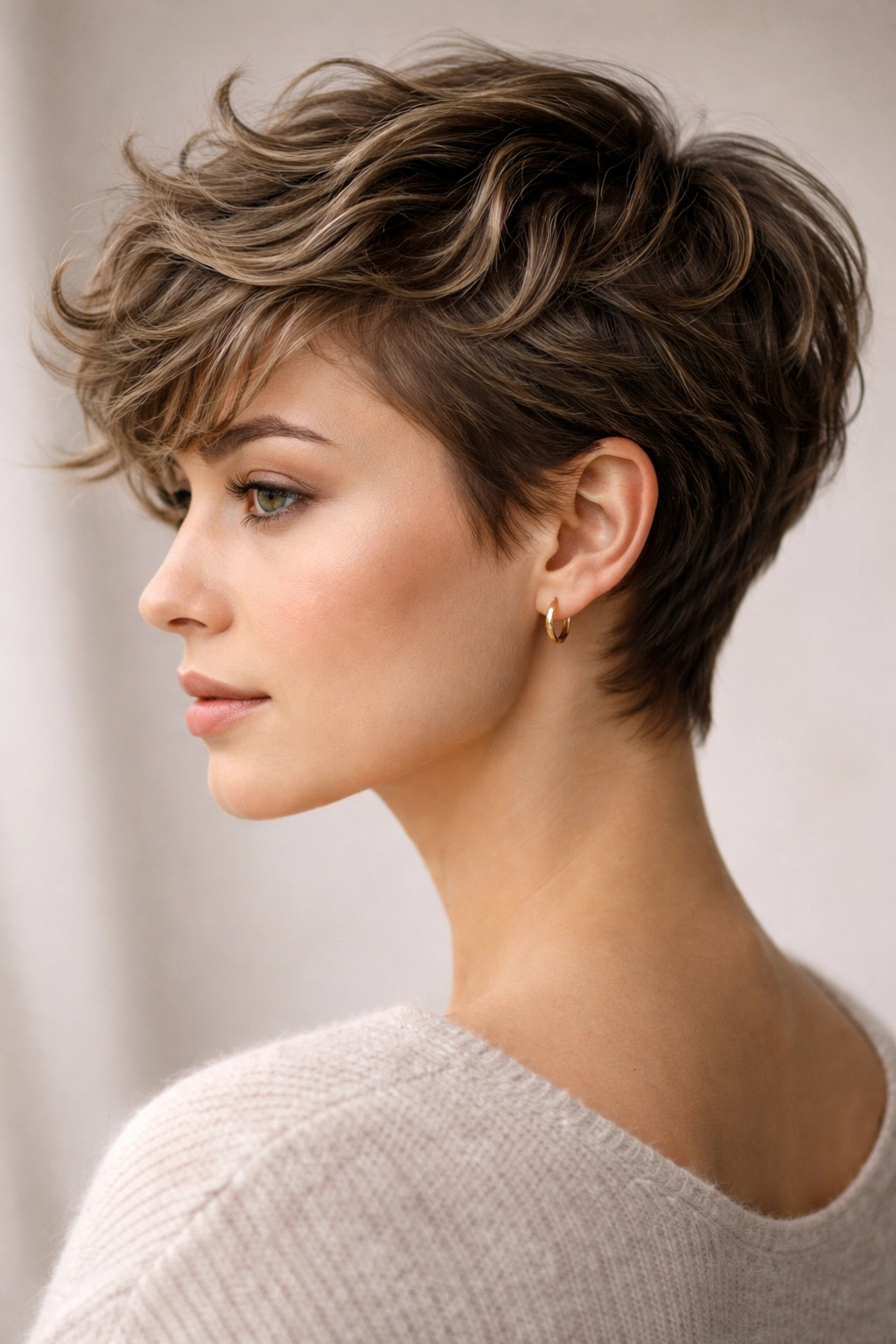
Finding the perfect wavy pixie cut really comes down to three things: choosing a style that aligns with your face shape, hair texture, and lifestyle; finding a stylist who genuinely understands how to cut for wavy hair; and being willing to have a detailed conversation about what you actually want versus what might look good on someone else’s Instagram.
The best stylists for wavy pixie cuts are ones who will cut your hair dry so they can see your natural wave pattern, who ask detailed questions about your styling habits and how much time you’re willing to spend on your hair, and who don’t try to convince you into a cut that flatters them rather than you. They should also have a strong portfolio of work on wavy and textured hair—don’t be shy about asking to see examples before you book.
Consider your face shape when choosing which pixie appeals to you. Heart-shaped faces often look stunning with side-swept or asymmetrical styles that create softness on the sides. Round faces benefit from slightly longer pixies with texture and movement that create the illusion of length. Square faces can handle bolder, more geometric styles that echo the angles of the face. Oval faces are genuinely lucky—almost every pixie style works beautifully.
Styling Products and Tools for Wavy Pixies
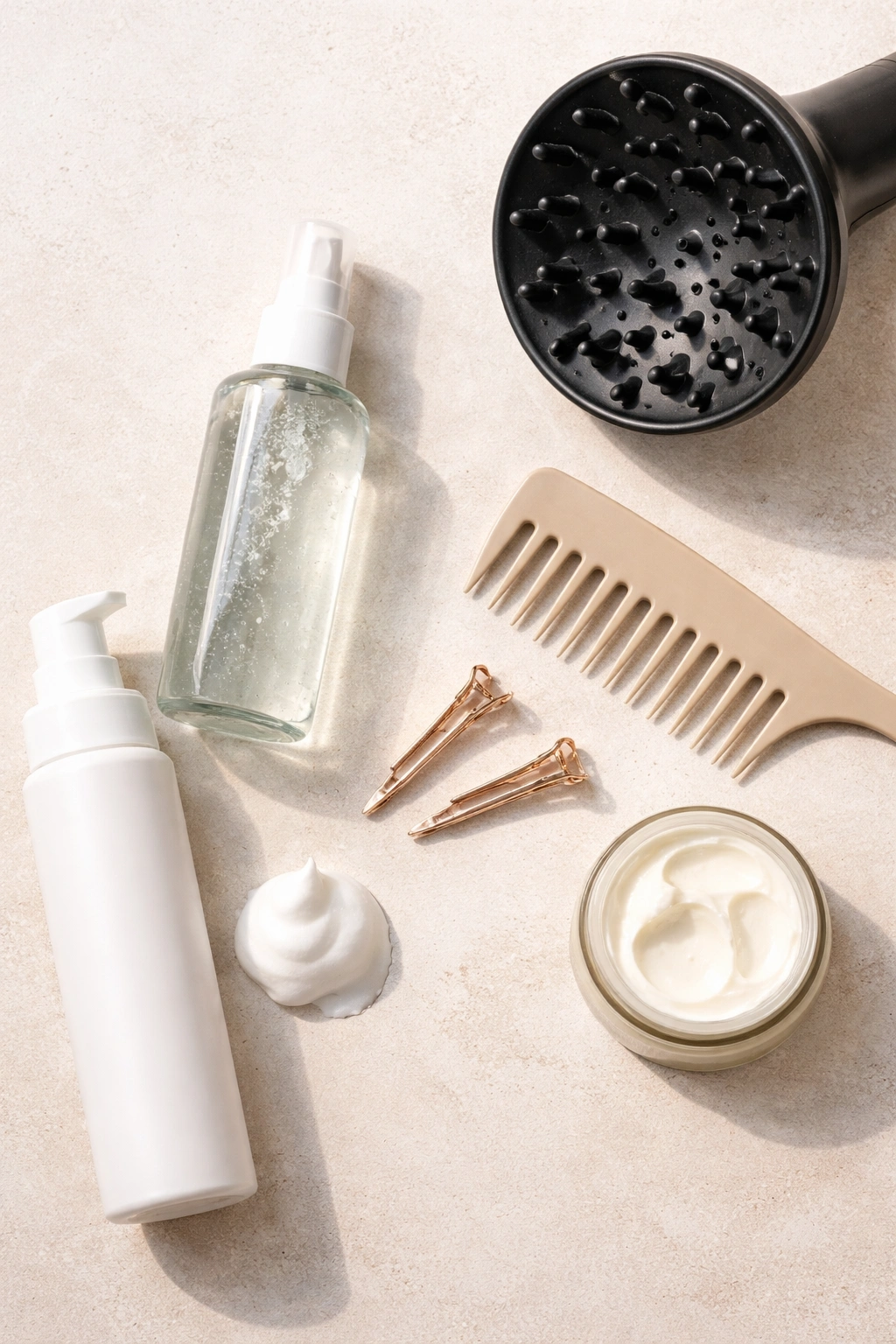
Once you’ve got your cut, using the right products makes a genuine difference. Lightweight styling creams, curl-enhancing mousses, and sea salt sprays are your friends if you want to encourage your natural waves. If your pixie requires blow-drying, a diffuser attachment is essential—it distributes air more gently than a regular nozzle and helps define waves rather than disrupt them.
Avoid heavy products like thick creams or butters if you have fine or medium-weight wavy hair—they’ll weigh your pixie down and make it look limp rather than textured. If you have thicker, coarser waves, you can usually handle richer products without losing shape. Always start with less product than you think you need; you can always add more, but you can’t take it out once it’s in your hair.
For styling, your best tools are your fingers and a wide-tooth comb or detangling brush on wet hair. Avoid fine-tooth combs or brushes that can disrupt your wave pattern. If you’re blow-drying, use a low to medium heat setting with the diffuser, and try to scrunch rather than brush as your hair dries.
Maintenance and Growth Strategy
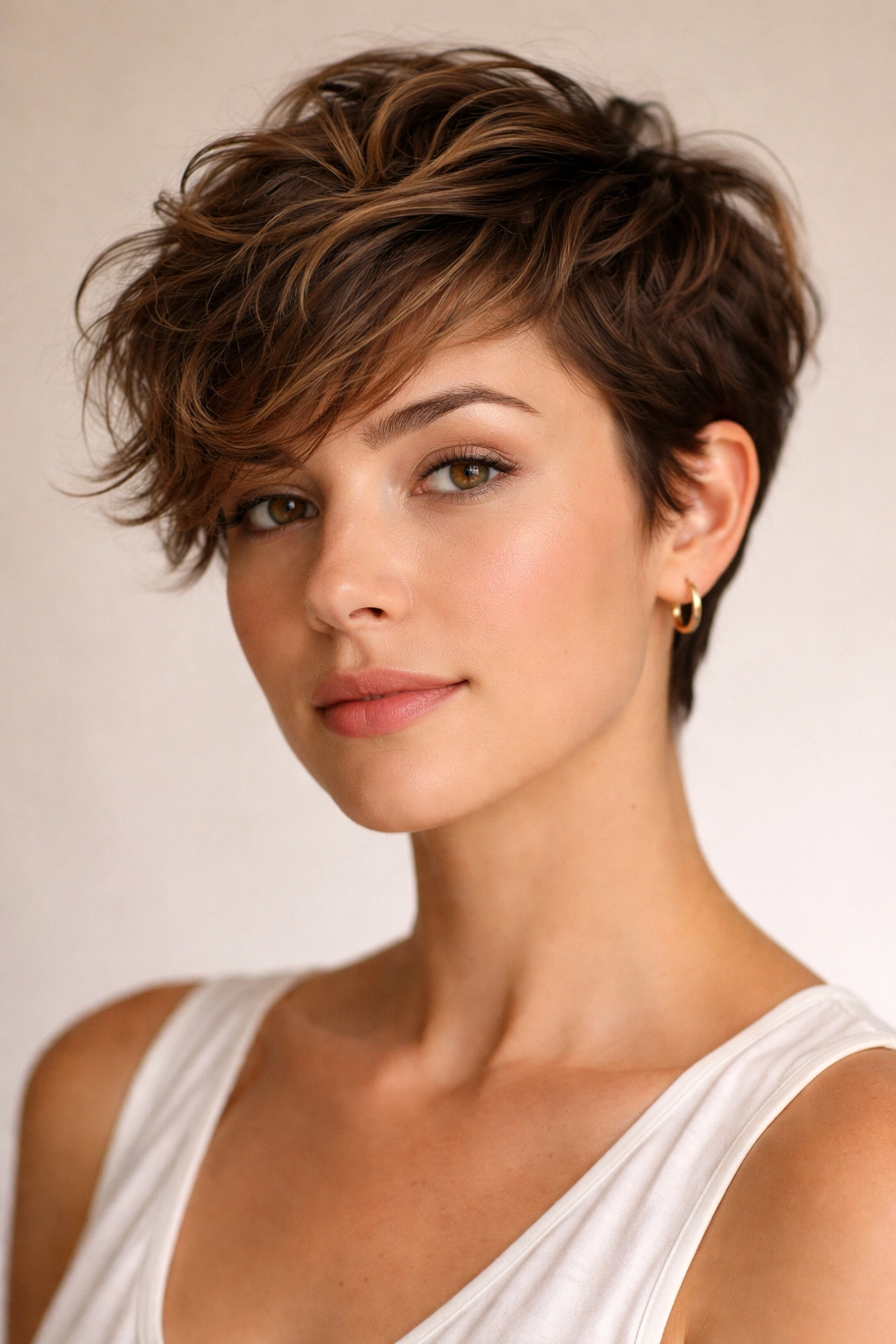
Most wavy pixie styles need a trim every 4-6 weeks to maintain their shape and intentionality. Pushing beyond six weeks typically means the cut has grown enough that it starts to lose its definition and can look shaggy or overgrown rather than stylishly tousled. Schedule your trims in advance so you’re not tempted to skip them; consistency is what keeps a pixie looking polished.
Between trims, you can extend the life of your cut with good home care. Use a moisturizing shampoo and conditioner (sulfate-free if possible, as sulfates can be drying), and consider a weekly deep conditioning treatment to keep your waves healthy and bouncy. Healthy hair holds a shape better and looks better in a pixie cut than damaged, dry hair.
If you’re considering transitioning from a pixie to longer hair, choosing a cut like the grown-out pixie transitional or the blunt chin-grazer means that the growing-out phase actually looks intentional rather than awkward. These styles are designed with growth in mind.
Final Thoughts
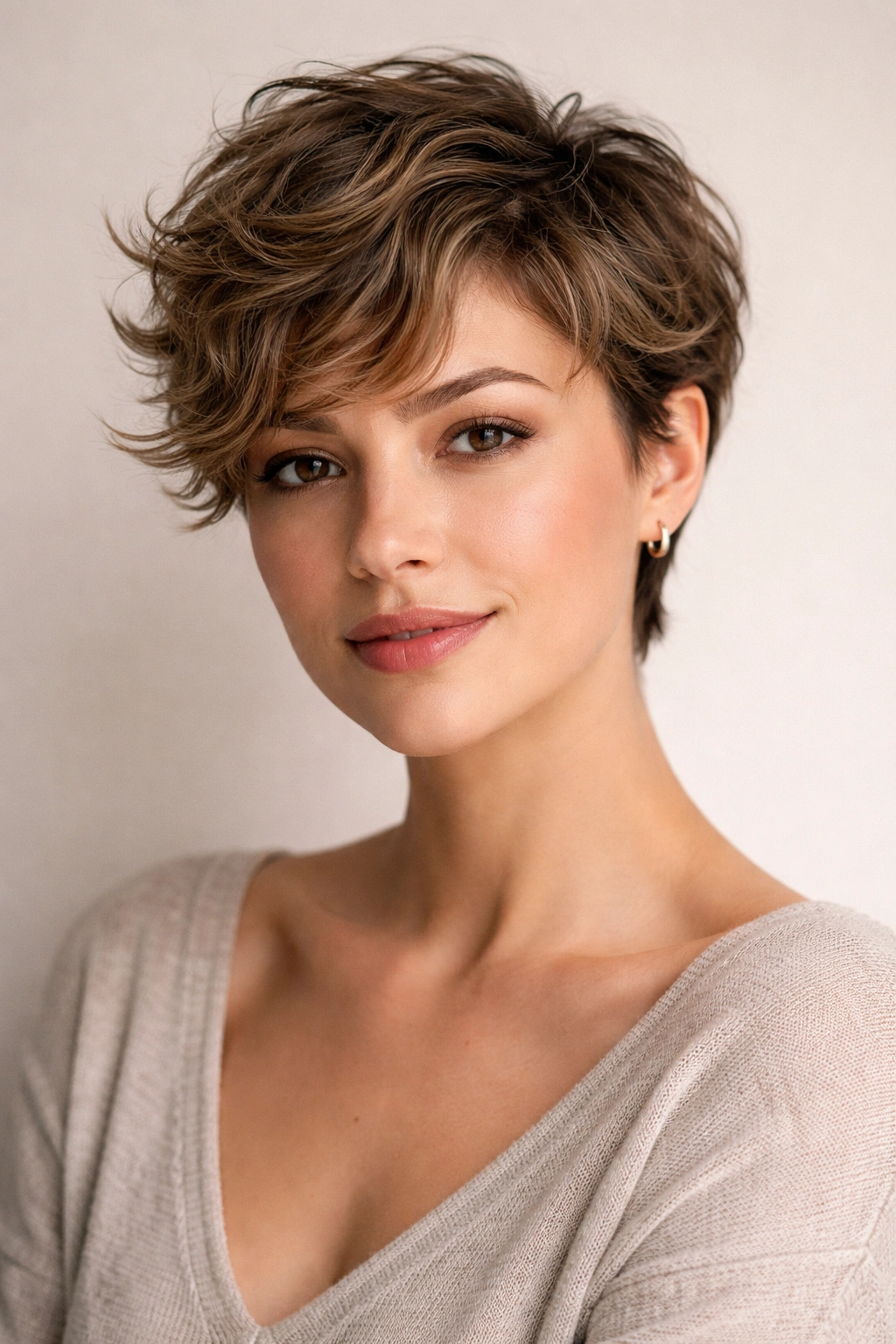
A wavy pixie cut isn’t one-size-fits-all—it’s about finding the style that works for your specific hair texture, face shape, and lifestyle, then trusting a skilled stylist to execute it beautifully. The twelve styles outlined here represent genuinely different approaches to the pixie cut on wavy hair, from soft and romantic to bold and geometric, from textured and undone to sleek and polished.
The magic of a pixie cut on wavy hair is that you get to celebrate your natural texture rather than fight it. You’re not trying to make your waves conform to a style—instead, you’re choosing a cut that works with your waves to create something beautiful. That’s what makes the right pixie so effortlessly gorgeous: it’s not at odds with your natural hair; it’s a partnership between the cut and your texture.
Take your time choosing which style resonates with you, do your research to find a stylist who truly specializes in cutting wavy hair, and then commit to the regular trims that keep a pixie cut looking intentional and polished. Once you find your perfect wavy pixie, you’ll wonder why you waited so long to make the leap.
