



A pixie cut isn’t just short hair — it’s a statement. When you choose a pixie, you’re committing to a look that broadcasts confidence, breaks conventions, and demands you own every inch of yourself. But pixies aren’t all the same. The difference between a classic, safe pixie and an edgy one often comes down to texture, angles, undercuts, asymmetry, and how boldly a stylist plays with shape and movement. An edgy pixie disrupts expectations. It catches light differently. It moves in ways that make people pause and look twice.
The best edgy pixie cuts work because they don’t apologize for being short. They lean into the shortness — they use it, celebrate it, sculpt it into something that feels intentional and powerful. Whether that’s through sharp geometric lines that frame the face like a piece of architecture, or shaggy layers that create movement and texture, or an undercut that hints at something a little wild underneath — edgy pixies all share one thing. They’re designed for people who want their hair to be part of their identity, not just something that sits on their head.
The pixie cut works beautifully on most face shapes when styled correctly, but an edgy version requires courage from both the stylist and the wearer. You’re working with negative space. You’re trusting that less can be more. You’re choosing a look that doesn’t hide behind length — it amplifies everything else. That’s where the power comes from. If you’ve been considering taking the leap into short hair, or you’re already a pixie devotee looking to shake things up, these ten cuts prove that edgy doesn’t mean risky. It means intentional, bold, and absolutely worth the confidence it takes to wear.
1. The Textured Crop with Undercut
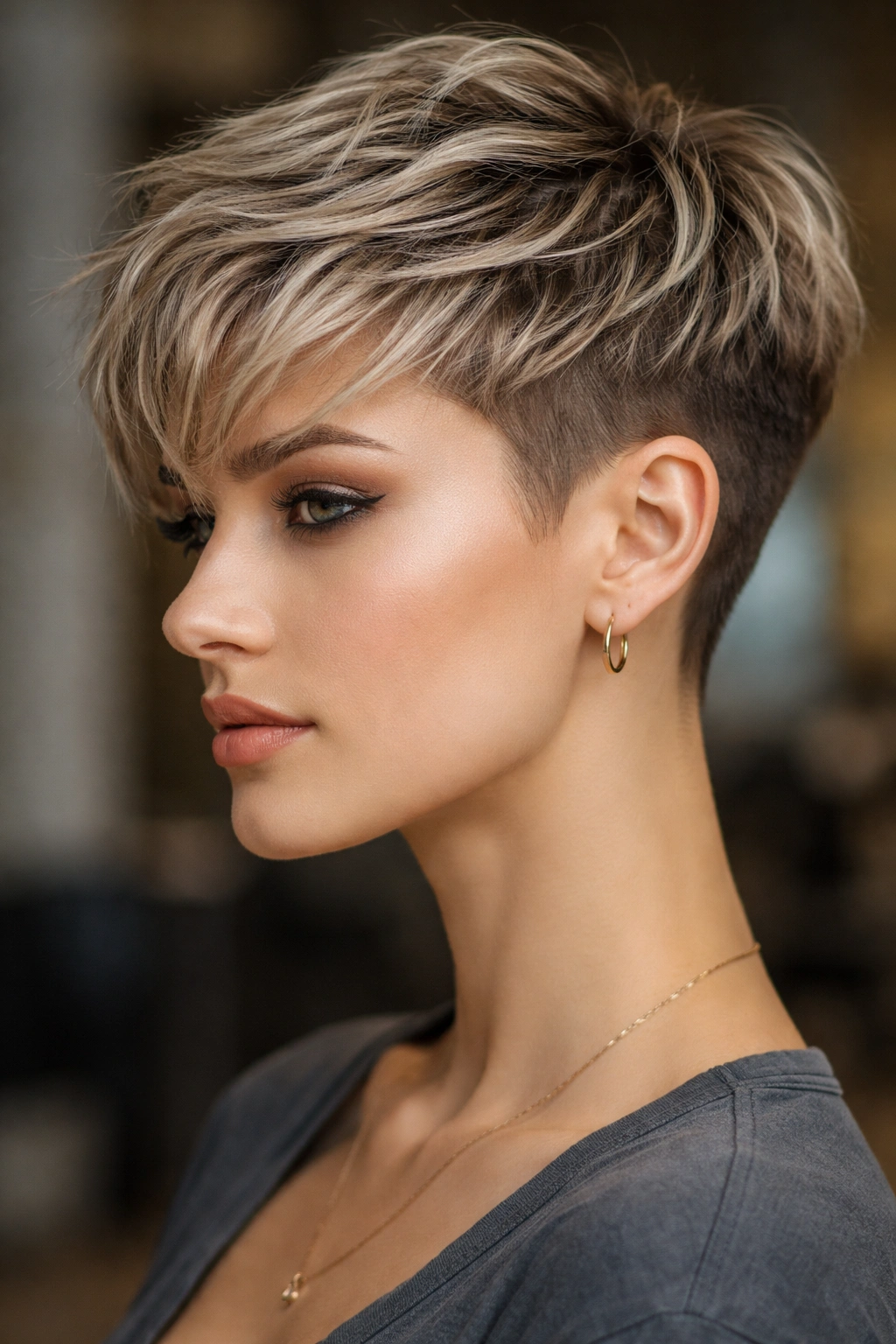
This is the cut that says “I know exactly who I am.” The textured crop sits close to the scalp on top with plenty of choppy layers that create genuine dimension and movement, while an undercut on the sides and back removes bulk without creating a stark contrast. The texture on top is what makes this edgy — it’s not blunt or uniform. A skilled stylist cuts in point-by-point layers that catch light and shift as you move, creating this beautiful almost-tousled effect even when your hair is freshly washed.
Why This Cut Commands Attention
The undercut adds an architectural element that you only see when you tilt your head, pull your hair back, or move in a certain light. It’s there without demanding attention constantly, which gives the whole look sophistication alongside the edge. The layers on top make styling effortless — you can manipulate the texture with your fingers and texturizing paste to create different looks throughout the week.
Styling Tips and Maintenance
- Use a texturizing clay or matte paste to emphasize the choppy layers without making hair look greasy or overly sculptured
- Run your fingers through while the product dries to separate individual pieces and enhance movement
- Style takes about 2-3 minutes — no blow dryer required if you’re going for a lived-in look
- Visit your stylist every 4-5 weeks to keep the undercut sharp and the layers from growing out into a shapeless bob
- Pro tip: Ask your stylist to cut the layers at slightly different angles rather than all one direction — this creates more dynamic movement and makes the cut look intentional rather than accidental.
2. The Sleek Geometric Pixie
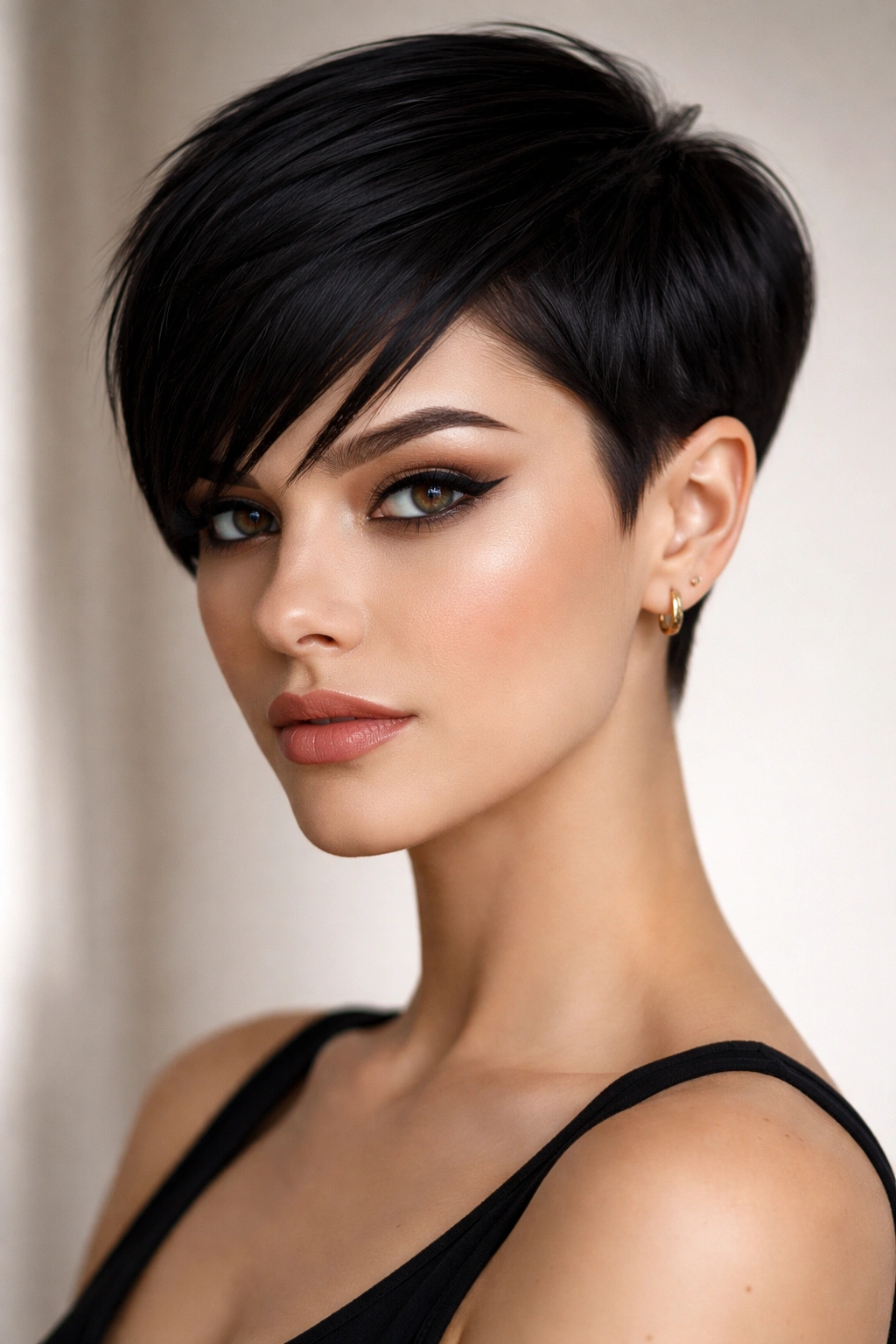
This is precision meets edge. A geometric pixie is cut at sharp, defined angles with clean lines and minimal texture — often at one length or with very subtle graduation. Think more “art installation” than “bedhead.” The appeal here is that the cut itself is the statement. No texture, no distressing, no softening. It’s almost architectural in how carefully the angles frame the face, creating a shape that’s usually more angular than a traditional pixie.
What Makes Geometric Cuts Stand Out
The boldness comes from simplicity and precision. There’s nowhere to hide when your entire cut is based on exact angles and line work. The stylist has to see your bone structure clearly and work with it rather than against it. When done well, a geometric pixie becomes almost sculptural — the lines literally reshape how your face reads visually. The cut often looks best with very straight hair or blown out smooth, which means the shape stays pure and intentional.
Styling and Best Face Shapes
- This cut particularly flatters angular faces, strong jawlines, and people with cheekbones they want to emphasize
- Style with a smoothing serum or light pomade to keep lines crisp and shine polished
- Blow-dry with a flat paddle brush to maintain sleekness
- The geometric effect can be softened slightly with longer bangs or face-framing pieces if your face shape reads too severe otherwise
- Worth knowing: This cut requires healthy hair and a strong style commitment — if you don’t maintain the sleekness, the cut can read unfinished rather than intentional.
3. The Tousled Bedhead Pixie
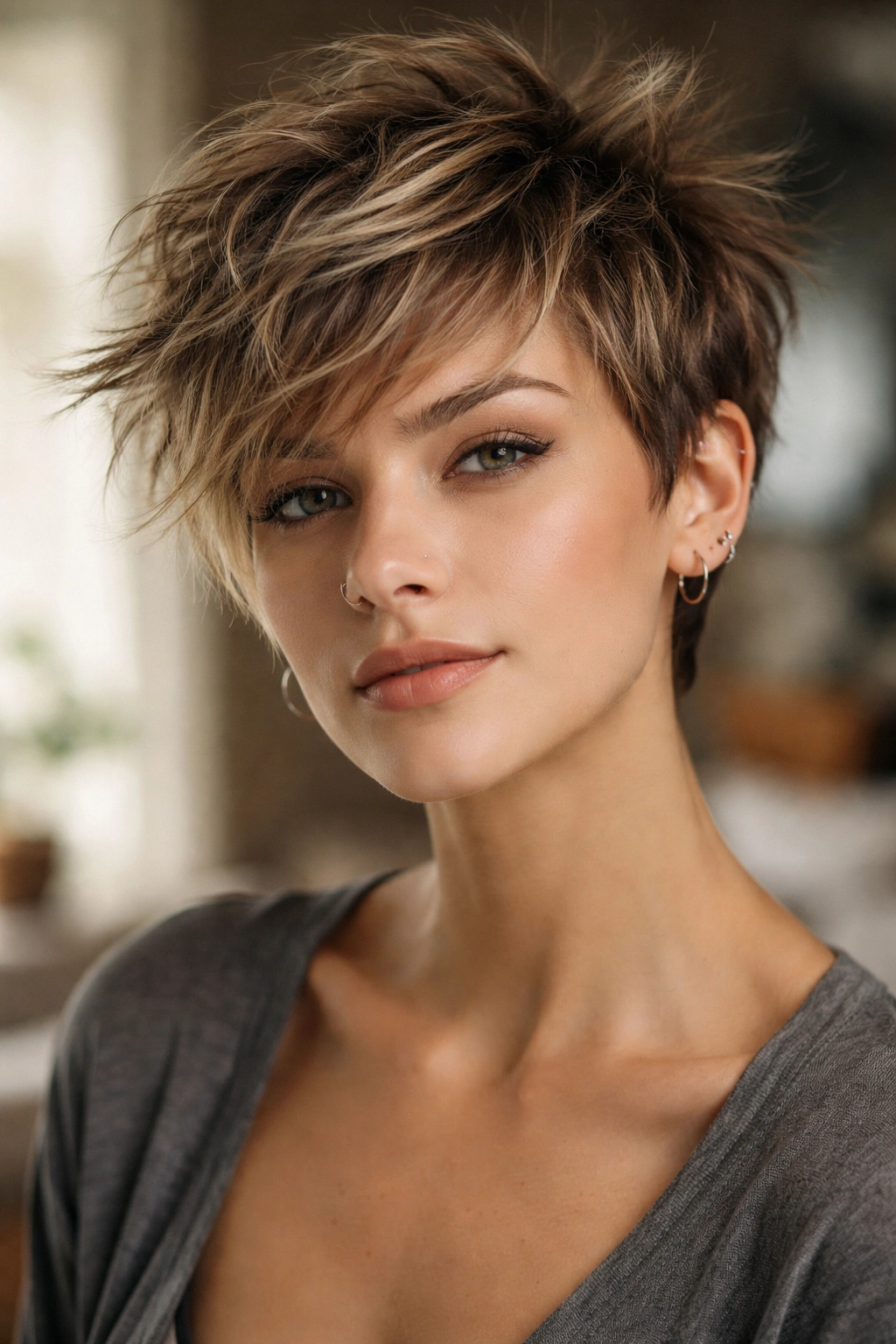
If the geometric pixie is all precision, the bedhead pixie is intentional chaos. Choppy, choppy layers throughout create this deliberately undone effect that somehow takes more effort to achieve than it looks. The hair is cut short but with enough texture that it falls into a naturally chaotic, lived-in shape. There’s movement everywhere — the front pieces flip differently from the sides, the back has height and volume, and the overall effect reads as effortlessly cool.
Why Bedhead Works as an Edgy Statement
The edge here isn’t about sharpness; it’s about attitude. A bedhead pixie says you don’t have time to be precious about your hair, except you absolutely do — you’re just channeling that energy into deliberate texture and movement rather than sleekness. This cut works especially well on people with natural texture or wave in their hair. It celebrates movement instead of fighting it. The cut gets more interesting the less you style it, which is genuinely rare and genuinely appealing.
Achieving the Look and Upkeep
- Work with a lightweight, texturizing spray or dry shampoo to enhance natural movement without weighing hair down
- Sleep on your pixie to create even more texture and undone movement
- Rough-dry with fingers rather than a brush for maximum tousle
- This cut requires trims every 3-4 weeks because the layers will grow out and lose their choppy edge fairly quickly
- Pro tip: Ask your stylist to cut shorter layers throughout rather than just at the ends — this creates genuine texture rather than just shorter hair with a few choppy bits.
4. The Asymmetrical Pixie
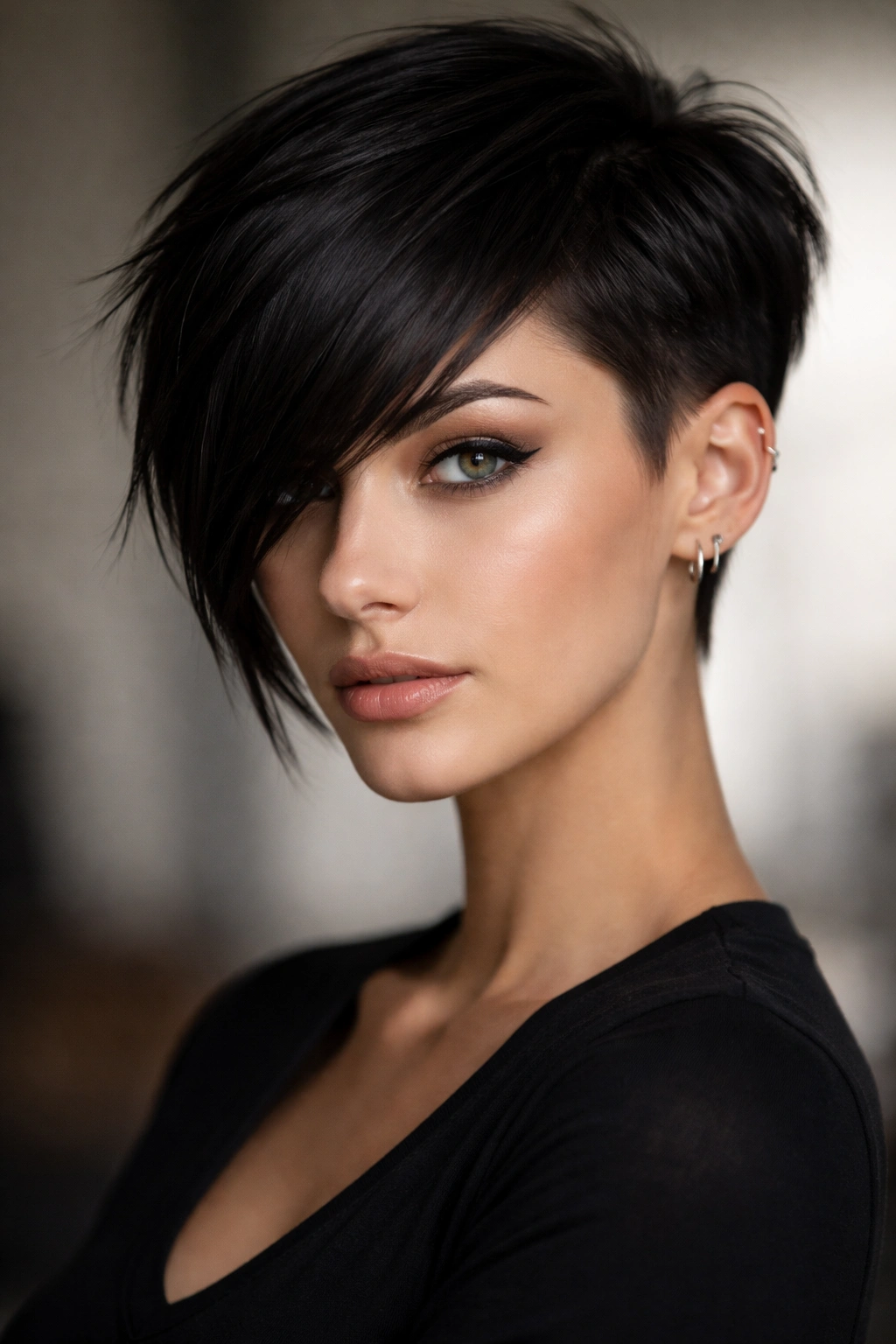
Asymmetry is inherently edgy. One side longer than the other, one side undercut while the other has more volume, or one side sleek while the other is textured — asymmetrical pixies break visual expectation. They force people to look at your face from different angles and make a choice about which side they prefer. The cut is usually shorter on one side (sometimes with an undercut) and longer on the other, often with face-framing length in the front that’s longer than everything else.
Why Asymmetry Reads as Bold
An asymmetrical cut shows confidence because it refuses balance and symmetry — things most people unconsciously expect from faces and hair. It draws the eye in directions a traditional pixie doesn’t. It’s also flattering in specific ways: if one side of your face feels less angular or defined, longer hair on that side can create dimension. If you love your cheekbones and jawline on one side, a shorter cut there emphasizes them. Asymmetry gives you control over what the cut emphasizes.
Styling an Asymmetrical Cut
- The longer side can be styled sleek or textured depending on your mood and the occasion
- The shorter side can be neat or slightly messy for contrast
- Play with which direction you sweep longer pieces — this changes the entire vibe of the cut throughout the day
- Asymmetrical cuts often look better styled than completely unstyled because the shape itself is the whole point
- Keep the undercut (if you have one) very sharp and maintained — this is where most of the edge lives
- Worth knowing: This cut is most flattering when you actually style it intentionally rather than letting it fall however. Plan for 5-10 minutes of styling time in your morning routine.
5. The Shaggy Pixie with Layers
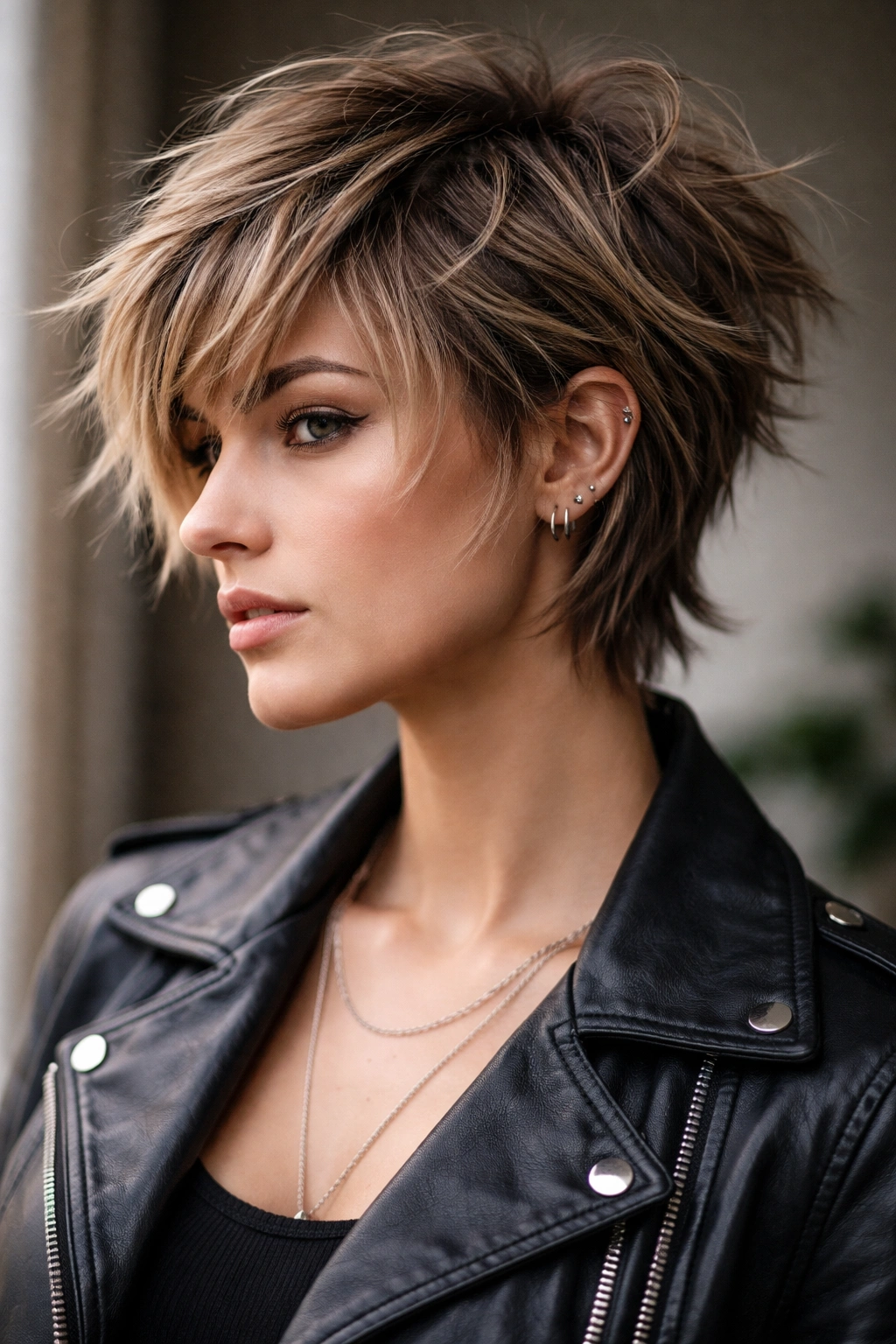
The shag is back, and the shaggy pixie is where rebellious energy lives. This cut combines the short length of a pixie with the layered, feathered texture of a classic shag. Imagine lots of choppy, uneven layers throughout that create this rock-and-roll energy — pieces flip in different directions, there’s genuine movement from the crown to the nape, and the overall effect is undeniably cool and somewhat wild. The layers are cut at varying lengths rather than graduating smoothly, which creates texture rather than shape.
What Makes Shag Pixies Edgy
The edge comes from the deliberate texture and the slight chaos. A shag pixie rejects the idea that short hair should be neat or controlled. It celebrates movement, air, and space between pieces. The cut works beautifully on wavy or curly hair because it works with natural texture instead of fighting it. Even on straight hair, the layers create genuine movement and dimension that reads as more dynamic than a standard textured pixie.
Styling and Maintenance
- Emphasize layers with texturizing spray, dry shampoo, or mousse applied to dry hair
- Blow-dry with a diffuser to encourage movement and texture if you have any natural wave
- Finger-dry or tousle for a more undone shag effect
- Shag pixies can look good both styled and unstyled, depending on how the layers are cut
- Trim every 4-6 weeks to keep the layered texture from becoming a shapeless bob
- Pro tip: Ask your stylist to vary the layer lengths more dramatically than they might on a traditional shag — this creates sharper contrast and more obvious texture.
6. The Faded Pixie with Design
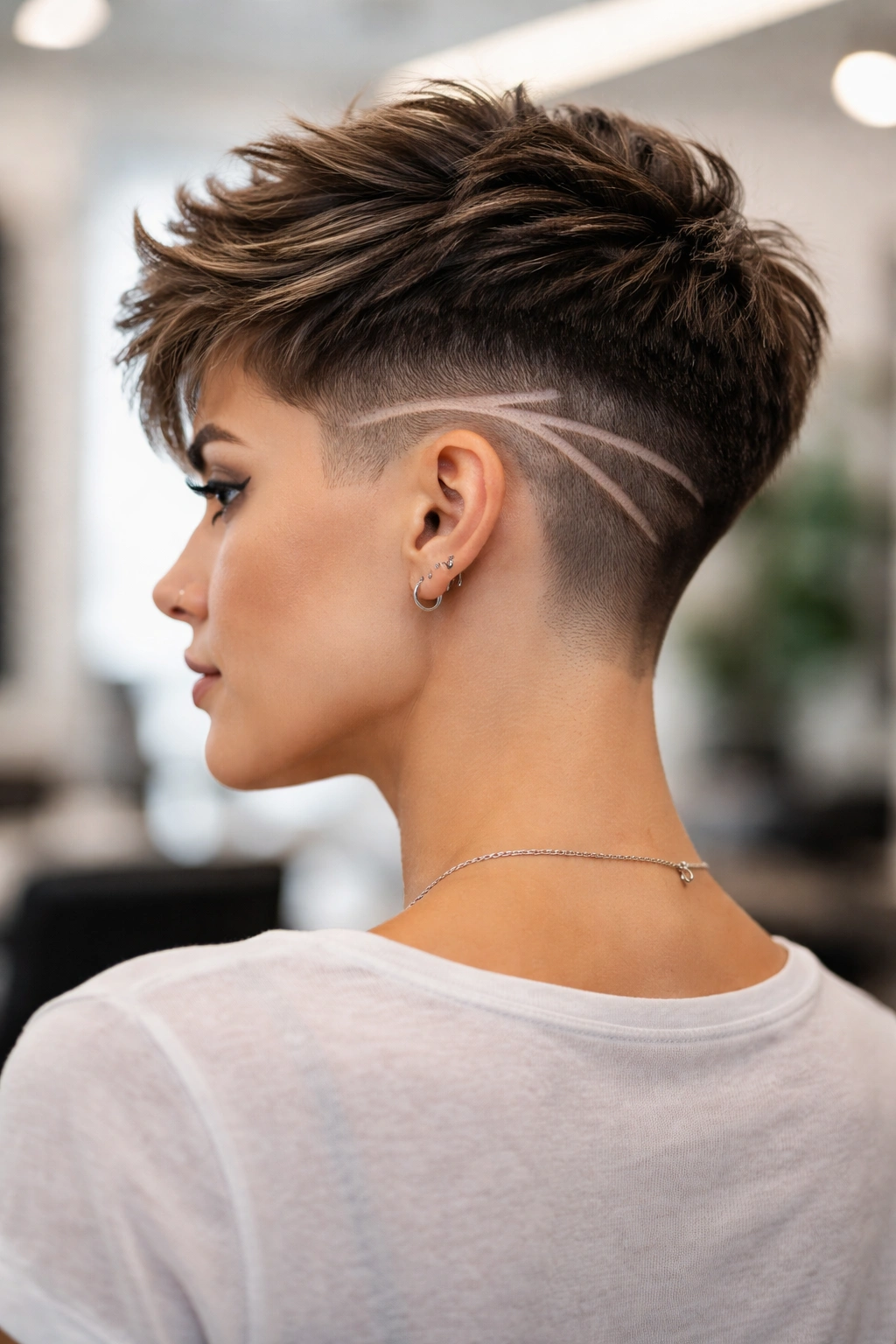
This cut combines the short sleekness of a pixie on top with a fade on the sides and back that’s tight and geometric. But what makes it edgy is the design element: a line, a pattern, shapes, or geometric details shaved or clipper-cut into the fade. The design might be a thin line that travels from behind the ear to the nape, a geometric pattern on the side, or even more intricate artwork depending on your stylist’s skill. The design is permanent until the hair grows out, which is a bold commitment.
Why Design Details Create Edge
The design transforms the fade from functional into intentional statement-making. It adds visual interest where there might otherwise be smooth simplicity. The design catches light and attention, especially if you wear your hair up or style it away from your face. It’s personal in a way that off-the-rack cuts aren’t — your stylist is literally customizing the back of your head to reflect your vision.
Planning and Maintaining a Design
- Bring reference images of designs you love, but trust your stylist to adapt to your head shape and hair growth patterns
- The design will blur and fill in as hair grows out over 2-3 weeks, so plan to visit your stylist before it disappears completely if you want it maintained
- Some designs work better than others depending on hair texture and head shape — discuss feasibility with your stylist
- Designs work best on straight to wavy hair where the lines stay crisp
- You can have the design re-cut every 3-4 weeks or let it grow out and change the design next time
- Worth knowing: A skilled fade artist can create surprising detail work. Don’t settle for a stylist who can’t show you examples of previous design work.
7. The Soft Pixie Fade
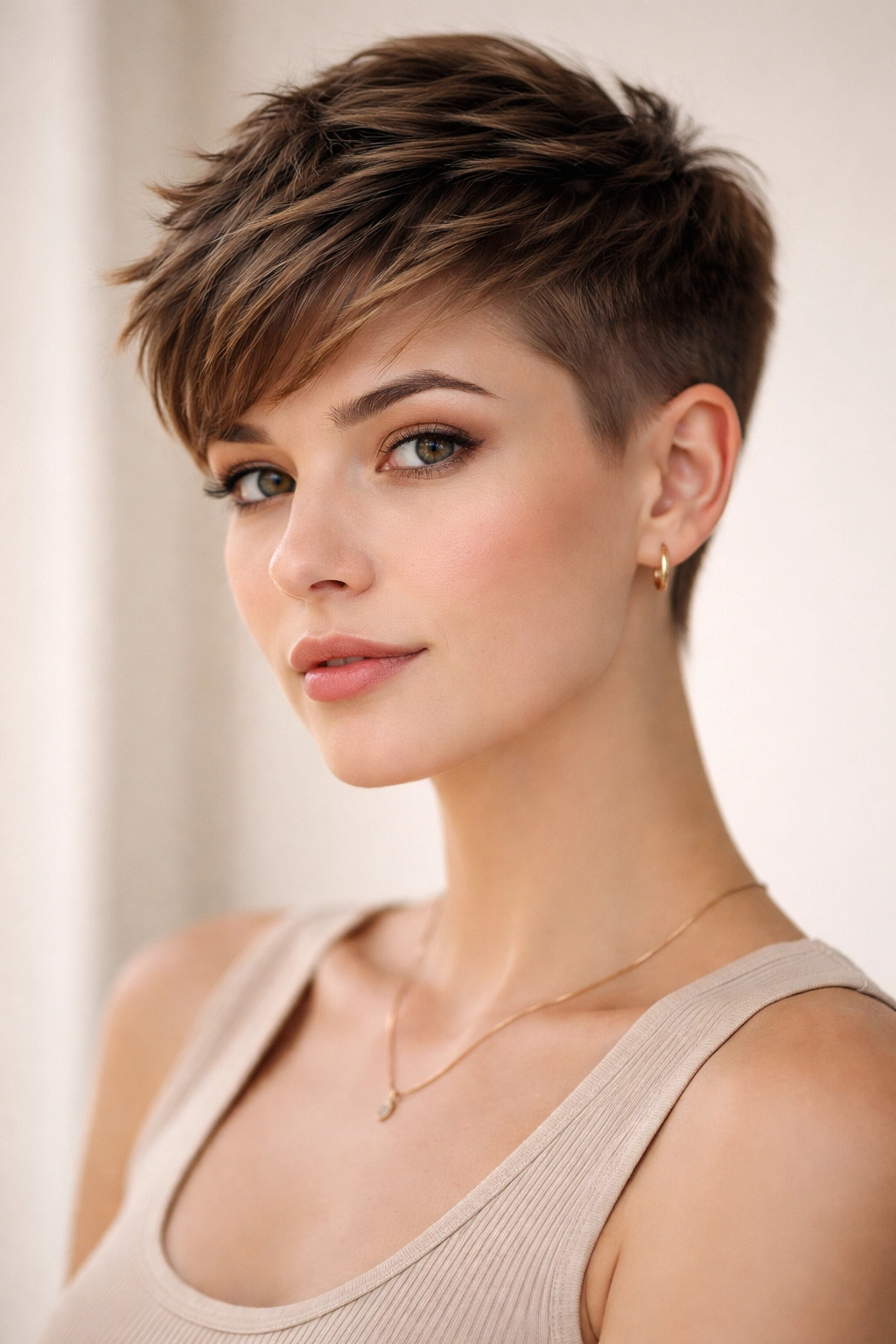
This is the edgy cut for people who want bold without being too sharp or extreme. A soft fade gradually transitions from longer pixie-length hair on top to very short hair on the sides and back, but the transition is smooth and blended rather than harsh and defined. The top has texture and movement, often with longer face-framing pieces, while the fade is subtle enough that it doesn’t read as shaved. The overall effect is polished but undeniably modern and intentional.
Why Soft Fades Are Deceptively Edgy
A soft fade reads as sophisticated and contemporary rather than punk or extreme, but it’s absolutely an edgy cut because of how skillfully it plays with contrast and length. The fade shows off your ears, neck, and jawline in ways longer hair doesn’t. The subtle texture on top prevents the cut from feeling like you just got a men’s cut. It’s feminine without being soft, short without being severe, and cool without trying too hard.
Styling the Soft Fade
- The fade looks best maintained very short, so plan for trims every 3-4 weeks
- The top can be styled textured and tousled or sleek depending on your mood
- Work with the natural direction your hair grows for the most effortless styling
- A light pomade or texturizing spray on the top creates subtle dimension
- The back and sides require minimal styling — the fade is the star
- Pro tip: Soft fades look better the fresher the haircut is, so schedule your trims consistently rather than waiting until the fade has grown out significantly.
8. The Modern Mohawk Pixie
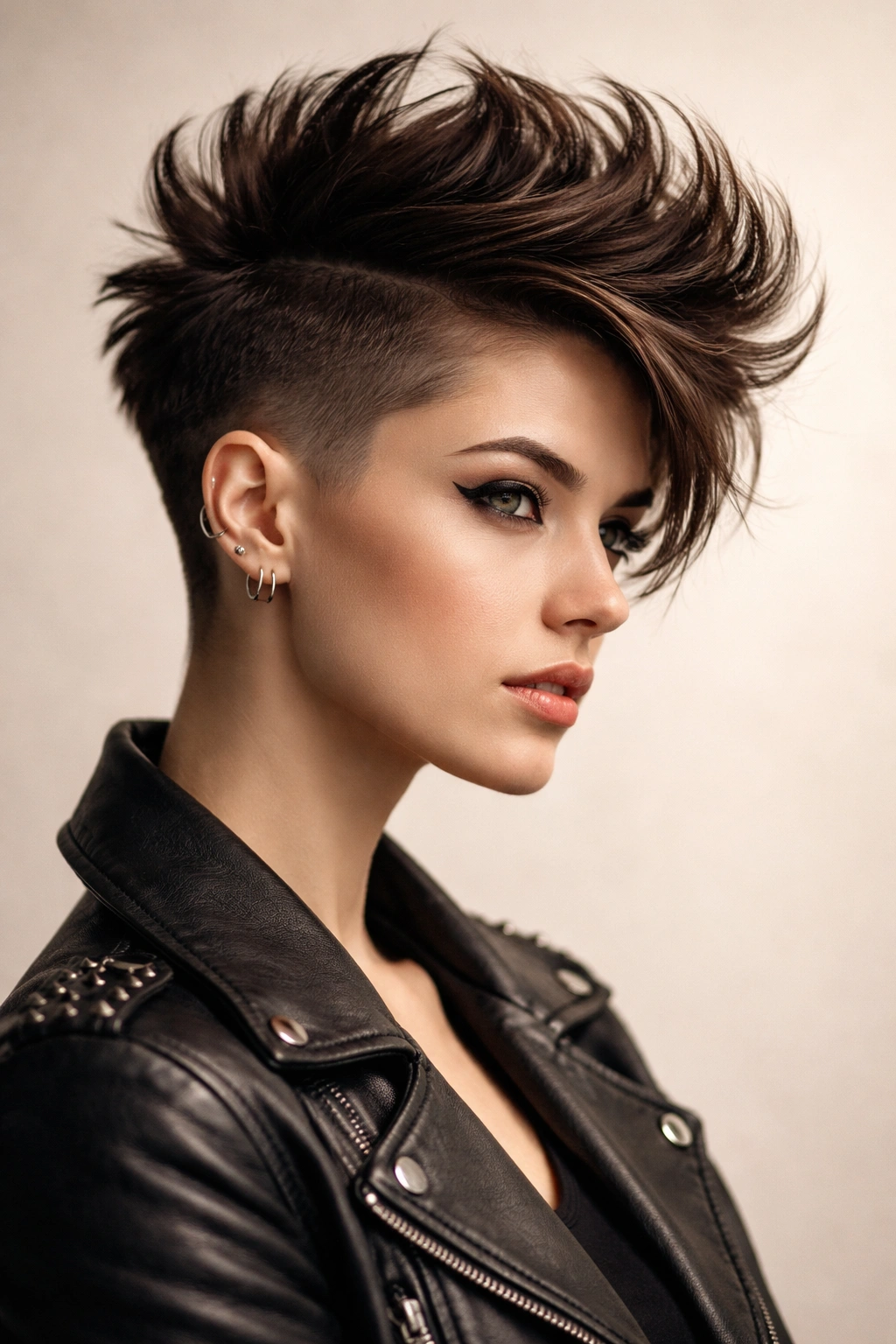
This cut pushes the boundaries of what a pixie can be. The sides and back are cut very short (often faded or undercut), while the top has significant length and height that can be swept to one side, styled up, or tousled for volume. It’s not a full mohawk — the top doesn’t necessarily form a complete ridge — but it absolutely has that spirit. The top can be 2-4 inches long depending on your preference and hair type, creating dramatic contrast with the very short sides.
Why This Cut Demands Confidence
The modern mohawk pixie is unapologetically bold. It announces that you’re not interested in blending in or going unnoticed. The cut works because the length on top means you have styling options: sleek and slicked to one side for a sharp effect, textured and tousled for a softer edge, or even partially pinned or braided for nights out. The cut is undeniably punk-inspired, which is part of its appeal. It’s for people who genuinely love attention and intentional style.
Styling Options and Maintenance
- A strong-hold pomade, wax, or gel lets you style the top however you want on any given day
- You can create volume with blow-drying or let it fall naturally depending on your hair texture
- Sleeping on your pixie creates texture and movement in the top
- The sides and back need trimming every 3-4 weeks to keep the contrast sharp
- The cut works best on people with straight to wavy hair on top and people willing to style their hair intentionally
- Worth knowing: This cut requires commitment to styling and maintenance. It’s not a wash-and-go cut, but it’s incredibly fun if you’re into that.
9. The Colored Pixie with Contrast
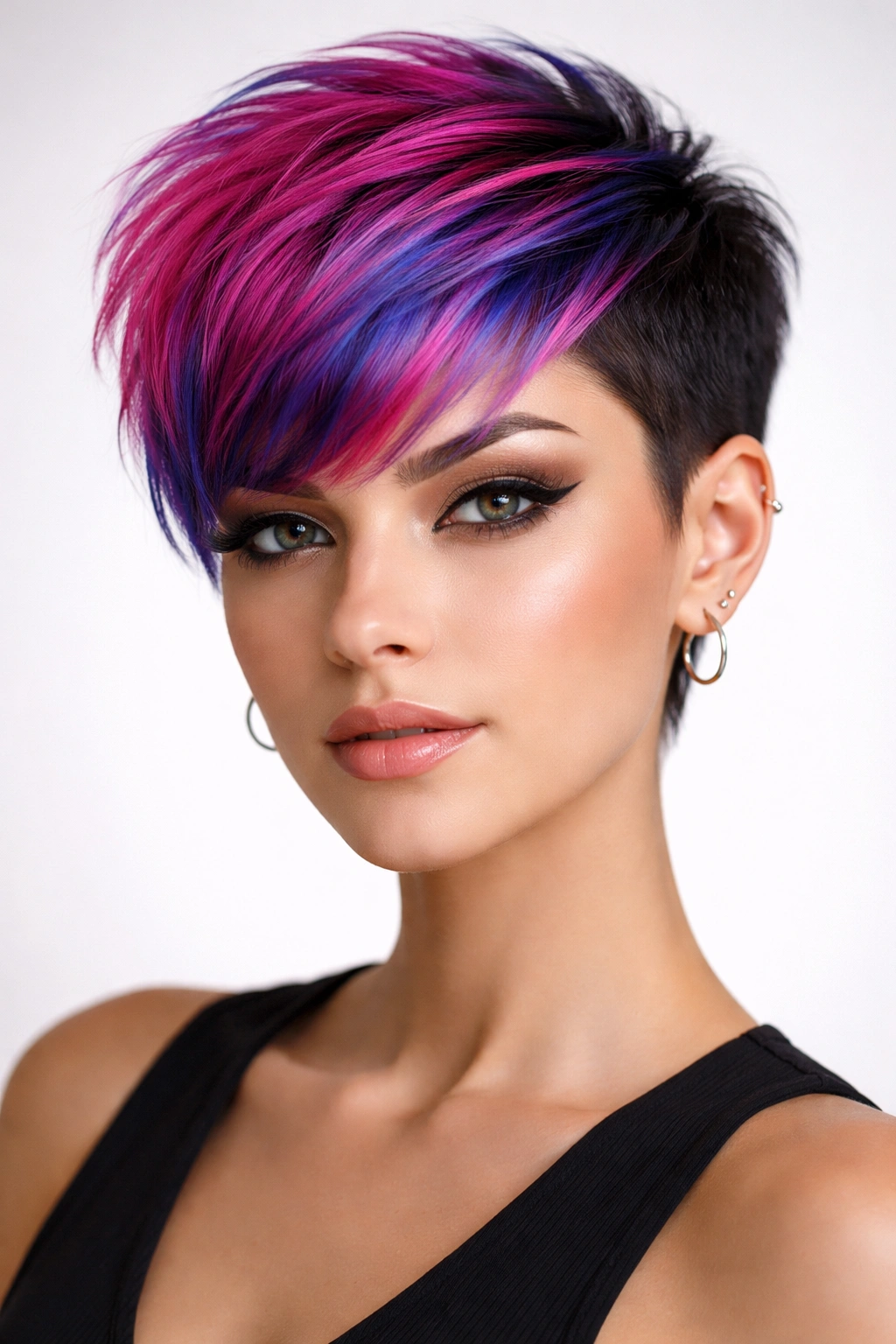
Adding color to an edgy pixie amplifies the boldness exponentially. A colored pixie might mean a solid fashion color — platinum, rose gold, pastel pink, deep burgundy, or jewel tones. Or it might mean a two-tone or multi-tone effect where the undercut is a different color than the top, or where the sides are a contrast color while the top is natural. The color itself becomes part of the cut’s design. Even a subtle color variation — like a darker root with a lighter, almost-blonde top — reads as intentional and edgy.
Why Color Transforms the Entire Statement
Color adds dimension and personality that transcends the cut itself. A shaggy pixie with rose gold highlights reads differently than the same cut in natural brunette. An undercut that’s a contrasting color creates visual depth and makes the cut feel more sculptural. Color choices are deeply personal and visible from a distance, which makes them inherently bold. They say something about your aesthetic and your willingness to be unconventional.
Color Maintenance and Options
- Fashion colors require more frequent touch-ups than natural tones — usually every 4-6 weeks for the most vibrant effect
- Pastels and light colors fade fairly quickly and may need refreshing every 3-4 weeks if you want true color saturation
- Deeper jewel tones tend to hold color longer and fade beautifully
- A professional colorist who understands pixie cuts will know how to work with the texture to maximize color impact
- You can change color every few months if you want to evolve the look without changing the cut
- Pro tip: If you want bold color but worry about commitment, start with the undercut or tips in fashion color while keeping the top natural. This gives you color impact while letting you ease into the commitment level.
10. The Face-Framing Pixie Crop
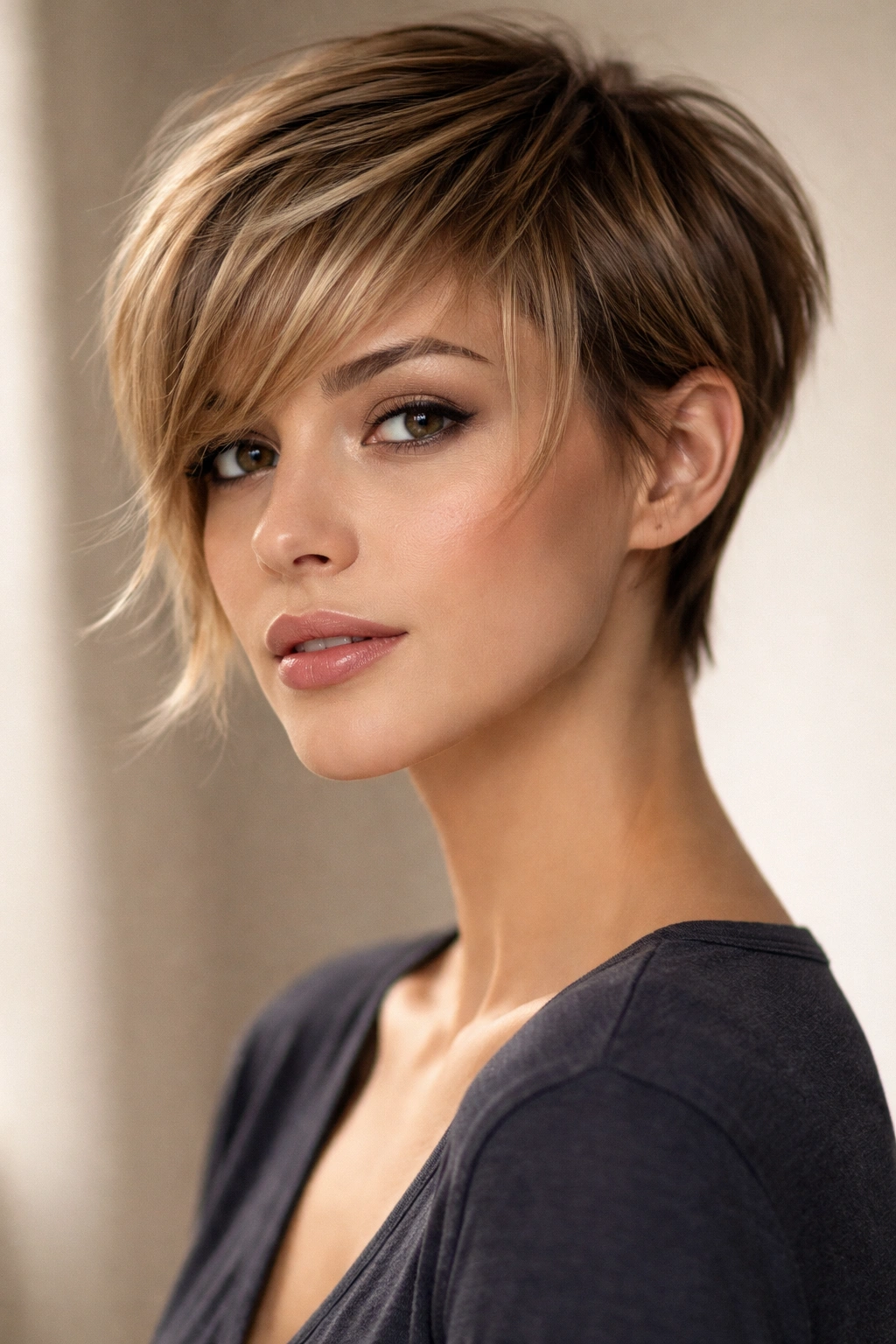
This cut is all about strategically longer pieces that frame the face while the rest stays short and tight. Longer pieces in front that graze the jawline, with everything else cropped very close, creates incredible visual balance. The front pieces can be textured or sleek depending on your style, and they can be tucked behind the ears for a completely different look, or left loose for softness. This cut works across more face shapes than most pixies because the front-frame pieces create specific flattery and visual interest.
Why Face-Framing Adds Intentionality and Edge
The face-framing pixie isn’t just short hair — it’s strategically short hair with a specific design purpose. The longer pieces aren’t accidental; they’re part of the cut’s whole plan. This cut walks a beautiful line between edgy and wearable, bold and versatile. You get the confidence boost of short hair without feeling like you sacrificed flattery or styling options. The front pieces give you something to do with your hands when styling and create dynamic movement even when the rest stays neat.
Styling Possibilities and Best for
- Tuck pieces behind your ears for a neat, almost businesslike effect
- Leave pieces loose and textured for a softer, more lived-in vibe
- Twist or pin front pieces to one side for a completely different look
- Style the front pieces with a light pomade for shine and definition or with texturizing spray for movement
- This cut works across most face shapes because the face-framing pieces can be positioned to balance specific features
- Pro tip: Ask your stylist to cut the front pieces longer than you think you might want them. You can always tuck them behind your ears, but you can’t easily add length back once it’s cut.
Final Thoughts
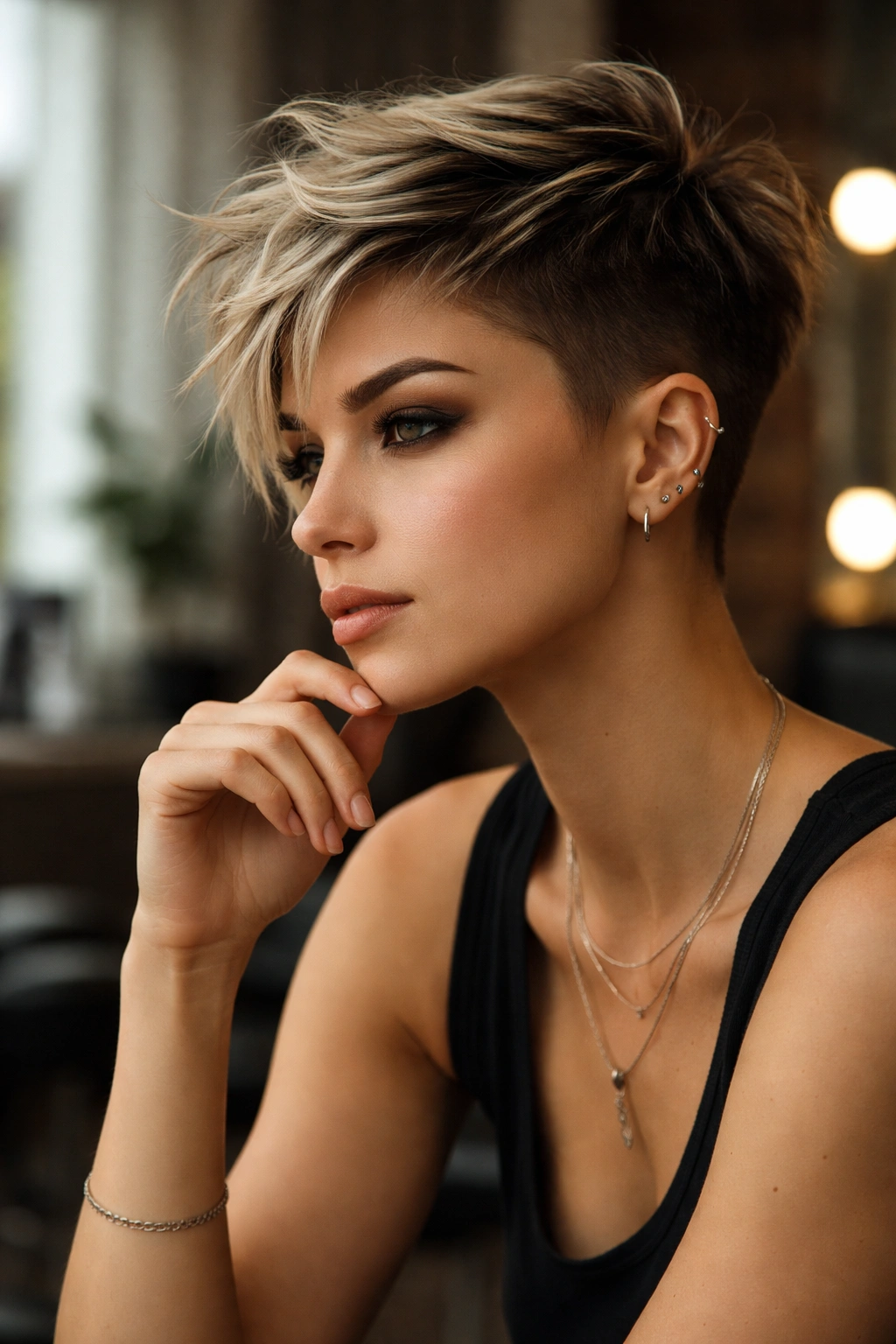
An edgy pixie cut isn’t just a style choice — it’s a way of moving through the world with intention and confidence. Whether you’re drawn to sharp geometric lines, textured chaos, strategic fades, color contrast, or clever face-framing, there’s an edgy pixie waiting for you. The best version of this cut is the one that makes you feel like yourself, amplified.
The key to pulling off any of these looks is finding a stylist who understands your vision and can execute it with skill and confidence. Bring reference photos, but also be open to their professional suggestions about what works best for your specific face shape, hair texture, and lifestyle. Ask detailed questions about maintenance, styling time, and how often you’ll need trims. An edgy pixie requires a bit of commitment and care, but the payoff in confidence and personal style makes it absolutely worth it.
Stop waiting for the right time. There’s no such thing as perfect conditions to take a bold hair risk. The right time is now, especially if you’ve been thinking about it long enough that it keeps coming back to mind. Short hair has a freedom that longer hair doesn’t, a way of making you feel lighter and more yourself. Take the leap.
