



A sharp taper haircut communicates confidence. Whether you’re after an edgy, modern aesthetic or a polished, professional look, tapered cuts on women have evolved far beyond the stereotypical military style. Today’s tapered haircuts for women range from subtle—just a clean fade along the nape—to bold architectural statements with shaved sides and textured crowns. The beauty of a taper is that it works with virtually every hair texture, face shape, and lifestyle, offering that coveted “just cut” sharpness that looks intentional and put-together without demanding an hour at the salon every two weeks.
The key to a great tapered cut isn’t just the cut itself—it’s understanding how the taper integrates with the length and texture of the hair on top. A taper that’s too aggressive can feel harsh on a softer face, while one that’s too gradual loses the sharp visual pop that makes the style stand out. The difference between a mediocre tapered cut and a truly sharp one comes down to precision: the angle of the fade, the blend between lengths, and how the stylist uses texture and layers to create dimension and movement. Finding the right cut for your face shape, hair texture, and daily routine makes all the difference between a style that feels like you and one that just happens to be on your head.
If you’ve been considering taking the plunge into a shorter, tapered cut but weren’t sure which style would actually suit you, this is your roadmap. Each of the cuts below represents a distinct approach to the taper—some femme, some edgy, some architectural—so you can see what resonates with your personal style and bring the exact inspiration to your stylist.
1. Pixie Cut with Tapered Sides
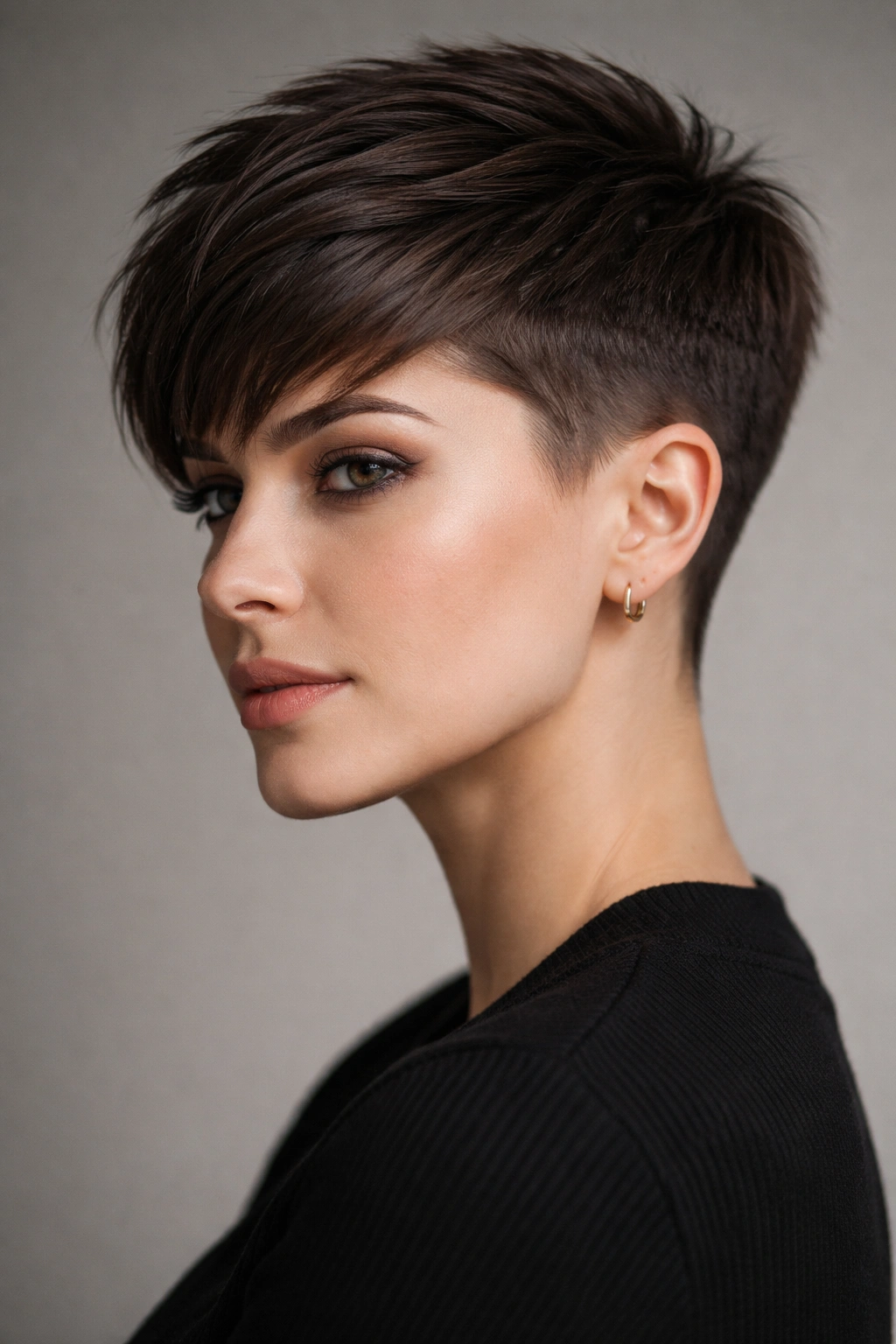
The classic pixie with tapered sides is the gold standard of sharp, low-maintenance short cuts. This style keeps length on top (typically 1.5 to 2 inches) for texture and movement, while the sides and back are tapered down to skin or a very close fade. What makes this iteration specifically sharp is the precision of the taper—not a gradual fade, but a clean, visible line of demarcation between the longer crown and the faded sides. The top can be textured through point-cutting or choppy layers, which catches light and creates the illusion of fullness even on finer hair.
Why This Cut Demands Minimal Styling
The pixie’s genius lies in its low barrier to entry. You can roll out of bed, run your fingers through the top, and be done. That said, if you want it to look intentionally sharp rather than just bedhead, a light texturizing paste, matte pomade, or even a spritz of sea salt spray adds definition without fuss. The faded sides are so clean that they essentially style themselves—no styling product needed to keep them sharp. This is the cut for people who genuinely don’t want to spend 15 minutes every morning on their hair but still want to look polished.
What Face Shapes Love This
Pixies with tapered sides work beautifully on oval, heart, and square face shapes. If your face is rounder, ask your stylist to keep slightly more length on top and texture it upward to create vertical lines that counterbalance width. The exposed ears and neck mean you need confidence in your bone structure, but that’s part of what makes this cut so striking—it’s honest and architectural.
Key Details to Discuss with Your Stylist
- Taper angle: Do you want the fade to start at the ear and blend down, or to begin higher up for a more dramatic undercut effect?
- Top texture: Choppy layers for a punk-inspired vibe, or softer texturizing for a more romantic pixie?
- Sideburn length: Some people prefer them shaved off entirely for maximum exposure; others like a small sideburn left for a slightly softer frame.
Pro tip: Pixies look sharpest when maintained every 3 to 4 weeks, especially the tapered sides. The fade grows out noticeably, which softens that clean edge.
2. Faded Undercut Textured Bob
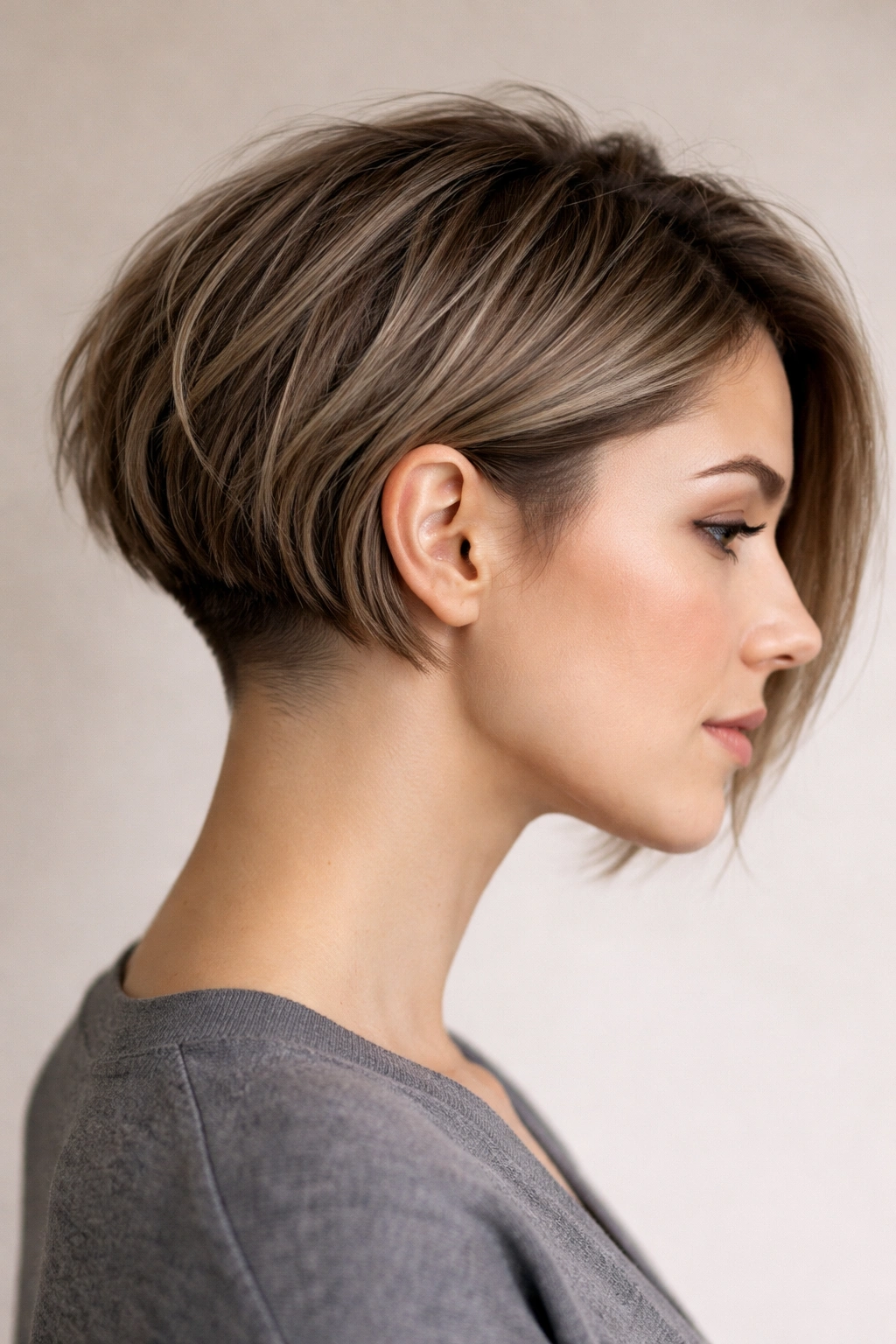
This is the cut that proves bobs can be modern and edgy. The front and crown are left longer—chin-length or just past—with texture built in through choppy layers, while the back and sides fade down dramatically into a close undercut. The contrast between the textured length on top and the faded back creates visual drama and movement. Because the undercut is so clean and defined, this style photographs beautifully and reads as intentional and fashion-forward.
The Texture That Makes It Sharp
What separates a boring short bob from a sharp one is aggressive texturizing. Your stylist should be point-cutting the ends to create choppy, piece-y layers that break up the line of the bob and add movement. This texture is essential because it prevents the cut from looking blunt or matronly—the choppy layers give it attitude and keep hair from lying flat against the head. On wavy or curly hair, this texture is especially important; it defines curl patterns and prevents the cut from becoming a shapeless mass.
Styling for Maximum Definition
This cut looks best when intentionally styled. A medium-hold texturizing paste, tousled through damp hair and allowed to dry naturally or with minimal blow-dry, gives you that effortlessly textured vibe. Some people love finger-combing it for a piecy, undone look; others prefer a more polished finish. The undercut stays sharp on its own, but keeping the top textured and lived-in is what makes the whole style sing. Expect to refresh the style every morning with product and finger-styling rather than a full blow-dry.
Why This Suits Creative, Confident People
This cut reads bold and modern. It’s not conservative or classic in the way a traditional bob can be. If you’re drawn to fashion-forward styling, enjoy playing with texture and products, and want a cut that announces your presence in a room, this is your style.
Maintenance and Growth Pattern
The undercut needs touching up every 4 to 6 weeks to stay defined. Because the back grows out noticeably faster than the layered top, you’ll see the fade soften and blend more gradually over time. If you love the sharp undercut aesthetic, plan for regular salon visits. If you prefer lower maintenance, discuss a less dramatic fade with your stylist.
3. Tapered Asymmetrical Shag
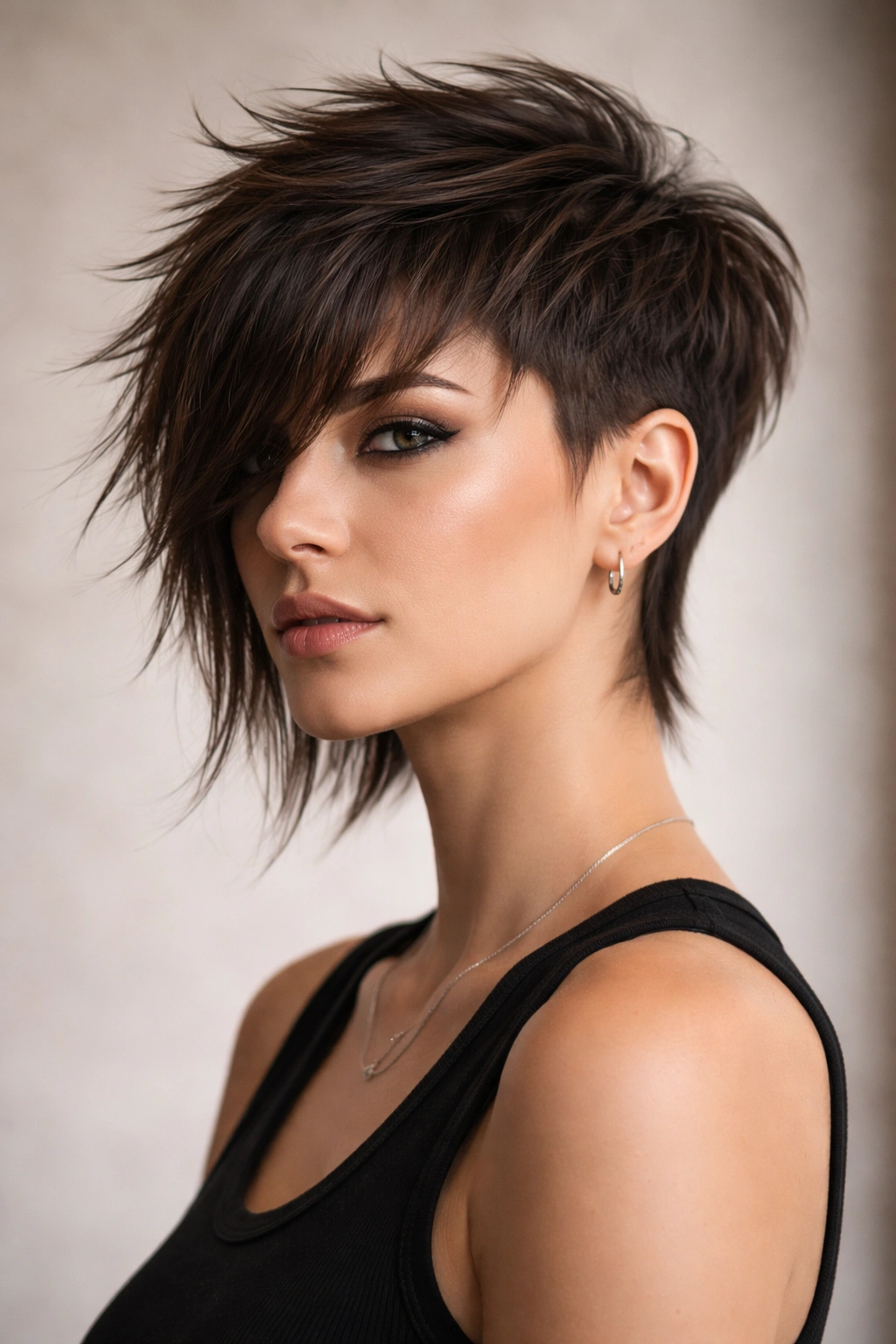
The shag has made an undeniable comeback, and the modern version—especially when combined with a tapered, faded back—is nothing like your grandmother’s shag. This cut pairs longer, layered length on top and at the front with dramatically tapered sides and back. The layers create movement and texture throughout, while the taper keeps the overall shape sharp and defined rather than shaggy and unkempt. The asymmetry comes from varying the front lengths slightly—longer on one side, shorter on the other—which adds edge and personality.
Why Layers Create Motion and Dimension
Shags rely on layering to work. Without it, you just have choppy, uneven hair. The layers should be distributed throughout, starting closer to the scalp in some sections and longer in others, which creates peaks and valleys that catch light and move with your head. This is the cut that looks best on people with naturally wavy or curly hair, because the layers define those natural patterns. On straight hair, the layers create intentional texture and movement even without styling.
The Asymmetrical Element
The asymmetry is optional but adds personality. Some people prefer both sides of the front roughly the same length, just with tapered back and sides. Others love an exaggerated asymmetry—one side dramatically longer than the other. Discuss this with your stylist based on your face shape and personal style. Asymmetry works especially well if you’re trying to balance a round face (longer side pulls the eye down) or add width to a narrow face (shorter side can feel flattering).
Styling and Product Needs
This cut thrives with texture. On wavy or curly hair, you might only need a curl cream and diffuser-dried finish. On straight hair, you’ll get more mileage from a texturizing spray, salt spray, or light pomade worked through damp hair. The beauty is that this cut is forgiving—slightly undone and piecy looks intentional rather than sloppy. You have more flexibility in daily styling than with a more structured cut.
4. Blunt Micro Bangs with Tapered Back
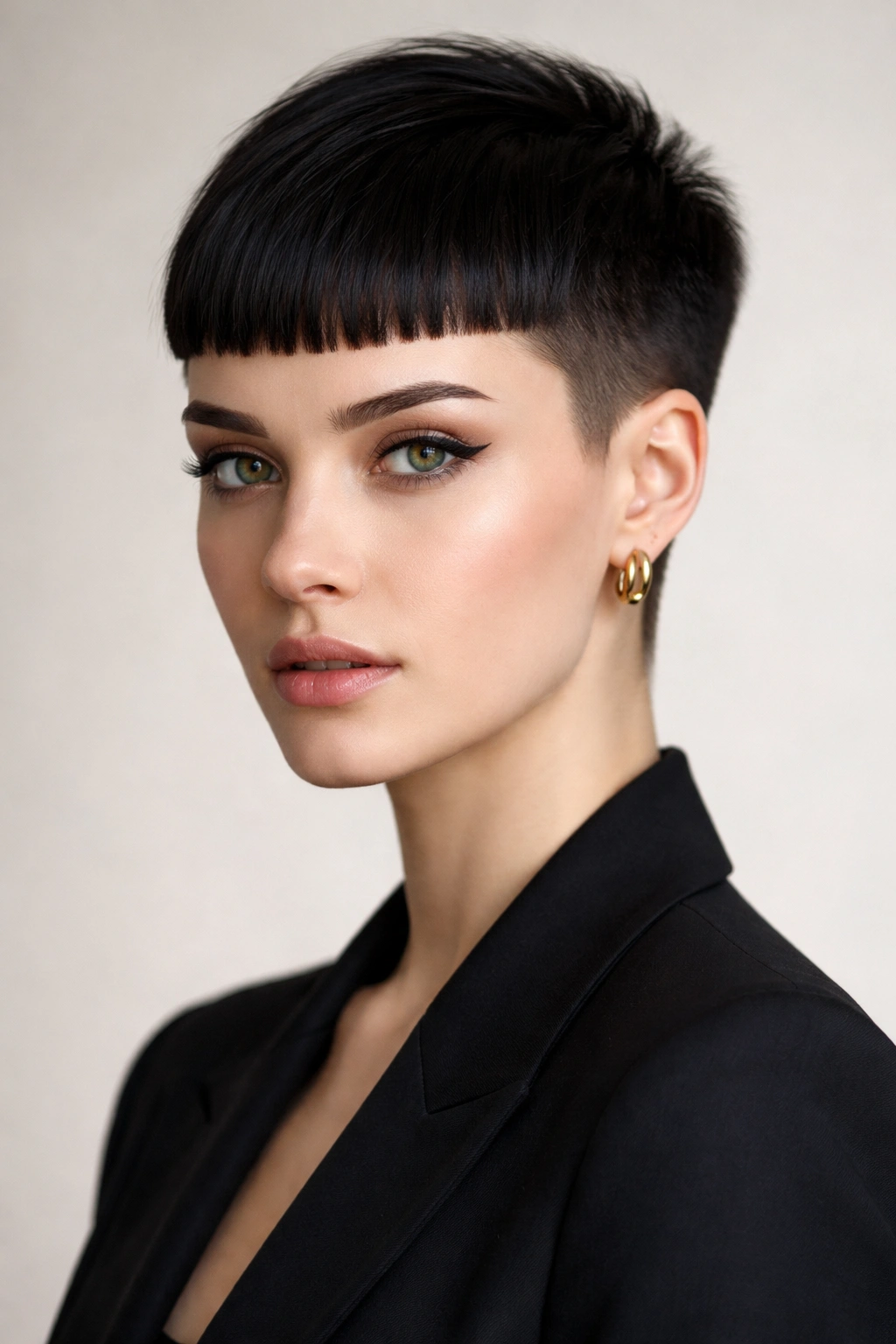
This is the cut for people who love a statement. Blunt, thick bangs cut just above the eyebrows or even shorter pair with a longer crown and dramatically tapered back and sides. The contrast between the bold, blunt bangs and the clean fade creates a graphic, almost architectural look. This style is fashion-forward and impossible to ignore—it signals that you’re intentional about your appearance and willing to take risks with your hair.
Making Blunt Bangs Work for You
Blunt bangs are not for everyone, and they require honesty about your hair and face shape. They work best on straight or slightly wavy hair because any curl or texture will disrupt the blunt line. They suit faces that can handle exposed forehead real estate—oval, heart, and oblong faces generally love them. Round faces can work with blunt bangs if the sides are tapered short enough to balance width. Blunt bangs also require a styling commitment: you need to blow-dry them smooth and straight every morning to maintain that crisp line. If you’re naturally lazy with styling, this isn’t your cut.
The Taper That Balances the Drama
Because the bangs are so bold and front-focused, the taper on the back and sides needs to be equally clean and sharp to balance the visual weight. The undercut grounds the drama of the bangs and prevents the overall look from feeling costume-like. The taper should be smooth and well-blended, not choppy or textured—it’s about clean lines and contrast, not mixed texture.
Styling and Maintenance
Blow-dry is non-negotiable with this style. You’ll want to blow-dry the bangs straight and smooth every morning, using a paddle brush and focusing on the roots to create a clean line. The tapered back and sides stay sharp on their own. Plan for bang trims every 2 to 3 weeks, as they grow out noticeably fast and the blunt line softens quickly. This is a high-maintenance cut in terms of daily styling, so consider whether you’re willing to commit.
5. Textured Crop with Clean Fade
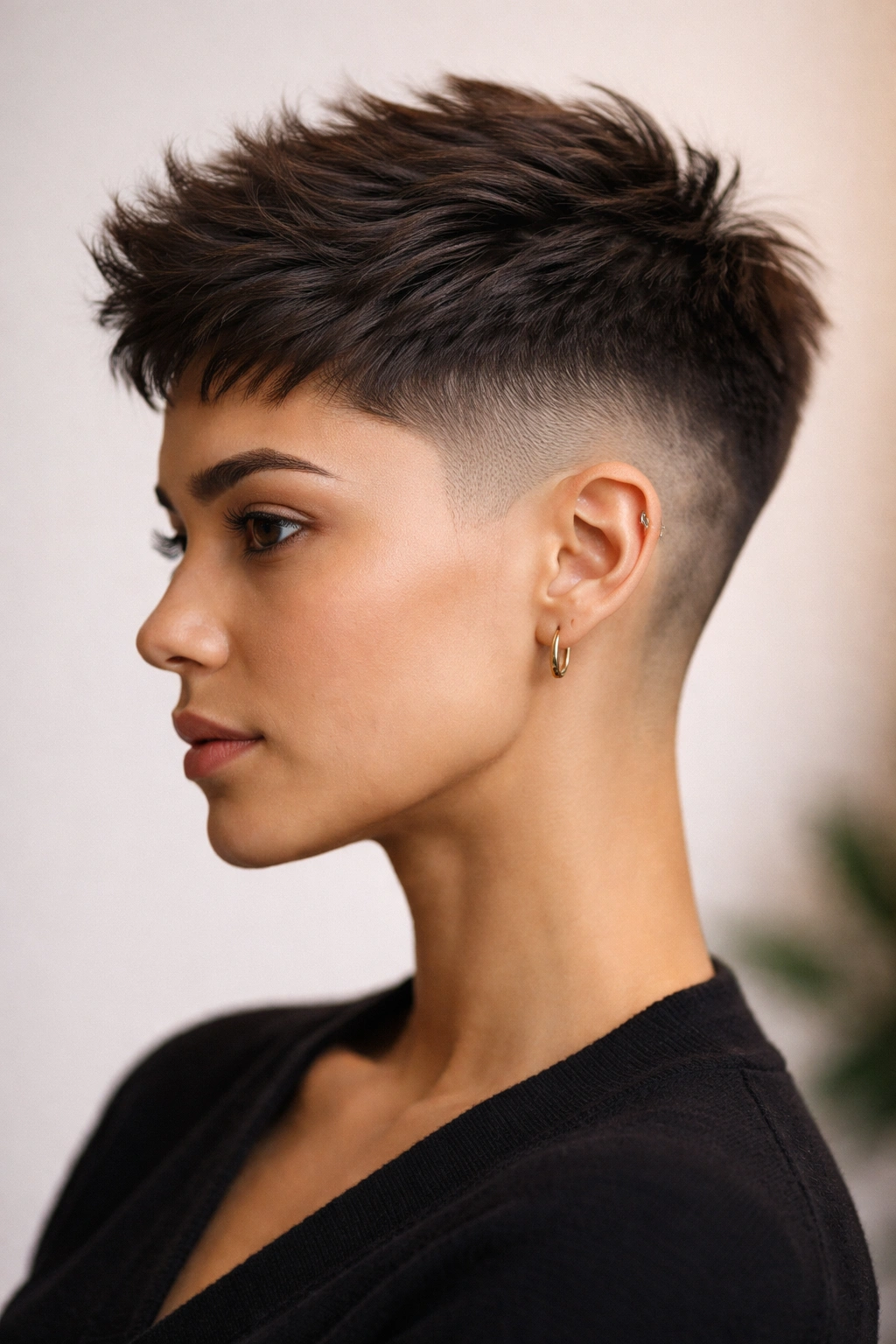
The textured crop is the cut that says “fashion-aware and confident.” It’s similar to a pixie but typically slightly longer on top (2 to 2.5 inches) and paired with a very clean, well-defined fade on the sides and back. The magic is in the texture on top—choppy layers, point-cutting, or even undercuts within the longer hair create visual interest and movement. Paired with a sharp fade, it’s undeniably sharp and modern without being as exposed as a traditional pixie.
How Texture Prevents a Boring Silhouette
A simple, blunt crop without texture can look flat and unforgiving. But when a stylist uses point-cutting, choppy layers, and texturizing techniques, the same basic length suddenly has movement, dimension, and personality. The texture should feel intentional—not random, but strategically placed to create peaks and valleys that catch light and add visual fullness. This is especially important on finer hair types, where texture tricks can make thin hair look thicker and fuller.
The Ideal Fade Profile
The fade on a textured crop should be smooth and well-blended, starting at the ear and tapering down to a very close or skin fade at the nape. The line where the fade meets the textured crown should be clean and visible but softly blended, not abrupt. Some people like a harder line for more edge; others prefer a softer blend. This is a great discussion to have with your stylist based on how sharp or soft you want the overall look to feel.
Styling for Impact
This cut is relatively low-maintenance compared to longer styles, but it’s not completely wash-and-go. A light texturizing paste or matte pomade applied to damp hair and dried with your fingers or a blow-dryer adds definition and separates the textured layers. Some mornings you might just run your fingers through it; other days, with product, it’s more intentionally styled. The flexibility is part of what makes this cut work for busy people who still want to look sharp.
6. Sleek Tapered Lob with Side Part
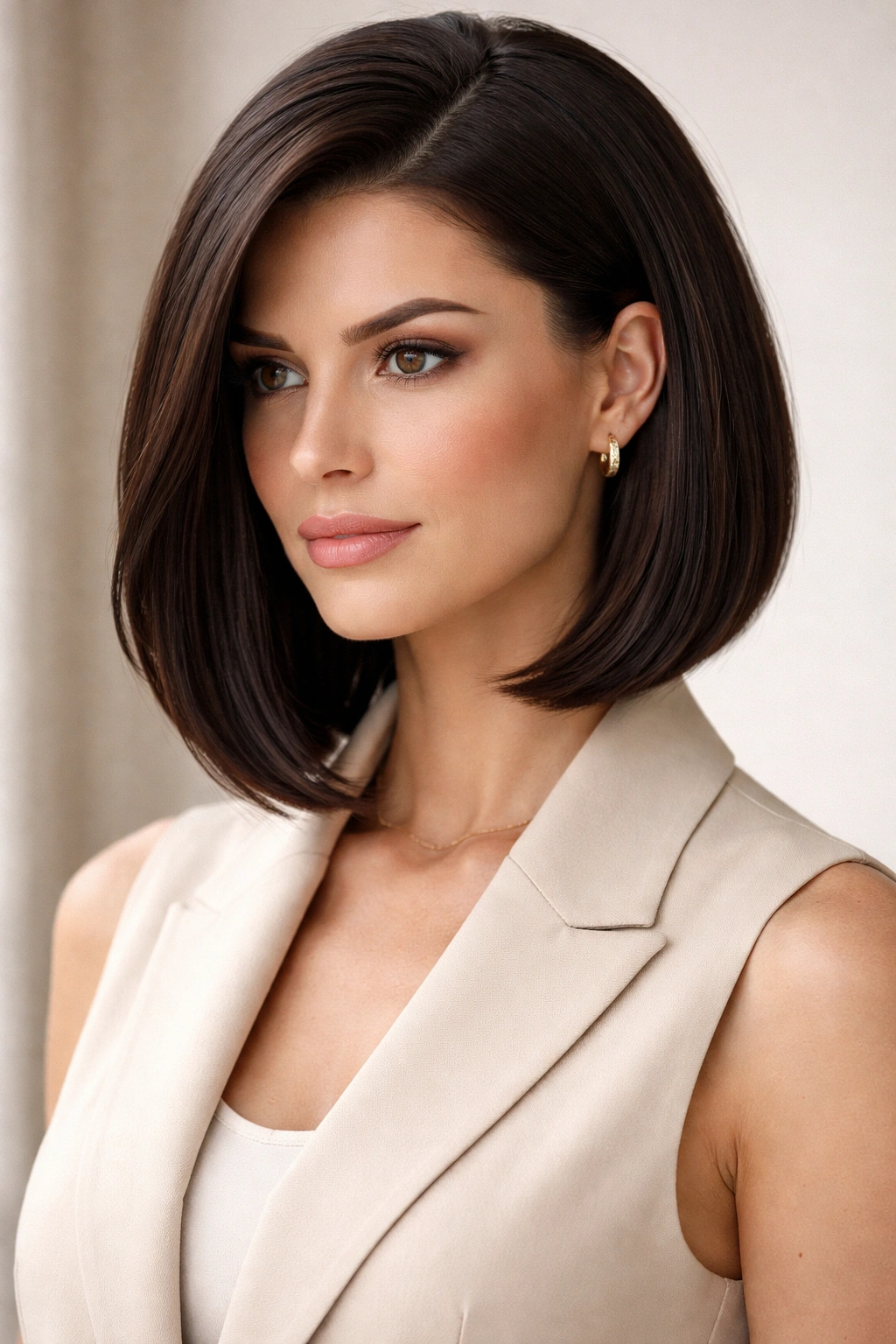
A lob—a longer bob typically hitting at the collarbone or chin—doesn’t immediately read as edgy, but pair it with a tapered back and sides, and suddenly it’s modern and sharp. This style keeps more length throughout than other tapered cuts, making it ideal for people who aren’t ready to go truly short but want the polished, precise look of a taper. The side part adds an extra element of intentionality and structure, making the whole style feel thoughtfully composed rather than haphazardly grown out.
The Precision of a Professional Taper
What makes this lob sharp rather than simply long is the precision of the taper. The back and sides fade down cleanly, creating a defined shape rather than a shapeless mop. This taper prevents the cut from looking overgrown or messy as it grows out, because the structured sides keep everything feeling intentional. The taper on a longer cut like a lob should be smoother and more subtle than on a pixie—it’s about refinement and balance rather than dramatic contrast.
Working with the Natural Side Part
A strong side part creates graphic lines and makes the taper even more visible and intentional-looking. If you naturally have a side part, lean into it. If you don’t, you can encourage one by blow-drying the hair in that direction consistently. The side part also gives you styling flexibility—on lazy mornings, you can clip one side back and look polished without much effort, or wear it down and textured for a different vibe.
Styling and Texture Options
This cut works beautifully on straight, wavy, and curly hair. On straight hair, a blow-dry and some smoothing serum keeps it sleek and polished. On wavy or curly hair, the taper and length allow you to wear your natural texture without it looking shapeless. The key is the precision of the taper—that defined back keeps the longer, textured length from becoming unruly. You have more styling flexibility here than with a structured pixie, which is a major plus if you like switching between sleek and textured looks.
7. Choppy Layers with Tapered Nape
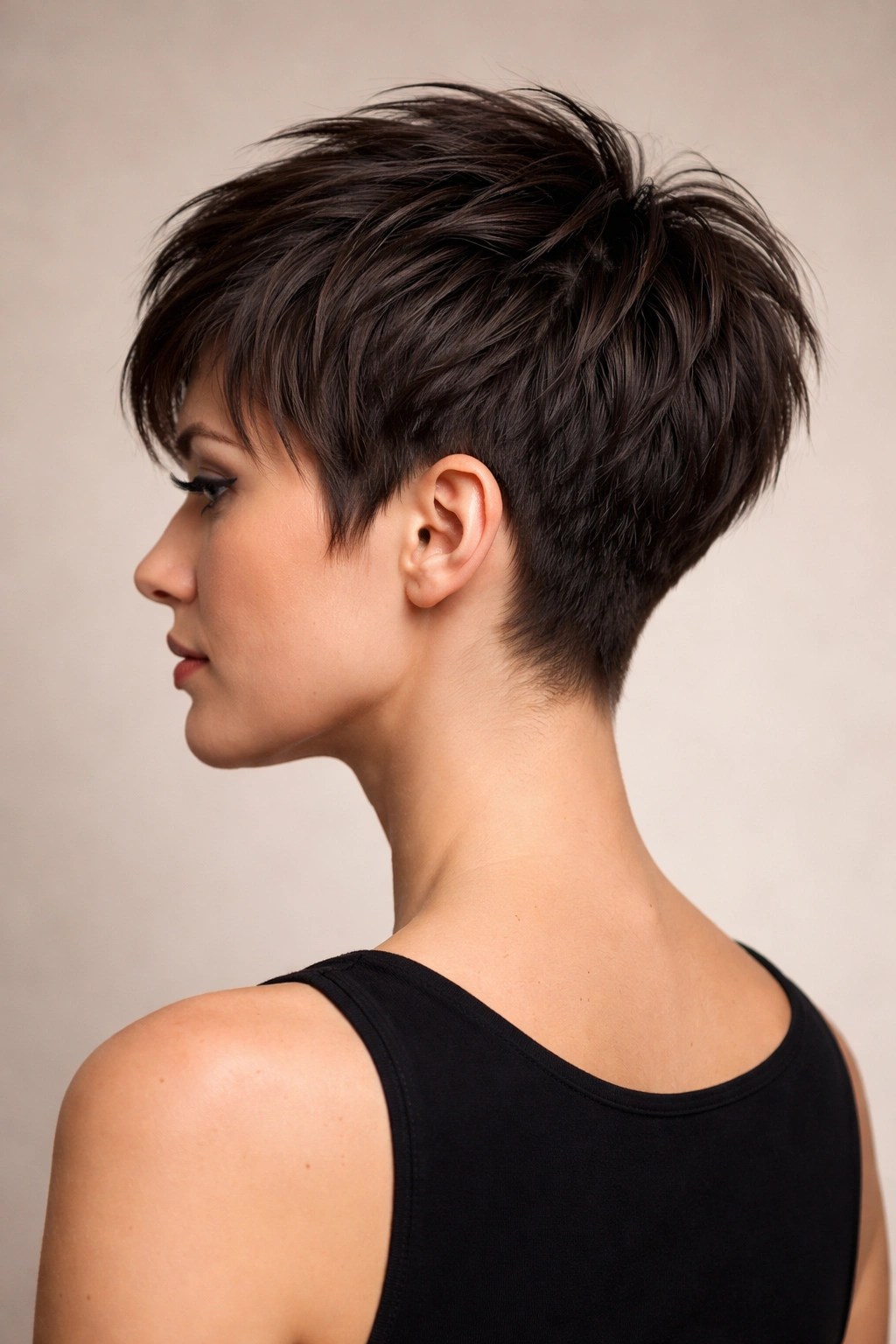
This style threads the needle between choppy, rock-and-roll texture and sharp precision. The entire cut is built on choppy layers—shorter and choppier at the crown, transitioning to longer pieces throughout—but what makes it sharp is the tapered nape. The very back of the head, at the nape, fades down to a clean, close line, which grounds all that texture and prevents it from looking shaggy or unkempt. It’s feminine, edgy, and undeniably chic.
Building Shape with Choppy Layers
Choppy layers are distributed throughout the cut, starting at different heights on the scalp. This creates the visual illusion of fuller, thicker hair because the layers catch light differently and create movement even on finer hair. The choppy texture is most dramatic at the crown and softens as it moves down, which creates dimension and prevents any one length from dominating. On curly or wavy hair, choppy layers define and separate curl patterns beautifully.
The Tapered Nape as an Anchor
While the top is textured and choppy, the very back at the nape is clean and tapered. This creates a clear silhouette and prevents the whole style from dissolving into shapelessness as it grows out. The taper should be smooth and close, not choppy—this contrast between the textured top and the clean nape is what makes the entire style work.
Who Should Consider This Cut
This cut suits people who love texture, movement, and a slightly undone aesthetic but also want precision and intentionality. It’s perfect for curly and wavy hair types because the choppy layers work with your natural texture rather than against it. On straight hair, you’ll need to create texture through styling, so factor in a texturizing product and blow-dry time. This is a more romantic, bohemian take on the tapered cut—if you prefer minimalist, architectural lines, one of the cleaner options might suit you better.
8. Geometric Sharp Taper
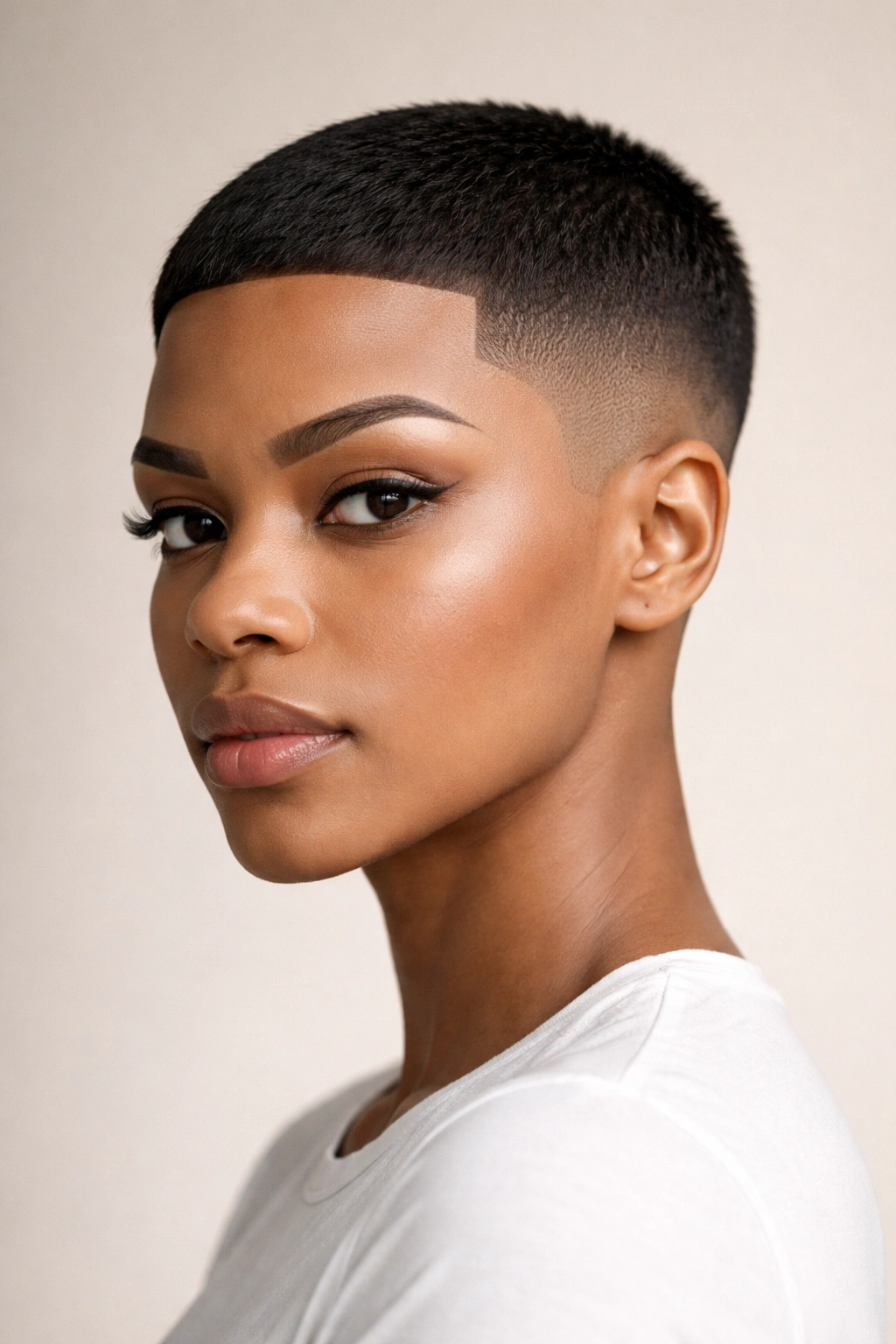
For people who love precision and clean lines, a geometric tapered cut is a masterpiece. This style features a very structured, almost architectural approach: the sides and back are sharply tapered into a geometric shape, while the crown maintains length (usually 1.5 to 2 inches) with blunt or very clean lines rather than choppy texture. The overall silhouette is crisp and defined, with hard lines and clear angles. It’s less about movement and texture and more about shape and proportion.
The Precision Required
A truly geometric cut requires a stylist who understands proportion and angle. The taper should follow clean lines—either an even fade all the way around, or a harder line separating the longer crown from the faded sides. There’s little to no choppy texture here; the lines themselves create the interest. This is the cut for people who appreciate minimalism, architectural design, and precision engineering translated into hair.
Face Shape Considerations
Geometric cuts shine on faces with strong bone structure—particularly angular, square, or oblong faces. They emphasize cheekbones, jawline, and forehead, so you need to feel confident in your features. Round faces can wear this cut, but you might want slightly more length on top and softer blending to avoid emphasizing width.
The Styling That Seals It
A geometric cut looks sharpest when meticulously maintained and cleanly styled. No texture paste or undone, piecy styling here—this cut is best with a smooth blow-dry or a clean, sharp style that emphasizes the lines. Some people love a slicked-back look with this cut; others prefer a neat, side-parted finish. The point is intentionality and precision in styling to match the precision of the cut itself.
Maintenance Schedule
Geometric cuts need maintenance every 3 to 4 weeks to keep the lines sharp and precise. The taper will grow out and soften, the lines will blur, and the overall sharpness will fade without regular trims. If you’re committed to this aesthetic, you’re committing to consistent salon visits.
9. Curly Tapered Mohawk
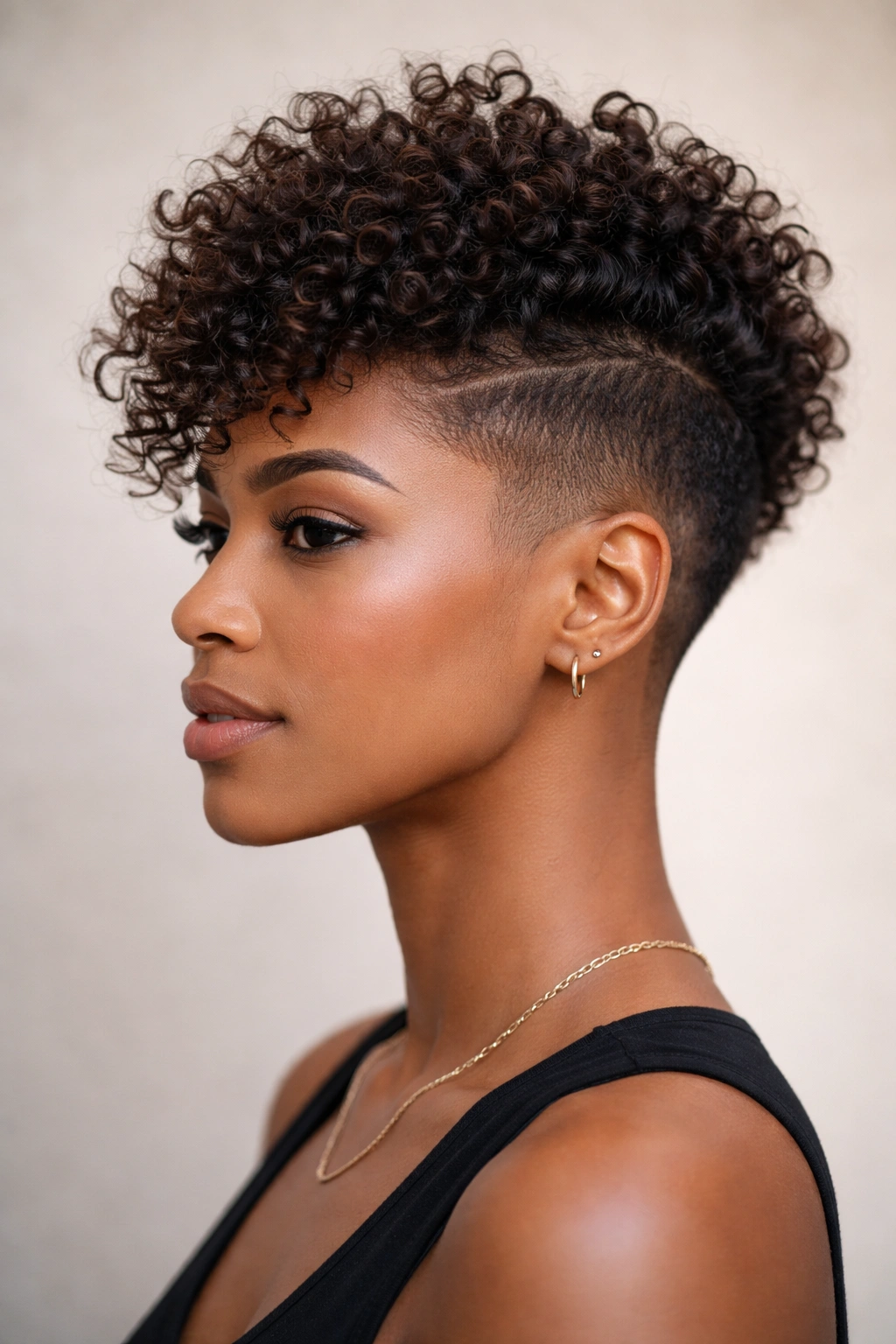
For people with naturally curly or textured hair who want something bold, a tapered mohawk is the answer. This style has longer curls running down the center crown—from the forehead back—while the sides and back are tapered down significantly or even shaved. The contrast between the voluminous curls on top and the clean fade on the sides creates a striking, undeniably confident statement. It’s fashion-forward, celebrates natural texture, and looks sharp and intentional.
Embracing Your Curl Pattern
This cut only works if you’re genuinely comfortable with and celebrating your natural curl. The goal isn’t to fight your curls or flatten them; it’s to embrace them and let them be the star of the show. The taper creates a defined frame for your curls, preventing them from spreading chaotically down onto the sides and creating a clean silhouette. Your stylist should understand curly hair cutting techniques and cut while your hair is wet and curly, not while it’s blown straight, to ensure the cut works with your curl pattern rather than against it.
The Taper Profile That Works
The sides and back should be tapered very close or faded to skin to create maximum contrast with the voluminous curls on top. Some people prefer an aggressive fade; others like a slightly longer taper that’s still noticeably shorter than the crown. Discuss this with your stylist based on how dramatic you want the style to be and how much maintenance you’re willing to do (aggressive fades need touching up more frequently).
Styling and Product Needs
Curly hair needs moisture and definition products to look its best. After washing, apply your curl cream or gel to soaking-wet hair, plop or promenade dry to enhance curl formation, and then diffuse or air-dry. Your curls will be the focus, so investing in good curl products is worth it. This cut actually requires less daily styling than a textured straight-hair cut because your curls provide all the movement and texture built-in.
10. Buzzed Sides with Tapered Crown
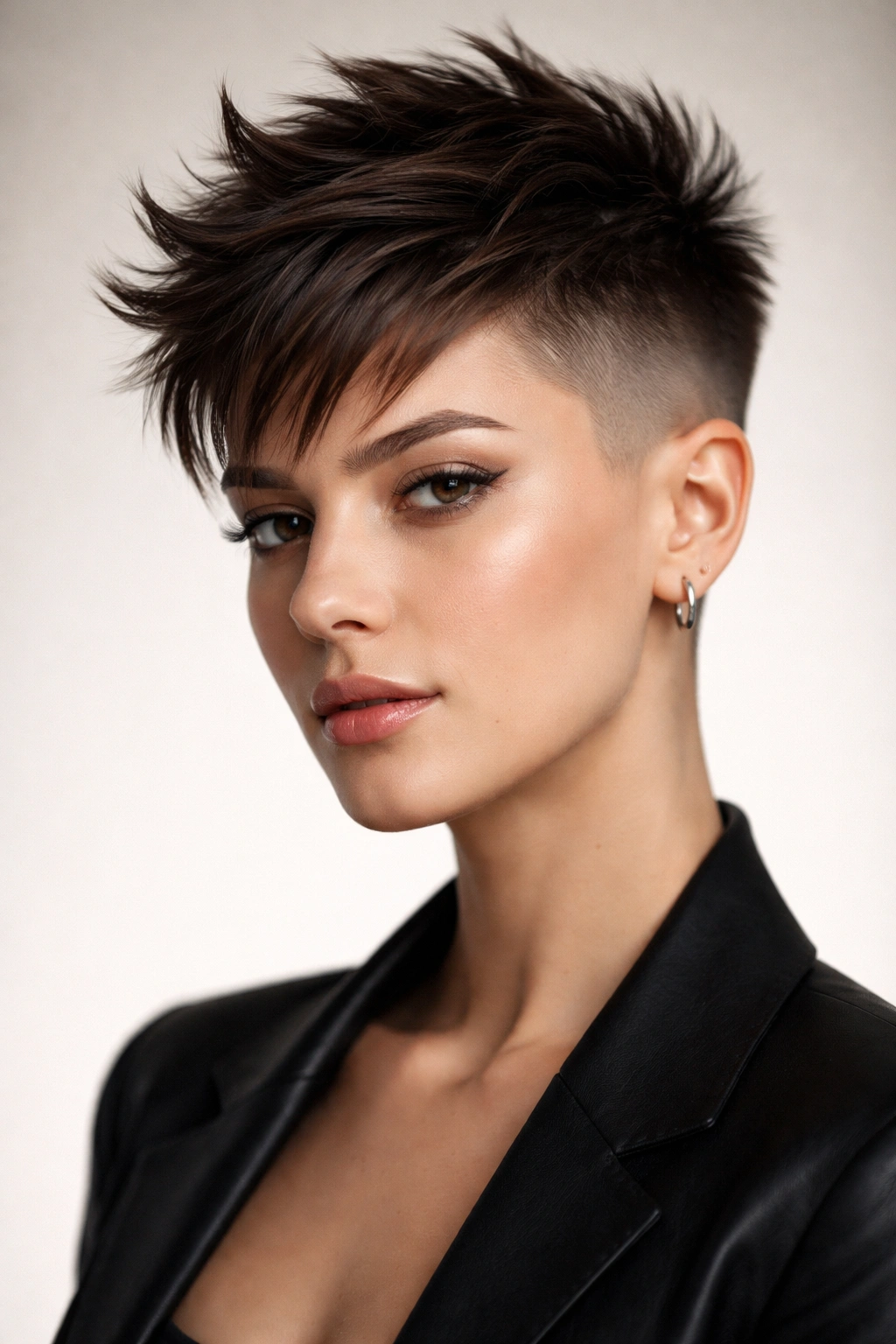
This is the ultimate statement cut—bold, unapologetically edgy, and perfect for people who love a true undercut aesthetic. The sides and back are buzzed very short (often down to a 0.5 or 1 guard), while the crown is left noticeably longer (2 to 3 inches) with texture through choppy layers or undercuts. The contrast is extreme and commands attention. This is a cut that says “I’m confident enough to take risks,” and it looks undeniably sharp and modern.
The Confidence Factor
Let’s be honest: this cut requires genuine confidence. You’re shaving parts of your head, leaving your ears and neck completely exposed, and making a clear statement about your personal style. If you’re even slightly unsure, this might not be your cut. But if you’ve been dreaming of something edgy and dramatic, this delivers. The buzzed sides stay sharp for weeks, and the longer crown gives you styling flexibility that shorter all-over cuts don’t offer.
Varying the Crown Texture
While the sides are buzzed, the crown can be anything: choppy and textured, undercut with multiple levels, or even longer and left somewhat shaggy for contrast. Some people prefer a clean, sharp line between the buzzed sides and the longer crown; others like a softer, more blended transition. This is where you can add personality and make the cut your own.
Maintenance and Growth
The buzzed sides need touching up every 2 to 3 weeks to maintain that sharp, close look. As they grow out, the cut softens and loses some of its edge. The crown can grow out longer and more textured, which actually looks good if that’s the vibe you want, but you’re trading the dramatic contrast for a softer, more blended look. If you love the sharp contrast, plan for regular maintenance.
Who Should Consider This
If you have straight or wavy hair and genuinely love an edgy aesthetic, this is the cut. It works on most face shapes because the focus is on the style statement rather than face-framing. What matters most is your willingness to commit to the bold look and the maintenance schedule required to keep it sharp. If you’re hesitant or prefer lower-maintenance hair, try something less extreme first.
Final Thoughts
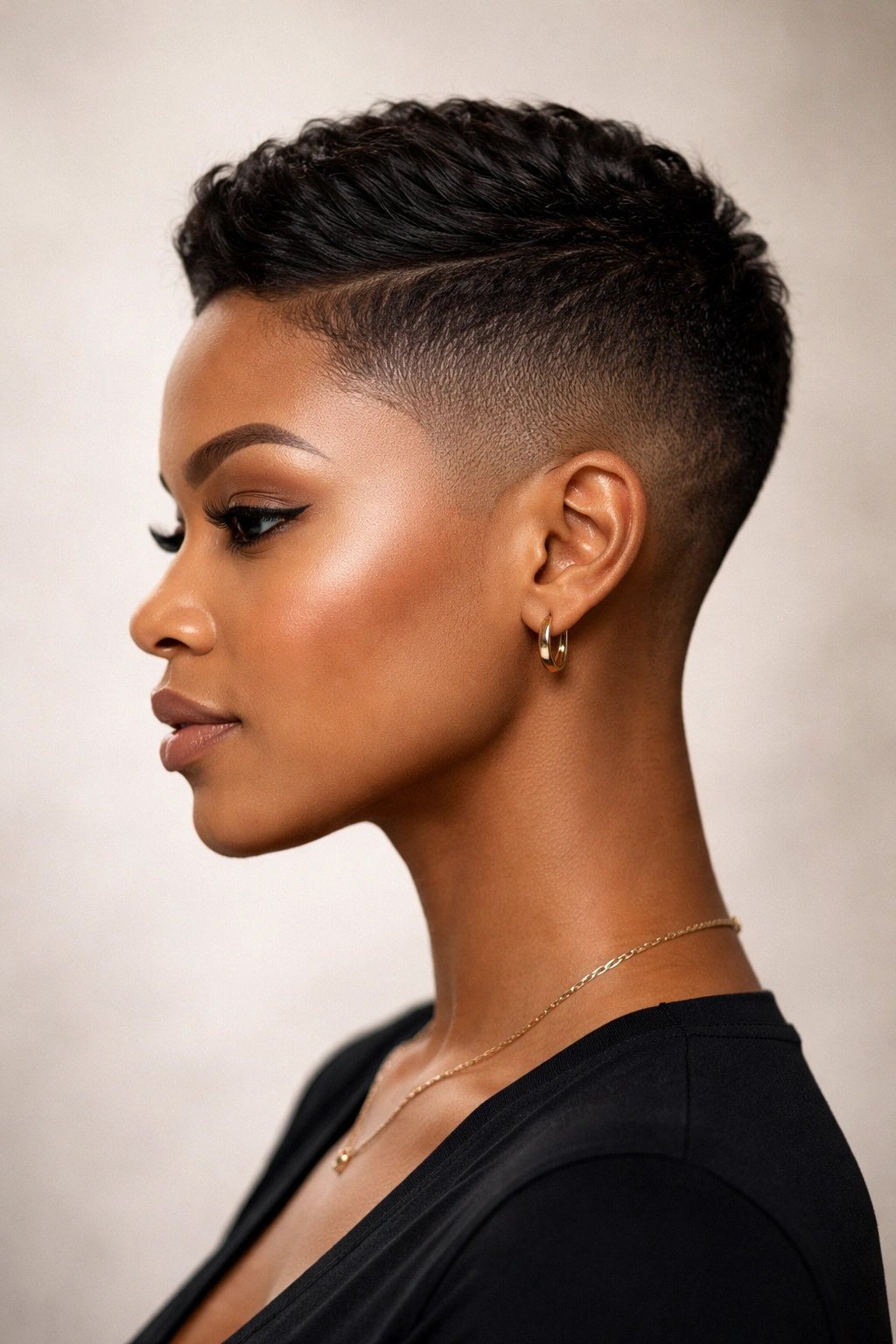
The beauty of tapered cuts is that there’s a sharp, sophisticated option for virtually every hair type, face shape, and lifestyle. Whether you’re drawn to the bold drama of a buzzed undercut mohawk, the romantic texture of a choppy layered taper, or the minimalist precision of a geometric cut, tapered styles deliver that coveted sharp, intentional aesthetic that reads polished and fashion-aware.
The key to loving your tapered cut is being honest about three things: your hair texture and how much styling you’re willing to do, your face shape and whether you want to emphasize or soften certain features, and your maintenance commitment. A tapered cut with sharp lines does require regular trims every 3 to 4 weeks to keep looking intentional rather than grown-out and soft. If you’re ready to embrace that maintenance schedule and willing to work with an experienced stylist who understands proportion, precision, and how to cut for your specific hair type, a tapered cut will deliver that effortlessly sharp look that makes you feel confident every time you catch your reflection.
