



Fine hair over seventy can feel like you’re working against the clock. Volume disappears, styling products weigh everything down, and those haircuts that looked effortless ten years ago now require a PhD in blow-drying just to look presentable. But here’s what most stylists won’t tell you: fine hair at this age doesn’t need fewer style options—it needs smarter ones. The right cut, the right texture, and the right approach to styling can actually make your hair look thicker, fuller, and infinitely more flattering than you thought possible.
The key isn’t fighting your hair’s nature. It’s working with it. Fine hair has genuine advantages when you lean into them: it’s lightweight, it responds beautifully to precise cuts, and the right hairstyle can create the illusion of density that feels natural, not overdone. The hairstyles that work best for fine hair in this stage of life prioritize texture, movement, and strategic layering—techniques that add dimension without relying on volume you don’t have. Combined with the right cut and the right products, a well-chosen style can take five years off your face while making your hair look healthier and fuller than it has in years.
What follows isn’t a collection of generic short cuts and sad perms. These are fifteen hairstyles specifically chosen for their ability to work with fine hair—creating movement, texture, and flattery through clever layering, strategic length, color techniques, and styling approaches. Some are short and chic, others offer surprising length, and all of them avoid the trap of trying to force volume where nature doesn’t intend it. Whether you prefer low-maintenance simplicity or enjoy the ritual of daily styling, you’ll find options here that actually work with your hair’s reality instead of against it.
1. The Textured Pixie with Grown-Out Sides
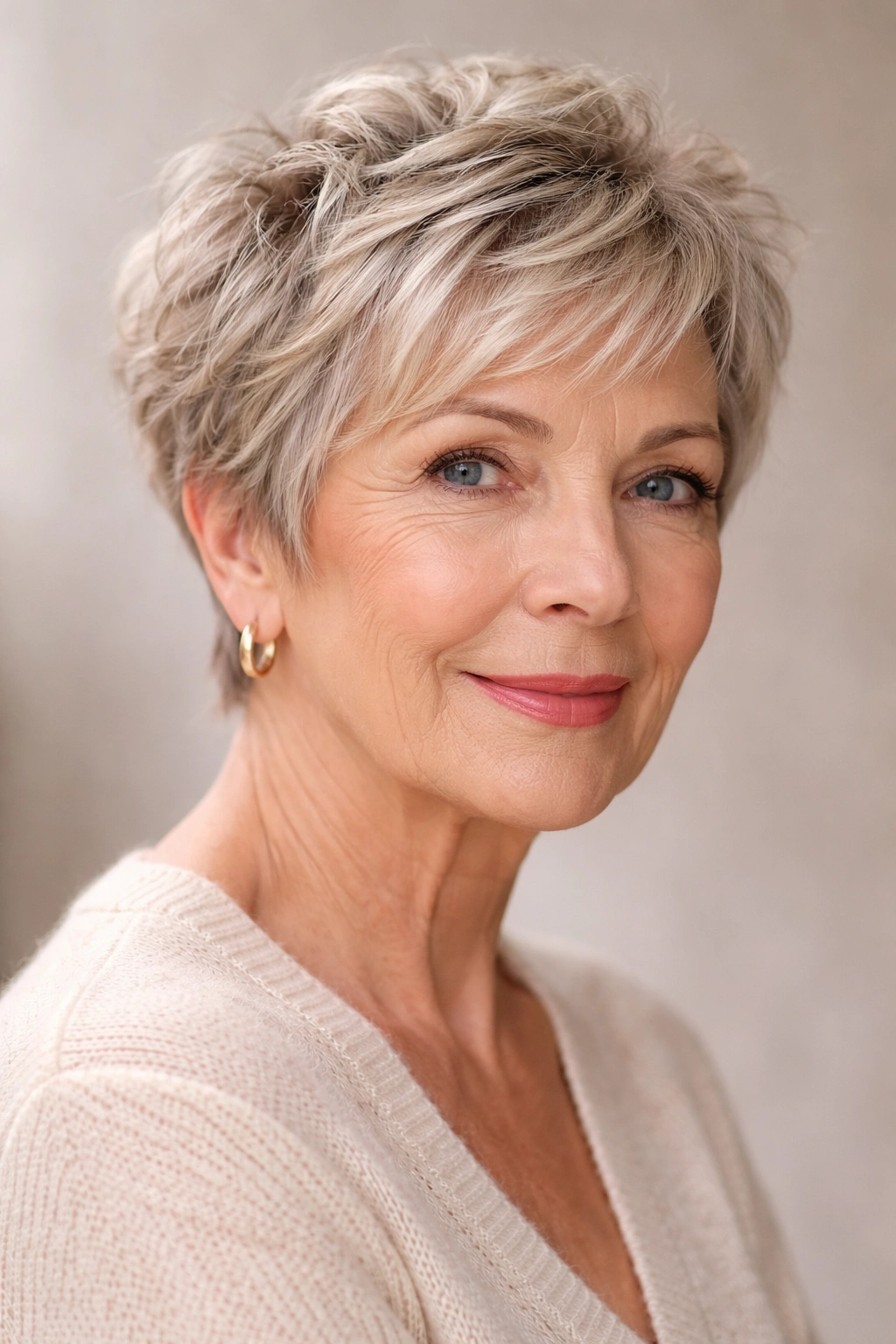
A pixie cut sounds risky for fine hair, but a textured pixie—short and choppy on top with slightly longer, softer sides—actually creates the illusion of fuller hair through deliberate movement. The key is the cut’s asymmetry and the choppy layers that catch light and create dimension. This style works because it’s not trying to be sleek; the texture is the point.
Why This Works for Fine Hair
A pixie cut removes weight, which means your fine hair stands up and moves more freely instead of lying flat against your scalp. The choppy layers create the visual impression of density by breaking the hair into shorter segments that don’t cling together. This style is especially flattering if you have any natural wave—the texture amplifies the movement. It also frames your face beautifully, drawing attention to your eyes and cheekbones rather than making hair thickness the focal point.
How to Style and Maintain It
- Blow-dry with a round brush to add lift at the roots, working in sections with an upward motion
- Use a lightweight texturizing spray or wax (not heavy pomade) to separate the layers and maintain choppy definition
- This cut requires maintenance every 3-4 weeks to keep the shape clean and the layers from blending together
- Ask your stylist for choppy, uneven layers rather than a smooth, blended pixie—the irregularity is what creates fullness
Styling tip: Run your fingers through damp hair in the direction of the choppy layers while blow-drying to encourage the texture to do the work. You’re not fighting the texture; you’re celebrating it.
2. The Shoulder-Length Shag with Wispy Bangs
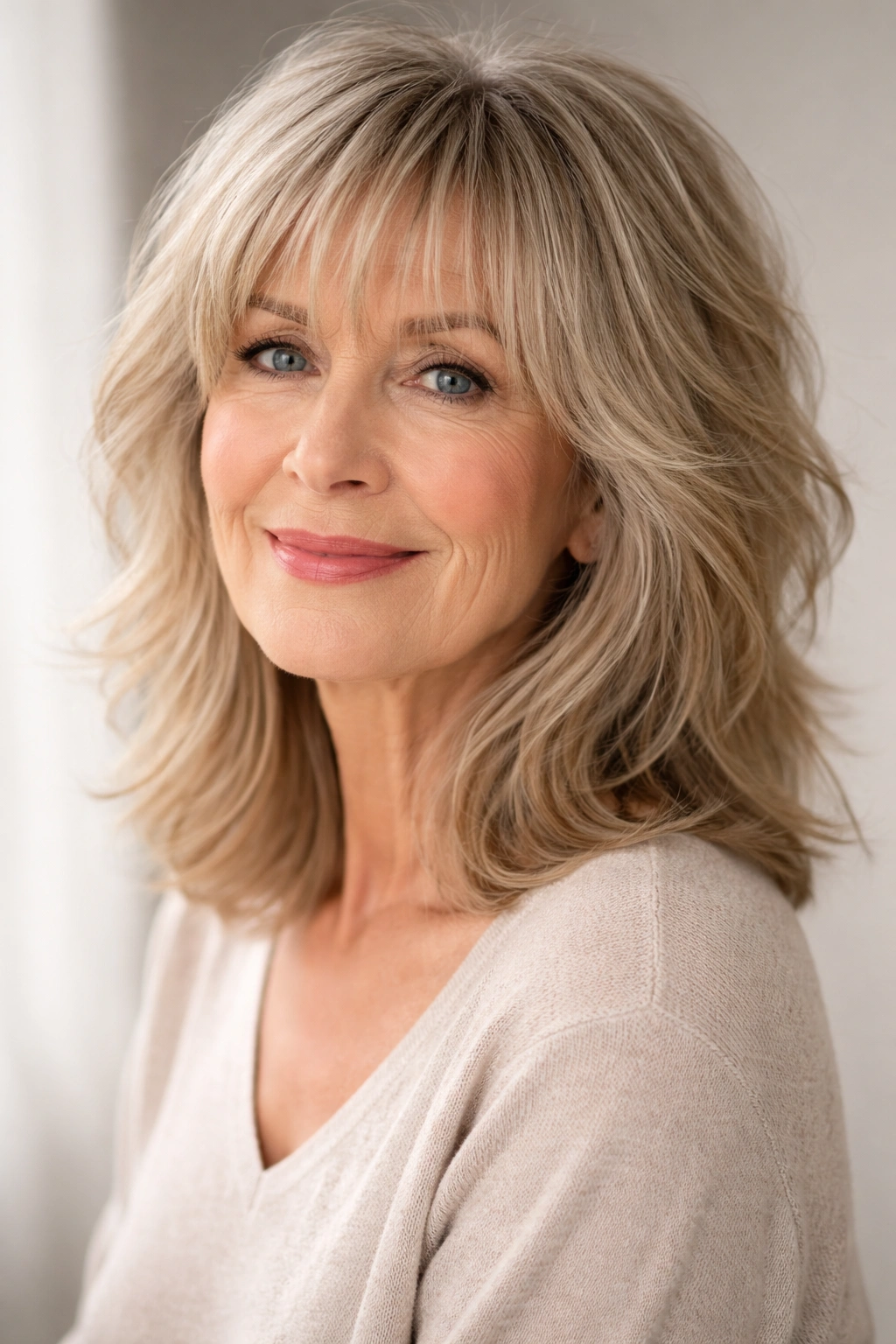
A modern shag—longer than a pixie, with layers throughout—gives you movement and texture without requiring dense hair. The key difference from a basic layered cut is the shag’s deliberate approach to layering: shorter layers on top create lift, while longer pieces in the front and underneath add movement. Wispy bangs soften your face while the layers throughout prevent any section of hair from looking thin.
Why Shags Suit Fine Hair Beautifully
Shag cuts are built on the principle that layers create movement, and movement makes fine hair look fuller. Because the layers are intentional and varied rather than blended, each layer catches light independently, creating visual texture and depth. The longer underneath pieces add length and fluidity, while the shorter top layers provide the lift that fine hair struggles to achieve with density alone. Wispy bangs (not blunt ones) skim across your forehead gracefully without adding weight.
Styling Secrets for Maximum Impact
- Blow-dry with texture spray applied to damp roots for lift and separation
- Use a diffuser attachment or your fingers rather than a flat paddle brush, which will compress the layers
- Apply styling products to the mid-lengths and ends primarily, not the roots, to avoid weighing down the lift
- Sleep on a silk pillowcase to preserve movement and reduce friction that can flatten fine hair overnight
Pro tip: A shag with subtle, warm-toned highlights threaded through the layers creates an extra dimension that makes hair look thicker without requiring heavier color treatment.
3. The Sleek Short Bob with Volume at the Crown
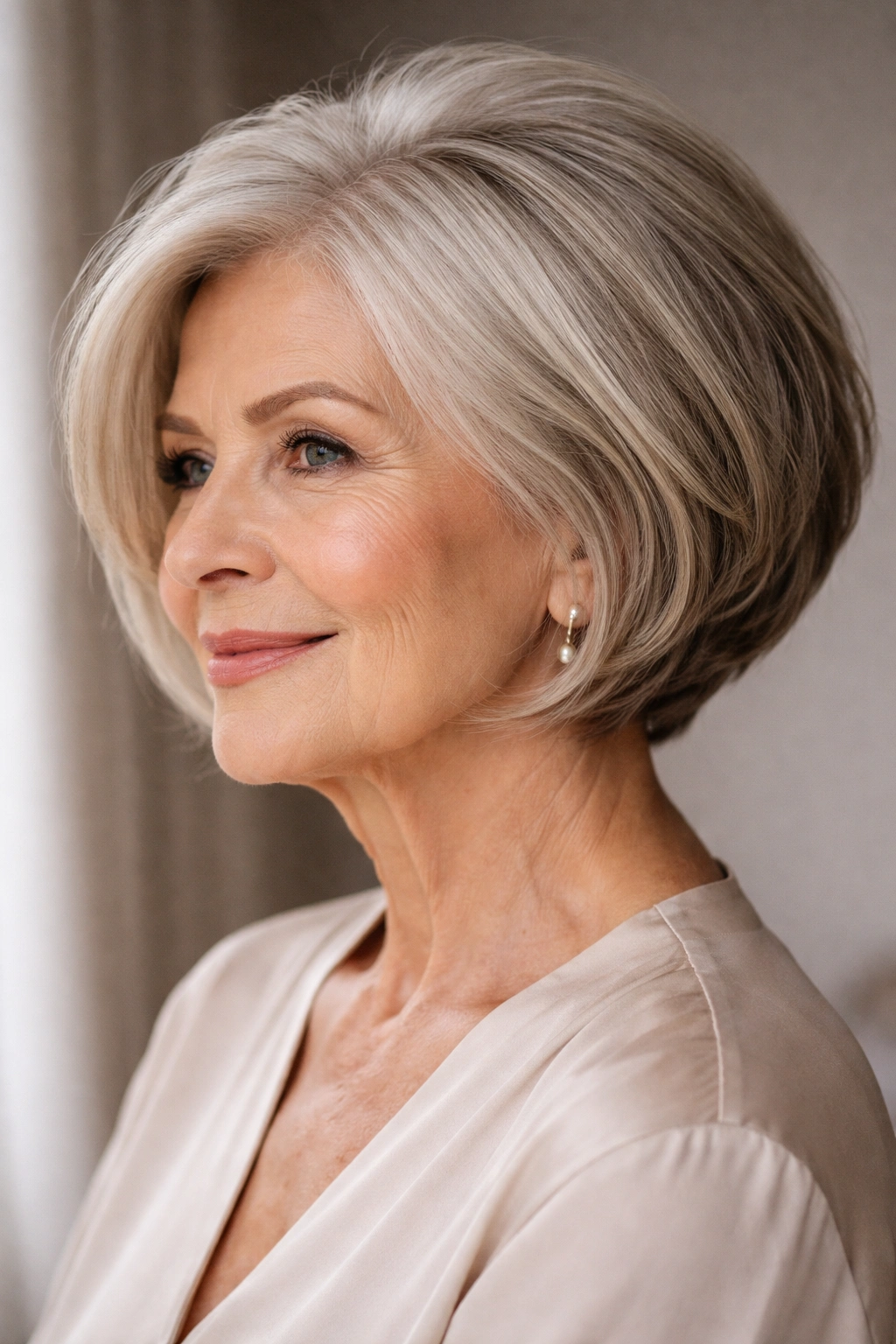
A short bob—chin-length or just above—works for fine hair when it’s cut to be slightly shorter at the nape and longer at the front, with deliberate volume built into the crown. This isn’t a blunt, heavy bob; it’s an architectural bob designed specifically to flatter and enhance fine hair’s natural movement. The shorter back prevents bulk, while the volume at the crown combats flatness.
The Precision That Makes This Work
The crown of this bob needs subtle layers or a strategic cut that allows you to blow-dry with lift. The sides and front should be slightly longer, creating a soft frame without heaviness. The back should be clean and short, which is actually ideal for fine hair because shorter strands stand up better. The shape itself creates the illusion of fullness because of the contrast between the tapered back and the fuller crown.
Daily Styling for Polished Perfection
- Blow-dry the crown first, targeting the roots with an upward motion to establish lift before working on the rest
- Once the crown is set, blow-dry the sides and front, angling away from the face for a flattering frame
- A lightweight volumizing mousse applied to damp roots before blow-drying makes a significant difference
- This cut works best freshly styled; it’s not a low-maintenance option, but the effort pays off in a polished look
Worth knowing: A very subtle, expertly placed partial perm can add permanent texture to the crown area, giving you lift even without daily blow-drying. This is not the tight perms of decades past—modern perms are soft and natural-looking.
4. The Long Textured Cut with Face-Framing Layers
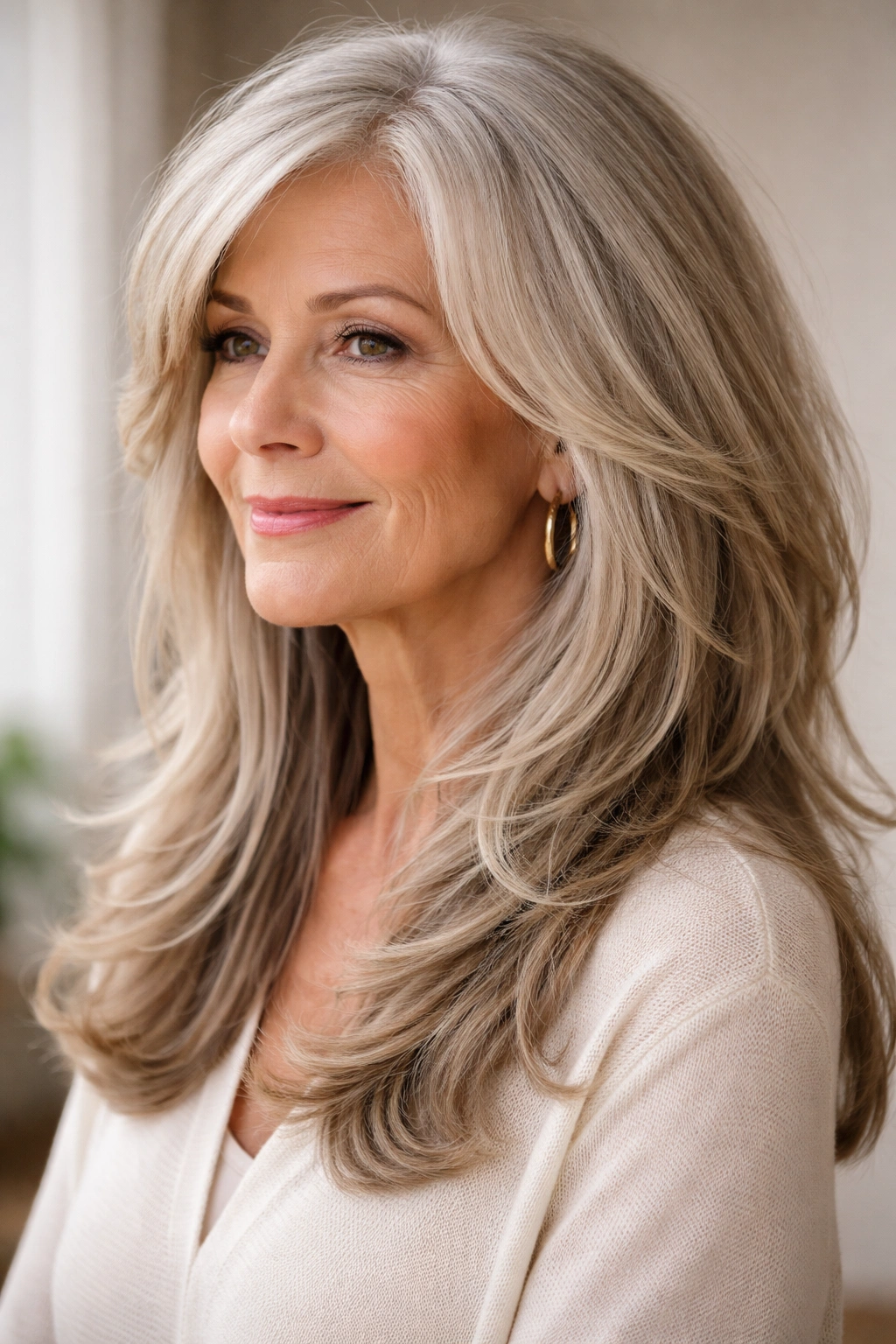
Some women over seventy want length. A long, textured cut with substantial face-framing layers lets you keep length while creating movement and texture that prevents the hair from looking thin or limp. The longer underneath layers add fluidity, while the shorter, choppy front layers frame your face and create dimension.
Why Length Can Work with Fine Hair
The instinct is to go short with fine hair, but length actually can work if the cut is designed right. The key is lots of layers—not just a few layers, but many intentional, varied layers that create movement throughout. This approach acknowledges that fine hair has trouble holding volume and works around it by using layers to create visual texture instead of relying on density. The face-framing pieces are shorter and choppier, drawing attention to your features rather than the hair’s thickness.
Styling This Length Successfully
- Blow-dry with a focus on separating the layers rather than smoothing them—the texture is the point
- Use a sea salt spray or texturizing product to enhance natural wave and create separation between layers
- Consider air-drying partially if you have natural wave; fighting your hair’s texture defeats the purpose
- Apply products strategically to the mid-lengths and ends, avoiding heavy product at the roots
Insider note: Long hair with this much layering requires regular trims (every 6-8 weeks) to maintain the shape and prevent layers from blending together and looking thin. The maintenance is worth the payoff in a flattering, modern silhouette.
5. The Soft Waves with Rounded Layers
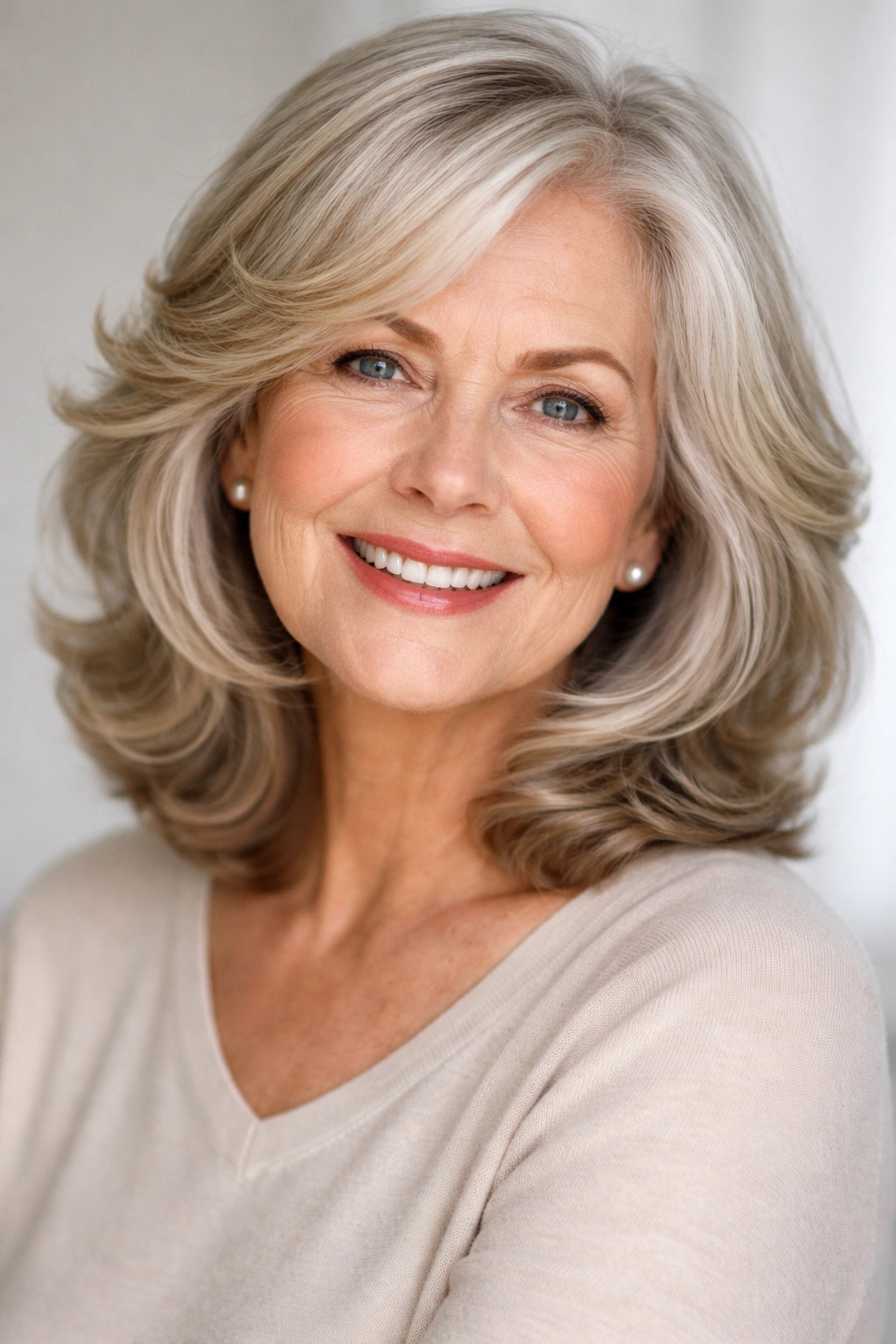
This style uses rounded layers that follow the natural contours of your head, creating soft waves rather than sharp texture. The layers are designed to curve gracefully, working with any natural wave you have while creating the optical illusion of fullness through consistent, repeating curves. This is a more traditionally feminine option than choppy shags, but equally effective for fine hair.
The Geometry of Flattering Layers
Rounded layers—cut on slight angles that echo the head’s shape—create waves that sit beautifully even without heavy styling products. This approach is more forgiving than choppy or blunt layers because the softness of the curves creates a cohesive, intentional look rather than making fine hair look thin. The waves themselves add visual texture and movement, which is the real trick to making fine hair look fuller.
Creating and Maintaining Soft Waves
- Blow-dry with a round brush, curling slightly away from the face to encourage the waves to set
- Use a salt spray or gentle texturizing product (avoid anything greasy or heavy) to enhance natural wave
- Sleep with your hair loosely twisted or braided to preserve waves without creating crimp texture
- This cut looks better slightly undone; perfect smoothness actually makes fine hair look thinner, so embrace soft movement
Pro tip: A very light perm or a “digital perm” (a newer technique that creates softer, more natural-looking waves) can give you waves that last weeks, reducing daily styling effort while maintaining the fullness-enhancing effect of movement.
6. The Geometric Pixie-Bob Hybrid
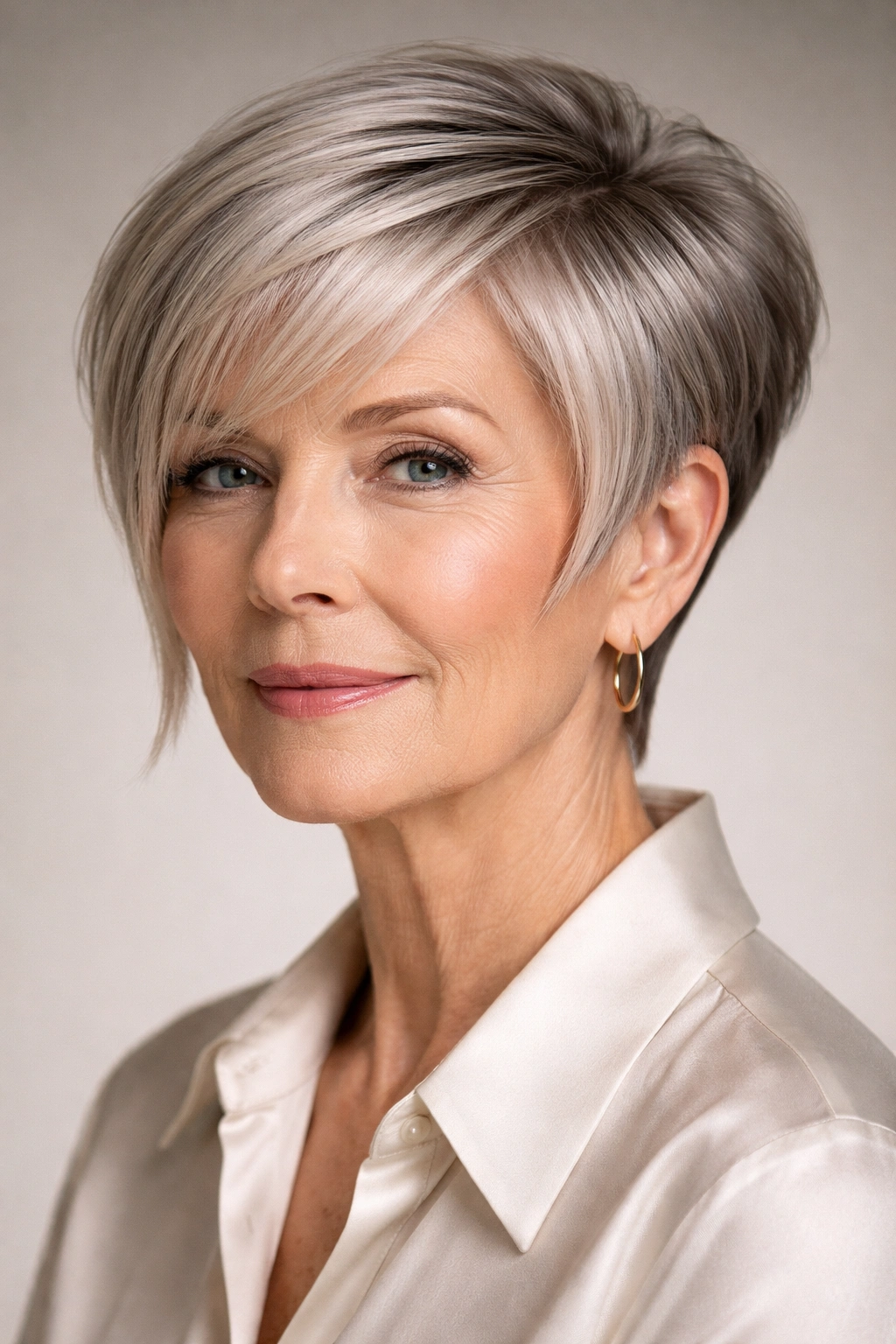
This is a modern, architectural cut that sits between a pixie and a bob—longer than a pixie (about 2-3 inches on top), with short, neat sides and back, and longer pieces framing the face. The geometric precision of the cut creates visual interest and structure that works beautifully with fine hair. It’s a bold choice, but it reads as intentionally modern rather than dictated by hair limitations.
Why Geometric Cuts Flatter Fine Hair
Precise, geometric cuts work with fine hair because the shape does the work rather than density. Every angle, every length variation, and every layer is deliberate and visible. With fine hair, this precision actually becomes an asset—the clear lines and varied lengths create visual interest that diffuses attention from thinness and focuses it on the cut’s clever architecture. This is a high-fashion choice that signals confidence and intention.
Styling and Maintenance
- This cut requires regular styling to look intentional; it’s not a wash-and-go option
- Blow-dry with precision, targeting the undercut sides to establish the clean, neat lines
- Use a styling clay or matte product to enhance the geometric precision without adding weight
- Maintenance every 3 weeks keeps the shape sharp and the geometric lines from softening too much
Worth knowing: This cut is trendy among women of all ages right now, which means it reads as modern and intentional rather than age-driven or forced by hair limitations. That confidence factor matters.
7. The Layered Crop with Textured Crown
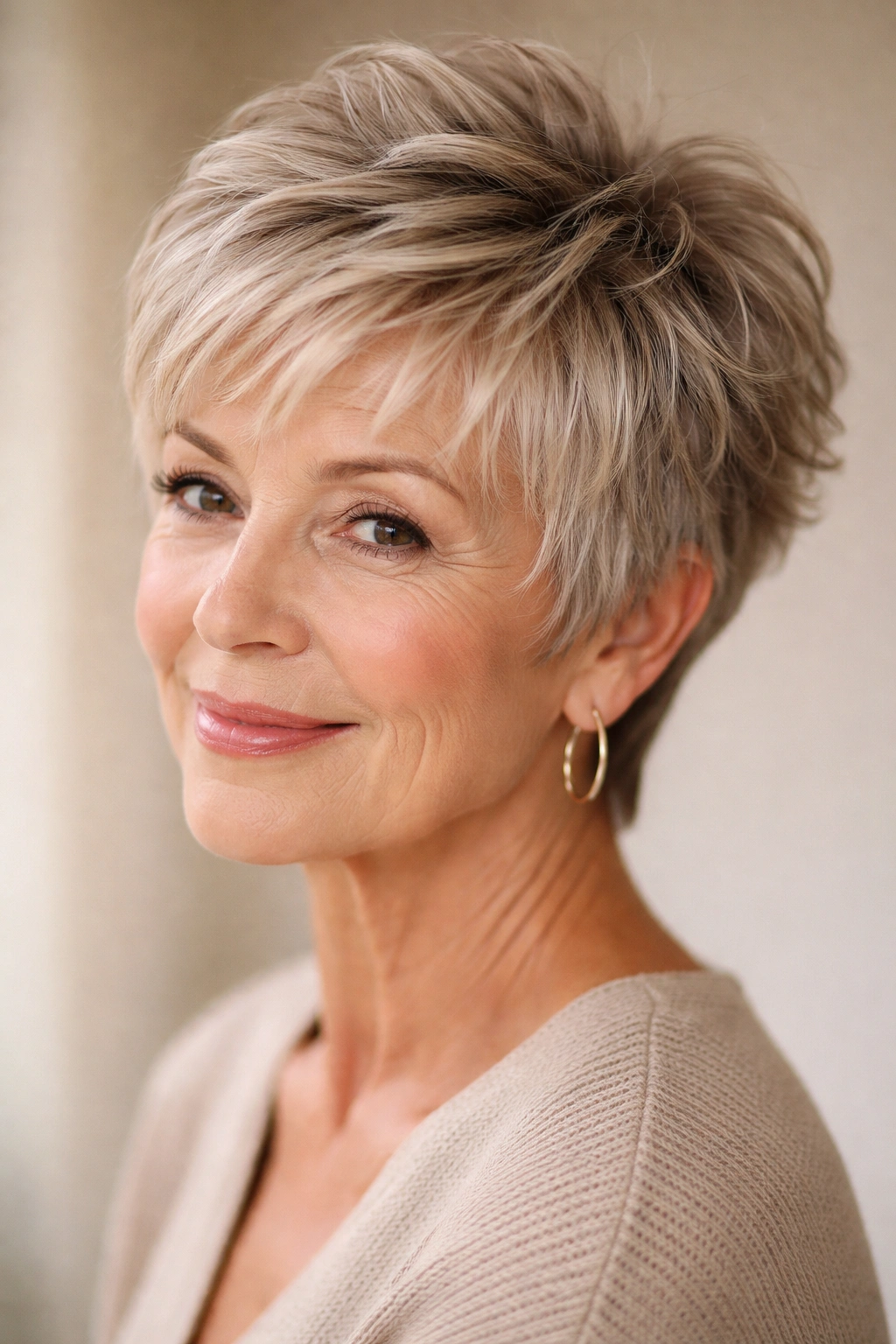
A crop is short all over—2-3 inches—but with intentional, choppy layers throughout. Unlike a simple short cut, this crop has distinct texture and movement through deliberate layering, particularly at the crown where layers create lift and prevent flatness. The overall effect is modern, textured, and surprisingly feminine despite the shortness.
Building Texture Into the Crown
The secret to this cut is how the layers at the crown are cut to be staggered in length, creating peaks and valleys that catch light. This layering technique means your fine hair naturally stands up and moves rather than lying flat. The sides are cleaner and shorter, which is ideal for fine hair, while the layered crown gives you the dimension and movement that make hair look fuller.
Daily Styling Approach
- Blow-dry with your fingers or a diffuser, raking upward through the crown layers to encourage movement
- Apply texturizing spray while hair is damp, before blow-drying, for maximum grip and lift
- This cut works beautifully with just a bit of texture; you don’t need to blow-dry it into perfection
- The undone-but-intentional aesthetic is actually the goal here
Styling tip: This crop reads beautifully with silver or white hair, where the texture and movement of the cut become even more striking against the luminous tones of gray hair.
8. The Feathered Bob with Volume Permed In
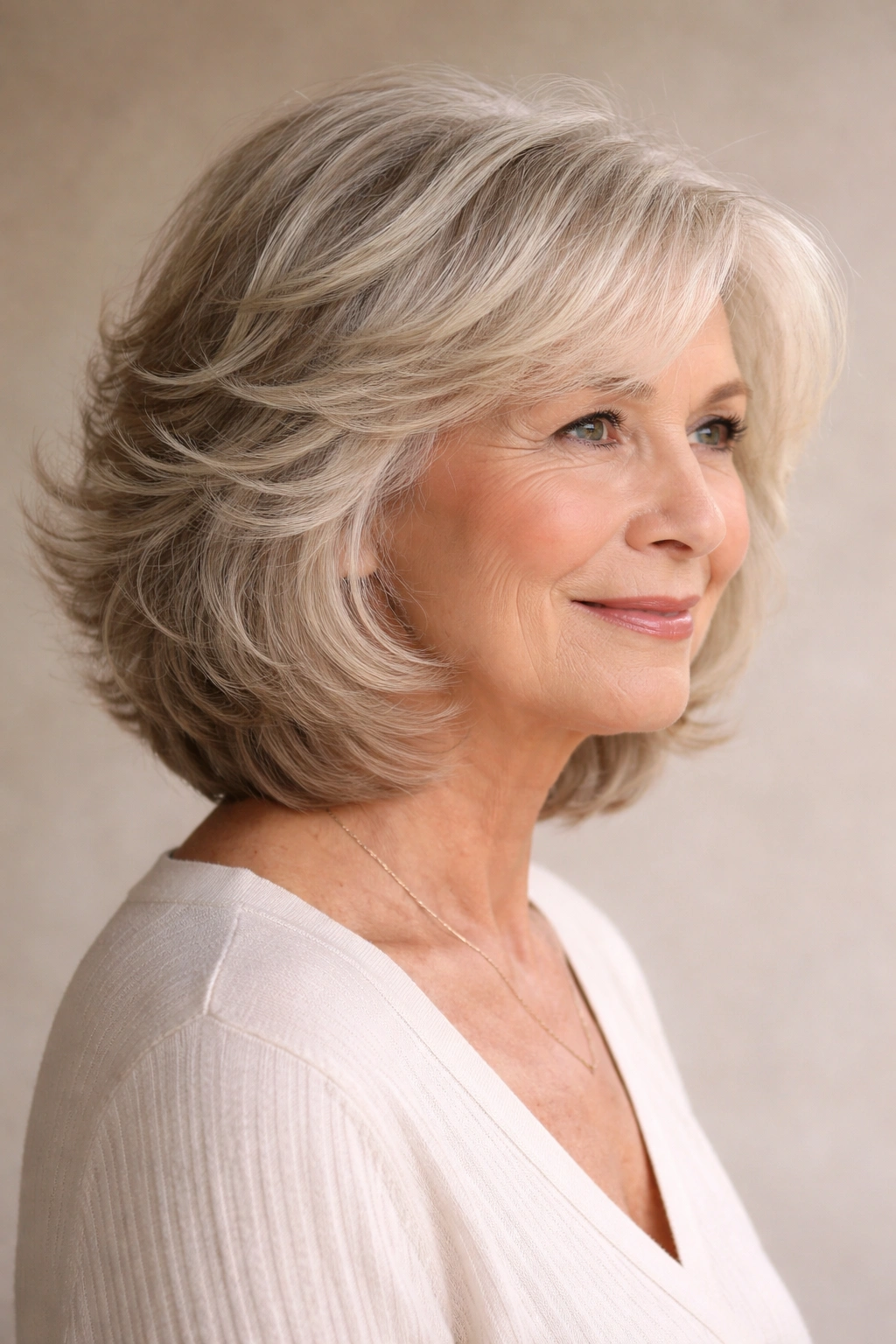
A feathered bob—a classic silhouette that’s had a modern revival—uses feathering (layers that flip outward rather than choppy or rounded layers) to create movement and texture. Combined with a soft perm that adds permanent texture and wave, this creates a style that looks full and styled without requiring daily blow-drying effort.
Why Feathering and Perms Work Together
Feathering naturally creates outward movement and texture; add a soft perm and you’ve created a style that works with fine hair’s nature rather than against it. The perm adds permanent body and wave, which means even without blow-drying, the hair has lift and texture. The feathering layers amplify that effect, creating a modern, textured silhouette rather than the tighter curls associated with older perms.
Maintaining Feathered, Permed Hair
- Wash in cool or lukewarm water to maintain curl texture and prevent frizz
- Use a curl-specific or wave-specific shampoo and conditioner that hydrate without weighing down
- Apply curl cream or mousse to damp hair, scrunching upward to encourage the wave pattern
- Allow air-drying or use a diffuser; straight blow-drying will fight the perm texture
- Trim every 4-6 weeks because permed ends get dry and need refreshing
Pro tip: A modern, soft perm is nothing like the tight, frizzy perms of previous decades. Today’s perms create gentle waves and natural-looking texture. They’re worth considering if daily blow-drying isn’t realistic for your lifestyle.
9. The Sleek Low Ponytail with Wispy Face-Framing
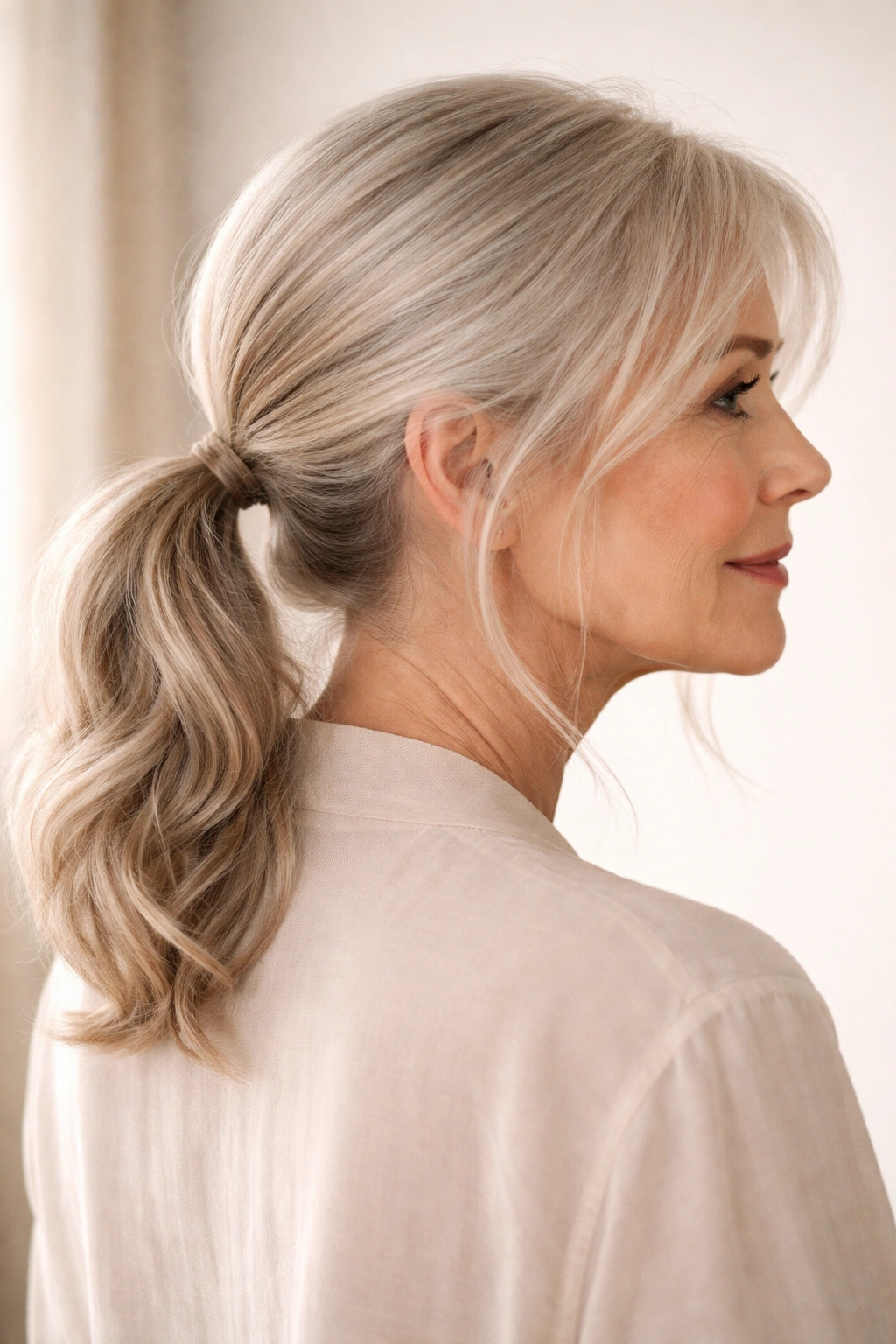
A low ponytail might seem basic, but it’s actually genius for fine hair because it removes weight from the crown, allowing each strand to breathe, and wispy face-framing pieces soften the overall look. A low pony isn’t pulled tight (which looks harsh and makes fine hair look thinner); it’s gathered loosely with intentional pieces left out around the face.
The Technique That Makes This Work
Gather hair at the nape loosely, leaving 2-3 small sections around the face completely undone. These wispy pieces should be shorter and create softness. The ponytail itself should feel relaxed, not pulled tight—tension actually makes fine hair look thinner by showing too much scalp. Using a soft elastic or silk scrunchie rather than a tight band prevents damage and breakage.
Styling for Maximum Impact
- Start with textured, slightly undone hair rather than perfectly smooth hair; texture reads fuller
- Apply volumizing mousse or texture spray to the crown and roots before styling
- Leave the ponytail slightly loose; you should be able to fit a finger between the elastic and your hair
- Pull a few tiny pieces from the ponytail at the base to create a softer, less severe silhouette
Insider note: A low pony with a few wispy pieces out is actually more youthful than a tight, pulled-back pony. It reads as intentional and chic rather than like you’re fighting to contain your hair.
10. The Textured Lob with Choppy Underneath Layers
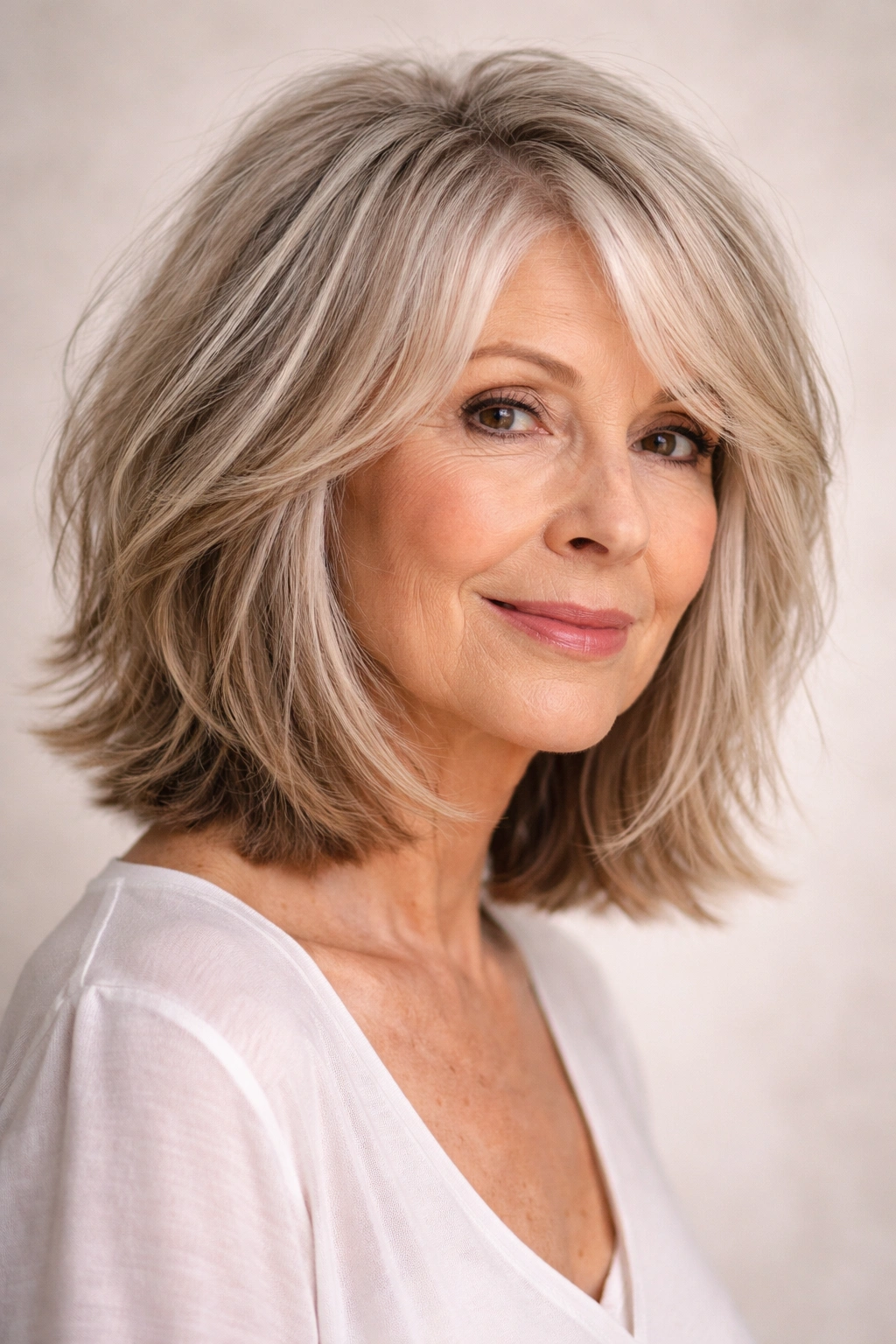
A lob (long bob, approximately shoulder-length) can work beautifully for fine hair when it’s heavily textured and layered, particularly with shorter, choppy layers underneath that you don’t see but that create movement and prevent bulk. The visible length is shoulder-hitting, but the hidden layers create lightness and movement throughout.
Strategic Layering for Fine Hair Volume
The genius of this approach is that the layers underneath create movement and prevent the hair from looking like one thick, flat sheet. The choppier, shorter underneath layers cut volume without making the visible length less flattering. The top layers can be longer, giving you the lob silhouette while the underneath work creates all the movement.
Styling for Movement and Texture
- Blow-dry with attention to separating layers; use a paddle brush to lift roots, then a round brush for shape
- Apply texturizing spray to damp hair before blow-drying for extra grip and separation
- This lob isn’t meant to be sleek; movement and texture are the point
- You can wear it down with movement or gather it loosely at the nape when you want a change
Pro tip: A lob with lived-in, rooted color (darker roots, lighter mid-lengths) creates extra dimension that makes hair look thicker and more textured than flat, one-tone color.
11. The Soft Undercut with Long Length on Top
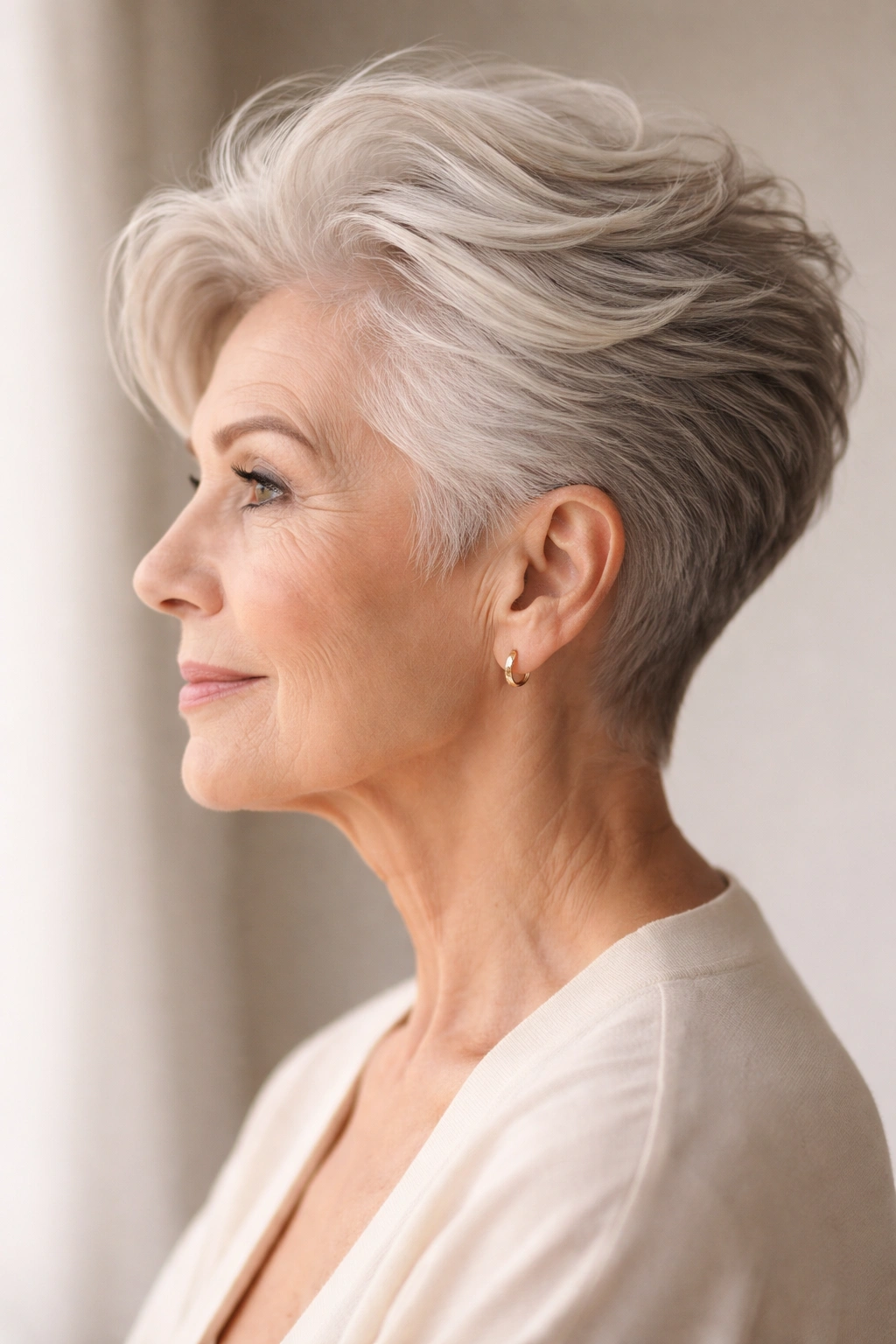
An undercut—short, nearly shaved sides with significantly longer hair on top—sounds edgy, but it’s actually a clever option for fine hair. By removing all weight from the sides and back, you concentrate the hair on top where you can style it for maximum movement and impact. The contrast between the short sides and longer top creates visual interest and modernity.
Why This Cut Maximizes Fine Hair
An undercut is honest about fine hair: it doesn’t try to create density where it doesn’t exist. Instead, it removes excess weight and focuses everything on creating movement and texture on top. The short sides also mean no bulk or weight pulling down the longer hair on top, so the longer pieces move more freely and appear fuller.
Styling This Bold Choice
- The longer hair on top should be layered and textured, not blunt
- Blow-dry upward and back, creating lift and movement that shows off the contrast
- This cut pairs beautifully with creative color—silver, white, subtle highlights, or rooted color all work
- The undercut needs maintenance every 3-4 weeks to keep the short sides looking intentional
Worth knowing: This is definitely a bold choice that reads as modern and intentional. It’s not hiding age; it’s embracing a striking aesthetic. If you love it, that confidence will shine through more than the fine hair.
12. The Soft Curled Bob with Gentle Waves
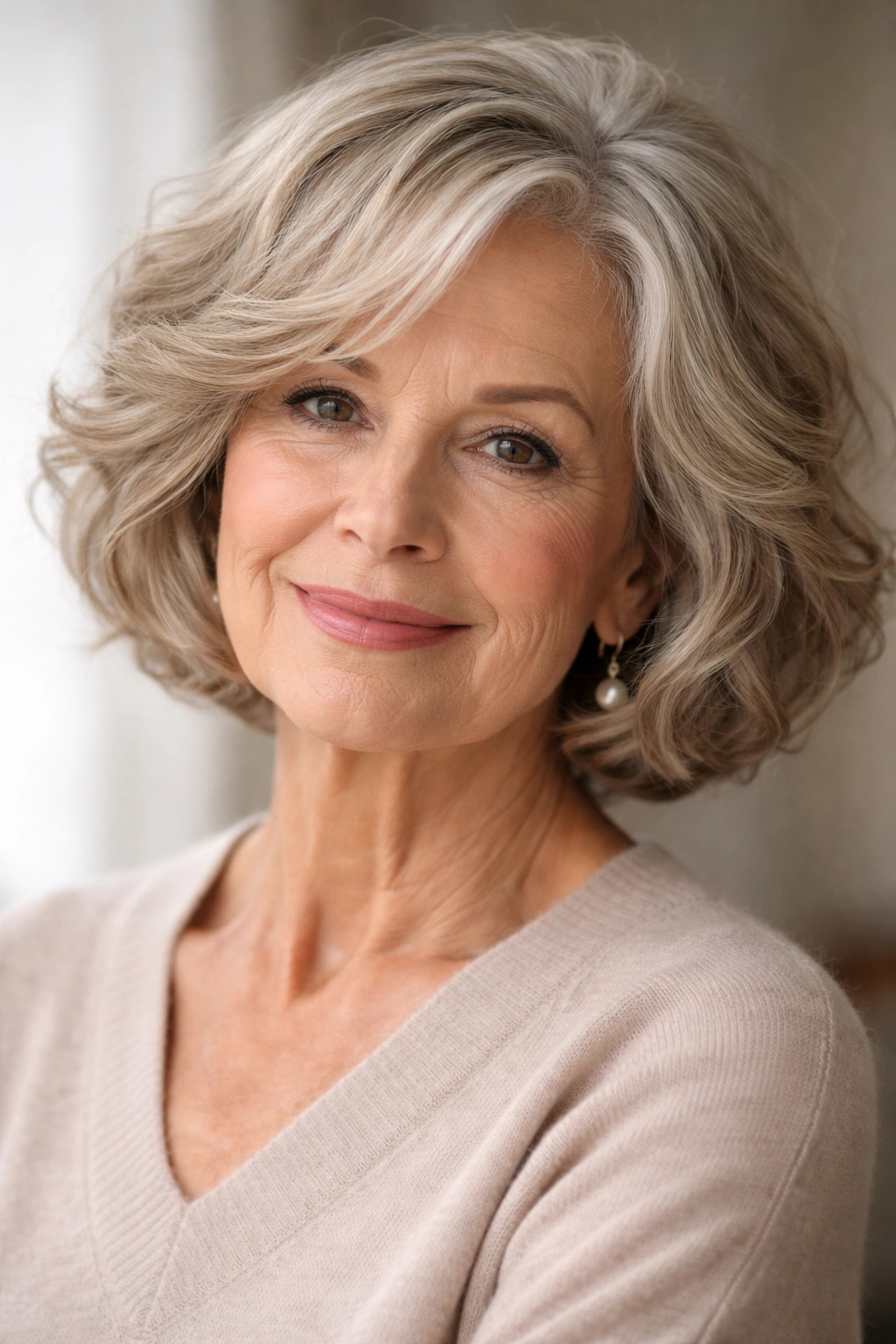
This style uses a loose perm or curl-creating technique to add permanent soft curls or waves to a bob cut. Unlike tight, obvious curls, these are gentle waves that create texture and the illusion of volume. The bob itself is chin-length or just below, with layers that work with the curl pattern.
Creating Gentle Waves, Not Tight Curls
Modern perming techniques create soft, natural-looking waves rather than obvious, tight curls. The waves add volume and texture while looking effortless. Because the curl is built into the hair, you’re not fighting gravity the way you would be with flat-ironed waves. Fine hair actually holds gentle waves beautifully; it’s the weight of completely straight hair that makes fine hair look thin.
Maintaining Soft Waves in a Bob
- Use sulfate-free, curl-specific shampoo and conditioner to maintain wave pattern and prevent frizz
- Apply curl cream or mousse to damp hair, scrunching to enhance the wave
- Allow air-drying or use a diffuser attachment; a traditional blow-dry will disrupt the curl
- Refresh waves between washes with a light misting of water and a small amount of product
- Trim every 6-8 weeks; permed ends dry out and need refreshing
Styling tip: You don’t need to style this every day. The permanent wave means even on lazy-hair days, you have texture and movement. That’s the real benefit.
13. The Shaggy Textured Cut with Hidden Undercut
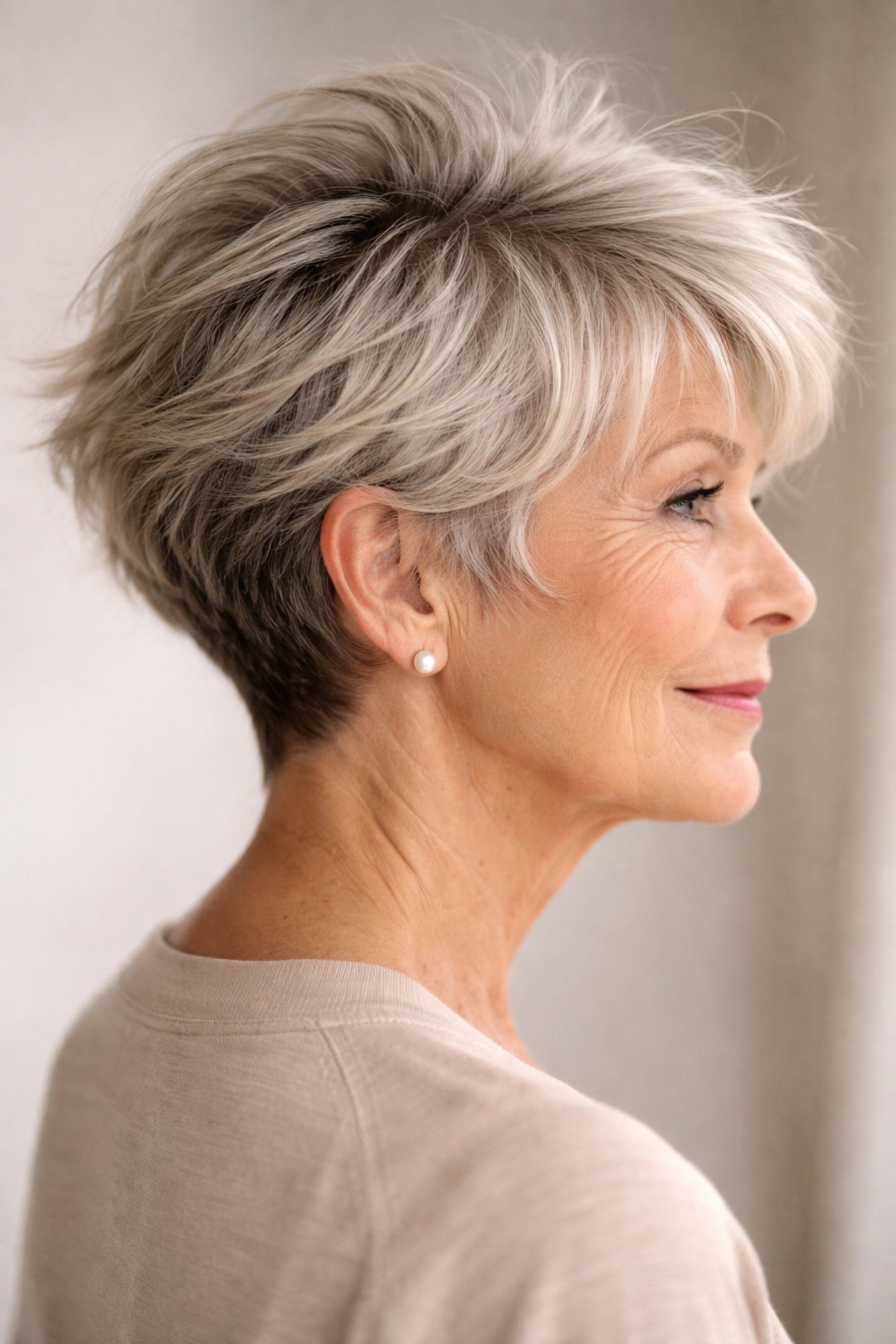
This is a shag with a secret: an undercut hidden underneath that removes bulk while the visible shag layers create movement and texture. The undercut isn’t visible when your hair is down, but it means the longer shag pieces on top move more freely without being weighed down. It’s the best of both worlds: the softer, more traditional shag silhouette with modern movement.
The Engineering Behind This Cut
The longer shag layers on top and in front give you a classic, slightly feminine silhouette. Underneath, an undercut removes weight and bulk, which means those longer layers move more freely and appear fuller. The back can be slightly longer or slightly undercut depending on how much contrast you want. The result is a shag that moves and bounces rather than sitting flat.
Maintaining This Hybrid Silhouette
- Blow-dry with a focus on separating and lifting the shag layers; texture and movement are essential
- Use texturizing products to enhance separation between layers
- Trim every 6-8 weeks to maintain the shag shape; the longer pieces will start to blend if not regularly refreshed
- The undercut underneath needs touching up every 4-6 weeks to maintain the weight-reduction benefit
Pro tip: This cut is incredibly flattering for women with any remaining natural wave. The shag layers amplify movement, making fine hair look dramatically fuller.
14. The Precision Crop with Longer Side-Swept Piece
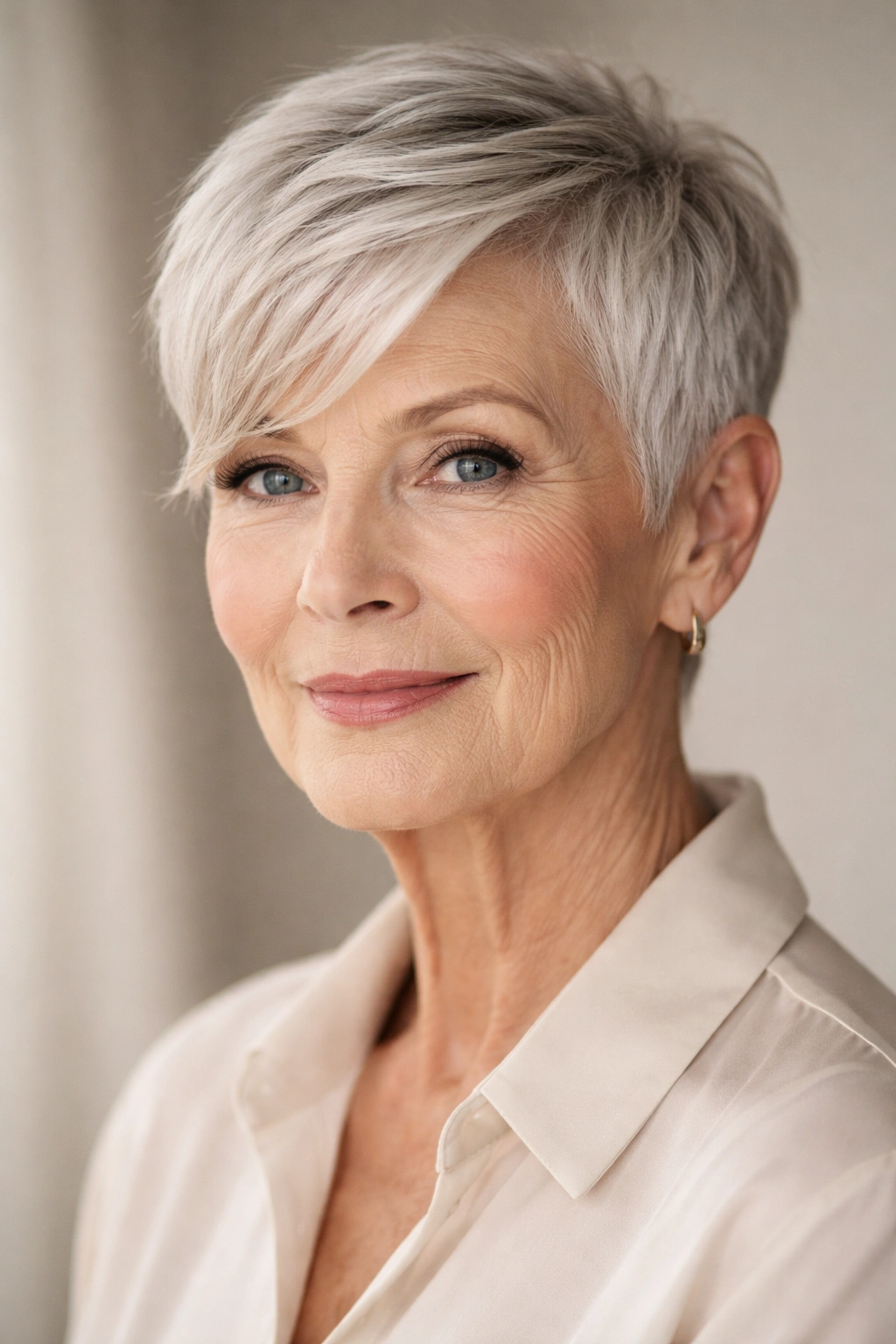
A crop that’s mostly very short (1-2 inches) throughout, with one deliberately longer piece in the front that sweeps across the forehead or to the side. This creates a modern, slightly asymmetrical look that’s not heavy or bulky, but has visual interest and a piece to style. It reads as intentional and chic rather than like you went with a short cut because of hair limitations.
The Visual Impact of Strategic Length
Even one longer piece on a very short crop changes the entire impression from “short haircut” to “modern, intentional style.” That longer piece draws attention and creates movement; you’re not fighting to create density, you’re creating visual interest through strategic length and texture. The asymmetry reads as contemporary and cool.
Styling for a Polished Look
- Blow-dry the longer sweeping piece with a round brush, directing it across your forehead or to the side
- Use a styling cream or light pomade on the longer piece to direct it intentionally
- The rest of the crop can be textured and slightly undone; the longer piece does the styling work
- Maintenance every 3 weeks keeps the shape sharp and the contrast between short and longer pieces clear
Insider note: This cut works beautifully if you love having something to style without the commitment of longer hair. That one longer piece gives you a styling ritual without being high-maintenance overall.
15. The Volume-Lifted Pixie-Bob with Flipped Texture
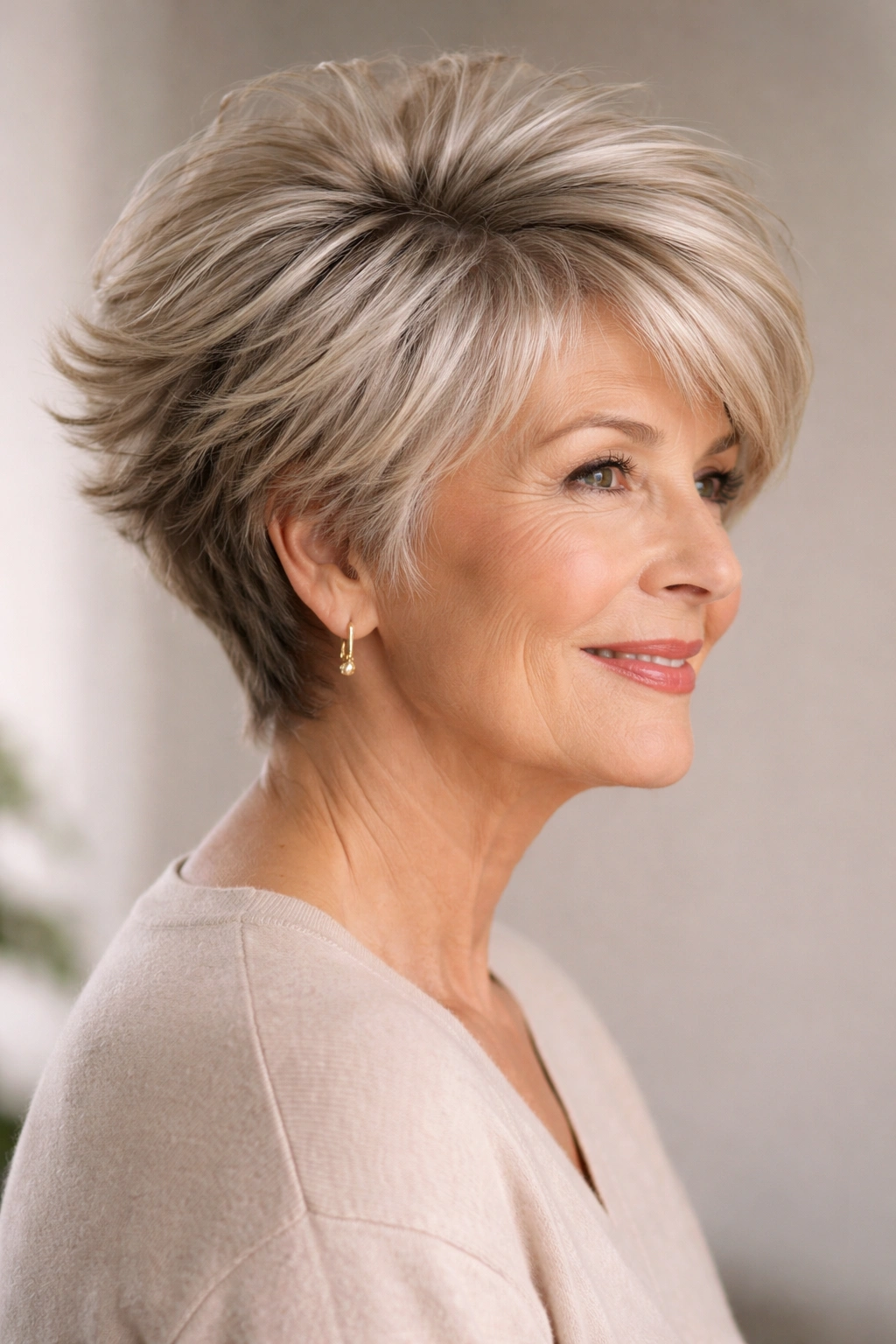
This final option is a longer pixie or short bob—roughly 2-4 inches on top—with deliberate texture that flips outward rather than lies flat. The cut is designed with maximum attention to creating lift at the crown, with choppy layers that encourage the hair to flip and move rather than sit heavy. It’s somewhere between a pixie and a bob, giving you slightly more length than a true pixie while maintaining that piece-y, textured movement.
Designing for Lift and Outward Texture
This cut succeeds because every layer is cut to flip slightly outward or upward. The crown has layers that are staggered to different lengths, creating peaks that naturally lift. The sides are neat and close, and the back is short and textured. The overall effect is modern, youthful, and full of movement—none of which rely on density, all of which rely on smart cutting.
Making the Texture Work Daily
- Blow-dry with your fingers or a diffuser, pushing upward and outward to encourage the flip and texture
- Apply texturizing spray or mousse to damp hair before blow-drying for maximum texture and grip
- This cut looks intentional when it’s textured and slightly undone; overperfection actually makes it look thinner
- Maintenance every 4 weeks keeps the flip-out texture and layering sharp
Final tip: This is a cut that looks better the second day after washing, when the texture has set and the flip has developed. It’s not a fresh-from-the-shower kind of style; it gets better as it settles.
Final Thoughts
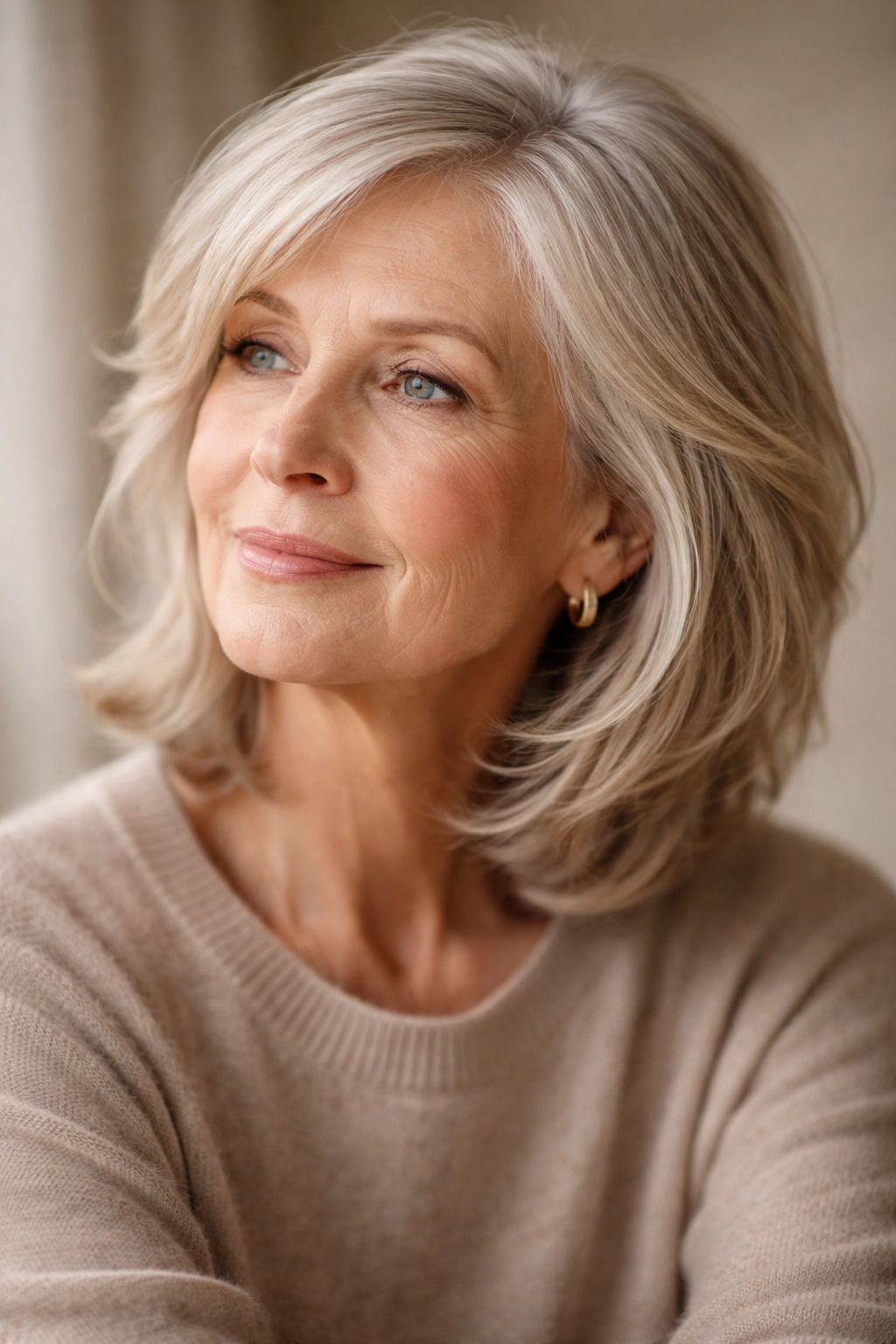
Fine hair at seventy isn’t a limitation to work around—it’s a texture to work with, and the right cut, texture approach, and styling technique can make your hair look better than you thought possible. Every style above works not by trying to create the density you don’t have, but by using strategic layering, movement, texture, and cut architecture to create the illusion of fullness while actually enhancing what you’ve got.
The most important variables aren’t mysterious. Work with a stylist who specializes in mature hair and specifically understands fine hair—ask them directly what they see as your hair’s best features and how they’d approach your cut. Choose a cut with layers and texture rather than blunt, heavy lines. Consider whether a soft perm or texture-enhancing technique makes sense for your lifestyle. And remember that the right styling products and techniques matter as much as the cut itself. A thoughtfully layered, textured cut combined with the right blow-dry approach or styling product can transform how your hair looks and feels.
Your age and your hair texture aren’t disadvantages to hide—they’re context for making genuinely smart choices about what will actually make you look and feel your best. Every style here does exactly that.
