



Korean hairstyles have captured the imagination of women worldwide, moving far beyond fashion capitals to influence everyday hair choices across continents. There’s something about the way Korean stylists balance practical elegance with a touch of playful softness that feels achievable yet elevated — not overly complicated, but undeniably chic. Whether it’s the way they texture layers for movement, their mastery of subtle color transitions, or their ability to make a simple cut look effortlessly polished, Korean hair trends tap into what many women have been searching for: styles that work with their lifestyle while still feeling intentional and thoughtful.
The appeal runs deeper than just aesthetics, though. Korean hairstyles often prioritize hair health and a natural-looking finish over heavy styling or damage-prone techniques. Korean beauty culture emphasizes working with your hair’s natural texture rather than fighting it, which means many of these styles actually improve hair condition over time. The result is hair that looks good both freshly styled and on day three, that photographs beautifully in natural light, and that doesn’t require a salon visit every three weeks to maintain.
What’s driving this global adoption? Partly it’s the influence of Korean celebrities, music videos, and beauty influencers who’ve perfected these styles to an art form. But it’s also that these cuts and colors genuinely solve real problems: they add volume to fine hair, frame faces in flattering ways, work with various hair textures, and adapt to different hair lengths and face shapes. They’re not one-size-fits-all trends; they’re a toolkit of techniques that skilled stylists can customize to your individual features.
Here are the Korean hairstyles women are actively seeking out and recreating right now — styles that have earned their popularity through genuine wearability and beautiful results.
1. The Curtain Bangs with Layered Mid-Length
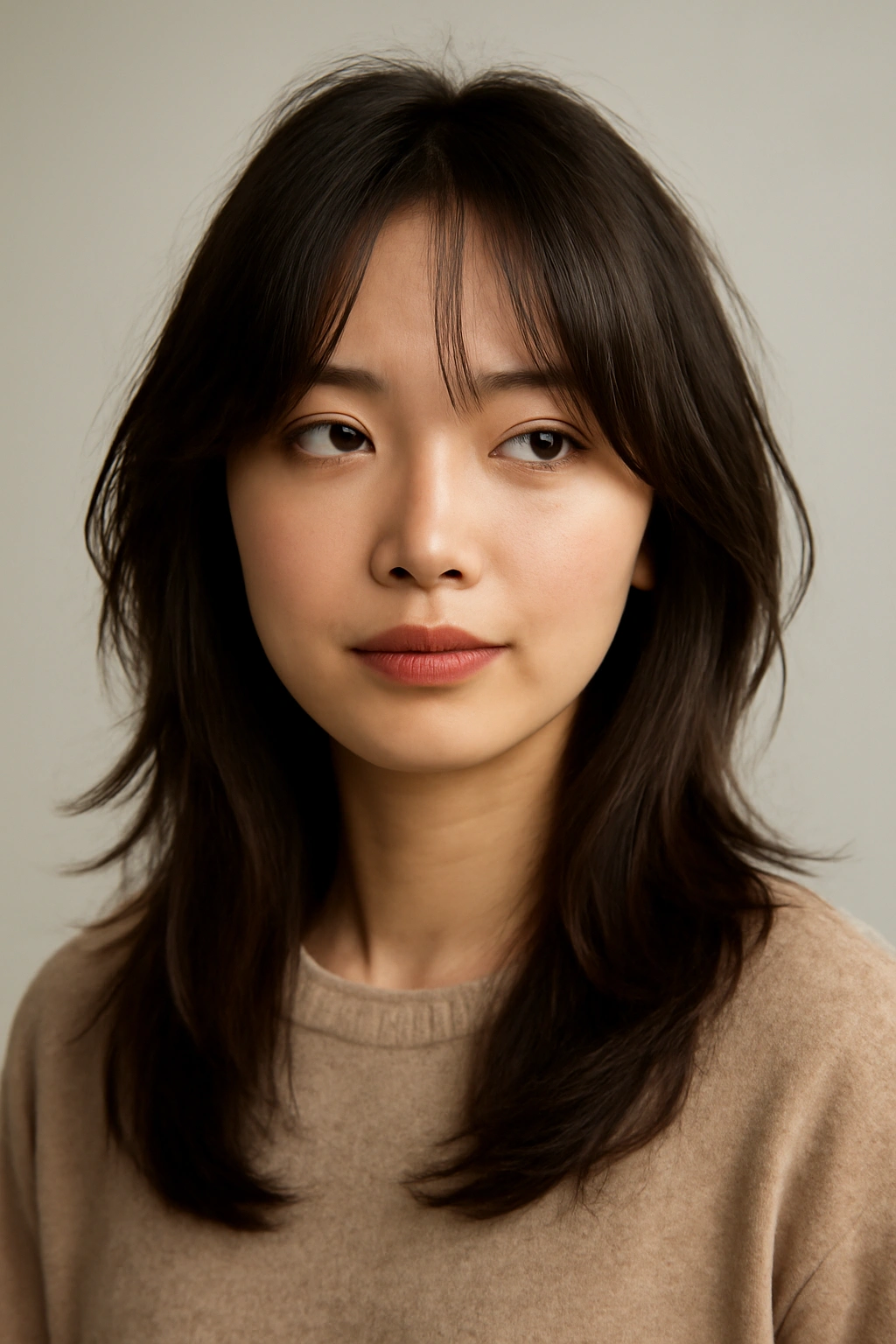
Curtain bangs have become almost synonymous with Korean styling, and there’s a reason this particular version keeps resurfacing as the go-to choice. The Korean interpretation isn’t blunt or severe; instead, the bangs frame the face by falling naturally on either side with a soft center part, creating a flattering shape that suits nearly every face. Combined with layered mid-length hair, this style adds movement and dimension without sacrificing length.
Why This Style Is So Universally Flattering
The genius of curtain bangs lies in their ability to soften strong facial features while creating the illusion of a longer, narrower face. They’re positioned to skim the cheekbones rather than sit heavily on the forehead, which means they work for different face shapes without feeling costume-like. The layers underneath allow hair to move and flow naturally rather than falling flat.
How to Ask For It and Maintain It
- Request bangs cut at an angle, longer at the center and gradually shorter toward the temples
- Layers should begin around ear level and cascade down through the ends, creating a veil-like effect
- The shortest layers should graze your collarbone, while longer pieces can extend to mid-back
- Trim bangs every 4-6 weeks to maintain the shape, as they’ll grow out and lose the flattering frame
- Pro tip: Ask your stylist to cut the bangs while your hair is completely dry, since they’ll shrink slightly as they dry and you want them to land exactly where you want them.
2. The Blunt Bob with Hidden Layers
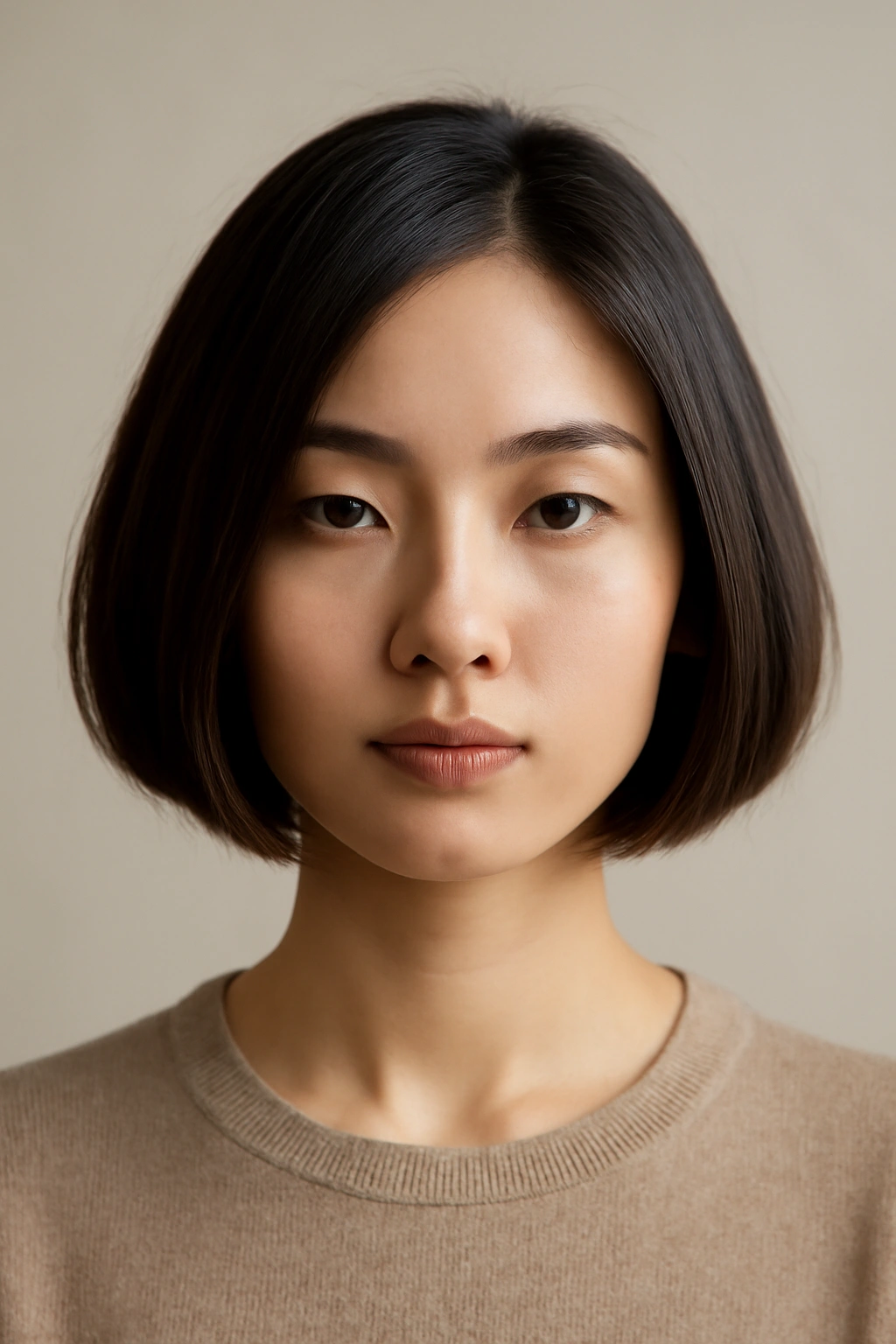
This style looks deceptively simple from the front — a clean, blunt line that grazes the jaw or chin — but the secret is in what’s hidden underneath. Korean stylists layer the interior of the bob while keeping the perimeter line sharp and defined, creating a style that has volume and movement while maintaining a polished silhouette.
The Visual Impact of Layered Bluntness
The contrast between the blunt outer edge and the textured layers inside creates a sophisticated, intentional look that photographs beautifully. The blunt line makes a statement, while the layers prevent the style from feeling heavy or severe. This combination works particularly well for women with straight or slightly wavy hair who want structure without sacrificing movement.
Styling and Daily Wear
- Style with a blow dryer and round brush to smooth the outer line and encourage the layers to flip slightly inward
- The blunt edge needs to be perfectly level, so regular trims (every 3-4 weeks) are essential
- Add texture spray or light mousse to the roots before blow-drying for extra volume
- This style works beautifully with a center part or a deep side part depending on your preference
- Morning styling takes about 10 minutes once you’ve got the technique down, making it practical for everyday wear
3. The Shaggy Layered Wolf Cut
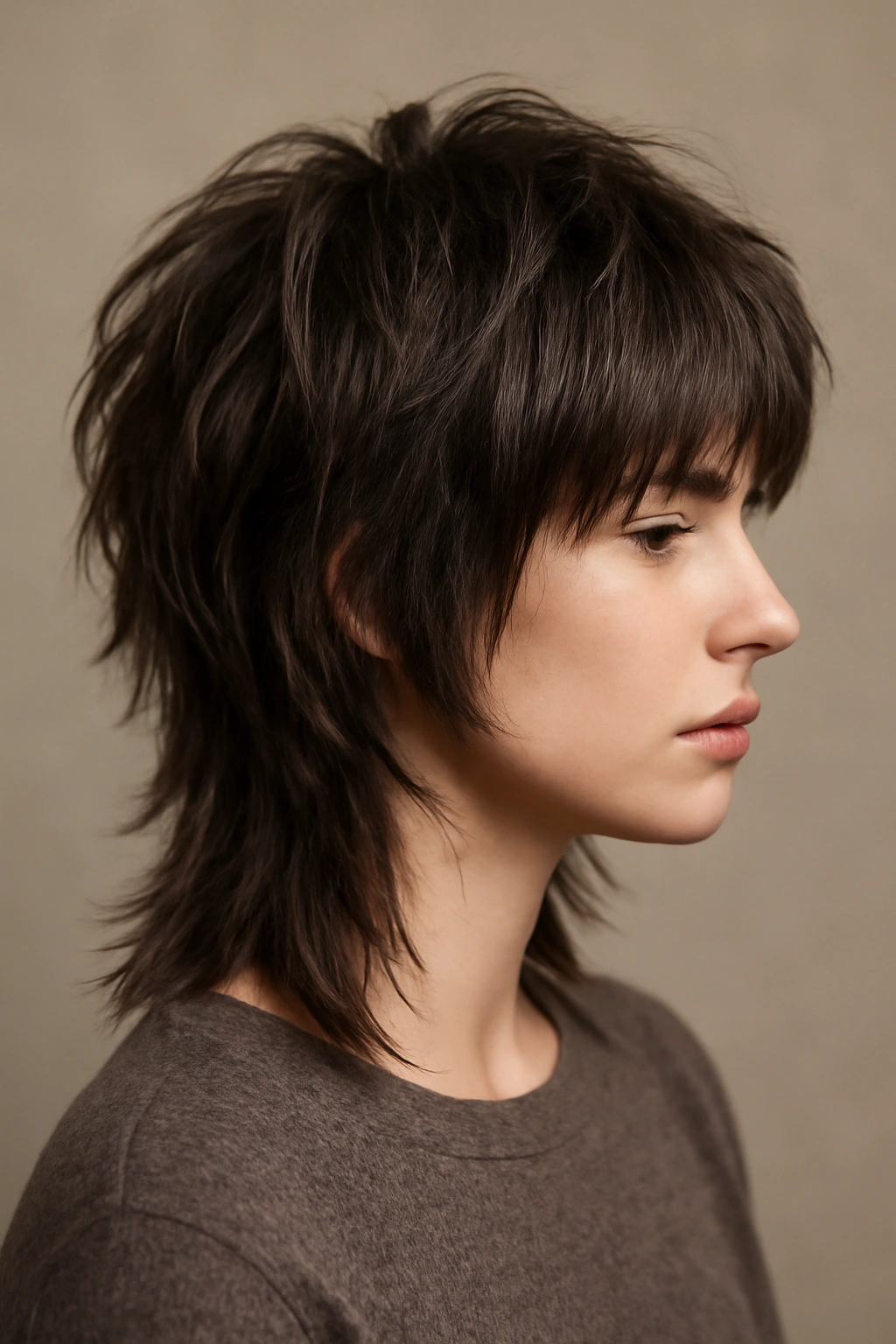
The wolf cut — a hybrid that combines the choppy, textured layers of a shag with the tapered shape of a mullet — has found particular favor in Korean styling circles. Rather than the intentionally messy aesthetic of 1970s shags, the Korean version refines the concept into something that reads as deliberately modern and artistic.
What Makes the Korean Wolf Cut Different
The key difference is precision. Every layer has a purpose; no choppy section is there by accident. The shortest layers sit around the crown and temples, creating height and movement, while slightly longer layers in the back build shape without becoming an actual mullet. The texture is activated through styling rather than relying on the cut alone.
Getting the Cut and Styling It
- This cut requires a skilled stylist who understands how to blend layers seamlessly
- Expect to spend 10-15 minutes styling in the morning with a blow dryer and texturizing spray
- The cut works best with hair that has some natural wave or texture; very straight hair will need styling products to activate the layering
- Schedule trims every 6-8 weeks to maintain the shape as the shortest layers grow out
- Warning: This is a high-maintenance cut in terms of styling time — it’s not a wash-and-go style, so make sure you’re genuinely interested in daily styling before committing to it.
4. The Long Straight Hair with Thin Micro Bangs
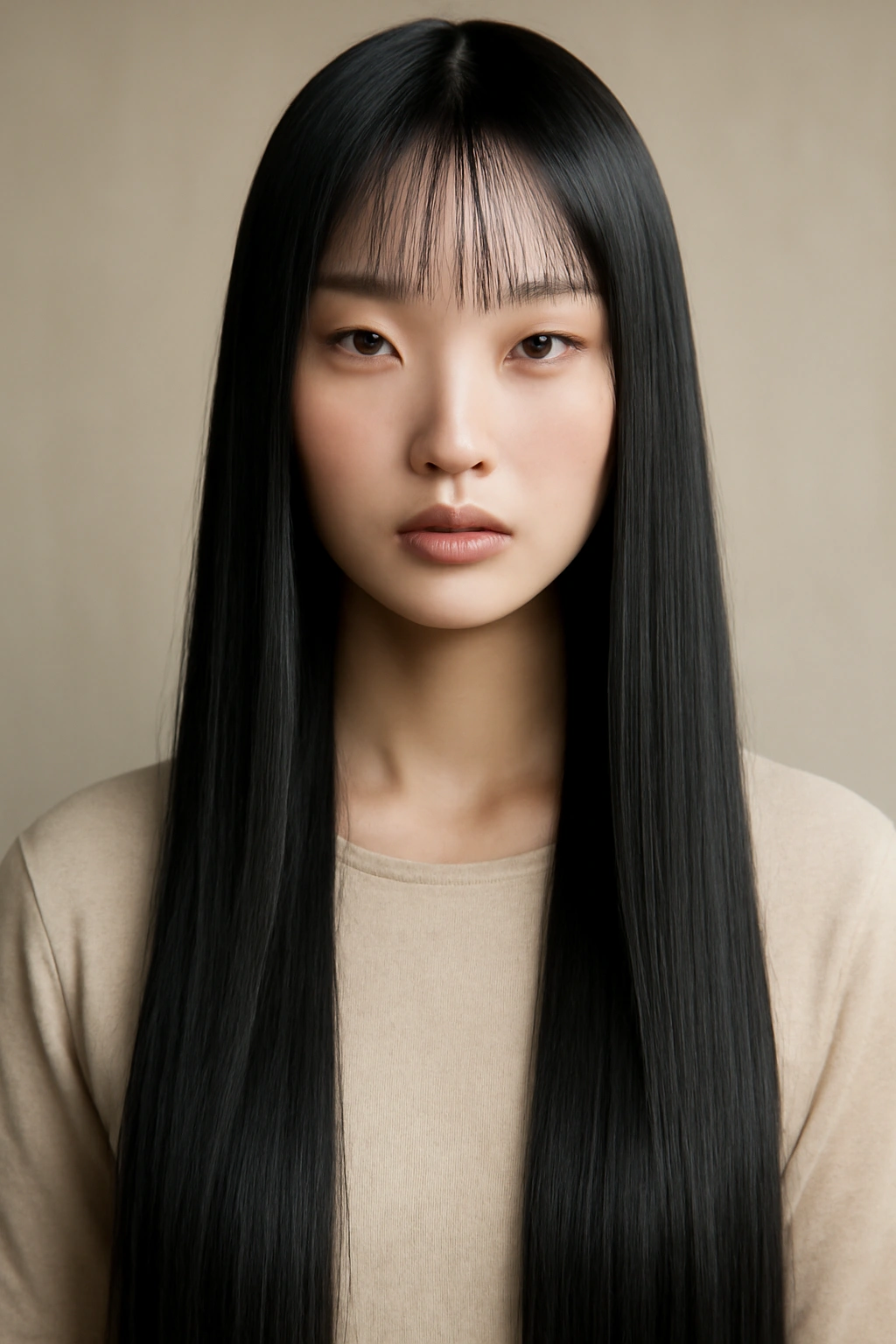
This style has an undeniable Y2K appeal mixed with contemporary Korean sophistication. Long, perfectly straight hair paired with thin, barely-there bangs that sit right on the lash line creates an almost ethereal aesthetic that’s become hugely popular among women seeking a dramatic yet elegant transformation.
The Styling Technique Behind the Straight
Achieving that glass-like smoothness requires either regular keratin treatments or exceptional blow-drying technique. Korean salons typically offer protein treatments that create a smooth finish without the commitment of permanent straightening, making the style more achievable for those with naturally wavy or curly hair.
Making It Work Long-Term
- This style requires commitment to either regular styling or maintenance treatments
- Invest in a quality flat iron and heat protectant spray if you’re blow-drying straight
- The micro bangs are placed extremely close to the lash line, so they need trimming every 3 weeks
- Thin bangs can look wispy and incomplete if they’re not perfectly blunt, so styling precision matters
- Hair needs deep conditioning treatments weekly to prevent the straightening or styling from causing damage
5. The Textured Perm with Face-Framing Layers
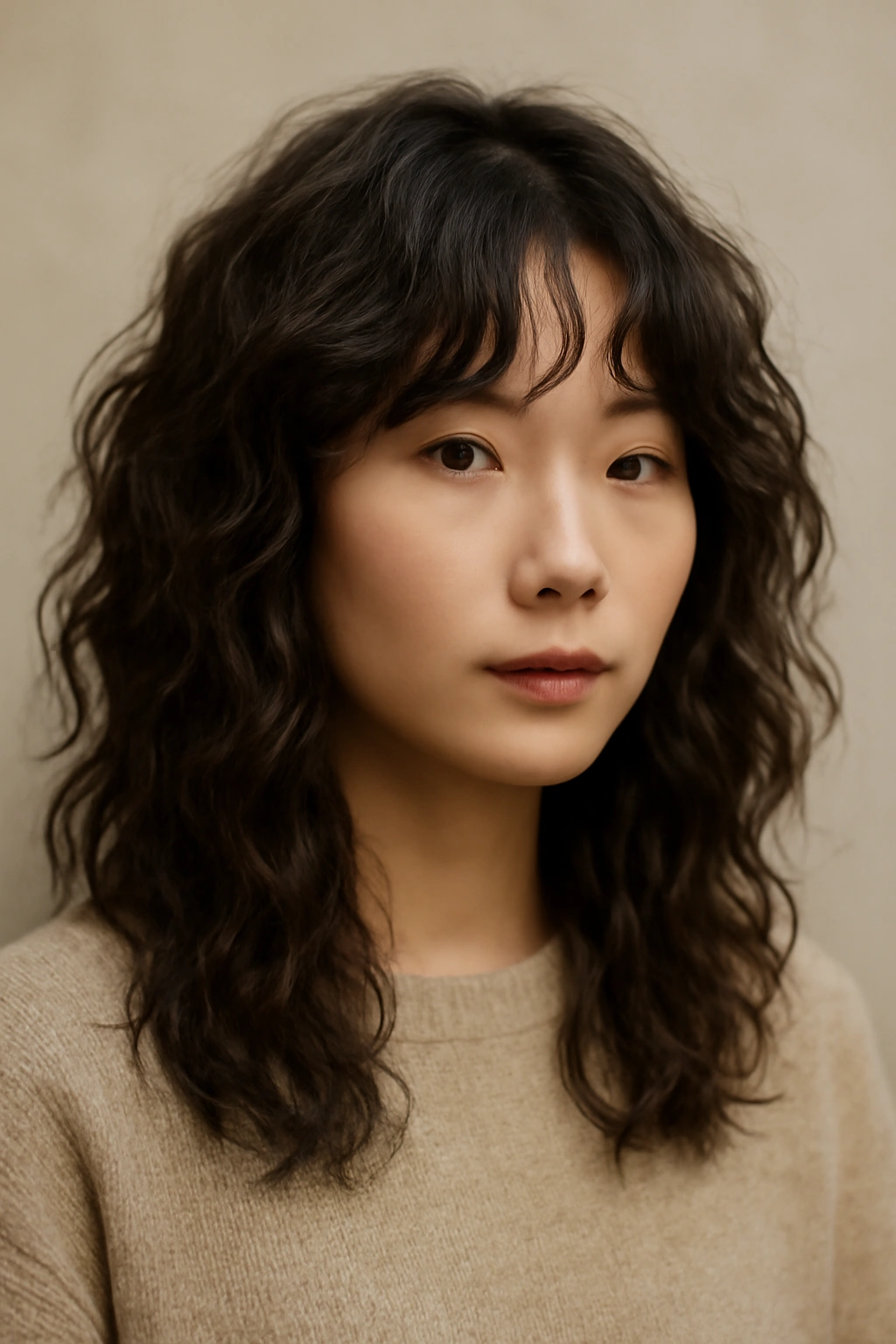
Rather than the uniform waves of traditional perms, Korean perms are increasingly done with a focus on creating natural-looking texture that varies throughout the hair. Face-framing layers receive tighter texture, while longer layers have looser waves, creating dimension and movement that looks like natural texture rather than a chemical treatment.
Why Perms Are Having a Moment in Korean Beauty
Perms solve a real problem: they create volume and movement with minimal daily styling, which appeals to women who want a more glamorous look without spending an hour with a blow dryer every morning. The Korean approach to perms emphasizes enhancing your natural hair type rather than completely transforming it.
Caring For Permed Hair
- Use sulfate-free shampoo and conditioning treatments specifically designed for permed hair
- Deep condition at least twice weekly, since the perm process does involve chemical processing
- Avoid heat styling for at least a week after the perm is done, allowing the curl pattern to fully set
- As the perm grows out, the contrast between permed and new growth becomes obvious, so plan for touch-ups every 4-5 months
- Styling is minimal — typically just scrunching in a curl-enhancing cream while damp and air-drying, or using a diffuser on low heat
6. The Two-Tone Shadow Root with Balayage
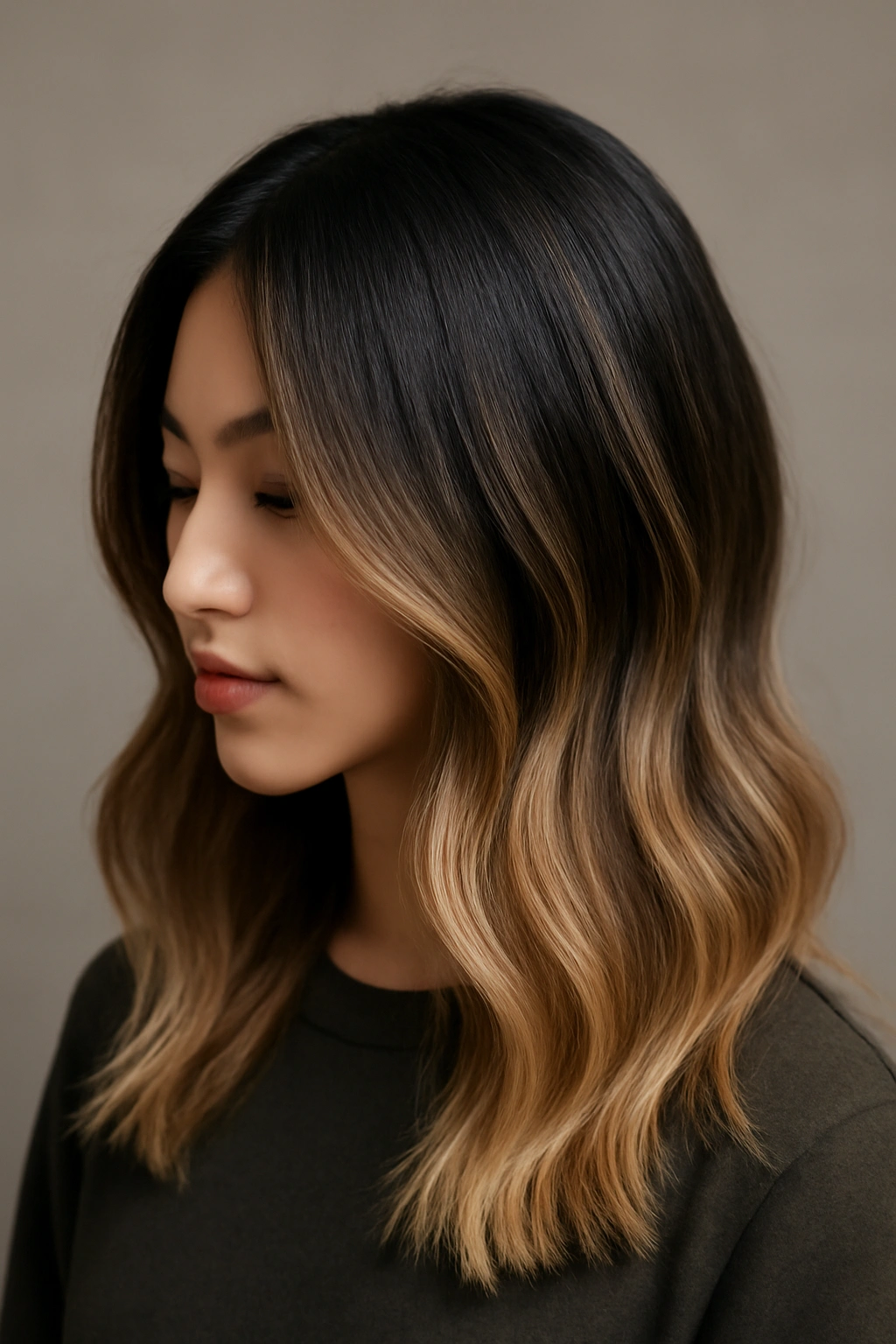
This coloring technique has become a hallmark of Korean hair color trends. The shadow root — where darker roots blend gradually into lighter mid-lengths and ends — creates dimension while requiring less frequent root touch-ups than traditional highlights. It’s practical color that looks intentional and expensive.
The Science and Strategy Behind Shadow Roots
The shadow root works because it mimics how hair naturally lightens (more sun exposure on the ends), creating a gradient that reads as intentional rather than grown-out. Combined with balayage placement, which adds lighter pieces throughout rather than uniform rows of highlights, the effect is dimensional without appearing striped or overly processed.
Achieving and Maintaining This Color
- This technique requires a colorist with strong skills in blending and balayage placement
- The shadow root blend should be gradual, taking up roughly 1-2 inches from the scalp
- Plan for a touch-up every 8-10 weeks, which is more convenient than traditional highlights
- Use color-safe, sulfate-free shampoo and conditioner to preserve the lightened ends
- Between salon visits, use purple or blue-toning shampoo once weekly to prevent brassy tones in the lighter sections
7. The Choppy Textured Lob (Long Bob)
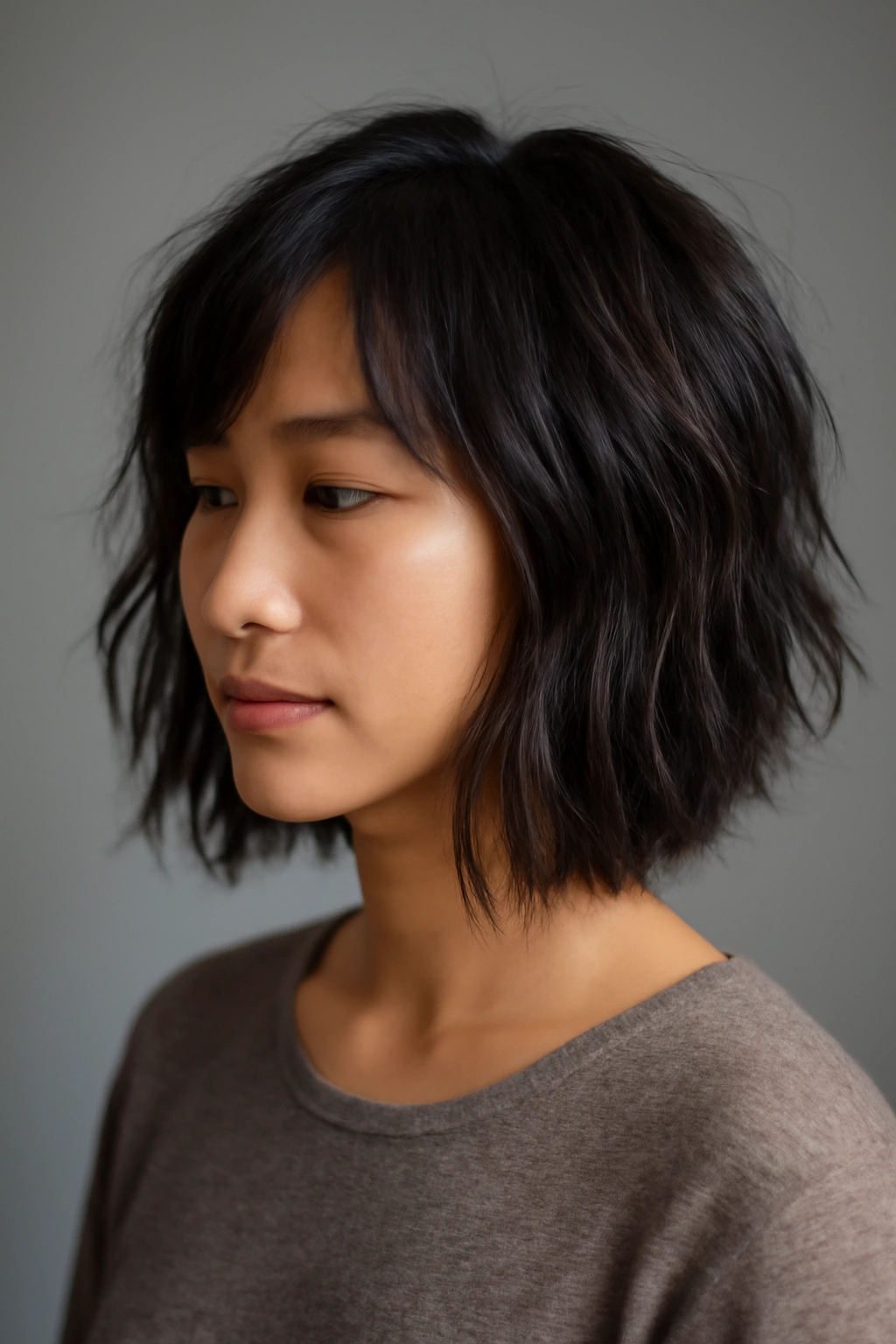
The lob has been around for years, but the Korean iteration is notably different from previous versions. Rather than being a blunt, uniform length, the Korean lob is deliberately choppy with lots of shorter layers throughout that create texture and movement. It sits somewhere between shoulder and mid-back length, giving you the practicality of a shorter cut with the option of styling it longer.
Why the Choppy Texture Matters
The texture is what elevates this cut from a standard lob into something that feels contemporary and intentional. Those shorter layers catch light and create the illusion of dimension and movement, even when the hair is styled straight. The choppy edges also prevent the style from looking severe or blunt.
Styling and Maintenance for a Textured Lob
- This cut is very forgiving for daily wear — you can style it sleek or messy depending on your mood
- Add layers starting around ear level and continue throughout the length for maximum texture
- Textured spray or sea salt spray is your friend; apply it damp and scrunch to activate the choppy texture
- The shortest layers will need trimming every 5-6 weeks to maintain sharpness, while longer pieces can go 8 weeks
- This style works beautifully with a center or side part and looks good both freshly styled and tousled
8. The Glass Skin Glow Hair with Minimal Styling
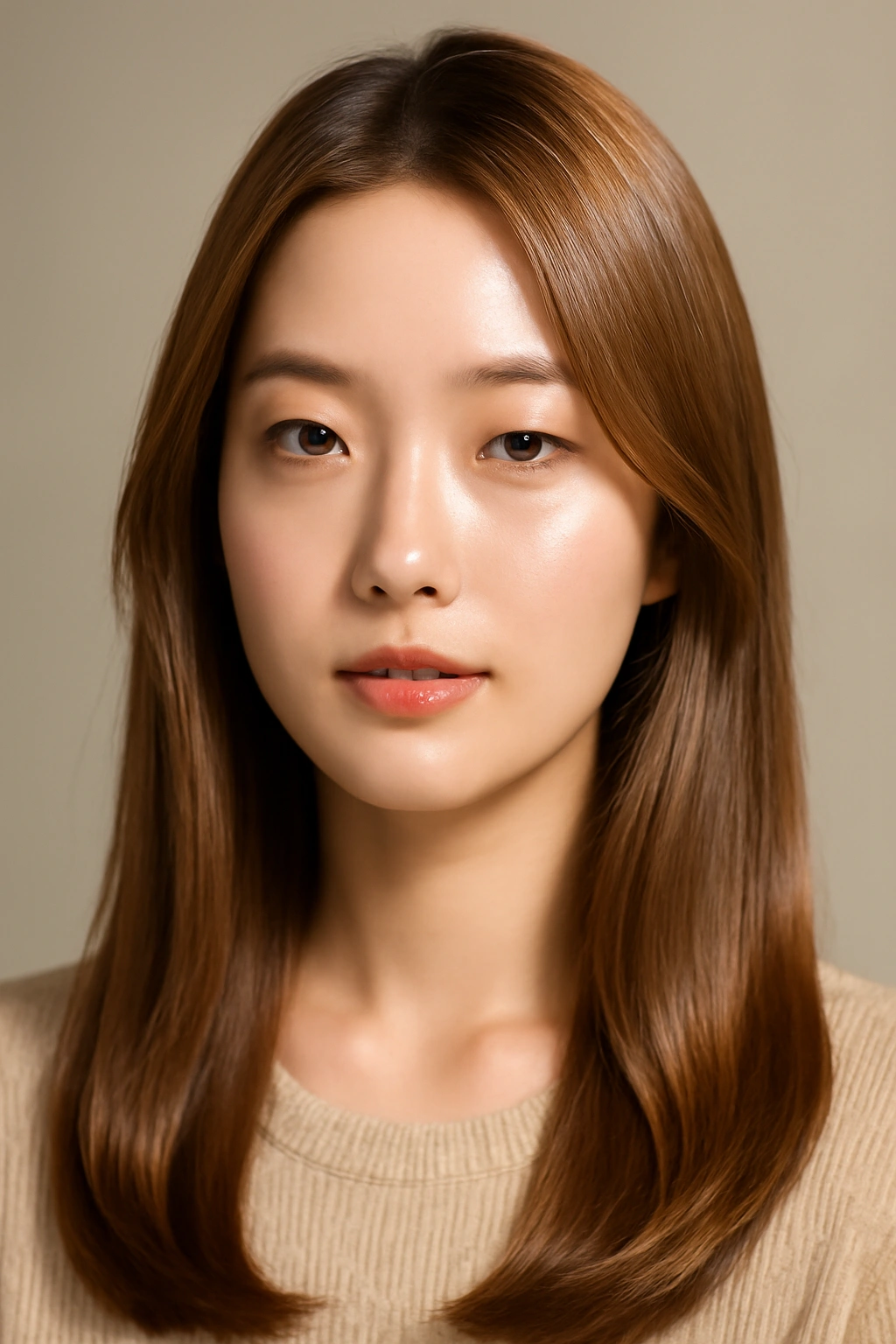
This concept combines excellent hair health with minimal product and styling. The goal is hair that looks luminous, reflective, and healthy — essentially treating your hair like you’d treat your complexion with the Korean beauty “glass skin” approach. It often involves lighter, brighter colors that reflect light beautifully and cuts that enhance shine rather than compete with it.
The Hair Health Foundation
Achieving this look requires consistent deep conditioning, regular trims to eliminate dull, damaged ends, and potentially a protein treatment or light gloss to enhance shine. The styling is minimal because the health and shine of the hair itself become the star.
Products and Practices That Build Shine
- Invest in a quality hair mask or deep conditioning treatment; use it at least once weekly
- Ask your colorist for a gloss or glossing treatment to enhance shine and refine color tones
- Trim every 6-8 weeks; dull, split ends destroy the glass skin effect
- Use a leave-in conditioner or hair oil on damp ends before styling
- Minimize heat styling; when you do use heat, always use a heat protectant spray
9. The Sleek High Ponytail with Wispy Face-Framing Pieces
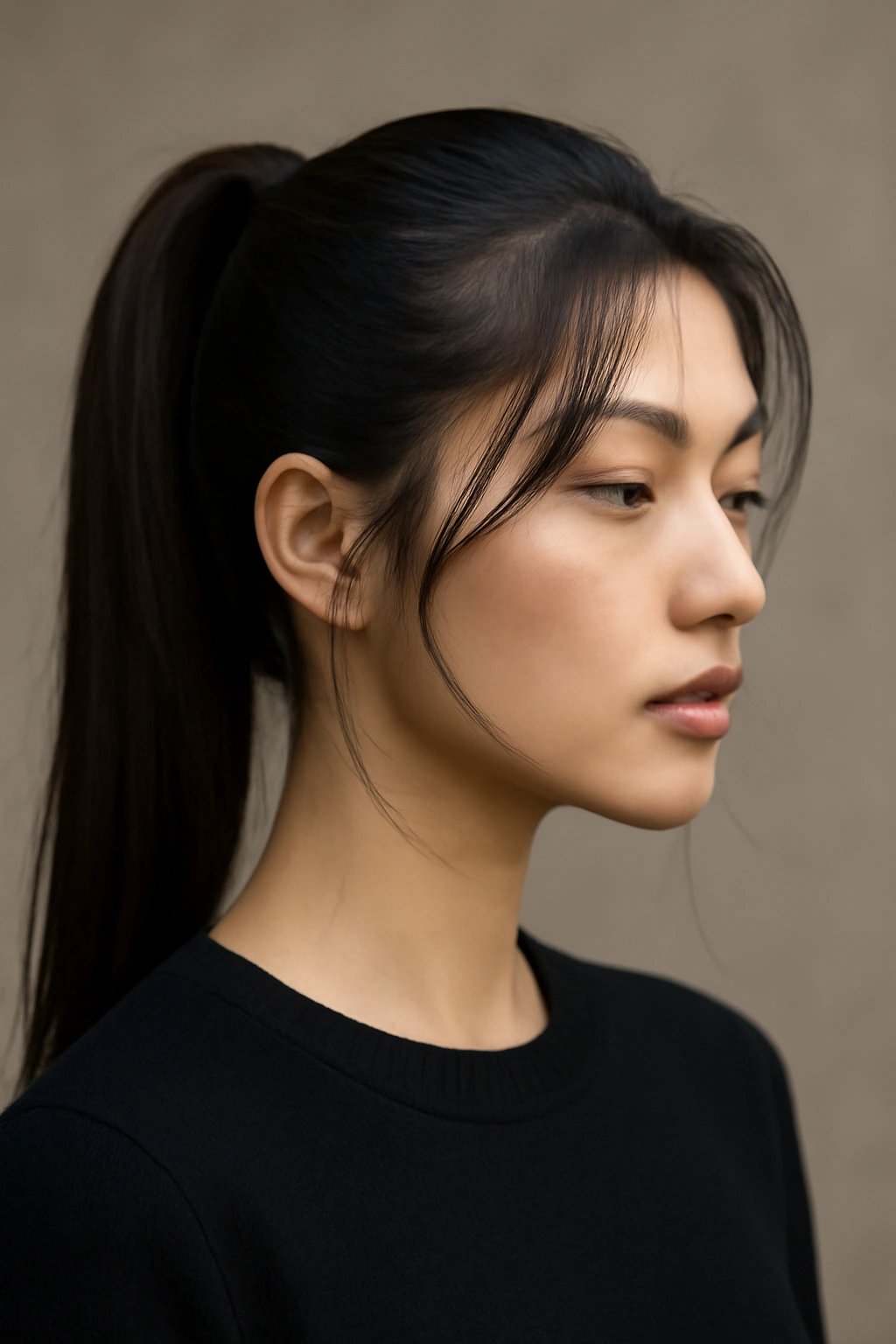
This style has become iconic in Korean beauty, particularly in music videos and celebrity styling. A smooth, sleek ponytail positioned high on the head is paired with a few intentionally loose pieces around the face that soften the style and prevent it from looking too severe or aging.
The Art of the Strategic Loose Piece
The loose pieces aren’t haphazard; they’re typically placed at the temple and along the jawline, framing the face in a way that’s deliberately flattering. The rest of the hair is smoothed back cleanly, creating a high-contrast look that feels polished and put-together.
Styling Technique and Longevity
- Use a smoothing serum or anti-frizz cream to slick the hair back without appearing greasy
- Position the ponytail high enough that it elongates the face but not so high that it creates tension headaches
- Gently pull out the face-framing pieces before securing the ponytail, so they’re slightly loose rather than pulled tight
- Use a fine-tooth comb to smooth flyaways and create crisp definition at the hairline
- This style looks polished immediately but tends to loosen as the day goes on, which actually adds to its charm
10. The Honey Blonde Highlights with Dark Base
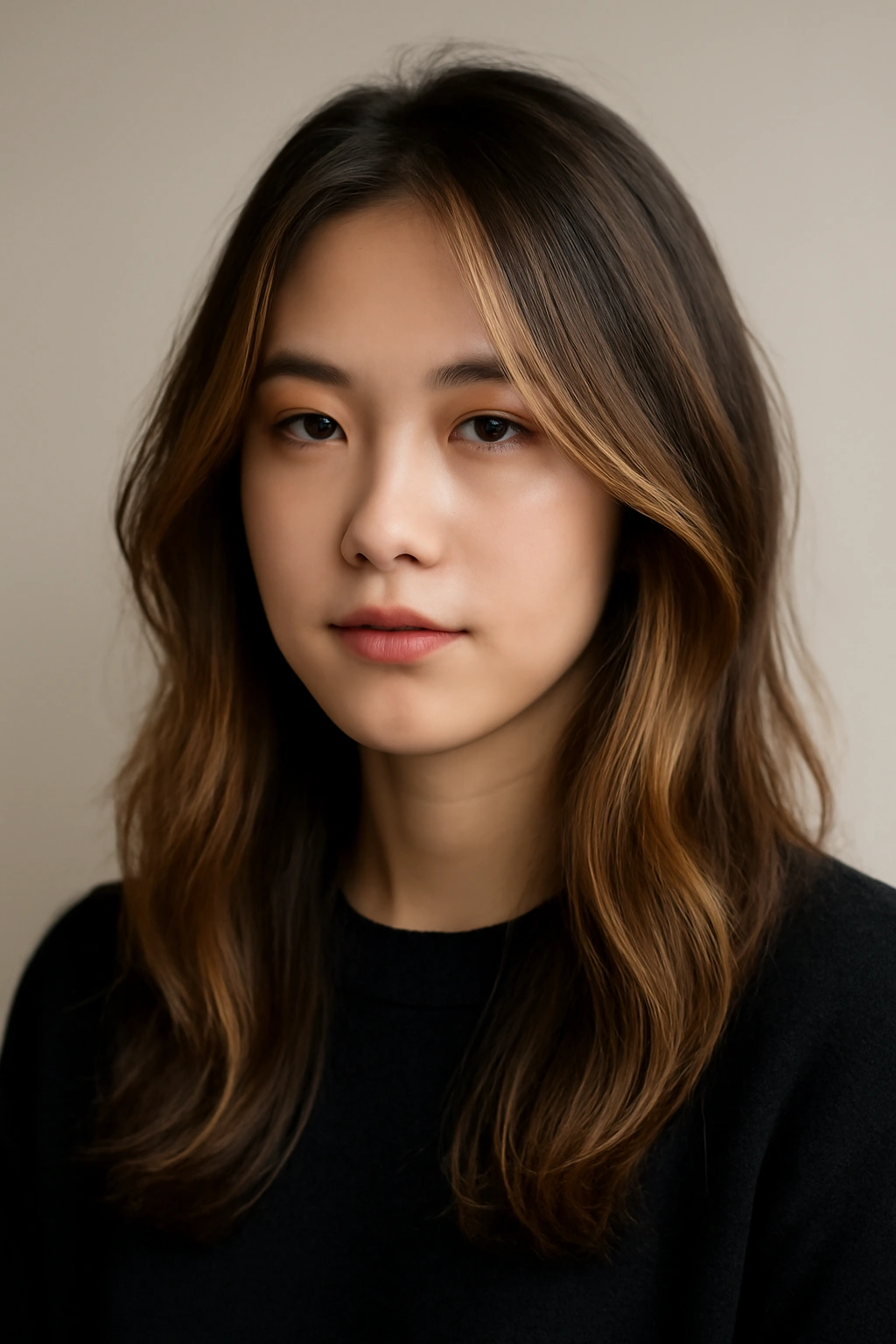
While balayage is common globally, the Korean approach to this combination is distinctly refined. Honey blonde or warm golden tones are painted onto a deep brunette or black base, creating a striking contrast that reads as expensive and intentional. The placement is typically more conservative than Western highlight trends, with emphasis on face-framing pieces and natural-looking dimension.
Why This Color Combination Works Universally
The warm honey tones complement most skin tones beautifully, while the dark base provides richness and prevents the hair from appearing washed out. This combination also works well for all hair types and textures, from straight to curly.
Color Care and Maintenance
- Schedule color touch-ups every 6-8 weeks to maintain the vibrancy of the blonde pieces
- Use purple shampoo once weekly to prevent brassy tones in the lightened sections
- Deep condition at least twice weekly; lightened hair needs extra hydration
- Avoid chlorine if possible, as it can shift blonde tones to an undesirable green
- Consider getting a gloss treatment at your regular salon appointments to refresh shine and tone between full color appointments
11. The Space Buns with Sleek, Straight Hair
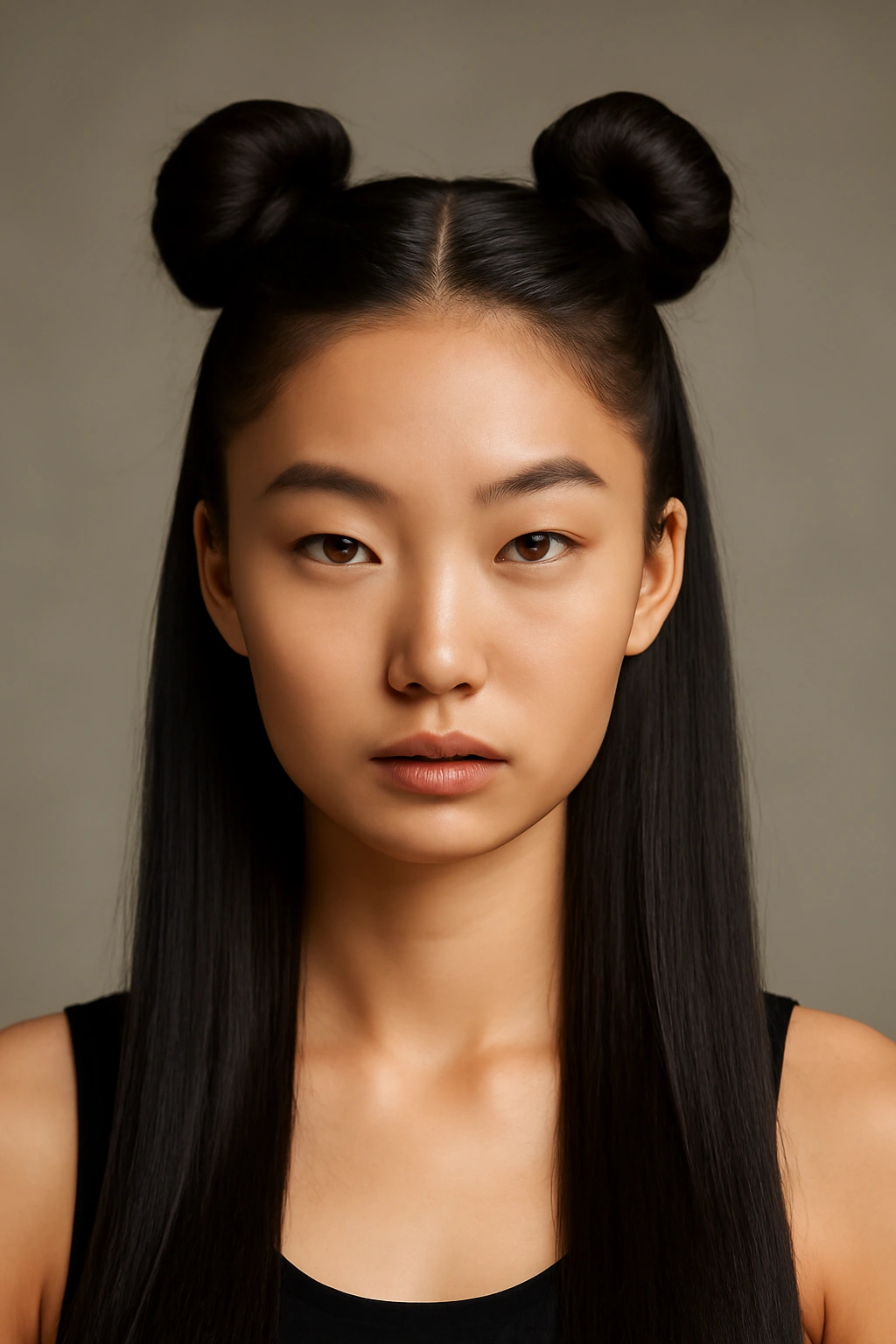
This style bridges playful and polished by combining childhood nostalgia with sophisticated execution. Rather than the puffy, intentionally messy space buns of trends past, Korean space buns sit high and neat, made from perfectly smooth sections of straight hair, creating a look that’s both whimsical and refined.
Creating the Polished Version
The key to making space buns look elevated rather than costume-like is execution. The hair must be completely smooth with no flyaways, the buns must be perfectly placed and symmetrical, and the rest of the hair should be sleek and intentional rather than left down.
When and How to Wear This Style
- This works beautifully for casual outings, photoshoots, or any situation where you want a playful but polished appearance
- Create the buns by sectioning hair down the center, twisting each section tightly, then wrapping it around its base
- Use a light-hold hairspray that won’t make the hair feel stiff or crunchy
- Pair with a side-part or center-part depending on your preference and face shape
- The style takes about 5 minutes once you’ve practiced, making it practical for everyday wear despite its playful appearance
12. The Wavy Long Hair with Subtle Layers
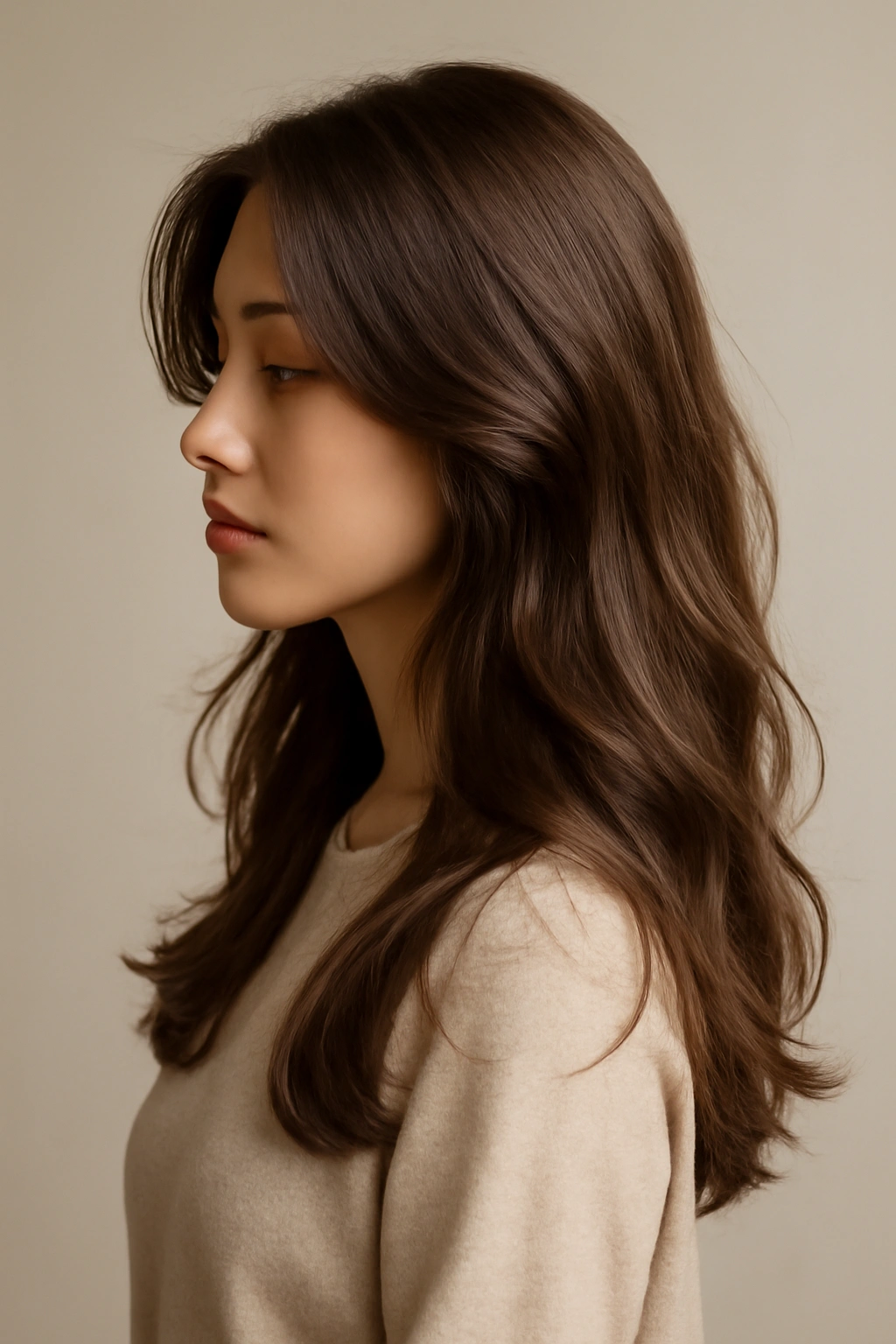
This style offers a middle ground between the sleekness of straight hair and the texture of heavily permed waves. Soft, flowing waves created through styling rather than permanent treatment run through long hair with subtle layers that enhance the movement without creating choppy texture.
The Technique for Creating Natural-Looking Waves
These waves are typically created using a large-barrel curling iron or a waving technique, applied in a way that creates loose, undone-looking movement. The styling creates the wave pattern rather than the cut; the subtle layers simply help the waves sit more naturally and prevent the hair from becoming too thick at the ends.
Styling and Longevity
- Use a large-barrel (1.25-1.5 inch) curling iron in sections, curling away from the face
- Apply curl-enhancing spray or sea salt spray before styling to help waves hold longer
- Once you’ve curled the hair, run your fingers through to break up the curls and create waves rather than defined ringlets
- This wave pattern typically lasts 1-2 days with proper styling, making it practical for everyday wear
- Sleep in loose braids if you want to extend the wave pattern to a second day without restyling
13. The Vintage-Inspired Rolls with Modern Execution
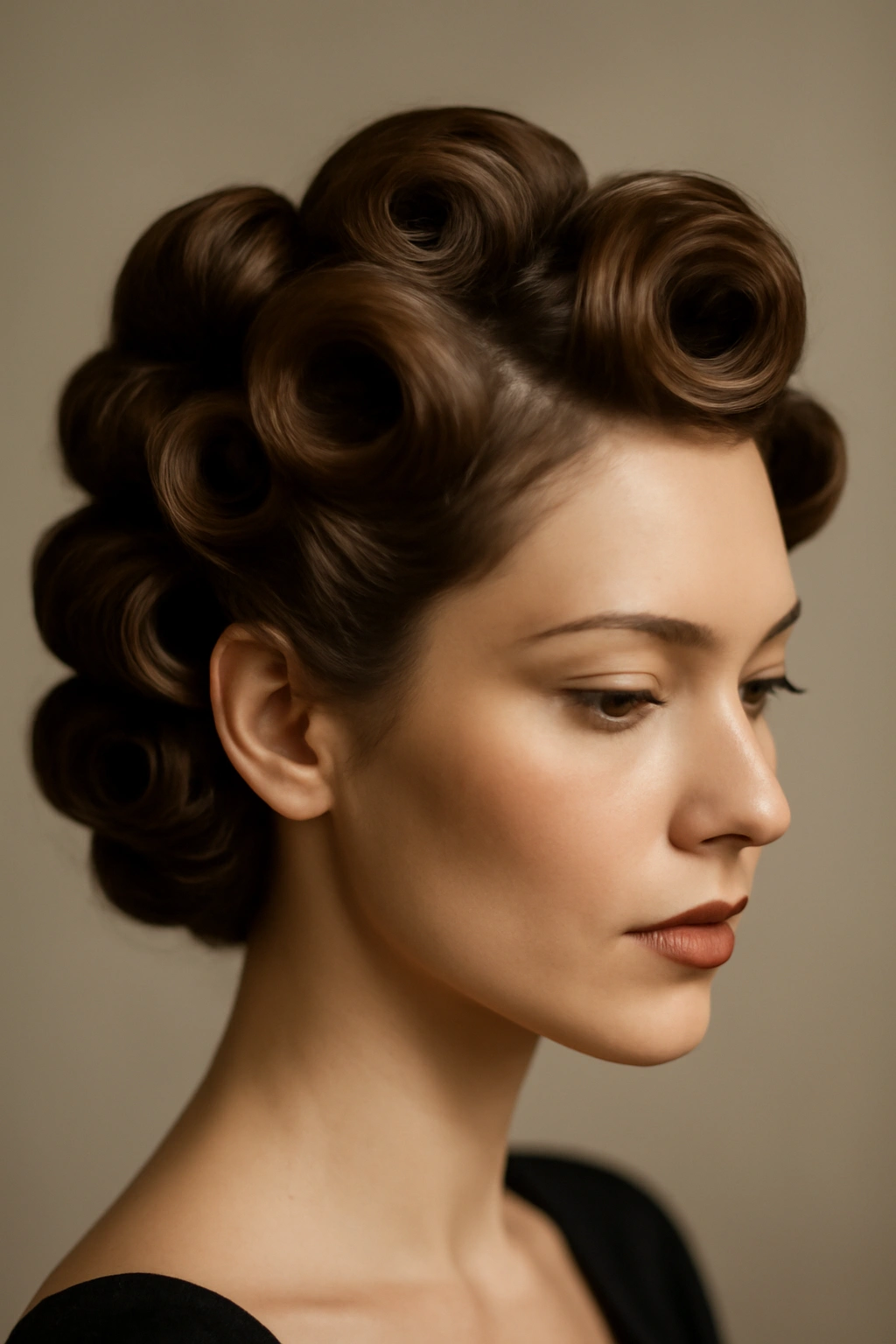
Korean stylists have brought back vintage pin-curl styling, but with a contemporary twist. Rather than the uniform rolls of classic pinup styles, modern Korean-inspired rolls are varied in size and placement, creating a glamorous, dimensional look that feels both retro and current.
Why Rolls Are Making a Comeback
Rolls create incredible volume and dimension, they’re surprisingly comfortable for all-day wear, and they photograph beautifully. The updated approach removes the costume-like quality of traditional rolls while maintaining their flattering, glamorous effect.
Creating Rolls That Look Contemporary
- Vary the size of rolls — smaller ones closer to the face for definition, larger ones at the crown for volume
- Pin rolls in the direction that creates flattering shadow on your face (if you have a round face, roll away from the face to create length)
- Leave rolls in for at least 30 minutes, or sleep in them overnight for maximum hold
- Gently remove pins and tease out the rolls with your fingers rather than brushing, which maintains the volume
- Finish with a light hairspray that holds without making hair stiff
14. The Coral or Peachy Pink Tones on Dark Hair
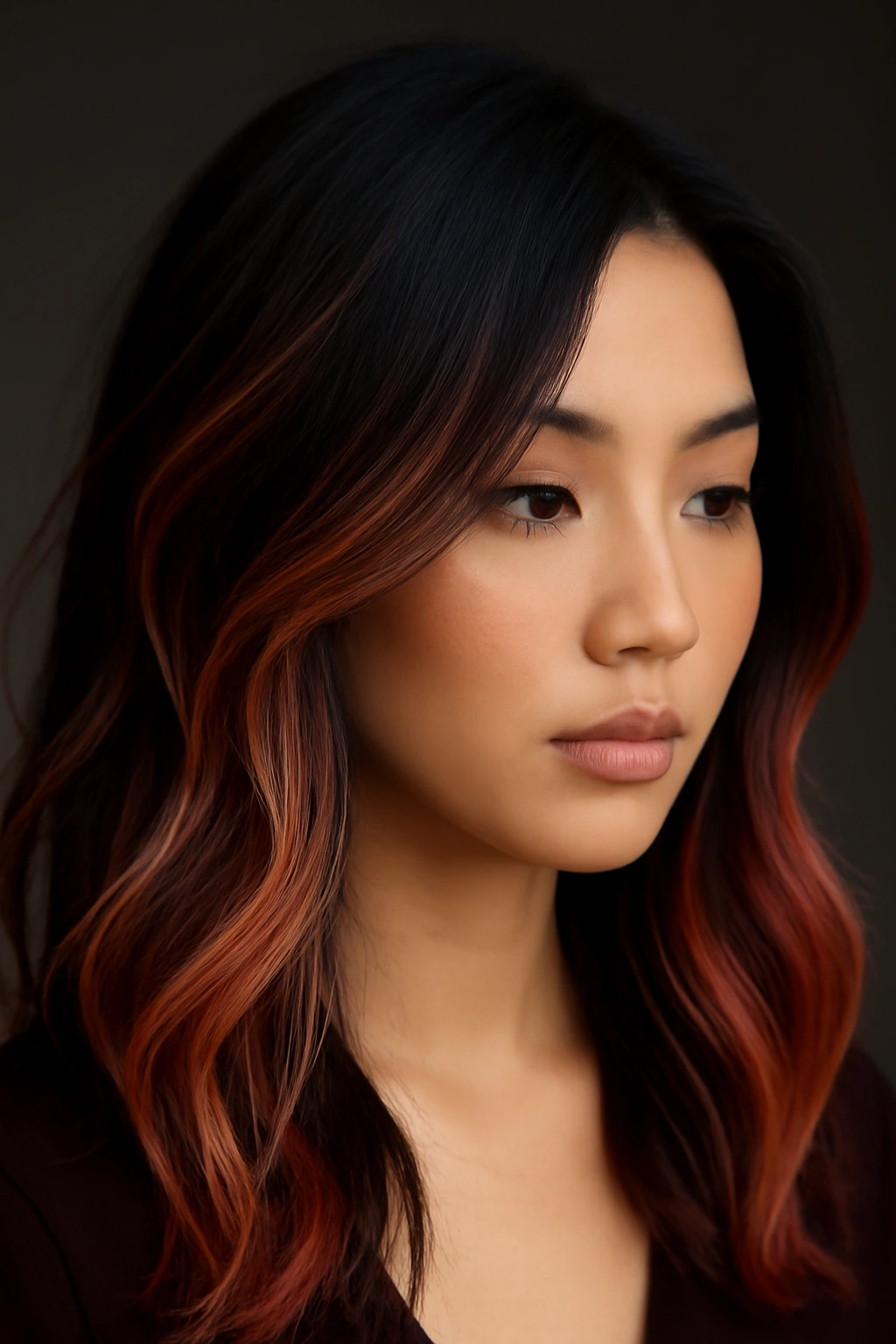
This color combination has gained significant traction in Korean styling. Warm coral, peach, or dusty pink tones placed on a dark brunette or black base create a soft, romantic look that’s distinctly different from traditional pink or red highlights.
The Undertones That Make This Work
Coral and peach tones have warm undertones that complement most skin types beautifully. They’re subtle enough to read as sophisticated rather than fantasy-colored, yet distinctive enough to stand out and photograph beautifully. On a dark base, they create a striking contrast without the starkness of platinum blonde.
Application and Upkeep
- This color works best with a skilled colorist who can match the peach or coral tone to your skin’s undertones
- Expect these tones to fade relatively quickly compared to darker colors, so plan for touch-ups every 4-6 weeks
- Use color-safe shampoo and avoid hot water, which accelerates color fading
- Tone regularly with a peachy or neutral toner to maintain the color vibrancy
- These shades work beautifully with a gloss treatment that both tones and adds shine
15. The Textured Bangs with Voluminous Crown
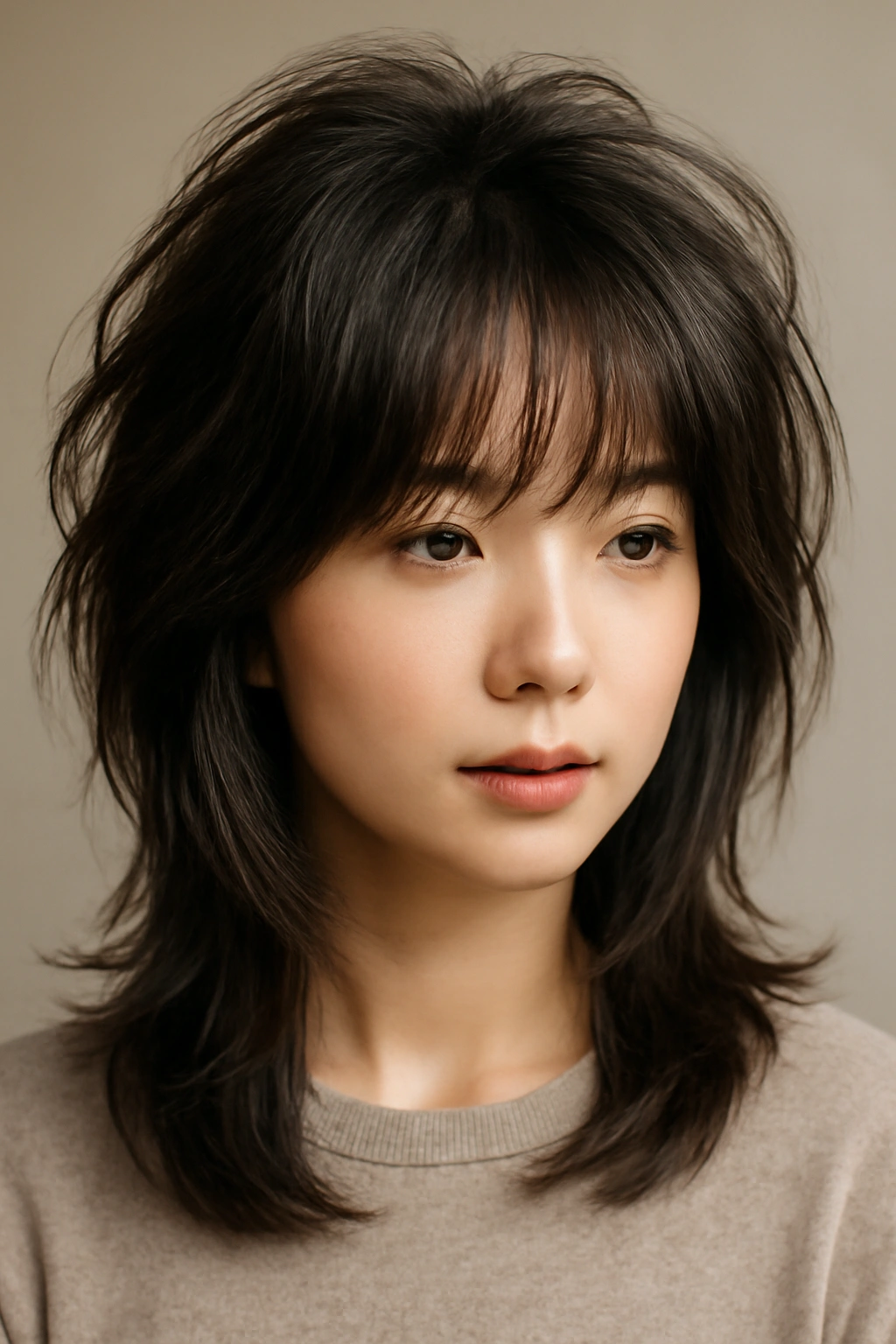
This style focuses on creating maximum volume at the crown with textured bangs that frame the face in a deliberately undone way. Rather than looking messy, the texture is refined and intentional, creating a look that’s full of movement and dimension while remaining polished.
Building Volume Where It Matters
The volume is created through layering that concentrates shorter pieces at the crown, combined with blow-drying technique that encourages upward movement. The textured bangs receive similar treatment, with shorter layers that sit at different lengths rather than falling in a uniform line.
Styling Strategy for All-Day Volume
- Blow-dry with a round brush, starting at the roots and directing heat upward to encourage volume
- Use volumizing mousse or texture spray applied to damp hair before blow-drying
- The shortest layers of the bangs should be textured with a curling iron or waving tool for dimension
- This style looks best with a center or slightly off-center part that shows off the volume at the crown
- Touch up the volume midday by spraying roots with dry shampoo and tousling with your fingers
Final Thoughts
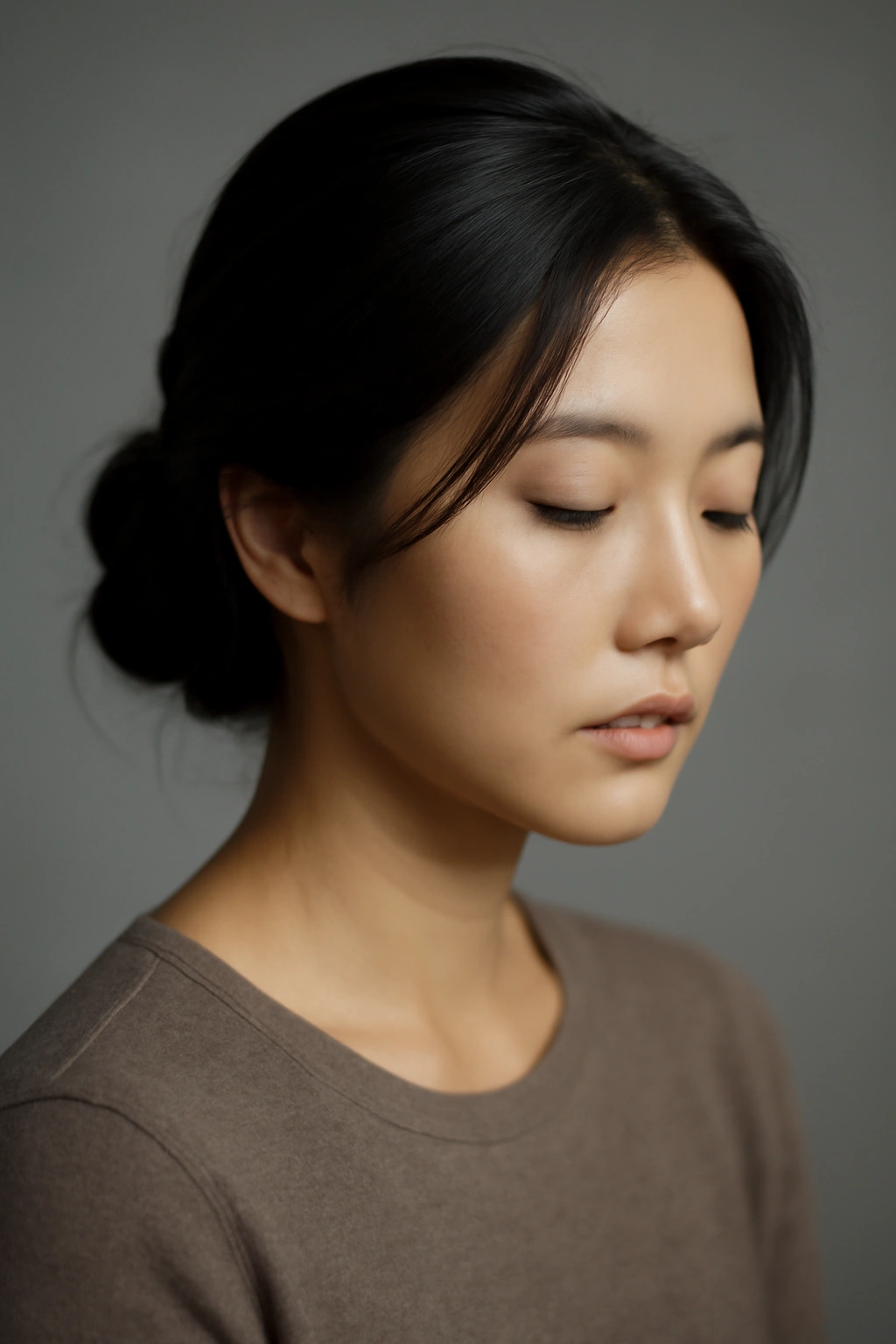
Korean hairstyles have earned their global popularity through a combination of technical skill, understanding of face-flattering proportions, and a genuine commitment to hair health alongside beauty. These styles work because they’re designed to solve real problems — adding volume, framing faces favorably, requiring reasonable maintenance, and adapting to different lifestyles.
The underlying philosophy of Korean hair styling emphasizes working with your natural features rather than fighting them. Whether you choose a dramatic transformation like the wolf cut or something subtle like shadow-root coloring, the best approach is finding a skilled stylist who understands your hair type, face shape, and lifestyle. Korean techniques have become more accessible as stylists worldwide are learning these methods, making it possible to achieve these looks regardless of where you live.
Start with the style that feels most aligned with your lifestyle and hair type. You don’t need to commit to a completely new aesthetic overnight — sometimes the most effective change is adding layers to your current length, changing your color technique, or adjusting your styling approach. The best hairstyle is one you’ll actually style and maintain, so choose something that excites you enough to put in that effort.
