



The lob—that perfect middle ground between a short bob and long flowing waves—has become the go-to haircut for anyone seeking a fresh update without committing to major length. What makes lobs so universally flattering is their remarkable versatility: they work beautifully on straight hair, where they showcase clean lines and movement, and they’re equally stunning on wavy textures, where they enhance natural body and dimension. The magic of a great lob lies in how it balances volume, frame the face, and adapt to your styling mood—whether you’re going for sleek and polished one day or tousled and effortless the next.
If you’ve been considering a lob but felt overwhelmed by the endless possibilities, you’re not alone. The challenge isn’t finding a lob style—it’s finding the lob style that aligns with your hair texture, face shape, lifestyle, and the amount of styling effort you’re willing to invest. Each lob variation carries its own personality, maintenance requirements, and styling potential. Some lobs demand precision blowouts to look their best; others thrive on second-day texture and product-free wash-and-go styling. The difference between a mediocre lob and a transformative one often comes down to understanding which specific variation will work with your natural hair, not against it.
This guide walks you through 15 distinct lob styles specifically chosen for their effectiveness on both straight and wavy hair textures. For each style, you’ll discover exactly how it works, what styling techniques bring out its best features, how to maintain it between salon visits, and whether your hair texture will naturally align with it or require extra effort. Whether you have board-straight hair that needs movement or natural waves that need structure, you’ll find options that feel authentically you.
1. The Blunt, Straight-Across Lob
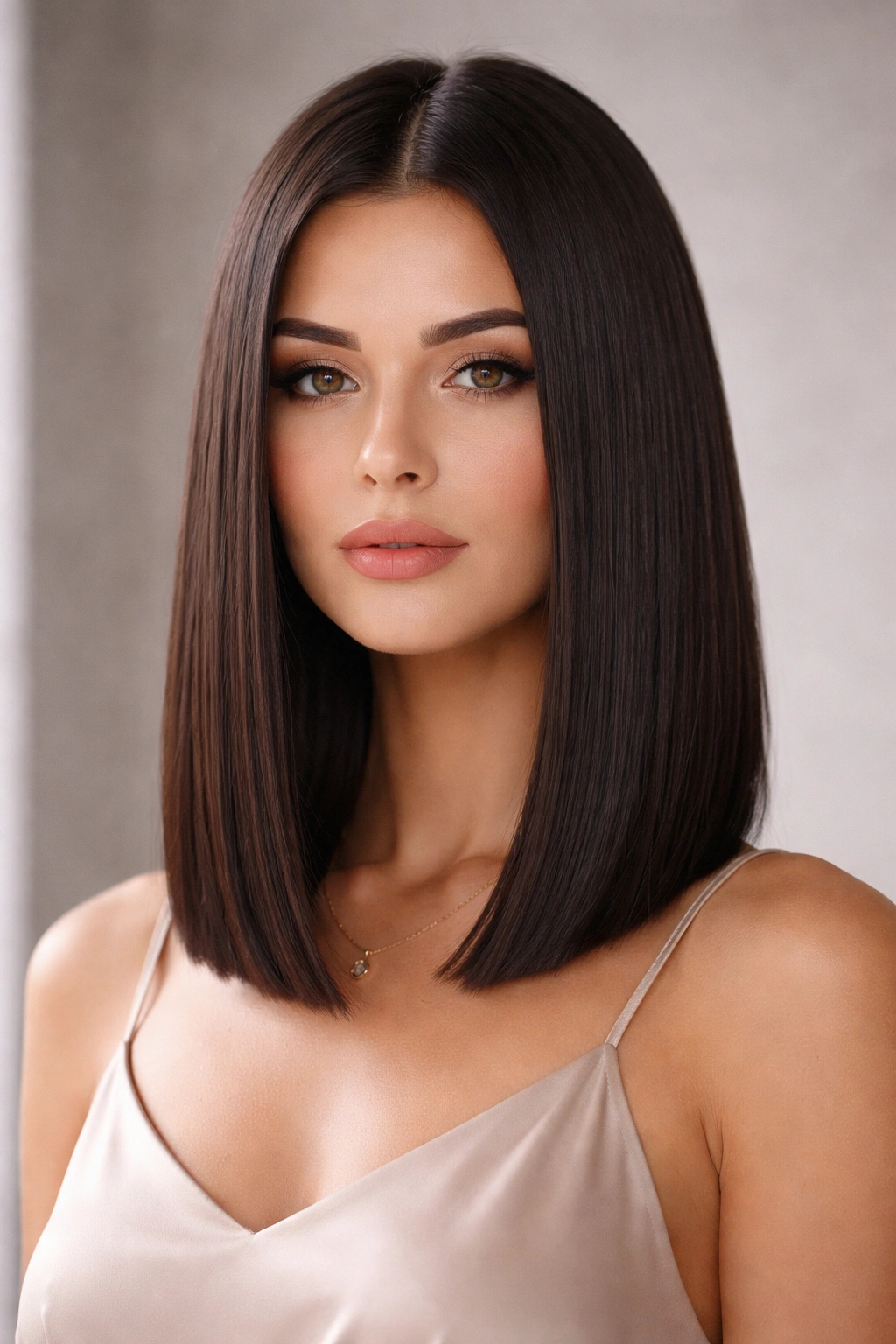
A blunt lob demands precision. This style cuts all the hair to the same length, creating a severe, intentional line that lands roughly at the collarbones or slightly below. The power of this cut comes from its graphic simplicity—there’s nowhere for imperfection to hide, which means both your stylist’s skill and your maintenance commitment matter enormously.
Why Straight Hair Loves This Cut
Blunt lobs make straight hair look impossibly polished and intentional. The clean line emphasizes shine and reflects light uniformly, making the hair appear thicker and more lustrous than it actually is. For wavy hair, the blunt line actually helps anchor the waves and creates a defined perimeter that keeps the style from looking shapeless. The straight edge also becomes a natural frame for your face, drawing attention exactly where you want it.
How to Maintain and Style the Blunt Lob
- Invest in regular trims every 4-6 weeks to maintain that razor-sharp edge, as even slight growth softens the graphic impact
- Blow-dry with a paddle brush and tension to emphasize the straightness and sleekness of the cut
- Use a flat iron on straight hair if you want extra polish, or embrace the natural texture for a more modern, undone feel
- Apply a smoothing serum or lightweight oil to the ends to prevent that blunt edge from looking dry or choppy
- For wavy hair, consider a texturizing spray applied to damp roots before blow-drying to create lift without fighting the cut’s structure
Pro tip: A blunt lob looks best when your hair is freshly washed and styled—the longer this style goes between washes, the less impactful the blunt line becomes.
2. The Layered, Movement-Forward Lob
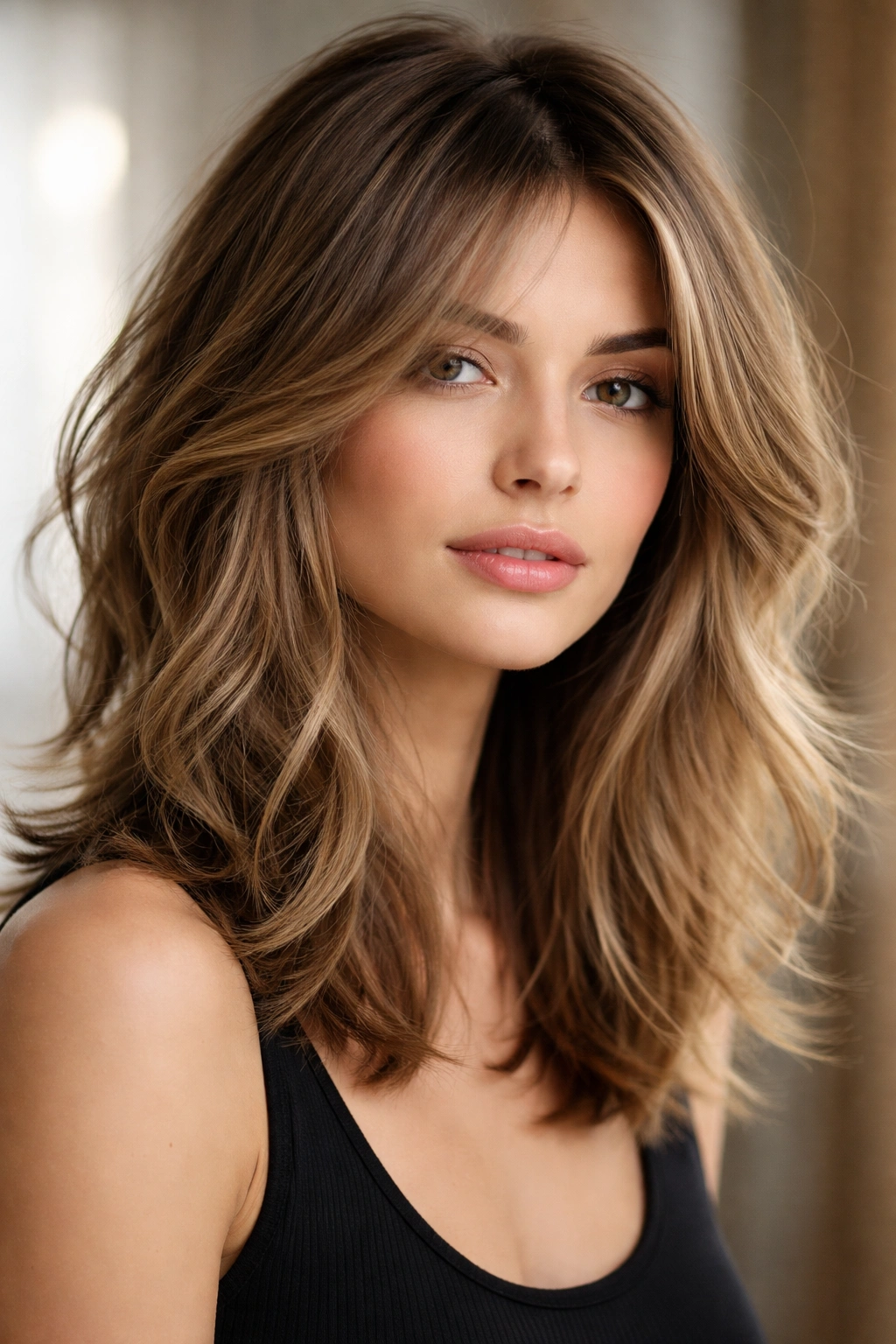
Layers are the antidote to heavy, flat lobs. This style incorporates longer layers throughout the crown and shorter, choppy layers through the ends, creating texture, movement, and the illusion of volume even in fine hair. The key difference between a great layered lob and a choppy disaster is precision—layers must be placed strategically to enhance your face shape and hair’s natural movement.
Why This Works on Both Textures
Straight hair gains instant movement and dimension through layering, transforming what could be a heavy, one-dimensional cut into something with actual visual interest. Each layer catches light differently, making the hair appear fuller and more dynamic. Wavy hair gets even more dramatic benefits: layers encourage waves to separate and cascade rather than clump together, creating that enviable loose, lived-in texture everyone admires. The shorter layers also reduce the weight pulling down natural waves, allowing them to hold their shape longer without daily styling.
Key Styling Techniques for Layered Lobs
- Apply sea salt spray to damp hair before blow-drying to enhance texture and encourage separation of the layers
- Use a curling iron or wand on straight hair to create soft waves that work with the layers rather than against them
- Avoid brushing out waves once they’re set—instead, use a texture spray and finger-comb to gently reshape throughout the day
- Dry the hair in sections, directing each layer’s ends outward to create that coveted flipped-out movement
- For wavy hair, apply leave-in conditioner to damp ends before air-drying to emphasize wave pattern and reduce frizz without weighing down the layers
Worth knowing: Layered lobs require maintenance; as the layers grow out, they lose their impact and can start looking straggly rather than intentional.
3. The Shaggy Lob with Choppy Texture
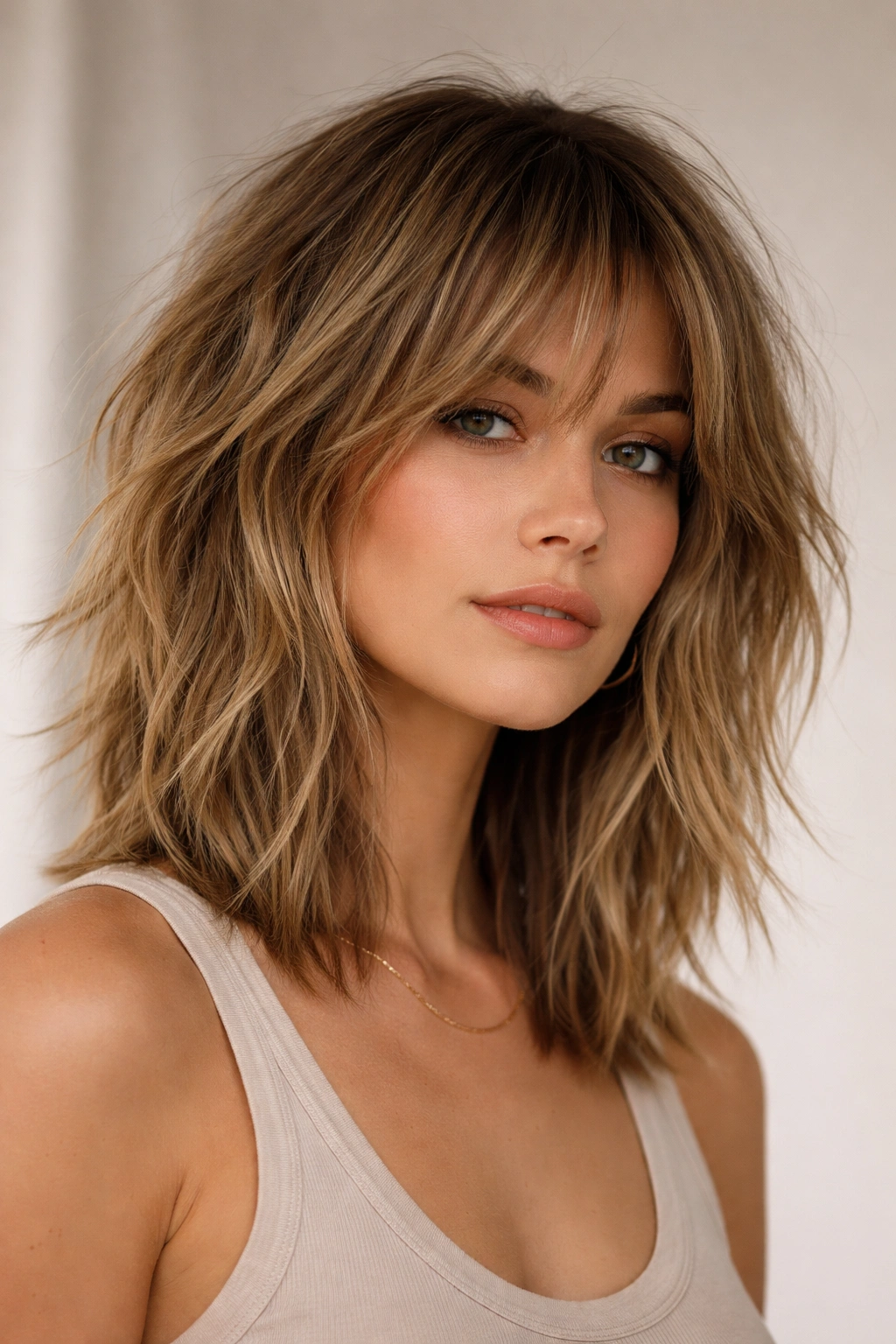
A shag lob takes the 1970s-inspired choppy texture trend and modernizes it with lob-length proportions. This style features extremely choppy, uneven layers throughout, creating an intentionally tousled, lived-in aesthetic that looks effortlessly cool. The shaggy lob is less about perfection and more about embracing texture, movement, and a slightly undone vibe.
What Makes Shag Lobs Perfect for Texture-Heavy Hair
If you have naturally wavy or curly hair that’s resistant to traditional styling, a shag lob celebrates that texture rather than fighting it. The choppy layers work with your waves, creating separation and dimension that looks intentional rather than frizzy. Straight-haired people can achieve this look too, but they’ll need to invest in styling tools and products to create that tousled texture regularly. The shag’s deliberately messy nature actually makes it more forgiving than precise cuts—slight imperfections read as part of the aesthetic.
How to Style and Maintain Shag Lobs
- Embrace texture spray and sea salt spray as essential styling tools; these products help define the choppy layers and create that undone, piecey appearance
- Blow-dry with your fingers rather than a brush to maintain the choppy separation
- A texturizing pomade or matte wax applied to damp ends creates definition without the heavy shine of traditional styling creams
- Sleep in loose braids or a pineapple to maintain wave texture overnight without re-styling from scratch each morning
- Regular maintenance trims every 6 weeks prevent the shag from losing its intentional choppiness and looking simply unkempt
Pro tip: The shag lob looks best when at least slightly undone—obsessing over perfection defeats the entire point of the style.
4. The Side-Parted Lob with Face-Framing Layers
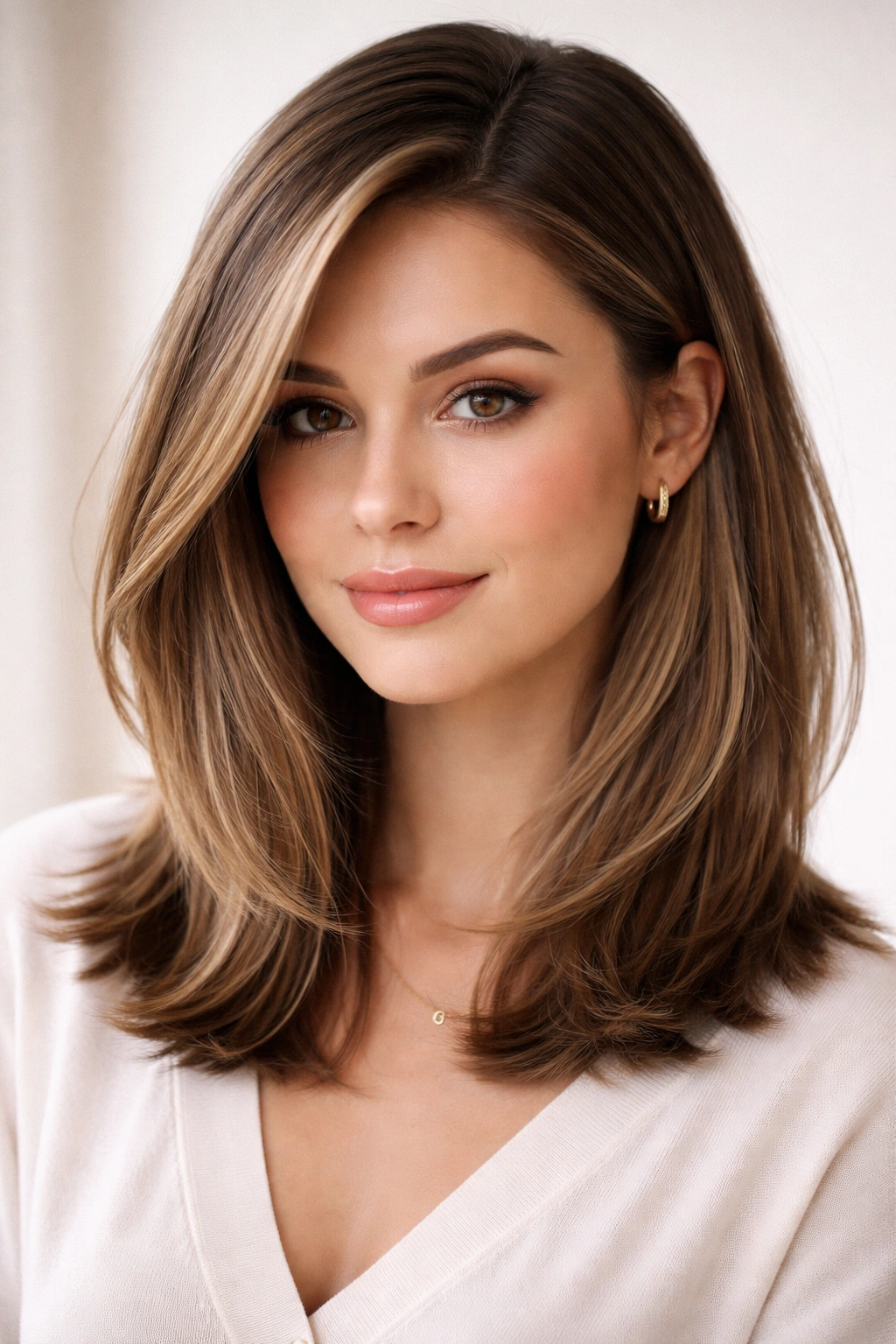
A side part shifts the entire energy of a lob, creating asymmetry that can be deeply flattering depending on your face shape. This variation pairs a deep side part with longer face-framing layers that angle slightly inward, drawing attention to the eyes and cheekbones while creating movement around the face. The side-swept styling also helps disguise a wider forehead or broader face if that’s a concern.
Why Side Parts Enhance Both Straight and Wavy Hair
Side-parted lobs add visual interest to straight hair that might otherwise look too severe. The asymmetry is modern and slightly edgy, while the face-framing layers create softness around the face. For wavy hair, a side part encourages waves to fall in a coordinated direction, making them look more intentional and styled without requiring heavy product or excessive blow-drying. The side part also helps shorter wavy hair look longer by creating an elongated, flowing silhouette.
Styling Tips for Maximum Side-Part Impact
- Create the side part on damp hair and blow-dry to set it before styling; this ensures it stays where you want it
- Use a large-barrel curling iron on straight hair to create soft waves that fall away from the face, emphasizing the side-part direction
- For wavy hair, apply curl-enhancing cream to damp hair and dry the shorter side of the part with less heat, allowing those waves to cascade naturally
- A lightweight hairspray holds the part in place without the stiffness of heavy products
- Refresh your side part daily by finger-combing and re-directing hair as needed; side parts naturally want to soften over time
Worth knowing: Side-parted lobs look best when the shorter side of the part has some visible texture or wave—a completely flat, one-dimensional shorter side can look unfinished.
5. The Textured, Tousled Lob for Wavy Hair
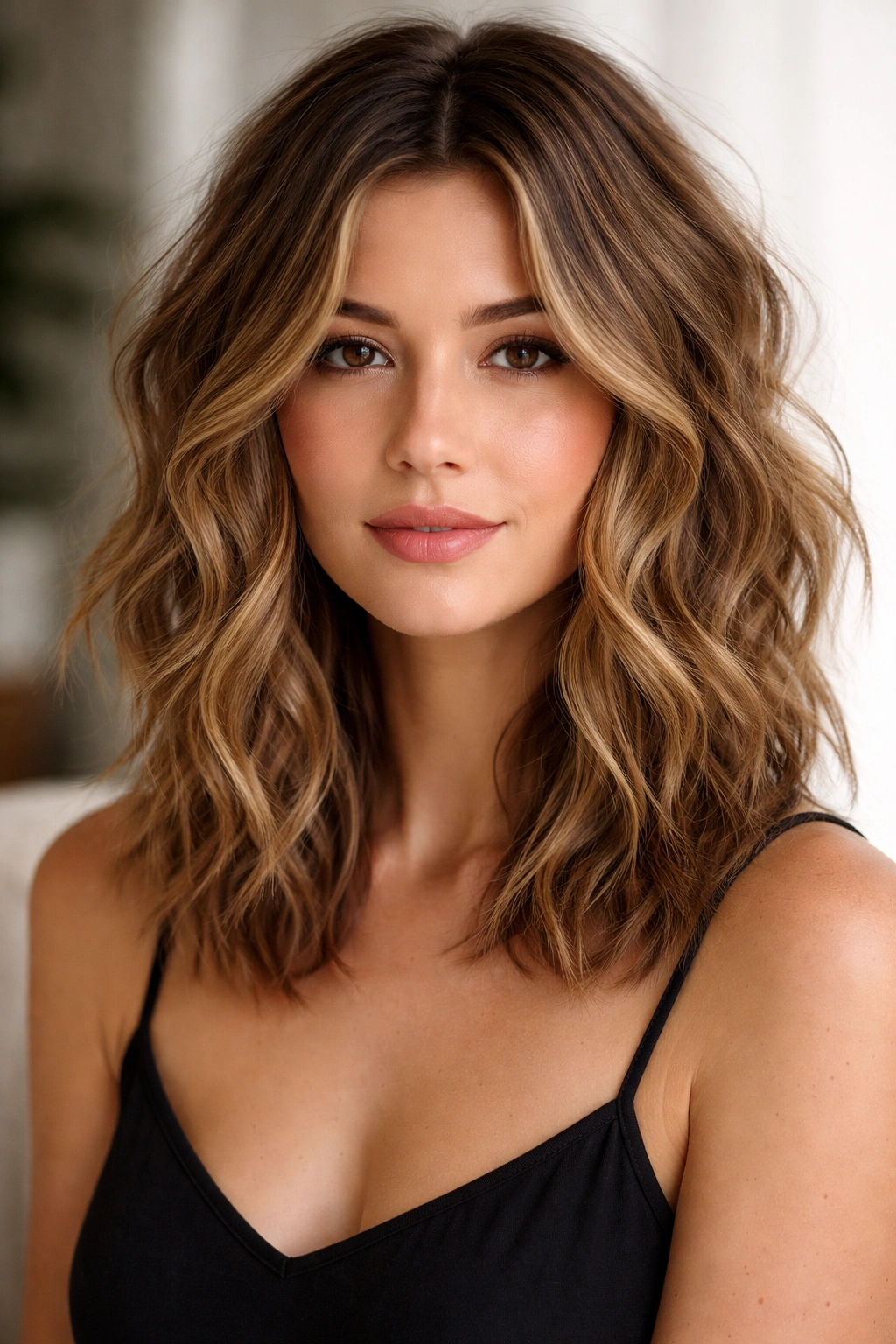
This lob is engineered specifically for people with naturally wavy hair who want to enhance and celebrate their texture rather than fight it. The cut incorporates layers specifically placed to encourage wave separation, with slightly shorter pieces at the crown to create lift and slightly longer pieces at the ends to create movement. The result is a cut that looks effortlessly beautiful with minimal styling effort.
How This Cut Transforms Wavy Hair
Wavy hair often struggles because standard cuts don’t account for how waves change the apparent length and shape. A textured lob designed for waves incorporates slightly shorter layers that account for how the hair will lengthen as it waves and dries. The result is a cut that naturally hits the collarbone or slightly below, frames the face beautifully, and creates dimension without requiring a blowout to look intentional. The strategic placement of layers means waves separate instead of clumping together, creating that coveted full, healthy appearance.
Styling Protocol for Wave-Optimized Lobs
- Apply leave-in conditioner or curl-defining cream to soaking-wet hair before air-drying for best results
- Scrunch the product upward into the hair as it dries to encourage wave formation and discourage frizz
- Avoid touching the hair while it air-dries; premature manipulation breaks up wave formation
- On second or third-day hair, refresh waves with a lightweight wave-spray and finger-combing method
- Sleep in a loose pineapple (high ponytail on top of head) or silk pillowcase to preserve waves overnight
Pro tip: A textured lob for wavy hair often looks better on day two or three than immediately after washing, as the waves continue to develop and set.
6. The Long, Elegant Lob (Collarbone to Mid-Shoulder)
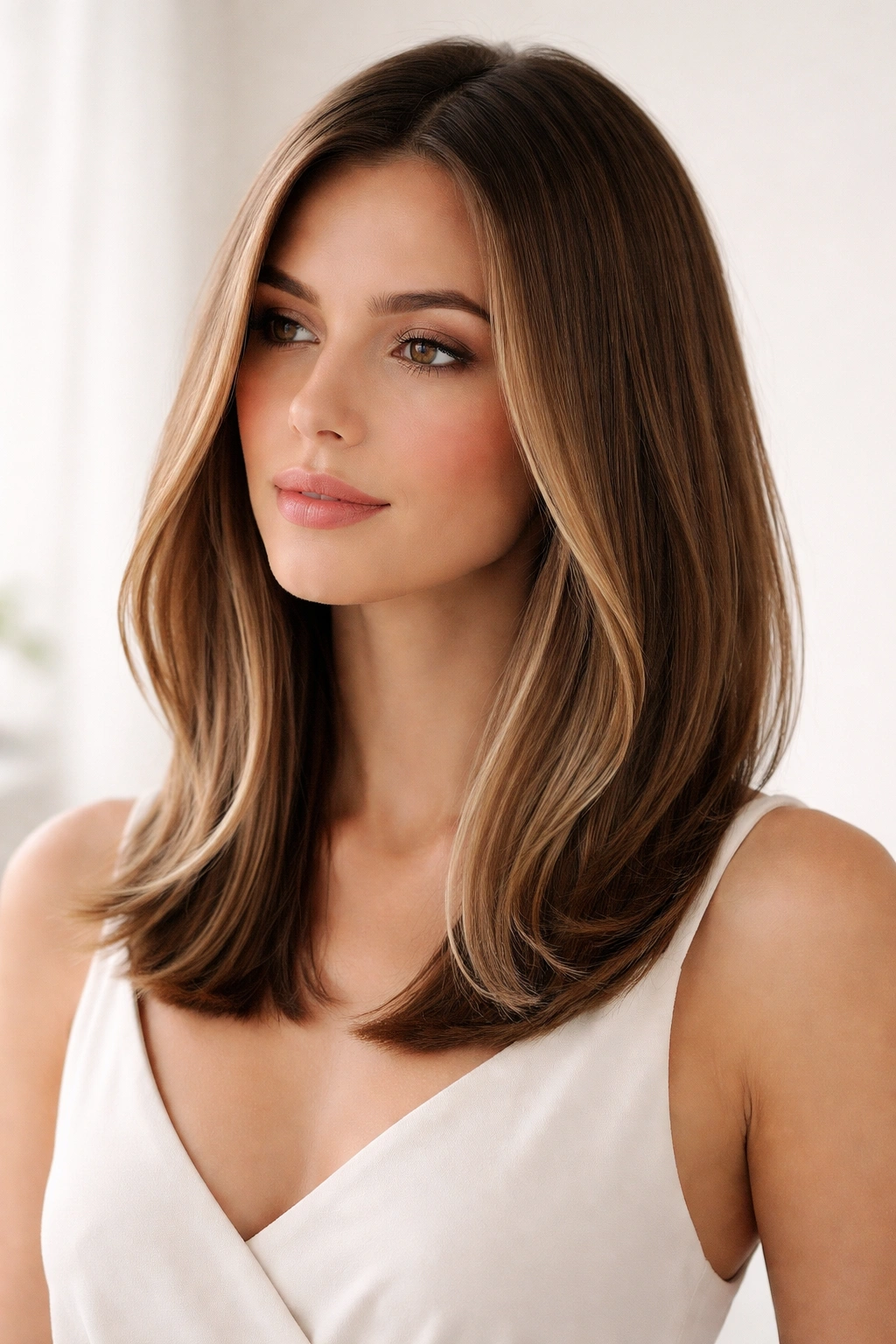
At the longer end of the lob spectrum sits the elegant extended lob—a style that lands somewhere between mid-collarbone and mid-shoulder. This length offers the benefits of a lob without committing fully to short hair, making it perfect for people still deciding whether they want longer or shorter styles. The extended length also creates more styling versatility, as you can pull it back into a ponytail without tiny pieces escaping constantly.
Why Extra Length Works on Straight Hair
Long, straight lobs showcase shine beautifully, creating a sleek, polished appearance that reads as intentional and sophisticated. The length allows for easy layering that creates movement without sacrificing the overall impact of the cut. Straight hair at this length can be worn down for elegance or swept up for practicality—a flexibility shorter lobs sometimes lack. The extended length also means the blunt line (if you choose a blunt-ended lob) remains prominent and graphic for longer between salon visits.
Styling Considerations for Extended-Length Lobs
- Longer lobs on wavy hair can sometimes look heavy or shapeless without strategic layering and styling
- Blow-drying becomes more important for extended-length lobs to prevent them from looking limp or flat
- Textured lobs at this length need more frequent layering maintenance to prevent that shapeless, tumbleweed appearance
- The extra length means more regular trims to maintain shape—aim for every 6-8 weeks rather than 8-10
- This length works beautifully worn half-up, in a low pony, or in a loose braid, offering more styling options than shorter lobs
Worth knowing: Longer lobs require more intensive care at the ends; regular deep conditioning becomes non-negotiable to prevent split ends and dryness.
7. The Choppy, Piece-y Lob for Straight Hair
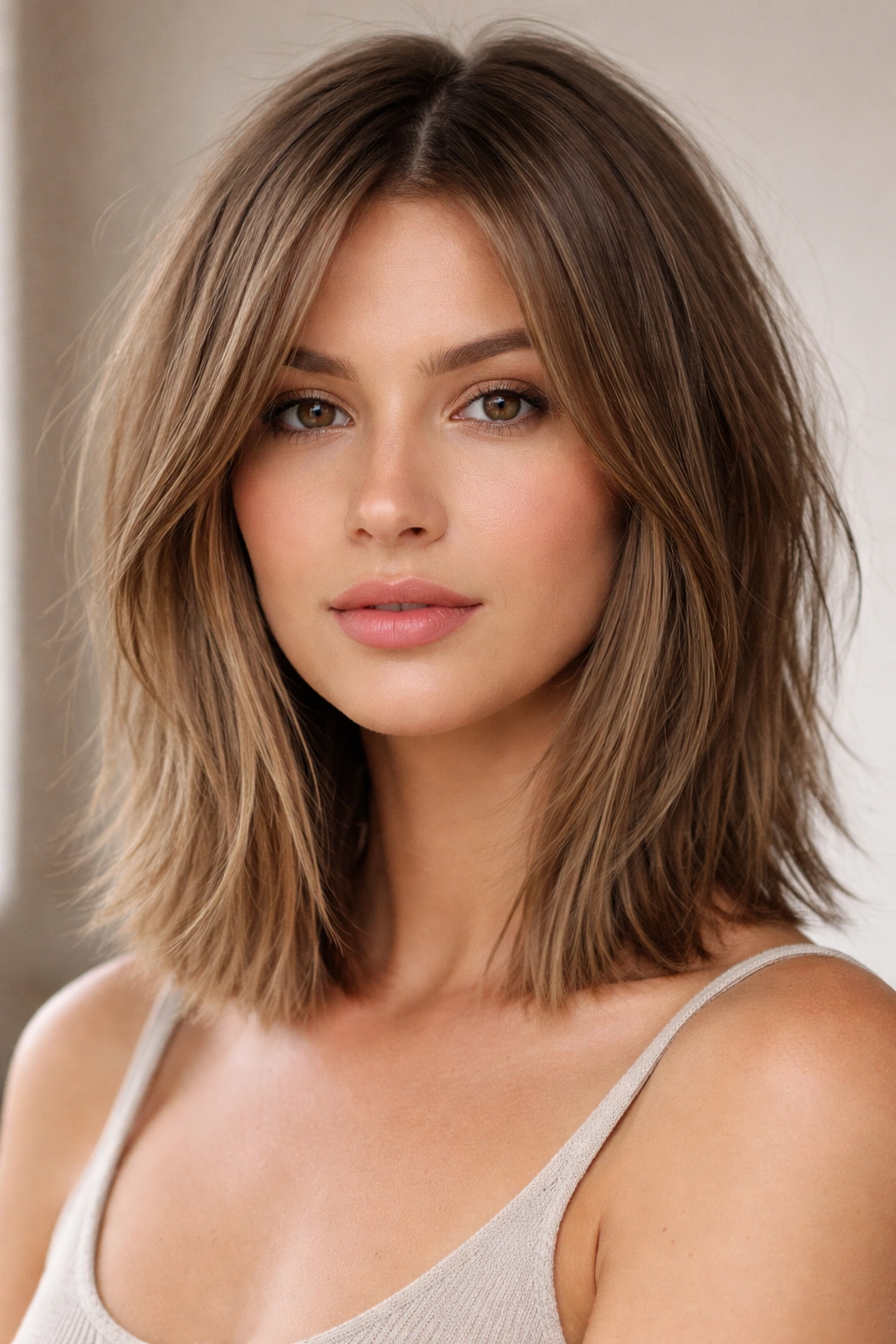
Choppy lobs take the layering concept even further, creating extremely textured, disconnected pieces throughout the hair. Unlike shag lobs, which celebrate messiness, choppy piece-y lobs are structured and intentional. This style works beautifully on straight hair because the choppiness creates visual movement that straight hair naturally lacks.
How Choppy Layers Transform Straight Hair
Straight hair can sometimes appear one-dimensional and heavy, no matter how healthy it is. Choppy lobs solve this by breaking the hair into distinct pieces that catch light differently and create the illusion of movement and texture. The pieces work together to frame the face while adding volume at the crown and movement at the ends. Unlike layered lobs, which blend smoothly, choppy lobs deliberately showcase the separation between layers, creating a more modern, edgy aesthetic.
Maintaining the Choppy Look Between Salon Visits
- Schedule maintenance trims every 5-6 weeks to keep the choppy pieces defined and intentional
- Blow-dry with a round brush, directing the choppy pieces away from the face for maximum impact
- A light texturizing spray applied to dry hair helps emphasize the separation between pieces
- Avoid excessive brushing, which blends the choppy pieces together and defeats the entire purpose of the cut
- Lightweight styling creams or pomades work better than heavy serums on choppy lobs, which can make individual pieces clump together
Pro tip: Choppy lobs look best when the pieces aren’t perfectly symmetrical—slight variations in length between left and right sides actually enhance the intentional, modern vibe.
8. The Blunt Lob with Bangs
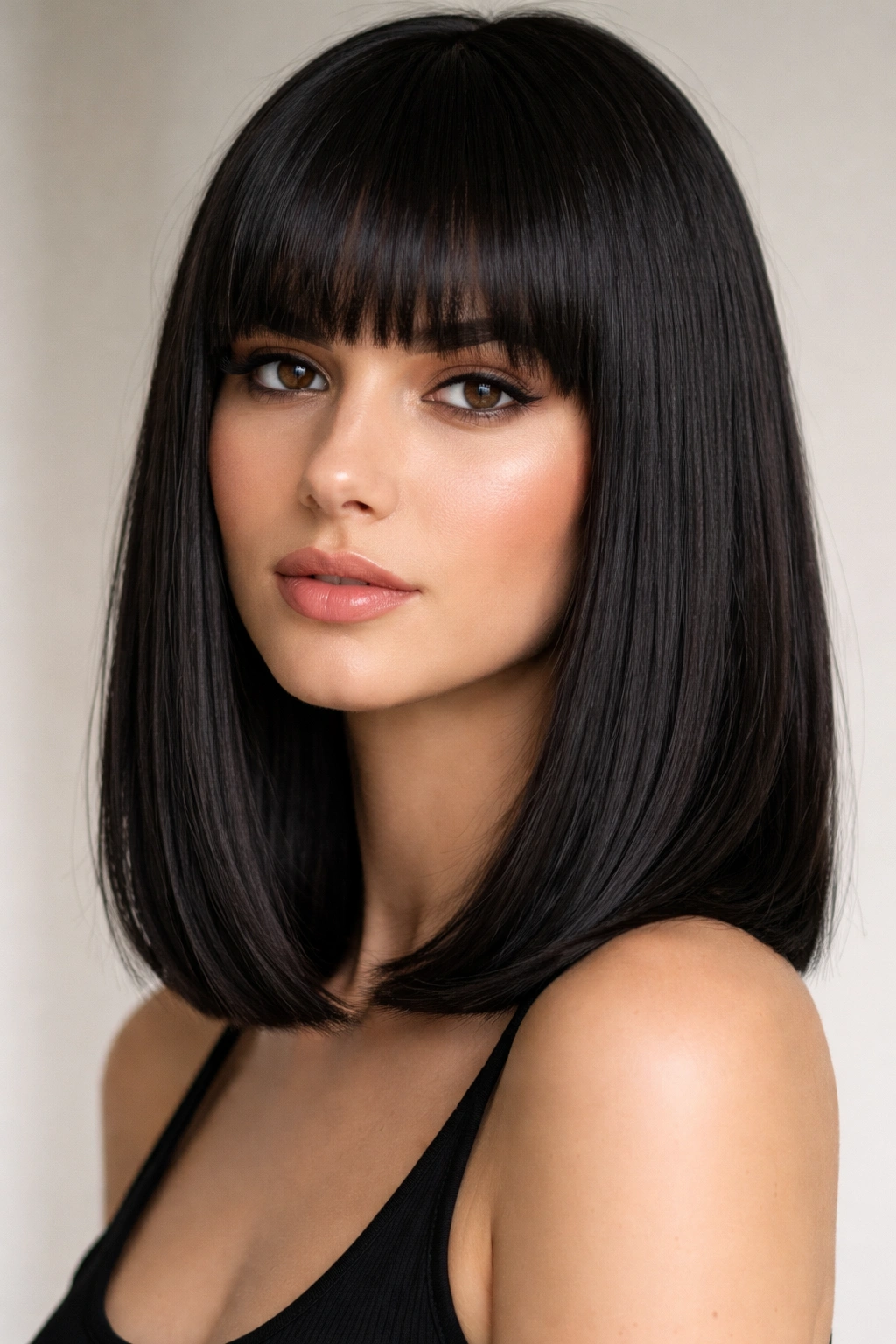
Adding bangs to a lob creates an entirely new silhouette and styling dynamic. Whether you choose face-framing bangs, a full blunt fringe, or side-swept bangs, combining them with a blunt lob creates a dramatic, fashion-forward look. Bangs add youth and modernity to the style while creating a strong visual focal point around the eyes.
How Bangs Change the Lob Dynamic
Full bangs or blunt fringe paired with a blunt lob creates a bold, graphic statement—think modern, slightly edgy, definitely intentional. Face-framing bangs (shorter pieces that start further back on the crown) soften the effect while still adding dimension and focus to the face. Side-swept bangs offer a compromise between full bangs and no bangs, working well for people wanting to dip their toes into the bang waters without full commitment. Bangs also help disguise a larger forehead or wider face shape by drawing attention to the eyes instead.
Styling and Maintenance for Bangs-and-Lob Combos
- Bangs require more frequent trims than the rest of the lob—expect touch-ups every 3-4 weeks to maintain shape as they grow
- Blow-dry bangs first and separately from the rest of the hair to ensure they dry exactly how you want them
- For straight hair, bangs can be styled sleek and smooth or textured with a light wave, depending on your preference
- For wavy hair with bangs, you’ll need to either blow-dry the bangs smooth or embrace wavy bangs (which can look adorable but requires consistent styling)
- A small round brush, blow dryer, and styling spray are essential tools for maintaining bang shape and preventing them from looking stringy or uneven
Worth knowing: Bangs are a commitment—they require consistent styling and frequent maintenance to look intentional rather than like you’re overdue for a trim.
9. The Soft, Tousled Lob for Fine Hair
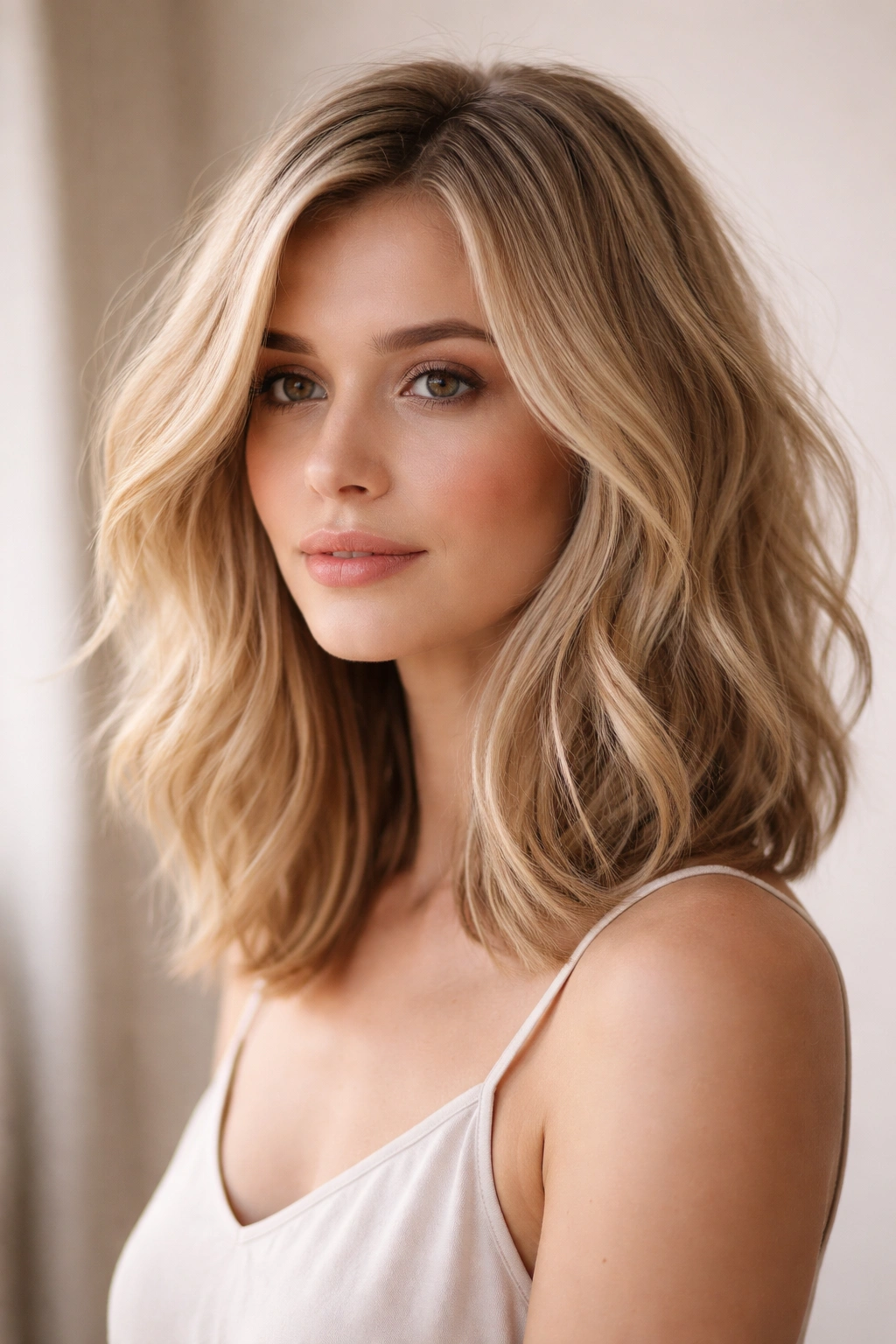
Fine hair often appears thinner and flatter than it actually is, making traditional lob cuts sometimes look limp or shapeless. A soft, tousled lob specifically designed for fine hair uses strategic layering and styling techniques to create the illusion of thickness while preventing the cut itself from looking wispy or insubstantial. The goal is movement and texture, not weight.
Why Fine Hair Needs Specific Lob Design
A blunt, heavy lob on fine hair can look sparse and underwhelming. Conversely, layering works beautifully on fine hair because it reduces overall weight while creating separation that makes the hair appear fuller and more textured. Tousled styling—with texture sprays, sea salt sprays, and lightweight products—transforms fine-haired lobs from limp to lively. The key is choosing a cut that works with fine hair’s natural tendency toward movement rather than fighting it.
Styling Strategies for Fine-Haired Lobs
- Volumizing mousse applied to damp roots before blow-drying creates lift without weight
- A lightweight sea salt spray helps fine hair hold texture and creates the illusion of more volume
- Avoid heavy serums and oils, which weigh down fine hair and make it appear even thinner
- Blow-dry upside-down or with your head bent forward to encourage maximum volume at the roots
- Fine hair often benefits from texture and movement rather than sleekness—embrace that tousled aesthetic
Pro tip: Fine-haired people should choose lobs with lots of layers rather than blunt, heavy cuts—the layers are what make the hair look fuller and more substantial.
10. The Straight-Across Lob with Subtle Internal Layers
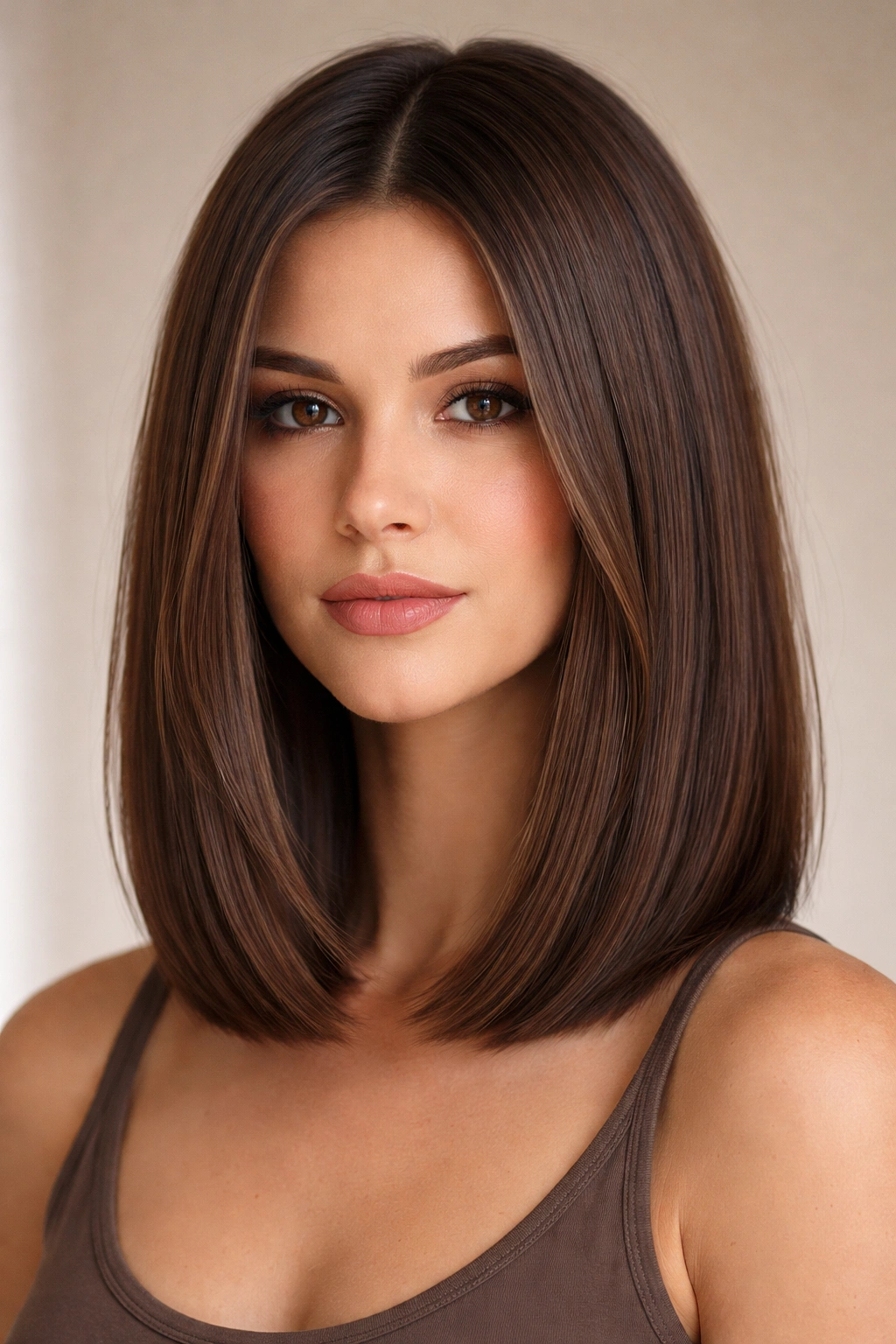
This style splits the difference between a blunt lob and a fully layered lob. The ends remain blunt and straight-across, maintaining that graphic, intentional look, but internal layers hidden beneath the top layer create movement and texture without disrupting the clean perimeter. This is the lob for people who want the aesthetic of a blunt cut but need more movement and styling versatility.
Why This Hybrid Approach Works
The internal layers create texture and reduce bulk without the maintenance demands of a fully layered lob. From the front and sides, the lob appears blunt and intentional, but when the hair moves or is styled, the hidden layers create dimension and interest. This approach is particularly effective for thick, heavy hair that would otherwise look too bulky in a truly blunt lob. It’s also perfect for people with straight hair who want a modern, polished look but worry that a completely blunt lob will look too severe or dated.
How to Style and Maintain This Hybrid Cut
- Blow-dry with a paddle brush to emphasize the blunt exterior while the internal layers provide movement
- Light texturizing spray applied to the ends creates subtle texture without disrupting the clean line
- The blunt exterior line requires regular maintenance every 6-8 weeks, but slightly less frequently than a fully blunt lob
- For wavy hair, the internal layers encourage waves without making the perimeter appear choppy or undefined
- Curling the ends outward with a large-barrel iron creates movement that plays beautifully with the internal layers
Worth knowing: This cut requires a skilled stylist who understands layering depth and can create internal texture without making the ends look shaggy or undone.
11. The Sleek, Straight Lob with Minimal Styling
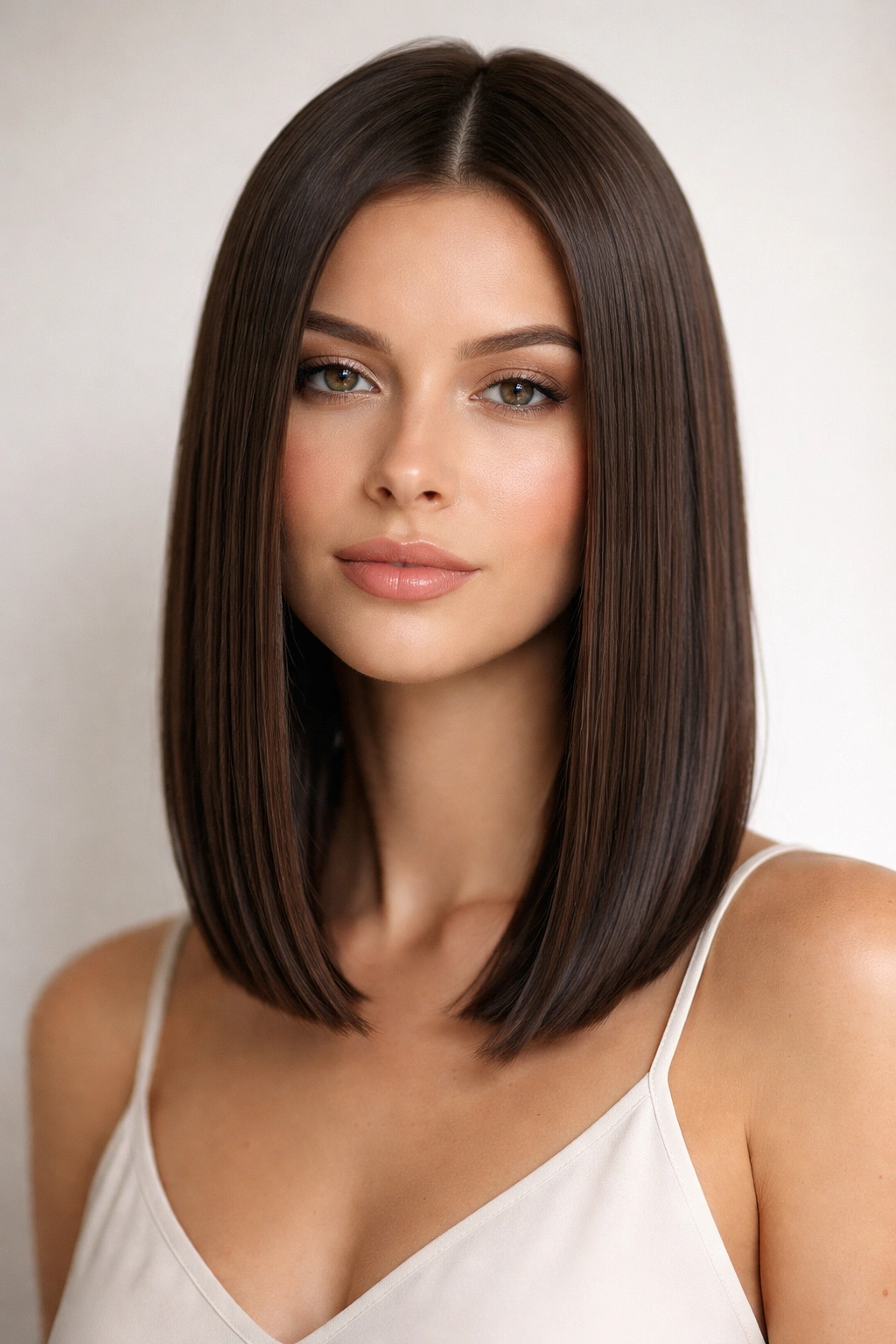
For people who genuinely don’t want to style their hair daily, a sleek, straight lob paired with a straightening routine creates a low-maintenance style that looks polished with minimal effort. This approach works best for naturally straight hair or for people willing to commit to regular keratin treatments or Brazilian blowouts that keep hair straight between salon visits.
The Appeal of Truly Low-Maintenance Styling
A sleek lob requires three components: a well-executed cut, a straightening treatment (if your hair isn’t naturally straight), and minimal daily styling. The result is hair that looks intentional and polished without requiring 20 minutes of blow-drying each morning. This works particularly well for people with busy lives who value simplicity and don’t enjoy the styling process. The key is choosing the right cut—a blunt or nearly-blunt lob works best, as it looks intentional even without styling, whereas choppy or heavily layered lobs look undone without styling effort.
Maintenance and Styling Protocol
- Invest in a quality smoothing treatment like keratin or a Brazilian blowout if your hair isn’t naturally straight
- Use a sulfate-free shampoo and conditioner to extend the life of smoothing treatments
- Apply a smoothing serum to slightly damp hair before air-drying to enhance shine and prevent frizz
- A light blow-dry pass with a paddle brush takes just 5 minutes and ensures the lob looks intentional
- Skip the flat iron and heavy products; a light finishing spray is all you need for a polished appearance
Pro tip: This lob looks best on people who have realistic expectations about “low maintenance”—it still requires some styling effort, just significantly less than textured, choppy styles.
12. The Modern Shag Lob with Front Framing
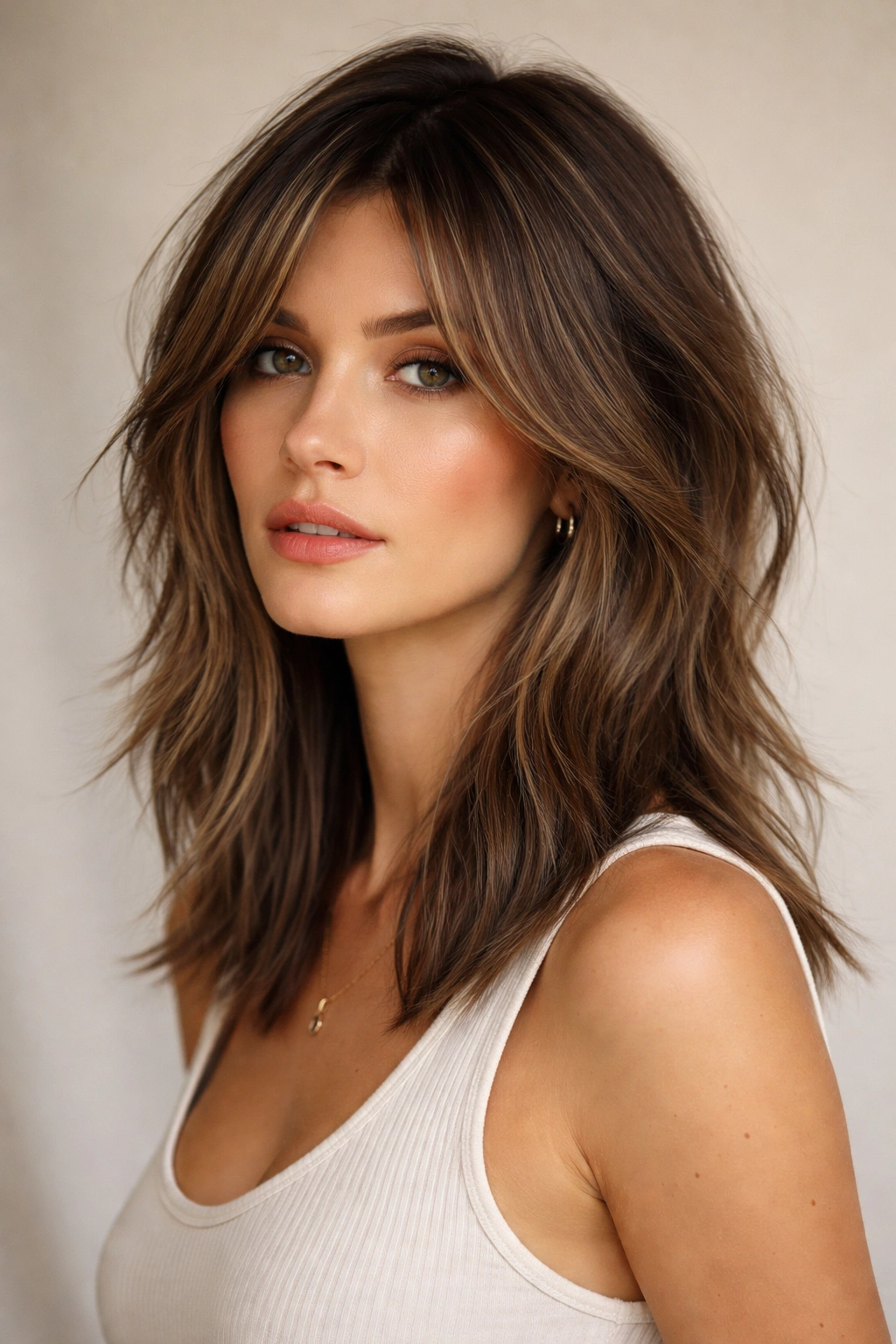
A modern shag lob incorporates the intentional choppiness of a shag with lob-length proportions and specific face-framing layers that angle toward the face. Unlike traditional shags, which are choppy throughout, this version reserves the most dramatic choppiness for shorter face-framing pieces, with slightly longer, less choppy layers toward the back. The effect is textured and modern without looking overly trendy or dated.
How Front-Framing Shags Flatter Your Face
The shortest, choppiest pieces in a shag lob are placed to frame the face and draw attention to your eyes and cheekbones. These pieces should angle slightly inward, creating a face-framing effect that works on multiple face shapes. The longer pieces in the back create movement and texture without the heaviness of long, blunt hair. This variation is particularly flattering for people with longer face shapes, as the choppy texture and movement add width. It’s also excellent for people wanting a modern, slightly edgy aesthetic without committing to an extreme pixie or undercut.
Styling This Modern Shag
- Blow-dry with your fingers, directing the front-framing pieces toward the face to emphasize the cut’s shape
- A texturizing spray or sea salt spray helps define the choppy layers and create that intentional tousled aesthetic
- For wavy hair, apply curl-enhancing cream before air-drying to emphasize the natural texture that already exists
- Avoid brushing the hair straight; the entire point of a shag is the textured, choppy appearance
- Regular maintenance every 6 weeks keeps the framing pieces sharp and prevents the overall cut from looking grown-out and unkempt
Worth knowing: A modern shag lob sits somewhere between “edgy” and “wearable for professional settings”—the styling and product choices determine which side of that spectrum you land on.
13. The Wavy Lob with Beachy Texture
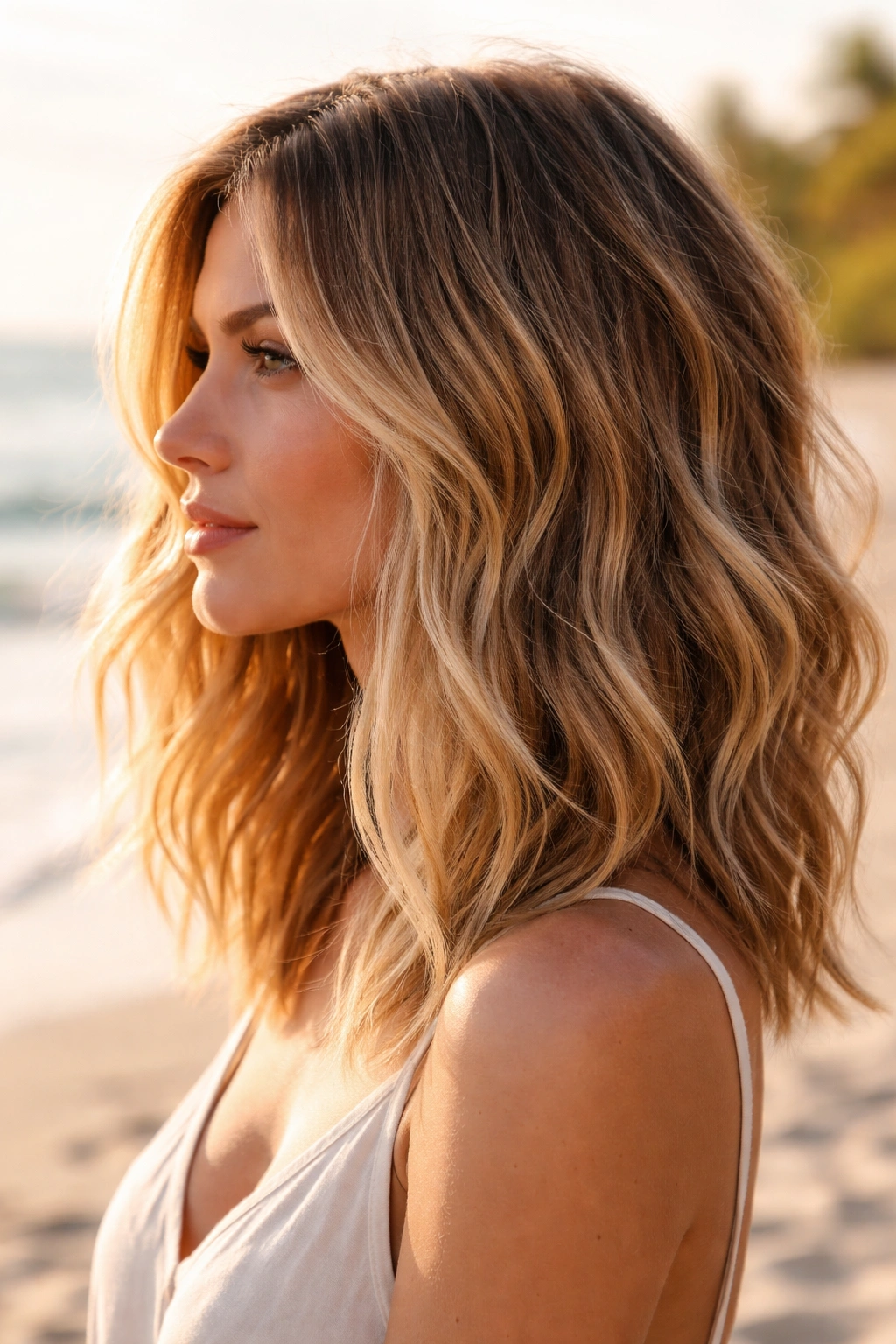
A beach-inspired lob celebrates natural waves and creates that coveted effortless, sun-kissed aesthetic. This style features longer, less-defined layers that encourage waves to fall loosely and naturally. The cut itself is relatively simple, but the styling—creating and maintaining soft, beachy waves—requires some technique and product knowledge.
Why Wavy Hair Thrives With Beach-Inspired Cuts
Wavy hair naturally wants to create soft waves and texture, making a beachy lob the perfect partnership. Instead of fighting waves or trying to control them into perfect curls or straight strands, a beach lob celebrates them. The longer layers in this style allow waves to cascade naturally, creating movement and dimension that looks both intentional and effortless. For straight-haired people, creating this look requires more styling effort, but the result is a soft, approachable aesthetic that photographs beautifully.
Creating and Maintaining Beachy Waves
- Apply a leave-in conditioner or wave cream to soaking-wet hair before air-drying for the best wave formation
- A diffuser attachment on your blow dryer helps encourage wave formation without disturbing the pattern
- Sea salt spray applied to damp hair creates texture and enhances natural wave patterns
- Loose braids or a pineapple overnight preserve waves and allow them to fully set and develop
- On second-day hair, a light misting of wave spray and gentle finger-combing refreshes the waves
Pro tip: Beach-inspired lobs look better when slightly undone—obsessing over perfection defeats the entire aesthetic, which is supposed to feel natural and effortless.
14. The Layered Lob With Subtle Undercut
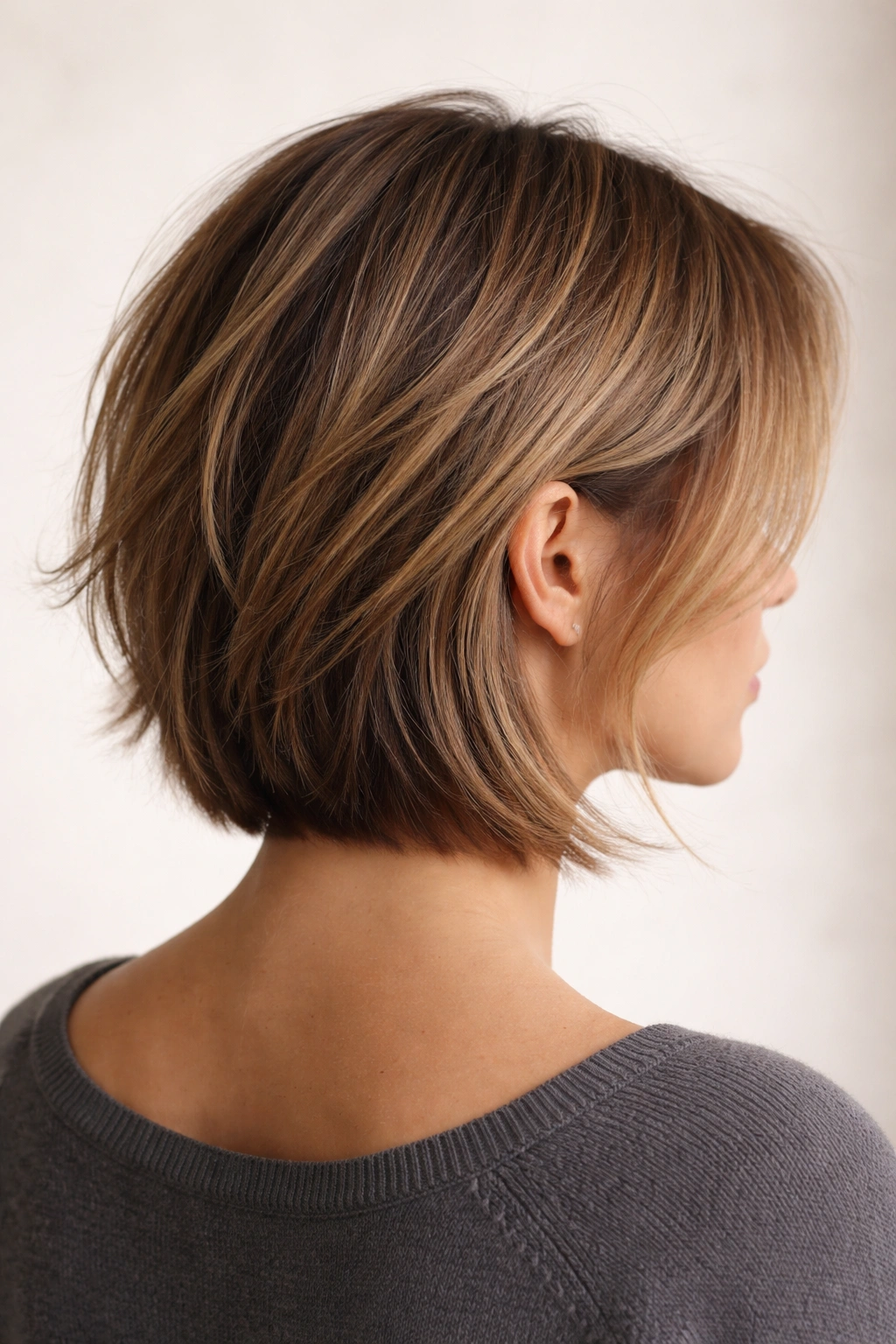
An undercut lob incorporates shorter, tapered layers underneath the top layer, creating a hidden textured element that becomes visible when you move or style the hair. The undercut is more subtle than a traditional undercut but adds visual interest and movement without appearing edgy or extreme. This works beautifully for people wanting modern, fashion-forward styling without the bold statement of a visible undercut.
How Subtle Undercuts Add Dimension
The undercut creates separation between layers, encouraging the longer top layer to sit away from the head and creating a more voluminous silhouette. When you move, the shorter underneath pieces create a visual surprise—a flash of texture that appears and disappears. This technique is particularly effective for thick hair that can look heavy in a standard lob, as the undercut removes weight underneath while maintaining length on top. The undercut also helps create a more modern shape that’s slightly choppy and asymmetrical rather than perfectly symmetrical and controlled.
Styling to Showcase (and Conceal) the Undercut
- Blow-dry with volume at the crown to encourage the top layer to sit away from the head and reveal the undercut slightly
- A tousled, piece-y style shows off the undercut better than a completely smooth, sleek style
- Use a texturizing spray to enhance the separation between the undercut and the top layer
- For wavy hair, the natural wave formation automatically showcases the undercut beautifully without extra styling
- Avoid brushing the hair straight and smooth, which flattens the layers and conceals the undercut effect
Worth knowing: An undercut requires an experienced stylist who understands how to cut and blend it properly—a poorly executed undercut looks choppy and unintentional rather than modern.
15. The Blunt, Colored Lob With Dimension
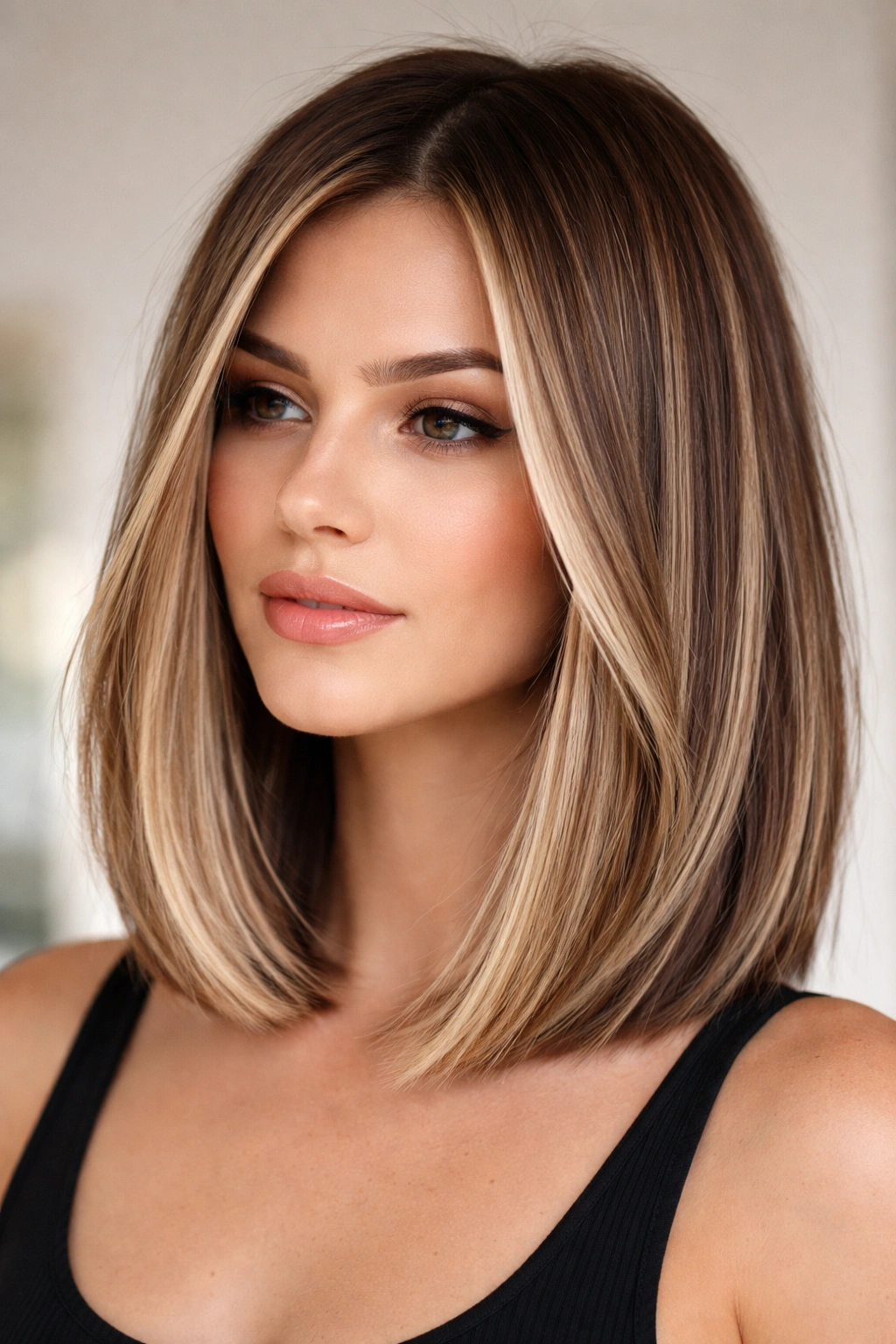
While this final style is technically a cut, its impact is equally dependent on color. A blunt lob paired with dimensional color work (balayage, highlights, babylights, or color blocking) creates a high-impact style that photographs beautifully and looks constantly fresh and intentional. The blunt cut showcases color work better than a layered cut, where color can get lost in the choppiness.
How Color Elevates a Simple Cut
A blunt lob on its own is powerful, but adding dimensional color work creates visual interest that transforms the style from simple to sophisticated. Lighter, sun-kissed highlights create dimension that makes the hair appear fuller and more textured. Dimension also creates the illusion that your hair has more movement and shape than it actually does—a graphic solution to the sometimes-heavy appearance of blunt cuts. Color work is particularly effective on straight hair, where the clean lines of the blunt cut showcase the color placement beautifully.
Maintaining Color in a Blunt Lob
- Schedule color touch-ups every 6-8 weeks to maintain vibrancy and dimension as your hair grows
- Use color-safe shampoo and conditioner to extend the life of your color between appointments
- Tone-correcting products help maintain the balance of your dimensional color work
- The blunt line of the cut means color placement is visible and can show growth more obviously than in layered styles
- Consider scheduling color and cut appointments together so your stylist can time color work with the cut’s shape
Pro tip: Dimensional color on a blunt lob photographs better than solid color because the highlights and shadows create depth that reads beautifully in photos.
Final Thoughts
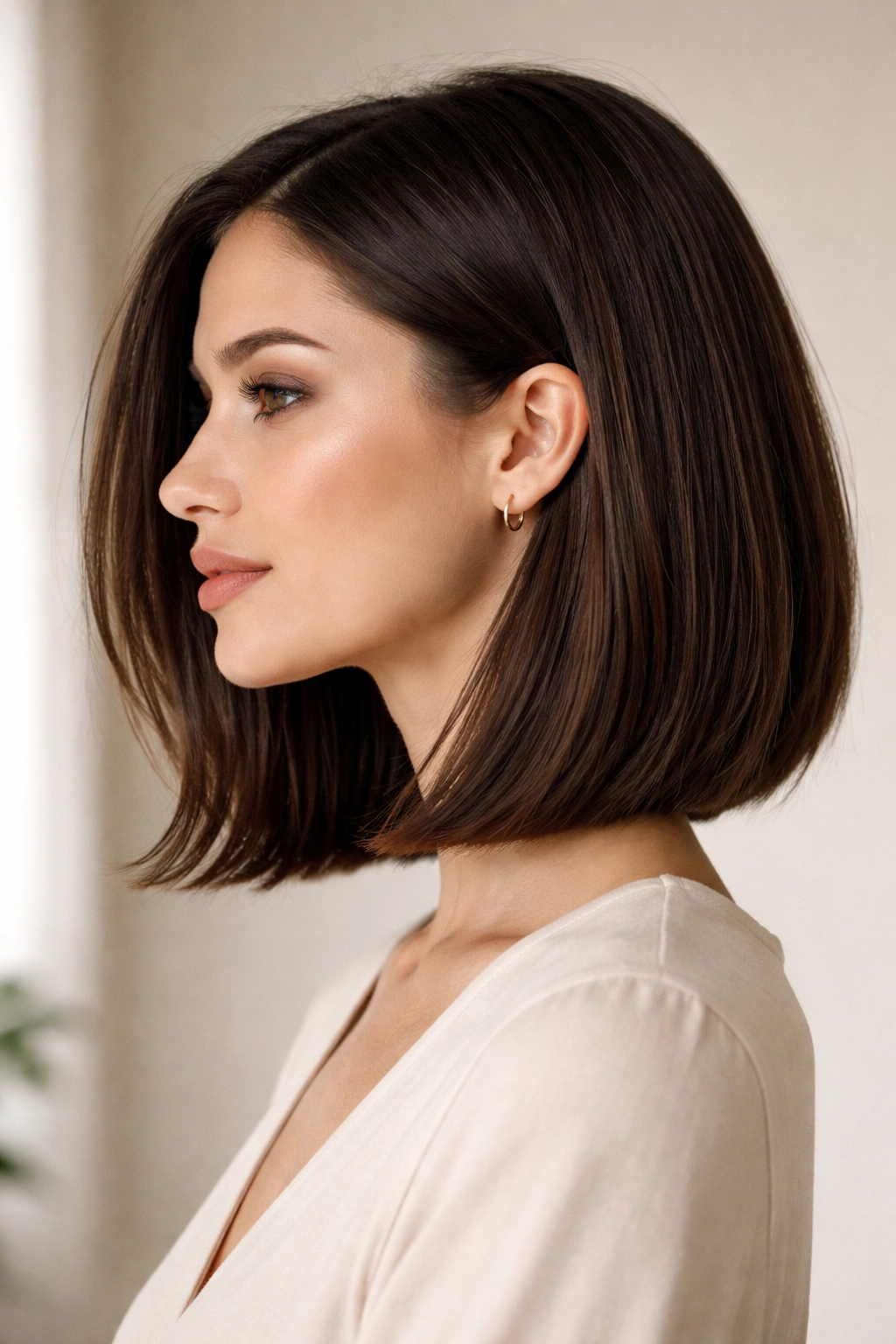
The perfect lob exists somewhere at the intersection of your hair texture, face shape, styling commitment, and personal aesthetic. Whether you choose a blunt, graphic statement or a soft, textured celebration of your natural waves, the most important factor is finding a stylist who understands your hair and can execute the cut with precision. A great lob transforms not just your appearance but how you feel about your hair—that sense of looking intentional, polished, and authentically yourself is what separates a mediocre haircut from one you’ll keep returning to.
Remember that the lob is one of the most forgiving cuts for experimentation. If you’ve been considering a change but worried about commitment, a lob offers the perfect testing ground—you get a noticeably different look without sacrificing the option to grow it back out or cut it shorter if you want to change direction. Start with a style that aligns with your natural texture rather than fighting it, invest in a good stylist who understands dimensional cutting, and don’t underestimate the power of the right styling products and techniques to take your lob from good to genuinely transformative.
