



The right short haircut doesn’t just save you time on styling—it fundamentally shifts how your face reads. A strategic cut can soften jawlines, brighten the face through layers and movement, and create the illusion of fuller hair and lifted features that most people associate with youth. The trick isn’t going short for the sake of short; it’s choosing a cut that works with your face shape, hair texture, and lifestyle while delivering that refreshed, energized look everyone notices.
Here’s what’s interesting: some of the most youthful short cuts are actually the ones that look effortlessly textured rather than severely blunt. Movement matters. Layers matter. The way light plays across the back of your head and the side profile of your cut matters far more than the mere inches you remove. A choppy, textured pixie can read younger than a slicked-back bob because it has visual interest and dimension. A wispy, face-framing crop reads fresher than a severely geometric cut because the softness draws attention to your eyes rather than the outline of your head.
The cuts that follow aren’t trend-dependent—they’re architectural. They work because they follow proven principles of face-flattering design: how layers create movement, where to place texture for lift, how to frame the face without harsh lines, and which proportions naturally enhance facial features. Whether you have thick, fine, curly, or straight hair, there’s a youthful short cut waiting that will work for your specific situation. Let’s walk through fifteen of them.
1. The Textured Pixie with Longer Bangs
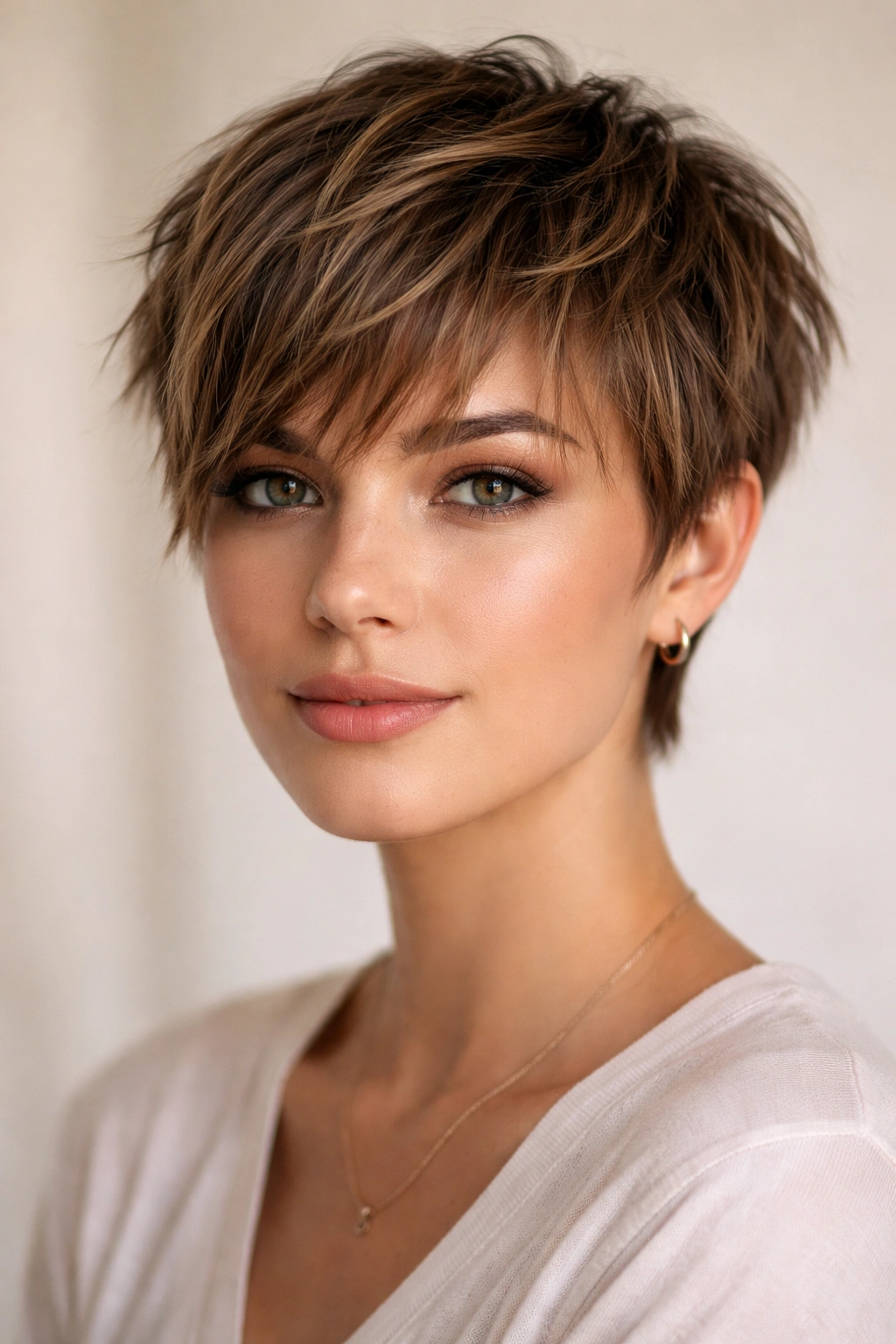
A pixie cut gets labeled “young” for a reason—it’s bold, confident, and requires no apologies. But the version that actually reads fresher than a traditional pixie is one where the texture is deliberately choppy and the front is grown out slightly, creating wispy bangs that angle down and frame the eyes. This breaks up the severity of a classic pixie and gives your face something softer to work against.
Why This Approach Works
Longer bangs on a pixie create a visual anchoring point for your face that draws the eye upward and inward, which naturally emphasizes eyes and cheekbones rather than the overall head shape. The choppy layers throughout the cut—especially on top—create movement that catches light and gives the illusion of density and health. You’re getting the low-maintenance advantage of a pixie with the flattering softness of a fringe. The asymmetry naturally feels more fashion-forward and contemporary than a symmetrical pixie.
What to Ask Your Stylist
- Request choppy, disconnected layers throughout the top and crown for maximum texture and movement
- Ask for bangs that graze the eyebrows and angle slightly longer toward the sides of your face
- Keep the sides and back short enough that you can tuck them behind your ears if you want definition, but long enough that they don’t stand straight up
- Ask for point-cutting or razor-cutting throughout to maximize the choppy texture (blunt cuts will feel heavy)
Pro tip: This cut actually improves with a few weeks of growth—the texture becomes more pronounced and the bangs develop a more flattering bend.
2. The Shaggy Crop with Wispy Layers
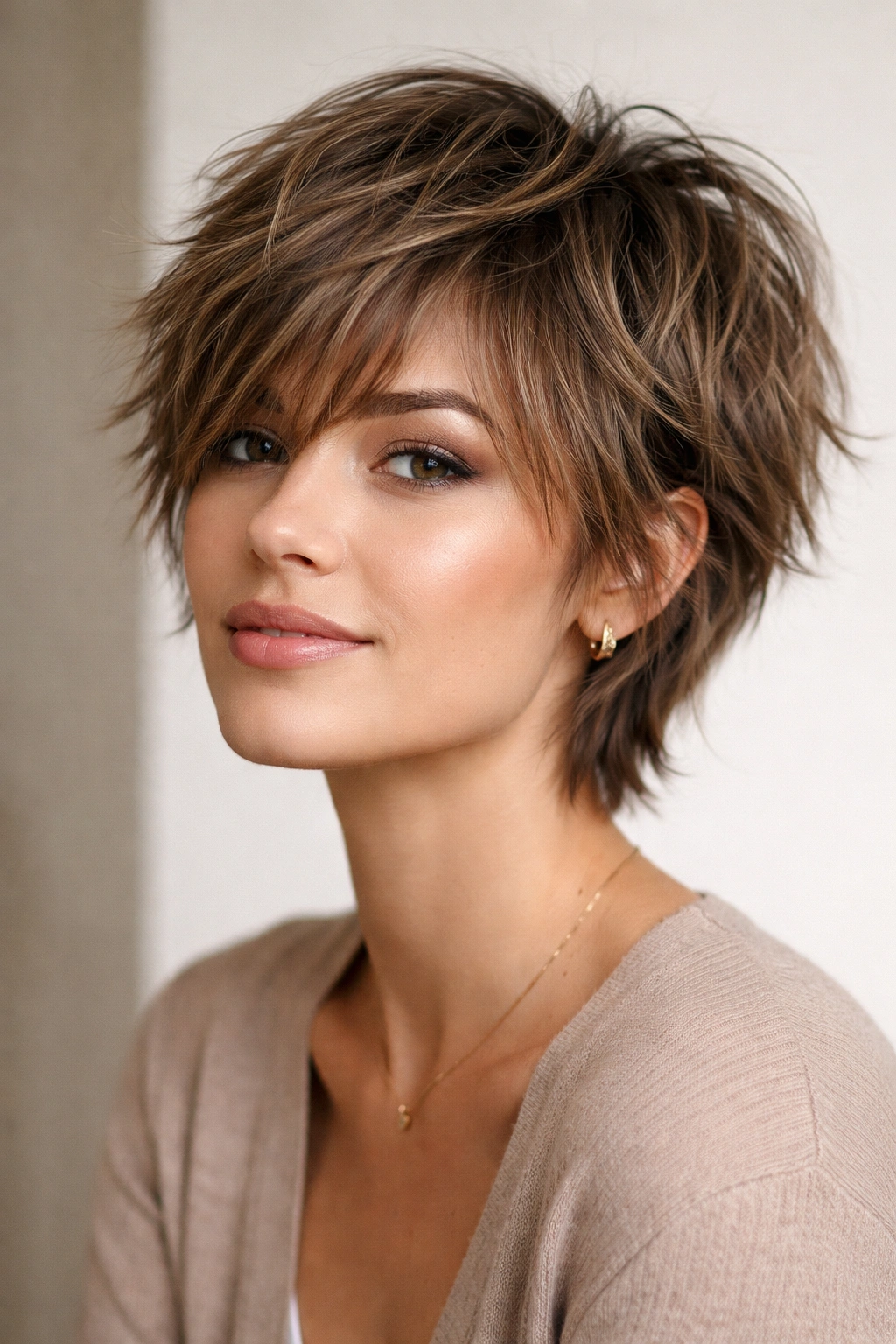
The shaggy crop is essentially a textured, layered short cut that’s longer on top and shorter underneath, with deliberately choppy, piece-y layers throughout. It’s got movement, personality, and the effortlessly undone quality that reads as young and current without trying too hard. Think less “styled” and more “naturally cool.”
Why Shag Reads Young
A shag inherently has dimension—the eye moves across multiple layers rather than settling on a single outline. This visual complexity makes the whole head look more youthful and energetic. The choppy pieces in front create movement around the face and soften any angularity. The shorter underneath layers reduce overall bulk, which is especially valuable if you have thick hair, while the longer layers on top create the impression of lift and height that face-flatters. Shags also have an inherently undone texture that feels less “done” (and therefore less matonly) than a perfectly groomed cut.
Key Details to Specify
- Longer on top (2-4 inches depending on your preference) and significantly shorter underneath (half the length or less)
- Choppy, disconnected layers throughout—not smooth or blended
- Slightly longer pieces in front that angle down and frame the face
- Textured, piece-y bangs that sit around the eyebrow or slightly longer
Worth knowing: Shags look best with texture (either natural or created with a light texturizing product), so plan to use a styling cream or sea salt spray to enhance the piece-y quality.
3. The Modern Bob with Disconnected Layers
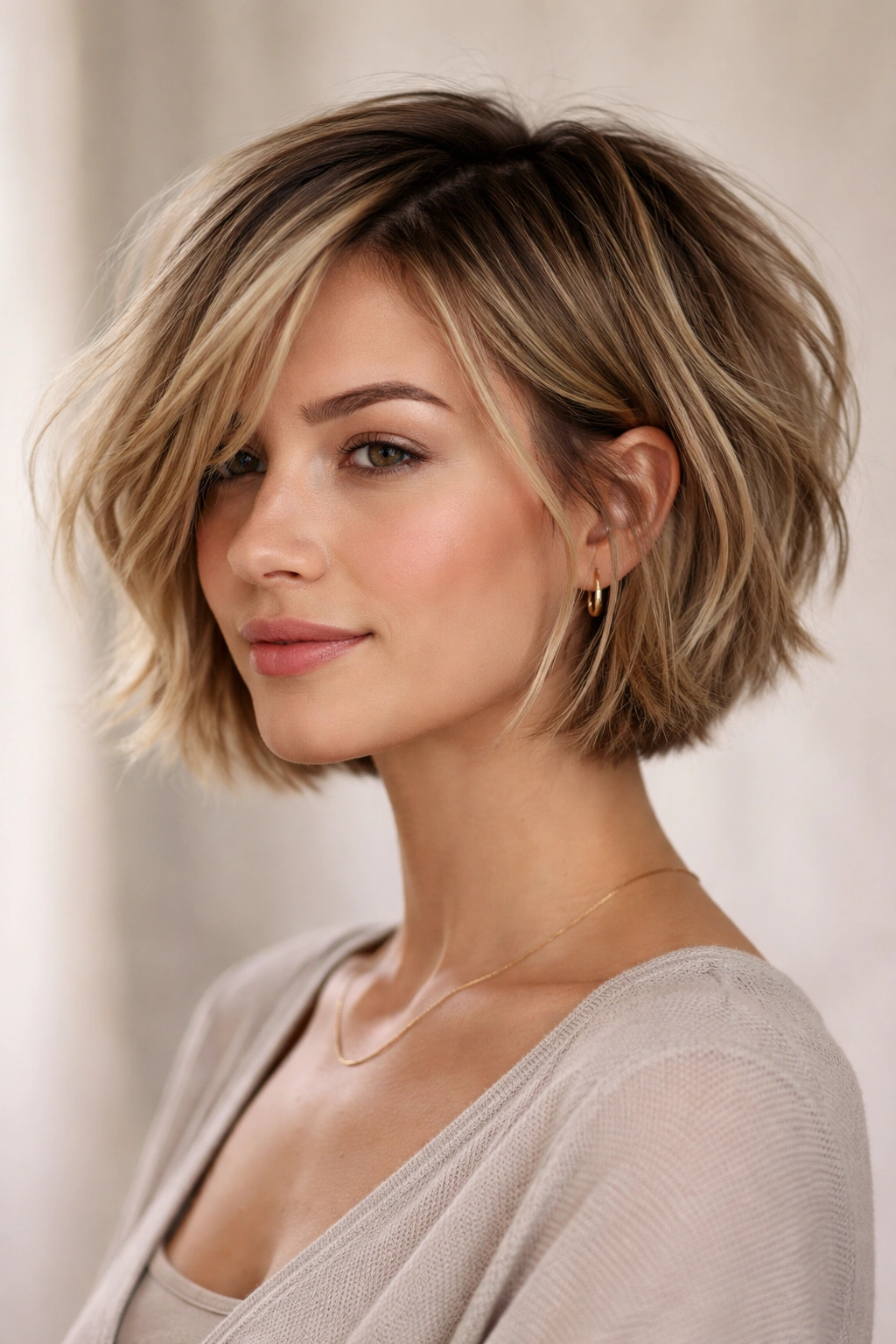
A short, choppy bob—somewhere between ear-length and chin-length—with deliberately disconnected, textured layers reads refreshingly different from a traditional blunt bob. The disconnection means the layers don’t blend smoothly; they create visible separation and movement rather than a sealed, geometric shape.
What Makes This Version Youthful
The disconnected layers eliminate any severity the bob can sometimes carry. The visible texture and movement around the face softens the line and draws attention upward to your eyes and expression. The choppy quality feels intentional and design-forward rather than safe, which psychologically reads as younger. A smooth, blunt bob can look elegant and intentional, but a textured, layered bob reads current and energetic.
Technical Details
- Base length around ear-length or slightly shorter
- Heavily layered throughout the crown and sides—these layers should be clearly visible, not seamlessly blended
- Slightly longer pieces in front that angle down past the jaw
- Textured throughout using point-cutting or razor techniques
- Often works best with some natural wave or with styling product for texture
Insider note: The more texture and disconnection your stylist creates, the younger this cut will read—but it also requires a bit more styling attention, so make sure you’re willing to use a texturizing product or work with your hair’s natural wave.
4. The Blunt Micro Bangs with Cropped Back
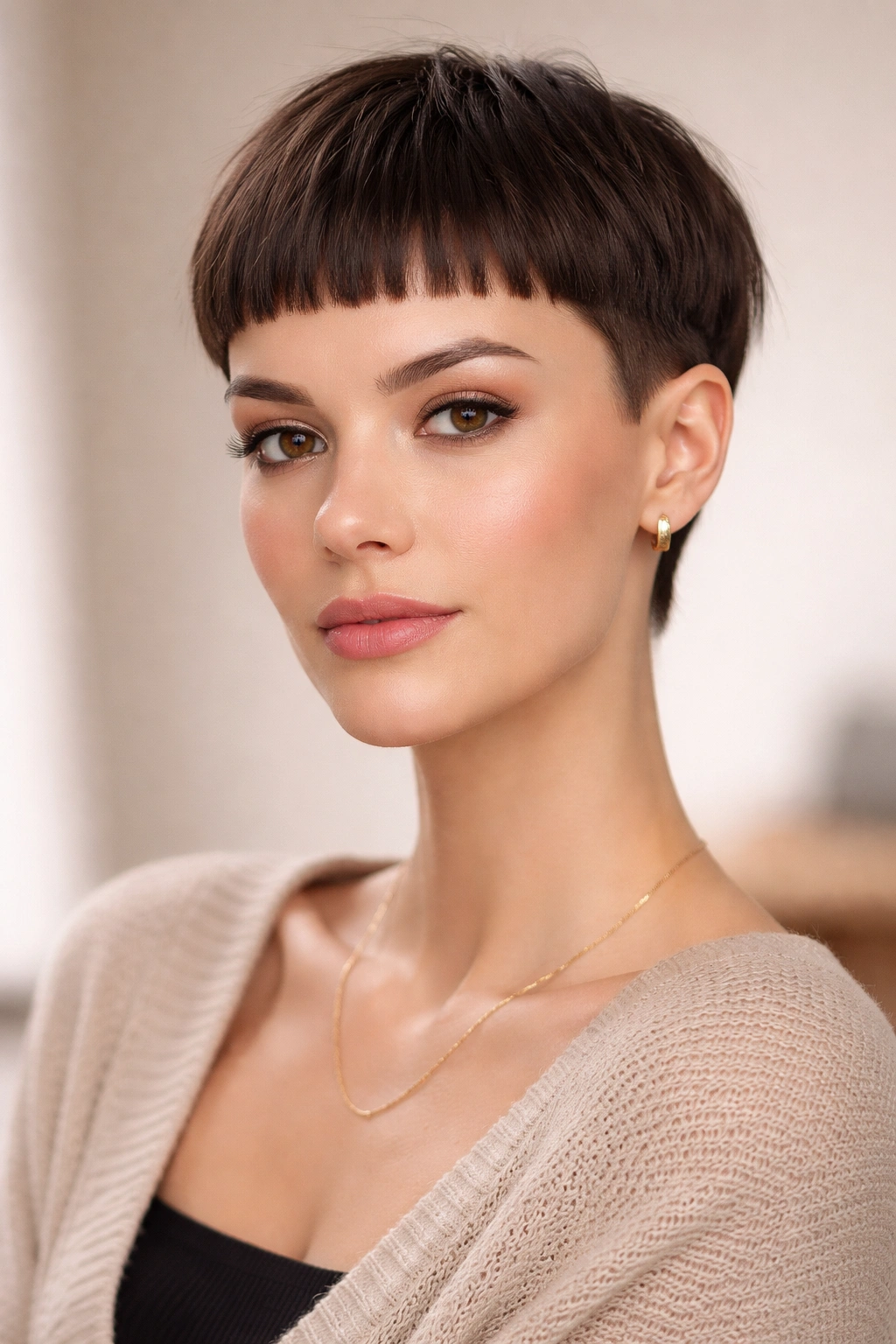
This is a statement cut, but it reads young because of the inherent boldness and the way micro bangs draw massive attention to your eyes and brows (which are typically stronger and more defined in younger faces). Pair the bold bangs with a shorter, cropped back and slightly longer sides for proportion and movement.
The Psychology Behind This Cut
Micro bangs (sitting well above the brows, often just an inch or two from the hairline) create a frame around the upper third of your face, which naturally draws attention to eyes, brows, and the skin around them. This is psychologically read as youthful because it emphasizes features rather than obscuring them. The boldness of the choice itself signals confidence, which is universally read as younger than playing it safe. The cropped back and sides prevent the cut from feeling unbalanced or too heavy on the front.
How to Style It
- Keep the back cropped short—sometimes tapered, sometimes blunt—for a clean silhouette
- Allow the sides to be slightly longer than the back for a bit of softness and movement
- The micro bangs should sit well above the eyebrow, creating a dramatic opening around the eyes
- Style with a light texturizing product to avoid any heaviness
Fair warning: Micro bangs require regular trims (every 2-3 weeks) to maintain their height and impact, so this isn’t the lowest-maintenance cut on this list.
5. The Soft, Layered Pixie-Bob Hybrid
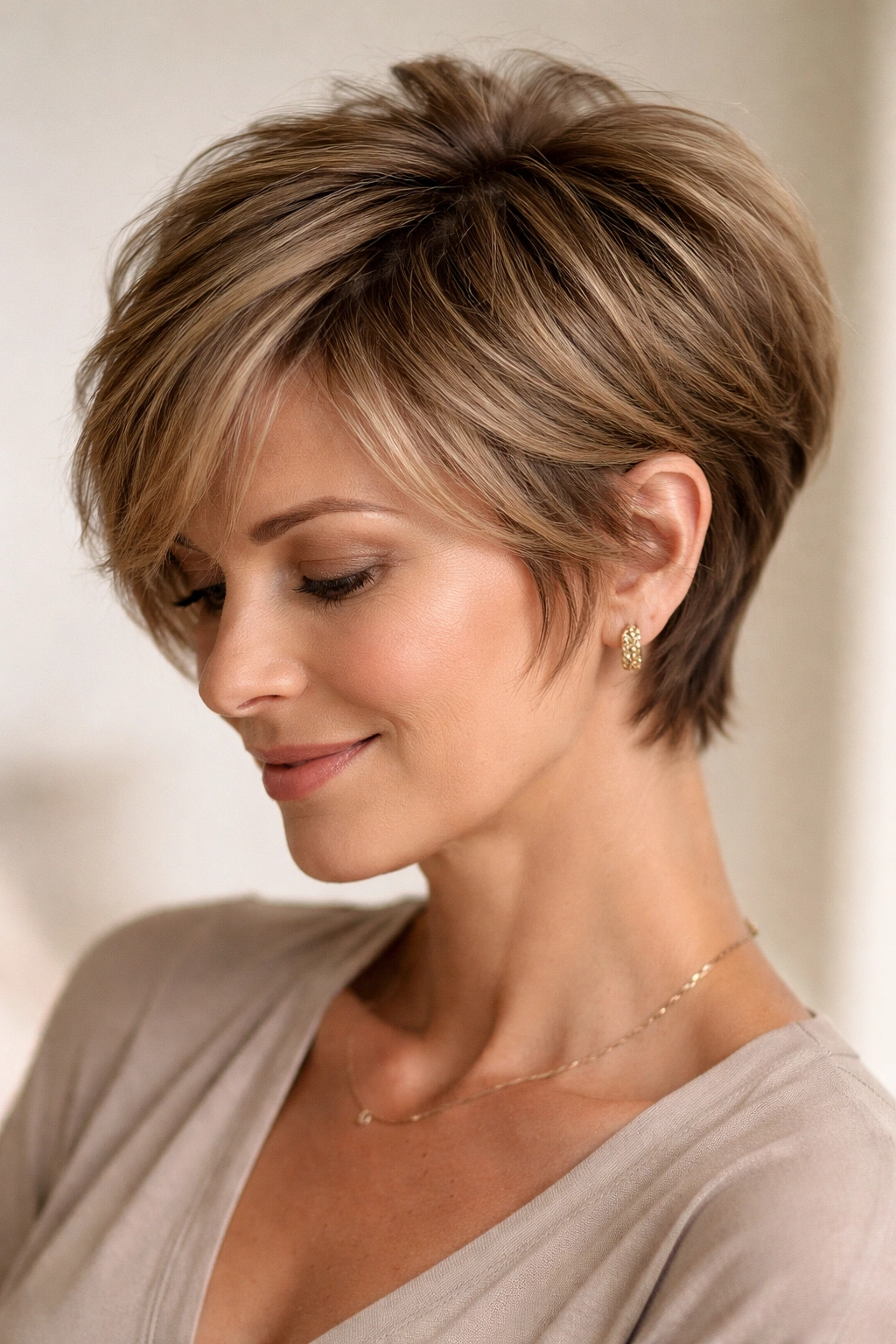
This cut is essentially a pixie on top (short, textured, with lift) blended into slightly longer sides and back that fall somewhere between pixie and bob length. It’s not quite either cut, but it borrows the best elements from both—the textured youth-factor of a pixie with the slightly softer, less severe proportions of a bob.
Why This Hybrid Works
You get the versatility to style it multiple ways: smooth it back for a polished pixie vibe, tousle it for a textured, piece-y look, or create a bit of wave for softness. The longer sides soften the face without adding bulk. The textured crown creates lift and visual interest. It’s genuinely one of the most flattering short cuts across multiple face shapes because you have enough length and softness to avoid severity, but enough shortness in the crown to create lift and youthful energy. This cut also gracefully bridges the gap if you’re nervous about going full pixie.
Styling Considerations
- Ask for textured layers on top for maximum movement and lift
- Keep the sides and back long enough to frame the face (typically cheekbone length or slightly shorter)
- Style with texturizing cream or mousse to enhance the piece-y quality
- You can also blow-dry smooth for a sleeker vibe depending on the occasion
Pro tip: This cut is one of the most forgiving if you wait a bit between trims, since it reads good at multiple lengths during the grow-out phase.
6. The Sharp, Angled Bob with Undercut
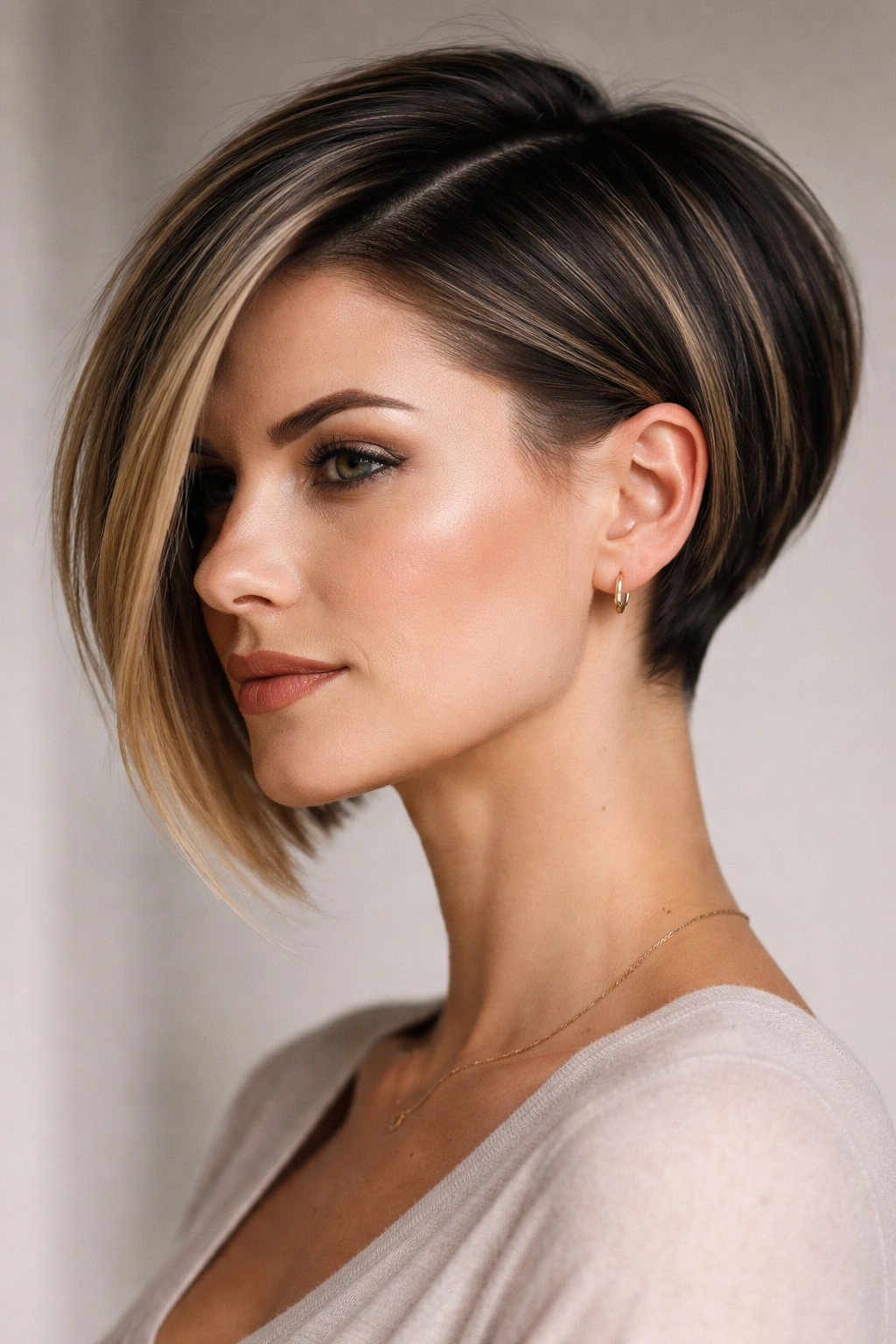
An angled bob that’s longer in the front and shorter in the back, often paired with an undercut (very short or shaved underneath for contrast), reads modern and youthful because it’s decisively fashionable without being trendy in a way that will feel dated. The contrast between the undercut and the longer top creates visual interest and a contemporary silhouette.
What Makes This Angle-Forward Approach Read Young
The geometric precision and the bold contrast feel intentional, design-forward, and confident. The undercut creates a sense of edge and modernity. The longer front pieces angle down to frame the face, softening the geometric elements. Because the back is so short, there’s no visual weight dragging the face down—instead, the longer front pieces become the focal point, naturally drawing attention upward to your face rather than the back of your head.
Technical Specifications
- Front pieces that fall at or just past the chin, angling longer as they move forward
- Back cropped significantly shorter—often 1-2 inches or less
- An undercut on the sides or back (shaved or very closely clipped) creates the contrast and edge
- The overall effect is asymmetrical and angular rather than rounded or soft
Worth knowing: An undercut requires maintenance every 3-4 weeks to keep it clean and sharp, so this is a committed choice in terms of upkeep.
7. The Choppy, Piece-y Shag with Face-Framing Layers
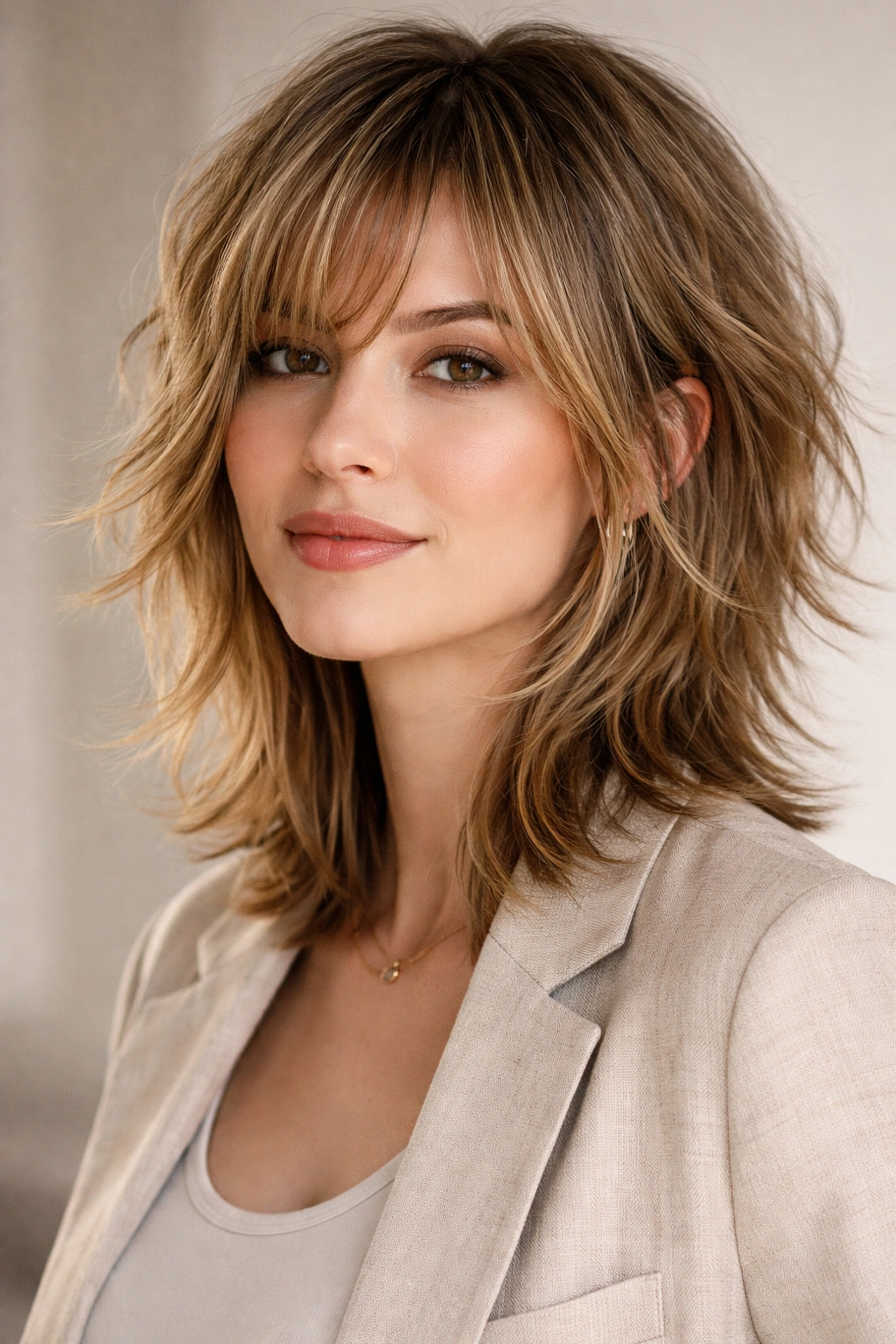
Similar to the shaggy crop but with even more intentional face-framing, this cut is built around choppy, disconnected layers that create visible texture and movement throughout. The front pieces specifically are longer and angled to frame the face, while the crown and back are shorter and choppy.
The Science of Face-Framing Layers
Layers that sit at jawbone length or slightly longer, angling down in front of the ears and face, create a visual frame that naturally draws the eye to the center of the face and makes facial features read more prominently. The choppy, piece-y quality means these layers have movement and flexibility—they don’t sit stiff or geometric. They work with your hair’s natural texture rather than against it. The shorter layers underneath reduce bulk, which is especially important if you have thick hair.
How to Describe It to Your Stylist
- Heavily layered throughout with short, choppy layers in the back and crown
- Longer, face-framing pieces in front that angle down past the jawline
- Lots of texture created with point-cutting or razor techniques
- Ask for the layers to be disconnected (not blended smoothly) for maximum piece-y quality
Insider note: This cut genuinely looks better slightly undone, so styling it with a texturizing product and letting the piece-y layers do their thing is actually the goal, not a compromise.
8. The Textured, Tousled Pixie
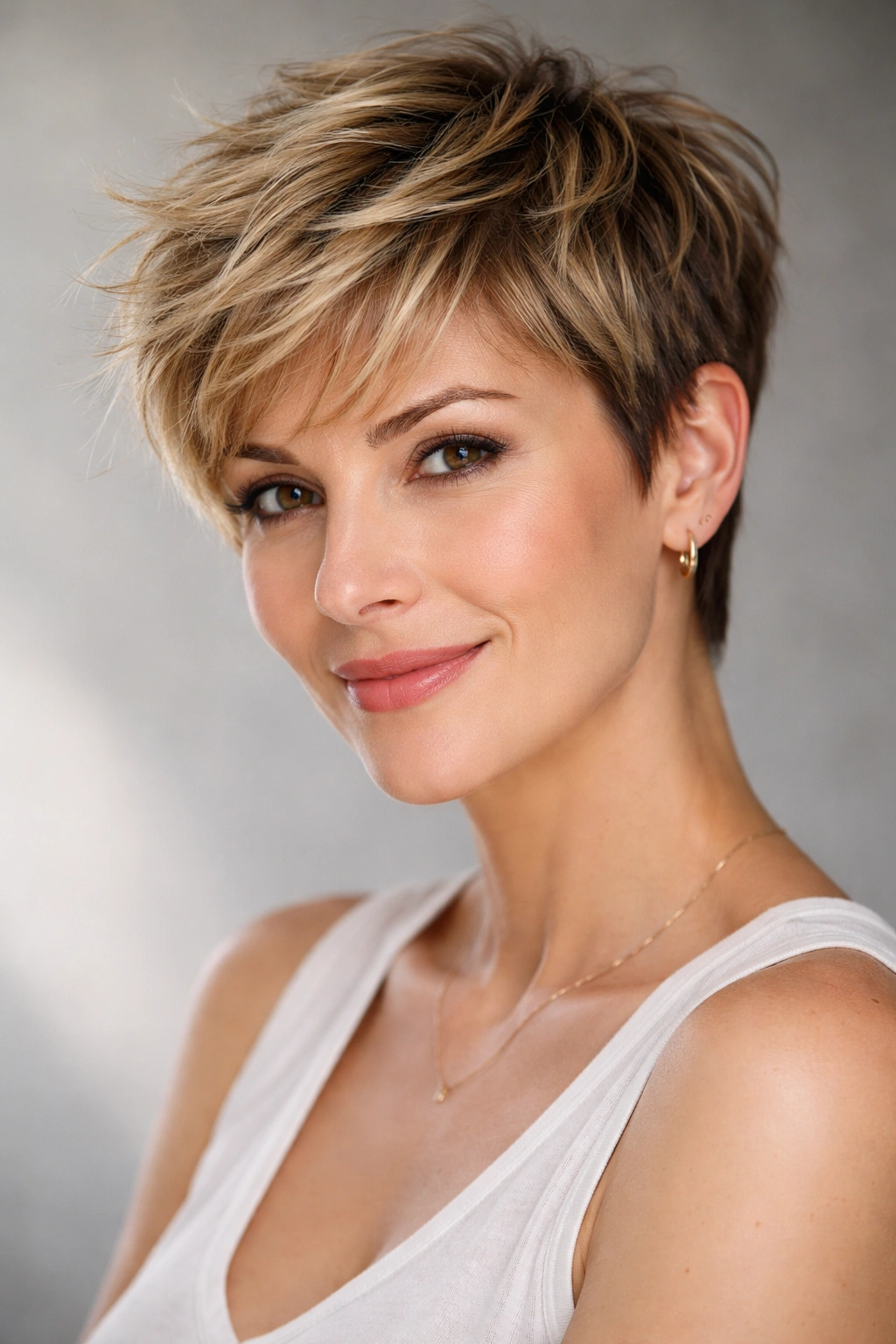
A classic pixie cut but specifically styled and cut for maximum texture and tousle rather than sleekness. The top is longer (maybe 2-3 inches) and choppy, creating a piece-y, textured quality. The sides and back are short but not shaved. This version reads younger than a sleek pixie because the texture creates movement and softness.
Why Texture Transforms a Pixie
A sleek, smooth pixie can read severe and architectural—which is beautiful, but not necessarily young. A textured pixie with lots of piece-y movement reads energetic and effortlessly cool. The texture creates visual complexity across the top of the head, which is psychologically more interesting to look at than a smooth, simple shape. The piece-y quality means the cut works with various hair textures (straight hair can tousle with product, curly hair naturally creates the texture) rather than fighting them.
Styling the Textured Pixie
- Use a texturizing cream, mousse, or sea salt spray to enhance the piece-y quality
- Work the product through damp hair and air-dry or blow-dry with your fingers rather than a brush
- Avoid using a comb through the top—let it dry naturally and piece it out with your fingers
- This cut is designed to look undone, so embrace that quality
Pro tip: If your hair is straight, look for texturizing products that add grip without making hair feel sticky or crunchy. A light sea salt spray is often ideal.
9. The Blunt, Chin-Length Bob with Curved Sides
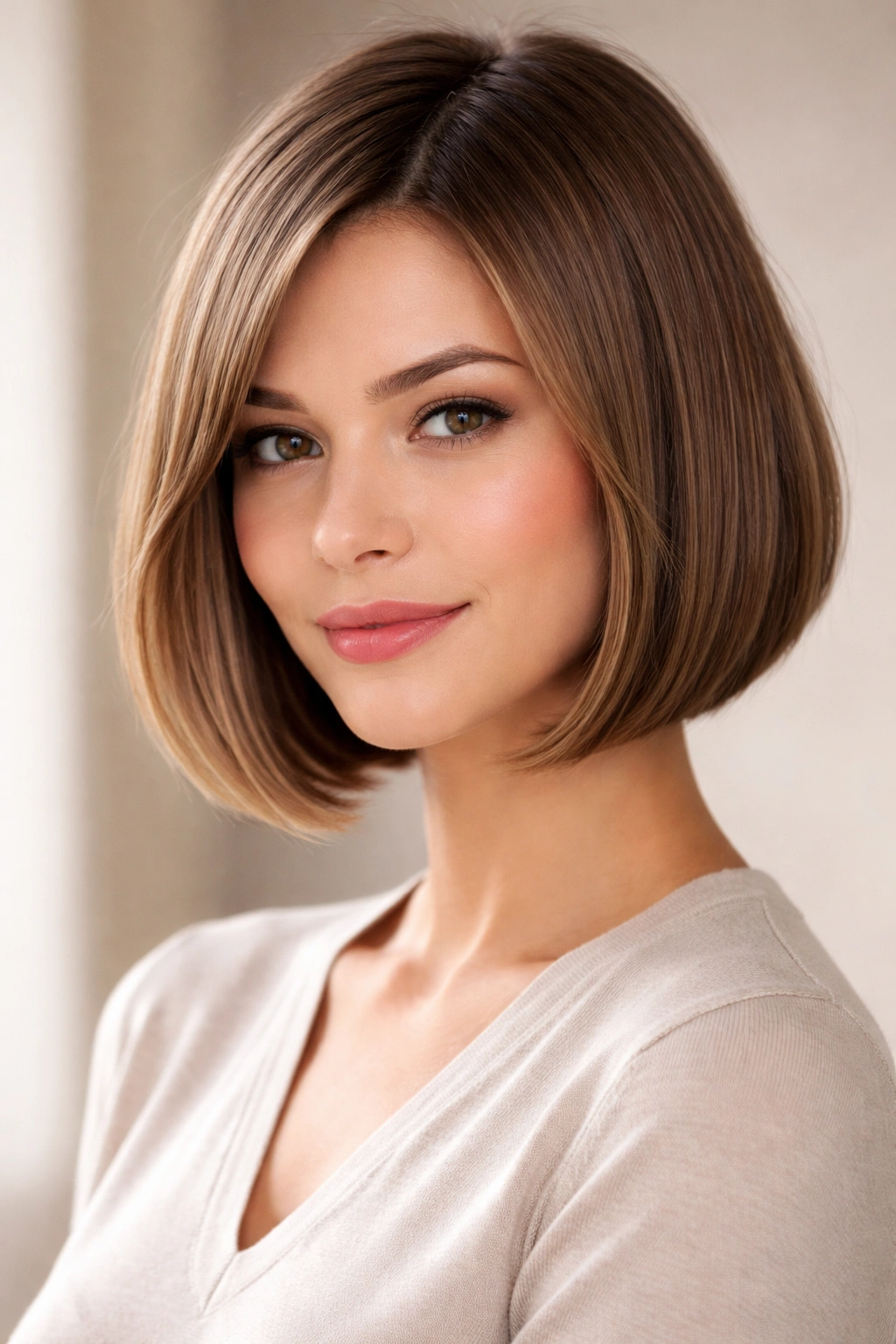
A perfectly blunt bob that falls right at chin length, with slightly curved sides that angle slightly forward and frame the face. It’s not choppy or heavily layered—it’s smooth, geometric, and precise. This reads young when styled with a bit of movement or texture, because the clean lines feel intentional and fashionable rather than safe.
The Appeal of Clean Geometry
A blunt bob without choppy layers feels more minimalist and design-forward than a textured version. There’s confidence in the simplicity. The curved sides that frame the face soften what could otherwise be a severe geometric shape. The length—right at the chin—is proportional to most face shapes, and it’s long enough to avoid severity but short enough to read current and energetic. When styled with any bit of wave or movement (even just the natural movement of your hair), the bluntness becomes chic rather than heavy.
Styling for Maximum Impact
- Ask your stylist to blow-dry it in so you understand how it’s meant to sit
- Style with a small amount of texturizing cream or mousse to add movement, even if the cut itself is blunt
- A slight inward or outward bend to the sides creates flattering dimension
- You can also create a subtle wave with a straightener or curling iron
Worth knowing: This cut requires regular trims (every 4-6 weeks) to maintain the blunt line, so commitment to upkeep is important.
10. The Tapered, Textured Crop
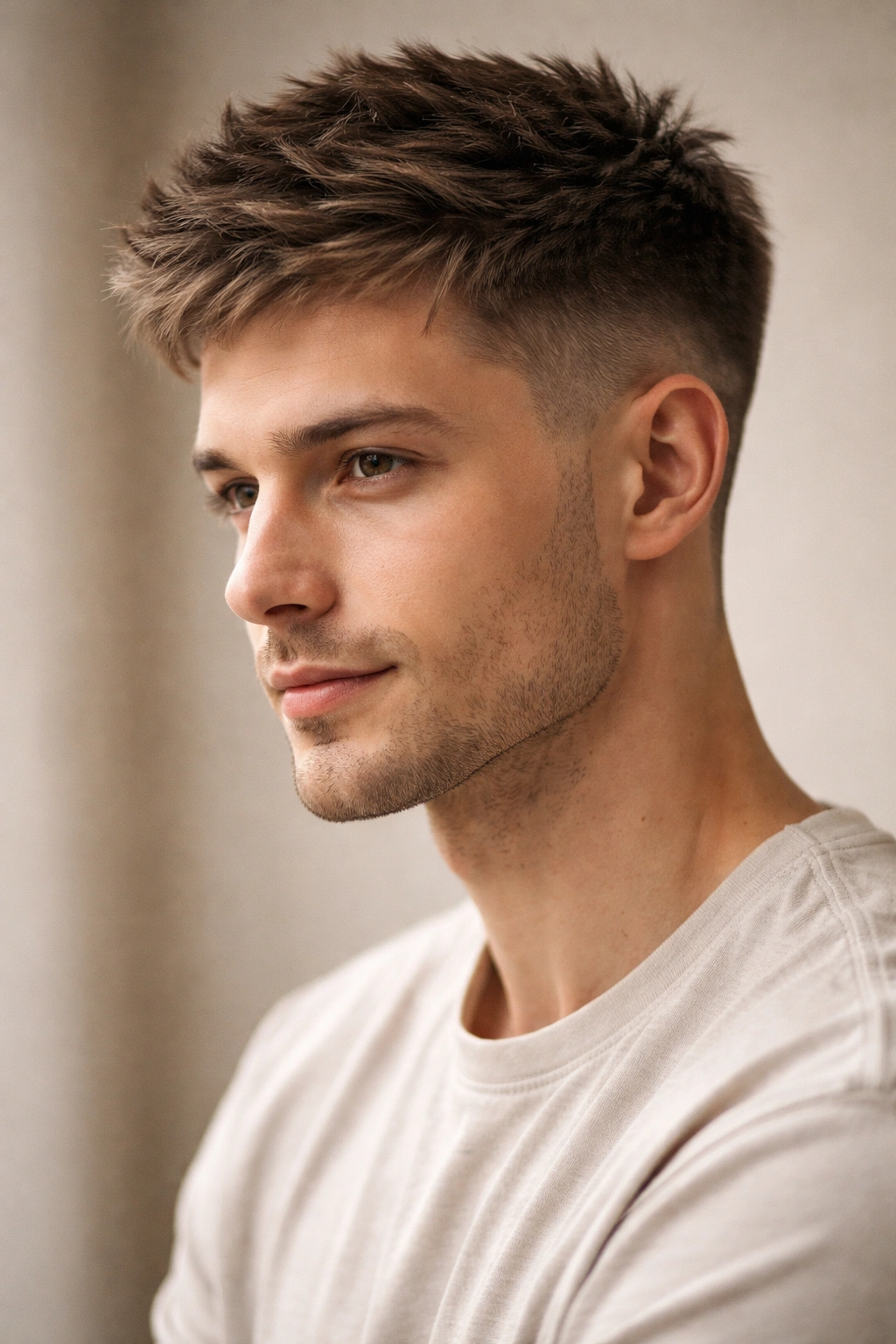
A crop is essentially a short cut that’s longer on top and significantly shorter on the sides and back, but a tapered crop has a gradual fade from longer to shorter rather than a distinct line. The “textured” element means the top is choppy and piece-y rather than smooth. This reads young because of the modern, edge-forward aesthetic combined with the textured movement.
Why Tapered Fades Read Contemporary
A sharp undercut or fade can read bold, but a tapered fade feels slightly softer and more approachable while still maintaining the modern, fashion-forward energy. The texture on top creates movement and visual interest. The taper prevents any part of the cut from looking heavy or dated. This is one of the most flattering short cuts across different face shapes because you have flexibility in how long you keep the top and how gradual the taper is.
Technical Details to Request
- Longer on top (typically 2-4 inches) with choppy, textured layers
- A gradual taper from the crown down through the sides and back rather than a sharp line
- Short on the sides and back—how short depends on your preference and how often you want to get trims
- Textured throughout the top using point-cutting or razor techniques for maximum movement
Insider note: A tapered fade is one of the easier short cuts to grow out gracefully—as it grows, it naturally transitions into a textured, piece-y look rather than looking unkempt.
11. The Side-Swept Pixie with Length Variation
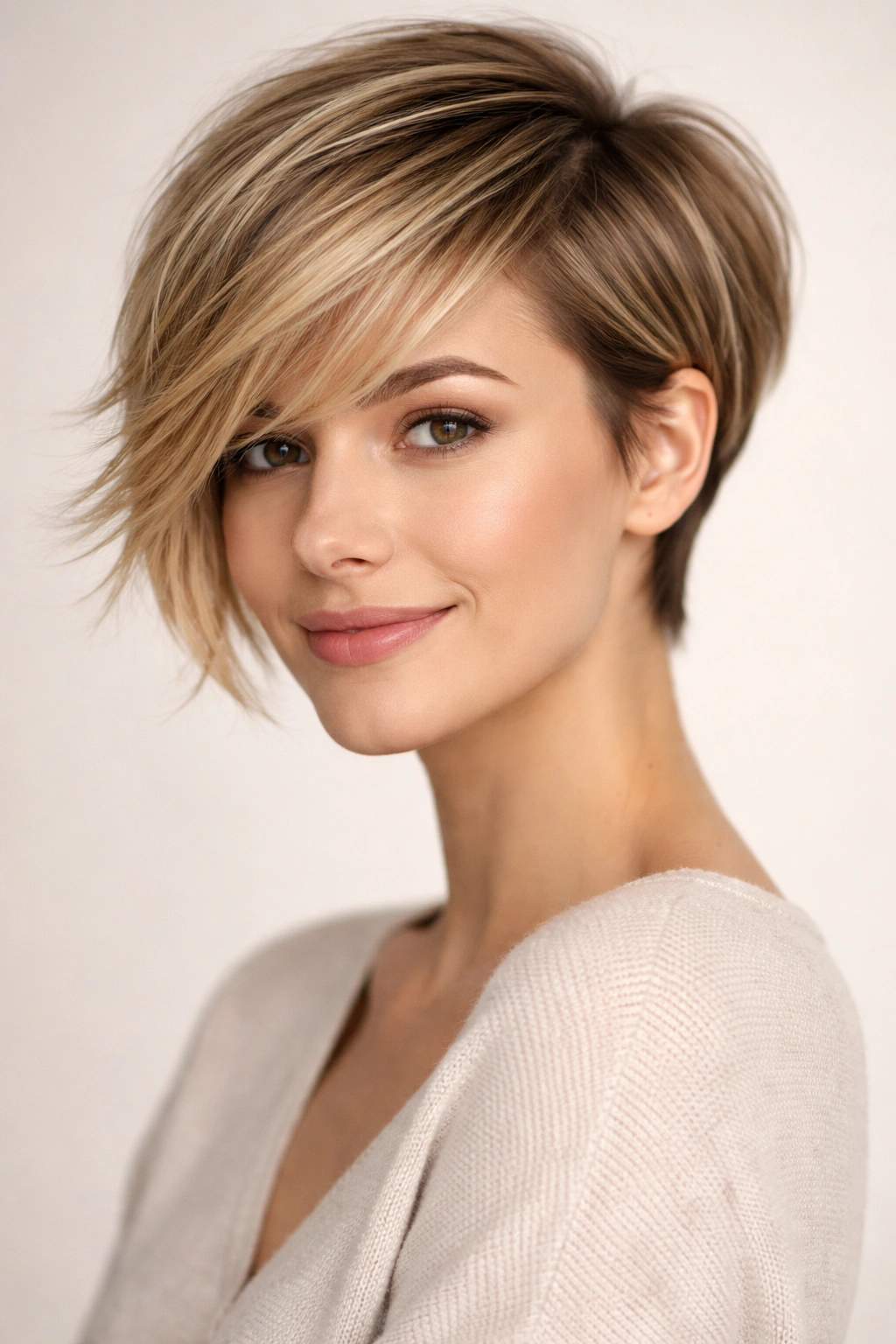
A pixie where the top is cut longer on one side than the other, with the longer side sweeping across and down past the cheekbone, and the shorter side cropped tightly. This asymmetry reads young and contemporary because it’s decisively fashionable and creates interesting visual movement and balance.
What Asymmetry Does for Your Face
An asymmetrical cut naturally draws the eye in unexpected ways, which reads as more interesting and current than symmetrical cuts. The longer side sweeping across creates a face-framing quality, while the shorter side creates openness and a sense of movement. This cut is particularly flattering if you want to emphasize one side of your face or draw attention away from another. The asymmetry also makes the cut read less “mom-ish” and more “intentional statement.”
How to Style and Maintain It
- The longer side should be styled to sweep across—use a texturizing product to help it move
- The shorter side can be tucked behind the ear or left to stand slightly up for contrast
- Regular trims every 4-6 weeks maintain the asymmetrical line and prevent the longer side from becoming too heavy
- This cut works better with some wave or texture in the hair, so styling product is helpful
Fair warning: Asymmetrical cuts require a confident stylist who understands proportion and balance, so choose your stylist carefully.
12. The Layered, Feathered Short Cut
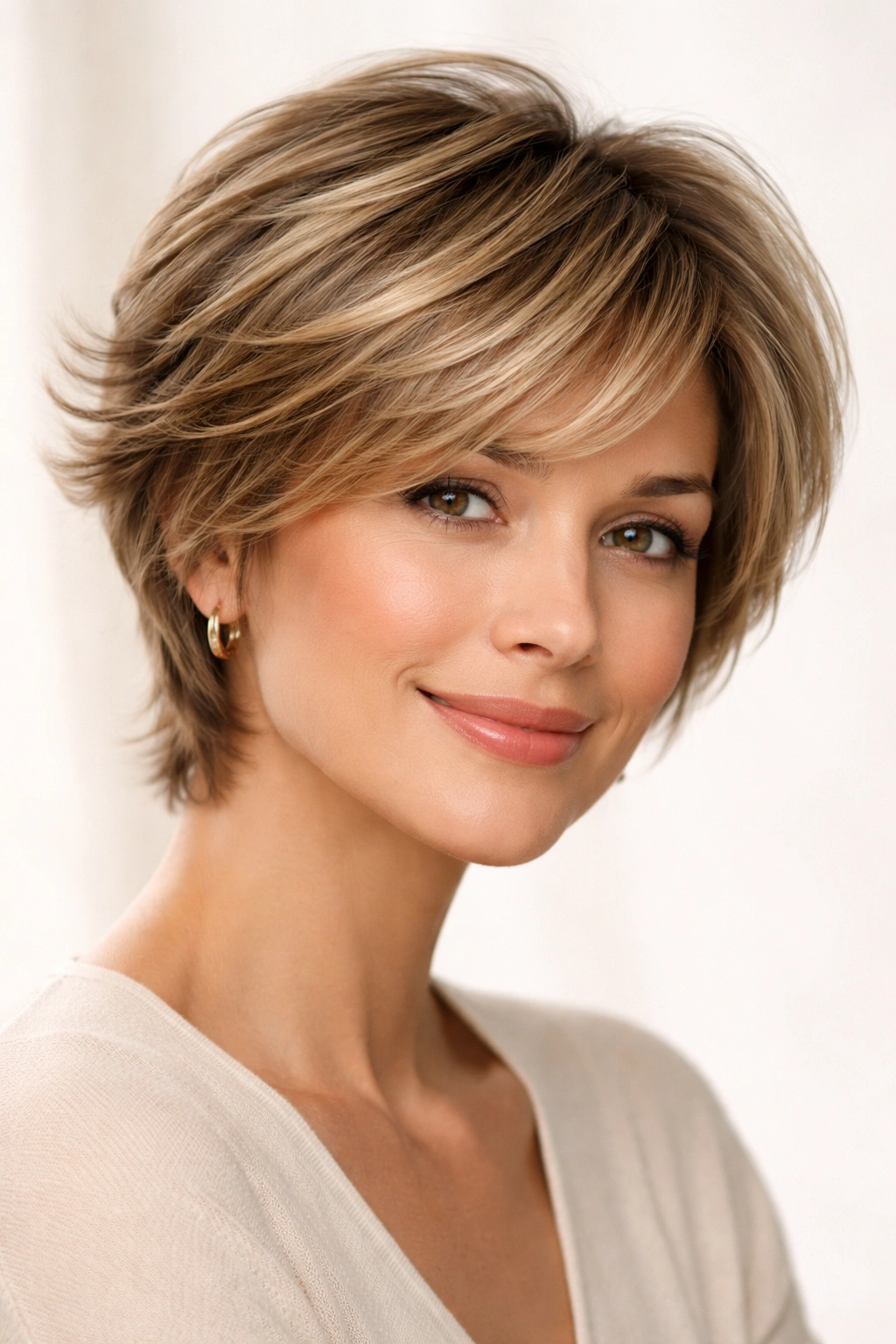
“Feathered” layers are layers that taper and blend smoothly rather than being choppy or disconnected. A short, feathered cut has layers throughout that gradually get longer from bottom to top, creating a soft, graduated quality rather than distinct pieces. This reads young because of the movement and softness, without any severity.
Why Feathered Layers Work
Feathered layers create a soft, natural movement that catches light beautifully. Unlike choppy layers that read modern and edge-forward, feathered layers read timeless and universally flattering. The smooth blending means the cut works regardless of your hair type—curly hair naturally creates more definition, straight hair blends smoothly. The layers lift and add volume, which reads as youthful. The softness around the face (created by longer feathered pieces in front) is inherently flattering and feminine without reading dated.
What to Request from Your Stylist
- Layers throughout, but feathered and blended rather than choppy or disconnected
- Longer pieces in front that frame the face with softness
- Shorter layers on top for lift and movement
- A rounded or curved shape overall rather than geometric or angular
- Point-cutting rather than razor-cutting to achieve soft feathering
Pro tip: Feathered layers work especially well if you have naturally wavy or textured hair, but straight hair will need styling product to enhance the feathered movement.
13. The Blunt Pixie with Longer, Textured Top
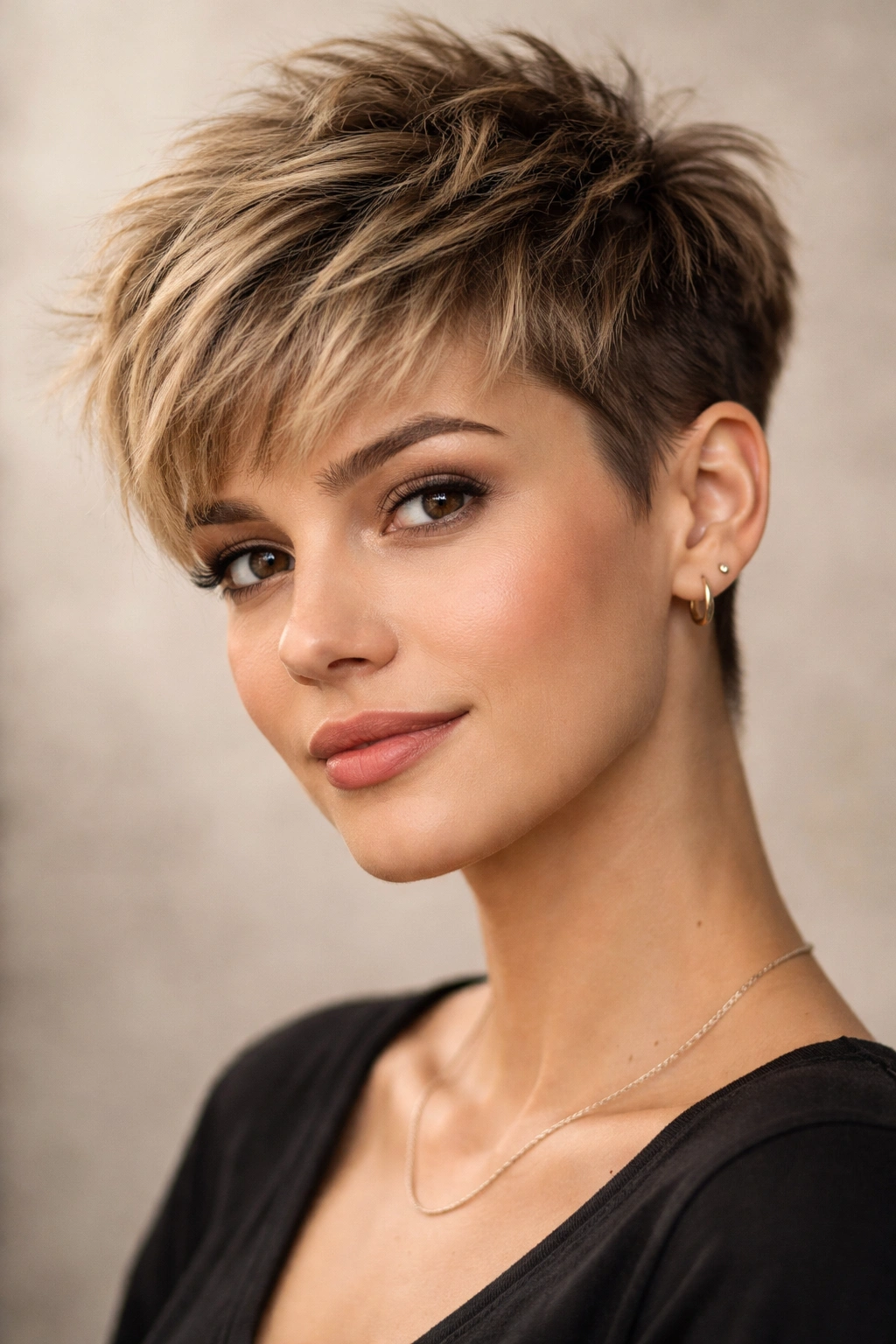
A pixie cut where the sides and back are clipped very short and clean, but the top is left significantly longer (3-4 inches or more) and textured with choppy layers. This creates maximum contrast and visual interest while maintaining the low-maintenance ease of a pixie on the sides.
The Drama of Contrast
The contrast between the very short sides and back and the longer, textured top creates visual drama and contemporary energy. Your eyes go to the longer, interesting top rather than the overall head shape, which naturally reads more youthful. The textured top has movement and personality. The short sides and back keep the overall silhouette fresh and current. This is one of the cuts that reads most distinctly young because of how fashion-forward and confident it is.
Maintenance and Styling
- The longer top will need regular point-cutting (every 4-6 weeks) to maintain texture and prevent it from becoming heavy
- Style the top with texturizing product to enhance the piece-y, choppy quality
- Keep the back and sides trimmed closely (every 2-3 weeks) to maintain the contrast and clean lines
- This is a higher-maintenance cut, so make sure you’re willing to commit to regular trims
Worth knowing: This cut can sometimes read younger than it reads polished, so context matters—it’s perfectly suited for creative industries or casual contexts, but might read less formal for very corporate environments.
14. The Curved, Cropped Bob with Wispy Bangs
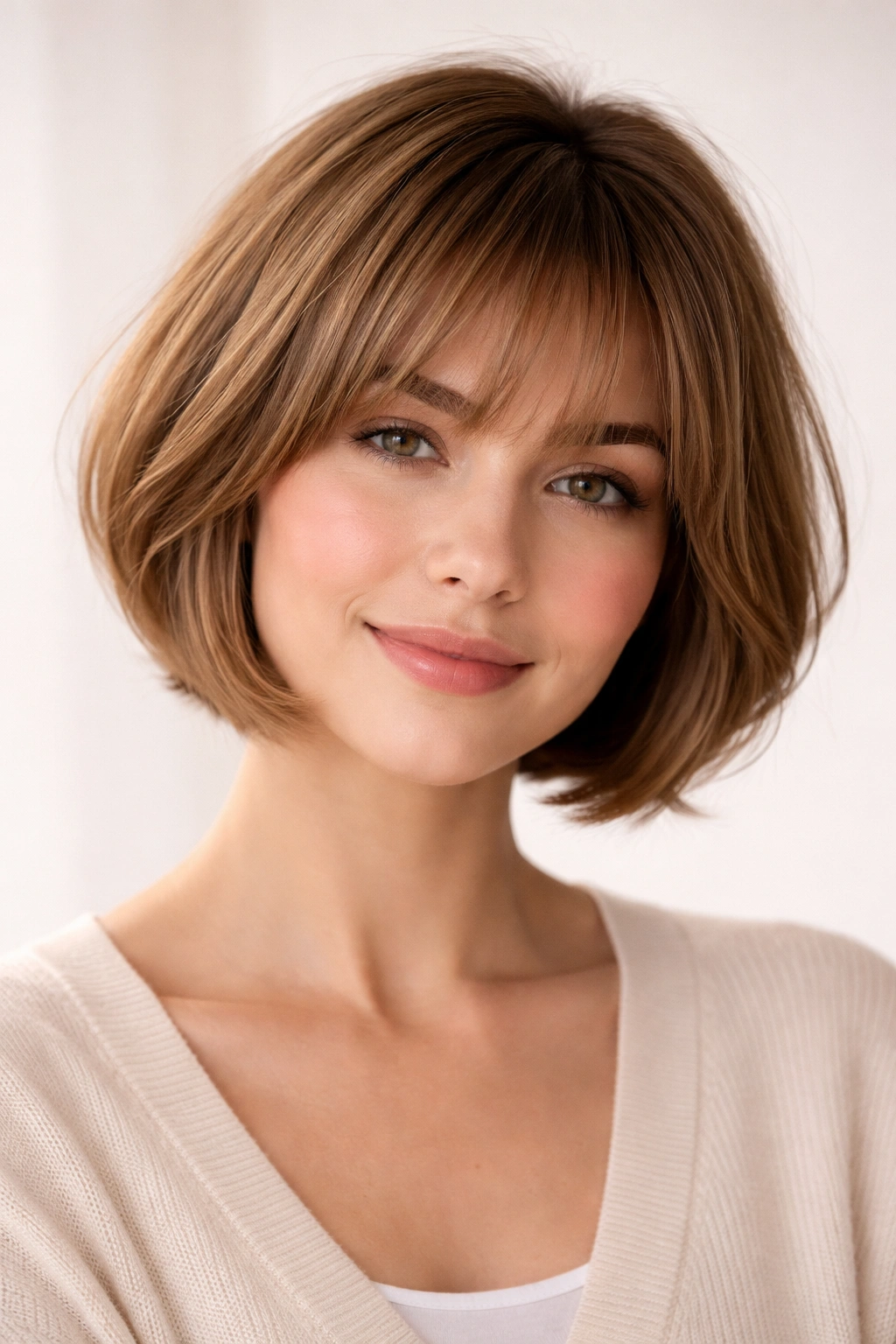
A short bob (chin-length or slightly shorter) with sides that curve inward slightly, creating a rounded, soft shape rather than a blunt line. Pair this with wispy bangs that graze the eyebrows and have a soft, piece-y quality. This reads young because of the soft, rounded proportions and the face-framing bangs.
Why Curves Read Young
Soft, rounded lines read as more approachable and youthful than geometric, angular lines. A curved bob without harsh angles feels modern and current rather than safe or conservative. The wispy bangs create a face-frame that draws attention to your eyes and brows. The combination of soft curves and soft bangs creates an overall impression of approachability and freshness. This cut also works well across different face shapes because the curves can be adjusted to complement your specific proportions.
Styling Approach
- Use a round brush or curling iron to create a soft inward curve at the sides
- Style bangs with a texturizing product so they have a soft, separated quality rather than a blunt line
- This cut can be styled sleeker for more formal occasions, or textured and piece-y for casual days
- A light texturizing cream helps enhance movement and softness throughout
Insider note: This cut actually looks better with some wave or movement rather than perfectly straight, so styling it with product is ideal.
15. The Choppy, Textured Crop-to-Bob
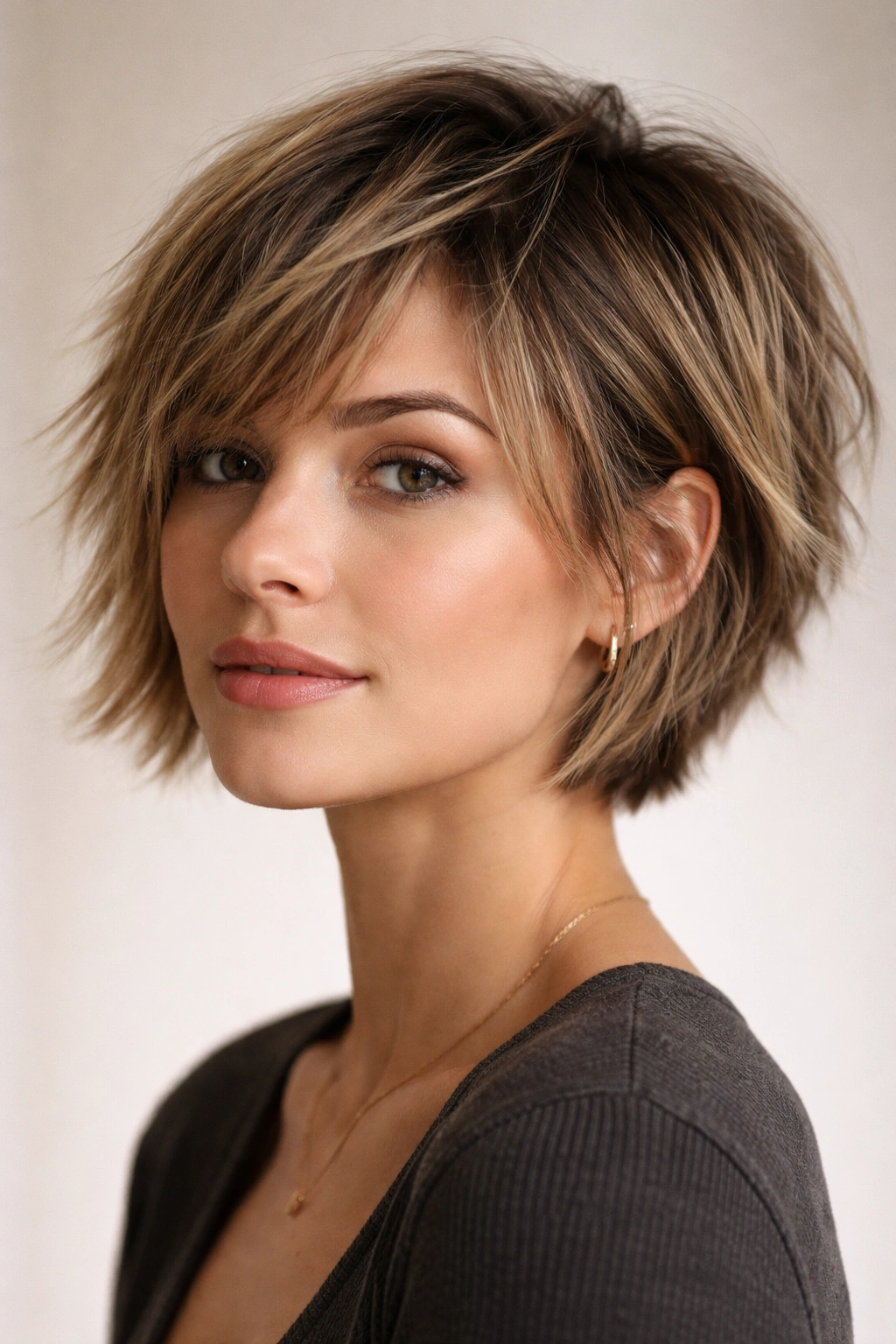
This is essentially a crop (longer on top, shorter underneath) with deliberately choppy, textured layers throughout, cut to a length where the top is crop-short and the sides and back fall somewhere between crop and bob length. It’s textured and piece-y throughout, creating maximum visual interest and movement.
The Versatility Factor
This length and texture can be styled multiple ways: textured and piece-y for a casual, undone vibe; smooth and sleek for a more polished look; with waves for softness; or naturally if your hair has texture. The choppy layers throughout mean it reads contemporary and fashion-forward. The length is versatile enough to feel current rather than trendy. The texture is flattering across different hair types because it works with natural texture rather than fighting it.
How to Work with This Cut
- Use texturizing product to enhance the piece-y quality
- Choppy, textured crops-to-bobs look best with some movement or wave, even if you have straight hair
- The back can be styled sleek or textured depending on mood
- This cut reads younger when styled with intention (product, some wave or tousle) rather than styled flat
Final note: This is one of the most forgiving short cuts in terms of grow-out period and regular styling flexibility, making it a great choice if you want youthful impact without high styling demand or super-frequent trims.
Final Thoughts
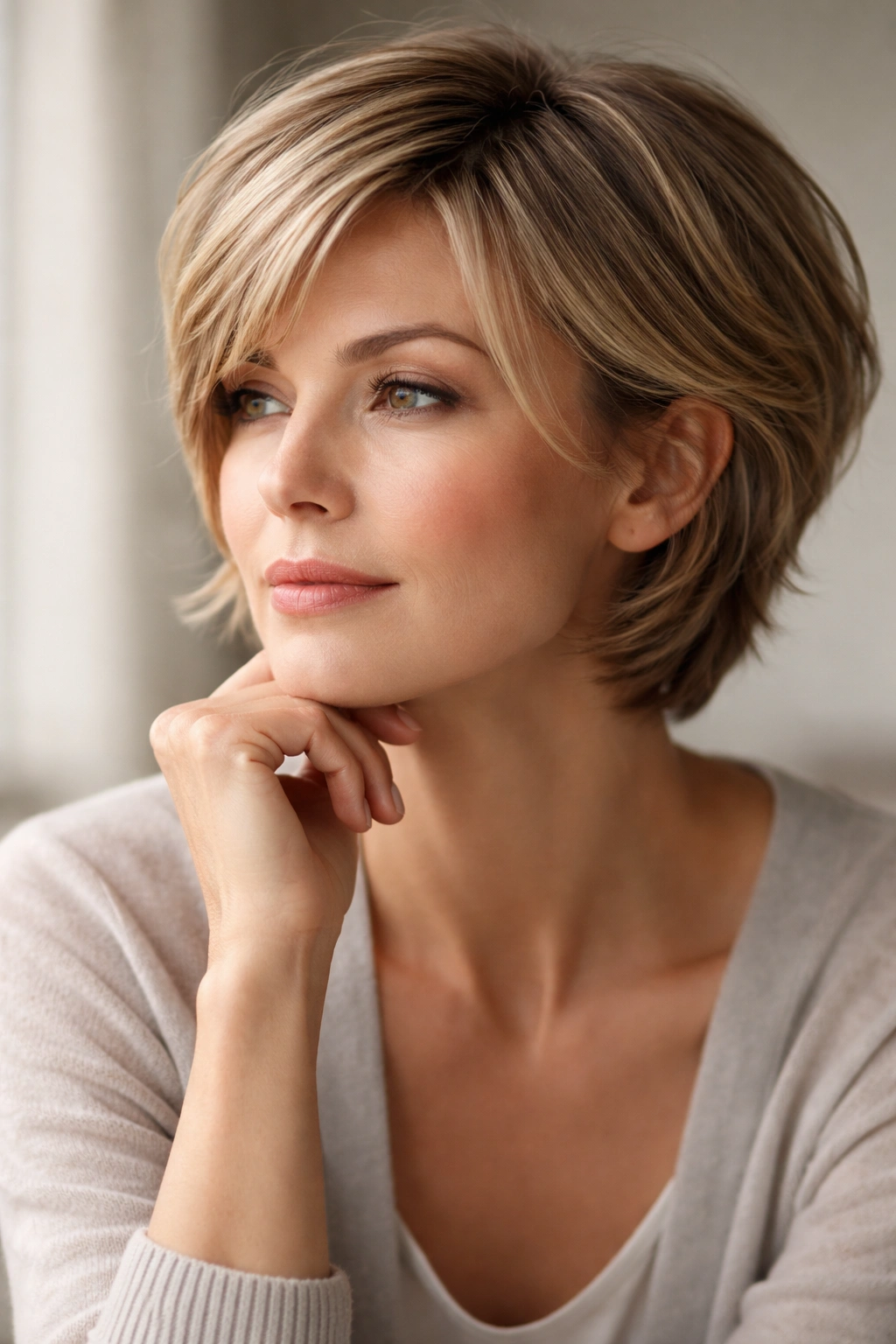
The youthfulness of a short haircut comes down to a combination of factors: the amount of movement and texture (choppy beats blunt, piece-y beats smooth), the way the cut frames your face (angles and layers matter), and how you style it (texture and tousle read younger than slicked-back or geometric). The cut that will read youngest on you depends on your face shape, hair texture, lifestyle, and styling willingness, but every cut on this list delivers freshness and energy when cut well and styled with intention.
The most important thing isn’t picking the “youngest-looking” cut in abstract—it’s picking a cut that plays to your face shape, suits your hair, and feels good enough that you’ll actually style it. A perfectly executed cut that you’re excited to wear will always read younger than a technically beautiful cut that doesn’t feel like you. Find your stylist, show them photos of the textures and proportions that speak to you, and trust their expertise about what will work best with your specific features and hair. That confidence is the most youthful element of all.
