



Fine hair can feel like a losing battle. You add volume in the morning and by afternoon it’s flat against your scalp. Even when you use volumizing products and blow-dry for what feels like forever, you might still struggle to achieve the fullness you’re after. But here’s what most people don’t realize: the problem isn’t always your hair type or your styling routine — it’s often your haircut.
The right cut can genuinely transform how your fine hair looks and feels. When you choose a style designed specifically to work with fine hair rather than against it, you get instant fullness and movement that actually lasts. It’s not about tons of layers chopped randomly throughout or an unflattering bob that weighs everything down. It’s about strategic cutting techniques, intentional texture placement, and shapes that create the illusion of density while working with your hair’s natural characteristics.
Fine hair needs cuts that create visual density, remove bulk strategically, and encourage movement. Some styles use choppy layering to create the appearance of more strands. Others rely on shorter lengths to reduce weight and allow your hair to stand away from your scalp. A few clever cuts even use color-blocking or texture techniques to enhance the fullness effect. The goal is always the same: making your fine hair look and feel fuller, thicker, and more substantial.
If you’ve been wearing the same style because you’re not sure what else would work with your fine hair, or if your current cut leaves you feeling deflated (literally), it’s time to explore what’s actually possible. These 20 haircuts have all been proven to give fine hair that instant boost of fullness you’ve been chasing.
1. The Textured Pixie Cut
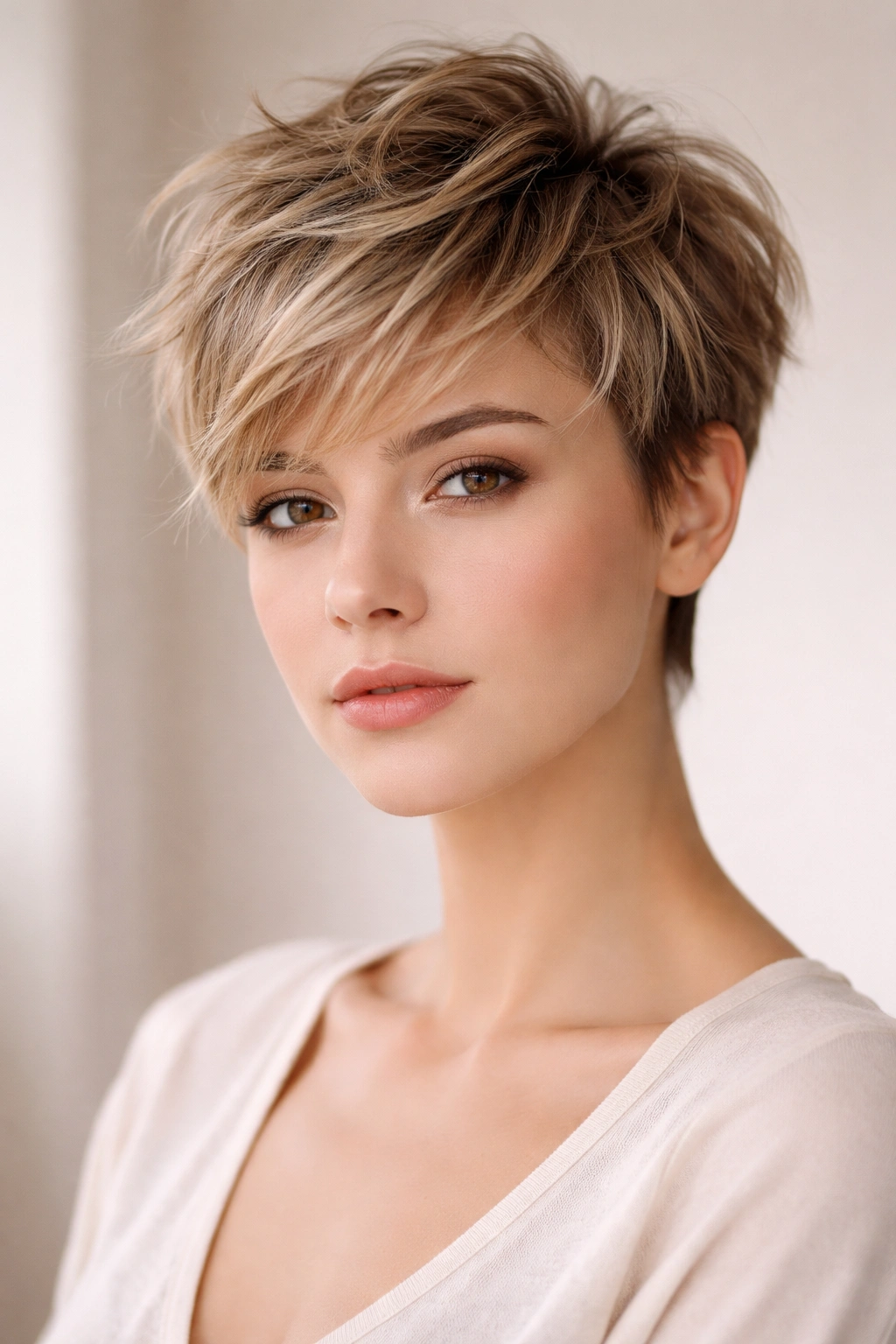
A textured pixie is a bold move that actually delivers major fullness for fine hair. Unlike a blunt, straight pixie that can look thin, a textured version uses choppy layers and varied lengths to create movement and dimension from root to tip. The shorter length means less weight pulling your hair flat, and the texture tricks your eye into seeing much more density than you’d expect.
Why This Cut Works for Fine Hair
Pixie cuts eliminate the bulk that weighs down fine hair while the choppy texture creates movement that makes thin strands look fuller. Since there’s minimal length to weigh the hair down, it naturally stands away from your scalp, giving you volume right at the root where you need it most. The texture also catches light differently at various angles, enhancing the illusion of thickness. Many people with fine hair who switch to a textured pixie report that it’s the first time they’ve felt genuinely full-haired.
What to Tell Your Stylist
- Ask for choppy, piece-y layers throughout rather than a smooth, blunt cut
- Request extra texture work on top and around the crown area for maximum fullness
- Keep the sides and back short enough that you can see your scalp texture (this creates volume, not baldness)
- Ask about styling products and techniques during your consultation — your stylist can show you exactly how to enhance the texture
Pro tip: Even though a pixie is short, you can still change the look weekly by styling it sleek with a pomade or tousled with a texture paste. Textured pixies are more versatile than people assume.
2. The Blunt Bob With Layers Inside
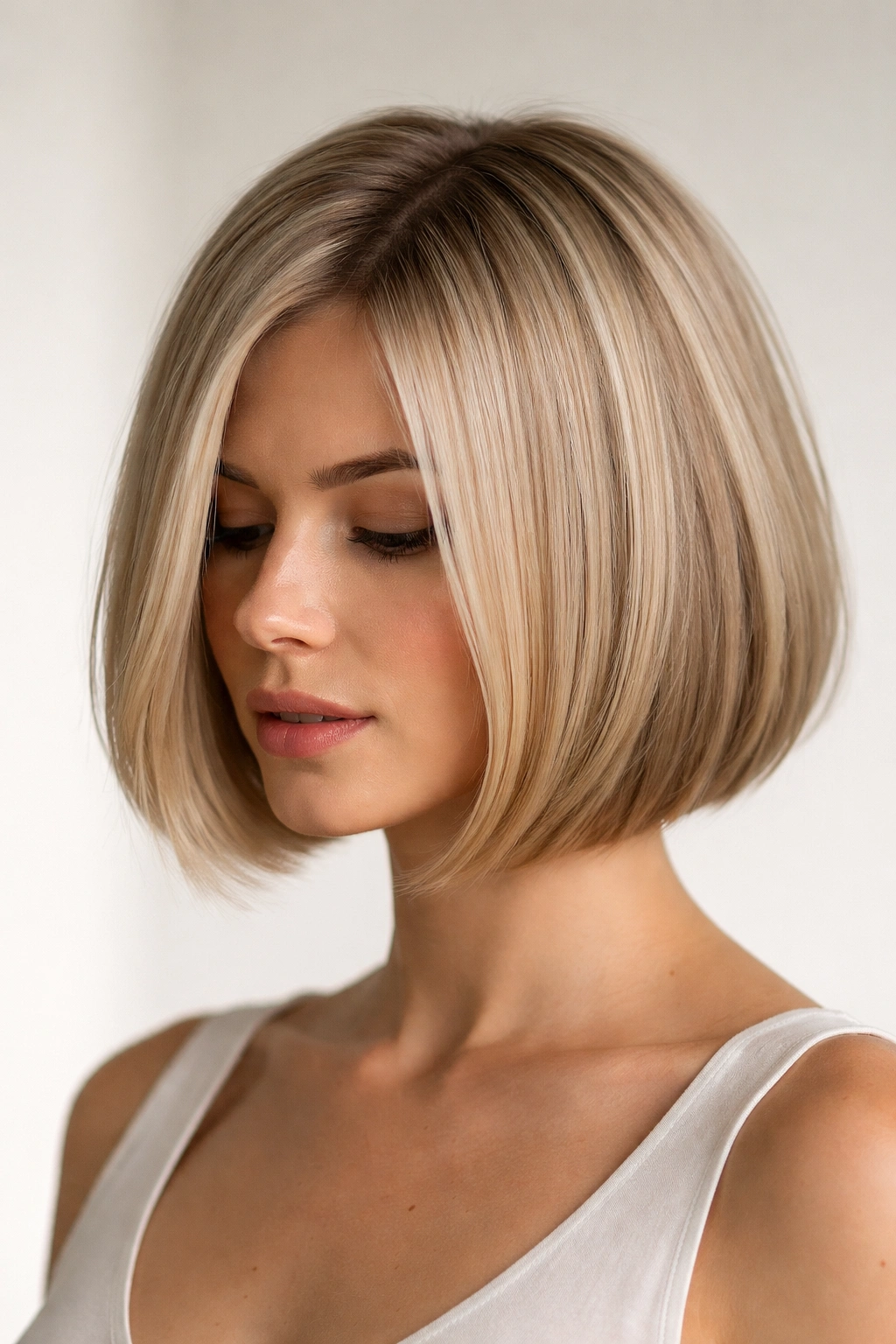
A blunt bob might sound like the enemy of fine hair, but when your stylist adds hidden layers underneath while keeping the exterior line clean and defined, you get the best of both worlds. The blunt exterior creates a polished, substantial-looking shape, while the internal layers reduce weight and prevent that flat, stuck-to-your-head feeling that classic bobs can cause.
Why This Cut Works for Fine Hair
The hidden layers allow your hair to move and breathe without sacrificing the sleek, put-together appearance a blunt bob delivers. This cut works because it addresses fine hair’s main challenge — weight pulling it flat — while maintaining a shape that looks thick and intentional from the outside. The internal texture creates volume and swing without destroying the clean bob silhouette. It’s the perfect compromise between wanting a polished style and needing actual movement.
What to Tell Your Stylist
- Ask for clean, blunt exterior lines with choppy or textured layers hidden inside
- Specify the length — chin-length typically works best for fine hair as it’s heavy enough to look intentional but light enough to move
- Request extra texture work in the back crown area where fine hair tends to flatten most
- Mention whether you prefer soft waves or straight styling — your layers should support your preferred look
Worth knowing: This cut requires maintenance every 4-6 weeks to keep the blunt line sharp, but the interior layers can grow out a bit without ruining the style.
3. The Choppy Lob
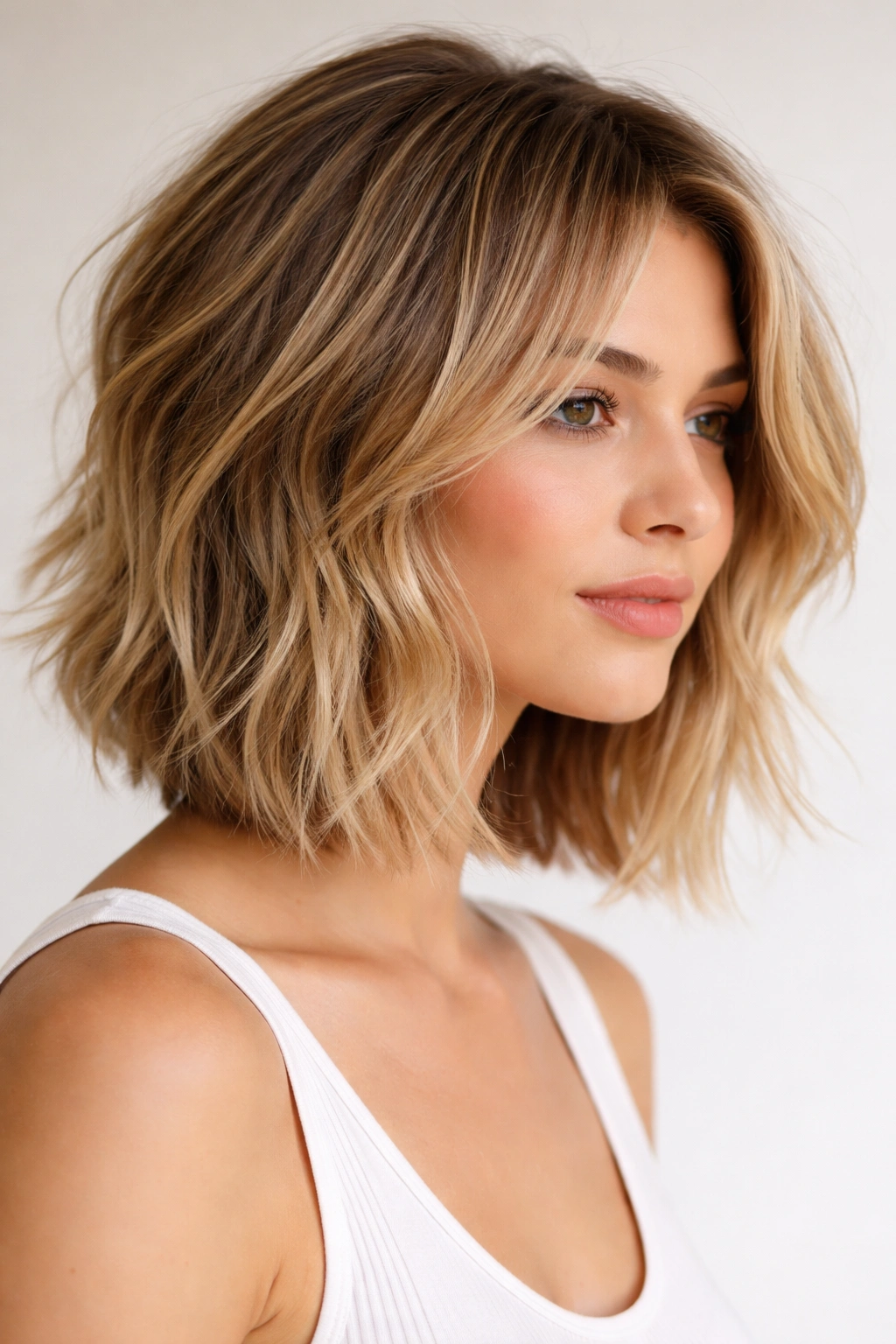
A lob (long bob) in choppy, layered form is one of the most forgiving cuts for fine hair because it combines length with strategic texture throughout. The choppy layers mean no single-length heaviness, and the longer length gives you flexibility for styling while the texture keeps things from flattening. This is the cut that looks effortlessly full without requiring gymnastics with your blow dryer.
Why This Cut Works for Fine Hair
Choppy layers throughout a lob create multiple points of texture and movement, making fine hair look substantially fuller than it actually is. The slight length (typically hitting mid-shoulder or just above) means you still have enough hair to work with for styling, but the layers prevent that single-length density that weighs down fine hair. This cut moves with you, which creates the illusion of thickness. It also photographs beautifully because the layers catch light at different angles.
What to Tell Your Stylist
- Ask for choppy layers starting from roughly chin-length, getting progressively shorter toward the top
- Request textured, piece-y layers rather than smooth, blended ones
- Specify that you want movement that starts at the roots, not just on the ends
- Ask your stylist to show you how to enhance the texture with styling products
Insider note: This cut works great with a texturizing spray and a quick tousle with your fingers — you don’t need to blow-dry perfectly every day for it to look full.
4. The Face-Framing Layers
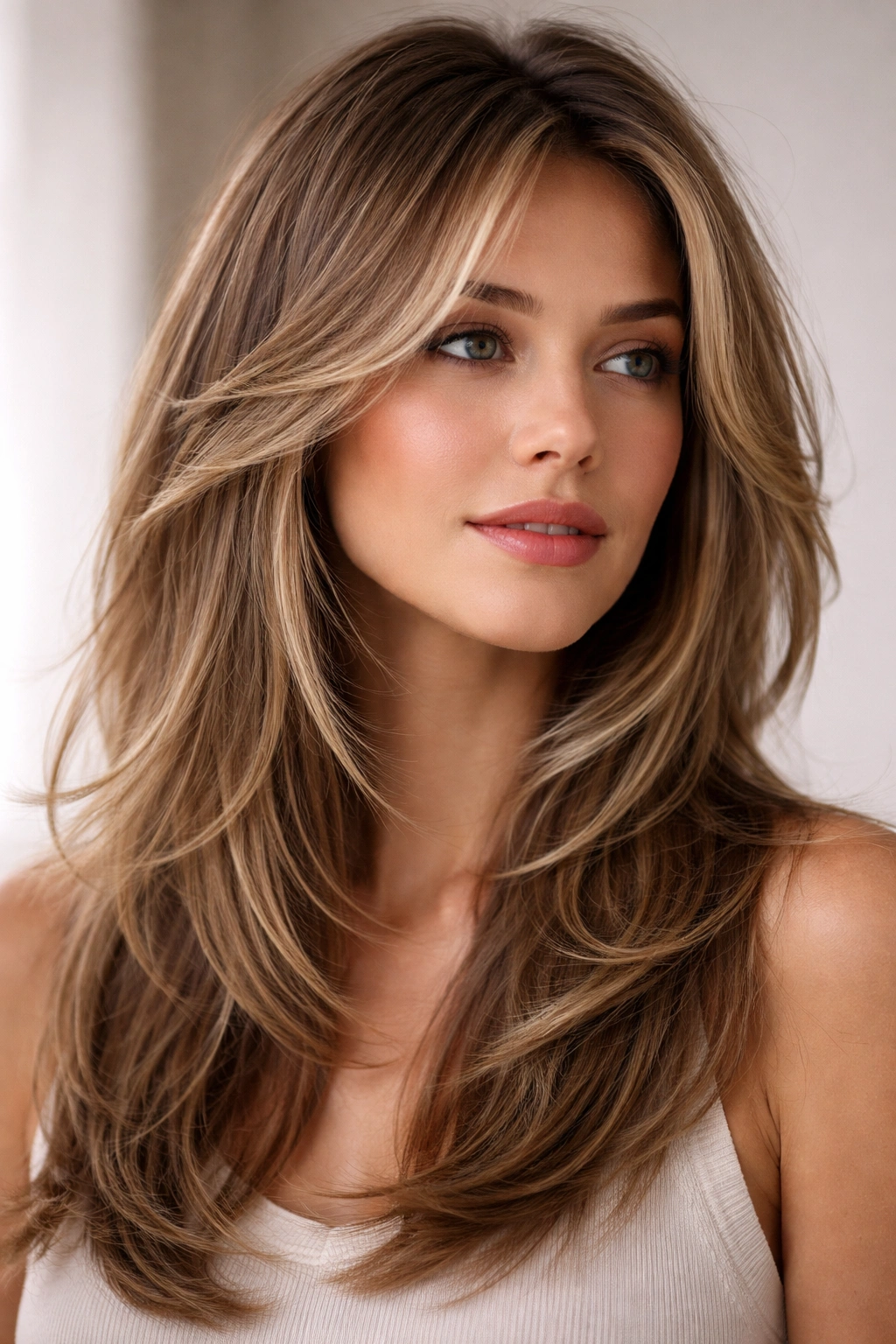
Face-framing layers are the strategic approach: keep most of your length, but add choppy, short layers around your face to create texture, movement, and the illusion of fullness right where it matters most. This cut works for people who aren’t ready to go significantly shorter but desperately need their hair to look fuller and feel less flat.
Why This Cut Works for Fine Hair
The face-framing layers create dimension and movement exactly where your eye lands when you’re looking at someone. These shorter pieces move independently from longer hair underneath, creating a visual effect of much more density. The layers also reduce bulk around the face and neck, making everything feel lighter and airier. For fine hair, this is often the perfect middle ground between dramatic change and subtle enhancement.
What to Tell Your Stylist
- Ask for choppy, textured layers that frame from cheekbone to about mid-chin length
- Request longer underneath layers so the cut doesn’t look too choppy from the back
- Specify that you want the face-framing pieces to be noticeably shorter than the rest for maximum movement
- Discuss how much texture you want — more texture means more fullness but also more styling work
Pro tip: Apply volumizing mousse to the shorter, face-framing pieces before blow-drying to maximize their lift and movement.
5. The Shag
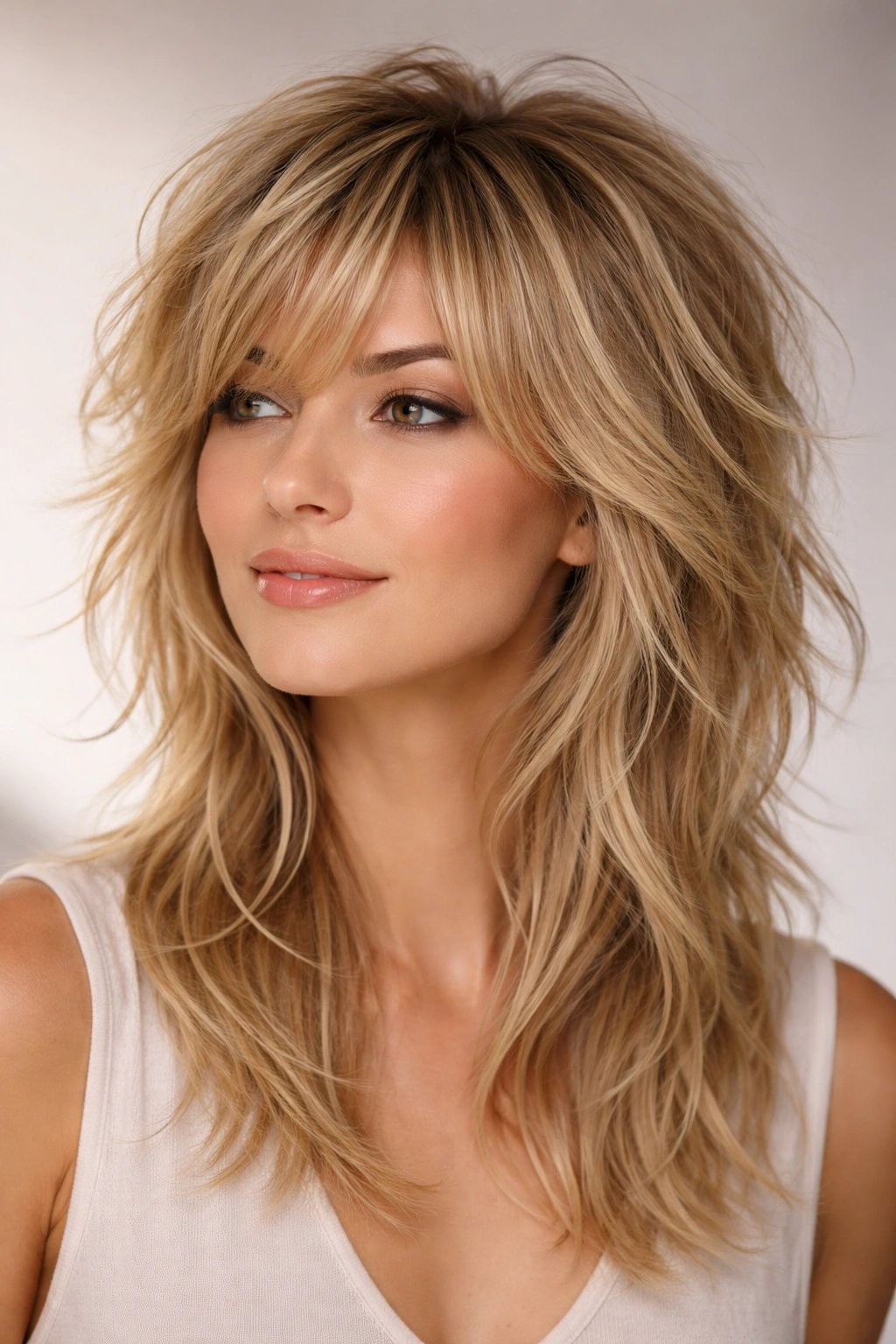
The shag cut might have a rock-and-roll reputation, but it’s actually one of the smartest cuts for fine hair because it’s built entirely around movement and texture. A modern shag uses layers at various lengths throughout to create that signature piece-y, tousled look that makes fine hair look voluminous without requiring you to blow-dry it into oblivion.
Why This Cut Works for Fine Hair
Shag cuts use multiple layer lengths to create movement at every level of your hair, preventing that flat, one-dimensional appearance fine hair often has. The short layers on top create lift at the roots, while longer layers underneath provide movement and swing. The texture-focused design means your fine hair is working with the cut structure rather than fighting against it. A shag practically demands texture and movement, which automatically makes fine hair look fuller.
What to Tell Your Stylist
- Ask for a modern shag, not a ’70s-replica version (they’re quite different)
- Request shorter choppy layers throughout the crown and around the face
- Specify longer underneath layers for shape and movement
- Ask about the styling routine — shags look best with some texture and product applied
Worth knowing: Shags work beautifully with curly or wavy hair because the natural texture amplifies the cut’s built-in movement. If you have straight fine hair, a texturizing product and a diffuser attachment become your best friends.
6. The Disconnected Undercut
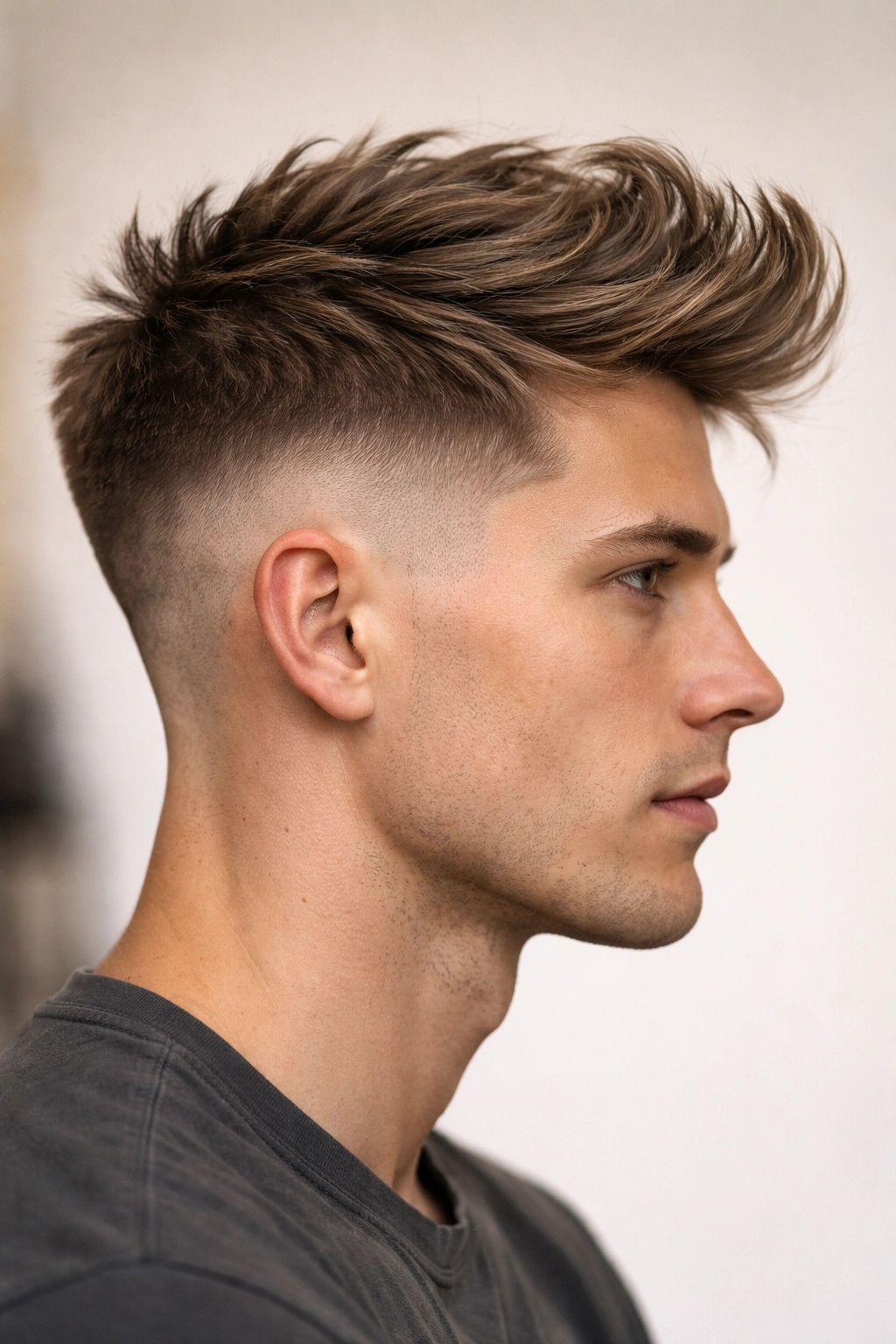
An undercut with short, textured sides and longer hair on top creates dramatic visual contrast that makes fine hair look deceptively thick. The sides are clipped very short, which removes weight and creates definition, while textured layers on top provide fullness where it matters. It’s an edgy look that happens to be genuinely flattering for fine hair.
Why This Cut Works for Fine Hair
By removing bulk on the sides, an undercut reduces overall weight on the hair and scalp, making the top section feel lighter and look fuller. The textured layers on top aren’t competing with heavy side sections, so they can move and stand away from your head more easily. The stark contrast between short sides and longer top creates a visual impression of density and substance. This cut also works perfectly for fine hair that tangles or mats easily because there’s less surface area for knots.
What to Tell Your Stylist
- Ask for sides cut very short (1-2 inches) with texture clippers rather than a perfectly smooth line
- Request choppy, textured layers on top — not a blunt, heavy line
- Specify how much contrast you want between the sides and top
- Ask whether the cut would work with your hair’s natural texture and your lifestyle
Pro tip: This cut creates natural texture that shows off the shape of your head beautifully, so it’s worth asking your stylist if you’re a good candidate before committing.
7. The Textured Crop
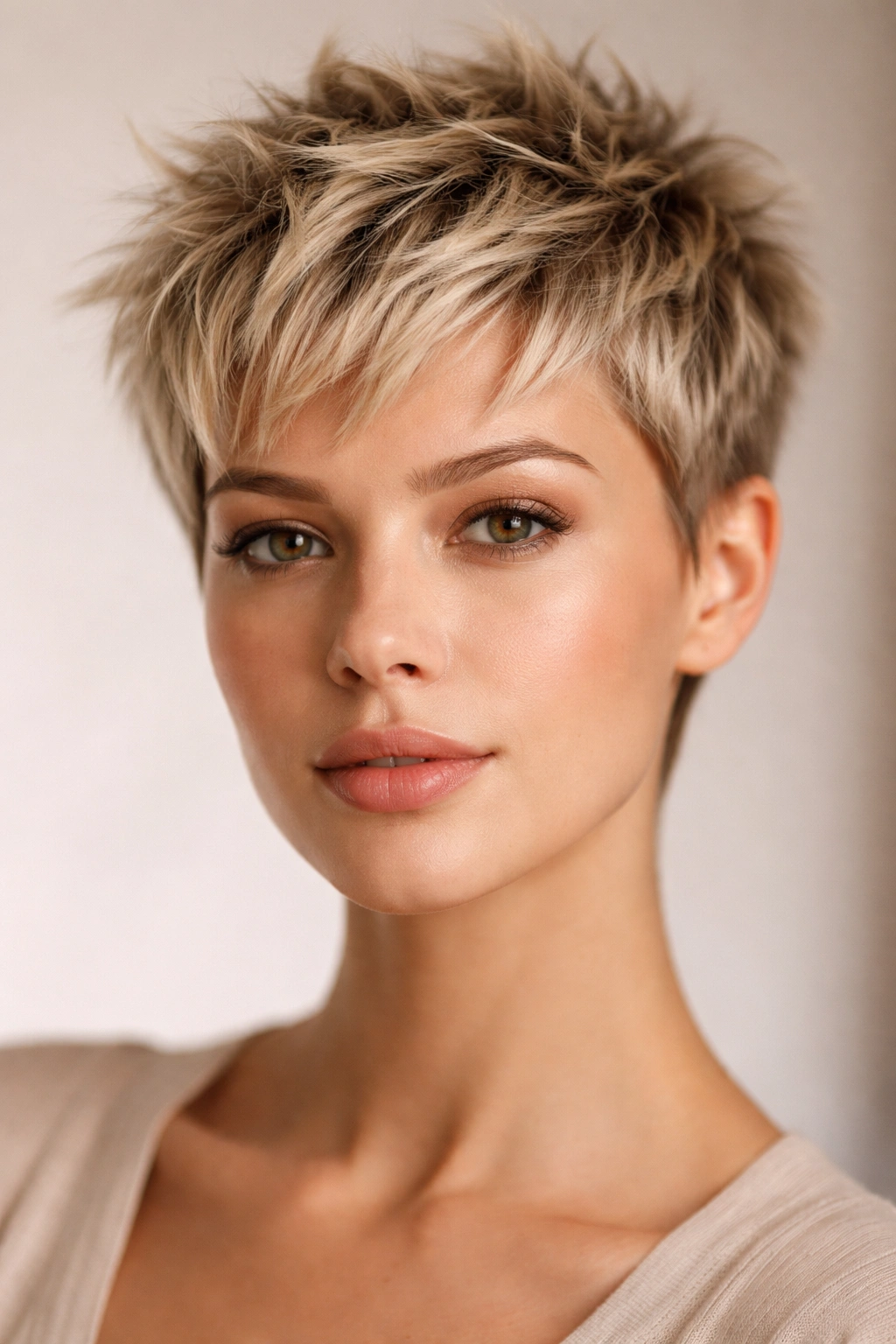
A textured crop is essentially a very short, choppy take on a pixie. It’s even shorter than a pixie cut, which means maximum fullness and zero weight. The heavily textured, piece-y styling makes it look intentionally tousled rather than just short. This is the cut for people who want the absolute most fullness and volume possible.
Why This Cut Works for Fine Hair
A textured crop removes almost all weight from your hair, allowing every single strand to stand on its own. The extreme shortness means fine hair gets immediate fullness right at the roots, and the choppy texture adds movement that makes the hair look denser. This cut also eliminates the styling time most people associate with shorter cuts — you basically need to wash it, apply some texture paste, and you’re done. For fine hair that’s thin or going gray, a textured crop is often the most flattering option.
What to Tell Your Stylist
- Ask for heavily textured, choppy layering throughout
- Request slightly longer pieces on top and shorter on the sides for a flattering shape
- Specify the exact length you’re comfortable with — some textured crops are 0.5 inches all over, others are longer on top
- Ask about styling products that enhance texture without weighing the cut down
Insider note: This cut changes how people perceive your face shape because there’s no hair softening or framing — it’s surprisingly versatile for different face shapes once you find the right length on top.
8. The Micro Fringe With Layers
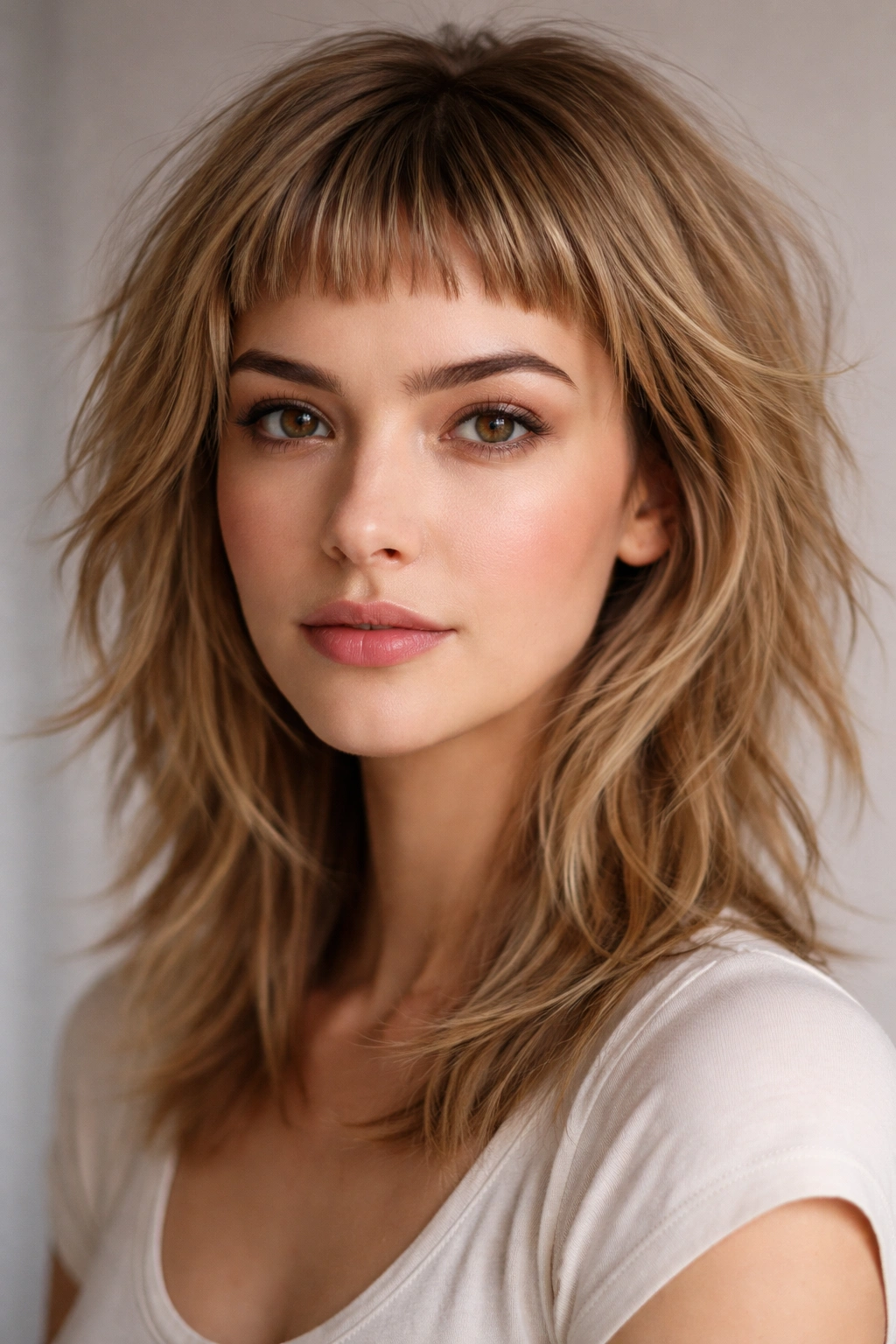
A micro fringe (very short bangs) combined with choppy layers throughout creates a striking look that maximizes fullness. The short fringe draws attention upward to your eyes and brow, making your head appear rounder and fuller, while layers throughout the rest of the hair prevent that flat feeling. It’s a fashion-forward cut that happens to be excellent for fine hair.
Why This Cut Works for Fine Hair
The micro fringe creates visual impact and draws the eye upward, making your overall head shape appear fuller and rounder. The layers throughout the rest of the cut ensure that fine hair has movement and texture at every level. Because the fringe is so short, it doesn’t weigh down your hair at the front like longer bangs might. The overall effect is bold, intentional, and deceptively thick-looking.
What to Tell Your Stylist
- Ask for a micro fringe (1-2 inches long) with texture choppy layers throughout
- Discuss fringe placement and thickness — a slightly see-through fringe works better for fine hair than a blunt, heavy one
- Request choppy layers throughout the rest of the cut for maximum movement
- Ask about styling the fringe — micro fringes typically need a bit of texturizing product to look their best
Worth knowing: Micro fringes require trims every 3-4 weeks because they grow out quickly and completely change the look as they get longer.
9. The Textured Wolf Cut
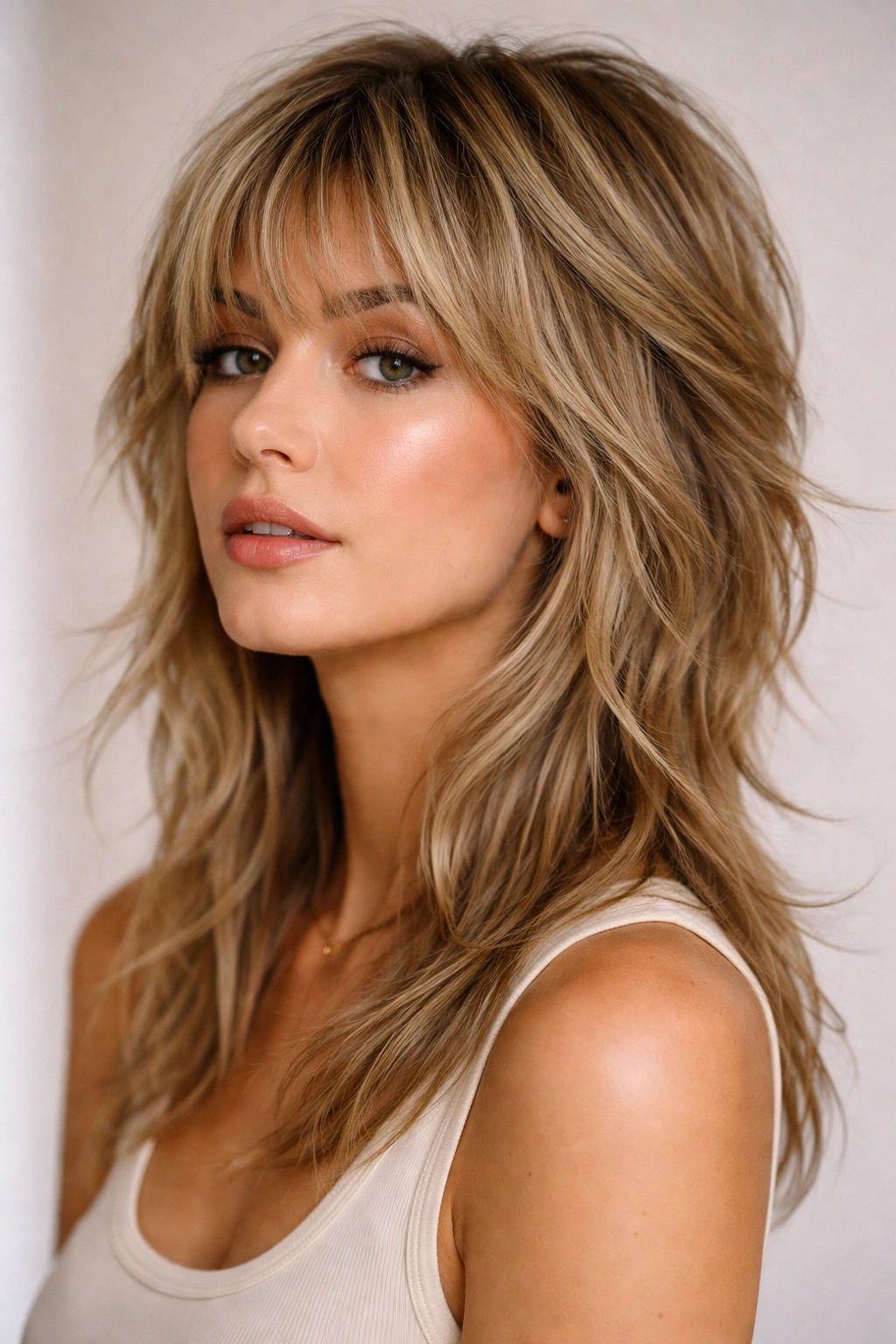
A wolf cut blends the volume and movement of a shag with the shape of a mullet — longer underneath, shorter on top. The heavily textured, choppy layers throughout create the ultimate volume effect. It’s trendy, but it’s also genuinely flattering for fine hair because the design is entirely built around creating fullness and movement.
Why This Cut Works for Fine Hair
The wolf cut’s multiple layer lengths create movement at every level, making fine hair look dramatically fuller than it actually is. The shorter layers on top create lift at the roots, while the longer underneath layers provide movement and swing. The textured, piece-y styling means your hair is constantly moving and catching light at different angles. For fine hair, this movement is everything — it creates the visual impression of volume and density.
What to Tell Your Stylist
- Ask for a wolf cut with a strong texture focus rather than a blunt take on the style
- Request choppy layers starting from around chin-length and working shorter toward the top
- Specify that you want visible texture and movement — this cut looks best when it’s piece-y, not smooth
- Ask about styling — you’ll want texture paste or mousse to enhance the cut’s natural movement
Pro tip: Wolf cuts look stunning with natural or dyed texture (like money pieces or dimensional color) because the varied lengths show off color dimension beautifully.
10. The Heavily Layered Medium Cut
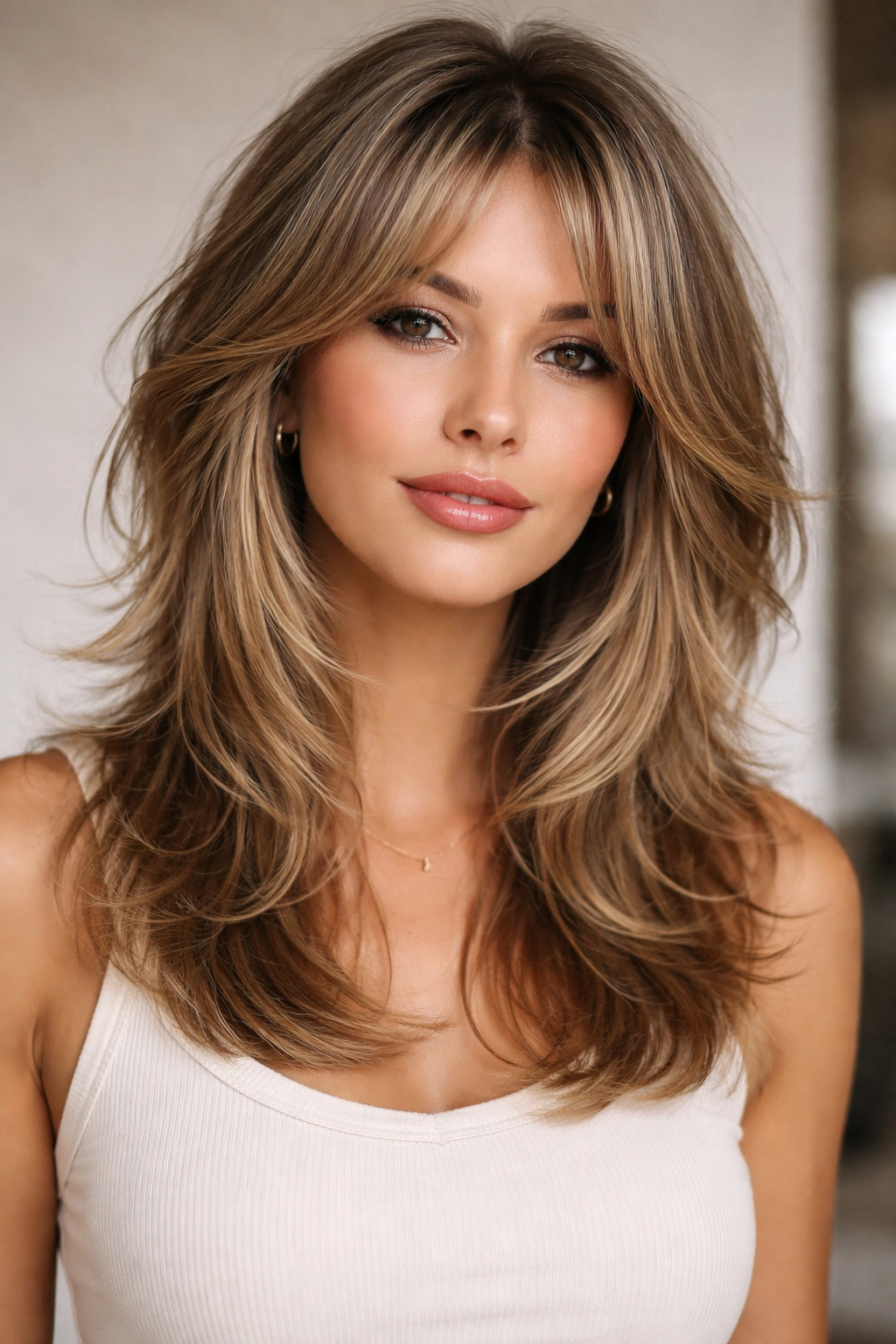
This is a classic approach that simply never stops working: a medium-length cut with layers throughout at varied depths. There’s no gimmick, just strategic chopping that creates movement and texture. Fine hair looks substantially fuller with multiple layer points throughout because each layer can move independently.
Why This Cut Works for Fine Hair
Layers at different depths create multiple pivot points where your hair can move and bend. Rather than moving as one flat sheet, heavily layered fine hair moves in sections, creating the optical illusion of much more density. The medium length means you have enough hair to work with for styling versatility, but the layers prevent that heavy, flat appearance. This cut works with straight hair, wavy hair, and curly hair because the layering technique is universal.
What to Tell Your Stylist
- Ask for choppy, textured layers throughout at varied depths
- Request that layers don’t just live on the ends — they should start moving in from the mid-shaft
- Specify that you want your hair to move and flip, not just look choppy
- Ask your stylist to show you how to style the layers — this cut’s fullness potential depends on styling
Worth knowing: This cut really shines with a texturizing spray and some gentle tousling rather than a perfectly blow-dried style.
11. The Fluffy Short Cut
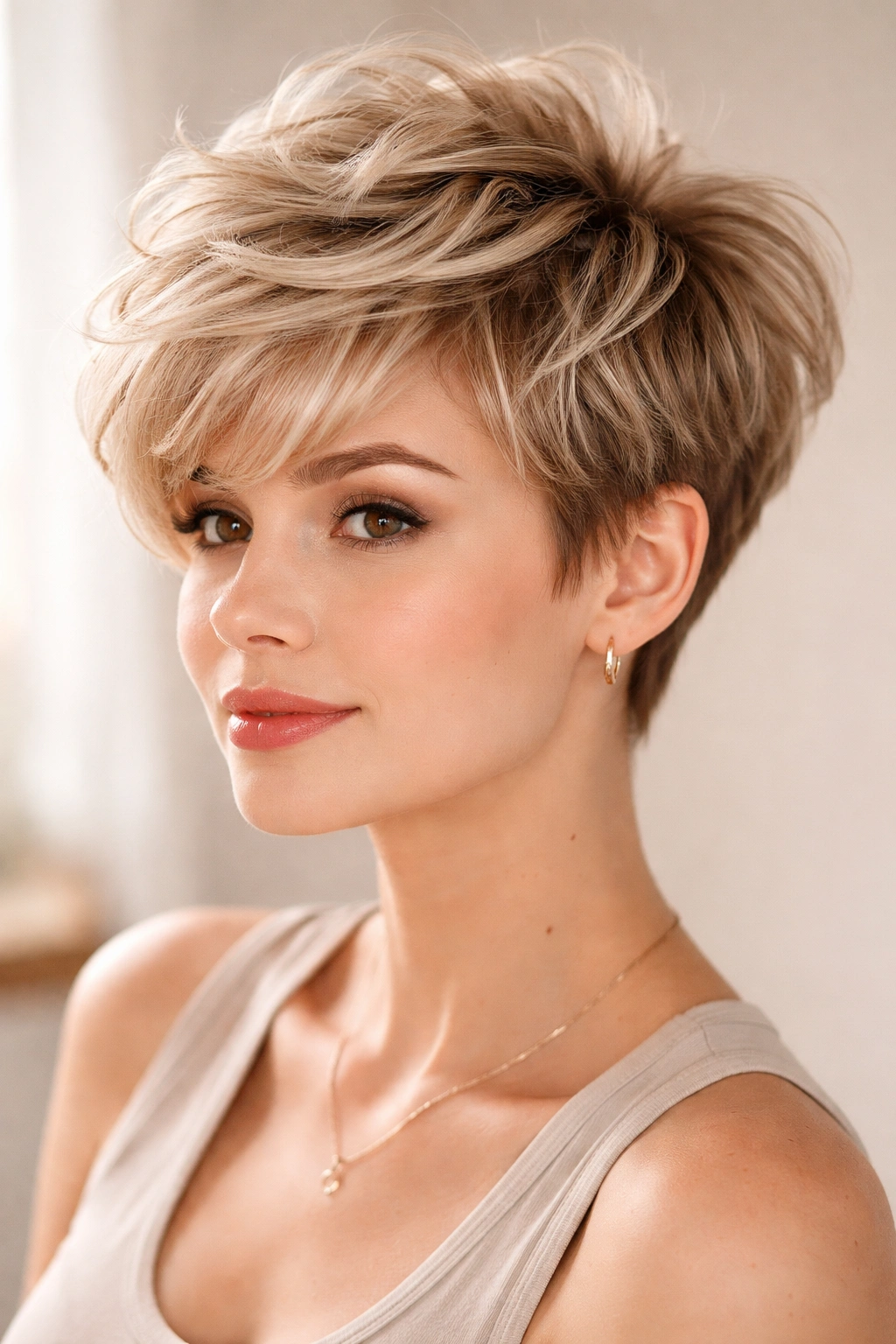
A fluffy short cut is designed specifically to maximize volume around the crown and sides. It’s longer on top (2-3 inches) with shorter, textured sides (1-1.5 inches), creating an overall round, voluminous silhouette. The name says it all — this cut is all about fluff and fullness.
Why This Cut Works for Fine Hair
The longer hair on top creates fullness at the crown where you need it most, while the textured sides are short enough to never weigh anything down. The overall round shape this cut creates is inherently fuller-looking than longer, straighter styles. The texture throughout means every strand is contributing to the overall impression of volume. This cut also works beautifully with natural texture because the structure supports waves and curls.
What to Tell Your Stylist
- Ask for a round, voluminous shape with longer hair on top and shorter on the sides
- Request heavily textured, choppy styling throughout — no smooth finishes
- Specify where you want the most length (usually on top and around the crown)
- Ask about blow-drying techniques to maximize the cut’s fullness potential
Pro tip: This cut looks best when you use a blow dryer with a round brush on the top section to create additional volume at the roots.
12. The Asymmetrical Bob
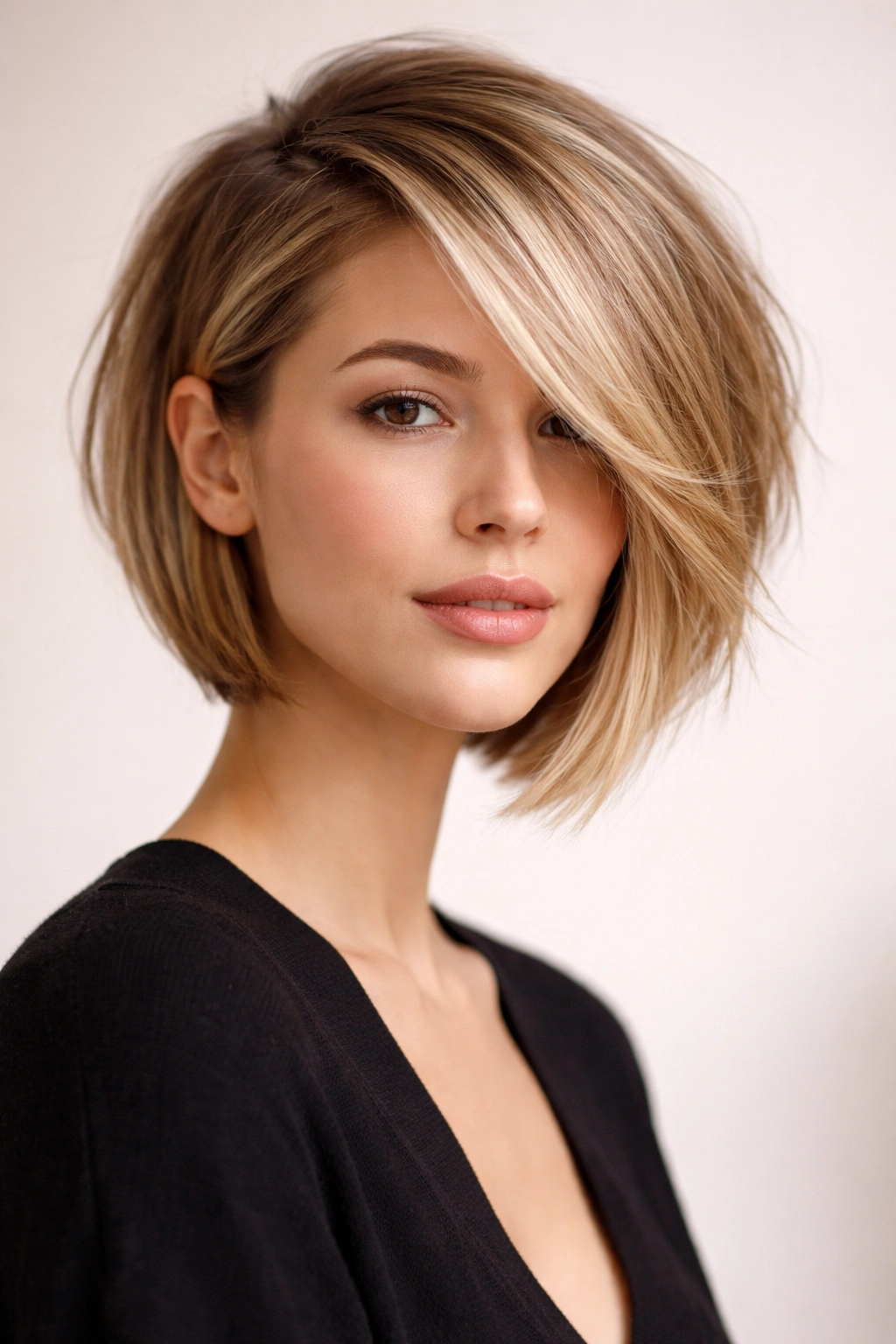
An asymmetrical bob with one side shorter than the other (and both sides textured) creates movement and dimension that makes fine hair look fuller. Because one side is noticeably shorter, the cut naturally encourages movement and prevents that flat, blunt-bob appearance. It’s edgy without being extreme, and it’s surprisingly flattering for fine hair.
Why This Cut Works for Fine Hair
The asymmetry creates built-in movement — your hair naturally wants to fall into different positions, which prevents it from plastering to your head. The shorter side is light and bouncy, while the longer side has movement from the texture. This cut also creates visual interest that distracts from the fact that your hair is fine; people notice the chic asymmetry rather than analyzing your hair density. The choppy texture throughout ensures maximum movement.
What to Tell Your Stylist
- Ask for textured, choppy layers with a clear asymmetry (specify how much difference in length you want)
- Request that both sides have internal texture, not just a blunt exterior
- Discuss how much movement and swing you want — some people prefer a subtle asymmetry, others prefer a dramatic one
- Ask how the cut works with your typical styling — will you be blowing it out or leaving it textured?
Insider note: This cut can be styled different ways depending on which side you let hang longer, giving you styling flexibility even with a very specific cut.
13. The Short Textured Fringe Cut
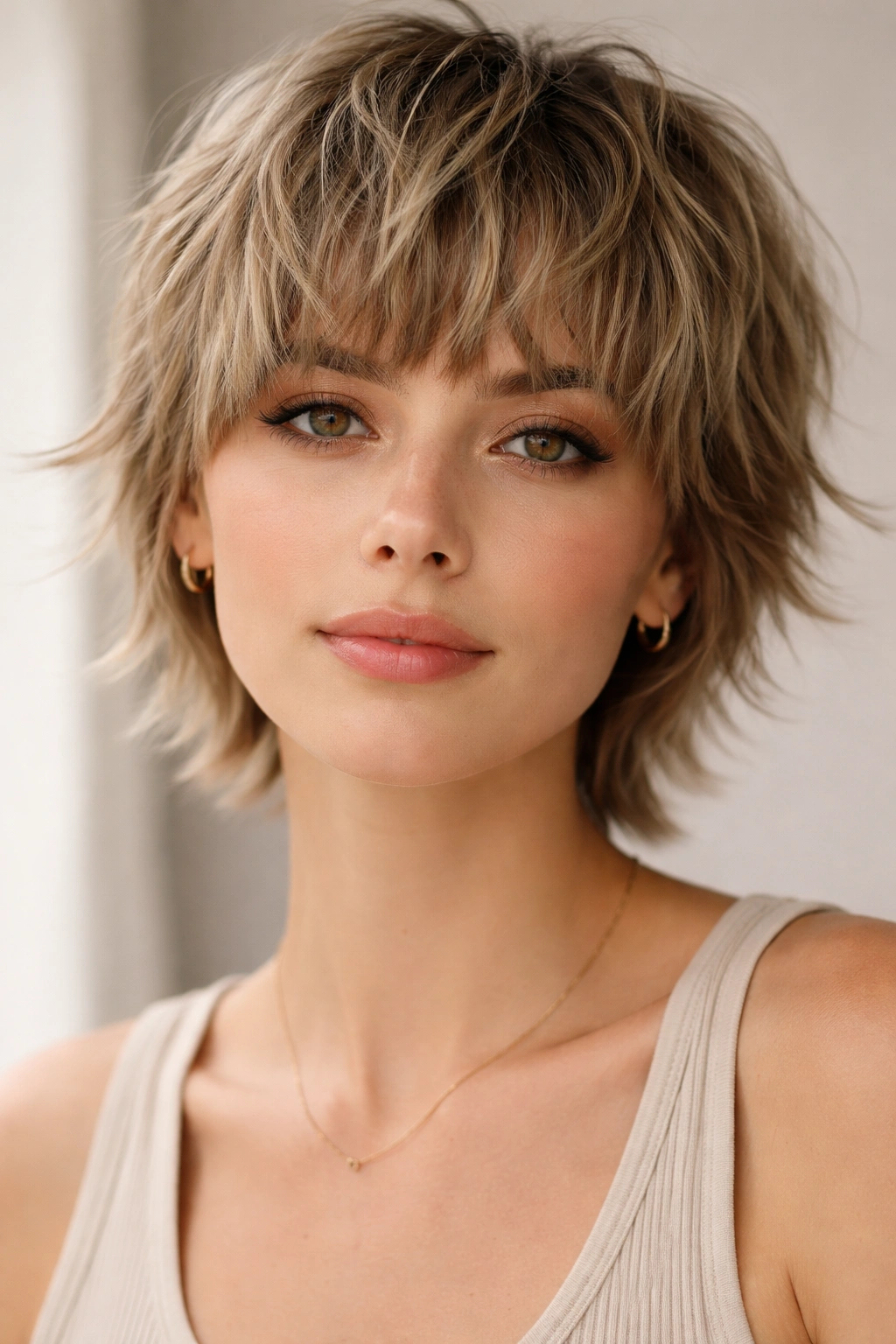
A short fringe (not micro, but true bangs around 4-5 inches) combined with choppy, textured layers throughout creates fullness at the front while allowing movement throughout the rest of the hair. The fringe area creates instant visual density because of all the short pieces, while the layered sides and back prevent weight.
Why This Cut Works for Fine Hair
The concentrated texture and layering in the fringe area creates substantial fullness right at eye level, which is psychologically convincing. Your fringe looks thick and full, and people often perceive your overall hair as thicker because of that concentrated density. The choppy layers throughout the rest prevent that flat feeling, giving you fullness on multiple fronts. This cut is also incredibly flattering because it frames the face and draws attention upward.
What to Tell Your Stylist
- Ask for a short textured fringe (4-5 inches long) with choppy layers throughout the rest
- Request that the fringe has visible texture and movement, not a blunt, heavy line
- Specify how the layers below the fringe should interact with it — some people prefer a dramatic separation, others prefer a smoother blend
- Ask about styling the fringe to maximize its fullness — fringe typically looks best with a bit of texture product
Worth knowing: Fringes require the most frequent trims of any cut element because they grow down into your eyes, but they’re worth the maintenance for the fullness they provide.
14. The Tousled Shoulder-Length Cut
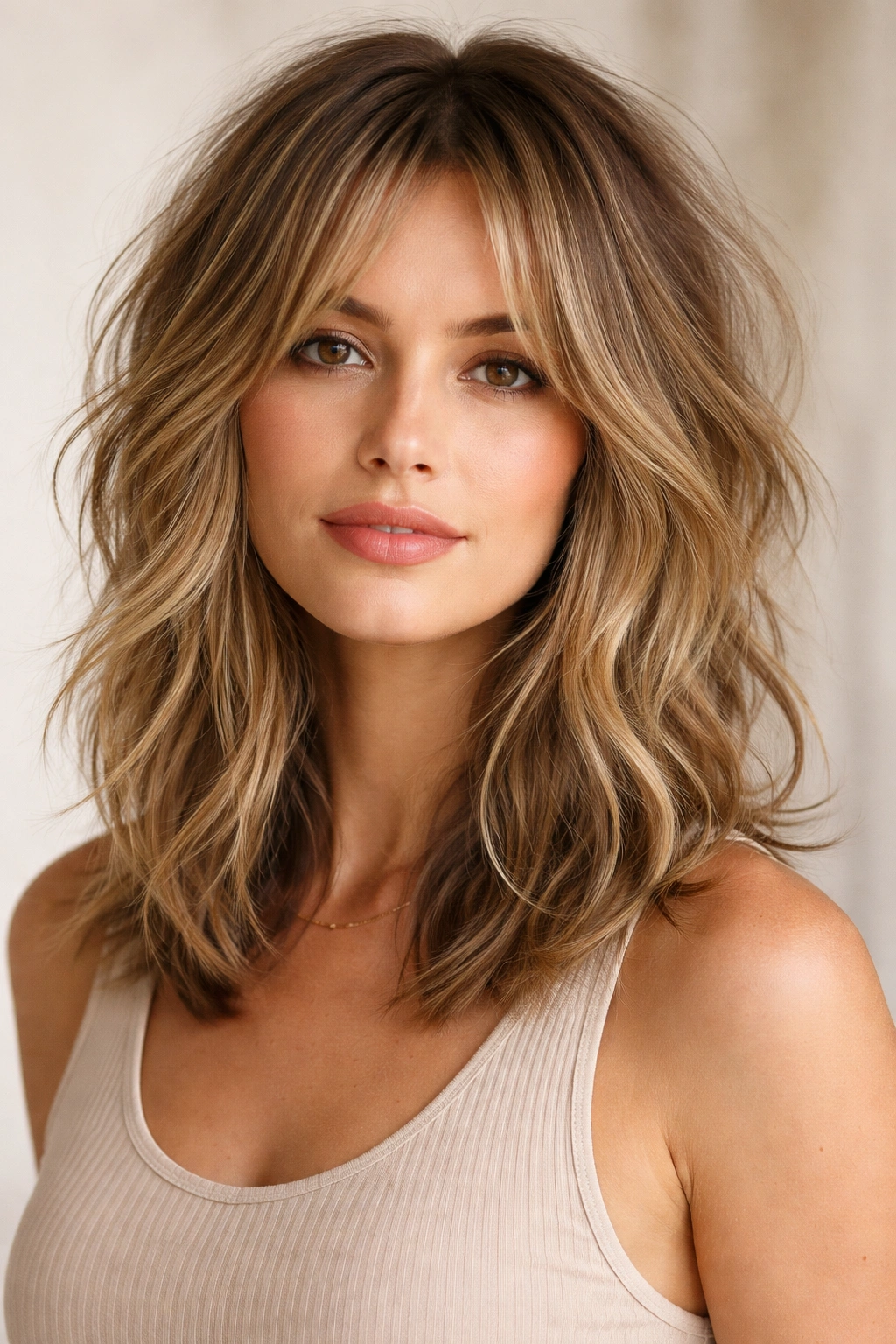
A shoulder-length cut with tousled, choppy layers might sound simple, but it’s deceptively smart for fine hair. The layers create movement at every level, the shoulder length gives you styling options, and the overall tousled vibe encourages texture rather than a sleek finish. It’s the cut that looks effortlessly full without requiring precision styling.
Why This Cut Works for Fine Hair
The length is just right — long enough to style multiple ways, short enough that fine hair isn’t completely weighed down by gravity. The choppy layers create movement throughout, and the tousled styling means you’re not fighting to keep your hair smooth and polished (which fine hair struggles with anyway). This cut embraces natural texture and movement rather than fighting it. It’s also forgiving because “tousled” covers a multitude of styling imperfections.
What to Tell Your Stylist
- Ask for choppy, textured layers throughout with emphasis on creating movement
- Request that the cut looks good tousled, not sleek — frame your styling preference clearly
- Specify the exact length you want (shoulder, just above shoulder, etc.)
- Ask what products work best for enhancing the tousled texture without weighing it down
Pro tip: This cut looks stunning when you air-dry it with texture spray rather than blow-drying it perfectly straight.
15. The Textured Crown With Tapered Sides
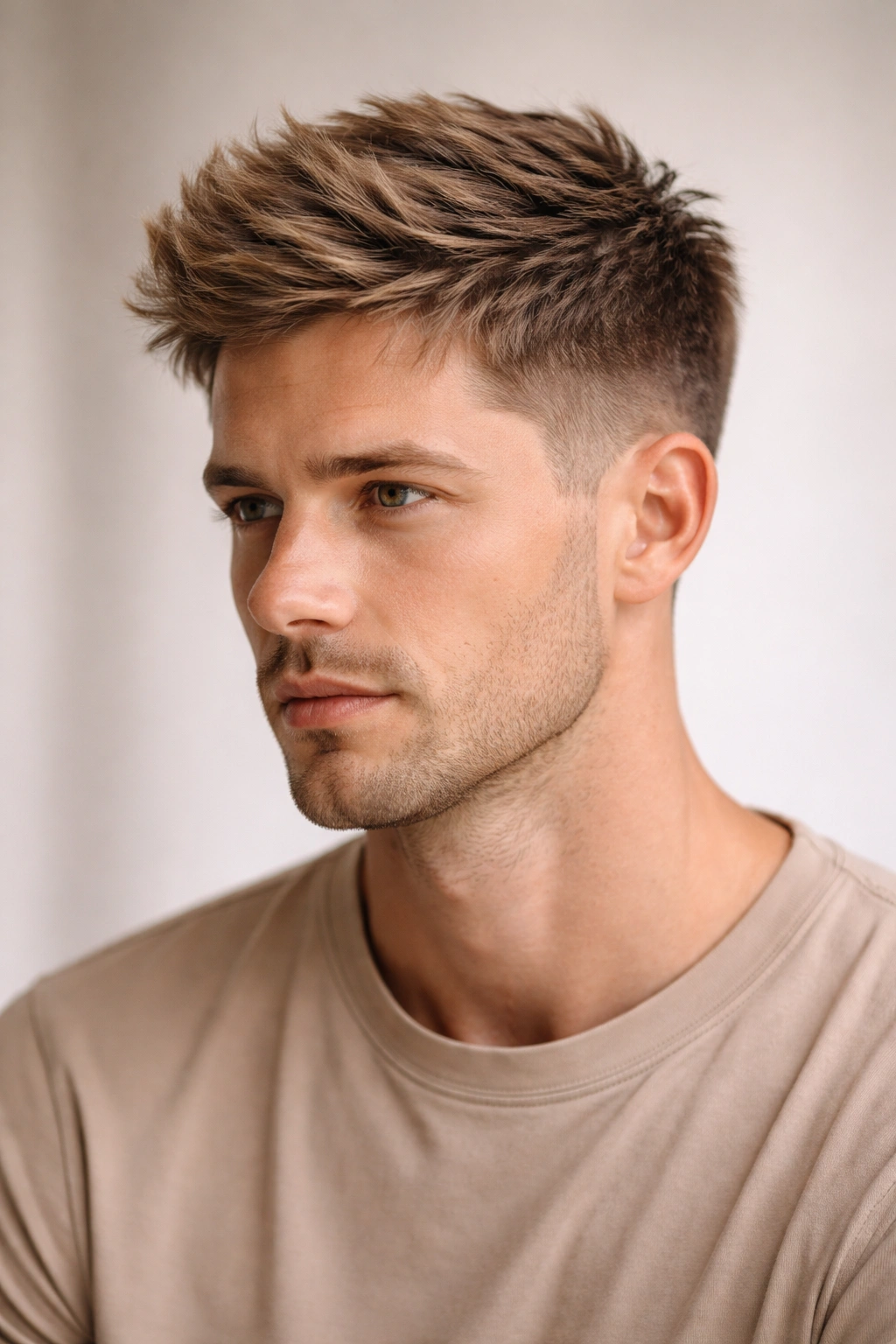
This cut focuses fullness where you need it most — at the crown and top — while tapering shorter on the sides. It’s a modern take on classic layering that acknowledges where fine hair struggles most (keeping volume at the roots). The short sides remove weight and create definition, while the textured crown maximizes fullness on top.
Why This Cut Works for Fine Hair
By focusing the fullness where gravity works hardest against your hair (the crown), this cut strategically uses texture and length to combat your fine hair’s tendency to flatten. The tapered sides remove bulk and weight that would pull everything down. The result is a cut where your hair naturally stands away from your scalp at the crown and has movement throughout. This is probably the most strategically designed cut for fine hair’s specific challenges.
What to Tell Your Stylist
- Ask for textured, choppy layers throughout the crown and top section
- Request tapered sides that create clean definition without being dramatic
- Specify how much texture you want — more texture means more fullness but more styling work
- Discuss how long you need the top to be to stand up with your hair’s natural texture
Insider note: This cut works beautifully with short textured styles like a crew cut or short fade on the sides, but it can also work with longer sides depending on your preference.
16. The Piecy Blunt Bob
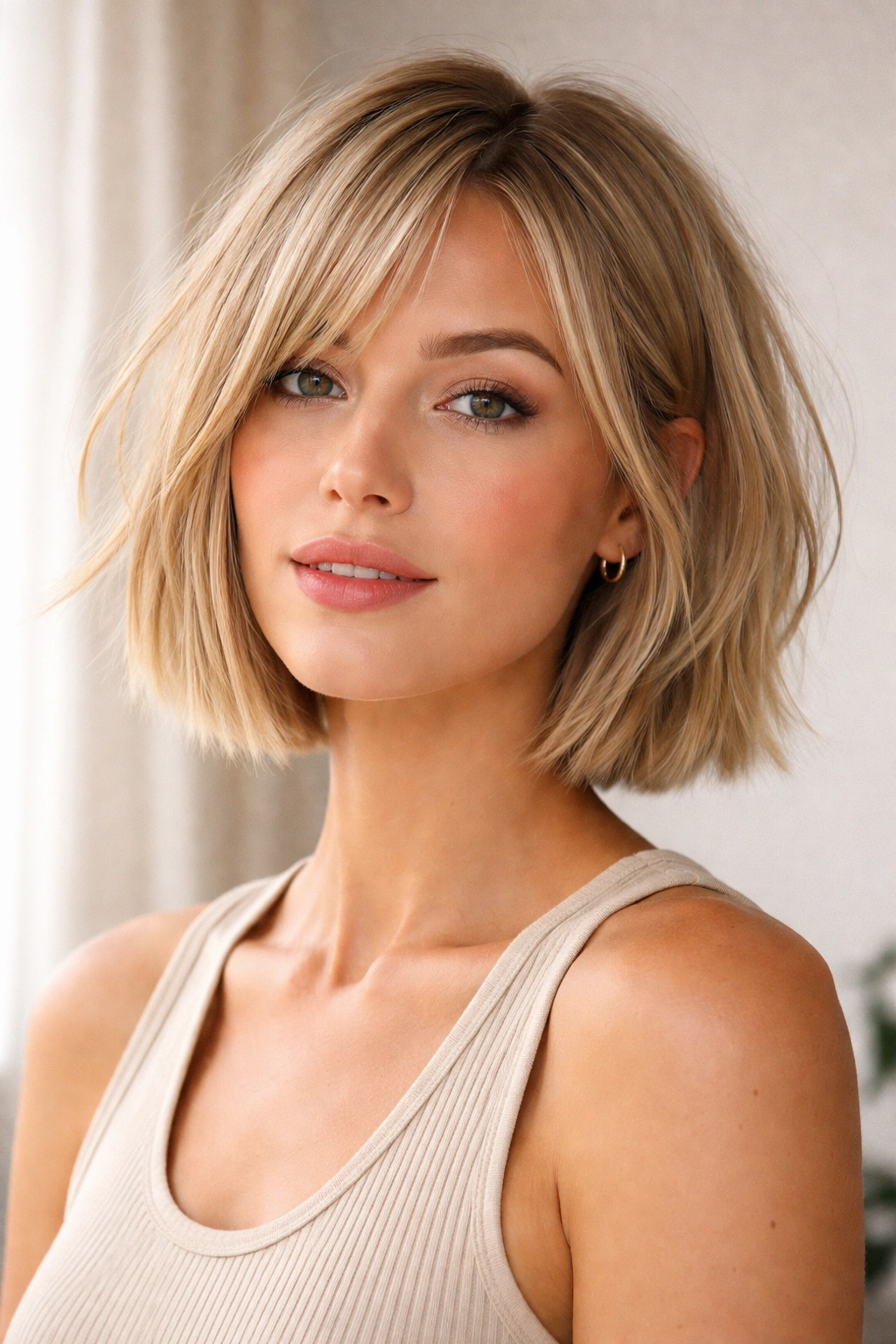
A blunt bob with choppy, piece-y layers (not hidden layers, but visible, dramatic ones) gives you that polished bob silhouette with maximum texture and movement. It’s somewhere between a traditional blunt bob and a fully choppy lob — structured but not stiff, textured but still substantial-looking.
Why This Cut Works for Fine Hair
The visible piece-y layers create movement throughout the bob shape, preventing that flat appearance many bobs give fine hair. The blunt exterior line creates visual substance and polish, while the internal choppiness ensures your hair can actually move. This cut gives you the best of both worlds — a put-together appearance with real fullness and bounce. The layers catch light at different angles, enhancing the impression of thickness.
What to Tell Your Stylist
- Ask for a blunt bob with visible, choppy, piece-y layers (not hidden layers)
- Specify the exact length you want and whether you prefer the ends to face slightly inward or outward
- Request textured, choppy pieces throughout rather than smooth blending
- Ask how much styling this cut requires to look its best
Pro tip: This cut looks fantastic with a slight wave or texture, which enhances the piece-y layer effect.
17. The Modern Mullet With Texture
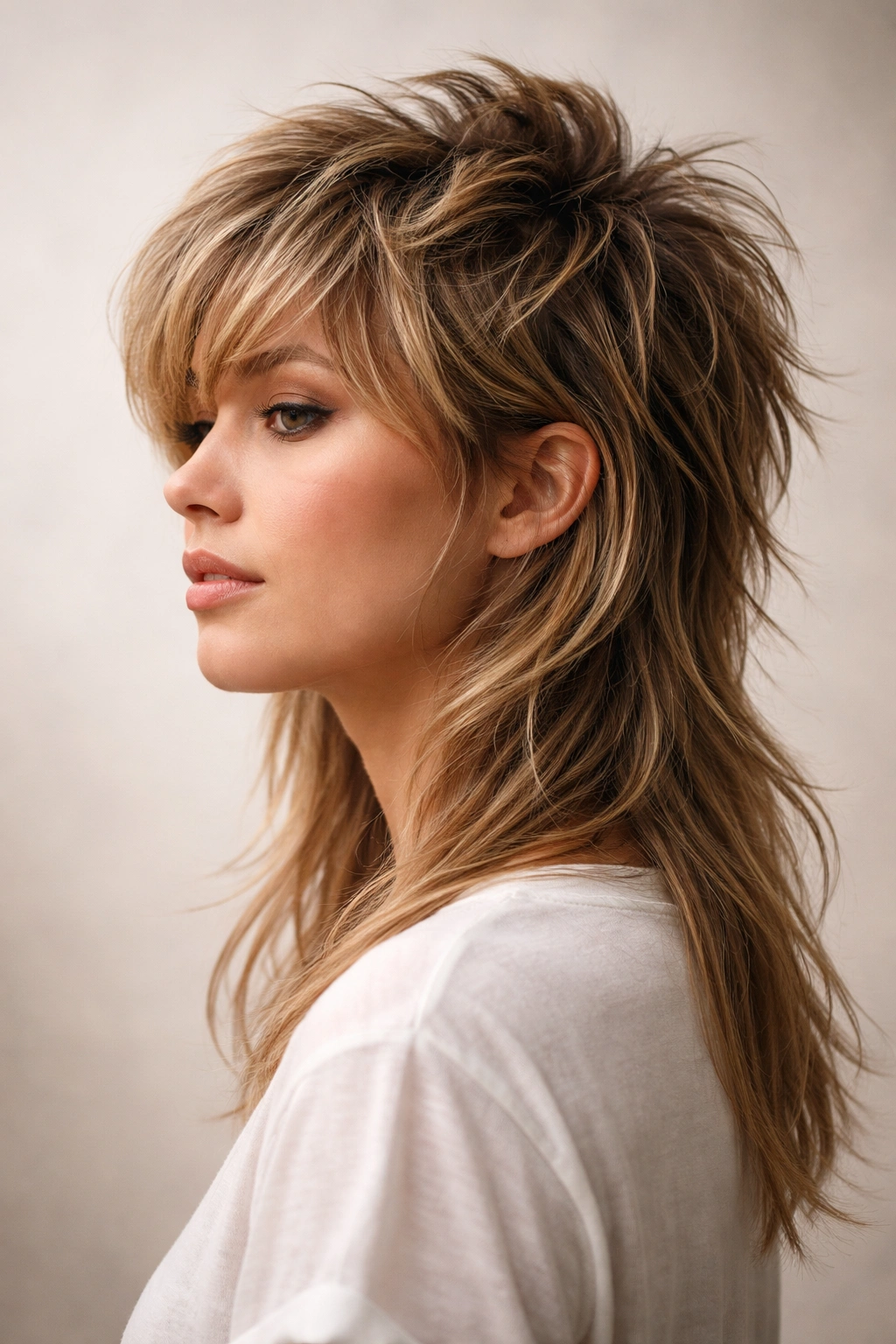
A modern mullet (not the ’80s version) uses texture throughout and has a clear separation between the shorter top and longer back. It’s edgy, fashionable, and surprisingly flattering for fine hair because the texture throughout and varied lengths create fullness. The shorter top creates lift at the crown, while the longer back provides movement and swing.
Why This Cut Works for Fine Hair
The dramatic length difference between top and back means your hair is constantly moving and changing as you move. The texture throughout prevents any single section from appearing flat or thin. The shorter top creates immediate fullness at the crown, while the longer back allows for movement and swing. The overall effect is much fuller and more voluminous than the actual density of your hair would suggest.
What to Tell Your Stylist
- Ask for a modern mullet with heavy texture throughout, not a blunt, defined separation
- Request choppy, piece-y layers throughout the cut
- Discuss the exact length difference you want between top and back
- Ask about styling — this cut looks best with texture product and a slightly tousled vibe
Worth knowing: Modern mullets require more styling attention than some cuts because they need texture product and tousling to look intentional rather than accidentally grown out.
18. The Choppy Curtain Bangs With Layers
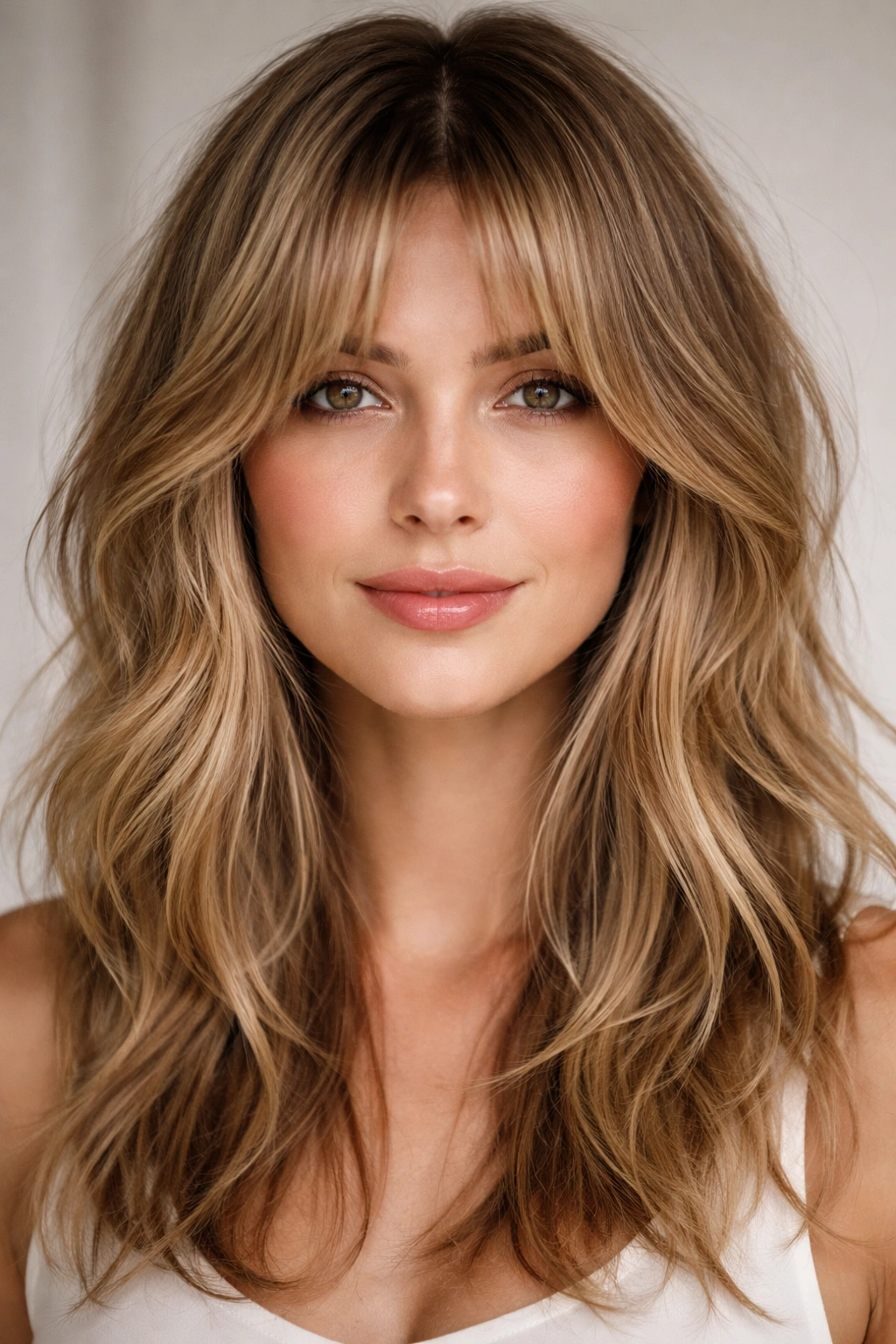
Curtain bangs (parted down the middle, longer in the center) combined with choppy layers throughout create a retro-inspired look that’s incredibly flattering and fullness-enhancing for fine hair. The parted bangs create movement and frame the face, while the layers throughout allow your hair to flow and move naturally.
Why This Cut Works for Fine Hair
Curtain bangs with choppy layers create movement from the very front of your hair all the way through. The parting down the center creates a flattering frame, while the choppy layers ensure your hair has texture and doesn’t fall flat. The medium-length (usually shoulder or longer) works beautifully with layers because the length plus texture creates optimal movement. This cut naturally encourages tousling rather than sleek styling, which is perfect for fine hair.
What to Tell Your Stylist
- Ask for choppy, textured curtain bangs (longer in the center, shorter at the sides)
- Request choppy, textured layers throughout the rest of the hair
- Specify the exact length you want for your bangs and for the rest of the cut
- Ask about styling the bangs — they typically look best slightly textured with a bit of product
Pro tip: This cut is absolutely stunning with a center part, but it’s versatile enough to work with a slight side part too.
19. The Textured Bubble Cut
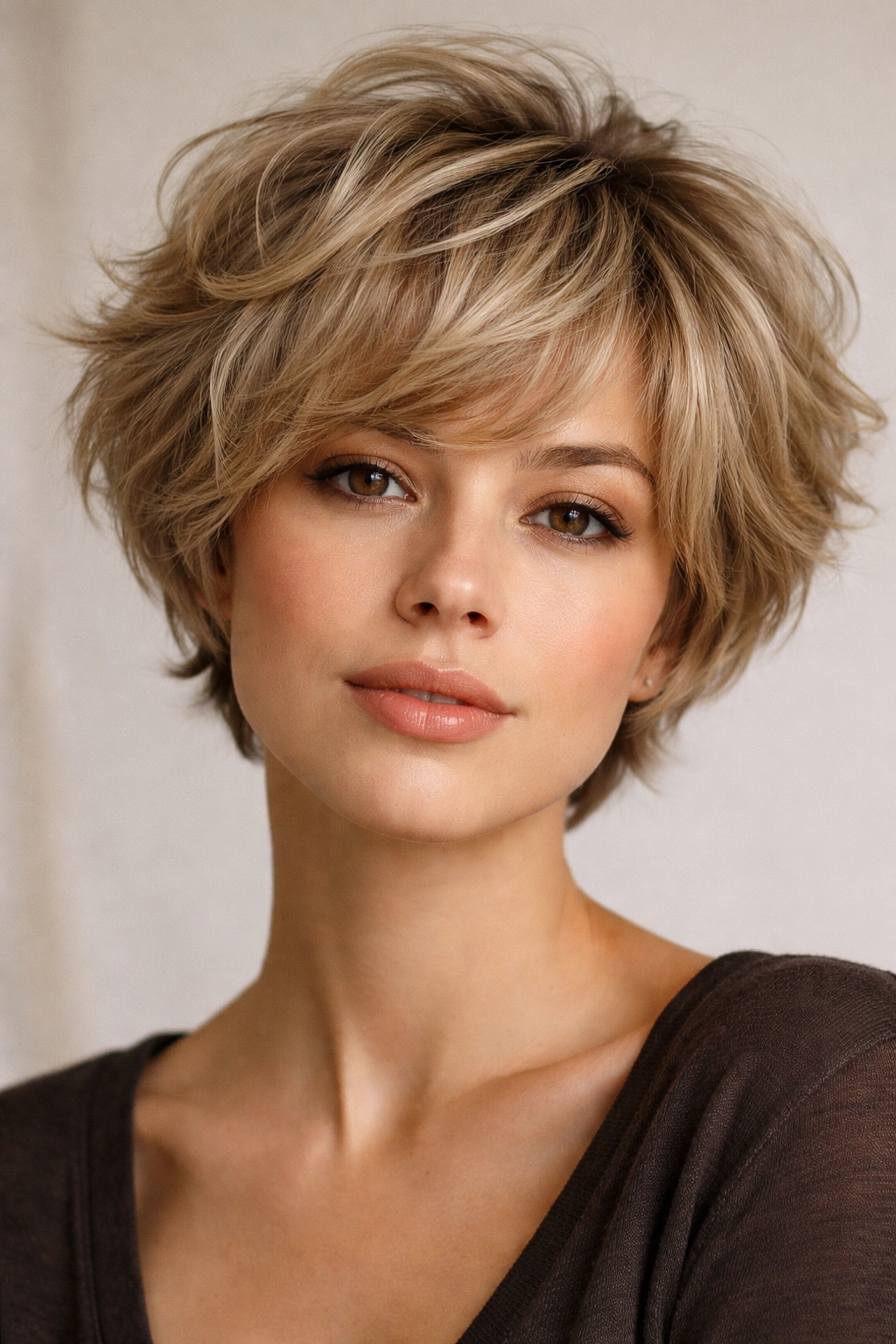
A bubble cut (very rounded, voluminous shape with shorter length) created with heavy texture throughout gives fine hair dramatic fullness. It’s structured enough to look intentional and polished, but textured enough to have real movement and dimension. The rounded shape is inherently fuller-looking than longer, straighter styles.
Why This Cut Works for Fine Hair
The rounded bubble shape creates the illusion of tremendous volume because the overall silhouette is so voluminous. The heavy texture throughout means each strand contributes to the fullness impression. The shorter length prevents weight from pulling anything down, and the shape means your hair stands away from your head on all sides. This cut works beautifully for people who want maximum fullness and don’t mind a rounder head shape.
What to Tell Your Stylist
- Ask for a rounded bubble cut shape with maximum texture throughout
- Request choppy, piece-y layers at varied depths
- Specify whether you want the shape to be dramatically round or more subtly rounded
- Ask about styling — bubble cuts typically look best with texture product and blow-drying
Insider note: This cut can be styled multiple ways depending on where you blow-dry your hair, giving you flexibility while maintaining the overall fullness effect.
20. The Undercut Fade With Textured Top
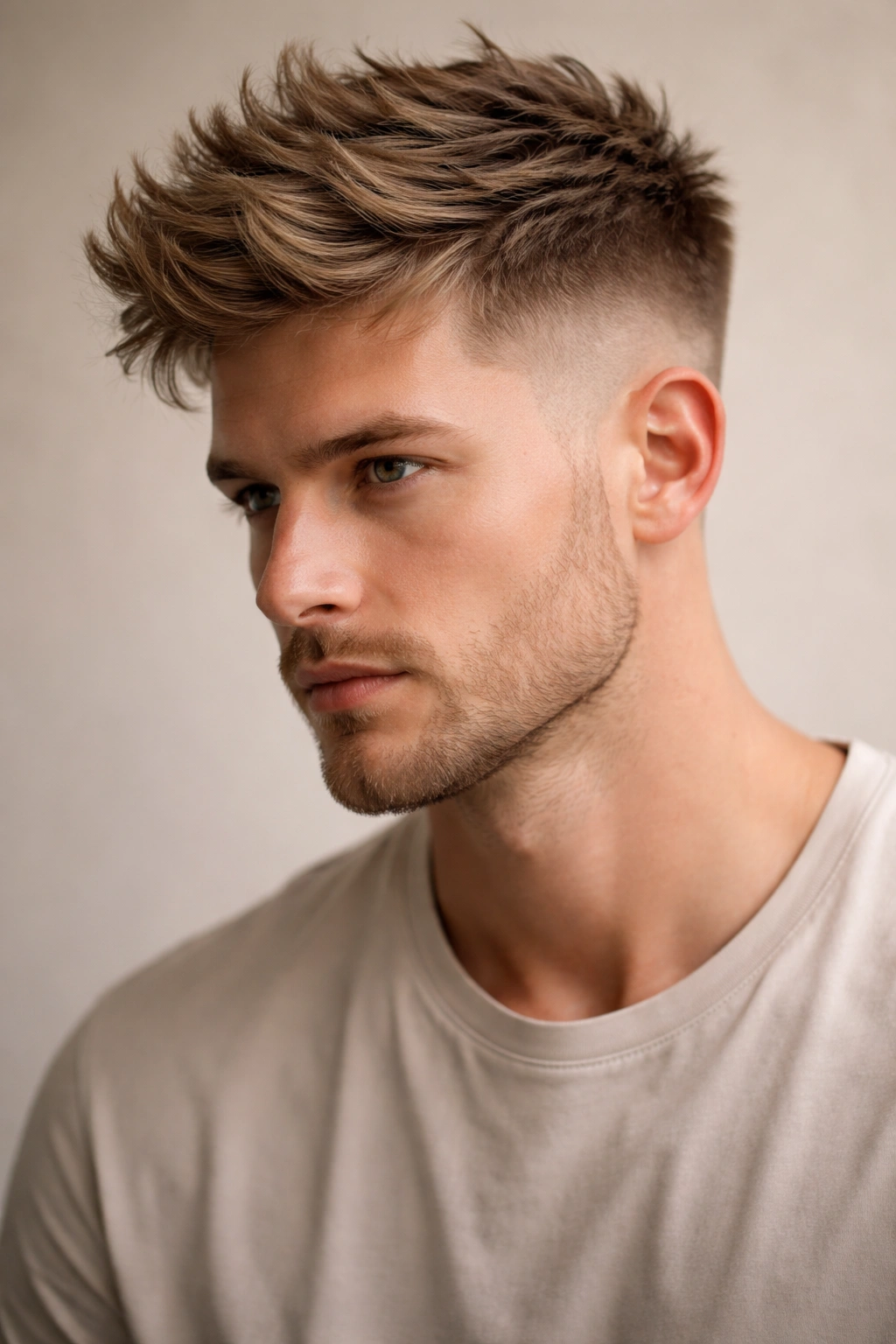
An undercut fade (where the sides gradually fade from very short to slightly longer) with a heavily textured top section creates sharp definition while maximizing fullness where it counts. The gradual fade is more forgiving than a harsh undercut, while the textured top ensures maximum volume. It’s modern, flattering, and genuinely excellent for fine hair.
Why This Cut Works for Fine Hair
The gradual fade removes weight from the sides without creating a harsh, dramatic look. The textured top is free from the weight of longer sides, so it can stand away from your head and look full. The contrast between the faded sides and textured top creates visual interest and makes the top appear fuller and more substantial. This cut also solves fine hair’s tendency to tangle or mat because there’s less surface area competing with the style.
What to Tell Your Stylist
- Ask for an undercut fade with a gradual transition from very short sides to longer top
- Request heavily textured, choppy layers on top for maximum fullness
- Specify how short the shortest part of the fade should be (0.5 inches, 1 inch, etc.)
- Ask about maintenance timing — fades typically need refreshes every 3-4 weeks
Worth knowing: This cut changes the most dramatically as it grows out, so commitment to maintenance matters more than with some other cuts.
Final Thoughts
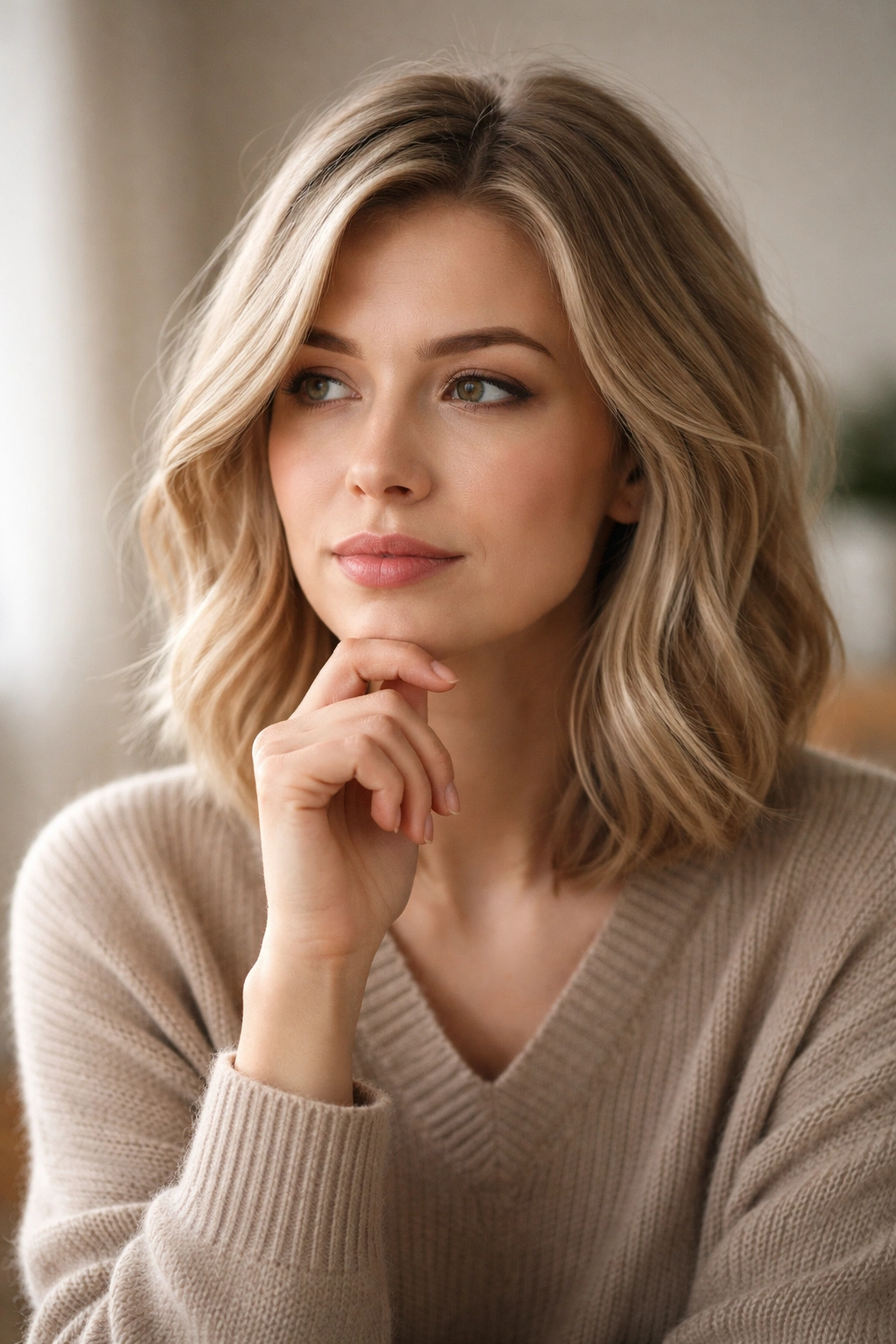
Finding the right haircut for fine hair genuinely changes your life. When you choose a cut designed specifically for your hair type, you stop fighting your natural texture and start working with it. The texture and movement that fine hair naturally wants to have becomes an asset rather than a frustration. You get real fullness without needing extreme styling techniques, products that weigh your hair down, or constant touch-ups.
The best haircut for you depends on your face shape, lifestyle, styling commitment, and personal style — but somewhere in these 20 options, there’s a cut that ticks all your boxes. When you book your next appointment, bring a clear description of what you want (use these article details), show your stylist exactly which cut appeals to you, and have a detailed conversation about how to achieve fullness with your specific hair type and face shape.
The transformation from a flat, disappointingly thin-looking style to one that makes your fine hair actually look full and voluminous happens in your stylist’s chair. Choose thoughtfully, communicate clearly, and embrace the texture and movement that makes your fine hair beautiful. Fullness is absolutely achievable — you just need the right cut.
