



Wave patterns have made a serious comeback in salons, and stylists are reporting that wavy haircuts are the most requested style category they see on a daily basis. There’s something about the movement, texture, and effortless-looking dimension that wavy hair creates — it photographs beautifully, holds shape throughout the day, and works across virtually every hair type and face shape with the right cut. The best part? Modern wavy haircuts aren’t about high-maintenance styling; they’re designed to enhance your hair’s natural movement and work with your texture, not against it.
What’s changed over the years is that wavy haircuts are no longer one-size-fits-all. The cuts stylists are seeing requested most frequently are thoughtfully constructed to complement individual face shapes, hair density, and lifestyle. Whether you’re looking for drama and volume, soft and romantic movement, or that perfectly undone texture that only looks effortless, there’s a specific cut designed to deliver exactly that effect. The key is finding the right length, layer placement, and cutting technique that suits your hair’s natural wave pattern.
If you’ve been scrolling through salon photos or sitting in the chair wondering what cut would actually look good on you, these twenty wavy cuts represent the styles women are actually booking. Each one has specific reasons why clients love it, which techniques make it work best, and how to communicate exactly what you want to your stylist. Let’s walk through each one in detail so you can find the perfect match for your hair goals.
1. Shaggy Layered Waves
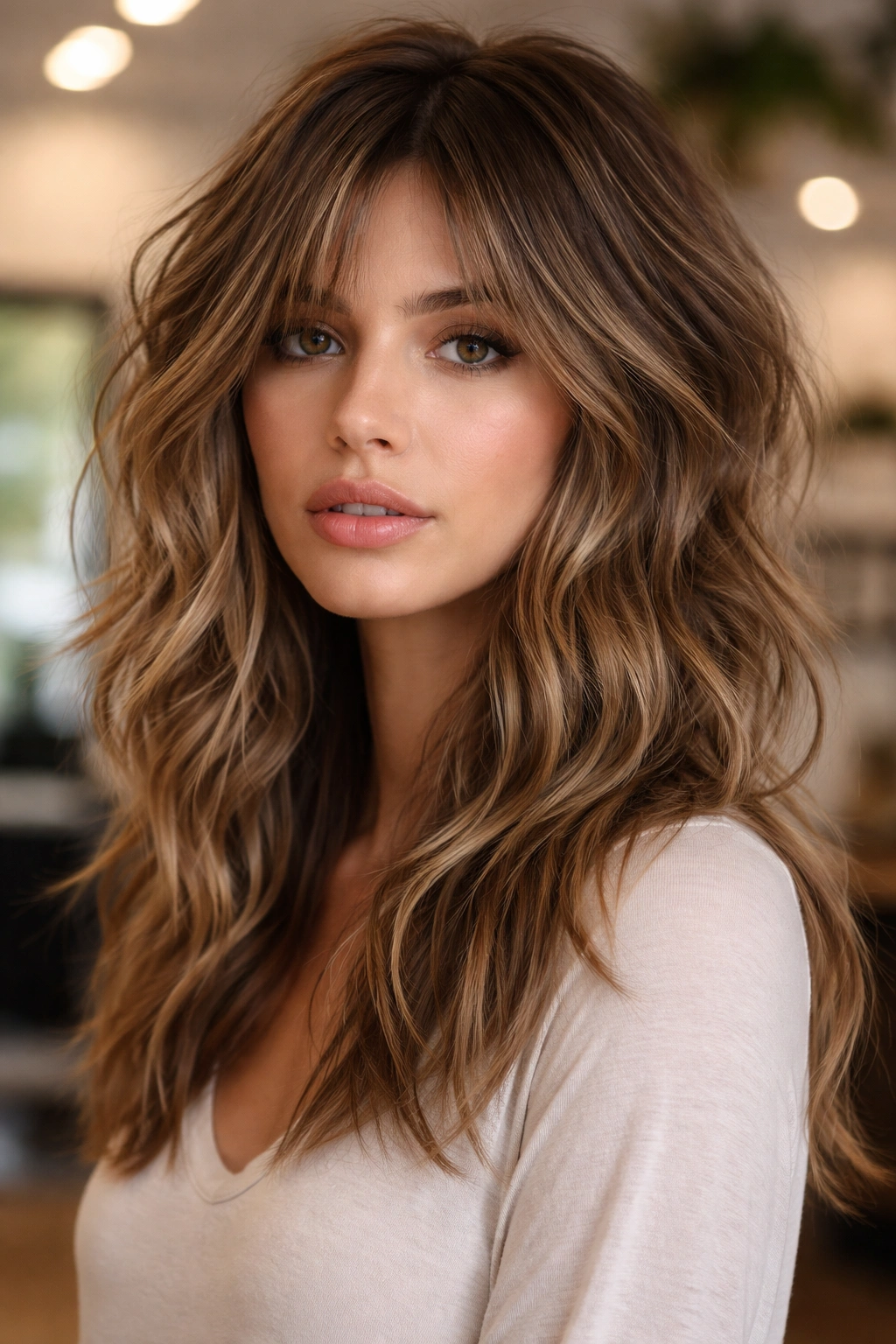
The shaggy layered wave is pure movement from root to tip — it’s the cut that looks textured and lived-in the moment you walk out of the salon. This style features choppy, shorter layers throughout that create a “broken up” effect rather than one blunt length. The layers are cut at varying depths, which allows waves to sit separately rather than clumping together, so you get maximum visual texture and volume without needing a ton of actual hair density.
Why Stylists Can’t Keep Up With Demand
Women love this cut because it feels fashion-forward and editorial without looking overdone or dated. The movement is so pronounced that even people with fine hair or thinner textures get the illusion of thickness and body. The cut works beautifully on waves of any size — from gentle S-curves to tight ringlets — because the layers adjust naturally to each wave pattern.
The Technical Details That Matter
- Best on: Shoulder-length to mid-back lengths; works on all face shapes but especially flatters longer or angular faces
- Styling requirement: Minimal daily styling — air dry and go, or add texture spray for more definition
- Layer placement: Choppy, face-framing layers starting as early as chin length, with longer underneath lengths creating a shag shape
- Best for hair types: Medium to thick hair; can work on fine hair if you have natural wave and avoid too many layers
Pro tip: Ask your stylist to create “choppy graduation” through the layers rather than uniform, even layers — this gives you more movement and a less blunt appearance as your hair grows out.
2. Curtain Bangs with Waves
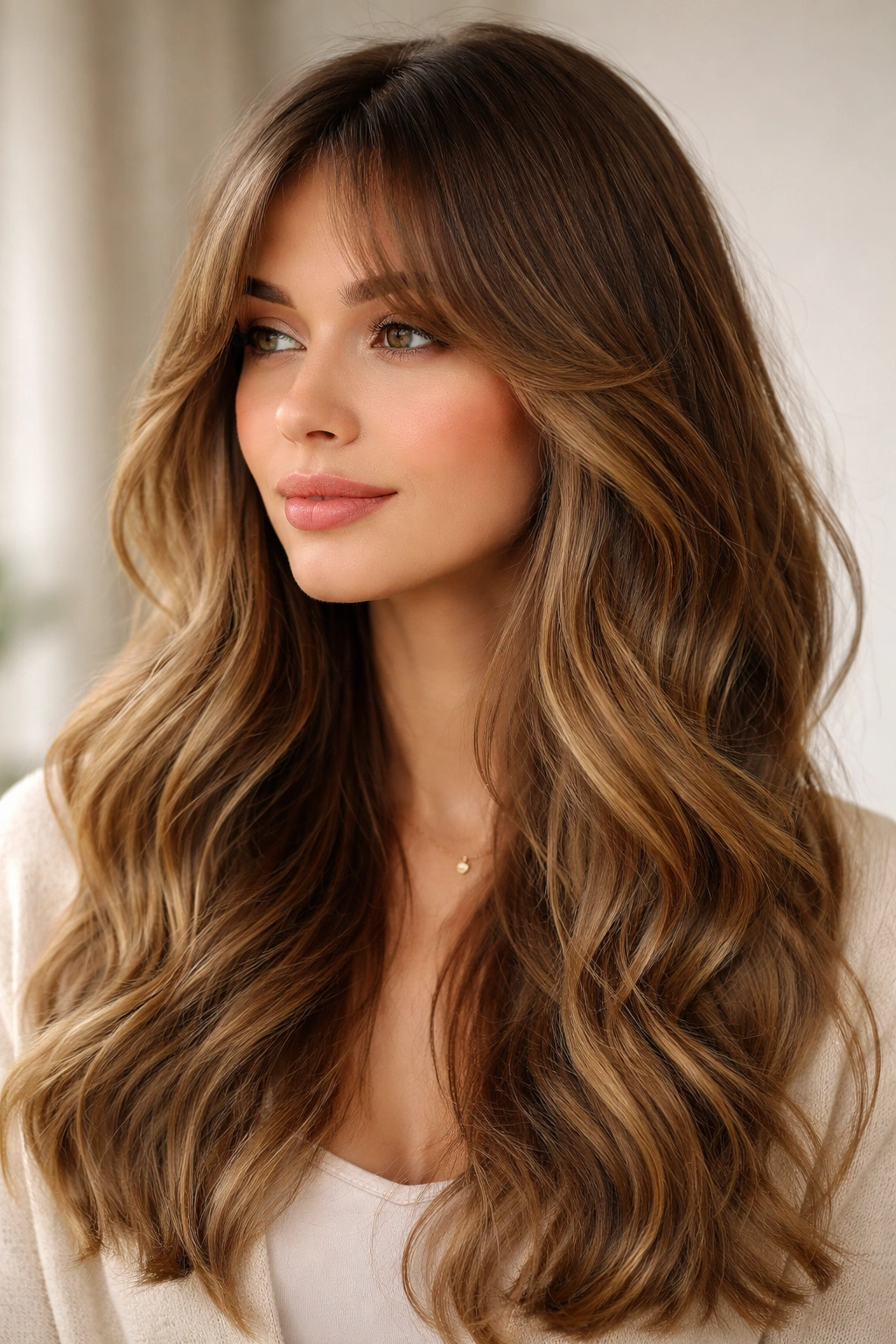
Curtain bangs paired with wavy hair create a naturally chic, face-framing effect that feels both polished and relaxed. This style features longer bangs that part down the center, with each side sweeping away from the face to blend seamlessly into the rest of your waves. The bangs themselves have a gentle wave to them, and because they’re longer and lighter, they don’t disrupt your overall wave pattern.
Why This Cut Flatters Nearly Every Face
The beauty of curtain bangs with waves is that the parted styling softens all face shapes while creating visual width and dimension around the cheekbones and eyes. The bangs draw attention upward without creating a heavy, blunt line across the forehead. They work especially well if you have a larger forehead, prominent nose, or want to add bone structure definition to a rounder face shape.
What You Need to Know About Maintenance
- Bang length: Longest point should hit around the cheekbone when dry and styled
- Blend point: Bangs blend into your wave pattern about 1-2 inches past where they’re cut shortest
- Daily styling: A quick pass with a round brush or air dry depending on your waves’ natural tendency
- Growing out: These bangs are incredibly forgiving — they work at every length as they grow, from blunt to fully blended
Insider note: This cut pairs beautifully with slightly tousled waves or damp wave texture — it looks even better when hair isn’t perfectly polished.
3. Long Soft Beach Waves
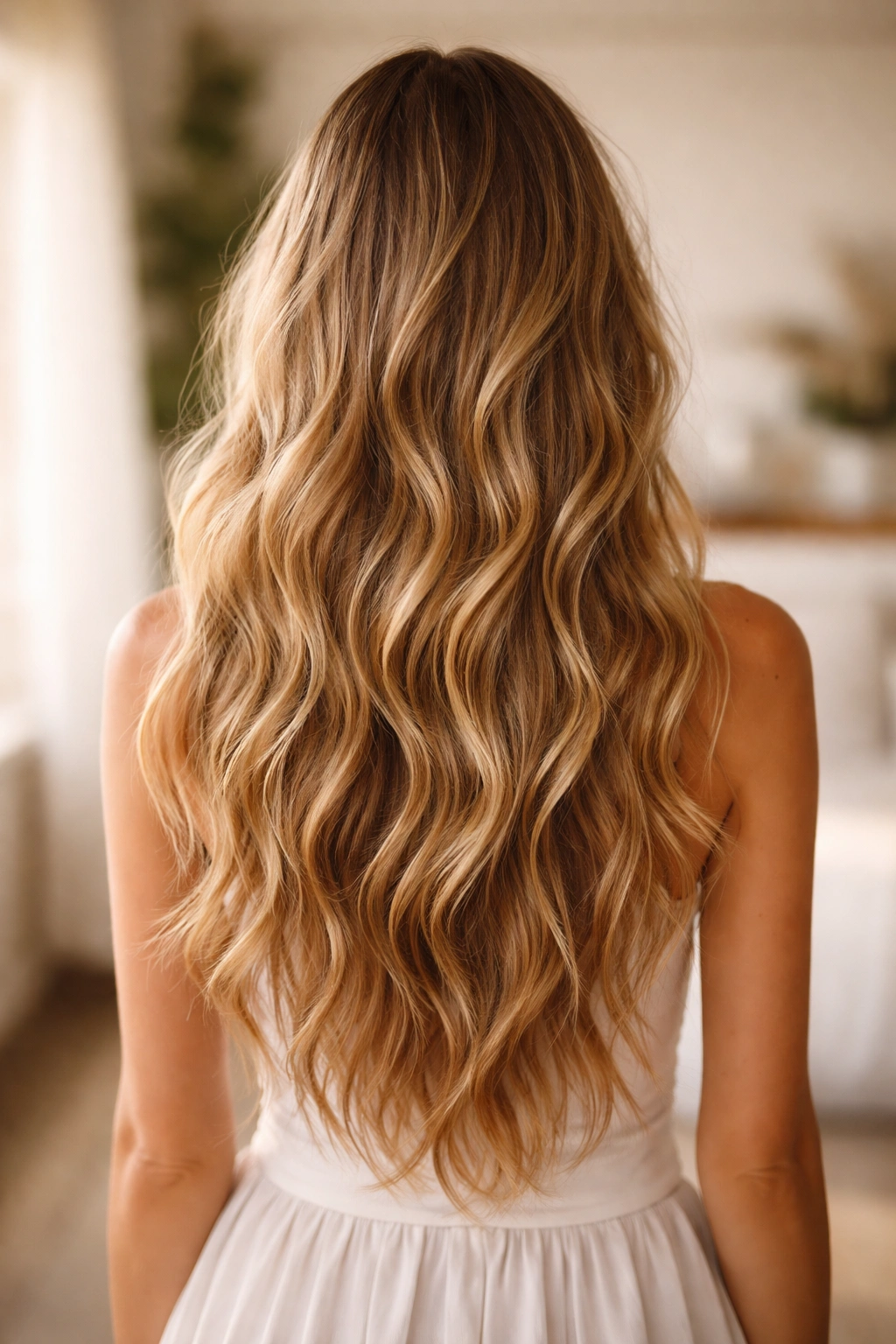
Long soft beach waves are the definition of effortless elegance — think sun-kissed, textured hair that moves like you just walked out of the ocean. This cut works with your hair’s natural wave pattern to create loose, romantic movement from root to tip. The length typically sits at mid-back or lower, and the cut includes subtle, strategic layers designed to encourage waves rather than create dramatic chop.
The Romance and Practicality Behind This Style
Women request this cut constantly because it looks undeniably beautiful in photos, feels weightless and moveable in real life, and doesn’t require intensive daily styling. The layers are placed intentionally to prevent the heaviness you’d get with a blunt, one-length cut at long lengths. Instead, the hair separates into those touchable, dimensional waves that define this style.
Cutting and Texture Techniques
- Overall length: Mid-back to bra-strap length for maximum wave impact
- Layer placement: Lighter layers starting around collarbone length, graduated to longer underneath
- Wave encouragement: The cut is shaped to follow your natural wave pattern rather than fight it
- Thinning and texture: Strategic point-cutting and razoring creates texture within each wave rather than a blunt, heavy appearance
Worth knowing: This cut looks best with some texture or movement — whether that’s your natural waves, light waves created by a curling iron, or product-enhanced texture. Completely straight hair can look stringy and one-dimensional at these lengths.
4. Medium Length Textured Waves
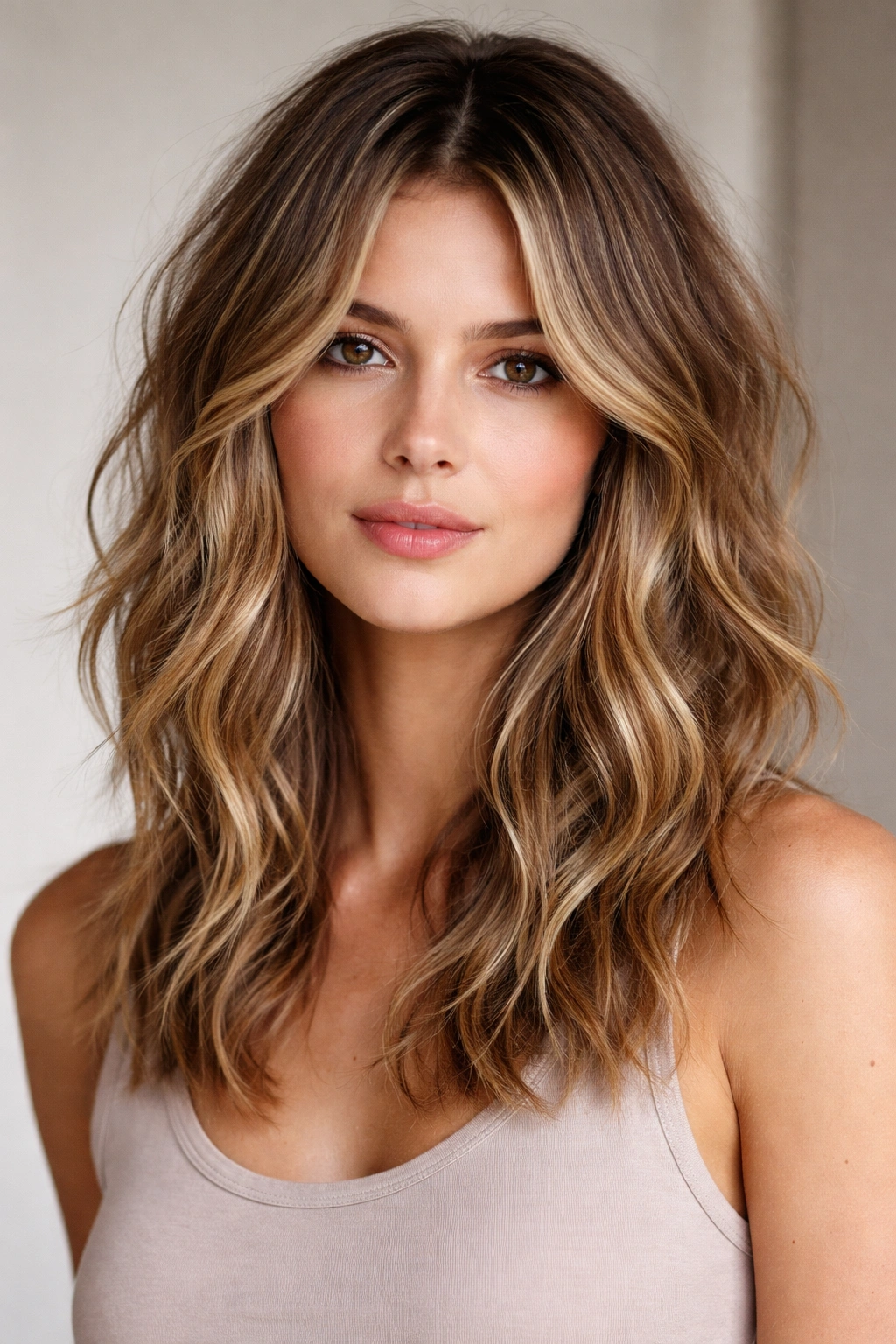
Medium length textured waves hit that sweet spot between low-maintenance and seriously stylish. This cut typically lands between the shoulder and collarbone, with strategically placed layers and choppy texture throughout that create dimension without looking shaggy. The texture is woven into the cut itself, meaning your waves have visual interest from every angle, not just when they’re perfectly styled.
Why This Length Is So Versatile
At medium length, you get enough hair to create real volume and movement, but not so much that styling becomes a daily production. The weight sits perfectly for waves to frame your face without feeling heavy or restrictive. This length works equally well styled sleek and straight, tousled with waves, or pulled back into a textured half-up style. Stylists love this cut because it’s forgiving — it looks good throughout the growing-out process.
The Texture Creates All the Movement
- Layer distribution: Choppy, integrated layers throughout rather than distinct “line” between short and long
- Point-cutting technique: Creates piecy, separated waves instead of blunt, heavy sections
- Underneath length: Often left longer to create graduated movement and prevent too-short appearance after first wash
- Face-framing: Intentional shorter pieces around the face that blend seamlessly into longer back sections
Pro tip: This cut is especially forgiving if you have naturally wavy or curly hair — the texture is already built in, so you’re just shaping what you’ve got.
5. Short Choppy Wavy Bob
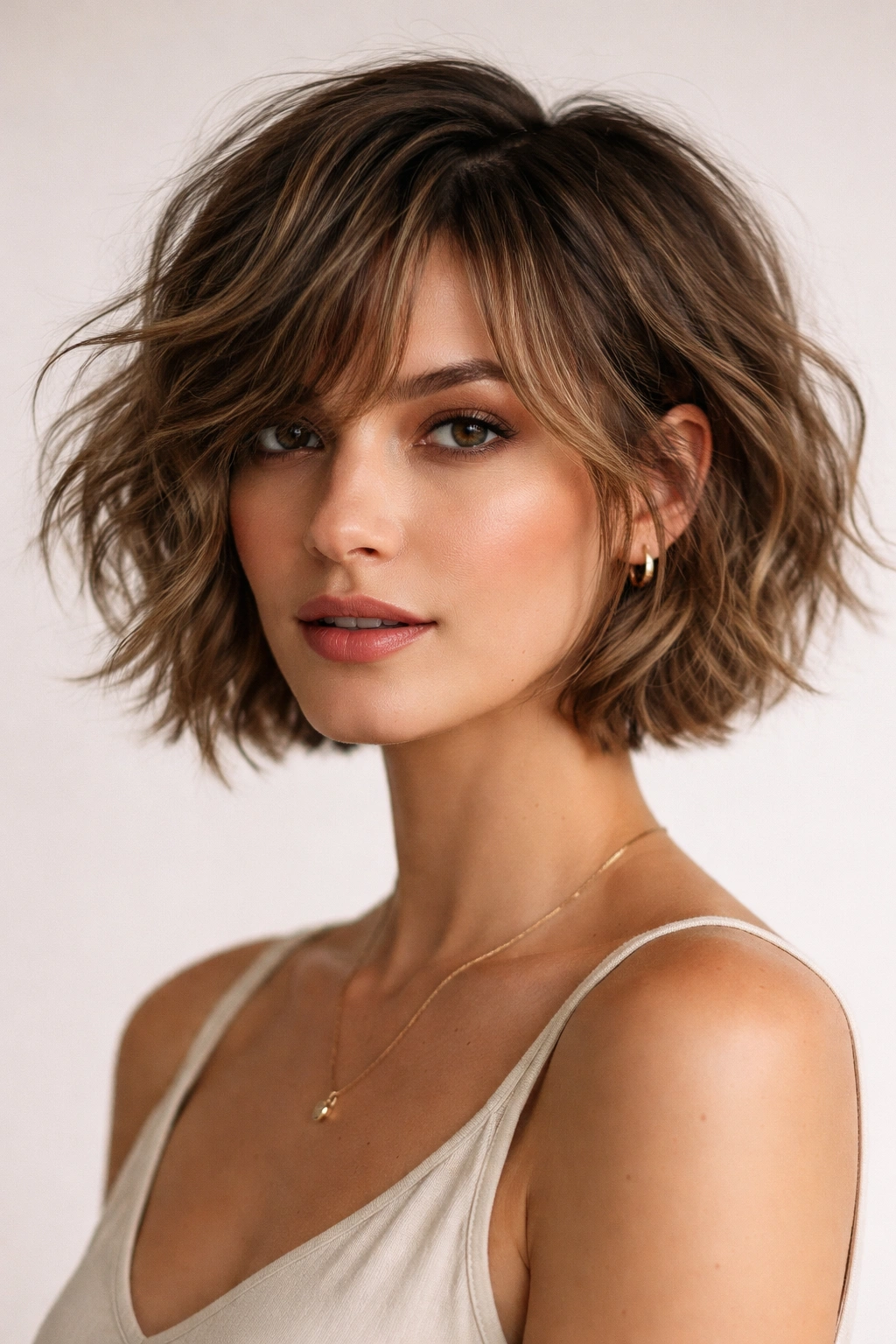
The short choppy wavy bob is editorial, confident, and surprisingly easy to maintain despite how intentional it looks. This cut sits right around ear-length or just below the chin, with choppy, disconnected layers that create serious texture and movement throughout. It’s not a blunt, sleek bob — it’s a deliberately piecy, broken-up bob that celebrates wave texture rather than hiding it.
This Cut Commands Attention
Women choose this style when they’re ready for real change and want a cut that looks undeniably modern and fashionable. The short length means faster styling time, less hair to manage, and a cut that photographs beautifully from every angle. The choppy layers mean the cut works on virtually any wave pattern — from loose waves to tight curls — because the layers allow texture to separate naturally.
Technical Cutting Details
- Length: Ear-length to just below the chin depending on face shape preference
- Layer pattern: Choppy, disconnected layers stacked throughout with shorter layers on top creating height
- Texture technique: Razor-cutting or point-cutting rather than blunt scissors to create piecy, separated waves
- Shortest point: Usually around the back crown, with forward movement that frames the face
Worth knowing: This cut requires a good blow-dry or styling to look its absolute best, though it’s totally wearable air-dried on textured hair. The choppy layers mean it styles faster than you’d expect.
6. Bouncy Barrel Waves
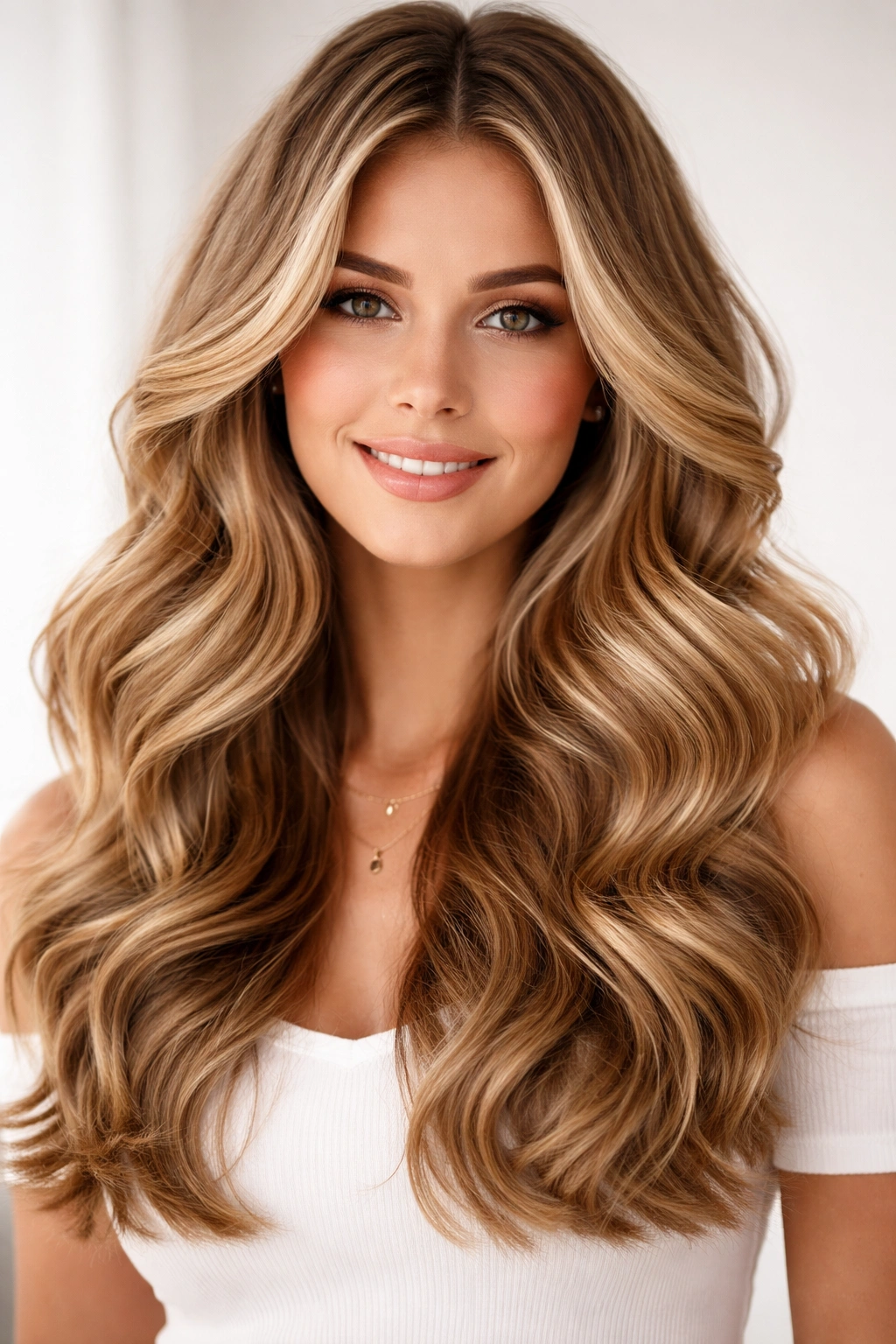
Bouncy barrel waves are achieved through a specific cutting technique that creates larger, more uniform waves throughout the hair — less about choppy texture and more about clean, defined curl patterns that bounce with movement. This cut is typically medium to long length with subtle layers that encourage bigger waves rather than lots of chop. The result is polished, voluminous, and romantic without feeling overdone.
The Science of Creating Bounce
This style requires careful attention to layer placement, length distribution, and how the cut interacts with your hair’s natural wave pattern. Shorter layers on top create height and movement at the crown, while longer underneath layers support the overall shape and create weight distribution that encourages those beautiful barrel waves. The cut works especially well if you blow-dry or style your waves, as the technique allows you to create defined, bouncy waves easily.
Making This Style Work for Your Hair
- Base length: Usually collarbone-length or longer for best barrel wave formation
- Layer height: Shorter layers around the crown to create lift; longer layers in the middle and underneath
- Wave size: This cut encourages bigger, rounder waves — works best if you naturally have medium to large waves or are willing to style them
- Styling time: Requires blow-dry with a round brush or styling wand; air-dry typically looks less polished
Pro tip: This is the cut to choose if you love creating defined waves with a curling iron or round brush — the cut is designed specifically to support that styling method.
7. Tousled Lob with Layers
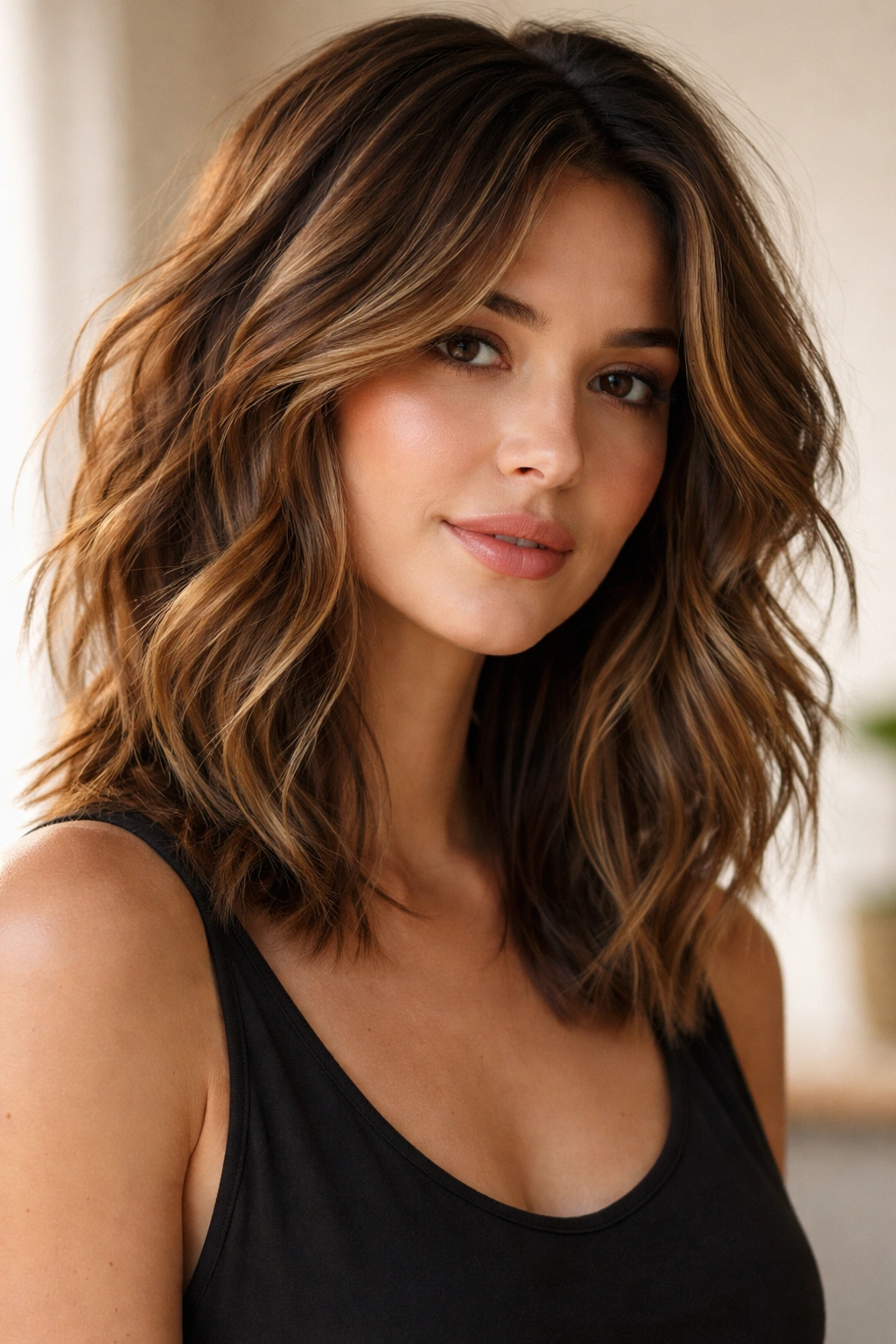
A tousled lob (that in-between length that’s longer than a bob but shorter than truly long hair) with layers is the definition of “why is this cut so easy to wear?” This length sits between chin and shoulders, with strategically placed layers that create movement and prevent that awkward, heavy feeling you sometimes get at this length. The word “tousled” is key — the cut is designed for waves that look undone and deliberately lived-in.
The Perfect In-Between Length
The lob has massive appeal because it’s long enough to style multiple ways, short enough to feel manageable, and the layers prevent it from looking blunt or heavy. A tousled lob works on nearly every face shape, and because it’s such a forgiving length, it’s a great option if you’re trying out a shorter cut without committing to really short hair.
Layer Placement and Texture Work
- Overall length: Typically one to three inches below the chin, hitting right at the collarbone area
- Layer depth: Moderate layers that create movement without looking choppy; face-framing pieces are slightly shorter
- Texture technique: Light point-cutting or razoring to create separation within waves without destroying weight
- Underneath length: Often left slightly longer to create a subtle graduated shape and prevent the “boxy” lob look
Worth knowing: This length can photograph beautifully with soft waves or tousled texture. Completely straight hair can sometimes look thinner or less intentional at this length.
8. Micro Bangs with Waves
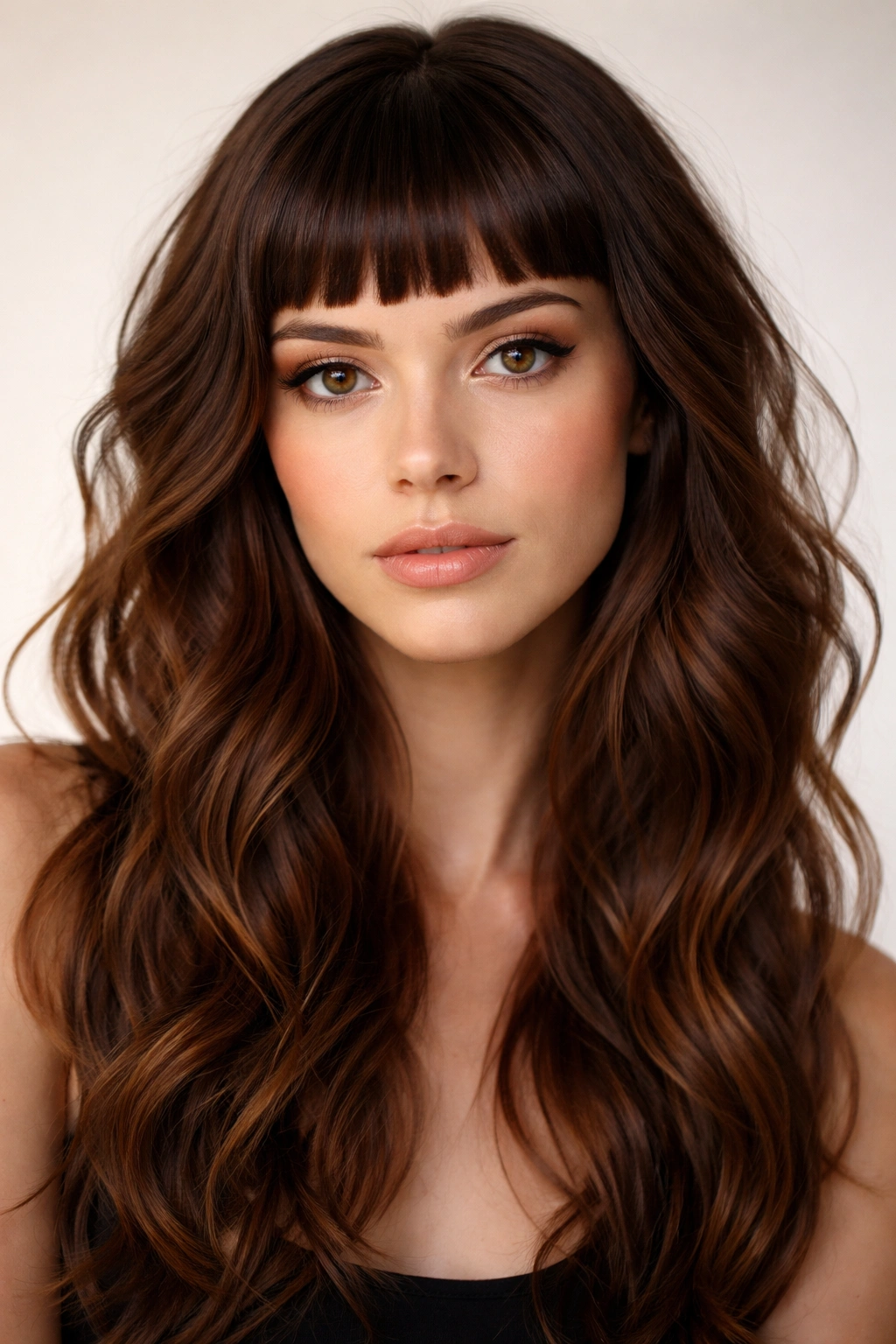
Micro bangs paired with wavy hair is a bold, confident choice that immediately transforms your look and face framing. These bangs sit much shorter than traditional bangs — typically hitting right at the eyebrow or even higher — and they create a graphic, statement-making effect when paired with longer wavy lengths. The contrast between the short bangs and longer waves creates visual interest and makes a serious style statement.
Who’s Requesting This Cut
This style appeals to women who want their haircut to be noticed, who aren’t afraid of bold styling choices, and who have the face shape and features to carry off very short bangs. The shorter bangs actually work beautifully with waves because your longer wavy lengths soften the graphic nature of the short bang line. It’s an edgy-meets-romantic combination that’s gaining serious traction in salons.
Making Micro Bangs Work
- Bang length: Typically eyebrow-length or slightly above, creating a graphic, intentional line
- Bang shape: Can be blunt and straight or slightly curved to follow your natural waves
- Blend point: Micro bangs blend into your wave pattern about 2-3 inches past the shortest point
- Hair texture requirement: Works best with naturally wavy hair or if you’re willing to style your bangs daily
Pro tip: Micro bangs grow out very visibly, so factor in bang trims every 3-4 weeks if you want to maintain this look. Consider starting with slightly longer bangs first to see if you love the commitment.
9. Side-Swept Waves
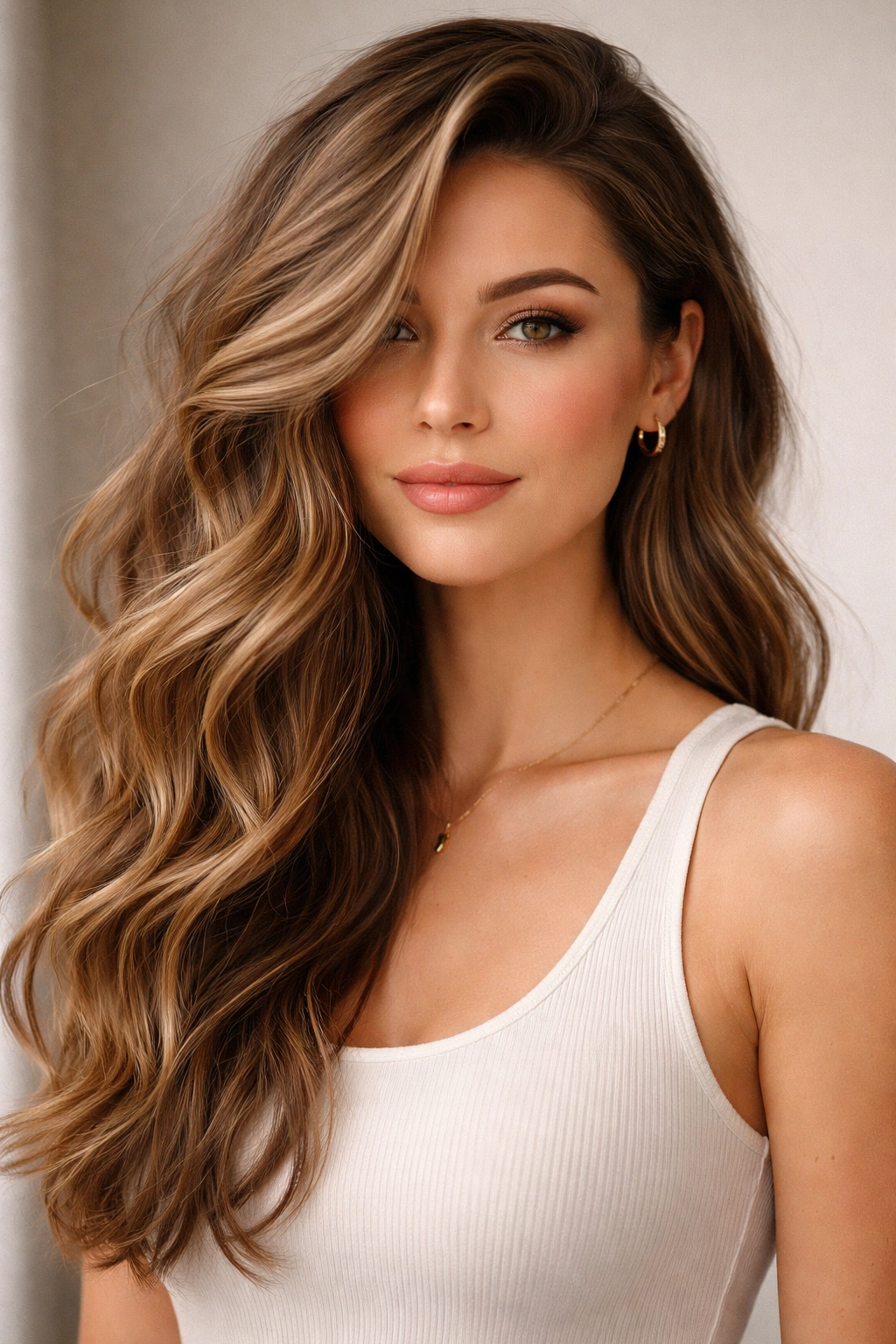
Side-swept waves are all about creating asymmetrical movement and dimension through one-sided styling and cutting. This cut features longer lengths on one side of your face and shorter on the other, with your waves creating beautiful visual movement as they sweep across and around your face. It’s an excellent cut for anyone who wants subtle asymmetry without anything that feels too edgy or dramatic.
The Flattering Power of Asymmetry
Side-swept waves work because asymmetry is inherently more interesting to the eye than perfect symmetry — it draws attention where you want it and creates movement that photographs beautifully. This cut is especially flattering if you want to add width to a narrow face, create the illusion of a smaller face shape, or simply add a subtle editorial quality to your style. The side-sweep can be achieved through styling alone, but the cut is designed to support and encourage this direction.
Cutting and Styling Technique
- Length variance: Noticeably longer on one side (typically five to eight inches longer) than the other
- Layer placement: Often follows the same asymmetrical pattern, with more layers on the longer side
- Styling direction: Hair is styled to sweep across the face from the shorter side toward the longer side
- Wave placement: Waves follow the natural direction of the sweep, creating flowing movement from one side to the other
Worth knowing: While side-swept waves are often achieved through styling and parting, the cut needs to be designed with asymmetry in mind so the different lengths actually enhance your waves rather than fight them.
10. Damp Wave Texture Cut
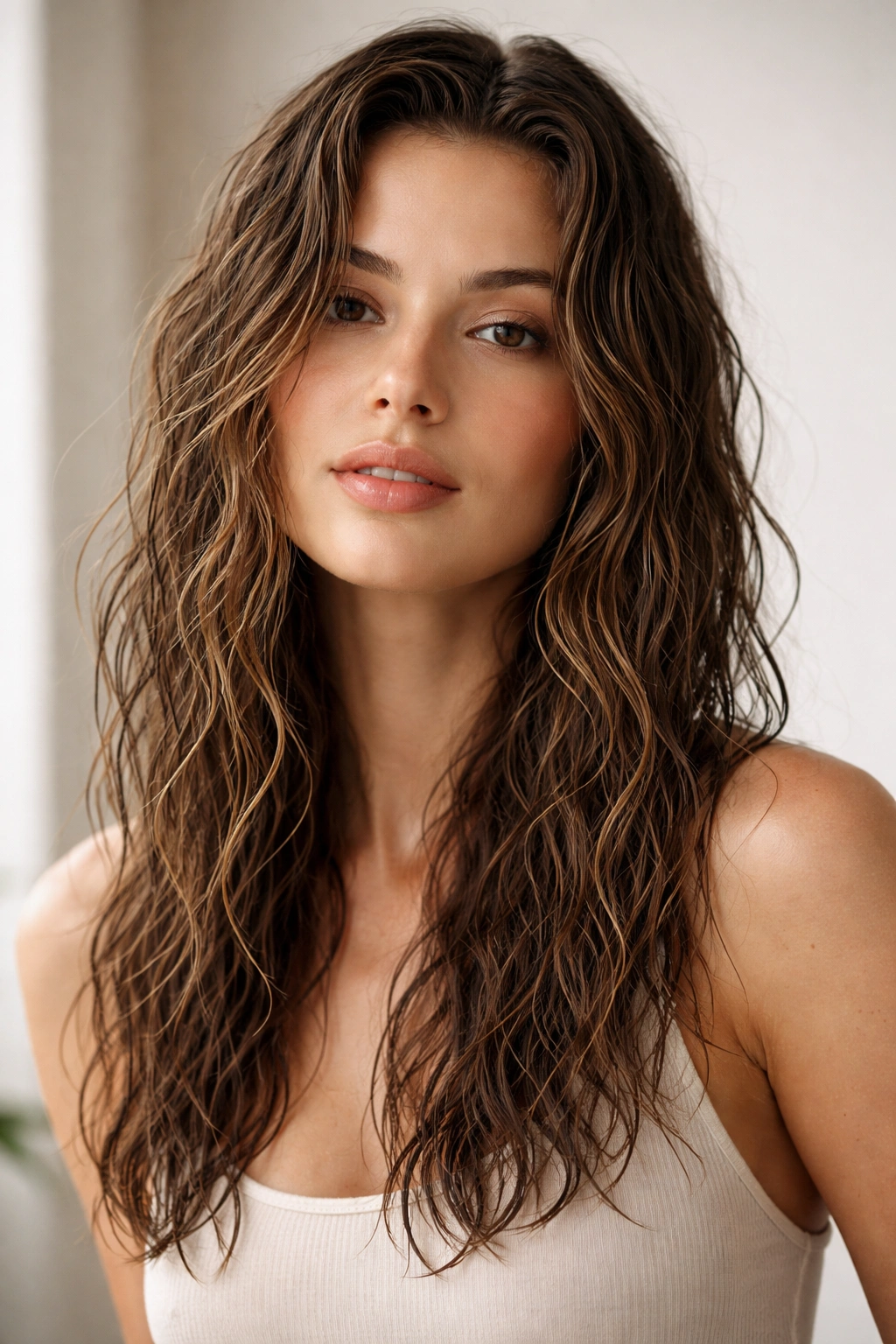
The damp wave texture cut is specifically designed to create beautiful wave texture when your hair is damp or freshly washed — this isn’t about blow-drying or styling wands, it’s about working with your hair’s natural moisture and wave pattern. The cutting technique creates separation and definition within your waves so that when your hair is damp, the waves instantly look intentional, dimensional, and styled without requiring much effort.
Why This Cut Feels Like a Morning Game-Changer
Women absolutely love this cut because it requires minimal styling — damp hair naturally looks textured and styled the moment it’s dry. You can literally wash your hair, apply some product, and let it air dry into beautiful waves. No blow dryer, no curling iron, no 30-minute styling routine required. It’s perfect for anyone who values simplicity but still wants to look intentionally styled.
The Cutting Technique That Creates This Effect
- Point-cutting depth: Strategic point-cutting throughout creates separation within each wave section
- Layer distribution: Layers are placed to encourage waves to sit distinctly rather than clump together
- Texture work: Often includes some razoring or thinning to reduce weight and encourage wave movement
- Length consideration: Works best at medium to longer lengths where damp texture is most visible
Pro tip: Ask your stylist to show you how your hair looks damp right after the cut — this is what you’ll be achieving every time you wash your hair and let it air dry.
11. Wet Look Waves
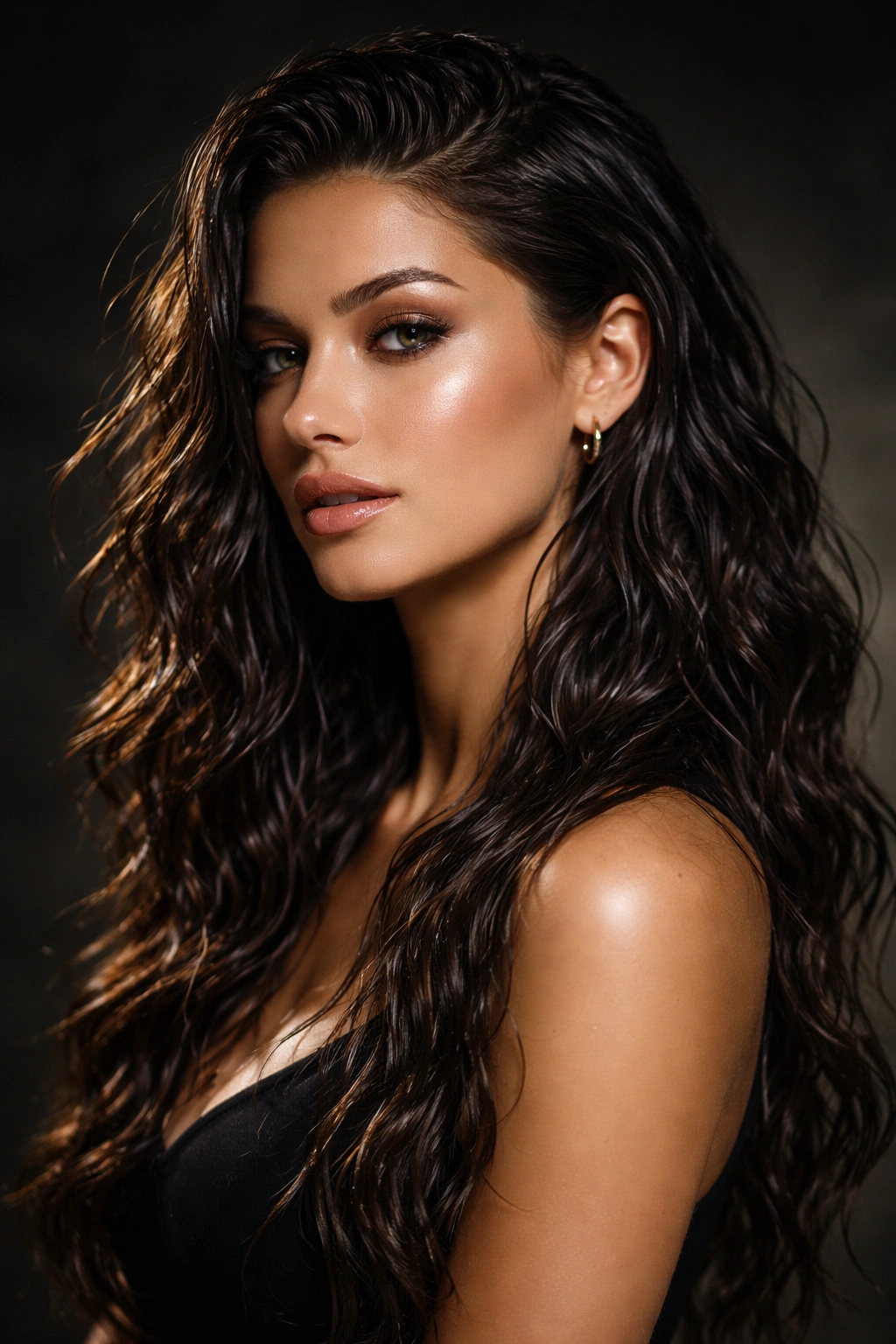
Wet look waves are creating an edgy, intentional appearance by styling your waves with a slick, glossy product that makes them look deliberately wet or damp. This cut typically features medium to long lengths with waves that are styled to have that just-came-from-the-water appearance. It’s an editorial, fashion-forward style that works especially well when paired with textured or layered cuts that allow the “wet” product to settle into the waves and create visual definition.
The Modern, Fashion Edge
This styling approach is increasingly popular because it looks undeniably current and stylish without appearing overdone. Wet look waves work beautifully in photos, on video, and in person — they have a luminous, dimensional quality that really stands out. The cut needs to have enough texture and movement built in so that the wet product creates definition rather than making your hair look flat or stringy.
Achieving the Wet Look Effect
- Product choice: Typically a gel, mousse, or wet-look styling product that adds shine and separation
- Cut requirement: Textured, layered cuts work best so the wet product doesn’t make everything look like one clumpy section
- Wave definition: Waves should be clearly defined within the cut so the product enhances rather than obscures them
- Styling method: Product is typically applied to damp hair and either air-dried or lightly blow-dried for that wet appearance
Worth knowing: This look is more editorial and fashion-focused than everyday wearable for most people — it’s perfect for shoots, events, or when you want to make a bold styling statement.
12. Shoulder-Length Blunt Waves
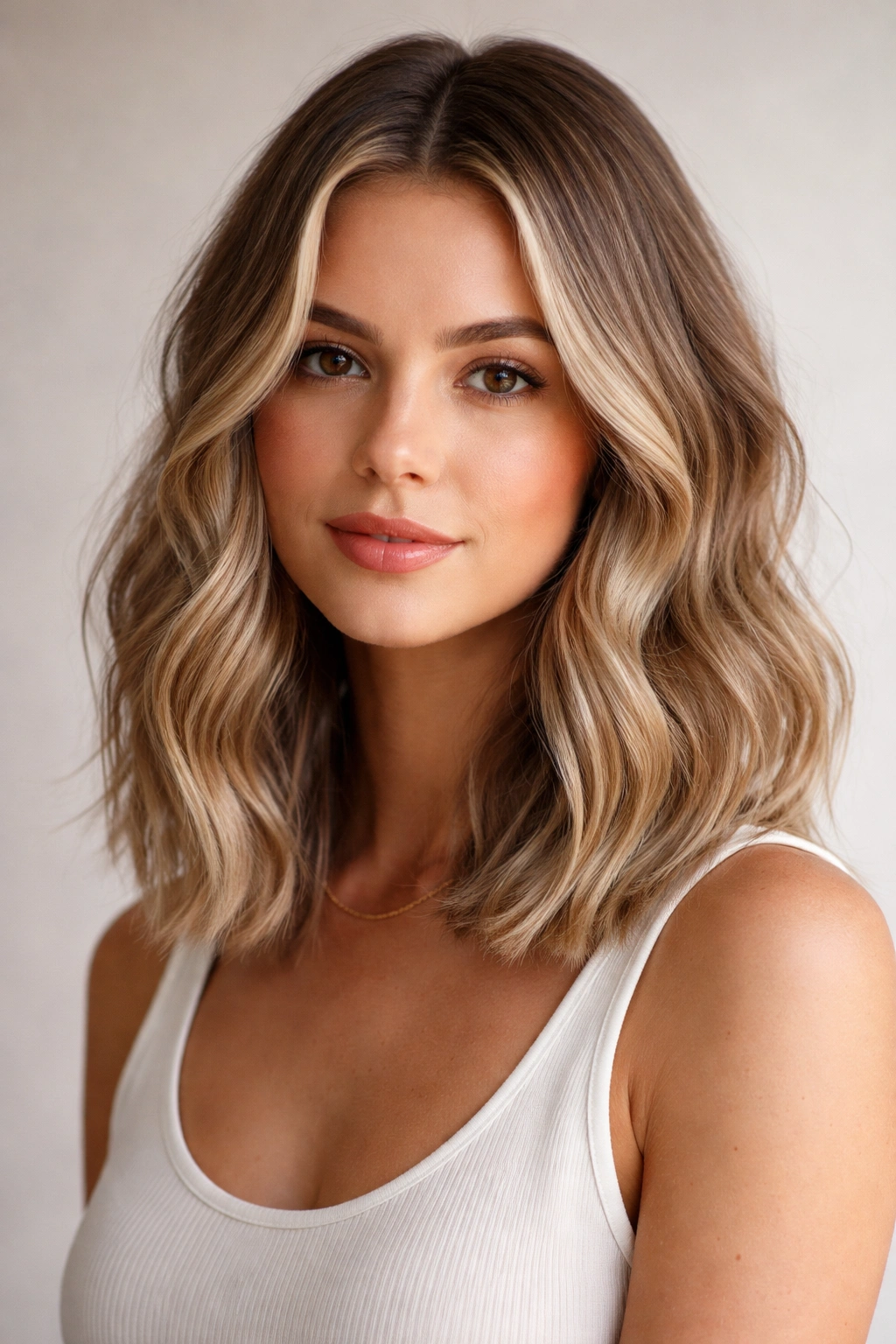
Shoulder-length blunt waves pair the simplicity of a blunt, one-length cut with the movement and dimension of waves. There are no layers or choppy pieces — your hair is essentially one unified length that sits right around your shoulders. The magic is that instead of creating a heavy, blunt appearance, the waves prevent the cut from looking severe or one-dimensional. It’s incredibly chic in a understated, modern way.
The Appeal of Blunt Simplicity With Wave Movement
This cut works because it’s refreshingly simple — there’s no complicated layer structure to maintain or grow out awkwardly — yet your natural waves or styled waves prevent it from looking boring or flat. Blunt waves work beautifully if you have naturally wavy or curly hair, or if you’re willing to create waves through styling. The cut is especially flattering on people with longer face shapes because the shoulder-length blunt line creates width without feeling heavy.
Why Stylists Love Suggesting This Cut
- Maintenance: Simple, blunt lines mean minimal upkeep — just regular trims to maintain the length
- Versatility: Works beautifully straight, wavy, or curly depending on your mood and hair type
- Face framing: The shoulder-length hit creates a natural frame without requiring layers designed specifically for that purpose
- Styling ease: Waves create movement that prevents the blunt line from ever looking severe or unflattering
Pro tip: This cut looks especially beautiful if you have naturally wavy or textured hair — the blunt line emphasizes the wave pattern rather than fighting it.
13. Extended Mullet Waves
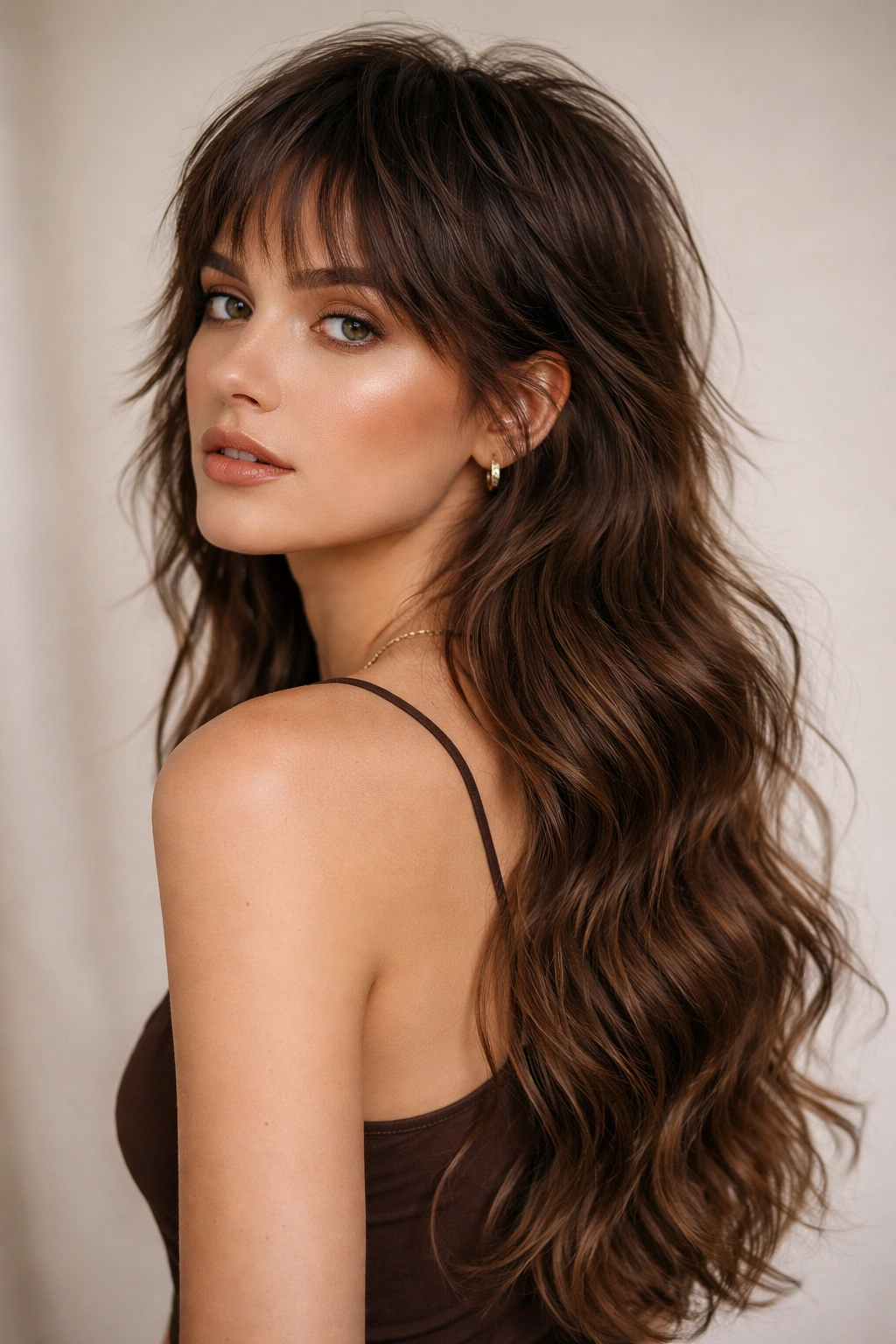
The extended mullet takes the 80s-inspired mullet concept and stretches it into modern territory with extended waves. Shorter, textured layers on top create volume and movement at the crown, while longer lengths in the back flow into beautiful waves. It’s much more wearable and contemporary than traditional mullet cuts, but it maintains that same front-to-back length contrast that makes the style so visually interesting.
Modern Mullet Energy
The extended mullet appeals to women who want something unconventional and editorial without looking costume-y or dated. The front isn’t dramatically short — it’s more like a textured, choppy cut with face-framing pieces — while the back flows into extended waves. The contrast creates movement and visual interest, and the longer back lengths keep it feeling sophisticated rather than gimmicky.
The Textured Top and Wavy Bottom
- Top length: Face-framing pieces and crown layers typically sit chin-length or shorter, creating height and movement
- Back length: Extended to mid-back or bra-strap length, maintaining the length contrast that defines the style
- Texture approach: Top layers are choppy and textured; back lengths feature waves rather than chop
- Transition blend: The blend between short and long isn’t harsh — layers create a graduated transition rather than a dramatic line
Worth knowing: This cut requires regular maintenance to keep the length contrast intentional. The top will need trims every 6-8 weeks while you let the back grow.
14. Feathered Wavy Layers
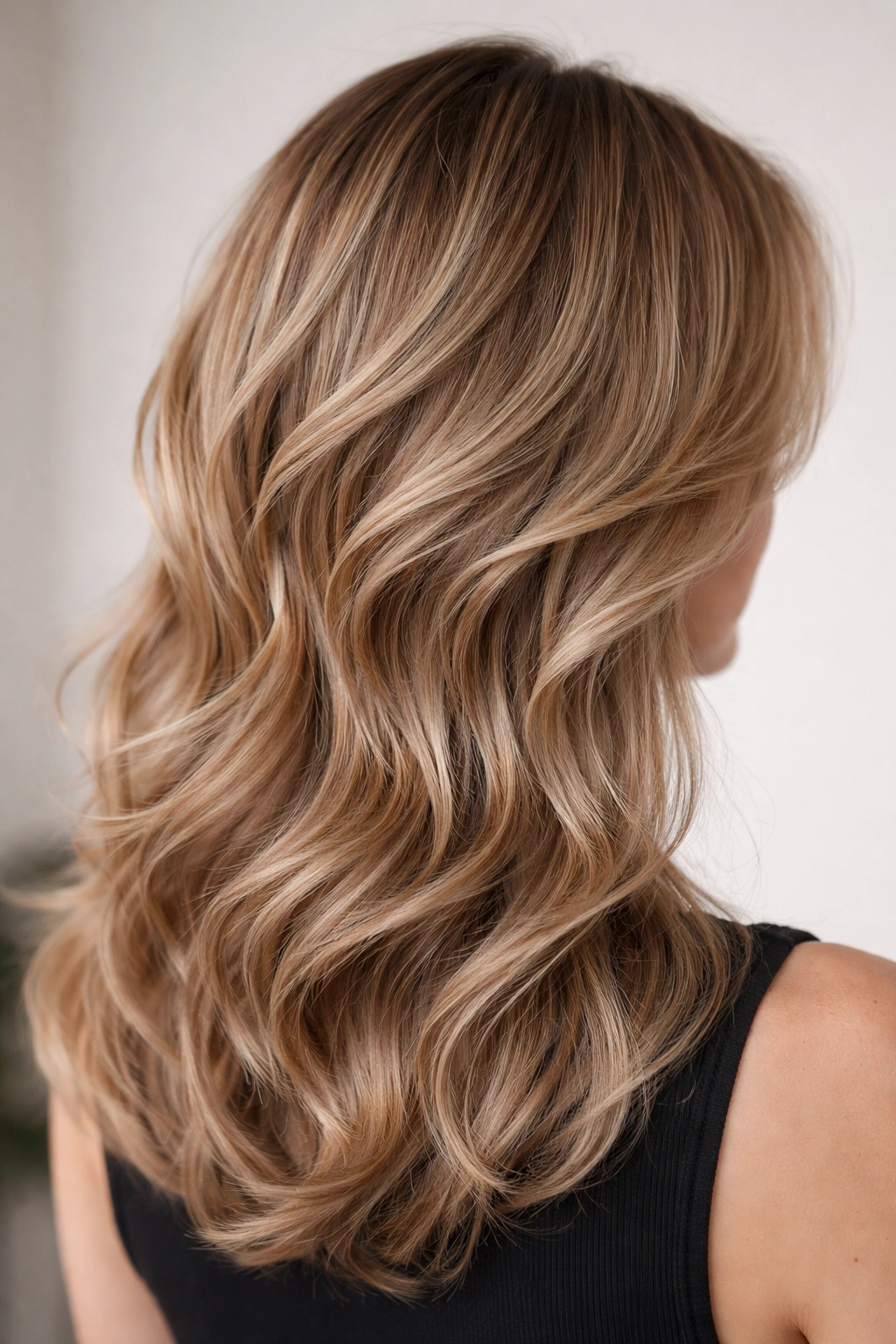
Feathered wavy layers are all about creating soft, flowing movement through carefully placed layers that sit close to the head and create texture without bulk. Feathering means the layers are cut close to the scalp in a way that encourages hair to sit smoothly rather than creating chunky, disconnected sections. The result is subtle dimension and movement without that “choppy” feeling — it’s refined, elegant, and undeniably beautiful.
The Elegance of Feathering
Feathered layers work beautifully if you love wave texture but prefer a more polished, less editorial appearance. The layers create serious visual movement and prevent hair from sitting flat, but they do it through technique and precision rather than dramatic, intentional chop. This cut is especially flattering on finer hair textures because the feathering creates the illusion of volume without actually removing much hair.
Feathering Technique and Placement
- Layer technique: Cutting at precise angles to create layers that feather smoothly rather than sit in separate chunks
- Proximity to scalp: Layers sit closer to the head, creating subtle texture rather than dramatic movement
- Length gradient: Typically longer at the bottom with graduated, feathered layers building to the crown
- Wave enhancement: The feathering encourages waves to separate and move rather than clump together
Pro tip: Feathered waves look especially beautiful with soft, loose waves or a light blow-dry. They’re less about the “I styled this intentionally” effect and more about natural, effortless movement.
15. Blunt Bangs with Waves
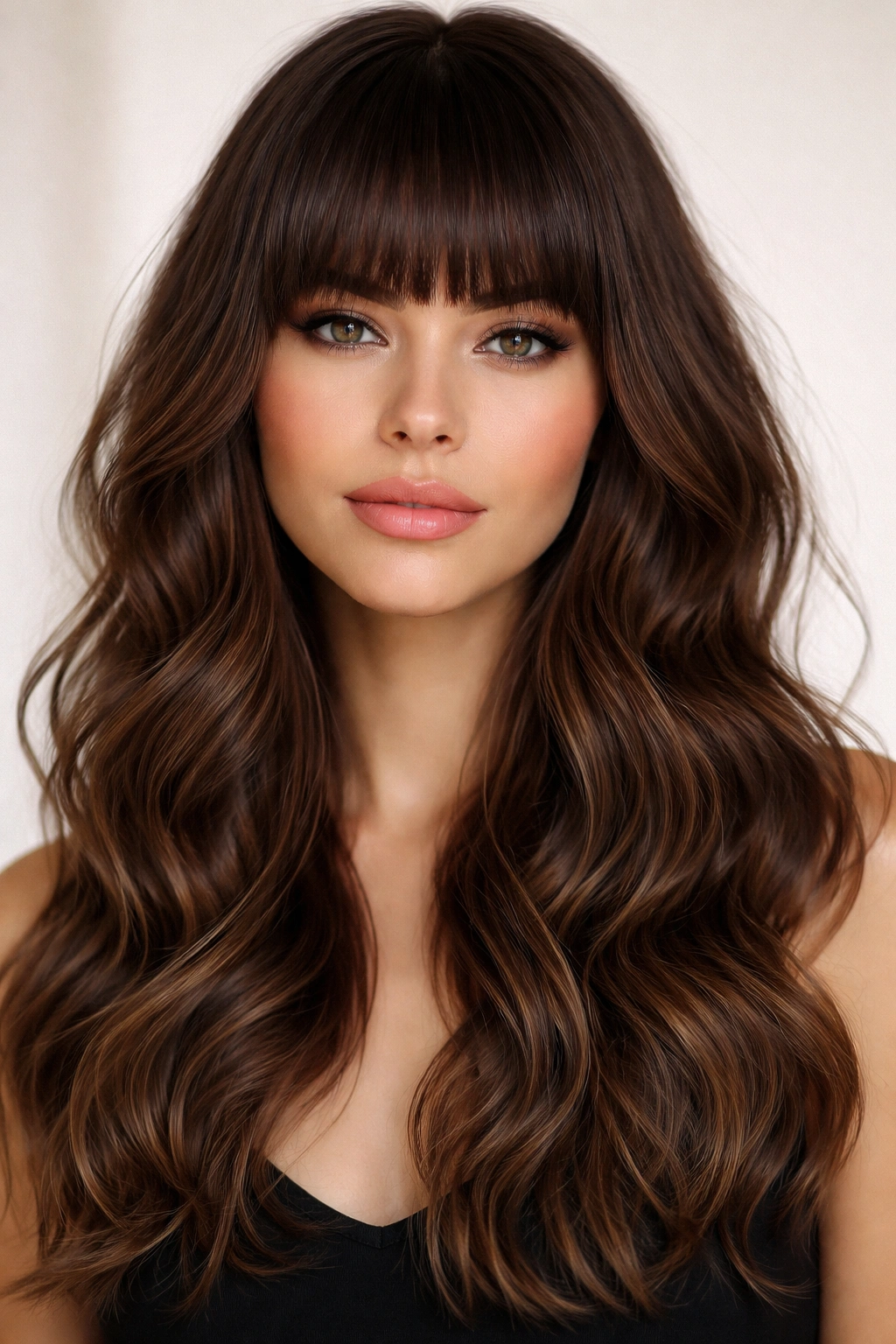
Blunt bangs combined with wavy lengths create a striking contrast between the graphic, clean bang line and the soft, textured waves below. The bangs are truly blunt — a clean, straight line across the forehead — while the rest of your hair features layers and waves that create movement and dimension. This style is bold, intentional, and instantly modern without feeling gimmicky.
The Graphic Impact of Blunt Bangs
Blunt bangs are a statement — they immediately transform your look and draw attention to your eyes and face framing. When paired with waves, they create a really interesting visual contrast that feels both edgy and romantic. This combination works especially well if you have a longer face shape, want to add width across the forehead, or simply love the idea of a dramatic bang moment.
Technical Execution
- Bang length: Typically just above the eyebrows, creating a graphic, clean line that’s very intentional
- Bang bluntness: Cut with blunt scissors for a clean, straight edge rather than textured or feathered
- Blend point: Bangs blend into your wave pattern about 1-2 inches past the shortest point
- Wave styling: The waves below the bangs create movement and prevent the overall look from feeling too severe
Worth knowing: Blunt bangs require regular maintenance — they need a trim every 3-4 weeks to maintain that clean, graphic line. As they grow, the bluntness softens and becomes more integrated.
16. Asymmetrical Wavy Cut
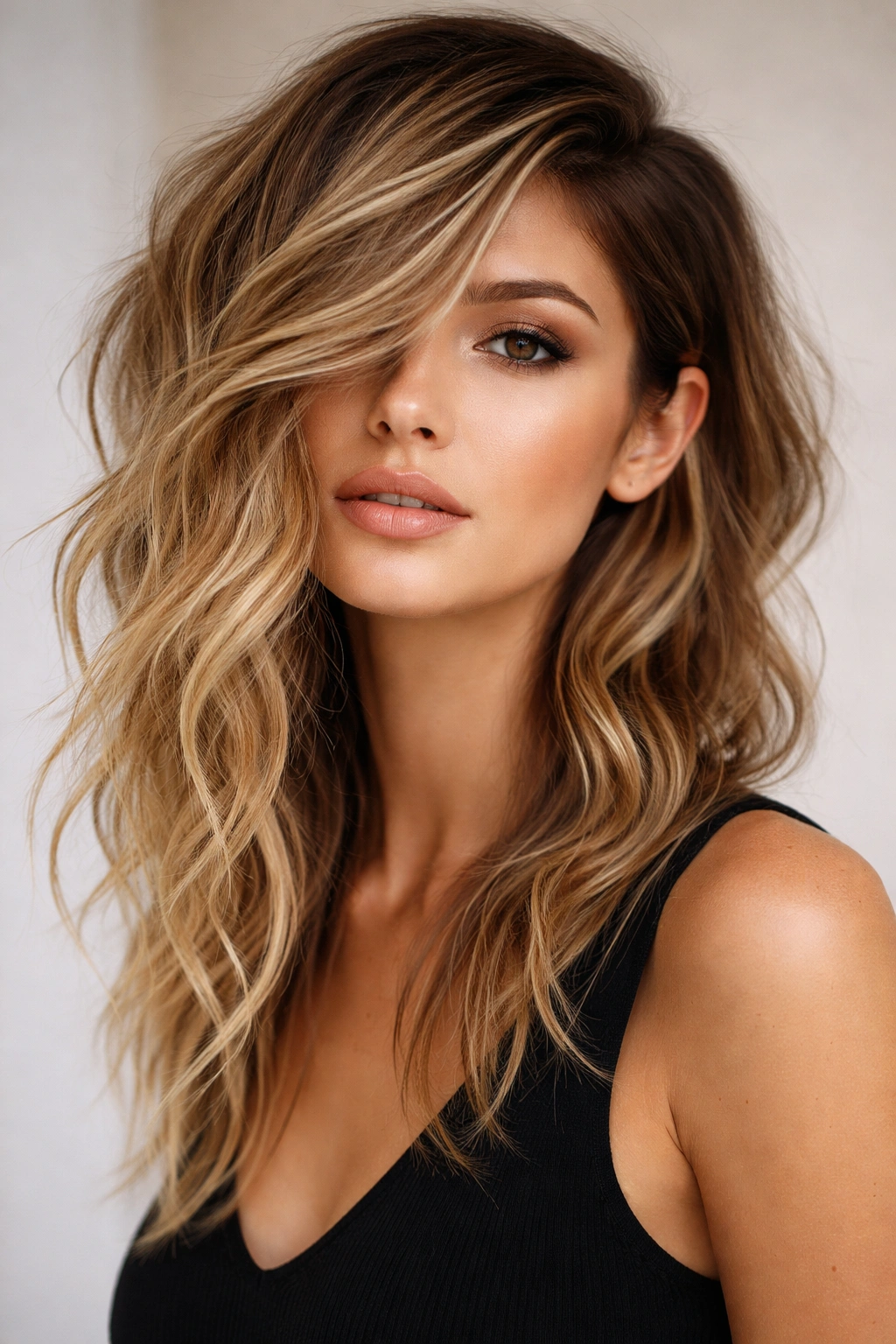
An asymmetrical wavy cut goes beyond simple side-swept styling — the cut itself is fundamentally asymmetrical, with significantly different lengths on each side of your head. One side might be quite short while the other flows into longer waves, creating a bold, architectural look that’s undeniably modern and fashion-forward. This cut is for women who want their haircut to be noticed and who aren’t afraid of unconventional styling.
Bold, Intentional Asymmetry
Asymmetrical cuts appeal to women who have a strong sense of personal style and want their hair to reflect that boldness. The cut creates automatic visual interest and movement, and paired with waves, it becomes even more dynamic. Asymmetrical cuts often photograph beautifully and create an editorial, high-fashion quality that’s hard to achieve with traditional, symmetrical cuts.
Designing True Asymmetry
- Length variance: Noticeably different lengths between sides — could be 6-8 inches or more depending on how bold you want to go
- Layer pattern: Often asymmetrical as well, with more layers on one side and smoother lengths on the other
- Wave distribution: Waves may be more pronounced on the longer side or equally distributed depending on cut design
- Styling direction: The asymmetry is built into the cut so it requires less active styling to achieve — though styling can enhance it
Pro tip: Asymmetrical cuts require someone with strong technical skill and vision — find a stylist who has done this cut multiple times and show references for exactly what you want.
17. Fairy-Tale Waves
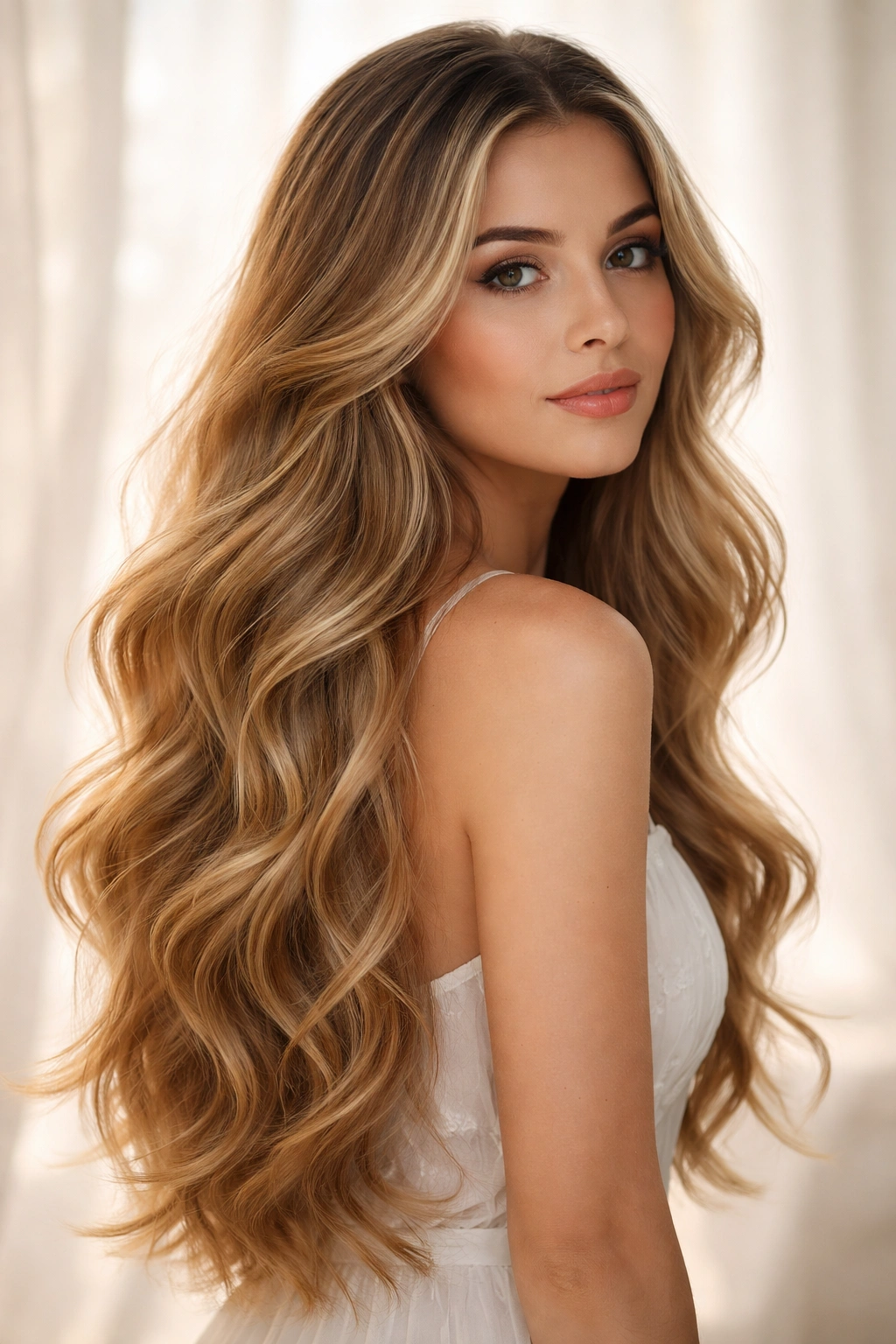
Fairy-tale waves capture that storybook-princess feeling of soft, romantic, slightly whimsical waves. This cut typically features longer lengths with subtle layers that create gentle movement and dimension, often with a slight emphasis on face-framing pieces that create a really pretty, romanticized effect. It’s less editorial and more “I woke up like this” beautiful — the kind of waves that feel effortlessly romantic and ethereal.
The Romantic Ideal
Women request fairy-tale waves when they want their hair to feel beautiful and romantic but still wearable and practical for everyday life. The cut works with your natural wave pattern or creates the illusion of gentle, romantic waves through styling. It’s perfect if you love the idea of princess-length hair but want a cut that’s actually manageable and doesn’t require constant maintenance.
Creating the Fairy-Tale Effect
- Overall length: Mid-back to bra-strap length, creating that romantic, princess-like appearance
- Layer placement: Subtle, integrated layers that enhance waves without creating choppy texture
- Face-framing pieces: Often slightly shorter and arranged to frame the face in a flattering, romanticized way
- Wave size: Gentle, romantic waves rather than tight curls or dramatic, choppy texture
Worth knowing: Fairy-tale waves often look their absolute best when hair is moisturized, shiny, and healthy-looking. Product investment in leave-in conditioners and shine products pays off with this style.
18. Vintage Pin-Up Waves
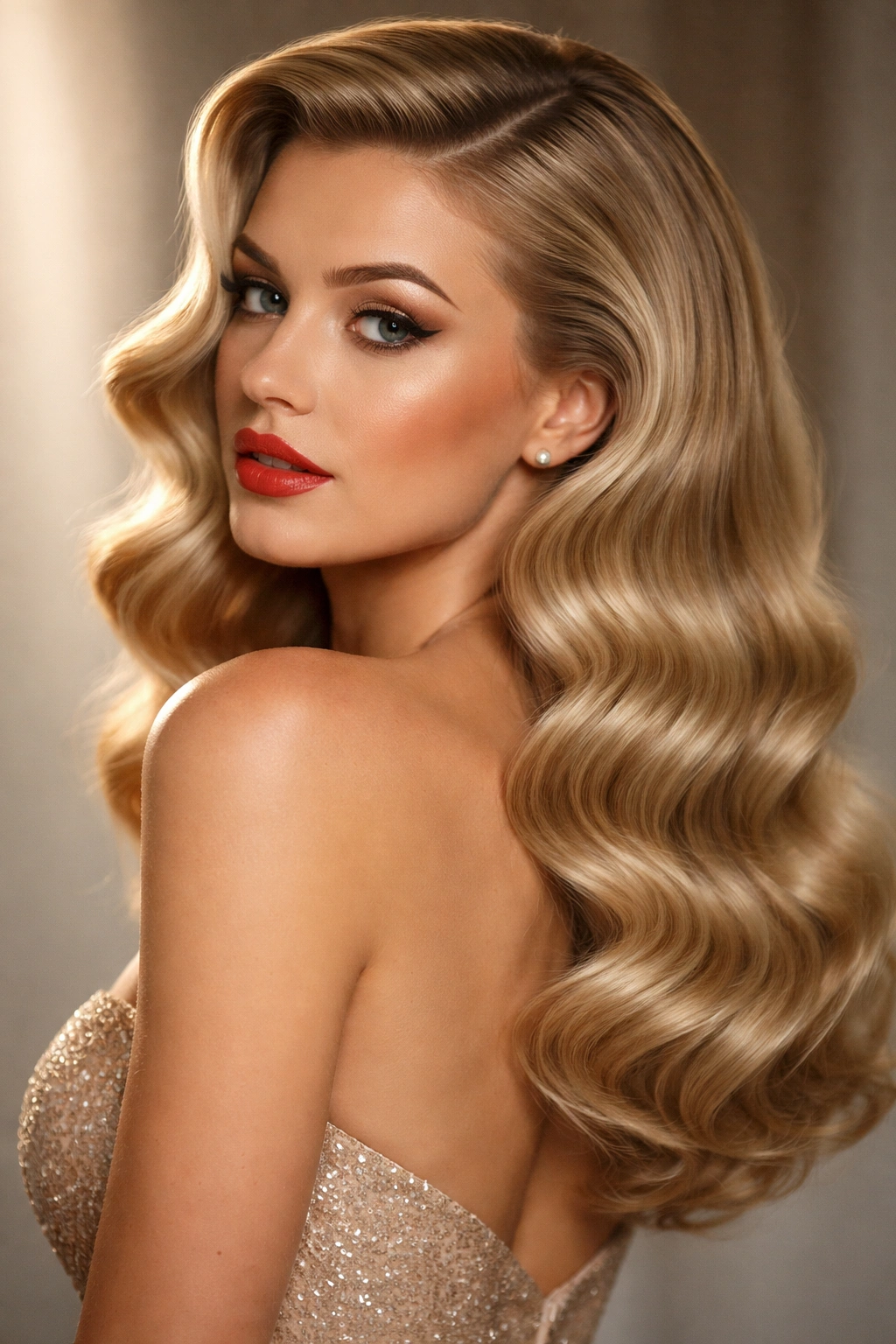
Vintage pin-up waves evoke 1940s and 1950s Old Hollywood glamour — think heavily styled, intentional waves that create a polished, vintage-inspired look. This style features longer lengths with waves that are clearly defined and sculpted, often achieved through blow-drying with a round brush or setting the waves with pin curls and product. It’s less about your natural wave pattern and more about creating waves through deliberate styling technique.
Glamorous, Intentional Styling
Pin-up waves appeal to women who love a polished, glamorous aesthetic and enjoy the styling process as part of their routine. The waves are very intentional and defined — you can actually count the individual waves — which creates that Old Hollywood aesthetic. This style photographs beautifully and works especially well for events, shoots, or when you want to make a glamorous statement.
Styling and Cut Considerations
- Base cut: Often a blunt or graduated lob or longer length that supports the wave styling
- Wave styling: Achieved through blow-drying with round brush, setting with pin curls, or using a large-barrel curling iron
- Product: Strong-hold styling products help waves maintain their shape and polished appearance
- Frequency: This is a styling-intensive look that requires blow-dry time to achieve, though the cut can be less fussy between styling
Pro tip: This style photographs beautifully and is perfect for special events, date nights, or when you want to feel extra glamorous. Ask your stylist for blow-dry technique tips so you can recreate the waves at home.
19. Undone Textured Waves
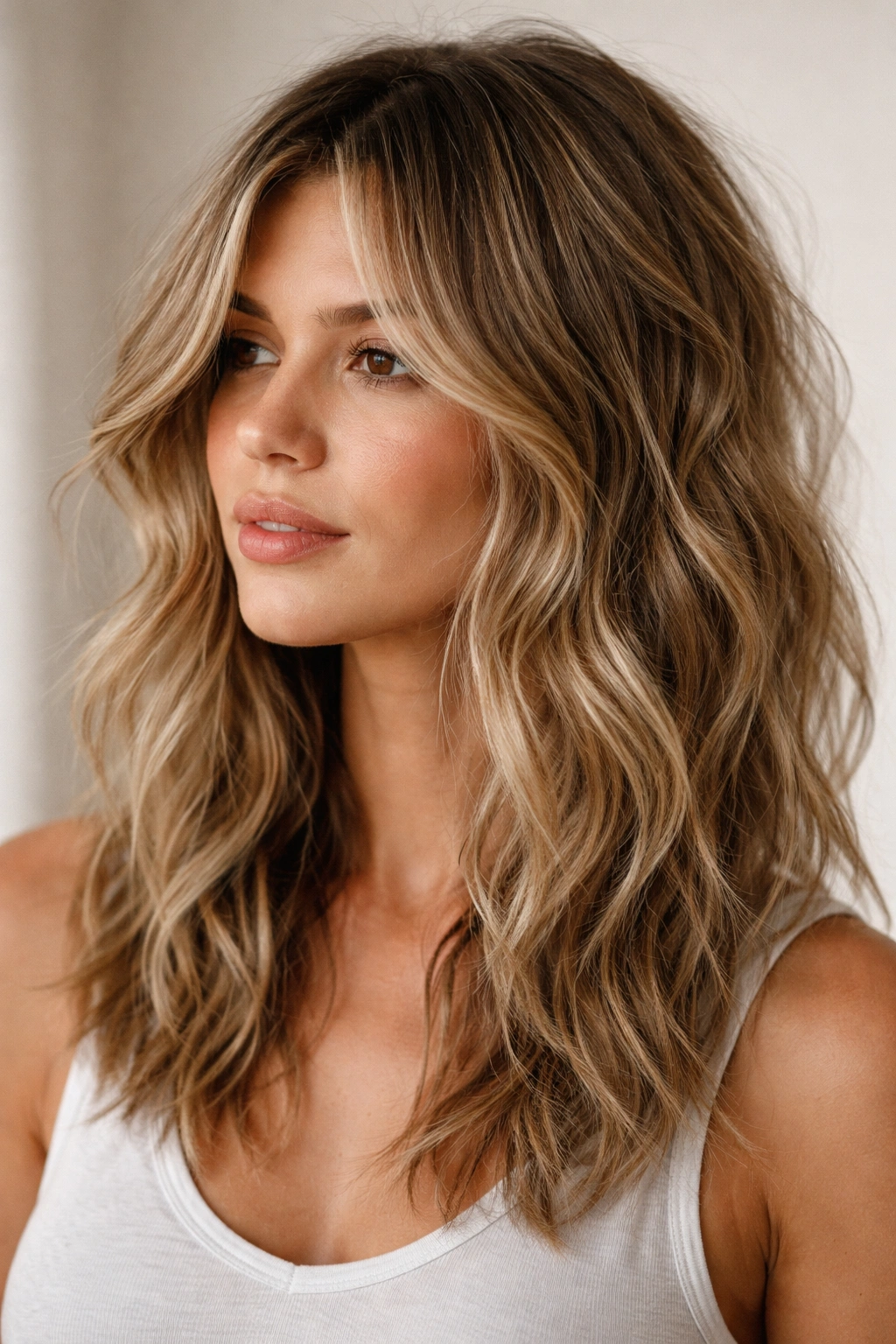
Undone textured waves are the opposite of polished — they’re deliberately messy, piecy, and textured in a way that looks casual and effortless. This cut features shorter, choppy layers throughout that create serious texture and separation, styled in a way that looks like you didn’t actually try but somehow still look incredible. It’s the “I woke up like this” style that actually takes intention and the right cut to achieve.
The Art of Looking Effortless
The beauty of undone textured waves is that while they look casual, they’re actually quite intentional — you need a really good cut with choppy, separated layers, and you need to understand how to style your specific hair texture to achieve the effect. Women who love this style value authenticity and a “real” aesthetic over polish and perfection. It’s modern, relatable, and works beautifully in everyday life.
Creating the Undone Effect
- Layer density: Choppy, separated layers throughout rather than integrated, smooth layers
- Texture technique: Extensive point-cutting and razoring creates piecy, disconnected waves
- Styling approach: Minimal styling — air-dried or lightly tousled; sometimes with texture spray or salt spray
- Visual intention: The cut should look textured and intentional even when air-dried, not sloppy or neglected
Worth knowing: This cut actually requires styling and product knowledge to execute well. It’s not just “don’t style your hair” — it’s a specific technique that makes your waves look deliberately undone.
20. Razor-Sharp Wavy Shag
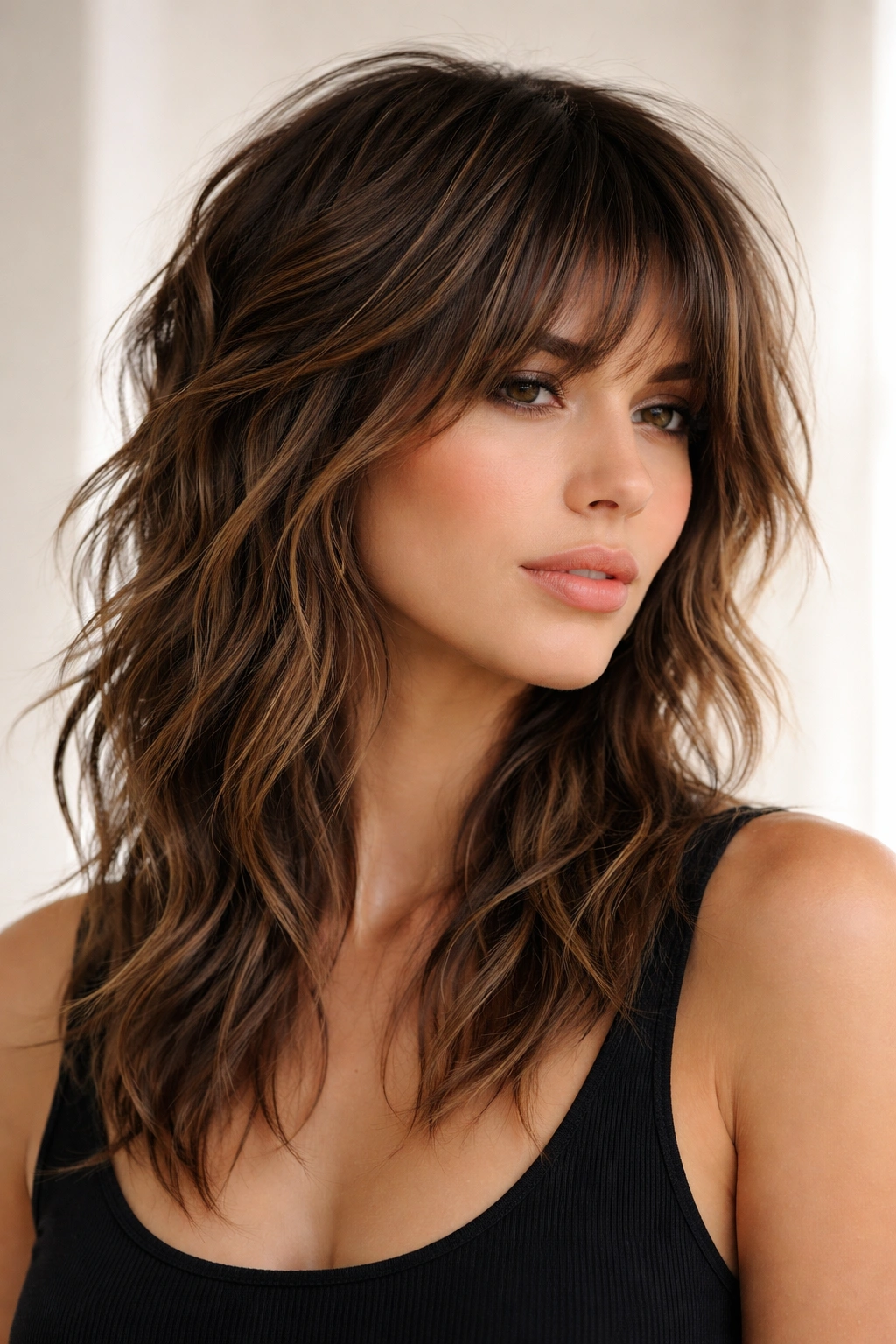
The razor-sharp wavy shag takes classic shag energy and refines it with precise, clean cutting and intentional wave placement. This cut features choppy, layered texture throughout with clean edges and defined separation rather than the fuzzy, overgrown appearance of some shag cuts. The result is textured and editorial while still feeling wearable and modern — it’s a shag for the contemporary era.
Modern Shag Energy
Razor-sharp shag appeals to women who want serious texture and movement without looking retro or dated. The precision of the cutting technique is what makes this feel current — it’s not a fuzzy, undone shag from the 70s, it’s a deliberately sculpted, textured cut with clean lines and intentional shape. This style works on virtually any hair type and creates beautiful movement without requiring specific styling.
The Precision Shag Technique
- Layer structure: Distinct, choppy layers throughout with defined separation between sections
- Cutting tool: Often uses razors or point-cutting techniques for clean, sharp lines rather than blunt edges
- Texture distribution: Even texture throughout rather than concentrating chop in one area
- Movement creation: Layers are positioned specifically to encourage wave separation and movement
Pro tip: This cut looks especially beautiful when there’s some texture or wave to your hair — ask your stylist how to style it for maximum movement and visual interest.
Final Thoughts
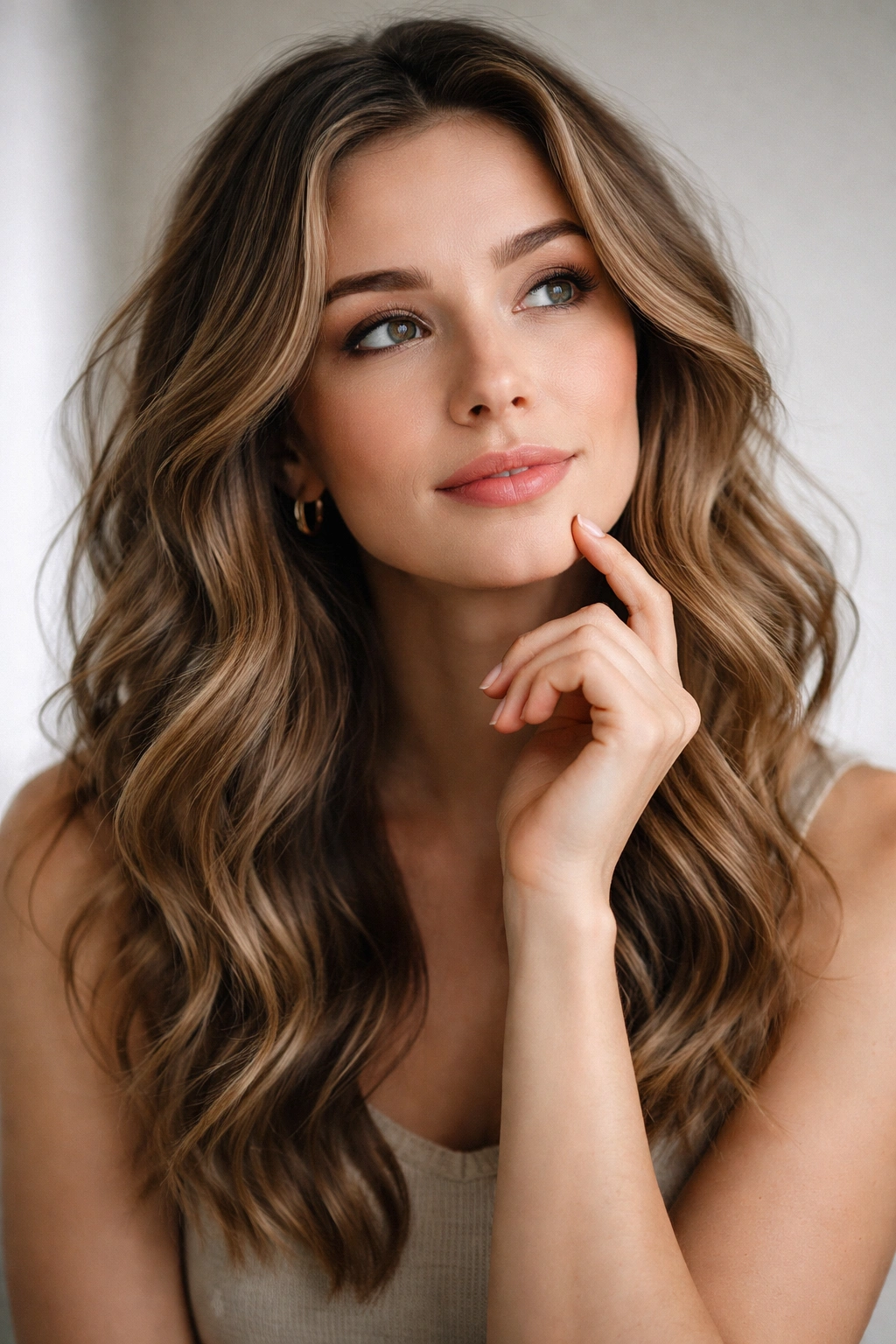
The wavy haircuts that women keep requesting in salons all share one thing in common: they’re designed to work with your hair’s natural texture rather than against it. Whether you’re drawn to the choppy, textured energy of shaggy layers, the romantic softness of fairy-tale waves, or the modern edge of asymmetrical cuts, the right wavy haircut is about finding a style that matches your hair type, face shape, lifestyle, and personal aesthetic.
The key to success with any of these cuts is communication with your stylist. Bring references that show not just the final style you want, but close-up details of the layers, texture, and wave pattern. Talk about your styling habits — whether you love blow-drying and creating defined waves, or you prefer minimal styling and air-drying. Explain your face shape and which elements you want to emphasize. A stylist who understands your hair and listens to what you actually want will be able to execute whichever of these twenty cuts speaks to you.
Remember that your wavy haircut will evolve as it grows out. Some cuts, like blunt bobs or microbangs, need frequent maintenance to stay exactly as cut. Others, like layered shags or textured lobs, actually become more interesting and dimensional as they grow. The best cut is one that you genuinely love wearing, not one that requires constant maintenance or styling you don’t actually enjoy doing. Pick your style, trust your stylist, and enjoy the process of finding your perfect wavy cut.
