



Wavy hair and short haircuts are basically made for each other — but only if you choose the right cut. The thing most people with texture don’t realize is that not every short style works with waves. Some cuts fight your natural curl pattern and leave you spending 30 minutes every morning trying to force your hair into submission. Others? They actually enhance your waves, make styling faster, and somehow look better the less you fuss with them.
The real secret is understanding how length, layers, and the specific placement of shorter sections either work with your wave pattern or against it. A cut that’s too blunt will give you that awkward triangle silhouette where the waves stick out at odd angles. Too many layers and your waves become frizz. But nail the right cut — with the right layering, the right length at the nape, the right amount of texture — and your hair falls into place on its own, and you actually get to enjoy having short hair instead of resenting it.
What follows aren’t generic “short haircuts” adapted for waves as an afterthought. These are cuts specifically designed around how wavy texture behaves. They account for the way waves settle, how they need room to breathe without too much bulk, and how they respond to strategic layer placement. Some of these cuts are textured and deliberately piecey, built to celebrate movement. Others are cleaner and more structured, but still cut with waves in mind through subtle layering and smart length choices. Whether you want edgy and undone or polished and intentional, there’s a cut here that’ll actually work with your waves instead of against them.
1. The Textured Wolf Cut
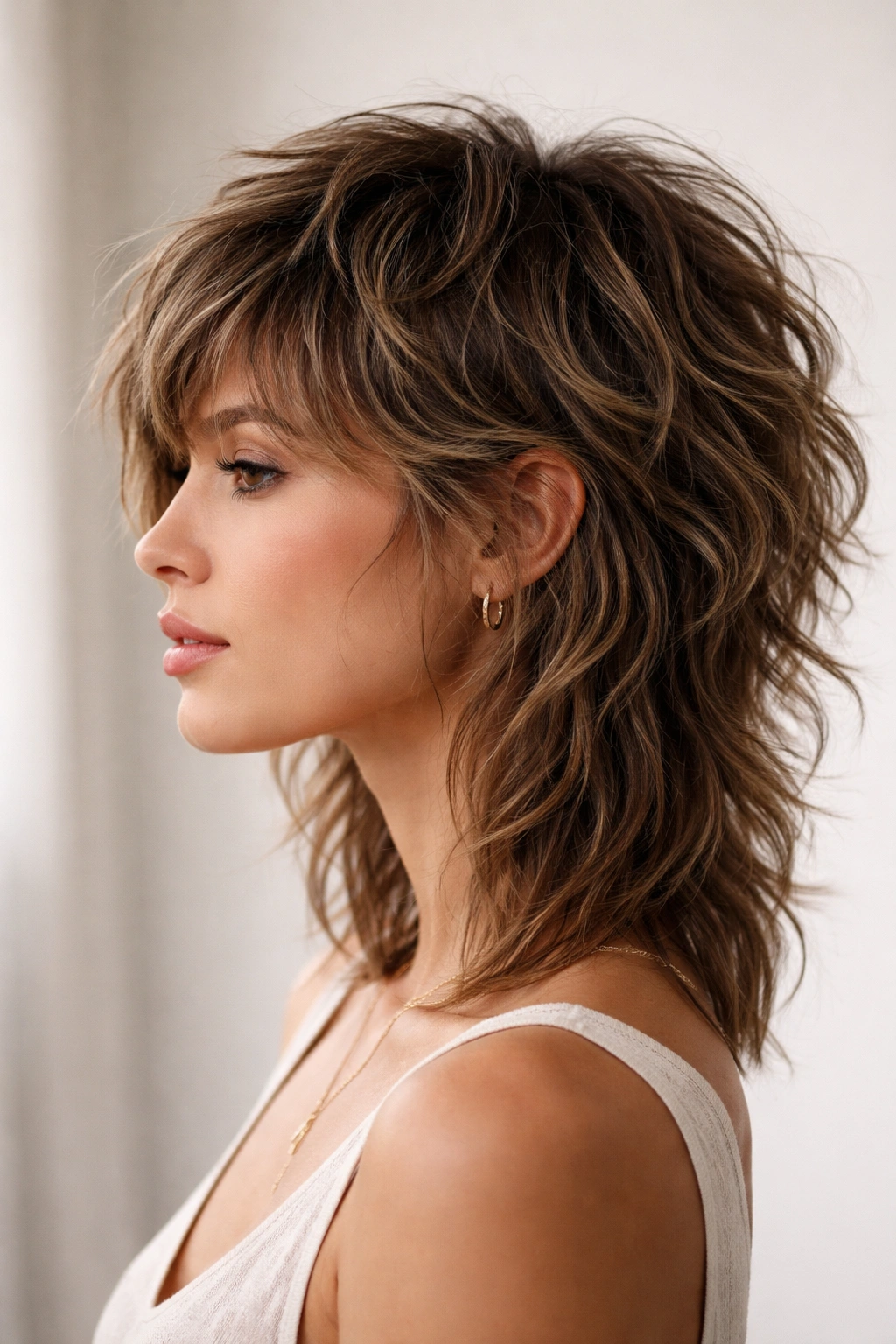
The wolf cut is part shag, part modern mullet, and entirely obsessed with movement — which makes it genuinely perfect for wavy hair. This cut combines shorter, choppy layers through the crown and sides with slightly longer length at the nape, creating that signature shaggy-meets-intentional vibe. The magic is in the layers; they’re deliberately choppy and uneven, not blended smooth, so they work with your natural wave pattern instead of trying to smooth it down.
Why It Works for Wavy Hair
The heavy layering means your waves don’t pool or bulk up awkwardly — each section moves independently, and the texture just amplifies the movement. Unlike a blunt short cut that can look lumpy on wavy hair, the wolf cut’s chopped, piecey layers allow waves to sit naturally at their own lengths, creating dimension that looks intentional rather than accidental.
How to Style and Maintain It
- Ask for choppy, textured layers throughout (not blended or feathered — this is deliberately choppy)
- Keep the nape longer than the crown for that wolf-cut signature shape
- Embrace the bedhead look; this cut is designed to look undone
- Style with a texture spray or sea salt spray for amplified movement
- You’ll need trims every 4-5 weeks as the choppy layers grow out and lose their shape
- Pro tip: This cut actually looks better on unwashed or second-day hair when your waves are more pronounced, so don’t stress about perfect blow-dry styling.
2. The Modern Shag
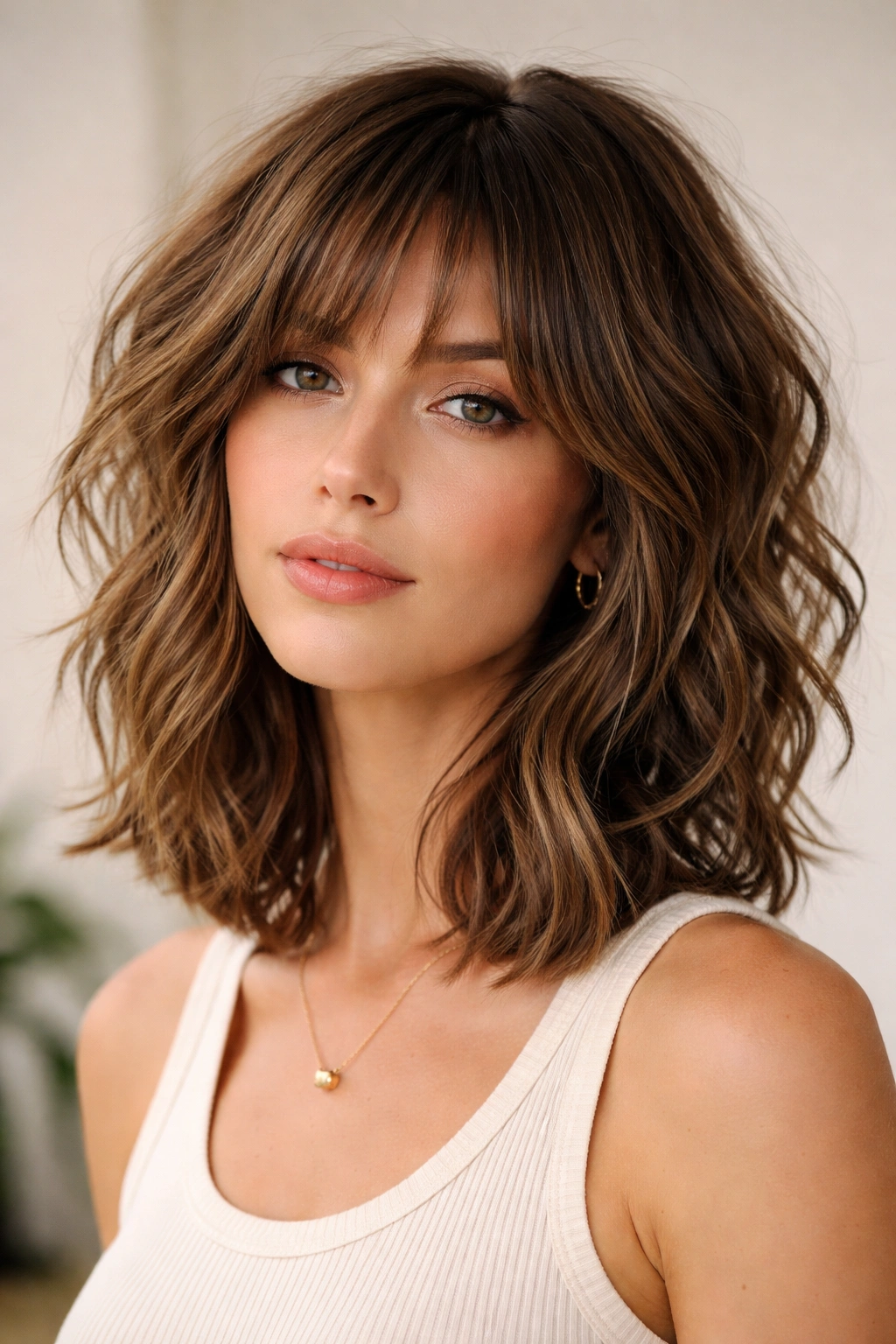
A modern shag is basically the polished cousin of the wolf cut — still layered and movement-focused, but with a slightly more refined appearance while still celebrating texture. This cut works with shoulder-length or just-below-chin-length hair, featuring stacked, razor-sharp layers that create separation and bounce without looking choppy or unkempt.
Why It’s Ideal for Waves
Shags are built on the principle that layers create movement, and your waves are already creating movement. A shag amplifies this by cutting strategic layers that work with your wave direction, not against it. The result is a cut that feels effortlessly textured and actually requires less styling effort than a blunt cut would.
Styling Tips for Maximum Impact
- This cut looks best when you lean into a tousled, piecey texture
- Use a texture cream or light pomade to separate and define the layers
- Rough-dry your hair or air-dry for the most natural wave pattern
- Avoid heavy, creamy products that’ll weigh down the layers
- Schedule trims every 6-8 weeks to maintain the layer definition
- The shag works beautifully with a side part or a deep, off-center part that shows off the movement
3. The Pixie-Shag Hybrid
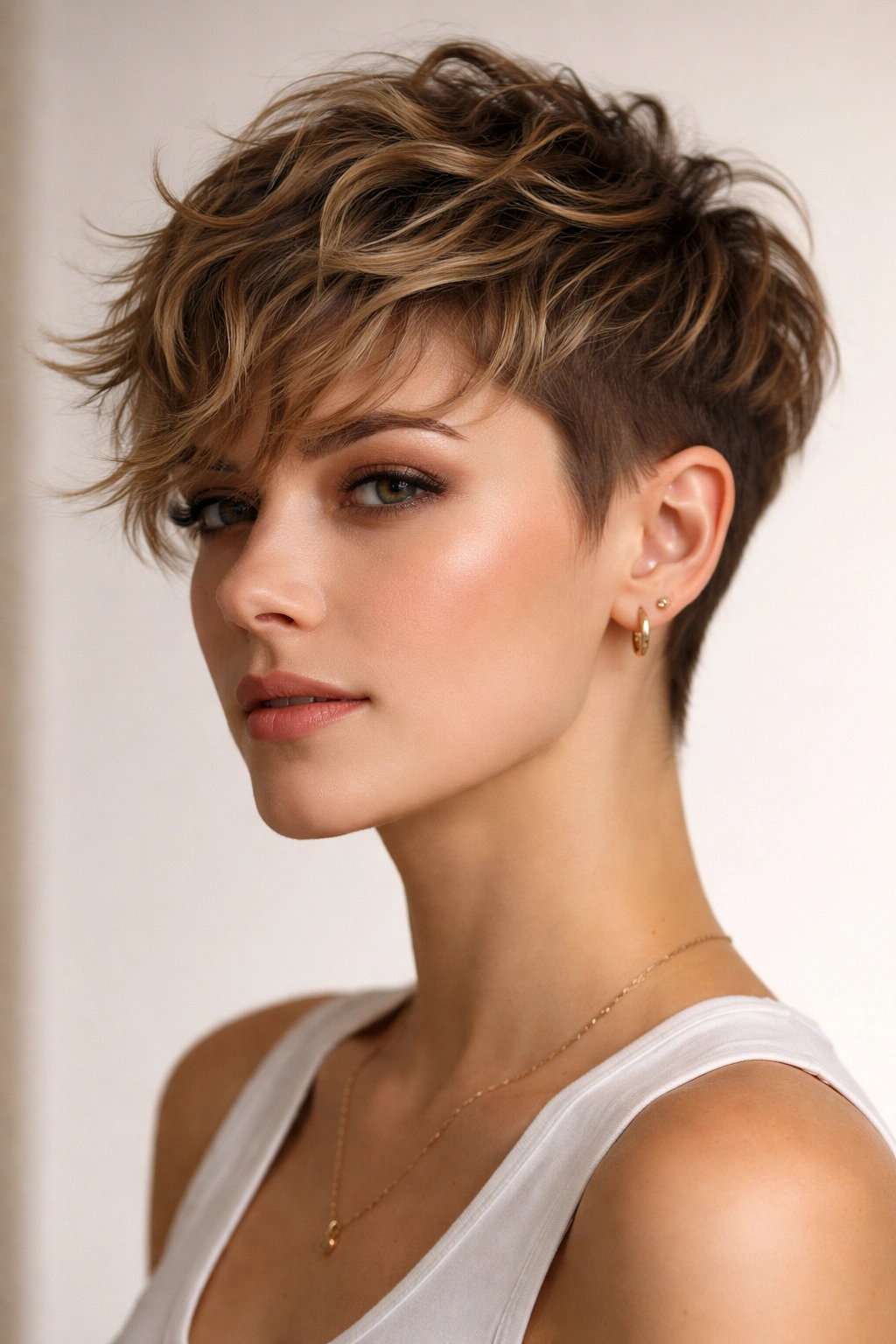
This is where a pixie’s short, cropped sides meet shag-inspired layers on top — think edgy, modern, and surprisingly versatile. The sides stay close to the head while the top has enough length to form actual waves, usually 2-3 inches or longer, creating a dramatic contrast that makes wavy texture look intentional and cool.
Why Wavy Hair Benefits From This Cut
The longer top gives your waves room to express themselves while the shorter sides prevent bulk and keep the whole look from feeling heavy. It’s a cut that celebrates that your hair isn’t straight — the waves at the crown become the focal point, not something to smooth down.
Making It Work With Your Wave Pattern
- Make sure the stylist cuts the top with choppy layers, not a smooth blend
- The fade on the sides should be gradual enough to blend with the slightly longer top
- Style the top forward and up to show off the waves and texture
- Use a light volumizing spray or texture spray to enhance movement
- This cut requires more frequent trims (every 4-5 weeks) to keep the sides sharp
- Worth knowing: The juxtaposition of short sides and wavy length on top is what makes this cut special — don’t ask for it too blended or you lose the whole effect.
4. The Choppy Bob
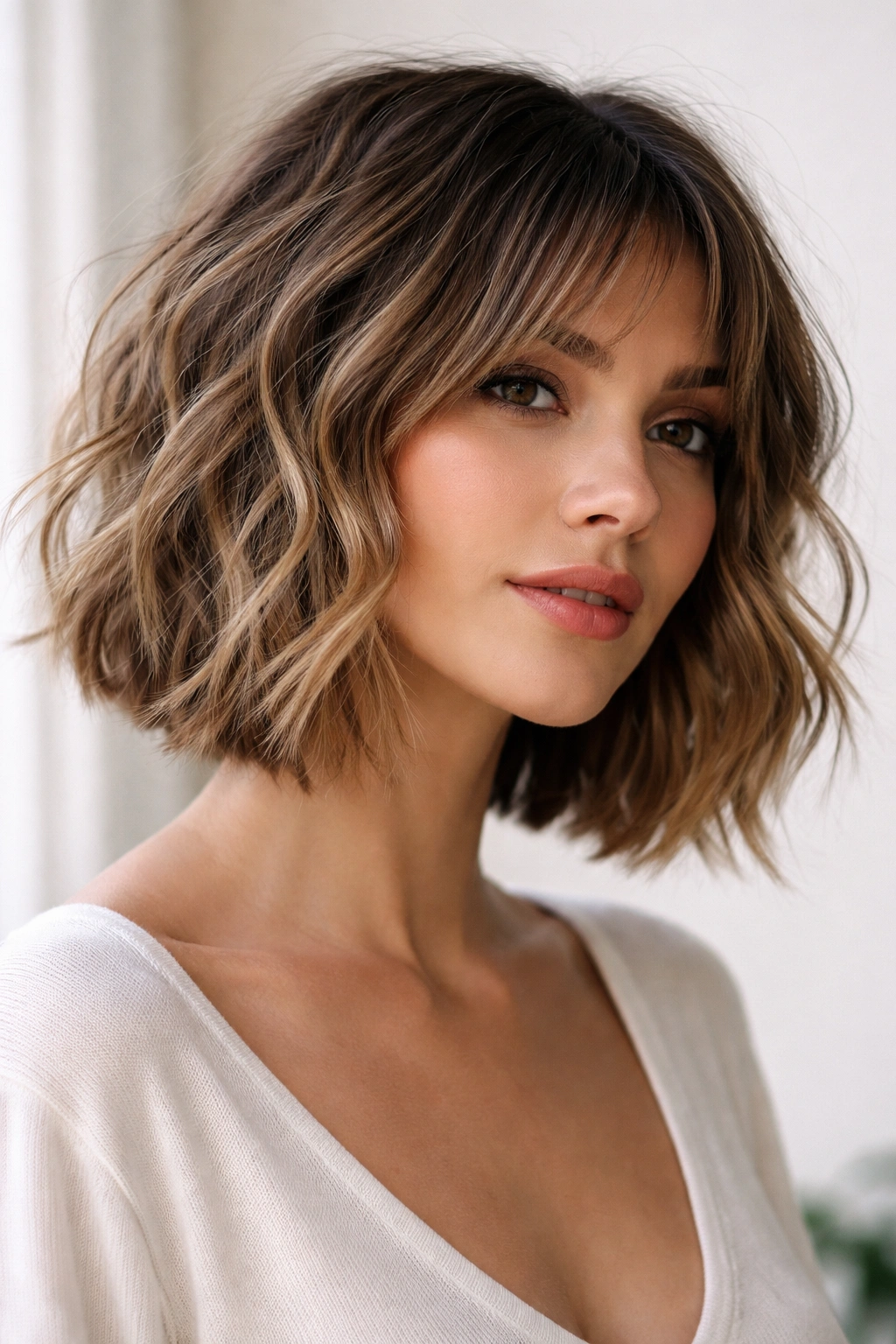
A choppy bob lands somewhere between chin-length and shoulder-length, deliberately jagged and uneven rather than blunt. The idea is that your natural waves are the star, and the uneven lengths just give them permission to do their thing without forcing them into a sleek, geometric shape.
What Makes It Work for Texture
Wavy hair naturally wants to be different lengths — a choppy bob accepts that instead of fighting it. Blunt bobs can look triangle-shaped or frizzy on waves, but a choppy bob, with layers of varying lengths throughout, lets each section of wave sit where it naturally wants to be.
Styling and Care
- Ask for choppy, razor-cut layers throughout (not delicate feathering)
- Layers should vary by at least 1-2 inches to create that intentionally choppy look
- Style with a lightweight mousse or sea salt spray
- This cut looks good at various wave intensities — gentle waves, tight waves, bent waves
- You can style it sleek with a flat iron if you want, but it really shines when you embrace the texture
- Trims every 6-8 weeks keep the chop definition sharp
5. The Mullet With Modern Layers
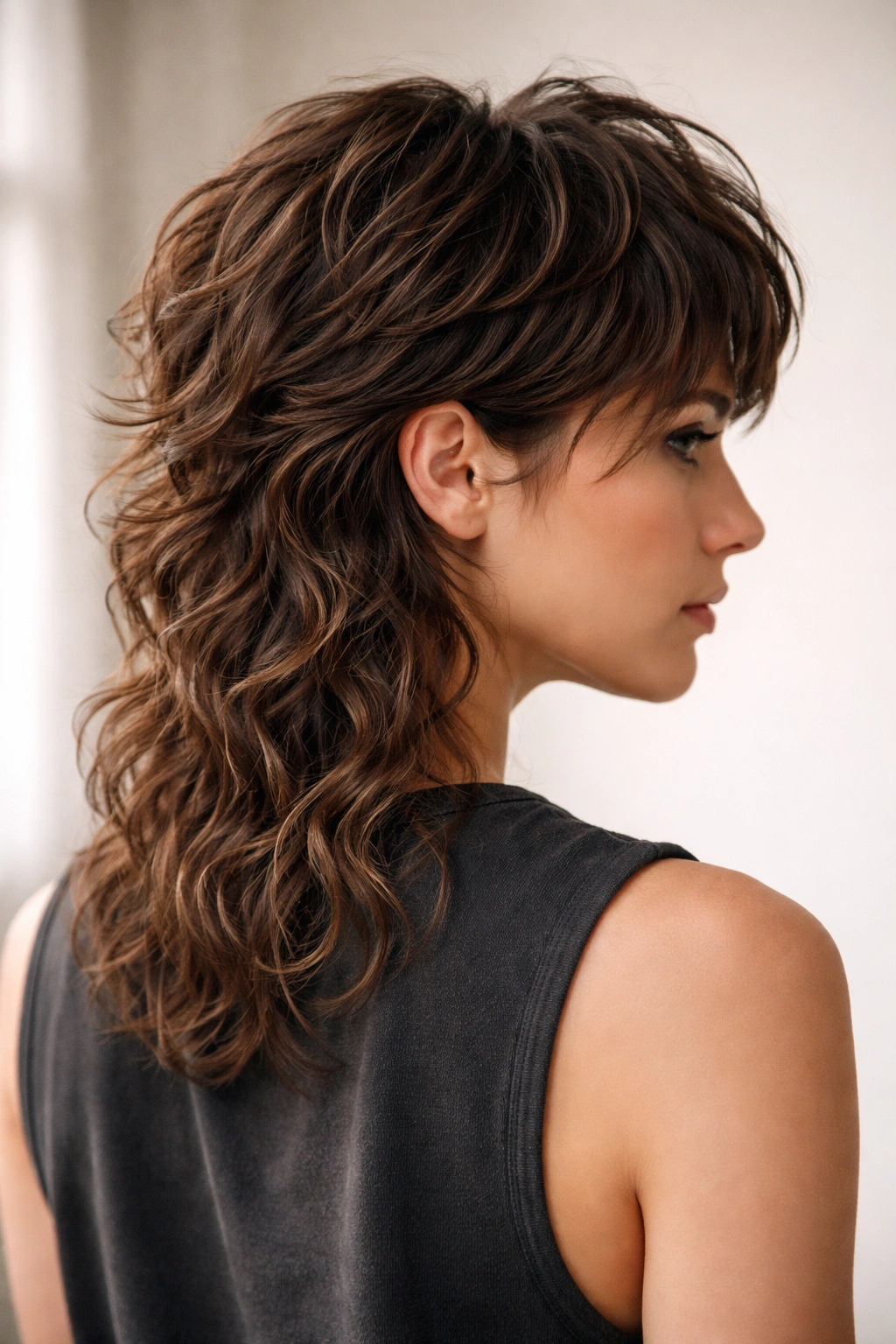
The modern mullet isn’t the ’80s version — it’s shorter on the sides and crown with intentionally longer length at the back, but the whole thing is layered for movement. It’s bold, it’s textured, and on wavy hair, it’s absolutely striking because the longer back section shows off wave length while layers keep everything from feeling heavy.
How Waves Change This Cut
On straight hair, a mullet can look gimmicky. On wavy hair, the longer back and the layering actually create this gorgeous dimension where you can see the wave pattern traveling down the length. The waves give the cut a natural, organic feel rather than a costume-y one.
Wear It With Confidence
- Shorter sides and crown (pixie-length or slightly longer)
- Longer back section that can be 2-4 inches longer than the top
- Choppy layers throughout to let waves move freely
- Style with texture products that enhance rather than smooth
- The mullet shape draws attention to movement and dimension, so wavy texture is an asset
- Pro tip: This cut is bold — own it. Pair it with styling that emphasizes the waves and you’ll make people want this cut.
6. The Curly Shag (Cropped at the Crown)
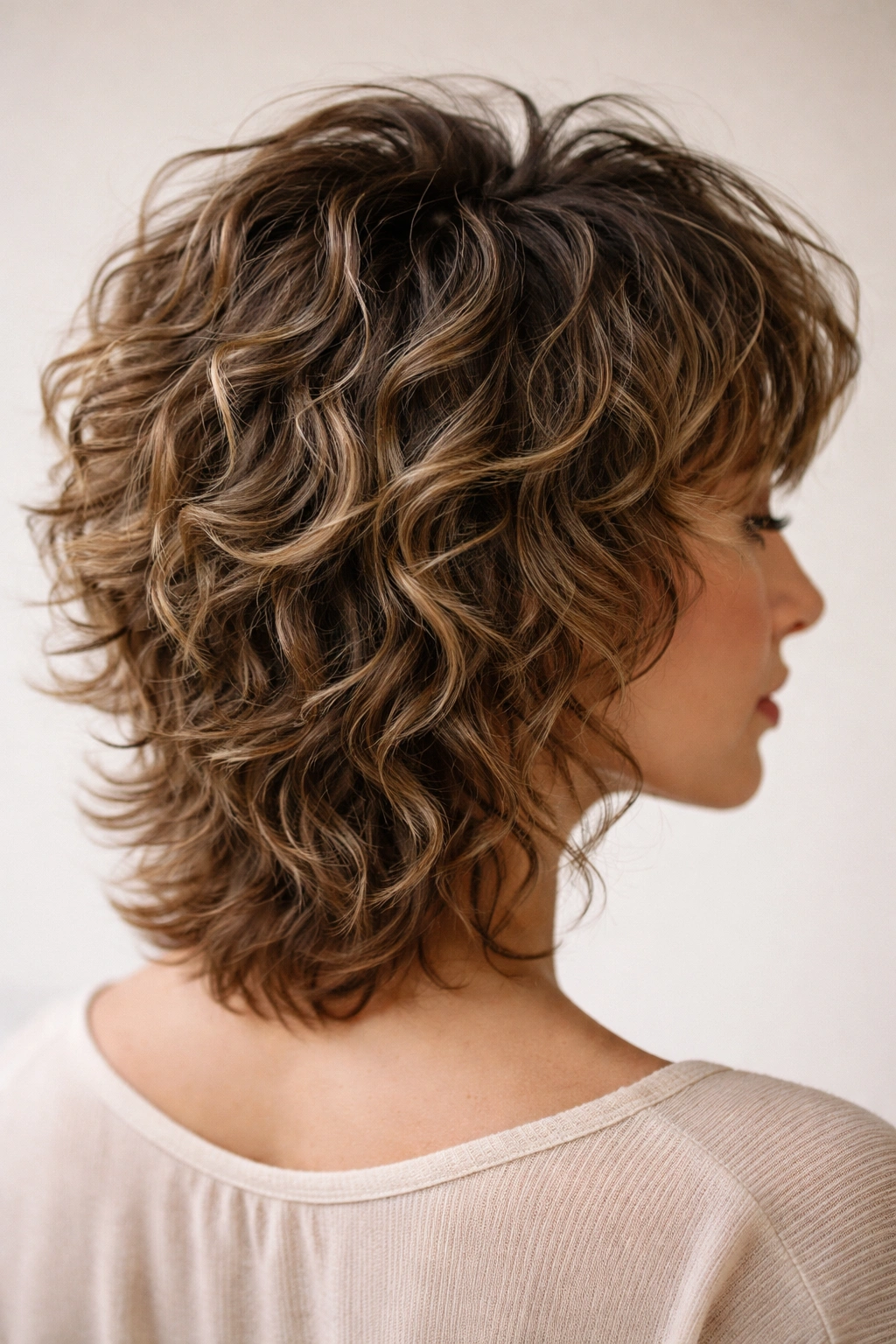
This is a shag with extra cropped, super-short layers at the very crown and longer layers as you move down. It creates the illusion of volume without actually having too much weight or bulk — perfect for wavy hair that tends toward flatness or, conversely, tends to puff up.
Why This Specific Approach Works
The short layers at the crown create lift right where you need it, while the longer layers below have room to form waves without being weighed down by excessive length. It’s the best of both worlds: texture and movement and the ability to style it away from your face if you want.
Maintenance and Styling
- Very short choppy layers at the crown (sometimes called “cropped layers”)
- Progressively longer sections as you move down the back
- Requires frequent trims (every 4-6 weeks) to keep the crown layers defined
- Style by lifting the crown section and letting the longer layers fall naturally
- Works with air-drying, rough-drying, or a diffuser attachment
- This cut actually looks better when you don’t blow-dry it smooth — embrace the texture
7. The Textured Lob With Hidden Layers
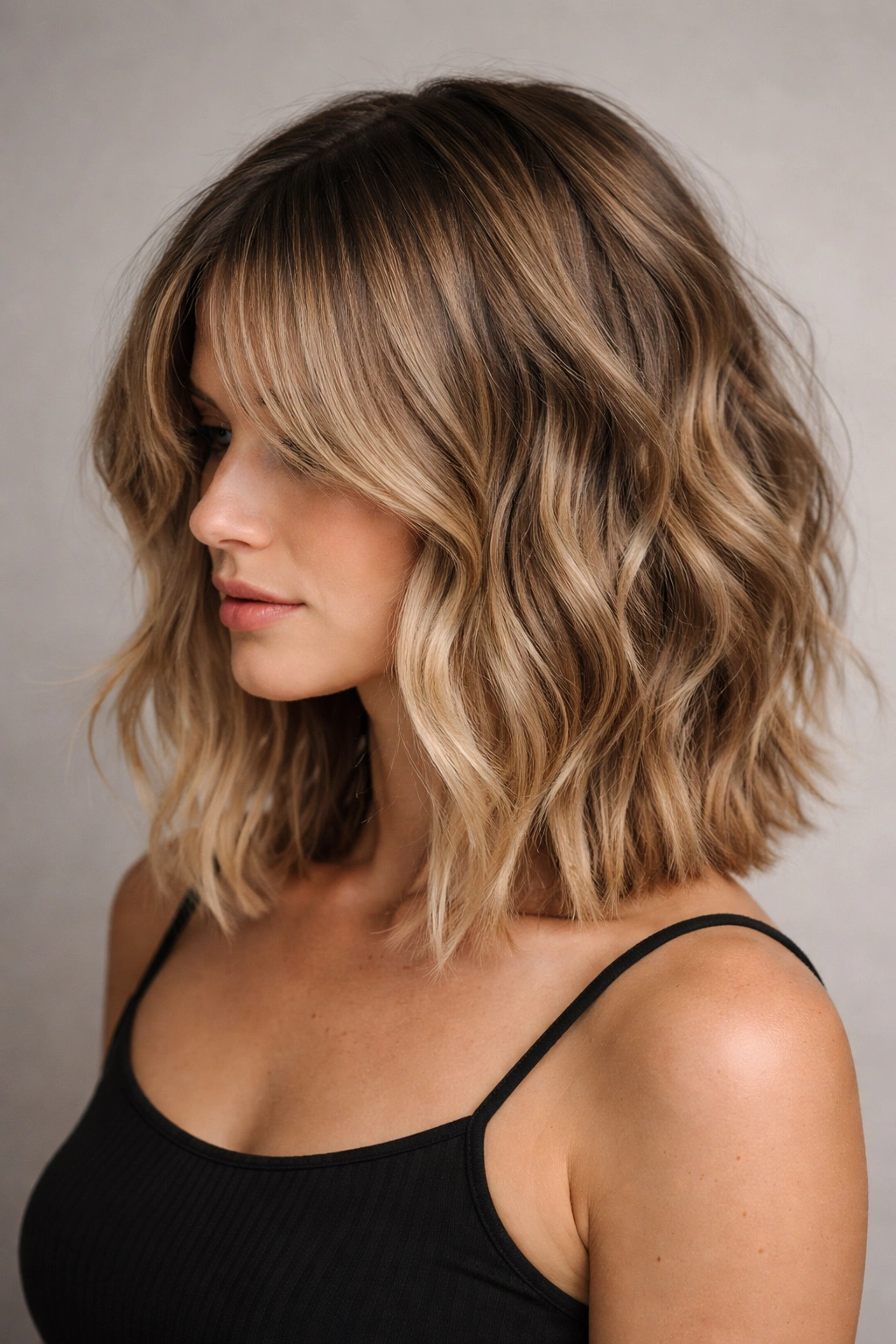
A lob (long bob) usually falls around collarbone length or slightly shorter. The “textured” version has choppy, often razor-cut layers hidden throughout so that from the front it looks almost blunt, but the back is all movement and texture. It’s a subtle approach to short wavy cuts — not obviously layered, but strategically layered where it matters.
The Strategic Advantage for Waves
This cut is brilliant because it gives you the polished look of a shorter cut while the hidden layers allow your waves to move and breathe. You get the styling options of something structured but with the comfort of a cut that works with your texture.
How to Style It
- From the front, it reads as a blunt lob, but the back is layered for movement
- Part it deep or center it depending on how much texture you want to show
- Style with a lightweight styling cream or wave-enhancing mousse
- Air-dry for maximum texture or blow-dry smooth for a polished look — it works both ways
- Trims every 8 weeks keep the blunt front clean and the hidden layers functioning
- This cut works particularly well if you have thicker wavy hair that tends to bulk up
8. The Disconnected Undercut
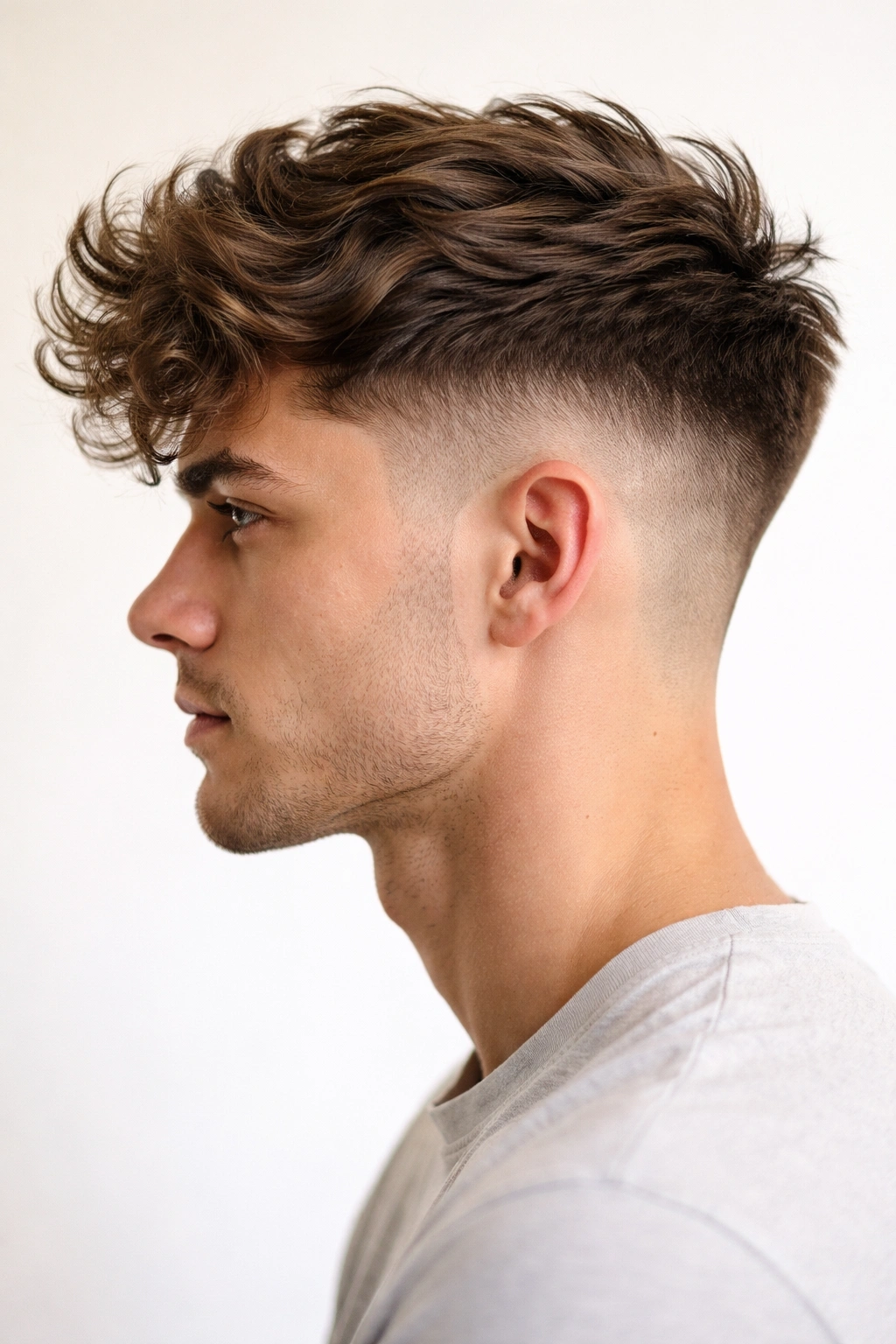
This cut keeps the top section longer (4-6 inches or more) while disconnecting the sides and back at a very short length — sometimes faded to skin-tight. The “disconnect” is the key: there’s a noticeable gap between the longer top and the very short sides, which prevents the whole head from looking heavy.
How Waves Factor In
The longer top section has plenty of room for waves to develop and show texture, while the short sides mean zero weight or bulk at the perimeter of your face. It’s especially flattering if you have thicker wavy hair or waves that tend toward frizz at the edges.
Styling Approach
- Keep the top section choppy and layered so waves can move
- Ask for a hard disconnect rather than a gradual fade
- Style the longer top however you like — you can slick it back, part it, tousle it
- The short sides mean you get a very clean, defined look without that poofy feeling
- Requires trims every 3-4 weeks to keep the disconnect sharp and the fade clean
- Worth knowing: This cut is best if you’re comfortable with a edgier, more modern aesthetic — it’s not a subtle style.
9. The Soft Wave Bob With Subtle Layers
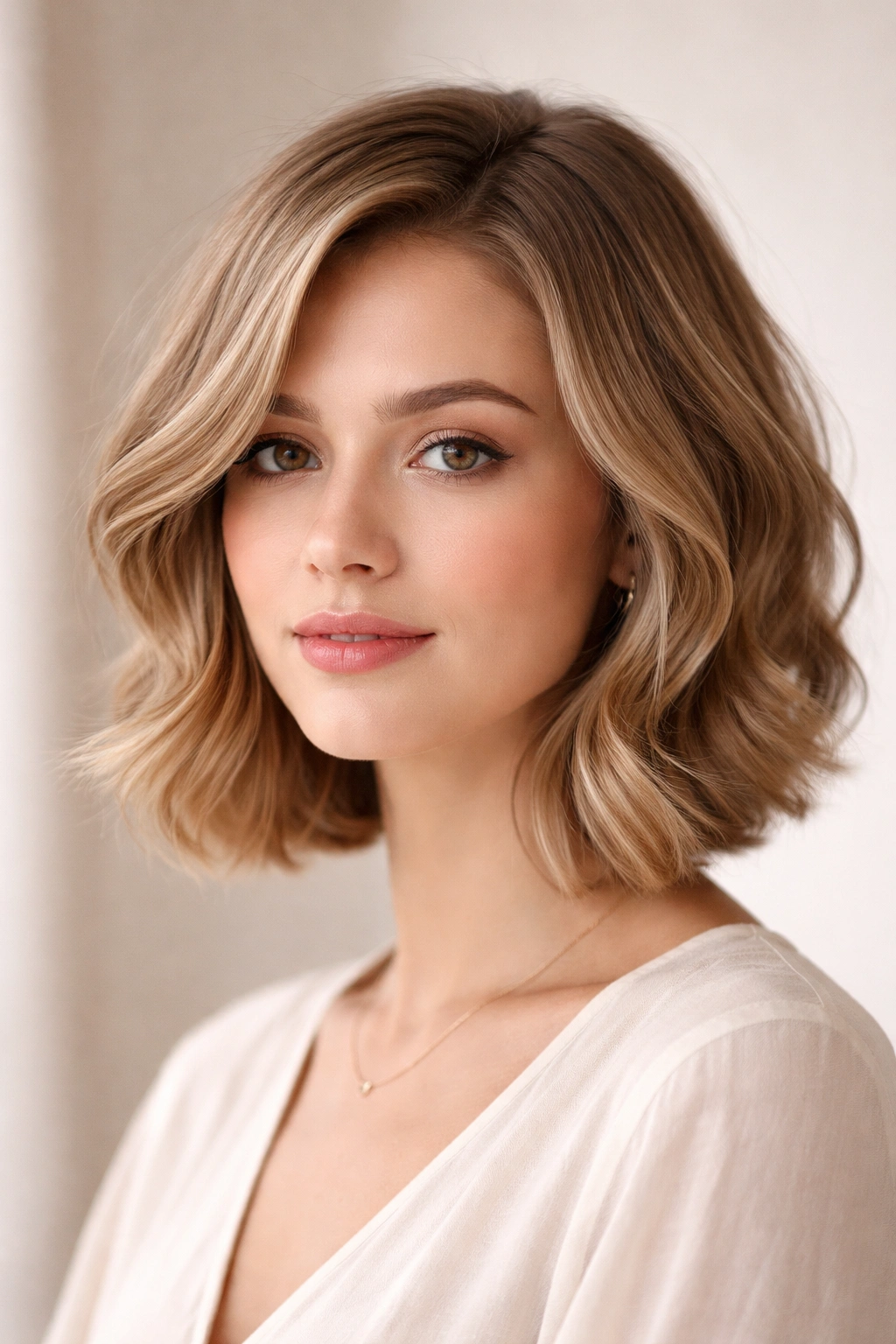
This bob lands right around the chin or just below, soft and approachable rather than choppy and edgy. The layers are subtle — not blunt, but not heavily textured either — which creates gentle separation and movement without the bed-head look.
Why It Suits Wavy Hair
Some people with wavy hair want something that looks more polished or less deliberately textured. This cut delivers that: it’s still working with your waves through strategic layering, but it reads as more refined and less intentionally choppy.
The Right Way to Style It
- Layers should be blended and smooth, not choppy (this is the main difference from other bobs)
- Ask for longer layers through the crown, shorter through the ends
- Style with a moisturizing cream or lightweight oil to enhance waves without adding texture
- This cut works well with a soft side part
- Blow-dry with a round brush for polished waves, or air-dry for something softer
- Trims every 6-8 weeks keep the shape refined without it looking too blunt
- Pro tip: This cut is versatile — style it sleek for professional settings, tousled for casual days.
10. The Textured Pixie With Length on Top
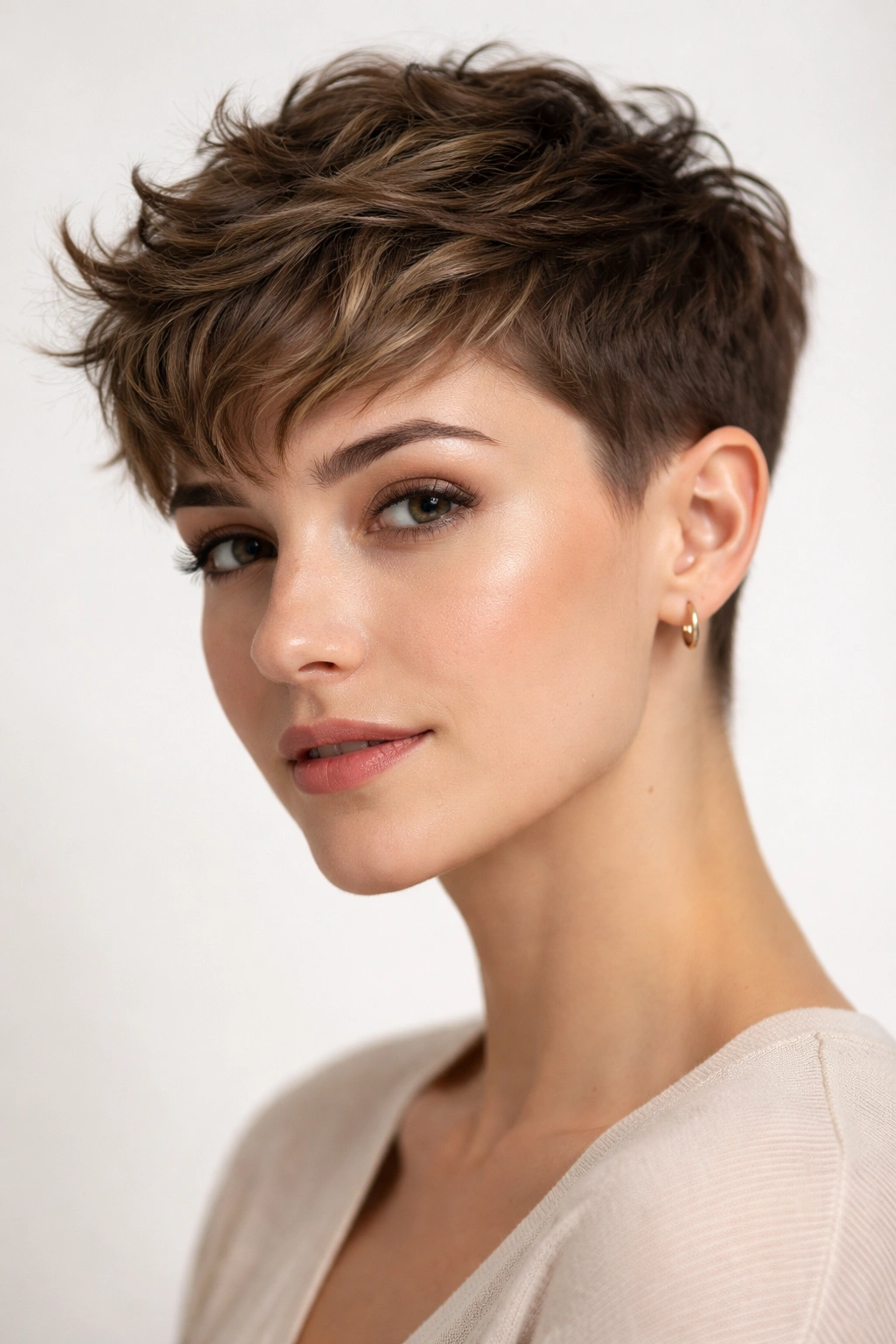
A pixie is usually very short all over, but a textured pixie for wavy hair keeps slightly more length on top — usually 2-3 inches — so you actually get waves and texture rather than just short fuzz. The sides and back stay very close to the head, but the crown has enough length to form actual waves.
The Wave Advantage
A traditional pixie on very wavy hair can look bulky or hard to style because the waves want more length to express themselves. This version gives them that length where it matters. The result is short and easy to manage while still showing your wave pattern.
Maintenance and Styling
- Aim for 2-3 inches on top, very short (under 1 inch) on the sides and back
- Ask for choppy, textured layers on top so waves can move
- Style the top forward and up to show off the waves
- Use a lightweight texture spray or sea salt spray
- Requires trims every 4 weeks to keep the shape and length balance right
- This cut looks best when you’re comfortable showing your forehead and face shape
11. The Tousled Textured Cut (Chin-Length)
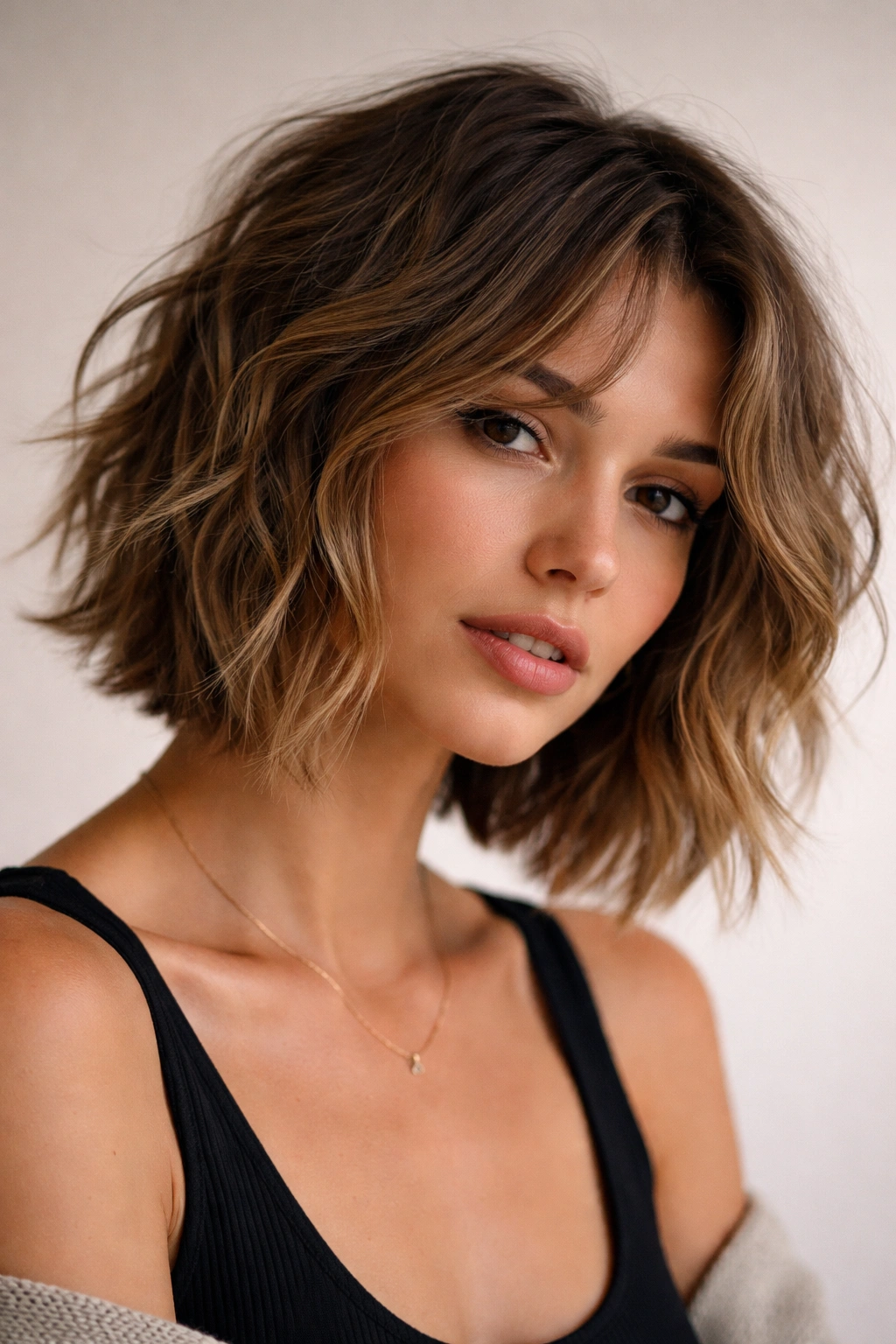
This is a cut that’s intentionally designed to look tousled and lived-in, not sleek or controlled. It’s chin-length or slightly shorter, packed with choppy layers that create the impression of movement and texture even on relaxed waves. Every section is deliberately a different length, creating that “I just rolled out of bed looking this good” vibe.
Why This Works for Waves
This cut embraces the idea that wavy hair is textured, and rather than trying to minimize that, it maximizes it. Layers are cut in a way that lets each wave sit naturally without forcing sections into an unnatural shape.
Making It Look Intentional
- Lots of choppy, piecey layers throughout
- No two sections should be exactly the same length
- Style with a light texture paste or pommade for separation
- Air-dry or rough-dry to let waves do their thing
- The less you fuss with it, the better it usually looks
- Trims every 5-7 weeks to keep the choppy texture defined
- This cut is ideal if you want something low-maintenance and texture-forward
12. The Layered Crop
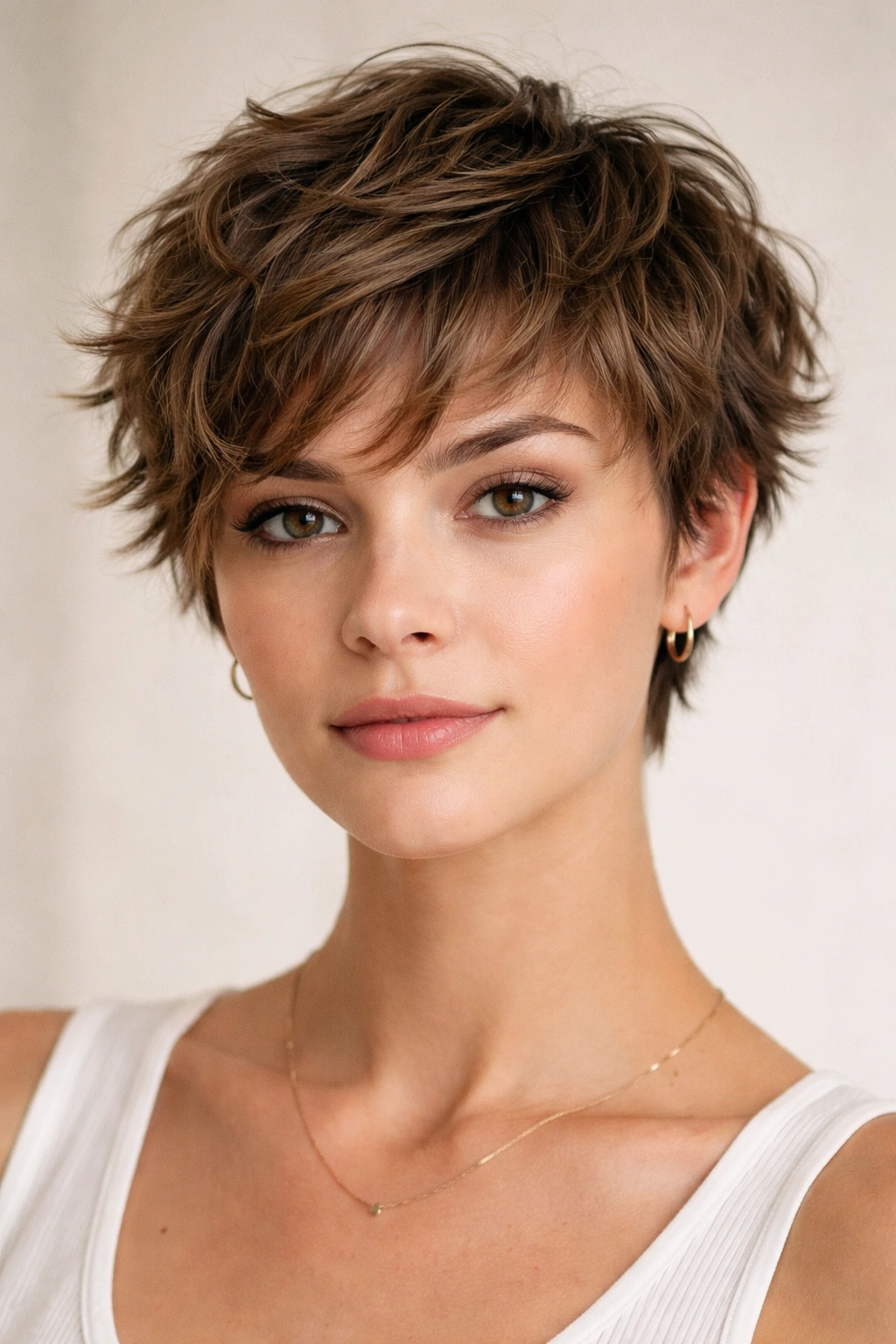
A layered crop is short all over — usually 1-3 inches — but with specific, choppy layers that create dimension and texture throughout rather than being one uniform short length. It’s shorter than a pixie but still has enough structure that it actually works with wavy texture.
How Waves Interact With This Cut
Very short uniform cuts can look flat or dull on wavy hair, or conversely, can puff up awkwardly. Choppy layers at this short length create separation and visual interest while still keeping everything close to the head and easy to manage.
Styling Approach
- Choppy layers throughout (not smooth or blended)
- Can be styled off the face or swept to the side
- Lightweight texture products enhance the choppy layers
- Some people can air-dry this cut; others prefer a quick blow-dry with fingers to separate the layers
- Trims every 3-4 weeks to maintain the layer definition
- This cut requires confidence in showing your face and head shape
13. The Feathered Short Cut
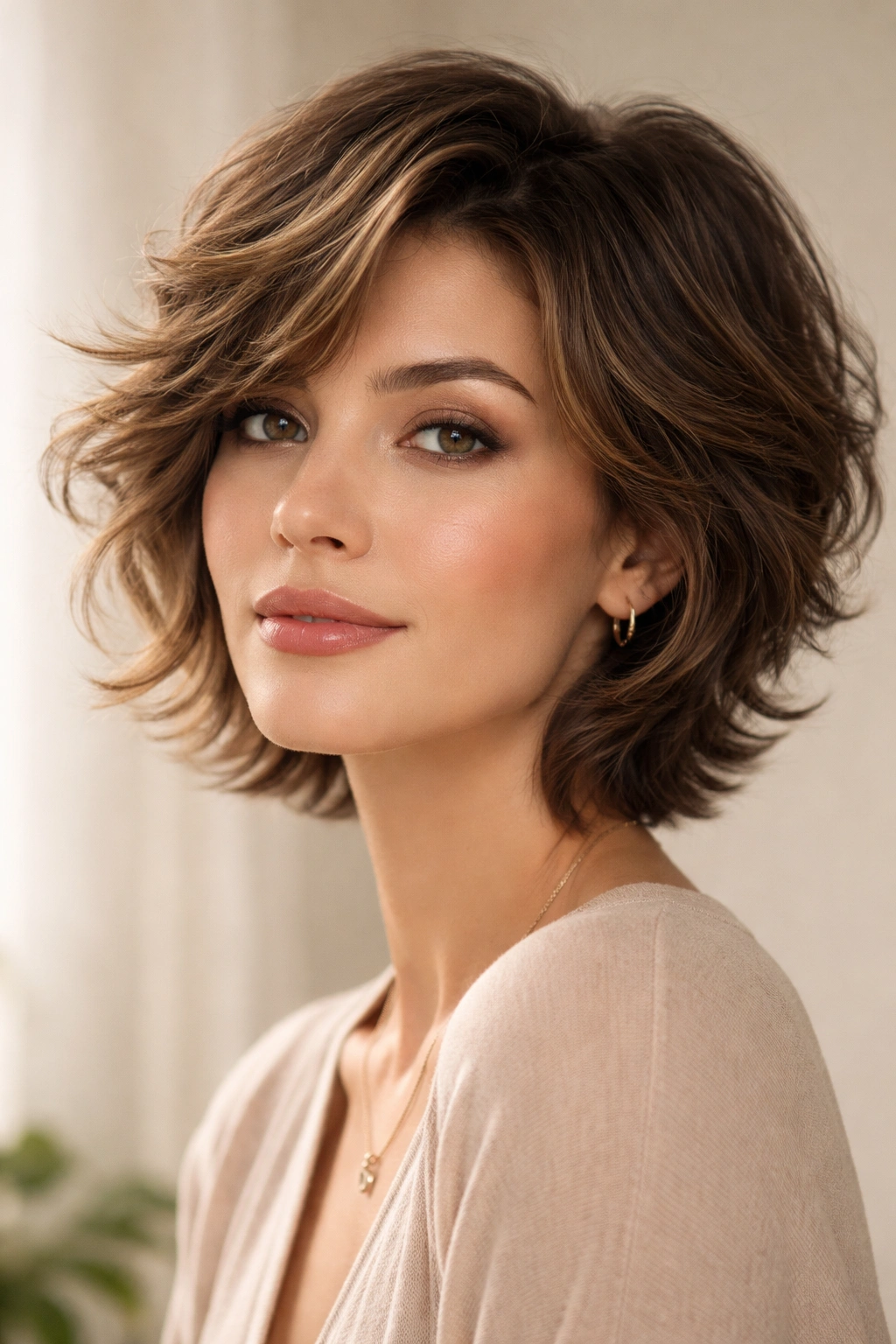
Feathering means the layers are blended smoothly rather than jagged, creating movement without the choppy, textured look. This cut is short and works with waves by allowing them to move and breathe without forcing an unnatural shape, but the blended layers give it a softer, less deliberately piecey appearance.
The Appeal for Wavy Hair
If you like the idea of a short cut that works with waves but want something that reads as more polished and less obviously textured, feathering is the answer. It’s classic, it’s flattering, and it actually looks better on texture than a blunt short cut would.
Styling Recommendations
- Feathered layers blend smoothly from longer to shorter
- Ask for longer layers around the face to frame waves there
- Style with a moisturizing cream or light oil rather than heavy texture products
- This cut works with both air-drying and blow-drying
- Trims every 6-8 weeks to keep the feathering refined
- Works beautifully with waves that are more relaxed or gentle rather than tight curls
14. The Shaggy Pixie With Long Bangs
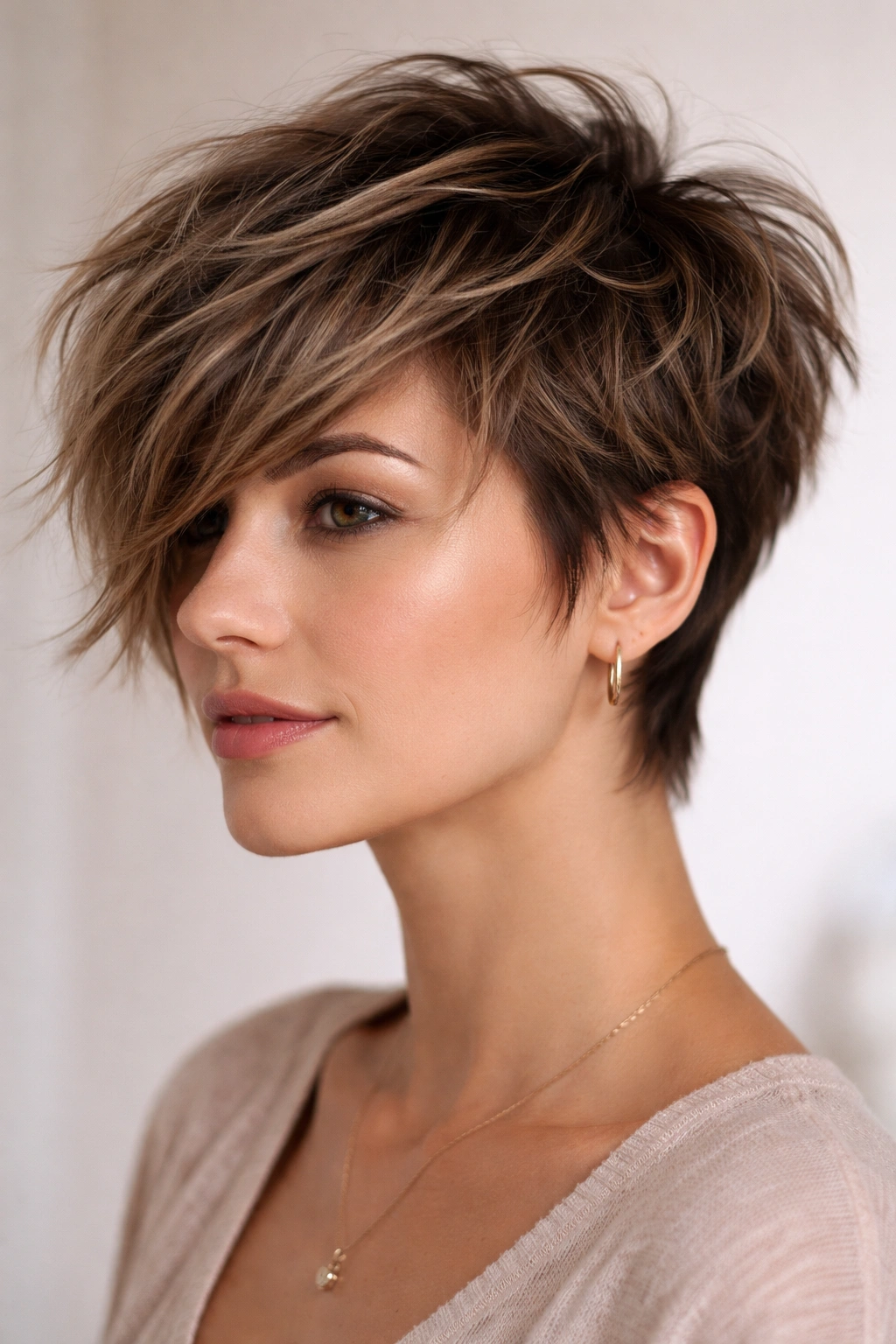
This is a pixie-length cut on the sides and back but with longer hair at the crown and very long bangs (sometimes longer than the rest of the top) that create this dramatic, rock-and-roll vibe. The longer bangs make room for wavy texture and create movement while the short sides keep the whole thing from feeling heavy.
Waves Take Center Stage
The longer bangs and crown allow your waves to actually be visible and beautiful, while the short sides mean zero bulk or weight at your ears and neck. If you want to show texture but also keep things short and practical, this hits that sweet spot.
How to Wear It
- Short sides and back (pixie-length, under 1 inch)
- Longer crown and very long bangs (2-4 inches or longer)
- Ask for choppy layers throughout
- Style the bangs swept to the side or tousled forward
- Use texture products to separate and define the longer sections
- Trims every 4-5 weeks to keep the length balance right
- This cut is bold and draws attention to your face and eyes — wear it with confidence
15. The Asymmetrical Bob
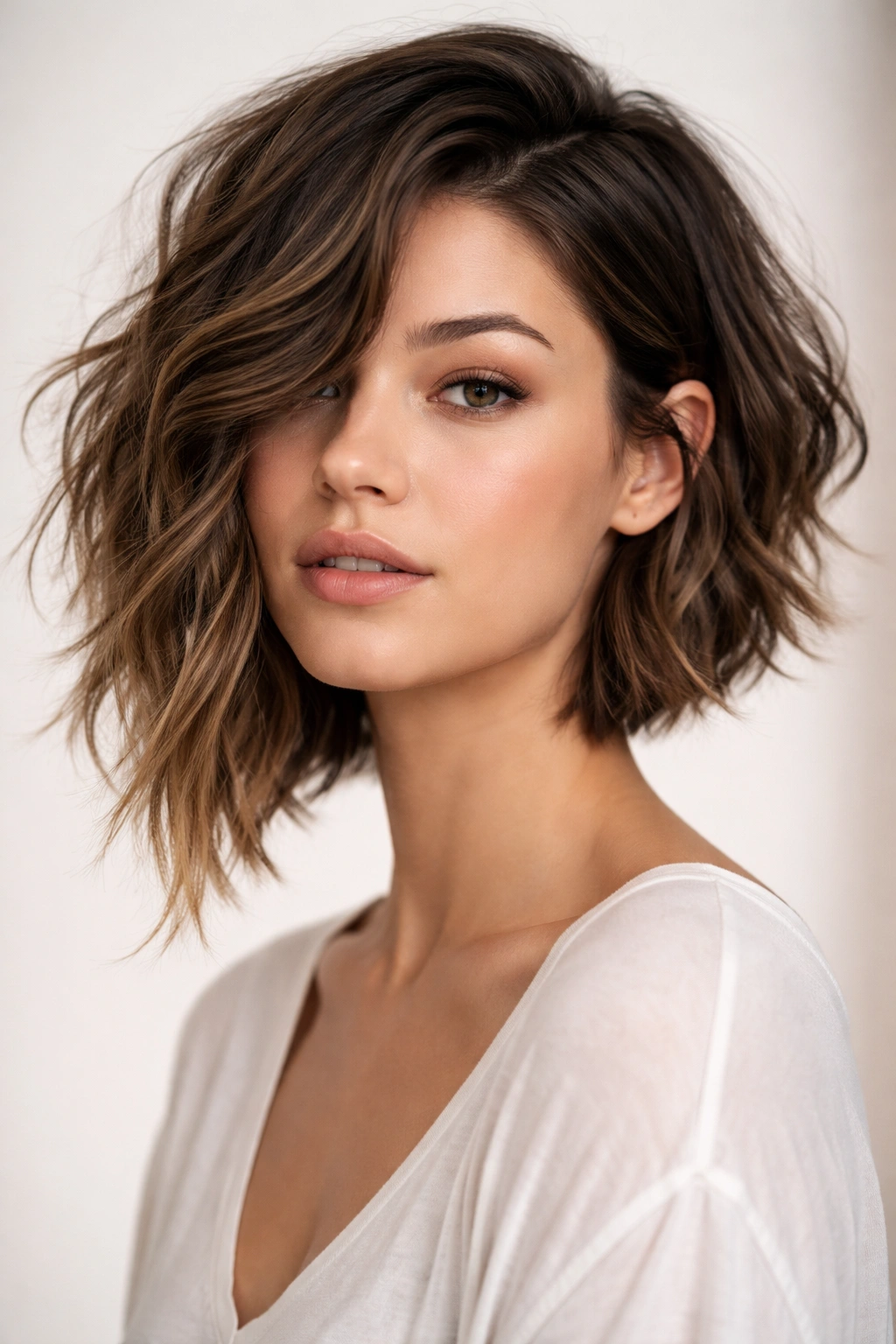
An asymmetrical bob is longer on one side and shorter on the other, usually quite dramatically (several inches difference). When done with wavy hair and choppy layers, it’s a cut that embraces movement and makes waves look intentional and cool rather than something to manage.
Why Asymmetry Works With Texture
An asymmetrical cut can actually be more forgiving on wavy hair because the length difference means each side has its own expression. The waves sit naturally at their different lengths rather than being forced into one uniform shape. It’s a cut that celebrates that your hair isn’t symmetrical.
Styling Strategies
- One side can be 2-4 inches shorter than the other (your preference on which side)
- Choppy, piecey layers throughout
- You can style it showing off the asymmetry or blend it toward center depending on mood
- Part it on the longer side to emphasize the cut or in the middle to soften it
- Texture products enhance the movement and dimension
- Trims every 6-8 weeks to maintain the asymmetrical shape
- Pro tip: This cut can be styled many different ways — it’s actually more versatile than it might seem.
Final Thoughts

The reason short cuts for wavy hair get such a bad reputation is usually that people don’t choose cuts designed for texture. They pick a style that works on straight hair and hope for the best, then spend every morning fighting their natural pattern instead of working with it. The cuts above are different — each one is specifically considered for how waves actually behave, where they want to sit, and how much length they need to express themselves without creating bulk or frizz.
The best cut for your waves ultimately depends on how much time you want to spend styling, how much texture you want to emphasize versus downplay, and whether you prefer something edgy and modern or soft and classic. But no matter which direction appeals to you, the key is finding a stylist who actually understands wavy hair and can cut accordingly. That means choppy, textured layers in the right places; strategic length placement; and an understanding that your waves aren’t a problem to fix — they’re a feature to work with.
Once you find the right cut, the maintenance and styling become genuinely easy. Your hair naturally falls into place because the cut is designed around how your waves actually work. That’s the real win with these cuts: they’re not just flattering, they’re practical. You get a short, manageable style that actually looks better when you embrace your texture instead of fighting it.
