



Short dreads are incredibly versatile, and if you’re rocking them, you’ve probably noticed they offer unique styling opportunities that longer hair simply can’t match. The beauty of short dreadlocks lies in their texture, manageability, and the way they hold creative styles without weighing you down. Whether you’re looking to switch up your everyday look, create something bold for a special occasion, or just give your dread locs a fresh aesthetic, there are far more options available than most people realize.
The misconception that short dreads limit your styling choices couldn’t be further from the truth. In fact, the defined structure of short locs creates a natural foundation for intricate patterns, strategic bundling, and eye-catching arrangements that make a statement. From elegant updos that keep your hair off your face to playful half-up styles that blend casual and polished, short dreadlocks let you express yourself without the commitment and maintenance required by longer styles. What makes short dread hairstyles so compelling is that they work well across different face shapes, hair types, and personal aesthetics—you just need to know which arrangements will complement your features and fit your lifestyle.
The styles ahead range from simple daily looks you can recreate in five minutes to more elaborate designs that turn heads at events. Each one works with the natural texture of your dreads while giving you control over how put-together or relaxed you want to appear. Let’s explore ten distinct ways to style your short dreadlocks and discover which ones might become your new go-to looks.
1. Twisted Crown
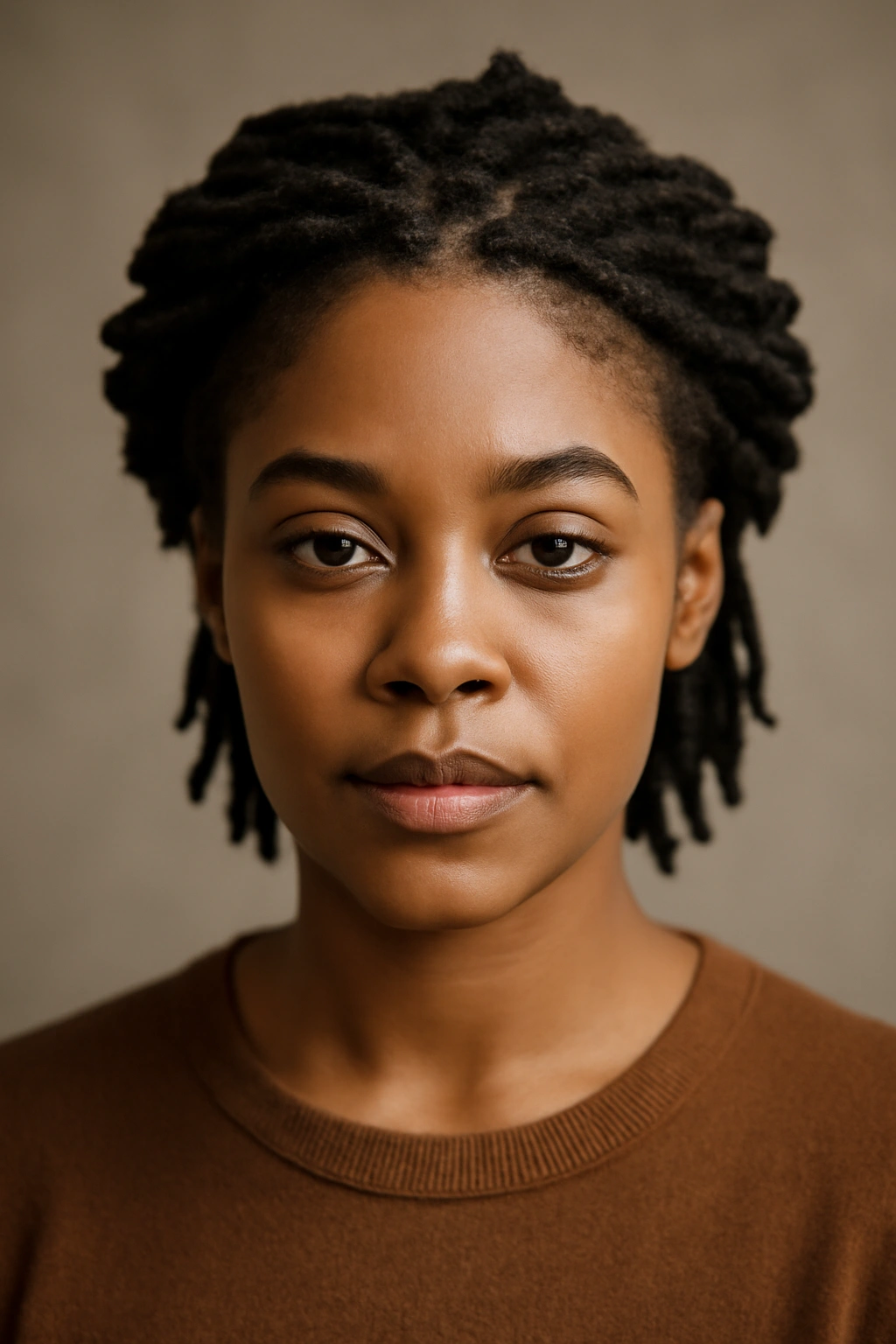
A twisted crown is one of the most elegant ways to style short dreadlocs, creating a halo effect that frames your face beautifully while keeping hair off your shoulders. This style involves taking sections of dreads from either side of your head and twisting them around the top of your crown, securing them at the back with bobby pins or a small elastic. The result feels both intentional and effortlessly sophisticated—perfect for work, dates, or any occasion where you want to look polished without trying too hard.
Why This Style Works for Short Dreads
The twisted crown works so well on short locs because the controlled texture of your dreads holds the twist securely without slipping or unraveling. The weight distribution of shorter dreads means the crown stays in place throughout the day without pulling uncomfortably at your roots. Since there’s no excess length hanging down the back, you can see the intricate detail of your twist from multiple angles, making the style feel more intentional and artistic than it would with longer hair.
How to Create the Twisted Crown
- Start by running your fingers through your dreads to separate them gently, creating a clear section from temple to temple around the back of your head
- Take a section from one side and begin twisting it loosely as you move toward the crown, incorporating nearby dreads as you go for a fuller, more textured twist
- Mirror this motion on the opposite side, twisting inward until both sides meet at the crown
- Secure both twists together at the back using bobby pins inserted into the twisted sections themselves, or thread a small elastic through the dreads for an understated hold
- Tuck any shorter pieces that frame your face behind your ears or leave them loose for a softer look
- Use a light edge control or finishing spray if you want the twist to feel extra defined
Pro tip: The twisted crown looks dramatically different depending on how tightly you twist and how many dreads you incorporate. A looser, messier version feels more casual and creative, while a tighter, more controlled version reads as polished and refined—choose your tightness based on the vibe you’re going for that day.
2. Half-Up Half-Down Style
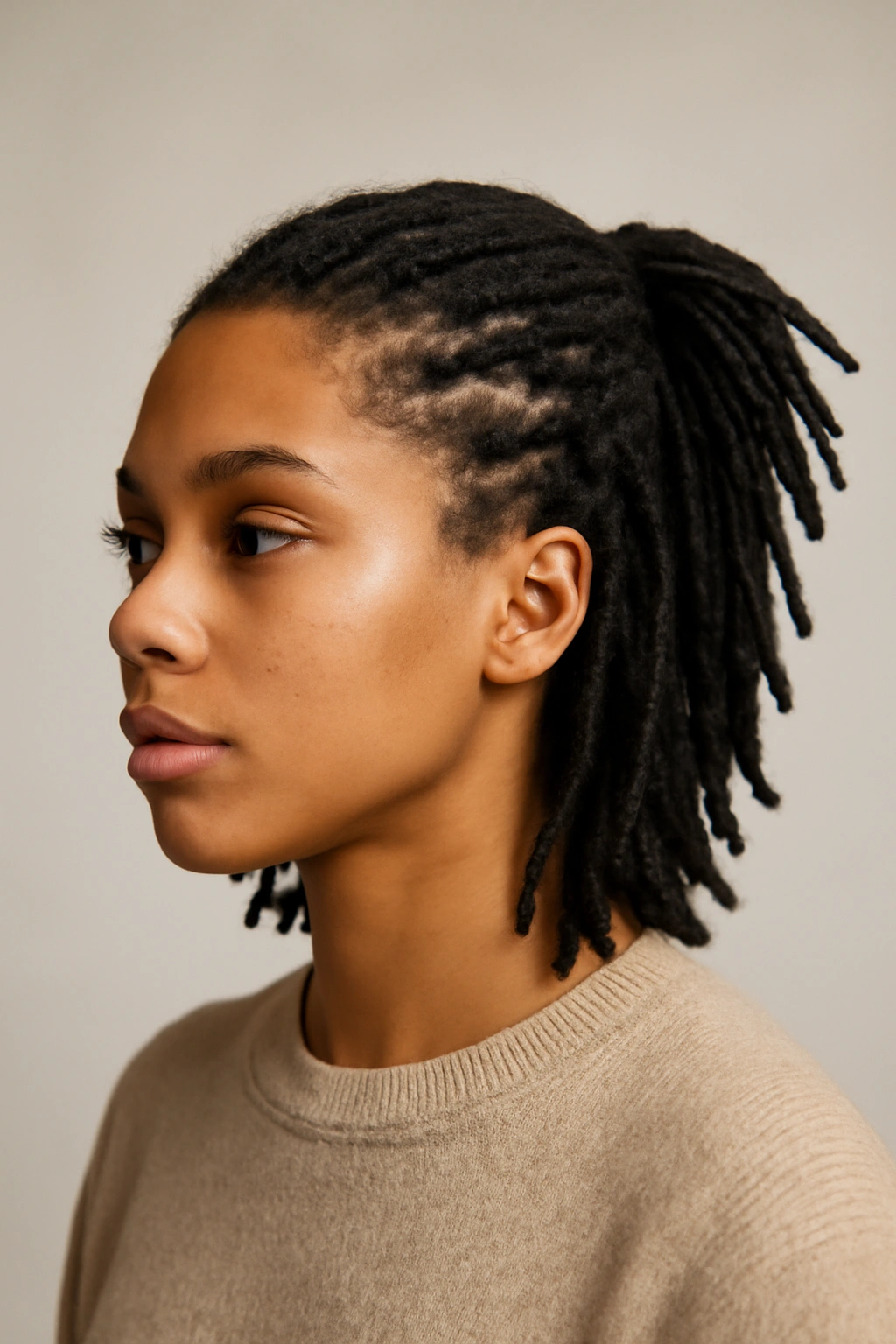
The half-up half-down style is a timeless approach that works beautifully with short dreads, giving you the best of both worlds—some hair off your face for visibility and airflow, while keeping the majority of your locs down so their full texture and personality show. This look is incredibly versatile because you can dress it up or down depending on how you secure the top section and what styling products or accessories you use.
What Makes This Style So Adaptable
Half-up half-down on short dreads feels modern and intentional because it draws attention to the movement and texture of your locs. The contrast between the secured section and the loose dreads below creates visual interest without requiring any complicated techniques. This style also works across multiple occasions—it’s casual enough for daily wear, polished enough for professional settings, and can be dressed up with metallic cuffs or decorated clips for events.
Steps to Perfect Your Half-Up Half-Down
- Section off the top layer of dreads, roughly from ear to ear across the crown, leaving the lower half completely loose
- Gather this top section into a small ponytail at the back of your crown using a hair elastic or dread cuff
- You can twist the gathered section before securing it for added visual interest, or braid a few of the dreads within the ponytail
- Leave some of the shorter pieces at the crown slightly loose so they frame your face softly rather than pulling everything back tightly
- Add decorative clips, beads, or cuffs to the secured section for a personalized touch
- Flip your head forward and gently pull the dreads downward to add volume and texture to the half-down section
Worth knowing: This style works especially well if your short dreads have varying lengths, because the longer pieces can hang loose while shorter dreads naturally sit in the half-up section, creating dimension without any extra effort.
3. High Bun
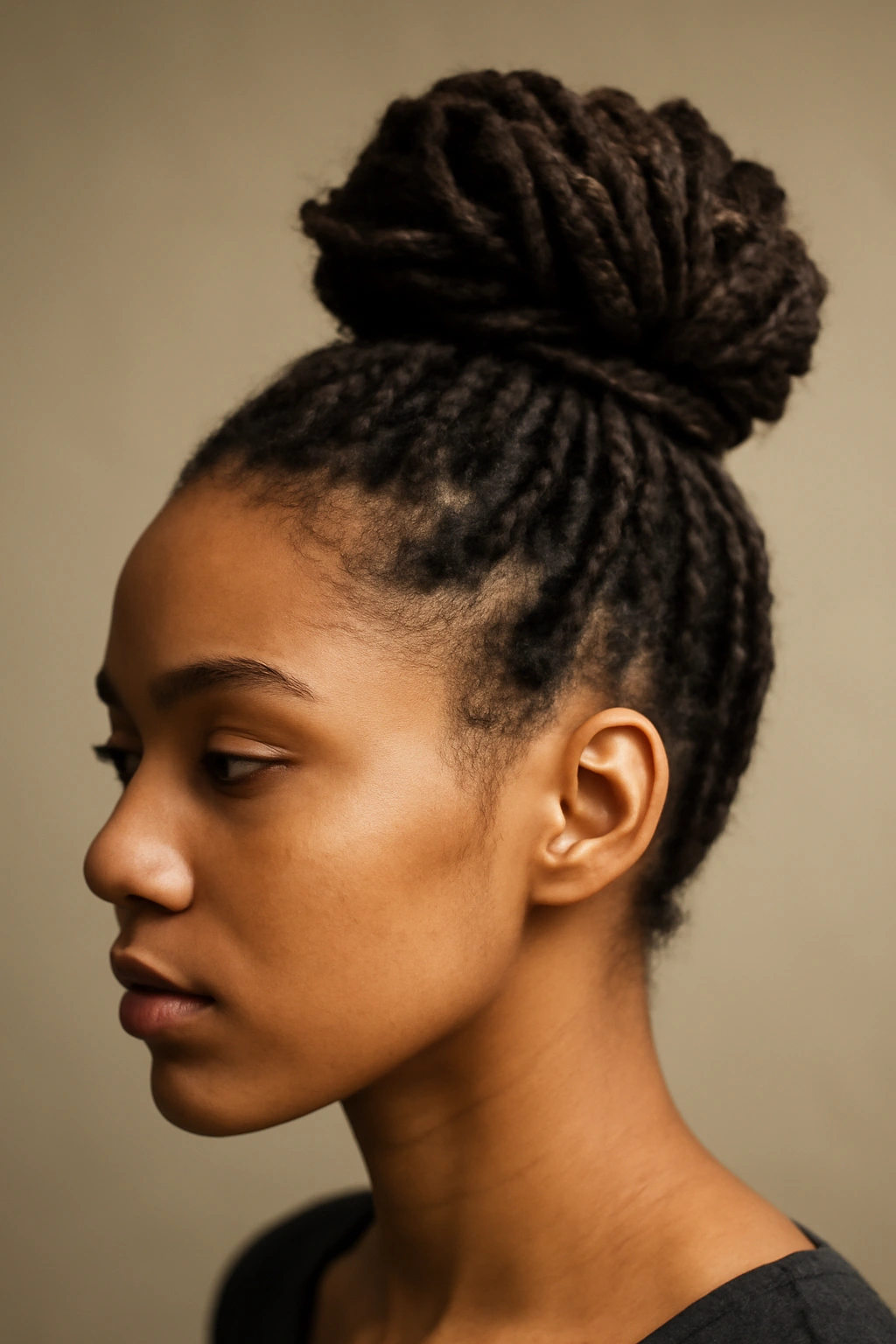
A high bun transforms short dreadlocs into a sleek, statement-making style that’s perfect for when you want maximum hair off your face and neck. This is one of the most practical everyday styles, especially when you’re working out, working in a kitchen, or simply want a style that stays put through humidity and movement. Despite the simplicity of a bun, the textured appearance of dreadlocks makes it feel anything but boring.
Why Dreads Make High Buns Look So Good
When you gather your short dreads into a bun, you’re not creating a smooth, compact knot like you would with conventional hair—instead, you’re creating an architectural structure where individual locs stack and weave together, creating incredible visual texture and depth. The natural grip between dreads means your bun stays tighter and lasts longer than it would with other hair types, so you can wear this style for a full day without it loosening or falling apart. A dread bun also looks undeniably intentional and takes advantage of your hair’s unique properties rather than fighting against them.
Creating the Perfect Dread Bun
- Gather all your dreads together at the crown, back, or side of your head depending on the look you want (high, mid, or low placement)
- Twist or coil the gathered dreads together, moving in a circular motion as they wrap around the base of your ponytail
- Continue wrapping until all your dreads are incorporated into the spiral, creating a round, textured shape
- Pin the bun in place using bobby pins inserted directly through the twisted dread structure for maximum security
- Smooth any flyaways using edge control or a light finishing spray if you prefer a more controlled aesthetic
- Leave a few smaller pieces loose around your face or temples for softness, or slick everything back for a severe, clean look
Quick facts about dread buns:
- They’re among the longest-lasting styles you can create, easily lasting 2–3 days without loosening
- They work on all head shapes but particularly flatter round faces when positioned at the crown
- The style feels equally appropriate at the gym, the office, or a night out depending on what you pair it with
- Buns are less damaging than styles with tight elastics because the dreads naturally hold each other in place
4. Low Ponytail
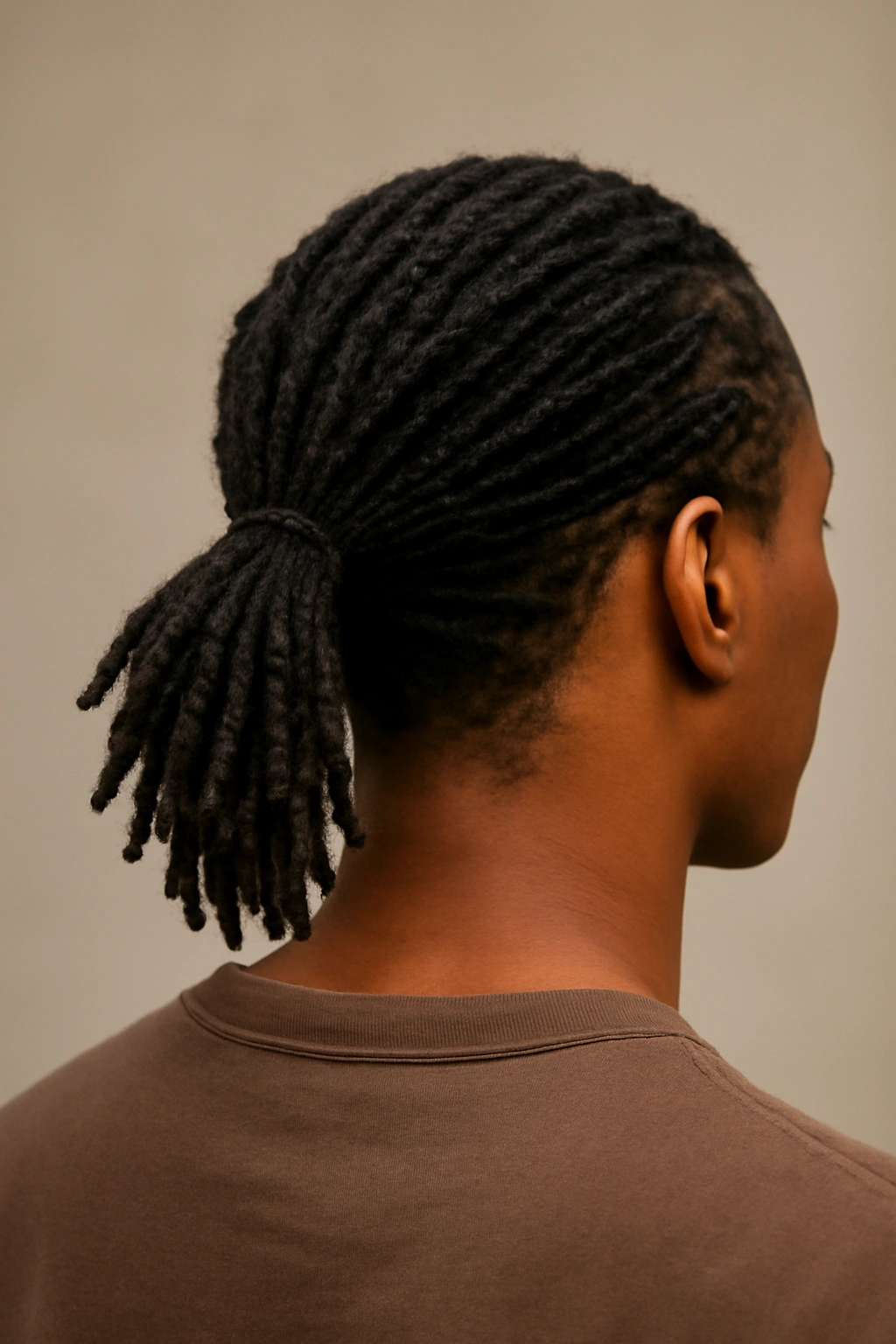
A low ponytail offers a more relaxed, approachable version of gathered updos, sitting at the nape of your neck rather than the crown. This style feels effortlessly cool and works particularly well if you have short dreadlocs of relatively even length, because it creates a clean line without pieces falling out or looking unintentionally messy. The low placement also makes this style more versatile across different dress codes and occasions.
How Short Dreads Transform a Ponytail
Short dreadlocks in a low ponytail create a completely different look than you’d get with conventional hair—the density and defined texture mean your ponytail appears fuller and more intentional even with less actual hair volume. Because dreads grip each other naturally, a low ponytail on dread locs stays in place without requiring the super-tight elastics that can break conventional hair. You can also wear a low ponytail on short dreads for days at a time without significant loosening or slippage, making this one of the most practical styles in your rotation.
Styling Your Low Ponytail Perfectly
- Comb your fingers through your dreads to separate and align them gently
- Gather all your dreads together at the nape of your neck, positioning them where you want the ponytail to sit
- Secure using a durable elastic designed for locs, or use a decorative cuff that wraps around the gathered dreads
- Wrap a small section of hair (real or synthetic) around the base of the ponytail to cover the elastic and create a more finished appearance
- Gently tease or separate individual dreads within the ponytail to add volume and texture
- Leave a few smaller dreads loose at the sides of your face if you prefer a softer frame, or tuck everything neatly for a more polished look
Pro tip: A low ponytail shows off the individual detail of each dread beautifully, so this style is perfect if you have colored locs, interesting bead work, or wrapped sections you want people to notice.
5. Zigzag Pattern
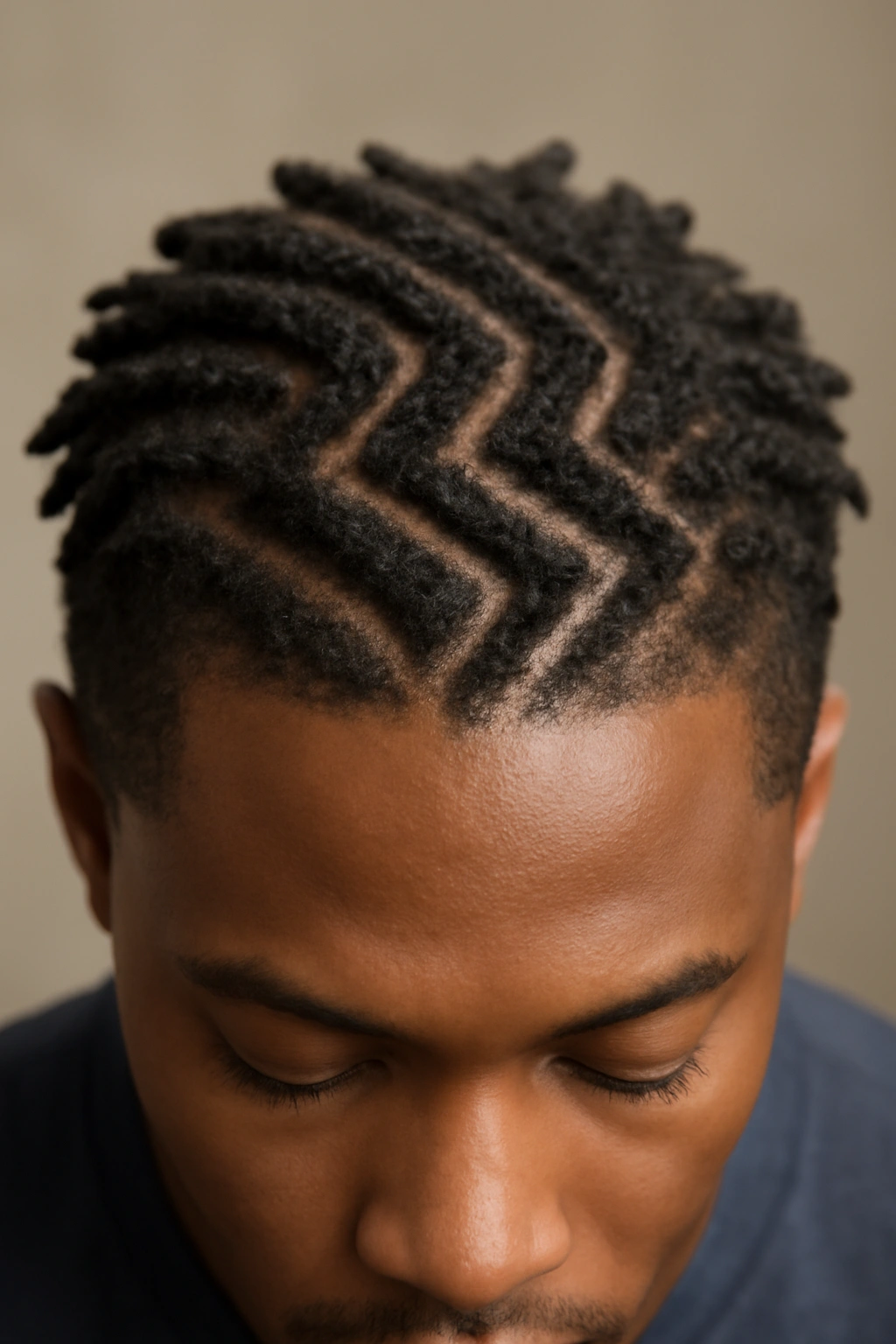
A zigzag pattern is a creative styling approach that arranges your short dreadlocs into a geometric zigzag across your head, creating visual movement and a bold aesthetic that immediately signals intentionality and confidence. This style takes a bit more time and planning than some of the others, but the payoff is a look that’s undeniably eye-catching and unique to your personal interpretation.
What Makes Zigzag Styling Stand Out
The zigzag pattern works particularly well with short dreads because the defined structure of individual locs makes the geometric shape clean and precise. You’re essentially creating a road map across your scalp using your dreads as the medium, and because each dread is its own unit, you can position them exactly where you want. This style is incredibly customizable—you can make your zigzag tight and geometric, loose and flowing, thick and bold, or thin and delicate depending on how many dreads you incorporate into each line.
Steps to Create a Zigzag Pattern
- Section your hair mentally into the path you want your zigzag to follow, typically starting at one temple and moving diagonally across your head
- Begin by separating one dread from the rest and laying it to start your first diagonal line
- Continue adding dreads to this line, angling them so they align with your chosen direction
- At your turning point, begin adding dreads that angle in the opposite direction, creating the zigzag effect
- Secure each section using small elastics, decorative clips, or by pinning dreads directly into position
- The remaining dreads can hang loose, be gathered into a ponytail, or be woven into additional patterns depending on your design vision
Worth knowing: A zigzag pattern is an especially popular choice if you’re going to an event or festival where you want your hair to be memorable. You can also incorporate beads, metallic cuffs, or even temporary hair paint into the zigzag to make it even more striking.
6. Wrapped Sections
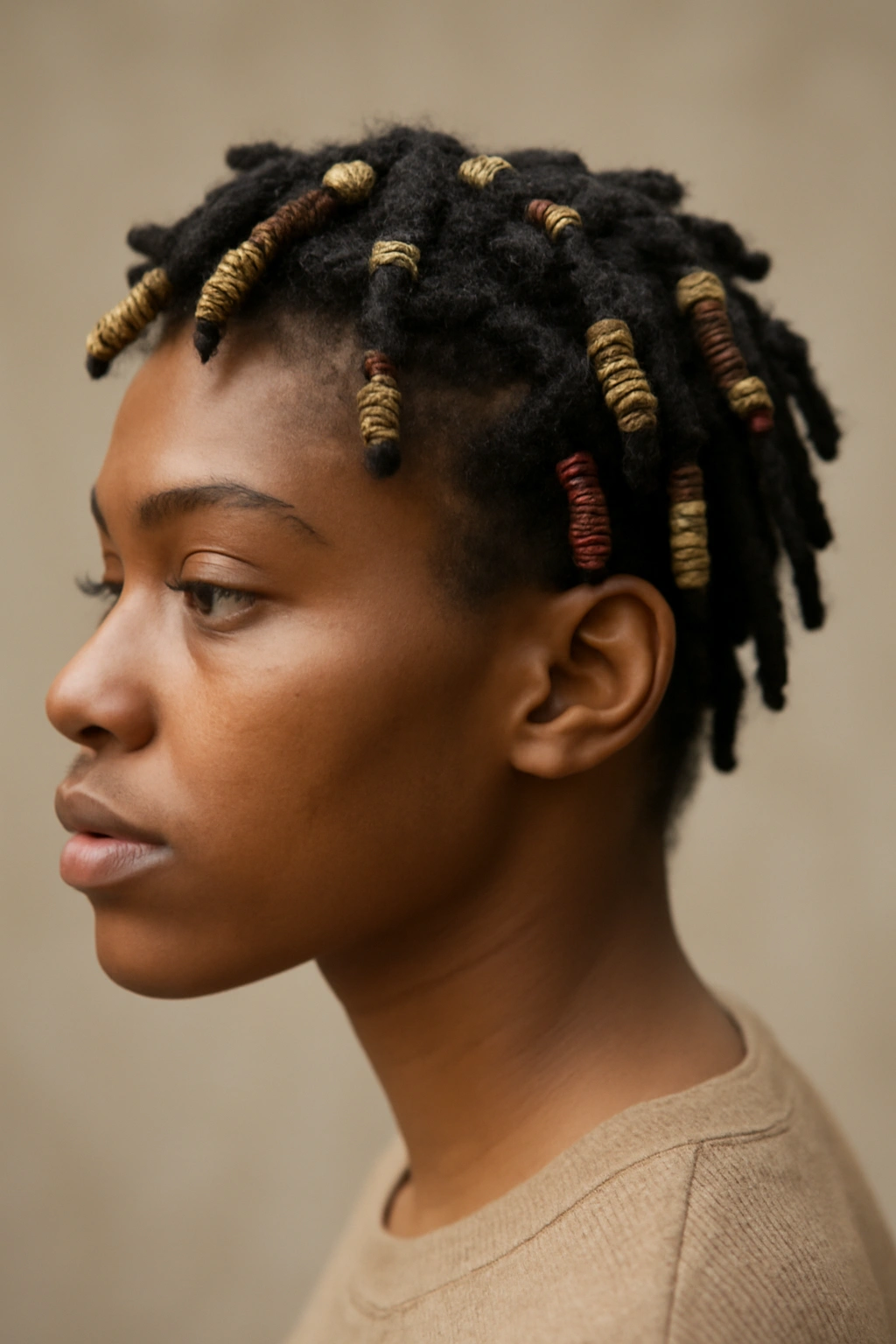
Wrapped sections involve taking groups of your short dreadlocs and binding them together with thread, thin yarn, or decorative string, creating distinct bundled segments throughout your hair. This style offers flexibility in how many sections you create and where you position them—from just a few wrapped groups at the bottom of your locs to an all-over pattern that transforms your entire look.
Why Wrapping Adds Dimension and Style
Wrapping your dreadlocs creates visual separation and definition, making individual dreads appear thicker and more architecturally interesting. The wrapped sections break up the visual uniformity of solid-colored dreads and create natural stopping points that guide the eye around your head. This technique also allows you to change your style without committing to a permanent change—you can wrap and unwrap sections as often as you like, experimenting with different wrapping materials and colors to match your outfit or mood.
How to Wrap Dread Sections
- Choose 2–5 sections of dreads that you want to bundle together, depending on how dramatic you want the effect to be
- Gather each section firmly at the point where you want the wrap to sit (typically 1–2 inches from the end of your locs)
- Cut a length of thread, yarn, or decorative string—roughly 18–24 inches depending on how many times you want to wrap
- Wind the material tightly around the gathered dreads, working from the base of your wrap upward and creating even, consistent layers
- Continue wrapping until you’ve covered approximately 1–2 inches of hair, then tie off securely and trim the excess
- You can leave the wrapped sections as is, or carefully braid the wrapped dreads together for added style
- For a more ornate look, use metallic thread, colorful embroidery floss, or even thin beads that you can slide along the wrapping
Quick facts about wrapped sections:
- Wrapping typically lasts 1–2 weeks before you might want to refresh or reposition it
- It works on short dreads of any length, though sections need to be at least 2 inches long to wrap effectively
- Multiple wrapped sections can create a pattern or simply frame specific areas like the front, sides, or back
- Wrapping is completely reversible and causes no damage to your dreads
7. Side Sweep
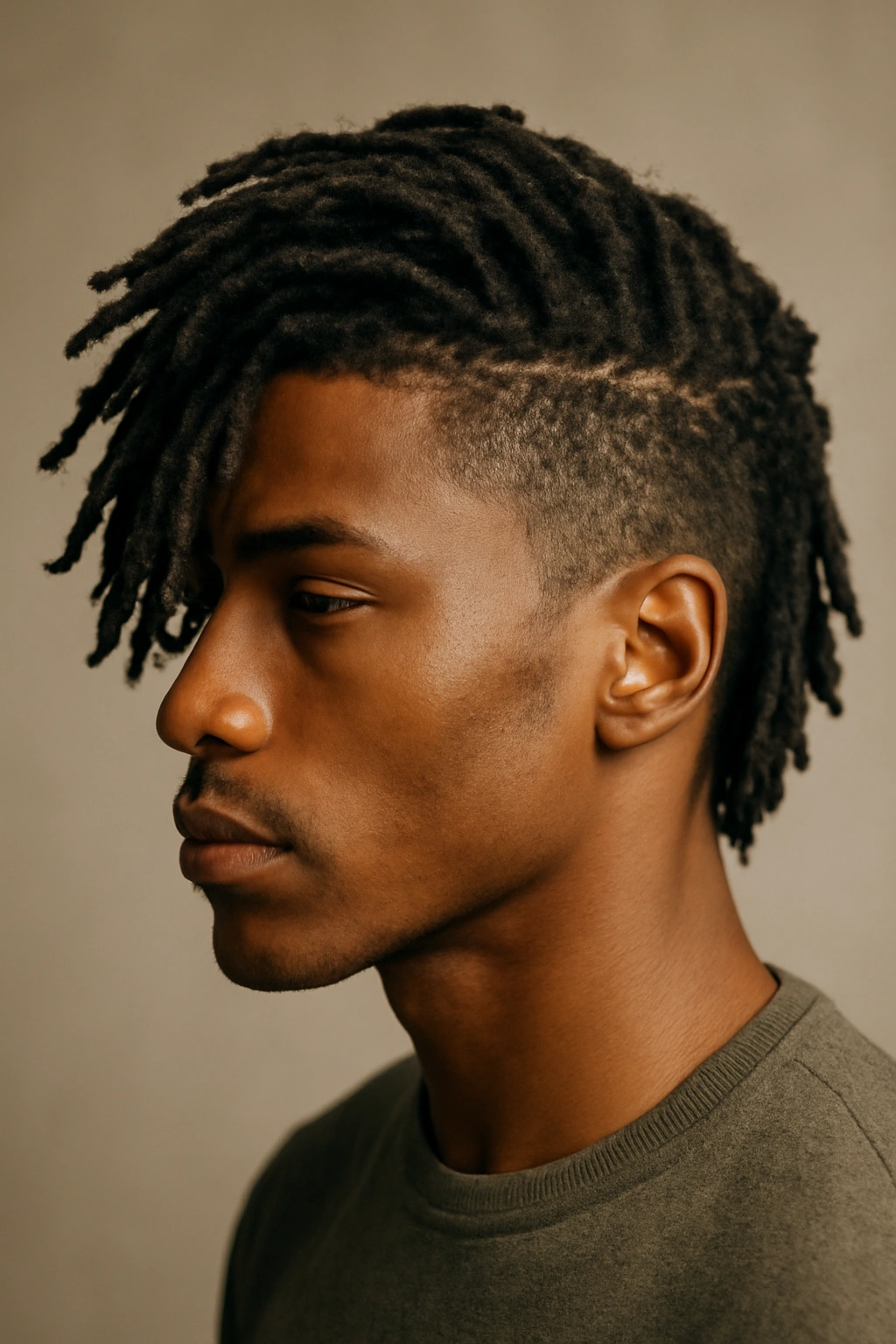
A side sweep takes your short dreadlocs and directs them dramatically to one side of your head, creating an asymmetrical, editorial look that’s undeniably stylish. This approach works whether you sweep your entire head of hair to one side or just create a side-swept section while leaving the rest loose, giving you flexibility in how dramatic or subtle you want the effect.
Why the Side Sweep Is So Flattering
The side sweep inherently flatters because it creates the illusion of face shape balance—angling your hair to one side minimizes the appearance of a round face and adds dimension to an oblong face. The side placement also creates a sense of movement and dynamism, making the style feel more interesting than simply wearing your hair down straight. On short dreads, a side sweep looks intentional and fashion-forward without appearing fussy or over-styled.
Creating Your Side Sweep
- Decide which side you want to sweep toward based on which direction flatters your face shape
- Using your fingers or a dread brush, gently comb all your dreads toward that side, creating a diagonal flow across your scalp
- Secure the swept section using a clip, elastic, or by tucking the dreads behind your ear on the opposite side
- You can smooth the hair on the side you’re sweeping toward, or leave it textured and voluminous for contrast
- Add clips or cuffs to the swept section to anchor it and add visual interest
- For a more extreme side sweep, you can gather the swept section into a side ponytail while leaving some pieces loose for softness
Pro tip: A side sweep looks particularly striking if you have two-toned dreads or wrapped sections, because the sweep highlights those elements and draws them to a focal point on your face.
8. Multi-Textured Updo
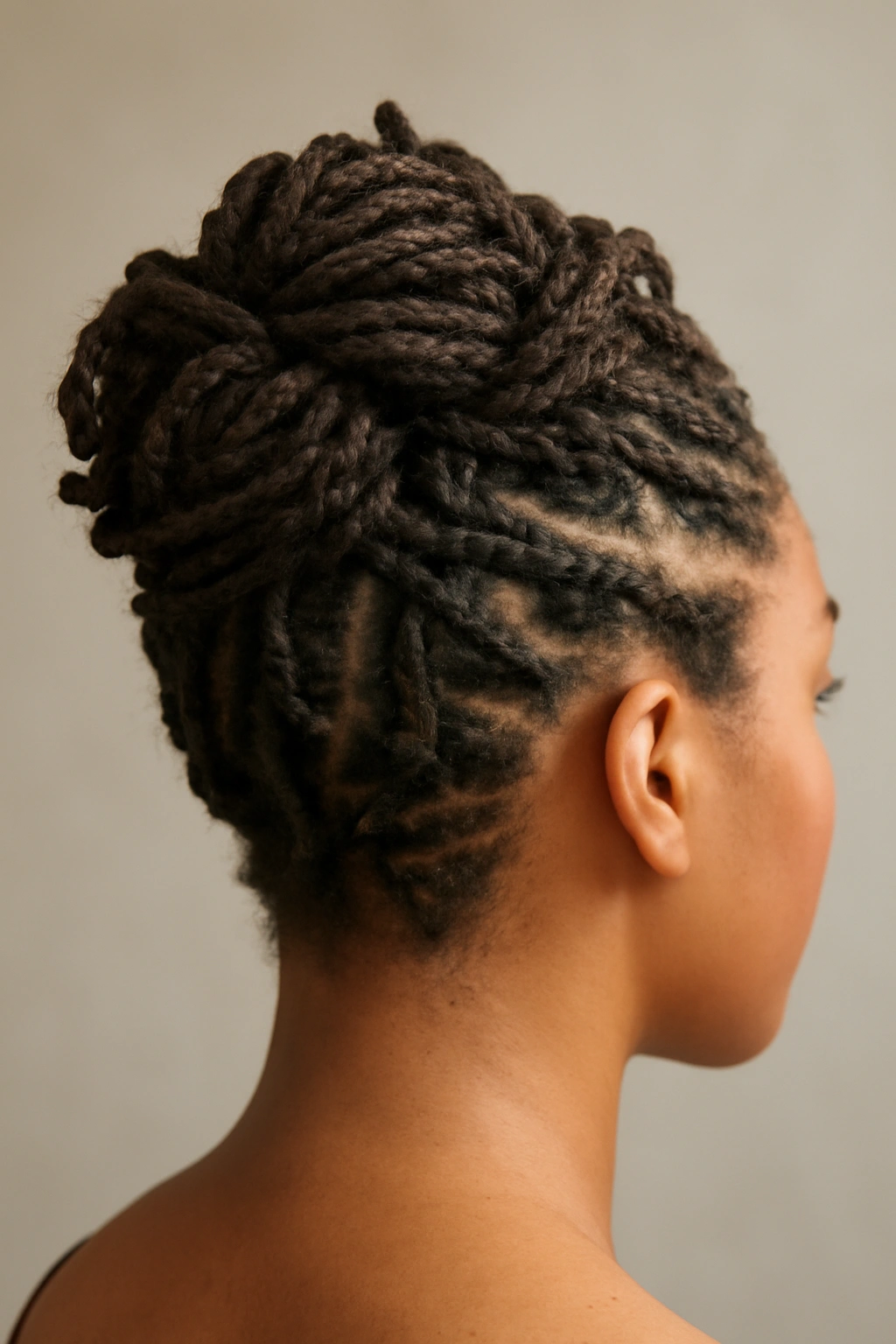
A multi-textured updo combines several different styling techniques within one updo—twists, braids, wraps, and loose sections all working together to create an intricate, visually complex style. This is the approach for when you want to create something that looks like it took serious skill and time, and it absolutely works on short dreads because each element has clear definition.
Building Complexity in Your Updo
The beauty of a multi-textured updo on short dreads is that you’re not limited by length constraints the way you would be with conventional hair. You can braid a few dreads together, twist another section, wrap a group, and still have enough hair to create a cohesive, beautiful updo. The natural texture of dreads means that even if your individual techniques aren’t perfect, the overall effect is intentional and artistic rather than sloppy.
Steps to a Multi-Textured Updo
- Divide your dreads into 3–4 sections based on the techniques you want to use (braiding, twisting, wrapping, etc.)
- Create your first section using your chosen technique—perhaps twist a group of dreads together and secure with a small elastic
- Create your second section using a different technique—maybe braid a few dreads or wrap a group together
- As you complete each section, gather them together at the back or crown of your head
- Secure all the sections together using bobby pins inserted into the dread structure itself
- Arrange the sections so they’re visible and create a cohesive design—you might spiral them, layer them, or arrange them in a circular pattern
- Fill in any gaps with loose dreads or smaller sections, creating a full, textured appearance
Worth knowing: This style works best if you have at least 15–20 individual dreads to work with, giving you enough elements to create genuine complexity. The more time you spend on this style, the more dramatic and impressive the result, so don’t rush it.
9. Minimalist Clips
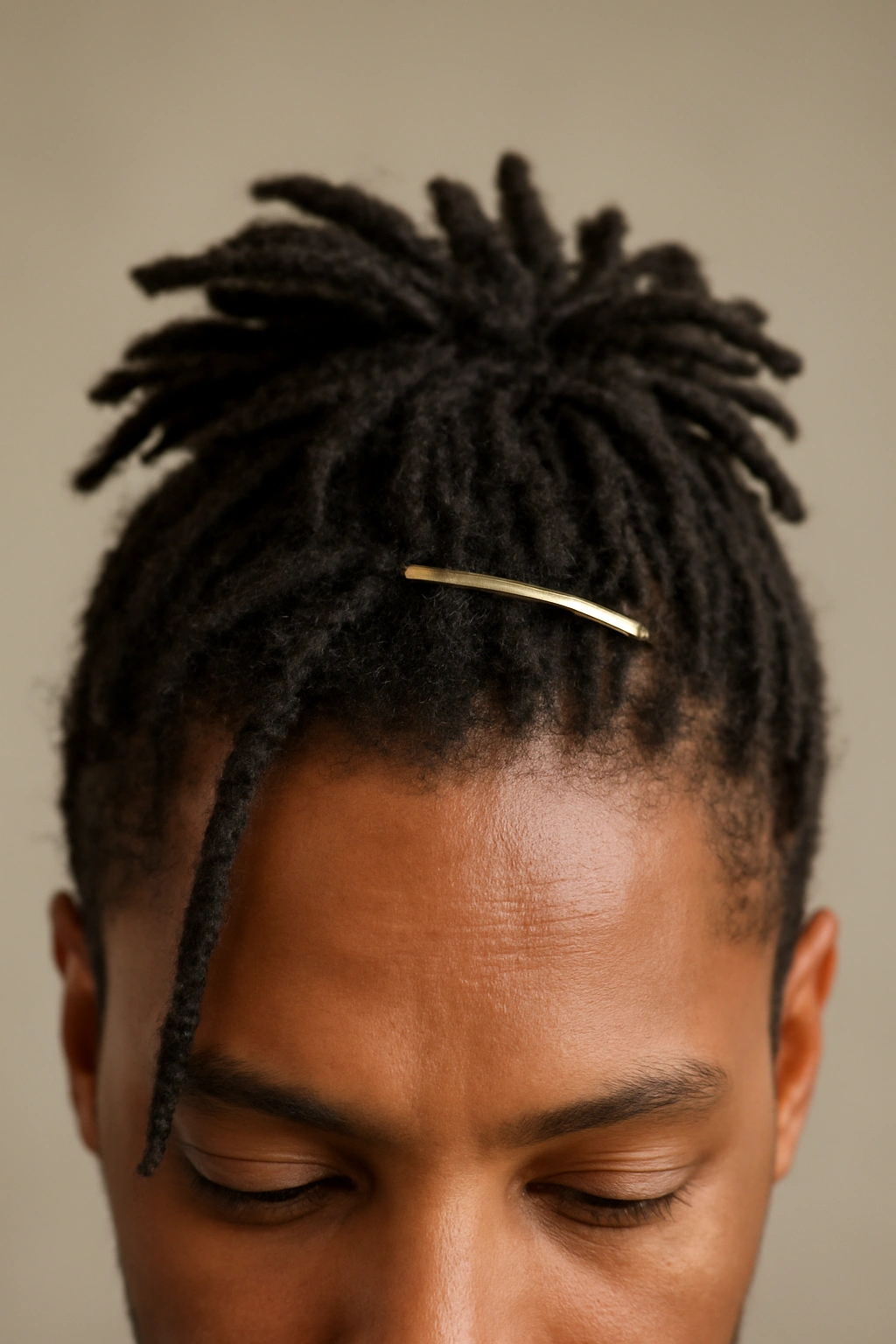
Sometimes the most sophisticated styling choice is restraint, and minimalist clips prove that point perfectly. This approach involves using one or two strategic clips to subtly shape your short dreads without completely gathering them or creating a full updo. The simplicity is deceptive—a well-placed clip can completely change how your dreads frame your face and move throughout the day.
The Power of Strategic Simplicity
A minimalist clip approach works beautifully on short dreads because your hair doesn’t need much to look intentional and put-together. One clip at the back of your crown can keep hair off your face without appearing fussy, while a side clip creates subtle asymmetry that’s modern and interesting. This style is perfect for when you want to look polished but still feel like yourself, without the commitment of a full updo or the looseness of completely down hair.
How to Use Clips for Maximum Impact
- Choose a clip style that complements your personal aesthetic—a sleek metal cuff, a tortoiseshell claw, a decorative bobby pin, or a geometric hair stick
- Determine what you want the clip to accomplish: keep hair off your face? Create a side accent? Establish a focal point? Define an updo without fully gathering it?
- Place the clip at a strategic point—the back of your crown for a simple pull-back, at your temple for a side accent, or slightly off-center for asymmetrical interest
- Use only one clip for maximum minimalist impact, or add a second clip on the opposite side for balance if desired
- Ensure the clip is placed on top of or woven through your dreads rather than underneath, so it’s visible and intentional
- Leave the rest of your hair completely loose and natural, letting the clip’s placement create the style rather than gathering all your hair
Pro tip: Minimalist clipping works especially well if you have shorter dreads because the hair doesn’t need much weight or tension to stay in place. A simple clip is often enough to define your style without any additional securing.
10. Faux Hawk
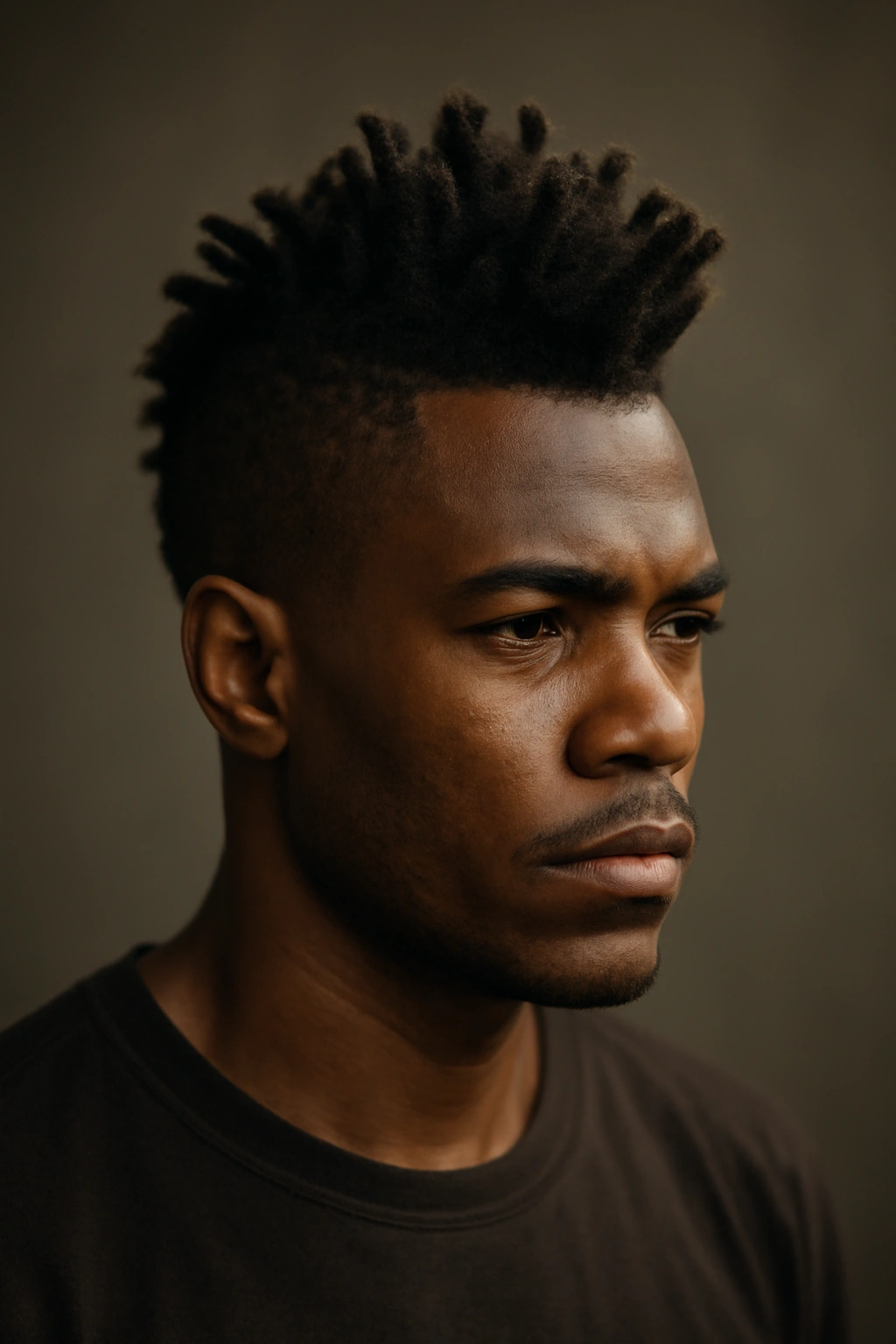
A faux hawk creates the edgy attitude and visual drama of a mohawk without the maintenance or commitment of actually shaving the sides of your head. On short dreads, a faux hawk is entirely achievable and looks undeniably bold—your dreads naturally create height and texture that enhance the effect.
Why Dreads Excel at the Faux Hawk
Short dreadlocks are actually ideal for creating a faux hawk because the density and defined structure mean you can create significant height and visual presence without needing excessive length. When you gather your dreads up the center of your head, they naturally form a ridge that’s texturally interesting and visually striking. The faux hawk on short dreads works across different aesthetic categories too—you can make it edgy and punk-inspired, playful and fashion-forward, or bold and fashion-focused depending on the styling products and attitude you pair it with.
Creating Your Faux Hawk
- Section your dreads into three zones: center (the hawk), left side, and right side
- Gather the center section of dreads and sweep them upward toward the crown, securing with an elastic at the top
- For maximum height, tease the gathered dreads gently at the base before securing, adding volume and texture
- Take the left side section and secure it either down against your head or sweep it toward the back, anchoring it with pins or by tucking it behind your ear
- Mirror this on the right side, creating a clean look where the sides are controlled and the center stands tall
- Add finishing spray or edge control to define the shape and keep flyaways in place
- Optional: add beads, decorative cuffs, or metallic thread to the hawk section for extra personality
Quick facts about the faux hawk:
- It’s one of the most attention-getting styles you can create, perfect for when you want to make a statement
- The style works on all face shapes but is particularly striking on faces with good cheekbone definition
- You can wear a faux hawk to a festival or party, but it also works as an everyday style if you’re confident and bold
- Unlike a real mohawk, you can style it however you want the next day—complete flexibility
Final Thoughts
Short dreadlocs offer incredible styling versatility that often goes underestimated, and the ten styles above barely scratch the surface of what’s possible. Whether you’re drawn to elegant updos like the twisted crown and high bun, casual-but-intentional styles like the half-up half-down, or bold statement looks like the faux hawk and zigzag pattern, your short dreads are your canvas. The key to finding your favorites is experimenting freely without pressure—try a different style each week, see how they make you feel, and notice which ones get the most compliments or boost your confidence highest.
What works beautifully on one person might not be your cup of tea, and that’s completely okay. The best style is the one that feels authentically you and makes you excited when you catch your reflection. Remember that most of these styles are completely reversible and temporary, so there’s no downside to trying something bold or outside your usual aesthetic. Your short dreads are a unique asset, and these styles let you showcase them in completely different ways.
The beauty of having short dreadlocs is that styling doesn’t need to be time-consuming or complicated to look intentional and impressive. Even a simple change in how you position your hair—a clip placement, a twist, a wrap—can completely transform your look and how you feel about yourself. Start with the style that appeals to you most, master it until you can do it in your sleep, then move on to your next favorite. Over time, you’ll develop a mental library of styles that work for your specific dread texture, head shape, and lifestyle, and you’ll be able to switch between them based on your mood and the occasion. That’s when having short dreads stops being a limitation and becomes a genuine superpower.
