



The wavy pixie cut has quietly become one of the most versatile and genuinely low-maintenance short hairstyles available. Unlike the blunt, severe pixies of years past, these modern interpretations combine textured movement with strategic length placement to create a look that feels intentionally tousled rather than meticulously styled—which is exactly why people keep coming back for them. The beauty of a wavy pixie is that it adapts to your natural hair texture instead of fighting against it, and it works across face shapes, ages, and personal style preferences in ways that more rigid short cuts simply don’t.
What makes a wavy pixie different from its straighter counterparts is the emphasis on texture, dimension, and the freedom to let your hair move naturally. Whether your natural hair has a subtle wave pattern or you’re relying on styling techniques to create movement, there’s a version of this cut that’ll feel authentic to you. The “effortless” part isn’t just marketing speak—it’s a legitimate advantage of choosing layers strategically placed to work with your hair’s natural patterns rather than against them.
If you’ve been considering a big chop but worried about the commitment, or you already have a pixie and want to refresh it with more personality, these ten styles offer real direction on what’s possible. Each one demonstrates how small shifts in layering, length, and styling approach can completely change the vibe while keeping that easy-to-manage appeal that makes short hair so appealing in the first place.
The key to finding your perfect wavy pixie is understanding what length works with your hair type, which styling products actually enhance your natural texture, and what maintenance schedule you’re genuinely willing to commit to. Let’s walk through the options.
1. Textured Choppy Pixie with Side Sweep
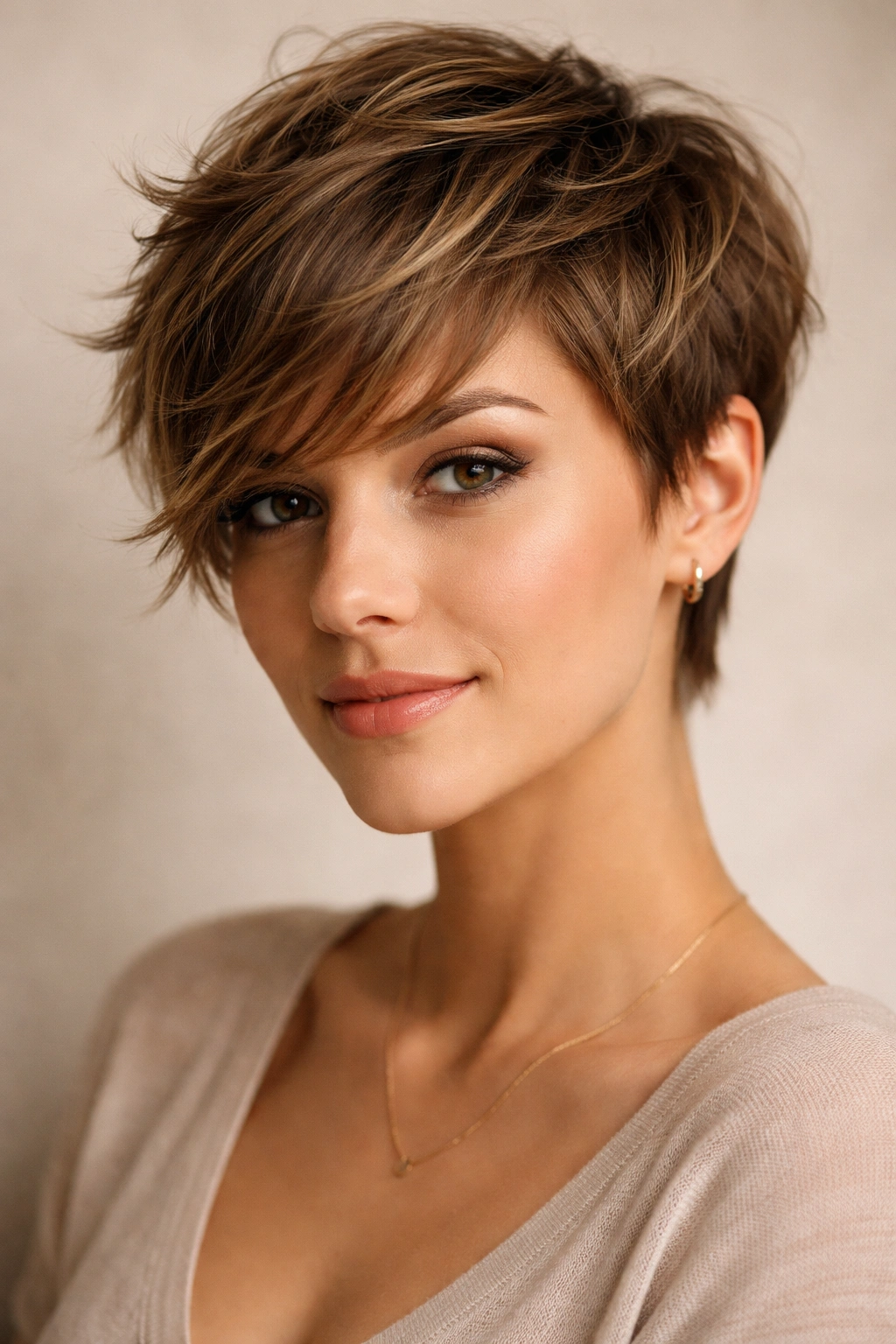
This version prioritizes movement through choppy, disconnected layers that create an almost shaggy texture while still reading as a polished short cut. The side-swept front extends slightly longer than the back, framing the face with piecy chunks that catch light and create the illusion of fullness even with fine hair. The disconnected layering means every strand isn’t trying to blend into a cohesive shape—instead, individual pieces sit at different angles and lengths, which is what creates that “I woke up like this” quality everyone wants.
What Makes It Work
This cut thrives on natural wave or curl pattern, so it’s ideal if you have inherently textured hair. The choppy layers actually enhance texture rather than fighting it, which means styling becomes a matter of encouraging what’s already there rather than trying to create something artificial. Air-drying with a bit of texture product often produces better results than blow-drying, since the layers naturally fall into place when they’re wet and allowed to dry undisturbed.
Styling and Maintenance
Use a lightweight texturizing spray or sea salt spray on damp hair, scrunch gently with your fingers, and let it air dry for maximum ease. If you do blow-dry, use a diffuser attachment and keep your hands moving to encourage the waves rather than smoothing them out. You’ll need trims every 4-6 weeks to maintain the choppy definition and keep the layers from growing into each other and looking shaggy rather than intentional.
Best For
This cut flatters oval, heart, and oblong face shapes best, since the side sweep and texture add width where needed. It works beautifully on people with naturally wavy or curly hair who want to lean into their texture rather than spend time straightening it out.
2. Romantic Tousled Pixie Fade
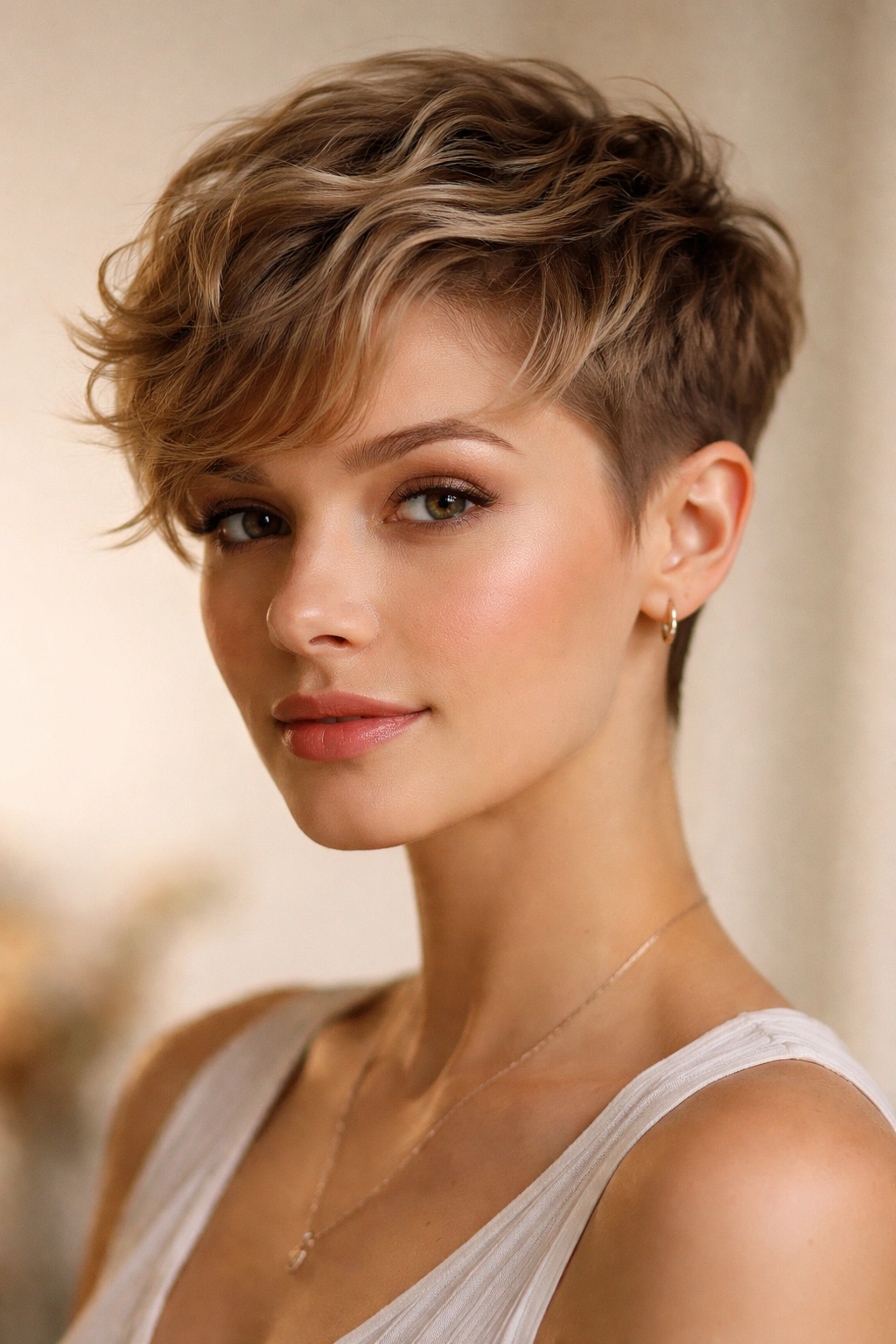
This style combines a soft pixie shape with an extremely gradual fade at the sides and back that creates shape without the hardness of a traditional undercut. The top and crown remain longer and loaded with face-framing waves, while the fade at the sides is so subtle that it almost looks like a natural taper rather than a deliberate cut. The overall effect is boyish and romantic at the same time—edgy enough to feel current, soft enough to feel wearable on a daily basis.
What Makes It Work
The magic here is the fade technique paired with soft waves on top. The fade doesn’t create contrast; it creates flow, which means the entire cut blends together visually rather than creating two distinct sections. This works with all hair textures, including straight and wavy hair, because the fade is so gradual that it doesn’t emphasize texture disparity between sections.
Styling and Maintenance
This cut requires regular fades every 3-4 weeks to look sharp, but the top section can be maintained simply with finger combing and air-drying. Use a bit of pomade or light styling cream to encourage waves and define any piece-y sections you want visible. The key is keeping the fade crisp while letting the top texture remain natural and slightly undone.
Best For
Heart and square face shapes benefit from the width and movement the longer top section provides, while the fade flatters all face shapes by creating length. It works on every hair texture, though it looks particularly striking on straighter hair where the contrast with the textured top is most visible.
3. Grown-Out Wavy Shag Pixie
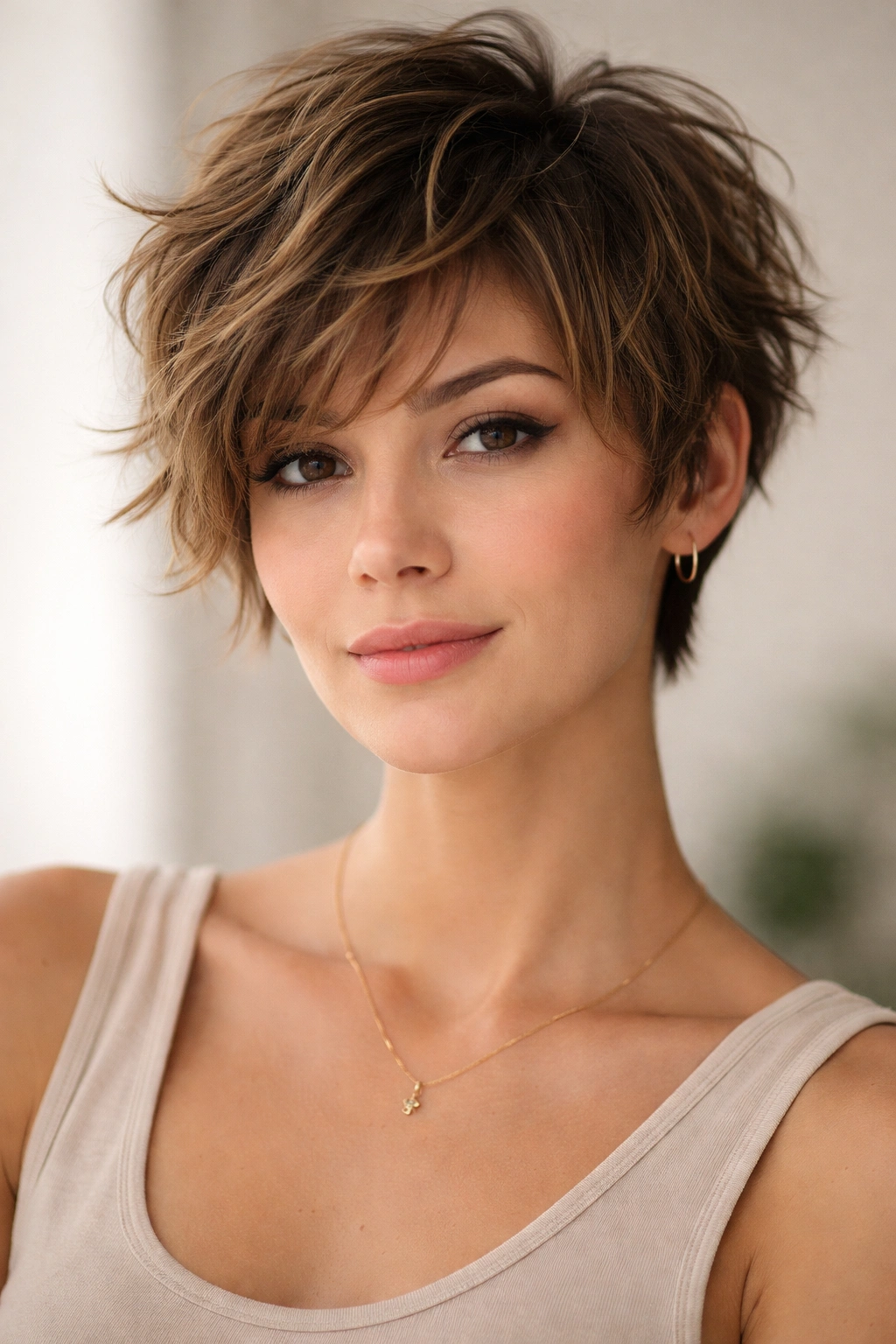
This is the pixie for people who want movement and length but can’t commit to anything longer than chin-level. It’s essentially a shag cut but shortened to pixie proportions—the back is short and tapered, while the front extends significantly longer with lots of choppy layers throughout creating a playful, piece-y texture. It’s the cut that reads as effortless because it actually tolerates some growth before needing a trim, and the layers mean each section can be at a slightly different length without looking unkempt.
What Makes It Work
The layer pattern is what makes this cut forgiving. Because every section is cut at different lengths, the cut actually looks intentional even when you’re a week or two overdue for a trim. The front pieces frame the face and can be easily tucked behind the ear or left out depending on your mood, giving you styling flexibility that blunt pixies don’t offer.
Styling and Maintenance
Texture products are your friend here—sea salt spray, texture paste, or even a light mousse applied to damp hair helps encourage the waves and defines the layers. Blow-dry with a diffuser or let it air dry for that piece-y, tousled texture. You’ll need trims every 6-8 weeks to maintain the layer pattern, but the cut grows out in a way that remains flattering between appointments.
Best For
This cut works on all face shapes but particularly flatters round and square faces because the choppy layers and longer front section add length and visual interest. It suits wavy and curly hair beautifully, though it’s absolutely wearable on straight hair with a bit of styling help.
4. Sleek Curved Pixie with Soft Waves
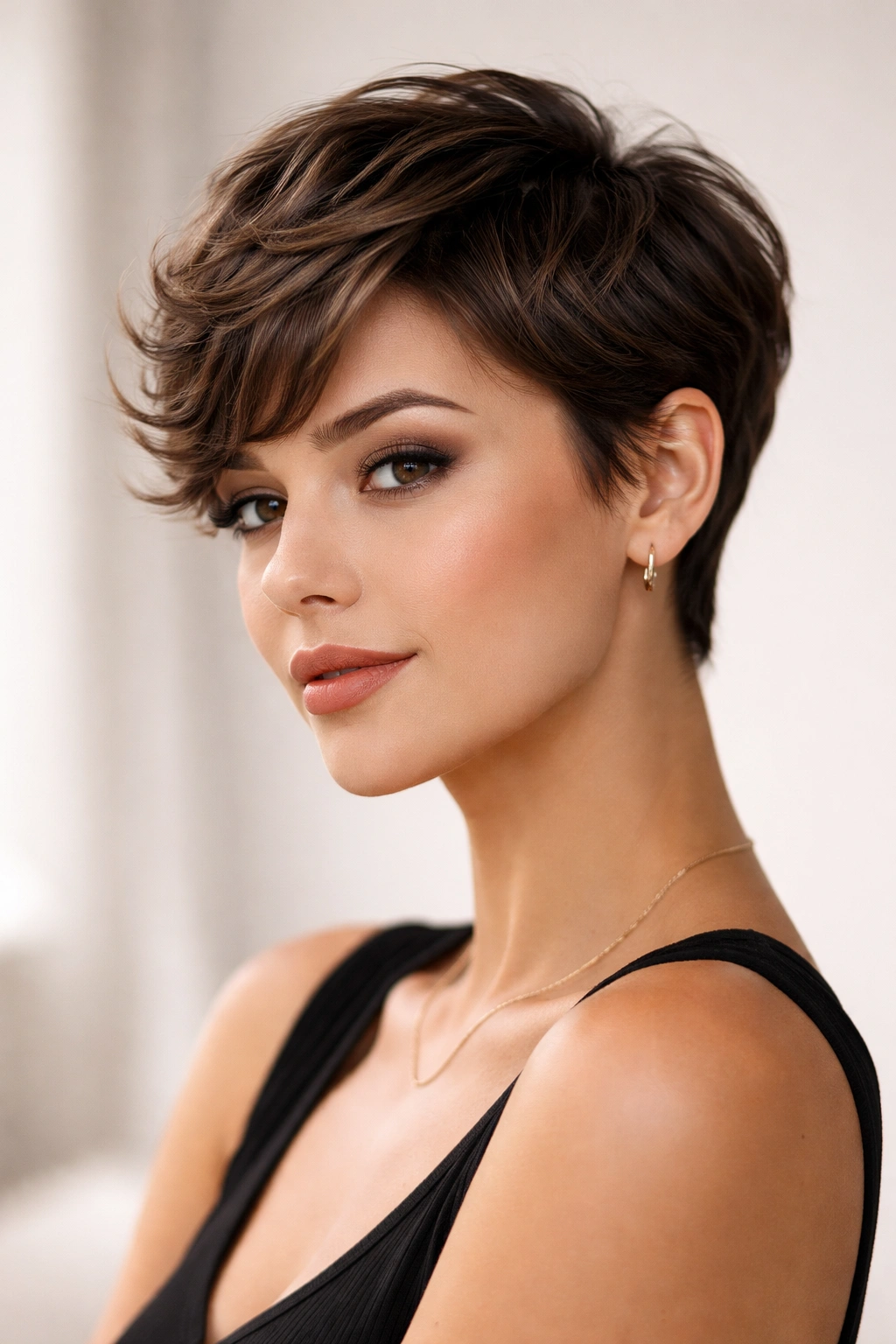
For people who want the sophistication of a refined short cut but don’t want to sacrifice all movement, this version combines precise shaping with soft waves rather than choppy texture. The cut follows the curve of the head and face, creating a feminine silhouette while still reading as modern and sharp. The waves are subtle—not exaggerated curls, but gentle undulation that creates dimension without looking disheveled.
What Makes It Work
This cut relies on proper cut architecture to create that curved, flattering shape, and then the waves add softness without compromising the cut’s line. It requires a stylist who understands both precision cutting and how to encourage wave pattern. The waves can be natural, created through styling, or a combination of both, which gives you flexibility depending on how much time you want to spend styling.
Styling and Maintenance
This cut looks polished, so styling usually involves blow-drying with a round brush or curling iron to create intentional waves, then setting with light-hold spray. If you have natural waves, you can air dry with a bit of defining product. This is a cut that rewards a few minutes of styling effort with a noticeably polished result, which makes it ideal for people who enjoy the styling process.
Best For
This works best on people with oval or longer face shapes who want to maintain some length in the front for face-framing. It suits all hair textures, though wavy and straight hair show the curve and wave pattern most clearly.
5. Undone Pixie with Lots of Texture
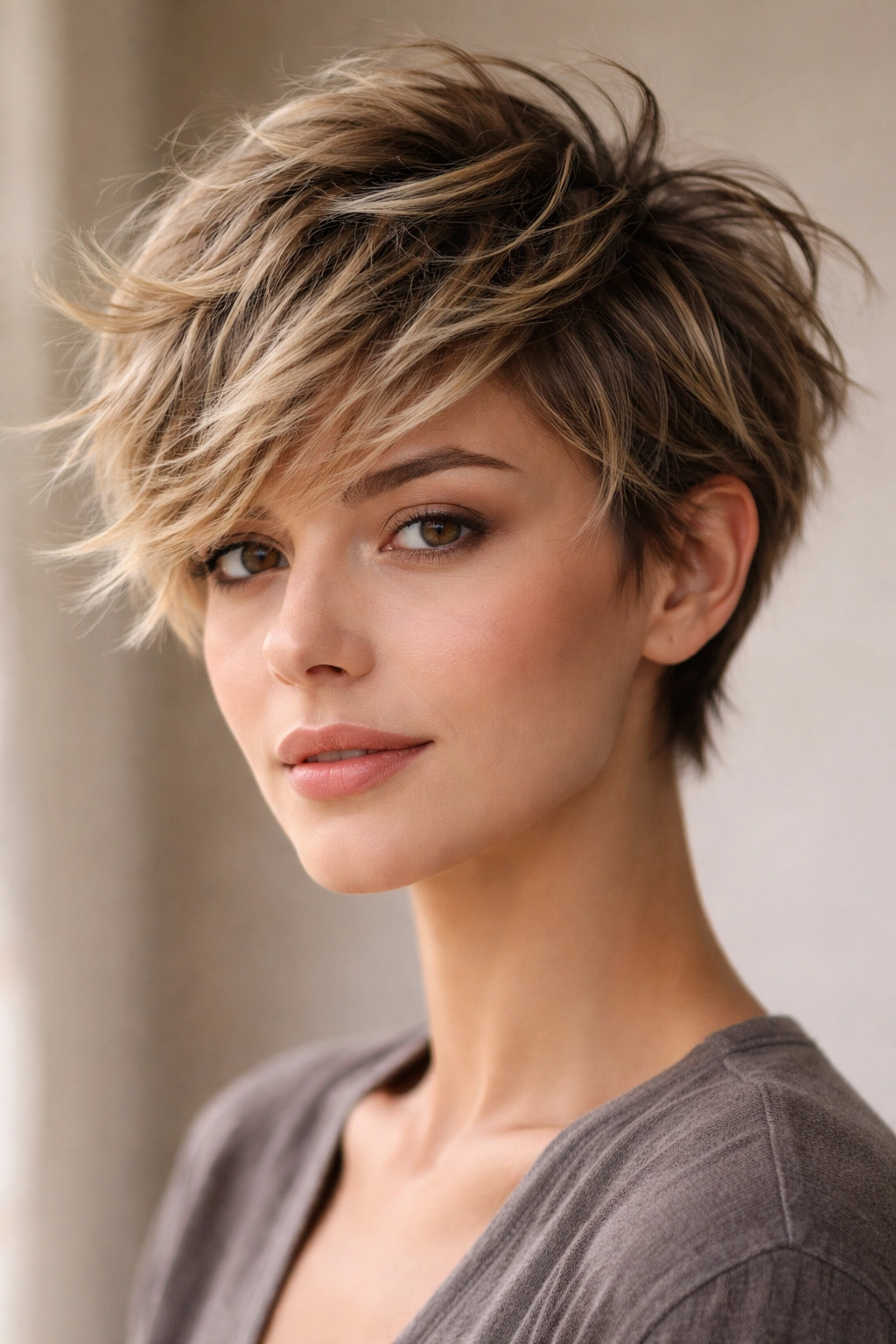
This is the maximalist version of the textured pixie—it has layers throughout, varying lengths, and intentional piece-iness that celebrates the fact that short hair can be wild and fun rather than neat and contained. The cut is basically an organized version of hair that’s been slept on wrong, but in a deliberately styled way. Every section has its own direction and length, which creates visual texture and movement that photographs beautifully and feels light and energetic.
What Makes It Work
The key to pulling this off is that while it looks chaotic, it’s actually cut with intention. The layers are shorter and choppier than other pixie versions, creating separation and texture that reads as intentional rather than accidental. This cut genuinely looks better slightly undone than perfectly styled, which is the definition of effortless.
Styling and Maintenance
Less is more with styling—apply a texture spray or sea salt spray to damp hair, scrunch it around, and let it dry however it wants to fall. Finger-combing is better than brush-combing since it maintains texture separation. You might occasionally want to piece it out or add a tiny bit of pomade to define specific sections, but the beauty of this cut is that it doesn’t require much styling to look good.
Best For
This cut works best on people with naturally wavy or curly hair who want permission to let their texture show. It flatters all face shapes, but it’s particularly striking on longer, narrower faces where the texture adds width and visual interest.
6. Refined Pixie with Soft Face-Framing Layers
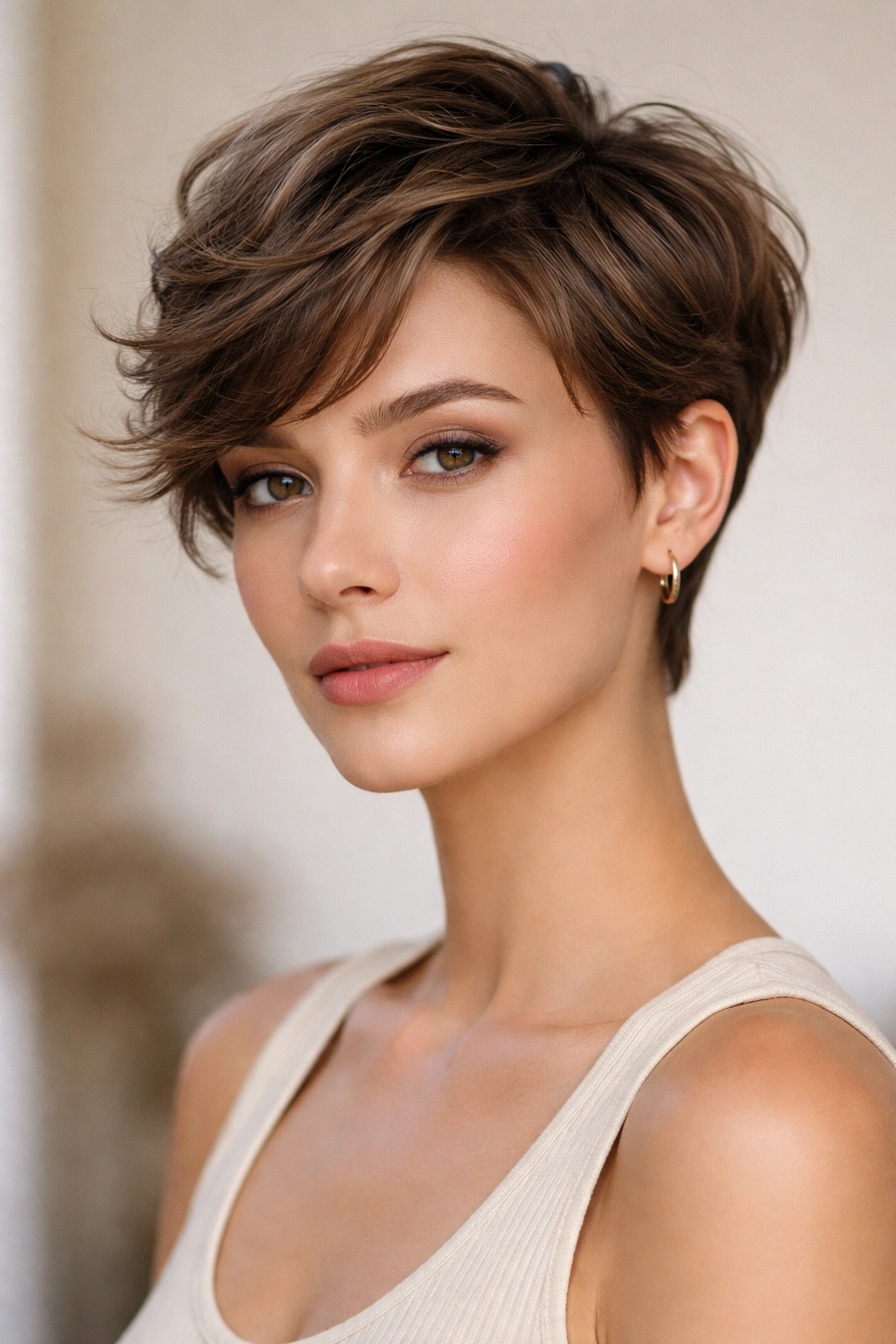
This version sits right in the middle between edgy and elegant. The sides and back are kept relatively short and clean, but the top and front have slightly longer, softer layers that frame the face with gentle waves. It’s the pixie cut for people who want something undeniably short but need enough length and movement in the front to feel feminine and versatile.
What Makes It Work
The contrast between the controlled short sections and the longer, wavier front layers creates a sophisticated look. The face-framing pieces can be tucked behind the ear for a neat appearance or worn out and waved for a softer vibe, giving you versatility depending on the occasion. The soft waves versus choppy texture makes this feel more polished than deliberately undone styles.
Styling and Maintenance
This cut works beautifully with a light blow-dry and some curl cream or light pomade applied to the front layers. You can also air dry if your hair has natural wave, and the front will still frame nicely. Maintenance is typically every 4-5 weeks to keep the sides and back clean while preserving the length on top.
Best For
This suits people who want short hair but aren’t ready for an extremely short pixie. It works on all face shapes and all hair textures, making it one of the most adaptable pixie versions available.
7. Asymmetrical Wavy Pixie with Longer Side
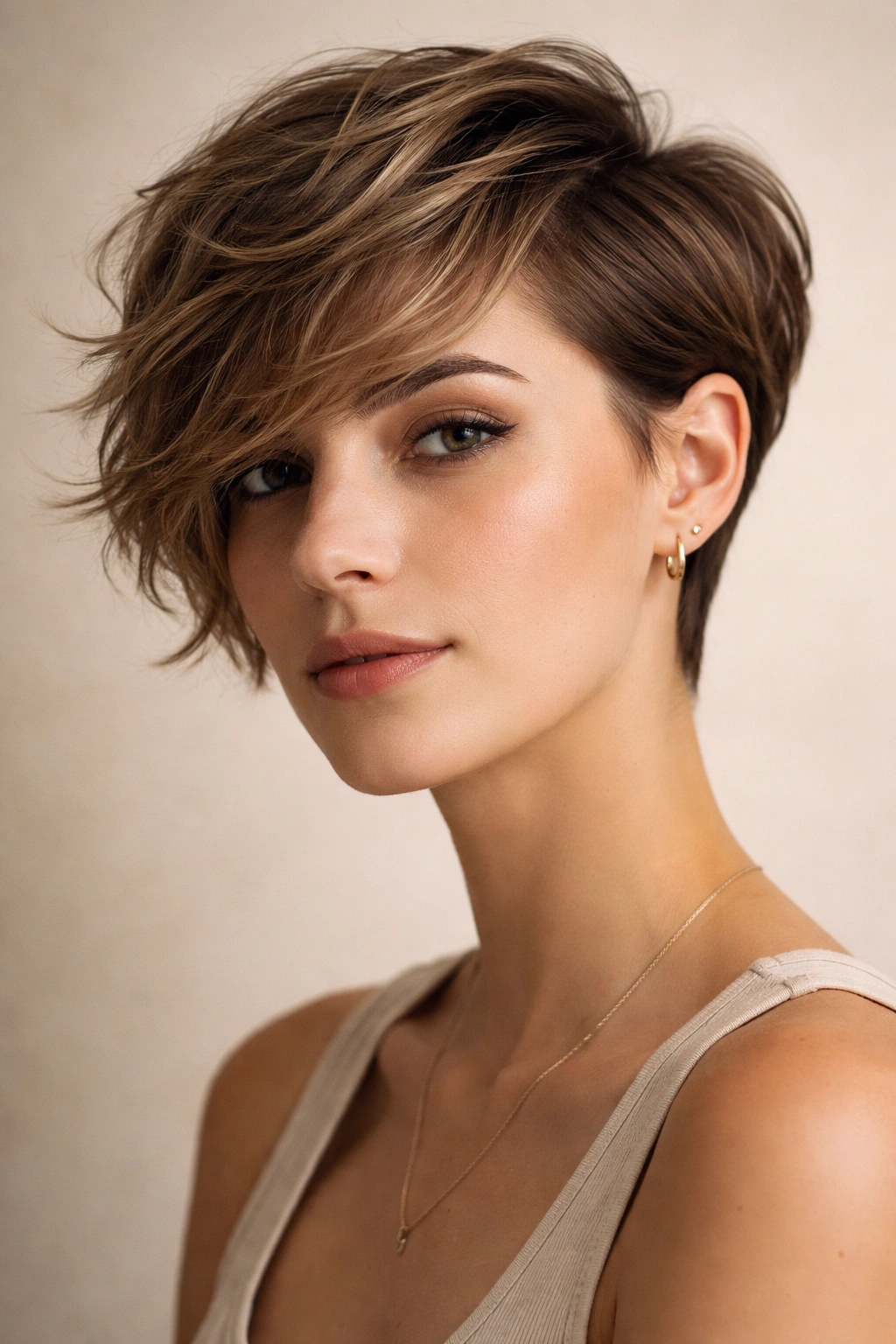
This cut deliberately plays with asymmetry—one side is cut noticeably shorter and closer to the head, while the other side extends longer with soft waves, creating a bold, fashion-forward silhouette. The longer side often tucks behind the ear, but it can also be worn swept across for a completely different vibe. It’s dramatic in concept but surprisingly wearable in practice because the wavy texture softens the geometric cut line.
What Makes It Work
Asymmetrical cuts work because they create visual interest and movement, and the soft waves ensure it doesn’t read as harsh or overly severe. The contrast between short and long sections is what makes it striking, and the waves are what make it wearable. This cut allows you to change your vibe throughout the day by moving the longer section around.
Styling and Maintenance
Style the longer side with a texture spray and encourage waves or curls depending on your hair type and preference. The shorter side can be left alone or smoothed slightly with a bit of pomade. The cut itself creates the visual interest, so styling is minimal. You’ll need trims every 4-6 weeks to maintain the asymmetrical shape and keep the longer side’s wave pattern looking intentional.
Best For
This works best on people with oval or heart-shaped faces where the longer side can frame and balance features. It suits wavy and straight hair equally well, though the styling approach will differ slightly between the two. It’s ideal for people who want to make a statement with their hair and aren’t afraid of something more dramatic.
8. Tousled Pixie Mullet
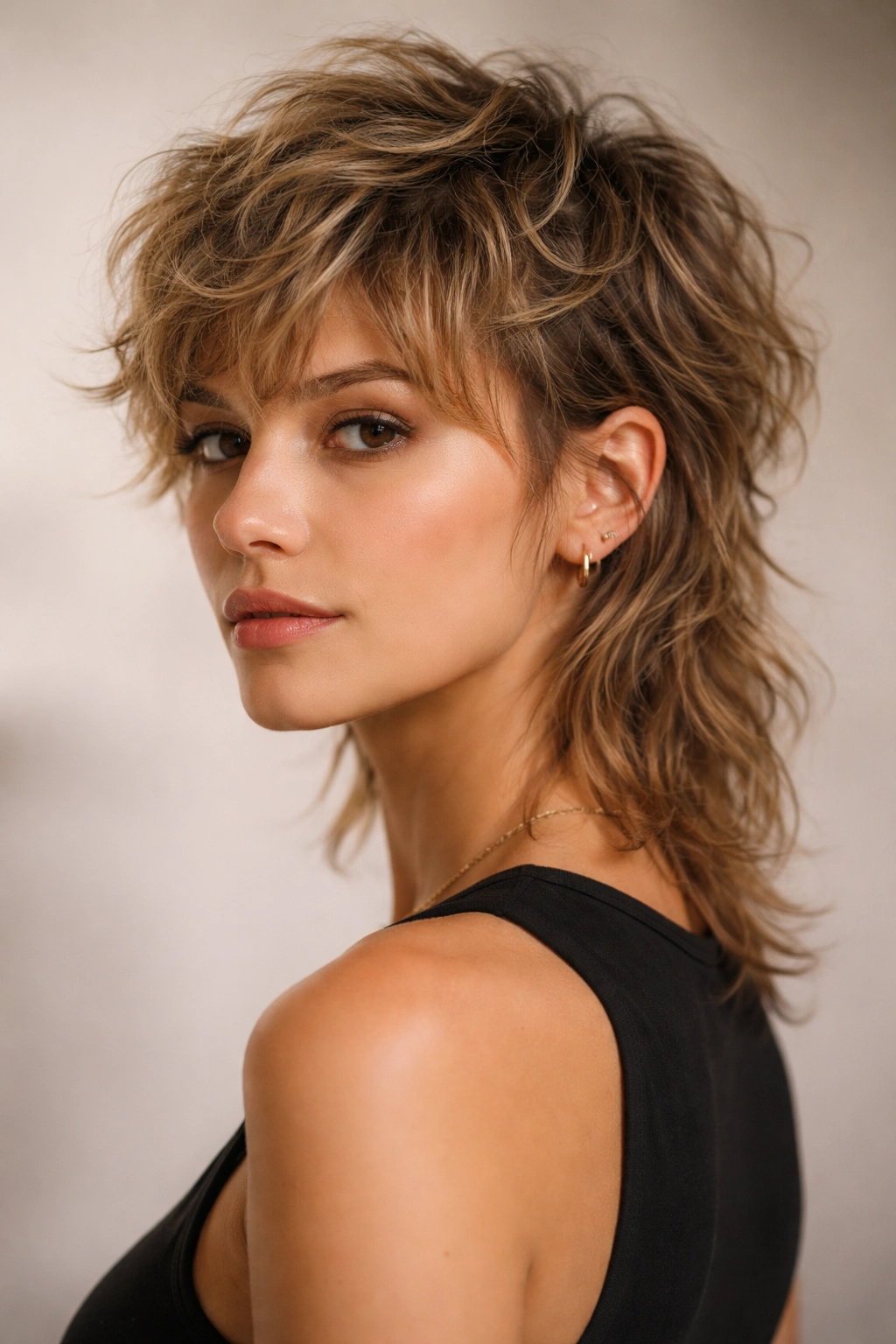
Before you scroll past—hear this out. A pixie mullet is exactly what it sounds like: very short on top with some length remaining at the back, but the entire cut is textured with waves, making it look effortlessly tousled rather than intentionally retro. It’s rock-and-roll energy meets soft romanticism, and it’s more wearable than you’d expect because the soft waves and texture soften what could otherwise feel harsh.
What Makes It Work
The key is keeping both the top and the back textured with waves rather than making the back sleek or dramatic. This creates a cohesive look that reads as one style rather than two contrasting sections. The cut works because the overall effect is movement and texture, not sharp contrast. The texture is what makes it feel modern and intentional rather than like a 1980s revival gone wrong.
Styling and Maintenance
Use a texture spray or sea salt spray throughout, and encourage waves everywhere. Blow-dry with a diffuser or let it air dry for that tousled vibe. The back can be worn down for a wild, playful look or tucked up slightly for a more controlled appearance. Maintenance is every 5-6 weeks to keep the layers defining the texture and keep the overall shape clean.
Best For
This suits people who are confident and want a statement cut. It works on all face shapes and hair textures, but it looks particularly striking on people with naturally wavy or curly hair. It’s ideal for people who want short hair but also want dimension and playful movement.
9. Feathered Pixie with Soft Waves
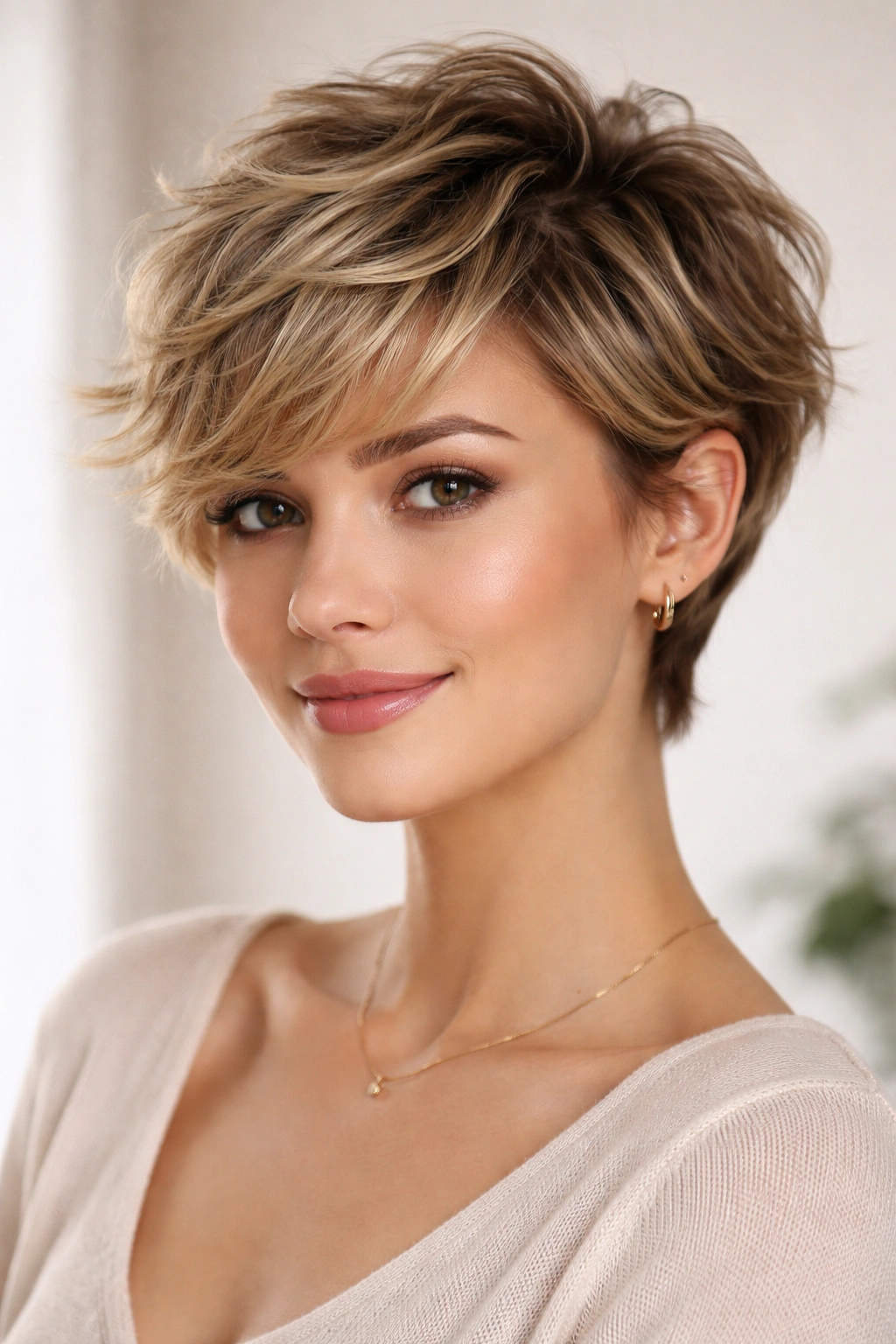
This version uses feathering techniques—subtle cutting that creates soft layers without heavy disconnection—to build movement and texture while maintaining a cohesive shape. The result is a pixie cut that has genuine dimension and softness without looking choppy or extreme. It reads as deliberate styling rather than accidental bedhead, which makes it perfect for people who want their hair to look cared-for while still feeling effortless.
What Makes It Work
Feathering creates airiness and movement while keeping sections blended, so the cut has shape and definition without looking piece-y. The soft waves enhance the feathering rather than fighting it. This is a cut that rewards a few minutes of styling—blow-dry with a round brush or add some curling with a small curling iron, and the feathered layers create dimension that looks expensive and intentional.
Styling and Maintenance
Blow-dry is ideal with this cut, using a round brush to enhance the feathered layers and create soft waves. Apply a light styling product to encourage movement and definition. You can air dry if your hair has natural waves, though blow-drying shows off the feathering more clearly. Maintenance is every 4-5 weeks to keep the feathered texture from growing into a solid shape.
Best For
This suits all face shapes and hair textures beautifully. It’s particularly flattering on people with fine or thinner hair because the feathering creates the illusion of fullness and volume. It’s perfect for people who want a sophisticated, put-together look without spending a lot of time styling.
10. Pixie with Grown-Out Textured Bangs
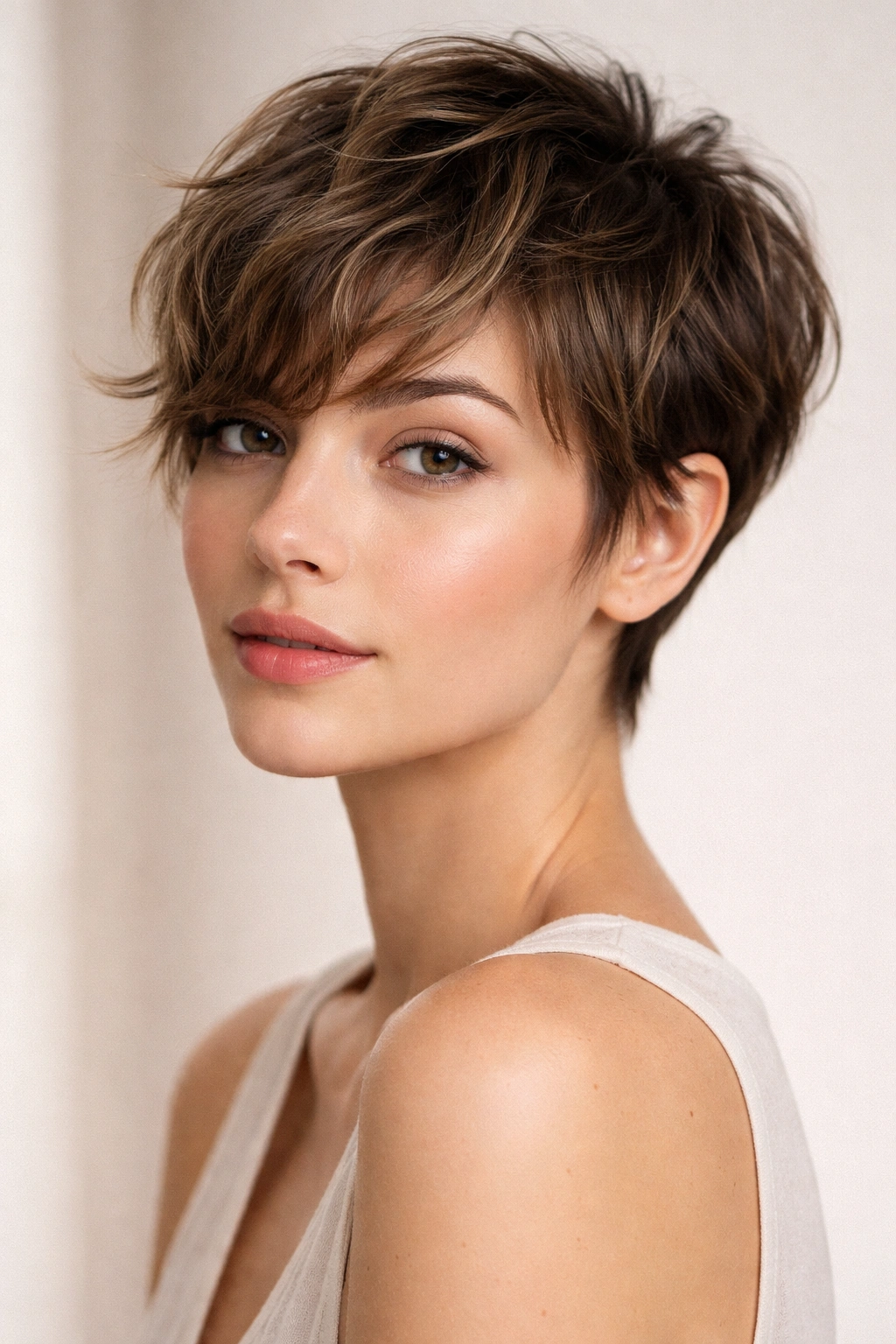
This final version is a short pixie on the sides and back with longer, textured bangs that extend into the top layers, creating framing and personality without sacrificing the short, practical cut. The bangs are deliberately choppy and imperfect, with soft waves that feel intentionally undone. They create face-framing without the commitment of true bangs that need constant styling and maintenance.
What Makes It Work
The textured bangs add an element of softness and femininity to an otherwise very short cut. They frame the face and eyes beautifully while still looking effortless and slightly undone. This cut allows for versatility—the longer front layers can be worn out for drama or tucked back for a sleeker appearance. The waves throughout ensure it never looks too sharp or overly controlled.
Styling and Maintenance
Apply a texture product to damp hair and let it air dry or blow-dry with a diffuser for tousled waves throughout. The longer bang section benefits from a bit of curl product or light pomade to enhance the waves and piece-iness. You’ll need trims every 5-6 weeks to maintain the texture and keep the bangs at the right length for face-framing.
Best For
This cut works beautifully on people with oval, heart, or round face shapes where the longer textured bangs provide flattering framing. It suits wavy and straight hair, though it looks particularly striking on natural wavy or curly hair where the texture is already present.
Final Thoughts
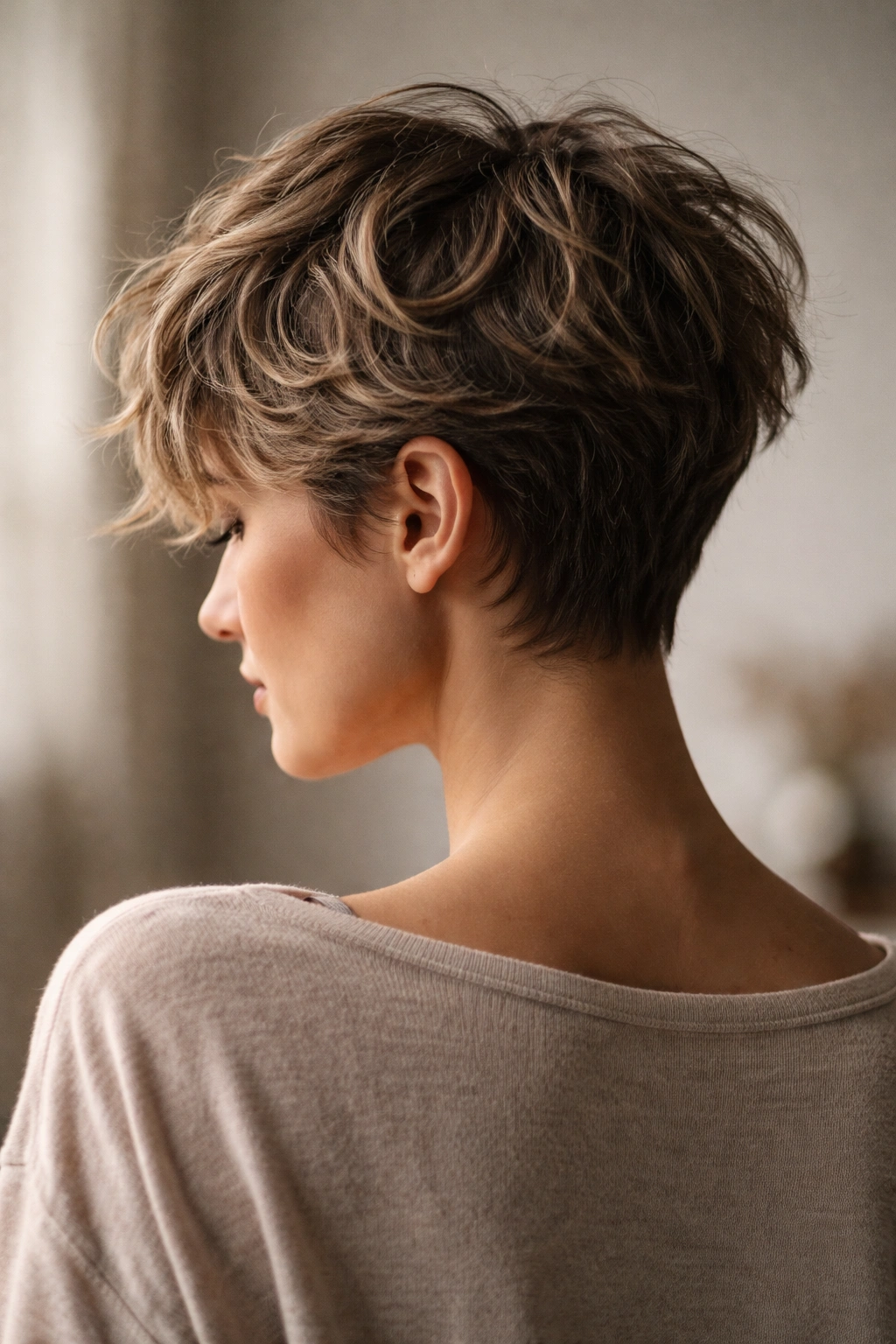
The common thread through all of these wavy pixie versions is that they succeed because they work with your hair rather than against it. Whether you’re choosing a cut that emphasizes choppy texture, soft feathering, subtle waves, or dramatic asymmetry, the goal is the same: a short haircut that looks intentionally tousled and genuinely easy to maintain.
Finding your perfect wavy pixie means being honest about your natural hair texture, how much styling time you’re willing to spend, and what face shape you’re working with. Bring reference photos to your stylist—specifically, choose images where you love the texture and wave pattern, not just the overall shape. A skilled stylist can help you adapt any of these cuts to work with your unique hair and face, and that conversation before the cut is made is what separates a disappointing pixie from one you’ll actually love wearing.
The beauty of embracing the wavy pixie is that short hair stops feeling like something you have to style into submission and starts feeling like something you’re genuinely excited to wake up with. That’s when you know you’ve found your cut.
