



Face-framing layers have been a cornerstone of flattering haircuts for decades, and for good reason—they work. Whether you’re dealing with fine, limp hair that needs dimension, thick texture that demands strategic thinning, or a round face that could use some elongating angles, the right layered cut makes an immediate difference. The magic of face-framing layers is that they bring movement exactly where you need it most: around your jawline, cheekbones, and temples. They catch light differently than blunt cuts, create the illusion of density or width depending on how they’re placed, and most importantly, they make styling easier because the pieces around your face naturally fall into dimension rather than hanging flat.
The challenge is that not every layered style works for every hair length, texture, or face shape. A choppy, textured layer cut that looks edgy and modern on a short pixie might look scraggly and unfinished on fine, delicate hair. Wispy long layers that create that effortless, romantic aesthetic on thick, wavy hair can disappear entirely into thin hair without any visible texture. That’s why understanding how different layering techniques interact with your specific hair characteristics—and which face shapes each style actually flatters—makes the difference between a haircut that feels transformative and one you regret two weeks later.
This is where having a concrete reference guide becomes invaluable. Below are twelve distinct face-framing layer cuts that span different hair lengths, textures, and styling needs. Each one comes with specific details about what makes it work, who it suits best, how to style it, and what commitment it actually requires. Use this as your starting point when talking with your stylist, or as inspiration for figuring out which direction feels right for your hair.
1. Textured Choppy Layers
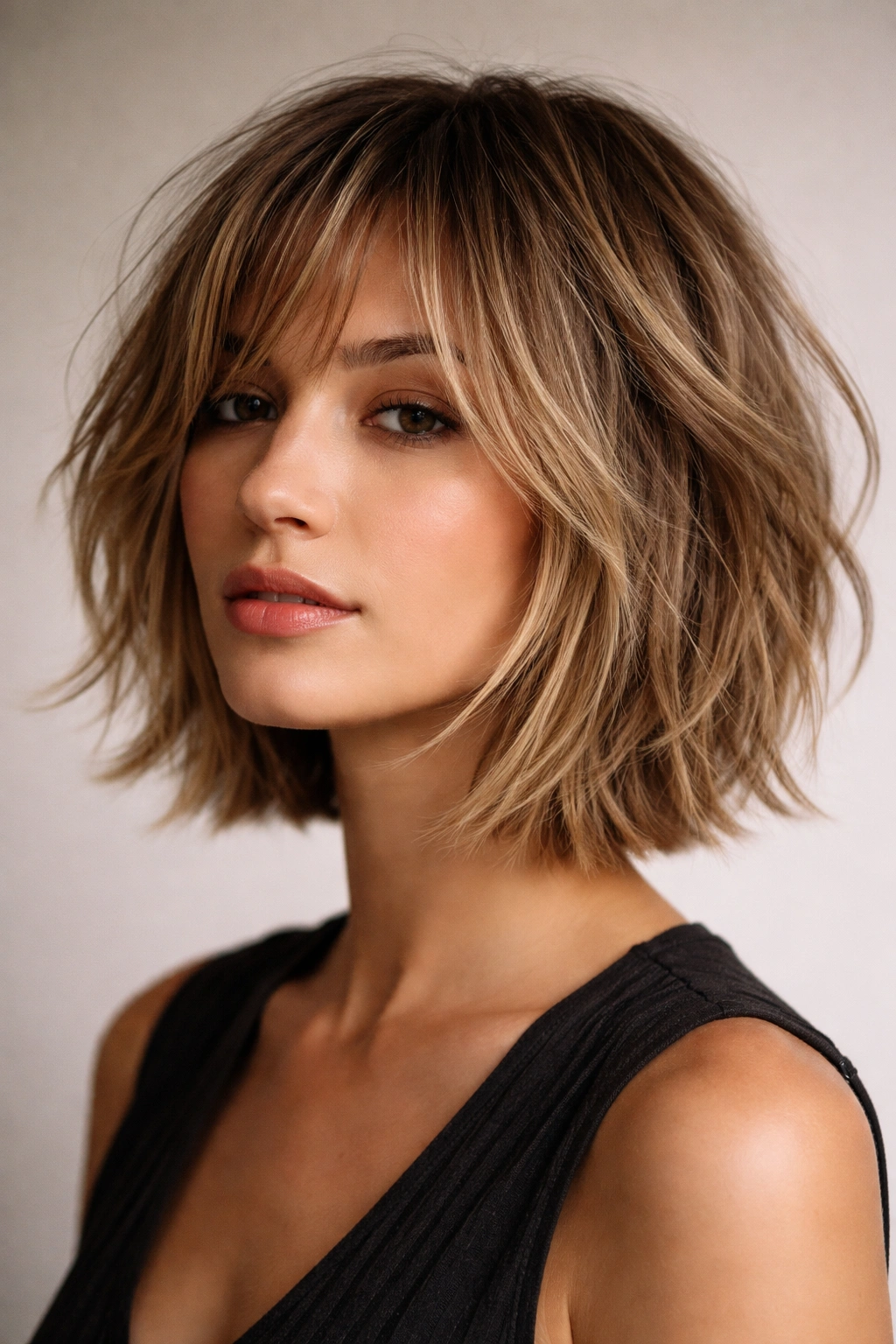
Choppy layers are exactly what they sound like—shorter segments of hair cut at different lengths that create an intentionally undone, piece-y appearance. This style typically works best on short hair, roughly chin-length or shorter, and relies on texture to look intentional rather than messy. The layers are cut more dramatically than feathered styles, creating visible separation and movement throughout the cut. Around the face, the choppy pieces fall at varying lengths that naturally frame your cheekbones and jawline without requiring perfect styling to look put-together.
Why This Style Flatters a Variety of Faces
Choppy layers work particularly well if you have a round or square face shape because the varying lengths and angles break up the face’s outline. The texture and movement prevent the cut from sitting flat against your face, which is what you want to avoid with rounder face shapes. The discontinuous line of the choppy pieces also draws the eye around the face rather than straight down, which is subtly flattering. If you have an oblong face, choppy layers can add the illusion of width across the cheekbones when the bulk of the texture sits at that level.
What You Need to Know Before Committing
- Hair texture requirement: Straight to wavy hair works best; this style can look tangled on very curly hair unless your stylist is experienced with textured cuts
- Styling reality: Choppy layers often need product (texture spray, light pomade, or sea salt spray) to look intentional rather than just messy
- Maintenance schedule: Plan for a cut every 4-6 weeks to maintain the intentional choppiness; as it grows out, the separation becomes less defined
- Styling time: 5-10 minutes with product and a bit of finger-tousling, or longer if you want to blow-dry and shape it more deliberately
This style is ideal if you want a modern, slightly edgy aesthetic and you’re willing to work product into your routine. If you prefer a wash-and-go situation without any styling aids, choppy layers might feel like more work than you want.
2. Feathered Short Layers
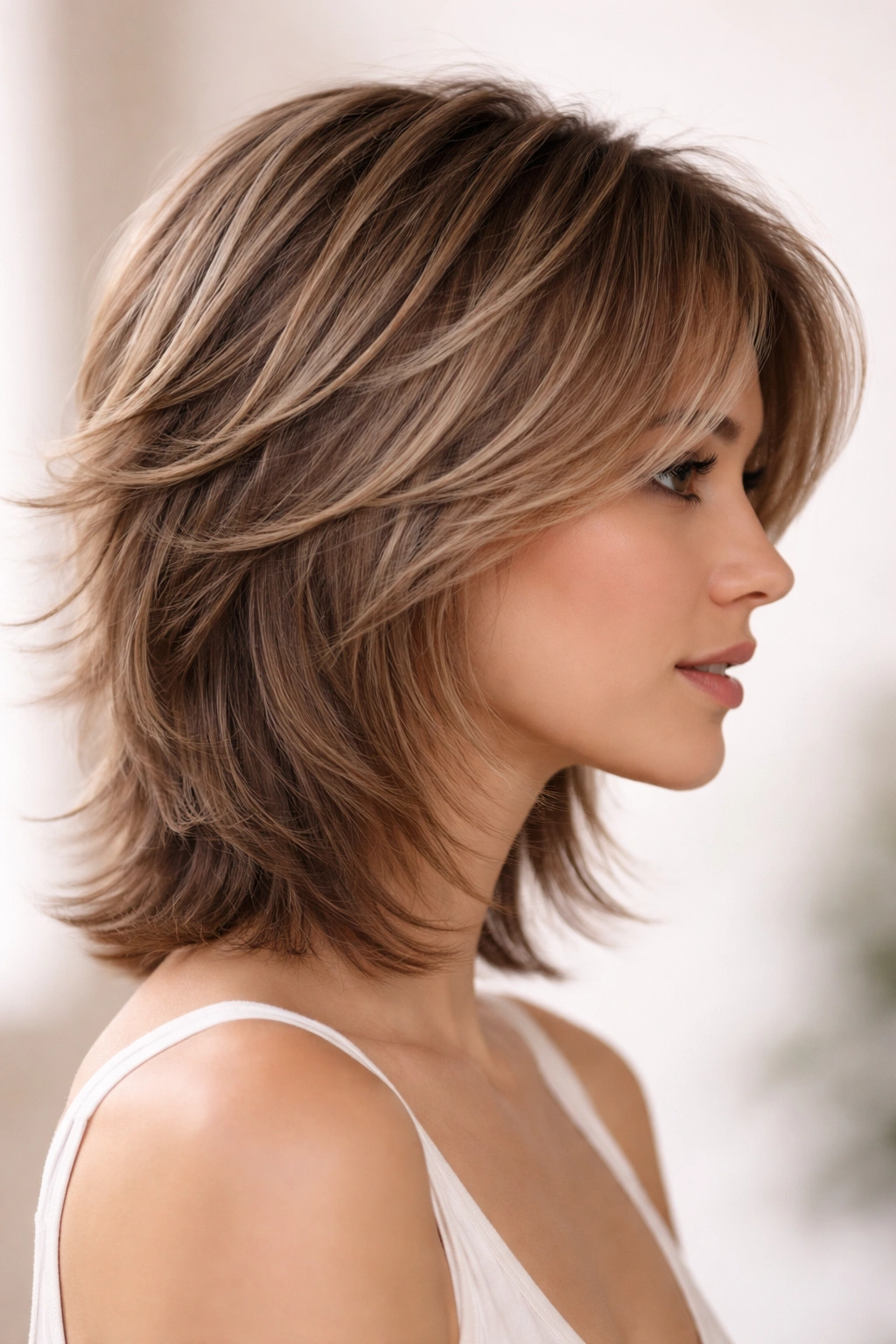
Feathered layers are the opposite energy from choppy—they’re about softness, graduation, and seamless blending. In a feathered cut, shorter layers on top gradually blend into longer layers underneath, creating a tapered, flowing effect rather than harsh separation. The layers around the face are typically longer (around ear-length or slightly shorter) so they frame gently rather than create drama. This style is most common on short to medium-short hair, usually between chin-length and ear-length, though feathering techniques can be used on longer hair too.
The Subtle Science of Why This Works
Feathered layers create an optical illusion of movement and lift because of how they catch light. Each layer reflects light slightly differently than the one beneath it, so your hair looks fuller and more dimensional even if you have fine texture. The tapered shape also works beautifully on oval and heart-shaped faces because it balances proportions without creating stark lines. For people with straight hair, feathering adds the appearance of texture without requiring your hair to actually be wavy.
Real Talk About Feathered Layers
- Best for: Fine or thinning hair, people who want dimension without dramatic chop, anyone seeking a classic, timeless look
- Styling approach: Blow-dry from underneath to enhance the feathered shape, or you can air-dry for a more relaxed texture
- Maintenance reality: Feathering is less maintenance-intensive than choppy layers because the gradual blending means you have more flexibility between trims; every 6-8 weeks is typically fine
- Texture that works best: This style is most forgiving on straight to slightly wavy hair; very curly hair can obscure the feathering
The feathered approach is perfect if you want polished dimension without committing to heavy styling products or frequent appointments.
3. Curtain Bangs with Full-Length Layers
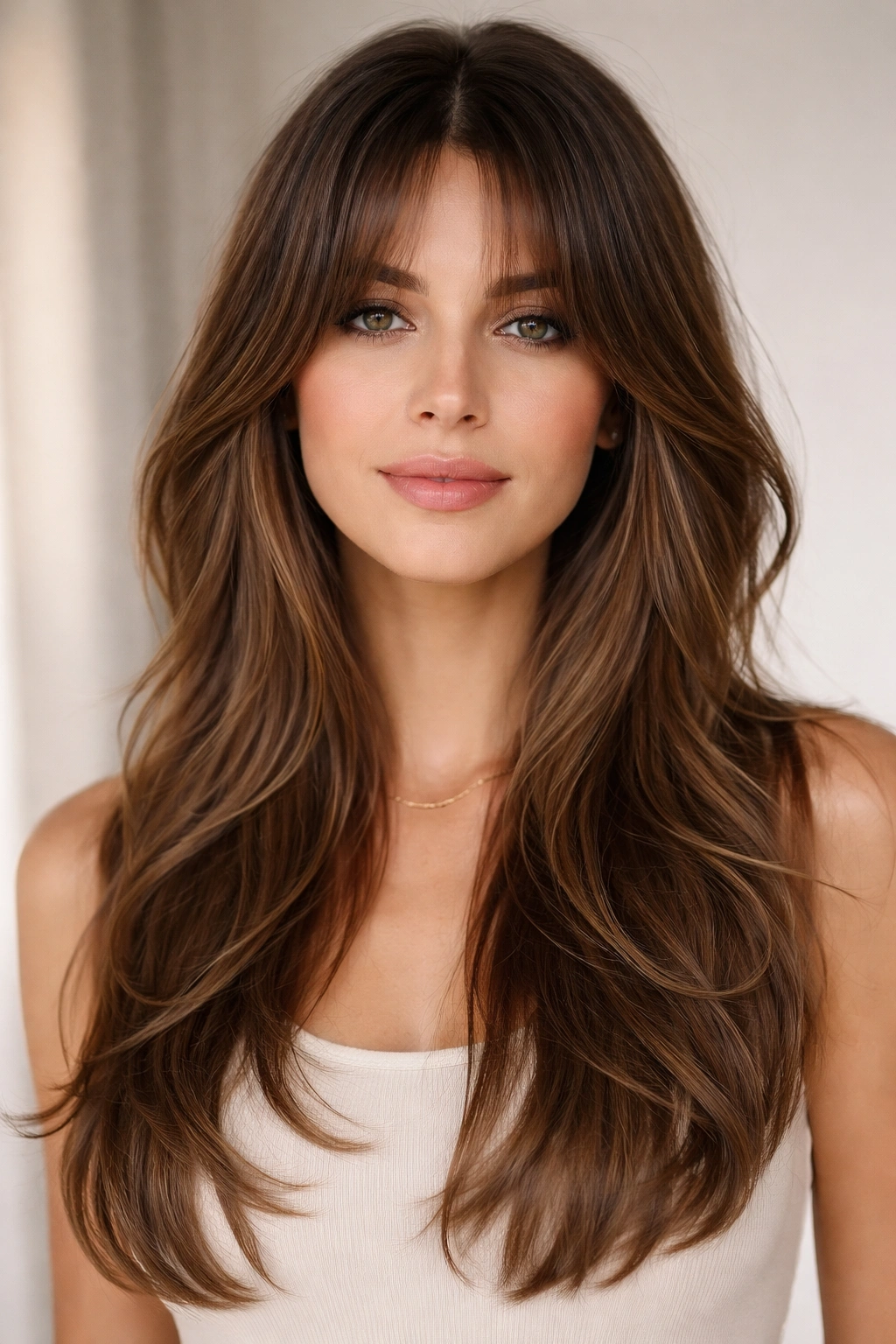
Curtain bangs paired with face-framing layers throughout the length is a versatile style that works across multiple hair lengths. The bangs part down the middle and sweep away from the face on either side, framing your cheekbones and eyes without fully covering your forehead. Combined with layers that taper from shorter around the face to longer at the ends, this creates a cohesive, balanced look that feels modern but also timeless. This style suits shoulder-length to long hair best, though medium-short hair can work if there’s enough length to support the curtain effect.
Why This Combination Is So Flattering
Curtain bangs specifically flatter rectangular and oblong face shapes because they bring the eye inward toward the center of the face and soften the vertical line that longer faces can have. When paired with layers throughout, the overall effect is one of movement and softness rather than severity. The side-swept angle created by curtain bangs also de-emphasizes a wide forehead, which is useful if that’s a feature you prefer not to highlight. Heart-shaped faces benefit too because curtains balance a wider forehead with width at the cheekbones.
Essential Details for Getting This Right
- Curtain bang length: They typically fall between cheekbone and chin length when styled back; if they’re too short they won’t create the framing effect you want
- Styling requirement: Curtain bangs require blow-drying to achieve the swept-back shape, or you need naturally wavy hair; if you air-dry straight hair, they’ll fall forward instead of parting back
- Layer placement: Layers should be denser around the temples and cheekbones (where the bangs start) and gradually longer as you move toward the back
- Maintenance schedule: Curtain bangs need a trim every 4-6 weeks to maintain their shape, while the full-length layers need refreshing every 8-10 weeks
This is a great choice if you want something that reads as intentional and styled but works across different hair textures and face shapes.
4. Wispy Long Layers
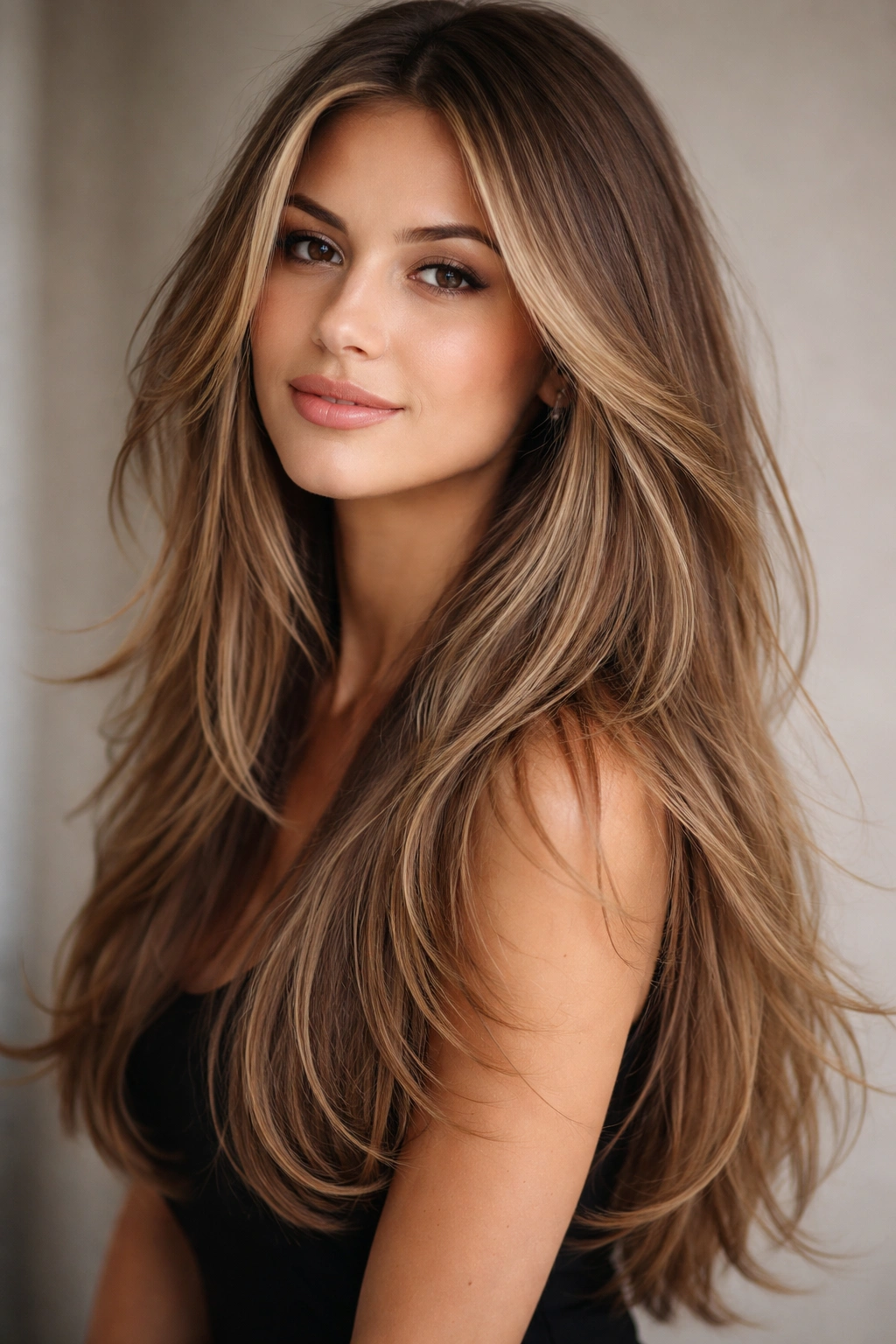
Wispy long layers create that coveted effortless, flowing aesthetic that makes hair look naturally beautiful rather than “done.” This style involves lots of subtle layers throughout longer hair (typically mid-back or longer), with shorter layers concentrated around the face and progressively longer layers toward the ends. The layers are cut at soft angles rather than blunt lines, creating a feathered, piece-y texture. The emphasis is on movement and dimension rather than dramatic shape, which is why this style works especially well on wavy or curly hair that naturally creates that movement.
What Makes This Style Work on Different Hair Types
On naturally wavy or curly hair, wispy layers work because your hair’s natural texture creates the separation and dimension the cut is designed to showcase. The layers give your curls or waves room to move without the weight of blunt, dense hair making them fall flat. On straight hair, wispy layers require styling—blow-drying with a round brush and possibly adding waves with a curling iron or wand—to achieve that effortless look. The style flatters most face shapes, but it’s particularly good for people with oval faces or those who want to draw attention downward (heart-shaped faces benefit from the length and flowing movement).
The Reality of Maintaining Wispy Long Layers
- Styling time: Straight-haired people should expect 20-30 minutes to blow-dry and style this cut to its best advantage; wavy or curly hair can be washed, scrunched with product, and air-dried more quickly
- Product needs: Light serums, mousse, or wave-enhancing sprays help define the layers and create movement
- Trim frequency: Long, wispy layers need refreshing every 8-10 weeks to maintain definition; without trims, they start to feel shapeless
- Hair health importance: The more layers you have, the more important it is that your hair is in good condition; ends that are dry or damaged will split more quickly with layered cuts
Choose this style if you’re willing to blow-dry your hair regularly or if you naturally have wave or curl that does the work for you.
5. Blunt Face-Frame Layers
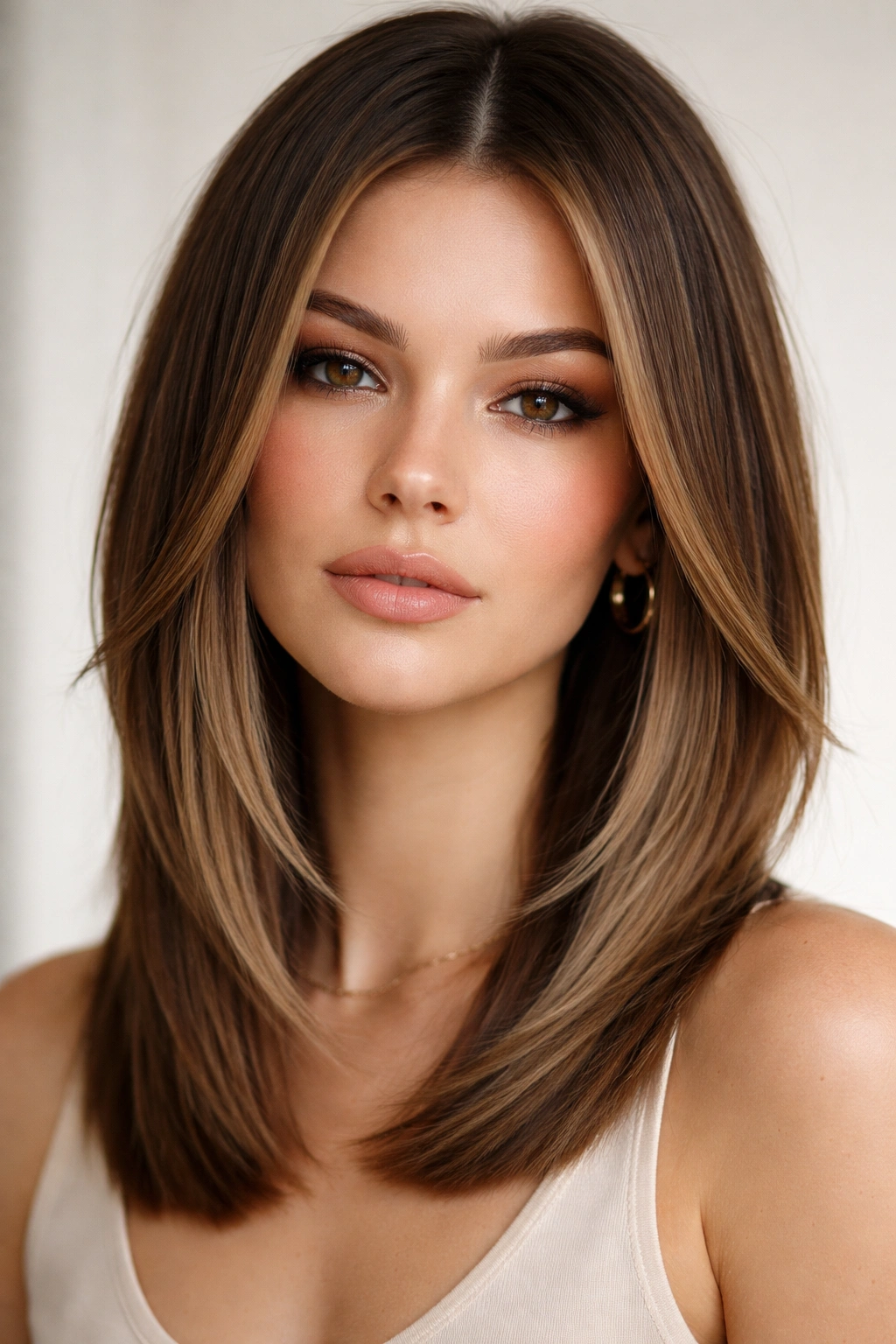
Blunt face-framing layers take a more geometric, precise approach than other layering styles. Instead of soft, feathered transitions, the layers around your face are cut at sharper angles that create a deliberate, graphic line. This style can work across multiple hair lengths, from short pixies to long hair, as long as the face-framing pieces are cut bluntly and land right at strategic points like your cheekbones, jawline, or chin. The rest of the hair can be layered or left longer and straighter; the key distinctive feature is how sharp and intentional the face-framing lines are.
Why Blunt Layers Create Such a Strong Visual Impact
The geometry of blunt lines draws attention and creates structure. This style works brilliantly on people with angular face shapes (square, oblong, rectangular) because it echoes and complements those existing angles. For rounder faces, blunt layers can sometimes emphasize roundness, so they work better if the cut is styled in a way that adds height on top or width at the sides. Blunt layers also photograph exceptionally well and look polished and intentional, which is why this style is popular for people who want something that looks editorial or fashion-forward.
Practical Considerations
- Hair texture suitability: This style looks sharpest on straight or slightly wavy hair; on very curly hair, the blunt lines get obscured by texture
- Styling: Blow-dry to activate the geometric lines of the cut; air-drying tends to make blunt layers look less intentional
- Face shape matters: Best on oval, square, and oblong faces; on round faces, pair with styling that adds height to offset the width
- Maintenance: Every 6-8 weeks to keep the blunt lines crisp; they become less striking as they grow out and start to feather naturally
- Styling time: 10-15 minutes with a blow-dryer and potentially a flat iron or round brush to emphasize the lines
This is the choice for people who want their haircut to look deliberate, modern, and polished.
6. Shag Haircut with Tapered Face Layers
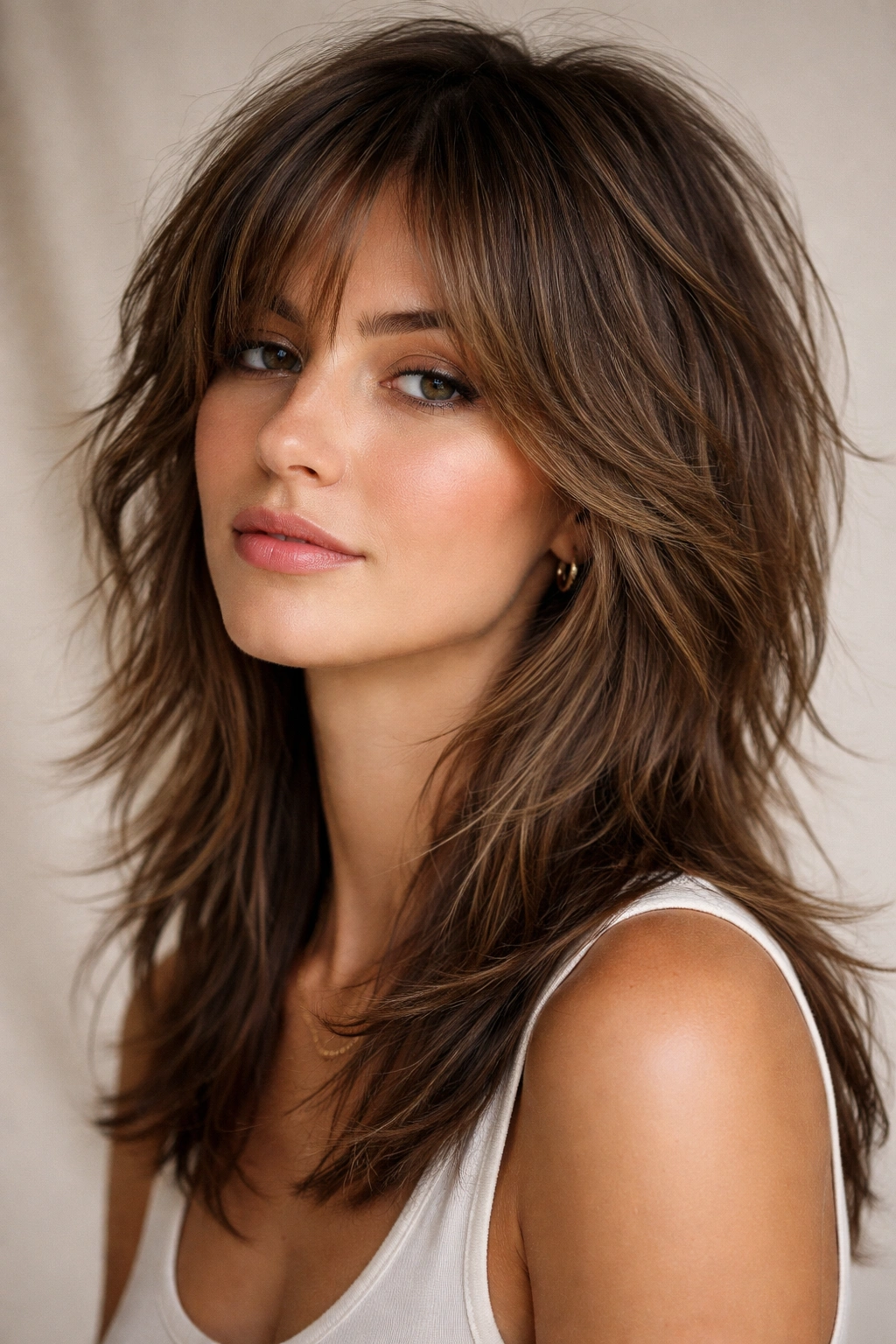
The shag is a layered cut that’s had a major resurgence because it flatters so many hair types and creates texture that works whether you’re aiming for rock-and-roll coolness or romantic, beachy vibes. A true shag has shorter, choppy layers throughout that taper shorter toward the crown and face, then gradually lengthen toward the bottom. The face-framing layers are intentionally short and tapered, creating movement right around your cheekbones and jawline. This style works best on shoulder-length to mid-back length hair and suits wavy or curly texture especially well, though stylists can adapt it for straight hair too.
Why Shags Work for So Many Different People
The shag is flattering across face shapes because the tapered crown creates the illusion of lift and height (which balances round faces), while the longer bottom creates length (which balances square or wide faces). The multiple layers mean the cut adds dimension to thin hair and removes weight from thick hair simultaneously. Shags also work across age ranges—they read as edgy and modern on younger people but can be styled more polished on older people who want something with movement and dimension. The beauty of a shag is that you can style it casual and undone or more put-together depending on your mood.
The Shag Reality Check
- Styling versatility: You can air-dry wavy shags for a relaxed texture, blow-dry them for more volume, or straighten them for a sleeker look
- Product options: Light texturizing sprays, salt sprays, or even just a light mousse can enhance the layered texture without weighing it down
- Maintenance schedule: Shags need trimming every 6-8 weeks to maintain the shape; longer gaps between cuts make them look overgrown rather than intentional
- Best hair texture: Wavy and curly hair are ideal; straight hair works but requires more styling effort to showcase the texture
- Skill required from your stylist: A good shag cut requires expertise; an inexperienced stylist can make it look wispy and poorly shaped instead of intentional and cool
A shag is perfect if you want a style that feels current and a little bit edgy, and you’re open to using texture products occasionally.
7. Mullet-Inspired Layers
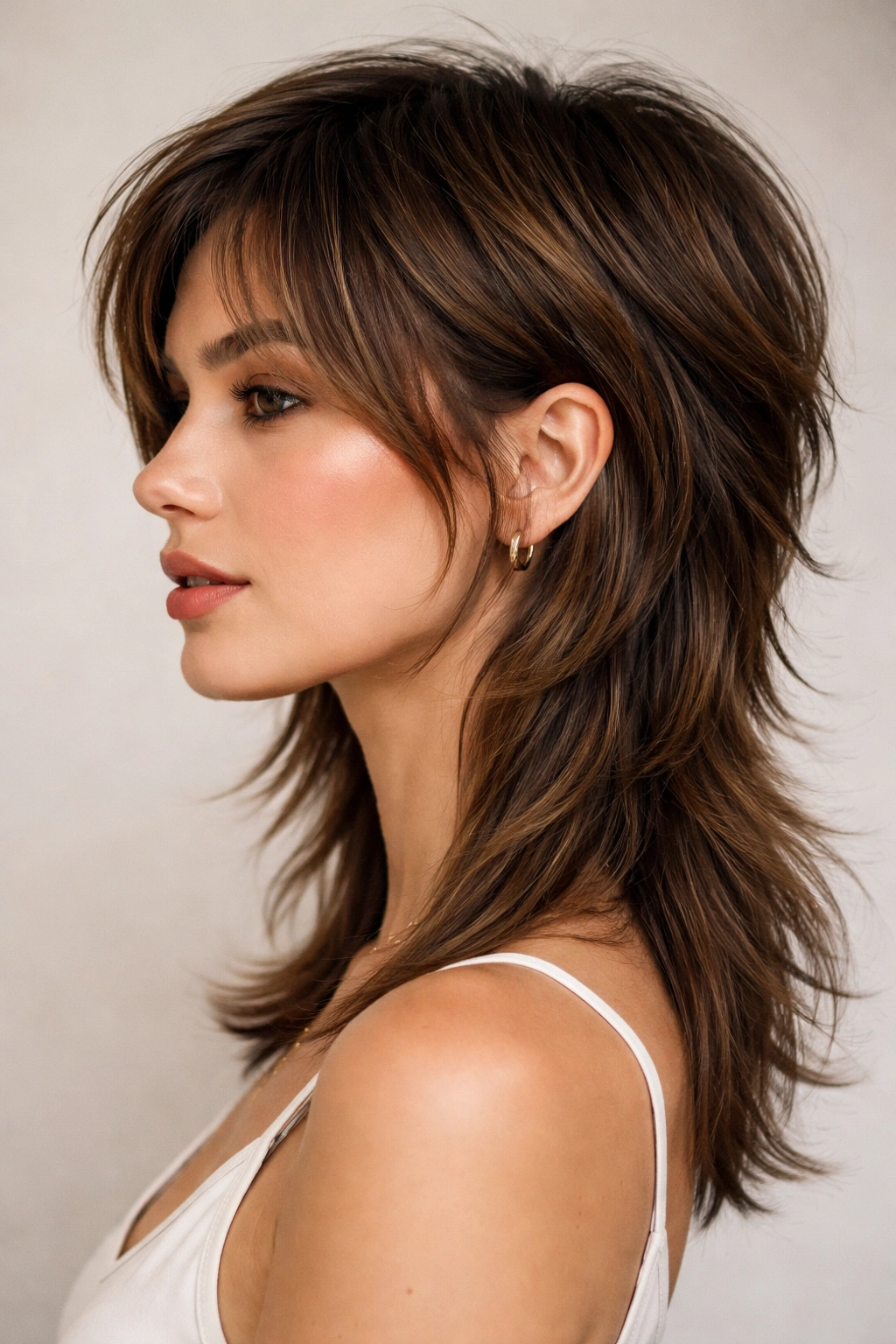
The modern mullet cut—”business in the front, party in the back”—has evolved into something much more wearable than the 1980s version. Today’s mullet features shorter face-framing layers and length in the back, but the transition is intentional and blended rather than an abrupt chop. The face-framing portion typically sits around ear-length or slightly shorter, tapered and textured, while the back grows longer (anywhere from mid-neck to mid-back depending on how dramatic you want to go). The key to making a modern mullet work is having a stylist who understands how to taper and blend the layers so it reads as intentional rather than like an accidental bad haircut.
Who This Style Actually Flatters
Mullet-inspired cuts work beautifully on people with heart-shaped or oblong faces because the shorter front balances a wider forehead while the length in the back adds weight and dimension. The style can emphasize a square jawline (in a good way, if that’s the look you’re after), and it’s incredibly flattering on people with high cheekbones because the shorter face-framing pieces bring attention to that feature. This is not a style that’s particularly flattering on very round faces, where the shorter front can make roundness more pronounced.
Making the Modern Mullet Work in Practice
- Styling approach: The front layers need blow-drying to look intentional; the back can be straight, wavy, or curly depending on your hair texture
- Best textures: This style works across straight, wavy, and curly hair because the tapered front adjusts to whatever texture you have
- Maintenance reality: You’ll need trims every 5-6 weeks on the shorter front pieces to maintain that clean, tapered shape; the back can go longer between trims
- Product: Light texturizing spray on the front keeps the shorter pieces from looking too neat and stiff
- Styling time: 10-15 minutes for the front; the back can be air-dried if you have natural wave or texture
- Who should consider this: People who want something that reads as fashion-forward and slightly unconventional, and who are comfortable with a cut that definitely makes a statement
This is genuinely flattering if your face shape works with it, and it’s a fun way to have length while keeping your face-framing shorter and shaped.
8. Modern Bixie Layers
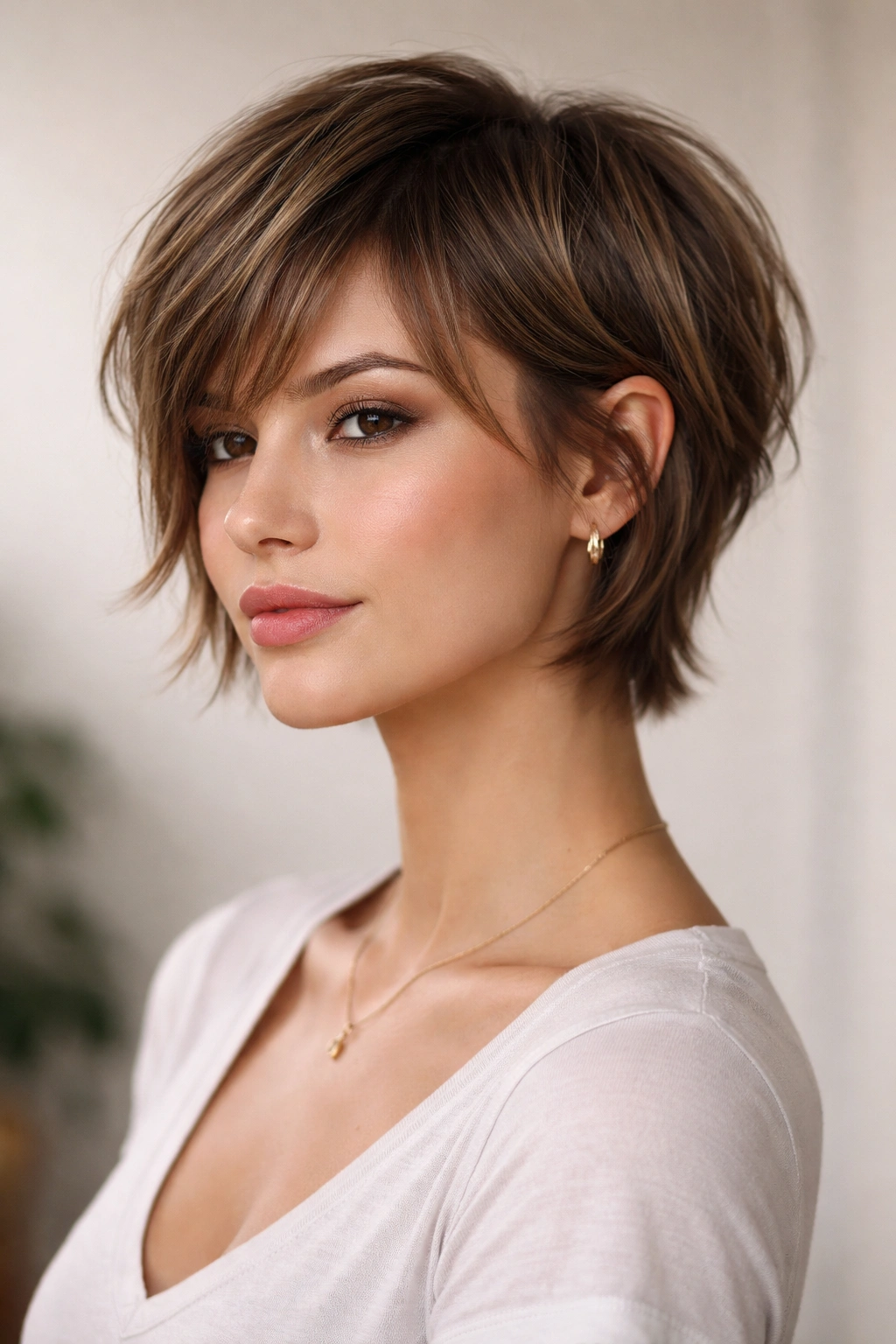
A bixie is the perfect bridge between a pixie and a bob—short enough to feel textured and modern, but long enough to tuck behind your ears or style in different directions. A bixie with face-framing layers typically sits between ear-length and chin-length, with choppy, tapered layers throughout that create movement and texture. The face-framing layers are intentionally shorter and more tapered than the back, creating angles that emphasize cheekbones and jawline. This style is particularly good for people who want short hair but prefer something softer and more feminine-reading than a classic short pixie.
The Flattering Geometry of a Bixie Cut
A bixie works well on most face shapes because of how customizable it is. For round faces, you can keep the top shorter and slightly longer on the sides to add vertical lines. For square or oblong faces, you can add width with the layering around the temples. For oval faces, a bixie just looks universally good because the proportions work. The key is having a stylist who understands how to place the layers to work with your specific face shape rather than just cutting the same bixie on everyone.
What to Expect With a Bixie
- Styling reality: Bixies look best blow-dried with some texture product; they can be air-dried on wavy hair but tend to look flat on straight hair without styling
- Hair texture suitability: Works beautifully on wavy, curly, or straight hair; the shorter length means texture is less critical
- Maintenance frequency: Every 4-5 weeks to maintain the shape and keep the layers defined
- Product needs: Texture spray or light mousse helps create the piece-y, intentional look
- Styling time: 10-15 minutes with a blow-dryer and product
- Growth pattern: A bixie that’s cut well grows out relatively gracefully; you still need regular trims, but you have some flexibility
A bixie is ideal if you want short hair that still feels modern and has dimension, without requiring the precision of a very short pixie cut.
9. Piece-y Medium Layers
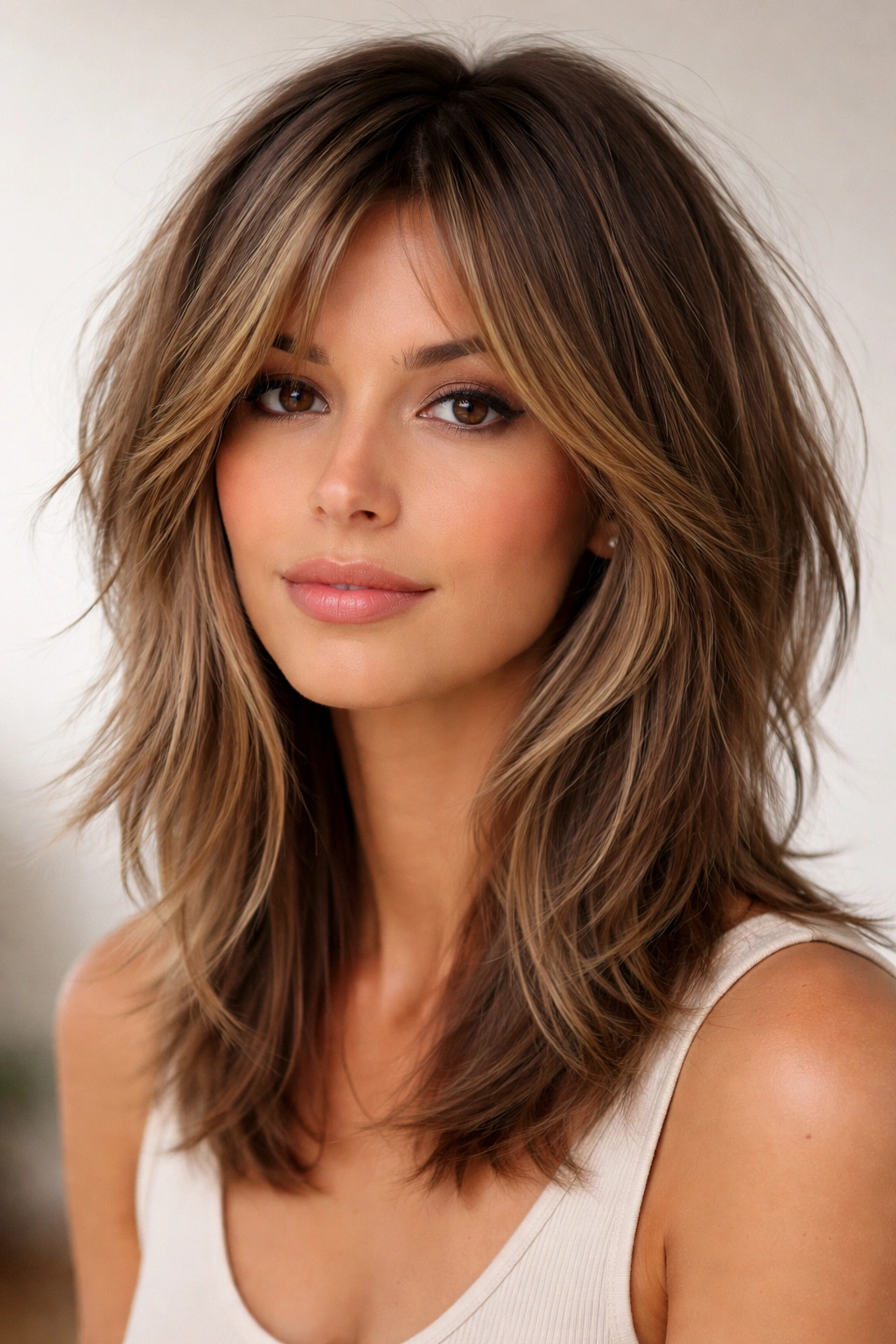
Medium-length hair with piece-y layers is the definition of versatility. This style typically falls around shoulder-length and features choppy, textured layers throughout that create visible separation and movement. The layers around the face are intentionally shorter and more dramatic than the rest of the cut, framing your cheekbones and jawline with defined pieces. The overall effect is undone and modern—like your hair naturally has texture and dimension—even if you have straight hair. This is one of the most popular haircut styles because it genuinely works across different face shapes, hair types, and lifestyles.
Why Piece-y Medium Layers Are So Universally Flattering
The length sits right in the sweet spot where it’s not too short (which can be unflattering on fuller faces) and not too long (which can be heavy and unforgiving). The layers add dimension without requiring your hair to be naturally wavy or curly. The piece-y texture draws the eye around the face rather than straight down, which is subtly flattering to most face shapes. Because the cut has texture built in, you can style it many ways—straight, wavy, curly, undone—and it always looks intentional rather than like you just didn’t style your hair.
The Practical Side of Piece-y Layers
- Styling options: This cut is incredibly flexible; you can blow-dry straight, curl with a wand, air-dry wavy, or just tousle with product
- Product needs: Light texturizing spray or sea salt spray enhances the piece-y feel; you don’t need heavy products
- Maintenance schedule: Trim every 6-8 weeks to keep the layers from becoming too blended and shapeless
- Hair texture: Works beautifully on all textures; on fine hair, the layers add the appearance of thickness; on thick hair, they remove weight
- Styling time: 10-20 minutes depending on whether you’re blow-drying or air-drying
- Real-world wear: Piece-y layers can get a bit shaggy if you go too long between trims, but they’re more forgiving than blunt cuts
This is the choice if you want a modern, dimensional look that works with multiple styling options and doesn’t demand perfect execution every time.
10. Straight-Across Bangs with Strategic Layering
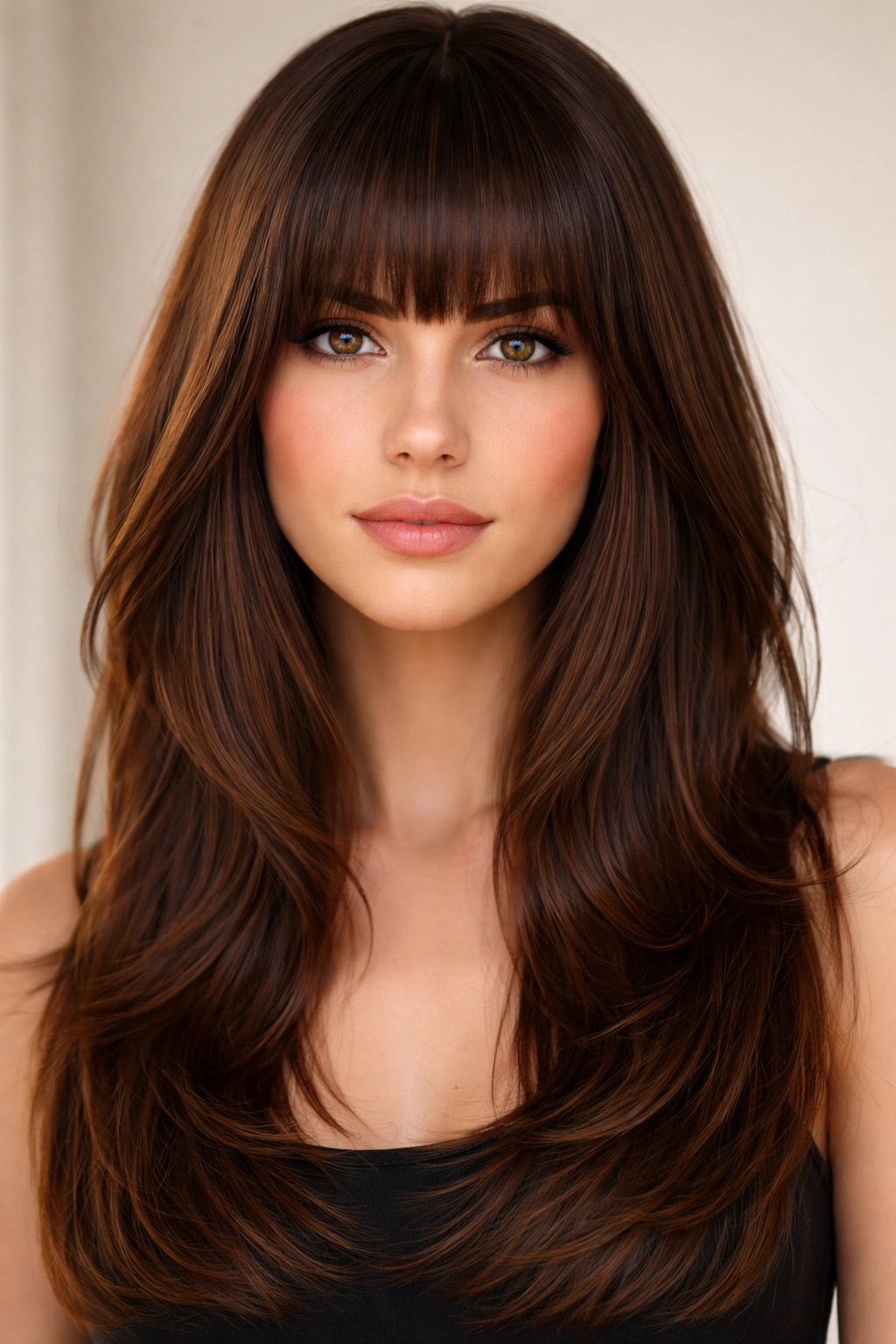
Straight-across bangs (sometimes called blunt bangs) paired with face-framing layers create a bold, youthful aesthetic. The bangs cover your forehead with a straight line, typically landing around eyebrow-length or slightly longer, while layers frame the sides of your face, transitioning from shorter around the face to longer toward the back. This combination works best on medium-length to longer hair and suits people who want a statement cut that reads as intentional and fashion-forward. The contrast between the blunt line of the bangs and the softer layers on the sides creates visual interest.
Who This Style Flatters Best
Straight-across bangs with layers work beautifully on people with oval, heart-shaped, or oblong faces. The bangs minimize a high forehead and draw attention to the eyes, while the side layers prevent the look from being too severe. For square faces, this style emphasizes the jawline in a good way, making it look strong and defined. This style is less flattering on very round faces because the width of straight bangs can make roundness more pronounced. The key is pairing the right bang length with the right face proportions.
Important Details About This Style
- Bang styling: Straight bangs require blow-drying or straightening with a flat iron; they don’t work if you air-dry them on a wavy head
- Bang length precision: Bangs too short (above the brow bone) can read as severe; too long (past the eyes) won’t have the same visual impact
- Layer placement: Layers should start transitioning from the bang length around the temples, creating a smooth flow from front to back
- Maintenance reality: Bangs need trimming every 3-4 weeks because they show growth and unevenness quickly; the side layers need refreshing every 6-8 weeks
- Hair texture: Works best on straight to wavy hair; on curly hair, bangs can be difficult to manage
- Styling commitment: You need to blow-dry or flat-iron regularly to maintain the look
- Not ideal if: You prefer wash-and-go styling or have very fine hair that shows even slight unevenness
This is for people who want a dramatic, intentional look and who are willing to maintain it with regular trims and blow-drying.
11. Textured Lob Layers
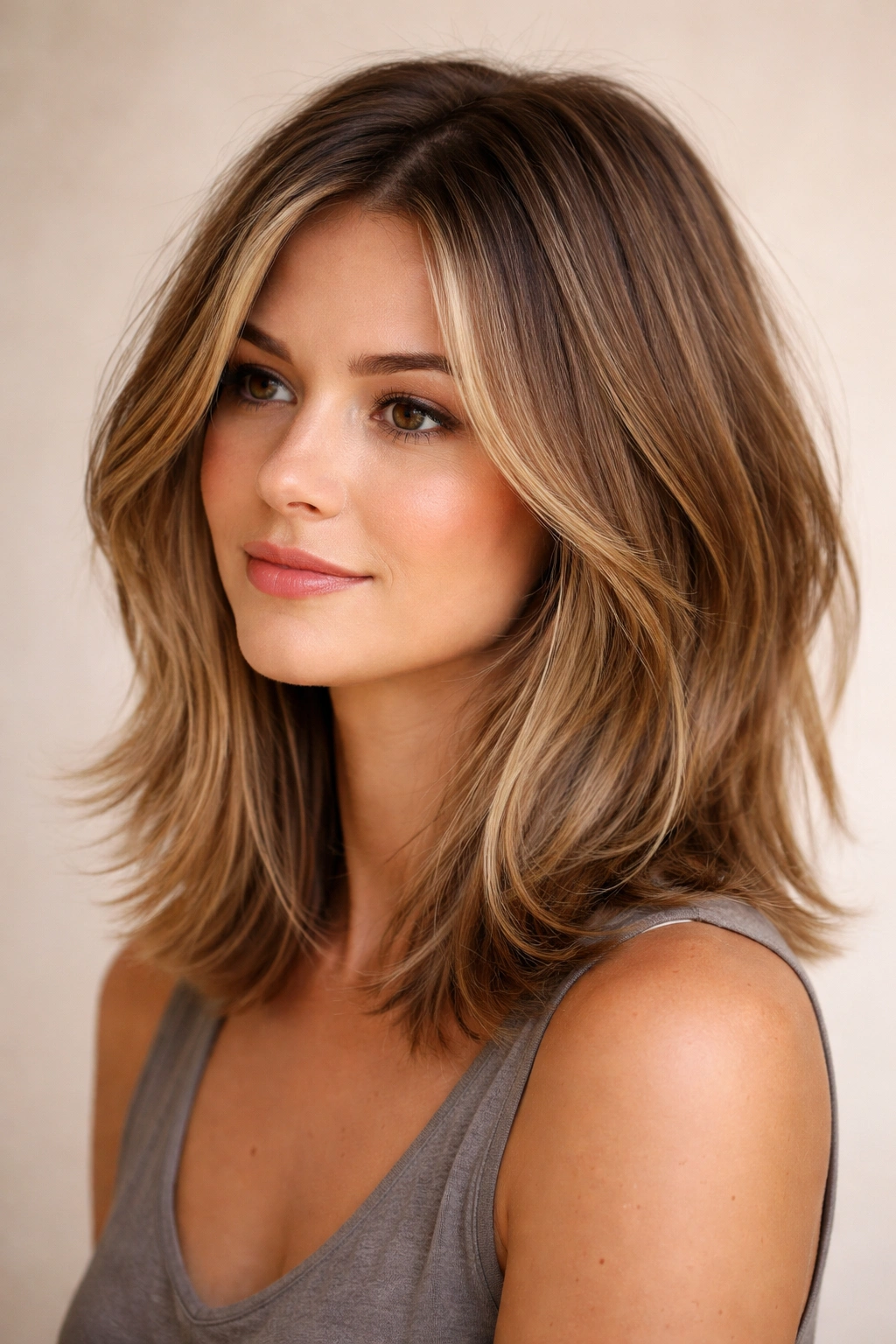
A lob is a long bob—typically falling between chin and shoulder length—and when layered, it becomes one of the most wearable, flattering haircuts available. A textured lob has piece-y layers throughout, shorter around the face and progressively longer as you move to the back, creating movement and dimension. The shorter layers around the face taper and angle, creating a softer frame for your cheekbones and jawline. Unlike blunt lobs that can feel heavy, a textured lob feels modern and moves beautifully.
Why Textured Lobs Are So Popular and Flattering
A lob length is magical because it’s long enough to feel substantial and to wear in ponytails or styled waves, but short enough to feel fresh and modern. The layers add dimension without making the cut feel thin or wispy. This style flatters virtually every face shape—the shorter layers balance wider faces, while the length maintains femininity. For people transitioning from longer hair, a textured lob feels like a significant change without being drastic. The texture built into the cut means you can style it in multiple ways and it always looks intentional.
What You Should Know About Textured Lobs
- Styling flexibility: You can air-dry wavy, blow-dry with curls, straighten it, or style it half-up and it reads as intentional every time
- Best hair texture: All hair textures work, but wavy and curly hair showcases the layers beautifully; straight hair needs occasional styling to show movement
- Maintenance schedule: Trim every 7-9 weeks to keep the layers from growing out and becoming blunt
- Product needs: Minimal; a light texture spray is nice but not required
- Styling time: 5-15 minutes depending on how much you want to enhance the texture
- Who it suits: This is genuinely flattering across face shapes, ages, and style preferences
- Growth trajectory: As a textured lob grows out, it doesn’t look awkward in between trims like some cuts do; it just becomes a longer layered style
A textured lob is perfect if you want a modern, flattering cut that’s low-maintenance but still looks intentional and dimensional.
12. Asymmetrical Face-Frame Layers
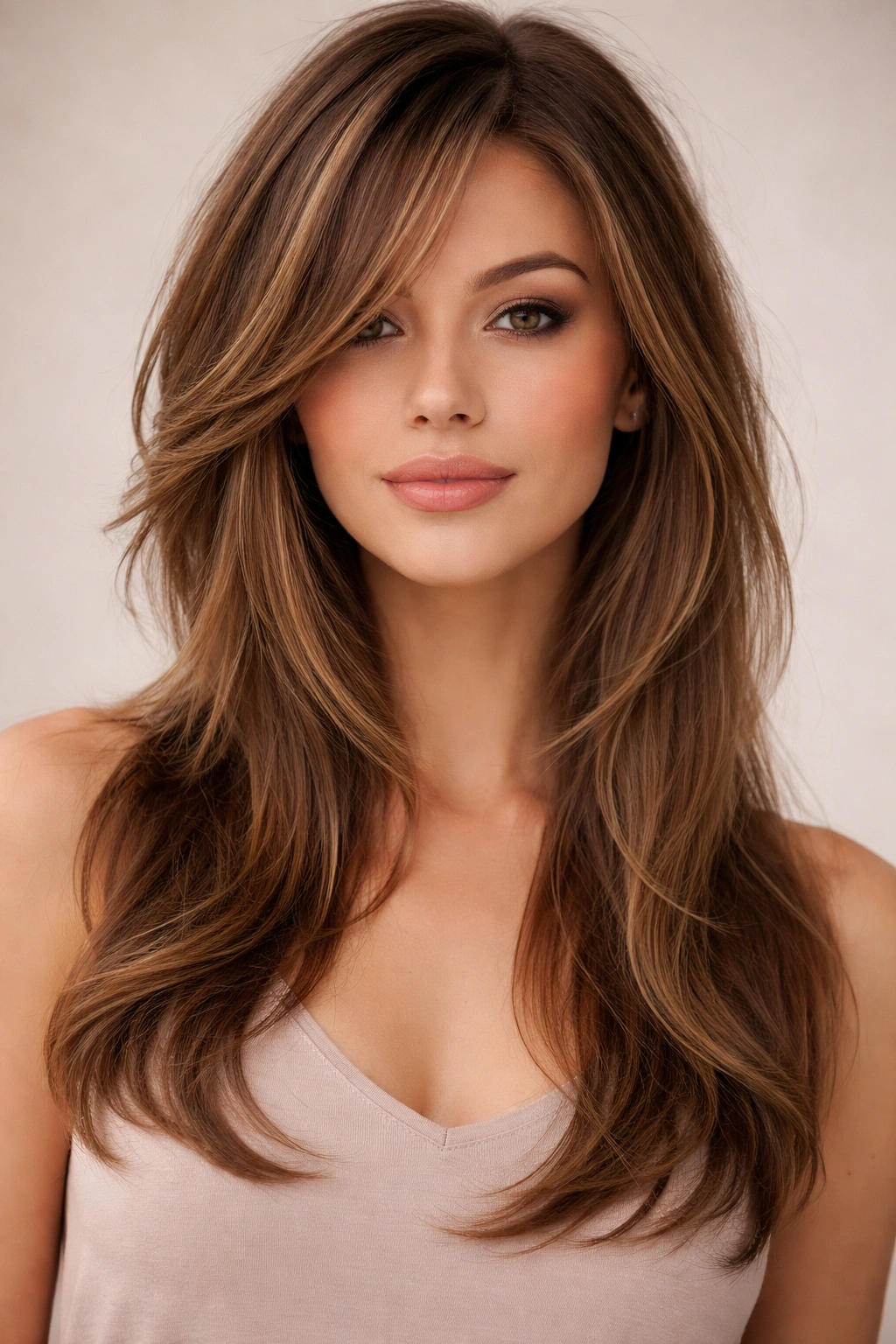
An asymmetrical cut features different lengths on each side of the face, which might sound edgy but actually works as a subtle, flattering style when done with face-framing layers. One side of your face typically has shorter, more tapered layers while the other side is longer, creating visual interest and movement without looking like you made a mistake. This style works across hair lengths but is most common on medium-length to longer hair. The asymmetry draws attention and creates structure, making it a good choice for people who want something that reads as intentional and a bit fashion-forward.
The Flattering Power of Asymmetry
Asymmetrical layers are particularly good for creating visual balance. If you have a face shape that’s wider on one side, you can ask your stylist to cut the shorter side on the wider side to balance proportions. If you have one side of your face you prefer to highlight, the shorter side frames it better. Asymmetrical cuts also naturally create movement because the hair falls differently on each side, which is flattering across face shapes. This style works well on oblong, square, and heart-shaped faces; it can be less flattering on very round faces, where the asymmetry might emphasize width rather than balance it.
Making an Asymmetrical Cut Work
- Styling: The two sides can be styled the same way (blow-dried or air-dried) or differently to emphasize the asymmetry
- Hair texture: Works on all textures; straight hair shows the geometric quality most clearly, while wavy/curly hair shows more movement
- Customization: This is where working with your stylist really matters—the degree of asymmetry should be proportional to your face and style preference
- Maintenance: Every 6-8 weeks to maintain the intended difference in length and prevent it from looking accidental
- Product needs: Optional; texture spray can enhance the movement created by the asymmetry
- Styling time: 10-15 minutes, depending on whether you’re emphasizing or downplaying the asymmetry
- Who should try this: People who want something distinctive and intentional, and who appreciate having their haircut spark conversation
An asymmetrical cut with face-framing layers is ideal if you want to stand out a bit and you appreciate how a haircut can be both subtle and statement-making simultaneously.
Final Thoughts
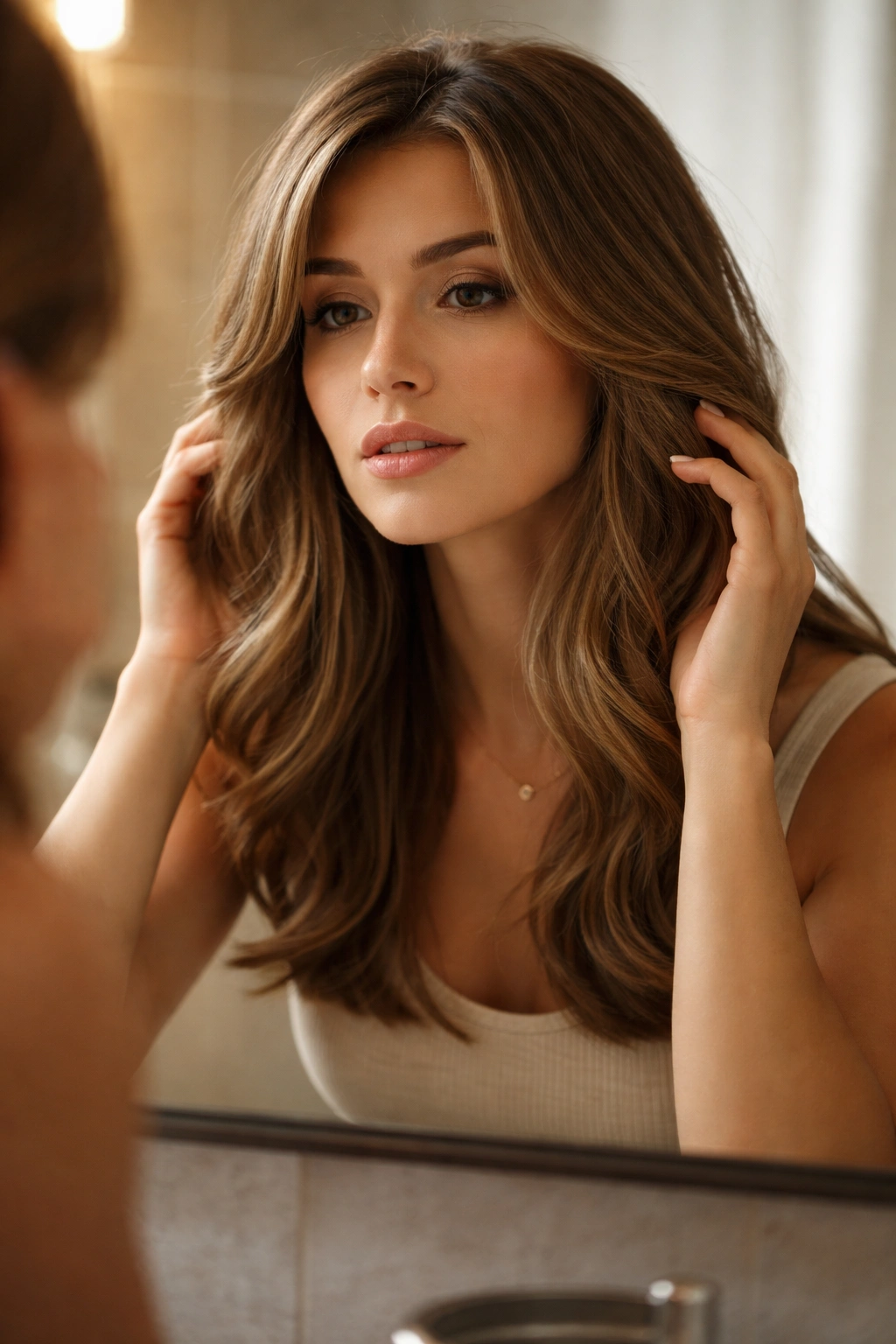
The right face-framing layer cut is as much about understanding your hair’s texture, your face shape, and your actual styling habits as it is about picking a style you love in photos. A cut that looks gorgeous on someone with naturally wavy hair and a square face might need completely different styling and maintenance if you have straight hair and an oval face. That’s not a failure of the cut—it’s just the reality of how hair works. Before booking an appointment, think honestly about how much time you’re willing to spend styling your hair, what your hair naturally does, and which of your face’s features you want to emphasize.
When you talk with your stylist, bring specific photos of face-framing styles that appeal to you and have a conversation about whether those styles will work with your hair and face shape, not just whether you like how they look. A great stylist will be honest about what will and won’t work and will help you understand how to style and maintain your cut so you actually love it when you get home. The twelve styles above are all genuinely flattering when cut and styled correctly—your job is figuring out which one matches your real hair, your face, and your lifestyle.
