



20 Wavy Haircuts for Every Length and Face Shape
Wavy hair has an undeniable appeal — it sits somewhere between the structure of straight and the volume of curls, offering versatility, dimension, and that effortlessly polished look that works for almost any occasion. The challenge is that wavy haircuts aren’t one-size-fits-all. A cut that flatters someone with a long face and thick waves can completely overwhelm someone with a round face or fine, delicate texture. The length matters too — what works as a jaw-length crop might look entirely different at shoulder-length or beyond.
The best wavy haircut is one that works with your natural hair type rather than against it, complements your face shape, and fits into the amount of styling effort you’re willing to invest daily. Whether you’re looking for something that requires 10 minutes of heat styling or a completely wash-and-go situation, there’s a wavy haircut that will make you feel confident and look genuinely great.
Below are 20 proven wavy haircut styles, each tailored to specific lengths and face shapes. You’ll find options for every texture level, styling preference, and the specific features you want to highlight or soften.
1. Textured Shag for Volume and Movement
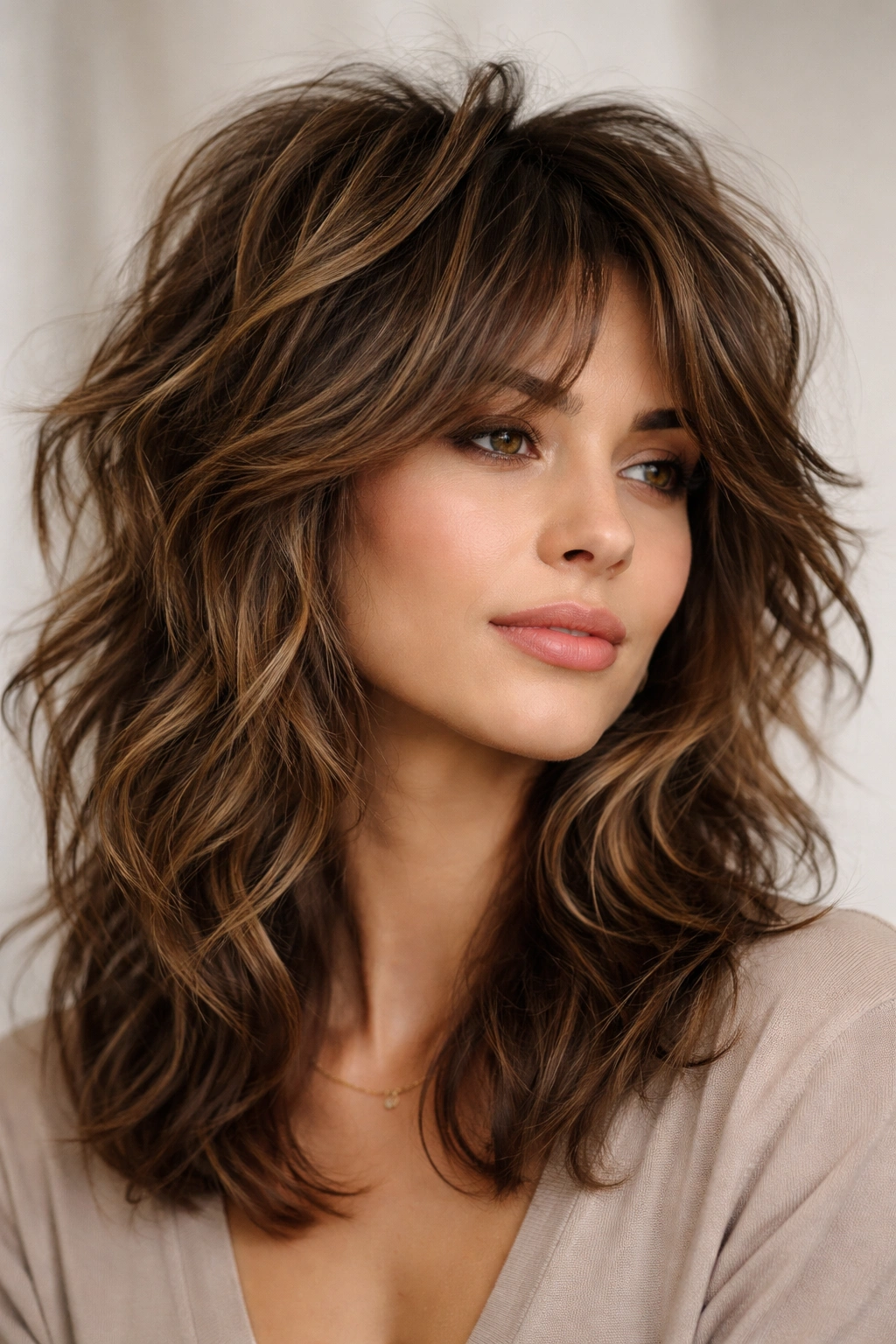
A textured shag is the ultimate wavy haircut for anyone who wants maximum movement and that undone, effortlessly cool aesthetic. Built entirely on choppy, disconnected layers that start high on the crown, this cut creates natural separation and bounce in wavy hair. The layers break up weight and allow each wave to move independently, which means your waves actually show rather than collapse under the bulk of one-length hair.
Why It Works So Well for Wavy Hair
The shag thrives on texture because it’s designed to emphasize it. Short layers at the crown create lift, longer layers underneath add movement, and the choppy edges mean you’re not fighting against blunt lines. This cut looks intentional rather than undone, even when your waves are doing their own thing. It’s particularly flattering because it works across multiple face shapes — the volume at the crown balances round faces, the layers add dimension to long faces, and the overall movement softens angular features.
How to Wear It and What to Know
- Works best on wavy to curly hair textures; if your waves are subtle, you’ll need regular heat styling to show off the cut
- Requires trims every 6-8 weeks to maintain the choppy separation — grow it out and the shag reads as shaggy in a messy way rather than intentional
- Styling: Blow-dry with a diffuser or round brush for lift, or use texturizing spray on damp hair for definition without heat
- Best face shapes: Works for nearly everyone, but especially flattering for round and oval faces
Pro tip: Ask your stylist to focus the choppy layers around your face and crown — keeping longer, smoother layers underneath makes styling easier and gives you styling options depending on how you part your hair that day.
2. Shoulder-Length Waves for Rectangle Faces
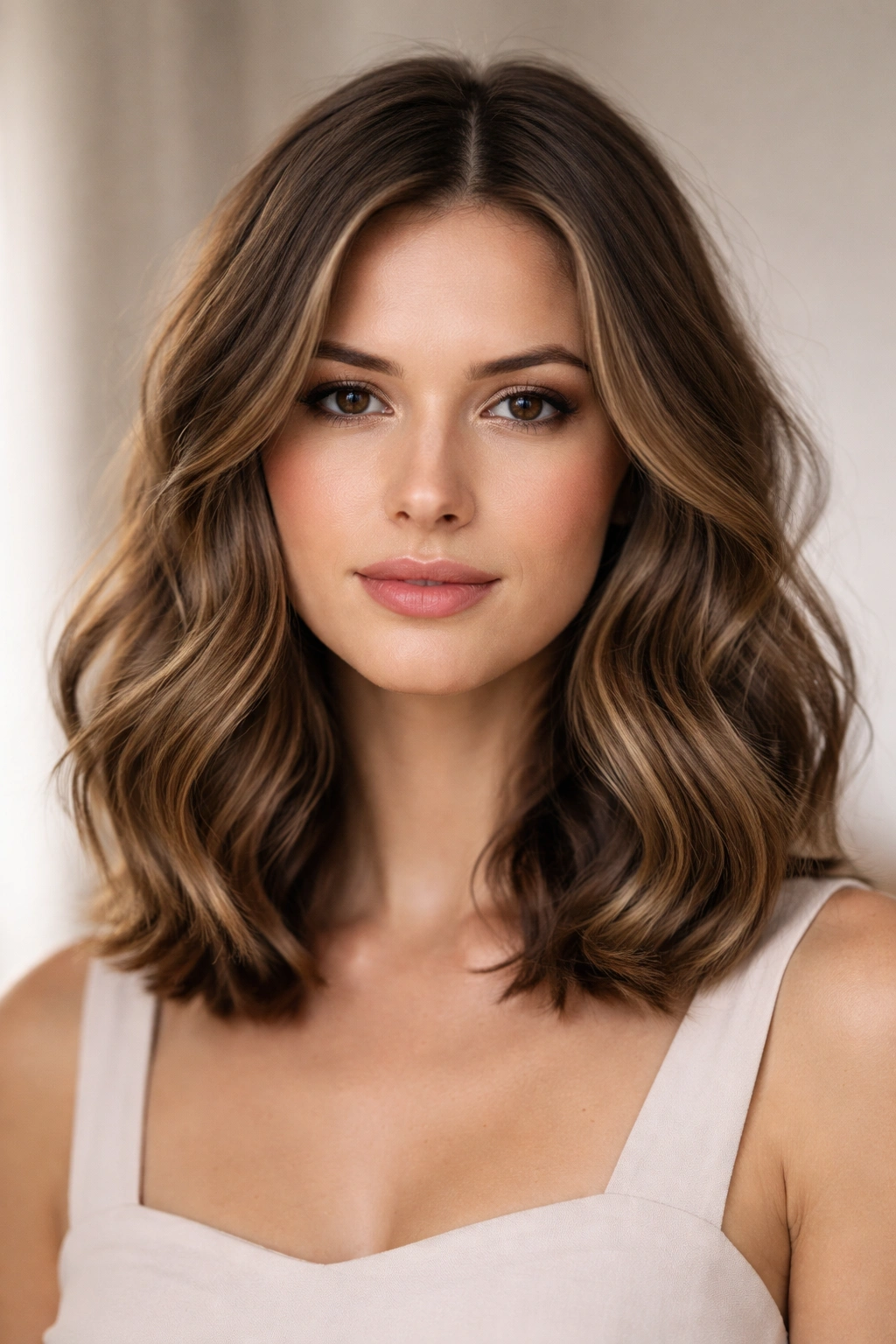
If you’ve got a longer, narrower face shape, a shoulder-length wavy cut is your perfect match. This length creates the illusion of width at the jawline and cheekbones — exactly where a rectangle face needs visual fullness. The waves add softness and dimension, breaking up vertical lines and drawing attention to the middle of your face rather than the length.
Why This Length Works for Rectangle Face Shapes
Rectangle faces are characterized by prominent foreheads and chins with relatively straight sides. A shoulder-length cut with subtle waves strategically placed at the jawline and temples creates width and balance. The horizontal movement of waves counteracts the vertical emphasis of a longer face, and the length is short enough to feel contemporary but long enough to let your waves flow naturally.
Styling and Maintenance Tips
- Blow-dry sections with a large-barrel curling iron, leaving waves slightly loose rather than tight
- Piece out the front layers to frame your face and add width at the cheekbones — avoid slicking all your hair back
- Use a texturizing spray or sea salt spray on damp hair for effortless waves without heat
- Trim every 8-10 weeks to keep the length crisp and the waves looking deliberate
Worth knowing: This length is the sweet spot for maintaining your own waves between salon visits — if you have naturally wavy hair, shoulder-length requires minimal styling compared to longer lengths.
3. Long Layered Waves for Oval Faces
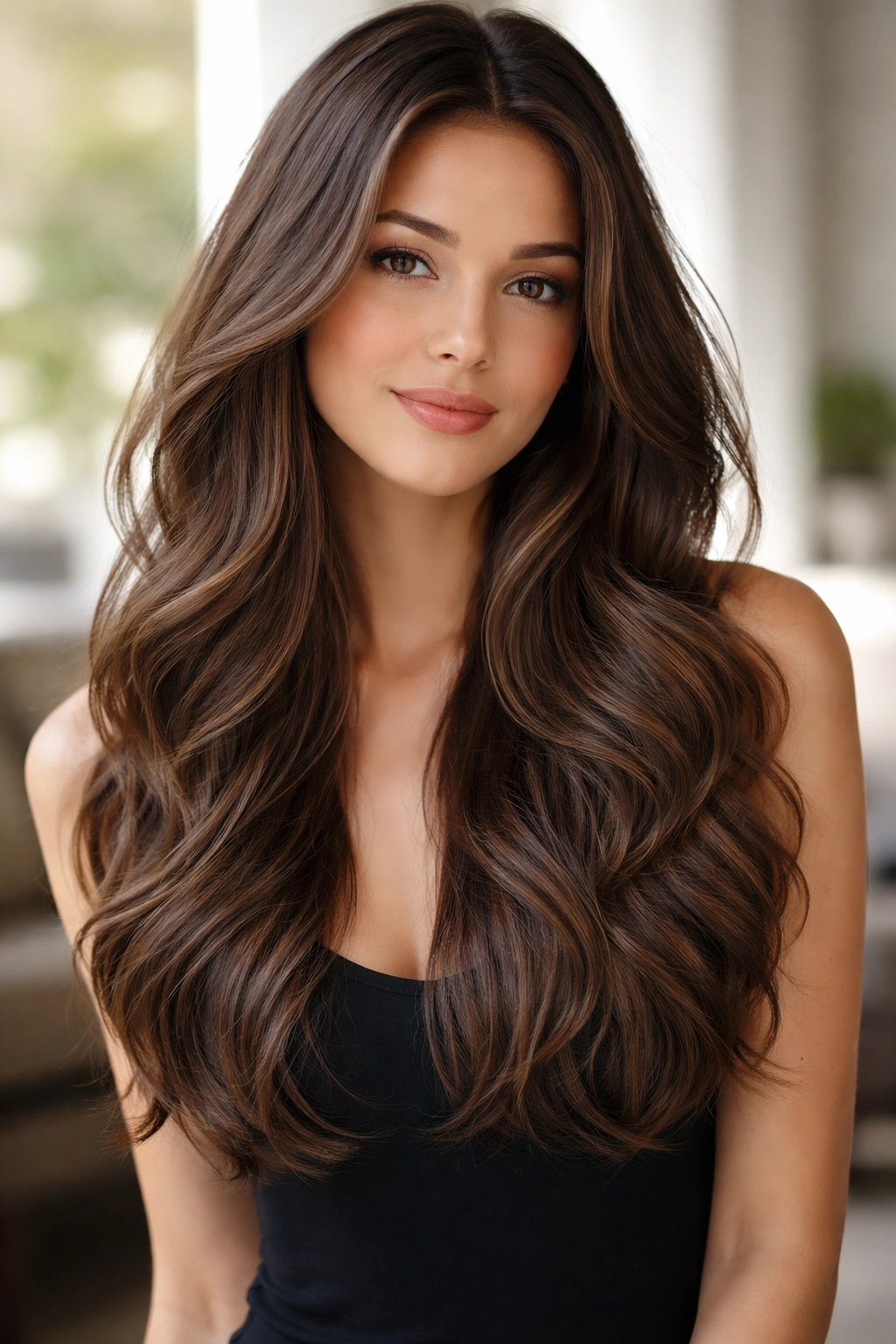
Oval faces are the most naturally balanced face shape, which means they’re the easiest to style and can pull off longer lengths beautifully. Long, layered waves on an oval face are pure elegance — the movement softens the overall silhouette, and strategically placed layers add dimension without overwhelming your features.
The Science Behind Long Layers on Oval Faces
Oval faces are slightly longer than they are wide, with balanced proportions all around. Long layers create movement that prevents the overall look from feeling heavy or drawing too much attention to face length. The layers should be subtle — we’re not talking choppy shag here — but significant enough that you can see distinct texture and movement throughout.
How to Make Long Waves Look Intentional
- Layers should start around the mid-chest and get progressively longer toward the back for a natural, grown-out feel
- Use a curling iron in 1.5-2 inch sections, alternating the direction of curl for a non-uniform, natural wave pattern
- Blow-dry with a round brush in the direction your waves naturally want to fall for easier styling
- Monthly deep conditioning is essential at longer lengths to keep ends healthy and waves defined
Insider note: If you have long oval-shaped layers, the cut actually works even on days when your hair is straight — the layer line itself creates the dimension your face shape needs.
4. Curtain Bangs with Waves for Round Faces
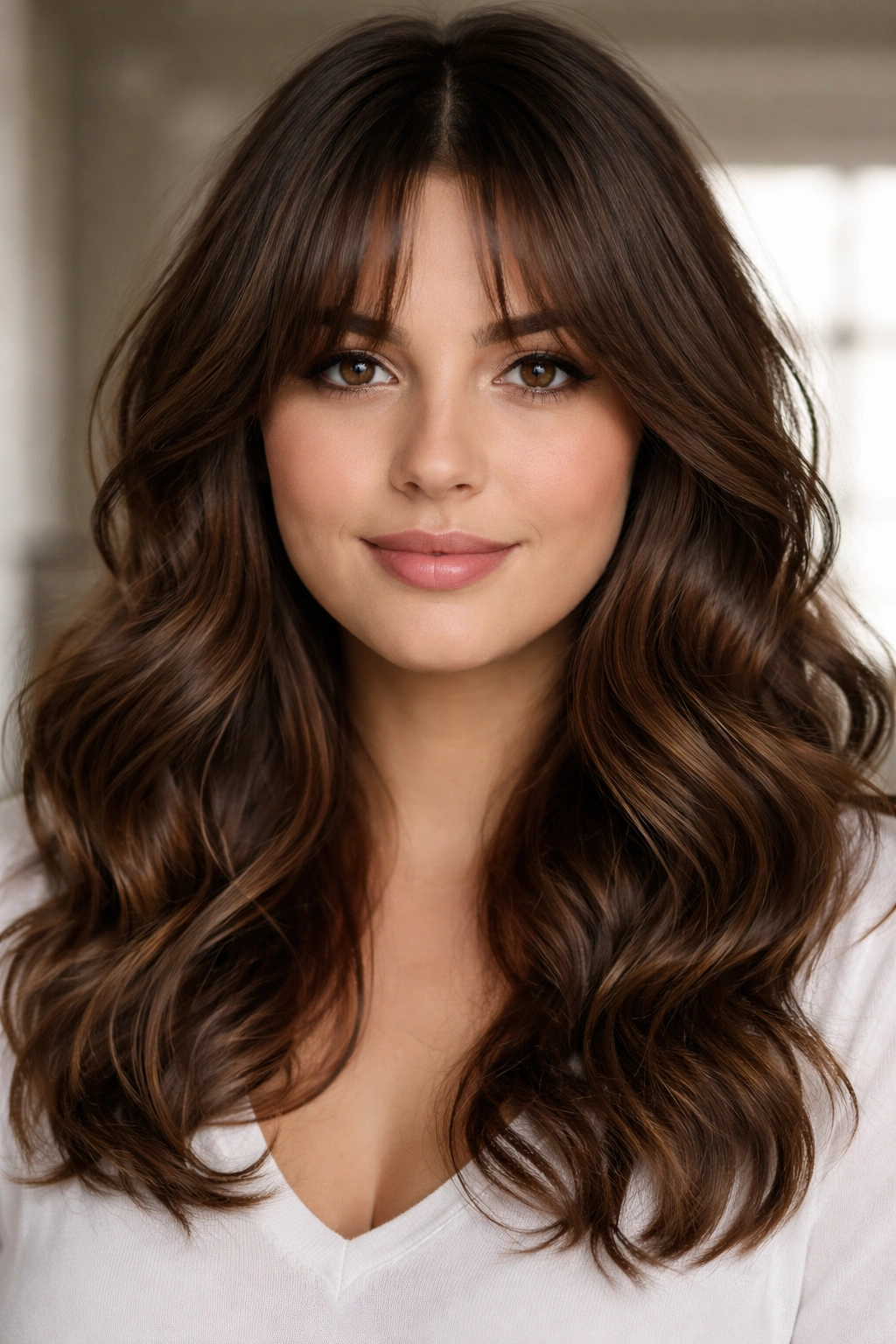
Curtain bangs are specifically designed to create vertical lines and the illusion of a longer face, which makes them perfect for round face shapes. When paired with wavy hair, they’re even more effective because the waves add movement and prevent the bangs from lying flat against your forehead. The parted, separated style of curtain bangs frames both sides of your face and actually makes your face appear narrower.
Why Curtain Bangs Flatter Round Faces
Round faces are widest at the cheekbones and have a softer, more circular overall shape. Curtain bangs, which frame the face by parting down the middle and curving away on both sides, create vertical emphasis and the illusion of face-narrowing length. In wavy hair, the bangs themselves have movement and texture, which makes them feel less heavy and more integrated with the rest of your style.
Styling Curtain Bangs Successfully
- Blow-dry bangs with a round brush, turning the brush away from your face on both sides to create the iconic curtain effect
- Use a volumizing mousse at the roots while hair is damp for extra lift and movement
- Unlike blunt bangs, curtain bangs need regular trims only at the very tips — grow them out and they actually look better as they soften
- Pair with medium to long wavy layers for the most flattering overall silhouette
Worth knowing: If you have a strong wave pattern, curtain bangs will actually frame your waves better than any other bang style — the natural texture works in your favor here.
5. Lob with Movement for Square Faces
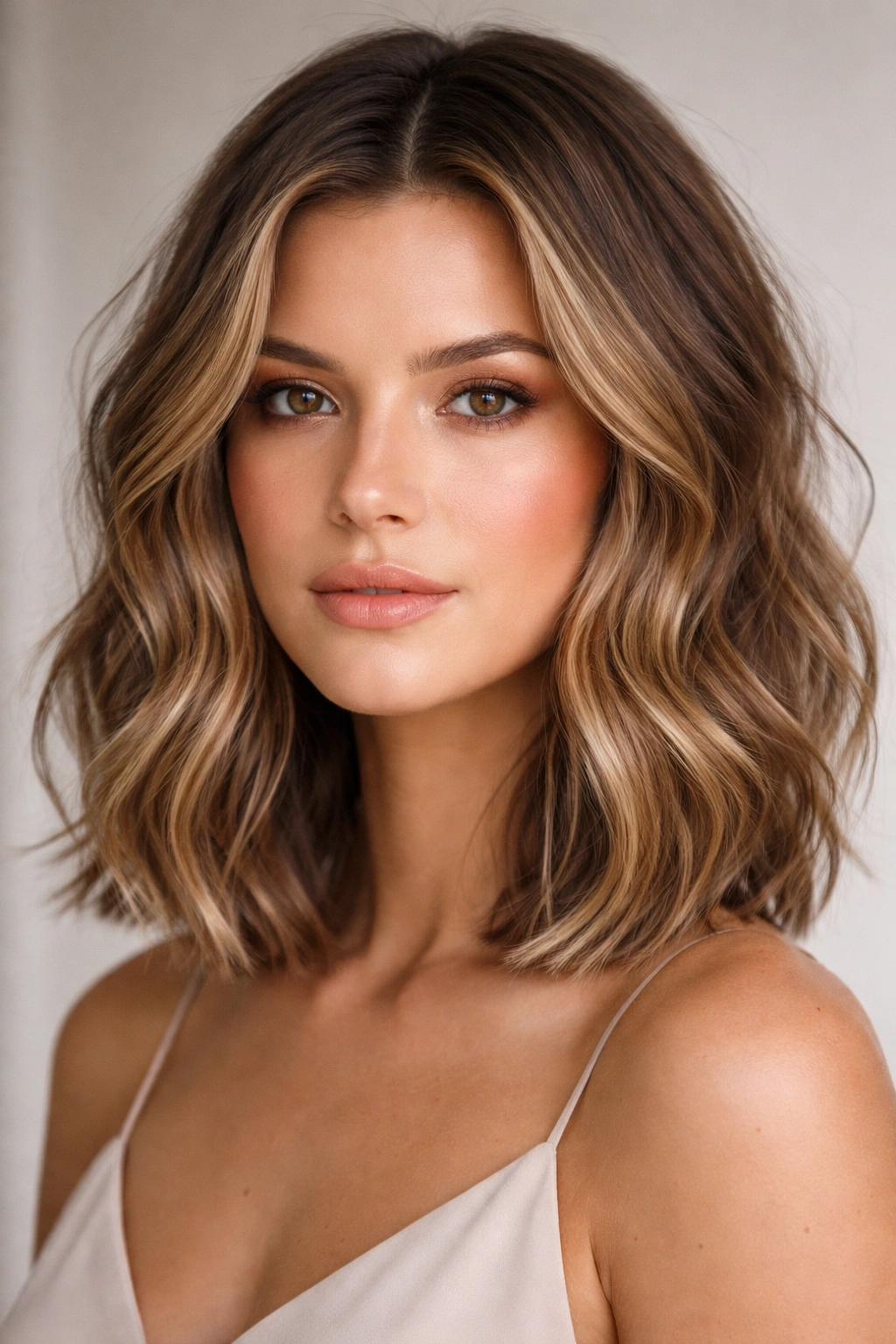
A lob — that’s a long bob, typically hitting somewhere between chin-length and shoulder-length — is your secret weapon if you have a square face shape. Square faces have angular jaws and defined bone structure. A lob with movement softens those angles at the jawline without making you feel like you’ve gone too short. The waves break up the straight lines and add feminine softness.
How a Lob Balances Square Faces
Square faces are characterized by a strong, defined jawline and equal width across the forehead and jaw. A well-cut lob that hits just below the jaw — not at the fullest part of the jaw, but a couple inches below — actually draws attention away from that angular line. The wavy texture adds an extra layer of softness that straight hair can’t provide.
Making Your Lob Work Perfectly
- Ask your stylist to add longer layers through the front so you can tuck one side behind your ear or pin it back — this creates styling flexibility
- Blow-dry with a medium barrel brush, rotating the brush to create soft waves rather than tight curls
- The lob is the perfect length for air-drying if you have natural wave texture — just add a styling cream and let it do its thing
- Aim for trims every 6-8 weeks to keep the shape from getting too long and heavy
Pro tip: A deeper side part on a lob visually elongates a square face even more than a center part — play with your part line depending on whether you want to emphasize face length or width.
6. Choppy Pixie Waves for Short Hair and Heart-Shaped Faces
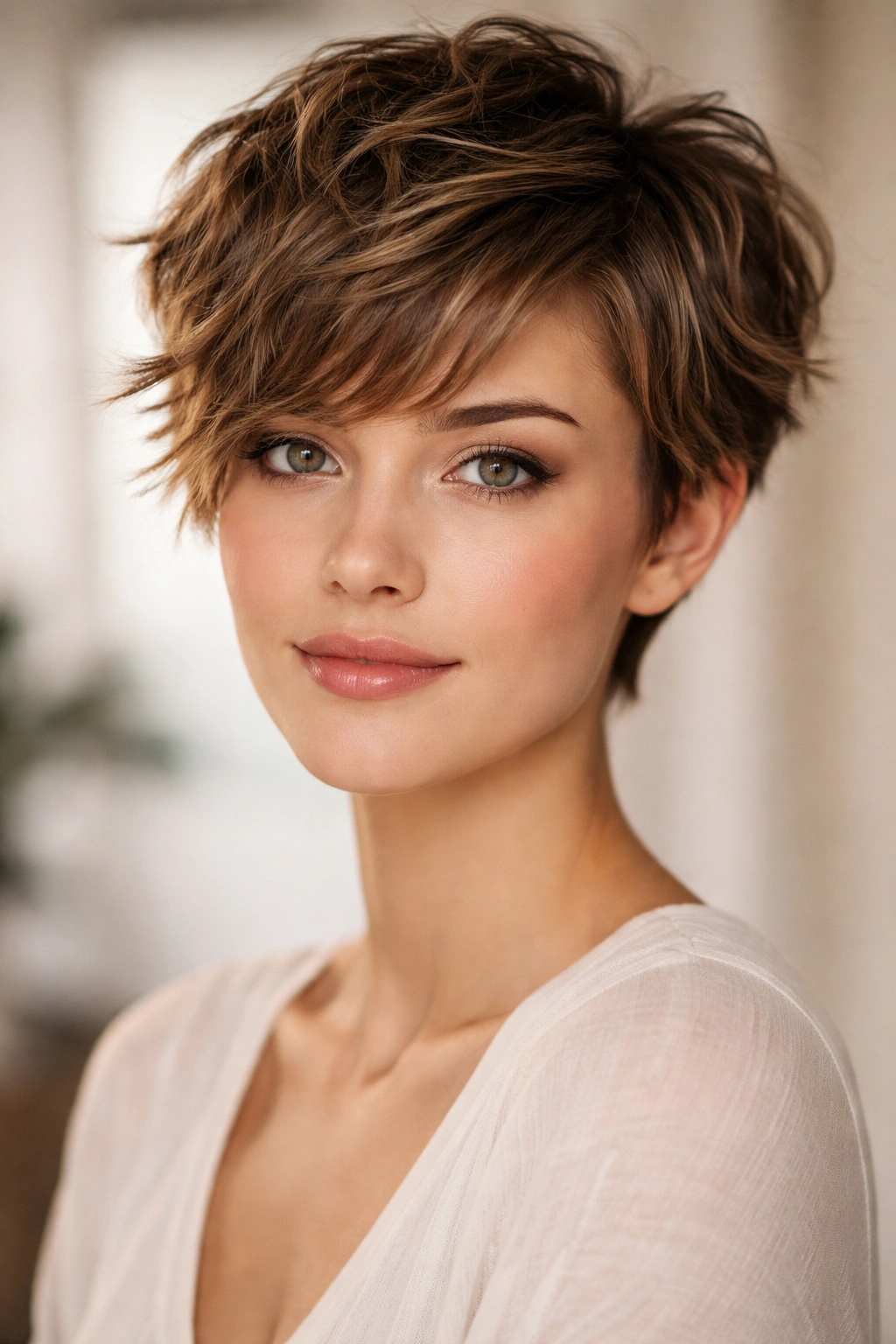
Heart-shaped faces are widest at the forehead and narrow toward the chin, which means you need visual fullness at the lower face to balance all that forehead width. A choppy pixie cut with texture and movement can do that, but only if it’s cut strategically. The longer layers in front frame your face, while the short, textured crown creates a modern, editorial vibe.
Why a Choppy Pixie Suits Heart Faces
A traditional pixie on a heart-shaped face can actually emphasize the forehead width you’re trying to minimize — which is the opposite of flattering. But a choppy, layered pixie with longer pieces framing the face creates vertical lines that draw the eye downward. The waves add movement and texture that breaks up the stark lines of a very short cut.
Styling a Choppy Short Wavy Cut
- This cut requires regular trims — every 4-5 weeks — because as it grows out, the choppy layers become less defined and the cut loses its impact
- Style with a volumizing mousse applied to damp hair, then blow-dry with your fingers or a brush for texture
- Use a small-barrel curling iron on the longer front pieces to create more pronounced waves if you want extra movement
- Keep the back short enough that it doesn’t flatten when you sleep — textured short hair needs a fresh cut to maintain shape
Worth knowing: This is not a wash-and-go cut if you want it to look intentional. Budget 5-10 minutes of styling time and be prepared for regular salon visits.
7. Micro Bangs with Waves for Triangle-Shaped Faces
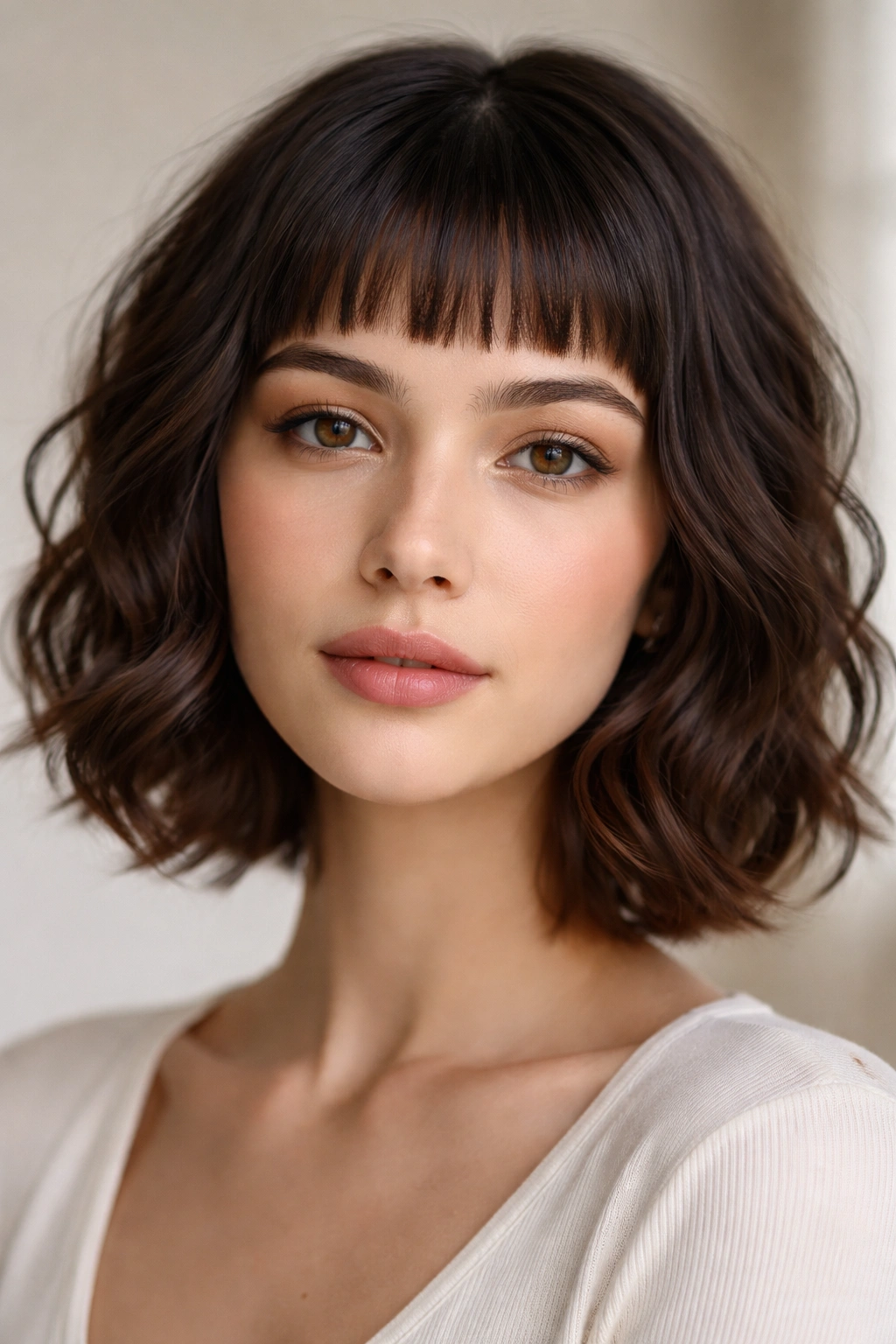
Triangle-shaped faces (also called inverted triangle) are widest at the forehead and narrow at the jawline. You want to add fullness to your lower face and soften your forehead width. Micro bangs might seem counterintuitive — they’re short and sit high on the forehead — but when paired with wavy, textured layers around your face and through your chin-length hair, they’re incredibly flattering.
The Psychology of Micro Bangs on Triangle Faces
Micro bangs make a strong statement, drawing the eye upward and adding texture and movement to your forehead area. Because they’re so short and trendy-looking, they actually make your forehead feel less heavy. When paired with fuller, wavier layers through the chin and jawline, they create balance between your upper and lower face.
Making Micro Bangs Work
- This is a statement look — you need confidence and a stylist who understands your face shape
- Pair micro bangs with at least chin-length hair and visible waves or texture; anything shorter or straighter feels too severe
- Trim micro bangs every 2-3 weeks because you’ll see every bit of growth immediately
- Use a texturizing spray or dry shampoo to add texture to your bangs if they’re getting too soft or blending in
- Style the hair below your jaw with waves or curl for balance against the sleek, short bangs
Insider note: Micro bangs demand strong brows and a willingness to commit to styling and maintenance. This is a cut for someone who actually wants a distinctive look, not just a subtle change.
8. Wolf Cut Waves for Medium Length and High-Impact Style
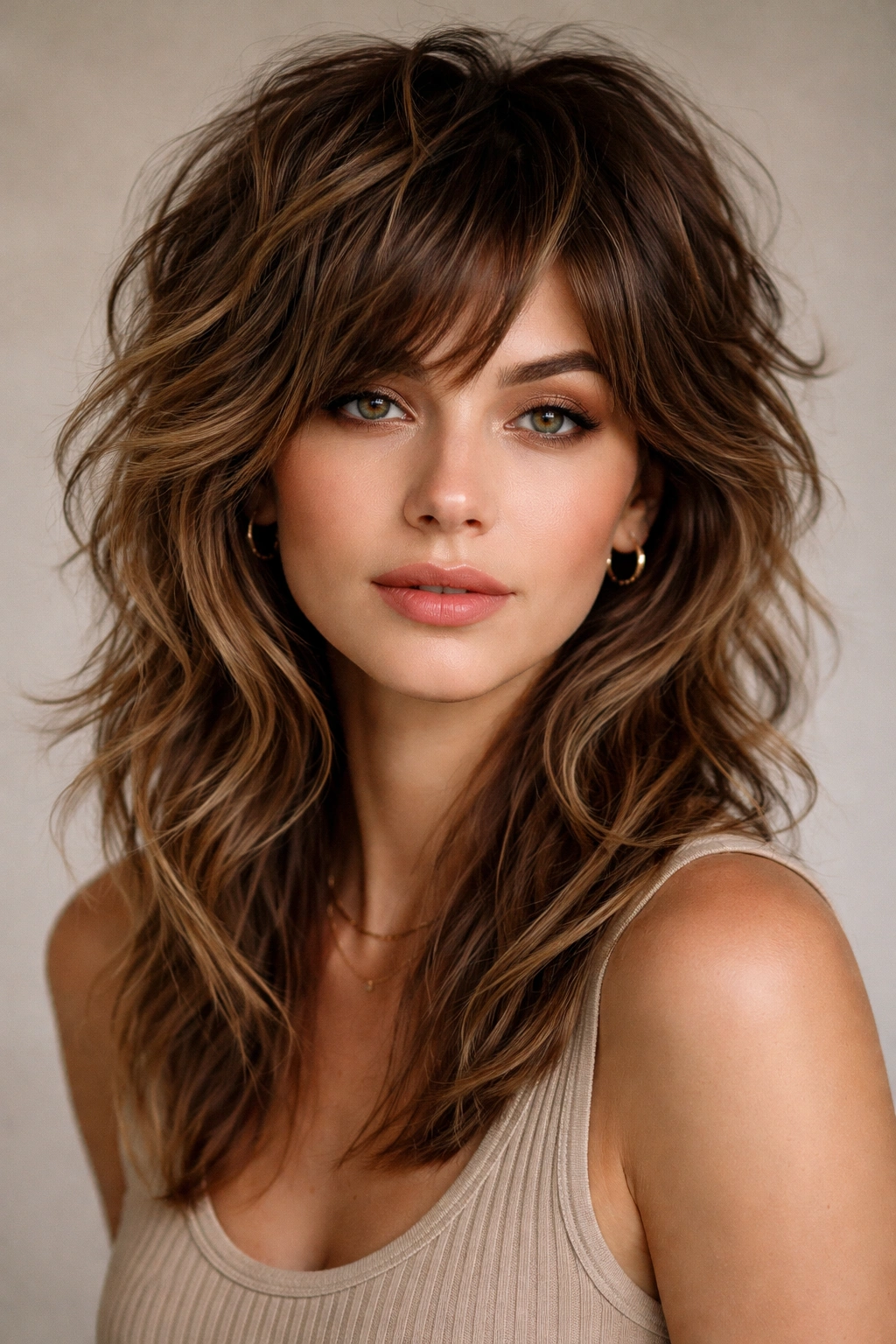
A wolf cut is essentially a hybrid between a shag and a mullet — short, textured layers on top for volume, longer length in the back for flow. In wavy hair, it’s a statement piece. The choppy top section with pronounced waves reads as editorial and bold, while the longer back adds sophistication. It’s perfect if you want something distinctly different without going super short.
Why Wolf Cuts Shine in Wavy Hair
The wolf cut was literally designed with texture in mind. Every wavy hair type shows beautifully in a wolf cut because the cut itself emphasizes texture rather than trying to smooth it down. The blend between the textured, choppy top and the longer, smoother back is incredibly flattering, and the overall silhouette is flattering on most face shapes.
Styling a Wolf Cut
- The top section needs regular styling — blow-dry with a diffuser or use a texturizing spray for the choppy, separated look
- The longer back can air-dry or be loosely waved with a curling iron, depending on your vibe that day
- This cut is extremely versatile — you can style it edgy and textured or soft and romantic depending on your mood
- Trims every 8-10 weeks keep the chop defined and prevent the overall look from getting too grown-out
Pro tip: Ask your stylist to keep the back slightly longer than you think you want — as the wolf cut grows out, that longer back section gives you something to work with before you need another cut.
9. Beach Waves Bob for Square Faces
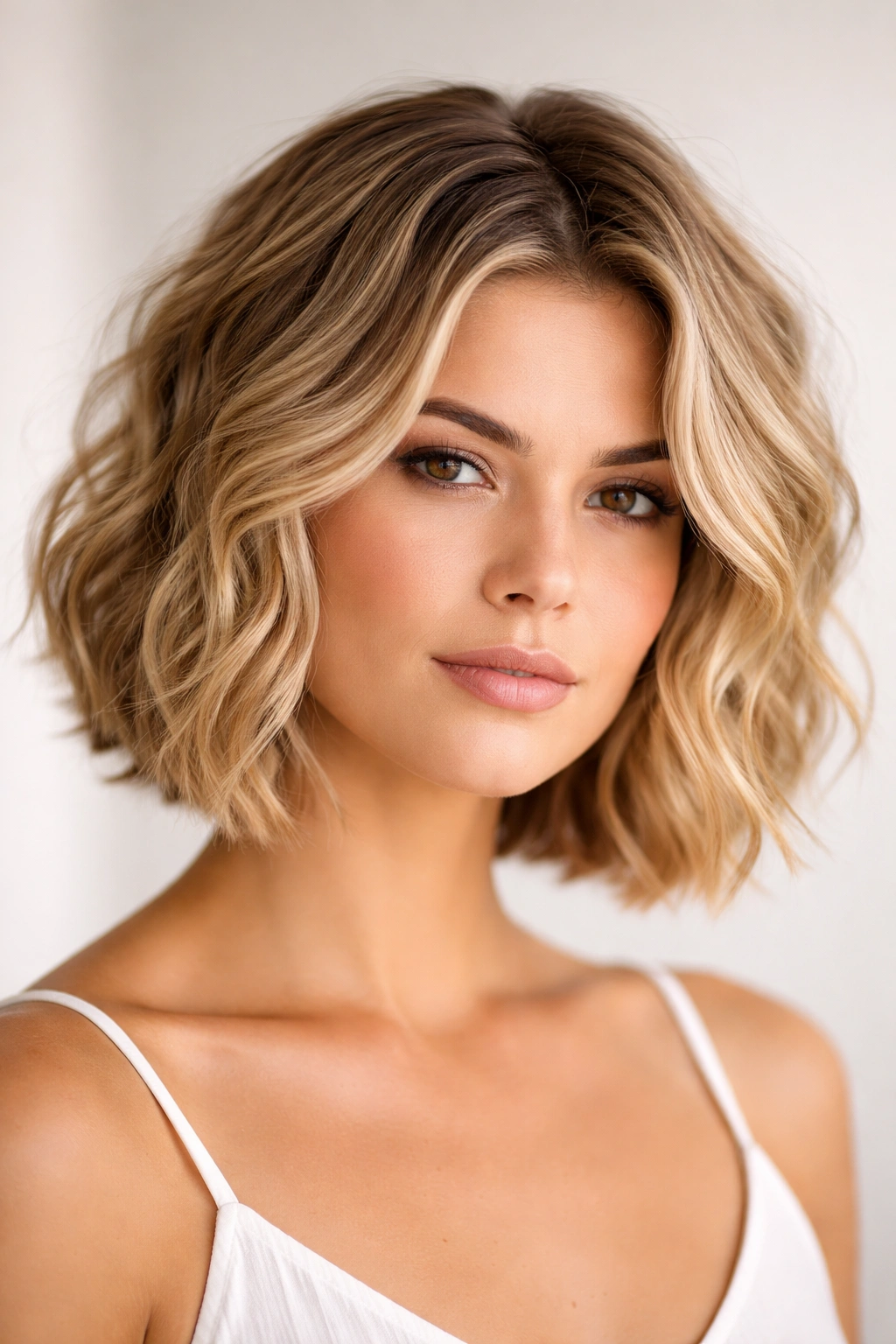
A bob is typically thought of as a structured, blunt style — which is exactly why adding waves and softness to a bob is so genius for square faces. A wavy bob hits around the chin and uses movement to soften the sharp angles of a square jaw. Unlike a lob, a true bob is more compact and rounded, which creates a flattering shape that doesn’t emphasize jawline angles.
How a Wavy Bob Softens Square Jaws
A square face needs horizontal movement and softness at the jawline. A wavy bob does both. The rounded shape of the cut itself is already soft, and the waves add texture that breaks up any bluntness. The length — right at chin — is the sweet spot for this face shape because it neither emphasizes nor extends the jawline.
Maintaining Your Wavy Bob
- Blow-dry with a medium-barrel brush or curling iron, twisting the brush away from your face on both sides
- Use a heat protectant spray and a lightweight styling cream to define waves without weighing the bob down
- This cut needs trims every 6-8 weeks to maintain the rounded shape — a grown-out bob quickly loses its flattering silhouette
- Side-part for visual softness, or center-part if you want a more balanced, symmetrical look
Worth knowing: A wavy bob is surprisingly easy to style — 5 minutes with a curling iron is enough to create a polished, put-together look that lasts all day.
10. Braided Wave Details for Added Texture and Dimension
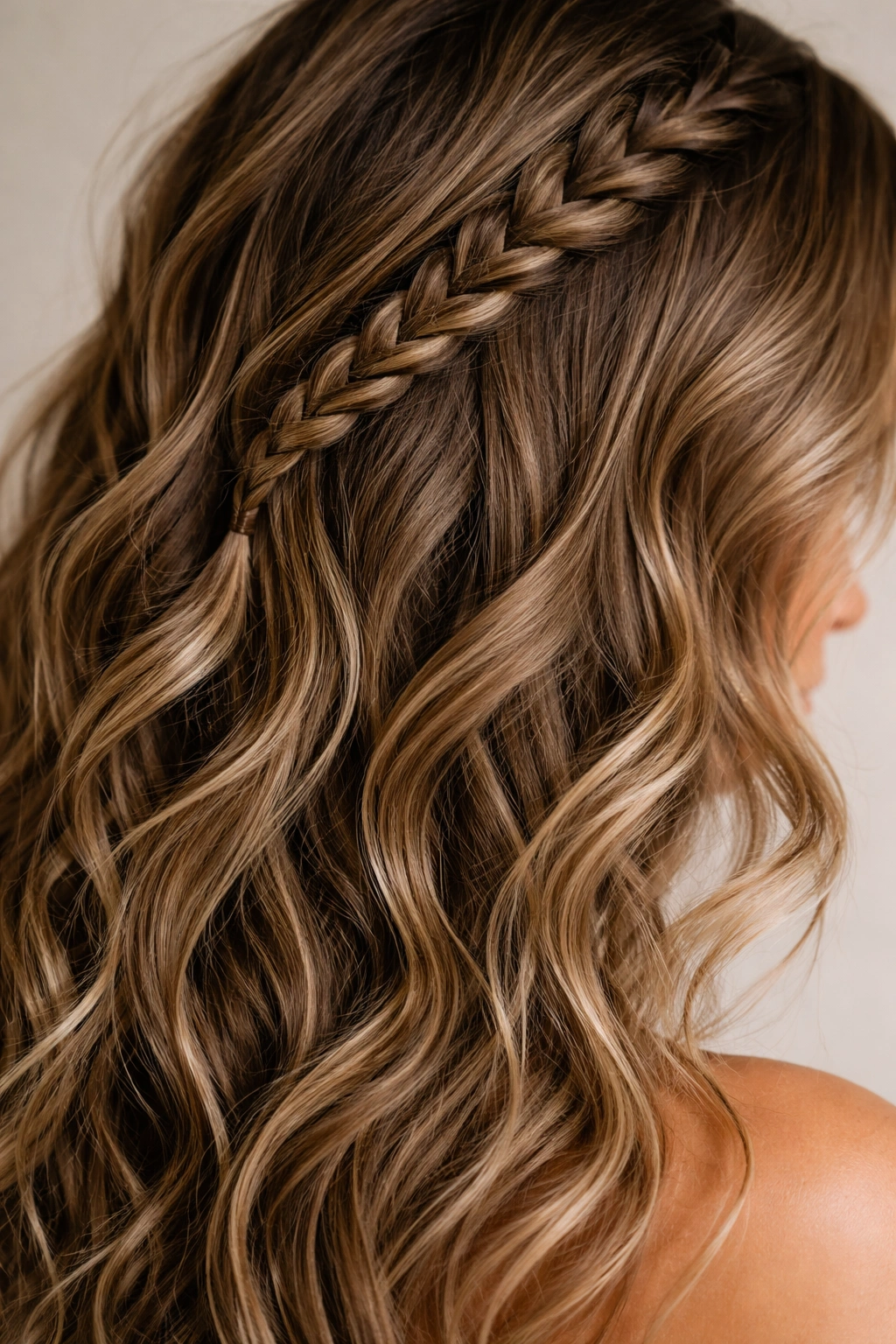
If you want to elevate your wavy haircut without changing the actual cut itself, adding braided details directly into your waves creates an incredibly sophisticated, dimensional look. This works on nearly every length and face shape because you can customize where the braids sit based on what you want to emphasize or soften. A small Dutch braid along the side, a crown braid through your waves, or even multiple thin braids woven into your hair add intentional detail and texture.
Why Braids Enhance Wavy Hair
Braids grip texture better than straight hair, and the visual interest of a braid integrated into your waves creates a completely different silhouette than waves alone. Braids also change the way your waves fall and flow, creating new dimensions and angles that work incredibly well for contouring your face shape.
Creating Braids in Wavy Hair
- Braid damp hair for grip and hold — wavy hair will hold a braid much better if you’re not trying to braid totally dry hair
- A Dutch braid (braiding under rather than over) creates visual weight and width — good for long faces
- A traditional three-strand braid is softer and more romantic — good for adding detail without drama
- Fishtail braids in wavy hair look incredibly intricate and dimensional because the texture adds movement to the braid pattern itself
Insider note: You can add braids temporarily for one occasion or create a braided haircut (where the stylist actually cuts your hair to encourage braid-like texture and separation). Both options work beautifully in wavy hair.
11. Feathered Waves for Oblong Faces and Timeless Appeal
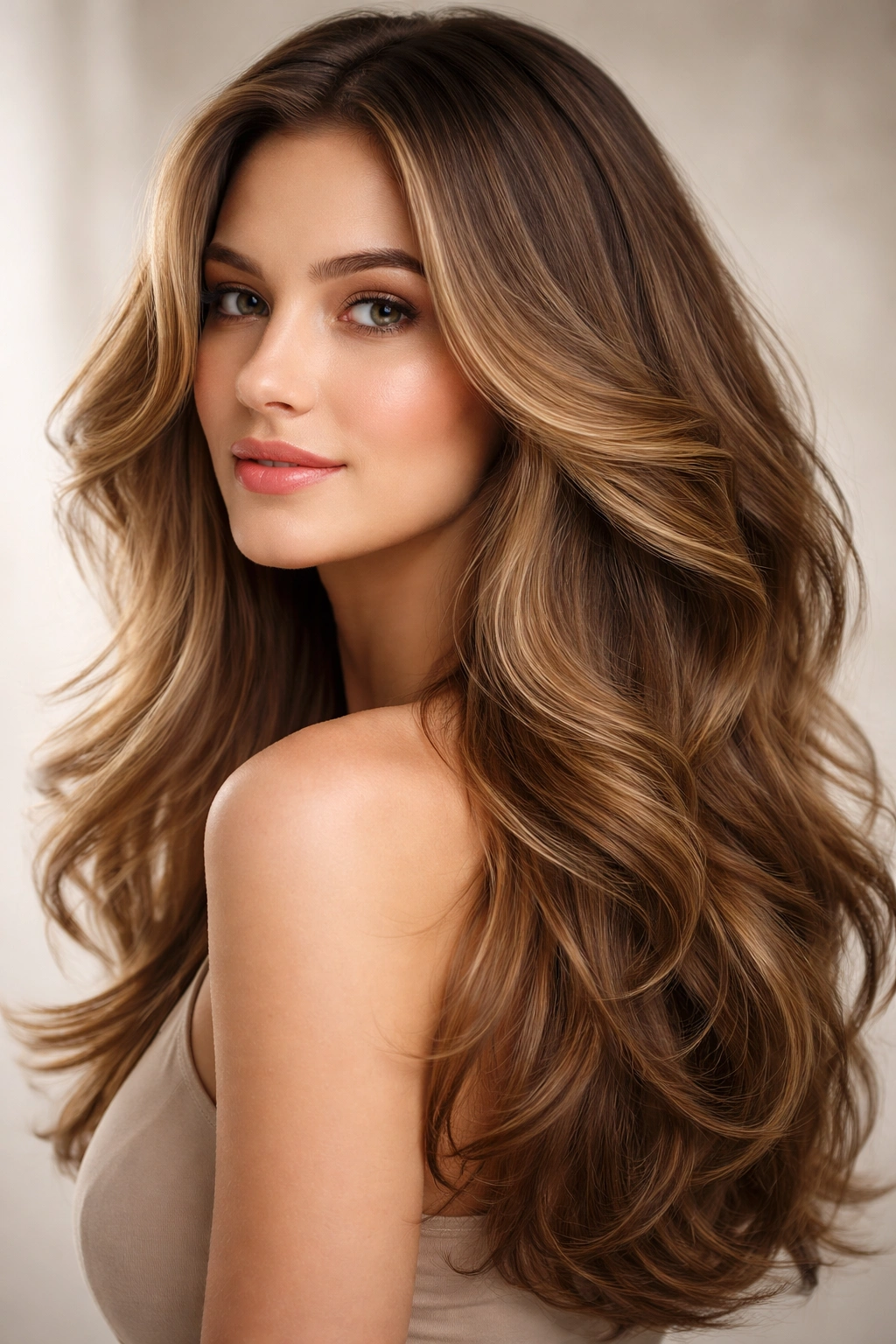
Feathered layers are all about creating soft, flowing lines that frame your face. For oblong faces (longer and narrower, similar to rectangle but with softer overall proportions), feathered waves add width and movement without any bluntness or harsh lines. Each layer is cut to create a specific feather shape, where the layers nest inside each other and create a soft, cascading effect.
The Flattering Effect of Feathered Waves on Long Faces
Oblong faces need width and movement that draws the eye horizontally. Feathered waves are literally designed to do this — the layers create soft curves rather than straight lines, and the feathering technique ensures that every layer flows and moves independently. The overall effect is softer and more feminine than choppy layers, but still textured and dimensional.
Styling Feathered Waves
- Feathered layers look best when they’re soft and flowing, not crispy or heavily styled — use a light texturizing spray rather than heavy pomade
- Blow-dry with a round brush to encourage the feathered layers to flow away from your face
- Alternatively, air-dry with a styling cream for a more lived-in texture that emphasizes the feather lines
- Feathered layers need regular trims (every 8-10 weeks) to maintain the soft, flowing appearance
Pro tip: Feathered layers are incredibly flattering on all hair types, but they show best on wavy or textured hair where each layer can actually move independently. On very straight hair, feathered layers can sometimes look a bit limp.
12. Asymmetrical Waves for Heart-Shaped Faces and Edge
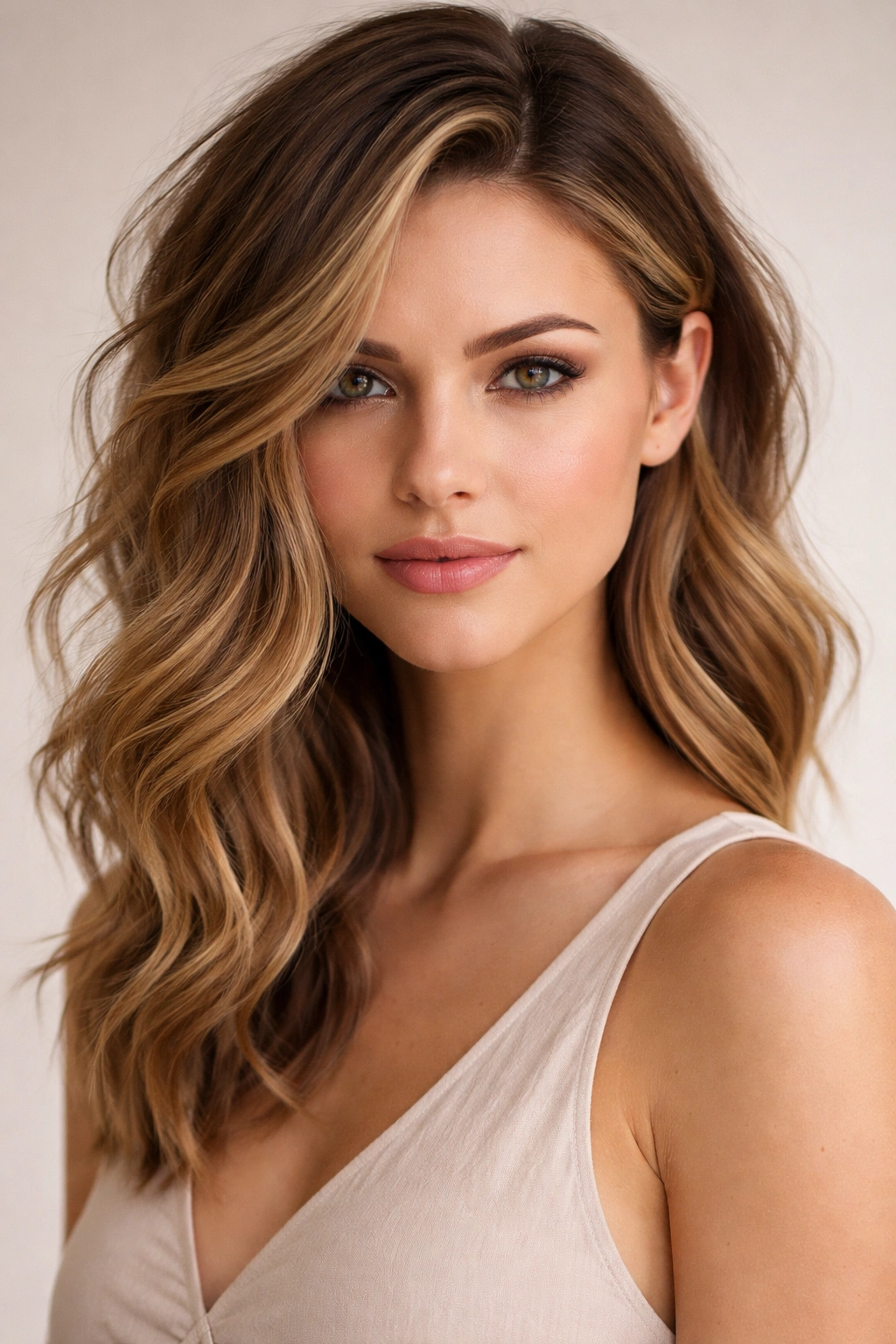
An asymmetrical cut — where one side is noticeably longer or has more texture than the other — is an incredibly flattering choice for heart-shaped faces because you can customize which side gets more length and fullness. If you want to balance a wider forehead, you’d add more fullness to the shorter side near your jawline. The wavy texture on an asymmetrical cut makes the style feel modern and intentional rather than accidental.
Why Asymmetry Works for Heart Faces
Heart-shaped faces have a wide forehead and narrow chin — exactly the opposite of what most face-flattering cuts aim for. With an asymmetrical cut, you have complete control. Put more length and waves on one side (specifically, the side that matches your narrower jawline) and you’ve created the visual balance you need. The asymmetry also draws the eye away from the forehead width.
Styling an Asymmetrical Wavy Cut
- You can wear your part on either side depending on your mood and what you want to emphasize that day
- Blow-dry the longer side smoothly and wave the shorter side more dramatically for extra contrast
- Or keep both sides waved equally and let the cut itself do the visual balancing
- Asymmetrical cuts need regular trims (every 6-8 weeks) to maintain the intentional imbalance
Worth knowing: This is not a subtle cut — you’re making a style statement. It’s perfect if you actually want people to notice your hair and if you’re comfortable with a look that’s distinctly different from what most people wear.
13. Wavy Mullet for Modern Edge and Texture
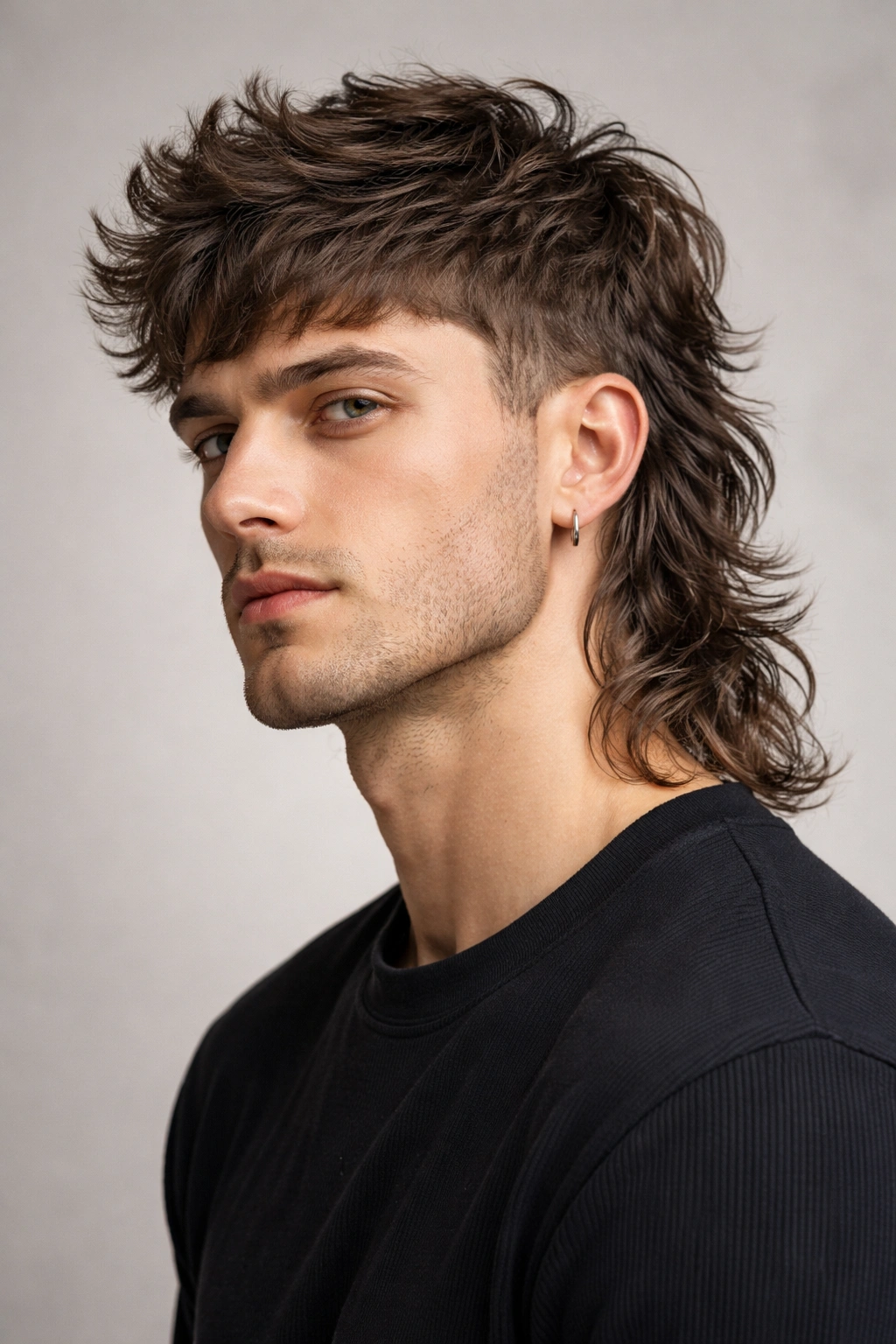
A mullet might sound dated, but the modern wavy mullet is actually a sophisticated, wearable style. Short, textured layers on top and through the crown create lift and volume, while longer layers in the back add flow and movement. In wavy hair, the texture prevents it from looking costume-y or costume-like — it reads as editorial and intentional.
The Modern Mullet in Wavy Hair
The modern mullet is all about proportion and texture. Unlike the 80s mullet, a current wavy mullet has much more subtle length difference between front and back. The short, choppy top section is textured and dimensional, and the back is long enough to flow and wave rather than hanging in a blunt, heavy line. It’s bold without being cartoonish.
Making a Mullet Work
- This cut requires skill — find a stylist who specializes in textured cuts and understands modern styling
- The top needs regular maintenance (every 4-6 weeks) to keep the choppy separation defined
- The back can go longer between cuts because the length change is intentional and expected
- Style the top for volume and texture, and let the back wave naturally for the best overall effect
Insider note: A wavy mullet is definitely a look that says “I have opinions about my style” — it’s not for everyone, but it’s genuinely flattering and modern in wavy hair.
14. Pin-Straight Roots with Textured Wave Ends for Fine Hair
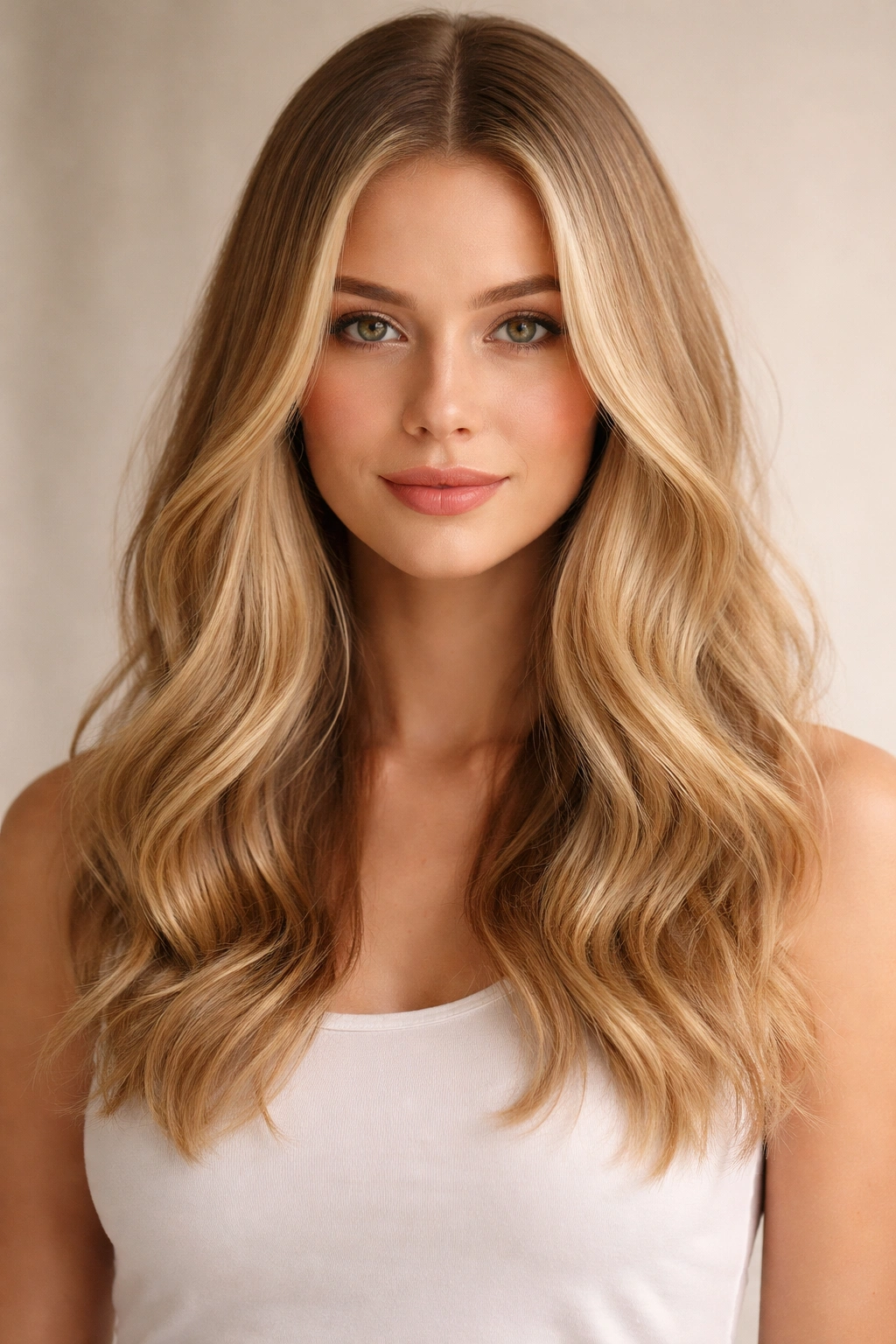
If you have fine or thin wavy hair, adding a textured wave through the length while keeping the roots straighter actually creates more volume and dimension than full-length waves would. This creates a cool two-tone effect: sleek at the roots, textured below. The weight distribution keeps your hair from looking thin and creates visual fullness through the textured section.
Why This Works for Fine, Wavy Hair
Fine hair can look flat when it’s all one texture — too much wave throughout can actually make thin hair look wispy and stringy. By keeping the roots straighter, you get grip and volume at the scalp where you need it most. The textured waves below add movement and dimension without the heaviness that full-length waves can create in fine hair.
Styling This Combination
- Use a volumizing mousse at the roots and a light texturizing spray through the ends
- Blow-dry roots with a round brush for volume, then add waves with a curling iron through the lengths
- This style actually looks better with a day or two of grime — the oils help the texture hold without looking greasy
- A dry shampoo spray through the textured section adds even more grip and definition
Pro tip: This approach is perfect if you’re transitioning from totally straight hair to incorporating more texture — it feels less dramatic and gives you time to figure out how much wave you actually want in your life.
15. Spiral Perm Waves for Long-Lasting Texture and Less Daily Styling
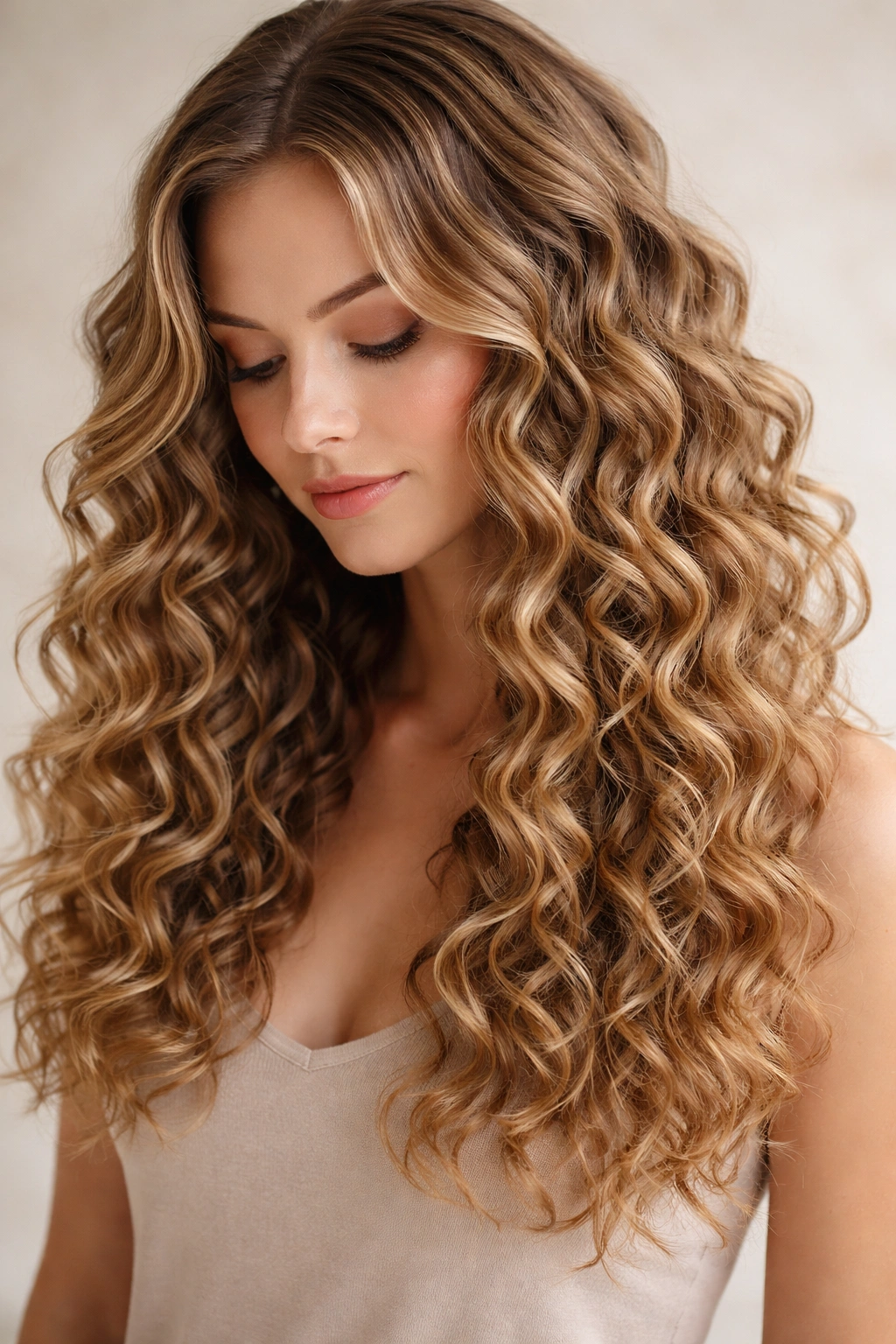
If you have fine, straight hair and genuinely want permanent wave texture without daily heat styling, a spiral perm creates bouncy, long-lasting waves that last 3-4 months. The waves are created chemically and then enhanced with a shaped cut. In fine hair, this actually gives you the texture you couldn’t create on your own, and the cut is specifically designed to work with the perm’s natural texture.
How Spiral Perms Work for Fine Hair Types
A spiral perm wraps your hair around rods in a vertical spiral, creating corkscrew-like waves or curls. The chemical process permanently changes your hair’s structure. For fine hair, a looser spiral (using larger rods) creates waves rather than tight curls, and the cut removes weight to prevent the perm from looking heavy or ropey.
Care and Maintenance of Permed Waves
- Wait 48 hours after a perm before washing so the chemical structure fully sets
- Use sulfate-free shampoo and deep conditioning treatments — perms require more moisture
- Style with a diffuser or air-dry for natural-looking waves; avoid brushing through immediately after washing
- Trims every 6-8 weeks prevent frizz and maintain the wave shape as your perm grows out
- Plan for a root touch-up or new perm every 3-4 months as your natural straight hair grows in
Worth knowing: A perm is a significant chemical process — make sure your hair is in good health before committing, and be prepared for the maintenance and care requirements involved.
16. Deep Side Part Waves for Oblong Faces and Asymmetrical Balance
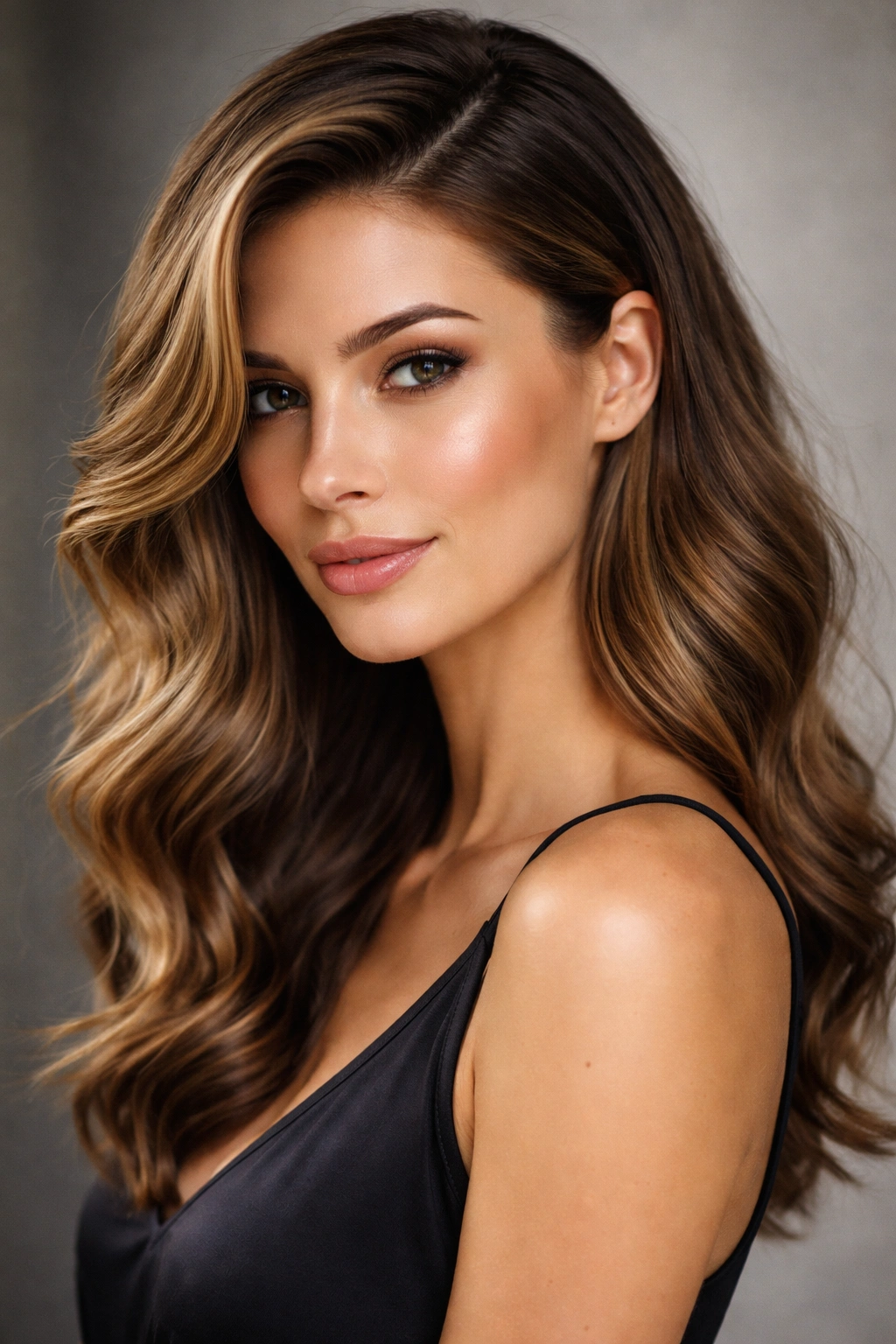
A deep side part (where one side is significantly fuller than the other due to the part placement) combined with waves is incredibly flattering for oblong and long face shapes. The deep side part creates horizontal emphasis and width on the fuller side, while the waves add movement that prevents your face from feeling too long. The asymmetrical volume also draws the eye across your face rather than down its length.
The Visual Effect of a Deep Side Part in Waves
A deep side part changes how your hair frames your face completely. The fuller side has more visual weight and presence, while the side with less hair skims your face. In wavy hair, this creates a flattering asymmetry that works especially well for longer face shapes. The waves add movement that a straight deep side part wouldn’t provide.
Styling a Deep Side Part
- Create your deep part by blow-drying with a round brush; brush the fuller side smoothly back and away from your face
- The smaller side can have more pronounced waves or be styled more softly — experiment with what flatters you
- Use a volumizing mousse on the fuller side for extra drama and dimension
- A deep side part actually works better with slightly textured, wavy hair — the texture prevents it from looking too severe
Insider note: You can change which side you part depending on the occasion or your mood — a deep side part one day, a center part the next. This versatility is one of the underrated benefits of wavy hair.
17. Stacked Wavy Layers for Fine or Thin Hair and Maximum Volume
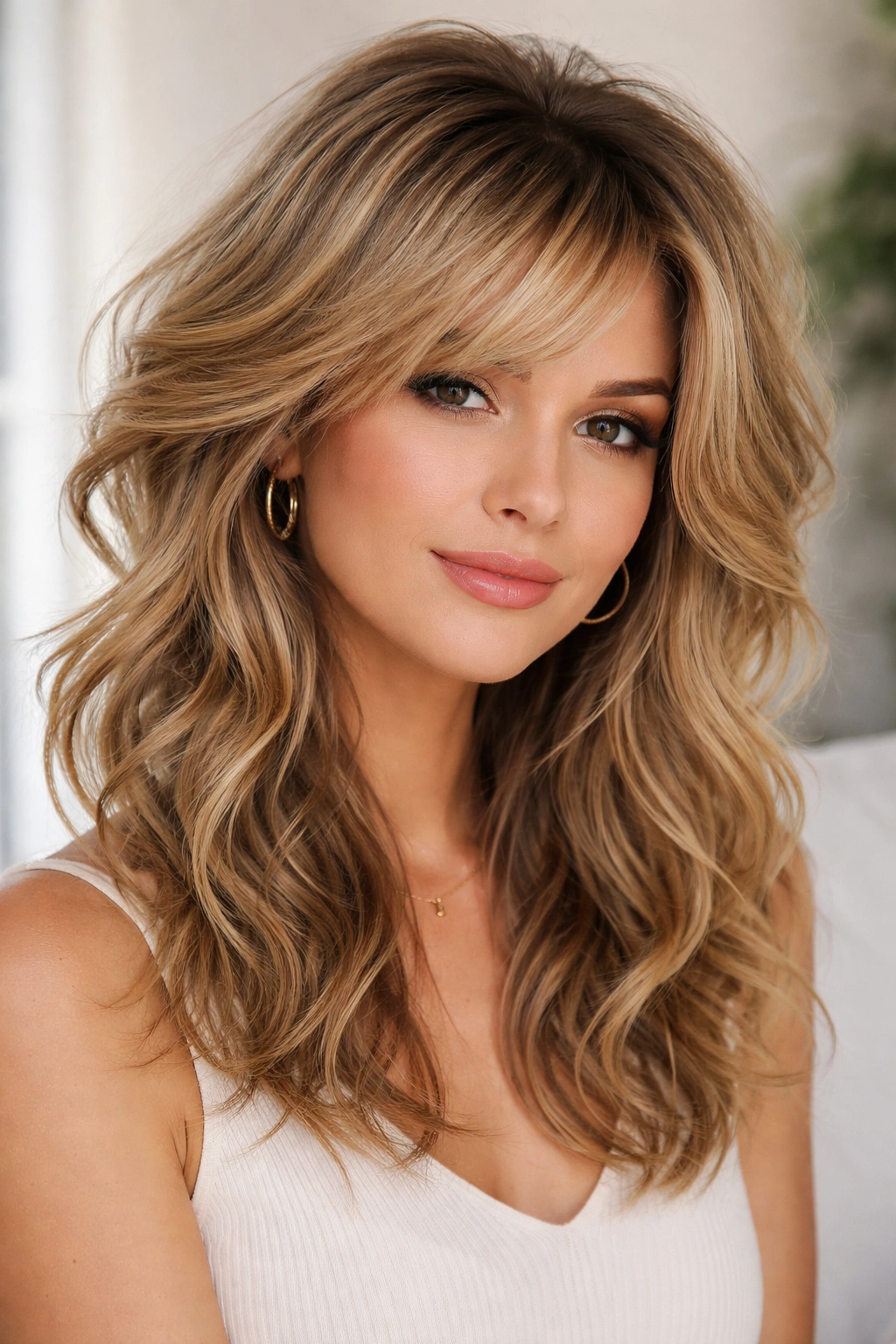
Stacked layers — where layers are cut much shorter near the crown and gradually lengthen toward the ends — create volume and shape in fine or thin hair. The short, choppy layers at the crown create lift, while the longer layers below add length and movement without weight. This is the opposite of heavy, one-length cuts that flatten thin hair.
Why Stacked Layers Create Perceived Fullness
Layers literally reduce the amount of hair at any given point, which sounds counterintuitive for thin hair — but actually, multiple shorter layers create more texture and separation, which reads as fuller. The stacked effect at the crown creates height and lift, making your overall volume look greater than it actually is.
Creating and Maintaining Stacks
- Ask your stylist for choppy, disconnected layers rather than blended ones — the separation is what creates the volume illusion
- Blow-dry with your head tilted forward, using fingers to create texture as you dry for maximum lift
- Use a texturizing spray rather than heavy products; thin hair needs lightweight styling
- Trims every 6-8 weeks keep the stacks sharp and prevent the overall look from getting too grown-out
Pro tip: Stacked layers are incredibly versatile — you can style them sleek with a round brush or textured and choppy with your fingers depending on your mood.
18. Beachy Medium Waves for Ease and Universal Flattery
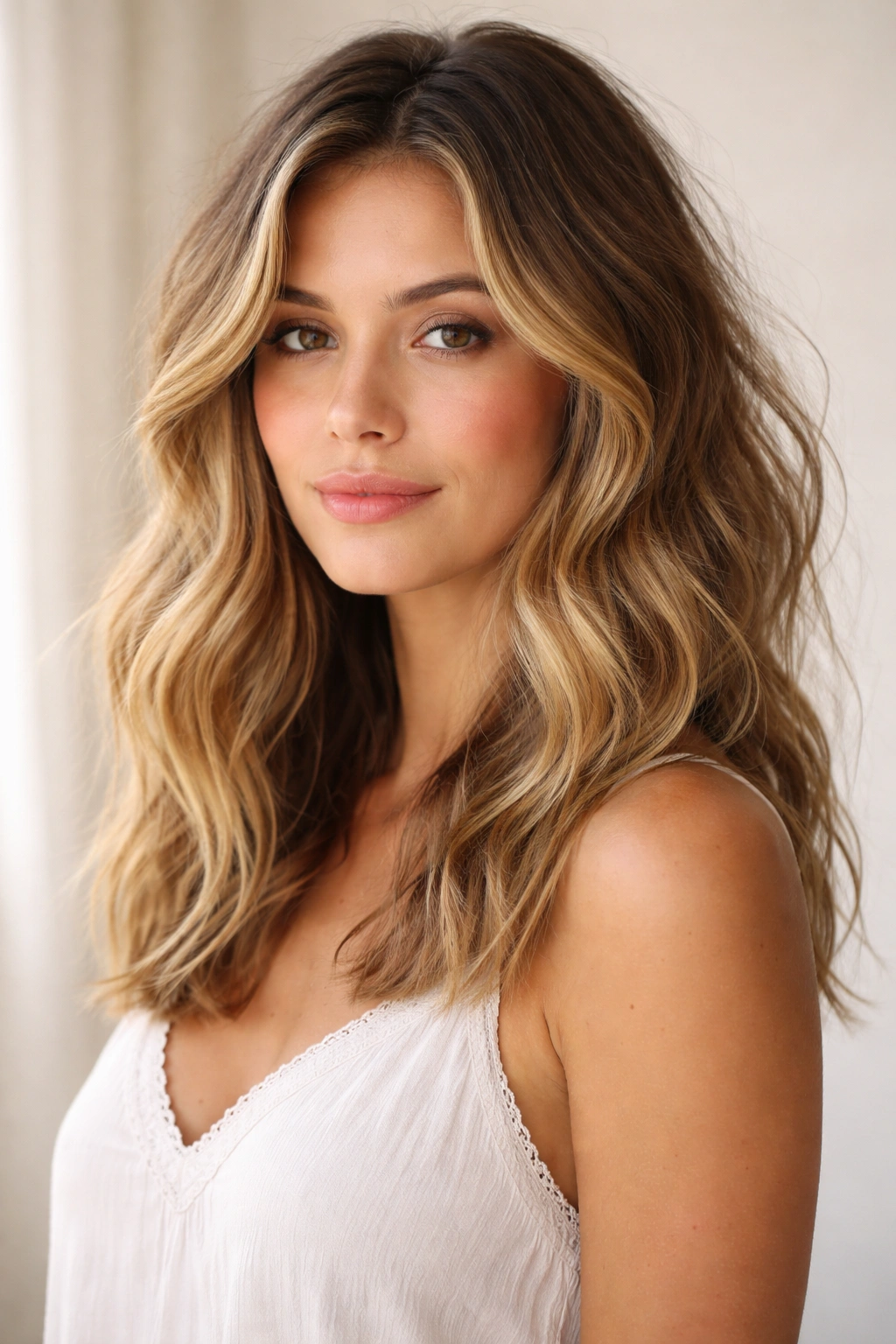
Medium-length wavy hair that hits between shoulder and mid-back, styled with soft, romantic waves, is genuinely one of the most universally flattering haircuts. It works on almost every face shape, works with most hair types, and requires relatively simple styling. The waves are soft rather than dramatic, creating movement and dimension without requiring intense styling commitment.
Why Medium Waves Work for Nearly Everyone
Medium length is the sweet spot — long enough to create movement and flow, short enough to manage and style easily. Soft waves (rather than tight curls or sharp, defined waves) are romantic without being fussy. This length and texture combo is flattering on oval, round, square, oblong, and heart-shaped faces because the waves add softness and the length is neutral.
Styling Beachy Medium Waves
- Blow-dry with a medium-barrel curling iron, curling each section away from your face
- Alternatively, use a texturizing spray and air-dry for an effortless, truly beachy vibe
- A sea salt spray enhances natural waves and creates that lived-in, vacation-ready texture
- This is genuinely a wash-and-go option if you have naturally wavy hair — let it air-dry and just scrunch in some spray
Worth knowing: If you have naturally wavy or curly hair, this might be the only cut you ever need. The length is perfect for working with your natural texture rather than fighting it.
19. Old Hollywood Waves for Formal Occasions and Glamorous Style
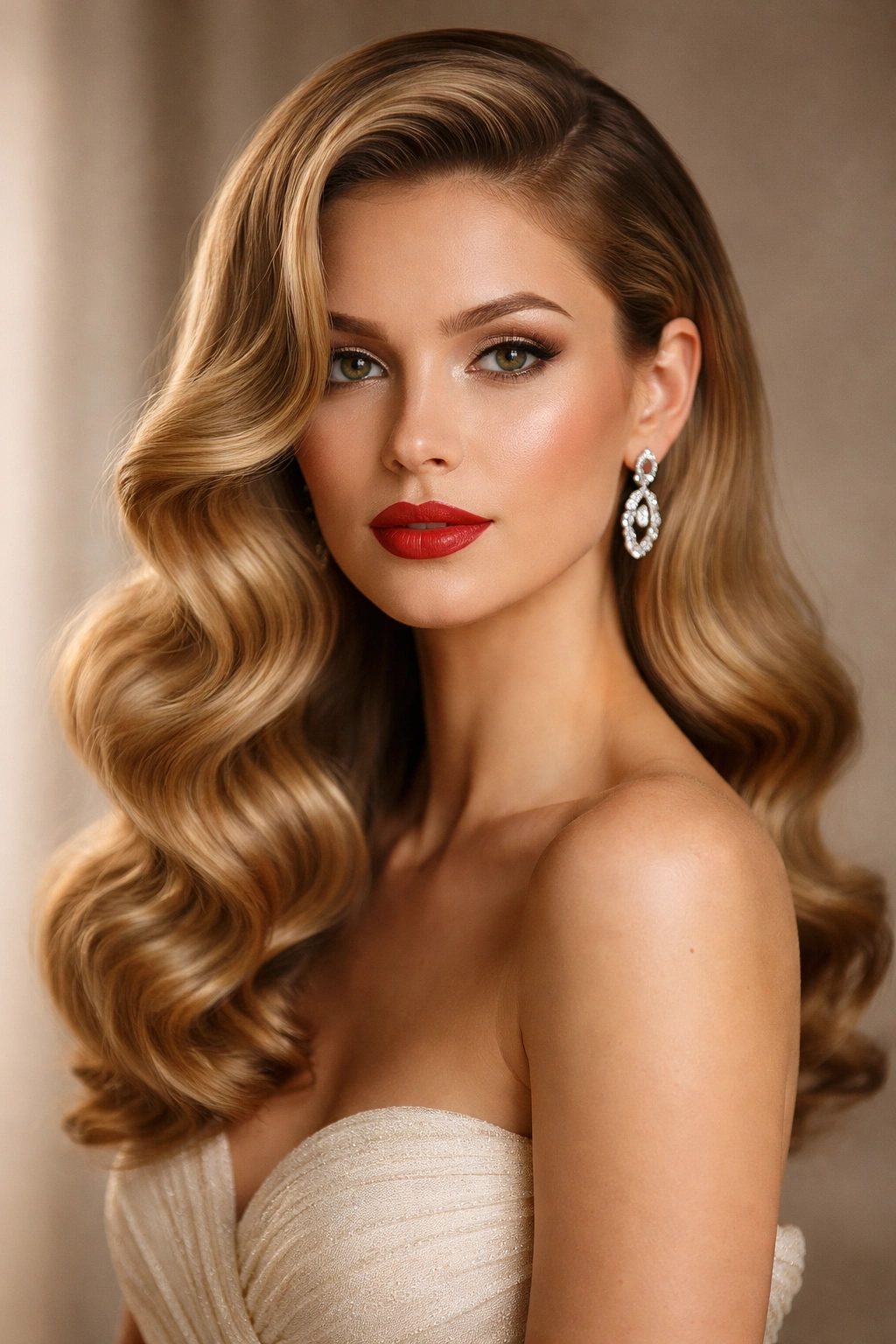
Old Hollywood waves are defined, structured waves that look polished and intentional. They work best on medium to long hair and require heat styling and technique to achieve. This isn’t an everyday, wash-and-go look — it’s a styles-for-specific-occasions haircut that makes you feel absolutely glamorous.
How to Create Old Hollywood Waves
Old Hollywood waves are created using a curling iron in large sections, with each wave carefully positioned and then cooled with clips to set the shape. The waves are smooth and defined rather than textured and tousled. You need some length to show off these waves properly — shoulder-length minimum, longer is better.
Styling for Old Hollywood Perfection
- Section hair into 2-3 inch sections, curl tightly, then clip while cooling to set the shape
- Once all sections are done and cooled, gently brush through waves to blend them together
- Use a flexible hold hairspray that keeps the shape without looking stiff
- This style looks best with one side tucked behind your ear or with an elegant hair accessory
Insider note: Old Hollywood waves take 20-30 minutes to style, which is why this is special-occasion hair. But there is genuinely nothing more elegant or glamorous than perfect Old Hollywood waves.
20. Lived-In Texture Waves for Everyday Wearability and Low Maintenance
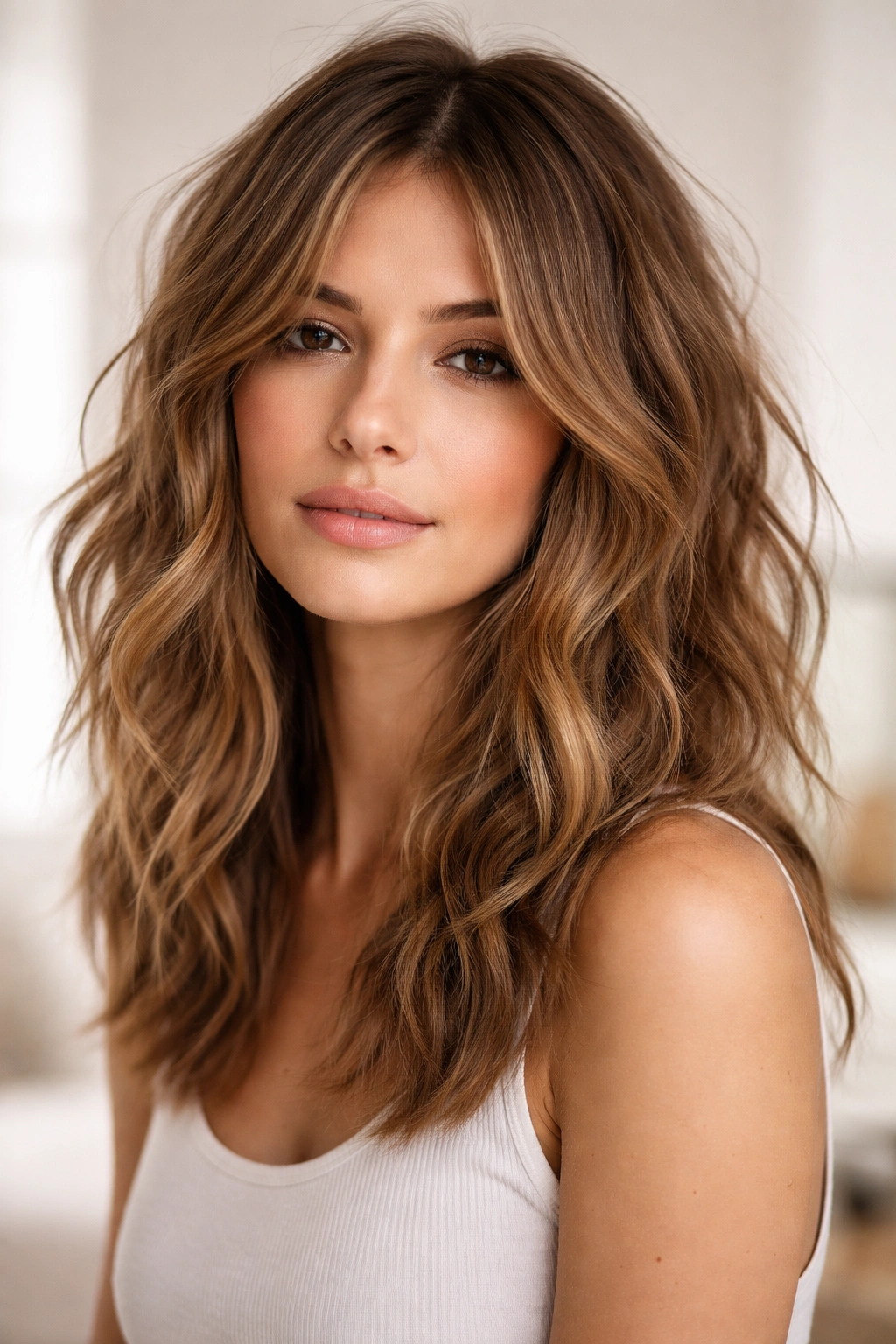
The lived-in texture wave is the anti-styled look — your hair looks like you just rolled out of bed and it somehow looks perfect. It’s actually a carefully cut style that works with your natural hair’s texture rather than fighting it. The cut uses choppy, disconnected layers and variable lengths to create movement that doesn’t require heavy styling to show.
Why Lived-In Texture Is Actually a Skill
A lived-in texture cut looks effortless because it’s cut to be effortless — the shape of the cut itself creates movement and dimension. This isn’t a case of having a great natural wave and not styling it; it’s a deliberate cut that embraces your wave pattern and works with it. The layers are placed specifically to encourage your waves to fall and flow naturally.
Maintaining the Lived-In Look
- Wash and air-dry, or use a diffuser on low speed for the most authentic texture
- Use a texturizing spray or sea salt spray for grip and definition if your waves need help
- This is genuinely a wash-and-go cut — you can style it in 5 minutes or not at all
- Trims every 8-10 weeks keep the choppy layers defined and the lived-in vibe intentional rather than shaggy
Pro tip: This is the cut to get if you have naturally wavy hair and want to actually work with your hair rather than against it. It’s the most sustainable, wearable wavy cut because it doesn’t demand daily effort.
Final Thoughts
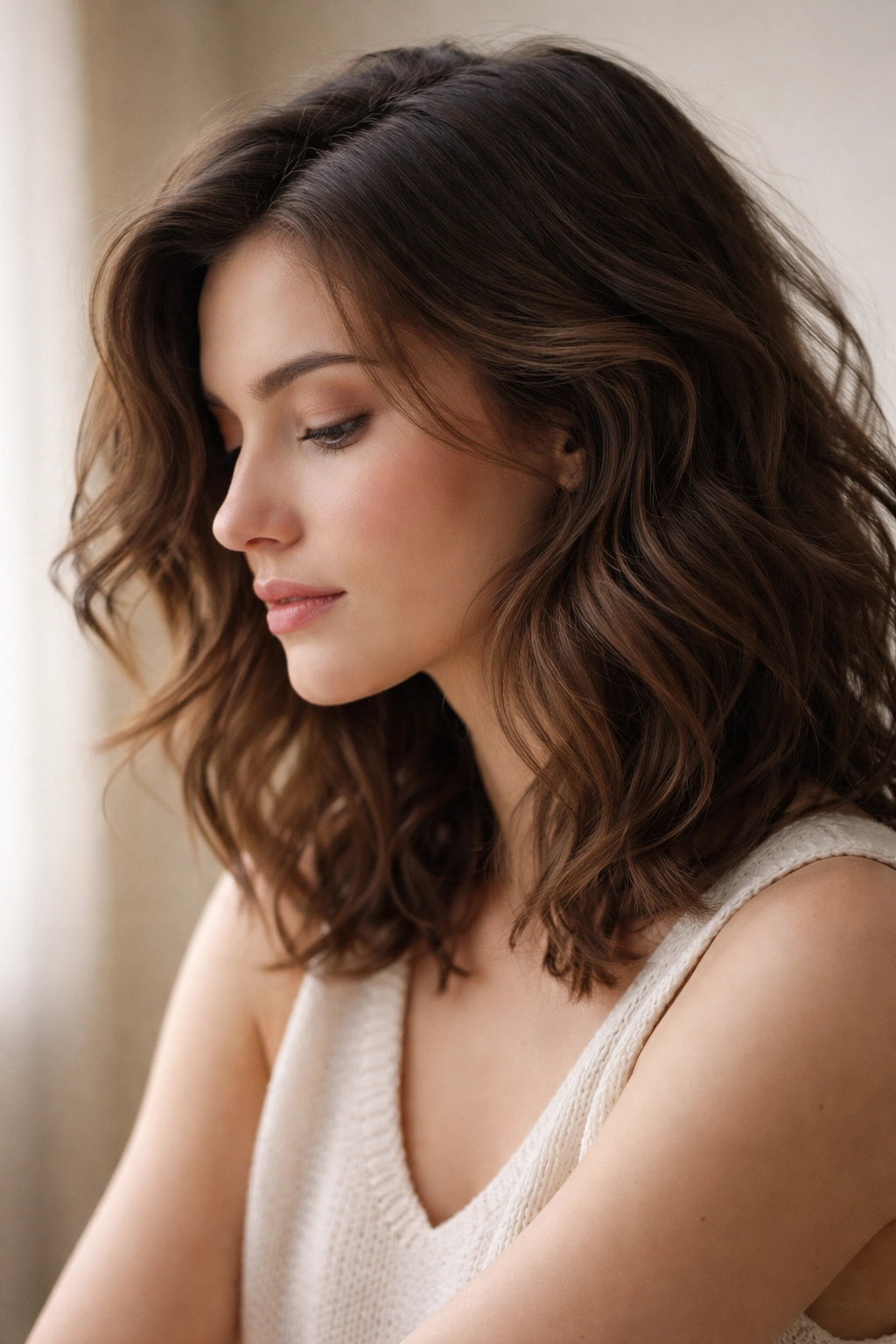
The right wavy haircut isn’t just about the length or the trend — it’s about understanding your face shape, your natural hair texture, and the amount of styling effort you’re genuinely willing to invest. A textured shag might be perfect for someone with thick, bouncy waves and a round face, while a shoulder-length layered cut is ideal for someone with subtle waves and a longer face.
The most important thing you can do before booking an appointment is find a stylist who understands textured cuts and has experience working with wavy hair specifically. Show them photos of cuts you love, describe your daily styling routine honestly, and ask them which styles would genuinely work for your hair type and face shape. A great stylist will steer you toward cuts that flatter you and fit your lifestyle, not just the ones that are trendy right now.
Your hair is one of the first things people notice about you, and wavy hair, when cut properly, has an undeniable appeal. Whether you choose a bold statement cut or something soft and romantic, there’s a wavy haircut that will make you feel confident, look great, and actually work with your life.
