



Faux locs have become one of the most versatile and protective styling options available, offering the aesthetic appeal of permanent locs without the lifetime commitment or extensive daily maintenance. Whether you’re drawn to the bold statement they make, the creative freedom they provide, or their practical benefits for hair health, the variety of faux loc styles available means there’s genuinely something for every preference, lifestyle, and texture. The key difference between faux locs and permanent locs is that they’re temporary—you can take them down whenever you want, refresh your look seasonally, or experiment with different styles without major consequences.
But here’s where most people get confused: not all faux locs last the same amount of time, and the longevity of each style depends heavily on the installation method, hair type used, how consistently you maintain them, and your daily habits. A style that lasts six weeks with meticulous care might deteriorate in three weeks if you’re sleeping roughly or swimming regularly without protection. Understanding what each style actually entails—and being realistic about how long you can realistically keep it looking fresh—is the difference between a faux loc style that becomes frustrating and one that genuinely fits your lifestyle.
What makes faux locs such a smart protective style choice is that they give your natural hair a break from manipulation while still letting you express yourself through color, texture, length, and creative combinations. The real value isn’t just in how they look—though they’re absolutely stunning—but in understanding which style matches your timeline, your commitment level, and your real-world lifestyle, not the idealized version of yourself in your head. Let’s walk through twelve distinct faux loc styles, the honest longevity of each one, and what you need to do to actually make them last.
1. Classic Synthetic Faux Locs
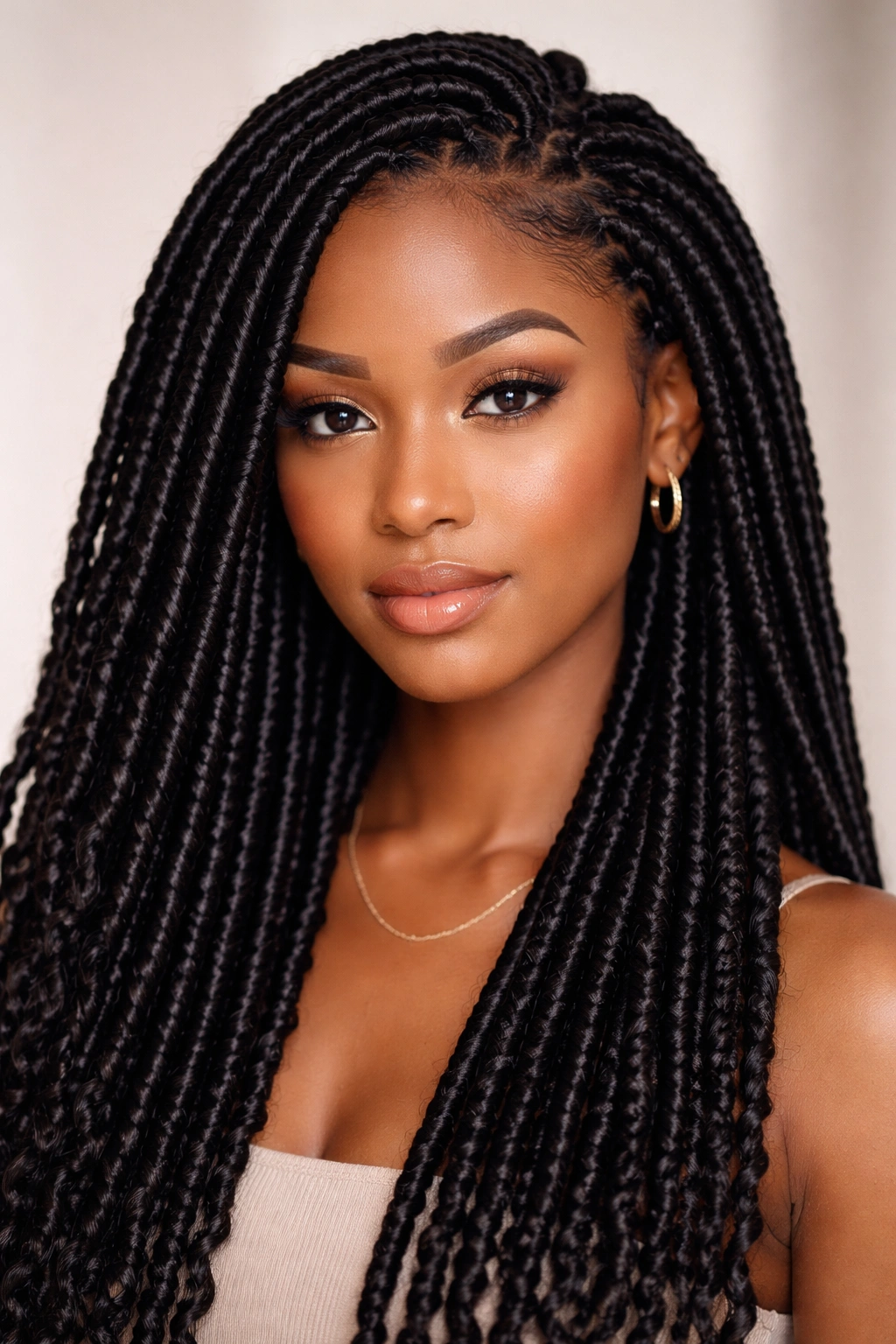
Classic synthetic faux locs are the most straightforward approach: your natural hair is wrapped with pre-made synthetic locs made from kanekalon or similar fiber, or your hair is twisted and then wrapped completely with synthetic fiber to mimic the appearance of permanent locs. The synthetic material gives them a smooth, uniform look that reads as polished and intentional rather than organic or textured.
Realistic Longevity
Classic synthetic faux locs typically last between 4 to 8 weeks with proper care, though most people get their best wear at around 6 weeks. The synthetic fiber itself doesn’t break down, but the point where your natural hair meets the synthetic wrapping—called the base—begins to show new growth, and the overall style starts looking less intentional. You’ll start seeing frizz at the roots around week five, and by week seven or eight, the style has usually moved into “refresh needed” territory rather than the clean look you want.
Care Requirements for Longevity
Synthetic locs do better with less frequent washing than human hair styles because the synthetic fiber doesn’t need the same moisture replenishment. Wash every 7-10 days using a sulfate-free shampoo, keeping water pressure gentle at the roots. Sleep on a silk or satin pillowcase—this isn’t optional if you want them lasting the full timeline—and avoid manipulation during sleep by using a silk scarf or bonnet. The synthetic fiber can matte down or tangle if rubbed repeatedly against cotton pillowcases.
Who This Style Suits Best
This style works beautifully for people who want a bold, finished look without worrying about the texture being exactly “realistic.” It’s ideal if you’re active—the synthetic fiber is durable against sweat and water—and if you want minimal daily styling. The style photograph beautifully, making it popular for anyone wanting a polished aesthetic for a specific event or season. Synthetic locs also tend to be the most affordable installation option, usually running between $100-300 depending on length and thickness.
Real-World Longevity Factors
Pro tip: Refresh the style halfway through by re-wrapping loosened bases—this can extend the wear to 10-12 weeks if you’re willing to visit your stylist midway. If you swim frequently, every 6 weeks is more realistic because chlorine and salt water stress the synthetic fiber and the natural hair connection point. Tight hairstyling practices (high buns, pulled-back styles) will speed up breakage at the base.
2. Interlocked Human Hair Faux Locs
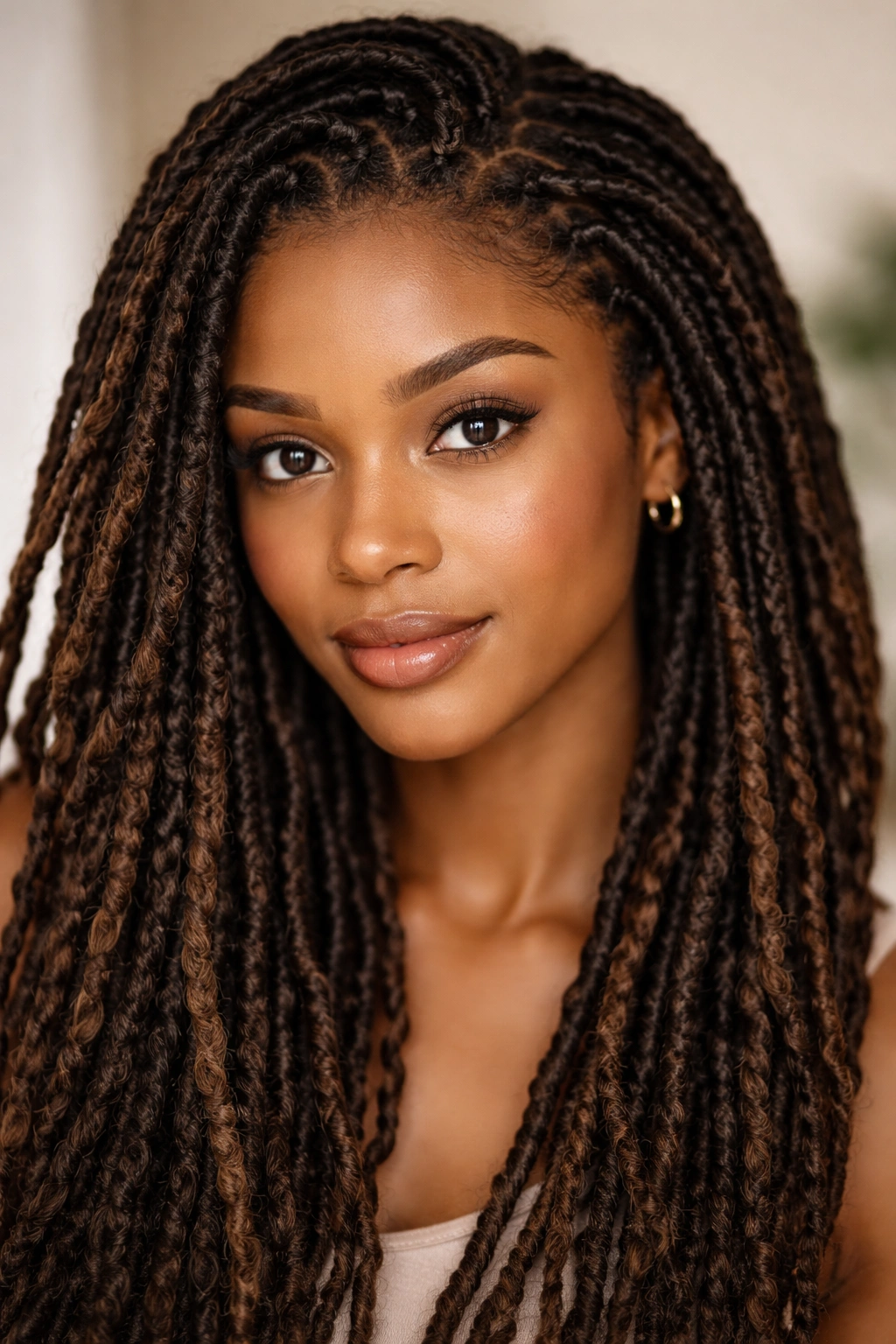
Interlocking uses human hair to create faux locs using a specific installation technique where your natural hair is twisted around itself to lock, then human hair is twisted in with the natural hair using an interlocking tool. This method creates locs that look and feel more like what permanent locs would eventually become, with visible texture and a more organic aesthetic. The human hair used blends with your natural hair texture in a way that synthetic fiber simply can’t replicate.
Realistic Longevity
Interlocked human hair faux locs can last anywhere from 6 to 12 weeks depending on how well you maintain them and your natural hair’s growth rate. Many people find they hit their best aesthetic window around weeks 8-10, when they’ve settled but before significant new growth at the base becomes visually distracting. The main reason they last longer than synthetic is that human hair locks naturally, so even when new growth appears, the locs continue functioning beautifully rather than looking obviously temporary.
Care Requirements for Longevity
Human hair faux locs need more intentional care than synthetic versions. Wash every 5-7 days with a gentle locking shampoo designed specifically for dreads or locs—regular shampoo can leave buildup that weakens the installation. Moisturize the locs with a lightweight oil or locking cream focused on the mid-lengths and ends, as human hair faux locs lose moisture faster than permanent locs would. Re-tighten the base with an interlocking tool every 3-4 weeks if you want them maintaining their pristine appearance, though this is optional—many people skip the re-tightening and let them progress naturally.
Who This Style Suits Best
Interlocked human hair locs are perfect for anyone planning to wear locs for a longer stretch and wanting them to feel and function like “real” locs during the installation period. They work especially well if you’re testing whether a permanent loc journey is something you actually want—this gives you months of the actual experience without the years of commitment. This style is ideal if you have finer hair textures because human hair can blend with your natural strands better than synthetic. The installation is more involved and typically costs between $200-500 depending on loc size and thickness.
Real-World Longevity Factors
Worth knowing: Interlocked human hair locs can actually last 14-16 weeks if you’re meticulous about care and don’t mind the visible new growth. Your natural hair’s growth rate matters significantly here—people with very fast hair growth will see distracting new growth sooner. Protective styling (sleeping with them gathered loosely at the crown, not pulled tightly) extends longevity noticeably. If you plan to retwist at home midway, the process is more accessible with this method than with other faux loc styles.
3. Bohemian-Textured Faux Locs
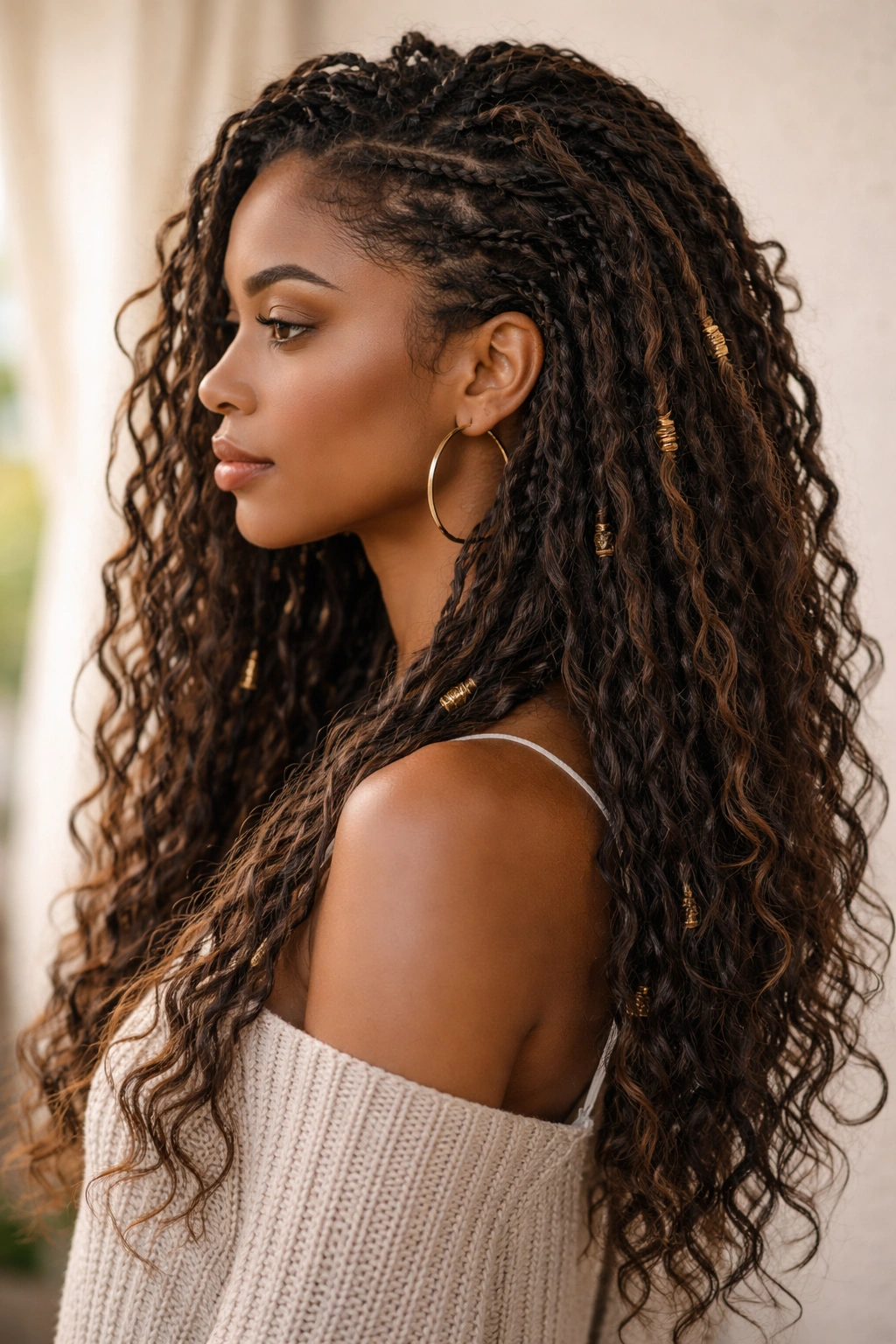
Bohemian faux locs embrace a more relaxed, lived-in aesthetic with intentional texture, varying thickness, and often a slightly undone quality that reads as effortlessly artistic rather than structured. The installation typically uses human hair, synthetic hair, or a blend, and the locs are often crimped, waved, or have added texture rather than being perfectly smooth and straight. This style celebrates an organic, nature-inspired look that’s become increasingly popular for people who want the protective style benefits without the formal appearance of classic locs.
Realistic Longevity
Boho textured faux locs realistically last 5 to 10 weeks, with the earlier end of that timeline more common because the textured aesthetic actually looks better when it’s fresher. The texture reads beautifully for the first 6-7 weeks, but around week 8, the intentional crimpness can start looking a bit tired rather than intentional. Many people actually prefer to take these down around week 6 when they’re still looking fresh and textured rather than pushing them to 8 or 9 weeks and watching the aesthetic shift.
Care Requirements for Longevity
Bohemian locs need a lighter hand with washing and manipulation because the texture can flatten with aggressive handling. Wash every 7-10 days using cool or lukewarm water (hot water can relax the texture) with a gentle shampoo. Avoid wringing or twisting the locs when wet—instead, gently squeeze water out and allow them to air dry or use a diffuser on low heat. The textured look actually photographs better and maintains its charm longer if you minimize active styling and let them exist in their installed state.
Who This Style Suits Best
This style suits anyone who loves an aesthetic that reads as artisanal and creative rather than formal or structured. It’s ideal if you want your protective style to feel like part of your personal brand rather than a “break from styling” mode. Bohemian locs work especially well if you’re artistic, creative, or have a free-spirited aesthetic in other areas of your life—they align with that energy. The installation cost is similar to synthetic or blended human hair locs ($150-400), but many stylists charge less than interlocked human hair because the installation technique is slightly less involved.
Real-World Longevity Factors
Insider note: The boho aesthetic actually improves slightly with some new growth at the base because it reads as more authentically textured rather than obviously installed. This gives you a few extra weeks of acceptable wear before needing a refresh. If you sleep on a satin pillowcase and avoid tight pony arrangements, you can extend these to 12 weeks, though they’ll read as purposefully worn-in rather than freshly installed—which, for a bohemian aesthetic, is sometimes exactly the goal.
4. Two-Tone Faux Locs
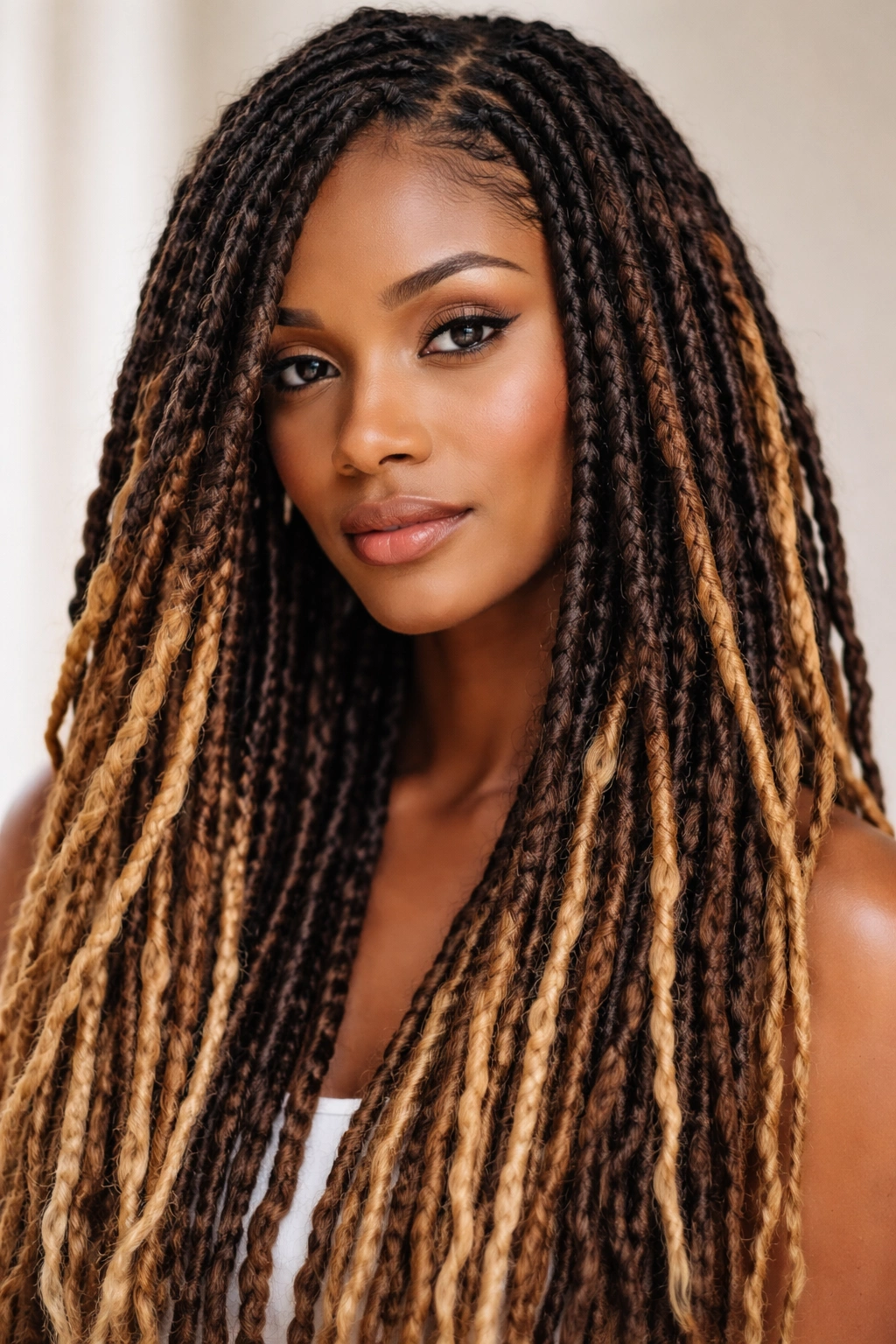
Two-tone faux locs combine your natural hair color with a contrasting color of synthetic or human hair woven throughout the installation, creating a striking visual effect of color dimension and movement. The colors can be bold contrasts (black and blonde, dark brown and copper, burgundy and gold) or more subtle gradations (black and dark brown, burgundy and wine). The two colors are typically alternated throughout the locs or clustered to create specific color patterns and visual interest.
Realistic Longevity
Two-tone faux locs last about 5 to 8 weeks, with the timeline depending more on the quality of the hair fiber and how well you maintain it than on the color-blocking itself. The two-tone effect reads absolutely stunning for the first 5-6 weeks while the colors are vibrant and distinct. After that point, the secondary color can start looking slightly faded (especially if it’s a bright or unnatural tone), and new growth at the base becomes more visually apparent against the color contrast. Most people prefer to refresh around week 6-7 to maintain the striking color definition.
Care Requirements for Longevity
Colored faux locs need slightly more intentional care than solid-color versions because you want to preserve the color vibrancy for as long as possible. Wash in cool water (hot water can fade color) every 7-10 days with sulfate-free shampoo specifically formulated for color-treated hair. Limit sun exposure when possible, especially during the first week after installation when the secondary color is most vulnerable to fading. Dry shampoo can help extend the time between washes and keeps the secondary color looking fresher longer.
Who This Style Suits Best
Two-tone faux locs are perfect for anyone who wants their protective style to make a bold statement and wants their hair to be a visual focal point of their overall aesthetic. They’re ideal if you’ve been wanting to try a dramatic color but weren’t ready for permanent commitment or the damage that comes with color on natural hair. This style suits creative professionals, performers, or anyone in environments where bold self-expression is celebrated. The installation typically costs slightly more than single-tone locs ($150-450) because coordinating two fiber colors and installing them strategically requires more planning.
Real-World Longevity Factors
Pro tip: If your secondary color is a vivid or unnatural shade (bright blonde, red, purple), the fading can become visually obvious around week 5, even if the locs themselves are structurally fine. Invest in a color-depositing conditioner or gloss specifically formulated for faux locs if you want to refresh the secondary color midway. If you choose earth-tone two-tone combinations (black with bronze, dark brown with copper), the fading is less noticeable and the style holds its impact longer. Some stylists offer two-tone refresh appointments that cost less than a full reinstall if you want to refresh just the color around week 8.
5. Thin Delicate Faux Locs
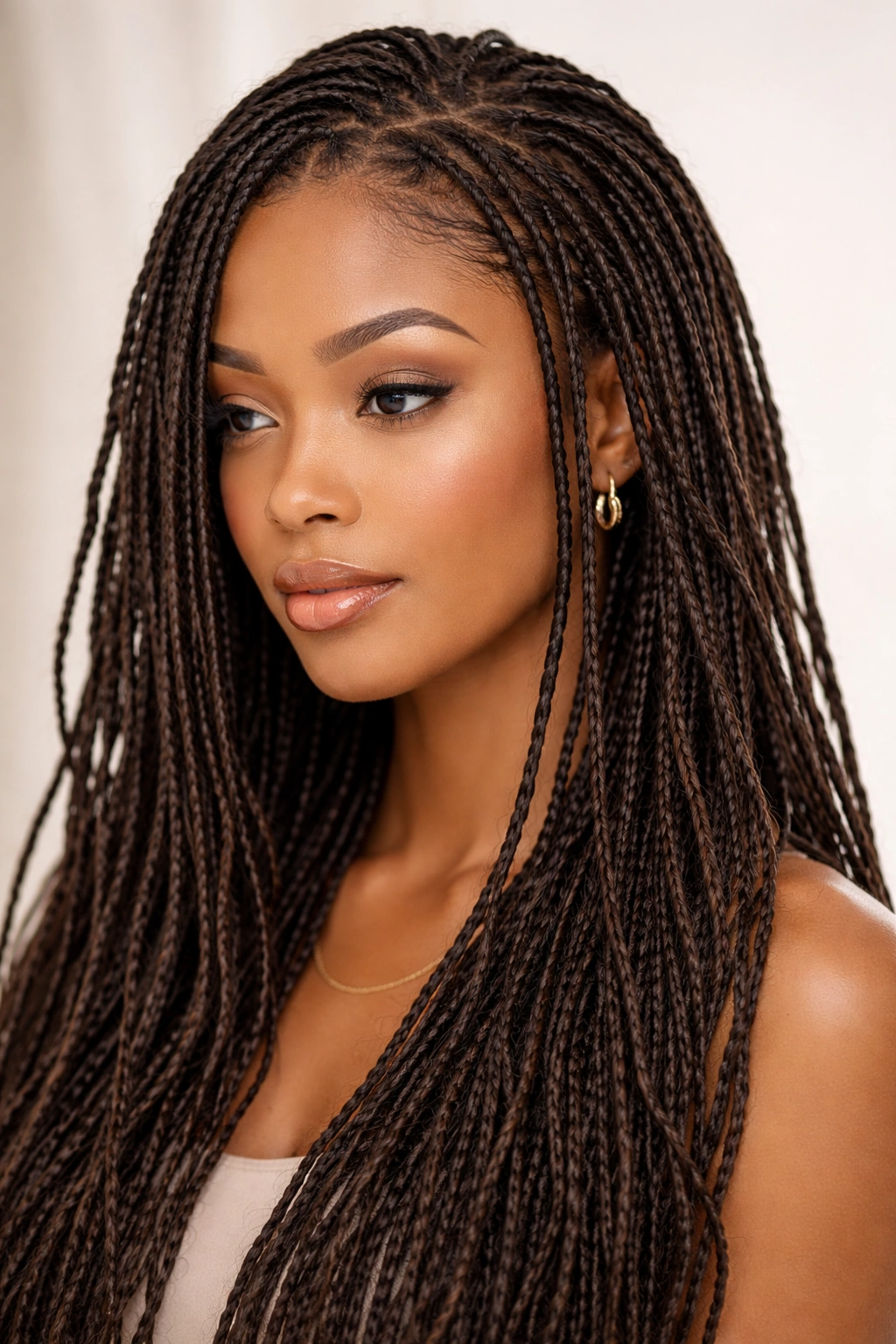
Thin delicate faux locs are installed with narrower diameter locs—usually around the thickness of a pencil or slightly thinner—creating an elegant, refined aesthetic that reads as more understated than statement-making. These locs require more installation time because there are more individual locs on the head, and they tend to move more fluidly with body movement, giving them an almost ethereal quality. Thin locs are increasingly popular for anyone wanting the protective style benefits without the bold visual weight of thicker locs.
Realistic Longevity
Thin delicate faux locs typically last 4 to 7 weeks, with the earlier end of that timeline being more realistic if you’re moving around a lot or living an active lifestyle. The thinner diameter means there’s less surface area holding everything in place, so they can slip or frizz more easily with manipulation. That said, many people find they actually prefer shorter-term wear with thin locs because the style is so lightweight and comfortable that they don’t mind refreshing more frequently. Around week 5-6, thin locs usually still look beautiful and intentional.
Care Requirements for Longevity
Thin locs need very gentle handling because they’re more delicate and prone to slipping or separating with rough movement. Sleep with them in a loose, protected style (not pulled into tension) and use a silk or satin pillowcase every single night. Wash gently every 7-10 days, and when wet, handle them minimally—pat dry rather than wring them out. Avoid tight hairstyling arrangements (high buns, tight braids incorporating the locs) because tension can cause the thin locs to slip at the base faster than thicker versions.
Who This Style Suits Best
Thin delicate locs suit anyone with a minimalist aesthetic or anyone who prefers jewelry-like accessories that enhance rather than dominate their appearance. They’re ideal if you want a protective style that’s less visually obvious—something you can wear in professional settings or conservative environments where thick statement locs might draw unwanted attention. People with finer natural hair textures often prefer thin locs because they feel proportionally balanced. These typically cost less than thicker locs ($100-300) because there’s less hair used per loc, though the installation time is sometimes longer.
Real-World Longevity Factors
Worth knowing: Thin locs can actually last 8-10 weeks if your lifestyle is relatively stationary—minimal exercise, gentle handling, and consistent protective sleeping practices. However, if you’re active (gym, dance, sports), realistic wear drops to 4-5 weeks because the movement and sweat stress the thinner connection points. Many people find they prefer to refresh thin locs every 4-5 weeks anyway because they enjoy changing up the style frequently and the thinner aesthetic means less commitment.
6. Thick Statement Faux Locs
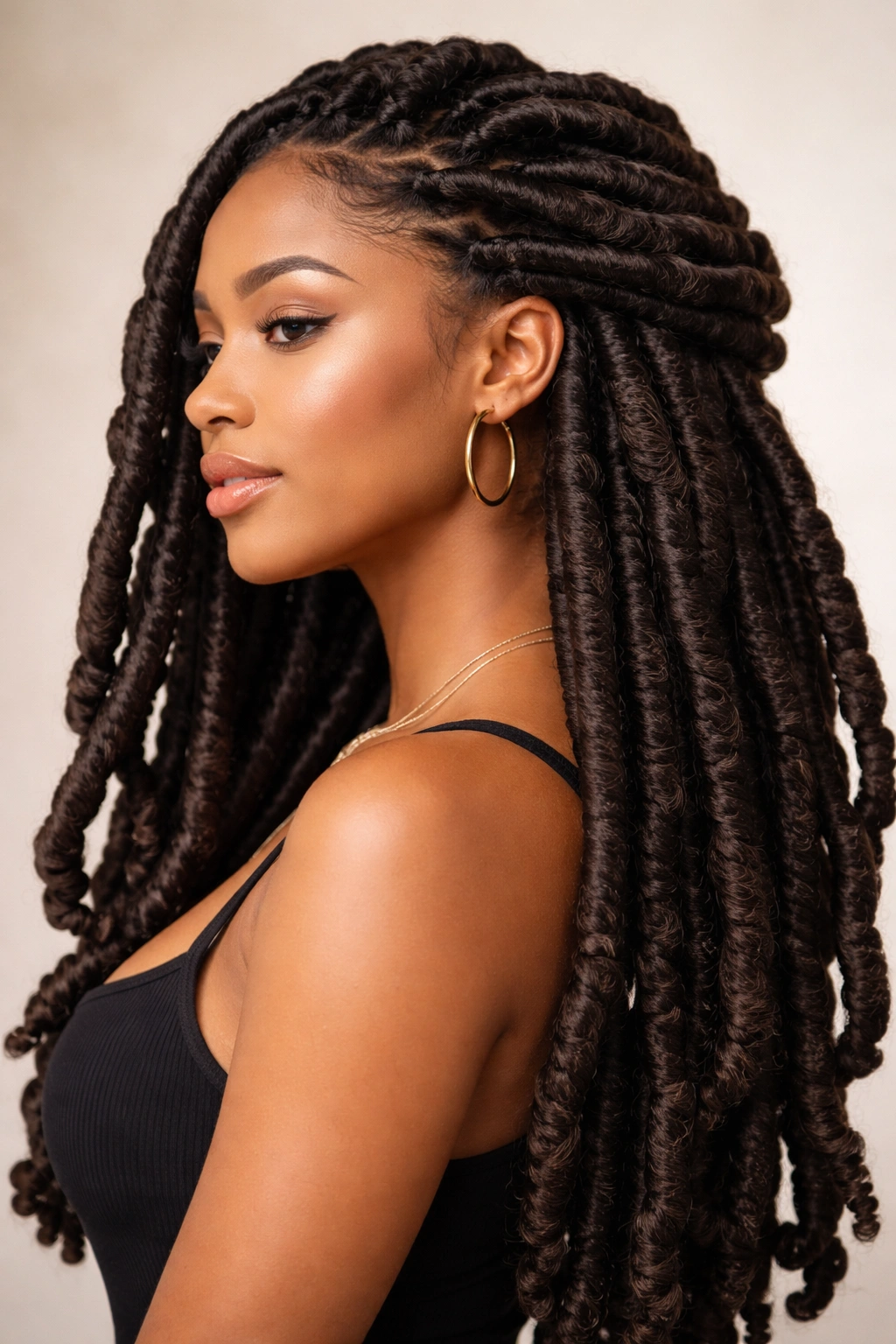
Thick statement faux locs are installed with a larger diameter—often ½ inch to ¾ inch or even thicker—creating bold, dramatic locs that read as powerful and intentional. These locs take up less installation time because there are fewer individual locs covering the head, they’re structurally very stable because of the larger diameter, and they make an unmistakable visual statement. Thick locs are incredibly popular for anyone wanting a bold aesthetic and maximum stability and longevity in their protective style.
Realistic Longevity
Thick statement faux locs are the most durable option available, regularly lasting 8 to 14 weeks with consistent care. The larger diameter means more hair is woven together holding everything in place, so they resist frizz, slipping, and separation better than any other loc style. Many people find they can wear thick faux locs for 12+ weeks while they still look intentional and relatively fresh. The main longevity factor becomes boredom with the style or desire for a change rather than the locs deteriorating or failing structurally.
Care Requirements for Longevity
Thick locs are actually the most forgiving in terms of care, which is part of why they last so long. Wash every 7-14 days (you have flexibility here) with any sulfate-free shampoo, and handle them fairly normally—they’re structurally tough enough that they don’t require the delicate handling of thin locs. You can wear them in tight protective styles, high buns, and gathered arrangements without worrying about slipping. That said, consistent care still extends longevity: sleep on satin when possible, allow time for thorough air drying, and avoid excessive product buildup.
Who This Style Suits Best
Thick statement locs suit anyone who wants a bold, powerful aesthetic and anyone who prefers longer-term wear between refreshes. They’re ideal if you have a lot of natural hair or thick hair texture, because the thickness feels proportionally balanced. These locs work beautifully in professional settings where you want to present as confident and decisive. They’re also perfect if you’re planning to keep locs in for 3+ months and want maximum stability and longevity. Installation costs are often on the lower end of the range ($100-300) because less hair is used per loc, though the installation time can be similar to other styles.
Real-World Longevity Factors
Insider note: Thick faux locs can legitimately last 16-18 weeks if you’re willing to embrace visible new growth and simply maintain them in place with regular re-tightening. Some people even push them to 20 weeks, though the new growth becomes quite obvious and the base needs careful handling. The real advantage of thick locs is that they’re stable enough to genuinely last as long as you want them to—the limitation becomes your personal preference rather than structural failure.
7. Ombre Gradient Faux Locs
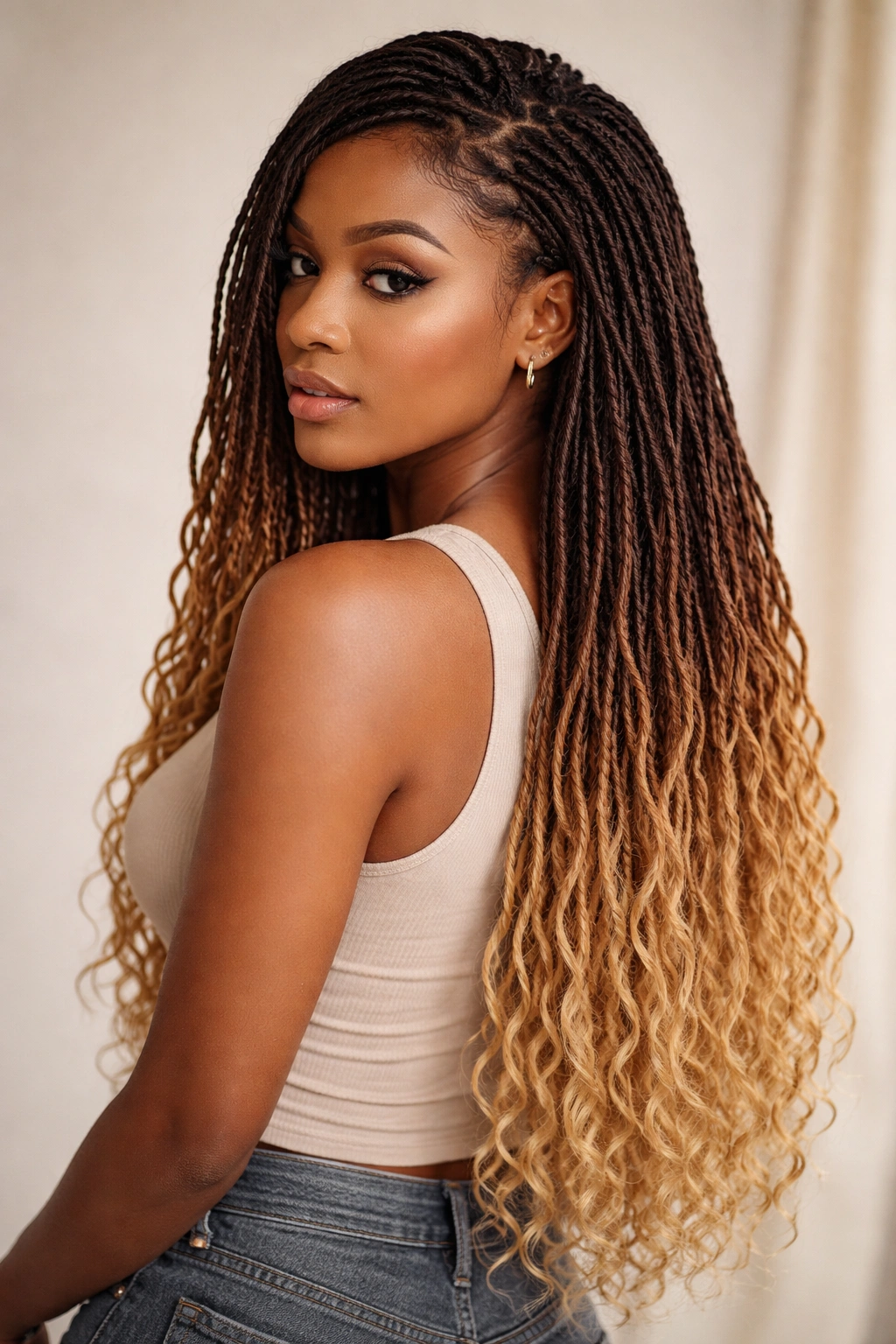
Ombre gradient faux locs feature a gradual color transition from one shade at the roots to a distinctly different shade at the ends, creating a dimensional, artistic effect. The gradient can transition from dark roots to blonde ends (a classic ombre), from one warm tone to another cool tone, or from a natural base color to a bold unnatural shade. Unlike two-tone locs where colors are blocked throughout, ombre locs create a flowing transition that reads as intentionally designed and visually sophisticated.
Realistic Longevity
Ombre gradient faux locs typically last 5 to 9 weeks, with the timeline dependent on both the structural stability of the locs and how well you preserve the color gradient. The ombre effect reads most beautifully during weeks 1-6, when the color transition is sharp and distinct. After that, new growth at the roots can muddy the gradient transition slightly, and the secondary color can begin fading. Many people plan ombre locs as a 6-7 week style, knowing they’ll look absolutely stunning during that window before refreshing.
Care Requirements for Longevity
Ombre gradient locs require slightly more care than solid-color locs because you’re protecting a color transition across the entire length. Wash in cool water every 7-10 days with color-safe shampoo and conditioner formulated for ombre or highlighted hair. Avoid chlorine and saltwater during the first week when the secondary color is most vulnerable. Minimize sun exposure when possible, especially on the gradient ends where the secondary color needs to remain vibrant. Allow extra time for air drying rather than using heat, which can fade ombre colors faster.
Who This Style Suits Best
Ombre gradient locs suit anyone with an artistic sensibility who wants their protective style to reflect personal creativity and intentionality. They’re ideal for creative professionals, performers, or anyone in environments celebrating visual boldness and self-expression. These locs work beautifully if you’ve been craving a hair color change but weren’t ready for commitment or damage—this lets you experience the ombre aesthetic temporarily. The installation typically costs $150-450 depending on how dramatic the gradient is and what secondary color is used.
Real-World Longevity Factors
Pro tip: The ombre effect actually looks stunning with visible new growth because the dark roots extend the ombre gradient naturally, creating even more depth. This means you can push ombre locs to 9-10 weeks comfortably while they still read as intentionally designed. If your secondary color is a muted, natural tone (honey blonde, caramel, burnt orange), fading is less noticeable and longevity extends. If you chose a vivid, unnatural secondary color, you may want to refresh around week 7 before the fade becomes too obvious.
8. Curly Faux Locs
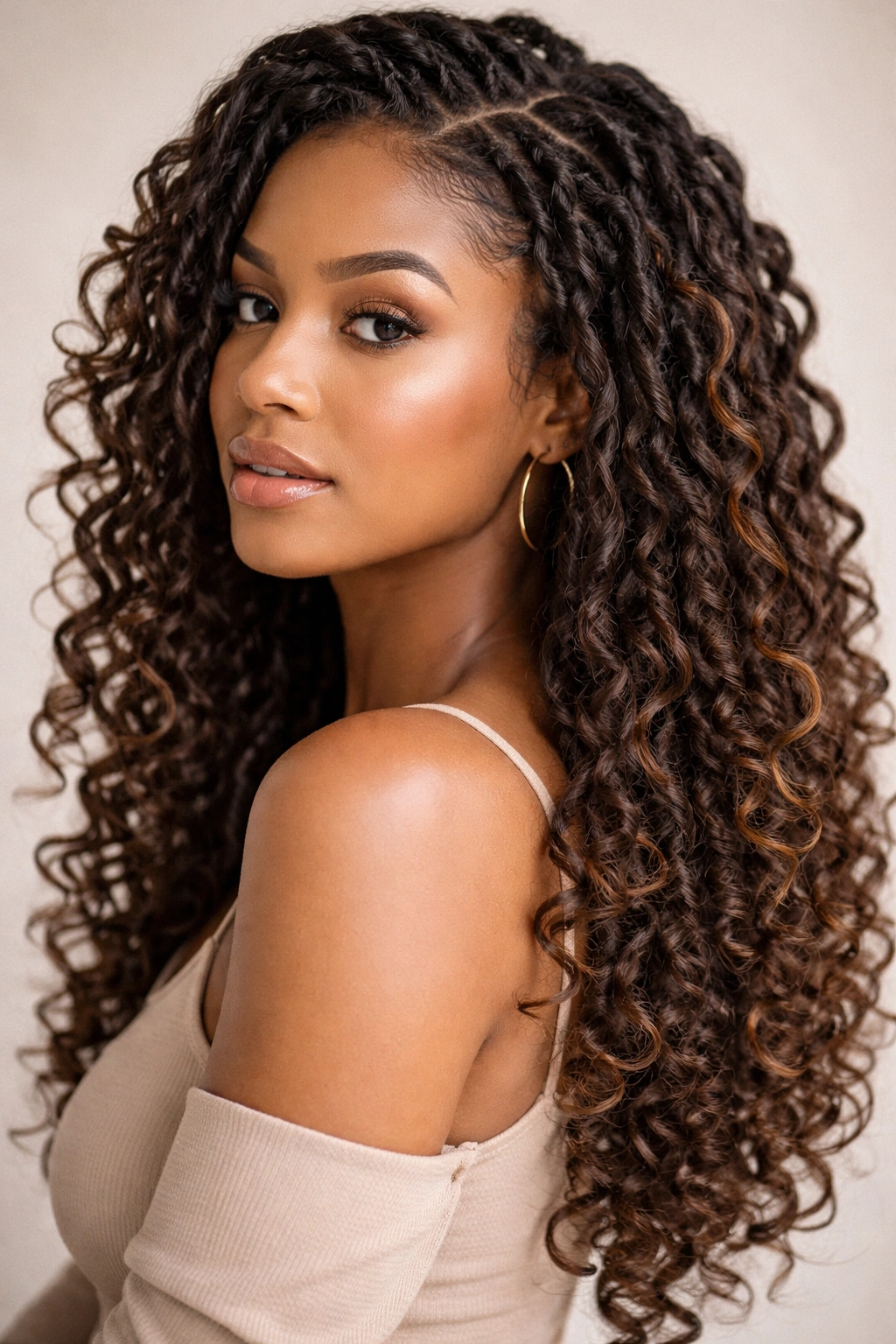
Curly faux locs feature texture and curl throughout the length, created by using crimped, wavy, or naturally textured hair during installation, or by curling the completed locs. The curl creates volume, movement, and a softer aesthetic compared to straight locs—they’re bouncy, they move with your body, and they read as less formal or structured. Curly faux locs are increasingly popular for anyone wanting a protective style that doesn’t photograph as obviously “installed.”
Realistic Longevity
Curly faux locs typically last 5 to 10 weeks depending on how tight the curl is and how well you maintain the texture. Looser curls tend to relax faster (lasting 5-7 weeks before they appear noticeably looser), while tighter curls hold their structure longer (8-10 weeks). The curl tends to look freshest and bounciest during weeks 2-6, at which point the movement and spring are at their maximum. Many people find they actually prefer shorter-term wear with curly locs because the fresh, bouncy aesthetic is what drew them to the style in the first place.
Care Requirements for Longevity
Curly faux locs need to be treated as textured hair, not straight hair, in terms of care approach. Wash every 7-10 days with a curl-defining or textured hair shampoo—avoid heavy products that weigh the curl down. Use a leave-in curl cream or curl gel on damp locs to define and hold the texture, and scrunch gently rather than combing or brushing (which disrupts the curl pattern). Sleep on a satin pillowcase or in a pineapple arrangement to preserve curl definition. Air dry when possible, or use a diffuser on low heat.
Who This Style Suits Best
Curly faux locs suit anyone who loves movement and texture and wants their protective style to feel less rigid or formal. They’re ideal if your natural hair texture is curly or wavy because the curl reads as an extension of your natural aesthetic. These locs work beautifully if you want a protective style for a shorter timeframe (6-8 weeks) and don’t mind refreshing more frequently. The installation cost is typically similar to straight locs ($100-400), though some stylists charge slightly more because the curl installation technique can be more involved.
Real-World Longevity Factors
Worth knowing: Curly locs actually develop a gorgeous settled-in look around week 6-8 if you allow them to relax naturally—they become slightly looser and bouncier rather than tight and structured. Some people prefer this organic progression and keep curly locs for 10-12 weeks. However, if you’re installing them specifically for that fresh, springy curl aesthetic, refresh around week 6 when the curl is at its peak definition.
9. Straight Sleek Faux Locs
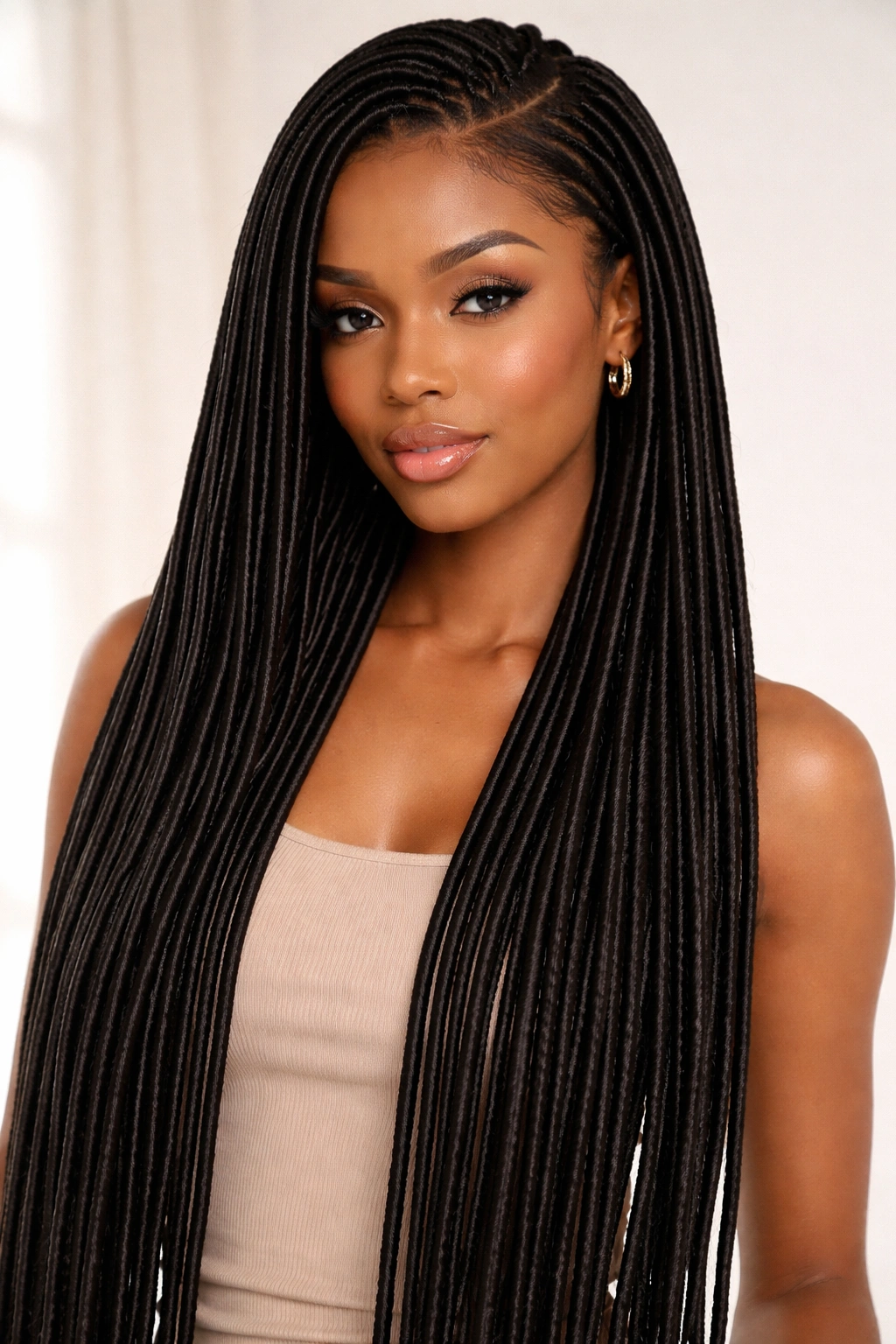
Straight sleek faux locs are smooth, uniform, and polished—the classic faux loc aesthetic that reads as intentionally styled and refined. The locs hang straight or nearly straight from root to end, creating clean lines and a deliberately finished appearance. This style is the most versatile in terms of hairstyling options because the smooth surface of the locs takes well to updos, braids, and various styling arrangements without creating bulk or irregular texture.
Realistic Longevity
Straight sleek faux locs typically last 6 to 10 weeks with consistent care, making them one of the more durable options available. The straightness is structurally stable because there’s no texture to relax or curl pattern to shift. The main longevity factors become new growth visibility at the base and overall frizz at the surface, rather than the style itself failing. Many people keep straight sleek locs for the full 8-10 week timeline comfortably because the style reads intentional the entire time.
Care Requirements for Longevity
Straight sleek locs are relatively low-maintenance in terms of care complexity. Wash every 7-14 days with any sulfate-free shampoo and allow them to air dry straight, or blow dry with a concentrator nozzle for a polished finish. You can style them however you’d normally style your hair—in ponytails, updos, braids—without worrying about disrupting a specific texture. Light frizz control products (smoothing serums, light oils) help maintain the sleek appearance throughout the wear timeline. Sleep on satin to minimize friction frizz, but overall these locs are very forgiving.
Who This Style Suits Best
Straight sleek faux locs suit anyone who wants a polished, refined protective style that photographs beautifully and reads as intentionally styled in any setting. They’re ideal for professional environments, creative fields, or anyone who prefers clean lines and minimalist aesthetics. These locs work well if you plan to style them into various updos and arrangements throughout the wear period. The installation cost is typically in the mid-range ($150-350) and straightforward—no special techniques or considerations.
Real-World Longevity Factors
Insider note: Straight sleek locs can actually last 12+ weeks if you’re willing to embrace visible new growth and maintain them with occasional touching up. The sleekness is easy to refresh: a quick blow dry and some smoothing serum can make month-old locs look relatively fresh. This makes them an excellent choice if you want longer-term wear without constantly visiting your stylist.
10. Wrapped Faux Locs
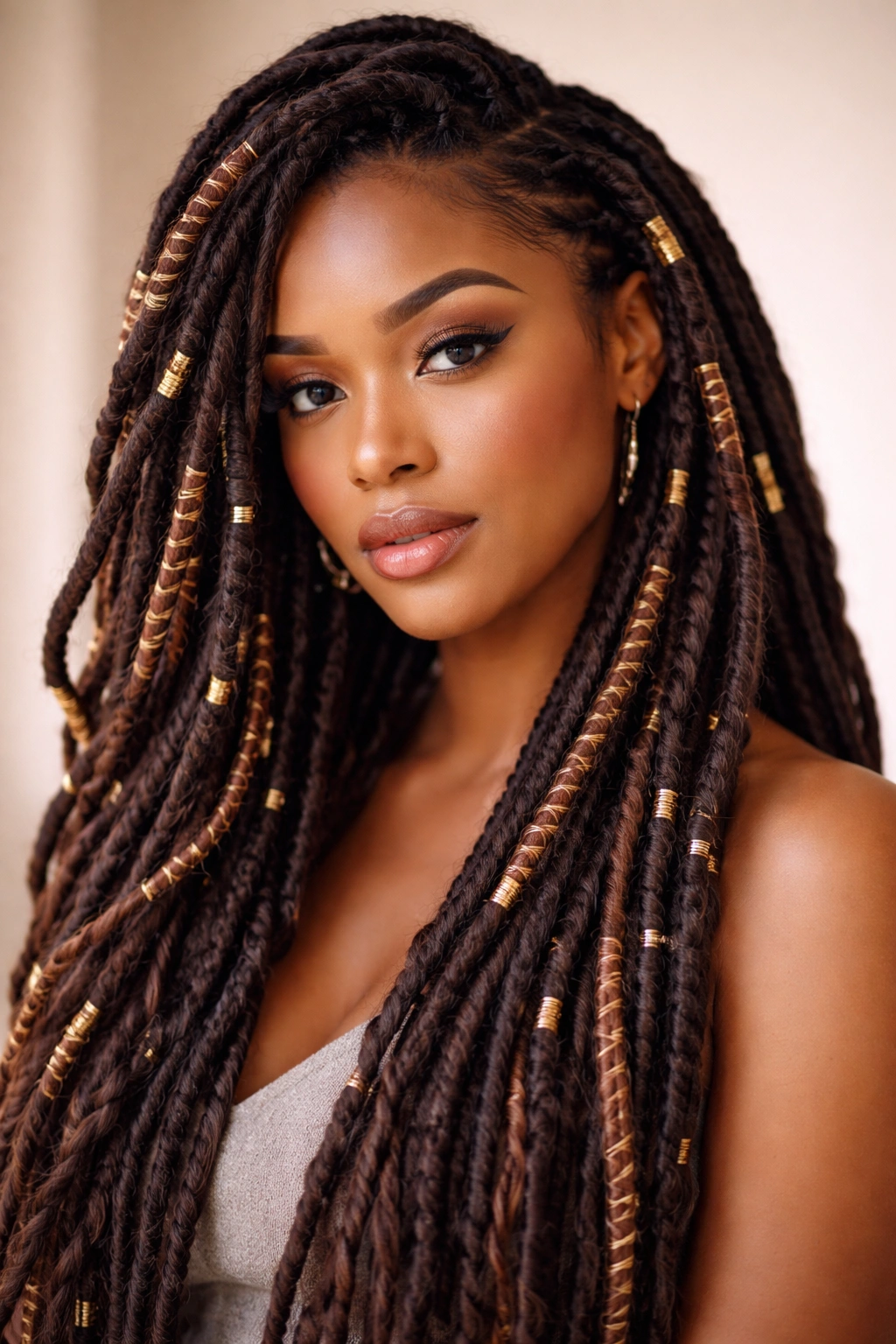
Wrapped faux locs feature your natural hair twisted and then wrapped with thread, yarn, wire, or colored fiber in a decorative pattern, creating locs that are as much about adornment as they are about protective styling. The wrapping can be tight and functional or loose and decorative, can create patterns through the use of contrasting colors, and can incorporate beads or metallic elements. Wrapped locs celebrate a crafted, deliberately artistic aesthetic.
Realistic Longevity
Wrapped faux locs typically last 5 to 8 weeks, with the timeline dependent on how tightly the wrapping is applied and how well you maintain it. The wrapping itself is durable, but it tends to loosen and shift slightly as your hair grows and moves, becoming slightly less tidy-looking as time passes. Some wrapping materials (delicate yarn, decorative thread) can snag or fray with manipulation, shortening the wearable lifespan. Most people find weeks 1-6 deliver the freshest, most intentional wrapped aesthetic.
Care Requirements for Longevity
Wrapped locs require very gentle care because the wrapping can snag or unravel with aggressive manipulation. Wash gently every 7-10 days by submerging and gently squeezing rather than rubbing or twisting. Avoid exposing the wrapped sections to rough surfaces or snagging situations (tight backpacks, seat belts, rough textures). Sleep on satin to minimize friction against the wrapping. Avoid chlorine and saltwater that can discolor or degrade certain wrapping materials. Some wrapping materials (especially delicate yarn) require extra care to prevent them from tangling with themselves.
Who This Style Suits Best
Wrapped faux locs suit anyone with a strong artistic or craft aesthetic and anyone who wants their protective style to double as visible personal adornment. They’re perfect for creative professionals, performers, or anyone in communities celebrating crafted beauty and intentional self-expression. These locs work if you’re willing to refresh more frequently (every 5-6 weeks) and enjoy the styling and adornment process as part of the appeal. Installation typically costs $150-400 depending on wrapping complexity and materials used.
Real-World Longevity Factors
Pro tip: Wrapped locs are popular specifically because they read beautifully at shorter timelines—6-8 weeks—and many people prefer them exactly at that window when the wrapping is crisp and the pattern is sharp. Rather than pushing them to 10+ weeks when the wrapping starts looking tired, refresh them at 6-7 weeks to maintain the intentional artistic aesthetic.
11. Sisterlocks
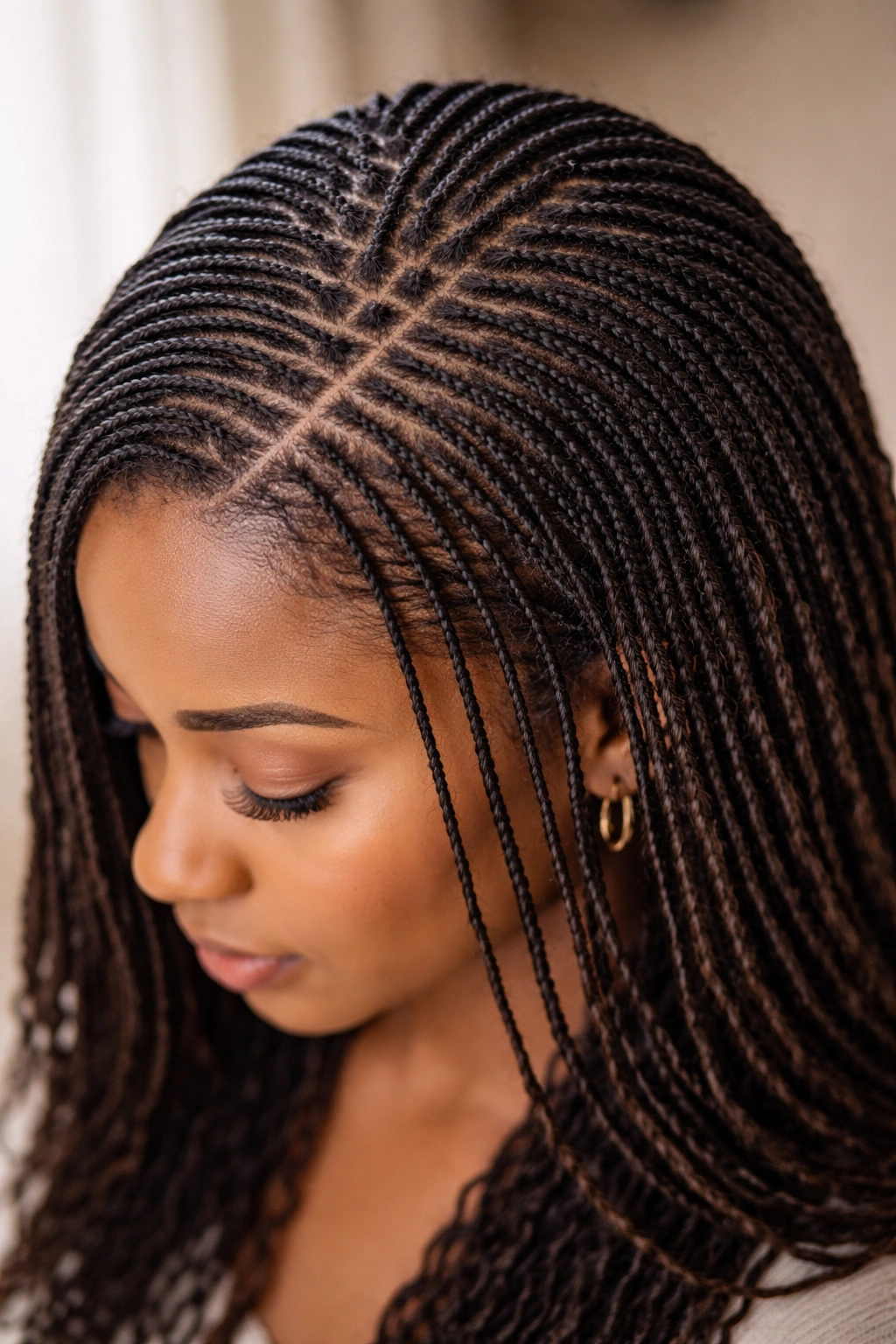
Sisterlocks are a specific installation technique creating locs much thinner than traditional locs—typically about the thickness of thread or thin string—using a specialized tool and a particular grid pattern on the head. The results are extremely neat, uniform, and refined in appearance. Sisterlocks are technically a distinct product and technique, not just “thin locs,” and they require training and certification to install properly. They’ve become increasingly popular for anyone wanting locs that read as incredibly deliberate and artistic.
Realistic Longevity
Sisterlocks can last 8 to 16 weeks or even longer depending on installation quality and maintenance, making them one of the longest-lasting faux loc options available. The extremely thin diameter actually works in their favor longevity-wise because they’re so light on your hair that there’s minimal stress on the strands. The main longevity limitation becomes visible new growth at the root and your personal preference for when to refresh rather than structural failure. Many people actually keep Sisterlocks for 12-16 weeks comfortably, though the new growth becomes visible around week 8-10.
Care Requirements for Longevity
Sisterlocks are actually quite low-maintenance despite their delicate appearance. Wash every 7-10 days with any gentle shampoo—the tight installation means they won’t slip or separate easily. You can handle them fairly normally (compared to thin regular faux locs), and they take styling well. The key longevity factor is consistent moisture and scalp care: keep your scalp healthy and moisturized, use lightweight oils rather than heavy products, and avoid tight hairstyling arrangements that could stress the installation points. Re-tightening isn’t necessary with quality Sisterlocks, though some people enjoy maintenance appointments every 8-10 weeks to refresh the appearance.
Who This Style Suits Best
Sisterlocks suit anyone wanting the most refined, artistic, and deliberate-looking protective style available. They’re ideal if you have access to a trained Sisterlock specialist and if you’re willing to invest in quality installation ($300-600+, often more depending on your location and stylist). These are perfect if you want longer-term wear (3+ months) without frequent maintenance, and if your aesthetic leans toward understated artistry and sophistication. The technique is particularly popular among creative professionals, academics, and anyone in environments celebrating intentional self-presentation.
Real-World Longevity Factors
Worth knowing: Sisterlocks can genuinely last 20+ weeks if you maintain them impeccably and don’t mind visible new growth. The quality of the original installation matters enormously here—locs installed by experienced Sisterlock specialists will last dramatically longer and stay neater longer than those installed by someone less experienced. This is why investing in proper installation pays dividends in longevity and appearance.
12. Micro Faux Locs
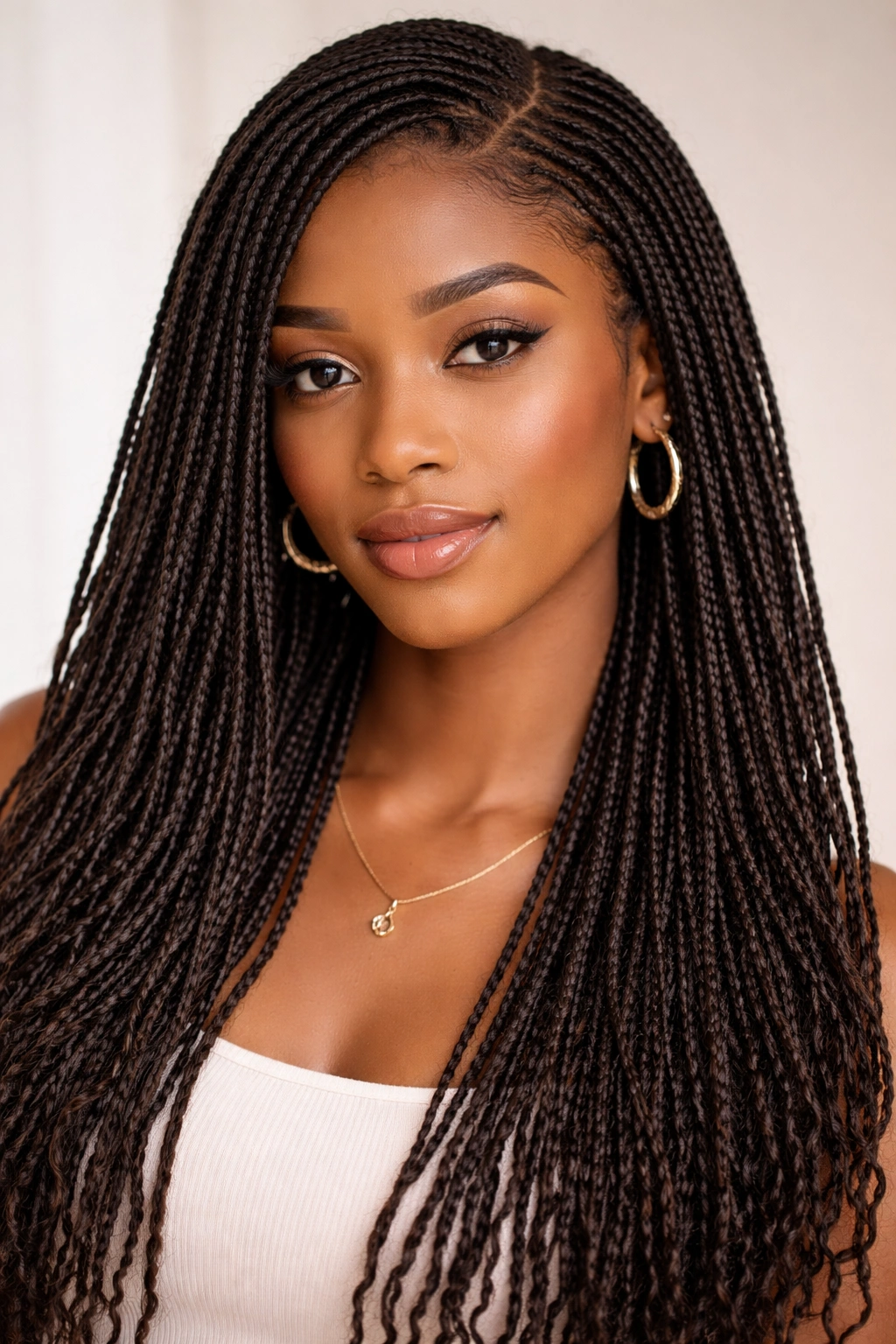
Micro faux locs are extremely thin (similar to Sisterlocks in diameter) but installed using traditional loc techniques rather than the specialized Sisterlock system. They create an incredibly refined, delicate aesthetic that reads as sophisticated and intentional. Micro locs require patience during installation because there are many individual locs covering the head, but the results are beautifully uniform and elegant.
Realistic Longevity
Micro faux locs typically last 6 to 12 weeks, with most people experiencing their best aesthetic window during weeks 6-10. The extreme thinness means they’re very light on your hair and cause minimal stress to your strands, extending potential wear. However, they can be prone to slipping or separating if not installed securely or if not treated gently, which can shorten practical longevity. The style reads most deliberately fresh during the first 6-8 weeks, though they can absolutely last longer with careful maintenance.
Care Requirements for Longevity
Micro faux locs need consistency in care and handling to maximize longevity. Wash every 7-10 days with gentle sulfate-free shampoo, and minimize manipulation—no aggressive combing, no tight pulling, no rough handling. Sleep on satin every night and consider pineapple arrangement to gather them loosely at the crown. Avoid tight hairstyling arrangements (especially around week 6+) because tension can cause the thin locs to slip. Use lightweight moisturizers rather than heavy creams, and allow thorough air drying rather than aggressive heat styling.
Who This Style Suits Best
Micro faux locs suit anyone who loves refined, delicate aesthetics and wants a protective style that reads as deliberately artistic. They’re ideal if you don’t mind the additional maintenance care required for thin locs and if you’re willing to refresh around 8 weeks to maintain the polished appearance. These work beautifully if your natural hair is finer or if you prefer proportionally lighter-weight locs. Installation typically costs $200-450 depending on desired length and thickness, and the installation time is longer than thicker locs because there are more individual locs to install.
Real-World Longevity Factors
Insider note: Micro faux locs actually improve aesthetically with slight new growth around week 8-10, as the natural hair near the roots adds texture and dimension to the refined locs. Some people keep them for 10-14 weeks and embrace this organic progression. The key is being gentle with them throughout—one rough handling incident around week 8+ can cause a micro loc to slip or separate, making them need removal earlier than planned.
Key Takeaways

The longevity of faux locs isn’t one-size-fits-all, and understanding what each style actually requires in terms of maintenance commitment and timeline expectation helps you choose the option that genuinely fits your lifestyle rather than the version you wish you lived. Classic synthetic locs offer affordability and durability for 4-8 weeks of wear; interlocked human hair locs provide that authentic loc experience for 6-12 weeks; Sisterlocks and micro locs deliver the most refined aesthetics for the longest potential timelines if you’re willing to invest in specialized installation and meticulous care.
The honest reality is that nearly every faux loc style lasts longest and looks best when you’re treating them as intentionally as the stylist treated installing them. That means consistent protective sleeping practices, gentle handling, appropriate washing schedules, and realistic expectations about when new growth becomes visually apparent—usually around week 6-8 regardless of style. The difference between locs that last five weeks and the same style lasting ten weeks usually comes down to these consistent practices, not the fundamental structure of the locs themselves.
Choose your style based on your honest lifestyle, your real maintenance commitment level, and your personal aesthetic—not on what sounds theoretically appealing. If you love bold statement looks and don’t mind refreshing frequently, thick or two-tone locs might be your perfect match. If you want longer-term wear with minimal fuss, straight sleek or thick locs deliver. If you’re artistic and deliberate about every detail, wrapped or Sisterlock options honor that approach. Understanding that these different timelines and maintenance requirements exist means you can make a choice that genuinely works rather than feeling frustrated that your locs aren’t lasting as long as you expected.
