



Cornrows on short hair open up a world of styling possibilities that might surprise you. Many people assume cornrows work best on longer hair, but that’s simply not true—short hair can rock some of the most striking, sculptural cornrow designs out there. The geometric patterns show more clearly on shorter lengths, the styles hold up exceptionally well without the weight of extra hair, and the whole look reads incredibly modern and intentional.
The key to making cornrows work beautifully on short hair is choosing designs that complement your head shape, hair texture, and personal style rather than fighting against the length constraint. Whether you’re drawn to intricate geometric patterns, sleek back designs, or playful side-swept arrangements, there’s a cornrow style that’ll make you feel confident and stylish every single day.
Short hair with cornrows also offers a major practical advantage: maintenance becomes easier. You’re not dealing with excessive weight, breakage is less likely because the braids aren’t pulling as heavily on your hair, and the overall styling time is faster. Plus, the finished look tends to last longer because the braids have less movement and stress on them.
1. Sleek Back Cornrows with a High Top Knot
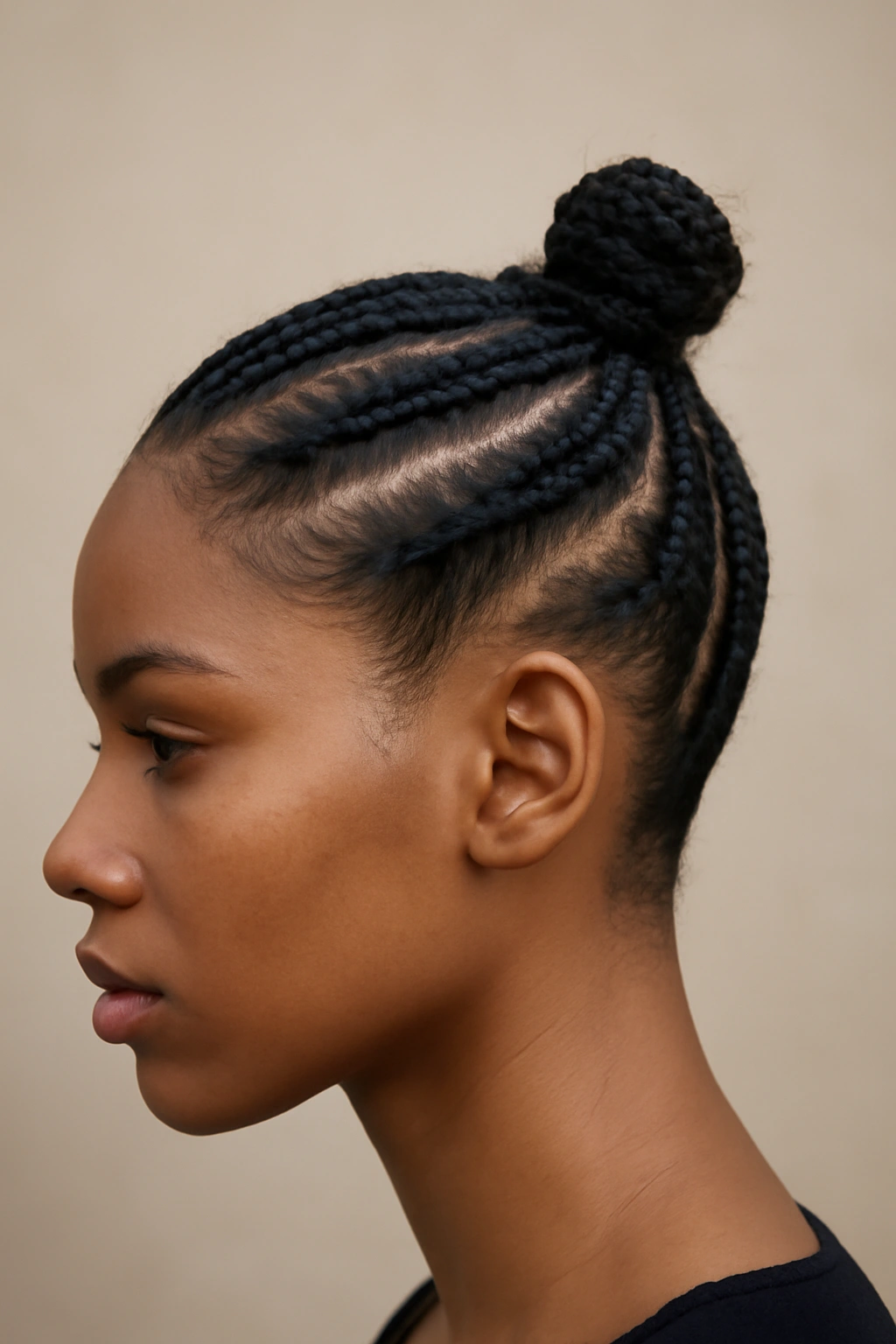
This is the style that proves cornrows on short hair can be equal parts elegant and edgy. Two or three clean lines run straight back from your forehead to the crown, where you gather your natural hair into a small, textured knot or puff at the top of your head. The contrast between the structured braids and the soft, voluminous top creates serious visual interest.
Why It Works on Short Hair
The upswept design actually makes your face feel longer and more open when you have a shorter cut. The geometry of the braids draws the eye upward, which feels less heavy-handed on short lengths than it might on longer hair. This style also showcases your face shape beautifully because there’s nothing framing or covering your features.
How to Style and Maintain It
Keep the cornrows as tight as you want them without causing scalp discomfort—this design isn’t trying to look casual, so polished, precise braids are the goal. Use a lightweight edge control on your hairline to keep everything smooth and refined. The top knot stays fresh longer if you refresh the curl pattern every 3-4 days by gently re-twisting the gathered hair with your fingers and a leave-in moisturizer.
Pro tip: This style reads especially sharp with a shiny scalp oil and a few artistic wisps of baby hair shaped around your face with edge control.
2. Side-Swept Single Cornrow
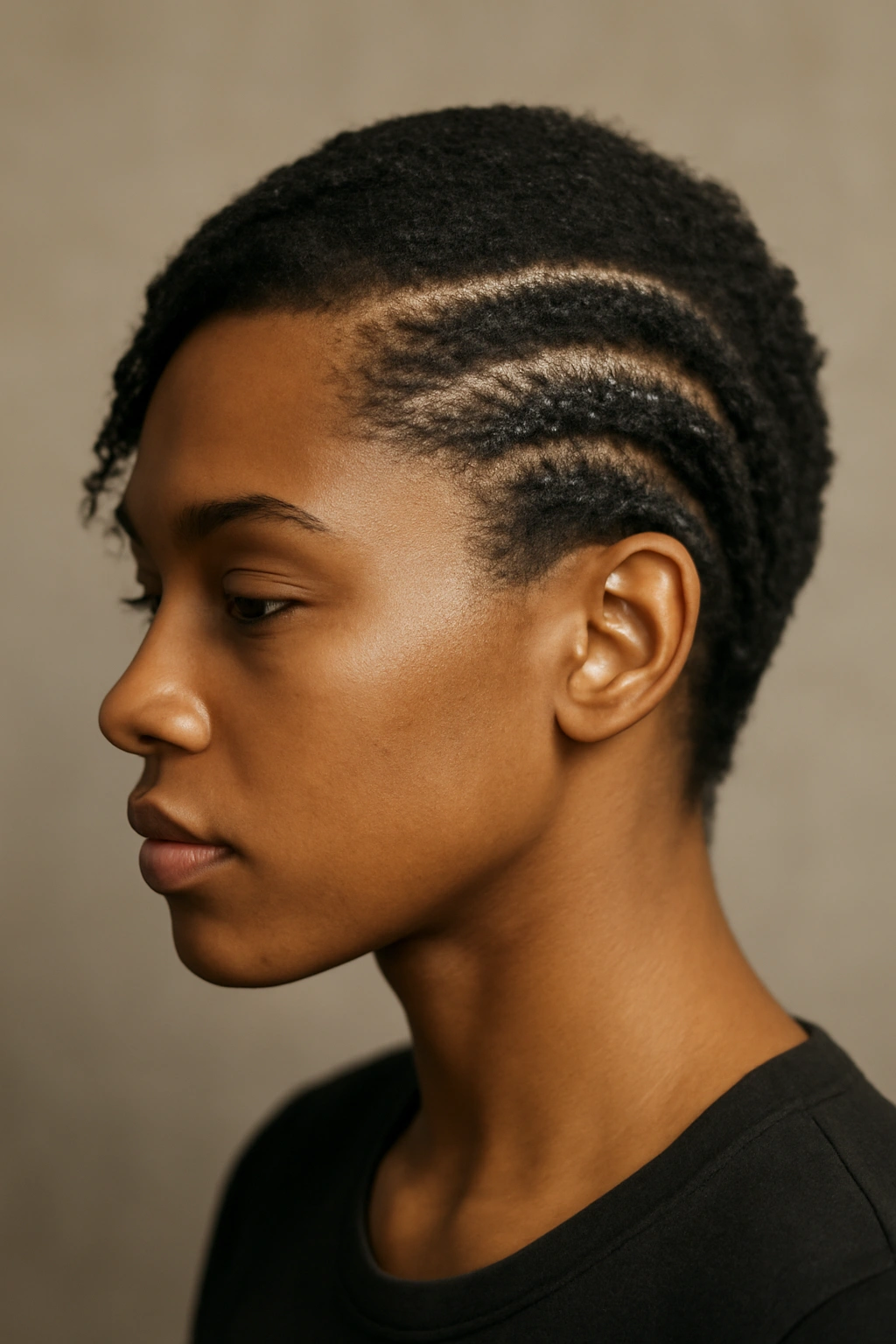
One single, statement-making cornrow that travels diagonally from one side of your head to the other, or curves gently toward the back, creates instant personality on short hair. Your other hair remains in its natural texture, giving you an asymmetrical, thoughtful aesthetic that feels fashion-forward without looking over-styled.
The Appeal for Short Lengths
On short hair, a single cornrow avoids looking skimpy or incomplete because your natural hair has visual presence too. The braid becomes an accent rather than the entire look, which is a refreshing approach for short cuts. You get the sculptural detail of a cornrow without the commitment of a full head of braids.
Styling Tips for Maximum Impact
The single cornrow should be sleek and tightly braided, while your natural hair on the other side of your head can be textured, curly, or straight depending on your texture and preference. This contrast is what makes the style work. Place the cornrow slightly off-center rather than dead-middle for a more interesting composition. You can even add small, decorative beads or cuffs to the braid’s end for an extra detail.
Worth knowing: This style works beautifully whether your natural hair is coily, wavy, or straight—the texture variation actually enhances the design.
3. Twin Cornrows Framing the Face
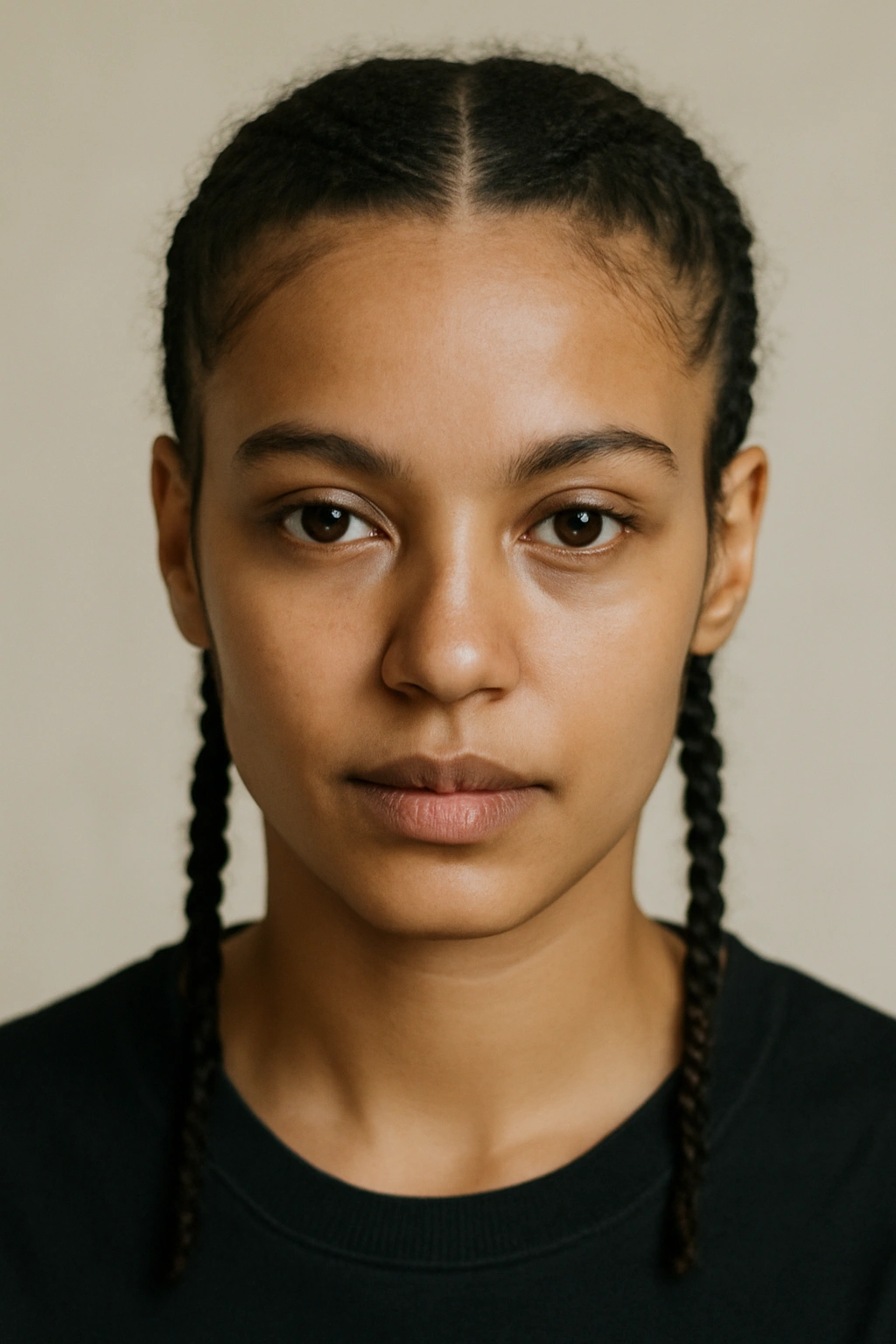
Two parallel cornrows start at your temples and run straight back along both sides of your face, creating a natural frame for your features. Your hair on the top and back of your head remains free and textured, often gathered into a small bun, puff, or left to sit naturally.
Why Short Hair Looks Great with This Design
Twin braids make any face shape look intentional and styled without requiring a full head of braids. On short hair, they create the perfect balance—enough structure to feel deliberate, but enough natural hair visible to keep the look modern and not overly intricate. This style also keeps hair off your face without requiring elastic bands or hair clips.
Maintenance and Longevity
These cornrows can stay in for 3-4 weeks if you keep your scalp moisturized and protect your edges from rubbing against pillows or friction. Refresh the braids at week two by gently rebraiding them—you don’t need to undo the entire braid, just redo the outer sections that may have loosened. Keep your natural hair moisturized at the roots since it’s more exposed than it would be in a fully braided style.
4. Geometric Box Braids Pattern Using Thin Cornrows
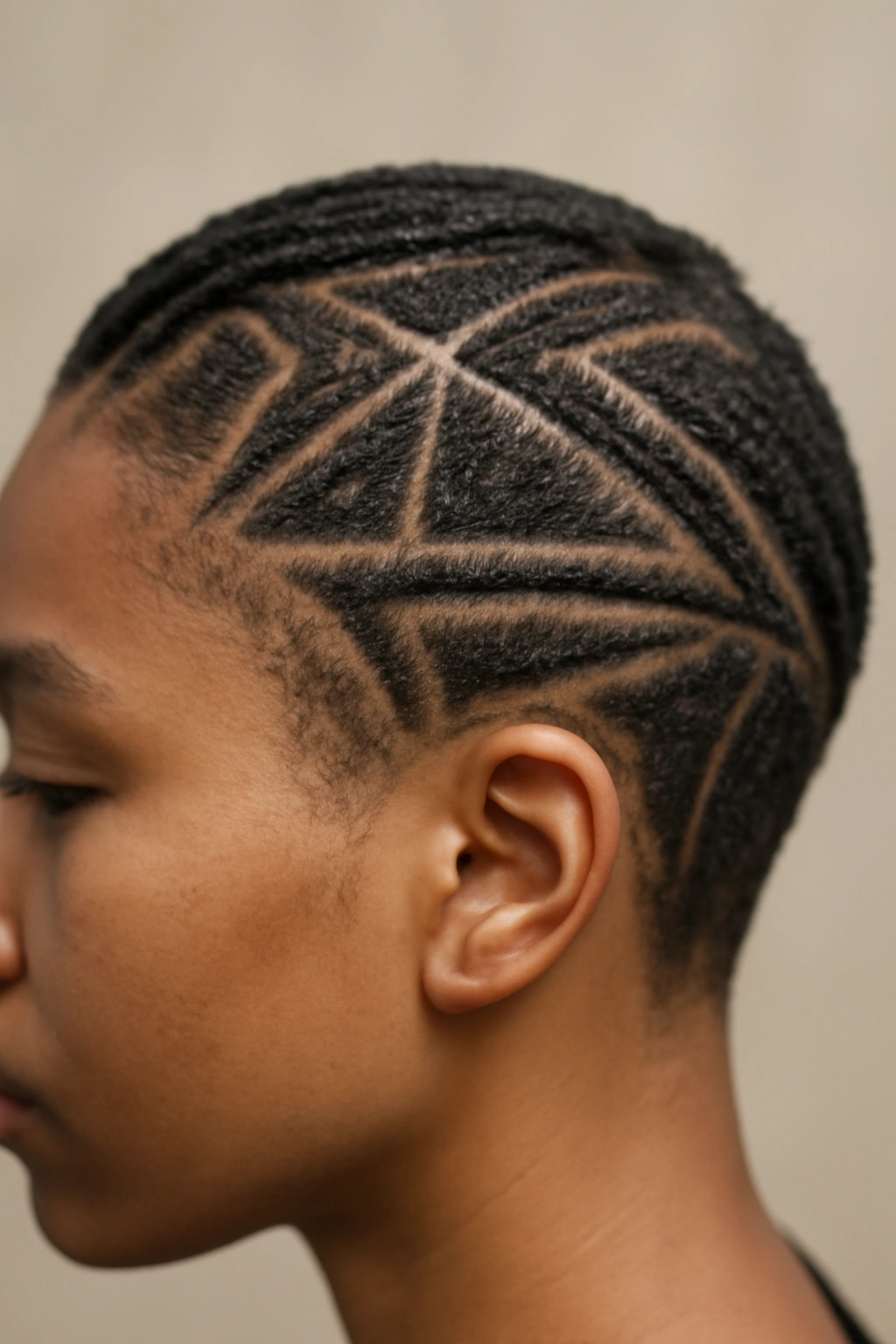
Instead of creating traditional box-braided sections, you can use thin cornrows to carve out a geometric pattern across your entire head—perhaps triangles, stacked lines, or angular designs. This approach combines the precision of cornrows with the sculptural thinking of box braids, creating something visually unique.
The Visual Impact on Short Hair
Geometric patterns absolutely sing on short hair because the lines are more visible and the overall design reads as a complete composition. You’re essentially creating wearable art on your scalp. This style announces that you’re thoughtful about how you present yourself, not just following standard braiding conventions.
Best for These Hair Types
This style works beautifully on natural hair with some coil or wave pattern, where the dimensionality of the pattern can really shine. If you have straighter hair, the geometric line work is even more pronounced because the braids create maximum contrast against the texture of your natural hair.
Quick facts:
- Requires 2-3 hours for installation depending on pattern complexity
- Can last 4-6 weeks with proper scalp care
- Best refreshed by a stylist familiar with geometric designs
- Looks most dramatic in strong lighting or when photographed
5. Crown Cornrow Halo
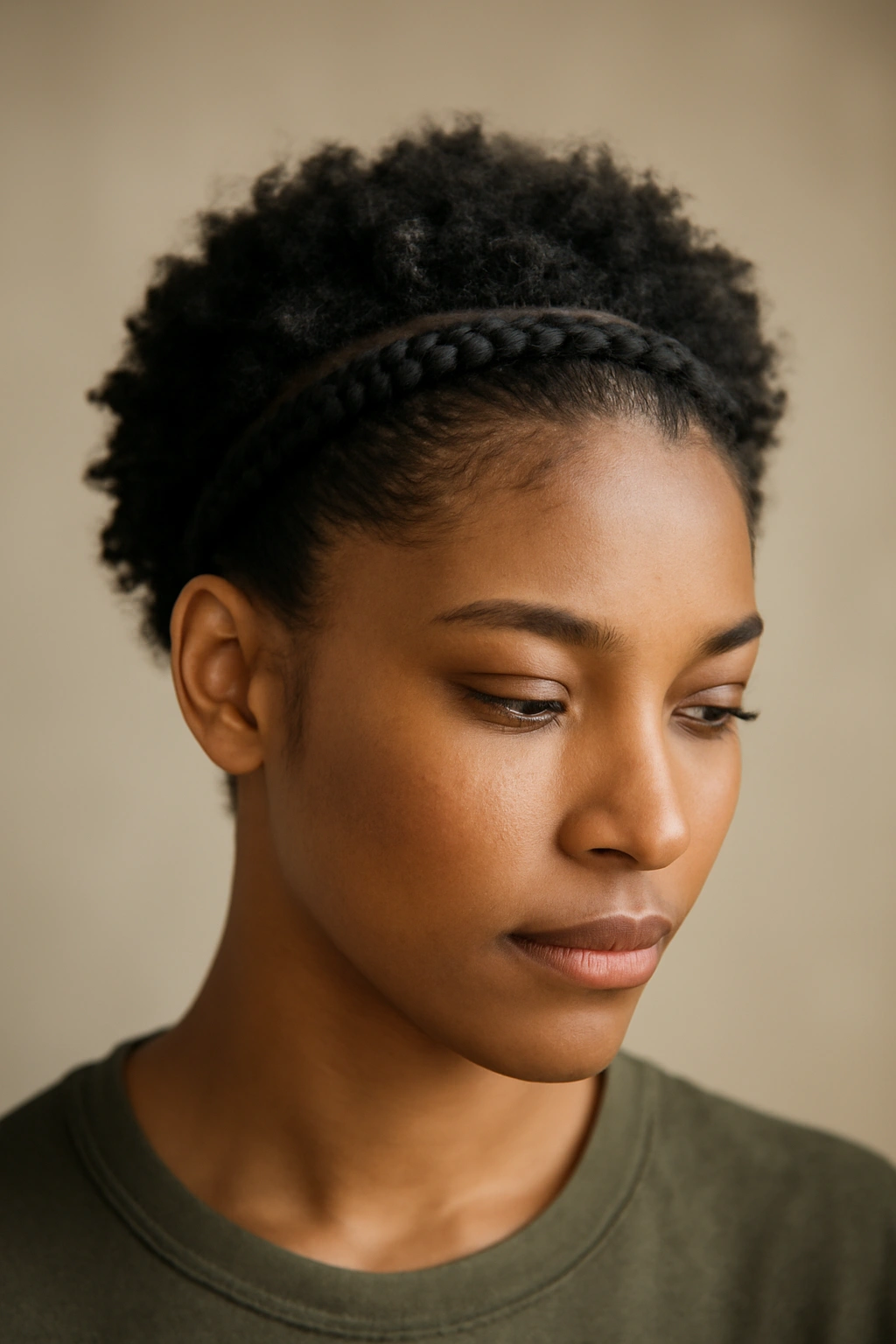
A single cornrow or double cornrows form a halo around your head, traveling around your crown and connecting on one side. The rest of your short hair remains free and textured, creating an elegant, slightly romantic look that still feels modern on a cropped cut.
Perfect for Sensitive Scalps
Crown halos actually create less tension on your scalp than back-swept or face-framing cornrows because the braid is distributed around the circumference of your head rather than being concentrated in one area. This makes it an excellent choice if you have a sensitive scalp or if you’ve had previous tension-related hair loss and want a protective style that doesn’t pull hard on any one section.
How It Ages and Evolves
This style naturally loosens in a charming way—after 2-3 weeks, the halo becomes slightly softer and more romantic-looking, which some people actually prefer to the ultra-sleek first week. Your natural hair can be styled in waves, curls, or worn smooth depending on your mood and what you’re doing that day.
6. Cornrows with Shaved or Faded Sides
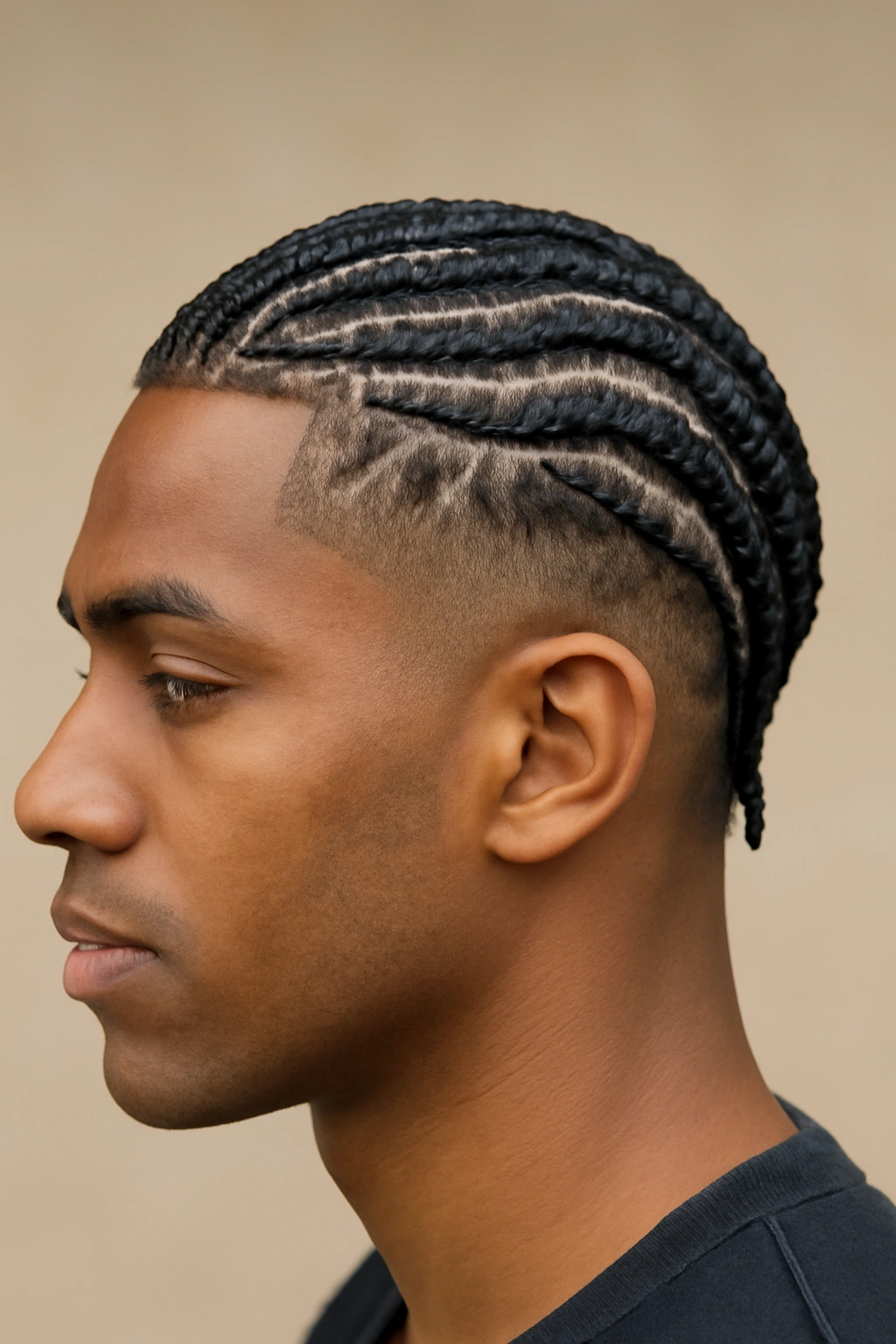
Combine cornrows on top with shaved or faded sides to create an ultra-modern, high-contrast look. The braids can travel in any pattern—down the middle, from front to back, or in geometric designs—while your sides are kept very short or cleanly shaved.
Why This Works So Well on Short Hair
The shaved contrast makes the cornrows look even more intentional and geometric. You’re essentially using negative space (the shaved areas) to frame the positive space (the braided sections). This style feels cutting-edge and deliberately artistic rather than accidental.
Maintenance Requirements
Your faded or shaved sides will need touching up every 2-3 weeks, and this should ideally be done by someone experienced with fades so they blend smoothly with your braided sections. The cornrows themselves can stay in longer since there’s no friction from hair rubbing against them on the sides. Keep your faded sides moisturized and protected from the sun to prevent darkening.
Insider note: This style photographs incredibly well and makes a bold statement about your personal style—it’s not a design for people who want to blend in.
7. Stacked Cornrow Bun
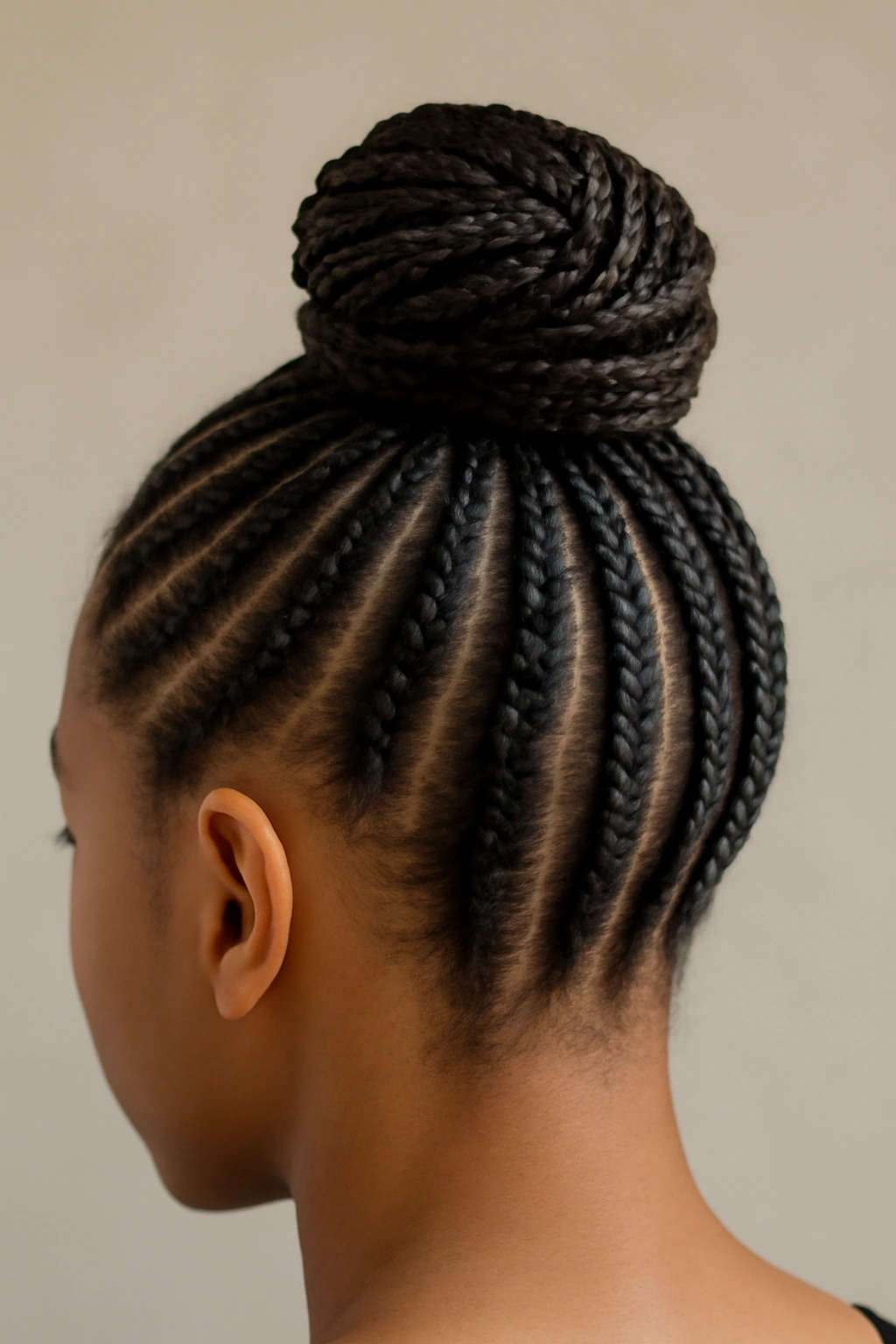
Multiple thin cornrows run from the front or sides of your head toward the crown and back, where they’re gathered and secured into a compact, sculptural bun. The bun itself can be wrapped with your braided hair, creating a unified look where braids and bun feel like one complete design.
Best for Everyday Versatility
This style keeps all your hair secured and polished while looking intentional and creative. You can wear it to work, the gym, or social events because it reads as both practical and styled. The cornrows aren’t so delicate that you need to baby the style, yet they’re distinctive enough that you don’t look like you just grabbed your hair quickly.
Styling for Different Occasions
On a casual day, you can leave the bun slightly loose and textured. For something more formal, tighten the bun and smooth everything with edge control and a shine spray. You can even add metallic hair cuffs or rings to the bun base to dress it up instantly.
8. Diagonal Cornrows from Temple to Nape
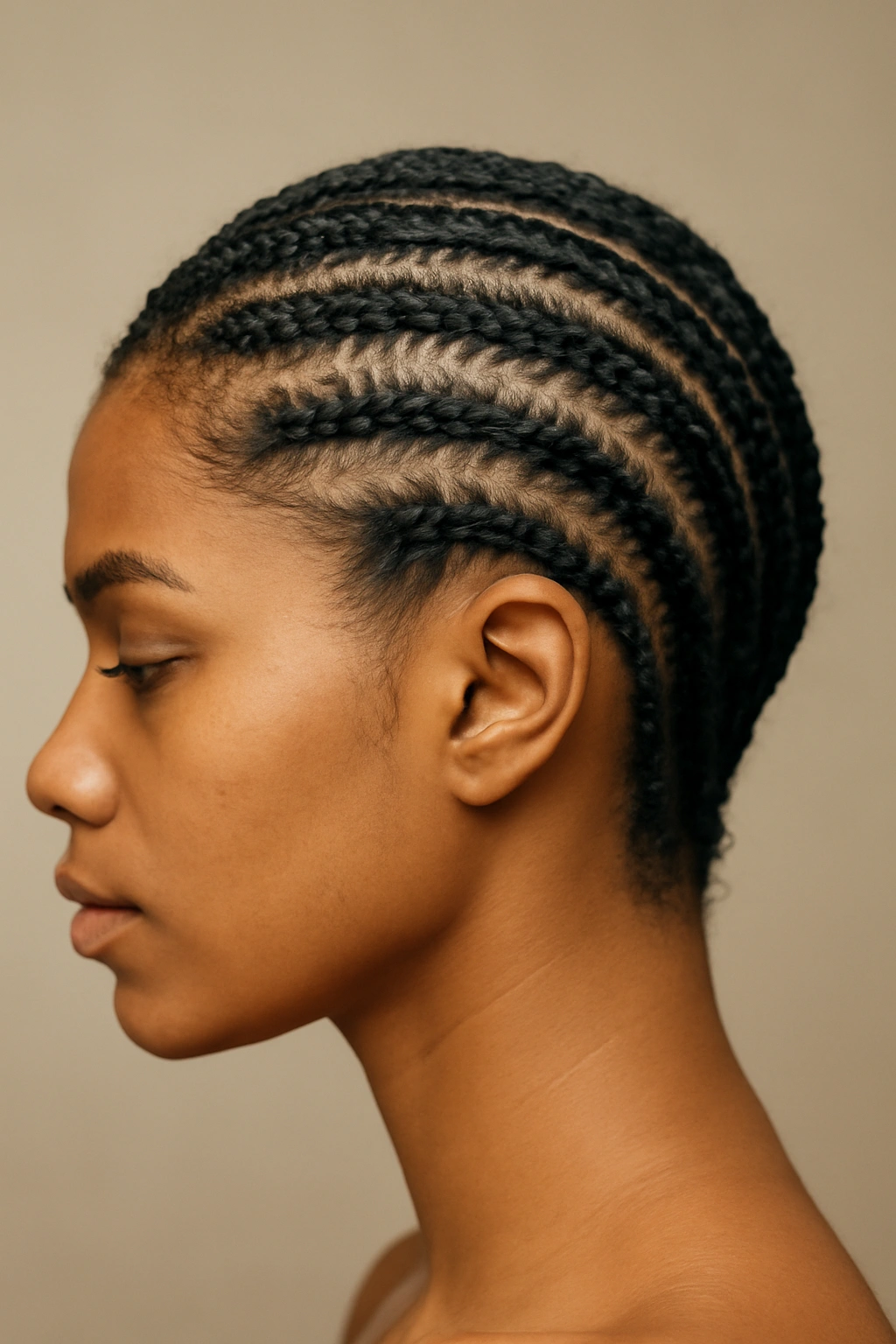
Instead of braiding straight back, angle your cornrows diagonally across your head from one temple toward the opposite side of your nape. This creates a dynamic, asymmetrical composition that feels way more interesting than straight-back braids.
The Geometry That Makes It Work
Diagonal lines naturally draw the eye and create movement, even though the braids themselves are stationary. This is why diagonal cornrows feel more visually active and interesting than their straight-back counterparts. They also flatter a wider range of face shapes because the angle can be adjusted to complement your specific features.
Choosing the Right Angle
If you have a rounder face, angle the braids in a way that elongates (from temple downward at an angle). If you have a longer face, a more subtle angle that travels more horizontally will feel balanced. A skilled stylist can help you determine the most flattering angle for your unique face shape and hair texture.
9. Micro Cornrows Throughout with Loose Ends
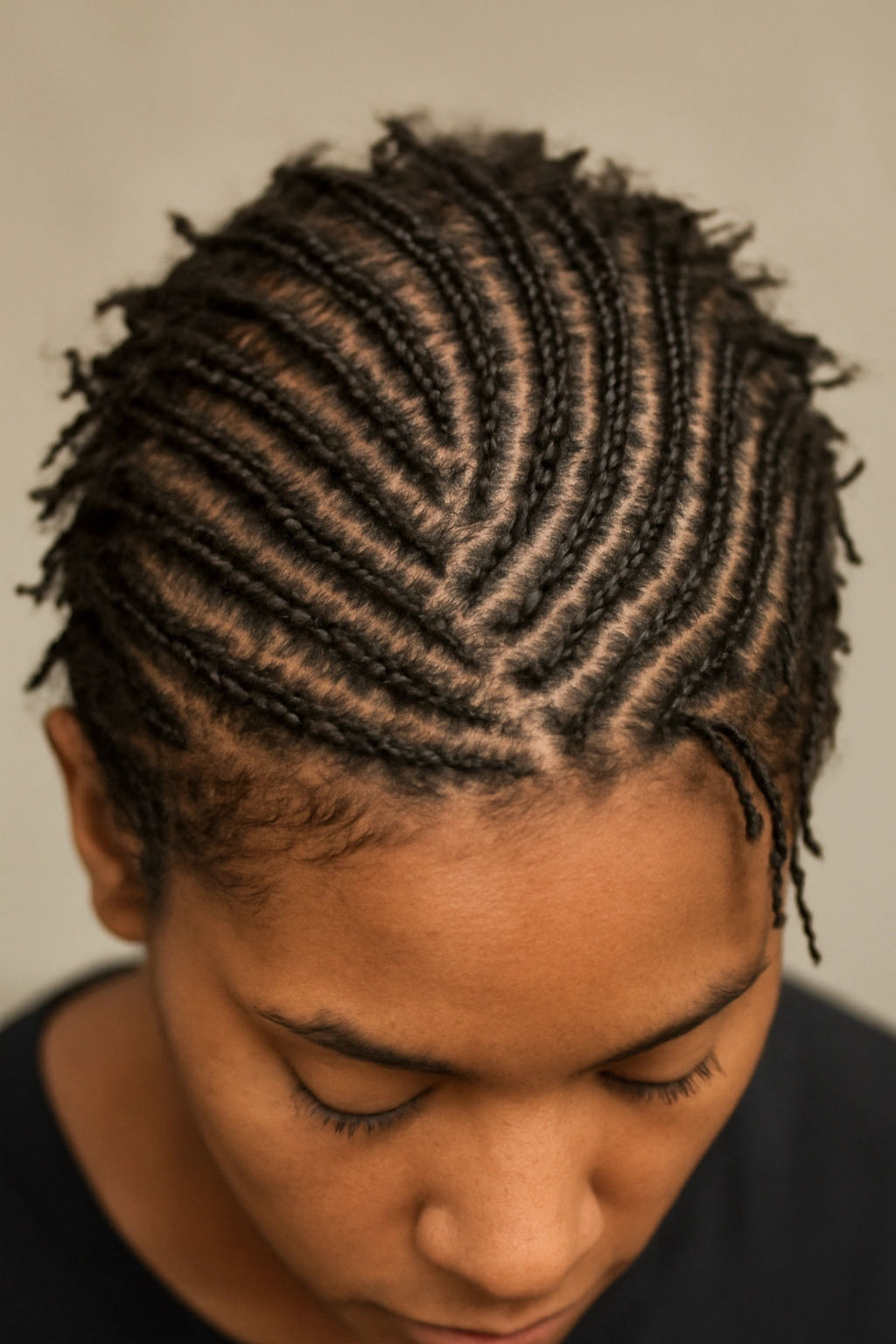
Much thinner than traditional cornrows, micro cornrows create an intricate, delicate pattern across your whole head—or a specific section—and the ends are left loose rather than tied off. This gives you the sculptural detail of cornrows with a softer, less severe aesthetic.
Why This Style Suits Short Hair Especially
On longer hair, micro cornrows can look a bit overwhelming or create too much weight. On short hair, they create beautiful visual texture without heaviness. The braided sections read more like intentional styling detail than a full protective style, which feels fresh and contemporary.
The Reality of Maintenance
These do require more frequent touch-ups than standard cornrows because the smaller braids loosen more noticeably. Plan to refresh them weekly or every 10 days if you want to keep them looking pristine. The tradeoff is that you get incredible visual interest and a style that turns heads everywhere you go.
Worth knowing: Micro cornrows work best on hair that has enough texture to hold the braid pattern—very straight hair may have a harder time keeping micro braids intact.
10. Zigzag or Wave Pattern Cornrows
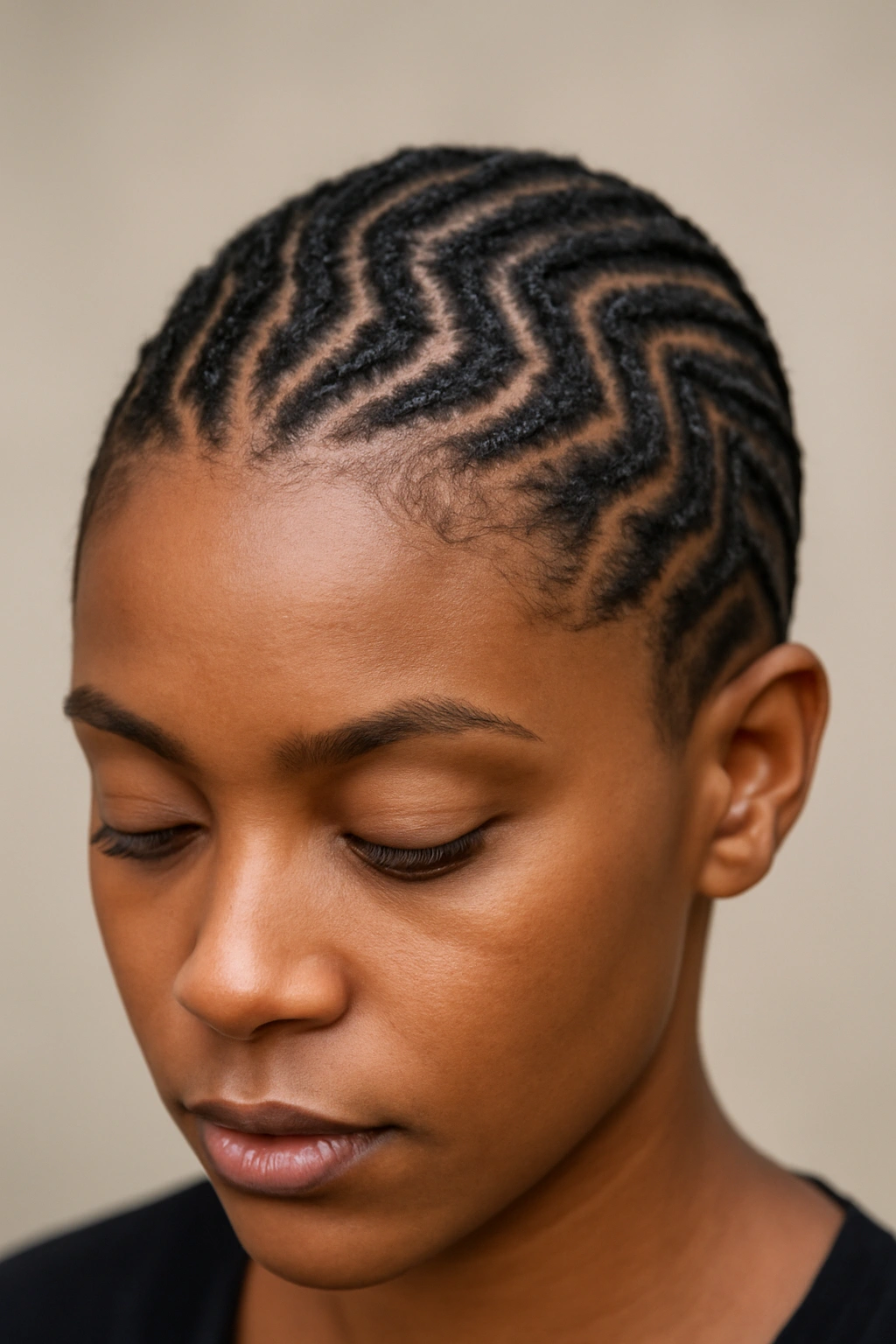
Rather than creating straight lines, your cornrows follow a zigzag, wave, or curved pattern across your head. You can do this with a few statement braids or cover your whole head in undulating patterns, depending on your preference.
The Artistic Statement
This is the least conventional cornrow style on this list, and that’s exactly the point. Zigzag and wave patterns announce that you’re willing to take creative risks and see your hair as a form of expression. The pattern-making is genuinely difficult to execute well, so it’s a style that tells people you invested time and money in your appearance intentionally.
Which Pattern Speaks to You
You might choose waves that flow from front to back, zigzags that travel diagonally, or geometric curves that follow the natural contours of your head. The beauty of this style is that you and your stylist can customize the exact pattern based on what feels right to you. Some people prefer dramatic, sharp angles; others prefer gentle, flowing curves.
Final Thoughts
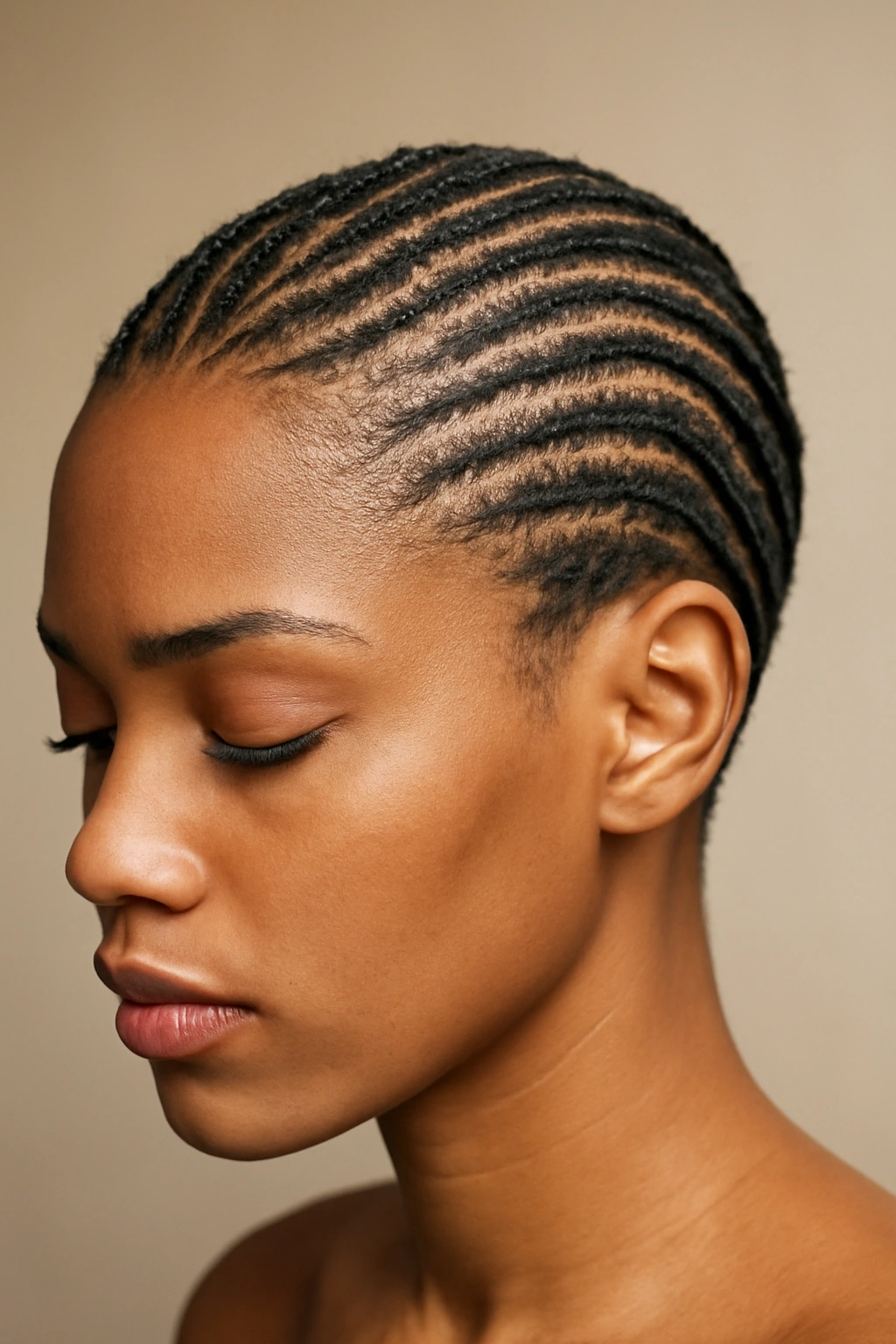
Cornrows on short hair aren’t a compromise or a fallback style—they’re a legitimate, creative, and genuinely stunning way to wear protective braids. The shorter length actually makes the geometric precision and sculptural quality of cornrows even more visible and impressive. Whether you choose a simple single braid, an intricate geometric pattern, or a full head of cornrows, you’re wearing a style that requires skill from your stylist and intention from you.
The versatility is real too. You can refresh your look weekly by changing which cornrow design you wear, mix cornrows with shaved sections, combine them with free natural hair, or go all-in with a full braided head. Your short hair is the perfect canvas for any of these styles, and they’ll all hold up beautifully as long as you keep your scalp moisturized and avoid excessive tension.
Find a stylist who understands cornrows deeply—someone who can translate your vision into the right pattern, tension, and finish for your specific hair texture and face shape. Once you land on your favorite style, you might be surprised how often you return to it. Short-hair cornrows have a way of becoming a signature look that makes you feel powerful, creative, and unapologetically yourself.
