



Locs aren’t just a hairstyle—they’re a statement of identity, artistry, and cultural pride. But here’s what many people assume: locs are either strictly casual or require you to choose one aesthetic and stick with it forever. That’s simply not true. The versatility of locs is one of their greatest strengths, and with the right styling techniques, you can transform them into looks that work beautifully in a boardroom meeting on Monday and transition seamlessly into weekend plans on Saturday.
The key to making locs work in professional settings is understanding how styling, accessories, and arrangement can shift the entire energy of your look. Whether you’re securing them in an elegant updo, creating symmetrical patterns that command attention, or adding subtle embellishments that catch the light without being distracting, your locs can absolutely work harder for you. The versatility comes from how you arrange, wrap, and present them—not from changing the locs themselves.
What makes a loc hairstyle both office-appropriate and play-ready? Clean execution, intentional styling that shows care and thoughtfulness, and arrangements that feel polished rather than haphazard. You’re looking for styles that don’t feel like you’re trying too hard in a professional context, but that also have enough personality to feel authentically you when you’re off the clock. The good news is that the same styles often check both boxes beautifully.
Let’s explore fifteen loc hairstyles that give you that dual functionality. Each one is approachable, actually achievable with practice, and genuinely bridges that gap between workplace professional and weekend-ready.
1. Twisted Crown Locs
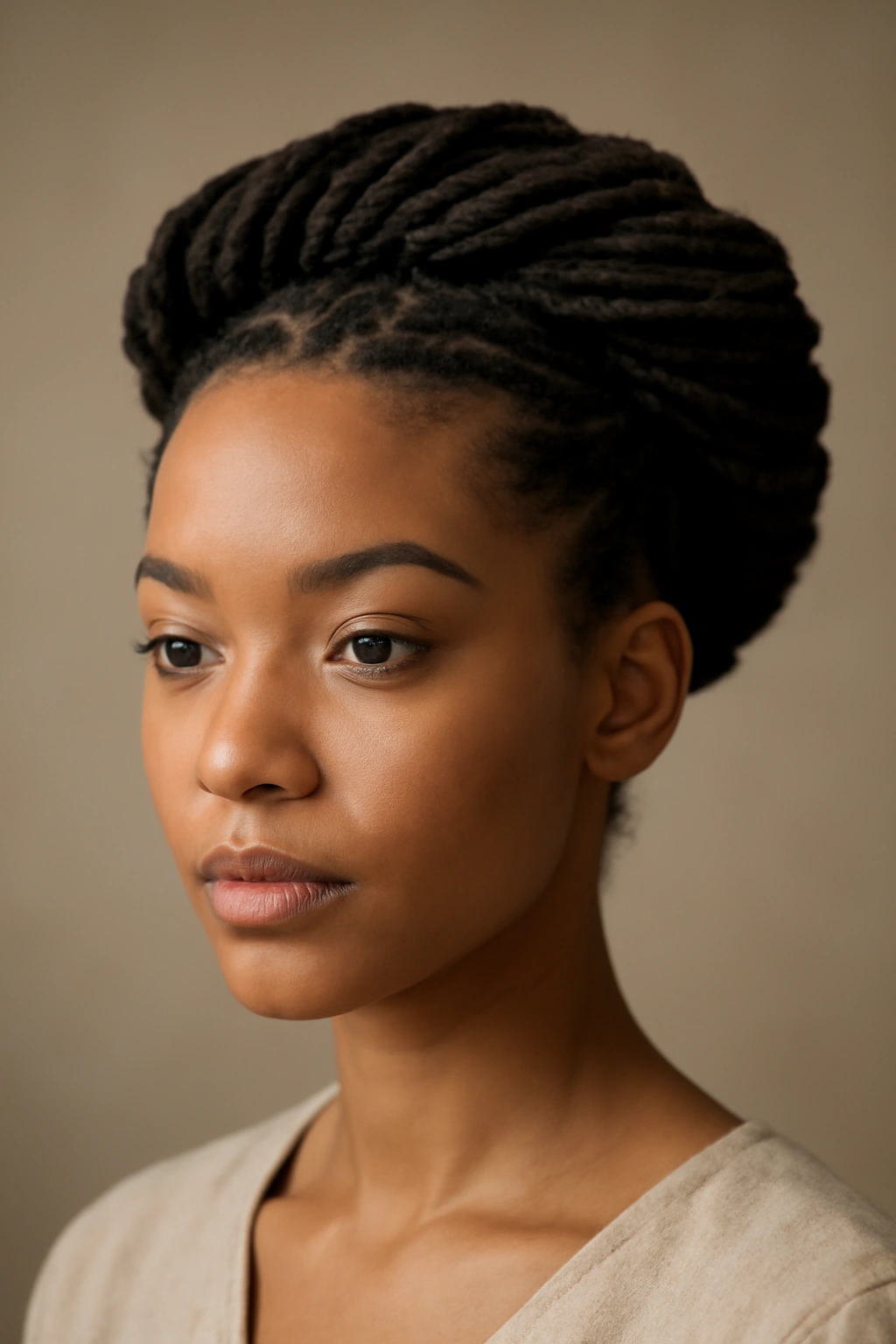
A twisted crown is hands down one of the most sophisticated loc styles you can create, and it works because it feels intentional without looking overdone. This style involves twisting your locs around your head like a crown, typically starting from one side and working your way around to create a halo effect. The result is polished enough for client meetings and interesting enough that you’ll feel confident heading out for drinks with friends afterward.
Why It Works Both Ways
The twisted crown reads as put-together and professional because it requires visible effort and precision—qualities employers associate with care and attention to detail. At the same time, it’s creative and visually striking enough to feel like a personal style statement. You’re not trying to make your locs disappear; you’re showcasing them artfully. That balance is everything.
How to Create It
- Start by sectioning your locs into two groups (left and right) at the crown of your head
- Take a loc from one side and begin twisting it horizontally across the top of your head toward the opposite side
- Layer the next loc over the first, building a woven crown effect
- Secure the ends with small clips or bobby pins tucked underneath so they’re invisible
- Smooth any flyaways with edge control and let the crown sit for a few minutes so it fully sets
Pro tip: This style holds best when your locs have some texture to grip. If yours are very smooth, a light spritz of lightweight hairspray before twisting gives you better control and longer-lasting hold.
2. Side-Swept Locs
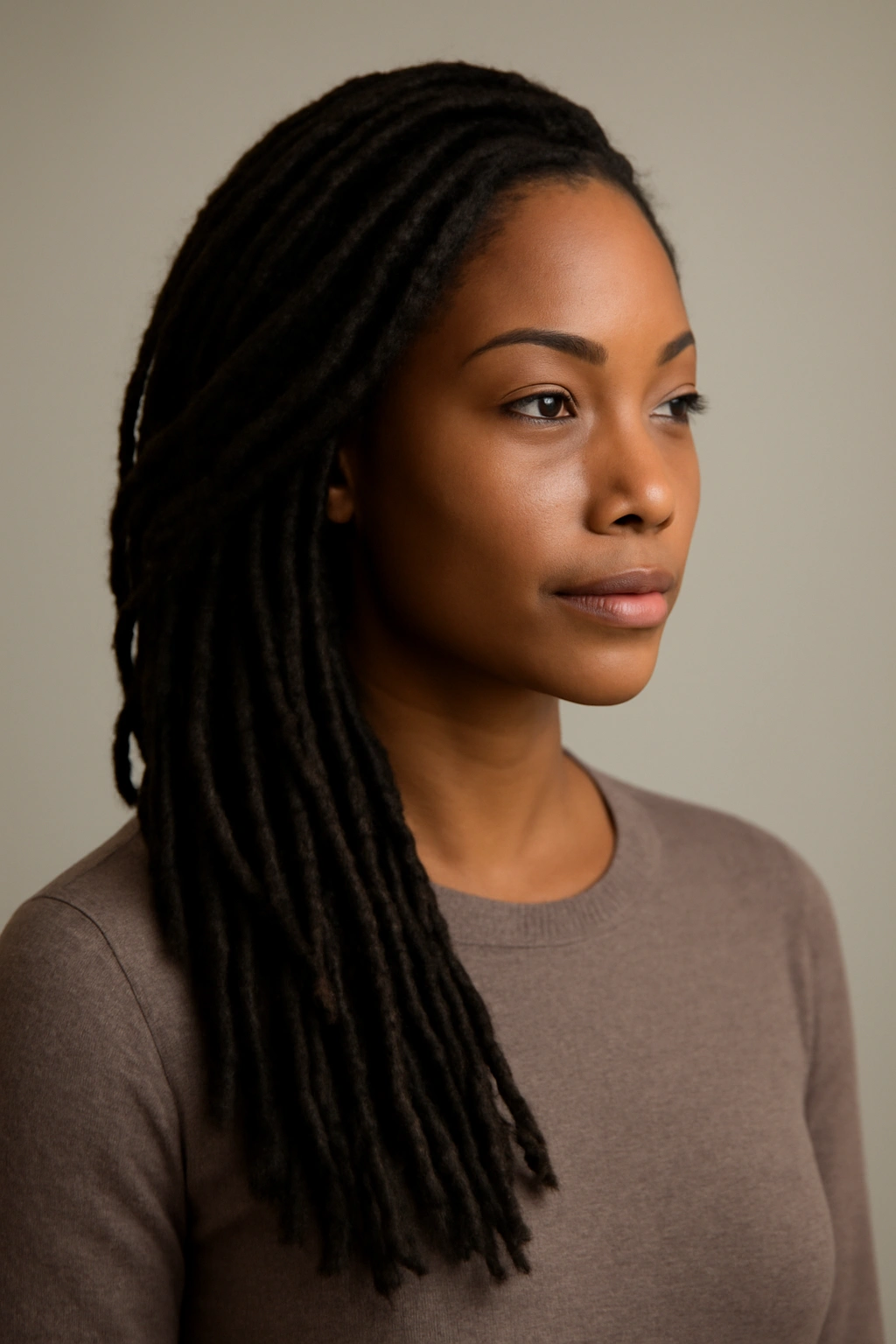
Sometimes simplicity is what makes a style work everywhere. A side-swept arrangement is essentially sweeping most of your locs to one side of your head, creating an asymmetrical silhouette that’s undeniably elegant. This style takes about two minutes to execute, which means you can create it on a rushed Monday morning or refresh it during lunch before an important meeting.
The Professional-Yet-Personal Balance
Side-swept locs feel refined without requiring elaborate styling—they just look like you’ve put thought into how you’re presenting yourself. The asymmetry also adds visual interest and personality, which keeps the look from feeling corporate or bland. It’s the hairstyle equivalent of a well-fitted blazer with an interesting scarf.
Styling Steps for Longevity
- Flip your head to one side and let gravity guide where your locs naturally fall
- Use a silk or satin scarf to smooth the locs on the “swept” side, preventing frizz
- Secure the back with bobby pins if needed, tucking them so they’re not visible from the front
- Define your part on the opposite side with edge control and a fine-tooth comb
- A light hairspray locks everything in place without creating a stiff, overdone appearance
Worth knowing: This style actually protects the locs on the side being swept, as they’re not exposed to friction and rubbing throughout the day. It’s a protective style that doubles as an elegant arrangement.
3. Neat Center Part Locs
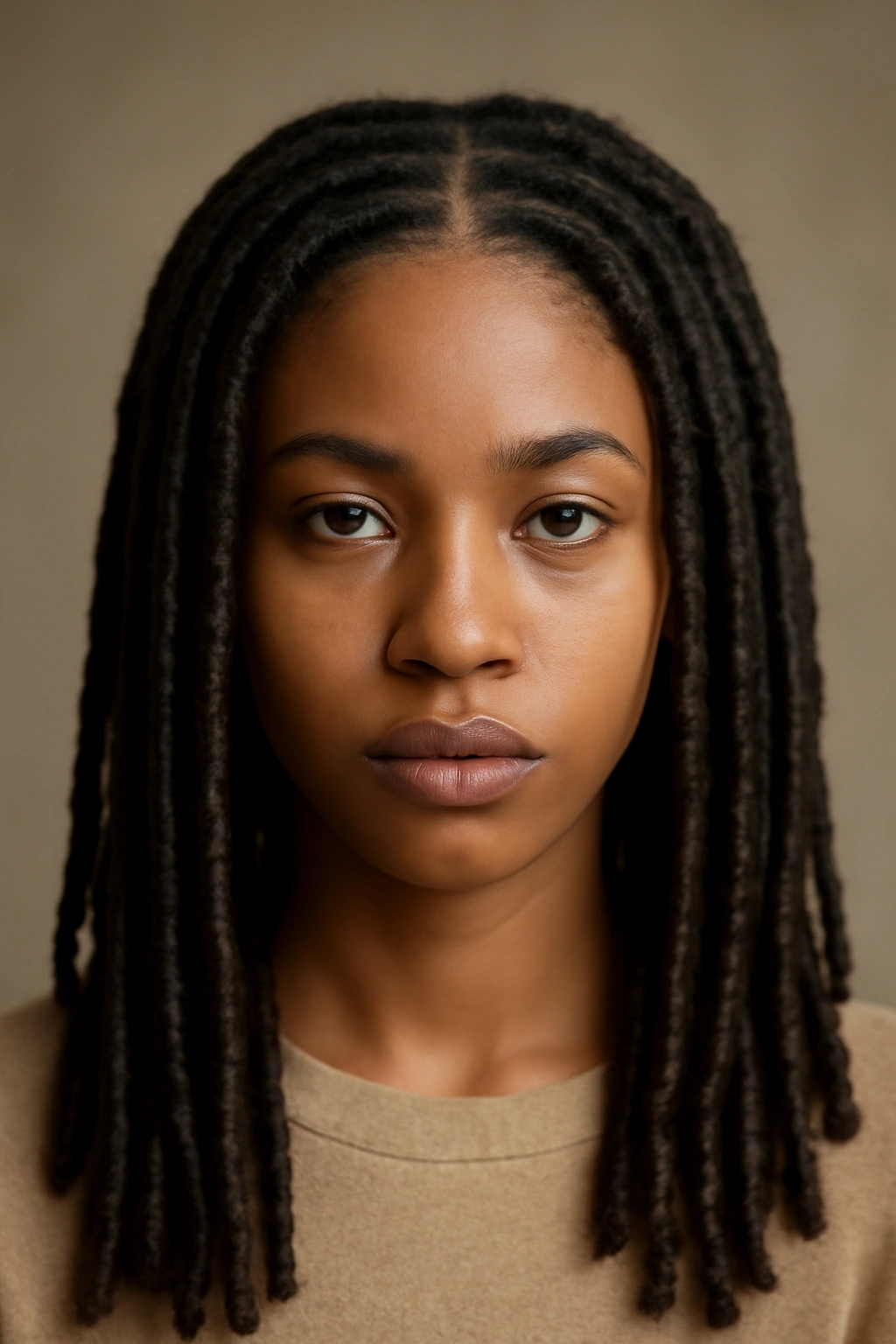
The center part is experiencing a renaissance across all hairstyles, and there’s a reason—it’s flattering, symmetrical, and inherently calming to look at. With locs, a clean center part creates a frame for your face that feels both modern and timeless. The precision of the part itself signals organization and intentionality, which translates immediately to professional settings.
Why This Works Everywhere
A center part with locs doesn’t require you to do much beyond creating the part itself, which means the style feels effortless even when you’ve been deliberate about creating it. This low-maintenance reality combined with its high-impact visual payoff makes it perfect for someone who wants to look polished without spending an hour styling. It’s versatile enough to pair with casual outfits or professional ones.
Creating a Sharp Center Part
- Use a fine-tooth comb or a rat-tail comb to create a clean, straight line down the center of your scalp
- Part the locs on each side deliberately, taking time to separate any locs that want to cling together
- Smooth the parted locs against your head with edge control applied to the hairline
- Flat-twist or braid small sections along the part for additional definition if you want extra polish
- For evening, you can let the locs fall naturally; for office settings, you might secure them into a low ponytail or bun for added neatness
Insider note: A center part actually makes your face appear more symmetrical and balanced, which is why it feels so professional. This is neurological—our brains register symmetry as intentional and trustworthy.
4. High Bun with Locs
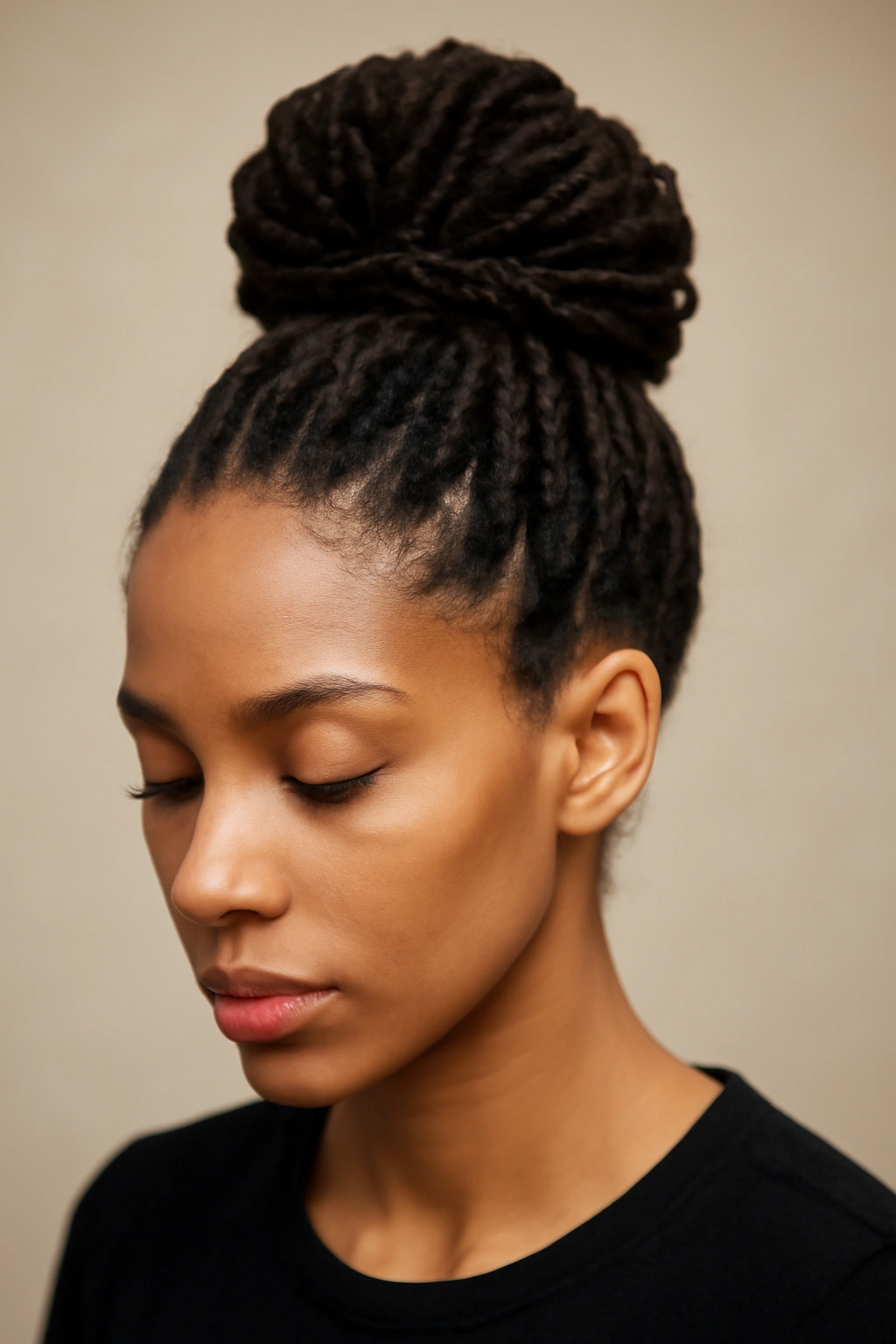
A high bun is the ultimate power move in professional settings—it reads as businesslike, intentional, and absolutely no-nonsense. With locs, a high bun is simultaneously elegant and practical. You can execute this style in about three minutes, and it keeps all your locs off your shoulders and completely out of the way during a full workday.
Office-Ready and Weekend-Transition-Ready
The high bun works in the office because it’s clean, contained, and reads as serious. It also transitions beautifully into casual settings because depending on how you arrange it, you can make it look either sleek and controlled or more relaxed and artsy. A slightly undone high bun with a few face-framing locs pulled loose reads completely different from a tight, pristine one.
How to Execute This Style
- Gather your locs into a high ponytail at the crown of your head using a hair tie or elastic
- Twist the ponytail around itself until it forms a coil shape
- Wrap this coil around the base of your ponytail, securing it with bobby pins at multiple points
- Smooth the outer locs with edge control and ensure no locs are poking out unintentionally
- For a relaxed vibe, gently pull a few face-framing locs out and let them frame your cheekbones
Pro tip: A high bun actually reduces tension and strain on your hairline because the weight is distributed upward rather than pulling down on your edges. It’s one of the most protective bun styles you can do.
5. Locs Wrapped Around Head
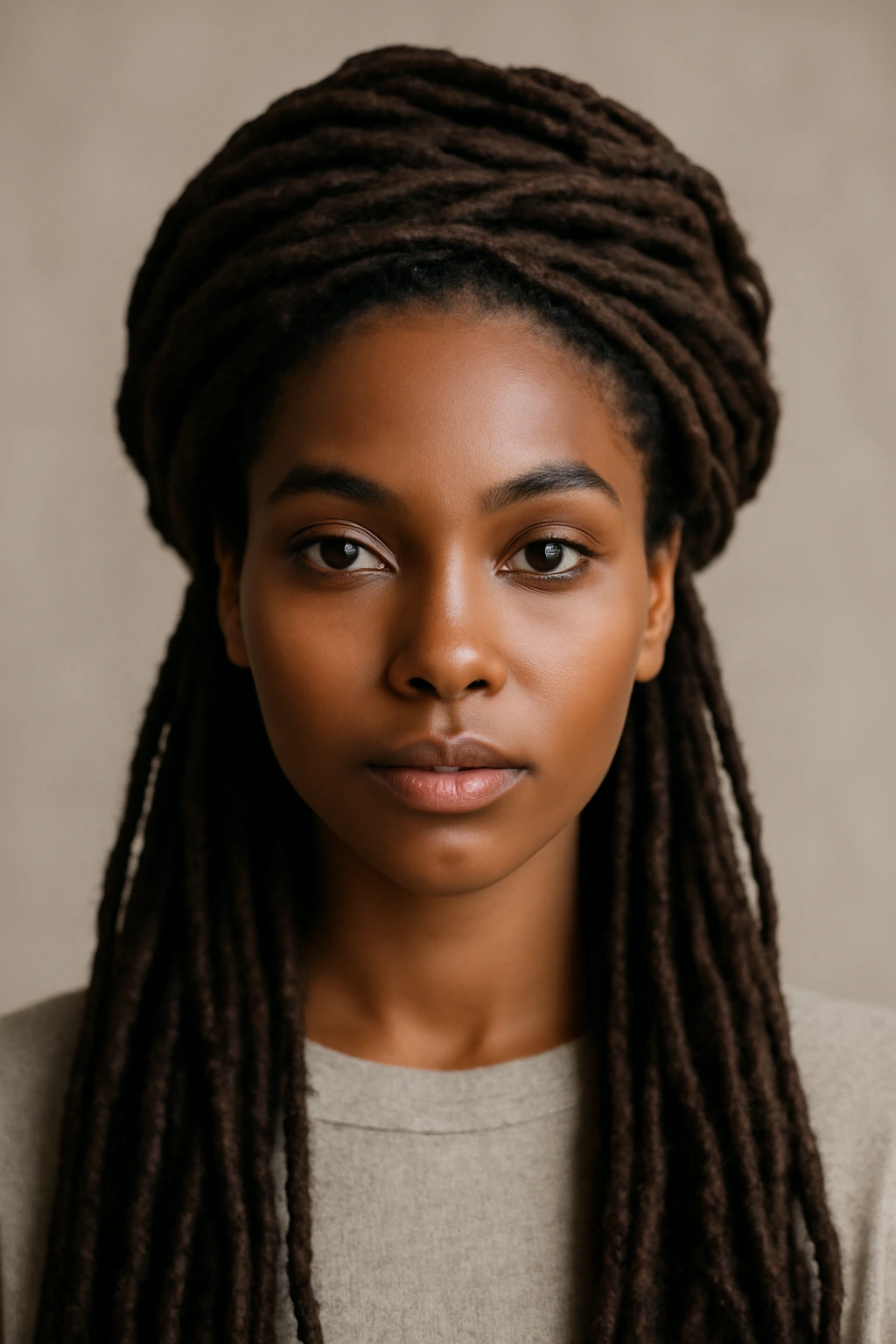
This style involves wrapping one or more locs around your head to create a halo or band effect. It’s visually striking and requires surprisingly little effort once you understand the basic technique. The wrapped-around-head style is particularly effective because it creates a defined frame for your face while showcasing the length and texture of your locs.
The Appeal for Professional and Personal Wear
This style has an artistic quality that reads as someone who’s thoughtful about their appearance. In professional settings, it demonstrates creativity and individuality without feeling chaotic or unprofessional. The locs are secure, nothing is flying around, and the overall impression is polished. For personal time, it’s interesting enough to feel like a real styling choice.
Step-by-Step Wrapping Technique
- Select one or more of your longest locs to be your “wrap” locs
- Starting at one temple, begin wrapping the loc around your head toward the back
- Secure it with bobby pins tucked underneath so they’re invisible from the front
- If using multiple wraps, overlap them slightly for visual impact
- Tuck the end of each wrap beneath another loc so the ending point is hidden
- Use edge control along your hairline to keep everything smooth and intentional-looking
Worth knowing: This style is easier to execute if you start wrapping from a front section and work backward. Trying to wrap from the back forward is much trickier and frustrating.
6. Half-Up Half-Down Locs
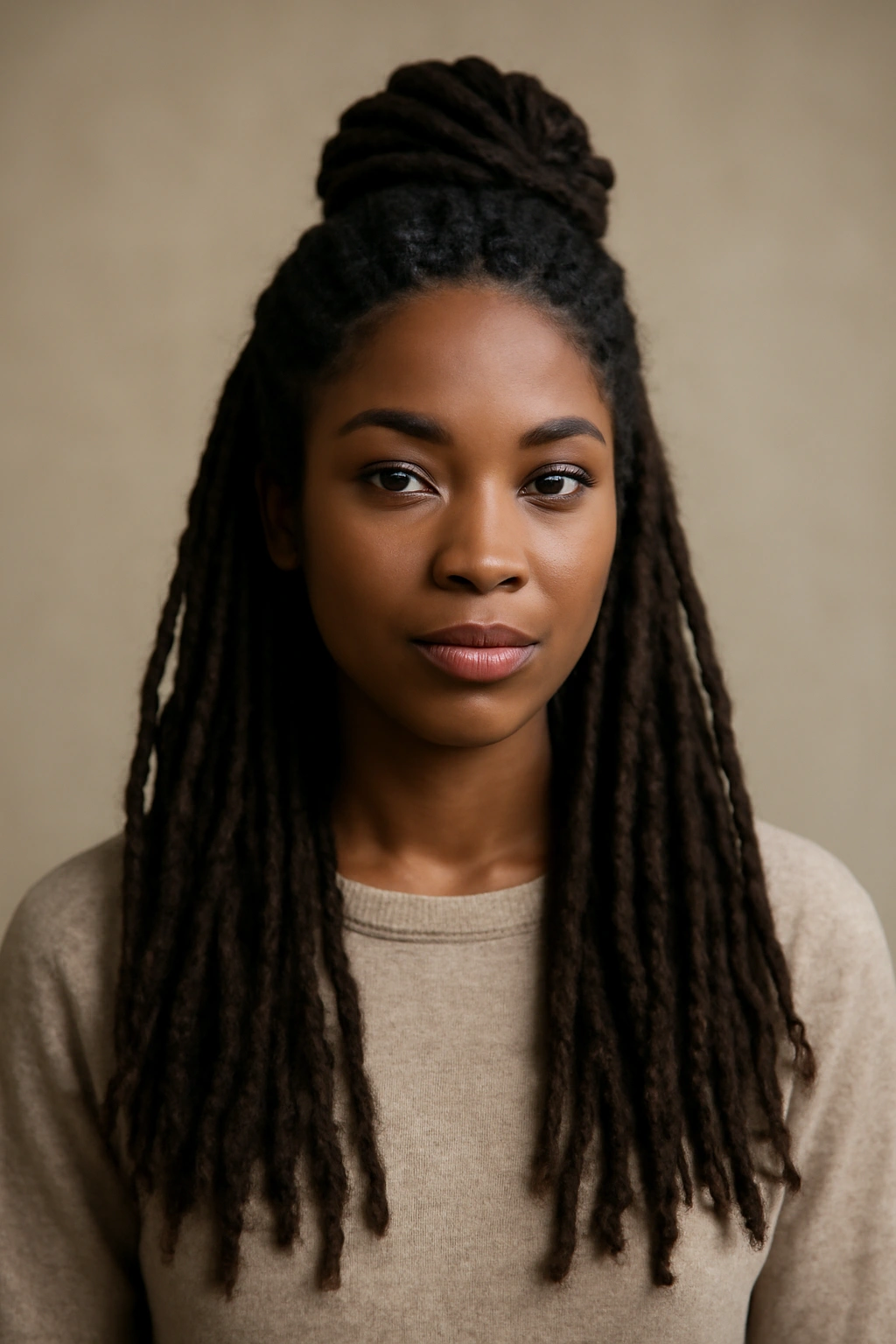
The half-up half-down style is the original “I’m dressed up but also laid-back” hairstyle, and with locs it’s absolutely stunning. You’re gathering roughly the top half of your locs and securing them while letting the rest fall down your back. This style balances polish with ease, making it genuinely perfect for the office-to-evening transition.
Why This Is the Perfect Dual-Purpose Style
Half-up half-down reads as put-together without looking stiff or overly formal. You’re making a styling choice that’s visible and intentional, but you’re also allowing your locs their full length and drama to show. For the office, it looks professional; for evening plans, it looks artistic and creative.
Creating a Polished Half-Up Style
- Determine where you want your “up” section to end (typically at ear level or slightly below)
- Section out the upper locs and gather them toward the crown of your head
- Secure with a hair tie, clip, or wrapped loc (using one of your longer locs to tie the section)
- Smooth the gathered section with edge control and ensure it sits neatly
- Let the lower locs fall freely down your back
- For a more polished office look, you can wrap smaller locs around the base to create a decorative band
Pro tip: This style is extremely versatile because the exact placement of your “up” section changes the entire vibe. Higher placement looks more youthful and creative; lower placement looks more refined and professional.
7. Sleek Back Locs
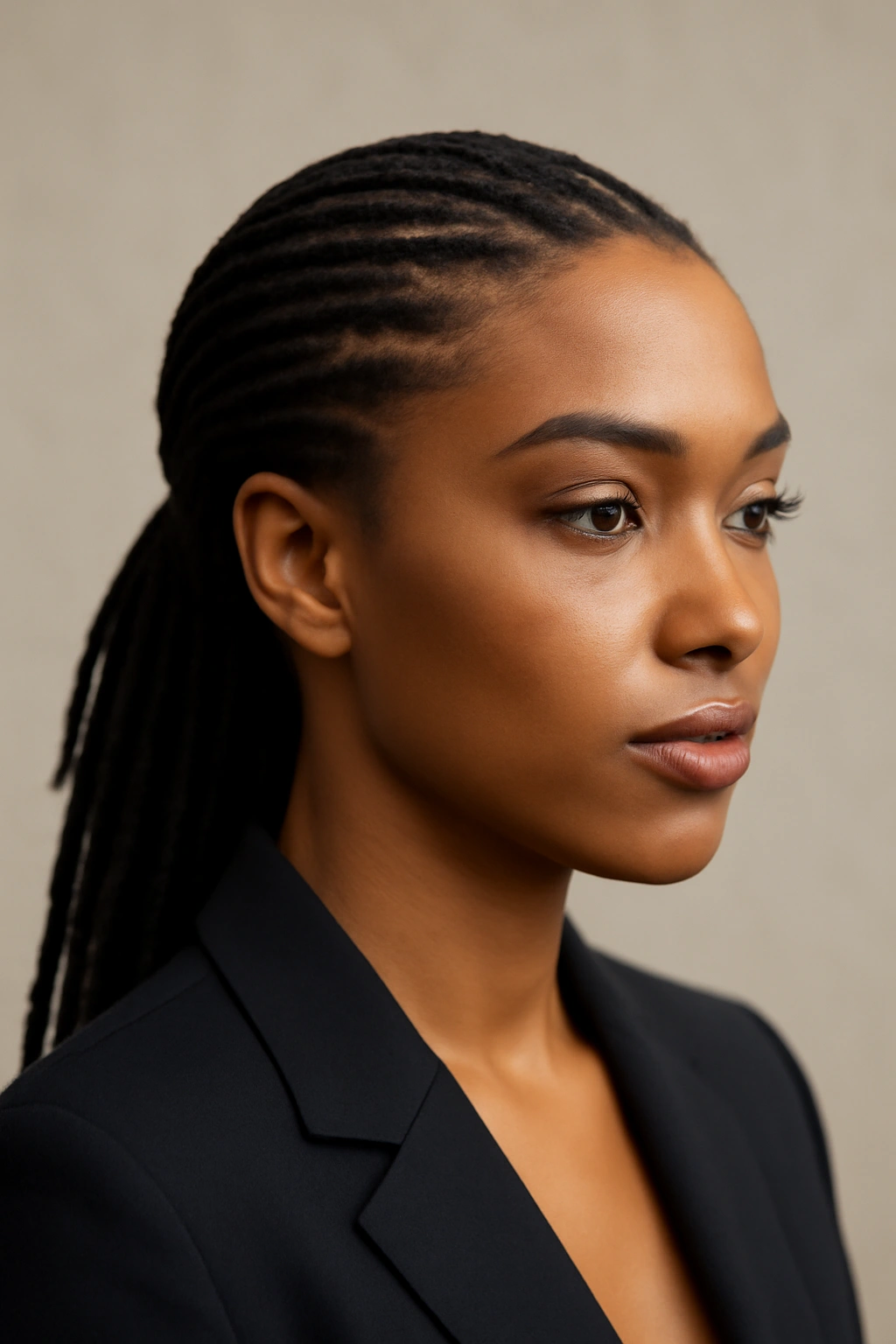
Sometimes the simplest styles hit hardest. Sleek-back locs are exactly what they sound like—all your locs smoothed and directed backward away from your face, creating a clean, unobstructed view of your features. This style is intensely versatile because it works in every possible setting, from boardrooms to beach days.
The Timeless Appeal
A sleek-back style reads as confident and intentional. You’re not hiding behind your hair; you’re displaying your face and your locs prominently. This is why it works so well professionally—there’s nothing to distract from your competence and presence. For casual wear, it feels artistic and bold.
Achieving a Truly Sleek Finish
- Use a fine-tooth comb to comb your locs straight back from your hairline
- Apply edge control generously along your hairline and smooth it downward and backward
- You can secure the locs into a low ponytail at the nape of your neck, or let them fall freely
- For maximum sleekness, use a smoothing serum or lightweight oil on the surface of your locs
- A silk scarf worn for 10-15 minutes after styling helps lock in the smoothness
- For office settings, definitely secure them into a low ponytail; for casual, letting them fall free is fine
Worth knowing: The sleek-back look actually emphasizes your facial bone structure and features. This is why it’s used in fashion and entertainment—it’s undeniably striking.
8. Locs with Gold Cuffs
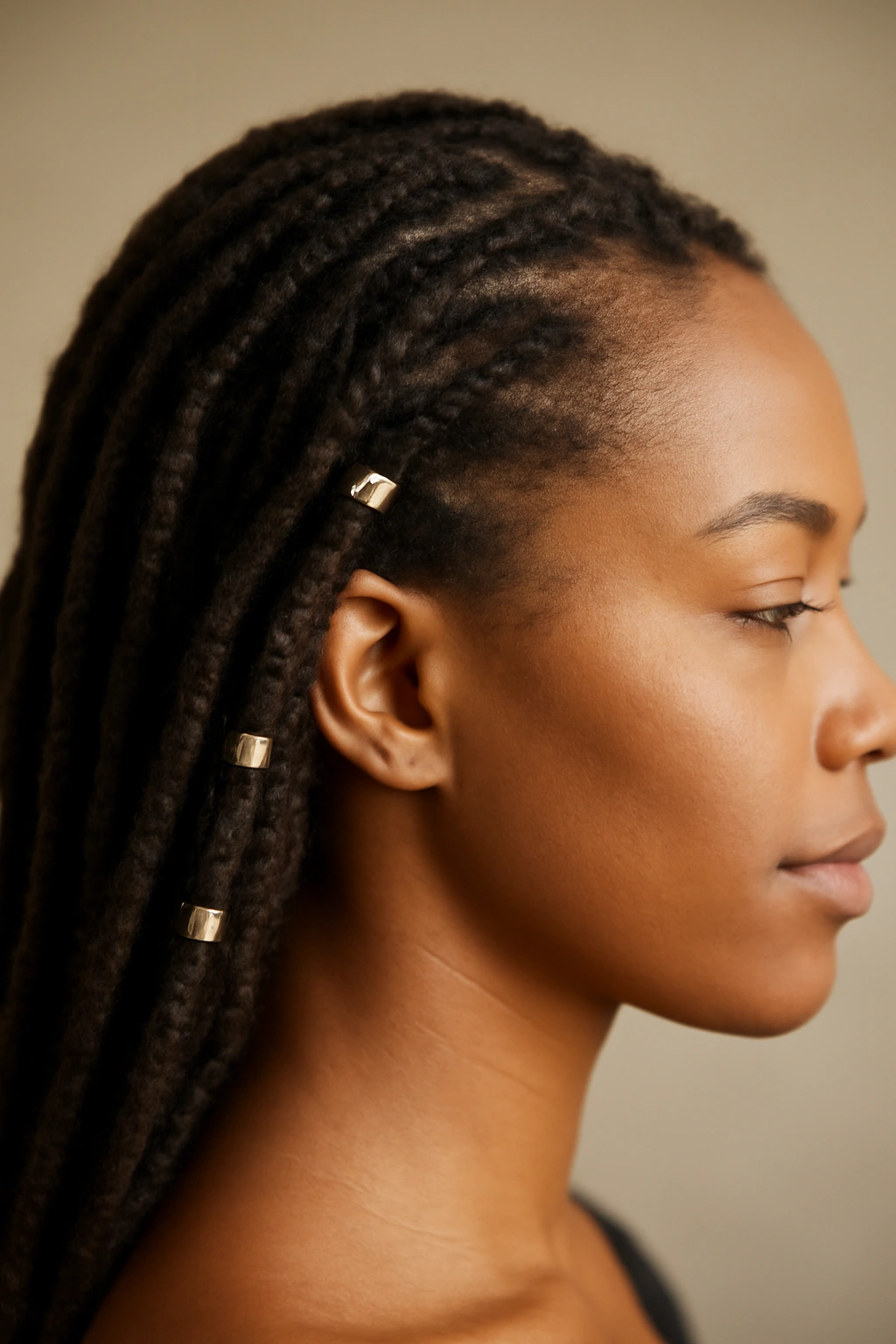
Cuffs are decorative accessories that wrap around individual locs or groups of locs, and gold cuffs in particular add an element of understated luxury that works in almost any setting. The key to making this professional is choosing cuffs that are elegant rather than oversized or flashy. Gold (or gold-toned) cuffs add warmth and sophistication without screaming for attention.
Professional Elegance Through Accessories
Gold cuffs work in office settings because they read as intentional styling choices rather than casual decoration. They’re visible enough to show personality but subtle enough to not distract from your professional presence. For evening and casual wear, the same cuffs immediately feel more artistic and fun.
Cuff Placement for Maximum Impact
- Choose 5-10 locs distributed across your head (rather than clustering them all in one area)
- Space the cuffed locs at different heights for visual interest
- Place cuffs approximately 3-4 inches from the tip of each loc for a balanced look
- Vary between single cuffs on some locs and double cuffs on others for visual rhythm
- Make sure cuffs fit snugly enough that they won’t slide down but loosely enough that they don’t restrict blood flow to your locs
Insider note: Gold cuffs that are slightly thicker and more substantial-looking feel more luxe and less costume-y than thin, delicate ones. The weight and presence of the cuff matter.
9. Braided Locs
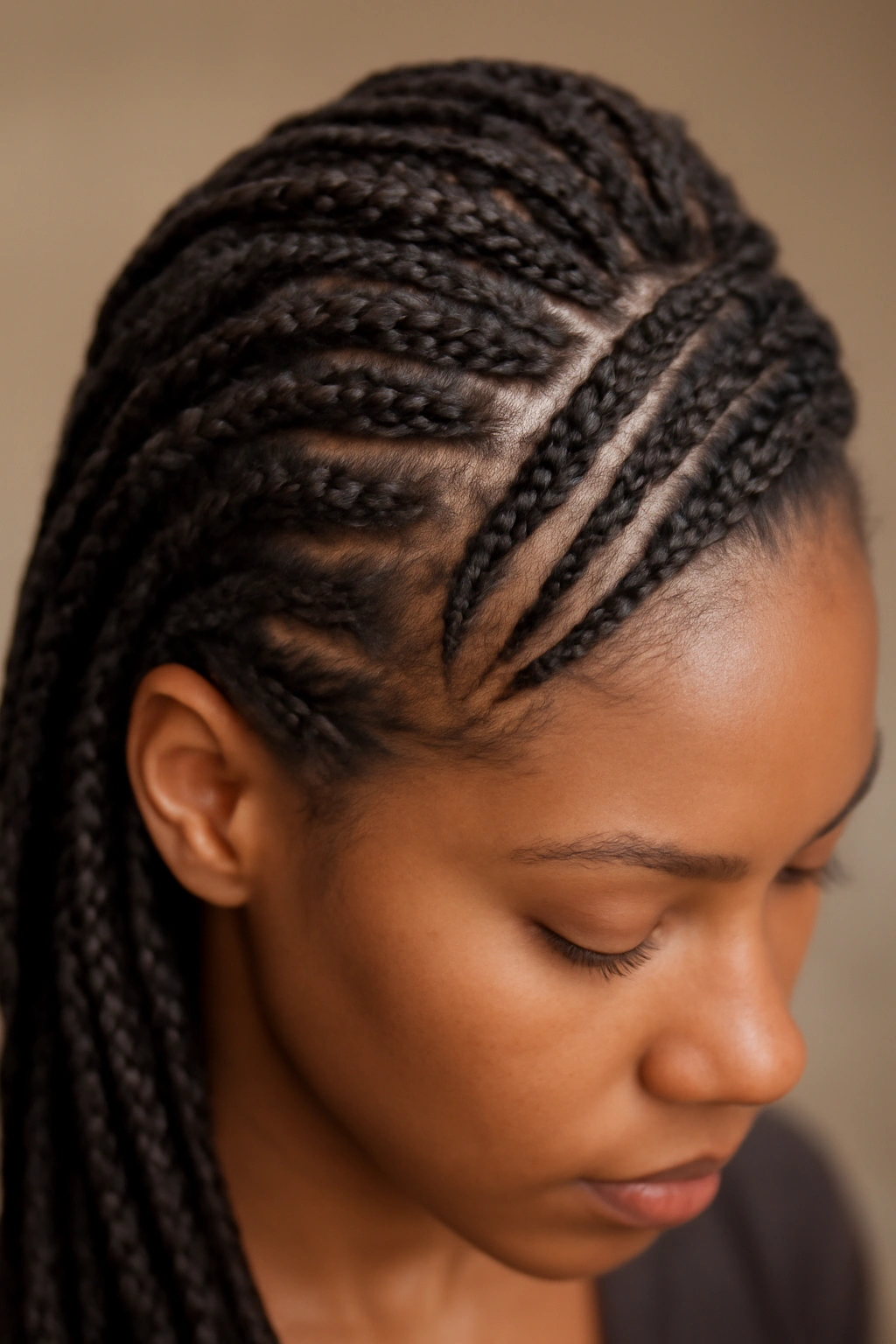
Incorporating braids directly into your locs creates an intricate, textured look that’s both office-appropriate and genuinely beautiful. You can braid sections of locs together, add hair to create larger braids, or weave small braids throughout your locs for a detailed, artistic effect. This style shows serious dedication to styling, which reads as professional.
Creating Texture and Visual Interest
Braided locs work everywhere because they demonstrate intentionality and craftsmanship. You’re not just wearing your locs—you’re styling them in a way that shows thought and skill. In professional settings, this reads as someone who takes care with details. For casual settings, it reads as artistic and creative.
Braiding Methods That Work
- Three-strand braiding: Separate three sections of locs or loc groups and braid them together tightly
- Flat braiding: Create small flat braids that run along sections of your locs for a geometric effect
- Fishtail braiding: Create delicate fishtail braids using thinner sections of locs for a more detailed look
- Goddess braiding: Create larger, more substantial braids using multiple locs woven together
- You can leave braids in place for 1-2 weeks if you want a semi-permanent braided style
Pro tip: Braiding is actually protective styling for locs because it keeps the ends tucked and secured, reducing breakage and frizz. It’s beautiful and functional.
10. Low Ponytail with Locs
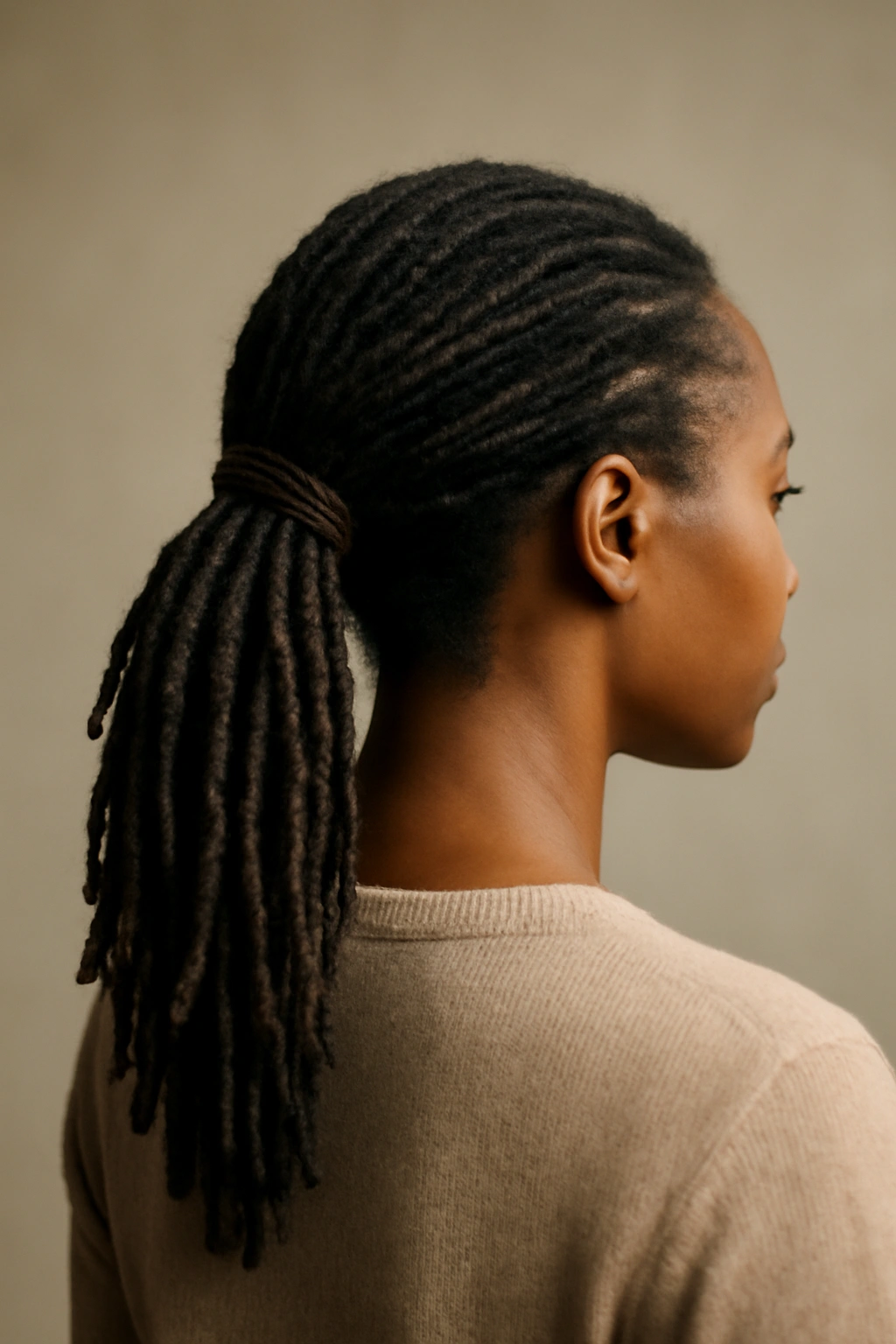
A low ponytail is the epitome of professional elegance. It’s a style that works in virtually every workplace, creates an intentional look without being overdone, and keeps all your locs secured and neat. The low ponytail is timeless specifically because it works in every era and every setting.
Versatility Across All Occasions
A low ponytail reads as professional, polished, and put-together in office settings. For evening and casual wear, depending on how you style it, it can feel sleek and sophisticated or relaxed and artistic. This is the hairstyle equivalent of a white button-down shirt—it’s a base that adapts to any occasion.
Creating a Polished Low Ponytail
- Gather your locs at the nape of your neck (lower than ear level)
- Use a hair tie to secure them, positioning it approximately 2-3 inches up from the very ends
- Smooth the gathered section with edge control and a fine-tooth comb
- You can wrap a smaller loc or a piece of yarn around the hair tie to hide it
- For office settings, smooth everything down; for casual, you can leave a few face-framing locs out
- Let the ponytail hang freely down your back
Worth knowing: A low ponytail actually doesn’t create tension on your hairline or edges because the weight of your hair is distributed downward rather than pulled up. It’s one of the gentlest securing styles you can do.
11. Locs with Colorful Wraps
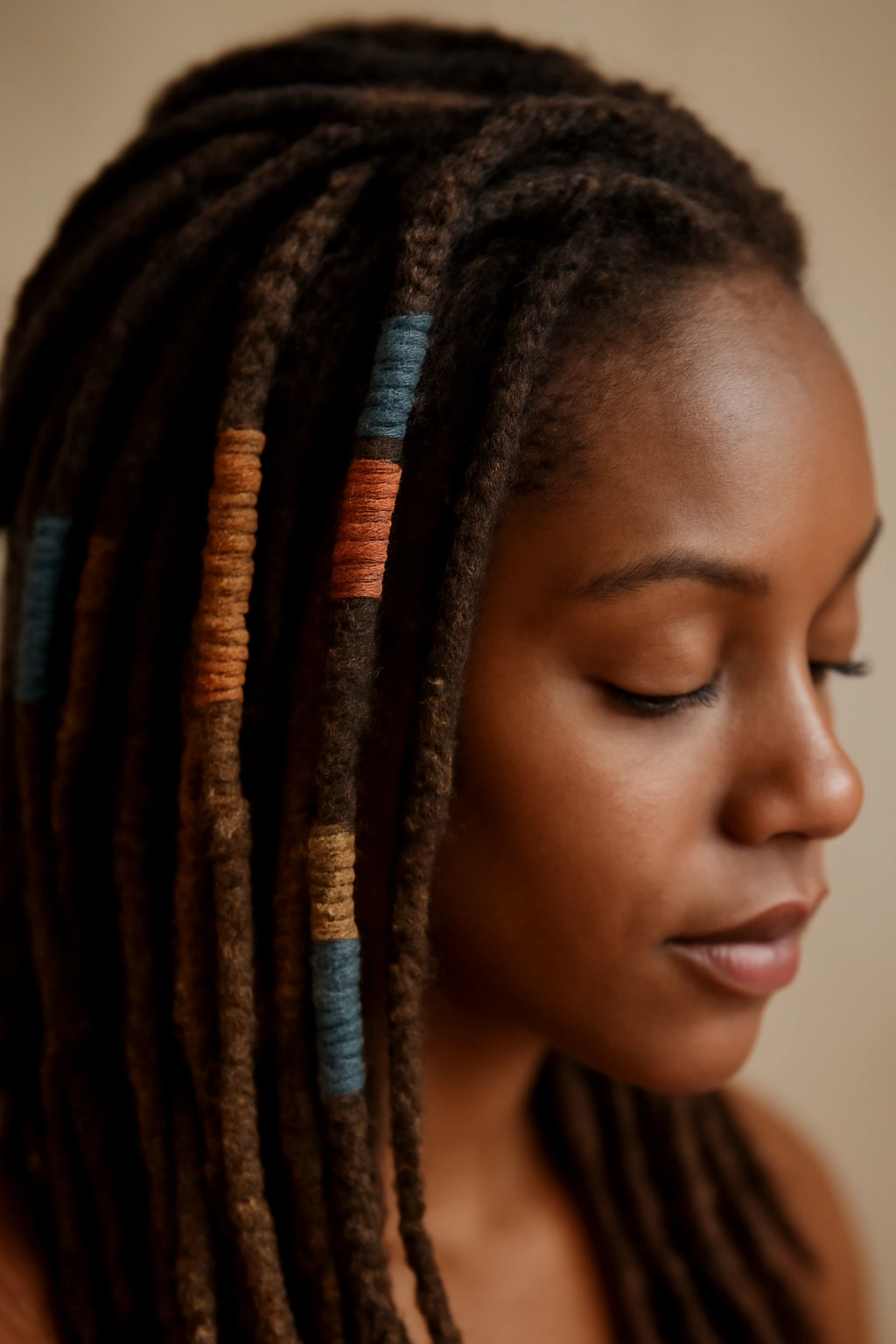
Colorful wraps—using string, yarn, or fabric to wrap around sections of your locs—add a pop of personality and visual interest. The key to making this work professionally is choosing colors that complement your clothing and skin tone rather than creating a rainbow explosion. A few locs wrapped in jewel tones or earth tones reads as artistic; many locs in bright neons reads as very casual.
Balancing Personality with Professionalism
Colorful wraps work in professional settings when they’re intentional and restrained. Wrapping 3-5 locs in a complementary color shows personality without compromising professionalism. The wraps themselves can be changed easily, so you can adjust for different occasions or outfits.
Wrapping Technique for Durability
- Choose yarn, string, or fabric wraps that complement your skin tone
- Start wrapping near the root of a loc, leaving about an inch free
- Wrap tightly and evenly, moving downward about 2-3 inches
- Tuck the end of the wrap underneath itself to secure it
- For longer-lasting wraps, seal the end with a small amount of fabric glue
- Space wrapped locs throughout your head rather than clustering them
Pro tip: Wraps are easiest to apply when your locs are slightly damp. The moisture makes them more pliable and easier to work with.
12. Triangular Locs Arrangement
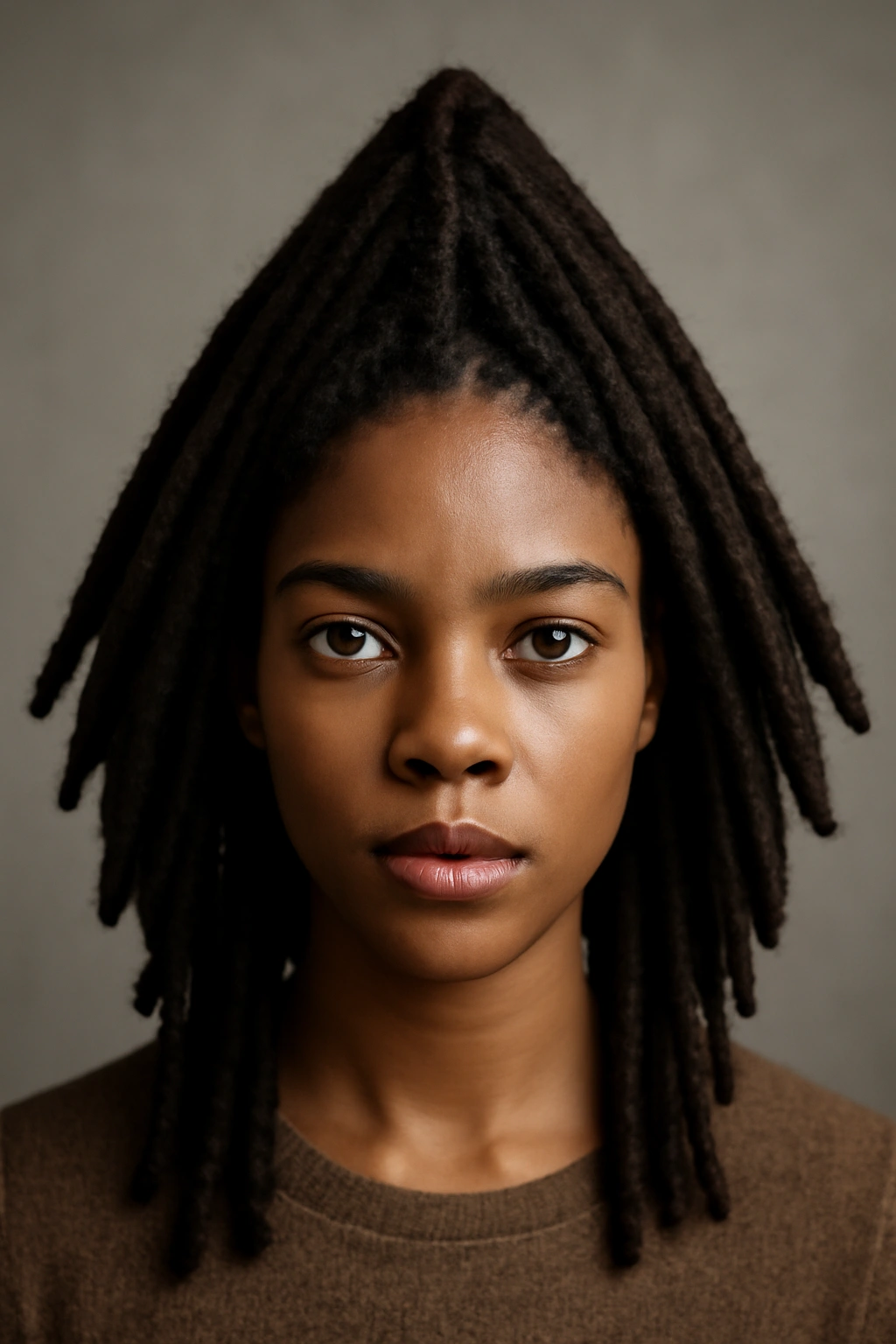
A triangular arrangement involves positioning your locs to create a triangle or triangular-inspired pattern when viewed from the front. This might mean using a center part with locs swept to create symmetrical sides, or arranging specific locs to create an intentional geometric shape. This style requires planning but creates a striking visual effect.
Visual Impact in Any Setting
A triangular arrangement reads as someone who understands styling and composition. It’s visually balanced and pleasing to the eye, which translates to “polished and intentional” in professional contexts. For personal wear, it’s undeniably artistic and interesting.
Creating Triangular Arrangement
- Start with a clean center part to divide your locs into two equal sections
- Smooth each section downward and outward, creating a triangular shape when viewed from above
- Secure the bottom point of the triangle with a low ponytail or bun
- Alternatively, use the natural shape of your locs to create a subtle triangle without securing
- For a more defined geometric effect, braid sections of locs to emphasize the triangular lines
Worth knowing: This style is actually flattering on most face shapes because the geometric arrangement creates visual balance and draws attention upward toward your face and eyes.
13. Front-Tucked Locs
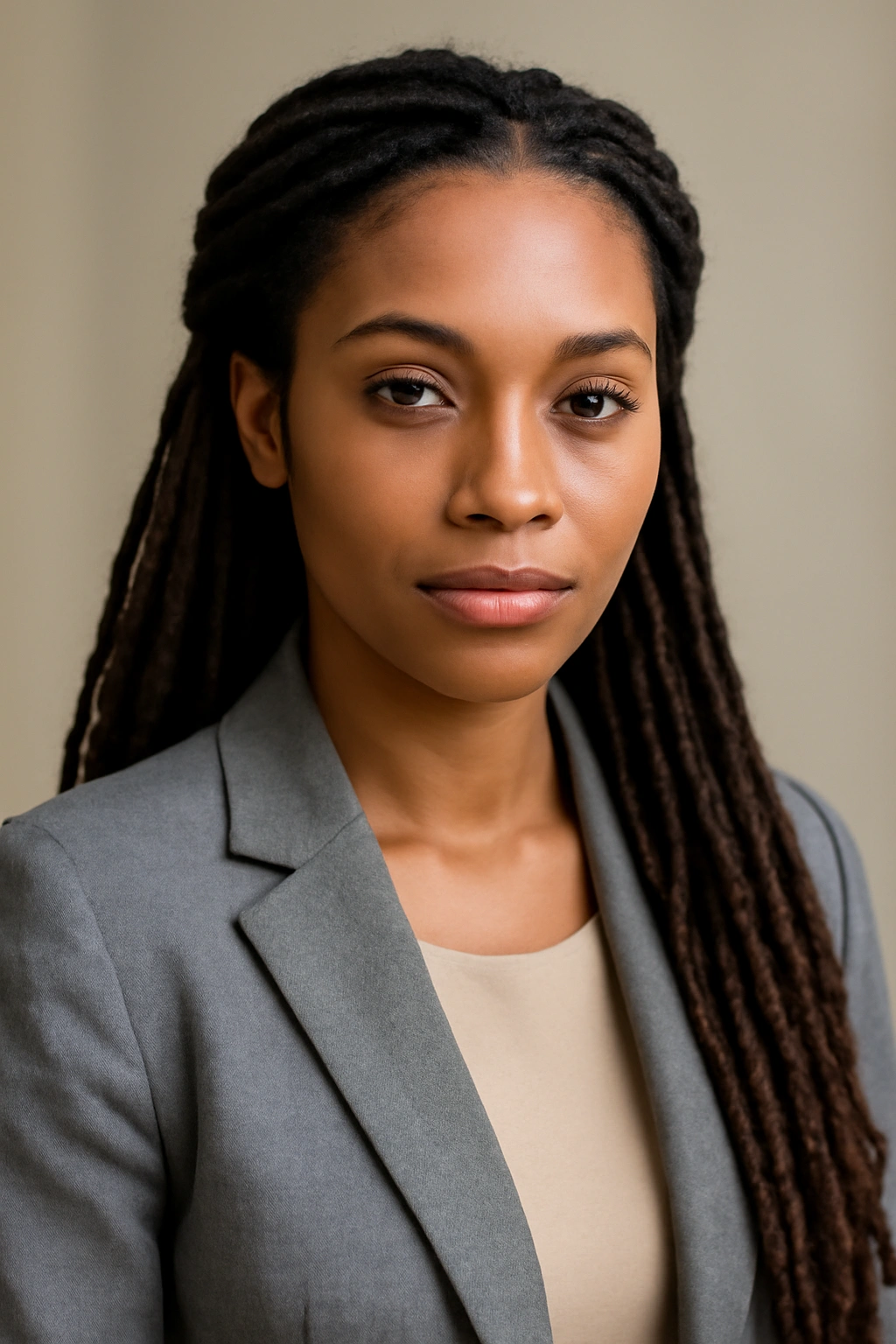
Front-tucking involves tucking the front portions of your locs behind your ears or to the sides, creating an open frame around your face while keeping the majority of your locs down your back. This style is incredibly practical for keeping hair out of your face during a workday while maintaining the length and drama of your locs down your back.
Practical Elegance
Front-tucked locs work in office settings because they keep hair off your face (essential for client meetings and video calls) while maintaining an intentional, styled appearance. For casual settings, this style feels effortless and laid-back. It’s genuinely one of the most practical styles that also looks completely intentional.
Securing Front Sections
- Identify which locs naturally fall forward around your face
- Tuck them behind your ears on both sides, creating a clean frame
- Use bobby pins tucked underneath to secure them if needed
- For extra hold, you can use a small clip that matches your locs to keep the tucked sections in place
- This style naturally reveals your face shape and features, which is flattering and professional
Pro tip: This style is particularly effective for Zoom calls and video meetings because it keeps everything off your shoulders and creates a clean, professional appearance on camera.
14. Locs with Beads
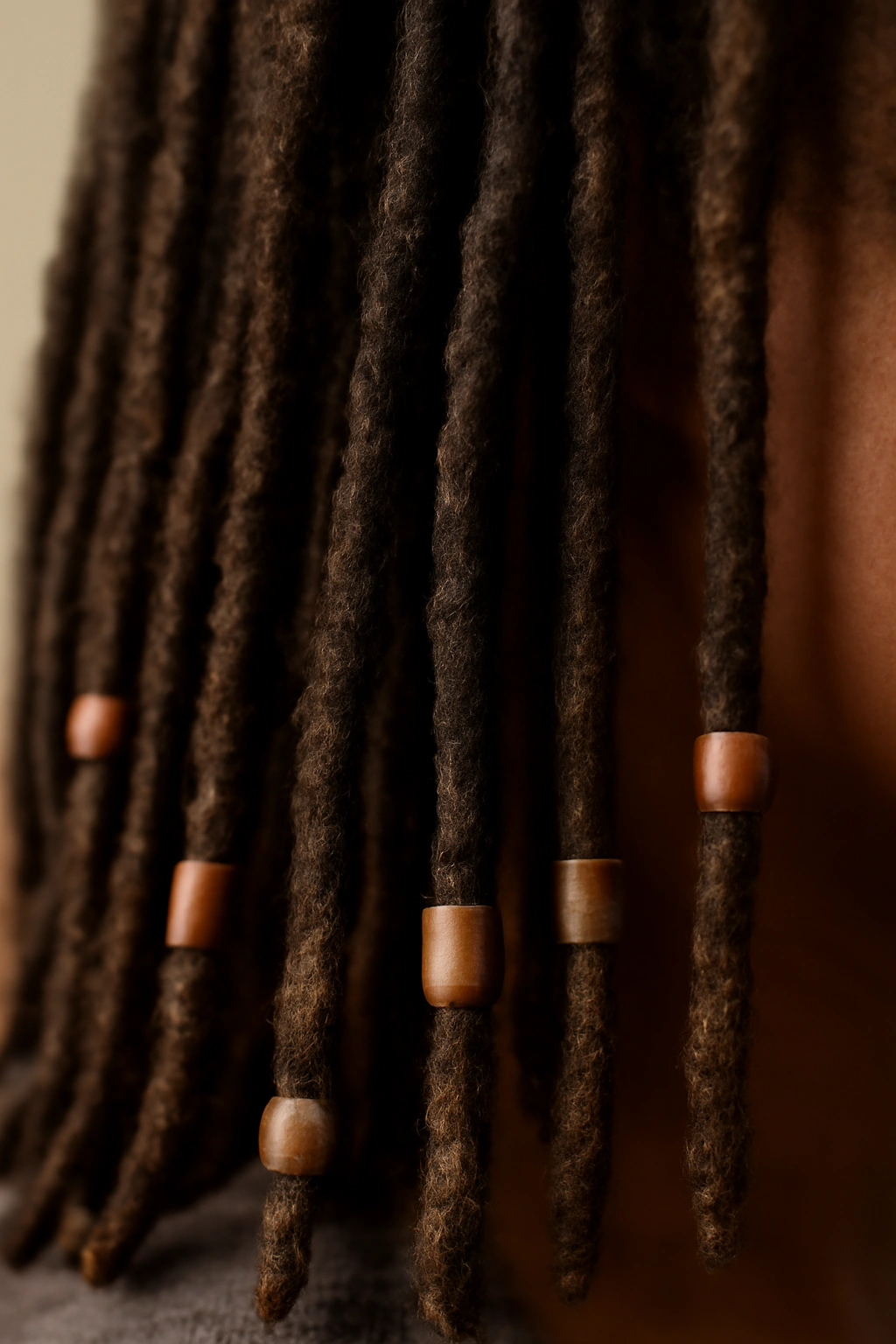
Beads—whether traditional wooden beads, metal cuffs, or decorative beads—add texture and visual interest to locs while serving a practical function. They’ve been used across many cultures for centuries, and they’re undeniably beautiful. The key to making this professional is choosing beads that are understated in color and size rather than oversized or flashy.
Cultural Roots and Contemporary Style
Beads have deep cultural significance and a rich history with locs, which means wearing them carries real meaning and authenticity. In professional settings, quality beads that are well-placed read as intentional and respectful styling. In casual settings, they read as artistic and authentic.
Bead Placement and Selection
- Choose beads that complement your skin tone and clothing style
- Place beads approximately 2-4 inches from the tips of selected locs
- Distribute beads throughout your locs rather than clustering them (try 5-10 beads total)
- Use beads with holes large enough to slide onto your locs without forcing them
- You can remove and replace beads easily, so you can adjust your look for different occasions
Worth knowing: Beads actually serve a protective function for the ends of your locs. They keep the tips bundled and protected from splitting and frizzing, making them both beautiful and functional.
15. Asymmetrical Side Locs
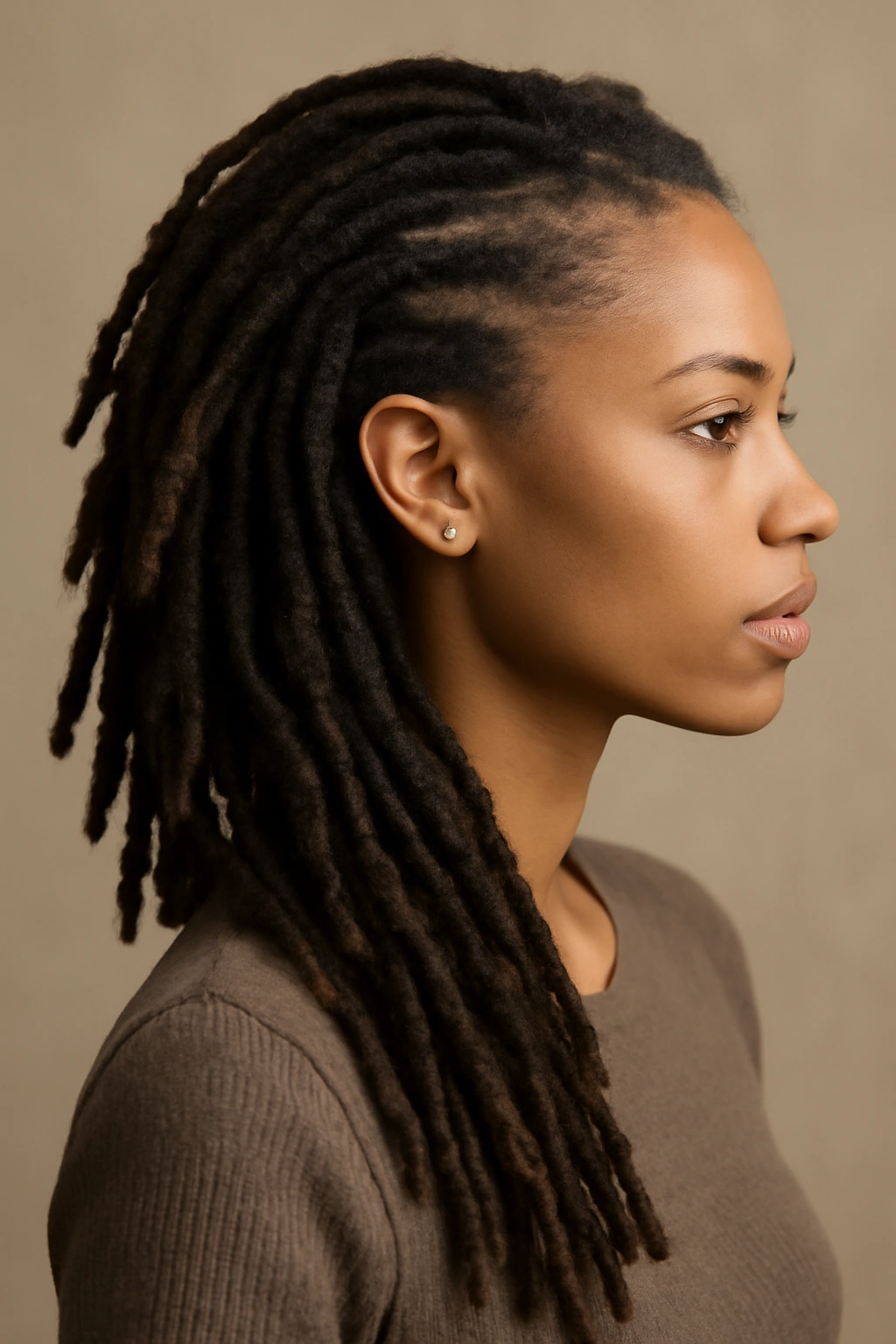
An asymmetrical arrangement involves styling your locs so that one side is fuller or more defined than the other, creating an off-balance but visually interesting silhouette. This might mean sweeping more locs to one side, styling one side in a braid while leaving the other side down, or creating more defined styling on one side than the other.
Fashion-Forward and Intentional
Asymmetrical styles read as fashion-forward and creative, which works surprisingly well in modern professional settings where personality is increasingly valued. For personal wear, it’s undeniably bold and interesting. This style signals someone who’s confident in their appearance choices.
Creating Intentional Asymmetry
- Choose whether you want more volume on the left or right side of your head
- Arrange your locs to emphasize that side (more styling, braids, or securing on one side)
- Keep the opposite side simpler or more relaxed by comparison
- You can use accessories like clips or wraps to emphasize the fuller side
- The contrast between the two sides creates visual interest and movement
Insider note: Asymmetrical styles actually flatter many face shapes because they create visual movement and depth rather than static symmetry. This is why asymmetry is so popular in contemporary fashion.
Final Thoughts
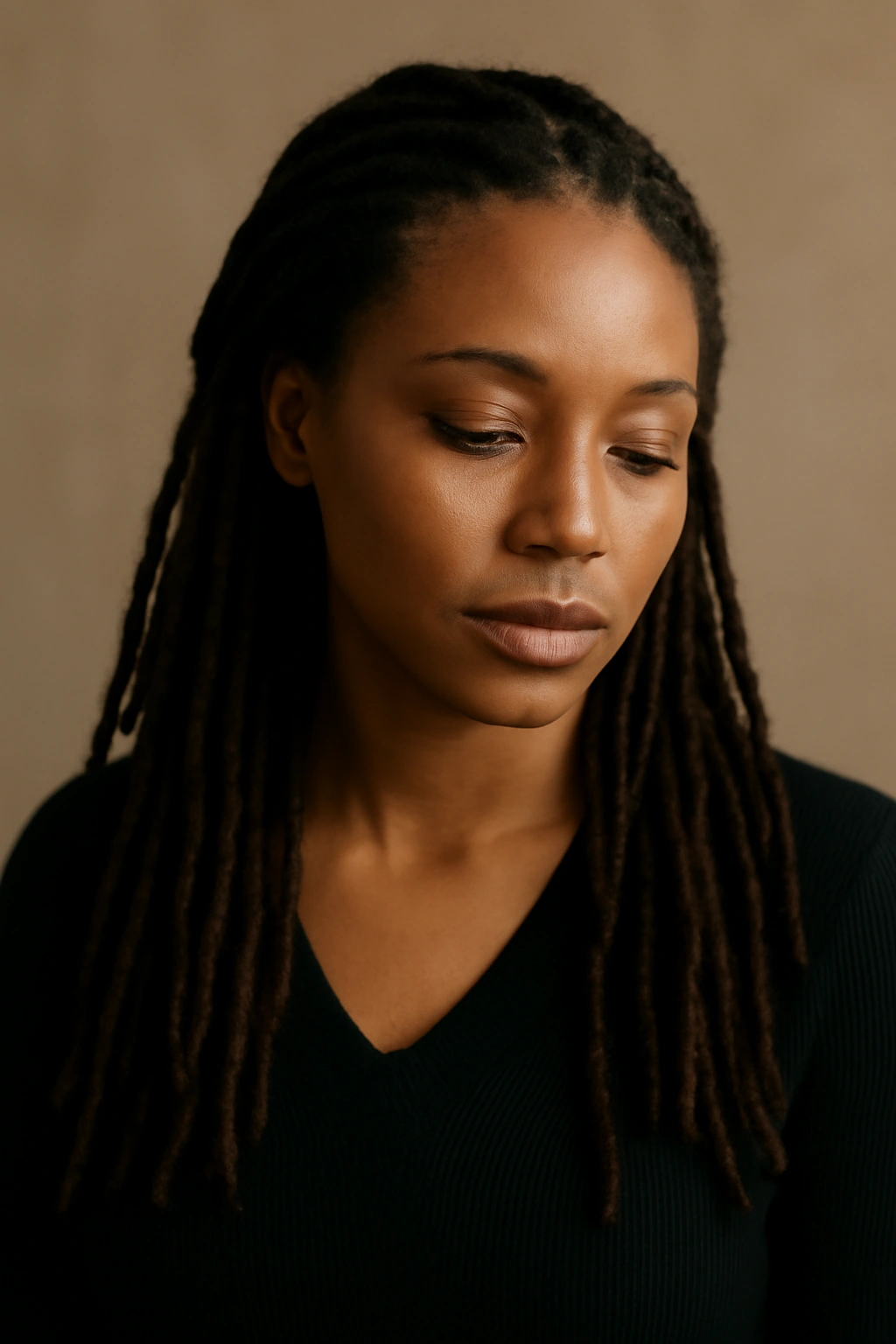
Your locs are incredibly versatile, and the styles you can create are genuinely limitless. The secret to making any loc style work in both professional and casual settings isn’t about changing your locs themselves—it’s about understanding how different arrangements, accessories, and styling techniques shift the overall energy and impression of your look.
The reality is that well-styled locs read as intentional and polished in any context. Whether you’re choosing a sleek, minimal arrangement for a client presentation or a more elaborate braided or beaded style for weekend plans, you’re making a deliberate choice about how you want to present yourself. That intentionality is what translates to professionalism and authenticity in equal measure.
Don’t feel locked into one style. Rotate through these arrangements depending on your mood, your plans, and your outfit. Try the twisted crown one week, the side-swept style the next. Experiment with cuffs and wraps. Braid sections and try geometric arrangements. Your locs are a canvas, and you’re the artist. The freedom to express different versions of yourself through your styling is one of the greatest gifts that locs offer—so take full advantage of it.
